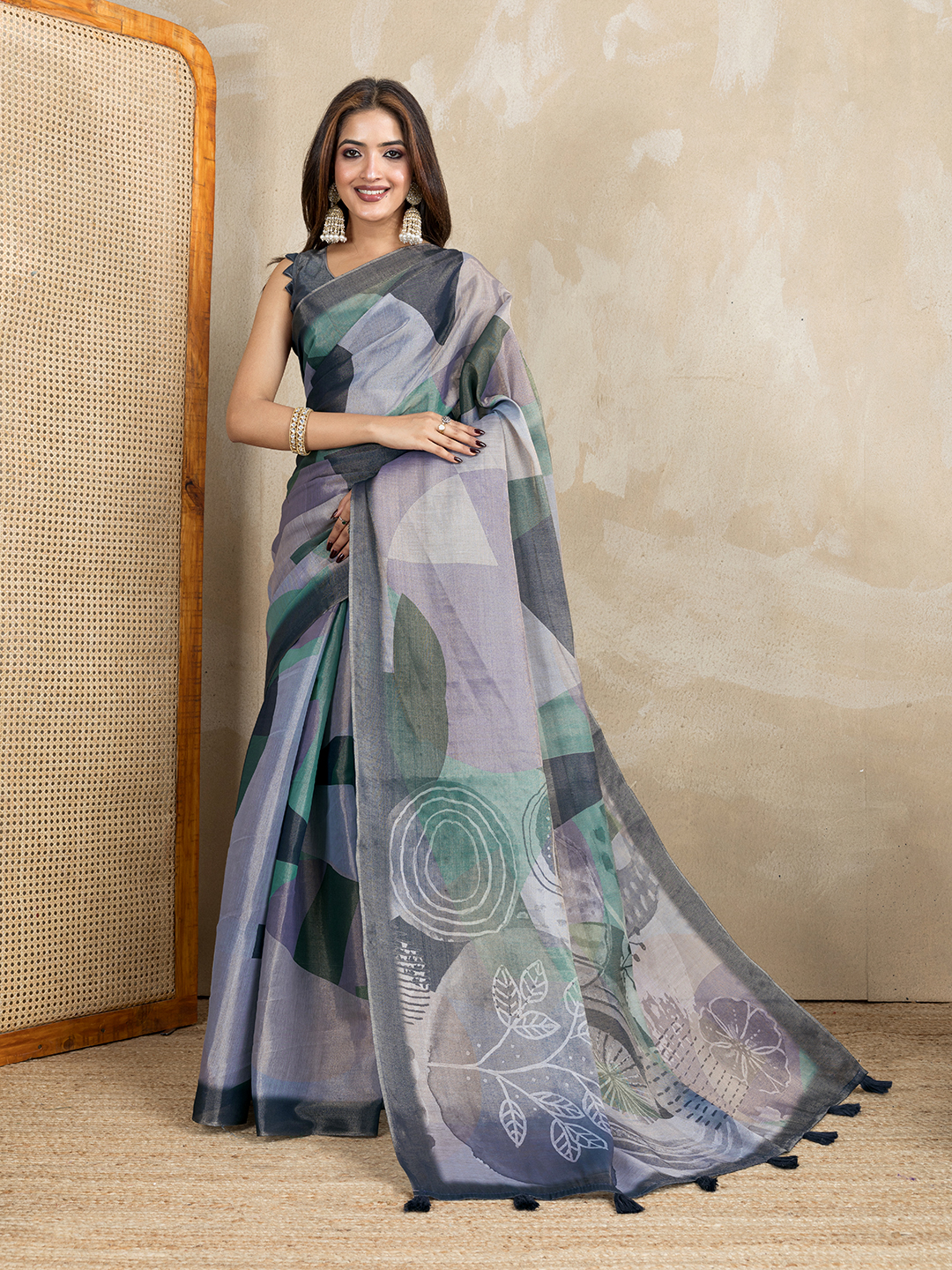
A readymade blouse can look custom-fitted when its proportions, support, fabric and finishing details suit the wearer and the saree. What makes a readymade blouse feel tailored instead of generic isn't simply embroidery or a fashionable neckline; it's the way several small decisions work together, from shoulder placement to hem length and sleeve balance.
That distinction matters because two blouses can carry the same size label and create completely different results. A blouse with a neat armhole, stable lining and correctly placed neckline can sit smoothly for six hours, while a more decorated blouse may pull, gape or create folds at the bust. The following checks make readymade shopping more precise, whether you're choosing silk for a wedding, cotton for daytime wear or a designer readymade blouse for a statement saree.
What Makes a Readymade Blouse Feel Tailored Instead of Generic?
A readymade blouse feels tailored when its shoulder, bust, armhole, waist, neckline and hem align with the wearer's proportions rather than relying on decoration to create polish.
Tailoring is usually associated with alterations, but a well-designed readymade blouse can achieve much of the same visual discipline through accurate pattern cutting. The shoulder seam should end near the natural shoulder edge, not halfway down the upper arm. The side seam should fall vertically without twisting towards the front or back. The lower edge should remain level when the wearer raises both arms slightly.
Proportion is especially important with sarees because the blouse is visible within a narrow frame between the drape and the pallu. A hem that's too long can make a high-waisted saree look heavy, while a very short hem can expose the midriff unpredictably when the pallu moves. A blouse that follows the body without clinging gives the saree a cleaner line.
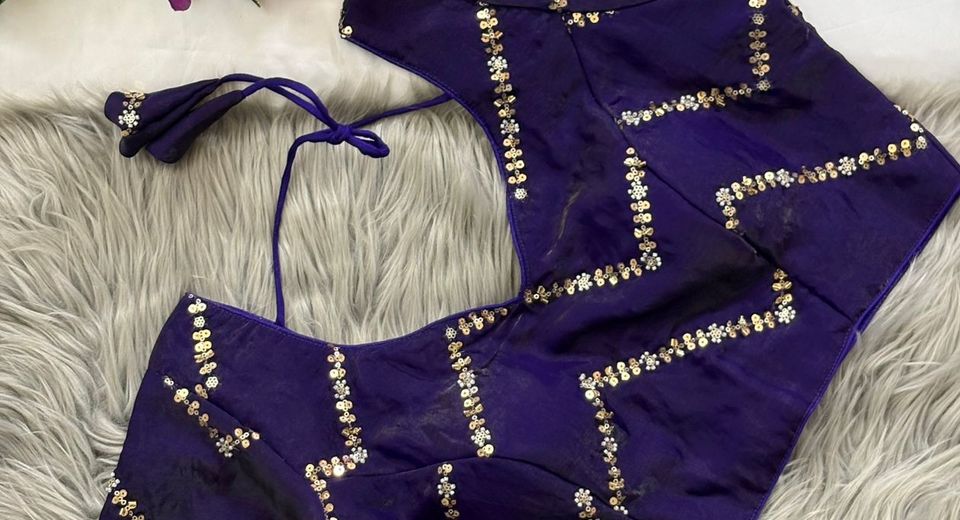
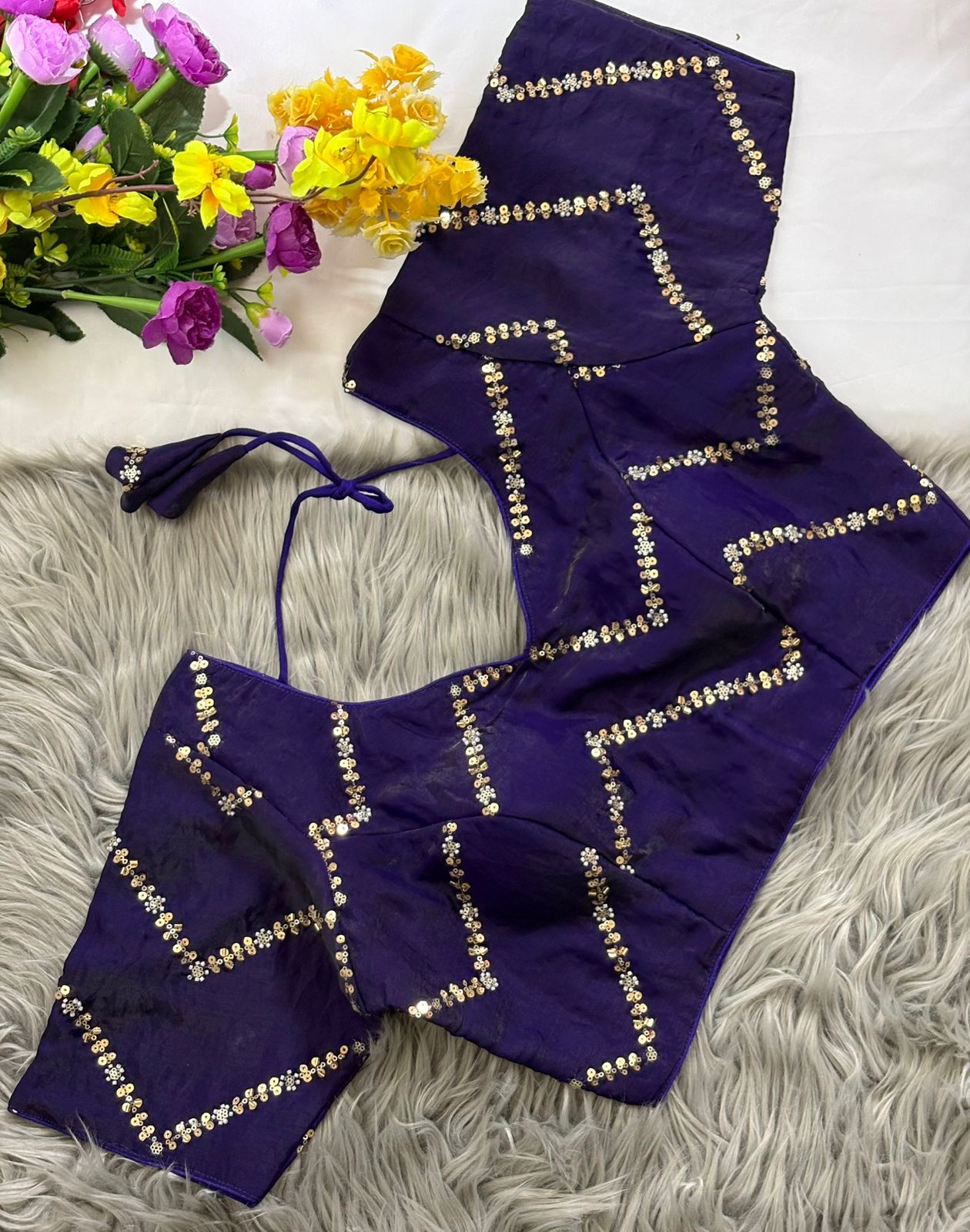
The Fendy Silk Zigzag Moti Work Readymade Blouse demonstrates why surface detail works best when the basic shape is controlled. Zigzag texture and moti work draw attention, but the effect remains refined only when the blouse sits evenly across the torso and the embellishment doesn't distort the neckline or armhole.
How Should the Fit of a Readymade Blouse Be Assessed?
The fit of a readymade blouse should be assessed at the shoulders first, then at the bust, armhole, waist and hem while the wearer moves naturally.
Check the shoulders and neckline
Shoulder placement is the first reliable fit test because a shoulder that's too wide makes the entire blouse look borrowed. A shoulder that's too narrow creates diagonal drag lines from the neck towards the arm. The neckline should lie flat against the chest without standing away at the upper edge or pressing into the throat.
A V-neck, boat neck and collar neckline each distribute visual width differently. A V-neck creates a vertical line and can balance a broad-looking upper body. A boat neck adds horizontal emphasis. A collar neckline gives a more structured appearance and often pairs well with crisp cotton sarees or contemporary drapes.
Check the bust, armhole and waist
A correct bust fit allows the wearer to breathe, sit and bring the arms forward without the front seams, hooks or padded cups shifting. A practical test is to place two fingers between the blouse and the body at the side seam; the blouse should have enough ease for movement without forming a large hollow.
The armhole should not cut into the underarm, and it should not gape when the arm is lowered. Deep armholes may appear comfortable while creating visible folds and reducing support. A stable armhole is particularly important in sleeveless styles such as the Ikkat Cotton Padded Blouse for Women Sleeveless and the Brown Ikat Cotton Padded Blouse Sleeveless Stylish.
Waist fit affects the finish of the saree pleats. A blouse that ends in a controlled line helps the pleats fall straight, while excess looseness around the waist can create bunching beneath the pallu. The Cream Ikat Cotton Padded Blouse Sleeveless Trendy shows how a simple sleeveless form can look intentional when the lower edge and torso fit are clean.
Why Do Fabric and Structure Change the Impression of a Blouse?
Fabric and structure change the impression of a blouse because different textiles hold shape, absorb moisture and reflect light in different ways.
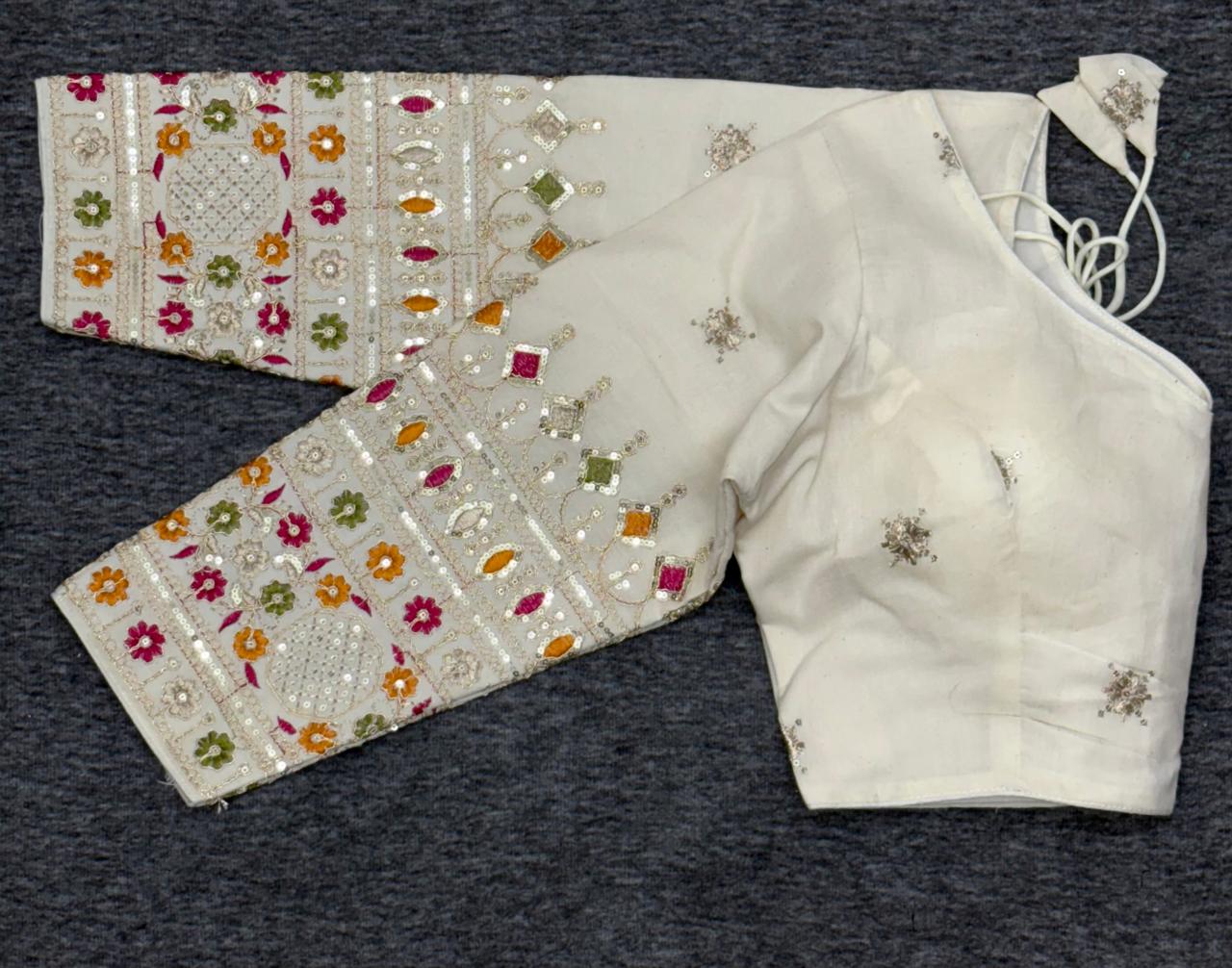
Silk creates a formal look through its surface sheen and fluid fall, but silk also reveals uneven seams and poor pressing quickly. A Banarasi silk blouse with zari can look richly finished when the zari placement is balanced and the lining prevents scratchiness. The Banarasi Silk Golden Jari Padded Blouse for Women suits a wedding or festive saree because the golden zari supplies visual weight without requiring a complicated drape.
Cotton behaves differently. Cotton Ikat has a graphic weave and a firm hand, so it can give a blouse a crisp outline even with minimal embellishment. Cotton also works well for daytime wear because it absorbs moisture more effectively than many synthetic blends. A padded cotton blouse can be useful when the wearer wants a smoother saree fall and more consistent coverage without adding a separate inner layer.
Kalamkari cotton introduces printed storytelling rather than metallic shine. The Pure Kalamkari Cotton Padded Blouse for Women can anchor a plain saree because its print provides contrast, while the Kalamkari Cotton V Neck Collar Blouse for Women offers a more defined neckline for a structured designer saree. Printed cotton needs careful scale matching: a large print may overwhelm a narrow border, while a small print can disappear against a heavily patterned saree.
Structure doesn't mean stiffness. Light padding, a stable lining, shaped darts or princess seams can create a smooth base while preserving comfort. A blouse that has structure only at the bust but collapses at the waist may still look generic, so support should continue through the side seam and lower edge.
Which Construction Details Make Readymade Blouses Look More Personal?
Construction details make readymade blouses look more personal when they improve alignment, comfort or proportion instead of adding decoration without purpose.
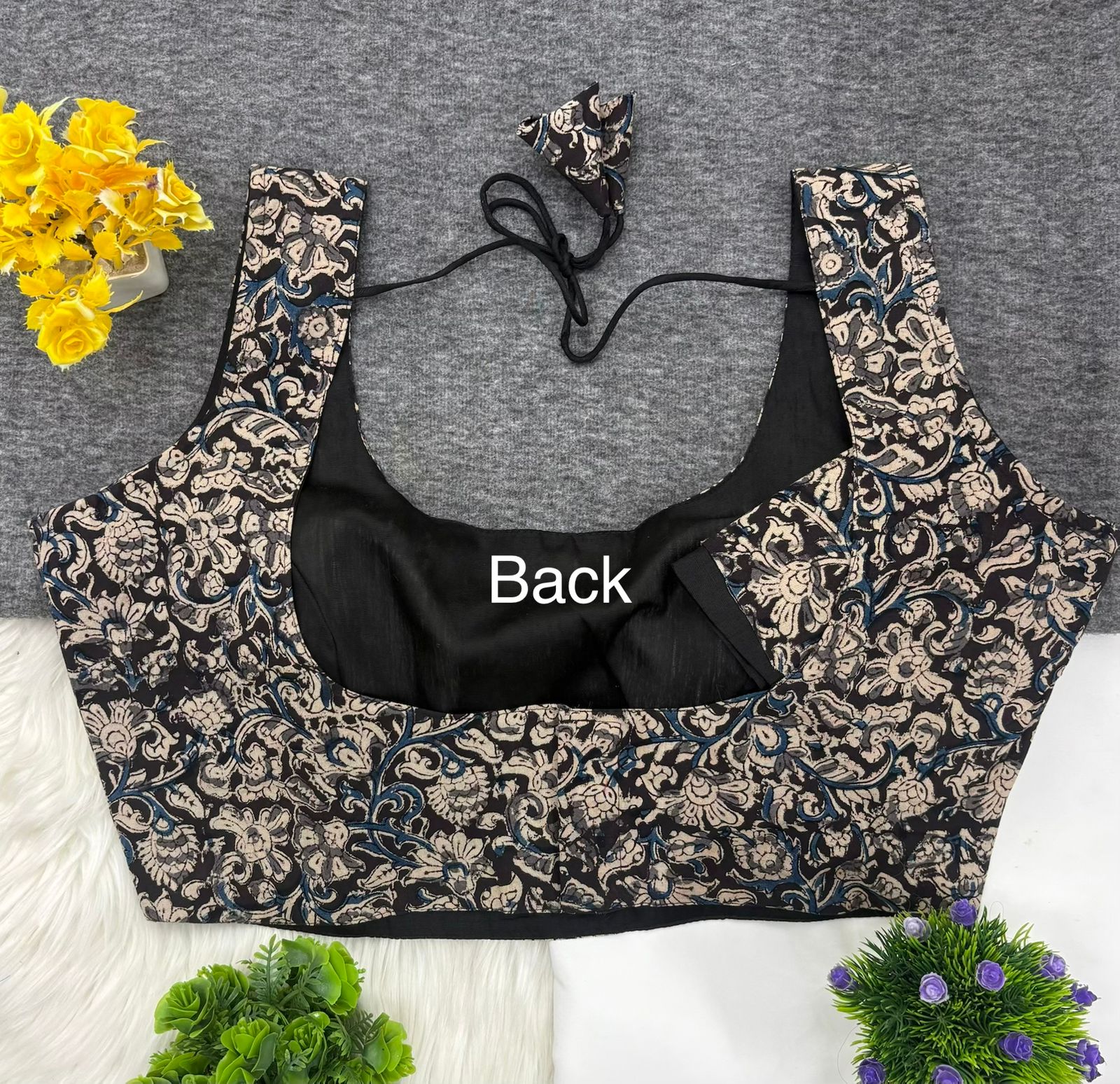
- Consistent seam allowance: Even side seams and shoulder seams prevent twisting and signal careful pattern making.
- Clean neckline finishing: A facing or lining that lies flat keeps the neck edge sharp during movement.
- Stable padding: Well-positioned padding should support the bust without creating an artificial ridge or shifting after wear.
- Secure closures: Hooks, eyes, zips and covered fastenings should stay flat and should not pull the fabric into diagonal wrinkles.
- Balanced sleeve openings: Sleeveless armholes need enough coverage for comfort, while short sleeves should not flare away from the arm.
- Controlled hem: A straight or shaped lower edge should remain smooth beneath the saree rather than rolling upwards.
The Classic Festive Wear Blouse for Stylish Saree Look illustrates the value of a versatile base. A blouse intended for repeated festive use benefits from a neckline, sleeve proportion and finish that can support multiple sarees instead of being tied to one heavily coordinated outfit.
Small design decisions also influence whether a blouse photographs well. A neckline that's slightly too wide may look acceptable in a mirror but appear uneven when the pallu is pinned. A glossy fabric can reflect strongly under flash, making seam ripples more visible. Matte cotton and controlled embellishment often produce a more even image in daylight.
How Should a Readymade Blouse Be Matched with a Saree?
A readymade blouse should be matched with a saree by balancing colour, visual weight, texture and neckline rather than copying one colour from the saree.
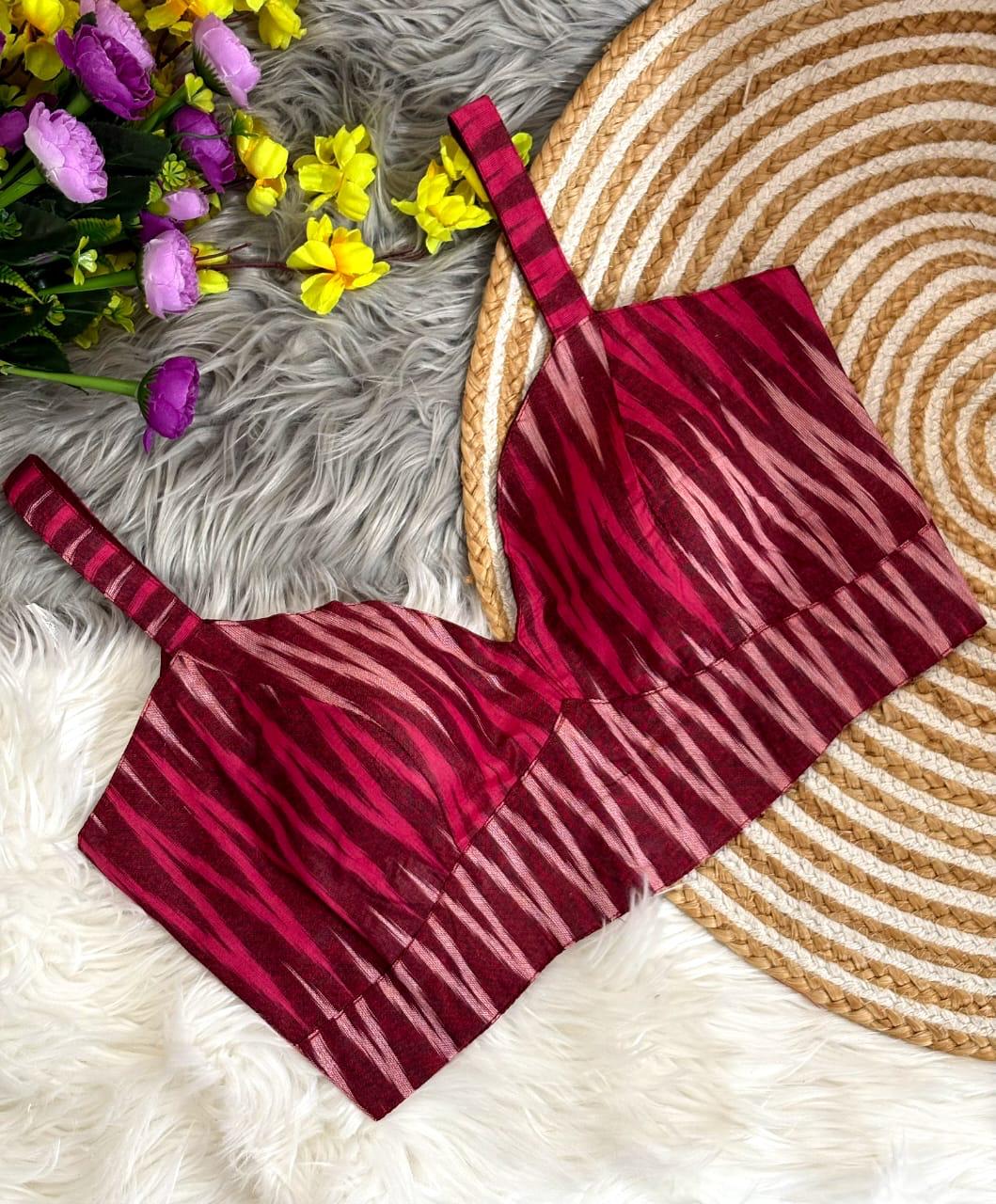
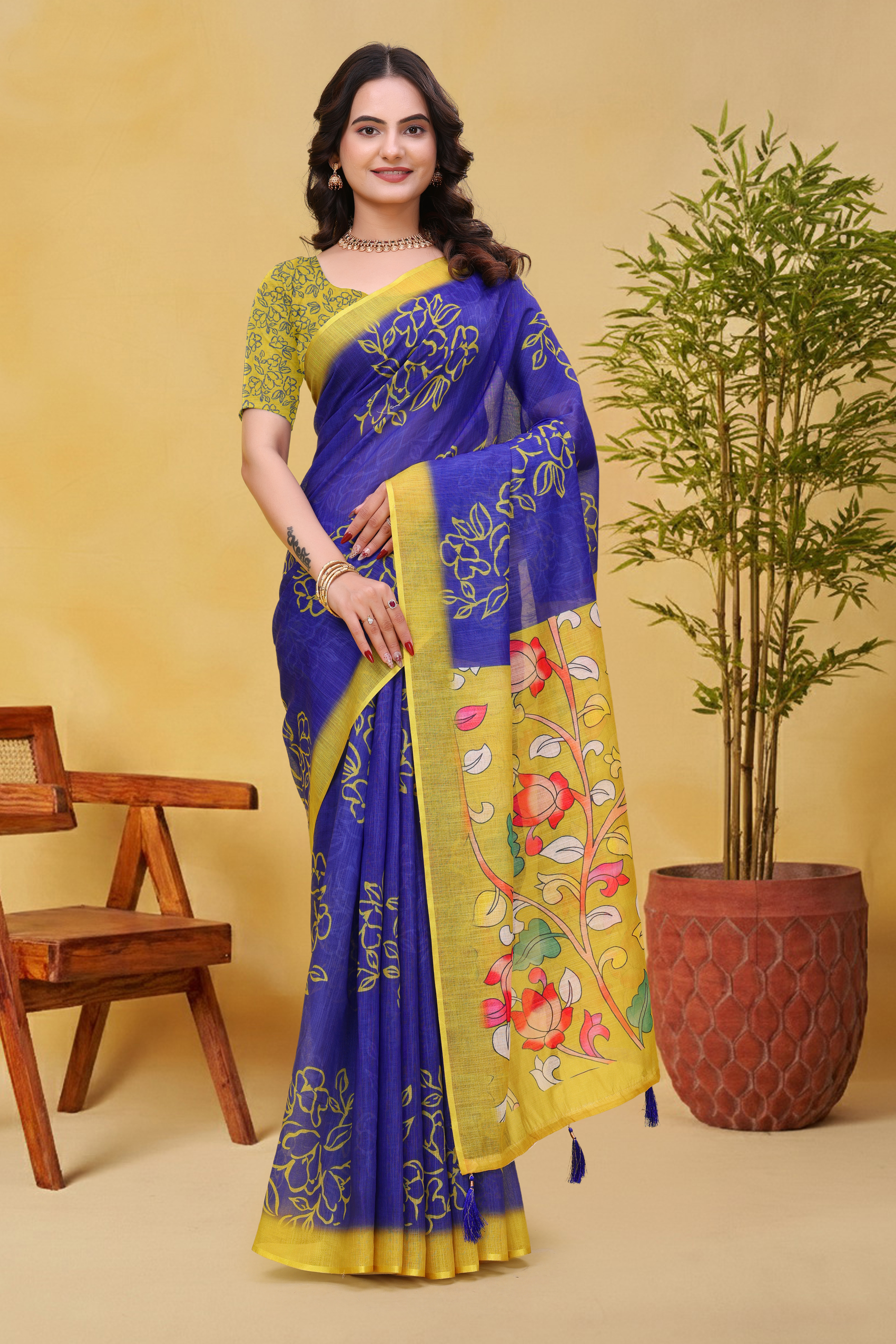
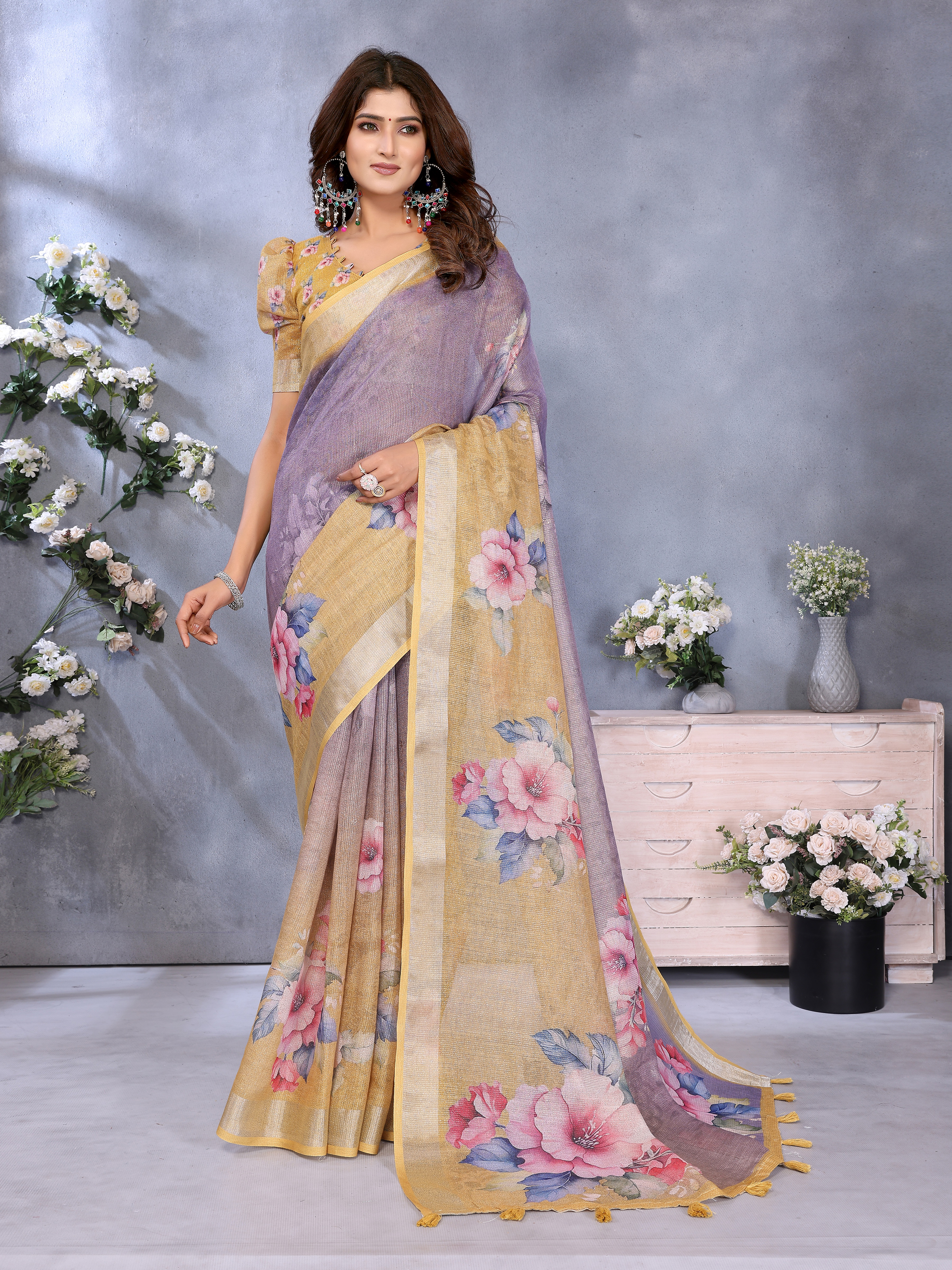
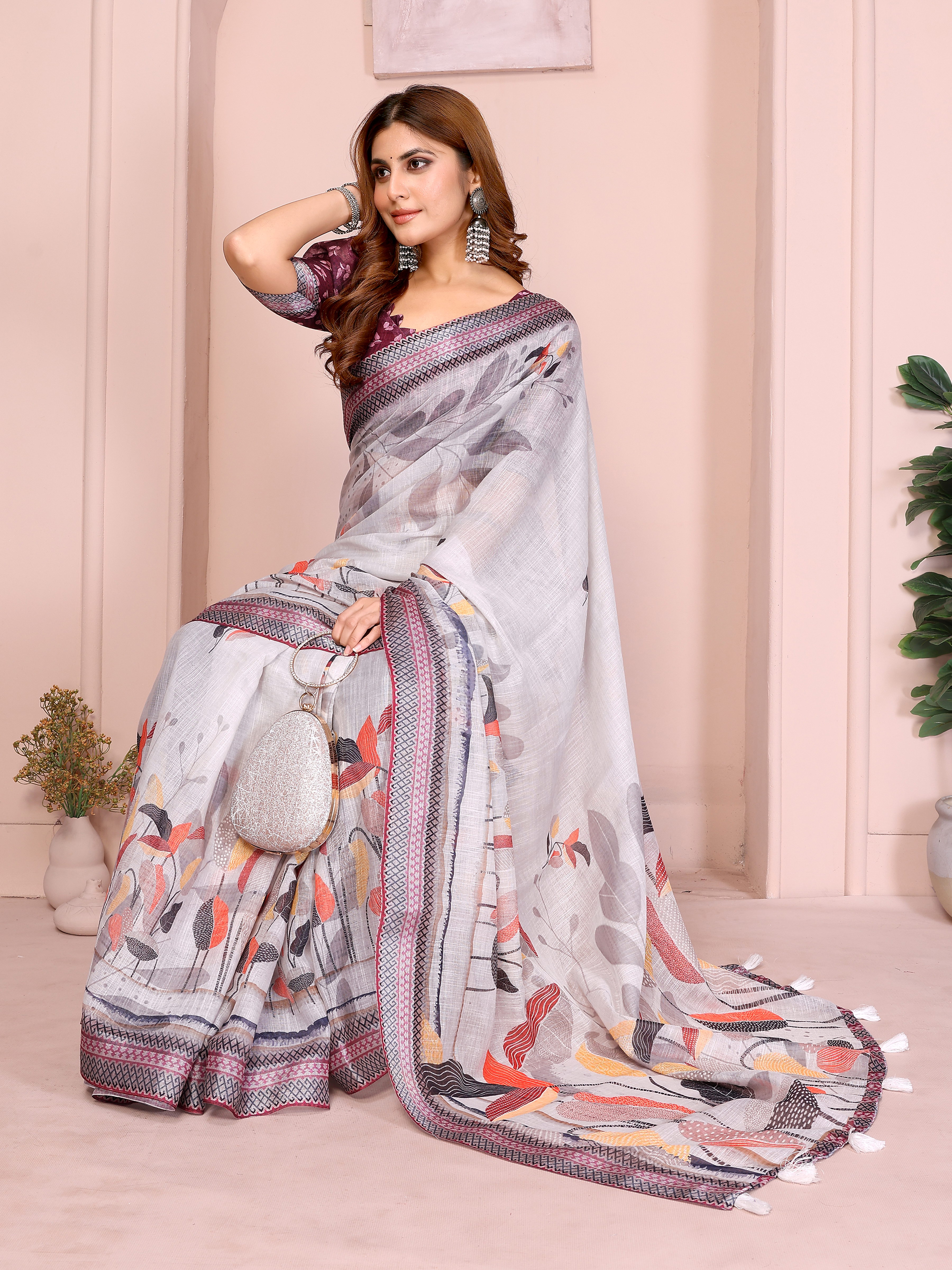
A plain blouse can calm a busy saree, while a textured or embellished blouse can give a simple saree a focal point. Banarasi silk and zari generally suit festive silk sarees, brocade borders and wedding drapes. Cotton Ikat works naturally with handloom cotton, linen blends and solid sarees that allow the geometric weave to remain visible.
Texture matching is as important as colour matching. A glossy silk blouse beside a matte cotton saree creates deliberate contrast, but the contrast looks more coherent when one element repeats a border colour. Kalamkari cotton can be paired with a saree in one of the print's secondary shades rather than with an exact head-to-toe print match.
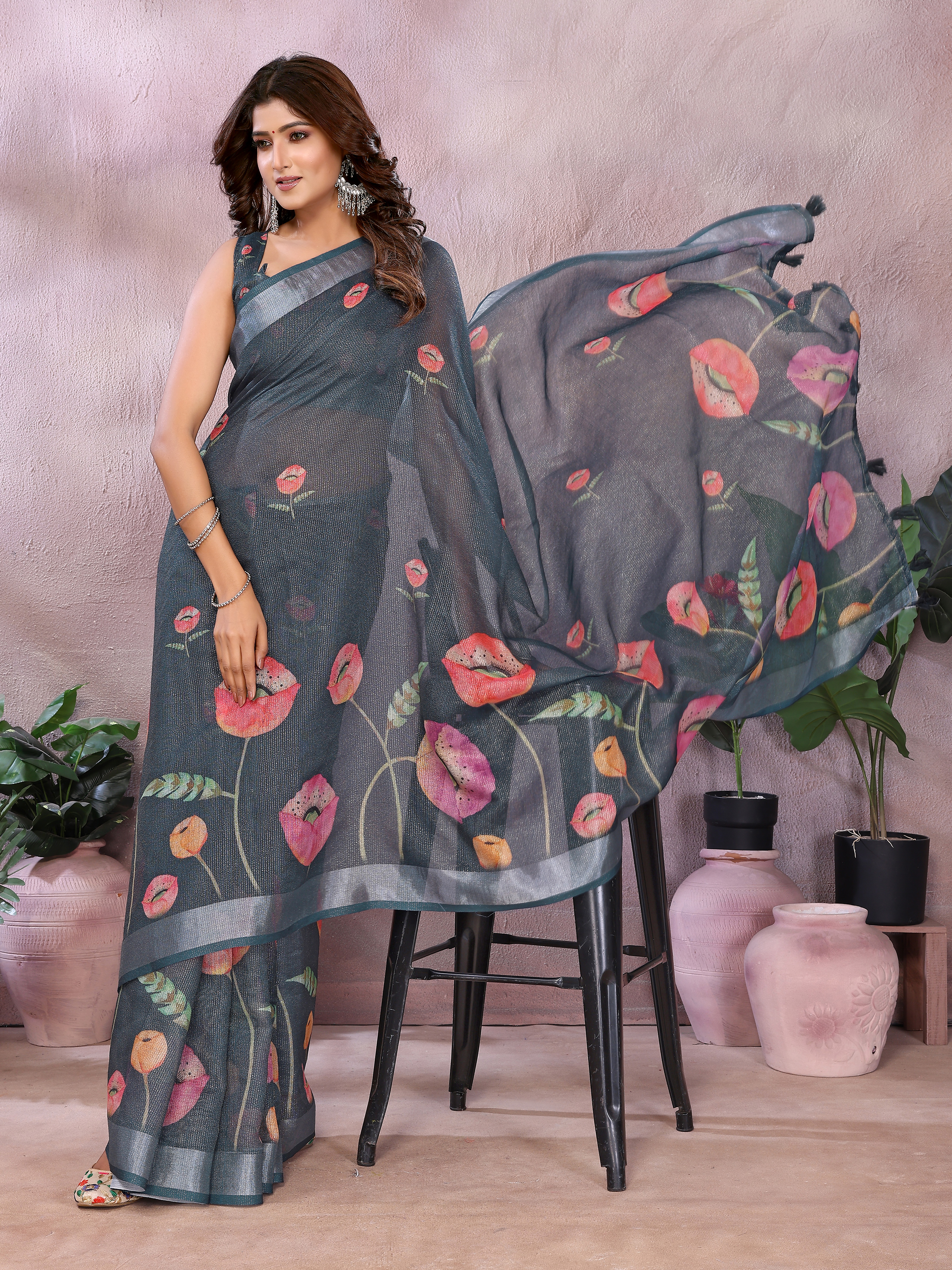
Neckline and drape also interact. A high or collar neckline looks composed with a narrow, neatly pinned pallu. A V-neck can open up a layered necklace and a more relaxed pallu arrangement. Sleeveless blouses work well with modern pleats, pre-draped styles and lightweight sarees, provided the armhole remains secure.
A designer saree doesn't always require a heavily designed blouse. A controlled cotton blouse may provide useful contrast against a heavily woven saree, while a zari blouse can match the saree's formality without repeating every motif. The most convincing pairings usually share one deliberate connection: a border shade, a metallic tone, a weave family or a similar degree of visual richness.
What Should Be Checked Before Buying a Readymade Blouse?
Before buying a readymade blouse, compare the garment's measurement chart with a recently worn blouse and check the construction points that can't be corrected easily.
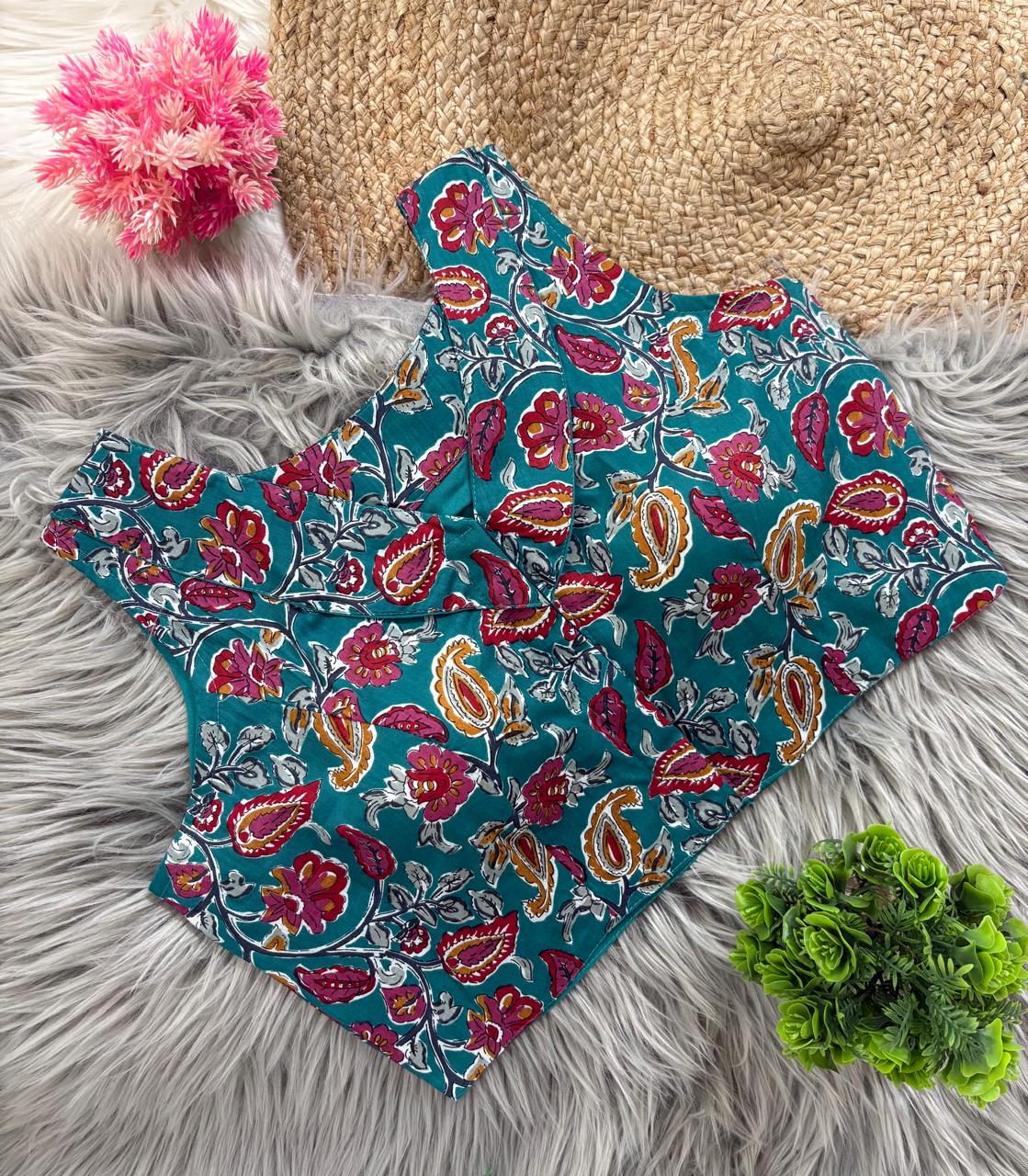
- Measure a well-fitting blouse: Record shoulder width, bust width, armhole depth, waist width and front length on a flat garment. Do not rely on a small, medium or large label alone.
- Separate body measurements from garment measurements: A garment measurement includes wearing ease, while a body measurement records the body itself. Confusing the two can lead to a blouse that's either restrictive or excessively loose.
- Check the front length: Compare the blouse length with the height at which the saree will be draped. A front length of 13 to 15 inches may suit some high-waisted drapes, but the correct choice depends on torso length and personal coverage preference.
- Inspect the armhole: Look for smooth binding and sufficient underarm coverage. A neat armhole is more important than a dramatic back design if the blouse will be worn for several hours.
- Consider the fabric season: Cotton is practical for humid daytime events, while silk and zari are better suited to cooler indoor celebrations or shorter periods of wear unless the lining is breathable.
- Test movement: Raise both arms, sit down, reach forward and rotate the shoulders. A blouse that remains stable during these movements is more likely to feel tailored in real use.
Alterations can correct a side seam, hem or hook position, but major changes to the shoulder, armhole or neckline may alter the garment's balance. Selecting the closest base size is therefore more reliable than choosing a size that fits only at the bust or waist.
How Can a Readymade Blouse Stay Polished After Repeated Wear?
A readymade blouse stays polished when it's cleaned, stored and pressed according to its fabric and construction.
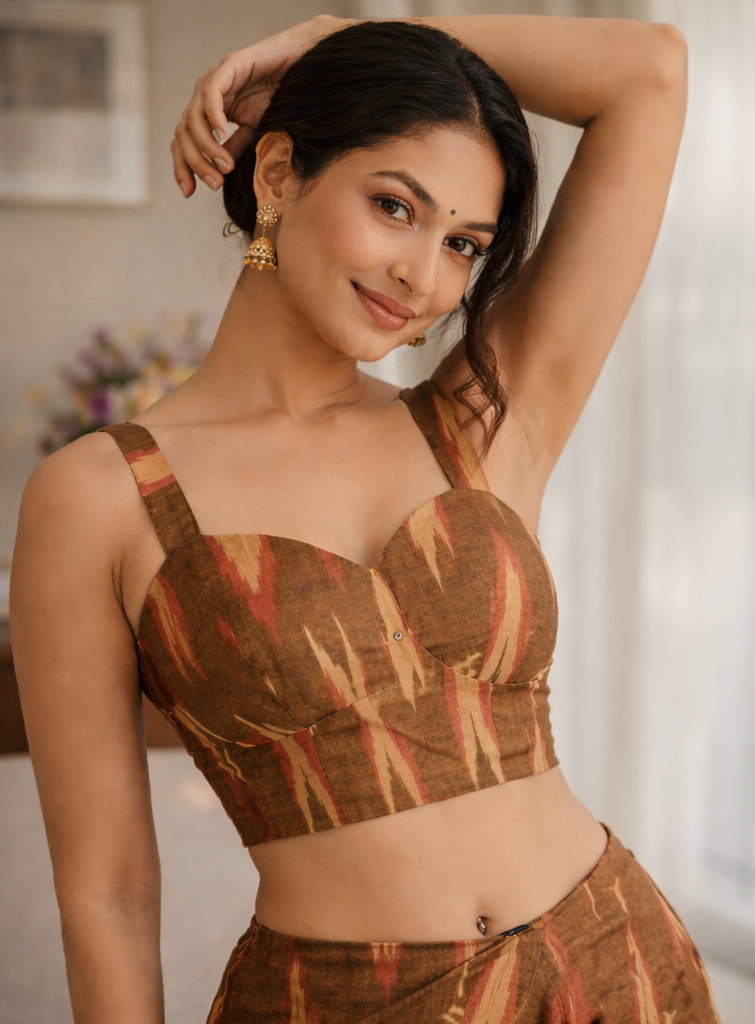
Silk and zari blouses should generally be kept away from direct sunlight and stored folded in a breathable cotton cover. Avoid hanging heavily embellished blouses for long periods because the weight can pull the shoulders out of shape. Refolding the garment along different lines every few weeks can reduce permanent creases.
Cotton blouses can usually be aired after wear and washed according to the care label, but strong wringing can distort padded cups and armhole binding. Press cotton on the recommended heat setting from the reverse side when possible. Kalamkari cotton should not be left damp in a closed wardrobe because moisture can encourage colour transfer and mildew.
Use a thin cotton layer between an iron and zari, embroidery or printed surfaces. High heat applied directly to metallic work can flatten texture, while excessive steam can leave water marks on some silk finishes. Proper care protects the fit because stretched seams and misshapen padding can make a previously polished blouse look generic.
The result is a more useful way to judge readymade blouses. A strong blouse doesn't merely display a fashionable detail; it supports the saree, allows natural movement and preserves its shape after repeated wear. That combination of accurate proportion, suitable fabric and dependable construction is what gives a ready-to-wear garment the visual confidence of something made especially for you.
Common Questions About Choosing a Tailored-Looking Readymade Blouse
Can a readymade blouse look as good as a tailored blouse?
Yes, a readymade blouse can look as polished as a tailored blouse when the shoulder, bust, armhole, neckline and hem are proportioned correctly.
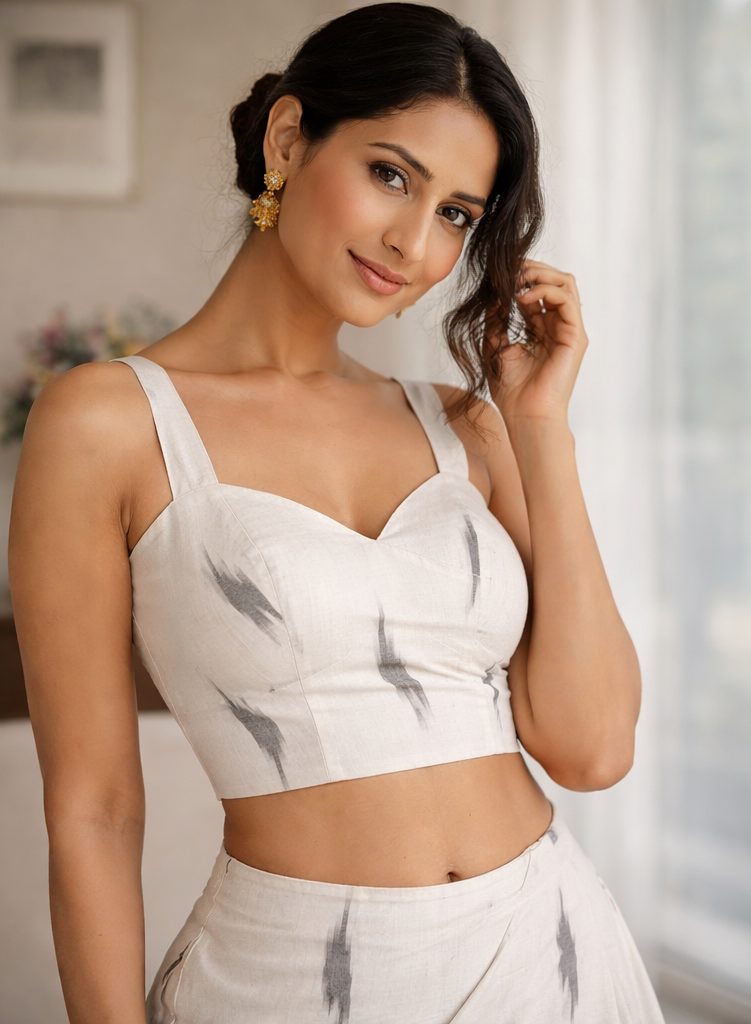
Choose by garment measurements rather than the size label, and test the blouse while sitting and moving. Minor alterations may improve the result, but the starting pattern must already be close to your body shape.
Are padded readymade blouses comfortable for long events?
Padded readymade blouses can be comfortable for long events when the padding is correctly positioned, the lining is breathable and the armhole doesn't restrict movement.
Check whether the cups remain stable when you bend or raise your arms. Cotton padding and a soft lining may feel more comfortable in warm weather than a heavily structured synthetic interior.
Which fabric is better for a readymade blouse, silk or cotton?
Silk is better for formal weddings and festive styling, while cotton is generally more practical for daytime events, humid weather and repeated wear.
Banarasi silk, zari and moti work create a dressier appearance. Cotton Ikat and Kalamkari cotton provide texture, print and breathability with a more relaxed finish.
How do I match a readymade blouse with a designer saree?
Match a readymade blouse with a designer saree by balancing visual weight, texture and one shared colour or metallic detail.
A heavily embellished saree can benefit from a controlled blouse, while a plain saree can support a printed, zari or textured blouse. Exact colour matching isn't necessary when the undertones and level of richness are compatible.
What is the most important measurement for a readymade blouse?
Shoulder width is the most revealing first measurement because a badly placed shoulder can make the entire blouse look ill-fitting.
Bust, armhole depth, waist and front length are also essential for comfort and saree proportion. Compare all five measurements with a blouse that already fits well instead of selecting by bust measurement alone.
Common Questions About Choosing a Tailored-Looking Readymade Blouse
Can a readymade blouse look as good as a tailored blouse?
Yes, a readymade blouse can look as polished as a tailored blouse when the shoulder, bust, armhole, neckline and hem are proportioned correctly. Choose by garment measurements rather than the size label, and test the blouse while sitting and moving.
Are padded readymade blouses comfortable for long events?
Padded readymade blouses can be comfortable for long events when the padding is correctly positioned, the lining is breathable and the armhole does not restrict movement. Check whether the cups remain stable when you bend or raise your arms.
Which fabric is better for a readymade blouse, silk or cotton?
Silk is better for formal weddings and festive styling, while cotton is generally more practical for daytime events, humid weather and repeated wear. Banarasi silk and zari create a dressier appearance, while Cotton Ikat and Kalamkari cotton offer texture and breathability.
How do I match a readymade blouse with a designer saree?
Match a readymade blouse with a designer saree by balancing visual weight, texture and one shared colour or metallic detail. Exact colour matching is not necessary when the undertones and level of richness are compatible.
What is the most important measurement for a readymade blouse?
Shoulder width is the most revealing first measurement because a badly placed shoulder can make the entire blouse look ill-fitting. Bust, armhole depth, waist and front length are also essential for comfort and saree proportion.