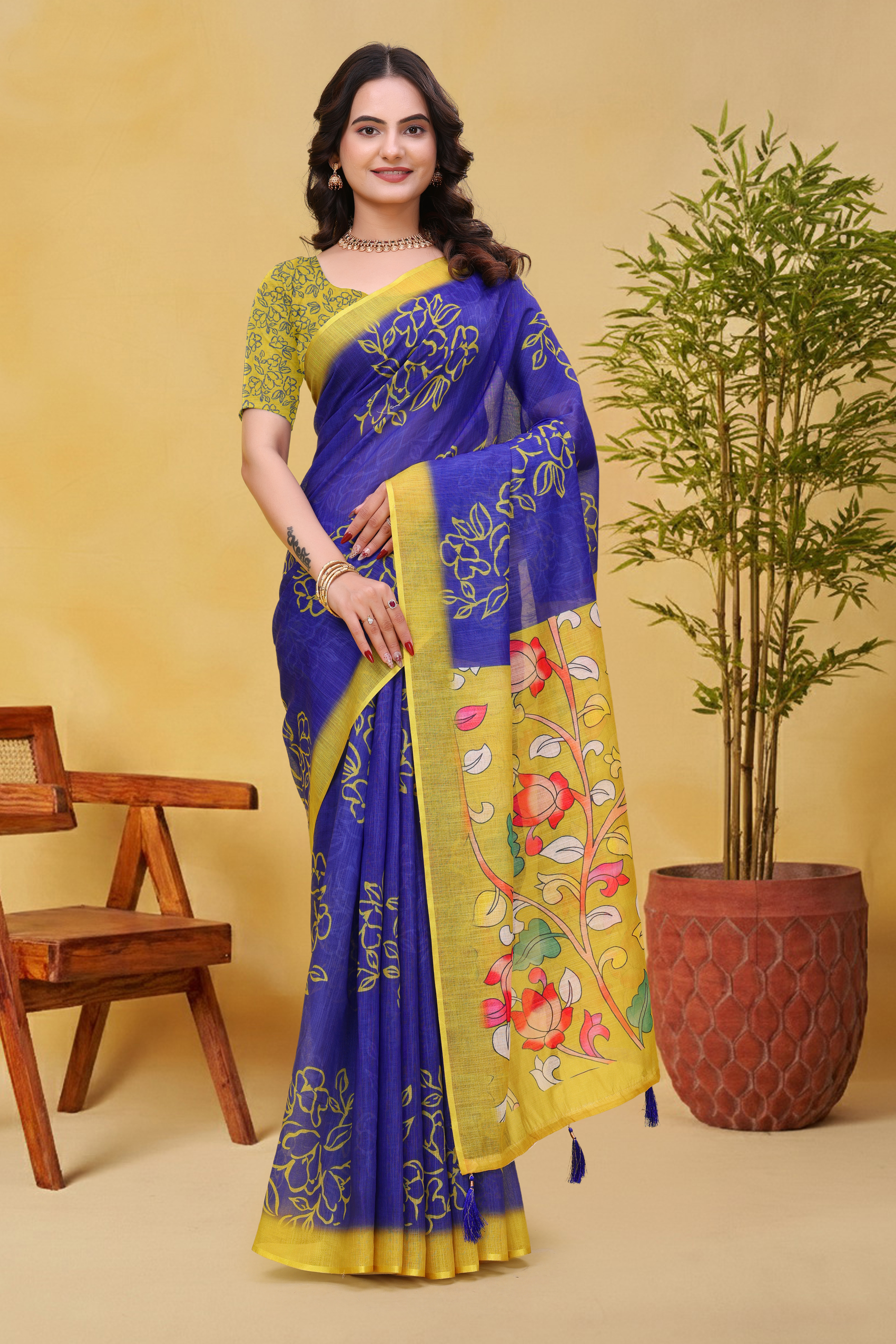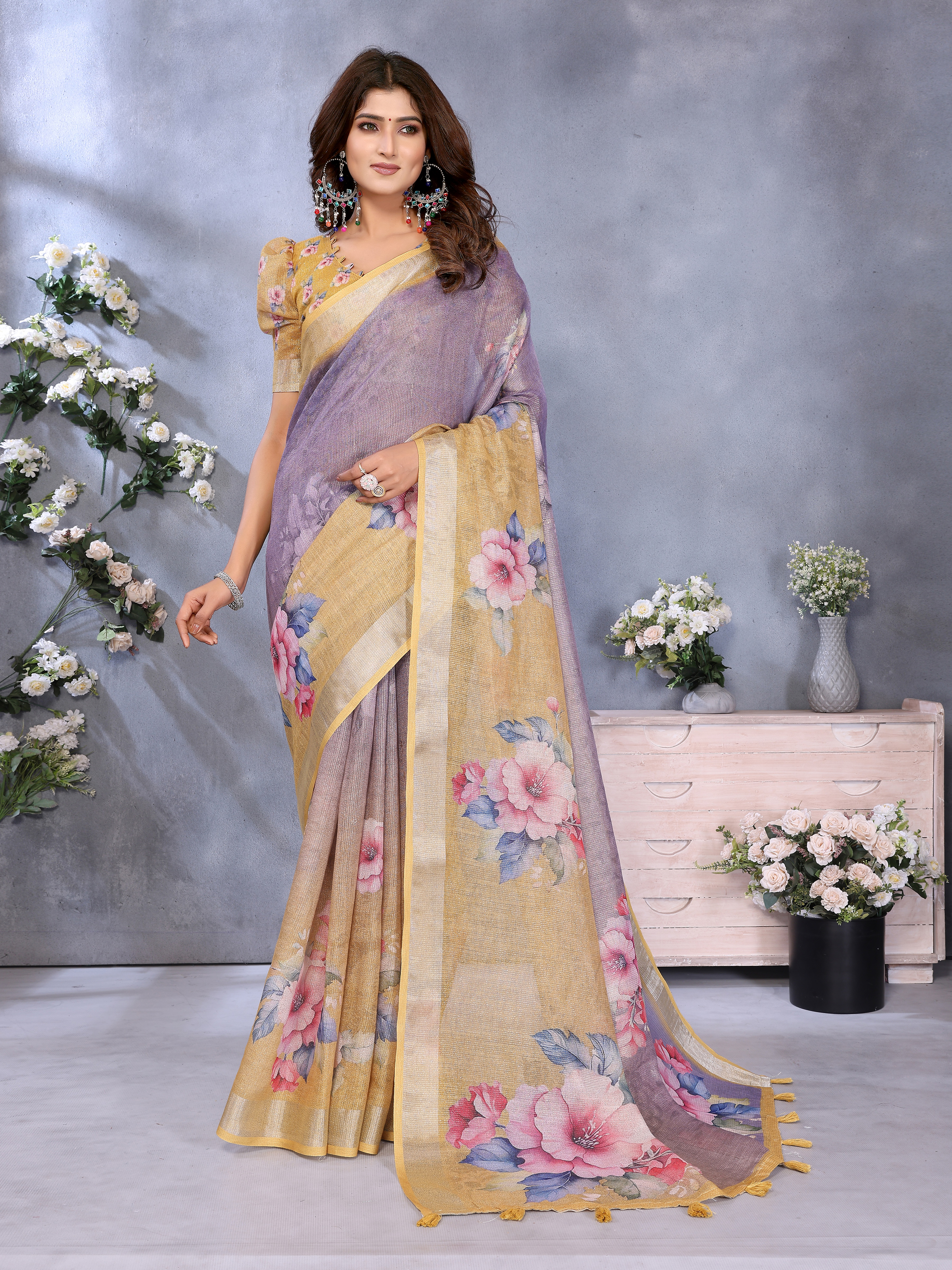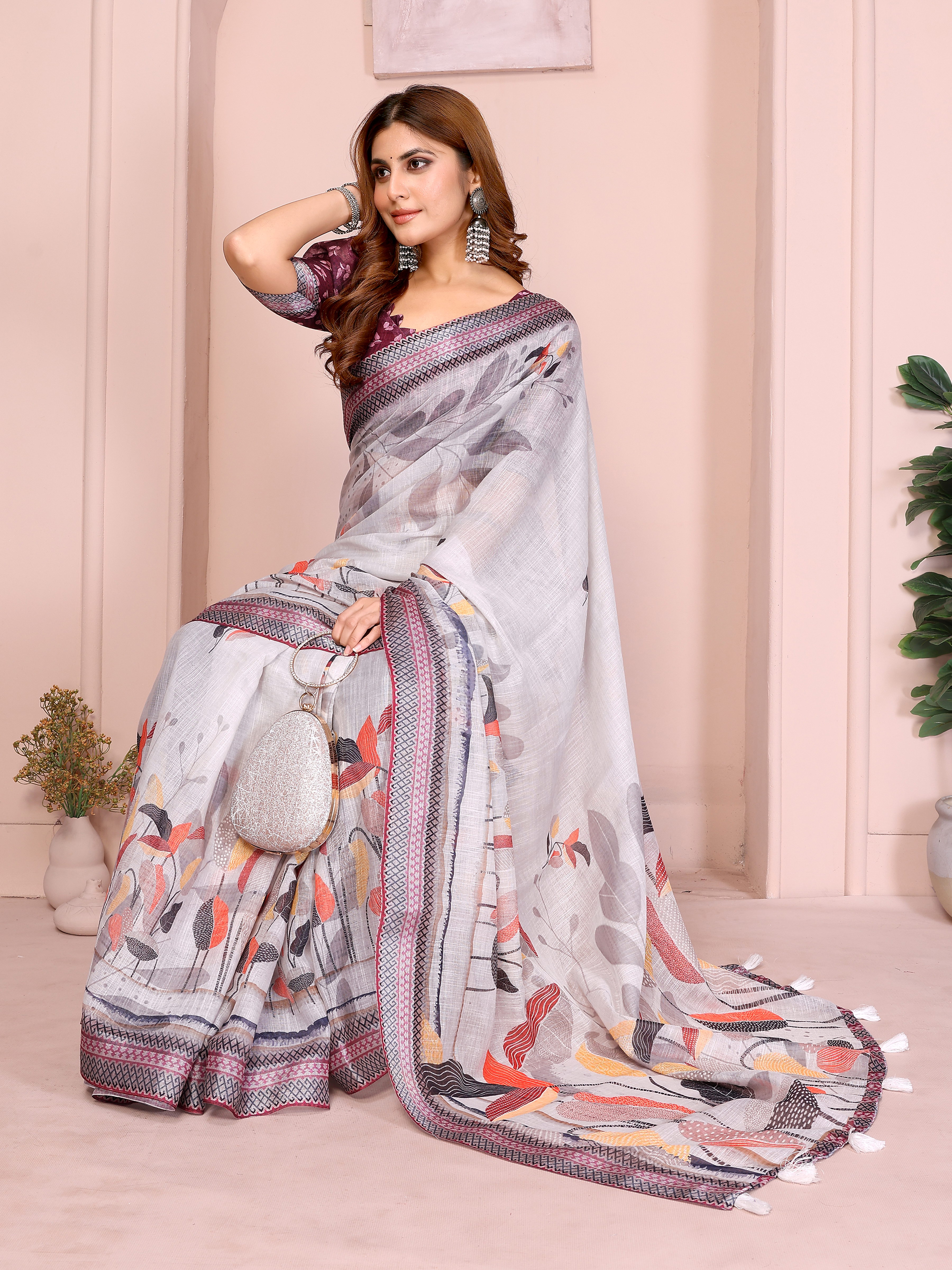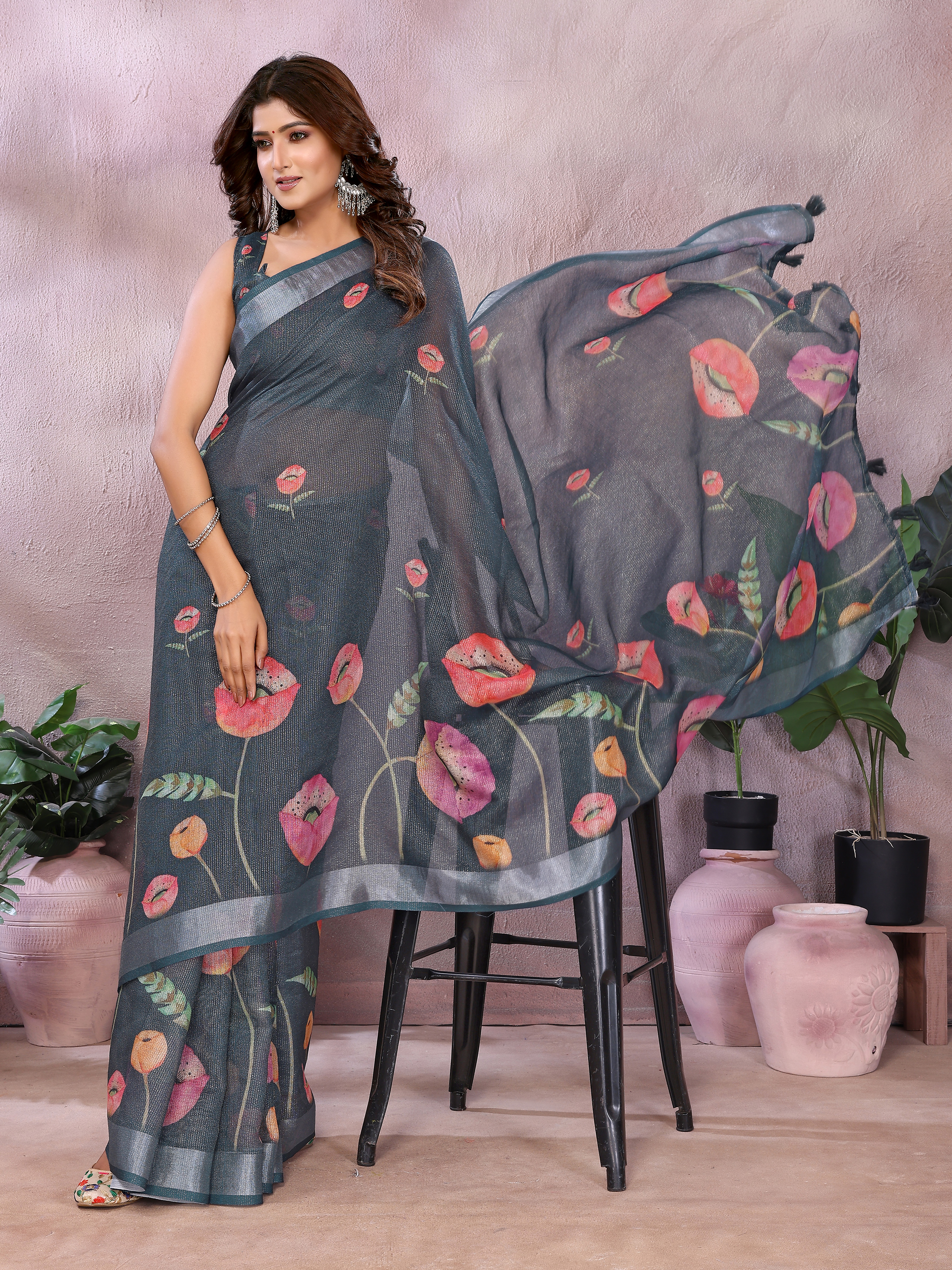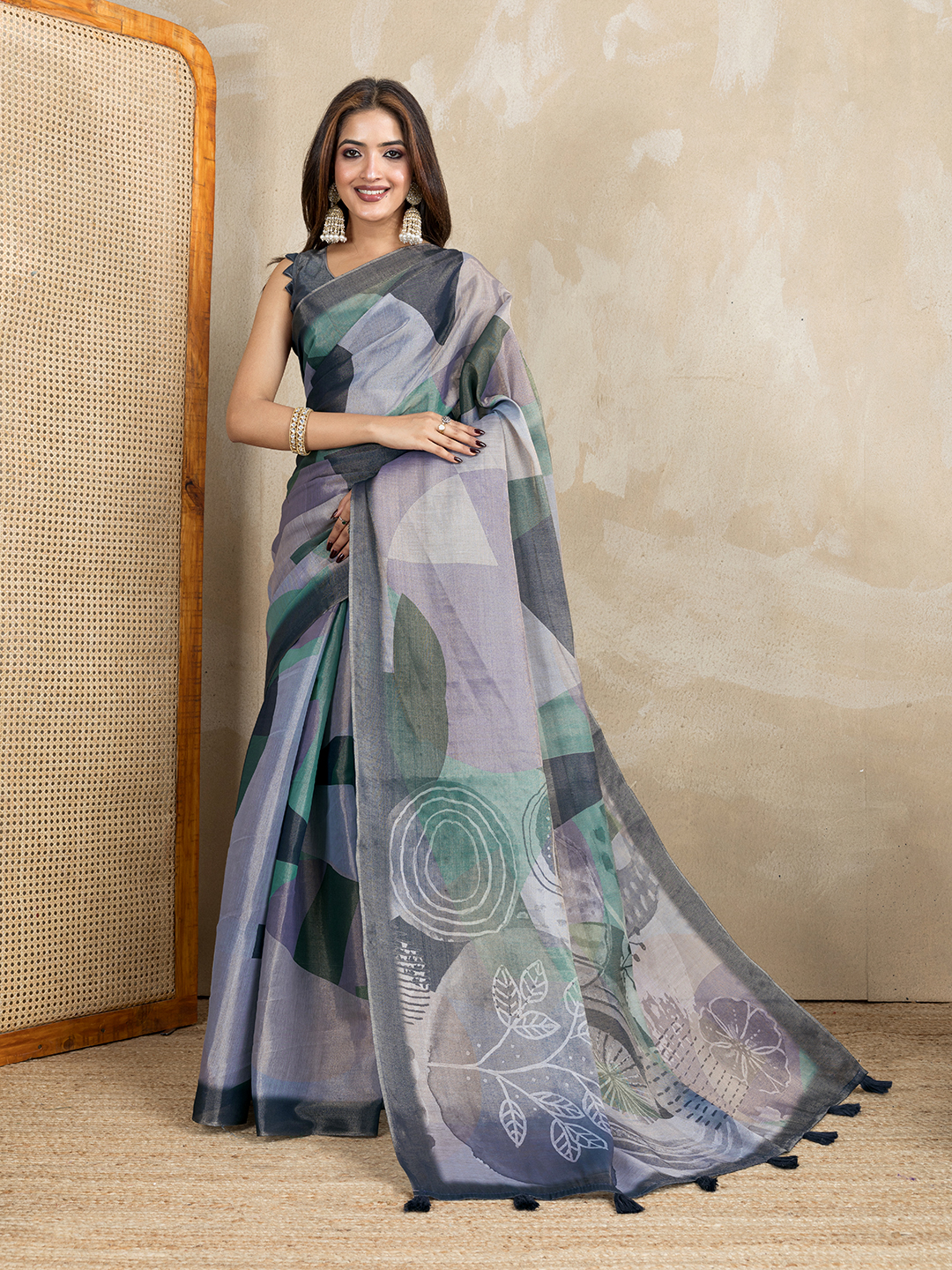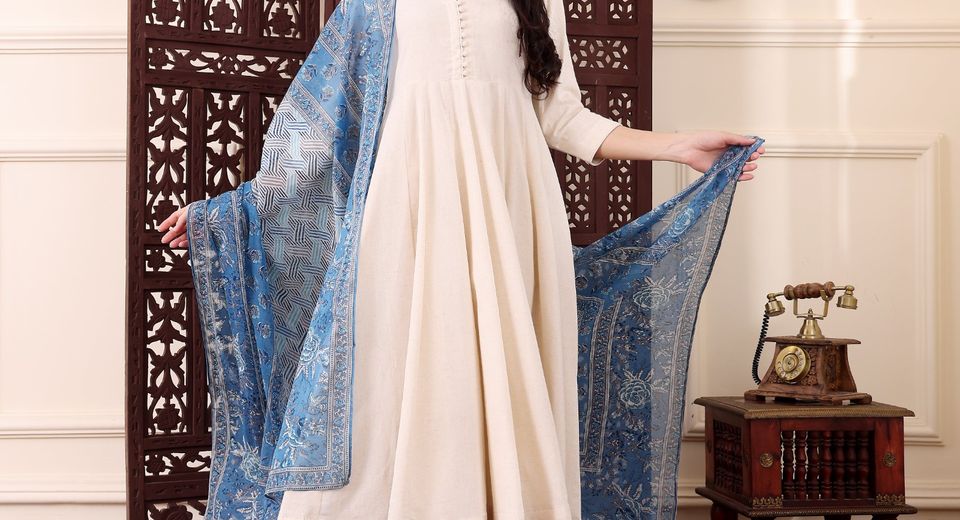
What makes a printed kurti look balanced instead of too busy comes down to visual hierarchy: one element should lead, while the other pieces support it. Print scale, colour repetition, fabric texture, silhouette and accessories all affect that hierarchy. A floral kurti with a plain bottom can look refined, while the same floral print paired with a contrast dupatta, patterned trousers and heavy jewellery may compete for attention.
Balance doesn't mean choosing only small prints or avoiding colour. A large Kalamkari motif, a dense Jaipur block print or a bright floral pattern can look elegant when the outfit gives the eye somewhere to rest. The following principles will help you judge a printed salwar suit before wearing it, whether you're dressing for work, a family lunch or a Haldi ceremony.
What makes a printed kurti look balanced instead of too busy?
A printed kurti looks balanced when the outfit has a clear focal point and enough quiet space around it. The quiet space usually comes from a solid-coloured pant, a restrained dupatta, simple accessories or a clean silhouette.
Imagine dividing the outfit into three visual zones: the kurti, the lower half and the styling details. If all three zones contain strong patterns, contrasting colours and surface decoration, the eye has no obvious place to settle. If the kurti carries the main print and the other two zones repeat one or two colours from it, the entire look feels connected.
A useful test is to stand six feet away from a mirror or take a full-length photograph. At that distance, you should notice the kurti first, the overall colour story second and the jewellery or footwear third. If the dupatta catches attention before the garment, or if every part appears equally loud, remove one competing element.
Why does visual hierarchy matter in a printed salwar suit?
Visual hierarchy matters because clothing is read as a complete composition rather than as isolated garments. A printed kurti can serve as the focal point, while plain pants, a narrow border and small earrings provide proportion.
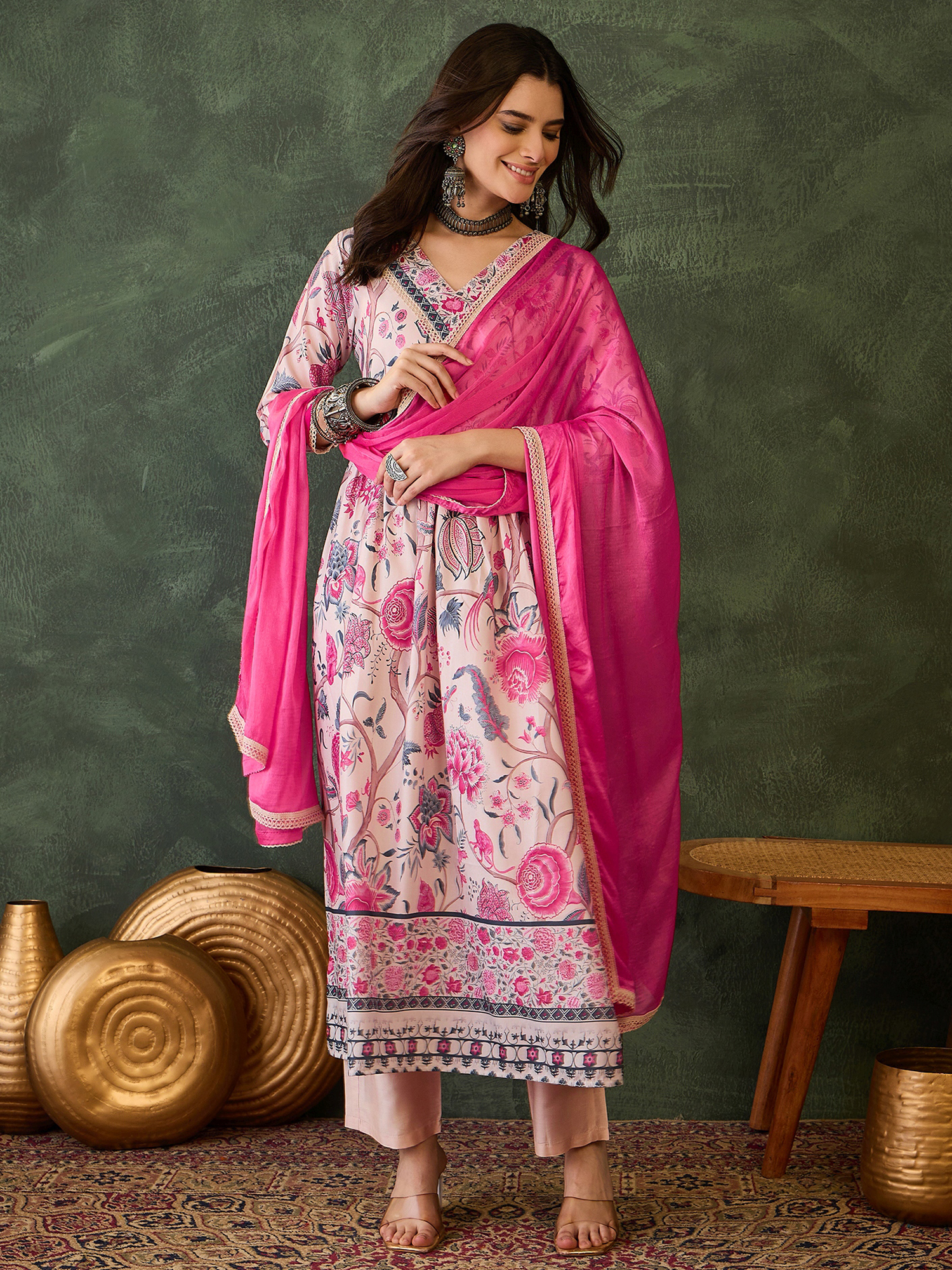
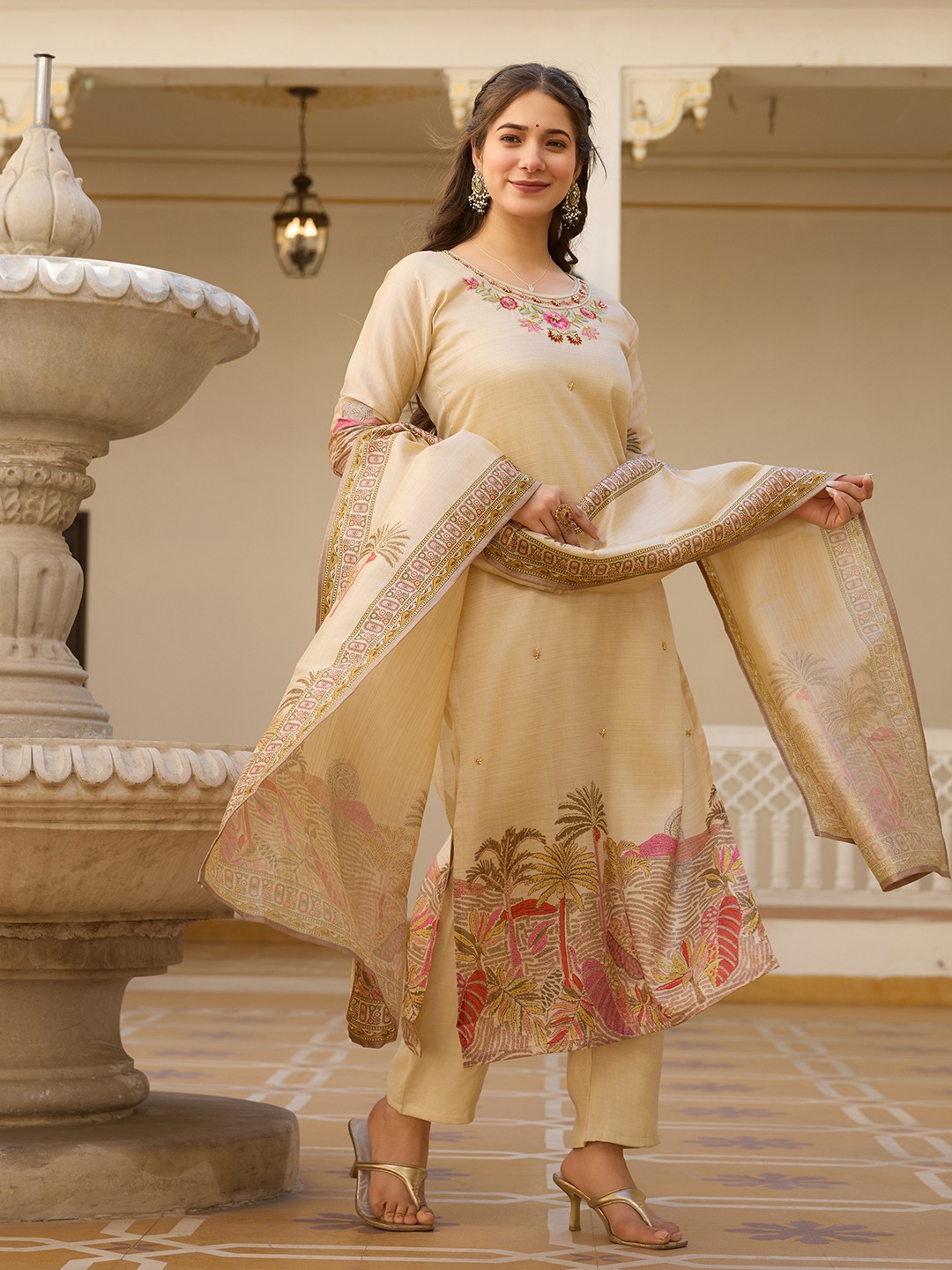
For example, Cream Floral Print Kurti Pant Dupatta Set Online already creates coordination through its shared base colour and floral language. Adding a heavily embroidered bag and a large multicoloured necklace may obscure that coordination. A simpler sandal and small gold hoops allow the print to remain visible and make the outfit appear more deliberate.
How do print scale and spacing change the way a kurti looks?
Print scale and spacing determine whether a printed kurti feels airy, dramatic, dense or visually crowded. Small motifs placed close together create a more active surface, while large motifs with open ground create stronger but often calmer visual impact.
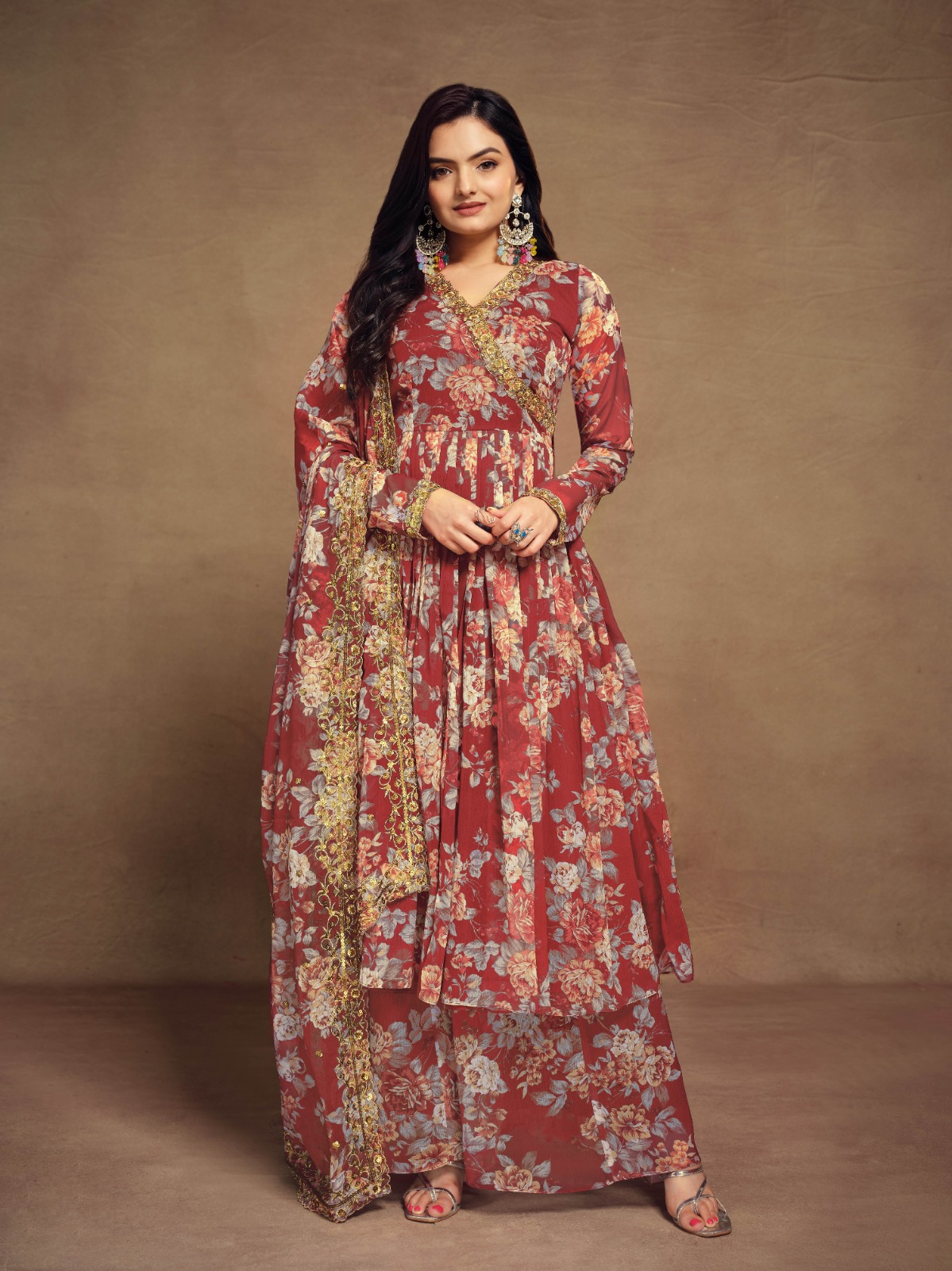
Small florals, butis and repeated geometric marks work well for daily wear because they distribute attention evenly. Large flowers, paisley forms and hand-painted motifs create a focal effect and suit occasions where the kurti is meant to be noticed. Neither approach is automatically better; the key is to avoid repeating the same intensity on every garment.
A dense print usually benefits from solid pants and a solid dupatta. A widely spaced print can tolerate a narrow printed border or a lightly textured dupatta. A large motif near the neckline may need a simple neckline finish so that the face remains the natural focus.
How can you judge whether a print is too dense?
A print is likely to feel too dense when the background colour almost disappears at normal viewing distance and no clear motif has visual breathing room. Check the kurti from the front, then cover the sleeves and hem with your hands; if the centre still looks crowded, choose quieter accessories and bottoms.
Garment length also changes perceived density. A long kurta displays more repeat, so a medium-scale print may appear busier than it does on a shorter kurti. Wide pants add another large visual area, whereas straight pants create a narrower, calmer base. Grey Printed Cotton Kurti Pant Set for Women Daily Wear demonstrates why a controlled print paired with a coordinated solid or near-solid lower half can feel practical without looking plain.
Which colour rules keep a printed kurti outfit cohesive?
A cohesive printed kurti outfit usually contains one dominant colour, one supporting colour and a small accent colour. Repeating one printed colour in the pants, dupatta, footwear or jewellery creates connection without requiring an exact match.
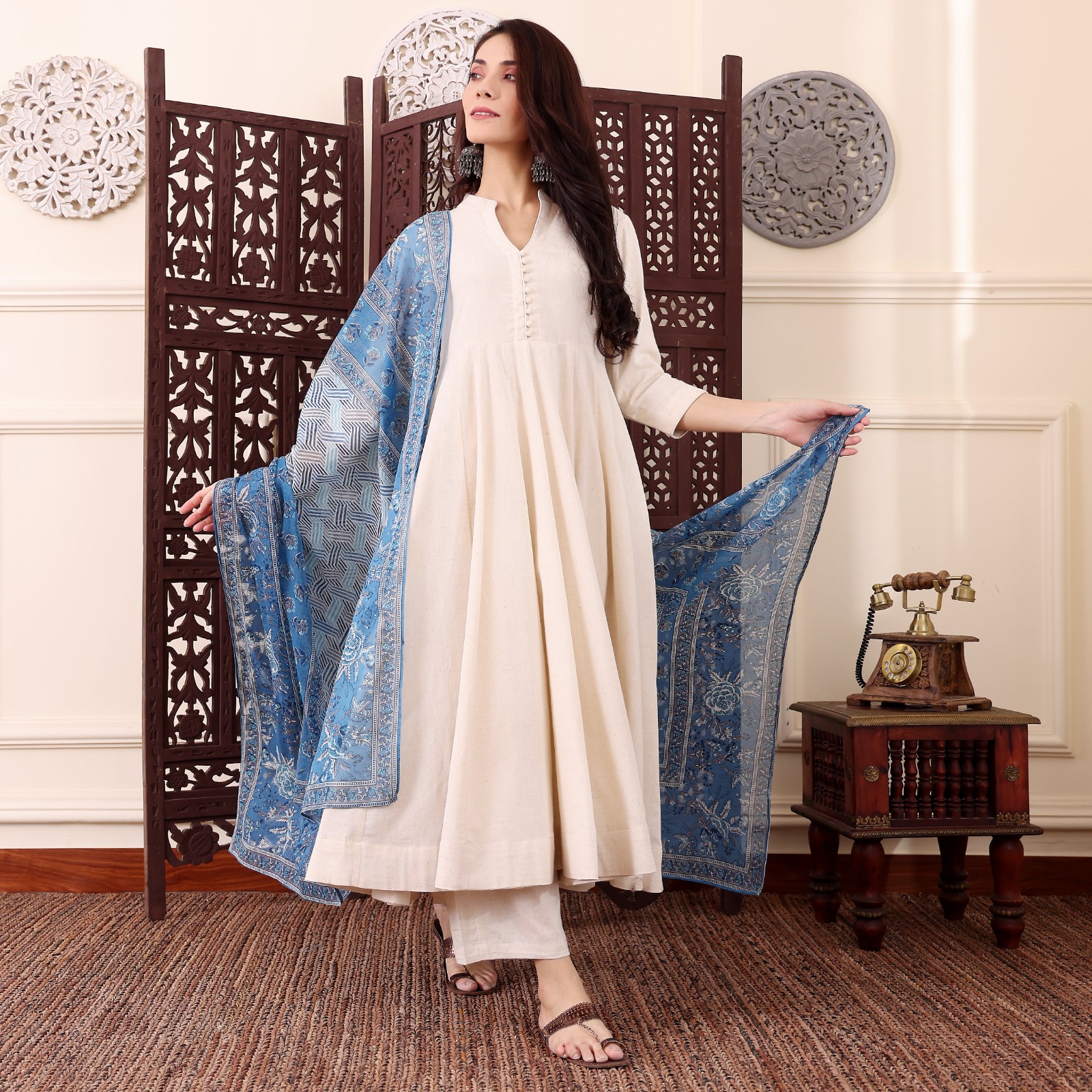
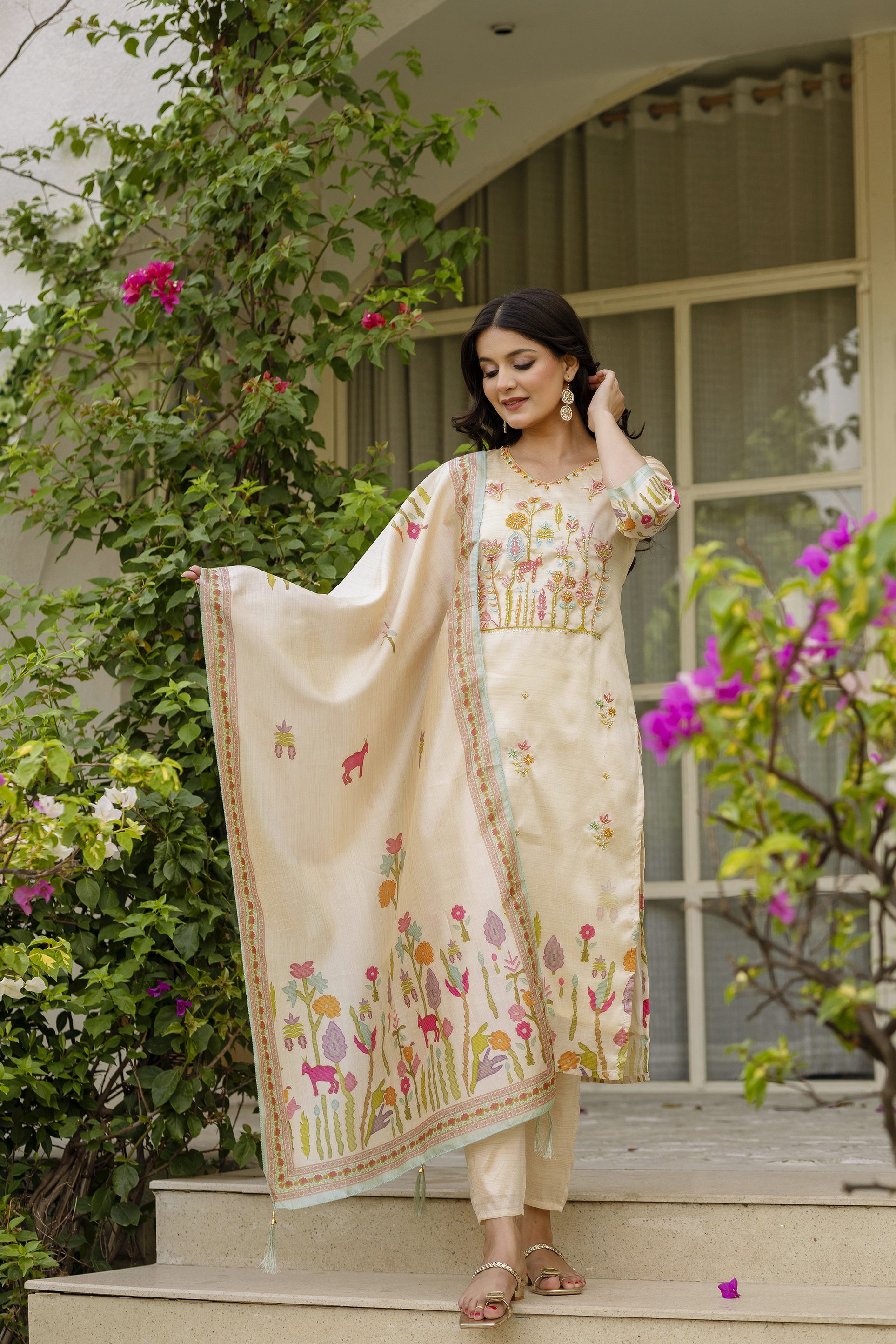
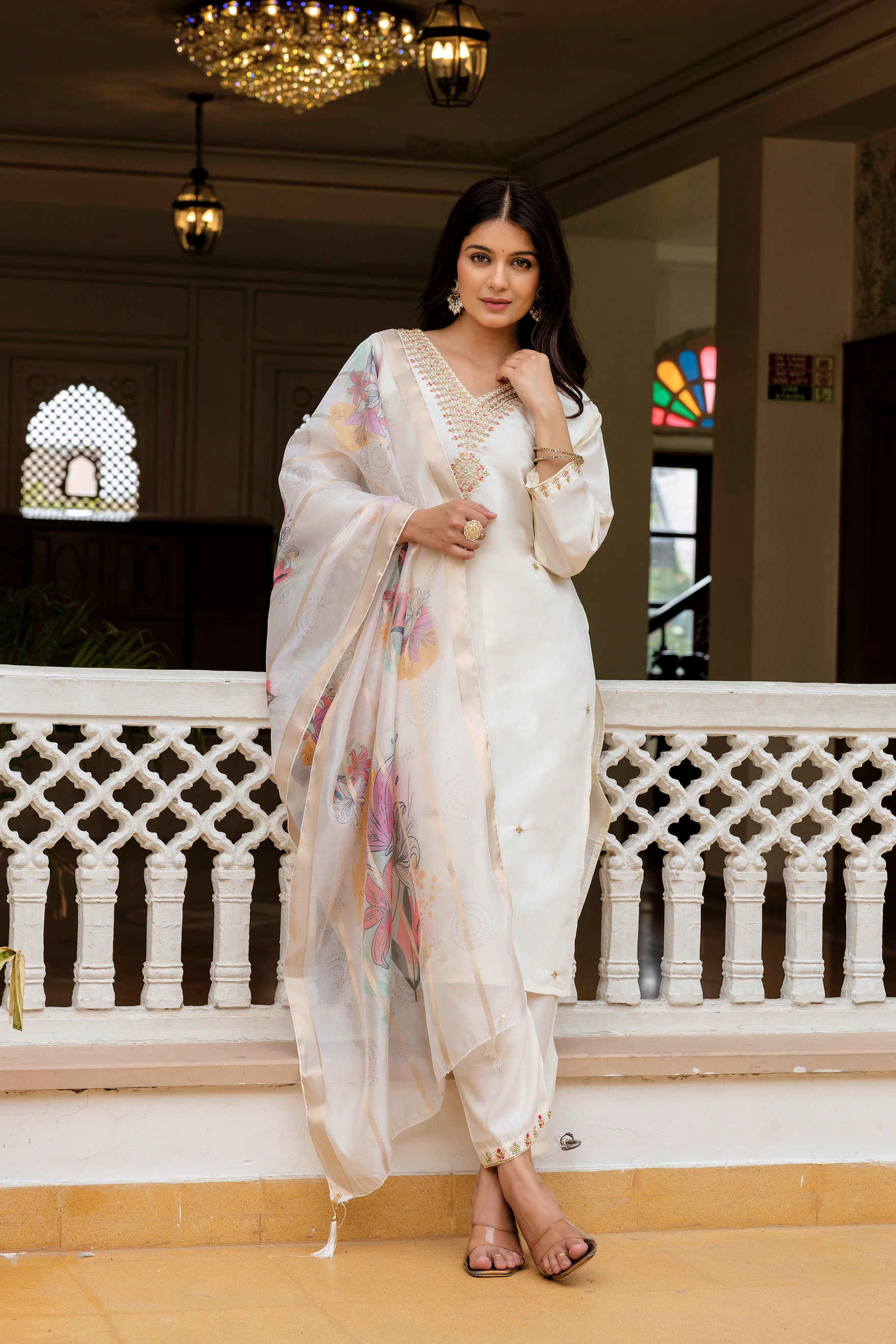
Start by identifying the background colour rather than the brightest motif. A cream background offers more flexibility than a dark purple background because cream can connect with beige, tan, muted gold, olive and several pastel shades. Cream Chanderi Silk Kurti Pant Dupatta Set for Women illustrates how a light foundation can make print and fabric texture feel festive without excessive contrast.
Colour temperature also matters. Warm mustard, rust, coral and maroon generally sit comfortably together, while icy blue, lavender and cool pink create a different mood. Combining warm and cool colours can work, but one temperature should dominate. A mustard kurti with a blue-purple dupatta needs a repeated bridge colour, such as cream or muted green, to prevent the combination from looking accidental.
Should the dupatta match the print exactly?
The dupatta doesn't need to match the print exactly; it needs to share a colour, undertone, border detail or textile character with the kurti. Exact matching can look polished in a coordinated set, while a plain dupatta often gives a dense print more breathing room.
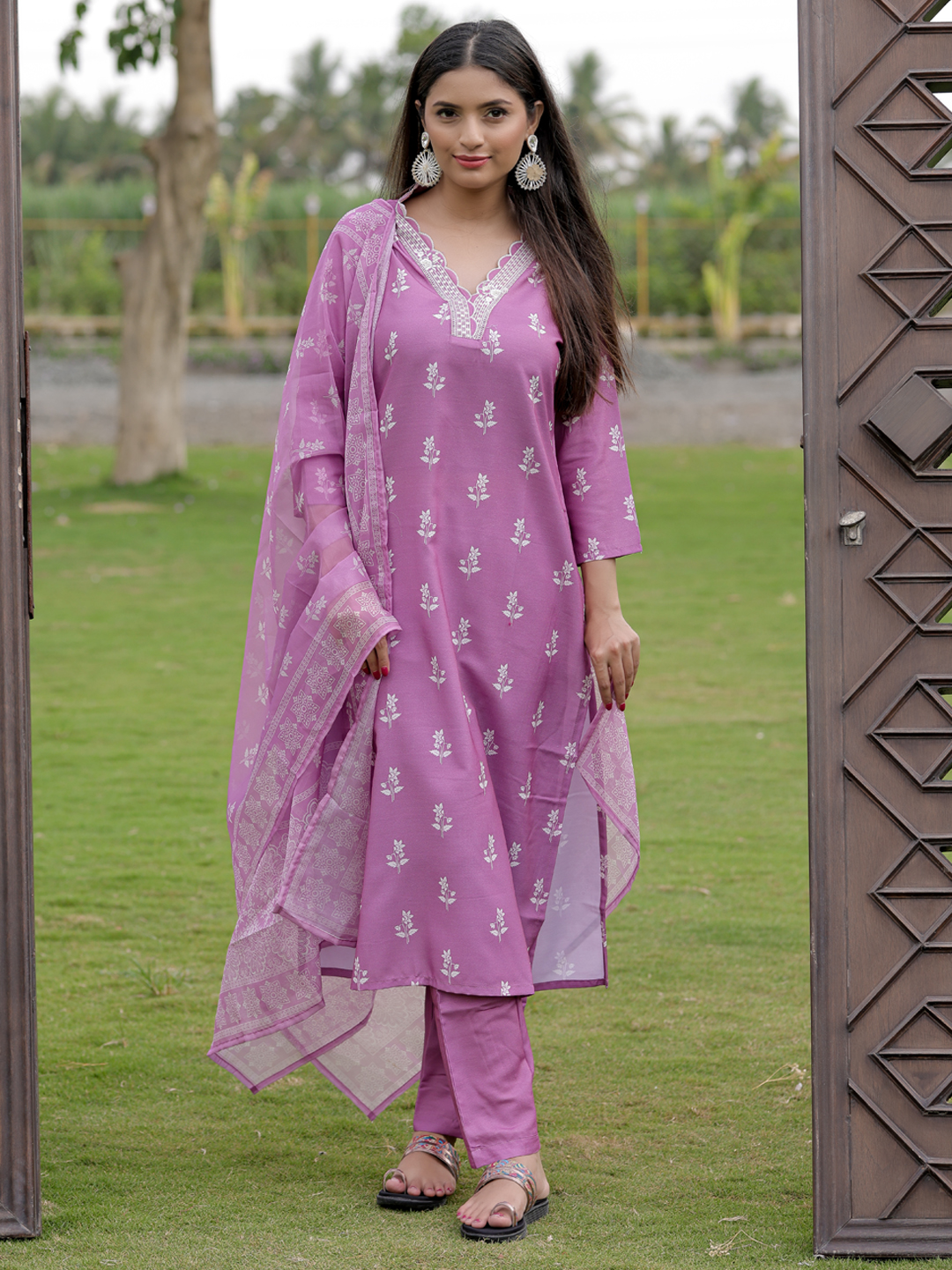
With Purple Printed Rayon Kurti Pant Dupatta Set Women, the most controlled approach is to let purple lead and keep jewellery metallic or neutral. A second bright colour in the dupatta is unnecessary unless that colour already appears in the kurti. With Onion Pink Printed Kurti Pant Dupatta Set, a dupatta in a related rose, cream or soft berry tone will usually look more integrated than a completely unrelated neon shade.
- Use a solid dupatta when the kurti has a dense all-over print.
- Use a lightly printed or border-focused dupatta when the kurti has large, widely spaced motifs.
- Repeat a secondary print colour in the footwear or earrings instead of adding another dominant colour.
- Keep the number of high-contrast colours to two or three for a calmer result.
How should fabric and texture influence print balance?
Fabric changes how a print reads because sheen, drape and surface texture affect colour intensity and visual weight. Chanderi silk reflects light, cotton absorbs it, rayon drapes closely and muslin gives printed motifs a softer, more tactile appearance.
Banarasi silk, zari, mirror work and dense embroidery already create surface activity even when the base colour is plain. Pairing a heavily printed kurti with a shiny zari dupatta can therefore make the outfit feel more elaborate than expected. A matte cotton or muslin dupatta can calm the combination, especially for daytime dressing.
Chanderi is useful when you want a print to feel dressy without adding heavy embellishment. Cotton works well when the print itself carries the personality and breathability matters. Rayon gives a fluid fall but can show strong colour saturation, so bold rayon prints often benefit from an uncomplicated pant shape.
Cream Printed Cotton Kurta Pant Dupatta Set for Women shows the balancing advantage of a breathable base and a coordinated print. Purple Hand Printed Muslin Kurta Set Women | Varnavi Online would be another example of how hand-print variation and soft muslin texture can provide interest without requiring ornate jewellery; the product name is mentioned here only as a reference to textile and print character.
Can two different prints work in one outfit?
Two different prints can work when they share a controlled colour palette and have clearly different scales. A small geometric border with a large floral kurti is easier to coordinate than two dense floral patterns competing at the same size.
Print mixing also becomes safer when one pattern is confined to a narrow area, such as a dupatta border, sleeve cuff or trouser hem. Rajasthan Printed Salwar Suits often demonstrate how regional motifs can feel coherent when colour and placement are disciplined. Avoid combining multiple prints that each contain several unrelated bright colours.
What role do silhouette and garment proportions play?
Silhouette controls how much visual information the body carries at once. A straight kurti with narrow pants creates a cleaner vertical line, while a flared kurti with palazzo pants increases movement and fabric volume.
A busy print can look more controlled on a simple straight-cut kurta because the uninterrupted shape lets the motif remain legible. A flared printed kurti may work better with solid cigarette pants or a plain churidar to prevent the lower half from becoming another large field of pattern. A short printed kurti with wide palazzo pants can look balanced when the hemline is clean and the pants are a single colour.
Neckline and sleeve details matter as well. A printed high-neck kurti with a statement necklace may concentrate too much activity around the face and chest. A round-neck printed kurti can take small earrings and a slim pendant, while a V-neckline may need no necklace at all.
Mustard Yellow Kurti Pant Dupatta Set for Women can be styled with neutral sandals and restrained gold jewellery because mustard already provides strong colour presence. The outfit doesn't need another saturated accessory to appear complete.
Which accessories make a printed kurti look polished?
The best accessories for a printed kurti repeat the outfit's mood without copying every motif. Choose one noticeable accessory category, then keep the remaining details quiet.
For a cotton printed kurta used during the day, try oxidised silver studs, a structured fabric tote and flat sandals. For Chanderi silk, small gold earrings, a slim bangle and embroidered juttis can reinforce the festive texture without competing with the pattern. For a hand-block printed kurti, natural materials such as leather, wood or matte metal usually support the craft-inspired character.
Jewellery scale should relate to the print scale. Large earrings can balance a simple neckline and restrained print, but they may overwhelm a dense print with a decorated yoke. A printed dupatta with a broad border may already frame the face, so a small bindi and earrings can be sufficient.
Footwear is an overlooked balancing tool. Tan, cream, metallic, black or a colour sampled from the print can ground the outfit. Highly embellished footwear adds another focal point, which is useful for a festive look but unnecessary for office wear.
How can you style printed kurtis for different occasions?
A printed kurti becomes occasion-appropriate through fabric, finish, proportion and accessories rather than print alone. The same floral or block print can look casual with cotton pants and formal with Chanderi silk, polished tailoring and refined jewellery.
For work and daily wear
Workwear printed kurtis look most balanced with straight pants, low-contrast dupattas and limited jewellery. Choose breathable cotton, rayon or muslin, keep the colour palette controlled and avoid stacking a printed kurti with a printed bag and patterned shoes.
Grey Printed Cotton Kurti Pant Set for Women Daily Wear can be kept office-ready with neutral flats, a structured tote and small silver or pearl earrings. A narrow watch adds function without creating another decorative focal point.
For lunches and daytime gatherings
Daytime gatherings suit medium-scale florals, block prints and soft colours paired with light dupattas. Cream Floral Print Kurti Pant Dupatta Set Online can be styled with tan sandals, a woven clutch and delicate earrings so the floral pattern remains the main point of interest.
For festive events and a Haldi ceremony
A Haldi ceremony can support brighter colour, but the outfit still benefits from one controlled base. Choose a mustard, onion pink, purple or cream foundation, then add jhumkas or bangles rather than multiple contrasting prints.
Hand Block Printed Salwar Suits in Crepe and Muslin and Kalamkari Print Salwar Suits are useful style references because their appeal comes from motif, craft and fabric character. Let one of those qualities lead. If the print is intricate, keep embellishment light; if the print is simple, zari edging, earrings or a textured dupatta can add occasion value.
What should you check before buying a printed kurti set?
Before buying a printed kurti set, inspect the print density, base colour, fabric behaviour and coordination of the included pieces. Product photographs can hide how much of the surface is patterned, so zoom into the bodice, sleeve and hem separately.
- Check the background: confirm whether the base is cream, white, grey, mustard, purple or another dominant shade, because that colour will occupy the largest visual area.
- Check the repeat: look for the size and spacing of flowers, paisleys, butis or geometric motifs, especially on the front panel.
- Check the lower piece: decide whether the pants are solid, subtly textured or printed, and judge whether their pattern competes with the kurti.
- Check the dupatta: identify whether the dupatta repeats the kurti, introduces a border or adds a new colour.
- Check the fabric: consider cotton for heat and daily wear, rayon for fluid drape, muslin for softness and Chanderi silk for a dressier finish.
- Check the care requirement: hand-printed, dyed and silk-blend garments may need mild detergent, shade drying or professional cleaning.
Collections such as Jaipur Block Print Salwar Suits in Crepe, Block Print Salwar Suits in Crepe and Muslin and Kalamkari Print Salwar Suits show why print tradition and fabric should be considered together. A print isn't only a colour choice; it's also a decision about texture, drape, maintenance and the setting in which the outfit will be worn.
The simplest final rule is to remove one competing element whenever an outfit feels crowded. Keep the printed kurti, preserve its strongest colour, and let the pants, dupatta and accessories provide support rather than separate statements. That approach makes bold prints wearable while still allowing craft, colour and personality to remain visible.
Common Questions About Balancing a Printed Kurti Outfit
How do I make a printed kurti look less busy?
Pair a busy printed kurti with solid pants, a restrained dupatta and simple accessories. Repeating one colour from the print in the supporting pieces will make the outfit look coordinated without adding another pattern.
Can I wear a printed kurti with printed pants?
You can wear printed pants with a printed kurti when the two patterns share a colour palette and differ in scale or placement. Avoid combining two dense patterns with several unrelated bright colours.
Which dupatta is best with a printed kurti?
A solid dupatta is usually best with a dense all-over print, while a lightly printed or border-focused dupatta can suit a more open, widely spaced motif. Choose a dupatta that repeats a colour or textile quality from the kurti.
What jewellery should I wear with a printed salwar suit?
Choose jewellery according to the print intensity and fabric. Small metal earrings suit dense everyday prints, while jhumkas or bangles can complement a simpler cotton, muslin or Chanderi silk print for festive dressing.
Are large prints flattering on a kurti?
Large prints can look flattering when the garment has a clean silhouette and the surrounding pieces are quiet. Large motifs create a focal point, so avoid adding equally bold patterns to the pants, dupatta and accessories.
How do I style a printed kurti for office wear?
Wear a printed kurti with straight solid pants, neutral footwear, a structured bag and limited jewellery. Cotton, rayon and muslin are practical choices, while controlled colours and minimal embellishment keep the outfit professional.