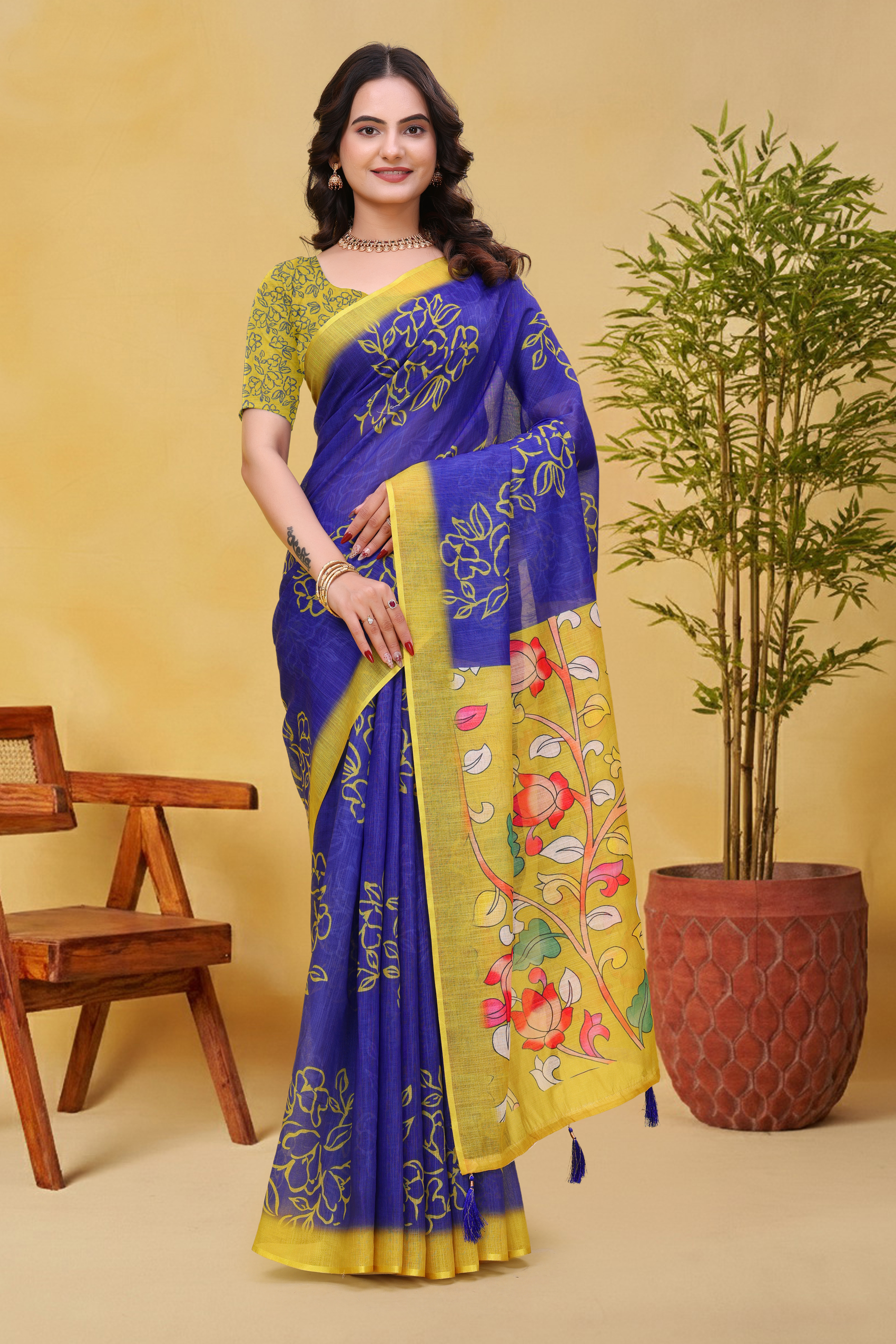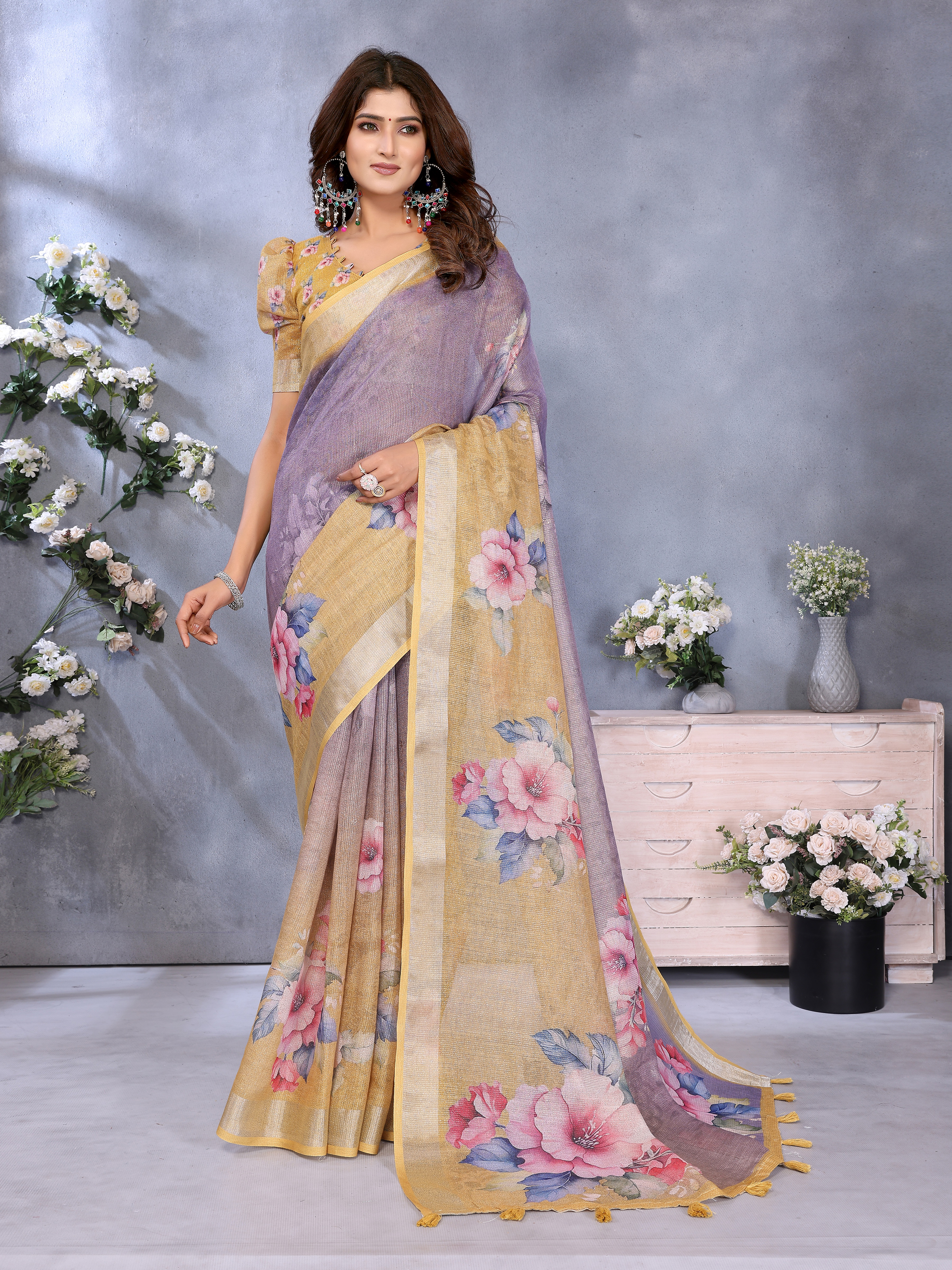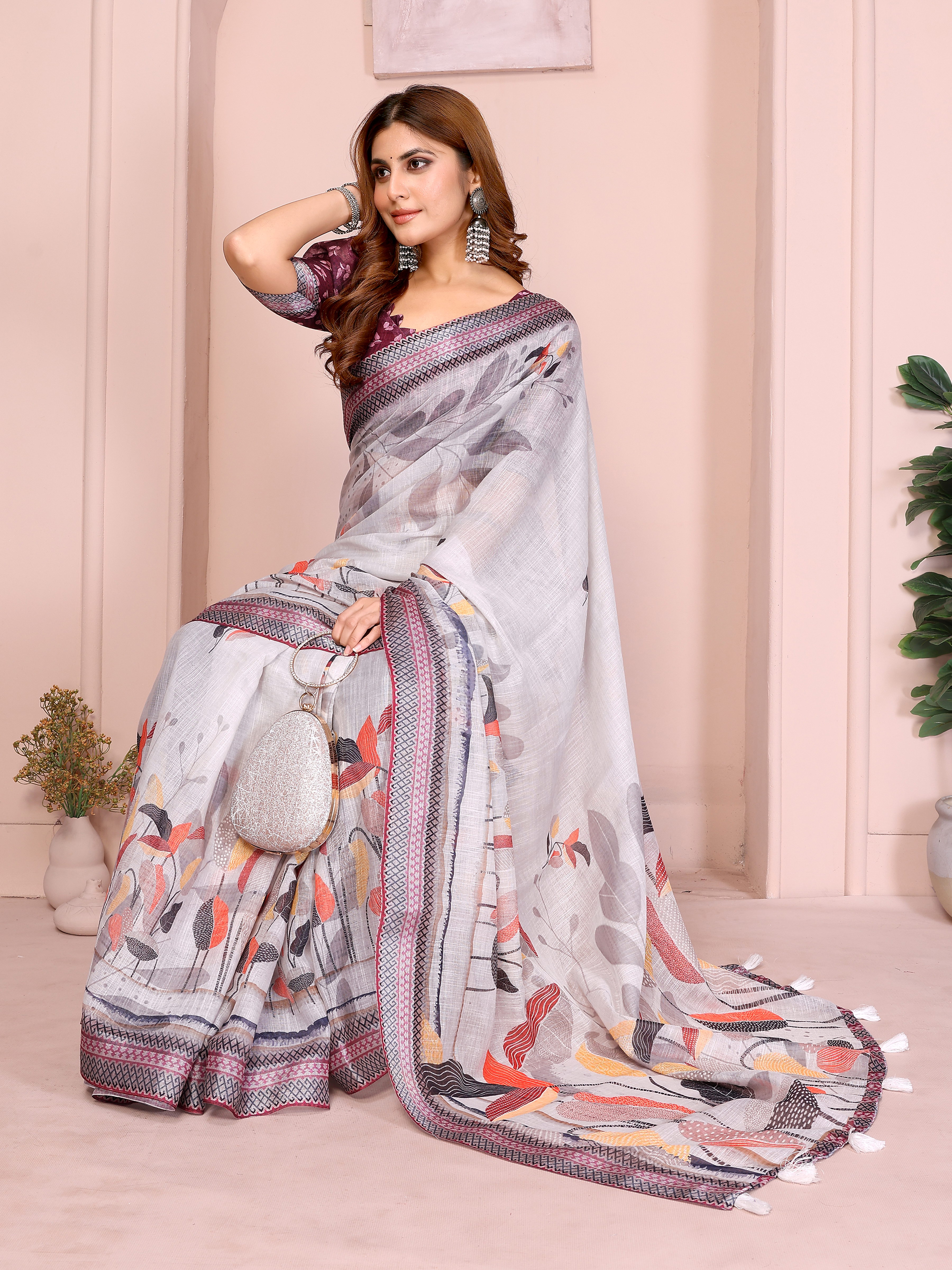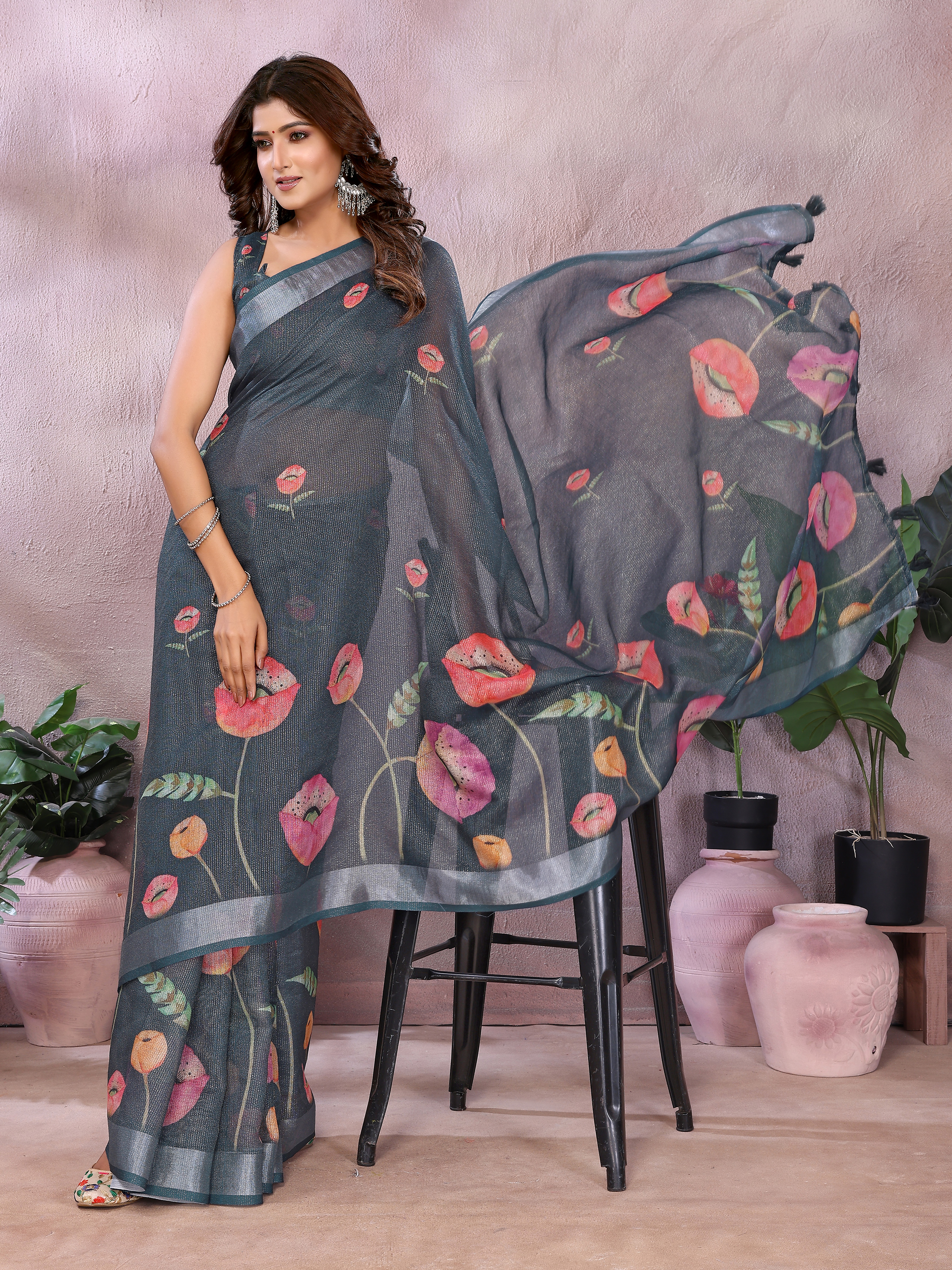
What makes a kurti collar curl after the first wash usually comes down to uneven shrinkage between the outer fabric, seam allowance and inner support layer. A collar can also roll outward when the facing is cut off-grain, the interfacing is too light, the edge stitching is insufficient, or a hot wash and tumble dry distort the fabric. Understanding the cause helps you decide whether better washing will solve the problem or whether the collar construction needs correction.
What makes a kurti collar curl after the first wash?
A kurti collar curls after washing when the collar's layers contract or relax at different rates. Cotton, cotton blends, zari-woven fabrics, fusible interfacing, thread and facing fabric each respond differently to water, agitation, heat and drying.
Many kurti collars carry at least three elements: the visible collar fabric, an inner facing or separate collar piece, and a stabiliser such as fusible interfacing. The collar edge is then turned, pressed and stitched. If one layer becomes minor than another, the edge develops tension and begins to roll. A collar that looked flat in the shop can therefore curl after its first exposure to water and heat.
The phrase What Makes a Kurti Collar Curl After the First Wash describes a construction and care issue, not one single fabric defect. Two kurtis made from cotton can behave differently because their weave density, finishing treatment, collar pattern, seam allowance and pressing method are not identical.
Does cotton shrink enough to curl a collar?
Yes, untreated or lightly finished cotton can shrink enough to distort a collar, especially when the collar and body fabric were not pre-washed before stitching. Cotton fibres swell in water and contract as they dry, while fusible interfacing may remain closer to its original dimensions. The resulting mismatch pulls the collar edge inward or makes the collar stand away from the neckline.
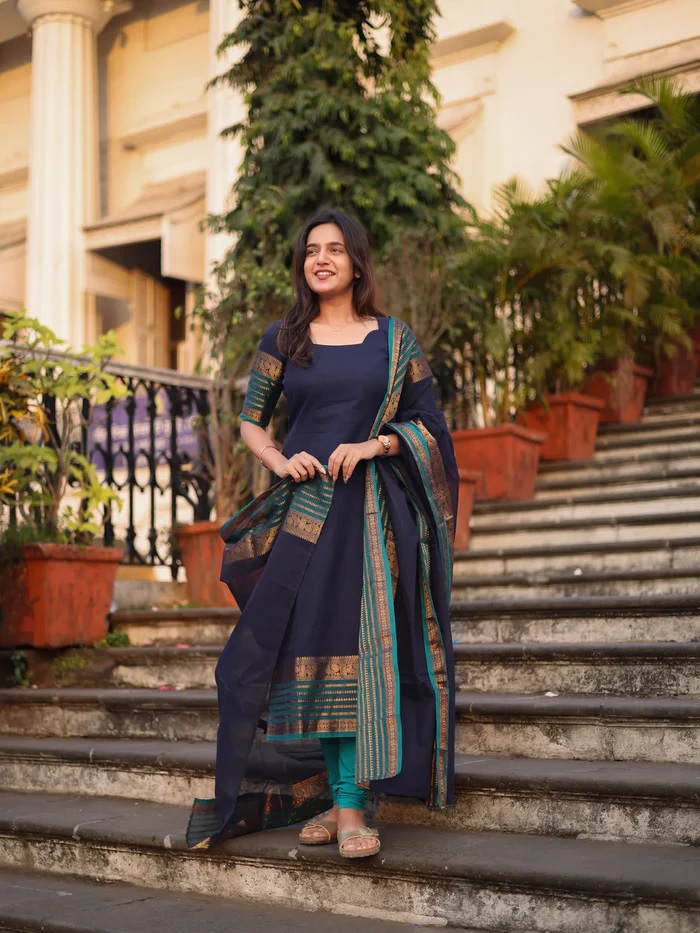
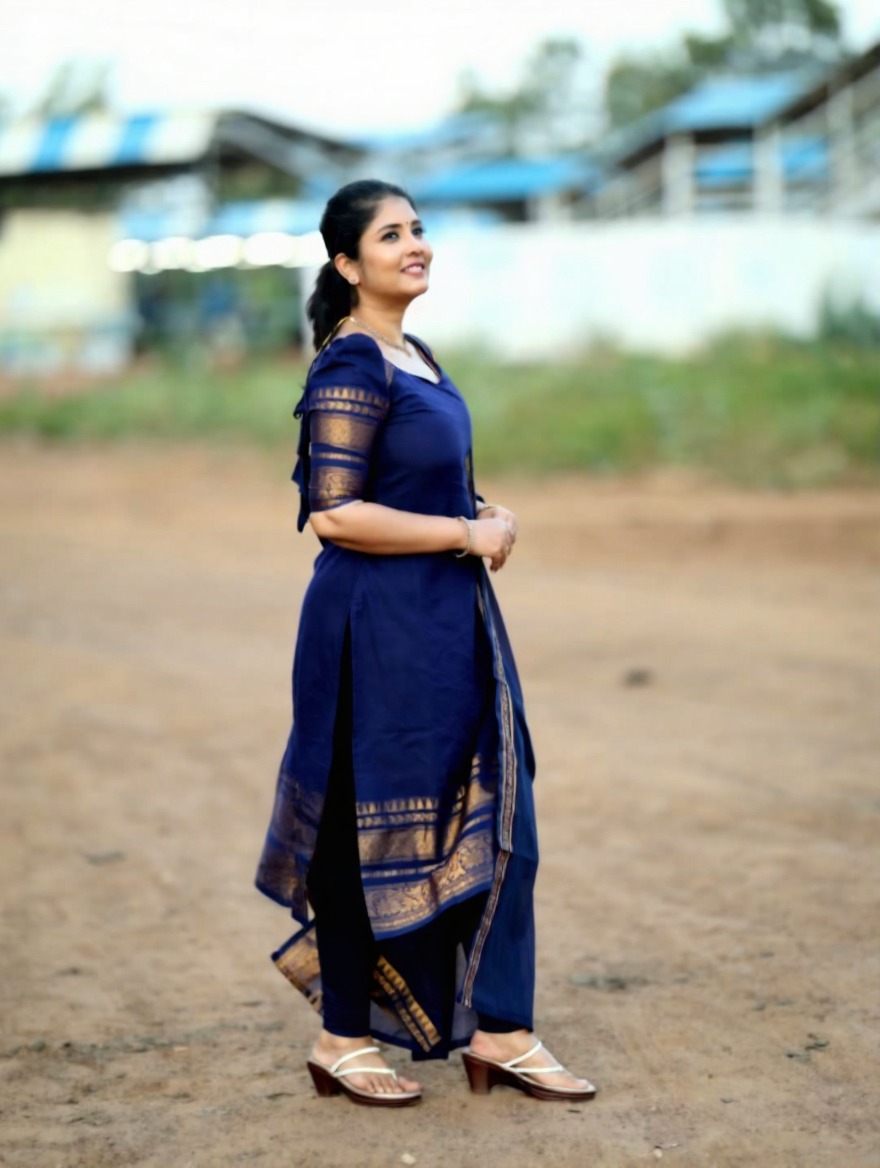
Kanchi cotton, for example, may have a firmer woven structure than a soft everyday cotton, but that doesn't make every collar shrink-proof. A structured piece such as Navy Kanchi Cotton Kurti Set with Woven Dupatta still benefits from gentle washing and low-heat ironing because woven texture, thread tension and inner support determine how the collar settles.
How fabric, interfacing and grain affect collar shape
The fabric grain and the stiffness of the inner support layer have the greatest influence on whether a collar stays flat. A collar cut across the straight grain generally has more predictable stability, while a collar cut on the bias has more stretch and is more likely to roll unless it's carefully stabilised.
Interfacing is a thin support material attached to the wrong side of the fabric. Fusible interfacing is bonded with heat, and sew-in interfacing is secured with stitching. If the interfacing is too narrow, poorly fused, bubbling, or cut in a different direction from the collar, the finished edge can curl after laundering.
Facing creates a second common problem. A facing that's slightly smaller than the neckline can pull the collar inward; a facing that's too large can push the outer edge outward. Uneven trimming, bulky seam allowances and untrimmed corners add further pressure beneath the collar edge.
Why do woven and jacquard kurtis need careful pressing?
Woven and jacquard kurtis need controlled pressing because textured surfaces can retain uneven moisture and resist flattening at the seam. Pressing directly on the right side with a very hot iron may flatten raised yarns, create shine or set a distorted edge permanently.
Blue Kanchi Cotton Jacquard Kurti with Elegant Dupatta illustrates why texture matters when caring for a salwar suit. A jacquard weave can have a more pronounced surface than plain cotton, so the collar should be pressed from the reverse side with a pressing cloth and moderate heat rather than crushed under repeated high-temperature ironing.
Which washing mistakes make a collar curl?
The most damaging washing mistakes are hot water, vigorous agitation, twisting, high-heat drying and storing a garment before it's fully shaped. These actions don't merely clean the kurti; they repeatedly stretch some areas and contract others.
- Hot water: Heat accelerates cotton relaxation and can increase shrinkage in untreated fabric.
- Strong detergent: A harsh alkaline detergent can remove finishing agents that help the fabric hold its original hand and shape.
- Machine agitation: The collar edge rubs against the drum and other garments, encouraging a folded or rolled position.
- Wringing: Twisting the neckline places diagonal tension on the collar and shoulder seams.
- Direct high heat: A very hot iron or dryer can shrink interfacing adhesive and fabric unevenly.
- Incorrect drying: Hanging a wet kurti by the collar or shoulders can stretch the neckline while the body is heavy with water.
A first wash is often the moment when factory pressing, starch, temporary finishing and fabric tension disappear. That is why a collar may appear perfect when new and change shape immediately after laundering. The first wash reveals how the garment's permanent construction responds once temporary surface treatments are gone.
Can a washing machine cause a collar to roll?
A washing machine can cause a collar to roll when fast agitation combines with heat, friction and loose loading. A short cold cycle is less risky than a long warm cycle, but a collar can still distort if the kurti is washed with heavy denim, towels, zippers or garments with hooks.
Turn the kurti inside out, close buttons or hooks, place the garment in a mesh laundry bag, and select a delicate or hand-wash cycle. Washing Kanchi Cotton Jacquard Kurti Dupatta Set and Kanchi Cotton Jacquard Kurti Dupatta Set Online in a separate light load can reduce abrasion, especially when the garment includes a textured dupatta that may rub against the neckline.
How should a kurti be washed to keep the collar flat?
Wash a kurti in cool water with mild detergent, minimal agitation and no twisting, then reshape the collar while the garment is damp. This method limits differential shrinkage and allows the collar layers to dry in the intended position.
- Read the care label before choosing hand wash or machine wash.
- Separate dark colours from pale garments and avoid washing a new dark kurti with light dupattas.
- Use cool or lukewarm water, ideally below 30°C unless the care label states otherwise.
- Dissolve a small amount of mild liquid detergent before adding the garment.
- Soak briefly, usually for 5 to 10 minutes, rather than leaving the kurti submerged for hours.
- Press water out gently with your palms; never wring the collar or neckline.
- Rinse until the water runs clear, then support the garment from the shoulders and hem.
- Lay the kurti flat or hang it on a broad padded hanger, and smooth the collar into shape.
Black Kanchi Cotton Kurti Dupatta Set for Women deserves particular attention during the first few washes because dark dyes can release excess colour. A cool, separate wash protects both colour and collar shape, while shade drying helps prevent heat-related shrinkage and fading.
Direct sunlight isn't automatically harmful, but prolonged intense sun can dry the outer layer faster than the inner layer and may fade dyed cotton. Dry the kurti inside out in moving air, away from a hot terrace surface or radiator-like heat source. Remove the garment when it's dry rather than leaving it under strong sun for several extra hours.
How can you fix a collar that has already curled?
A mildly curled collar can often be reshaped with moisture, correct pressing and temporary flat drying, but severe curling caused by faulty interfacing may require a tailor. The repair method depends on whether the collar is merely folded or whether the layers have permanently shrunk at different rates.
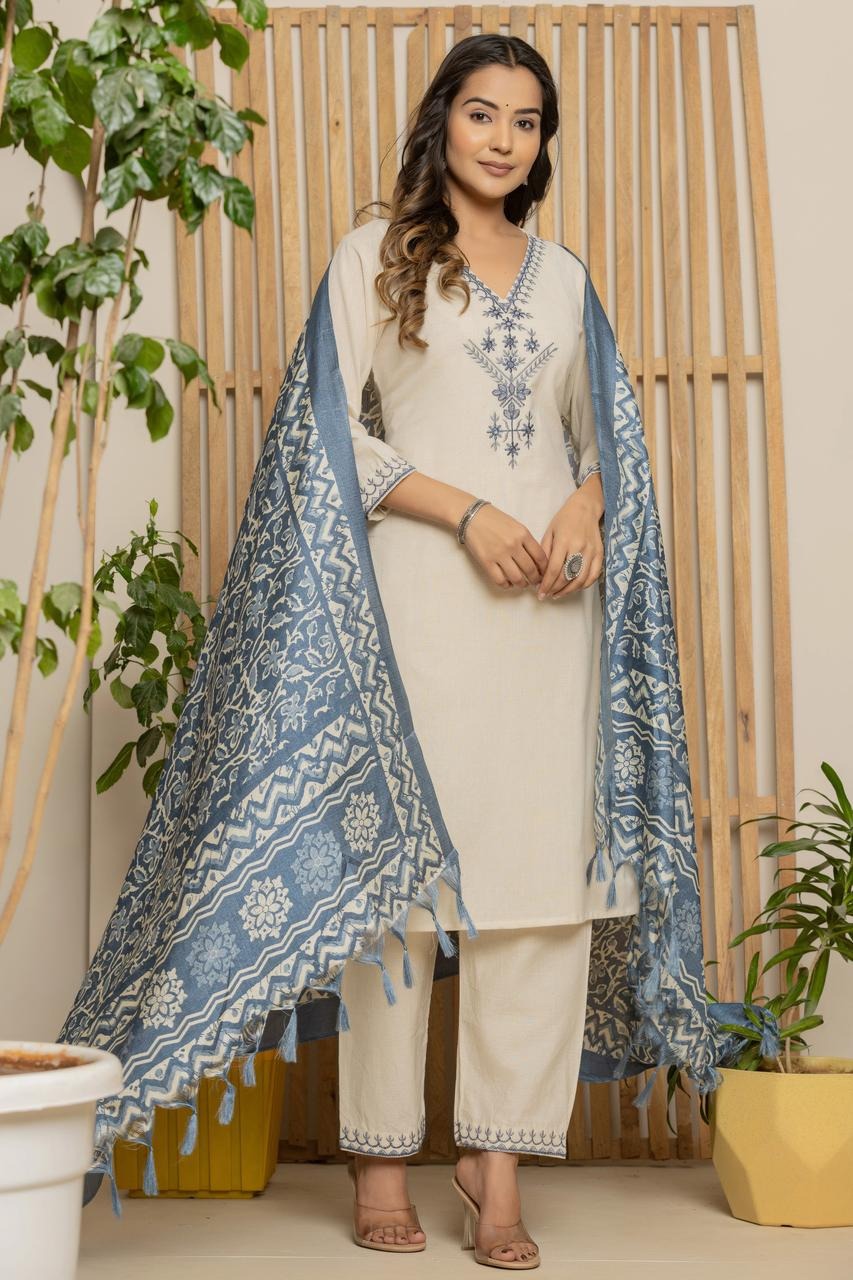
Home method for a mildly curled collar
For a mildly curled collar, dampen the collar evenly with clean water, place a thin cotton pressing cloth over it, and press from the reverse side at the lowest effective heat. Do not drag the iron across the edge; lift and place the iron so the collar isn't stretched in one direction.
Shape the collar on a flat surface while it's warm and slightly damp, then place a clean flat weight over the pressing cloth for 10 to 15 minutes. Allow the kurti to cool and dry completely before removing the weight. Steam can help relax a minor roll, but steam alone can't replace missing or badly bonded interfacing.
When does a tailor need to reopen the collar?
A tailor should reopen the collar when the edge curls sharply, the interfacing has bubbles, the neckline has puckered, or the collar returns to the same distorted position after two careful pressings. The tailor may trim the seam allowance, replace the interfacing, add stay-stitching, or recut the facing.
Stay-stitching is a line of stitching placed near a neckline edge to stop the fabric from stretching during construction. A tailor may also understitch the facing, which anchors the seam allowance to the facing and helps keep the facing from rolling toward the outside.
don't cut away the curled edge at home. Removing even 3 to 5 millimetres can change the neckline circumference and make the collar sit too tightly against the neck. A professional can inspect the grain, seam balance and inner support before deciding whether alteration is practical.
What should you check before buying a collared salwar suit?
Before buying a collared salwar suit, check the collar symmetry, seam quality, edge finishing, fabric grain and care instructions. These checks can't predict every washing result, but they reveal whether the collar has been constructed with enough control.
- Place the collar flat and compare both sides for equal width and length.
- Look for smooth curves around the neckline instead of puckers or tiny folds.
- Check that the topstitching follows the edge at a consistent distance, usually about 2 to 3 millimetres on a fine collar.
- Run a finger along the collar edge to detect bubbles, loose sections or hard adhesive patches.
- Inspect the underside for exposed seam allowances, uneven trimming or visible interfacing.
- Ask whether the garment requires dry cleaning, hand washing or a cold delicate cycle.
A firm collar should not feel cardboard-stiff, and a soft collar should not collapse unevenly around the neckline. Kanchi Cotton Zari Woven Kurti Set with Traditional Dupatta may have decorative woven detail that calls for careful handling around the collar and zari areas. Avoid rubbing zari surfaces against rough laundry baskets or abrasive machine loads.
Garment proportions also matter. Kanchi Cotton Woven Kurta Pant Dupatta Set has multiple pieces, so wash the kurta, pant and dupatta according to the strictest care requirement rather than assuming every component can tolerate the same treatment. Matching pieces washed separately can also develop slightly different colour or shrinkage if one item is washed in hot water and another isn't.
How do regional textile styles change collar-care decisions?
Regional textile styles change collar-care decisions because weave structure, surface decoration and dye processes vary from one textile tradition to another. A printed cotton salwar suit may tolerate a different washing routine from a zari-woven or jacquard garment.
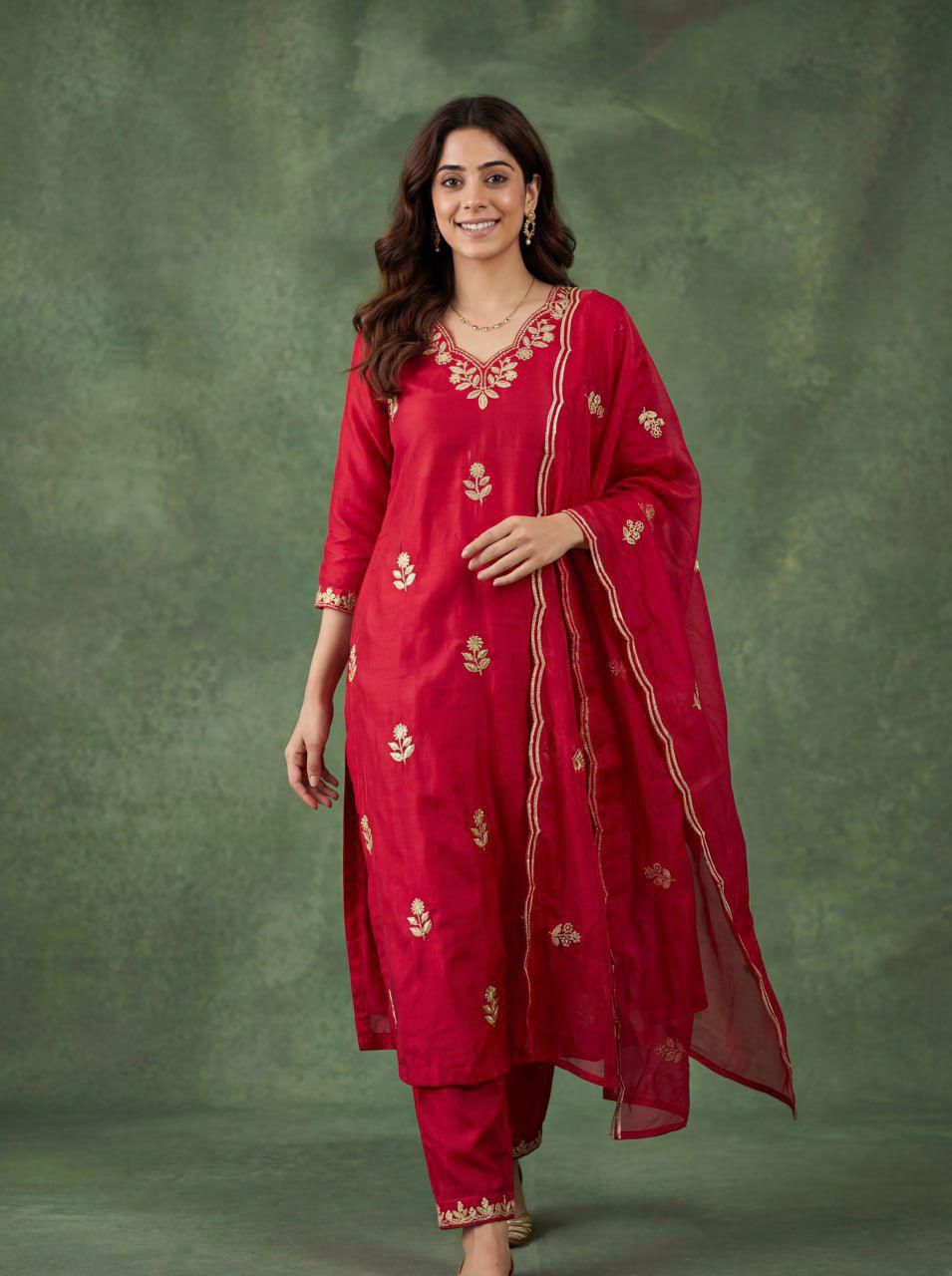
Kalamkari Print Salwar Suits often bring printed surfaces and cotton handling into the same care conversation, so colour separation and shade drying are sensible precautions. Maharashtra Paithani Inspired Salwar Suits and Gujarat Bandhej Salwar Suits may feature decorative visual elements that should not be exposed to harsh rubbing, prolonged soaking or aggressive pressing.
Odisha Sambalpuri Salwar Suits can also contain visibly structured woven patterns, while Punjab Patiala Salwar Suits are associated with fuller silhouettes and more fabric volume. Fuller garments retain more water, which makes gentle lifting, supported drying and collar reshaping particularly important after rinsing.
Textile identity doesn't replace the care label. A collection name or regional reference can't tell you the exact fibre blend, dye fastness or interfacing used in a particular garment. The label, product description and a small hidden-area colour test provide more reliable guidance than assuming every cotton-looking fabric behaves identically.
How can you tell whether curling is a care problem or a quality problem?
A collar that curls only after hot washing may reflect care conditions, while a collar that curls after a cold gentle wash is more likely to have a construction or material problem. The timing, severity and symmetry of the curl provide useful clues.
- Likely care-related: the whole garment has shrunk slightly, the collar improves with damp pressing, and the curling followed hot water or tumble drying.
- Likely construction-related: one side curls more than the other, the edge has puckering, the interfacing is bubbling, or the collar was distorted after a cool hand wash.
- Likely fabric-related: the weave has tightened unevenly, the surface has become rippled, or the fabric shows broader shrinkage beyond the collar.
Photograph the collar before washing and again after drying if the garment is new or expensive. Keep the care label and purchase details, and contact the seller promptly when a collar develops severe distortion after the stated washing method. A clear record helps distinguish a normal first-wash adjustment from a defect.
Knowing what makes a kurti collar curl after the first wash turns a frustrating laundry surprise into a manageable decision. Cool water, gentle handling, supported drying and reverse-side pressing prevent many cases, while uneven puckering or recurring distortion deserves a tailor's inspection rather than repeated ironing.
Common Questions About Kurti Collars After Washing
Why does my kurti collar curl after one wash?
A kurti collar usually curls after one wash because the outer fabric, facing and interfacing shrink or relax at different rates. Hot water, vigorous agitation, wringing and high-heat drying can make the distortion more pronounced.
Can I prevent a cotton kurti collar from curling?
Yes, wash a cotton kurti in cool water with mild detergent and minimal agitation, then reshape the collar while it is damp. Avoid twisting, tumble drying and direct high heat during ironing.
Should I iron a curled kurti collar while it is wet?
Iron a curled collar when it is slightly damp, not soaking wet, and always use a thin pressing cloth. Press from the reverse side with moderate heat and lift the iron instead of dragging it across the edge.
Can a tailor repair a kurti collar that curls outward?
A tailor can often repair a mildly or moderately distorted collar by replacing interfacing, trimming the seam allowance, adding stay-stitching or correcting the facing. Severe shrinkage or a badly miscut collar may not be fully reversible.
Is collar curling a sign of poor kurti quality?
Collar curling can indicate poor construction, but it can also result from washing a shrink-prone fabric in hot water or drying it with high heat. Uneven curling after a cool, gentle wash is stronger evidence of a grain, stitching or interfacing problem.
How should I wash a jacquard or zari kurti?
Wash a jacquard or zari kurti in cool water using a gentle cycle or careful hand washing, and avoid rubbing the decorative surface. Dry the garment in shade, reshape the collar while damp and press from the reverse side with a cloth.