Kerala shoppers use Mundum Neriyathum to describe a traditional two-piece women's garment: a lower mundu wrapped around the waist and an upper neriyathu draped over the blouse and shoulder. What Kerala shoppers mean by Mundum Neriyathum also includes the fabric, border, finish, comfort and cultural setting of the outfit, not merely a white-and-gold colour combination. The garment may appear at Onam celebrations, Vishu gatherings, temple visits, weddings, school functions and ordinary festive dressing.
That distinction matters when shopping online. A single Kerala-style saree may imitate the look of a set mundu, but a genuine Mundum Neriyathum arrangement consists of two coordinated cloth pieces. The lower piece controls the waist-to-ankle silhouette, while the neriyathu creates the visible upper drape. Understanding those parts helps a buyer judge length, transparency, border placement, blouse colour and whether a product suits a formal ceremony or relaxed daytime event.
What Kerala Shoppers Mean by Mundum Neriyathum: The Basic Meaning
Mundum Neriyathum means a two-part Kerala garment made from a mundu worn below the waist and a neriyathu worn across the upper body. The word mundu refers to the lower wrapped cloth, while neriyathu refers to the upper cloth that's usually pleated, tucked or draped over one shoulder.
Time-honoured versions use an off-white or cream ground with a narrow kasavu border. Kasavu is the characteristic metallic zari edging associated with Kerala textiles, historically made with real gold and now more commonly produced with gold-coloured zari or metallic thread. The restrained contrast between the pale body and the border gives the garment its recognisable appearance.
Mundum Neriyathum isn't identical to a six-yard saree. A saree is generally one continuous length of fabric with a pallu, whereas a two-piece Mundum Neriyathum has separate lower and upper sections. Some contemporary retailers use Kerala saree, set mundu and Mundum Neriyathum interchangeably, so product measurements and construction deserve more attention than the label alone.
What Kerala Shoppers Mean by Mundum Neriyathum in Its Construction
Mundum Neriyathum is constructed from two coordinated pieces, with the lower mundu secured first before the neriyathu is arranged above the blouse. The lower cloth is wrapped around the waist with front pleats or a neat tuck, depending on the wearer's preferred drape and the design of the garment.

The neriyathu is then folded or pleated and placed over the upper body. One common arrangement brings the fabric across the chest and over the left shoulder, although draping preferences vary by family, region, age and occasion. The visible zari edge may run vertically along the shoulder and fall towards the waist, creating the crisp linear effect associated with Kerala festive dress.
Ready-to-wear adaptations may include a stitched waist, a pre-pleated upper piece, elastic, hooks or a single saree-like length. These versions can be convenient for stage programmes and quick dressing, but the construction should be stated clearly because a buyer may expect two independent pieces and receive a different format.
What measurements matter when buying Mundum Neriyathum?
A buyer should check the lower-piece length, upper-piece length, total width, blouse requirement and border position before ordering. A lower mundu needs enough length to wrap securely around the waist with an overlap, while the neriyathu needs adequate width to cover the bust and shoulder without pulling.
For a two-piece set, the wearer's waist measurement is only one part of the fit calculation. Height affects the ankle fall, shoulder width affects neriyathu coverage, and the blouse neckline affects how much of the upper drape remains visible. A 5.5-metre saree measurement can't automatically be applied to a two-piece garment because the fabric is divided between separate sections.
What Kerala Shoppers Mean by Mundum Neriyathum Through Kasavu
Kasavu and an off-white or cream base are important because they connect Mundum Neriyathum with Kerala's textile vocabulary, ceremonial dress and preference for restrained ornamentation. The metallic border supplies the festive accent without covering the entire cloth in pattern or shine.
Heritage kasavu may be narrow, often around 1 to 4 centimetres on everyday garments, while ceremonial designs can use wider zari panels or multiple borders. Gold-coloured zari doesn't necessarily mean pure gold thread; most contemporary garments use metallic polyester, viscose zari or blended decorative yarn. Asking about the zari material is useful because metallic finishes differ in weight, durability and washing requirements.
Colour has broadened beyond classic cream and gold. Maroon, green, red, black and rust borders appear in contemporary Kerala-inspired clothing, while floral prints and coloured pallus adapt the visual language for everyday wardrobes. A coloured border can retain a Kerala reference without making the garment look restricted to one festival.
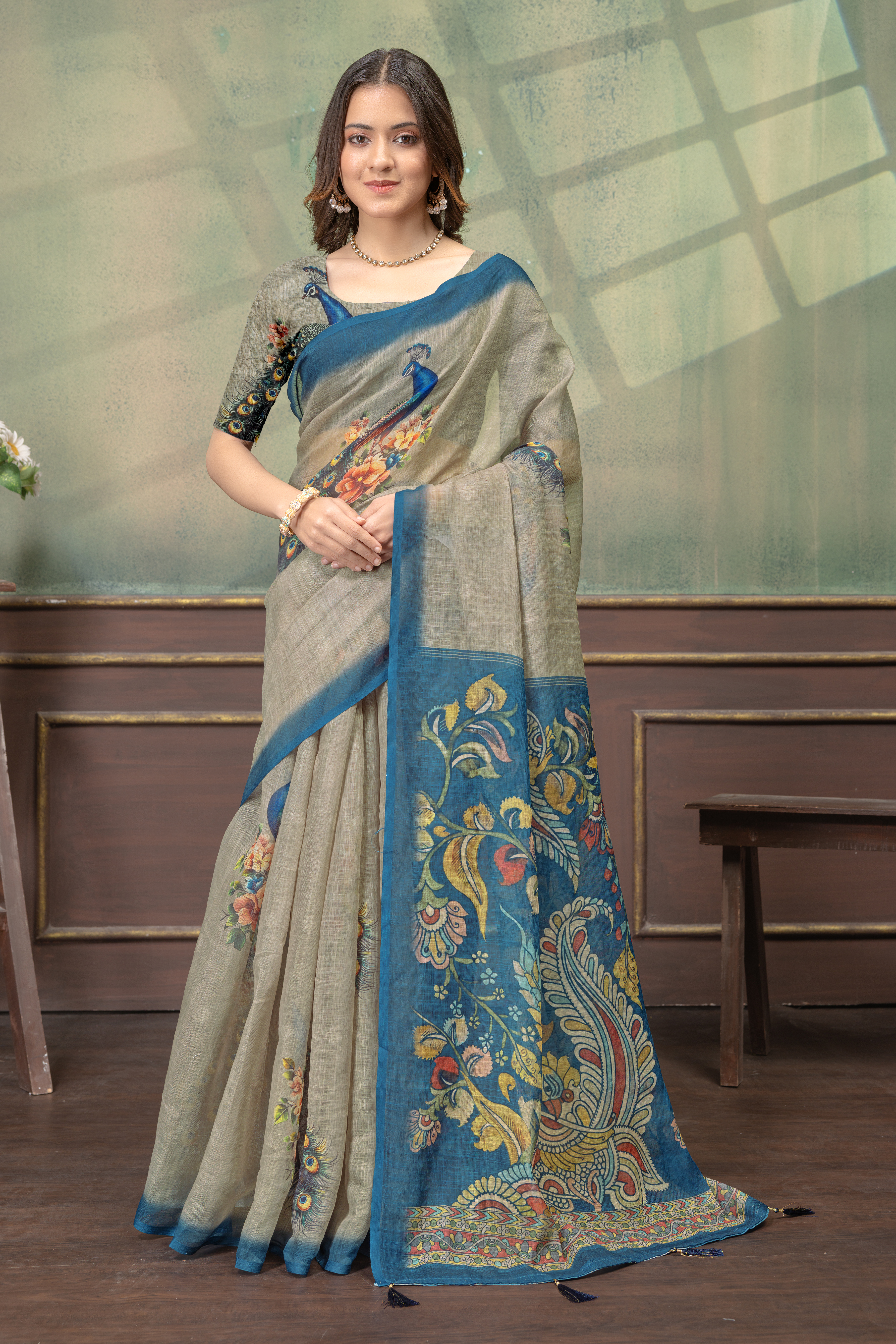
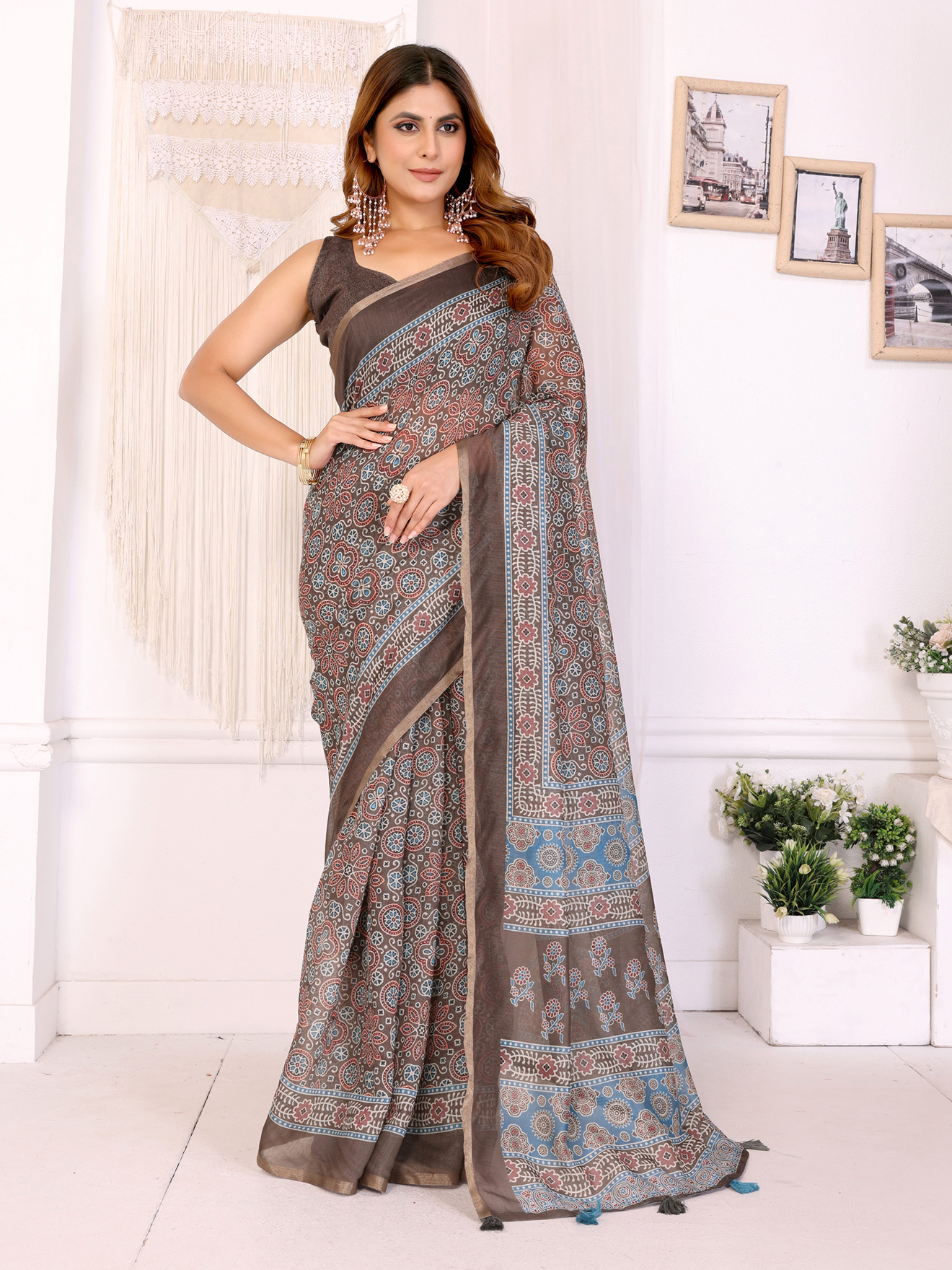
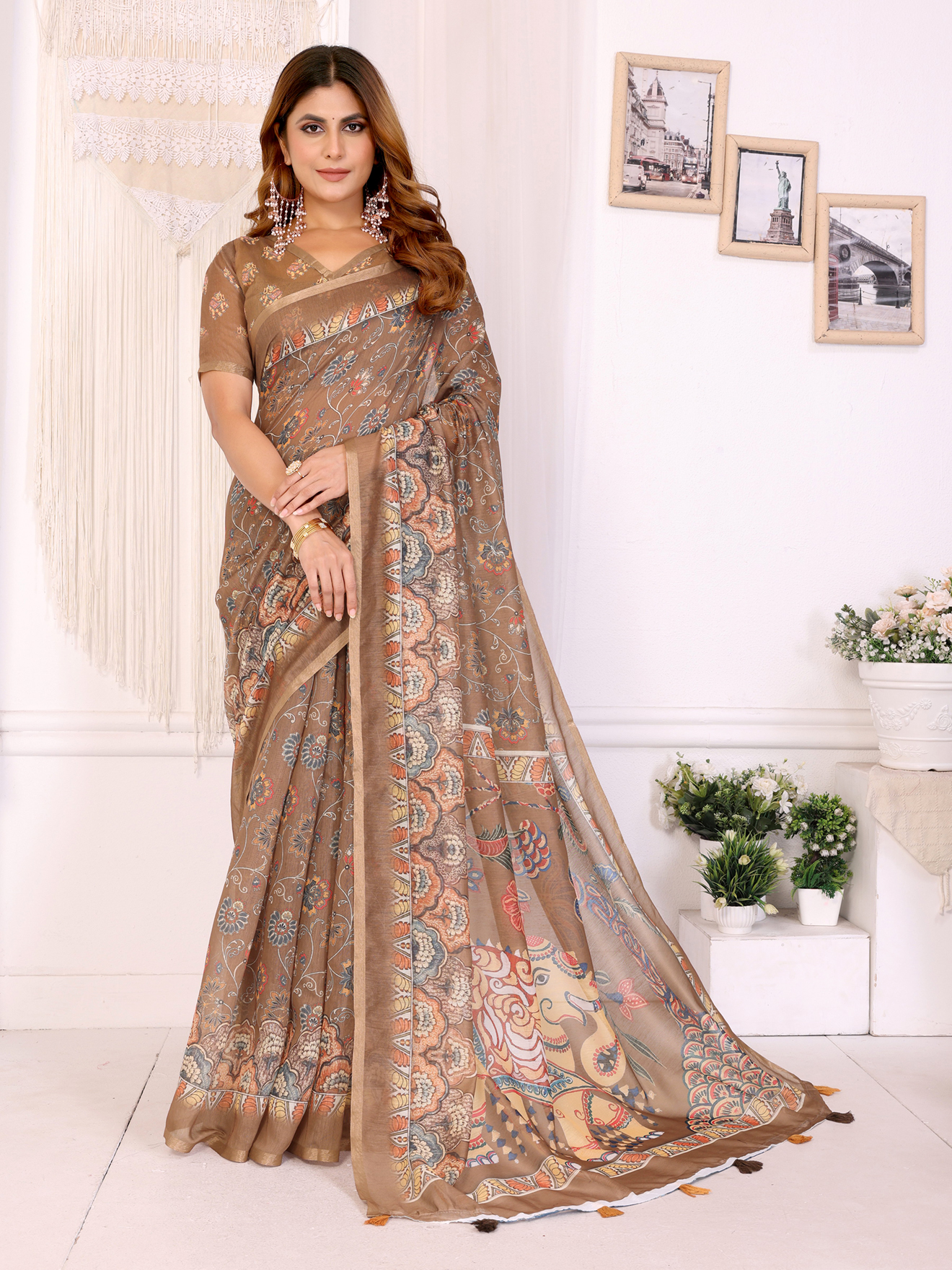
Brown Erode Cotton Saree with Sage Green Floral Pallu uses earthy brown and sage rather than the conventional white-and-gold palette. Erode Cotton Abstract Multicolor Saree with Contrast Border demonstrates how a cotton base and strong border can create a modern regional feel without copying a ceremonial kasavu set exactly.
What Kerala Shoppers Mean by Mundum Neriyathum When Choosing Fabric
Kerala shoppers usually choose fabric according to humidity, wearing time, drape preference and the formality of the event. Cotton is practical for daytime use, linen blends offer a dry textured hand, and viscose or silk-influenced fabrics provide a softer, more fluid fall for dressier occasions.

Erode cotton is valued for its firm hand, breathability and ability to hold a clean border. Mal cotton is typically light and comfortable, making it useful for warm-weather gatherings, although the exact feel varies by weave and blend. Chanderi is lighter and more translucent, so a Chanderi garment may need a well-fitted lining or carefully chosen blouse.
Brown Erode Cotton Saree with Sage Green Floral Pallu is an useful example for shoppers who want a structured cotton drape with a muted floral accent. Maroon Mal Cotton Ethnic Saree With Blouse from VARNAVI shows how a warm solid shade can make a lightweight fabric suitable for festive styling.
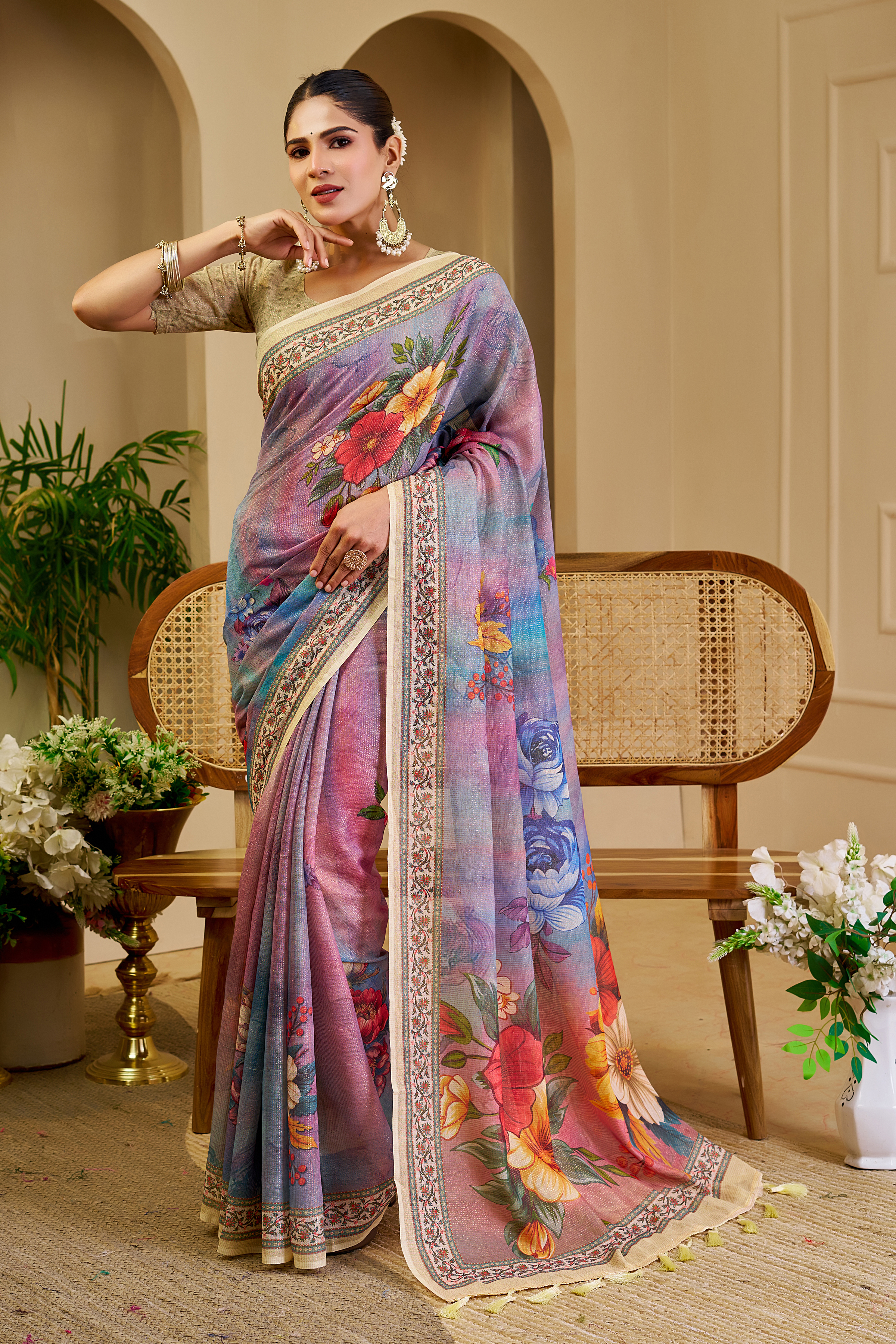
Linen cotton can feel crisp at first and soften with use. Mocha Floral Shimmer Linen Cotton Saree With Floral Tassels illustrates a more decorative approach, but shimmer, tassels and textured yarns may require gentler care than plain cotton. Buyers should distinguish lightweight from cooling because a synthetic shimmer component can alter breathability even when the fabric looks thin.
What Kerala Shoppers Mean by Mundum Neriyathum in Modern Styling
Mundum Neriyathum fits current wardrobes through colour changes, simplified draping, printed fabrics, ready-made blouses and styling that separates classic structure from ceremonial formality. The two-piece idea remains useful because it allows the upper and lower sections to be coordinated rather than treated as one fixed look.

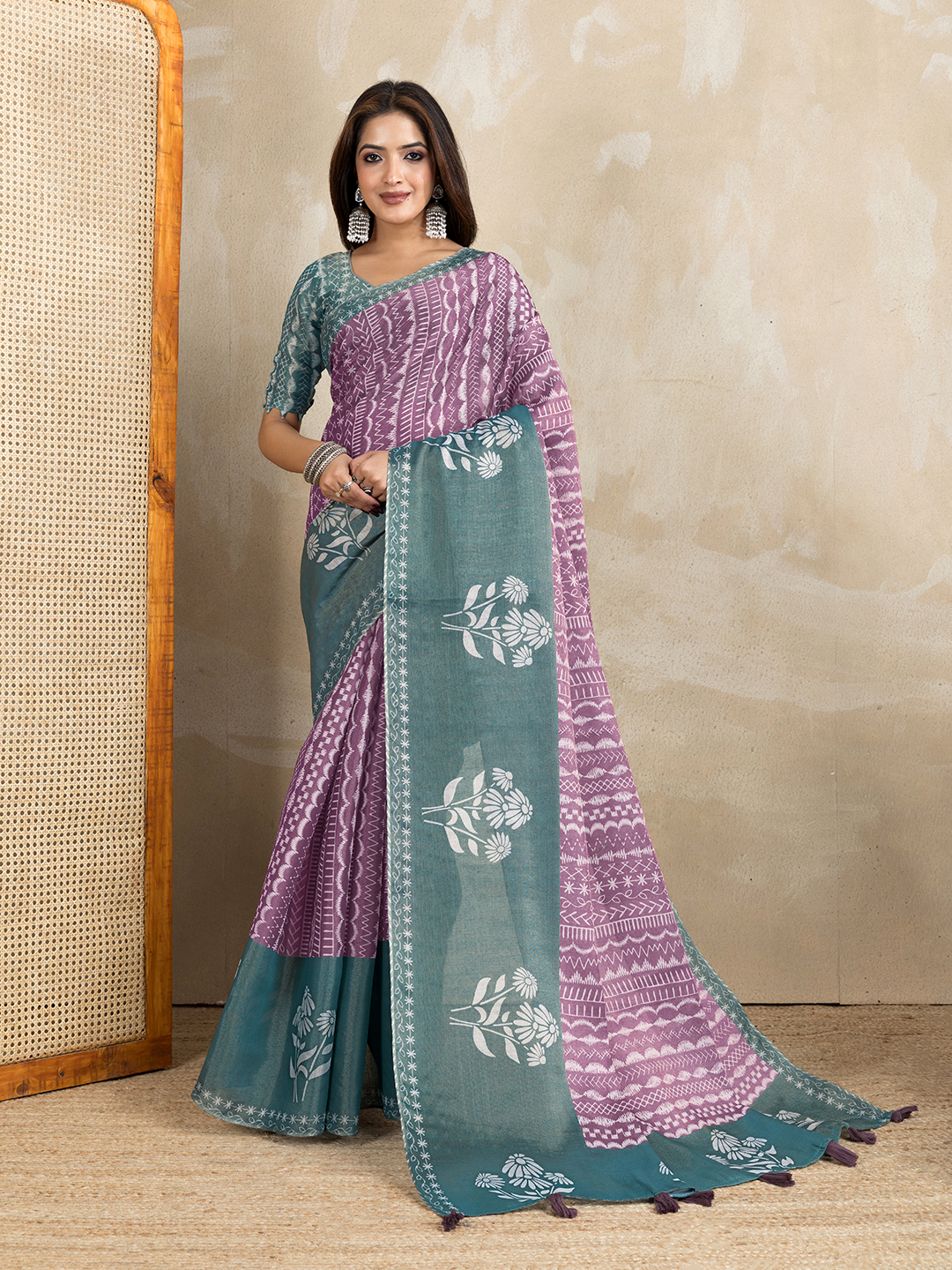
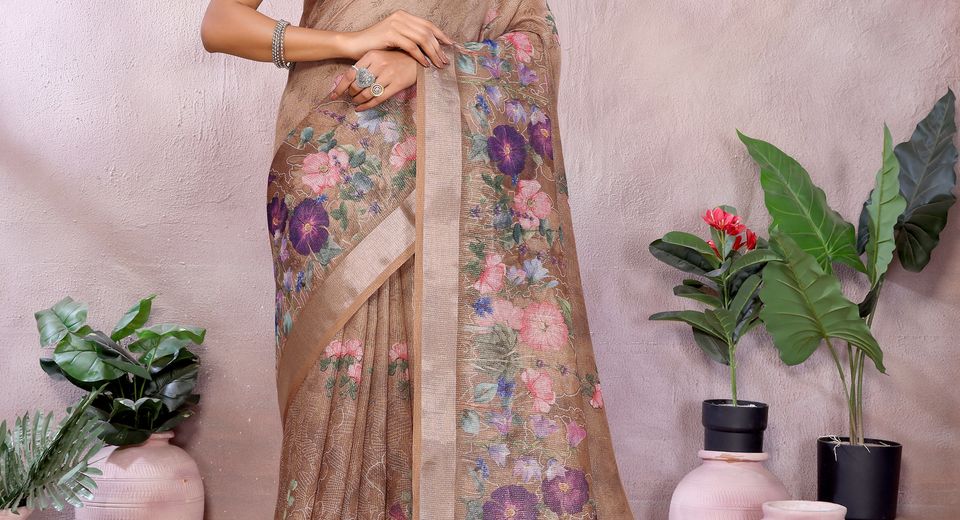
A printed or coloured saree can be styled with a blouse that repeats one small accent instead of matching the entire fabric. Mauve Cotton Saree with Teal Floral Pallu and Ethnic Prints, for example, can guide a teal blouse, oxidised silver jewellery or a neutral sandal without requiring a fully heritage gold palette. Elegant Mauve Linen Saree with Artistic Madhubani Print can work for an art-focused daytime event when paired with a plain blouse and restrained accessories.
Contemporary styling should preserve practical movement. A blouse with a secure shoulder seam prevents the neriyathu from slipping, while a cotton or cotton-blend petticoat gives the lower drape a stable base. Safety pins should be placed from the inside and used sparingly because repeated pinning can weaken delicate zari or snag a fine weave.
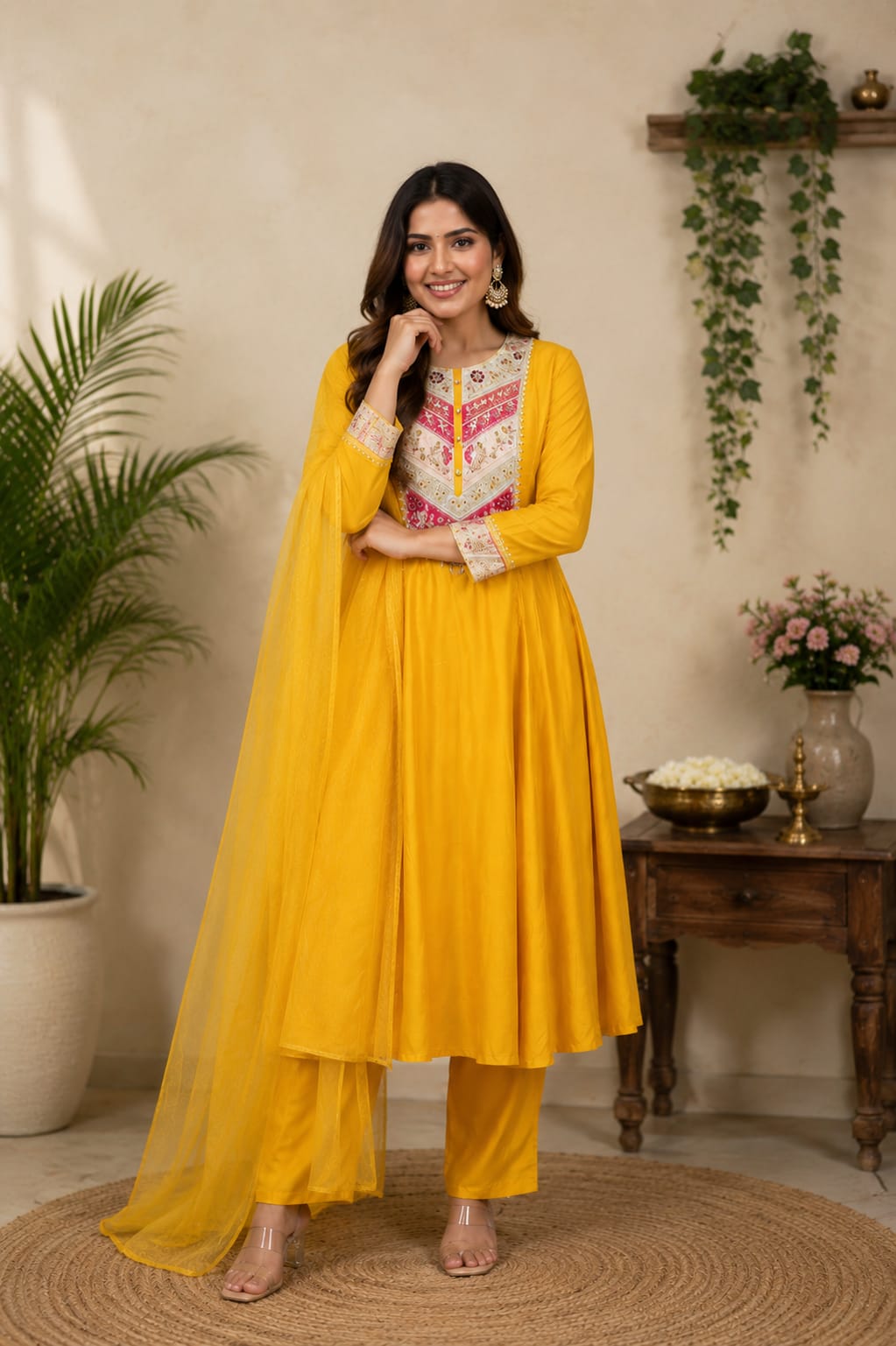
A kurta set can borrow the colour logic of Kerala dress without being Mundum Neriyathum. Magenta Viscose Chanderi Kurta Set with Embroidered Dupatta offers a separate silhouette, but its light fabric and decorated dupatta may suit shoppers who want festive ease rather than a wrapped lower garment. Clear terminology helps shoppers compare related ethnic styles without treating every cream, gold or Indian outfit as the same tradition.
What Kerala Shoppers Mean by Mundum Neriyathum for Different Occasions
Formal kasavu Mundum Neriyathum suits Onam, Vishu, temple-linked celebrations, Kerala weddings and cultural programmes, while printed cotton versions suit office festivities, family lunches and daytime visits. The right choice depends on the event's dress expectations, expected movement and weather as much as on colour.

For Onam, a cream base with gold zari remains a dependable choice, especially when the venue includes classic games, floral pookkalam displays or a family sadya. A coloured border gives more flexibility for smaller gatherings. Maroon, navy, brown and mauve can look polished at work celebrations where a full bridal or heavily embellished outfit would feel excessive.
For weddings, examine the finish rather than relying only on the word silk. Banarasi silk, Kanjeevaram and Kerala kasavu represent different textile traditions, weights and visual languages. A Kerala-inspired garment with a narrow zari border isn't automatically a Kanjeevaram saree, and a Chanderi weave isn't the same as Banarasi silk.
For travel or long ceremonies, fabric weight and fastening deserve priority. A light Mal cotton or plain cotton garment can be easier to manage than a heavily embellished silk, while a secure tuck and modest number of pins reduce adjustment during movement. For evening receptions, a shimmer linen-cotton or deeper coloured drape can provide festive presence without the weight of dense embroidery.
What Kerala Shoppers Mean by Mundum Neriyathum When Caring for It
Mundum Neriyathum should be cared for according to its fibre, zari and embellishment rather than washed as an ordinary household cloth. Cotton may tolerate gentle hand washing, while metallic borders, shimmer yarns, Chanderi and embroidered details often need more cautious treatment.

Check the care label before the first wash and test colourfastness on an inside seam when the label permits washing. Use cool water, a mild detergent and a short soak of around 5 to 10 minutes for washable cotton. Avoid wringing, twisting or brushing zari borders because mechanical pressure can loosen metallic threads and distort the edge.
Dry the garment in shade rather than harsh direct sunlight, especially when the fabric contains dark dyes, viscose or decorative metallic yarn. Fold the cloth with the zari border inside to reduce abrasion, and refold it every few months if it remains stored for a long period. Keep the garment away from damp cupboards because moisture can encourage mildew and tarnish metallic finishes.
Iron cotton on the reverse side using a temperature suitable for the fibre. A pressing cloth is safer for printed cotton, linen blends and zari. Steam can relax creases, but excessive heat near metallic borders may flatten texture or damage synthetic components.
What Kerala Shoppers Mean by Mundum Neriyathum Before Ordering Online
Online shoppers should confirm whether a listing describes two separate pieces, a single saree, or a pre-stitched adaptation before placing an order. The product title alone can't establish the garment's construction.
- Check the exact measurements of the lower mundu and upper neriyathu.
- Confirm the fibre content, especially when the listing uses terms such as silk feel, linen touch or shimmer.
- Ask whether the blouse is included, stitched, lined or shown only for styling.
- Look for the border width, zari type and whether the border runs along one edge or several edges.
- Review transparency information for Chanderi, fine cotton and lightweight blends.
- Choose colours according to venue lighting because cream, ivory, beige and white can photograph differently.
- Read care instructions before buying garments with tassels, embroidery or metallic thread.
These checks help separate a heritage two-piece set mundu from a Kerala-inspired saree that simply borrows the colour palette. Both can be attractive, but they serve different expectations. A shopper seeking cultural accuracy may prioritise separate construction and kasavu, while a shopper seeking everyday comfort may prefer a printed cotton saree with a similar restrained border.
Common Questions Kerala Shoppers Ask About Mundum Neriyathum
Is Mundum Neriyathum the same as a Kerala saree?
Mundum Neriyathum traditionally consists of two separate pieces: a lower mundu and an upper neriyathu. Kerala saree usually refers to one continuous saree, although retailers sometimes use the terms interchangeably for similar off-white and kasavu styles.
What does kasavu mean in Mundum Neriyathum?
Kasavu refers to the metallic zari border associated with Kerala textiles. Contemporary kasavu borders are usually made with gold-coloured metallic or blended yarn rather than pure gold thread.
Can Mundum Neriyathum be worn for Onam?
Yes, Mundum Neriyathum is a widely recognised choice for Onam celebrations. An off-white or cream base with a gold kasavu border is traditional, while coloured borders and printed cotton versions suit less formal Onam gatherings.
Which fabric is comfortable for Mundum Neriyathum in Kerala weather?
Cotton and lightweight cotton blends are generally comfortable in Kerala's warm and humid weather. Mal cotton and Erode cotton offer different drapes, so buyers should choose according to whether they prefer a softer fall or a more structured hand.
How is Mundum Neriyathum draped?
The lower mundu is wrapped around the waist and secured first, followed by the neriyathu across the upper body and over one shoulder. The exact pleating, tuck and shoulder arrangement varies by family, region, garment design and personal preference.
How should a kasavu Mundum Neriyathum be washed?
A kasavu garment should be washed according to its fibre and care label, with cool water, mild detergent and no wringing when hand washing is permitted. Drying in shade and folding the zari border inward helps reduce fading, abrasion and metallic-thread damage.