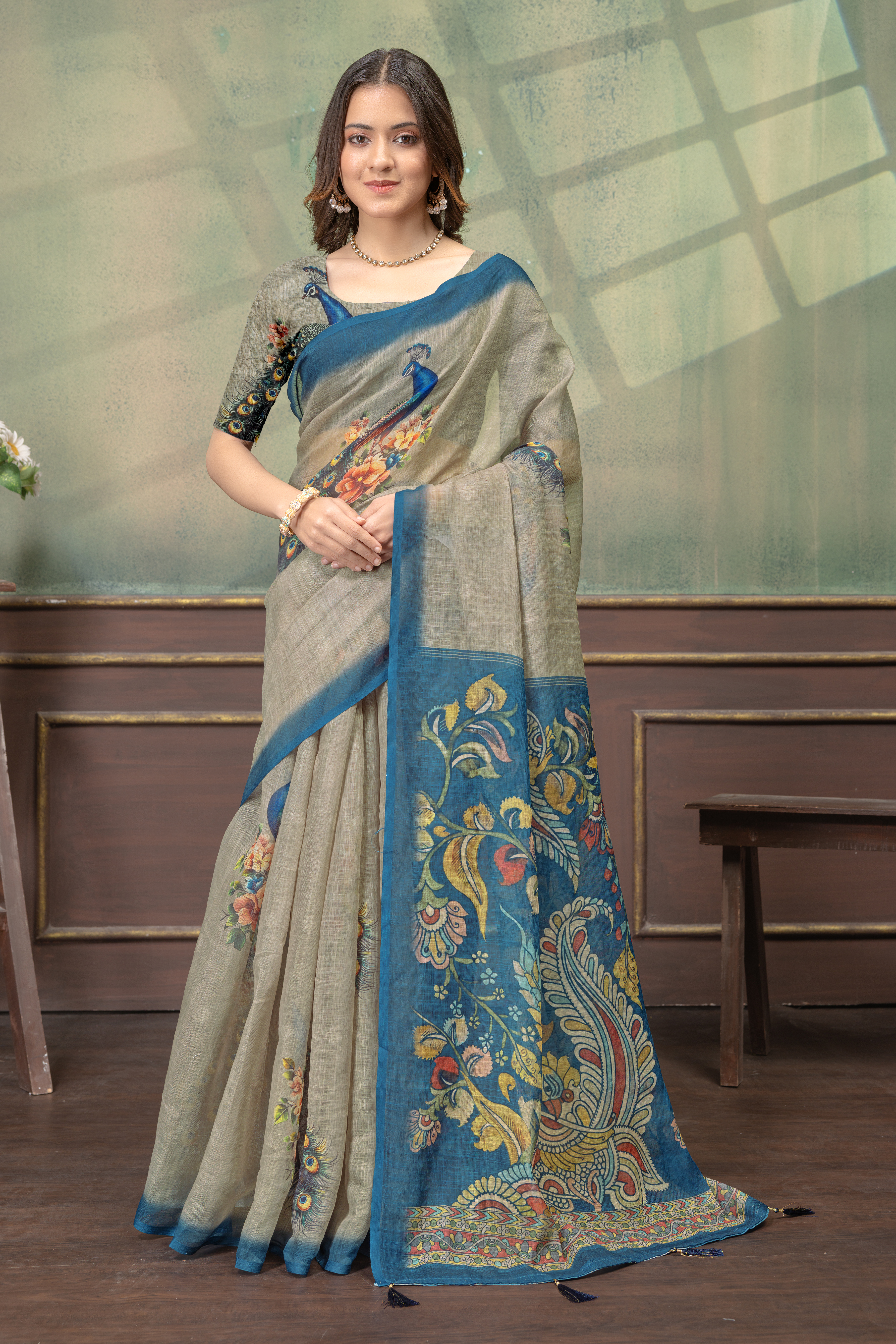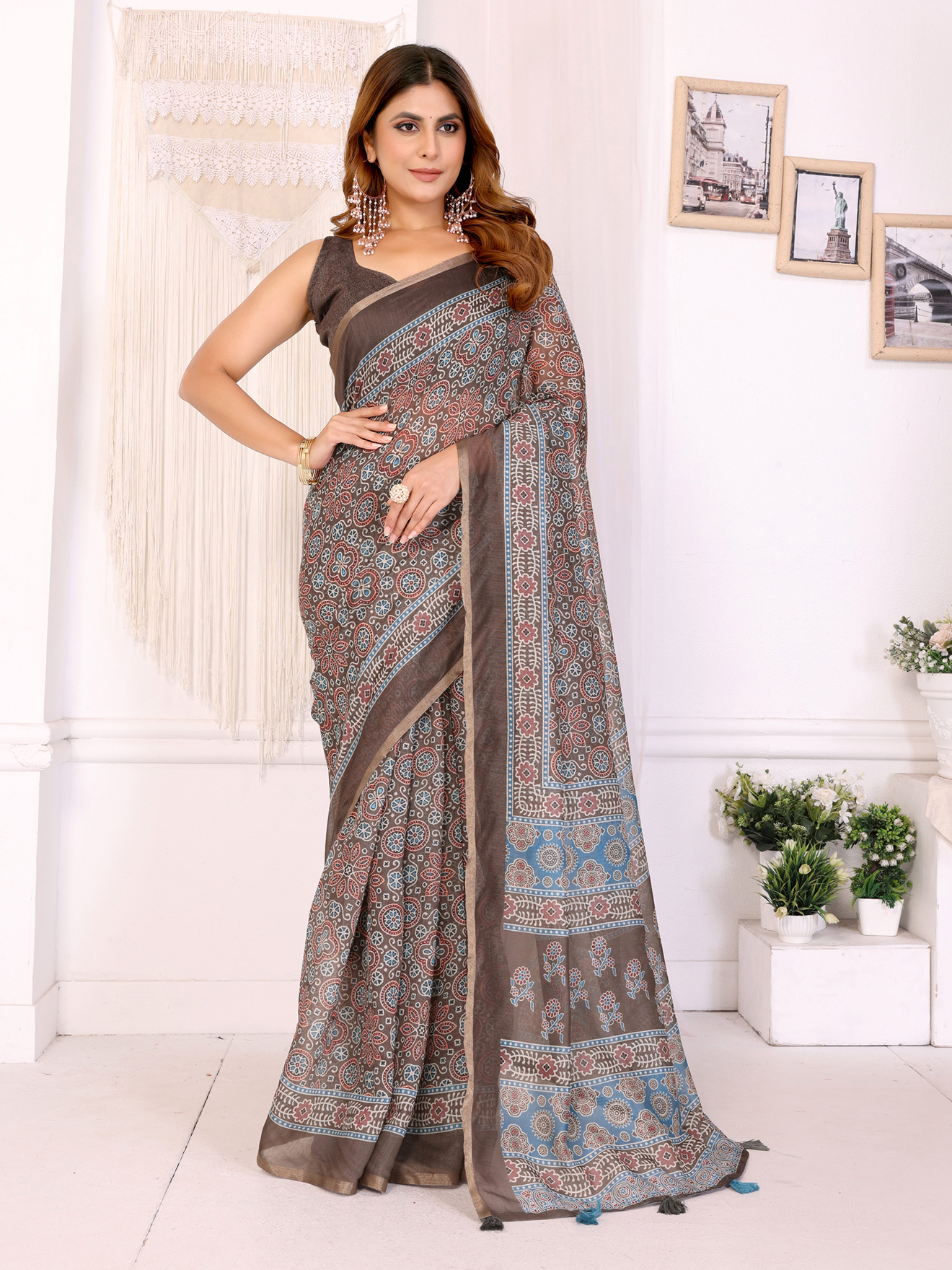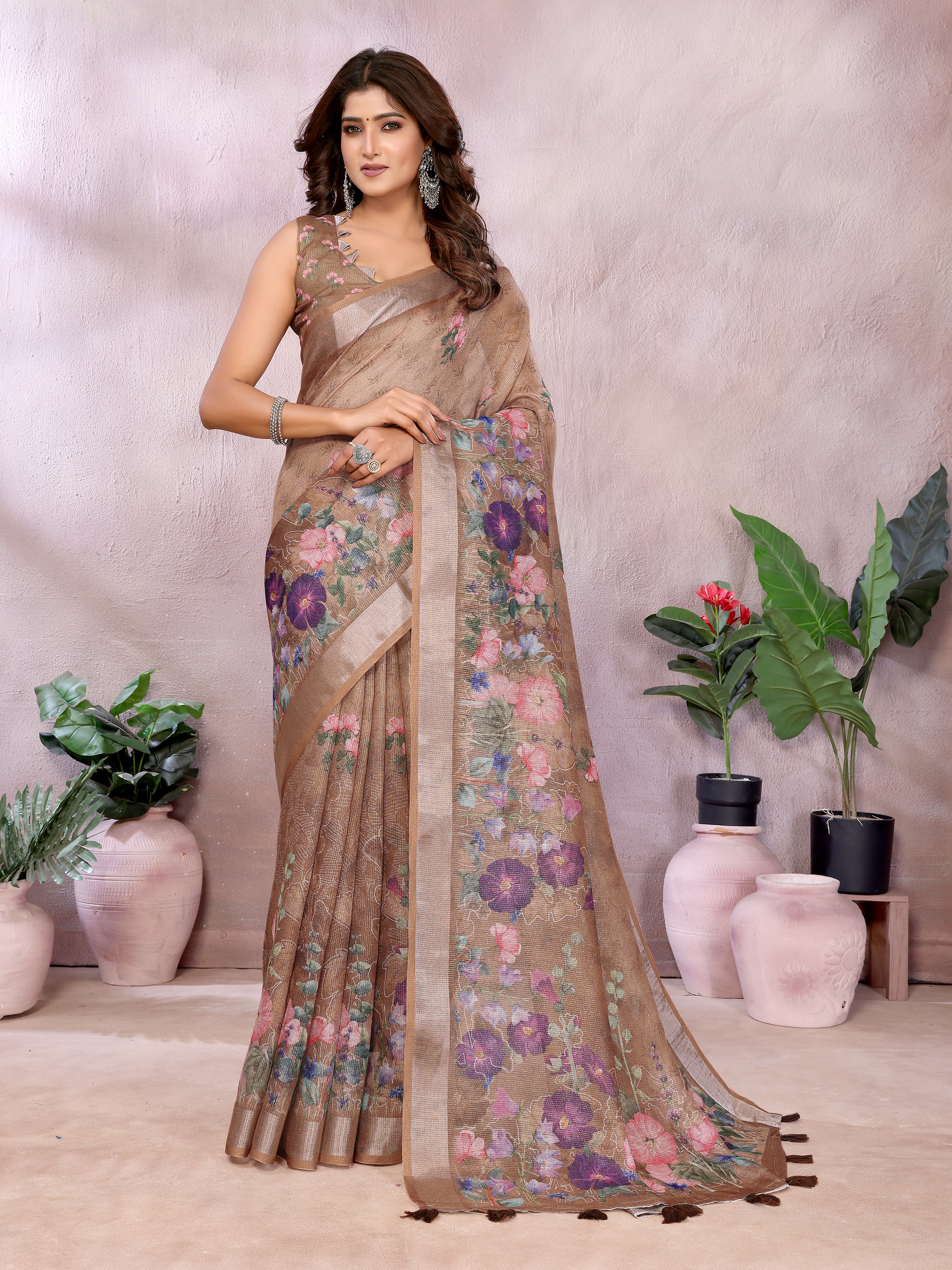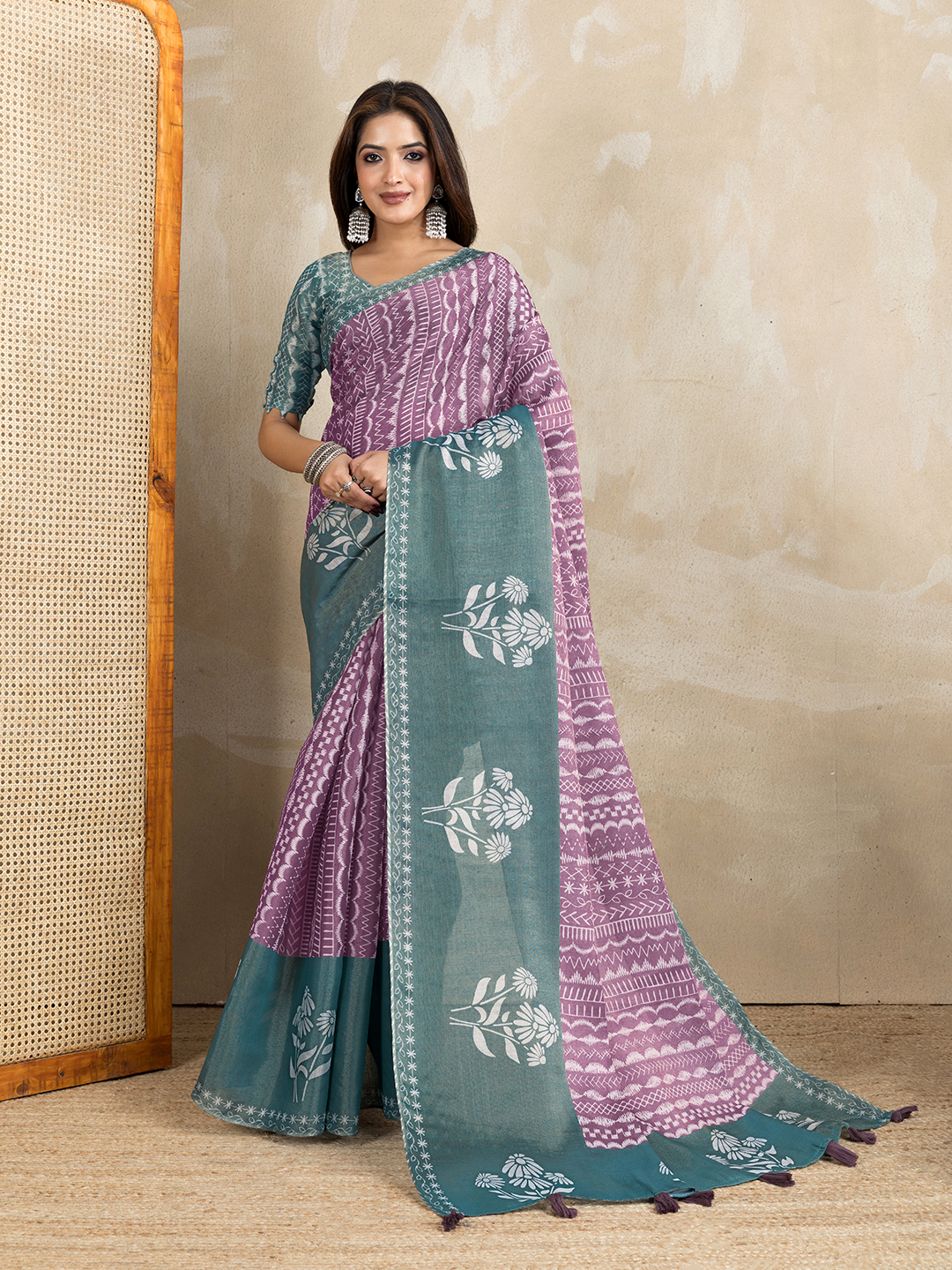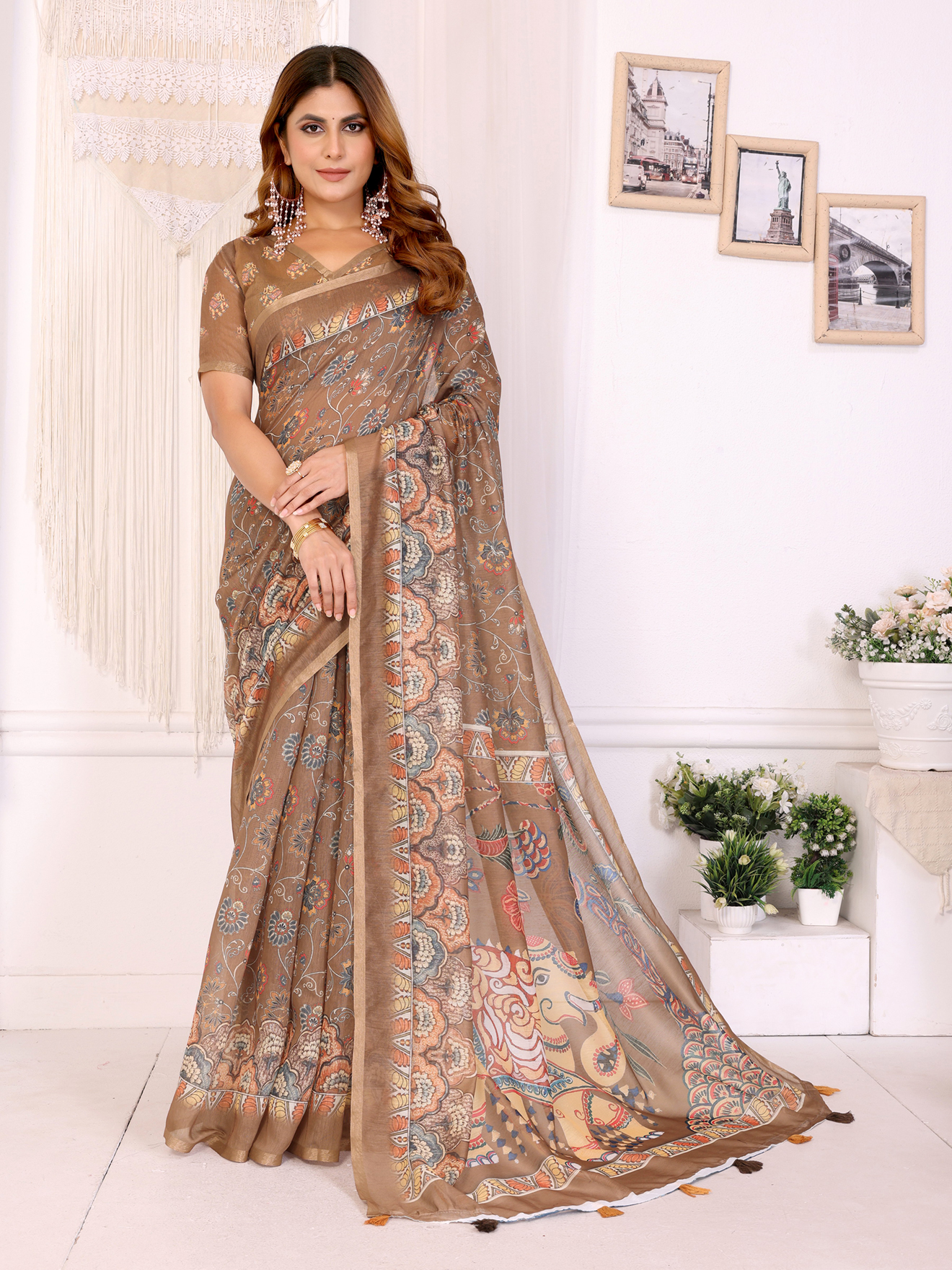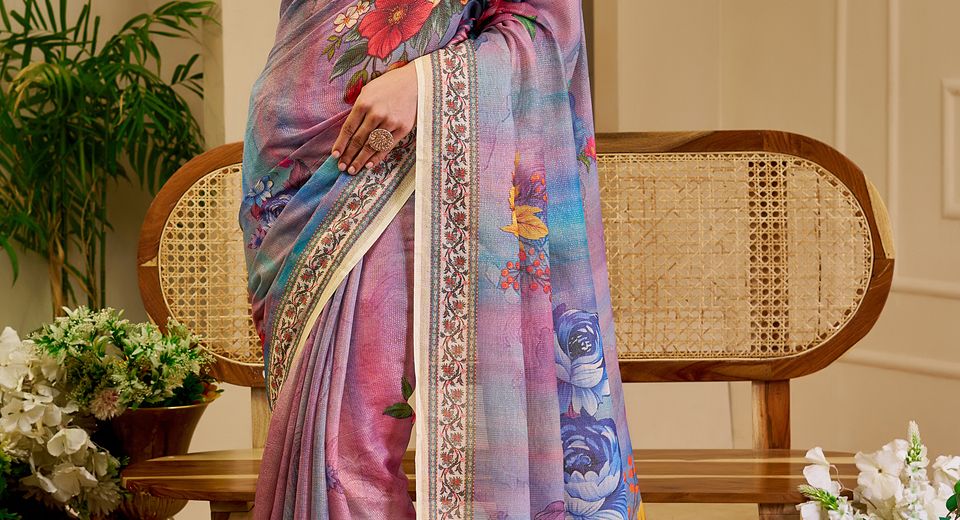
Kannada Seere Shopping When You Want an Everyday Cotton Weave becomes much easier when you know what to inspect beyond colour and print. A practical daily saree should feel comfortable for several hours, hold its shape through movement, suit the weather, and remain manageable after washing. The right choice depends on yarn feel, weave density, border construction, blouse fabric, transparency, and the amount of ironing you're prepared to do.
Kannada cotton sarees can work for office commutes, teaching, shopping, home functions, temple visits and relaxed weekends. Karnataka textile traditions include Ilkal sarees, Molakalmuru weaving and contemporary handloom cotton styles using checks, stripes, floral motifs and zari details. A printed tissue cotton saree isn't identical to a traditional Ilkal saree, so checking the actual fabric description and construction matters more than relying on a regional-sounding label.
What should you check first during Kannada Seere Shopping When You Want an Everyday Cotton Weave?
The first checks should be fabric composition, saree weight, transparency, length, width and finishing. These details indicate whether a saree will remain useful on an ordinary day rather than merely attractive in a photograph.
Read the fabric description carefully
A saree described as cotton may contain pure cotton, tissue cotton, cotton with synthetic yarn, or a cotton base with decorative zari. Tissue cotton generally has a lighter, slightly crisp hand and a subtle sheen created by the yarn arrangement. Pure cotton often feels more absorbent and breathable, while a blend may crease less but can feel warmer or less matte.
Ask whether the zari is woven into the fabric or applied as surface decoration. Woven zari forms part of the textile structure, while printed or coated metallic effects may require gentler washing and can change with repeated wear. A product description that names handloom construction, floral zari weaves or a print blouse piece gives useful information, but the final decision should still account for how frequently the saree will be worn.
Use weight and width as comfort clues
A lightweight saree is usually easier to carry for a full workday, but an extremely light saree may need a well-fitted petticoat and careful pleating to prevent shifting. A saree with a firmer border can hold pleats neatly, whereas a soft, fluid cotton saree may create a more relaxed drape. Standard saree lengths commonly range from about 5.3 to 5.5 metres, but taller wearers or people who prefer deeper pleats should confirm the listed length before ordering.
Width also affects coverage. A wider saree gives more room for the pallu and lower pleats, while a narrower saree can feel less bulky in hot weather. Measuring a familiar saree at home provides a practical comparison before placing an order.
How do weave, texture and zari affect Kannada Seere Shopping When You Want an Everyday Cotton Weave?
Weave structure changes the way a cotton saree feels, falls, creases and responds to washing. Texture is therefore a buying decision, not just a visual detail.

Plain-weave cotton usually has a balanced, dependable surface and can be comfortable in humid weather. A denser weave feels more substantial and may resist snagging better, although dense cotton can take longer to dry. Tissue cotton often has a gently crisp surface and a mild glow, making an everyday saree look polished without the weight of silk. Floral prints add visual softness, while zari lines or motifs add formality and may make a saree suitable for office celebrations, puja or a small family gathering.
Banarasi silk, Kanjeevaram and Chanderi should not be treated as interchangeable with everyday Kannada cotton. Banarasi silk is known for rich brocade and zari work, Kanjeevaram is associated with structured silk and contrasting borders, and Chanderi is valued for its light, translucent texture. Cotton is generally more forgiving for repeated daily wear, but cotton still needs appropriate washing and storage.
A modest zari border can provide definition without making a saree difficult to repeat. Pastel Floral Tissue Handloom Cotton Saree with Zari Weaves shows how a soft colour palette and metallic detail can create a dressed-up appearance while retaining a lighter cotton character. Wine Tissue Handloom Cotton Saree with Zari & Floral Prints offers a deeper colour direction for people who want stronger visual presence without moving entirely into heavy festive silk.
Which colours and prints help Kannada Seere Shopping When You Want an Everyday Cotton Weave?
The most useful daily colours are shades that coordinate with at least three blouses and don't show minor creasing or dust immediately. Green, peach, cream, muted blue, brown, wine and soft floral combinations can all be practical when paired thoughtfully.

Build around repeatable blouse colours
A sea-green saree can work with cream, beige, white, gold or a closely matched green blouse. A peach-and-green combination can be worn with a peach, ivory, leaf-green or muted gold blouse. Cream floral cotton can take on a different character with rust, maroon, bottle green, navy or brown.
Sea Green Tissue Handloom Cotton Saree With Floral Patterns is an useful example of a versatile cool-toned option. Peach Green Tissue Cotton Saree With Print Blouse Piece can reduce the effort of blouse planning because the accompanying print gives a ready-made coordination point. A blouse piece is convenient, but the blouse fabric should still be checked for opacity, comfort and shrinkage before stitching.
Choose prints according to the scale of your wardrobe
Small floral prints generally blend easily with everyday accessories and can be worn repeatedly without looking identical in every photograph. Larger florals create more impact and may need simpler jewellery. A saree with a strong print and zari border should usually be paired with a quieter blouse so the outfit retains visual balance.
Olive Green Tissue Handloom Cotton Saree With Floral Prints demonstrates why earthy green can be useful in a daily rotation. Olive works with tan sandals, antique-finish earrings, brown handbags and neutral blouses. Cream Floral Tissue Handloom Cotton Saree with Zari Weaving is another adaptable choice because cream allows the border, blouse and jewellery to determine whether the outfit looks casual, heritage-inspired or lightly festive.
How can you judge the drape during Kannada Seere Shopping When You Want an Everyday Cotton Weave?
A comfortable drape has stable pleats, a secure pallu, sufficient coverage and no persistent pulling at the waist or shoulder. Comfort comes from the interaction between the saree, blouse, petticoat and pinning method.

Try a basic six-to-eight-pleat arrangement before deciding whether a saree is truly wearable. Stiff cotton may form sharp pleats but require more pressing. Soft cotton may drape beautifully but need a cotton or drawstring petticoat with enough grip. A fitted blouse with a secure shoulder seam prevents the pallu from dragging, while a petticoat tied at the natural waist helps prevent the saree from slipping.
For commuting, keep the pallu length moderate and use one discreet pin at the shoulder if the fabric moves during walking. For desk work, slightly narrower pleats can reduce bulk around the knees. For household work, a shorter, securely pinned pallu is safer than a long loose end. These small adjustments often make more difference than choosing a heavier saree.
Check the reverse side of the saree for loose threads, uneven selvedges, skipped motifs and rough finishing. Minor irregularities can occur in handloom production, but long unsecured threads may catch on jewellery or furniture. A firm selvedge should run cleanly along the edge, especially when the saree includes zari.
How should you compare categories during Kannada Seere Shopping When You Want an Everyday Cotton Weave?
Everyday cotton sarees should be compared by frequency of wear and maintenance, not only by price or occasion label. A daily-wear purchase can justify a slightly higher cost when the fabric, finishing and colour coordination support repeated use.

Gray Color Sarees Under 1000 may help when you're searching for a neutral, budget-friendly base, but a low price should not replace checking length, blouse inclusion and fabric details. Pink Georgette Sarees may suit a fluid evening drape, yet georgette behaves differently from cotton in breathability, pleat stability and washing. Party Wear Sarees generally prioritise shimmer, embellishment or dramatic colour, while an everyday cotton saree prioritises repeat comfort.
Silk Sarees Under 3000 With Discount and Red Banarasi Silk Sarees for Weddings Under 1100 can be useful comparison points for festive buying, but discount labels don't make silk a substitute for daily cotton. Silk and cotton differ in absorbency, ironing temperature, storage requirements and resistance to repeated washing. Choosing cotton for daily wear and silk for occasional wear can make a wardrobe more practical than asking one saree to serve every purpose.
What care routine supports Kannada Seere Shopping When You Want an Everyday Cotton Weave?
A gentle wash, shade drying, moderate ironing and breathable storage are the most important care steps for a cotton saree. Zari, dark dyes and printed surfaces require additional caution.

- Check the care label first. The listed fibre content and embellishment should determine whether the saree is hand-washable or better sent for dry cleaning.
- Test colour fastness. Dab a hidden section with a white cotton cloth dampened with cool water. Visible transfer means the first wash should be separate.
- Use cool water and mild detergent. Avoid bleach, strong stain removers and prolonged soaking, particularly for dark cotton, zari and printed tissue fabrics.
- don't wring the saree. Press excess water out gently and support the full length while moving the saree to the drying area.
- Dry in shade. Direct, intense sunlight can fade floral prints and dark dyes. A shaded, well-ventilated space is safer.
- Iron from the reverse side. Use medium heat and place a thin cotton cloth between the iron and zari or printed areas.
- Store with airflow. Fold a completely dry saree along clean lines, refold it every few months, and keep it in a breathable cotton cover rather than sealed plastic.
Frequent wear doesn't require washing after every short use if the saree remains clean and dry. Airing the saree in shade after wearing can reduce odour and moisture before storage. A separate pouch for pins and jewellery prevents sharp metal from catching the weave.
What is the final checklist for Kannada Seere Shopping When You Want an Everyday Cotton Weave?
The final checklist is simple: confirm the fibre, measure the length, assess transparency, inspect the selvedge, count compatible blouses, and understand the care requirement. These six checks help distinguish a genuinely useful daily saree from a purchase that will remain in the wardrobe because it's difficult to drape or maintain.

- Fabric: Confirm whether the saree is pure cotton, tissue cotton or a blend.
- Comfort: Consider weight, breathability, width and the likely weather.
- Construction: Inspect borders, zari, selvedges, loose threads and print quality.
- Styling: Identify at least three blouse colours and suitable footwear before buying.
- Use: Match the drape and ornamentation to office wear, errands, puja or informal gatherings.
- Care: Check whether the saree needs hand washing, shade drying or professional cleaning.
A thoughtful choice can make cotton sarees among the most frequently worn pieces in an Indian wardrobe. Comfort, repeatable styling and manageable care matter more than a dramatic first impression when the saree is intended for everyday life.
Common Questions About Choosing an Everyday Kannada Cotton Saree
Are Kannada cotton sarees suitable for daily office wear?
Yes, Kannada cotton sarees are suitable for daily office wear when the weave is breathable, the print is not overly ornate and the drape remains secure. Medium or lightweight cotton with a modest border usually offers a practical balance between comfort and polish.
What is the difference between tissue cotton and pure cotton sarees?
Tissue cotton generally has a lighter, crisper surface and more visible sheen, while pure cotton usually feels more absorbent and matte. Tissue cotton can look more polished, but pure cotton may feel more breathable for very hot or humid conditions.
How many pleats should an everyday cotton saree have?
An everyday saree commonly works with six to eight front pleats, depending on saree width, body height and desired coverage. Fewer, narrower pleats can reduce bulk for commuting, while deeper pleats may create a more structured appearance.
Can zari cotton sarees be washed at home?
Some zari cotton sarees can be hand-washed in cool water with mild detergent, but the care label should decide the method. Avoid soaking, wringing and direct sunlight, and use professional cleaning when the zari or dye appears delicate.
Which blouse colours work with green and cream floral cotton sarees?
Cream, beige, white, muted gold, rust, maroon, bottle green and brown usually coordinate well with green and cream floral cotton sarees. The best choice depends on the border colour and the dominant shade in the floral print.
How can I tell whether a cotton saree is practical for everyday use?
A practical daily cotton saree has comfortable weight, adequate coverage, a secure selvedge, manageable care instructions and at least three compatible blouse options. Checking length, transparency and fabric composition before purchase also reduces the chance of an impractical choice.