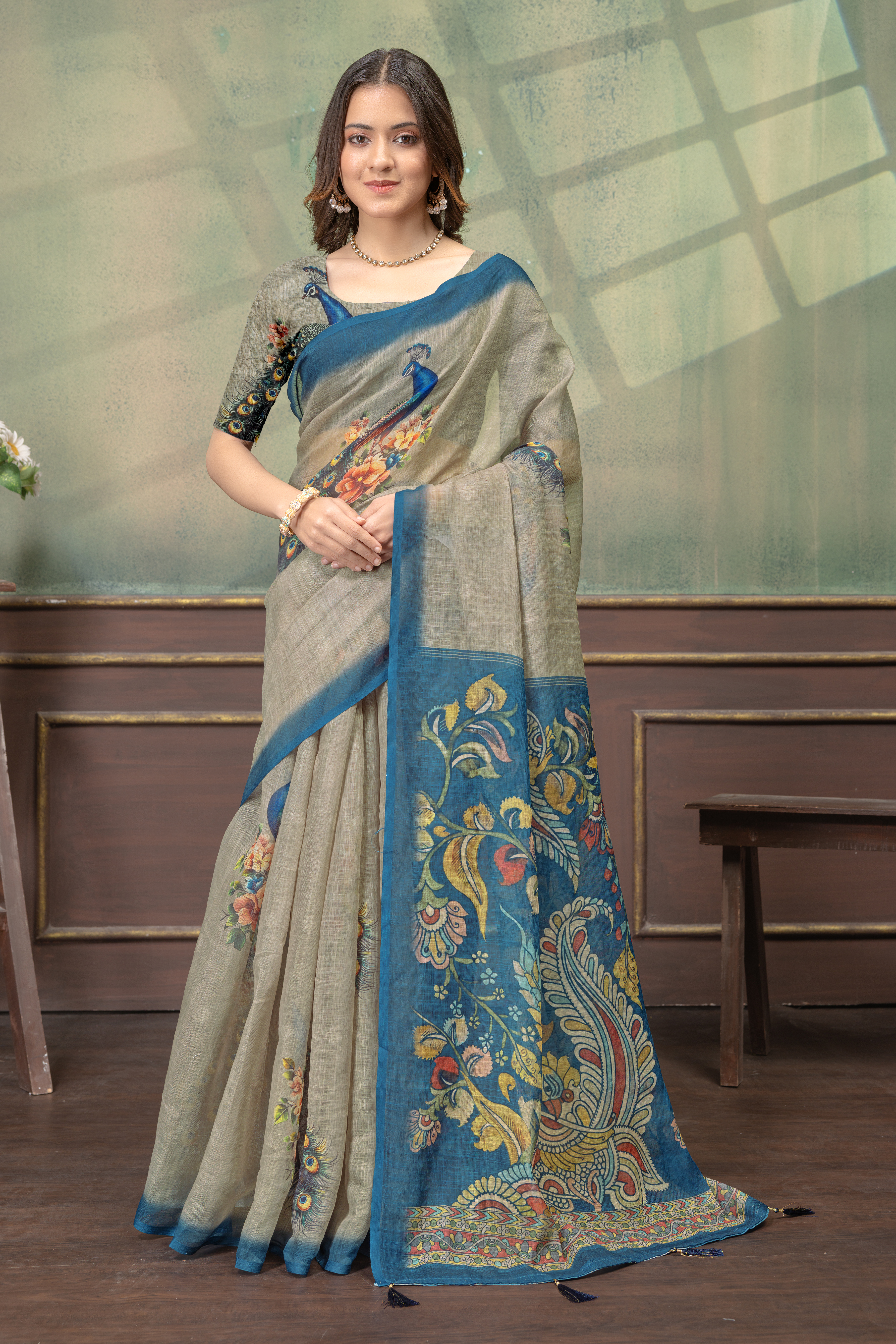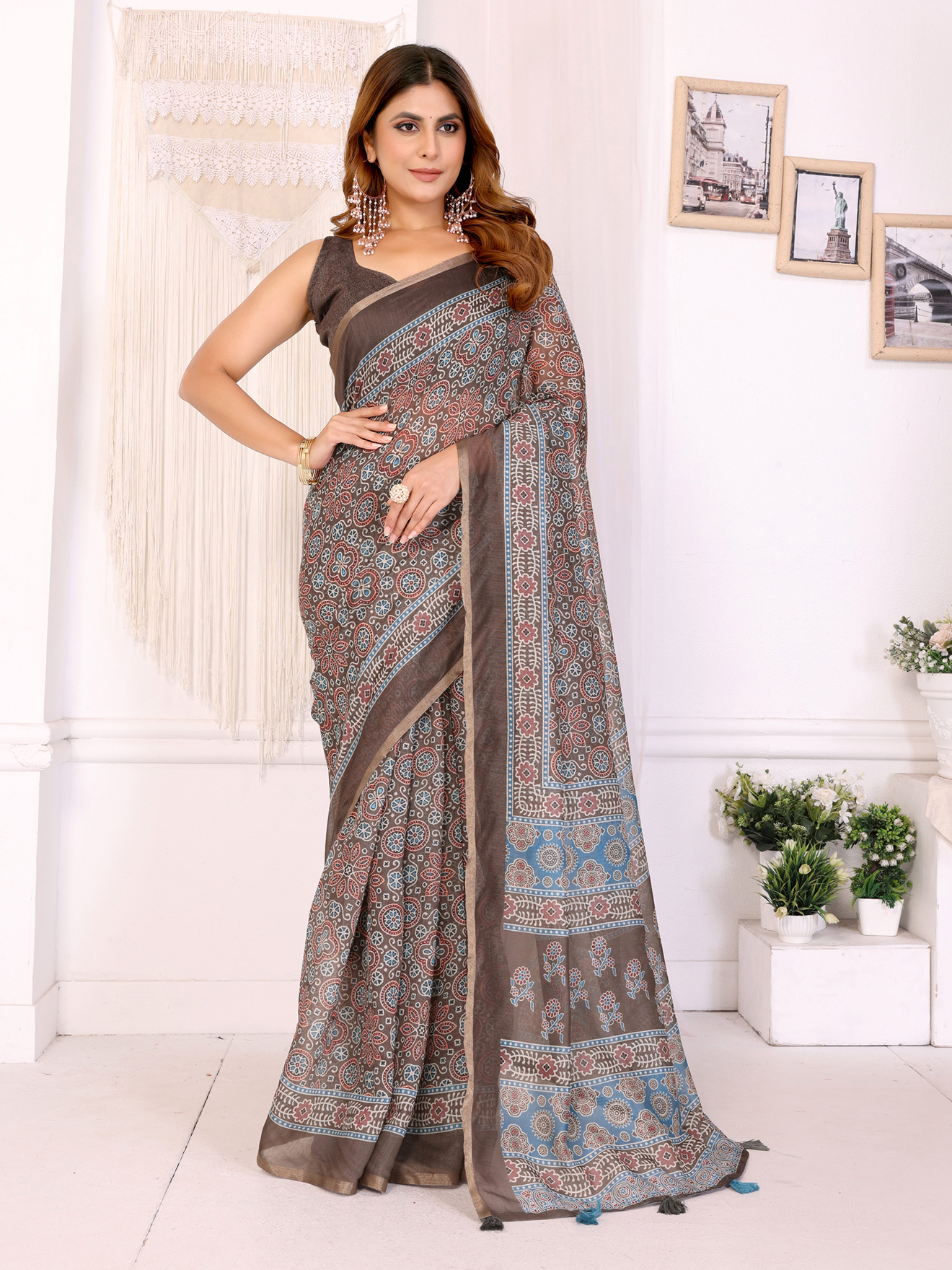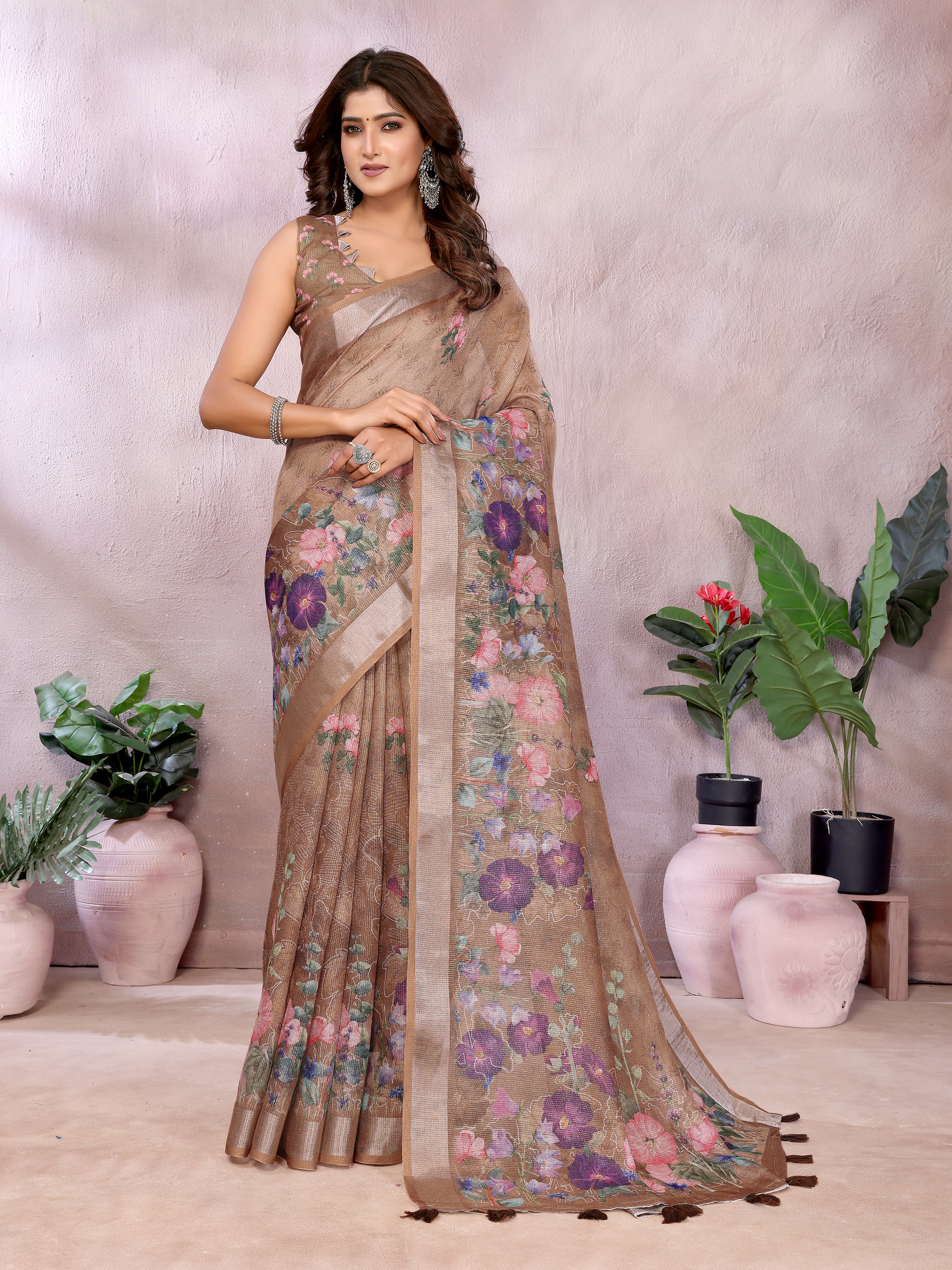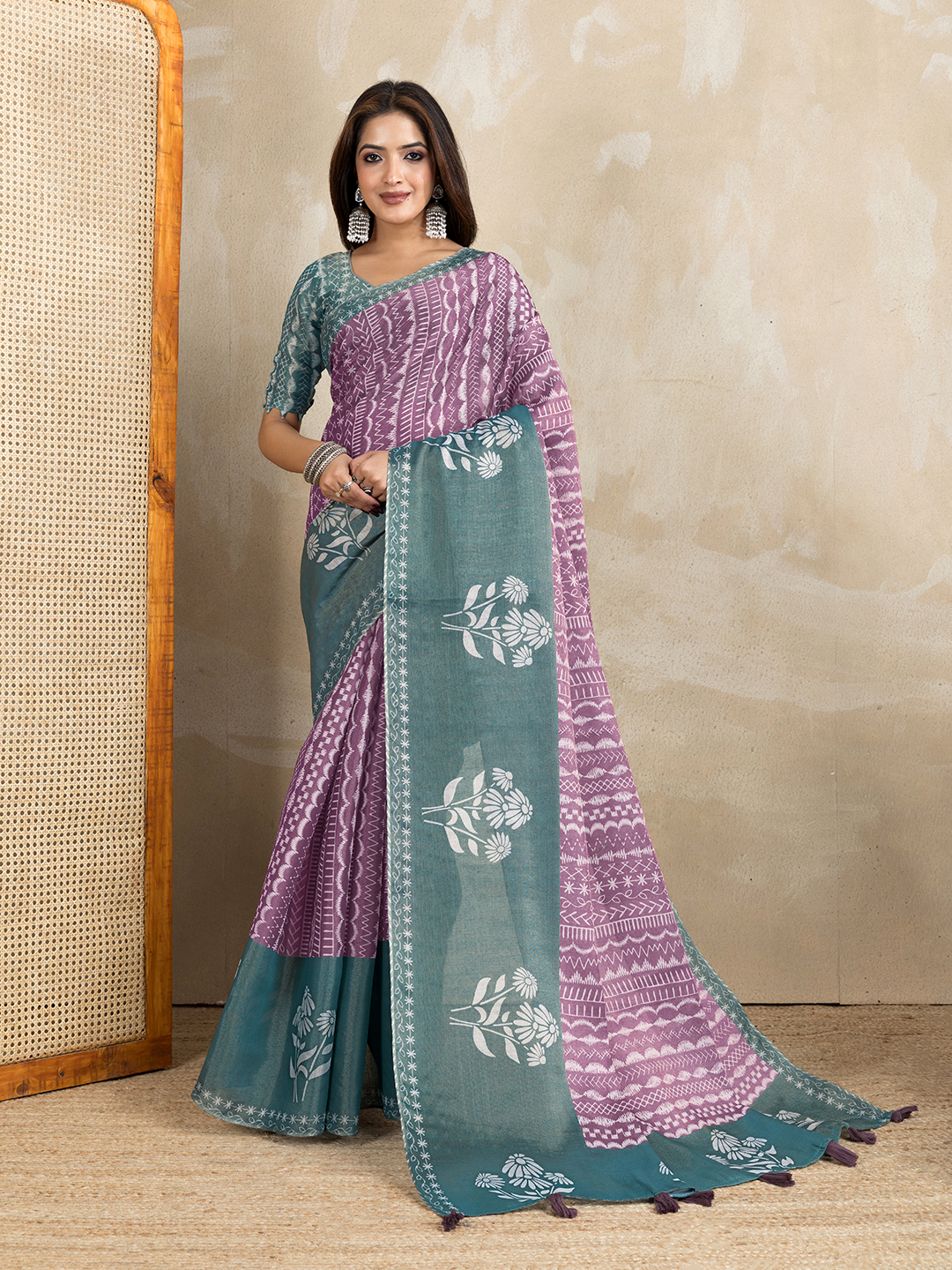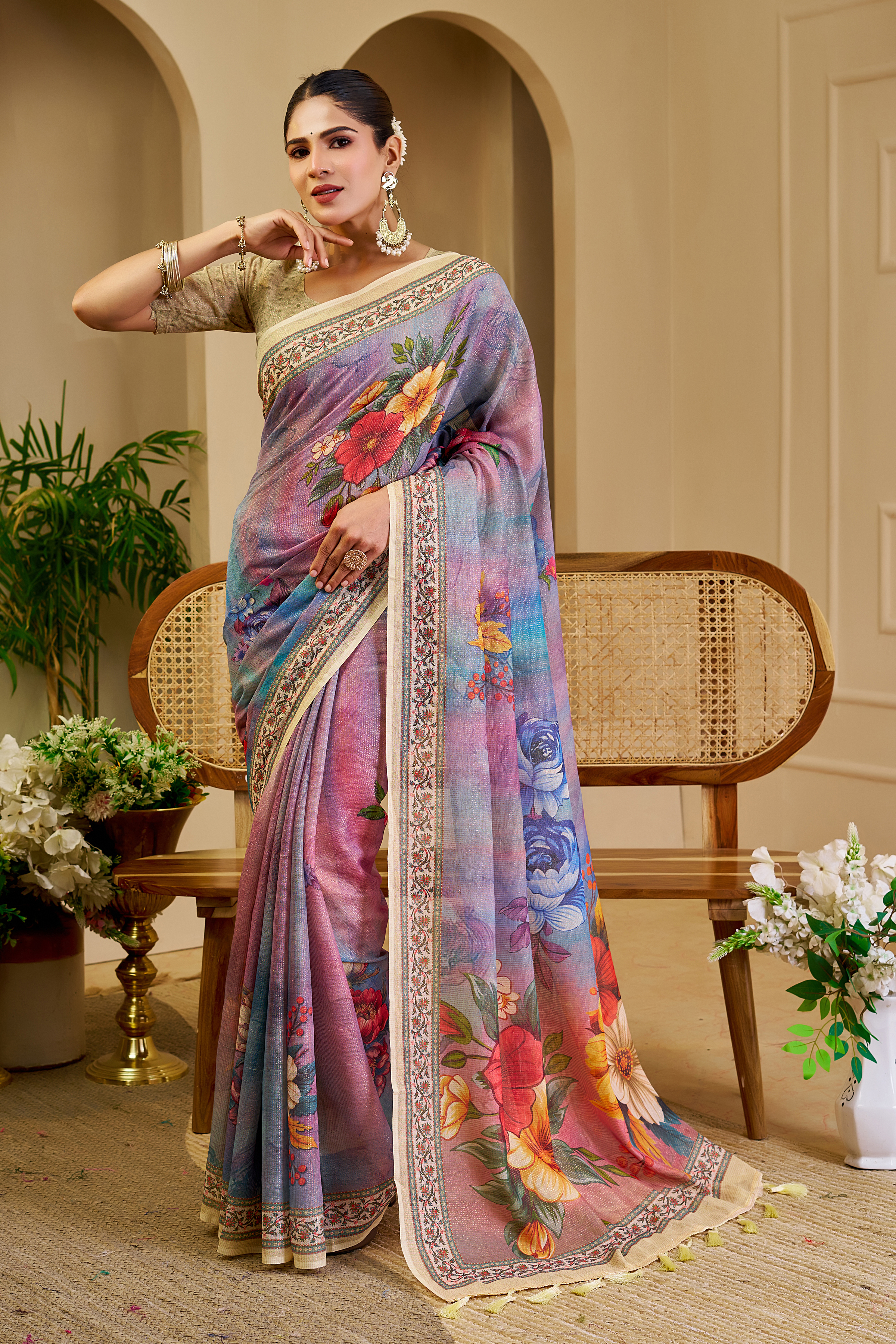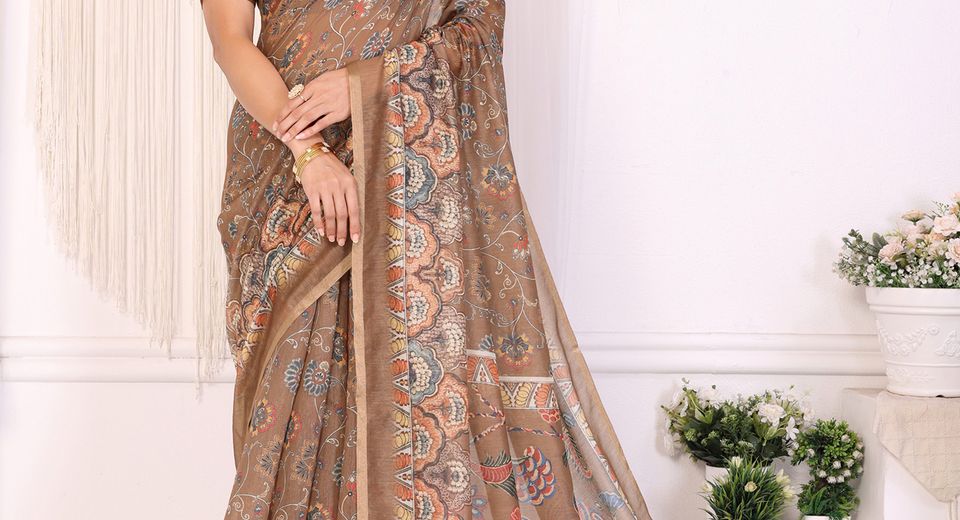
Telugu Pattu Cheera Searches reveal an important shopping truth: "pattu" usually signals silk, but it doesn't identify one single weave, region or quality level. Telugu-speaking shoppers may use pattu cheera for a Kanjeevaram silk saree, a Dharmavaram silk saree, an Uppada silk saree or another festive silk drape. Understanding that distinction helps you compare fibre, zari, weight, price and occasion instead of buying from a name alone.
In Telugu, "cheera" means saree and "pattu" means silk. The phrase pattu cheera therefore translates broadly to silk saree. Search behaviour adds another layer: some shoppers want a traditional bridal saree, while others use pattu as a general term for a rich-looking occasion saree with a lustrous surface, contrast border and zari. The first result for a broad search may not match a technical expectation of pure silk.
What Do Telugu Pattu Cheera Searches Mean for Buyers?
Telugu Pattu Cheera Searches usually express a desire for a festive silk-looking saree, but the exact requirement may be time-honoured silk, a regional weave, a bridal colour or simply a grand appearance.
Searches such as "pattu saree for wedding," "Telugu pattu cheera," and "pattu saree blouse designs" often combine fabric, occasion and styling intent. A shopper may be looking for a red bridal saree with a wide zari border, while another may want a lightweight blue saree for a family celebration. Both shoppers can use the same word even though their practical needs differ.
An useful buying conversation begins by separating four questions. Is the fibre pure silk, a silk blend or synthetic? Which regional or design tradition does the saree reference? Is the zari real, metallic-coated or imitation? How much weight and maintenance can the wearer manage? Product descriptions that answer all four questions are more useful than descriptions that simply say "pattu."
"Pattu" also doesn't automatically mean Kanjeevaram. Kanjeevaram identifies a South Indian silk tradition associated with Kanchipuram, while pattu is a broad Telugu word for silk. A Kanjeevaram-inspired saree may reproduce heritage colours and motifs without being woven in Kanchipuram.
How Do Telugu Pattu Cheera Searches Connect With Regional Silk Weaves?
Telugu Pattu Cheera Searches can lead to several regional silk traditions, and each tradition has its own visual clues, construction methods and shopping considerations.
What makes a Kanjeevaram saree distinctive?
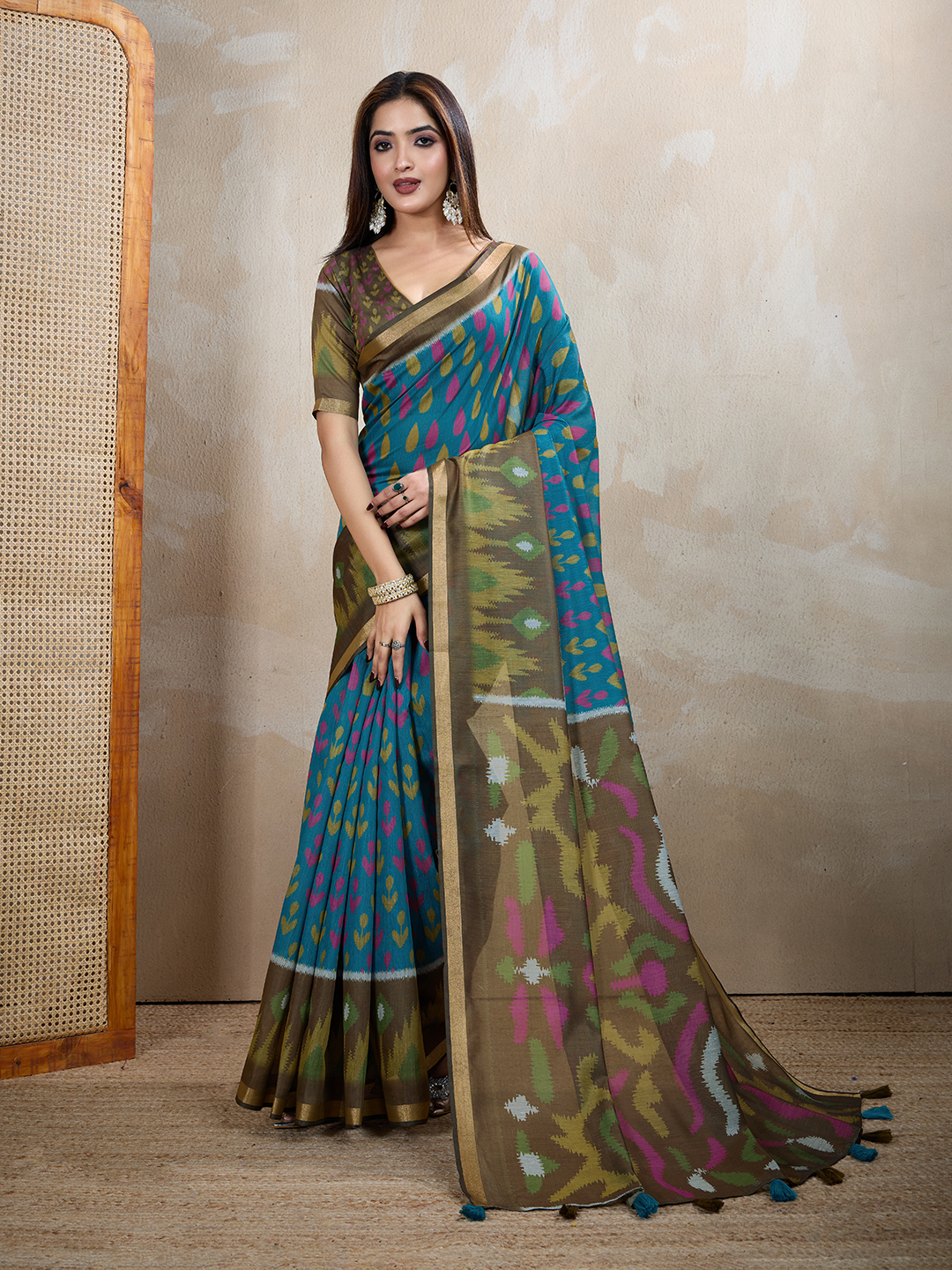
A Kanjeevaram saree is associated with Kanchipuram in Tamil Nadu and is known for a substantial silk body, contrasting borders, classic motifs and zari-rich pallus. Classic Kanjeevaram weaving often uses korvai techniques to connect the body and border, while interlocked methods help create a strong relationship between textile sections.
Pure Kanjeevaram silk sarees often feel comparatively firm and structured because of their silk weight and dense weaving. Temple borders, checks, rudraksha motifs, peacocks and geometric patterns are familiar references, although contemporary designs vary widely. Buyers should look for explicit information about origin and fibre rather than treating a similar pattern as proof of Kanjeevaram manufacture.
How is Uppada silk different from heavier silk sarees?
Uppada silk is associated with Uppada in Andhra Pradesh and is valued for a fine texture, lighter hand and delicate appearance. Heritage Uppada weaving has a jamdani influence, with motifs inserted into the fabric to form refined floral or geometric details.
Uppada silk can suit shoppers who want a time-honoured silk saree with less visual heaviness than some dense bridal weaves. Regional names should still be checked against fibre and production details because commercial descriptions sometimes use famous textile names loosely.
What should shoppers know about Dharmavaram, Gadwal and Pochampally?
Dharmavaram silk sarees are known for broad borders, elaborate pallus and rich colour combinations; Gadwal sarees are recognised for distinctive body-border contrast and silk or silk-cotton constructions; Pochampally sarees are strongly associated with ikat patterning from Telangana.
Dharmavaram bridal sarees often create a grand, smooth look through saturated colours and ornamented pallus. Gadwal designs may offer a lighter body with a striking border, depending on the weave and fibre. Pochampally ikat displays resist-dyed motifs with characteristic blurred edges or repeated geometric structures. A shopper searching for pattu may eventually prefer one of these specific textile identities.
Which Fibre Details Should Telugu Pattu Cheera Searches Lead You to Check?
Telugu Pattu Cheera Searches should lead you first to the fibre composition, because a silk appearance can't prove that a saree contains pure silk.
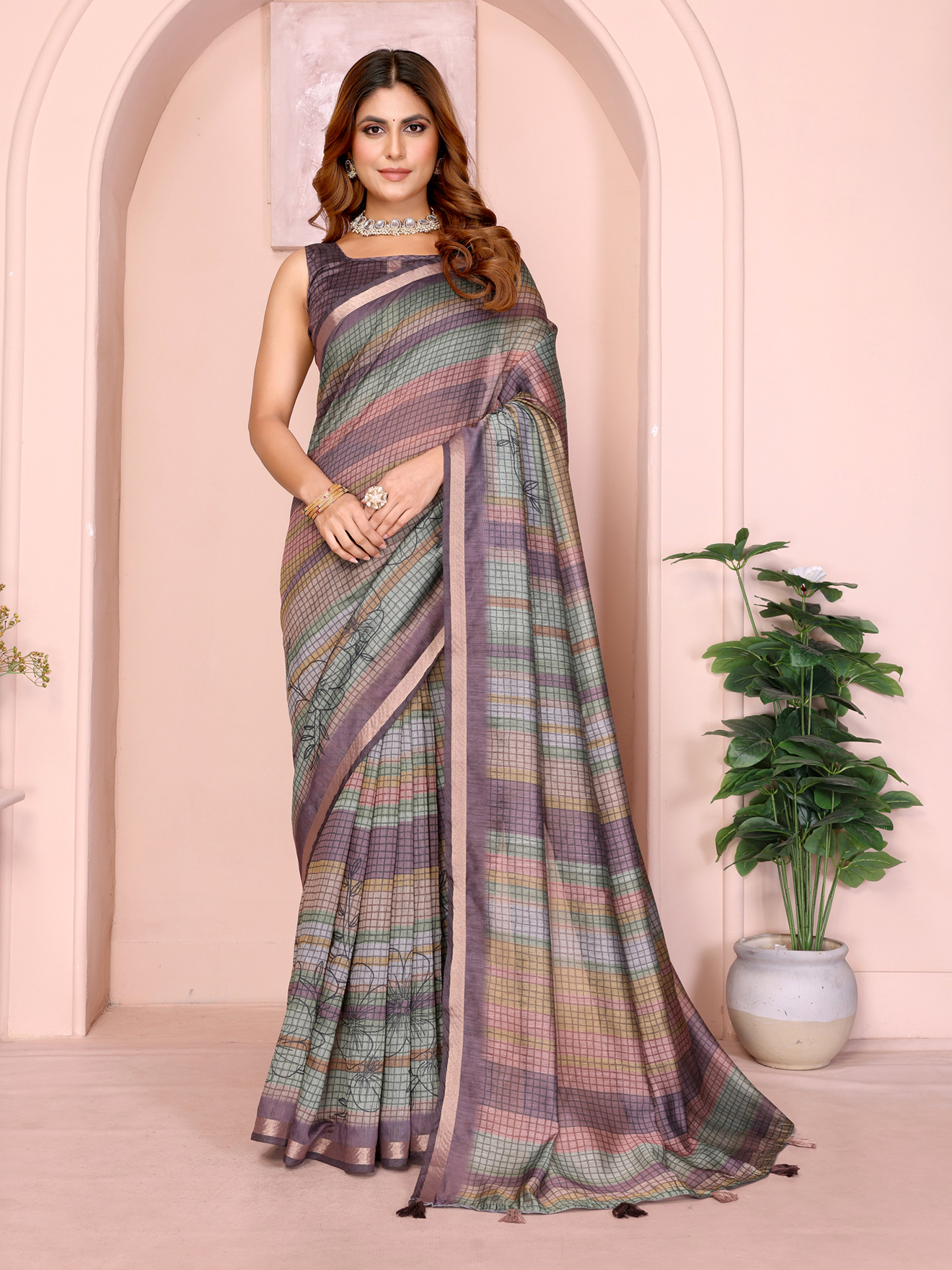
Pure silk generally has a natural lustre that changes subtly as the fabric moves, rather than a flat plastic shine. Silk often feels warm or neutral against the hand instead of immediately cold and slippery. These observations are useful clues, but they're not conclusive because high-quality synthetic fibres can imitate silk convincingly.
Read the specification for terms such as pure silk, mulberry silk, tussar silk, art silk, silk blend, polyester and viscose. "Silk blend" means silk is combined with another fibre, but the percentage may vary considerably. A description that says "silk finish" may refer only to surface appearance and should not be treated as a fibre declaration.
A burn test is sometimes recommended online, but shoppers should not perform one on a finished saree. Burning can damage the textile, zari, dye and nearby surfaces, and the result can be difficult to interpret when the saree contains blended yarns. Fibre claims, invoices, recognised silk marks and transparent seller information are safer evidence.
Silk Mark certification in India is an useful authenticity indicator for silk content when the authorised label and documentation are present. Certification doesn't prove that every design feature comes from one regional tradition, so buyers should still check the stated weave, origin and zari details.
Price provides context but can't prove purity. A very low price may indicate synthetic fibre, a blend, powerloom production, imitation zari or a lighter construction. A high price may reflect design, labour, real zari or brand positioning rather than silk alone. Compare the complete specification instead of using price as a shortcut.
Why Do Zari and Pallu Details Matter in Telugu Pattu Cheera Searches?
Telugu Pattu Cheera Searches often imply a zari-rich saree, but the word zari alone doesn't guarantee gold or silver content.
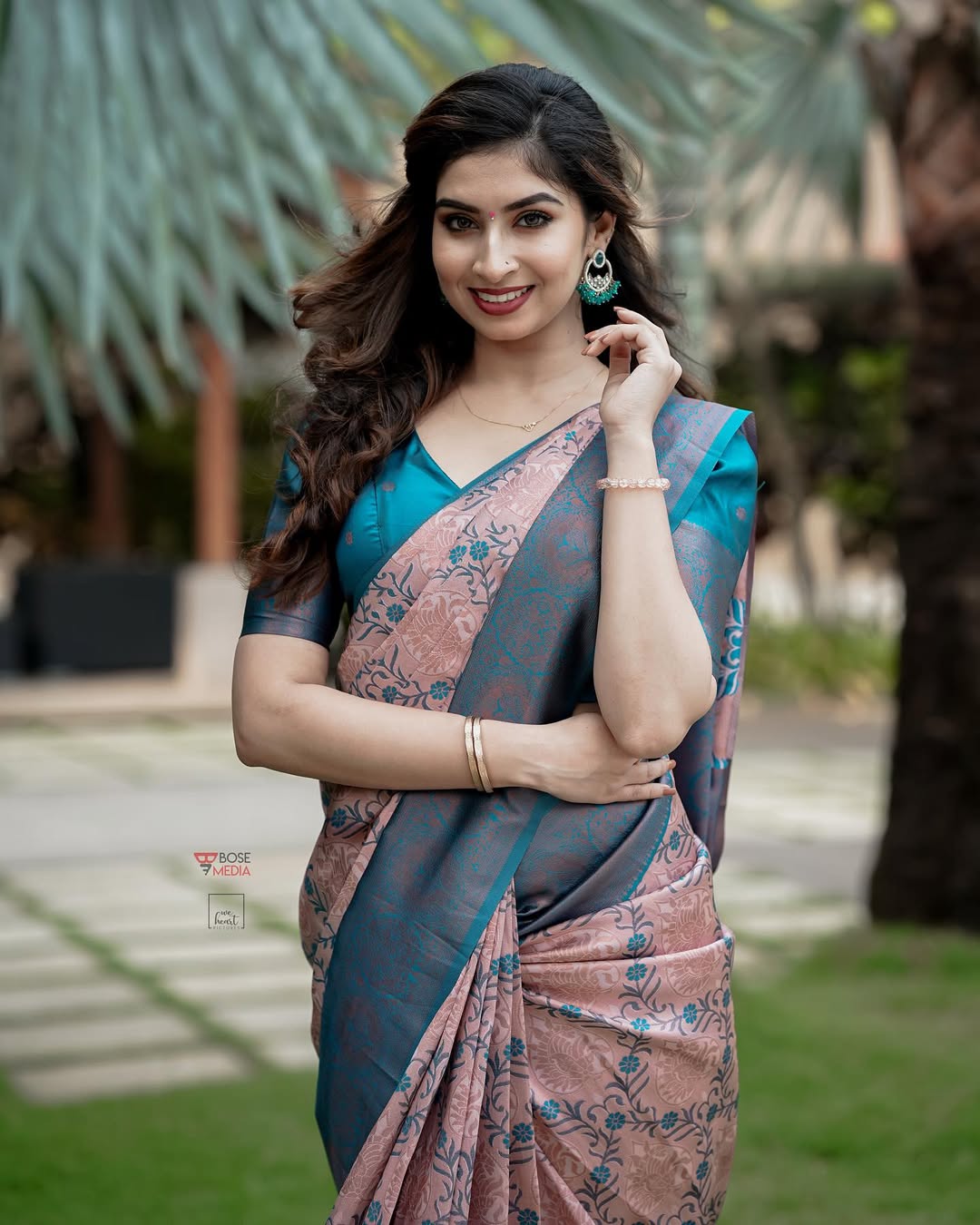
Zari may contain precious metal, metallic-coated material or imitation fibres. Heritage zari can be made by wrapping metallic material around a core yarn, while modern zari may use polyester or another base yarn with a metallic finish. Real zari generally costs more and can add noticeable weight, but dense imitation zari can also create a grand appearance.
The pallu matters because it frames the drape from the shoulder and remains visible in photographs. Check whether the pallu is woven, printed, embroidered or embellished after weaving. A woven pallu forms part of the textile structure, while a printed pallu can create a dramatic design at a lower price and with different care requirements.
Border width affects both styling and proportion. A border measuring 3 to 5 centimetres gives a relatively quiet finish, while a 10 to 15 centimetre temple or zari border becomes a dominant part of the silhouette. Shorter wearers may prefer a moderate border because a very wide contrast band can visually reduce the apparent length of the saree.
Motifs can also help identify a design direction, although motifs are not proof of origin. Peacocks, paisleys, temple triangles, checks, rudraksha shapes and floral vines appear across many silk traditions. A motif should be considered alongside weave, fibre, zari and seller documentation.
How Should You Compare Alternatives Found Through Telugu Pattu Cheera Searches?
Compare pattu with other festive sarees by considering fibre, weight, breathability, surface design, care and expected number of wears. Silk is one route to a ceremonial appearance, not the only route.
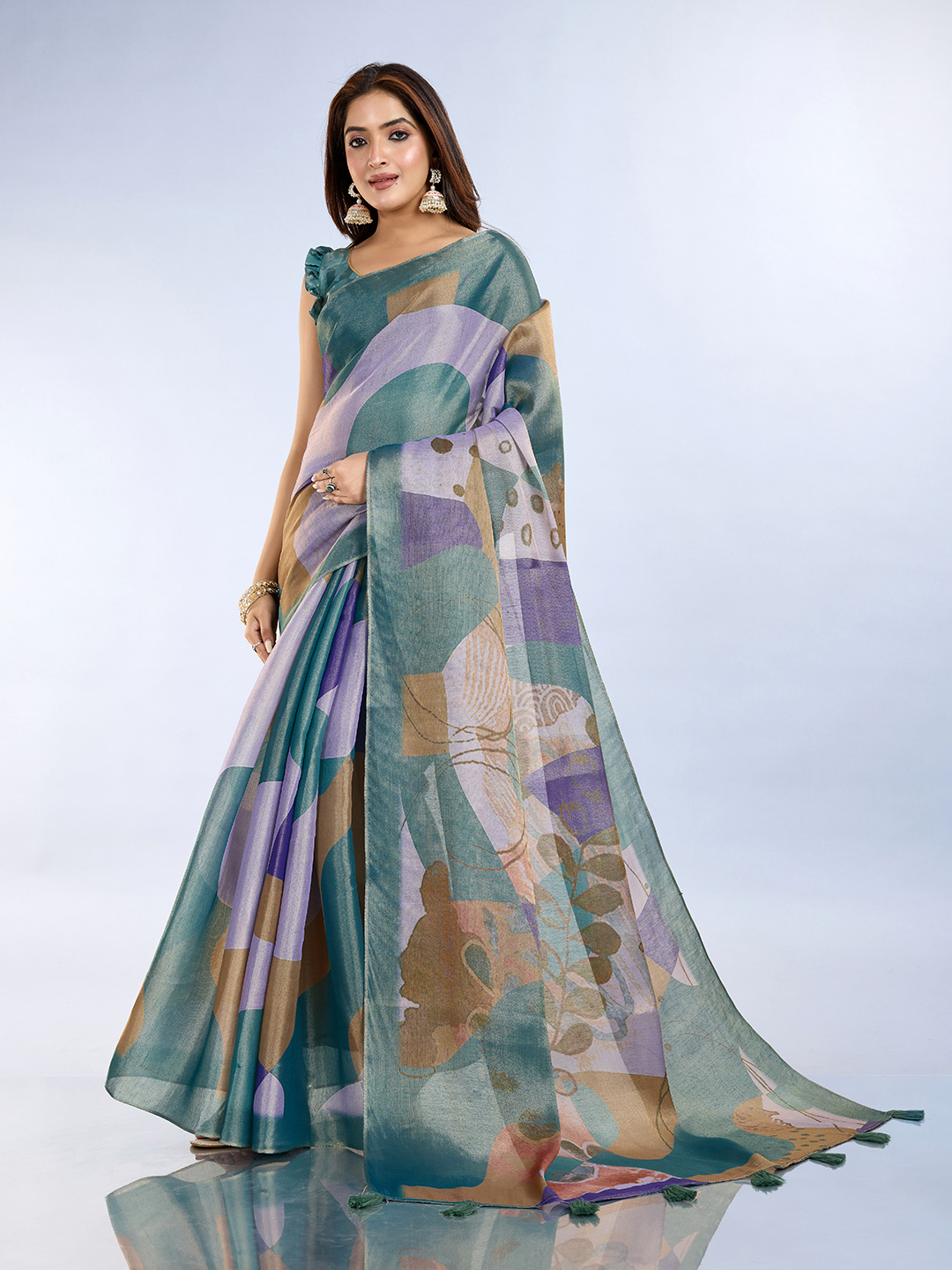
Peach Floral Heavy Chinnon Ready to Wear Saree may suit someone who wants a quick drape and a fluid, occasion-ready finish rather than the structure of a traditional silk saree. Ready-to-wear construction can reduce dressing time, but it doesn't make the garment equivalent to a handwoven pattu cheera.
Teal Erode Cotton Floral Saree with Statement Printed Pallu demonstrates why cotton can be a better choice for daytime functions, warm weather and repeated use. Erode cotton generally offers breathability and a more relaxed fall, while a printed pallu supplies visual interest without the weight of dense zari.
Teal Patola Border Pashmina Silk Saree With Mirror Work combines a silk-associated base with a decorative border and mirror work. This type of saree may appeal to shoppers who want texture and surface embellishment, but "pashmina silk" should be read alongside the stated fibre composition rather than assumed to mean pure mulberry silk.
Chanderi brings another important comparison. Taupe Floral Printed Chanderi Cotton Saree with Ornate Pallu can provide translucency, lightness and a refined festive look. Pastel Checkered Chanderi Cotton Saree with Soft Border may work better for daytime gatherings than a heavy bridal pattu, especially when comfort and repeat wear matter.
Handloom texture can create richness without maximum shine. Premium Rust Terracotta Checks Handloom Saree with Designer Pallu brings an artisanal appearance through checks and a designed pallu. A handloom saree may have small irregularities in yarn or alignment that reflect its making rather than a defect.
For a relaxed regional-textile direction, Buy Teal Floral Abstract Erode Cotton Saree with Tassel Pallu shows how tassels, print and cotton can deliver a celebratory look. The practical choice becomes clearer when shoppers ask whether they need bridal grandeur, all-day comfort, fast dressing or repeated wear.
Teal Erode Cotton Floral Saree with Statement Printed Pallu may also be compared with a silk saree by looking at drape rather than shine alone. Cotton usually holds a more breathable, grounded fall, whereas dense silk can create sharper pleats and a more formal silhouette. Neither characteristic makes one universally better.
How Can Telugu Pattu Cheera Searches Become a Better Buying Checklist?
Telugu Pattu Cheera Searches become more useful when shoppers convert a broad phrase into a written checklist before paying.
- State the occasion. Decide whether the saree is for a wedding ceremony, reception, Haldi ceremony, temple visit, festival or office celebration. A heavy bridal saree can be uncomfortable for a long daytime event.
- Confirm the fibre. Look for the exact fibre composition and ask whether the saree is pure silk, a blend, art silk, cotton, Chanderi cotton or synthetic.
- Identify the weave or reference. Check whether the description says Kanjeevaram, Uppada, Dharmavaram, Gadwal, Pochampally, Banarasi silk or only "silk saree." A regional name should be supported by clear product information.
- Ask about zari. Confirm whether zari is real, tested, metallic-coated or imitation. Ask how zari should be stored and cleaned, because metallic surfaces can tarnish or abrade.
- Measure the finished saree. A standard saree may be approximately 5.5 metres with a separate blouse piece, while ready-to-wear formats can have different measurements and construction. Check the product's actual length and blouse details.
- Check the fall and lining requirements. Heavy silk sarees may benefit from a fall, while sheer Chanderi or lightweight fabrics may require careful petticoat selection to prevent transparency or dragging.
- Review care instructions. Dry cleaning is commonly recommended for silk and zari sarees. Avoid prolonged sunlight, perfume directly on the fabric and damp storage.
- Calculate cost per wear. A high-priced bridal saree worn once may be sensible for a wedding heirloom, while a breathable cotton saree can offer greater value for frequent family and festive use.
Colour should be judged in the context of lighting. A deep maroon, emerald or peacock blue may appear different under showroom LEDs, daylight and indoor wedding lighting. Request natural-light photographs when possible, particularly for zari and pastel shades.
Blouse planning should happen before purchase. A high-contrast blouse can repeat a border colour, while a tonal blouse allows the pallu to remain the main focus. Check whether the saree includes an attached blouse piece, its length, and whether the fabric is suitable for sleeves, lining and tailoring.
How Should a Pattu Cheera Be Stored After Telugu Pattu Cheera Searches Lead to a Purchase?
A pattu cheera should be stored clean, completely dry, loosely folded and protected from direct sunlight.
After wearing a silk saree, air it in shade for a short period before folding. Avoid hanging heavy zari sarees on narrow metal hangers for long periods because concentrated pressure can stretch the shoulder area. Fold the saree with soft muslin or cotton interleaving, and refold it every few months to reduce permanent creasing.
Keep silk away from moisture, damp walls and unsealed wooden surfaces. Neem leaves or breathable fabric storage can help discourage insects, but strong fragrances should not touch the textile directly. Plastic bags can trap humidity, so breathable cotton covers are safer for long-term storage.
Professional dry cleaning is generally safer than washing a silk or zari saree at home. Do not iron directly over zari, mirrors, embroidery or raised motifs. Use a low-temperature setting with a pressing cloth only when the care label permits it.
These care steps also apply when a shopper chooses a silk-blend or embellished saree instead of pure pattu. Fibre content changes the exact method, so the care label remains more authoritative than a general internet tip.
Questions Shoppers Ask About Telugu Pattu Cheera Searches
What does pattu mean in a Telugu saree search?
Pattu means silk in Telugu, while cheera means saree. Pattu cheera therefore broadly means silk saree, but the phrase does not by itself confirm pure silk, a particular weave, a regional origin or real zari.
Is every pattu saree a Kanjeevaram saree?
No. Kanjeevaram is a specific silk tradition associated with Kanchipuram, while pattu is a broad word for silk. A pattu saree may refer to Kanjeevaram, Uppada, Dharmavaram, Gadwal or another silk style.
How can I check whether a pattu saree is pure silk?
Check the stated fibre composition, Silk Mark information, invoice and seller documentation. Surface shine, touch and price can offer clues but cannot prove purity, and a burn test can damage the saree.
What is the difference between real zari and imitation zari?
Real zari contains precious-metal content or a recognised precious-metal construction, while imitation zari uses metallic-coated or synthetic materials. Ask for the exact zari specification because the word "zari" alone does not establish composition.
Are Telugu pattu sarees suitable for daytime weddings?
Yes, but the best choice depends on weight, weather and the length of the event. Lightweight Uppada silk, a moderate-border silk saree or breathable alternatives such as Erode cotton and Chanderi cotton may be more comfortable than dense bridal silk.
How should I store a silk pattu cheera?
Store a clean, dry saree folded in breathable cotton or muslin, away from sunlight and humidity. Refold it periodically, avoid direct perfume and heat, and use professional dry cleaning when the care label recommends it.