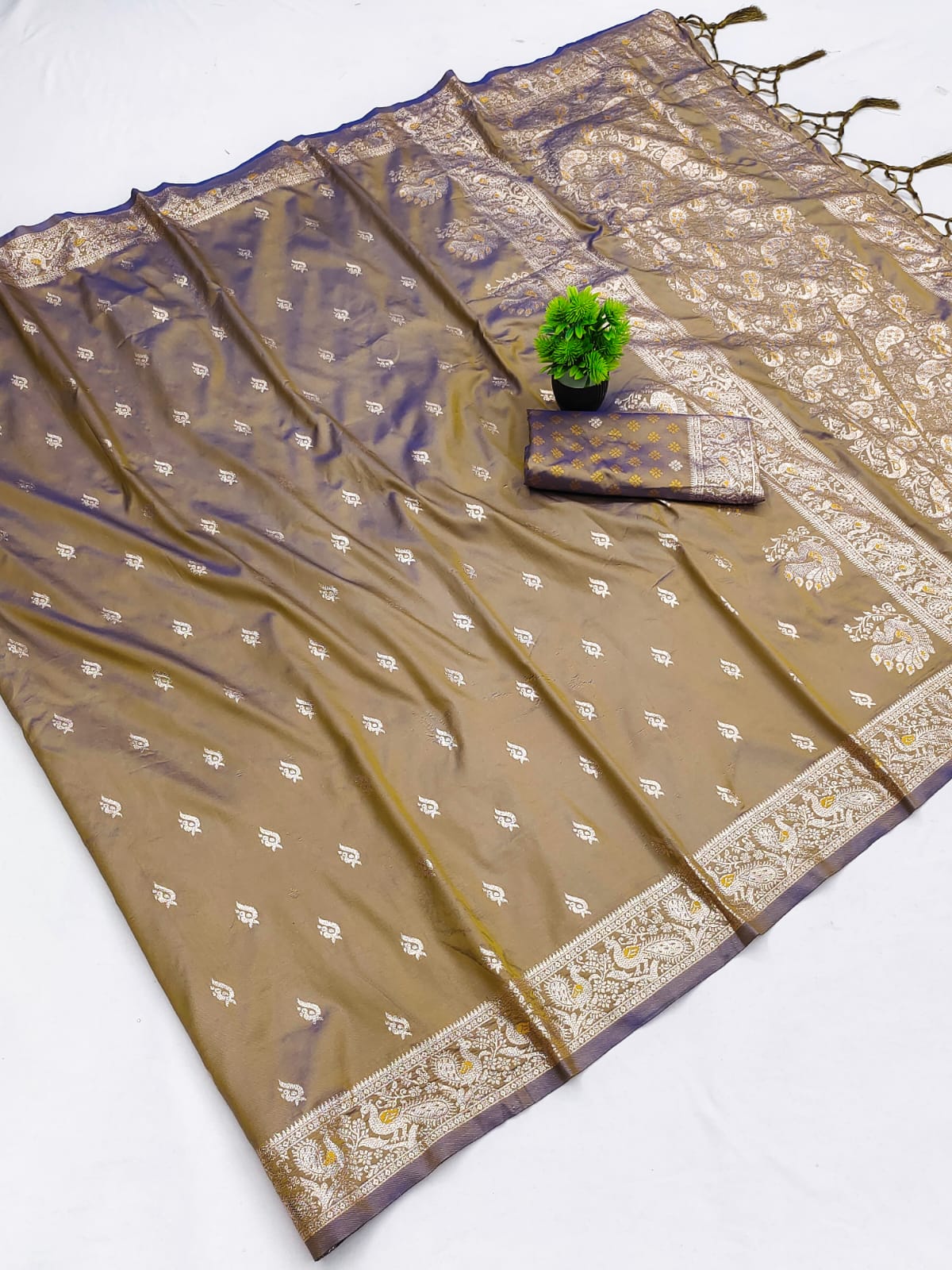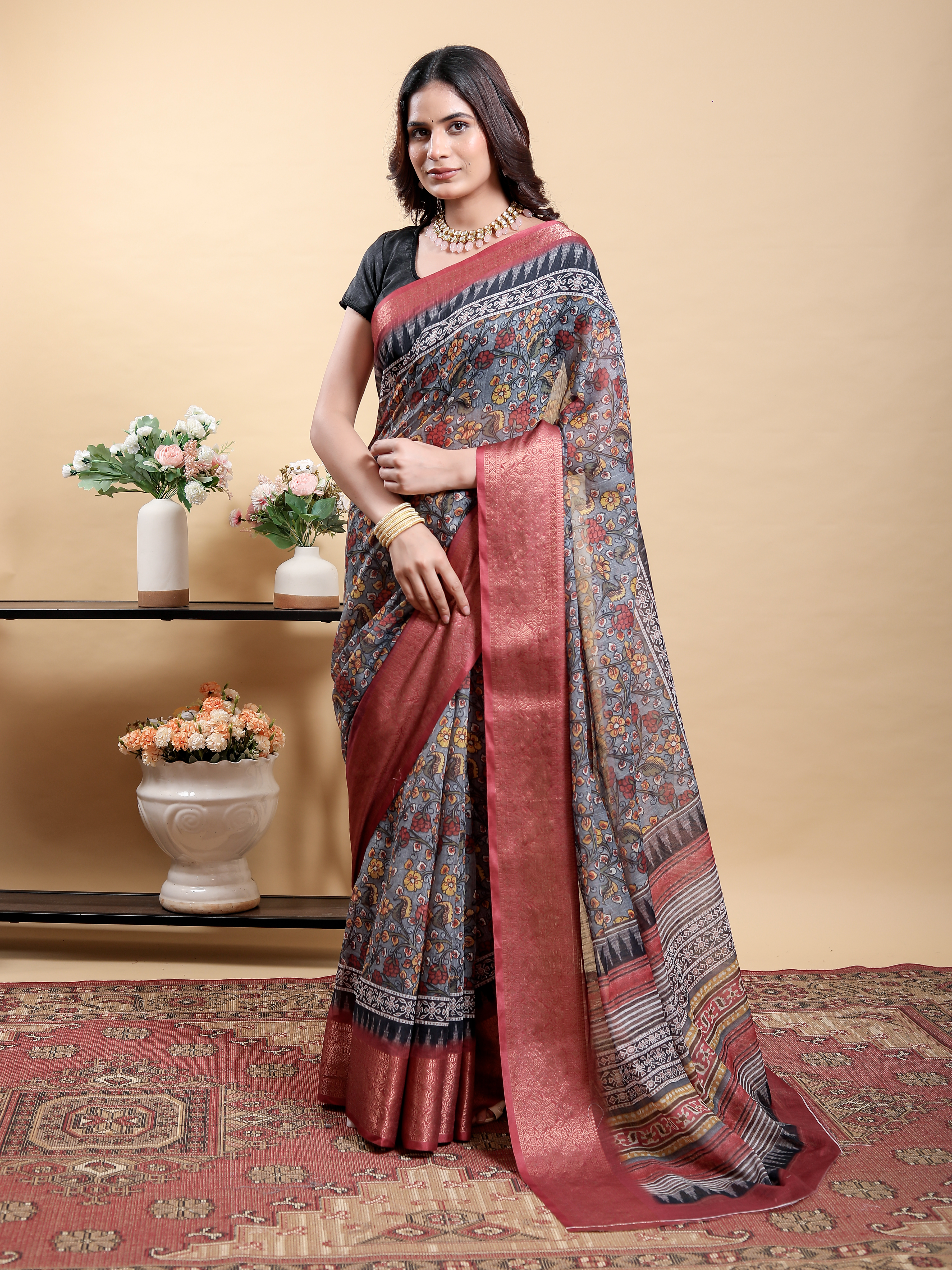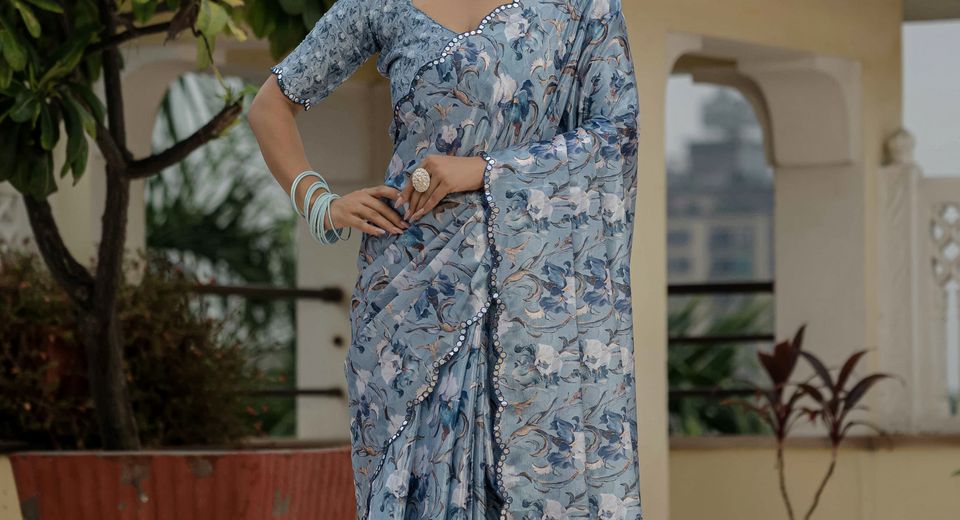
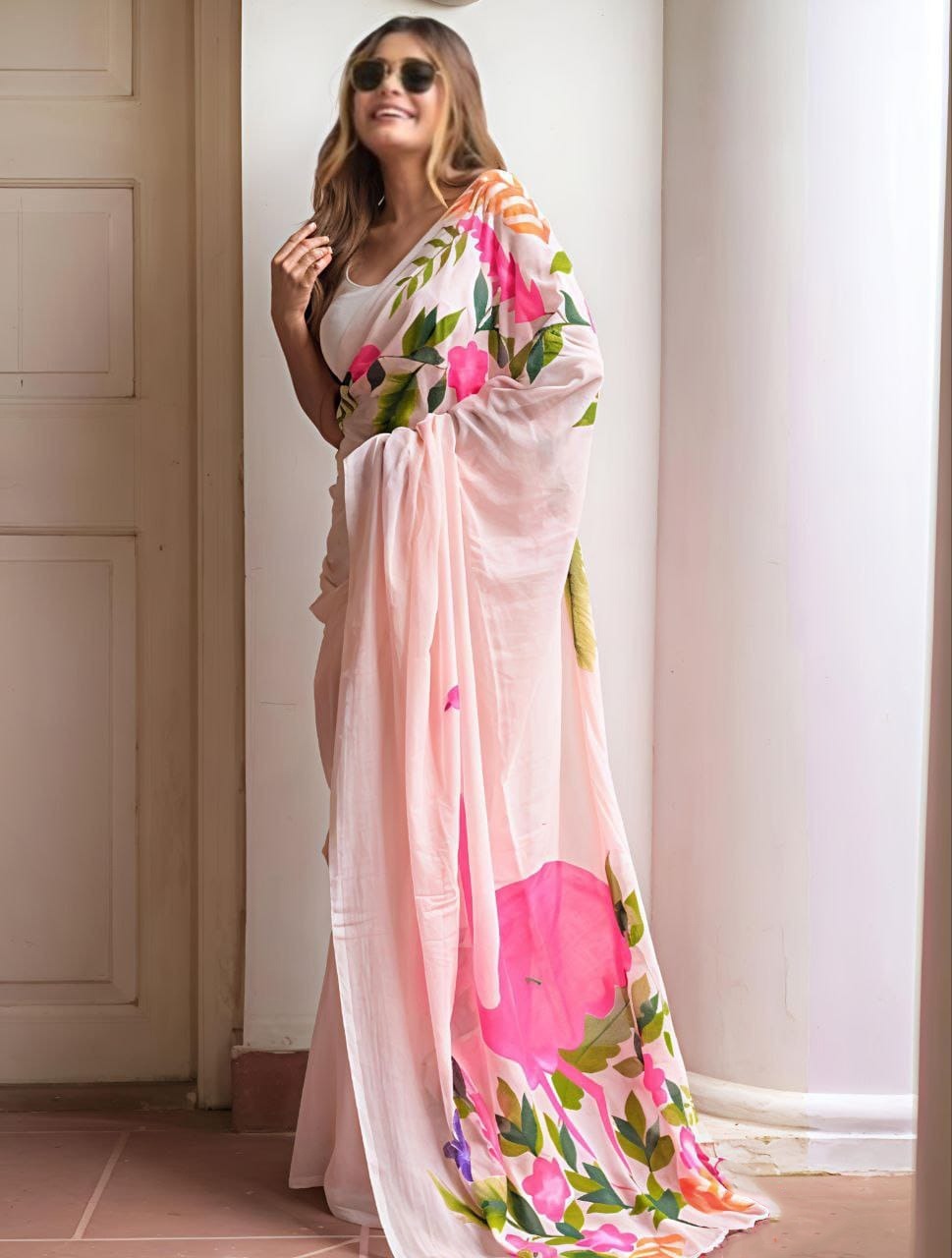
Knowing what is the difference between a ready to wear and a pre pleated saree makes online saree shopping much easier. Both styles reduce the time and technique needed to drape a traditional saree, but they don't create the same fit, silhouette or styling flexibility. A ready to wear saree usually has a stitched waist closure and prepared pleats, while a pre pleated saree primarily keeps the front folds arranged before you put it on.
Retailers sometimes use the two terms interchangeably, so the construction matters more than the label. The right choice depends on how quickly you need to dress, whether you want adjustable pleats, how much you expect to walk or sit, and whether you need to wear a particular blouse or petticoat.
What Is the Difference Between a Ready to Wear and a Pre Pleated Saree?
A ready to wear saree is generally stitched into a wearable garment with a defined waist fastening, whereas a pre pleated saree has its front folds arranged in advance but may still require wrapping, tucking and waist adjustment.
A ready to wear design may include hooks, a concealed zip, a drawstring or an elasticated waistband. The pleats are often stitched down so they remain aligned. You usually step into the garment, close the fastening and bring the pallu over your shoulder.
A pre pleated saree saves time on arranging the front folds, but the saree may still need to be wrapped around the body. Depending on the construction, you may need to position the pleated panel, tuck the fabric at the waist, adjust the overlap and pin the pallu.
The distinction matters because a pre pleated saree isn't always a completely stitched saree. Some pre pleated designs function almost like fully stitched ready to wear sarees, while others preserve several conventional draping steps. Product photographs, fastening details and size measurements provide more reliable information than the product name alone.
How Does the Wearing Process Differ?
A ready to wear saree usually takes fewer dressing steps because the waist and front pleats already have a defined structure.

Putting on a ready to wear saree
Wear the blouse and any required shapewear or petticoat first. Step into the lower opening or wrap the stitched body around your waist, depending on the design. Fasten the hooks, zip or drawstring, check that the hem sits evenly above the floor, and then arrange the pallu over your shoulder.
Some ready to wear sarees have an attached pallu that can be left loose or pinned into a sharper fall. A full-length mirror helps you check that the central pleats point straight down and that the pallu doesn't pull the blouse neckline toward one side.
Putting on a pre pleated saree
A pre pleated saree still requires more body wrapping because the prepared pleats may not determine the entire waist fit.
Locate the inner side and finished hem before beginning. Wrap the saree around the waist, align the pleat panel with the centre or slightly left of the navel according to the intended Nivi drape, and secure the waist. The remaining fabric becomes the pallu, which can be placed over the left shoulder and pinned for stability.
The difference is especially useful for first-time saree wearers. A ready to wear saree can feel similar to putting on a skirt and arranging a pallu, while a pre pleated saree still requires you to understand how much tension to use around the waist and how to balance fabric across the hips.
Which Style Gives a Better Fit?
A pre pleated saree usually offers more fit flexibility, while a ready to wear saree provides faster dressing and a more predictable outline.

Ready to wear sarees are commonly sold by waist measurements or size ranges. Measure the area where the waistband will sit rather than automatically measuring the narrowest part of the natural waist. Leave enough ease to sit comfortably, because a waistband that feels fine while standing may feel tight after a meal or during several hours of movement.
Pre pleated sarees can often be adjusted by changing the overlap, tuck position or waist tension. That flexibility can help when the wearer's hip and waist proportions don't match standard size charts. The trade-off is that the pleats may shift during walking if the fabric is fluid or the waist isn't secured firmly.
Height affects both styles. A taller wearer should check the saree length so the finished hem doesn't rise too far above the ankle. A shorter wearer may manage excess length through higher waist placement, a deeper initial fold or minor alteration. Altering a stitched ready to wear waistband can be more complicated than adjusting a lightly tacked pre pleated design.
Check the size chart for the actual waist range, closure type and saree length before ordering. A size chart that lists only small, medium and large without measurements doesn't provide enough information for a reliable fit decision.
How Do Fabric and Pleat Structure Affect Comfort?
Fabric weight, surface texture and waistband construction usually affect comfort more than the ready to wear or pre pleated label.
Chinnon has a soft, fluid fall that creates an elegant pallu, but a smooth surface may need secure pins or a firm waist tuck to prevent shifting. Blue Floral Chinnon Ready To Wear Saree with Mirror Lace shows why fabric and border should be considered together: the mirror lace adds edge detail and some weight, while the stitched structure reduces repeated pleat adjustment.
Heavy Chinnon has more body than lightweight Chinnon and can hold a fuller pleat shape. Peach Floral Heavy Chinnon Ready to Wear Saree and Powder Blue Floral Heavy Chinnon Ready to Wear Saree demonstrate how a heavier fall can make the front look more defined. A heavier pallu may also place more pull on the blouse shoulder, so a small safety pin at the shoulder seam can improve security.
Satin has a smooth, reflective surface and can slide if the waist fastening is loose. Mustard Satin Saree with Printed Pink Pallu & Blouse benefits from a well-fitted blouse and a secure waist tuck. Satin also shows horizontal wrinkles clearly, so steaming from the reverse side or using a low-temperature setting is safer than pressing directly on the visible surface.
Linen cotton usually feels breathable and has more surface grip than satin. Pastel Linen Cotton Floral Print Saree with Designer Blouse can suit daytime gatherings because the textured weave helps the saree stay in place, although linen cotton can develop natural creases during sitting. Comfort is therefore a balance between breathability, weight, friction and closure security.
Which Saree Works Better for Weddings, Work and Travel?
A ready to wear saree is usually more convenient for time-sensitive events, while a pre pleated saree is useful when you want greater control over the drape.
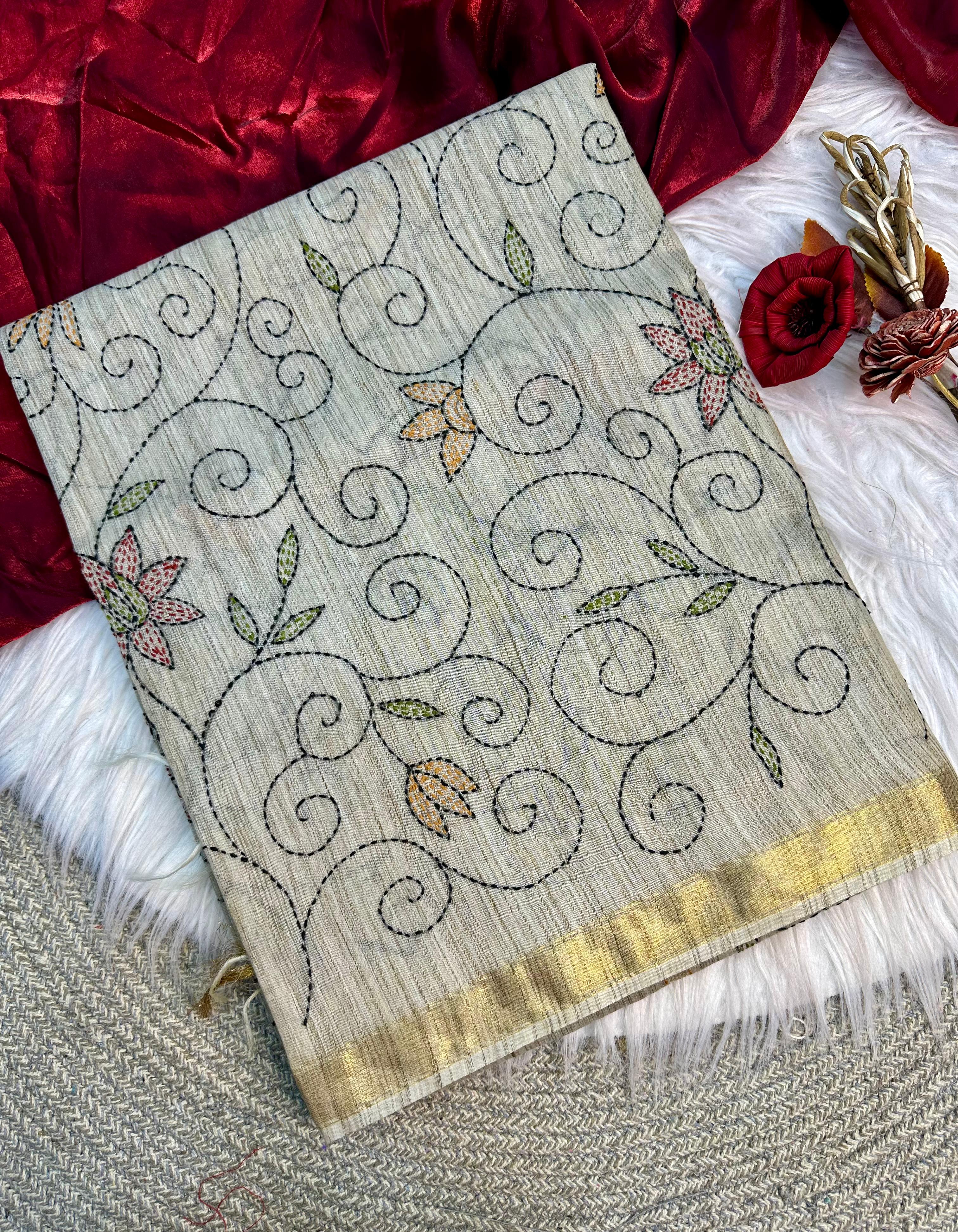
For weddings and receptions
A ready to wear saree suits a wedding when you need consistent pleats, quick dressing and less dependence on an experienced draper. A structured pallu, embellished border or heavier Chinnon can provide a polished outline without repeated adjustments. Test the saree while sitting, climbing stairs and raising one arm before wearing it to a long reception.
A pre pleated saree works well when you want to alter the pallu length, show more of a contrast border or create a relaxed silhouette. Peach Blue Floral Chinnon Ready To Wear Saree | Varnavi shows how a floral, fluid saree can still look event-ready when the pallu is secured at the shoulder and near the waist.
For office events and daytime functions
A pre pleated saree can be useful for office events because the pleats and tuck depth can be adjusted for sitting at a desk. Breathable linen cotton, matte Chinnon or a lighter weave generally feels more practical than slippery satin during a long workday.
A ready to wear saree is helpful when an event follows normal office hours and there's little time to change. Keep the pallu length moderate and avoid a fastening that presses into the waist when seated for several hours.
For travel and quick changes
Ready to wear construction is usually easier for travel because the saree can be put on without carrying multiple pins, making a separate petticoat adjustment or relying on a helper unnecessary. Fold the garment along the stitched pleats, place it in a breathable cotton bag and avoid compressing embellished borders under heavy luggage.
Pre pleated sarees can also travel well, but folded pleats may become sharp or uneven if packed tightly. Rolling the pleated portion around a soft scarf and placing the pallu on top can reduce hard creases. Check whether the saree requires a petticoat, shapewear or a particular blouse length before packing it.
What Styling Choices Remain Possible?
Both styles can be styled with jewellery, belts, pins and different blouses, but a ready to wear saree usually limits major changes to the pleat direction and waist position.
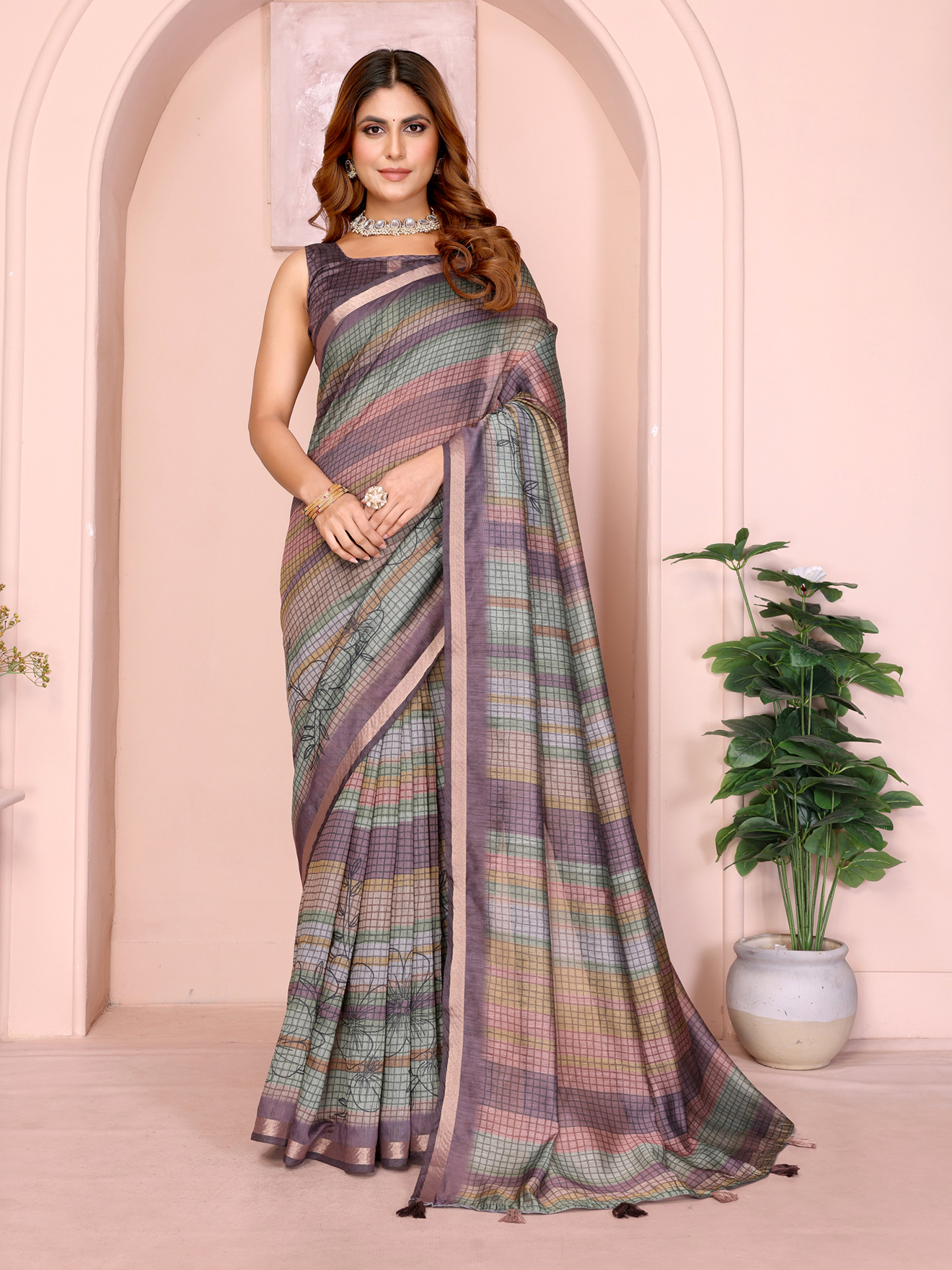
With a ready to wear saree, focus on the blouse neckline, sleeve length, shoulder pinning and pallu finish. A slim belt can define the waist if the waistband isn't bulky, but the belt should not interfere with hooks or a concealed zip. Statement earrings work well when the saree has a printed body and a detailed border.
A pre pleated saree permits more experimentation with the front panel. You may widen the pleats, shift them slightly to one side, change the number of visible folds or create a sharper pallu fan. These adjustments are useful for photographs because small changes in pleat width can alter how floral prints and borders appear.
Colour also affects the perceived structure. Pale blue, peach and pastel shades can look softer when the pallu is allowed to fall naturally, while mustard, plum and turquoise can support a more defined shoulder arrangement. The best styling choice is the one that keeps the waist secure without hiding the saree's border or print.
Budget can guide the decision as well. Browse Sarees from Rs 1000 to Rs 1500 when you want to compare accessible options, and inspect Sarees Under 20% Off or Sarees Under 10% Off for price-led shopping. Discount percentage should not replace checking measurements, fabric information and closure details.
How Should You Care for Each Construction?
Care depends on the fibre and surface finish, but stitched pleats require additional attention during washing and storage.
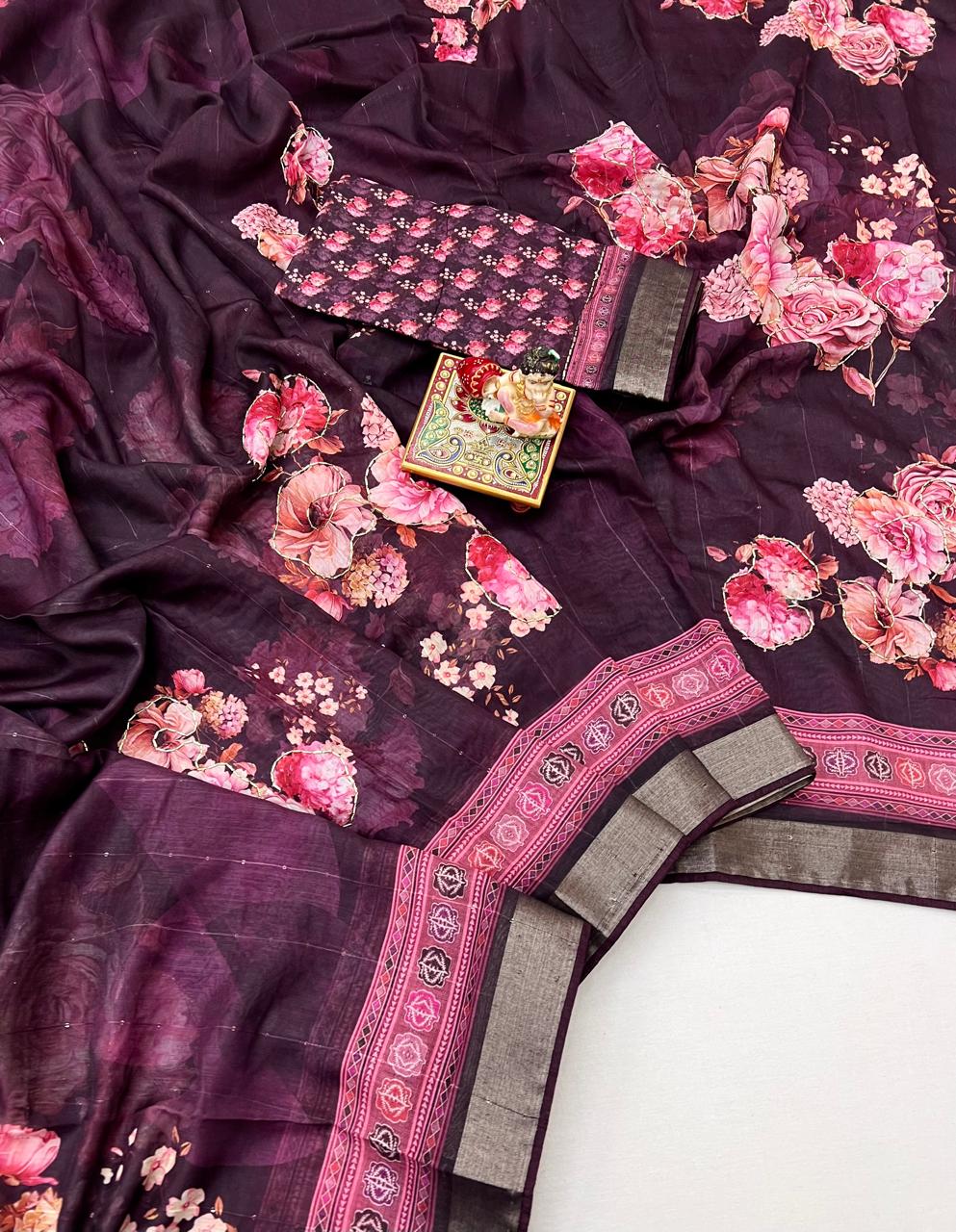
Read the care label before washing any ready to wear or pre pleated saree. Hand washing in cool water is generally gentler than machine washing for delicate Chinnon, lace, printed satin and embellished borders. Avoid wringing because twisting can distort stitched pleats, waist seams and pallu edges.
Dry the saree in shade rather than strong direct sunlight, especially when the fabric contains vivid prints or has a reflective satin finish. Support the garment across a broad hanger or clean drying surface so the waistband doesn't carry the full wet weight.
Store stitched pleats flat or on a wide hanger rather than crushing them under folded garments. Place tissue or a soft cotton layer between embellished sections to reduce snagging. Remove pins before storage, because metal pins can leave holes or rust marks over time.
Steam from the reverse side when the care label permits steaming. Keep the steamer several centimetres away from the fabric and avoid dragging it across mirror lace, printed surfaces or attached decorations. A pre pleated saree may need gentle reshaping by hand after steaming, while a ready to wear saree should be aligned along its existing stitch lines.
How Can You Choose Between the Two?
Choose a ready to wear saree when speed, consistent pleats and easy dressing matter most; choose a pre pleated saree when adjustability and drape control matter more.

- Choose ready to wear construction if you're new to sarees, have limited dressing time, are travelling, or need a stable silhouette for a long event.
- Choose pre pleated construction if your waist and hip measurements need flexibility, you want to alter the pallu, or you enjoy creating a more personalised drape.
- Check the fabric if comfort is the main concern. Linen cotton suits breathable daytime dressing, while Chinnon and satin need more attention to movement and slippage.
- Check the closure before ordering. A zip, hooks, elastic or drawstring produces a different fit and may affect how easily the saree can be altered.
- Check the length if you're petite or tall. A convenient construction can't compensate for a hem that's unsafe or uncomfortable with your footwear.
Shopping collections such as Sarees Flat 60% Off and Sarees Flat 50% Off can help you compare silhouettes at different price points, but a lower price should never be the only selection criterion. The most useful product page will show the waist range, saree length, blouse information, fabric composition and fastening method.
In practical terms, ready to wear construction removes more of the draping process, while pre pleated construction removes mainly the front-pleating stage. Understanding that difference helps you select a saree that matches your time, body measurements, fabric preferences and occasion instead of choosing by the name alone.
Common Questions About Ready to Wear and Pre Pleated Sarees
Is a pre pleated saree the same as a ready to wear saree?
A pre pleated saree and a ready to wear saree are not always the same. A pre pleated saree mainly has prepared front pleats, while a ready to wear saree usually has a stitched waist structure and requires fewer draping steps. Product construction and fastening details should be checked before purchase.
Which saree is easier for beginners to wear?
A ready to wear saree is usually easier for beginners because the waist and pleats have a defined structure. The wearer generally needs to fasten the garment and arrange the pallu. A pre pleated saree can also be beginner-friendly, but it may require more wrapping and waist adjustment.
Can a ready to wear saree be adjusted for different body shapes?
A ready to wear saree can be adjusted within its stated waist range, but the flexibility depends on whether it uses hooks, a zip, elastic or a drawstring. Major alterations may be difficult once the pleats and waistband are stitched. Check the waist measurement and ease before ordering.
Do pre pleated sarees stay in place while walking?
Pre pleated sarees can stay in place while walking when the waist is secured correctly and the pallu is pinned. Smooth fabrics such as satin and fluid Chinnon may need additional support. A well-fitted blouse, secure tuck and comfortable footwear also improve stability.
Which style is better for a wedding reception?
A ready to wear saree is often better for a wedding reception when quick dressing and consistent pleats are priorities. A pre pleated saree is suitable when you want more control over the pallu, border exposure or waist placement. Test either style while sitting and walking before the event.
How should a pre pleated or ready to wear saree be stored?
Store the saree in a breathable cotton bag and keep stitched pleats flat or on a wide hanger. Remove all pins, keep embellished areas from rubbing against rough surfaces and avoid compressing the pleats under heavy clothing. Follow the care label for washing, drying and ironing instructions.