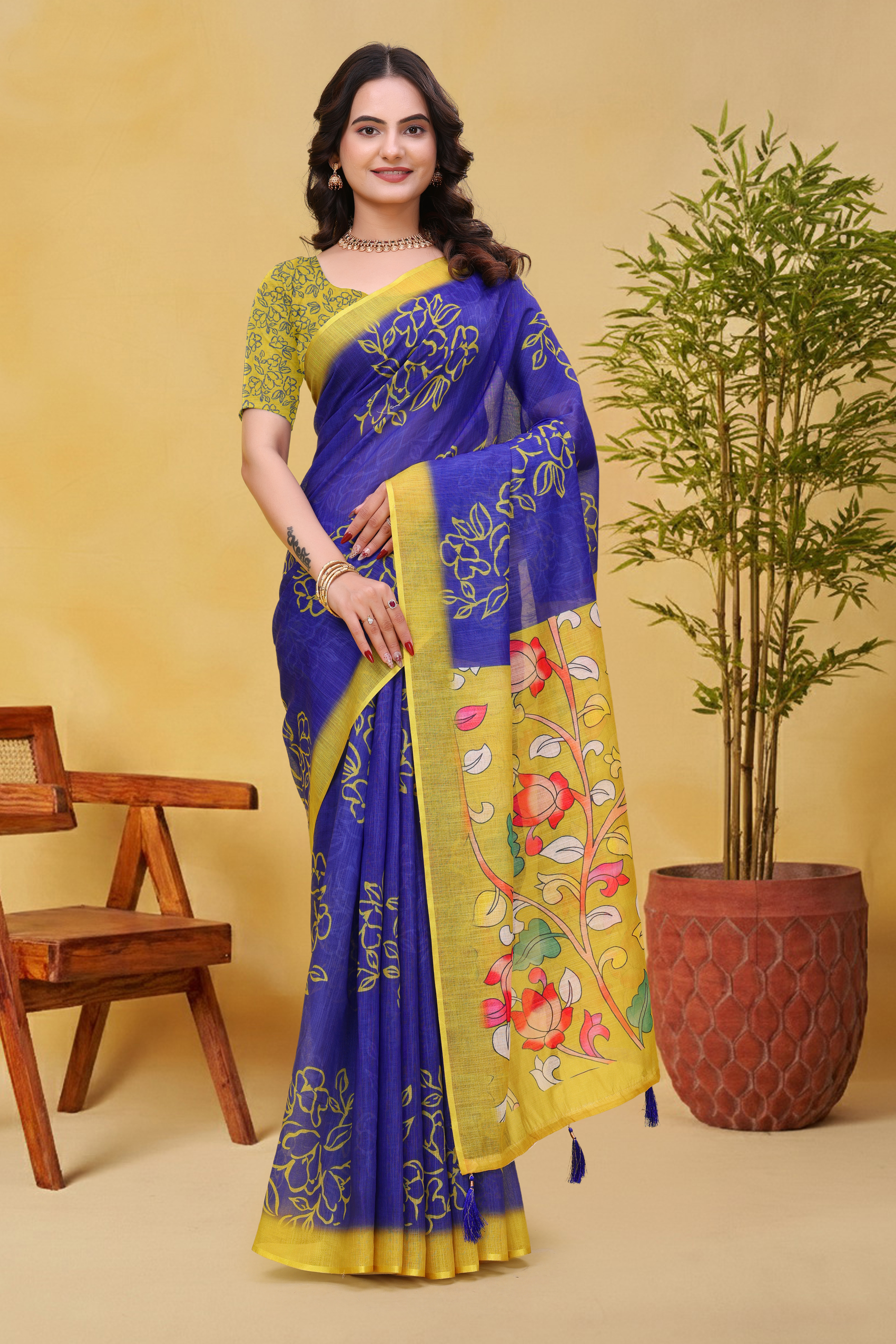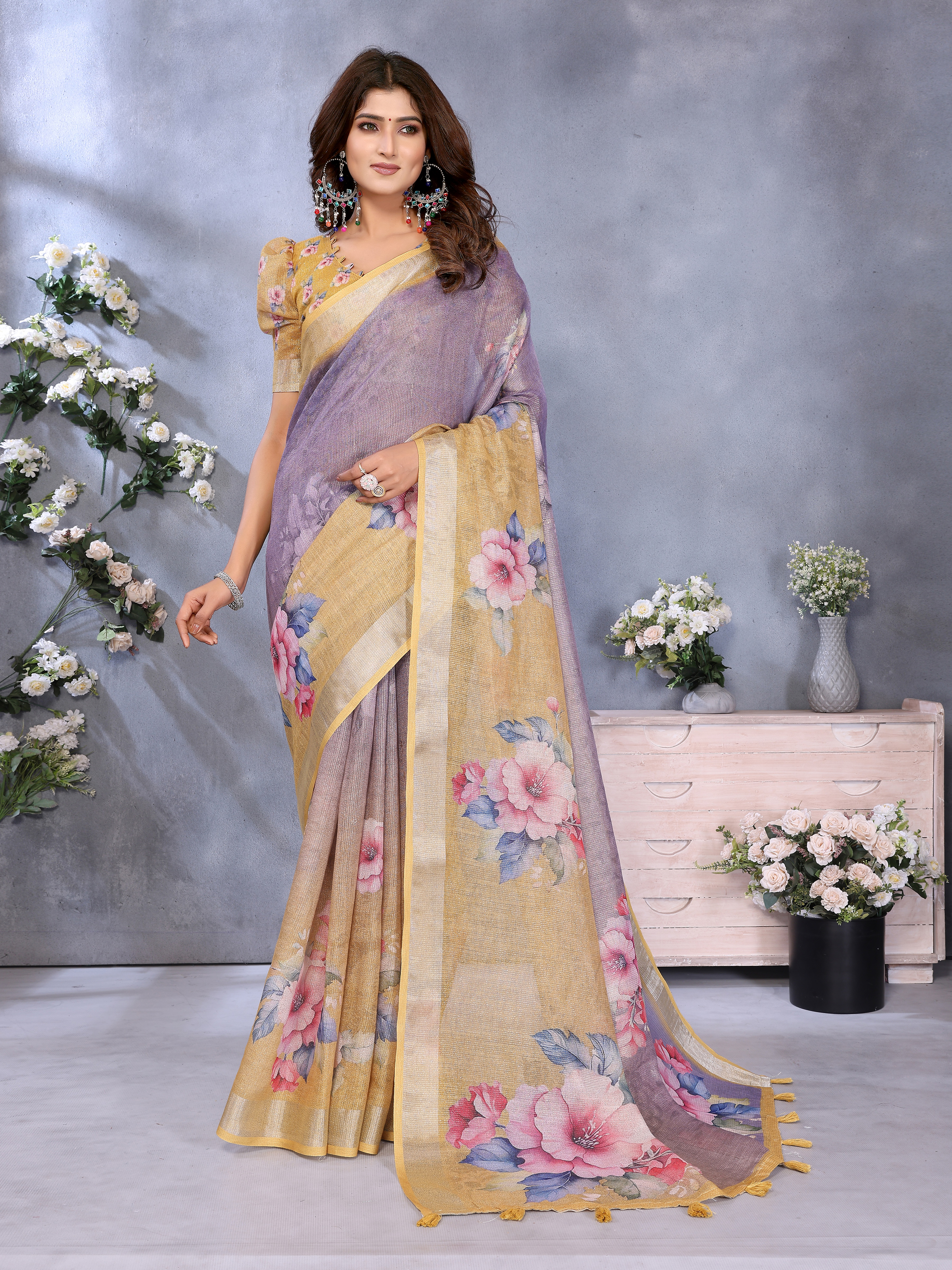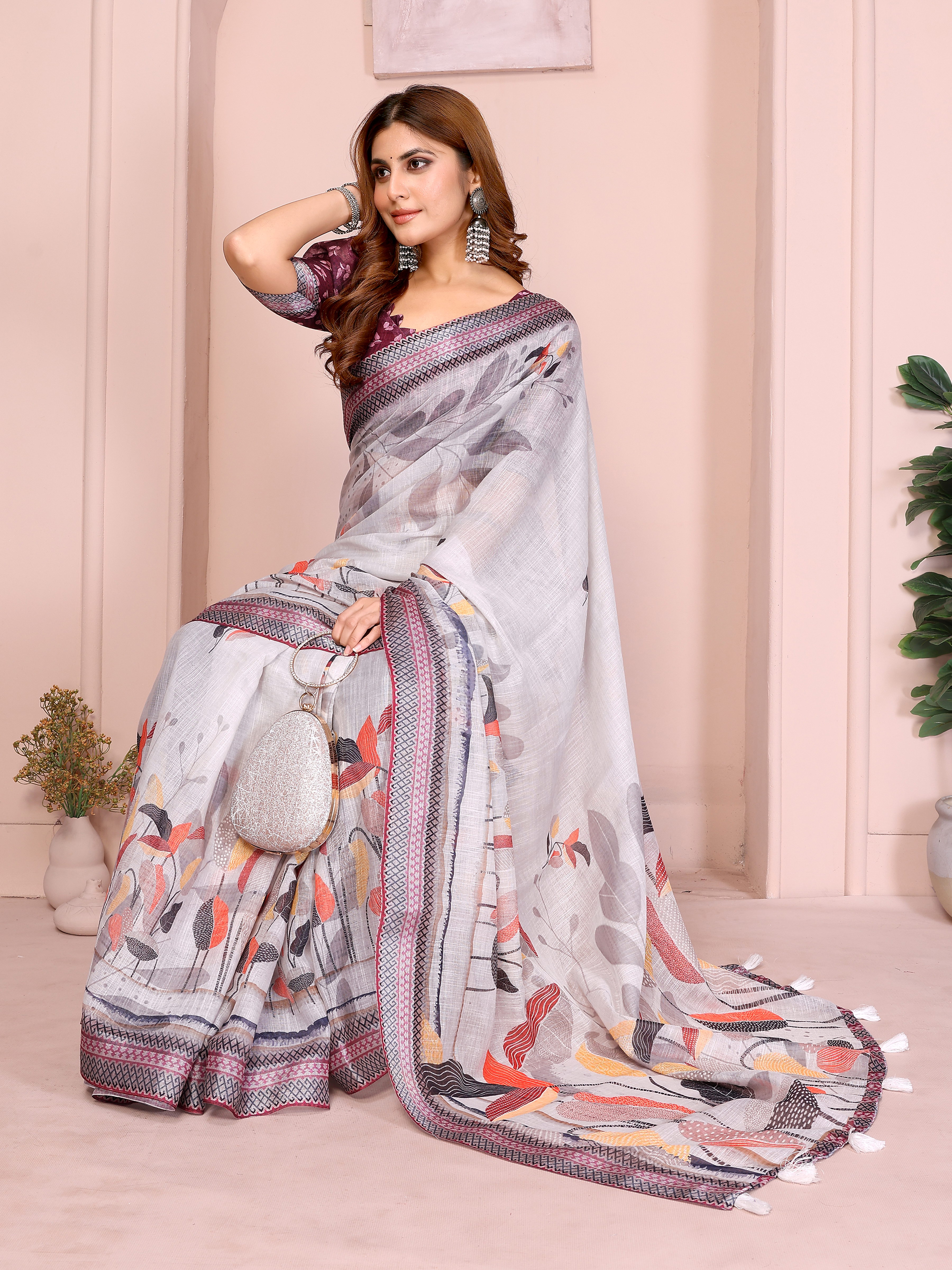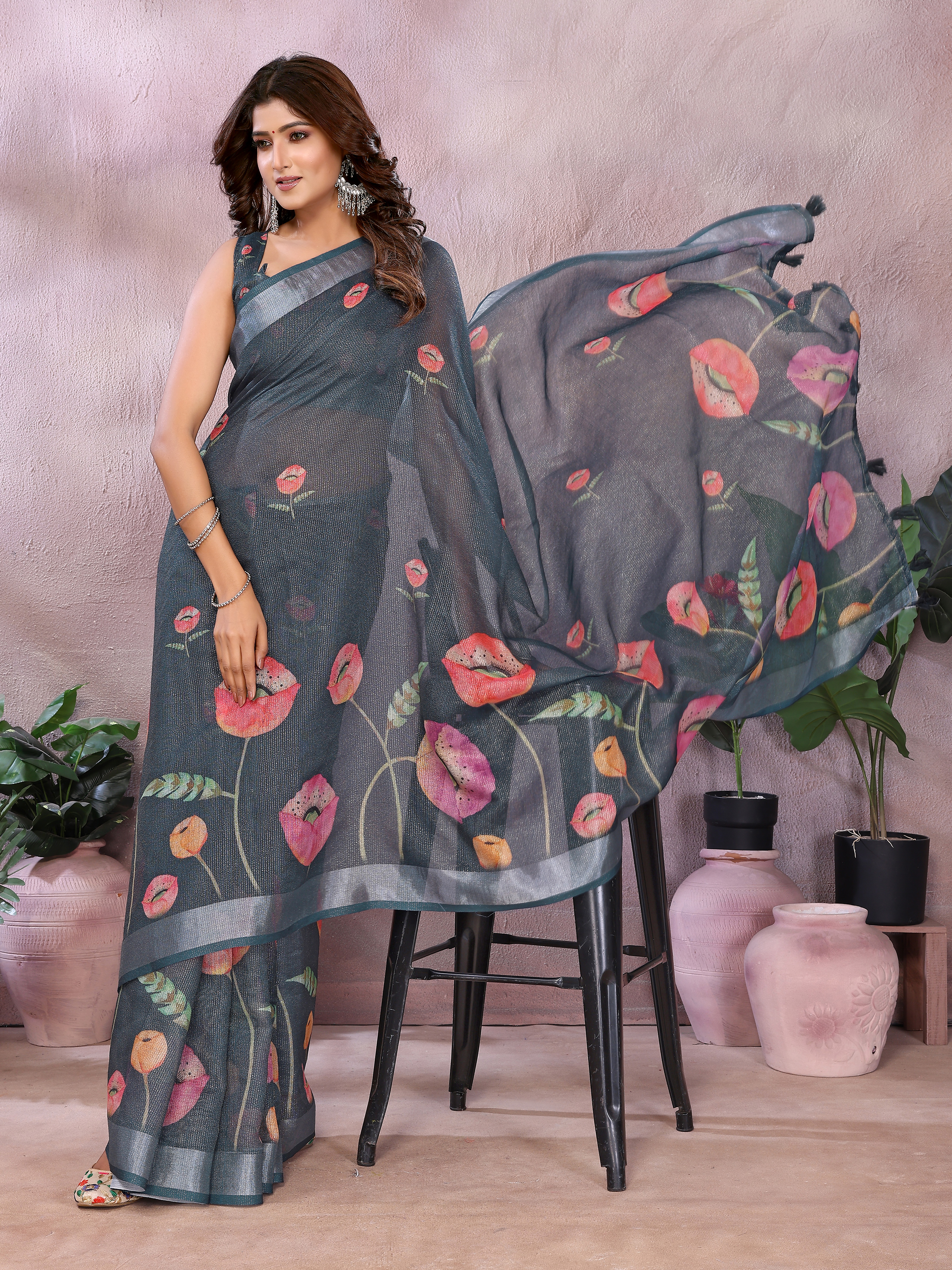
What happens when a saree fall is too heavy for the fabric? The lower edge can drag, ripple, sag or pull away from the hem, especially when a lightweight chiffon, chinon or georgette saree is worn repeatedly. A fall should protect the lower edge and help the saree settle neatly, not turn the hem into a weighted band. Understanding fabric density, fall material, stitch tension and drape can prevent permanent distortion before a small finishing problem becomes expensive damage.
A saree fall is a strip of fabric stitched along the lower inside edge of a saree. The strip protects the hem from dust, rough flooring and repeated abrasion while giving the pleated section a little structure. The correct fall follows the movement of the saree. An unsuitable fall changes the garment's balance, making the lower edge feel separate from the body and causing stress at the seam.
What Happens When a Saree Fall Is Too Heavy for the Fabric? The First Warning Signs
What happens when a saree fall is too heavy for the fabric is usually visible first as uneven tension along the lower hem. The edge may no longer hang in a clean line, the inner strip may peek out at the front, or the saree may feel as though it's pulling downward while being draped.
Heavy cotton, dense synthetic strips and thick embellished falls can add considerable weight across several metres. That weight is concentrated at a seam designed to finish an edge rather than carry a large load. Chiffon and chinon are particularly vulnerable because their fluid construction offers less resistance to downward pull than a firmly woven silk or cotton saree.
- Hem distortion: The lower edge develops waves, scallops or a stretched appearance instead of lying smoothly.
- Vertical drag: The fabric pulls down from the fall seam, making pleats look longer and less controlled.
- Seam stress: Needle holes widen, stitches loosen or tiny tears appear along the attachment line.
- Uneven drape: One side hangs lower because the fall was attached with inconsistent tension.
- Visible bulk: The fall creates a stiff band around the ankle, which is especially noticeable under a fluid pallu.
Excess weight doesn't always cause immediate damage. A saree can look acceptable after one wear but show stretching after several drapes, washes and storage cycles. Embellished sarees require additional caution because zari, sitara, sequins and mirror work may already place weight on the main fabric.
Why Matching Matters
What happens when a saree fall is too heavy for the fabric depends on how much combined pull the textile and finishing strip place on the hem seam. A dense saree can usually absorb a sturdier fall, while a transparent or loosely woven saree needs a lighter and more flexible support.
Banarasi silk, Kanjeevaram silk and substantial cotton sarees generally have denser constructions and can accommodate a firm fall when stitching is neat. Chanderi sits between sturdy and delicate: the fabric benefits from protection, but a bulky fall can interfere with its crisp movement. Chiffon, chinon, georgette and fine net require the most restrained finishing.
Fall width matters as much as fall weight. A wide strip distributes pressure over a larger surface but may create a stiff lower band. A narrow strip reduces bulk but can concentrate stress at the edge. A tailor should inspect the saree's actual hem, border and weave instead of attaching the same standard fall to every textile.
Which Fabrics Are Most Sensitive?
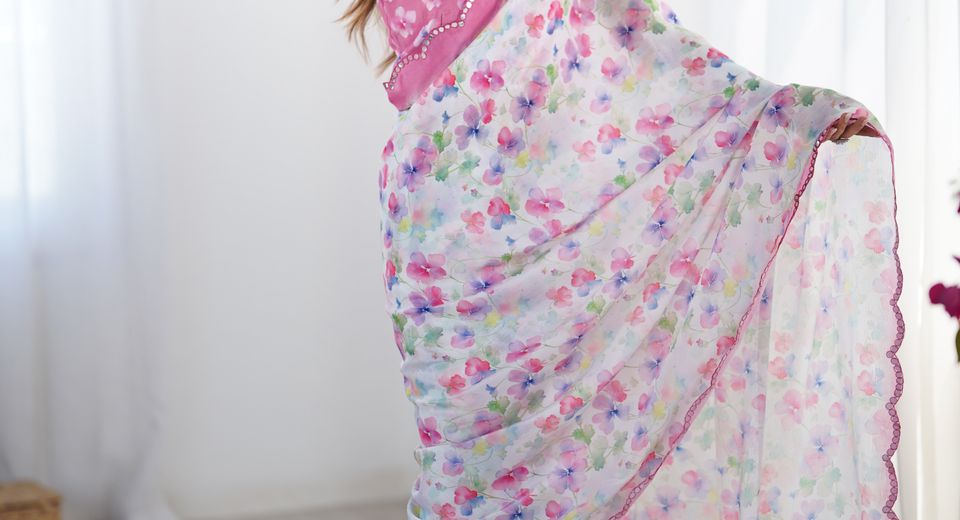
Chiffon, chinon, georgette, satin and fine organza are among the fabrics most likely to show damage from an oversized or dense fall. These materials are chosen for fluid movement, so a rigid lower band can swing differently from the body of the saree.
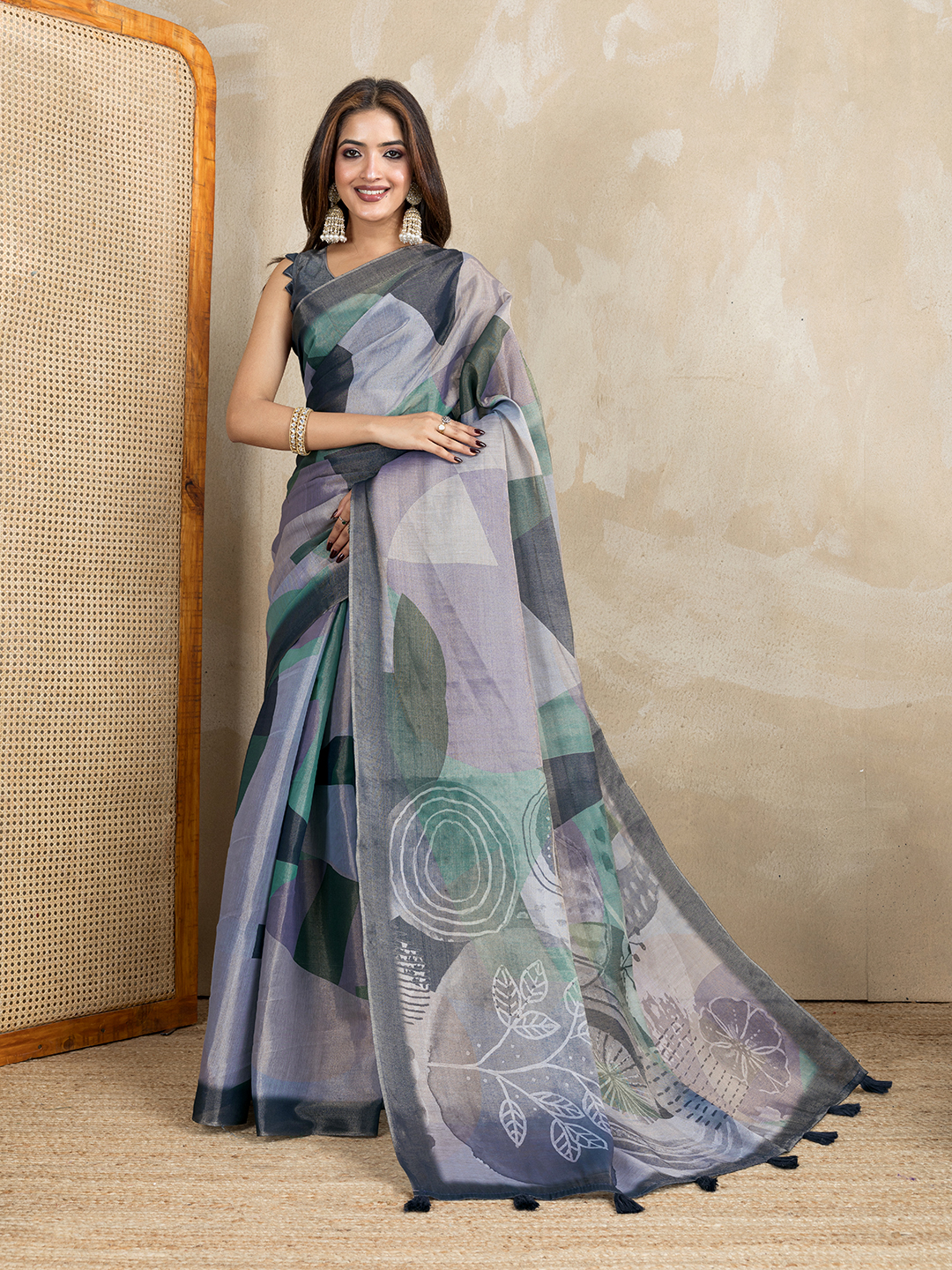
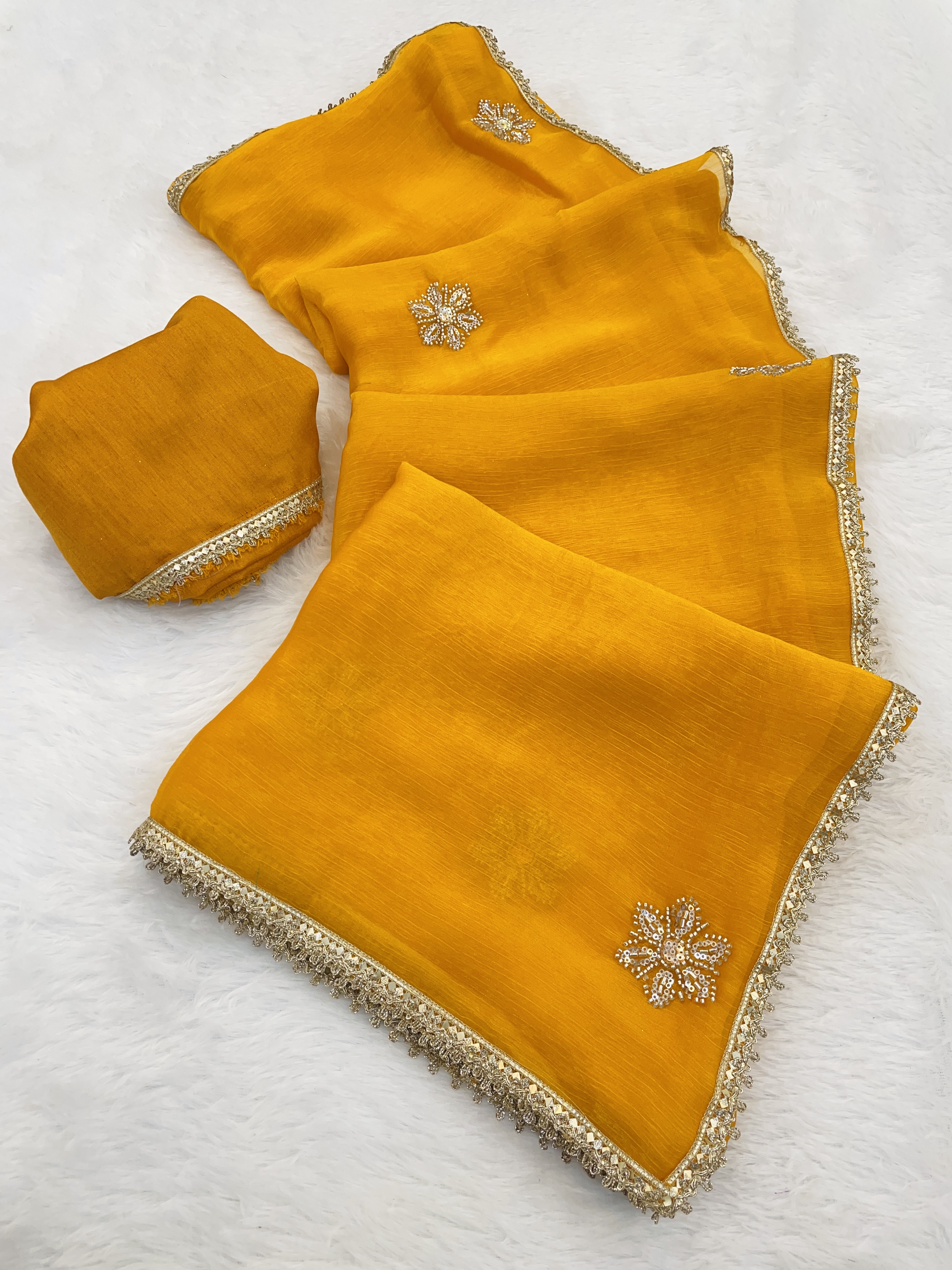
Multicolor Heavy Chinnon Printed Saree for Women may have a soft, flowing body even though the word "heavy" describes its design or finish rather than permission to add a thick fall. Designer Ivory Heavy Chinon Saree with Mirror Border also requires an assessment of the existing mirror border before another substantial strip is attached. The original border, embellishment and fall together determine the total load at the hem.
How to Check It
What happens when a saree fall is too heavy for the fabric can be identified by inspecting the hem while the saree is flat, draped and in motion. A suitable fall protects the edge without creating a rigid ridge, visible puckering or a downward pull above the stitching.

- Lay the saree flat: Check whether the lower edge forms a straight line. Ripples that follow the fall seam may indicate uneven tension or excessive stiffness.
- Lift one metre of the hem: A very heavy section drops sharply and pulls the nearby saree into folds. A compatible fall bends with the saree.
- Inspect the seam: Look for enlarged needle holes, broken threads, puckers and thread loops. These are early warnings before a tear becomes obvious.
- Walk for five minutes: Notice whether the hem catches behind the heel or feels like a separate band. Dragging often appears during movement rather than while standing.
- Compare both sides: The fall should sit at a consistent height from the front pleats to the back drape. A dipping edge can indicate uneven stretching.
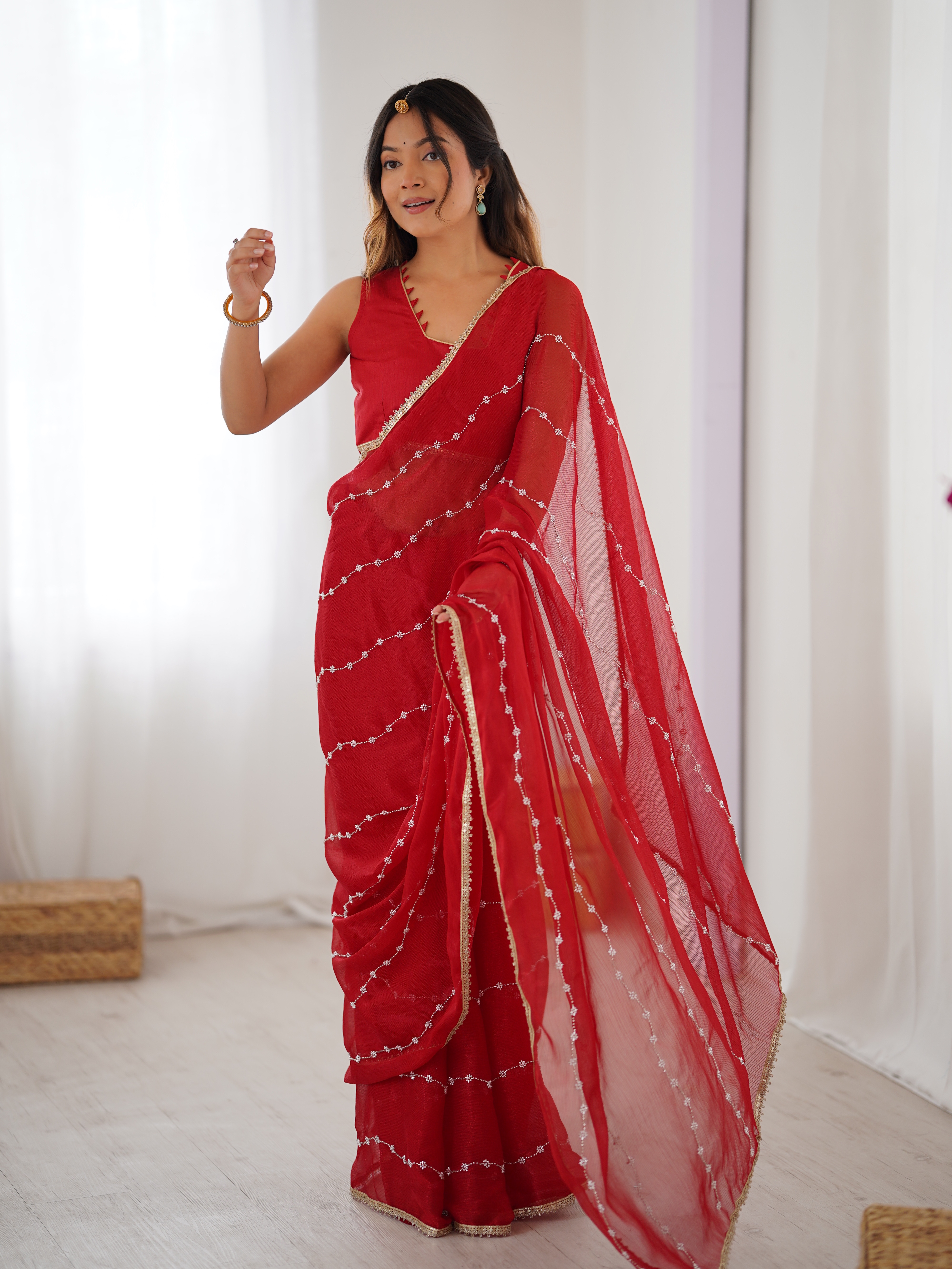
Ready-to-wear construction can make diagnosis easier because the pleats and hem are already positioned. Sage Green Floral Heavy Chinnon Ready to Wear Saree should still be checked for lower-edge stiffness, particularly when the pre-stitched structure includes a dense border or lining. A ready-to-wear format doesn't mean that the hem can support any fall material.
Long-Term Damage
What happens when a saree fall is too heavy for the fabric doesn't always appear after one wear, but repeated use can turn minor seam stress into permanent stretching or tearing. Damage depends on fabric strength, fall material, stitch density, moisture, storage and how often the hem is pulled across the floor.
A loose thread or a few small ripples may be repairable when addressed early. A permanently wavy hem, a row of enlarged needle holes or a torn transparent panel is harder to restore invisibly. Machine washing, damp storage and hanging the saree from a single point can accelerate the problem because moisture and gravity add further stress to the same seam.
Embellishment increases the risk. Heavy Sitara Fancy Saree for Wedding & Party Wear already contains decorative elements that affect the garment's balance. Designer Heavy Chinnon Saree with Kutchi Mirror Lace has a mirror-lace edge that may offer some edge structure but also adds concentrated weight. A tailor should inspect the existing border instead of assuming that a second heavy strip is necessary.
Choosing the Right Finish
What happens when a saree fall is too heavy for the fabric can often be prevented by choosing a lightweight, flexible strip that follows the saree's natural movement. Soft cotton voile, lightweight polyester, matching lining fabric or a narrow bias finish may work, depending on transparency, border design and expected use.
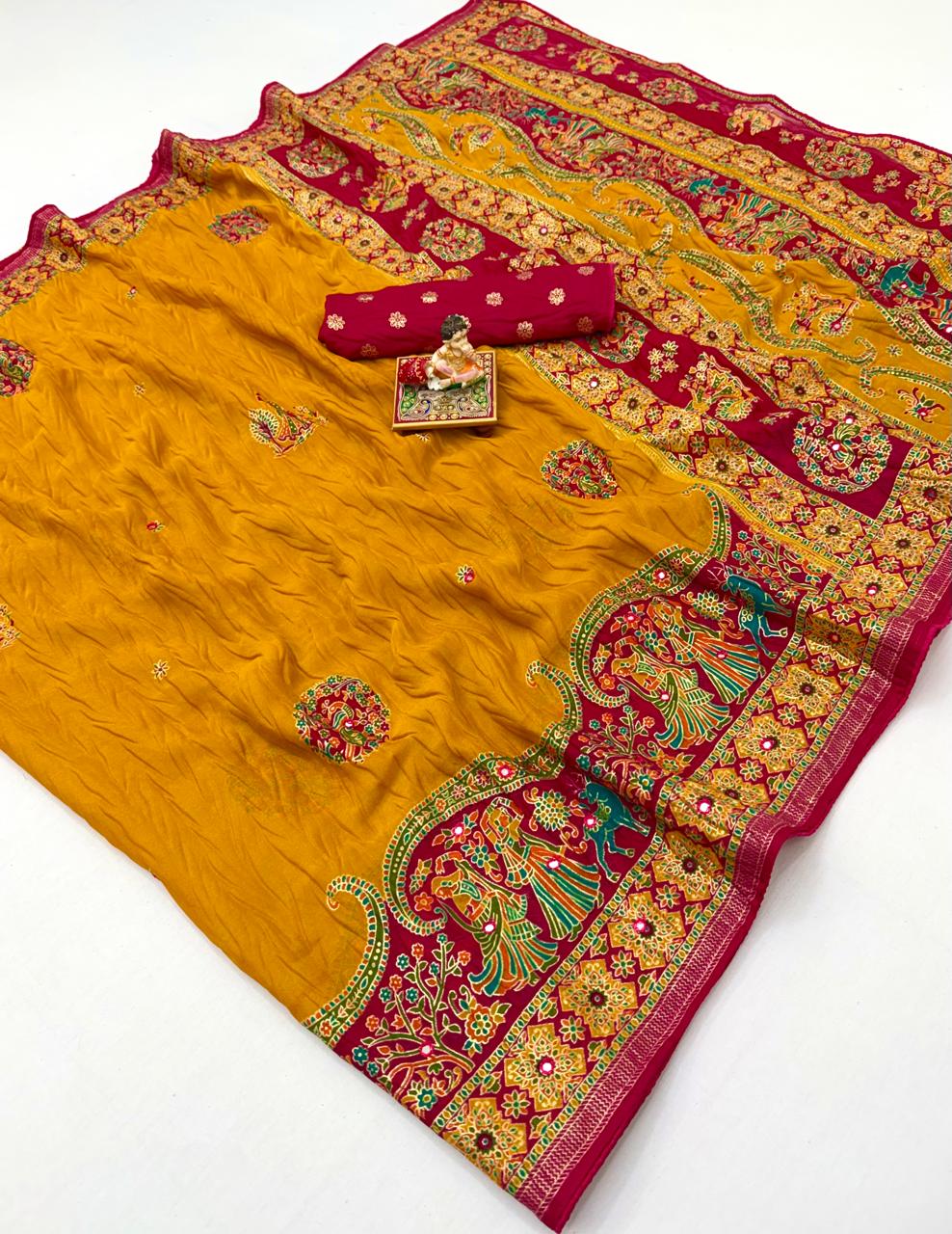
For a sheer saree, colour matching is important because a bright or contrasting fall can show through the lower pleats. A fall slightly lighter than the main saree is generally safer than a denser and heavier one. The strip should be secured without being pulled tight during stitching.
For sarees with zari, sequins or mirrors, the tailor should calculate total edge weight. A saree with a pre-existing embellished border may need only a thin protective facing rather than a broad traditional fall. Ivory Striped Heavy Chinnon Saree for Women demonstrates why pattern and transparency matter: a bulky underside can create a stiff or dark line that interrupts the stripes near the hem.
Does Every Saree Need Cotton?
What happens when a saree fall is too heavy for the fabric is why every saree should not receive the same heritage cotton fall. Cotton falls vary in thickness and can be unsuitable for delicate or heavily embellished textiles. The finishing choice should reflect fabric density, transparency, border weight and frequency of wear.
A sturdy cotton saree may benefit from a standard cotton fall because added body protects the hem during everyday use. A lightweight party saree may be better served by a narrow, soft strip or a carefully finished edge. Sage Green Designer Printed Saree for Women and Elegant Powder Blue Printed Heavy Chinon Saree are examples where print placement and fluidity should remain visible at the lower edge rather than being hidden by a stiff internal band.
For budget comparisons, Sarees from Rs 1000 to Rs 1500 and Sarees Under 20% Off can be useful starting points, but price doesn't determine the correct fall. Sarees Under 10% Off, Sarees Flat 60% Off and Sarees Flat 50% Off may include different fabric constructions, so the textile and border should be checked before stitching.
Safer Stitching and Care
What happens when a saree fall is too heavy for the fabric can be reduced by using even tension, fine thread and stitch spacing that supports the hem without perforating the main textile. The saree should lie flat and relax before measurements are taken.
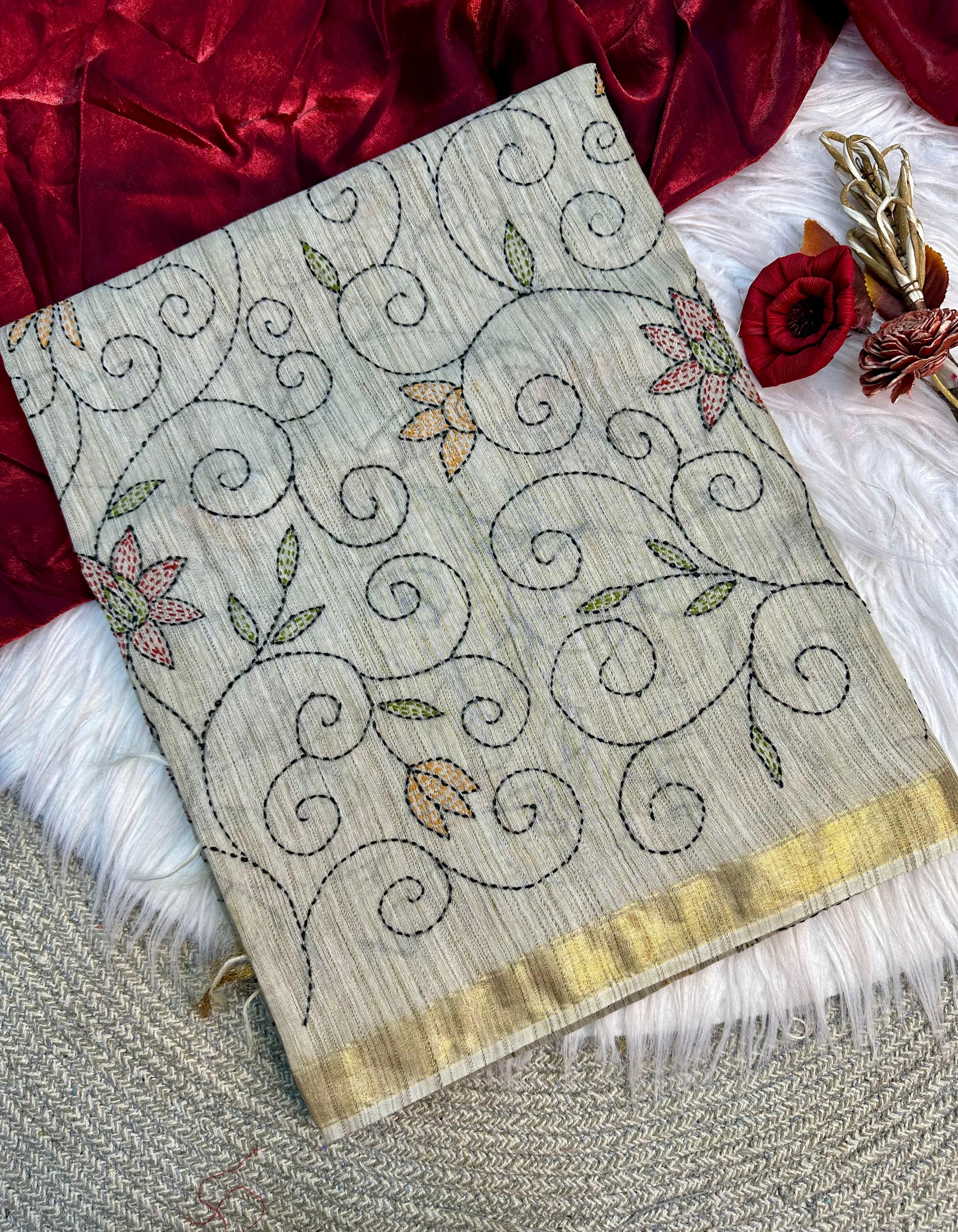
The fall should be pre-shrunk or tested for colourfastness when it's made from washable material. A strip that shrinks after washing can pull the saree into puckers. The tailor should align the fall with the true lower edge instead of stretching the saree to make the measurement fit.
- Use a lightweight strip for chiffon, chinon, georgette and fine net.
- Match the fall colour to the saree or border, particularly when the saree is sheer.
- Keep the strip flat while stitching and avoid feeding the main fabric under tension.
- Use a fine needle and thread suitable for delicate fabric.
- Test the finished hem by lifting and walking before trimming loose threads.
- Store the saree clean and completely dry, folded loosely rather than compressed under heavy garments.
- don't hang a delicate saree for months from a single hanger point, especially when the border contains mirrors, zari or sequins.
When storing an embellished saree, place soft acid-free tissue between heavily decorated folds to reduce friction and concentrated pressure. Avoid pressing directly over mirrors, sequins and raised zari. A cool iron or fabric-appropriate steaming method is safer than high heat on chinon, chiffon and synthetic blends.
The practical rule is simple: a fall should protect the saree without becoming the heaviest component at the hem. If the lower edge looks wavy, feels rigid or pulls the fabric downward, stop wearing the saree until a tailor checks the fall seam and fabric condition.
Common Questions About Saree Fall Weight and Fabric Damage
Can a heavy saree fall damage chiffon or chinon?
Yes, a heavy saree fall can stretch the hem seam of chiffon or chinon and create ripples, puckering or small tears. A lightweight, flexible fall is safer for both fabrics, especially when the saree already has zari, mirrors or sequins.
How can I tell if my saree fall is too heavy?
A fall may be too heavy when the lower edge hangs unevenly, feels rigid, drags while walking or pulls the fabric into folds above the seam. Enlarged needle holes and repeated puckering are early signs of stress.
Does every saree need a cotton fall?
No, every saree does not need the same cotton fall. Sturdy cotton sarees can usually support one, while chiffon, chinon, georgette and embellished sarees may need a lighter strip or a narrow protective finish.
Can a heavy fall be removed from a saree?
A tailor can often remove and replace an unsuitable fall, but the result depends on whether the original seam has stretched or left visible needle holes. Delicate fabrics should be examined before unpicking because repeated stitching can weaken the edge.
What fall is suitable for a saree with a heavy border?
A saree with a heavy border usually needs a lightweight protective facing rather than another dense, broad fall. The tailor should assess the combined weight of the border, zari, mirror work and fall before stitching.
How should I store a saree after adding a fall?
Store the saree clean and completely dry, folded loosely with soft tissue around raised embellishment. Avoid compressing a delicate saree under heavy garments and avoid long-term hanging from a single point, which can increase downward stress at the hem.