When shoppers ask, "What Does Semi Stitched Mean for an Anarkali Suit?", they're usually trying to understand how much tailoring remains after purchase. A semi-stitched Anarkali has some parts shaped or joined in advance, but the garment isn't finished to one wearer's exact body measurements. The bodice, flare, sleeves or side seams may still need adjustment before the suit is ready to wear.
Semi-stitched construction sits between an unstitched fabric set and a fully ready-made salwar suit. The design details, placement and basic silhouette are already planned, while a tailor completes the final fit. That arrangement can offer more flexibility than a fixed-size garment, but it doesn't mean that every measurement can be changed without limits.
What Does Semi Stitched Mean for an Anarkali Suit?
A semi-stitched Anarkali suit is a partly assembled garment supplied with enough construction or extra fabric for final tailoring. The exact unfinished areas vary by design, so the product description and measurement chart should be checked before purchase.
An Anarkali generally includes a fitted upper section and a flared lower section. In a semi-stitched version, the flare may already be cut into panels, the neckline may be marked or partly finished, and the decorative work may already be positioned. The waist, bust, sleeve, side seams, hem length or lining can still require local tailoring.
"Semi-stitched" doesn't automatically mean that the suit will fit every size. A garment may include adjustment allowance around the side seams, or it may be supplied in a broad size range with a fixed maximum bust and waist. A tailor can work within the available seam allowance and fabric; a tailor can't reliably create several additional inches where no fabric has been provided.
Which parts are usually unfinished?
The bodice and side seams are the areas most commonly adjusted in a semi-stitched Anarkali suit. Sleeve length, sleeve circumference, overall length, neckline finishing, lining and the lower hem may also be completed during alteration.
Some designs arrive with a stitched upper body and an open lower section, while others have a pre-cut flare that needs joining. A dupatta is normally finished separately, and salwar, churidar or trousers may be supplied either stitched or unstitched. Product photographs alone can't establish the construction, so the written specification matters.
How Is a Semi-Stitched Anarkali Different from Other Suit Types?
A semi-stitched Anarkali needs final tailoring, whereas a ready-made Anarkali is completed in a stated size and an unstitched suit provides fabric for construction from the beginning. The three formats suit different priorities.
- Ready-made: The kurta, bottom and often the lining are already finished. Minor alterations may be possible, but the existing seams and hem limit the changes.
- Semi-stitched: The silhouette and design work are partly prepared, with some construction left for a tailor. Semi-stitched garments usually reduce design decisions while retaining useful fitting flexibility.
- Unstitched: The fabric is supplied as material rather than as a partly shaped garment. The wearer can select the neckline, flare, sleeve and length, but tailoring involves more decisions and more labour.
A semi-stitched format can be particularly useful when a standard ready-made size fits the bust but not the height, or when the wearer wants a longer sleeve without changing the entire design. The format is less convenient for someone who needs extensive reconstruction, such as a major change to the neckline or a substantially different flare.
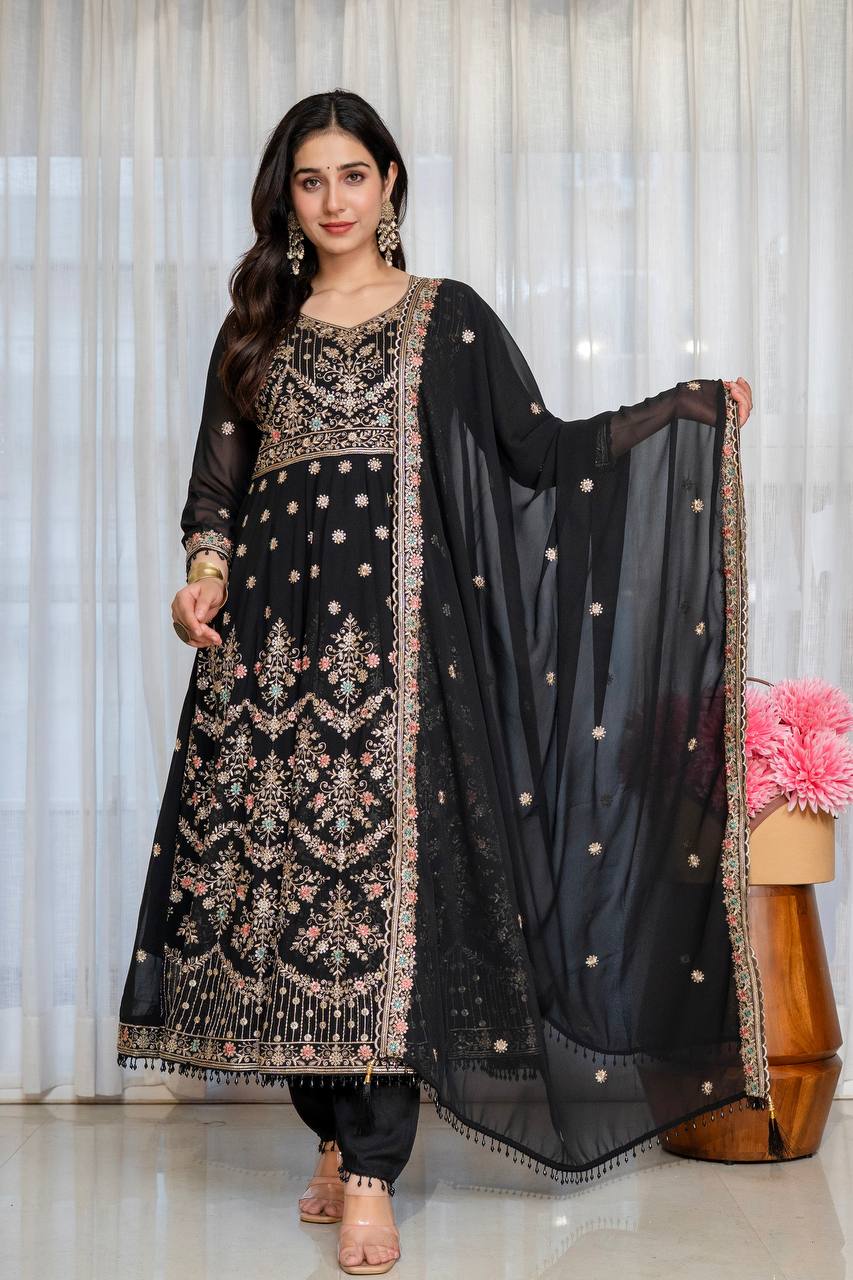
Colour and surface work also influence the decision. A design such as Black Anarkali Suit Set with Sequin Zari and Moti Lace Work may have carefully placed sequin, zari and moti lace details that should not be cut through during alteration. A tailor needs to preserve the embroidery border and repeat while adjusting the seams.
What Measurements Should You Take Before Ordering?
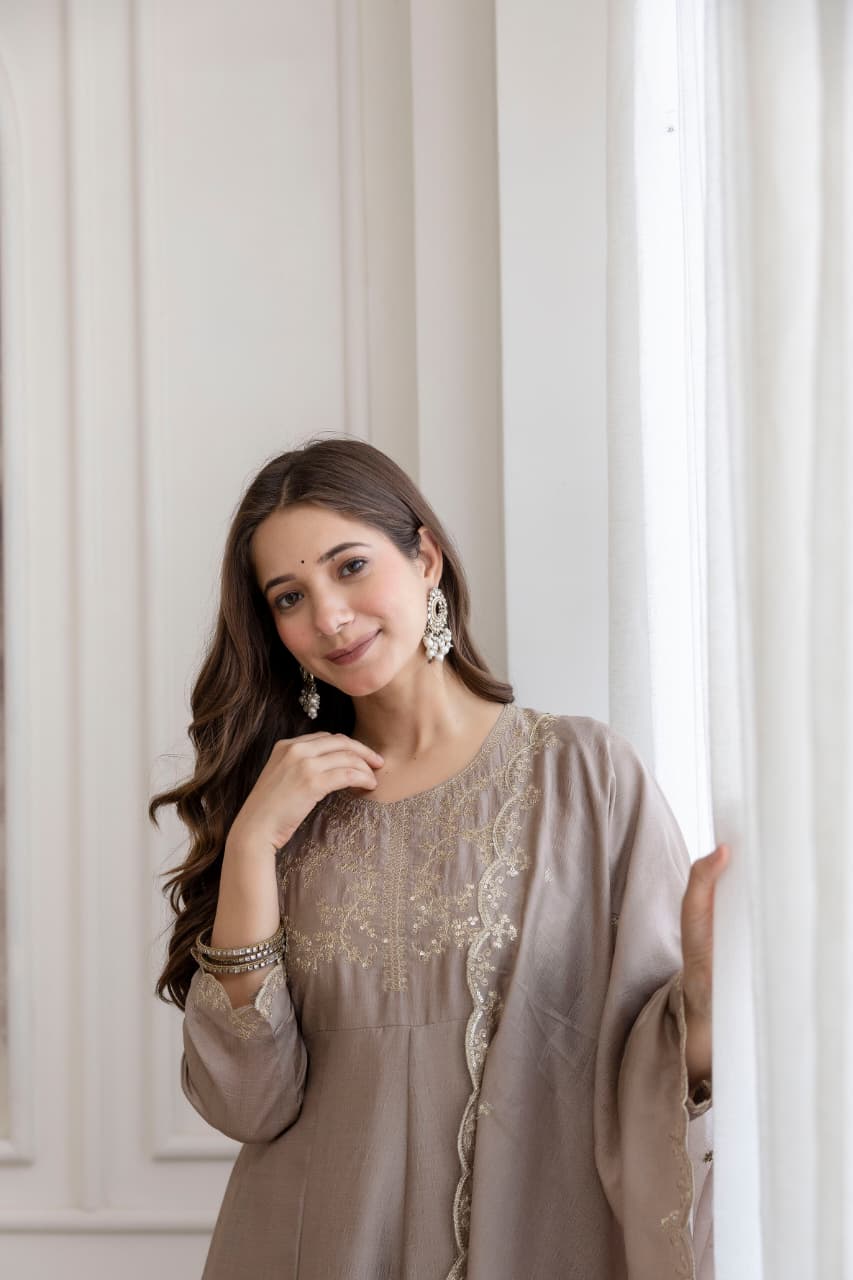
You should record your bust, waist, shoulder, armhole, sleeve, upper-arm, shoulder-to-waist and full-length measurements before ordering a semi-stitched Anarkali. These measurements help a tailor decide whether the supplied garment has enough room for a safe alteration.
Measurements that affect the upper body
Measure the fullest part of the bust while wearing the bra or inner garment intended for the Anarkali. Keep the tape level across the back and avoid pulling it tight. Measure the natural waist separately, because an Anarkali may be fitted under the bust, at the waist or slightly below the waist depending on the pattern.
Shoulder width controls how the sleeve and armhole sit. Upper-arm circumference matters when the sleeves are narrow or embroidered. Armhole comfort also needs attention: a garment that's technically correct at the bust can still feel restrictive if the armhole has been cut shallow.
Measurements that affect the skirt and sleeves
Measure from the shoulder's highest point to the preferred hem for full length. For a floor-length Anarkali, wear the footwear planned for the event while measuring. A difference of 2 to 3 centimetres can change whether the hem falls neatly above the floor or catches under the shoe.
Measure sleeve length from the shoulder point to the wrist or preferred stopping point. Note whether the sleeve should end at the elbow, forearm or wrist. Also measure the circumference at the sleeve opening if bangles, a watch or a broad hand opening need to pass through easily.
don't rely only on a familiar ready-made size such as M or L. Indian garment sizing varies between makers, and a semi-stitched product may use a maximum body measurement rather than a finished garment measurement. Compare your numbers with the stated garment measurements and ask a tailor to inspect the seam allowance when the difference is close.
How Much Can a Semi-Stitched Anarkali Be Altered?
A semi-stitched Anarkali can usually be adjusted for modest changes in width, length and sleeve fit, but the usable range depends on seam allowance, panel shape, lining and embroidery placement. Alterations are safest when the required change is small and distributed across several seams.
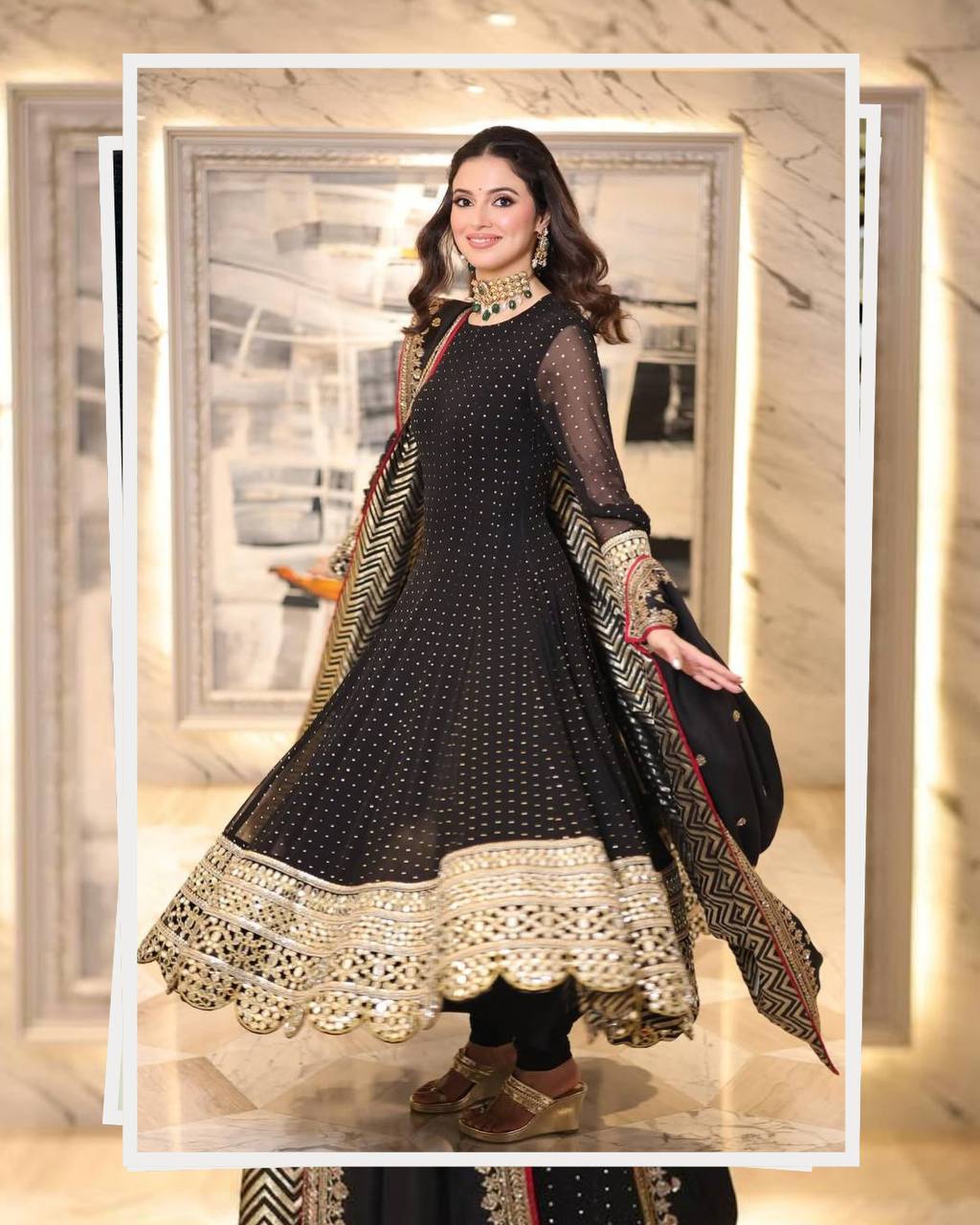
Taking in the side seams is generally simpler than adding width. Length can sometimes be increased if extra fabric or a separate hem border is present, while shortening may be limited by a zari, lace or embroidered edge. A tailor must check whether the flare panels meet evenly after the change.
Changing the bust and waist may affect the position of the waist seam, motifs and flare. A fitted upper section should not be tightened so much that the lower panels pull upward. Conversely, adding room only at the waist can disturb the fall if the pattern has a defined empire line or princess seam.
Neckline changes require special caution. Cutting a deeper neckline through zari or sequin work can remove part of the design and may leave an uneven border. Sleeve replacement, major flare expansion and extensive reconstruction are often more expensive than ordinary side-seam alterations and may not be practical.
A tailor should open the package before cutting, identify the finished and unfinished seams, and mark the garment while it's inside out. A first fitting with temporary stitching is safer than cutting immediately. The final hem and sleeve finish should be completed only after the bodice and flare have been checked while standing and sitting.
Which Fabrics and Details Need Special Fitting Care?
Silk-like fabrics, zari, sequins, lace, gota patti and dense embroidery need careful handling because decorative surfaces can restrict seam changes and make needle marks visible. The fabric name and embellishment should influence the alteration plan.
Vichitra silk and other smooth dress fabrics can show pulling around the bust or waist, so the garment needs enough ease for sitting and moving. A Maroon Vichitra Silk Embroidered Anarkali Suit Set or Mustard Vichitra Silk Embroidered Anarkali Suit Set should be checked under indoor and natural light for whether the embroidery line remains balanced after fitting.
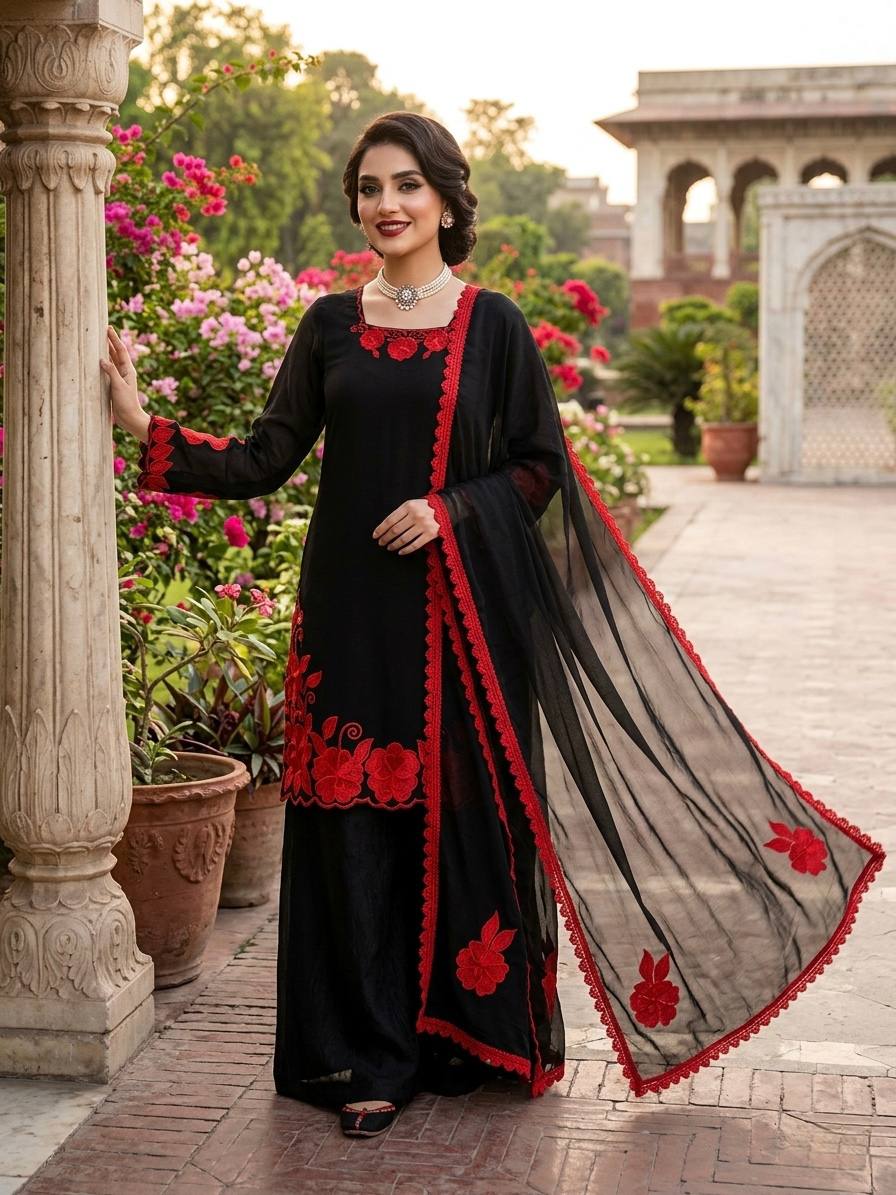
Gota patti and zari borders are usually visual anchors. A White Embroidered Anarkali Suit Set with Gota Patti Dupatta may require border-preserving work around the hem or neckline. A tailor should avoid placing a new seam through the most prominent gota patti strip unless the pattern allows the motif to continue cleanly.
Sequins and moti lace can scratch during a fitting or catch on the sewing machine. A tailor can cover heavily embellished areas while stitching and should use a fine needle appropriate to the fabric. A Black Embroidered Anarkali Suit Set with Zari Work and a Black Anarkali Suit with Zari, Sequins & Moti Lace Work both call for seam placement that protects the surface ornamentation.
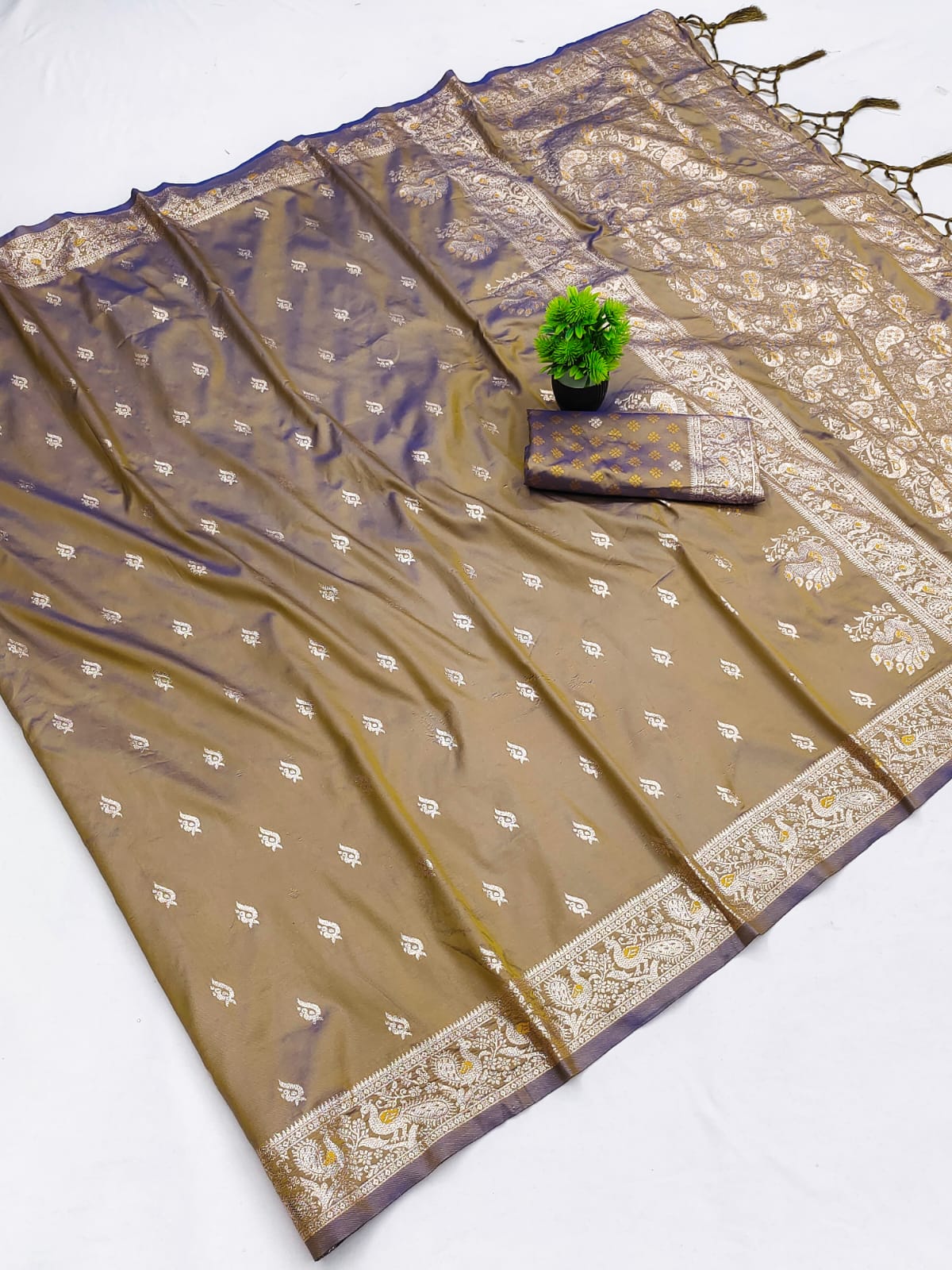
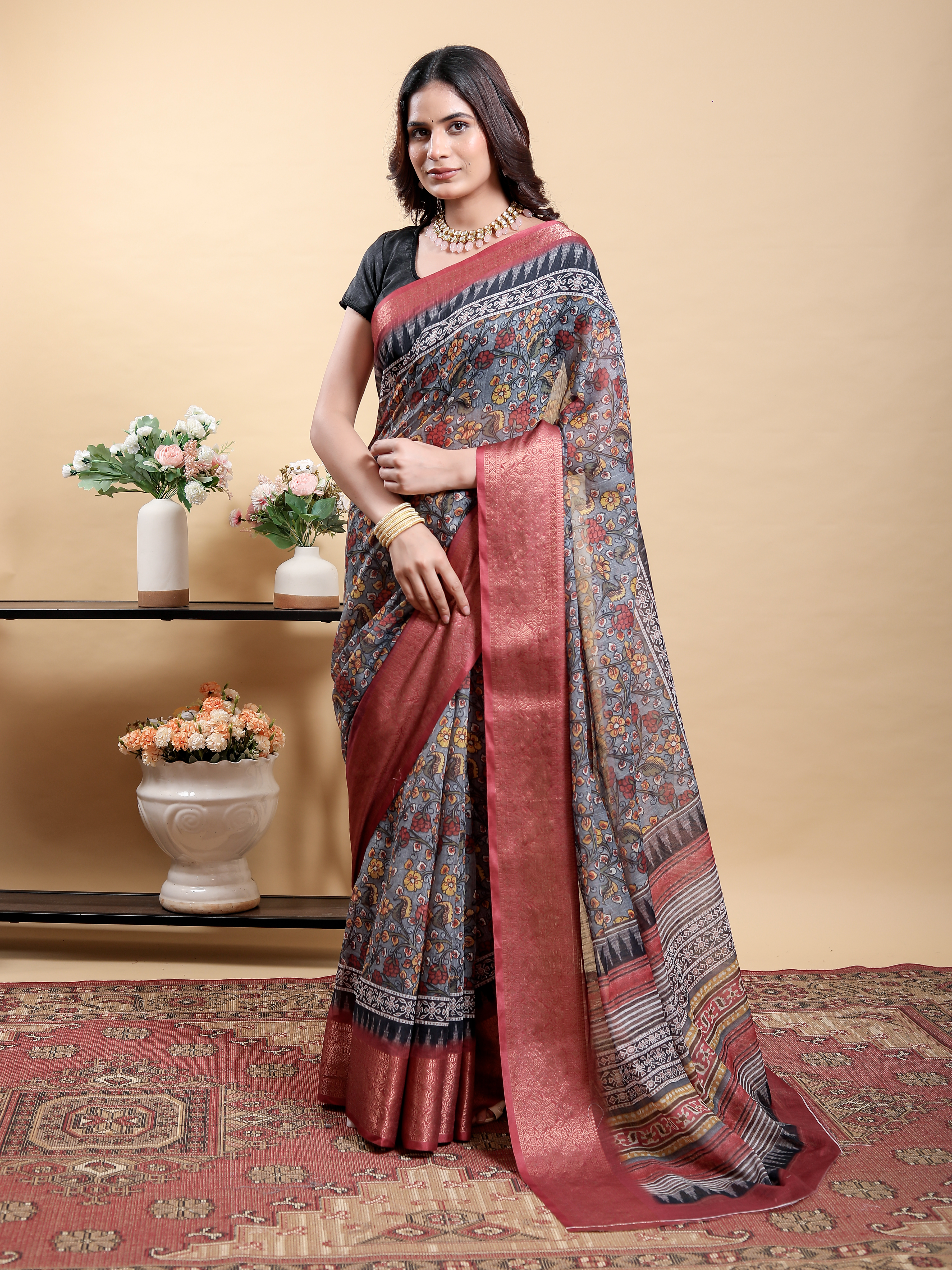
Print direction also matters. Kalamkari Print Salwar Suits (Copy), Maharashtra Paithani Inspired Salwar Suits and Odisha Sambalpuri Salwar Suits may feature motifs that need to remain upright or visually centred. A cut that removes a border or shifts a central motif can make a technically correct fit look unbalanced.
How Do You Choose a Semi-Stitched Anarkali for an Occasion?
Choose the fabric, surface work, length and alteration time according to the event rather than selecting a silhouette by appearance alone. A semi-stitched suit is only useful for a function when there's enough time for fitting and finishing.
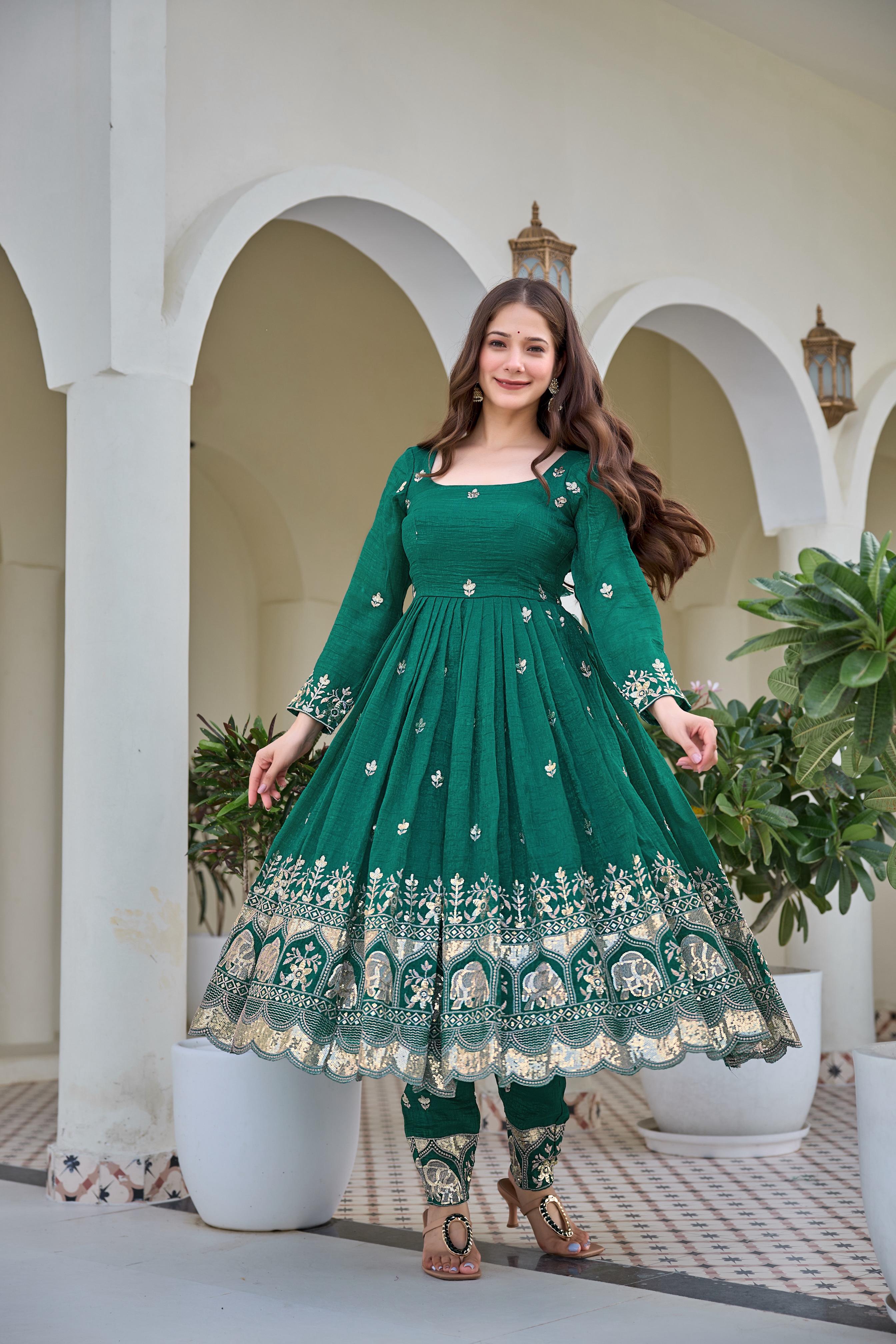
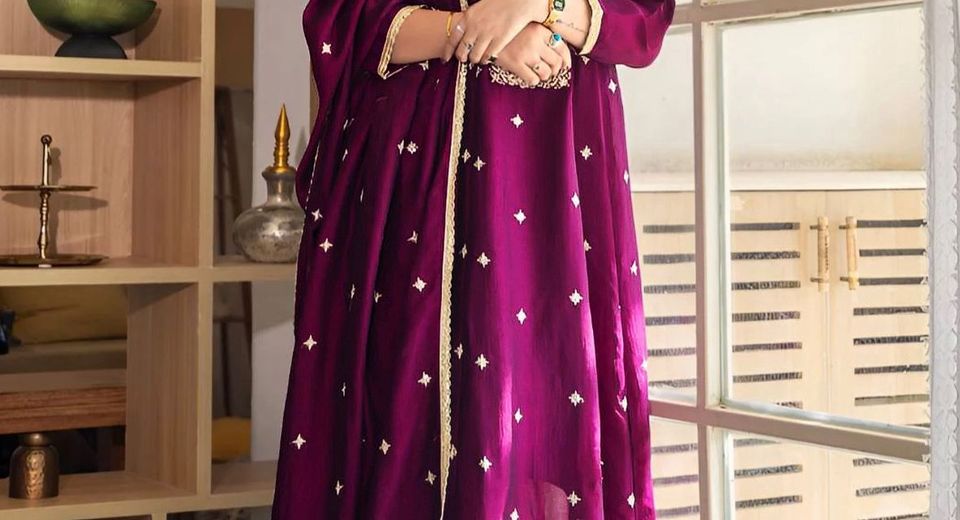
For a wedding guest outfit, a richer surface can work well when the wearer has at least one fitting appointment available. Purple Embroidered Silk Anarkali Suit Set for Weddings offers a useful example of why colour, embroidery density and full-length fall should be considered together. The tailor should check the hem with the event footwear and confirm that the dupatta sits comfortably over the shoulder.
For a festive gathering, a lighter design may need less structural adjustment and can be easier to move in. Gujarat Bandhej Salwar Suits and Punjab Patiala Salwar Suits represent different regional visual languages, so the bottom shape and dupatta drape should be considered alongside the Anarkali's flare rather than treated as interchangeable styling pieces.
For daytime wear, comfort measurements deserve priority over maximum flare. The bust should allow ordinary breathing, the armhole should permit the arms to lift, and the hem should not drag. Embellishment isn't a substitute for a workable fit, especially when the suit will be worn for several hours.
What Should You Check Before Giving It to a Tailor?
Before tailoring, check the garment components, unfinished edges, decorative borders, lining, maximum measurements and the deadline for wearing the suit. A five-minute inspection can prevent an expensive or irreversible alteration.
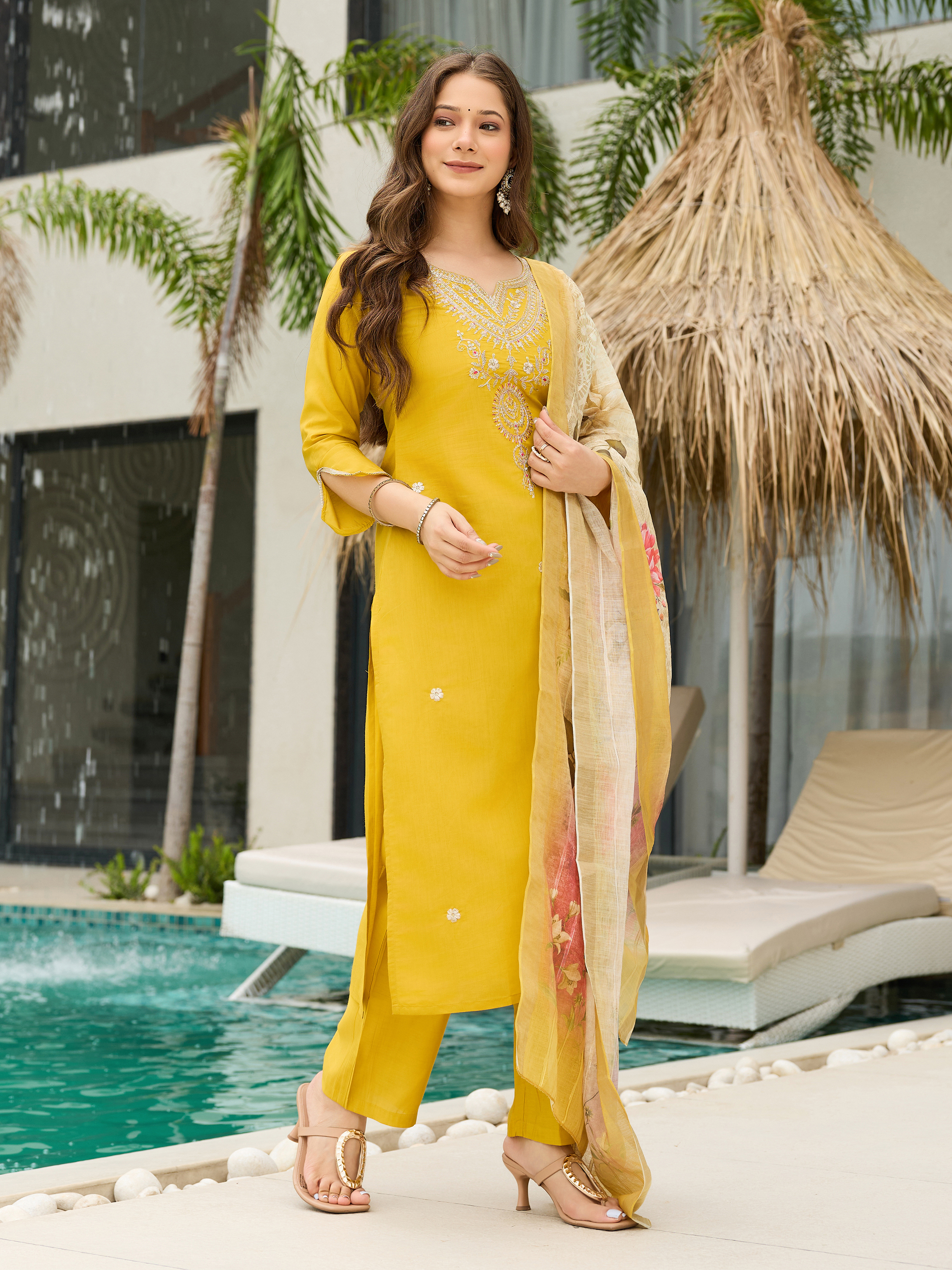
- Match every component: Confirm that the Anarkali, dupatta, bottom fabric or stitched bottom and lining are present.
- Measure before cutting: Compare your body measurements with the supplied garment and note the difference in bust, waist, sleeve and full length.
- Locate the design anchors: Mark zari borders, gota patti, sequin panels, lace, central motifs and embroidery lines that must remain intact.
- Plan ease: Leave room for sitting, raising the arms and wearing the intended inner layer. A formal Anarkali should not be fitted so tightly that the flare can't fall naturally.
- Request a temporary fitting: Ask for basting or loose trial stitching before final seams, especially when the garment has a fitted bodice.
- Check the complete outfit: Try the stitched Anarkali with the dupatta and footwear. A shoulder adjustment can change the neckline position and the apparent length.
Keep the care label and purchase details until the fitting is approved. If the garment needs professional finishing, allow at least several days rather than scheduling tailoring on the day before a wedding. Embellished designs can take longer because the tailor may need to remove and replace sections of lace or hand-finish the lining.
How Should You Care for a Tailored Anarkali?
A tailored Anarkali should be cleaned and stored according to its fabric and embellishment, with special protection for zari, sequins, gota patti and silk-like surfaces. Care instructions can preserve both the fit and the decorative finish.
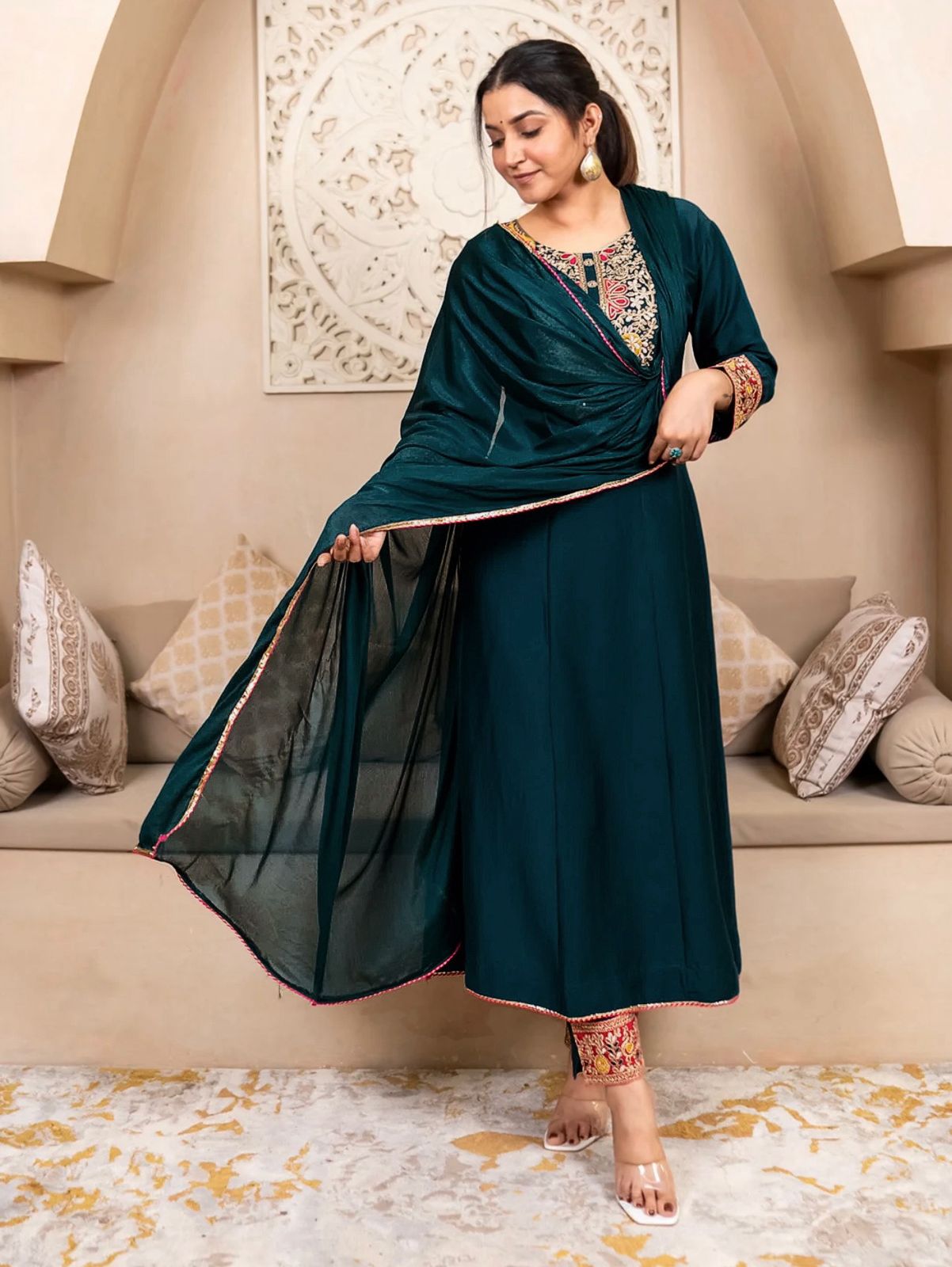
don't machine-wash a heavily embellished Anarkali unless the care label specifically permits it. Professional dry cleaning is often safer for dense embroidery, zari and sequin work, while light fabrics may have separate instructions. Test no stain-removal product directly on a visible motif without professional guidance.
Store the garment clean and completely dry. Use a broad hanger for the bodice, but avoid hanging a very heavy, embellished flare for long periods because the weight can pull at the shoulder seams. Fold the lower portion with soft acid-free or plain tissue between embellished layers if the garment will be stored for several months.
Steam from a safe distance when the fabric permits it, and place a protective cloth between an iron and any zari or sequin work. A hot iron can flatten texture, melt some decorative elements or leave a shine on smooth fabric. Refitting after cleaning may be necessary if the lining, seams or hem have shifted.
Knowing what semi stitched means for an Anarkali suit makes the buying decision more precise. The format gives you a partially prepared design and an opportunity for personal fitting, but the result depends on available fabric, accurate measurements, skilled tailoring and enough time for a trial. Treat the garment as a planned tailoring project rather than as a ready-to-wear purchase, and the finished Anarkali is far more likely to sit comfortably and retain its intended design.
Questions Shoppers Ask About Semi-Stitched Anarkali Suits
What does semi stitched mean for an Anarkali suit?
A semi-stitched Anarkali suit is partly shaped or assembled but still needs final tailoring for the wearer. The seams, length, sleeves, lining or other sections may require adjustment, depending on the product construction.
Is a semi-stitched Anarkali better than a ready-made suit?
A semi-stitched Anarkali can be better when you need moderate changes to the bust, sleeves or length. A ready-made suit is more convenient when a standard size already fits and you do not want to arrange tailoring.
Can a semi-stitched Anarkali be made smaller or larger?
A semi-stitched Anarkali can usually be made smaller and may be made slightly larger if sufficient seam allowance or extra fabric is available. Major increases, neckline changes and flare alterations may be restricted by the cut and embroidery.
How do I measure myself for a semi-stitched Anarkali suit?
Measure the fullest bust, natural waist, shoulder, armhole, upper arm, sleeve length and shoulder-to-hem length. Compare those measurements with the product chart rather than choosing only by a general size such as M or L.
How much time should I allow for tailoring a semi-stitched Anarkali?
Allow several days for ordinary tailoring and more time for dense embroidery, zari, sequins or border work. A trial fitting before final stitching is especially important for a fitted bodice or full-length Anarkali.
Can I alter the neckline of a semi-stitched Anarkali?
A neckline can sometimes be adjusted, but the change may cut through zari, sequins, gota patti or embroidery. Ask a tailor to inspect the design placement before approving a deeper, wider or differently shaped neckline.