

Weight, Movement and the Occasions They Suit for Velvet Lehengas matter because a visually rich outfit can become uncomfortable when its fabric, lining, embroidery and flare don't match the event. Velvet creates a deep, light-absorbing surface that looks especially polished in evening photographs, but velvet also adds warmth and structure. The right choice depends on how long you'll wear it, how much you need to walk, whether you'll sit on the floor and how heavily the skirt is embellished.
Although salwar suits and coordinated sets are often easier to move in, a velvet lehenga can be practical when its construction suits the venue. A garment that looks similar on a hanger can behave very differently once a can-can layer, zari border, sequins or a long dupatta is added. The useful question isn't simply whether velvet looks festive; the useful question is how the finished outfit will behave during the hours you plan to wear it.
Weight, Movement and the Occasions They Suit for Velvet Lehengas: What creates the weight?
A velvet lehenga feels heavy because its total weight comes from the velvet, lining, skirt volume, embroidery, waistband, can-can and dupatta rather than from the outer fabric alone.
Velvet can range from relatively light stretch velvet to dense cotton-blend or synthetic-pile velvet. A full-length skirt generally needs lining to prevent the pile from catching against the legs. Additional layers create a smoother fall, but they also increase warmth and weight. A broad embroidered hem can add several hundred grams, while dense zari, beadwork, crystals or raised threadwork can make the lower skirt noticeably heavier.
Skirt construction changes the experience as much as fabric choice. A six-panel or eight-panel velvet lehenga with moderate flare is usually easier to manage than a heavily gathered circular skirt. A stiff can-can layer holds the hem away from the ankles and creates volume, but the layer needs more space while walking and can feel awkward when sitting.
For practical planning, consider three broad categories. A light velvet skirt with limited embroidery may suit three to four hours of movement. A medium-weight lined skirt with a moderate border is appropriate for a typical wedding function. A heavily embellished skirt with several support layers is better for a shorter formal appearance, particularly if the wearer must climb stairs, travel between venues or dance for a long period.
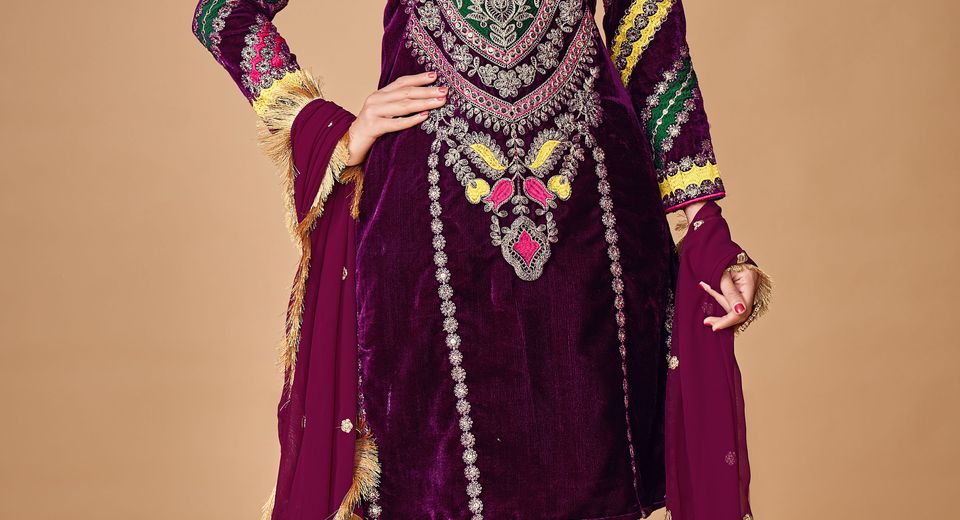
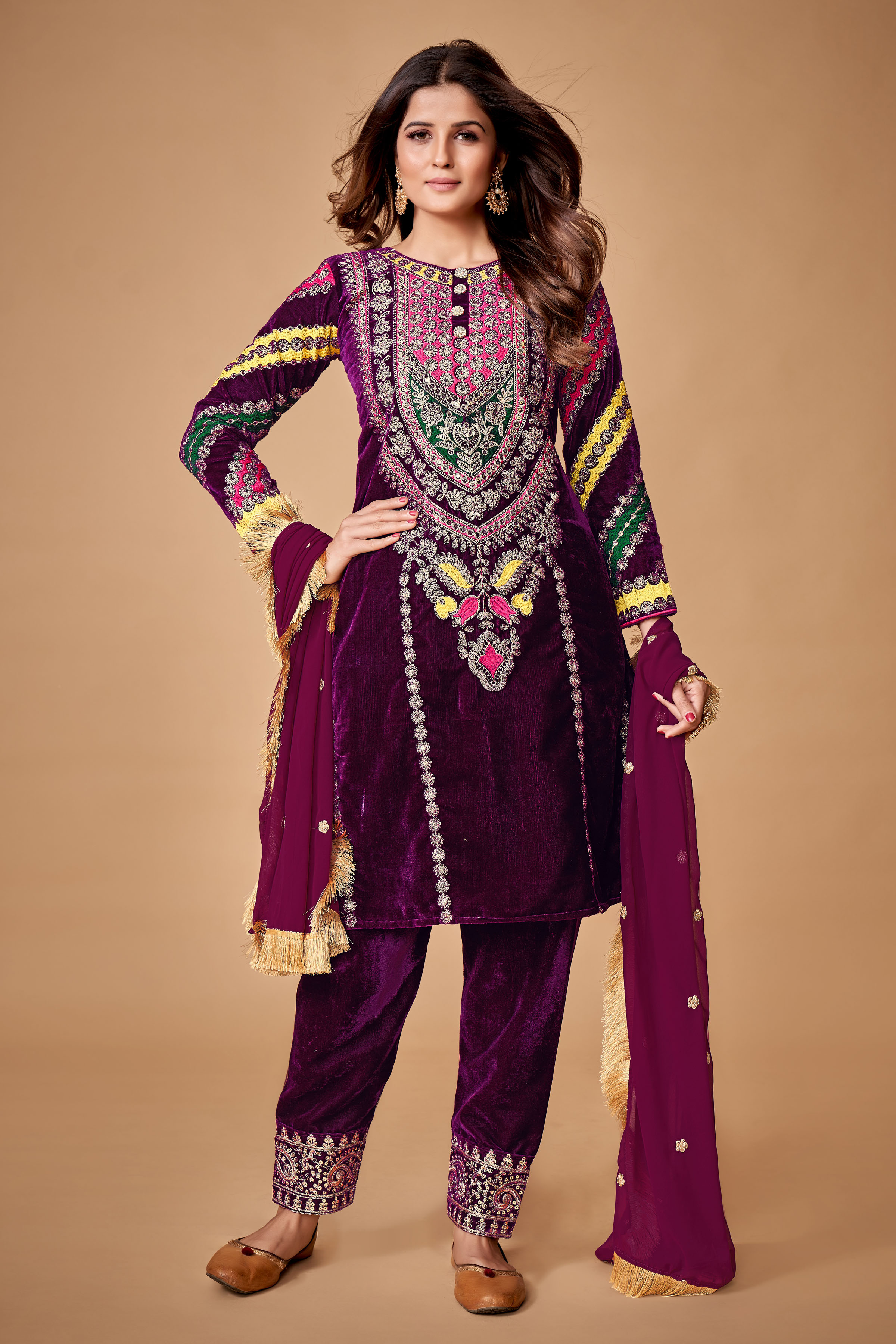
The dupatta can change the balance considerably. A georgette dupatta usually feels lighter and folds more easily than a velvet or heavily zari-worked dupatta. The Wine Velvet Embroidered Top and Pant Set with Georgette Dupatta demonstrates an useful alternative construction: velvet supplies richness while georgette keeps the top layer comparatively manageable.
Weight, Movement and the Occasions They Suit for Velvet Lehengas: How does movement change?
Velvet affects movement by creating a structured, slightly resistant skirt that swings more slowly than georgette, chiffon or lightweight crepe.
The pile of velvet can create friction between the skirt and lining, especially when the lining isn't smooth. That friction doesn't prevent walking, but it reduces the airy swish associated with georgette. A properly cut velvet skirt should still allow a natural stride. If the hem catches around the ankles, the problem may be incorrect length, excessive inner volume or a tight waistband rather than the velvet itself.
Measure the outfit while wearing the footwear planned for the event. The hem should sit close to the top of the shoe without dragging. Walk ten steps, turn around, climb three or four stairs and sit on a chair. The skirt should clear the feet during each movement without requiring constant lifting. Testing while carrying the dupatta also reveals whether the outfit is manageable in a crowded venue.
Movement is easier when the flare begins below the hip instead of expanding immediately from the waist. A structured waistband keeps the skirt stable, while a side zip or concealed hook arrangement reduces bulk at the front. A narrow inner hem can prevent the skirt from brushing against the floor. These construction details matter more than a photograph when the outfit will be worn for several hours.
Weight, Movement and the Occasions They Suit for Velvet Lehengas: Can you dance comfortably?
A velvet lehenga supports moderate dancing when the skirt has controlled flare, secure fastening and limited lower-hem embellishment.
A very heavy circular skirt can restrict quick turns and place pressure on the waist after repeated movement. For a sangeet performance, choose lighter velvet, a shorter trail, flexible lining and embroidery concentrated on the bodice or upper skirt. For a seated puja, reception or dinner, a more substantial skirt can be comfortable because the outfit doesn't need to support continuous movement.
A medium-flare velvet lehenga often offers the best compromise for a guest. The silhouette remains formal without requiring the wearer to lift a large hem every time she walks. A lightweight dupatta placed over one shoulder or secured at the waist leaves both hands available for greeting guests, carrying a phone and navigating stairs.
Weight, Movement and the Occasions They Suit for Velvet Lehengas: Which events suit them?
Velvet lehengas suit winter weddings, evening receptions, cocktail-style celebrations, engagement parties and formal festive gatherings where richness and warmth are useful.
Velvet performs particularly well after sunset because its pile absorbs and reflects light unevenly, giving jewel tones such as wine, emerald, navy, plum and black visual depth. Velvet also photographs effectively under warm banquet lighting. For a December wedding or a late-evening reception, a velvet skirt can feel more seasonally appropriate than a very sheer or airy fabric.
Velvet is less practical for hot daytime ceremonies, humid outdoor events and functions involving extensive travel. Heat becomes more noticeable when velvet is combined with a full lining, fitted blouse and heavy dupatta. A guest attending a morning Haldi ceremony may be more comfortable in cotton, Chanderi, georgette or a lighter silk blend, particularly at an outdoor venue.
For an engagement or cocktail evening, a moderately embellished velvet lehenga with a clean blouse creates impact without the weight of bridal-level embroidery. For a wedding reception, a deeper colour, zari or tonal embroidery can support a formal dress code. For a winter sangeet, controlled flare and secure draping are more important than maximum volume because dancing exposes every movement limitation.
The venue should influence the silhouette. A banquet hall can accommodate a broad hem, while a restaurant with closely placed tables rewards a narrower flare. A lawn requires a hem that won't drag through damp grass. A historic venue with stairs calls for secure footwear and a skirt that can be lifted without disturbing the drape.
Weight, Movement and the Occasions They Suit for Velvet Lehengas: How does fabric comparison help?
Velvet brings warmth and depth, while georgette gives fluid movement, Chanderi brings light structure and Vichitra silk brings a crisp, polished surface.
Banarasi silk can provide a rich woven effect through brocade and zari, but Banarasi silk doesn't feel identical to velvet because its surface is smoother and its weight is distributed differently. Kanjeevaram is traditionally associated with substantial silk and strong borders, making it an useful comparison for formal structure rather than softness. Chanderi is usually easier to carry through a long daytime event because its airy hand doesn't trap as much heat.
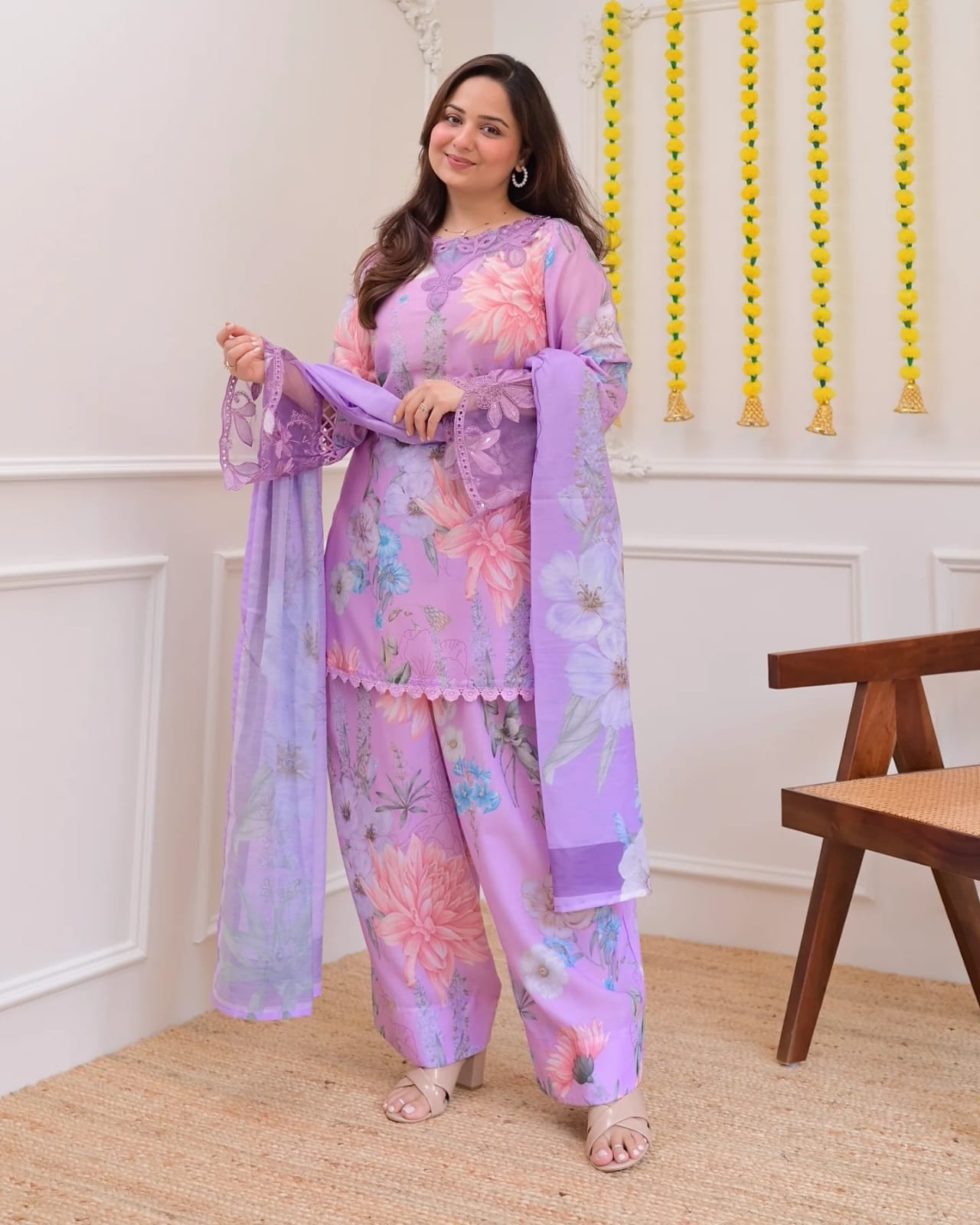
Georgette is a strong option when an outfit needs a soft fall, easy pleating and a lighter dupatta. The Lavender Georgette Kurti Pant Set with Embroidery & Dupatta illustrates the practical advantage of a fluid, coordinated silhouette: trousers reduce the need to manage a wide hem, while the dupatta adds ceremony without creating a heavy lower layer.
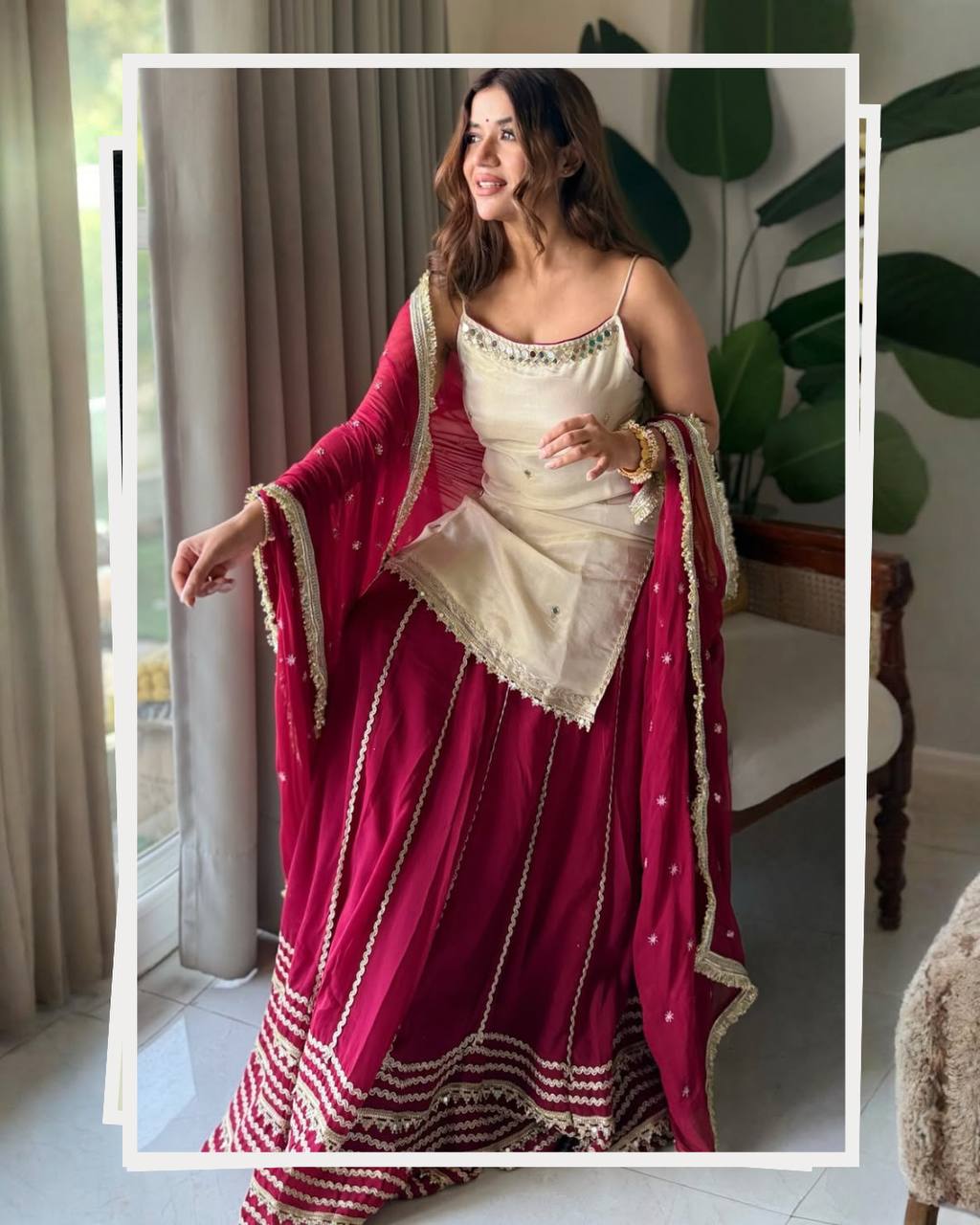
Vichitra silk sits between a very fluid textile and dense velvet in visual formality. The Off White Vichitra Silk Crop Top Lehenga Set with Zari Work shows how zari can provide occasion-appropriate shine without relying on a thick velvet surface. The Modern Taupe Vichitra Silk Embroidered Co-Ord Set for Women brings another reference for people who want a polished festive appearance with easier movement than a full skirt.
A vichitra Jacquard Woven Gown Dupatta Set provides a different silhouette altogether. A gown avoids the separate waistband and broad lower panels of a lehenga, although its length and flare still need testing before an event. The comparison shows why fabric name alone can't predict comfort: construction, lining and volume determine how the garment behaves.
Texture and garment shape should be assessed together. A lightweight textile can become cumbersome when paired with a large can-can, while a moderately heavy fabric can remain comfortable in a narrow, well-balanced silhouette. Comparing only the fibre or weave won't accurately predict the finished outfit.
Weight, Movement and the Occasions They Suit for Velvet Lehengas: Which styling choices help?
A lighter blouse, restrained dupatta, stable footwear and concentrated embroidery reduce the practical burden of a velvet lehenga.
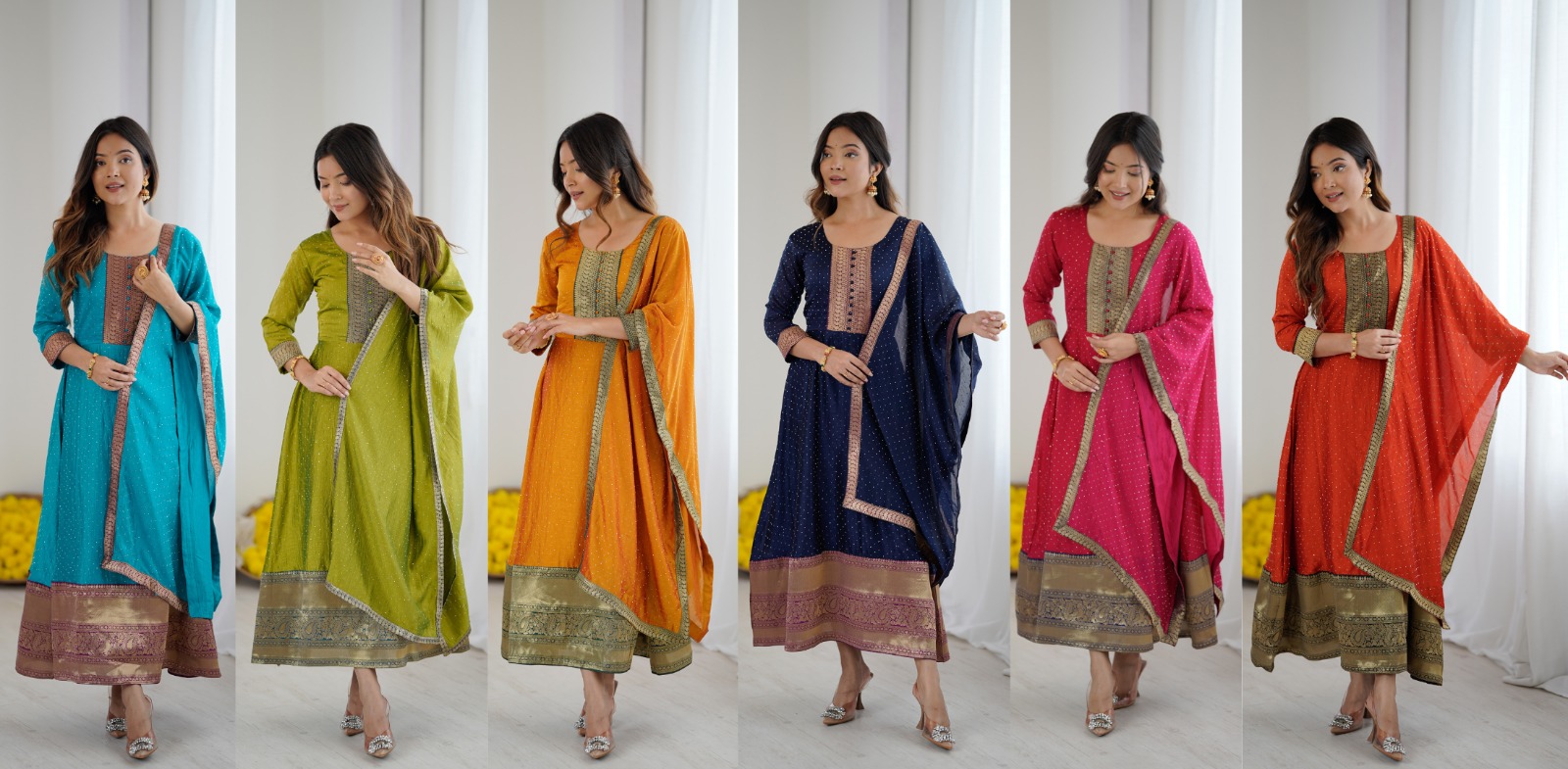
Choose a blouse with a clean neckline and limited surface work when the skirt already carries a dense border. A velvet blouse combined with a velvet skirt can look luxurious, but two pile surfaces increase warmth and visual weight. Silk, satin or a lighter brocade blouse can create contrast and make the upper body feel less enclosed.
Dupatta placement has a direct effect on comfort. A pinned shoulder drape is more secure than an unanchored floating drape during greetings and dancing. A narrow dupatta border is easier to carry than a wide, heavily embellished edge. If the dupatta includes zari, sequins or beadwork, place the heaviest section away from the neck to prevent pulling.
Footwear should have a stable block heel or embellished flat with a secure strap. Very thin heels can sink into grass, catch in a long hem or make a heavy skirt harder to control. Keep safety pins, fashion tape and a spare hook in the evening bag; these small items can solve a slipping shoulder drape or loose fastening without changing the outfit.
Accessories should respond to fabric density. A velvet lehenga with substantial embroidery may need only earrings and a compact clutch. A plain velvet skirt can support a larger necklace, embellished belt or statement maang tikka. Excessive accessories add visual and physical weight, particularly around the neckline.
Colour also affects perceived weight. Deep wine, black, plum and navy usually appear denser and more formal, while ivory, blush and muted taupe can make a structured outfit feel visually lighter. The actual garment weight doesn't change with colour, so visual lightness should never replace a movement test.
Weight, Movement and the Occasions They Suit for Velvet Lehengas: When is a salwar suit better?
Salwar suits provide greater mobility than many velvet lehengas because trousers or palazzos separate the legs and remove the need to control a wide skirt hem.
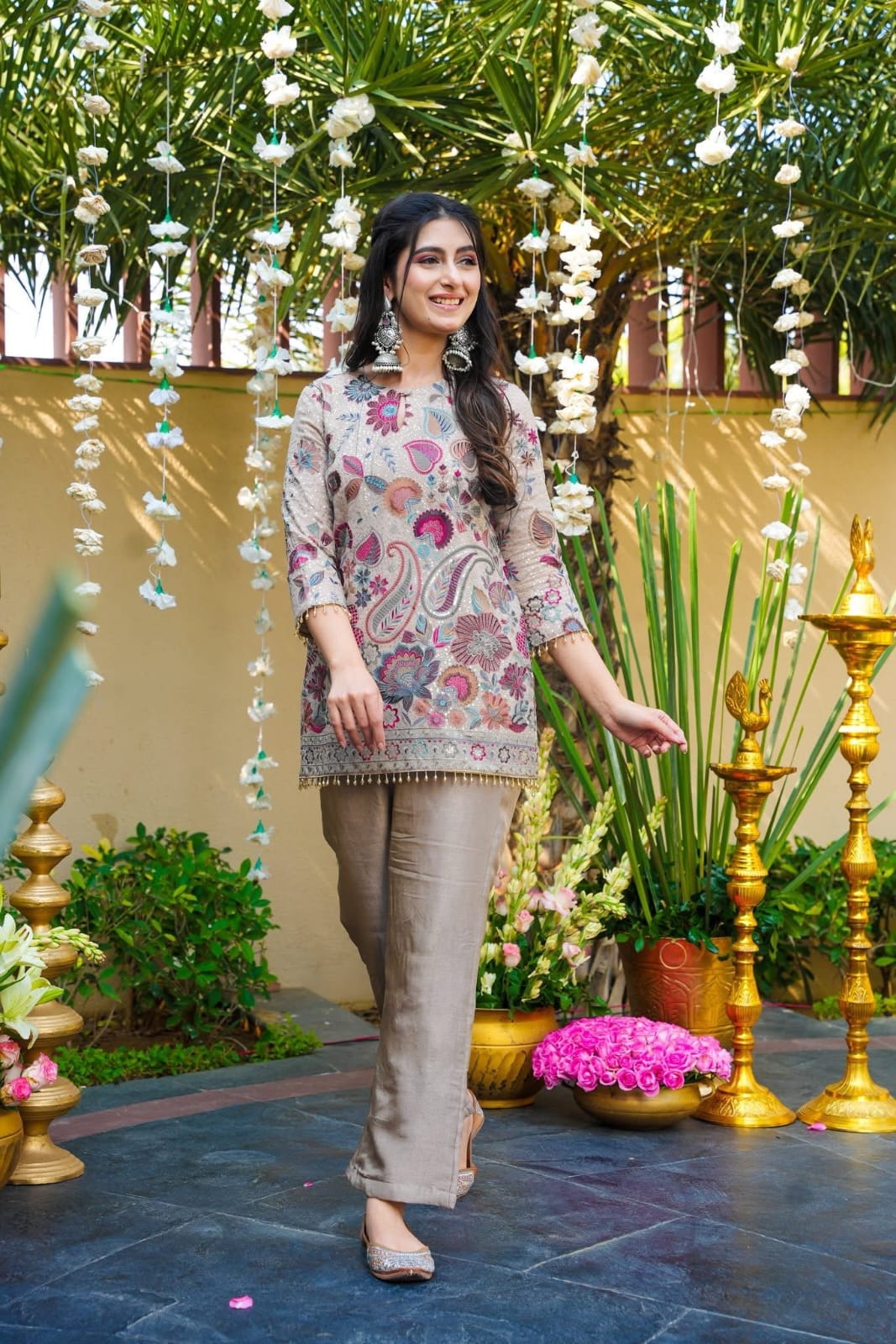
A coordinated set can still deliver colour, embroidery and ceremonial presence without the same lower-body volume. The Wine Velvet Embroidered Top and Pant Set with Georgette Dupatta is especially relevant when someone wants velvet texture but expects to walk between rooms, sit comfortably and use stairs. The Black Embroidered Georgette Salwar Suit with Net Dupatta gives a lighter alternative for formal evening dressing when breathability and easy stride matter more than warmth.
Palazzo and pant sets can be particularly useful for guests who will spend six or more hours at a celebration. A straight kurta and trousers tend to occupy less space than a wide lehenga, while a long anarkali brings movement without a separate skirt waistband. The Cream Printed Anarkali Gown with Ethnic Motif Design demonstrates how a gown-like silhouette can retain occasion character through print and shape.
Regional collections also offer useful alternatives when the event calls for cultural detail without maximum volume. Maharashtra Paithani Inspired Salwar Suits can introduce a Paithani-inspired colour and border language through a more mobile set. Gujarat Bandhej Salwar Suits and Odisha Sambalpuri Salwar Suits can bring distinctive surface pattern into daytime or festive dressing. Punjab Patiala Salwar Suits are practical when generous trouser volume and easy movement are priorities, while Kalamkari Print Salwar Suits suit a printed, craft-led look for daytime gatherings.
Choose a velvet lehenga when evening formality, winter warmth and visual depth are central to the brief. Choose a salwar suit when the event involves extensive walking, heat, public transport, active dancing or a long period of seated comfort. The choice isn't a ranking of garments; it's a decision about how much structure the occasion can support.
Weight, Movement and the Occasions They Suit for Velvet Lehengas: How should they be cared for?
A velvet lehenga should be stored with minimal compression, kept away from moisture and cleaned according to its care label rather than treated like everyday cotton.
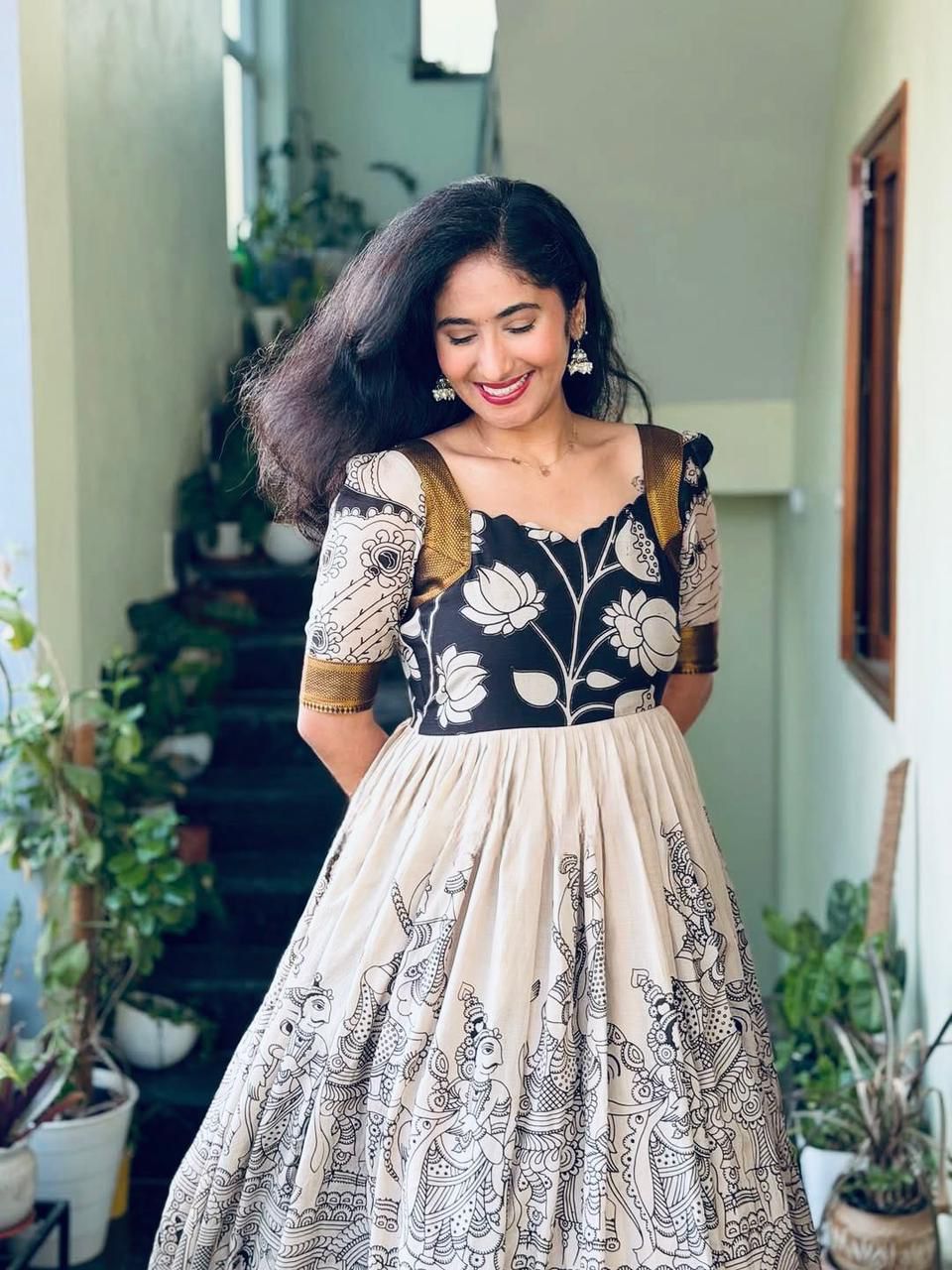
don't fold velvet immediately after a long event if the pile is flattened or damp from perspiration. Air the garment in a shaded, ventilated room, then hang it on a broad padded hanger. Avoid direct sunlight because strong light can affect deep dyes. Keep heavy embroidery supported so that the weight doesn't pull the shoulder or waistband out of shape.
Never iron velvet directly on the pile. Use a steamer from the reverse side at a safe distance, or send the garment to a cleaner experienced with velvet and embellishment. Pressing the pile can create shiny patches that are difficult to remove. Do not rub a stain across the surface; blot gently and seek professional cleaning for oil, makeup or food marks.
Store a velvet lehenga in a breathable garment bag rather than a sealed plastic cover. A clean cotton layer between embellished pieces can reduce snagging. Remove brooches, belts and heavy jewellery before storage because sharp fittings may crush the pile or catch the embroidery.
Common Questions About Velvet Lehenga Weight, Movement and Event Choice
Are velvet lehengas too heavy for a wedding guest?
Velvet lehengas are not automatically too heavy for wedding guests; weight depends on the pile, lining, flare and embellishment. A medium-flare skirt with controlled embroidery and a georgette dupatta is usually more manageable than a bridal-style skirt with can-can and dense beadwork.
Can I wear a velvet lehenga to a daytime wedding?
You can wear a velvet lehenga to a daytime wedding when the weather is cool and the venue is well ventilated. For a hot or humid outdoor ceremony, georgette, Chanderi or a lighter silk blend will generally provide greater comfort.
How can I make a velvet lehenga easier to walk in?
A correct hem length, moderate flare, smooth lining and stable footwear make a velvet lehenga easier to walk in. Test the outfit on stairs and while carrying the dupatta before the event, and secure the drape with discreet pins.
Is velvet suitable for a sangeet or dancing?
Velvet is suitable for a sangeet when the lehenga has controlled volume, a secure waistband and limited heavy work at the hem. A very full, heavily embellished skirt may restrict quick turns and become tiring during prolonged dancing.
Which is easier to manage, a velvet lehenga or a salwar suit?
A salwar suit is generally easier to manage because trousers or palazzos separate the legs and eliminate a wide skirt hem. A velvet lehenga provides greater volume and formal drama, but it needs more attention to walking, seating, stairs and dupatta control.
How should a velvet lehenga be stored after wearing it?
Air a velvet lehenga in a shaded, ventilated space before storage, then hang it on a broad padded hanger inside a breathable garment bag. Avoid direct ironing, sealed plastic covers, moisture and compression of the velvet pile or heavy embroidery.


