

One well-cut kurta can create three noticeably different salwar-suit outfits when you change the lower silhouette: a clean straight pant, a fluid palazzo or a close-fitting churidar. Wear One Suit Kurta With Straight Pants Palazzos and Churidar successfully by matching the kurta's length, hem shape and fabric weight to each bottom, rather than treating all three combinations as interchangeable.
The same navy silk kurta may look tailored with straight pants, relaxed with palazzos and traditional with a churidar. Small choices such as the shoe height, dupatta width, waistband finish and amount of visible ankle determine whether the final outfit looks balanced or visually crowded. The guide below explains how to make those decisions with clothes already in your wardrobe.
Why one kurta looks different with three bottoms
A kurta changes character because each bottom creates a different visual line from the waist to the foot. Straight pants create a vertical column, palazzos add width and movement, while churidar gathers fabric around the ankle and makes the upper body appear longer.
Proportion is the main reason a successful combination works. A long, loose kurta usually needs a narrow or structured lower half, whereas a short or lightly flared kurta can accommodate the volume of a palazzo. A fitted kurta can take either a flowing palazzo or a churidar because the torso already supplies definition.
Fabric weight also matters. Banarasi silk, heavier silk blends and dense embroidery hold their shape, so they pair well with fluid palazzos only when the kurta isn't already very flared. Chanderi, rayon and lightweight cotton move more easily and can support layered styling without looking stiff.
Use the hem as a measuring point. A kurta ending around mid-thigh gives straight pants and churidar enough visible length to read clearly. A knee-length kurta works especially well with palazzos. A calf-length kurta should usually be paired with a narrow bottom unless the garment has a deliberate high-low or side-slit design.
Wear One Suit Kurta With Straight Pants Palazzos and Churidar
Wear One Suit Kurta With Straight Pants Palazzos and Churidar by assigning each bottom a specific styling role: straight pants for polish, palazzos for ease and churidar for a more time-honoured, elongated line.
How should a kurta be styled with straight pants?
Straight pants look best with a kurta that has a straight, gently shaped or lightly flared cut and a hem between mid-thigh and the knee. The narrow fall of straight pants keeps the outfit neat without the cling of leggings.
Choose a waistband that sits flat under the kurta. A visible elastic ridge can interrupt the line of a short kurta, while a smooth front waistband remains discreet beneath a longer one. Pants ending one to two centimetres above the ankle bone create a contemporary proportion; full-length pants work better with pointed juttis or low heels.
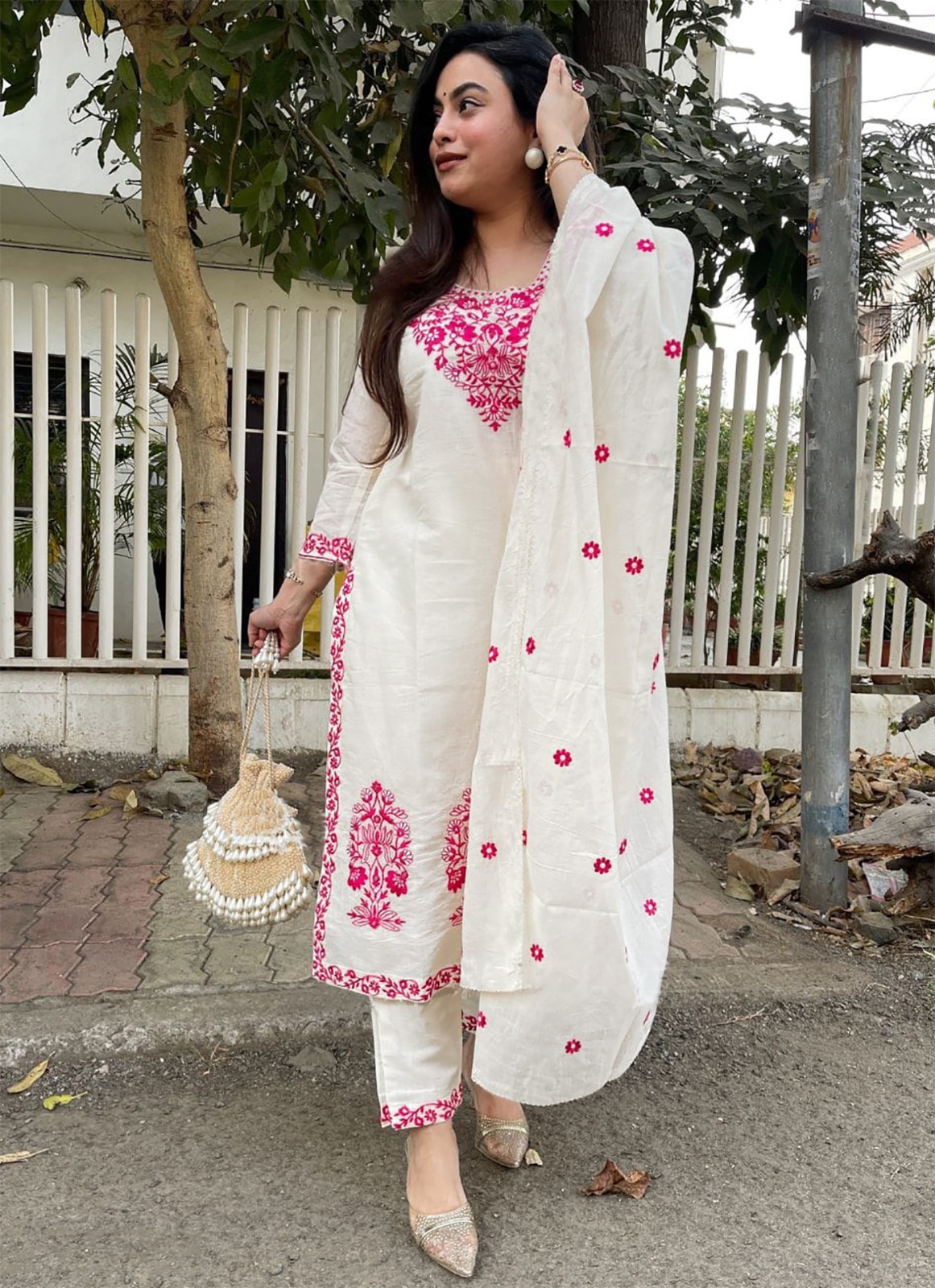
An Off White Floral Embroidered Straight Suit Set demonstrates why a straight silhouette feels versatile: the floral surface detail remains the focus, while the narrow bottom gives the embroidery room to breathe. For a separate-kurta wardrobe, pair straight pants with a medium-width dupatta worn over one shoulder rather than adding excessive pleats at the front.
Use straight pants for office celebrations, family lunches and daytime festive gatherings. Add pearl studs, a structured potli and tan or metallic footwear for a refined finish. Avoid very wide borders on both the kurta and the pant hem, because two strong horizontal lines can make the legs appear shorter.
When do palazzos work with a kurta?
Palazzos work best with a shorter, fitted or lightly flared kurta that ends above the knee and leaves enough fabric movement below the hip. The wide leg needs visual space, so a very long, loose kurta can make the full outfit appear bulky.
Match the scale of the print to the volume of the palazzo. A small floral print or fine embroidery keeps a wide silhouette graceful, while an oversized motif can make the lower half look heavier. A palazzo with a 30- to 35-centimetre hem circumference per leg generally creates a relaxed shape without becoming difficult to walk in; wider styles need a slit or shorter kurta for balance.
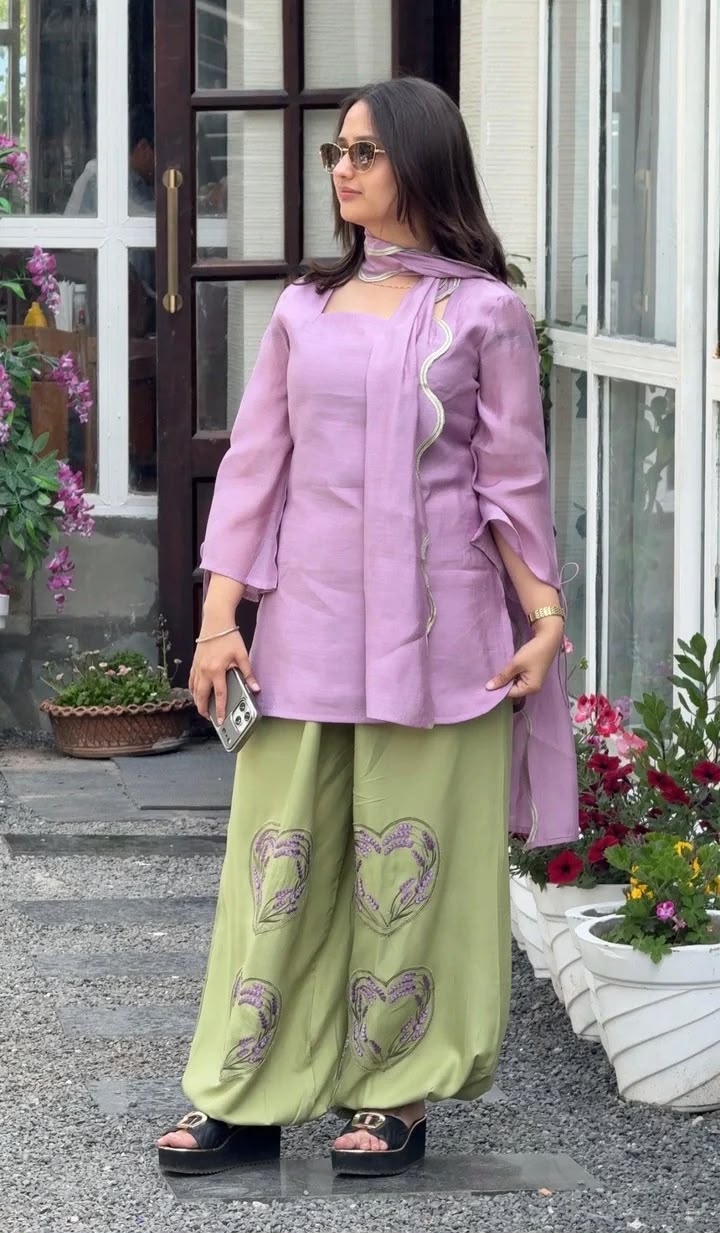
Lavender Chanderi Kurta with Olive Embroidered Palazzo Suit shows how contrasting but related colours can define the top and bottom separately. The Chanderi texture adds lightness, while the olive palazzo anchors the outfit. Keep accessories quiet when the palazzo already has embroidery, and choose sandals or block heels that won't catch in the extra fabric.
A Striped Rayon Straight Kurta Palazzo Set for Women offers another useful styling lesson: vertical stripes support the length created by a wide leg. A half-tucked front is usually unnecessary with a coordinated suit set, but a narrow belt can work with a plain kurta if the fabric isn't delicate. Palazzos suit travel, festive brunches and warm-weather events because the leg width improves airflow.
When is a churidar the right choice?
A churidar is the right choice when the kurta has a longer, straight or gently flared shape and the outfit needs a traditionally fitted lower line. The gathered folds at the ankle add heritage character and make the kurta appear longer.
Churidar fabric must have enough stretch to gather comfortably without pulling across the knee. Leave approximately 10 to 15 centimetres of extra length beyond the wearer's ankle-to-waist measurement for the characteristic folds, depending on the desired amount of bunching. Excess fabric can drag under footwear, so tailoring accuracy matters more than simply buying a larger size.
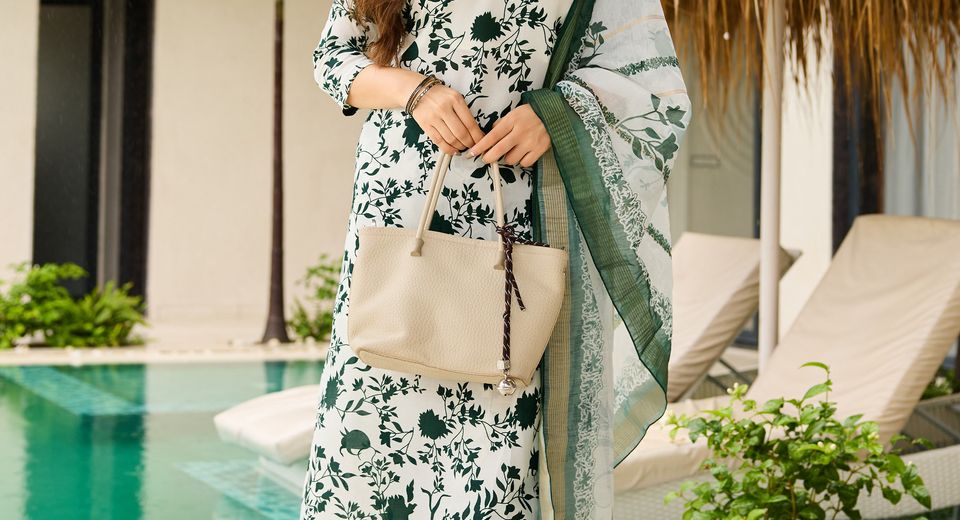
Pair a churidar with a long silk kurta, anarkali-style top or straight kameez when attending a puja, wedding ceremony or classic family function. A Stylish Navy Floral Silk Kurta Pant Dupatta Set can be given a more classic direction with a matching or closely coloured churidar, especially when the dupatta has a formal border.
Keep the ankle area visible enough to show the gathered detail. Closed juttis, embroidered mojaris and low block heels complement churidar better than bulky sneakers. If the churidar is a strong contrast colour, repeat that colour in the dupatta border, earrings or footwear so the ankle doesn't look visually disconnected.
How to match kurta length, neckline and volume
Kurta length should decrease as bottom volume increases: a palazzo usually needs the shortest top, straight pants accept a medium length and a churidar can support the longest kurta.
A side slit helps a long kurta move over straight pants or churidar. A slit is also useful with palazzos when the kurta is fitted at the hip, because the opening prevents the wide bottom from looking trapped beneath the top. A heavily flared anarkali doesn't need a separate palazzo unless both pieces are designed as a coordinated set.
Neckline scale should relate to the dupatta and jewellery. A high round neck paired with a wide, folded dupatta can look crowded; drape the dupatta over one shoulder and leave the neckline visible. A V-neck or open square neck can carry a necklace, while a heavily embroidered neckline usually needs only earrings.
Use one dominant volume at a time. A loose kurta, wide palazzo, oversized dupatta and large shoulder bag compete for space. If the kurta is relaxed, choose a cleaner dupatta fold and a compact bag. If the palazzo is dramatic, keep the kurta shaped and the accessories vertical rather than broad.
Colour and fabric combinations that stay balanced
Balanced colour combinations repeat one shade at least twice or connect colours through a shared undertone. A contrasting bottom looks intentional when the dupatta border, embroidery or jewellery echoes the contrast.
Elegant White Chanderi Threadwork Suit with Dupatta is suited to a monochrome or near-monochrome treatment with ivory straight pants or a soft churidar. White and ivory reveal fabric texture clearly, so steam the garments carefully and avoid piling several glossy accessories together.
Elegant Green Floral Silk Kurta Pant Dupatta Set can move between formal and daytime styling through the bottom and jewellery choices. Gold earrings and a structured heel make the silk feel ceremonial, while neutral sandals and a small watch make the same colour story appropriate for a daytime gathering.
Chic Red Floral Silk Kurta Pant Dupatta Set for Women already carries visual warmth and surface interest. Use a matching narrow bottom for a lengthening effect, or introduce a muted beige straight pant when a softer daytime result is needed. Avoid adding a second bright colour unless that colour appears in the floral design.
Fabric traditions can guide the mood without dictating a fixed silhouette. Kalamkari Print Salwar Suits often suit relaxed straight pants or a simple palazzo because the print provides enough detail. Maharashtra Paithani Inspired Salwar Suits benefit from a clean lower line that allows a rich border or woven-inspired colour placement to remain visible. Gujarat Bandhej Salwar Suits and Odisha Sambalpuri Salwar Suits can be styled with a churidar when a more rooted festive appearance is desired.
Dupatta, footwear and accessories for each bottom
The dupatta should support the bottom silhouette by adding either length or controlled width, not by competing with it. A narrow front fall lengthens a palazzo outfit, while a fuller shoulder drape adds softness to straight pants.
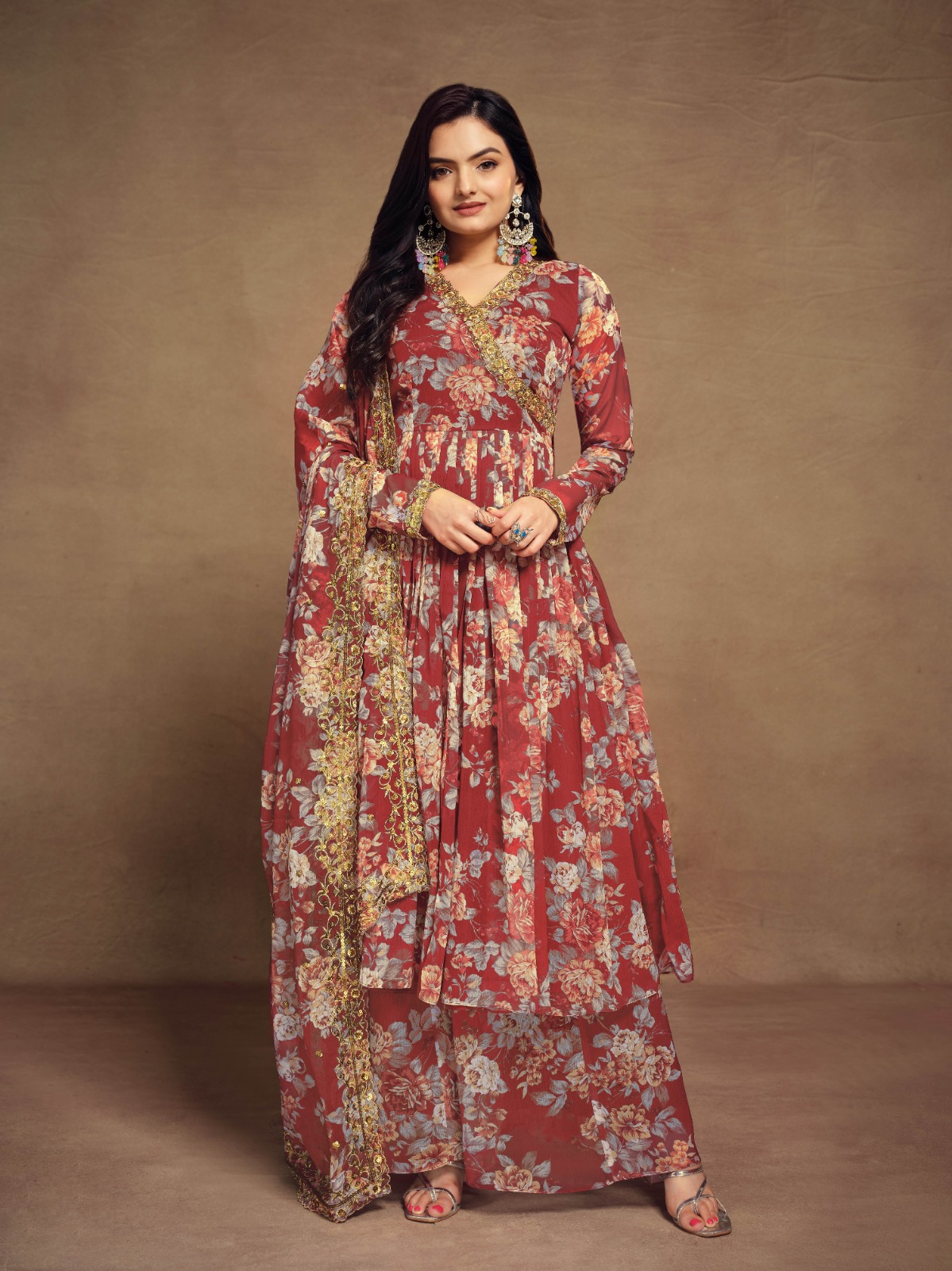
- With straight pants: Try one shoulder draping with the ends kept at similar lengths, or a neat front pleat for a formal suit appearance. Pointed juttis, low block heels and medium-sized earrings maintain a clean vertical line.
- With palazzos: Use a lighter dupatta or a slim side drape so the lower half remains mobile. Wedge sandals and block heels prevent very wide hems from brushing the floor. Avoid long, loose tassels if the palazzo is already heavily embellished.
- With churidar: A heritage shoulder drape, front pleat or lightly wrapped style works well. Juttis, mojaris and low heels reinforce the classic shape. A small bindi, bangles or jhumkas can add cultural definition without requiring heavy jewellery.
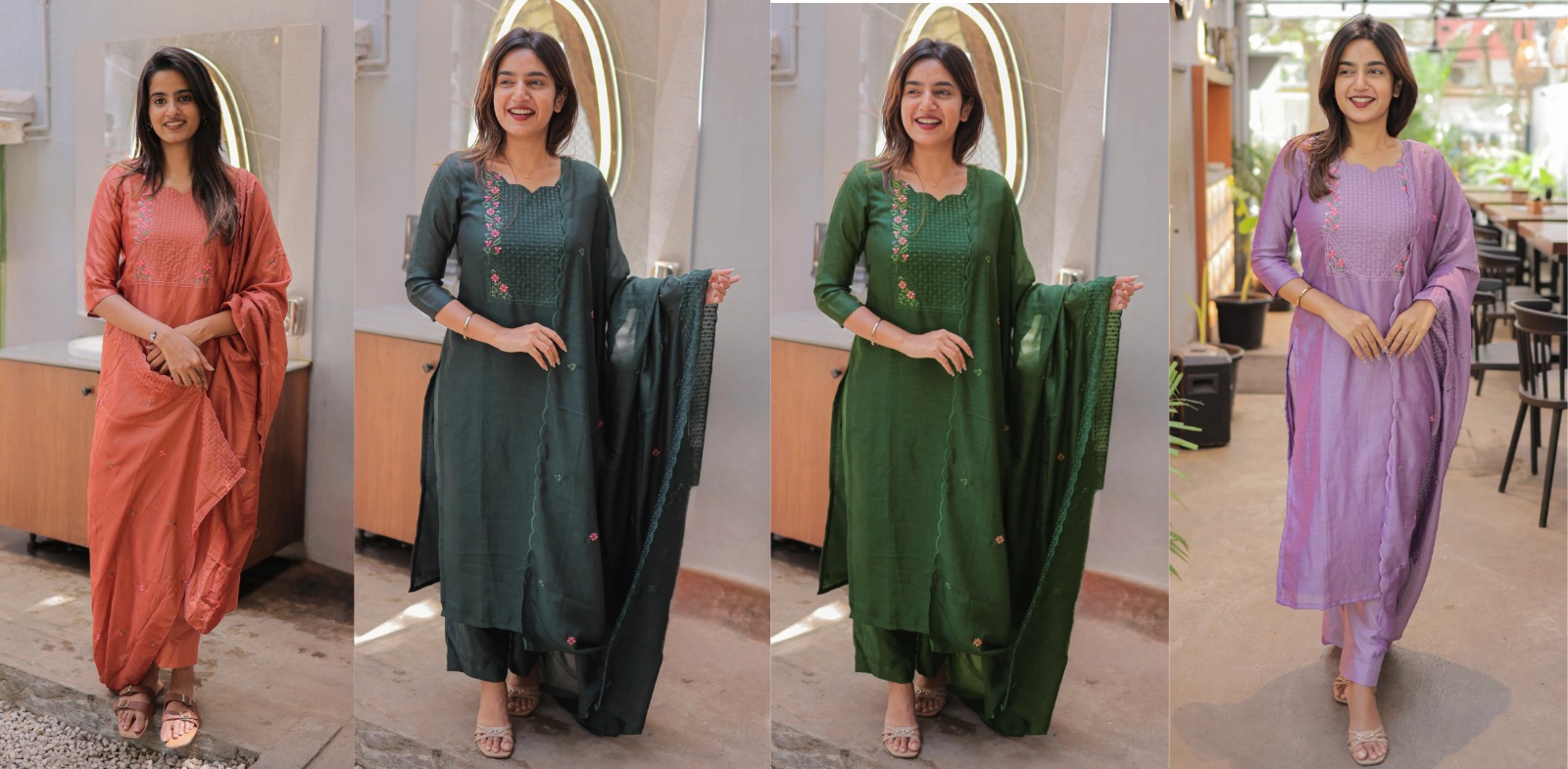
Orange Straight Kurta with Embroidered Dupatta is an example of a look where the dupatta can supply most of the occasion detail. Pair the kurta with a simple straight pant for a balanced daytime outfit, or use a matching churidar when the embroidered dupatta needs a more classic frame.
Footwear should be tested with the actual hem length. A trouser that sits correctly with flats may appear short with heels, while a churidar that gathers neatly over sandals may bunch excessively over a high heel. Photograph the outfit from the side before an event to check whether the hem, ankle and dupatta are all visible.
How to build three outfits from one kurta
Building three outfits from one kurta requires changing at least two supporting elements each time, such as the bottom and the drape, rather than changing only the trousers.
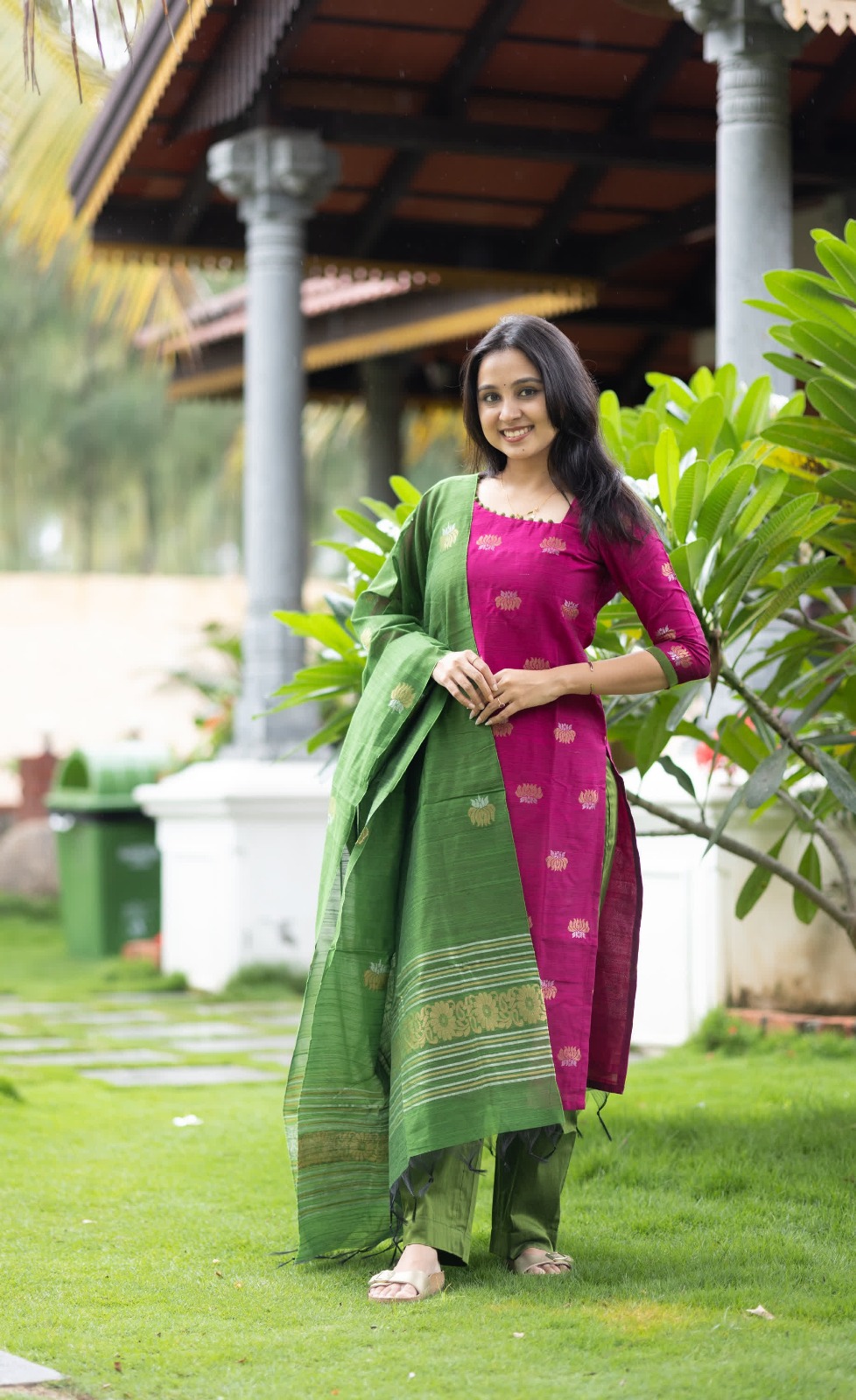
- Daytime polished look: Select straight pants in a neutral shade, a compact shoulder drape, flat juttis and small earrings. This combination works for a work celebration, shopping day or family lunch.
- Relaxed festive look: Choose a palazzo in a colour taken from the kurta print, use a lighter dupatta and add block heels or metallic sandals. This version suits a festive brunch or an outdoor daytime event.
- Traditional evening look: Wear a matching churidar, arrange the dupatta in front pleats or over one shoulder, and add jhumkas, bangles and embroidered footwear. This version works for a puja, engagement gathering or wedding-related ceremony.
Record the measurements before buying separate bottoms. Compare the kurta's hem circumference, hip ease and length with the bottom's widest point. A comfortable outfit needs enough room to sit, climb stairs and walk without the kurta catching on the palazzo or the churidar pulling at the knee.
Punjab Patiala Salwar Suits demonstrate that a fourth silhouette can exist beyond the three core options, but Patiala volume should not be mixed casually with a wide kurta. When the top is already generous, a straight pant, palazzo or churidar creates a more controlled outfit and makes the kurta easier to restyle.
Common mistakes when restyling a suit kurta
The most common mistake is ignoring the kurta's original proportion. A kurta designed to sit over a narrow pant may overwhelm a palazzo, while a short kurta intended for a wide leg may look unfinished with an extra-long churidar.
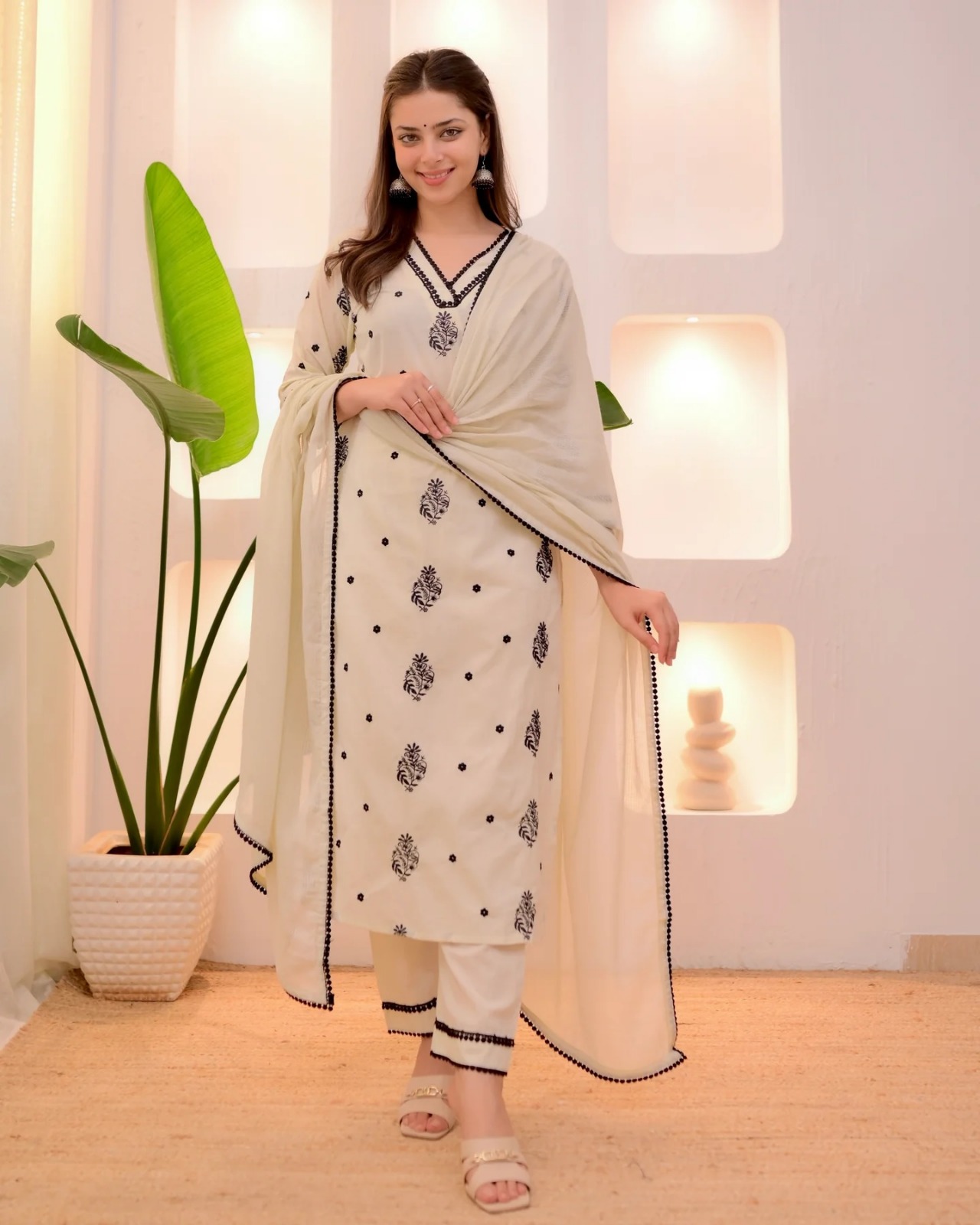
Another frequent error is matching every item to the same colour without varying texture. Tonal dressing looks richer when Chanderi, silk, rayon or cotton surfaces create subtle contrast. Identical colour and identical shine can flatten the outfit, especially under indoor lighting.
Dupatta placement also changes perceived width. A dupatta spread across both shoulders broadens the upper body, while a single vertical fall creates length. Select the drape according to the bottom: use vertical placement with palazzos and allow more width with narrow straight pants.
Finally, don't rely on photographs alone when checking fit. Sit down, lift the arms, walk ten steps and inspect the ankle after movement. A well-styled salwar suit should remain comfortable and composed after normal activity, not only while standing still.
Questions About Styling One Kurta Three Ways
Can I wear the same kurta with straight pants and palazzos?
Yes, provided the kurta is not too long or excessively flared. A knee-length or lightly shaped kurta generally works with both; use straight pants for a sharper line and palazzos for a more relaxed silhouette.
Which kurta length is best with palazzo pants?
A kurta ending above the knee usually balances palazzo pants most effectively. A very long or very loose kurta can make the combined silhouette look bulky, while a shorter fitted kurta gives the wide leg enough visual space.
How much extra length should a churidar have?
A churidar commonly needs about 10 to 15 centimetres of extra length beyond the wearer's ankle-to-waist measurement to create gathered folds. The exact amount depends on the fabric stretch and how much bunching is comfortable.
Are straight pants more versatile than churidar?
Straight pants are generally more versatile for work, daytime events and contemporary styling because they suit a wider range of kurtas and footwear. Churidar creates a more traditional line and is particularly effective with long kurtas, anarkalis and formal silk outfits.
How can I style a palazzo suit without looking shorter?
Keep the kurta shorter or lightly fitted, maintain a visible vertical dupatta fall and choose footwear with a modest heel or pointed toe. Avoid combining a long loose kurta, very wide palazzo and a dupatta spread horizontally across the body.
Can a silk kurta be worn with a different bottom colour?
Yes, a silk kurta can be paired with a contrasting bottom when the contrast is repeated in the dupatta border, embroidery or accessories. For a quieter result, choose a muted neutral or a colour already present in the silk kurta's print.


