

Ways to Style Square Neck Kurtis for Work Festive Days and Casual Wear become much easier when you treat the neckline as the outfit's visual anchor. A square neckline creates clear horizontal and vertical lines, so the right bottom, dupatta, jewellery and sleeve balance can make one kurti look appropriate for a meeting, a Haldi ceremony or a relaxed weekend. The most useful starting point isn't a trend but proportion: keep the neckline visible, match the outfit's level of detail to the setting, and choose fabrics that support the way you'll move.
Why the square neckline changes an outfit
A square neckline gives the upper body a structured frame and makes the collarbone area more noticeable. The straight edges look especially polished with tailored trousers, cigarette pants and neatly arranged dupattas, while the open shape also works with softer fabrics such as cotton and rayon.
The neckline usually needs less decoration than a round or high neck. A short chain, small pendant or medium-sized earrings can fill the space without competing with embroidery. If the kurti already includes mirror work, zari, thread embroidery or a printed border, let one feature lead and keep the remaining accessories controlled.
Neckline depth matters for comfort and context. A higher square neck can suit a conservative office, while a wider or deeper square neck may work better for a family lunch or festive gathering when paired with a secure camisole. Always check that the neckline stays flat when you sit, bend and raise your arms.
Ways to Style Square Neck Kurtis for Work Festive Days and Casual Wear
Ways to Style Square Neck Kurtis for Work Festive Days and Casual Wear work best when three elements are coordinated: silhouette, visual detail and practicality. The same kurti can move between settings by changing the lower half, footwear and accessories rather than replacing the entire outfit.
For a professional workday
A square neck kurti looks office-ready with straight trousers or ankle-length cigarette pants, low-contrast colours and restrained jewellery. Choose cotton, cotton-blend or rayon with a smooth finish, and keep the dupatta either at home or folded into a narrow, secure drape if your workplace permits Indian ethnic wear.
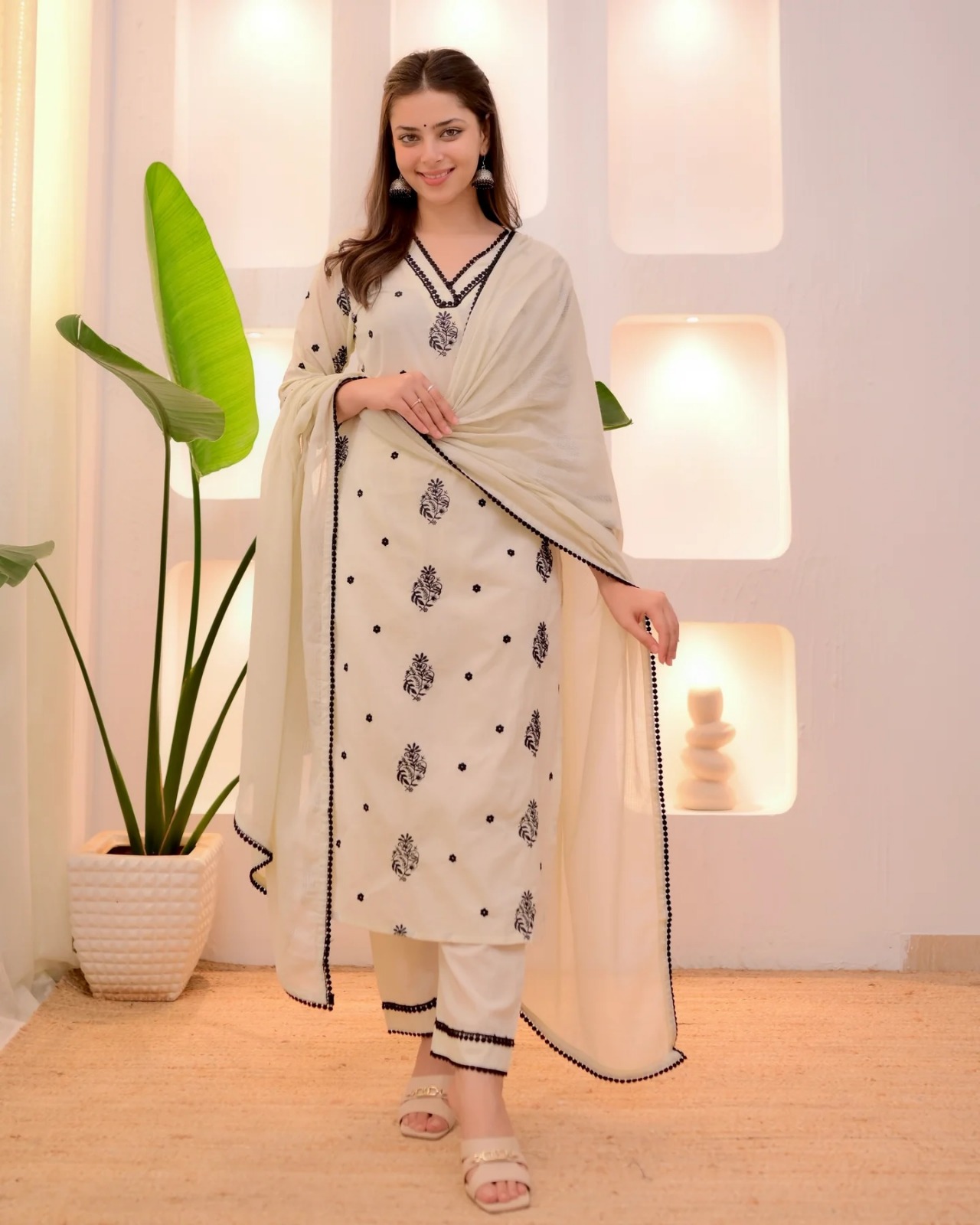
A vertical shape helps create a clean line. The Vertical Cotton Straight Kurta Set with Dupatta demonstrates why a straight silhouette pairs naturally with slim bottoms and a controlled shoulder drape. Keep the dupatta on one shoulder with the opposite edge tucked near the waist, or use a small pin beneath the shoulder seam so it doesn't slide during work.
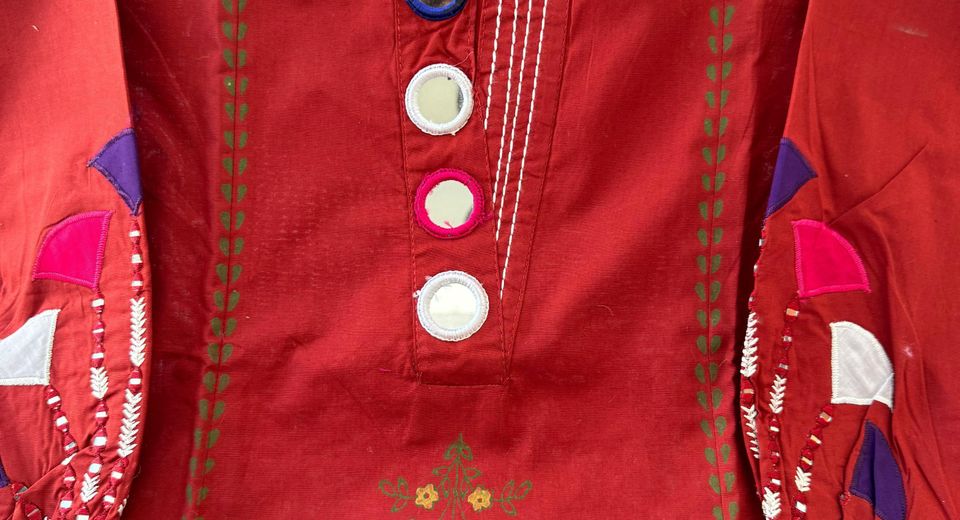
For a more relaxed office, a Red Cotton A-Line Kurti Set with Mirror Work Design can be balanced with solid beige, navy or black bottoms. Mirror work is a strong focal point, so use stud earrings, a watch and closed-toe flats instead of a heavily embellished necklace and bangles together.
For a festive workday
A festive workday outfit should add colour or craft while retaining a practical silhouette. A three-piece kurta set with pants and dupatta is often the easiest formula because the pieces already share a colour story and require less styling experimentation before commuting.
The Mustard Embroidered Kurti Pant Dupatta Set Women offers an useful model for balancing a warm colour with work-appropriate structure. Pair mustard with tan, ivory or brown footwear, and choose antique-gold earrings if the embroidery leans warm. Keep the dupatta pleated rather than loose when you need to move between desks, meetings and transport.
Building a casual square neck kurti outfit
A casual square neck kurti becomes more comfortable and modern with breathable fabric, uncomplicated bottoms and accessories that can withstand daily movement. Cotton, light rayon and easy-care blends are practical choices for errands, college, informal lunches and travel.
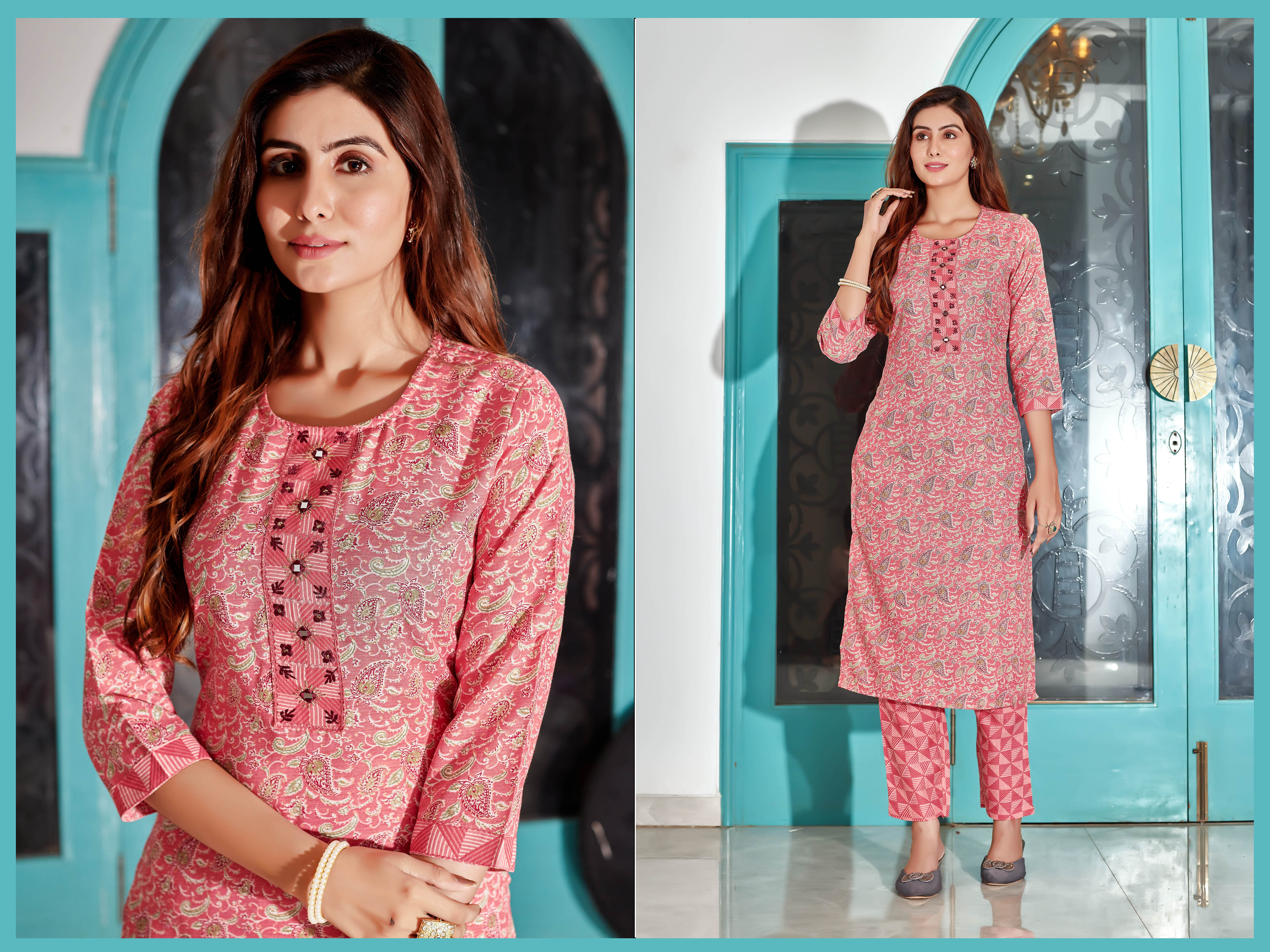
For a simple daytime combination, wear a short or medium-length kurti with straight cotton pants and flat sandals. A small crossbody bag keeps both hands free, while a fabric scrunchie or low ponytail preserves the open neckline. Avoid adding a dupatta merely from habit; a square neck can look complete on its own when the hem and sleeves have enough shape.
Print and craft traditions can supply interest without requiring dramatic styling. Kalamkari Print Salwar Suits (Copy) can inspire a casual pairing of an earthy printed kurti with ecru pants and brown kolhapuri-style flats. Odisha Sambalpuri Salwar Suits similarly suggest a strong textile-led look, where patterned fabric remains the main statement and jewellery stays minimal.
For a cooler evening, add a cropped denim jacket or a lightweight solid overshirt, leaving the square neckline visible. A long, unstructured jacket may hide the neckline and make a short kurti appear wider, so match the outer layer to the kurti's length and keep the front open.
Choosing bottoms for better proportion
The best bottom for a square neck kurti depends on the kurti's length, flare and amount of surface detail. Slim straight pants suit an A-line or flared kurti, while a wider palazzo looks more balanced with a shorter, relatively fitted kurti.
- Straight pants: Choose straight pants for office dressing and for kurtis with embroidery around the hem. An ankle-length finish shows the footwear and keeps the outfit visually neat.
- Cigarette pants: Cigarette pants create a tailored line under medium-length kurtis. Neutral shades such as ivory, black, taupe and navy make colourful kurtis easier to repeat.
- Palazzo pants: Palazzo pants add movement and suit a shorter square neck kurti or a fitted kurta. Avoid an extremely wide palazzo with a very loose, long kurti because both pieces can obscure the waist and overwhelm the frame.
- Salwar or Patiala bottoms: A gathered salwar or Punjab Patiala Salwar Suits-inspired bottom creates a traditional silhouette. Keep the upper kurti comparatively simple and let the volume remain below the hip.
- Denim: Dark straight-leg denim makes a printed or embroidered kurti suitable for casual use. A clean hem and minimal distressing preserve the ethnic character of the outfit.
Hem length is equally important. A kurti ending around mid-thigh generally accommodates palazzos and jeans, while a knee-length kurti often looks sharper with narrow or straight pants. Try the complete outfit in a mirror while standing and sitting; a proportion that looks balanced only when standing may feel cumbersome during a full day.
Using dupattas without hiding the neckline
A dupatta should frame a square neckline rather than cover its geometric shape. The most reliable drapes are an one-shoulder fall, a narrow front drape or a neatly pleated style with the centre of the neckline left open.
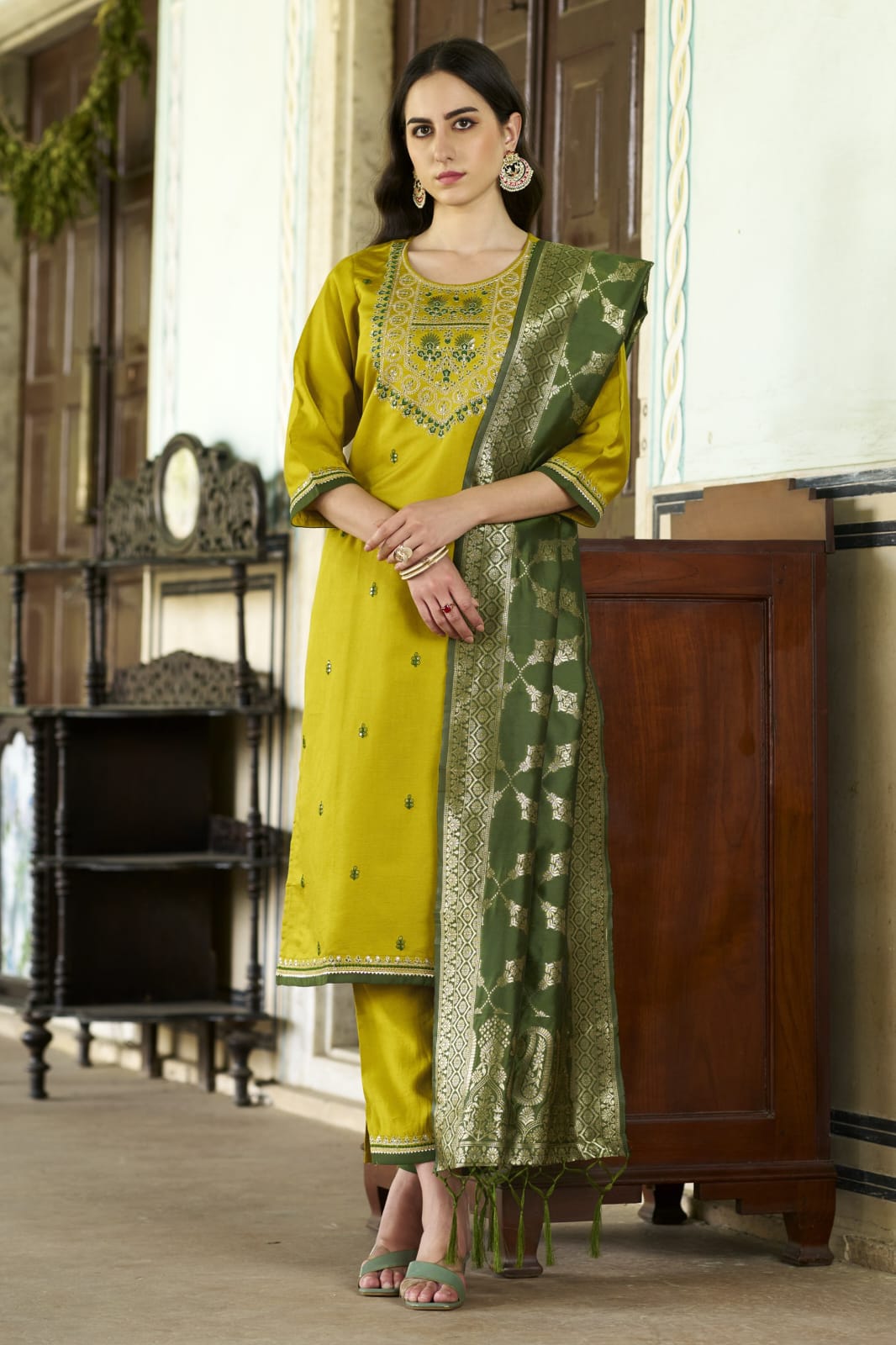
For a formal festive look, place one end over the left shoulder and let the other end fall beside the opposite hip. Pin the dupatta at the shoulder and, if necessary, at the waist. This creates a long diagonal that softens the square neckline without blocking embroidery near the chest.
For a Haldi ceremony or daytime celebration, a lighter dupatta in a related colour can add movement. A Festive Wear Cream Embroidered Kurta Set works well with soft gold, muted yellow or contrasting green accessories, provided the dupatta border doesn't sit directly across the neckline.
Regional textile references can guide colour coordination. Maharashtra Paithani Inspired Salwar Suits often suggest jewel-toned contrast and a defined border, while Gujarat Bandhej Salwar Suits point towards lively tie-dye colour combinations. Use one strong border or pattern as the anchor, then repeat one of its colours in the earrings, footwear or bag.
Jewellery, sleeves and footwear that complete the look
Square necklines generally pair best with jewellery that follows the open space without filling every centimetre. Medium jhumkas, small hoops, a short pendant or a single strand of beads are dependable options; choose one primary jewellery feature for a polished result.
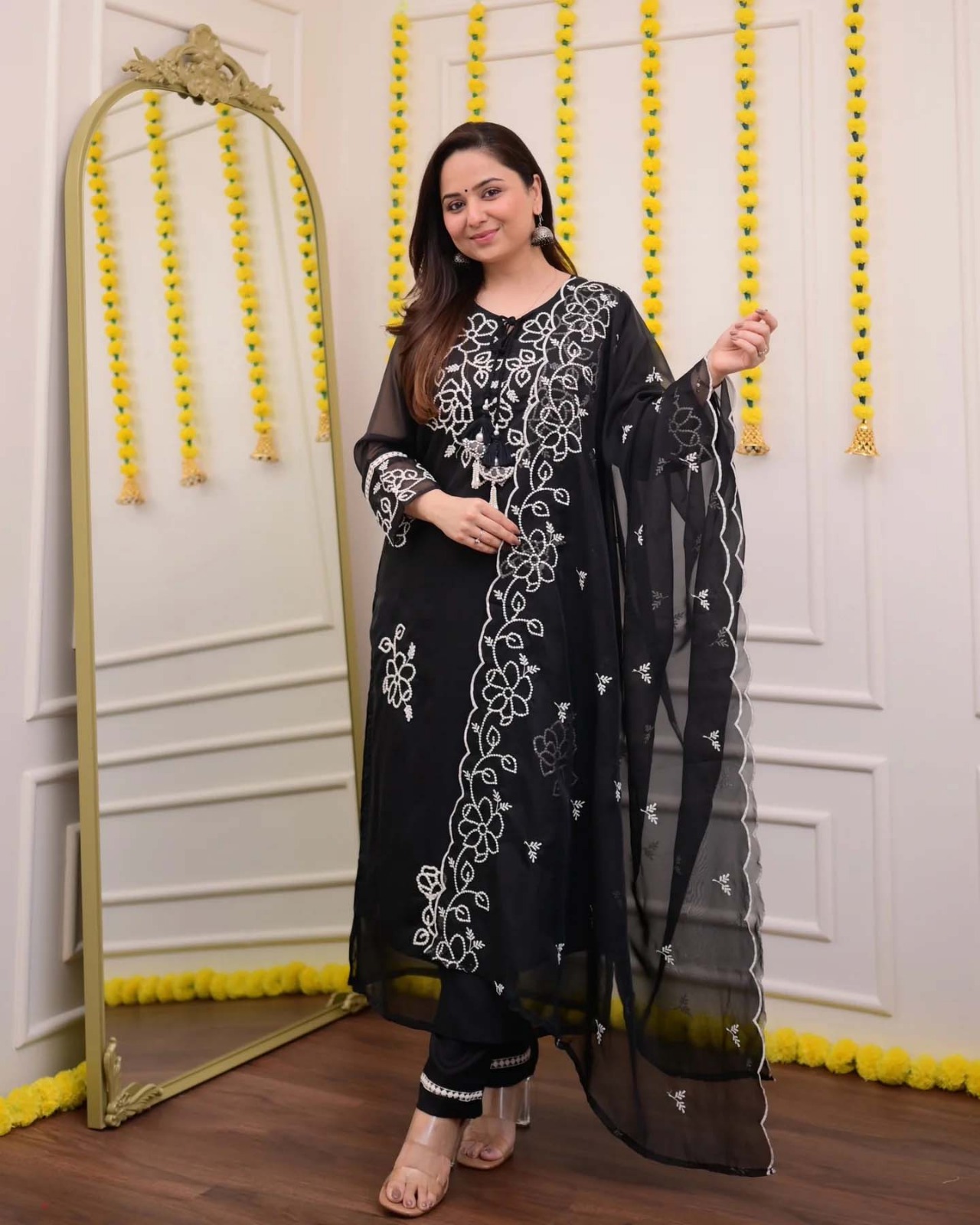
Statement necklaces can work when the neckline is plain and the kurti has minimal chest embroidery. A broad choker may sit awkwardly on a shallow square neck, so check the necklace position before leaving home. Long earrings are often the safer statement because they draw the eye vertically and preserve the neckline's shape.
Sleeves can change the perceived proportion of the outfit. Three-quarter sleeves create a classic salwar suit appearance, elbow-length sleeves feel practical for work, and short sleeves make a casual kurti look lighter. If the neckline and sleeves both include heavy embroidery, simplify the dupatta and jewellery.
Footwear should reflect the outfit's use. Block heels or pointed flats suit office and festive dressing, while juttis, kolhapuri-style flats and clean sandals suit casual wear. Match the metal or colour details of the footwear to the dupatta border only when the rest of the outfit is already cohesive; exact matching isn't required.
Colour formulas for three different settings
Colour coordination becomes easier when the outfit uses one dominant shade, one supporting neutral and one small accent. This formula prevents a square neck kurti from looking visually crowded, especially when embroidery or a printed dupatta is involved.
Work: controlled contrast
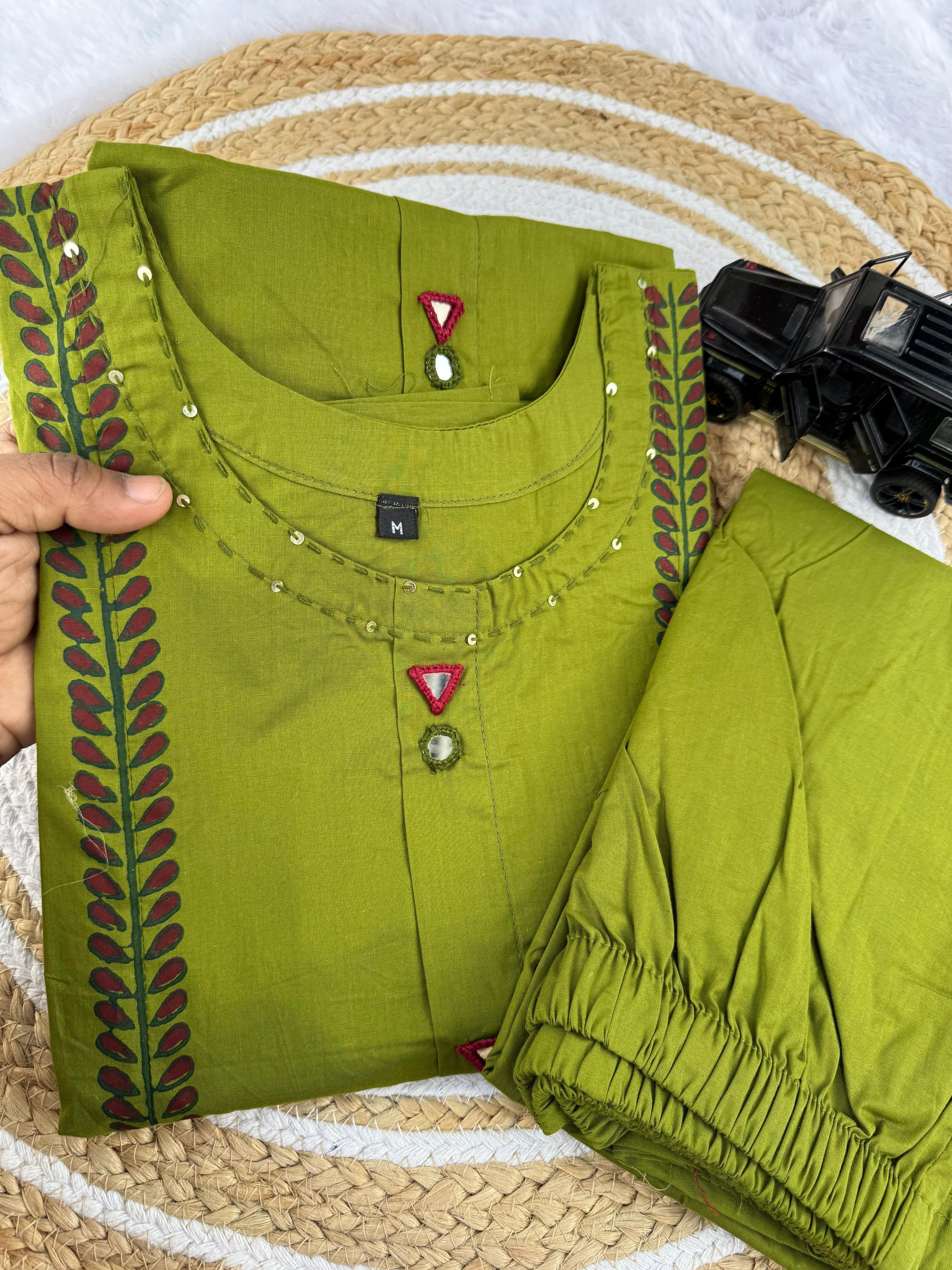
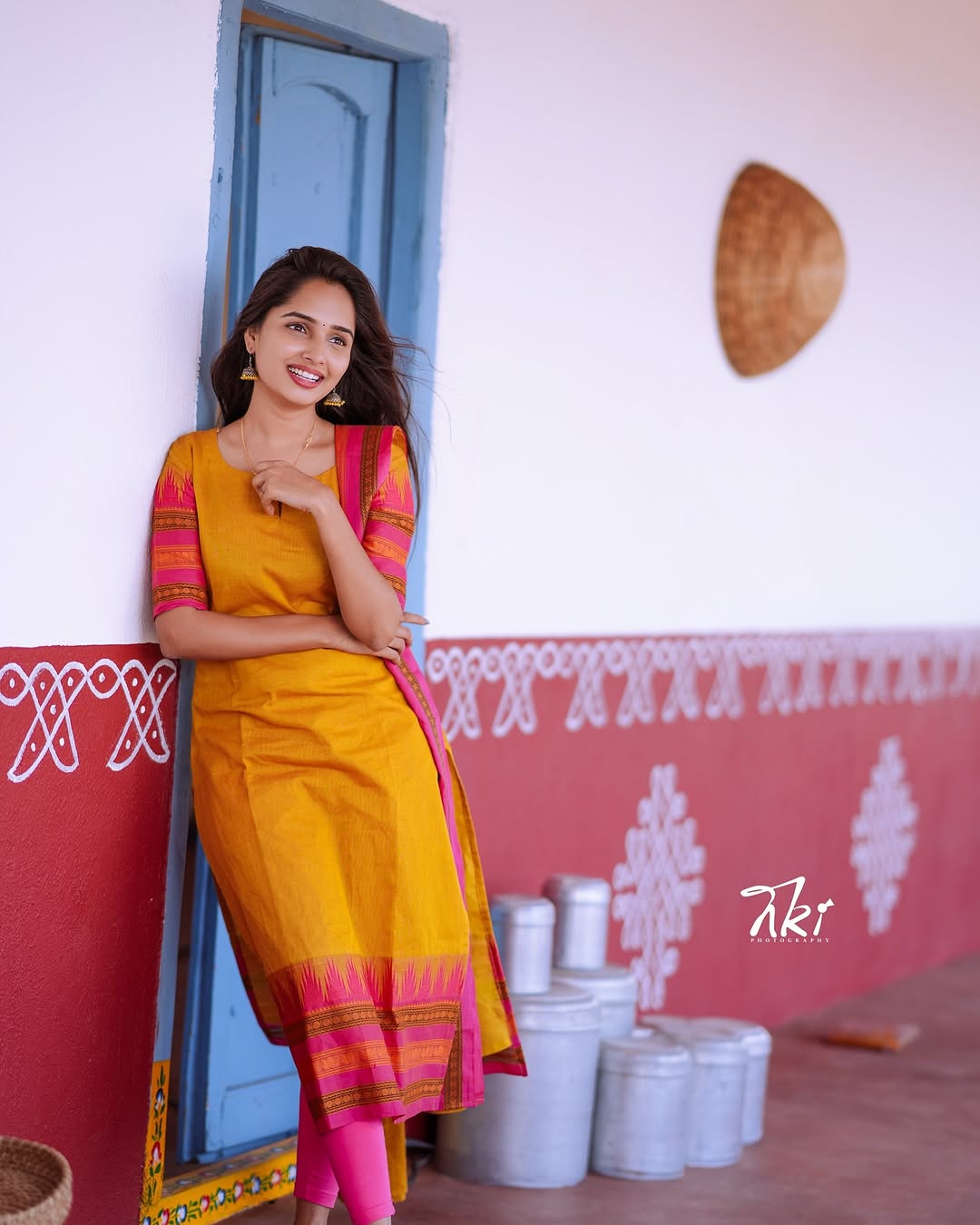
Workwear benefits from controlled contrast such as teal with ivory, maroon with beige or indigo with grey. A green kurti can be paired with cream pants and a restrained gold watch, while a red kurti can use black or natural tan as the grounding shade.
Festive days: one celebratory focal point
Festive dressing should have one celebratory focal point, such as mirror work, zari, a saturated colour or a distinctive dupatta border. The Trendy Green Ethnic Kurti Dupatta Set for Festive Wear can be styled with gold-toned earrings and neutral footwear, allowing green and the dupatta detailing to remain central.
For a richer evening interpretation, the Stylish Violet Ethnic Kurta Dupatta Set for Festive Wear can be paired with silver-toned jewellery or cool champagne accessories. The Mustard Embroidered Kurti Pant Set for Women Festive gives a different direction: use rust, cream or antique gold around it rather than adding several unrelated bright colours.
Casual wear: softened colour
Casual outfits benefit from softened colour combinations such as dusty pink with off-white, olive with tan or brick orange with denim. The Orange Embroidered Rayon Kurta Set with Designer Dupatta can become less formal with flat sandals, a small shoulder bag and limited jewellery.
Care and fit checks before wearing a kurti
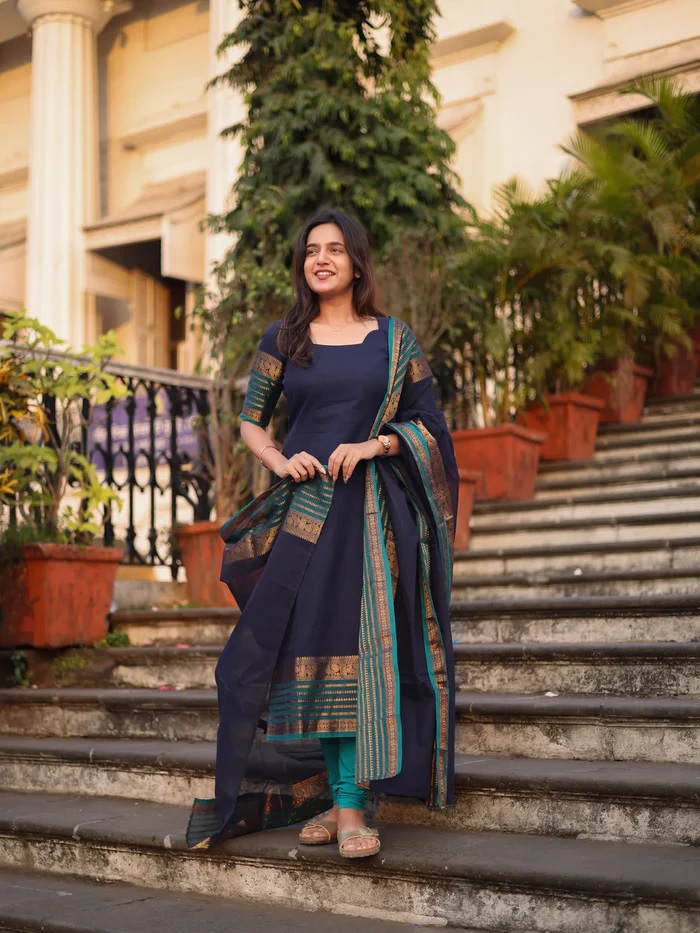
A well-styled square neck kurti still needs a reliable fit, because pulling at the neckline can ruin the clean shape. Check the shoulder seam, armhole comfort and bust ease before judging the silhouette. The neckline should lie flat without gaping when you move your arms forward.
Wash cotton, printed cotton and embroidered garments according to the care label, and turn embellished kurtis inside out before gentle washing. Rayon can crease or lose shape with rough handling, so avoid wringing and dry the garment away from harsh, direct sunlight. Zari, mirror work and dense embroidery should not be scrubbed.
Press from the reverse side when embroidery or mirror work is present. Use a pressing cloth over delicate decoration, and store a fully dry kurti on a padded hanger or folded with tissue between heavy embellishments. These small habits preserve the neckline, prevent snagging and make repeated styling more practical.
A repeatable styling method for any wardrobe
Ways to Style Square Neck Kurtis for Work Festive Days and Casual Wear can be reduced to a five-step check: identify the neckline detail, select the bottom according to volume, decide whether a dupatta is useful, choose one jewellery focal point and finish with setting-appropriate footwear.
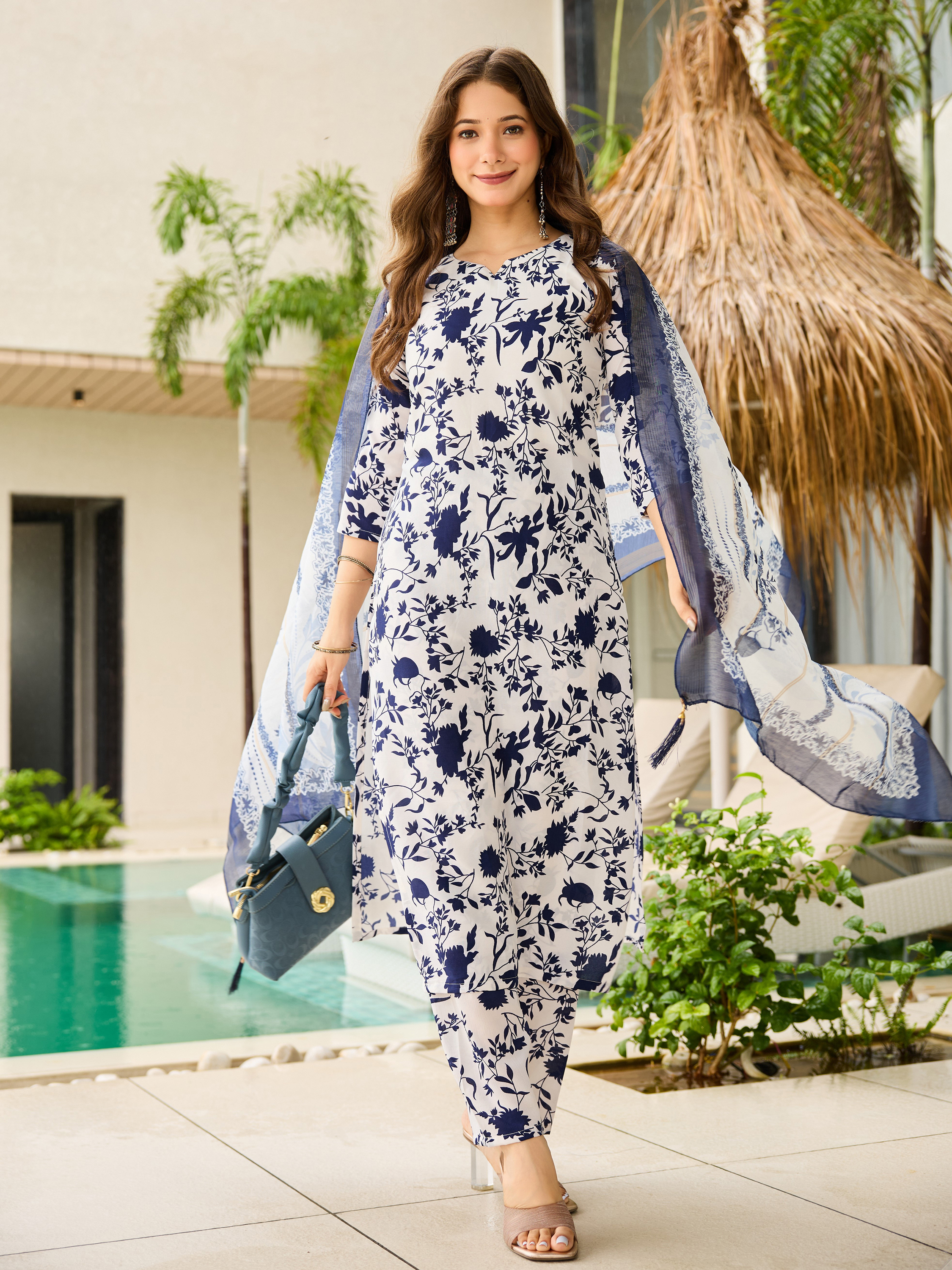
- Read the kurti: Note whether the strongest feature is the square neckline, embroidery, print, colour or dupatta.
- Balance volume: Pair a loose upper half with a straighter bottom, or a shorter fitted kurti with a wider palazzo.
- Set the formality: Use tailored pants for work, richer accessories for festive dressing and breathable separates for casual wear.
- Protect the neckline: Arrange the dupatta beside the neckline instead of across it, and test the drape while moving.
- Repeat one detail: Echo one colour or metal in the jewellery, footwear or bag, not every accessory at once.
The result is a wardrobe system rather than a single outfit idea. A square neck kurti can look composed at work, expressive at a family celebration and easy on an ordinary day when the styling choices respond to fabric, proportion and movement.
Common Questions About Styling Square Neck Kurtis
How should I style a square neck kurti for office wear?
Pair a square neck kurti with straight trousers or cigarette pants, low-contrast colours and modest jewellery. Keep a dupatta neatly pleated or leave it out if workplace dress rules allow, and choose flats or low block heels for practical movement.
Which bottom wear looks best with a square neck kurti?
Straight pants and cigarette pants suit long or flared kurtis, while palazzos work better with shorter or more fitted kurtis. Salwar and Patiala-style bottoms create a traditional look when the kurti is not excessively loose.
Can I wear a necklace with a square neck kurti?
Yes, a short pendant or simple necklace can follow the open space of a square neckline. Choose earrings instead of a necklace when the kurti has heavy embroidery, mirror work or a detailed neckline.
How do I wear a dupatta with a square neck kurti?
Place the dupatta over one shoulder or use a narrow, pleated front drape while leaving the centre of the neckline visible. Pin the shoulder and waist if you need the drape to stay secure during commuting or festive activities.
What jewellery suits a square neck kurti for festive wear?
Medium jhumkas, long earrings, a short pendant or a single strand of beads suit most square neck kurtis. Select one main jewellery feature and coordinate its metal with the embroidery or dupatta border.
How can I make a festive kurti look casual?
Wear the kurti with straight cotton pants, denim or simple palazzos, then add flat sandals, a crossbody bag and minimal jewellery. Removing a heavily bordered dupatta can also lower the formality while keeping the kurti's colour and craft visible.


