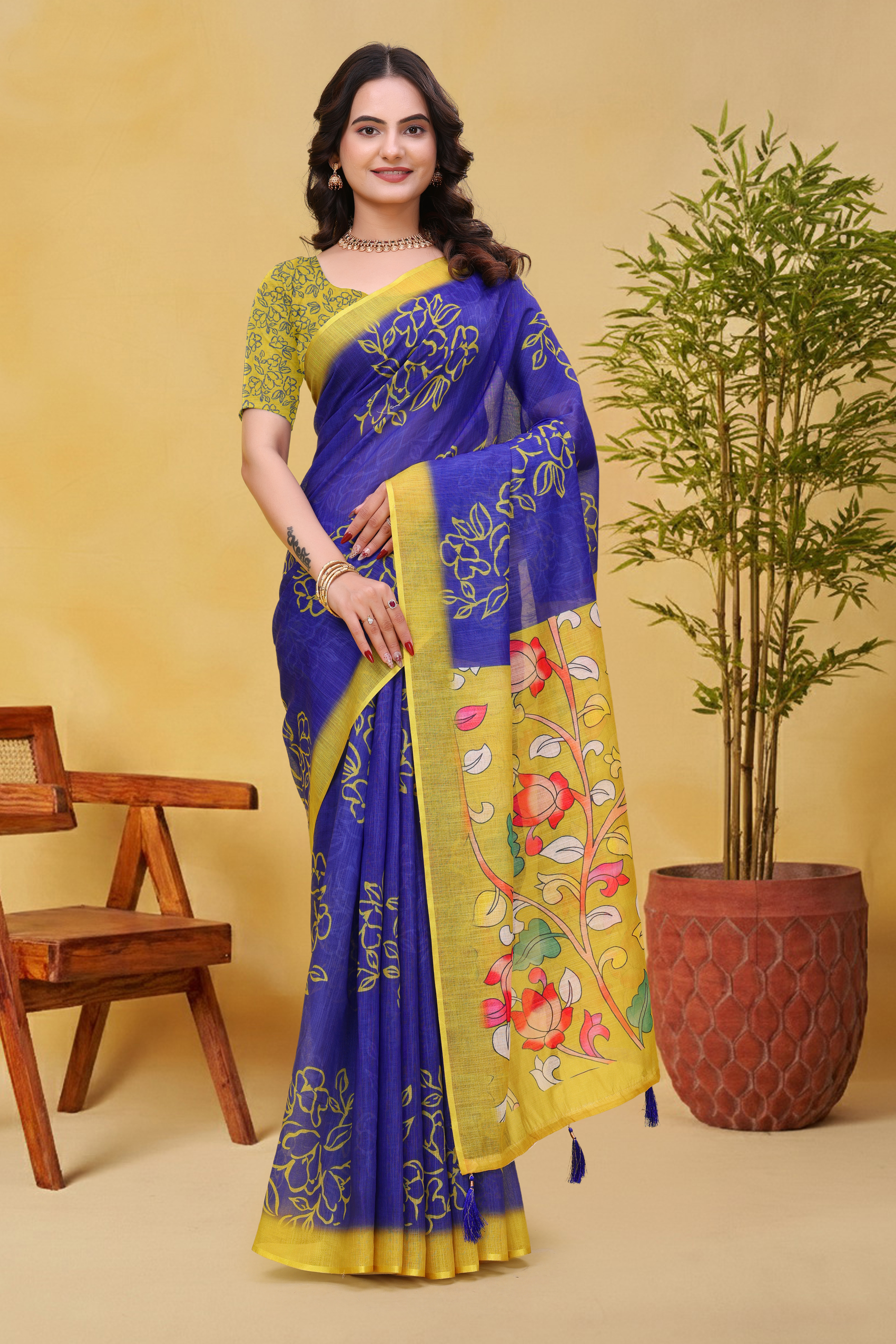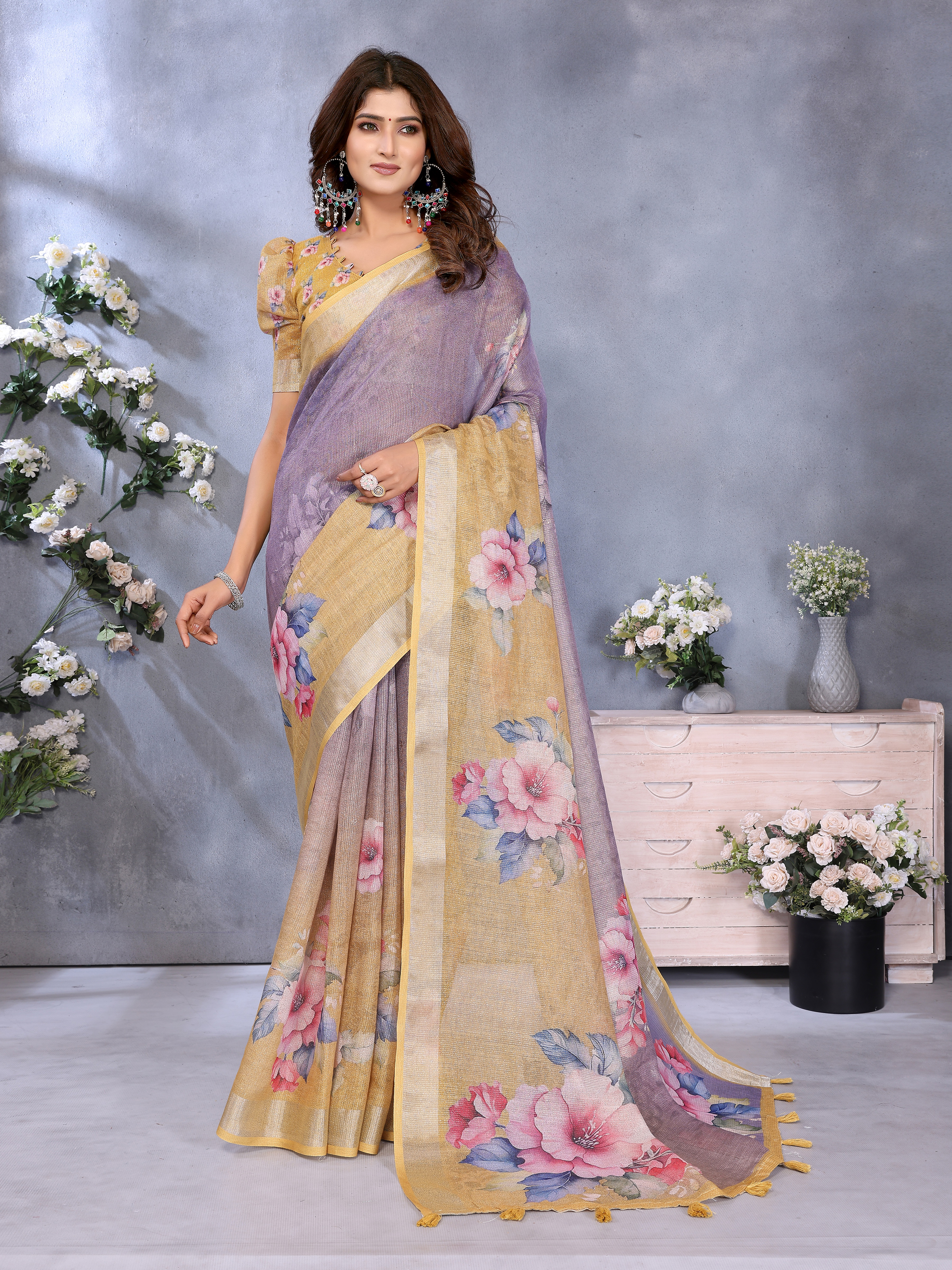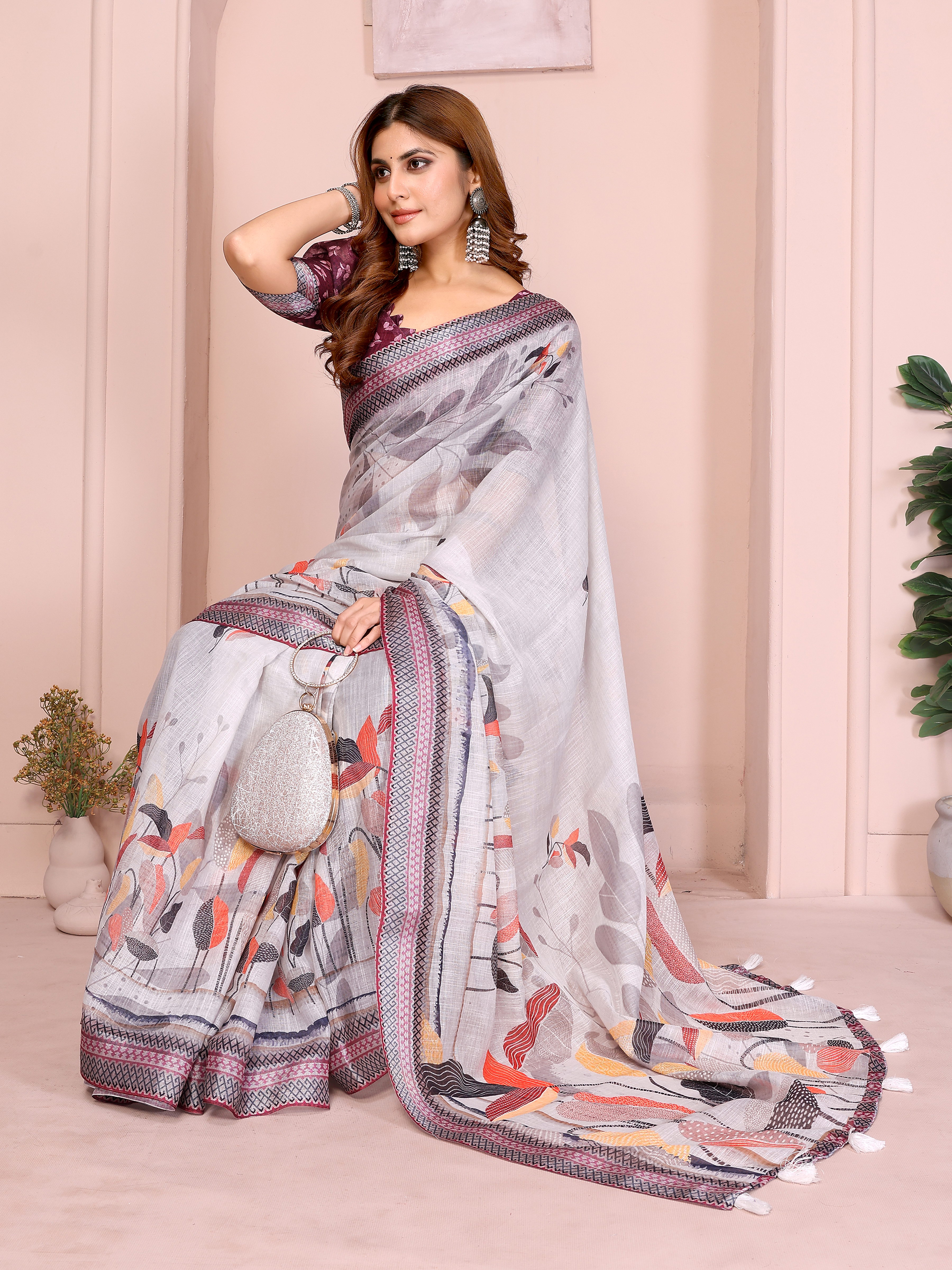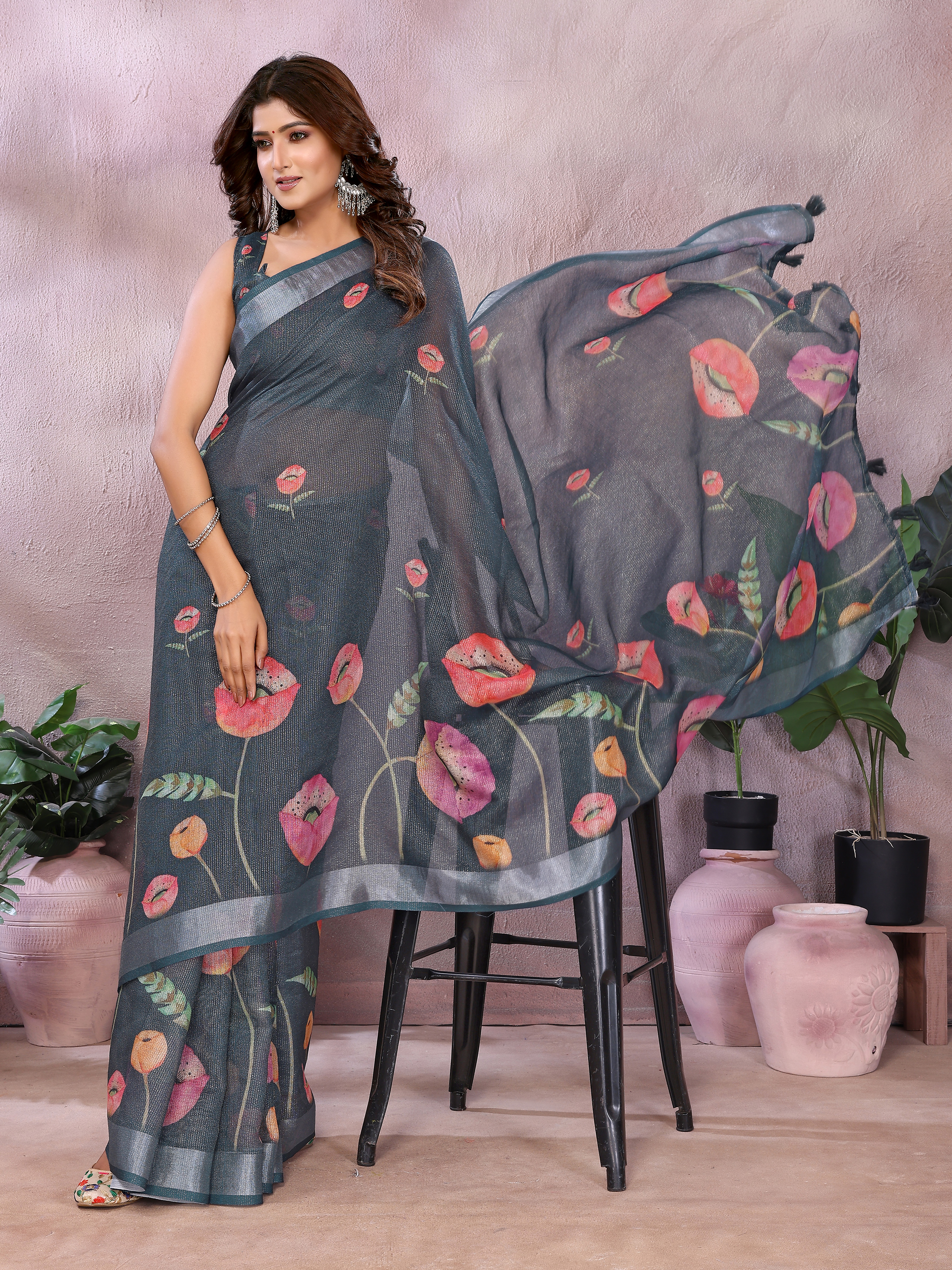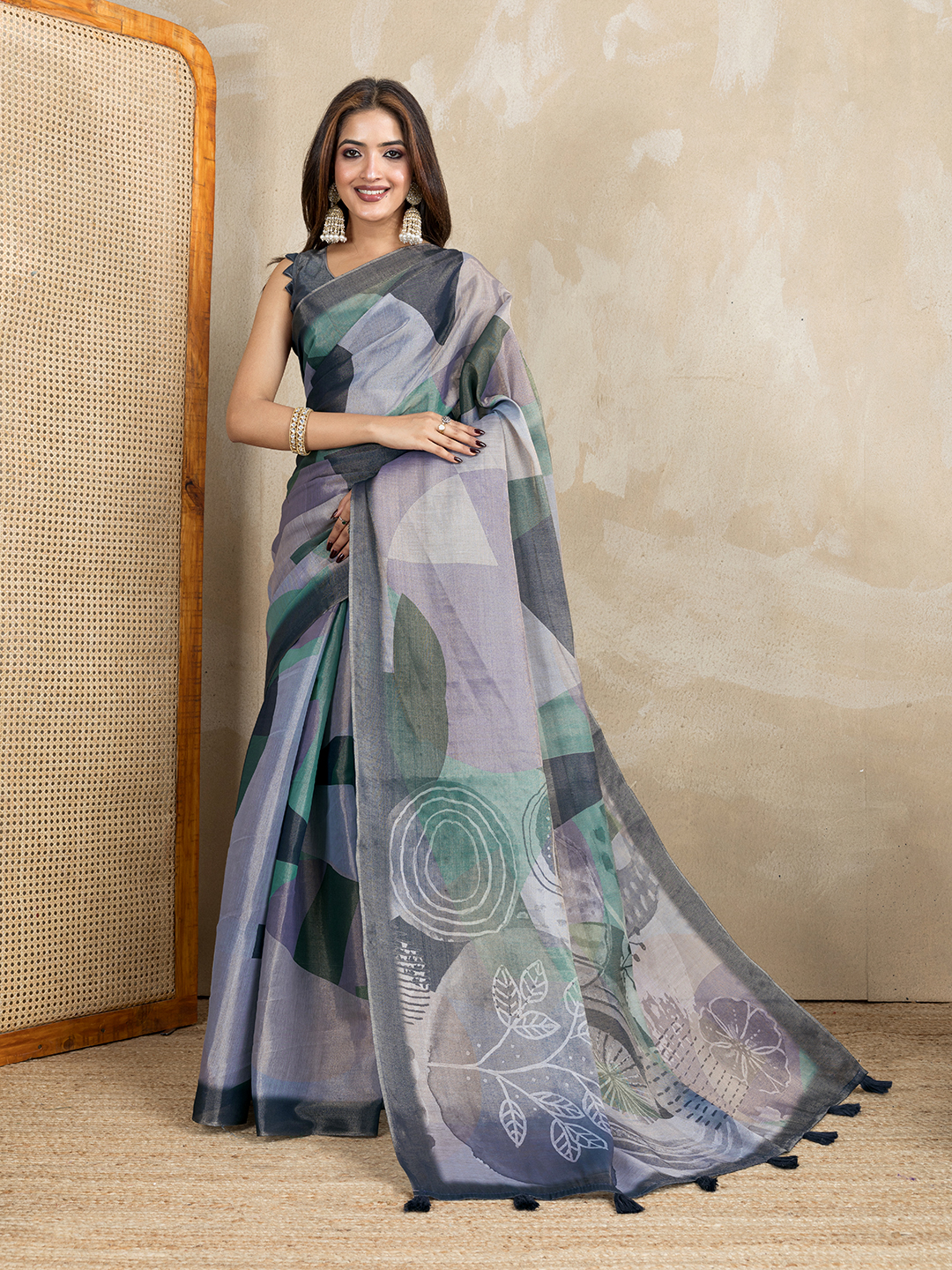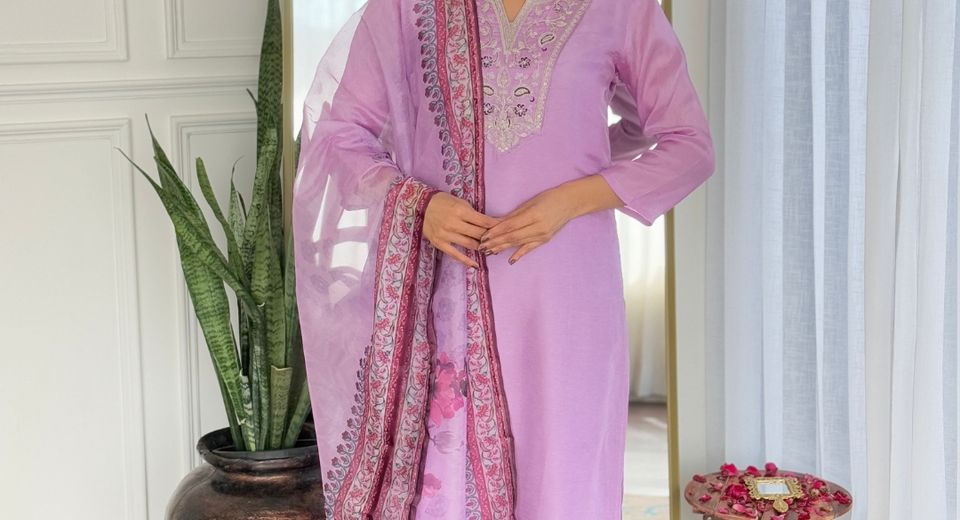
The Reason Printed Kurtis Fade Faster Around the Neck and Underarms is usually a combination of sweat, body oils, repeated rubbing, detergent residue and heat. These areas receive more moisture and friction than the hem or lower sleeves, so printed colour can look dull or patchy there before the rest of a kurti changes. Understanding the cause helps you adjust washing, drying and wearing habits instead of treating every fade mark as a manufacturing problem.
A printed kurti may use pigment printing, reactive dyeing, discharge printing or a combination of surface treatments. Cotton, rayon and crepe also absorb moisture differently. A breathable cotton kurti worn during a humid commute experiences various stress from a lightweight crepe kurta worn for two hours indoors. Effective care therefore begins with the fibre, the print and the location of wear.
The Reason Printed Kurtis Fade Faster Around the Neck and Underarms
Printed kurtis fade faster around the neck and underarms because these zones combine prolonged dampness with constant contact against skin, jewellery, dupattas, bags and the opposite arm. Sweat contains water, salts and small amounts of acidic compounds that can gradually affect some dyes and leave mineral residue behind. Sebum, sunscreen, perfume and body lotion add oily substances that trap dust and detergent near the fibres.
The neckline touches the back of the neck, hair products and scarf edges. A round neck may be rubbed dozens of times by a dupatta during one wearing. Underarms experience even more movement: the fabric folds, presses against skin and rubs against the side seam whenever the arm moves. A print exposed to these conditions repeatedly loses visible sharpness sooner than a quiet section on the lower skirt.
Fading isn't always the only change. Sweat can make a dark print appear grey, while residue can create a pale ring around the neckline. Friction may flatten the surface of a pigment print, making the cloth look lighter even when some colour remains in the yarn or base fabric. Uneven fading therefore reflects both chemical wear and the way light scatters from a roughened textile surface.
How Sweat, Friction and Product Residue Affect Printed Fabric
Sweat affects printed fabric by carrying salts and moisture into the surface, while friction removes or disturbs colour-bearing particles over time. Fresh perspiration is generally less damaging than sweat allowed to dry repeatedly in the same area. Dried salts can remain concentrated at the neck and underarms, and a later wash may loosen surrounding colour unevenly.
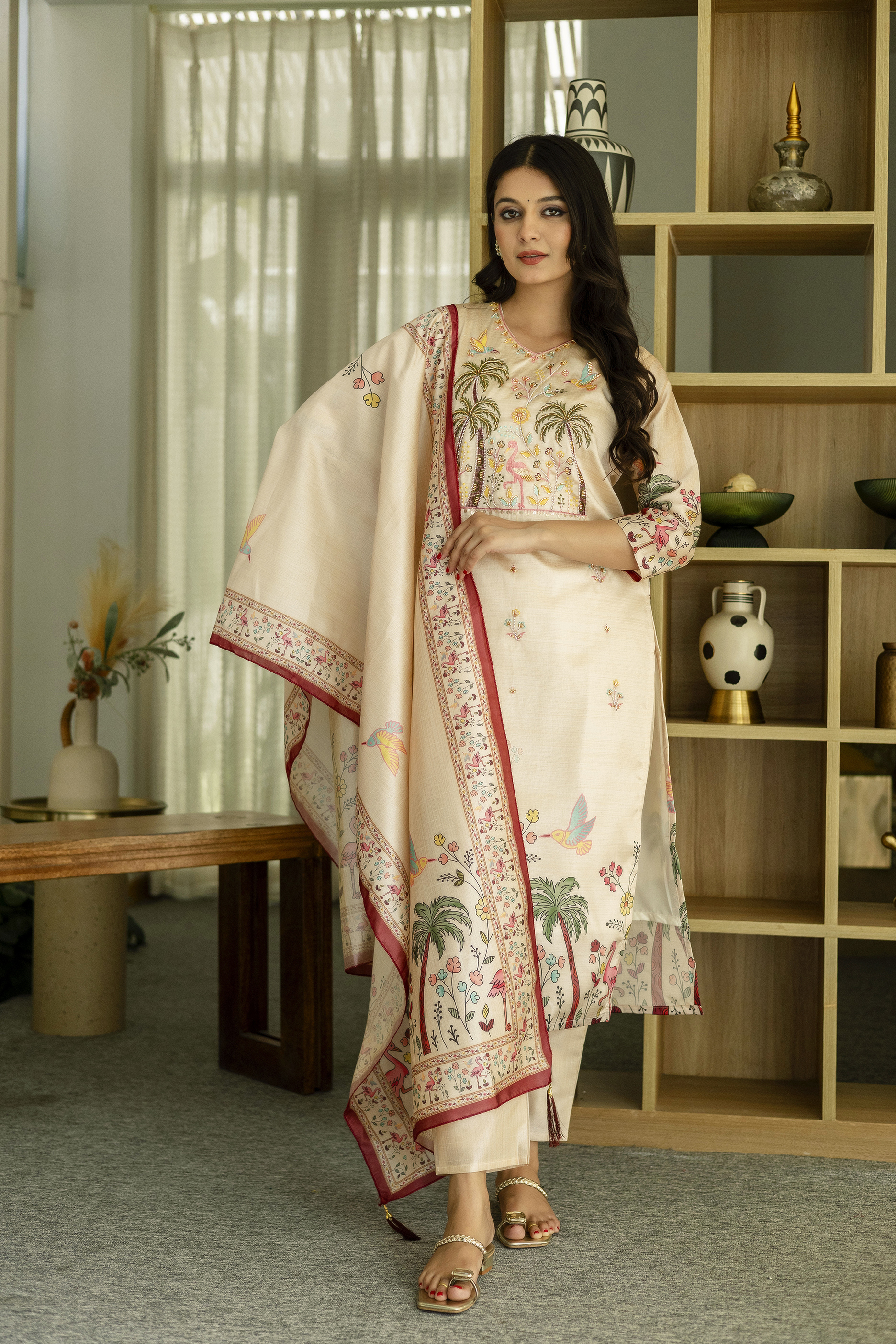
Why underarms show damage first
Underarms show damage first because the fabric is cooler, folded and often damp. Body heat slows evaporation inside a close armhole, and movement presses two fabric surfaces together. Deodorant and antiperspirant can leave aluminium salts, oils or fragrance compounds on the cloth. When those residues combine with sweat, they may produce odour, yellowing or a visibly dull print.
Rubbing is especially significant for surface prints. Pigment printing places colour on the outer face of the textile and relies on a binder to hold it there. Repeated abrasion from skin, seams or a handbag strap can wear that coloured layer. Reactive dyes bond more deeply with cotton fibres, although reactive-dyed prints can still fade through washing, light, chemical exposure and mechanical action.
Why the neckline can become a pale ring
A pale ring at the neckline often results from a concentrated mix of sweat, skincare, perfume and detergent. A neckline also receives direct sunlight when a kurti hangs on a balcony or clothesline, and a folded edge may dry more slowly than the body. The resulting ring can look like colour loss even when part of the change is residue deposited on the print.
Products such as Cream Printed Cotton Kurta Pant Dupatta Set for Women and Rust Printed Cotton Kurta Set with Pant and Dupatta benefit from prompt airing after wear because cotton absorbs perspiration readily. Airing doesn't replace washing, but it prevents moisture from remaining trapped in a laundry basket for many hours.
Which Fabric and Print Combinations Need More Care?
Cotton, rayon and crepe need different handling, but gentle washing and low heat are safe starting points for most printed kurtis. Fibre content, colour depth and print method matter more than whether a garment is labelled casual or festive.
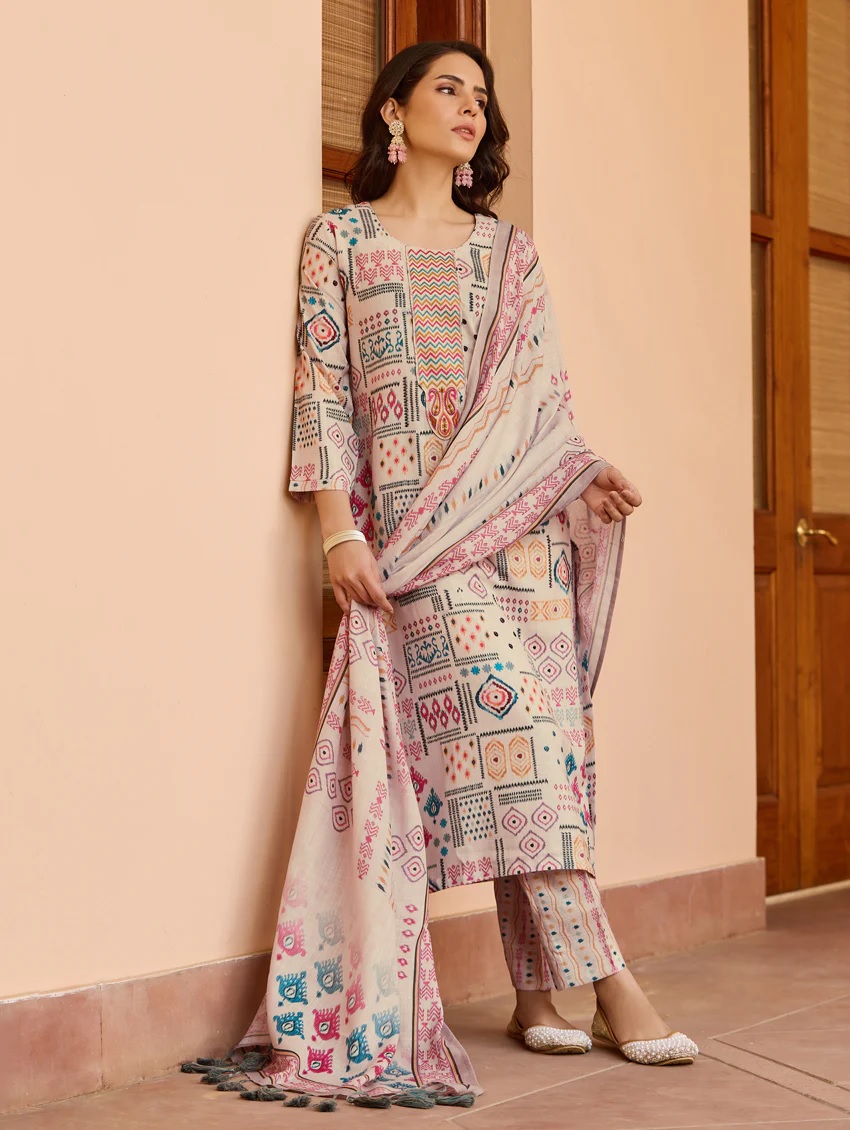
Cotton prints
Cotton absorbs sweat well, which makes it comfortable in hot weather but also means moisture reaches the fibre and print repeatedly. Cotton prints usually tolerate careful hand washing or a gentle machine cycle, yet hot water, long soaking and harsh detergent can accelerate colour bleeding. Short washes are preferable to leaving a cotton kurti submerged for an hour.
Classic Yellow Cotton Kurti Set with Woven Dupatta and Yellow Floral Embroidered Kurti Pant Set Online show why colour separation matters. Bright yellow, orange and red areas may release loose dye during the first few washes, especially when water is warm. Wash similarly coloured garments together and test a hidden seam with a damp white cloth before combining a new print with pale clothing.
Rayon and crepe prints
Rayon becomes weaker when wet and can stretch or lose shape if twisted. Rayon printed kurtis should be washed briefly, supported while lifted from water and dried away from strong direct sunlight. Purple Crepe Printed Kurta Pant Dupatta Set Women also calls for restrained handling because crepe texture can snag or develop a changed surface appearance under aggressive rubbing.
Rayon and crepe should not be wrung tightly. Press excess water between clean towels or use a low-spin cycle inside a mesh laundry bag. A wide hanger can help a nearly dry garment retain its form, while a thin wire hanger can create shoulder points and distort the neckline.
Embroidered and mixed sets
Embroidered kurti sets require attention to both the printed or dyed base and the threadwork. Embroidery can catch against a rough wash drum, and metallic-looking thread may lose lustre when exposed to strong chemicals. Mustard Embroidered Rayon Kurta Set with Printed Dupatta and Mustard Embroidered Kurti Pant Dupatta Set Women should be turned inside out before washing, with the dupatta placed in a separate mesh bag if its embroidery is raised.
Regional-inspired prints deserve the same practical care as any other surface design. Kalamkari Print Salwar Suits (Copy), Maharashtra Paithani Inspired Salwar Suits and Gujarat Bandhej Salwar Suits may use different visual traditions, but colour protection still depends on reading the care label, separating dark shades and limiting heat. Odisha Sambalpuri Salwar Suits and Punjab Patiala Salwar Suits can also benefit from shade drying when the set contains saturated reds, indigo, mustard or green.
A Washing Routine That Reduces Uneven Fading
A short, cool wash with mild detergent and minimal agitation reduces uneven fading more effectively than frequent stain scrubbing. Check the care label first, then use the following sequence for washable printed salwar suits.
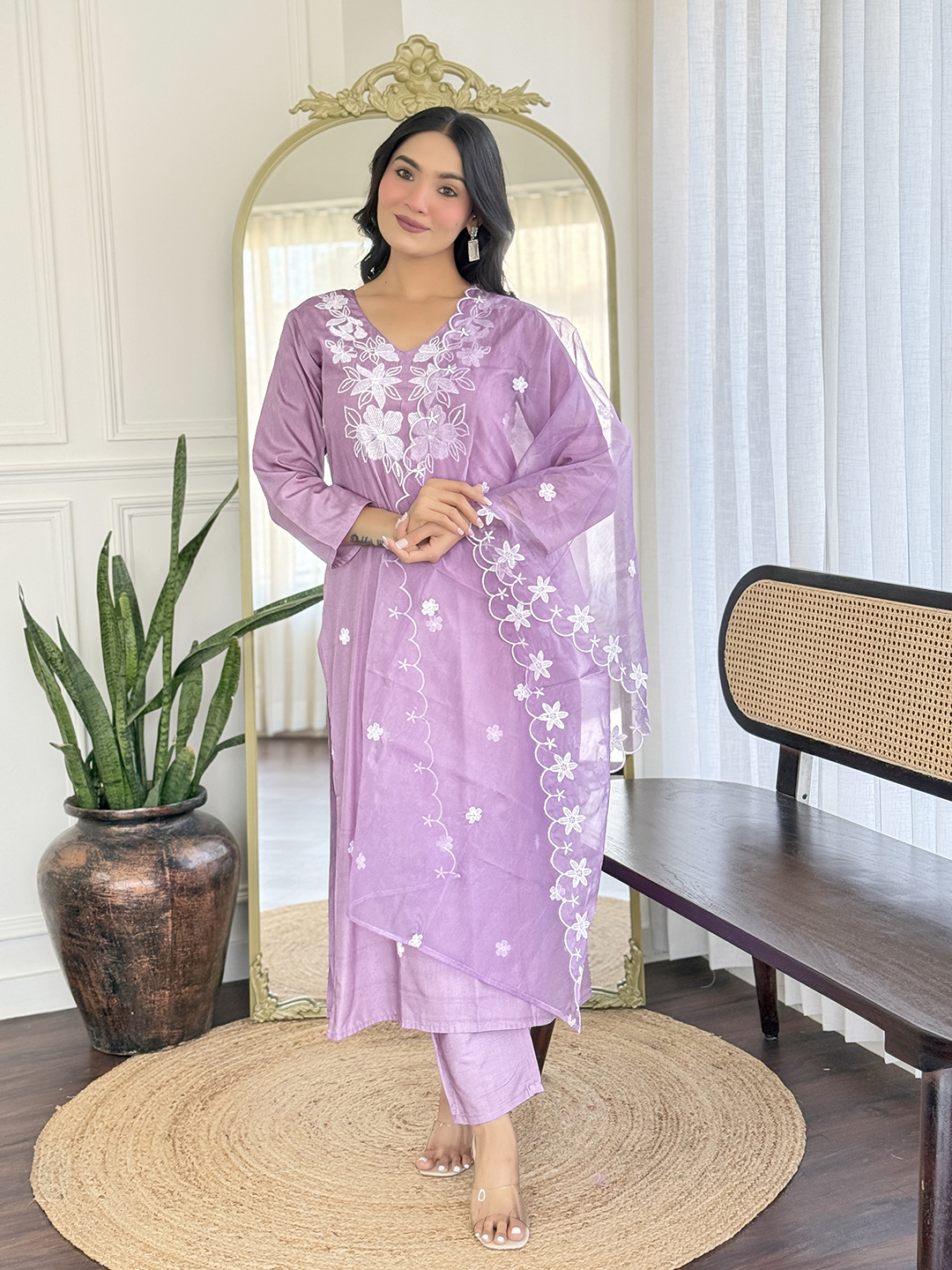
- Air the garment promptly. Hang the kurti in shade for 20 to 30 minutes after wearing it. Airing removes surface moisture and reduces the time sweat remains concentrated around the armholes and neckline.
- Pre-treat only the affected area. For a fresh sweat mark, dab cool water onto the reverse side. Use a small amount of liquid detergent diluted in water rather than applying concentrated detergent directly to a coloured print.
- Turn the garment inside out. Reversing the kurti reduces direct abrasion against the wash basin, drum and other garments. Close zippers and hooks, and place delicate rayon or crepe pieces in a mesh bag.
- Use cool water and a short cycle. Water around 20-30°C is a safer default than hot water for printed cotton, rayon and crepe. Select a gentle cycle or hand wash, and avoid long soaking unless the care label specifically permits it.
- don't rub the print aggressively. If a mark remains, work from the reverse side with light pressing. Repeated brushing can remove a surface print faster than a single gentle wash can clean it.
- Rinse until water runs clear. Detergent left near a neckline can attract dust and make the area appear dull. An extra rinse is useful when the garment feels slippery or strongly scented after washing.
- Remove water without twisting. Press the garment between towels or use low spin. Twisting creates stress at seams and can stretch a wet rayon neckline.
Fabric softener isn't always helpful. Softener can leave a film that traps fragrance, oil and dust, particularly around underarms. A mild detergent used in the correct quantity is generally better than adding more products to compensate for hard water or body odour.
Drying and Ironing Habits That Protect Colour
Shade drying with the garment turned inside out is the most reliable way to limit sun-related fading. Ultraviolet light breaks down colour molecules gradually, and the effect becomes more visible on exposed shoulders, necklines and upper sleeves. Strong midday sunlight can change a bright print faster than a cool wash will.
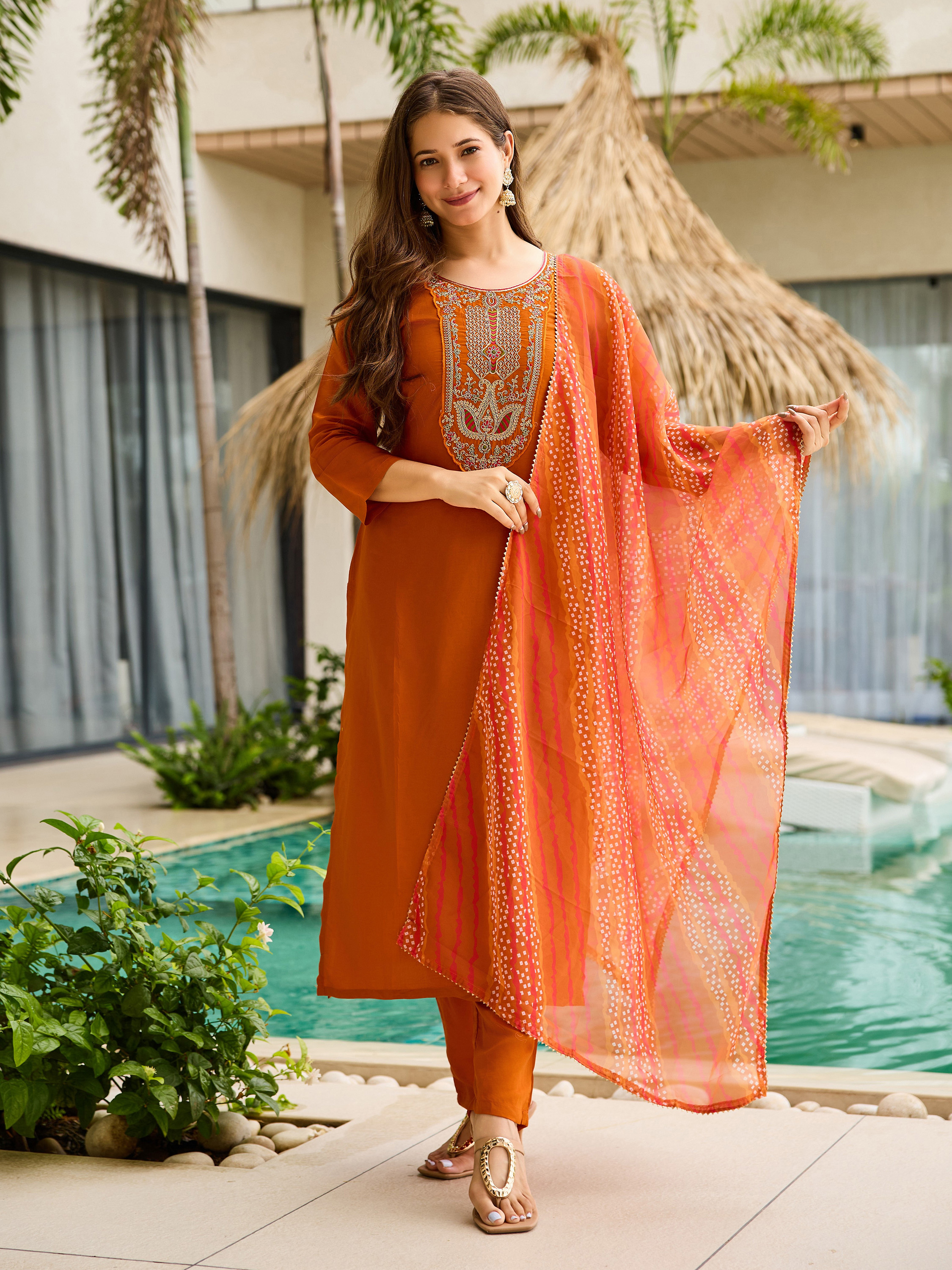
don't leave a wet printed kurti bundled in a bucket or washing machine. Remove it promptly, reshape the neckline and seams, and hang it where air can circulate. Direct sunlight may be useful for brief airing of white cotton, but coloured prints generally benefit from indirect light and ventilation.
Ironing should happen on the reverse side at the lowest suitable temperature. Place a thin cotton cloth between the iron and a surface print when the design feels raised or coated. High heat can make some pigment binders brittle, flatten embroidery and create a shiny patch on rayon. Never iron a damp underarm mark in the hope of removing it; heat can set protein and deodorant residues deeper into the fabric.
Rust Orange Embroidered Kurti Set with Dupatta is an example of a set where heat management matters twice: the dyed or printed base needs protection, and embroidery can become flattened by direct ironing. Press around embroidered areas rather than dragging the iron across them. Allow the garment to cool completely before folding so residual warmth doesn't encourage creases or moisture retention.
How to Prevent Neckline and Underarm Fading Between Washes
Prevention begins with reducing the time that sweat, cosmetics and friction remain against the same textile surface. Wear a clean inner layer when practical, especially under rayon or crepe kurtis that are less forgiving of repeated rubbing. Choose breathable cotton camisoles for long summer days and make sure the armhole isn't so tight that it constantly abrades the underarm seam.
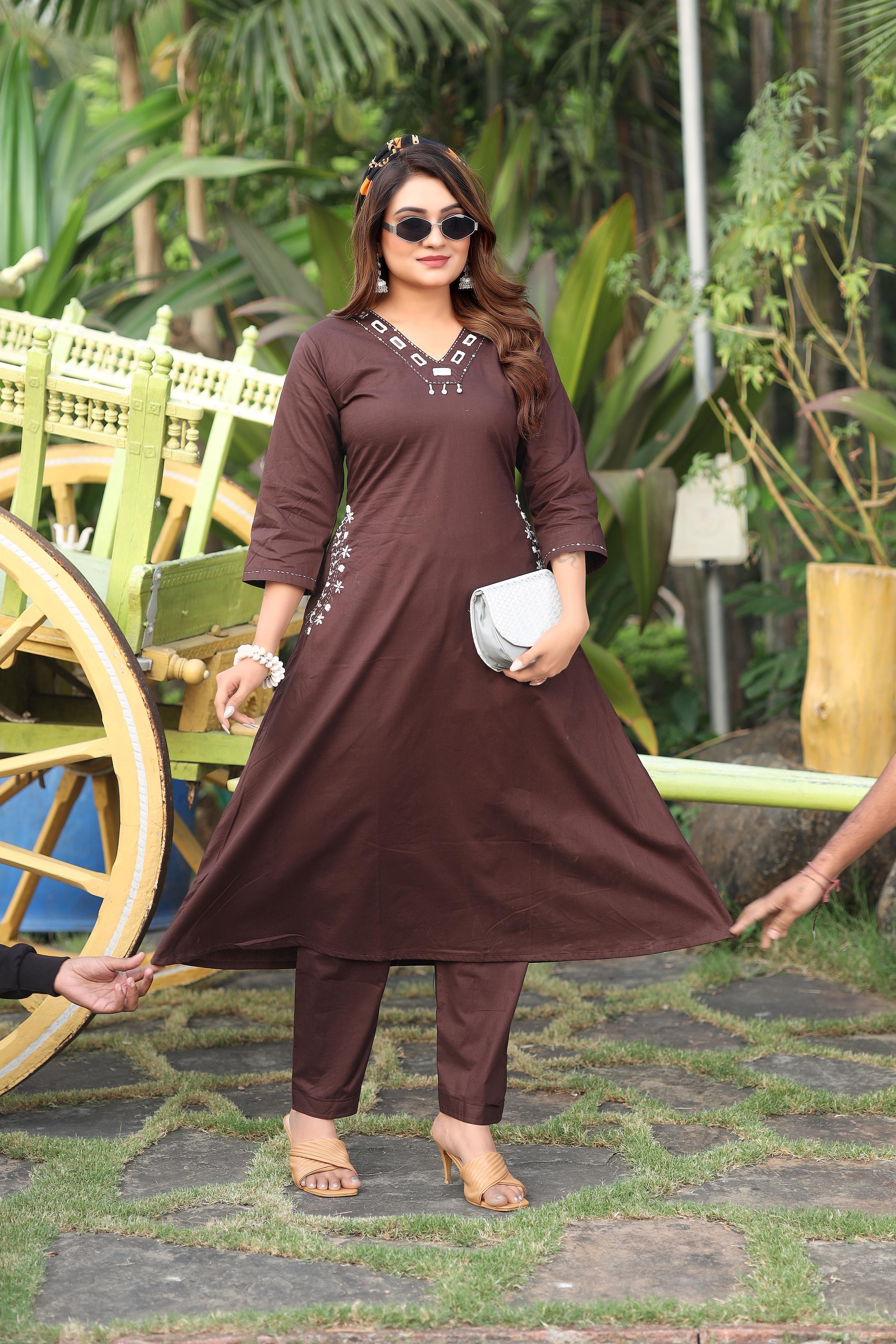
Apply deodorant, sunscreen and body lotion before dressing, then wait until the products feel dry. Perfume should be sprayed on skin rather than directly on a printed neckline. Hair oil and styling products deserve similar caution because they can transfer to the back neck and form a sticky area that attracts dust.
Rotate frequently worn kurtis instead of wearing the same printed set on consecutive hot days. A 24-hour rest period allows moisture to evaporate fully and reduces cumulative friction in the same locations. A garment should be washed after heavy sweating, but a lightly worn kurti can often be aired before it returns to a clean, dry wardrobe.
Store clean garments in a dry, ventilated cupboard. Do not compress damp clothing under heavy folded salwar suits, and avoid storing dark printed pieces directly against pale garments if the print has shown any colour transfer. Cotton muslin covers are preferable to airtight plastic for longer storage because trapped humidity can encourage odour and residue buildup.
When Is Fading Normal and When Should You Raise a Concern?
Gradual, broadly even lightening after repeated washing is normal for many printed textiles, while rapid patchy loss after one gentle wash deserves closer inspection. Compare the neckline, underarm, hem and inside seam under the same light. A localised change concentrated where sweat and rubbing occur usually indicates wear or residue; colour transfer across several panels may indicate loose dye or a care issue.
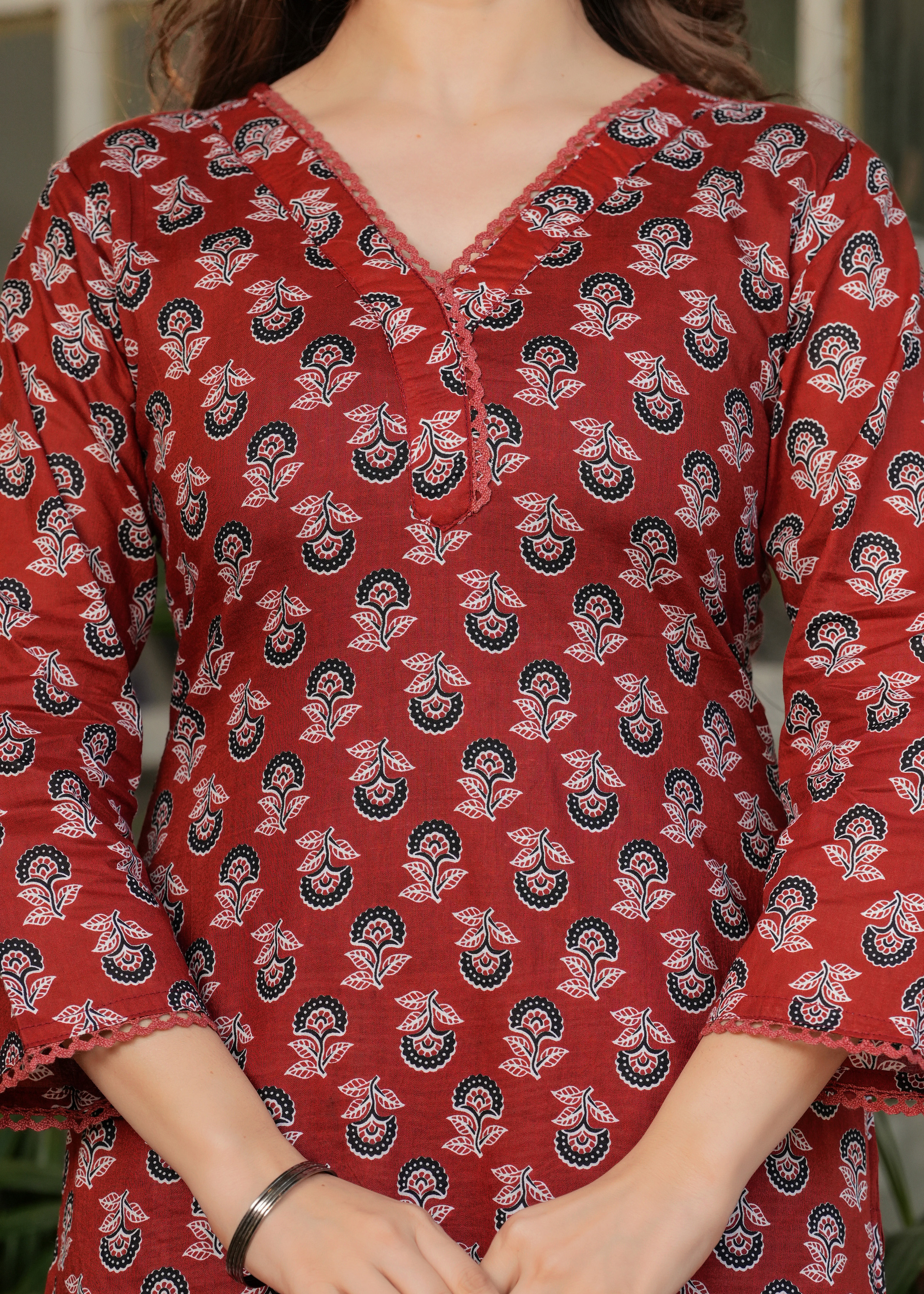
Record the first-wash method when a new garment changes unexpectedly. Note the water temperature, detergent, soaking time, drying position and whether other colours were washed together. A photograph taken before and after washing can make it easier to distinguish fading from temporary detergent deposits.
don't use chlorine bleach, strong stain removers or undiluted vinegar on an unknown print without checking the care instructions. Household remedies can alter dyes, weaken rayon and leave a pale patch that's more visible than the original sweat mark. A professional textile cleaner is the safer option for expensive embroidery, persistent oil marks or garments labelled dry-clean only.
Careful habits can't stop every printed kurti from changing over time. They can, however, reduce the concentrated damage that makes the neckline and underarms fade first. Cool washing, prompt airing, shade drying, inside-out handling and restrained ironing address the main causes without adding unnecessary chemicals or excessive scrubbing.
Quick Answers About Fading Printed Kurtis
Why do my kurti underarms turn lighter than the rest of the garment?
Kurti underarms turn lighter because sweat, deodorant, body oils and repeated arm movement create more chemical and mechanical wear in that area. The fabric also stays warm and damp for longer than the hem, which accelerates residue buildup and abrasion.
Can I prevent a printed kurti from fading in the wash?
You can reduce fading by washing the kurti inside out in cool water with mild detergent and a short gentle cycle. Avoid long soaking, harsh stain removers, aggressive brushing and direct midday sunlight.
Should printed cotton kurtis be washed separately?
New printed cotton kurtis should be washed separately or with similar dark colours for the first two or three washes. A damp white-cloth test on an inside seam can reveal whether loose dye is likely to transfer.
Is sunlight responsible for a faded kurti neckline?
Sunlight can contribute to a faded neckline, especially when a garment hangs with the neck and shoulders exposed for several hours. Turn printed kurtis inside out and dry them in shade with good air circulation.
How should I remove sweat marks from a rayon kurti?
Dab a fresh mark from the reverse side with cool water and a small amount of diluted mild detergent, then rinse promptly. Do not scrub, twist or soak rayon for a long period because wet rayon can stretch and lose shape.
Why does a printed kurti look dull after washing even when the colour has not disappeared?
A kurti can look dull when detergent, hard-water minerals, sweat salts or fabric softener leave a film on the print. An additional cool-water rinse and correct detergent dosage may restore the appearance without further rubbing.
Common Questions About Printed Kurti Fading and Care
Why do my kurti underarms turn lighter than the rest of the garment?
Kurti underarms turn lighter because sweat, deodorant, body oils and repeated arm movement create more chemical and mechanical wear in that area. The fabric also stays warm and damp for longer than the hem, which accelerates residue buildup and abrasion.
Can I prevent a printed kurti from fading in the wash?
You can reduce fading by washing the kurti inside out in cool water with mild detergent and a short gentle cycle. Avoid long soaking, harsh stain removers, aggressive brushing and direct midday sunlight.
Should printed cotton kurtis be washed separately?
New printed cotton kurtis should be washed separately or with similar dark colours for the first two or three washes. A damp white-cloth test on an inside seam can reveal whether loose dye is likely to transfer.
Is sunlight responsible for a faded kurti neckline?
Sunlight can contribute to a faded neckline, especially when a garment hangs with the neck and shoulders exposed for several hours. Turn printed kurtis inside out and dry them in shade with good air circulation.
How should I remove sweat marks from a rayon kurti?
Dab a fresh mark from the reverse side with cool water and a small amount of diluted mild detergent, then rinse promptly. Do not scrub, twist or soak rayon for a long period because wet rayon can stretch and lose shape.
Why does a printed kurti look dull after washing even when the colour has not disappeared?
A kurti can look dull when detergent, hard-water minerals, sweat salts or fabric softener leave a film on the print. An additional cool-water rinse and correct detergent dosage may restore the appearance without further rubbing.