

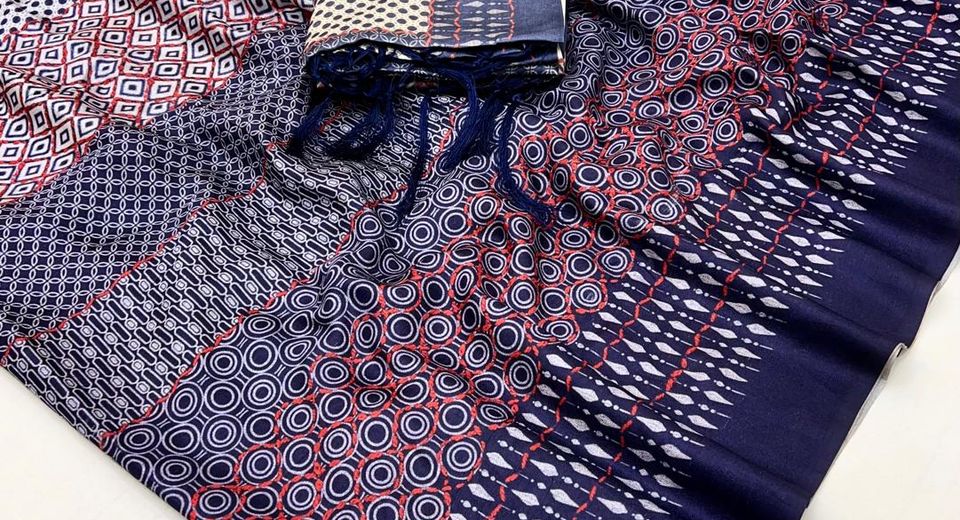
A garment that fits today may need a different fit after weight changes, pregnancy, a new style preference or repeated washing. The extra fabric that makes alterations easier for seam allowance in ethnic wear is usually hidden inside side seams, centre seams, hems and waistbands, where a tailor can release or reshape the garment without cutting into the visible design. Knowing where that reserve fabric sits helps you judge whether a kurta, salwar suit, blouse or lehenga can be altered before you buy it.
Seam allowance and alteration allowance are related but not identical. Seam allowance is the fabric between the stitching line and the raw edge, while alteration allowance is the usable extra material left beyond the current stitching line. A narrow 1-centimetre seam may keep a garment from fraying but provide almost no room for enlargement. A 2.5-to-4-centimetre side allowance may allow a tailor to increase the garment by several centimetres, provided the lining, embroidery and adjoining seams also permit the change.
What is the extra fabric that makes alterations easier for seam allowance in ethnic wear?
The extra fabric that makes alterations easier for seam allowance in ethnic wear is reserve fabric left inside a garment beyond the active stitching line. Tailors use reserve fabric by opening a seam, moving the stitching line outward or inward, and securing the new edge without exposing unfinished cloth.
Reserve fabric can appear in several places. A kurta may have extra width in both side seams, a salwar may carry additional fabric at the inner leg and crotch seams, and a lehenga may include a deep hem or a broad waistband. A ready-to-wear blouse may have allowance at the side seams or back seam, although heavy padding, piping and embroidery can make that allowance difficult to use.
Manufacturers don't always leave the same amount of fabric. Cotton kurtas often tolerate practical alterations because the fabric is stable and the seams are easy to open. Banarasi silk, tissue, chiffon and heavily embellished Chanderi need more cautious handling because needle holes, zari damage and pressed seam marks may remain visible after a seam is moved.
How much alteration allowance is usually useful?
An allowance of 2 to 3 centimetres on each side seam is generally useful for a modest increase, while 4 centimetres or more gives a tailor greater flexibility. The final increase is limited by the total allowance on both sides, the lining, the garment shape and the position of decorative borders.
For example, a kurta with 3 centimetres of usable allowance at each side seam may gain approximately 6 centimetres across the body. The tailor still needs room to stitch a strong new seam, finish the edge and preserve the fall of the garment. A tailor can't safely use every millimetre of fabric sitting beyond the seam.
Where should you look for alteration fabric in ethnic garments?
Look first at side seams, hems, waistbands and centre-back seams because these areas most often contain usable reserve fabric. Inspecting the garment inside out gives a more reliable answer than judging the outer silhouette.
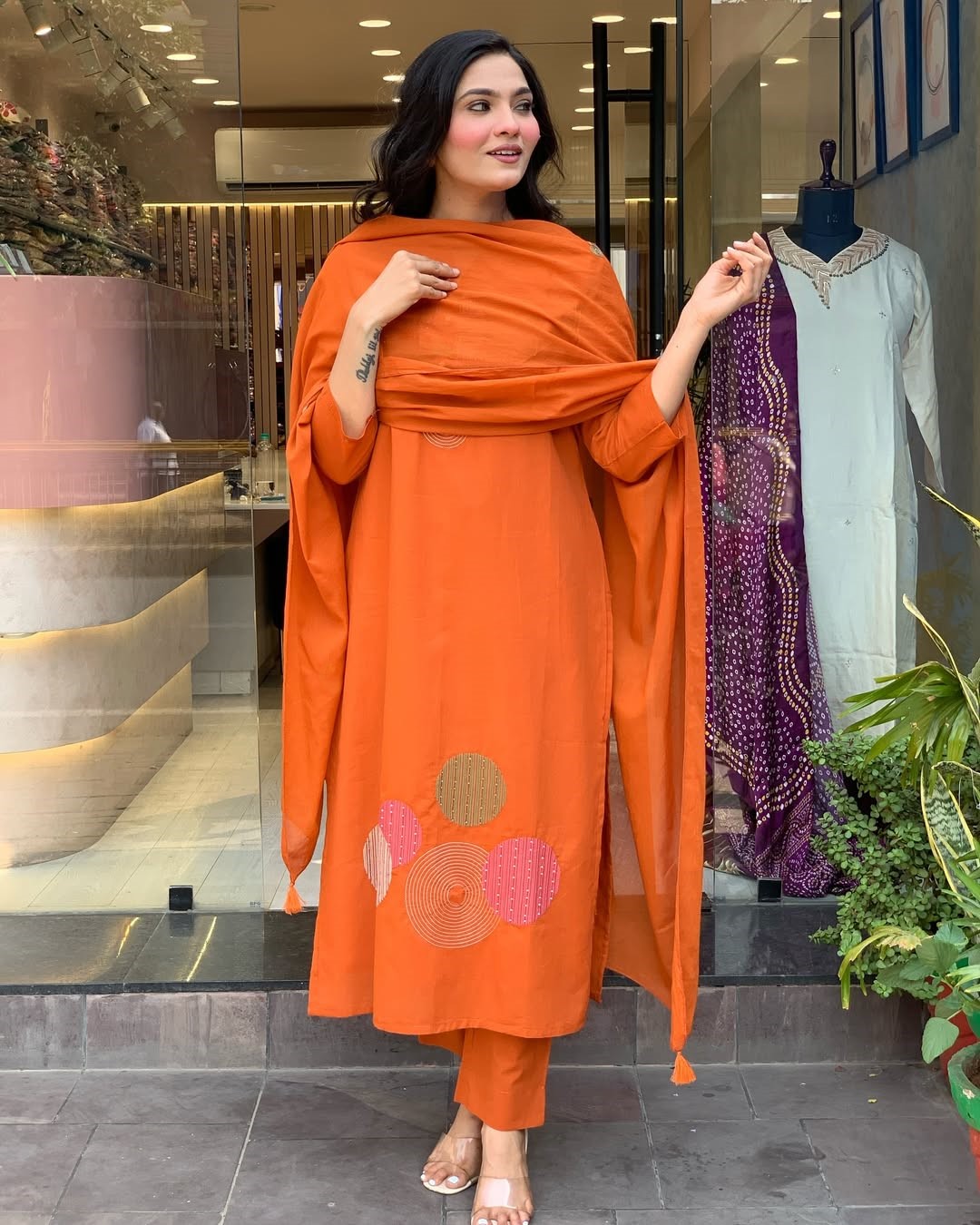
Side seams are the most useful location for increasing or reducing the bust, waist and hip. Check whether the seam runs continuously from the armhole to the hem, or whether side pockets, panels, lace and embroidery interrupt it. A continuous plain seam is easier to alter than a seam crossed by a dense floral motif or a zari border.
Hems provide vertical adjustment. A deep folded hem can make a kurta, palazzo or skirt longer, while a narrow 1-centimetre hem offers very little scope. A tailor may sometimes lower a hem by using a facing or adding a border, but the result depends on matching the original fabric and design.
Waistbands deserve special attention in lehengas, shararas and palazzo trousers. A broad waistband with an internal seam may allow the waist to be enlarged slightly. A narrow waistband cut from a single strip may have no meaningful reserve. Elastic can solve a small comfort issue, but elastic can't compensate for inadequate hip or thigh width.
Centre-back seams are common in fitted blouses, jackets and some kurta designs. A centre-back seam can be valuable when it has a plain finish and enough allowance on both sides. A concealed zip, hook arrangement or embroidered panel may limit how far the seam can move.
Why does fabric type change the alteration decision?
Fabric type changes the alteration decision because different fibres, weaves and surface treatments respond differently to unpicking, pressing and new stitching. A stable plain weave usually tolerates adjustment better than a fragile sheer, loose weave or heavily ornamented textile.
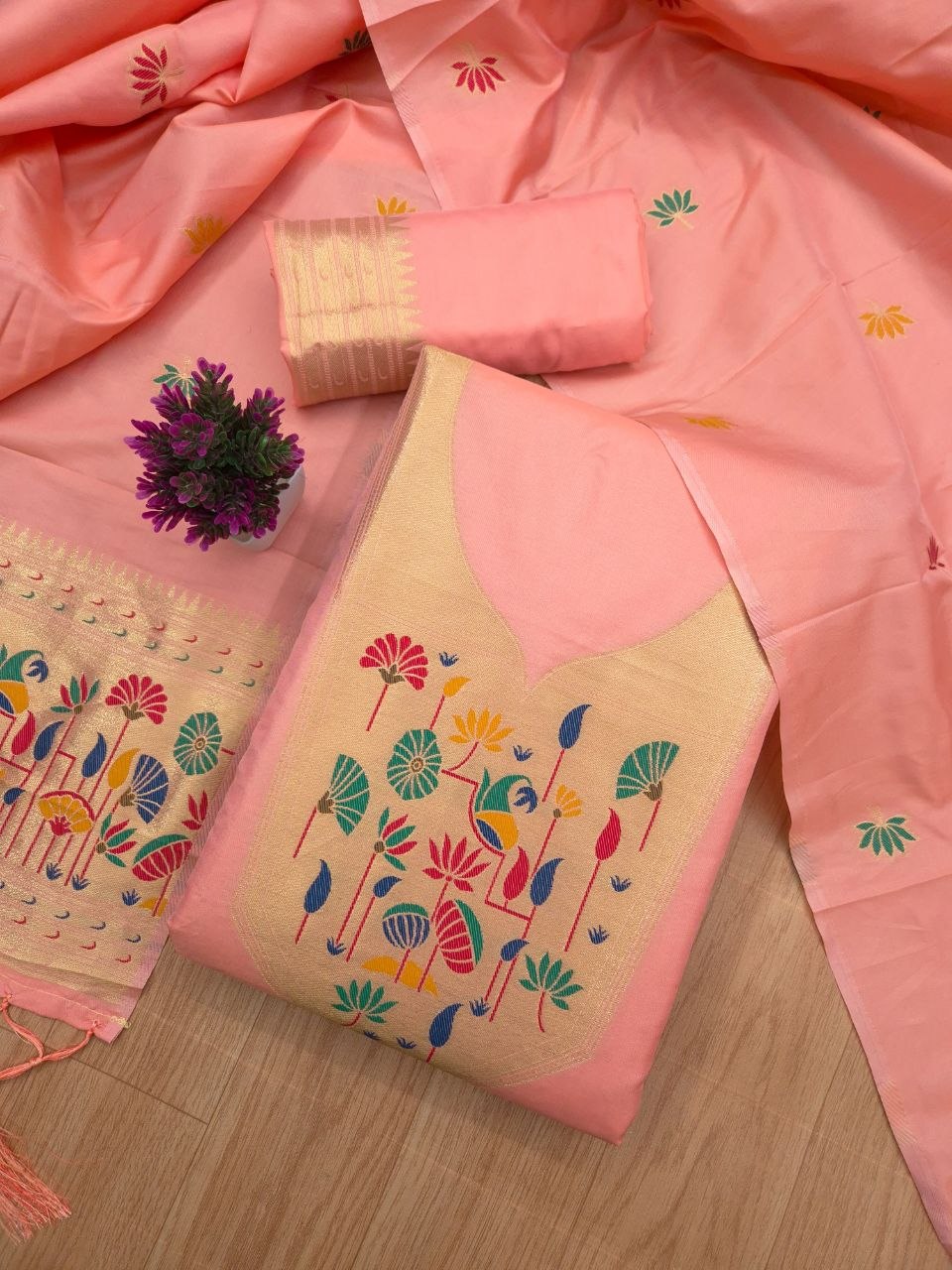
Cotton and cotton-silk blends generally provide predictable stitching and pressing. The Teal Cotton A-Line Kurti Pant Set with Handwork, for example, can be assessed by checking whether the side seams remain plain beneath the handwork and whether the A-line panels have enough width at the hem. A-line construction may offer room at the lower body, but it doesn't automatically provide extra bust or armhole allowance.
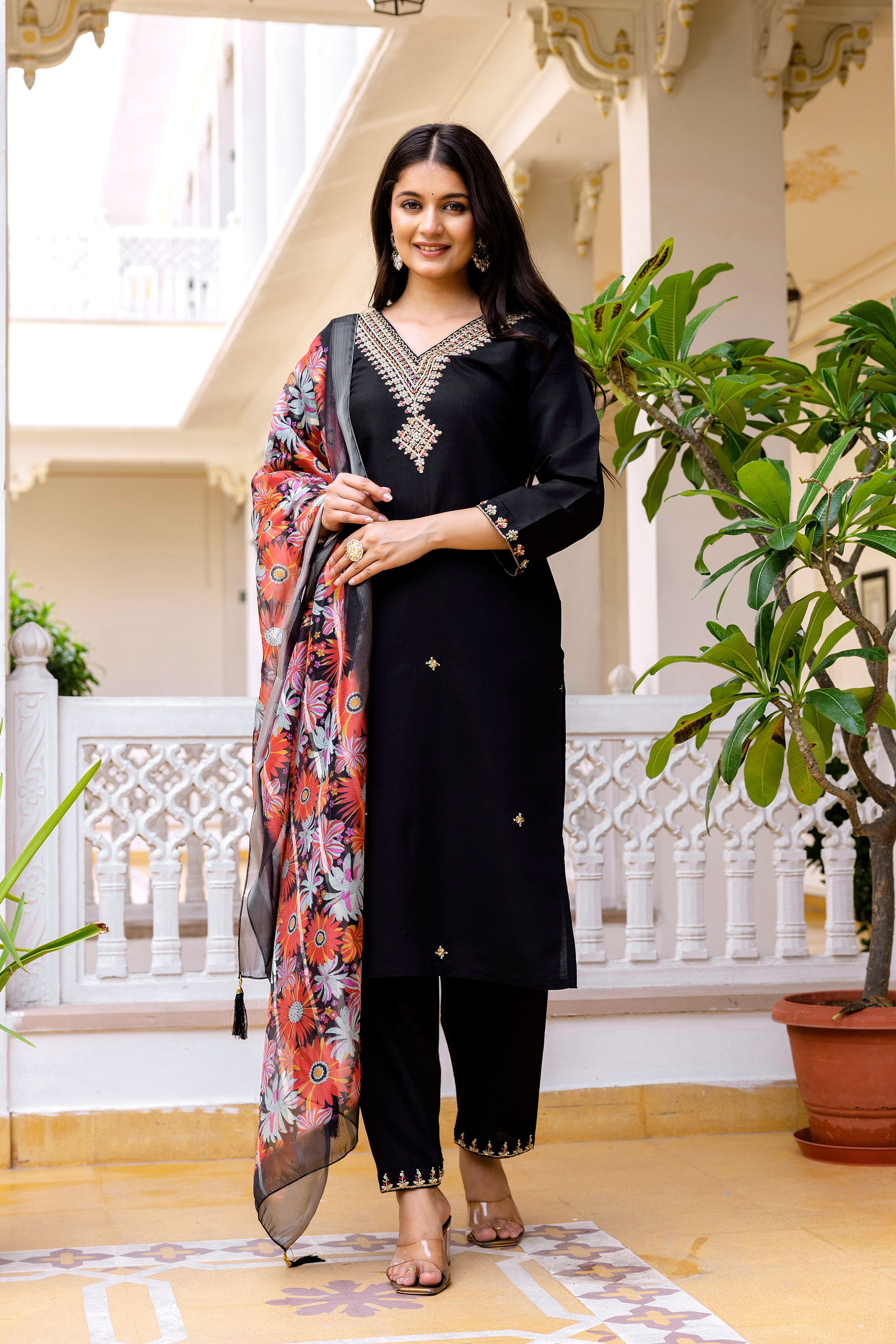
Banarasi silk and Paithani-style fabrics often contain metallic zari or patterned weaving that must remain aligned after an alteration. The Peach Paithani Style Zari Weave Unstitched Suit is useful to consider because unstitched fabric gives the wearer and tailor control over the side seams, hem depth and neckline. Unstitched material isn't a guarantee of unlimited allowance, however; the available fabric must still cover the required garment pieces.
Chanderi is lightweight and can carry delicate woven or printed motifs. The Black Embroidered Chanderi Kurti Pant Dupatta Set should be checked for lining, embroidery placement and seam finish before alteration. Moving a seam through a dense embroidered area can create uneven tension or leave visible needle marks.
Tissue and organza-like fabrics can show every stitch hole, while chiffon may shift during cutting. The Pastel Floral Tissue Handloom Cotton Saree with Zari Weaves requires special care around the zari border because shortening from the border side may remove the design, while shortening from the plain edge may preserve the motif but change the drape.
How can you check seam allowance before buying ethnic wear?
You can check seam allowance before buying ethnic wear by examining the inside seams, measuring the distance from the stitch line to the raw edge and identifying whether the lining has matching reserve fabric. A quick five-minute inspection can prevent an expensive alteration that can't be completed cleanly.

- Turn the garment inside out. Look for overlocking, folded edges, French seams, lining seams and any exposed raw edges. A very narrow finished edge may indicate limited reserve.
- Measure the usable distance. Measure from the current stitching line to the nearest finished or cut edge. Ignore decorative flaps, loose threads and fabric trapped inside an overlocked seam.
- Check both sides. One side seam may contain a pocket, embroidery or panel while the other side remains plain. The usable allowance must be assessed on both sides if the garment needs to be enlarged evenly.
- Inspect the lining. A shell fabric may have enough allowance while the lining is cut smaller. The lining must be released or recut, otherwise it will pull against the outer layer.
- Study the motif placement. Printed flowers, woven checks, zari stripes and embroidered borders may reveal where the original seam was placed. A new seam through an obvious motif can look uneven.
- Ask for the finished measurements. Bust, waist, hip, shoulder, sleeve and garment length measurements are more useful than a size label. Size charts differ between makers and silhouettes.
When examining a co-ord set such as the Cream Embroidered Silk Kurta Pant Ethnic Co-ord Set, assess the kurta and trousers separately. The kurta may have side allowance while the trousers have a fixed waistband and limited hip room. Altering one piece doesn't automatically make the complete set fit correctly.
Which ethnic garments are easiest to alter?
Unstitched suits, plain-seamed cotton kurtas and garments with deep hems are usually the easiest ethnic pieces to alter. Fitted, lined and heavily embellished garments are more restrictive because several layers must be changed without disturbing the surface design.
Unstitched suits
Unstitched suit fabric gives a tailor the greatest control over the finished measurements. The Peach Paithani Style Zari Weave Unstitched Suit can be cut with planned seam allowances at the shoulders, side seams and hem, provided the fabric length and width are sufficient for the chosen size.
Kurtas and kurta sets
Kurta alterations are easiest when side seams are plain, the armhole isn't too tight and the hem has a generous fold. The Cream Embroidered Silk Kurta Pant Set for Women and the Cream Embroidered Silk Kurta Pant Ethnic Co-ord Set should be inspected for embroidery that crosses the side seams, because releasing such seams can interrupt the pattern.
A garment such as the SunsetCharm Ethnic Suit may have multiple layers or a shaped hem. A tailor should measure the shell, lining and any attached dupatta or panel separately rather than assuming that the visible outer garment represents the full construction.
Sarees and saree blouses
A saree body usually doesn't require conventional body alterations because draping controls the fit, but blouse construction matters greatly. A saree blouse with side seams, a centre-back seam and a deep hem may allow small changes. A blouse with princess seams, padded cups and embroidery crossing every seam may have much less usable allowance.
The Peach Beige Floral Handloom Saree with Ethnic Border illustrates why border placement matters when making or adjusting a blouse and petticoat. The saree border itself should not be treated as spare blouse fabric unless a matching blouse piece has been supplied. Cutting into a border changes the visual balance of the drape.
When can extra seam allowance fail to solve a fitting problem?
Extra seam allowance can't solve a fitting problem when the shoulder, armhole, neckline, rise or fabric length is fundamentally too small. Reserve fabric helps only where the garment has enough material in the correct location and the design can absorb a changed seam.
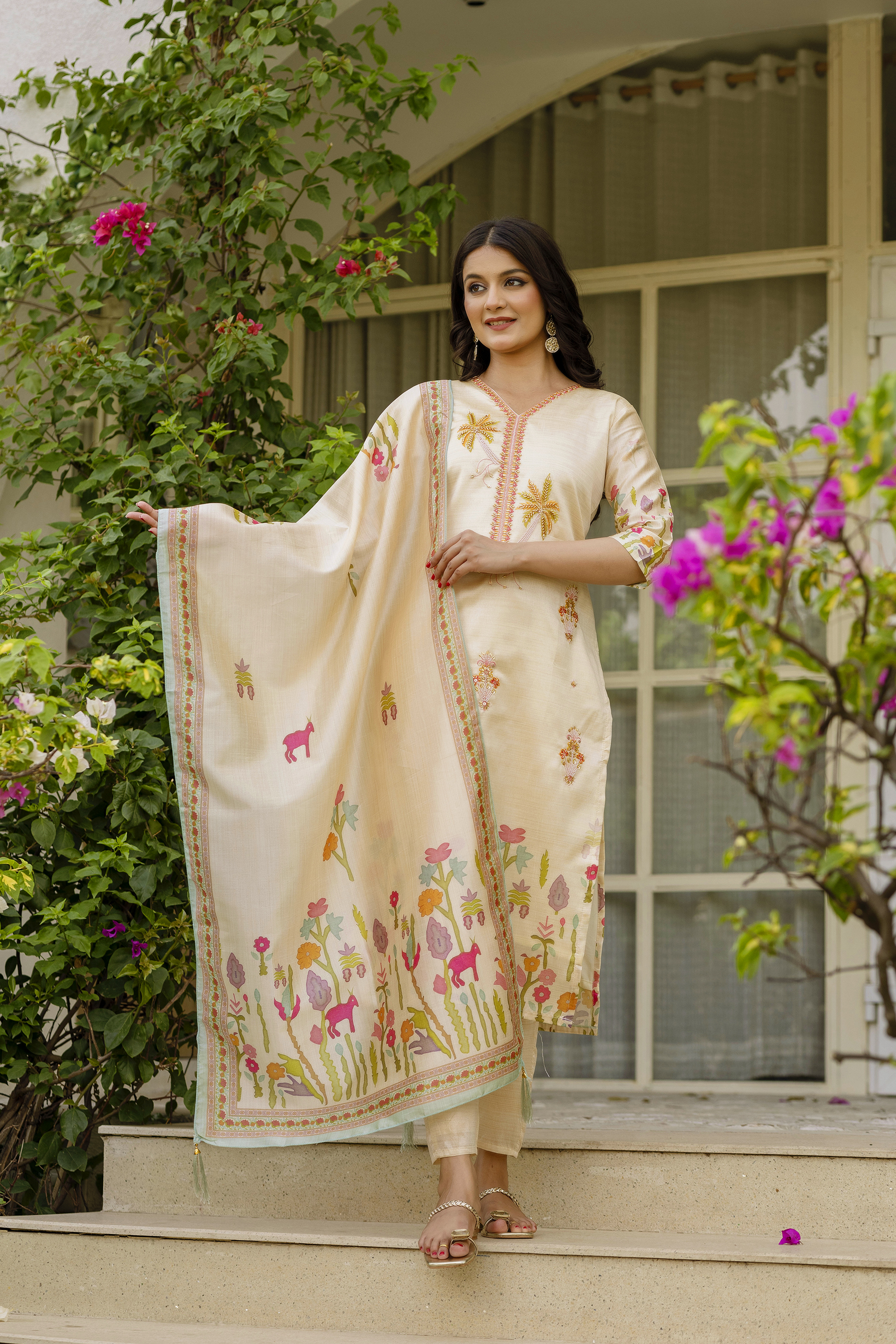
A kurta that's tight across the upper arm may have generous side-seam allowance but still need a new sleeve or a lowered armhole. A trouser that's tight at the crotch may have extra fabric at the waist but not enough rise or inner-leg allowance. A blouse with sufficient side fabric may remain uncomfortable if the shoulder width is too narrow.
Embroidery and zari create additional limits. Moving a seam can split a motif, expose a darker underside, or leave holes in silk. The tailor may recommend a panel, gusset or side slit instead of releasing the original seam. A visible contrast panel can be an attractive design decision, but it should be planned rather than added as an emergency repair.
The Black Embroidered Chanderi Kurti Pant Dupatta Set and the Pastel Floral Tissue Handloom Cotton Saree with Zari Weaves both demonstrate why surface decoration must be considered before cutting. Alteration allowance is valuable only when the decorative structure, lining and fabric strength support the intended adjustment.
How should a tailor preserve the garment during alterations?
A tailor should preserve an ethnic garment by matching the original stitch length, pressing carefully, protecting embroidery and altering the lining together with the outer fabric. Testing an inconspicuous seam before opening a prominent area reduces the risk of permanent marks.
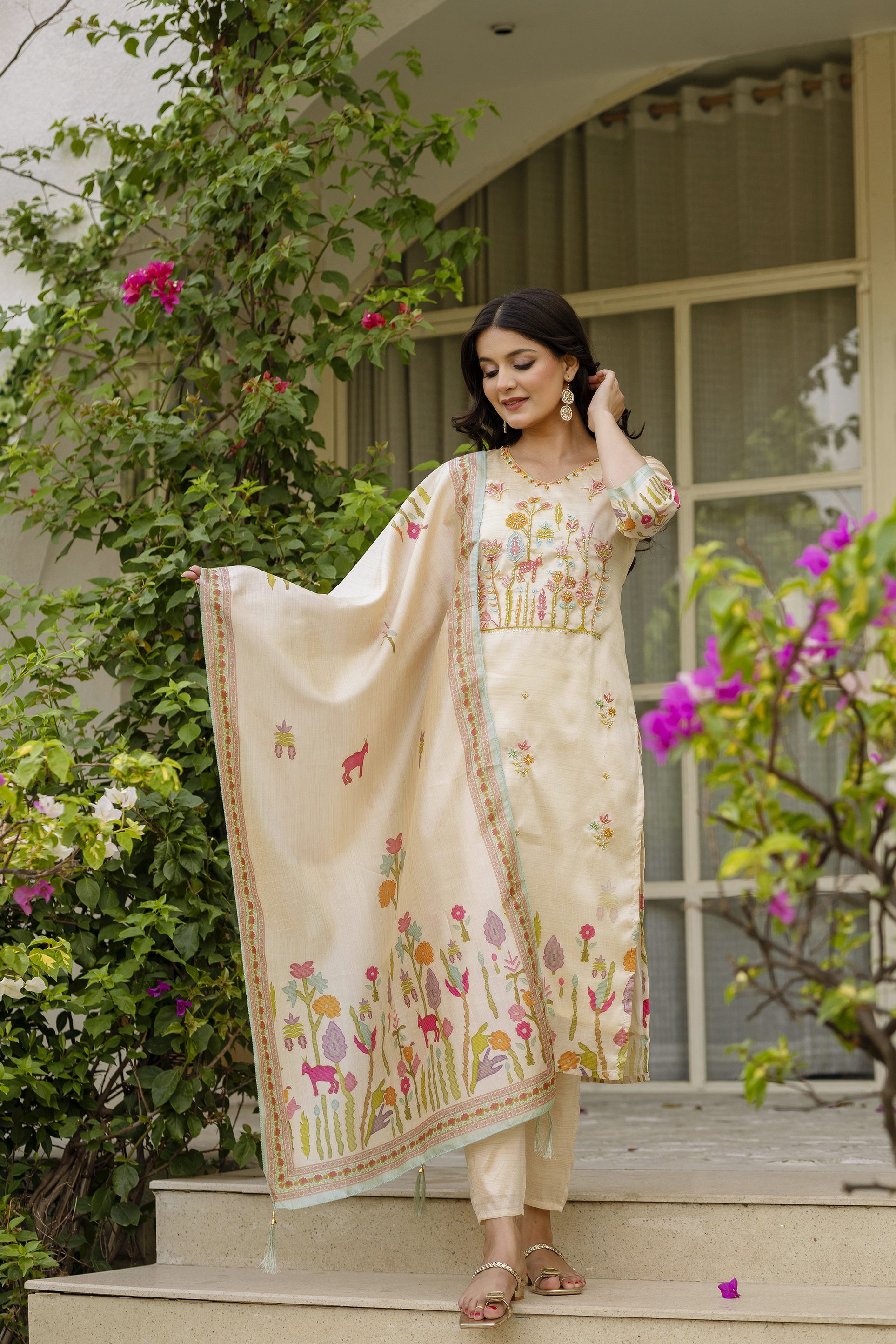
Silk, Chanderi and zari fabrics should be unpicked with a seam ripper rather than pulled with force. Needle holes may remain after a seam is moved, especially on tightly woven silk or delicate tissue. A pressing cloth and low-to-moderate heat can help prevent shine, water marks and distortion.
Every altered seam should be secured with an appropriate finish. Cotton may accept overlocking or a neat enclosed seam, while lightweight Chanderi may need a narrow seam finish to prevent bulk. The finish should not make the new seam so wide that the garment loses the remaining allowance.
Keep the removed fabric whenever possible. A small matching piece can repair a damaged area, extend a waistband, create a gusset or help a tailor match a later alteration. The original care label should also remain attached, because washing temperature and drying method influence the stability of the adjusted garment.
The main buying lesson is simple: inspect the inside before judging the outside. The extra fabric that makes alterations easier for seam allowance in ethnic wear is most useful when it's continuous, unembellished, present in both shell and lining, and located near the area that needs adjustment. A measured allowance, rather than a hopeful size choice, gives the best chance of a clean and comfortable fit.
Common Questions About Extra Fabric and Ethnic-Wear Alterations
What is the extra fabric inside a kurta called?
The extra fabric beyond the active stitching line is commonly called seam allowance, reserve fabric or alteration allowance. A tailor can use the reserve by moving the stitching line, provided the lining and design also allow the change.
How much seam allowance should a kurta have for alterations?
Around 2 to 3 centimetres on each side seam is generally useful for a modest increase, while 4 centimetres or more offers greater flexibility. The actual adjustment depends on the lining, armhole, embroidery and garment shape.
Can a tailor make an ethnic suit bigger?
A tailor can make an ethnic suit bigger when usable fabric remains in the side seams, centre seam, waistband or added panels. A suit cannot be enlarged substantially if the seams are narrow, the lining is tight or the required area is covered by embroidery.
Are unstitched suits easier to alter than ready-made suits?
Unstitched suits are usually easier to customise because the tailor controls the cutting lines, neckline, sleeve width and seam allowance from the beginning. The available fabric width and length still determine the largest practical size.
Can embroidery be altered without damaging it?
Embroidery can sometimes be altered safely when the new seam follows a plain area or existing construction line. Dense embroidery, zari and sequins make alterations riskier because unpicking can leave holes, broken threads or an interrupted motif.
Where should I check for extra fabric in ethnic trousers?
Check the inner-leg seam, crotch seam, side seams and waistband inside ethnic trousers. Extra fabric at the waistband alone cannot fix trousers that are too tight through the hips, thighs or rise.


