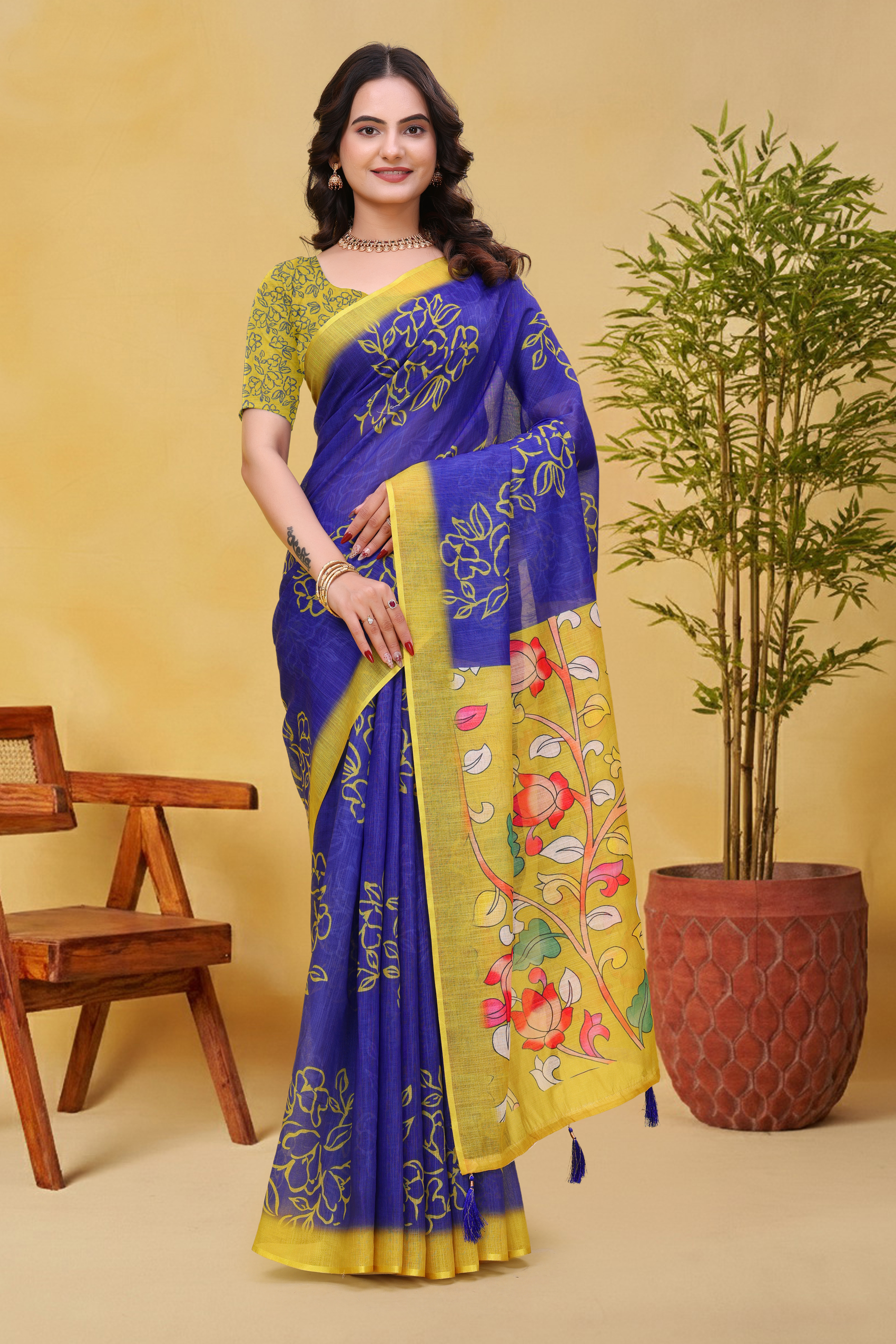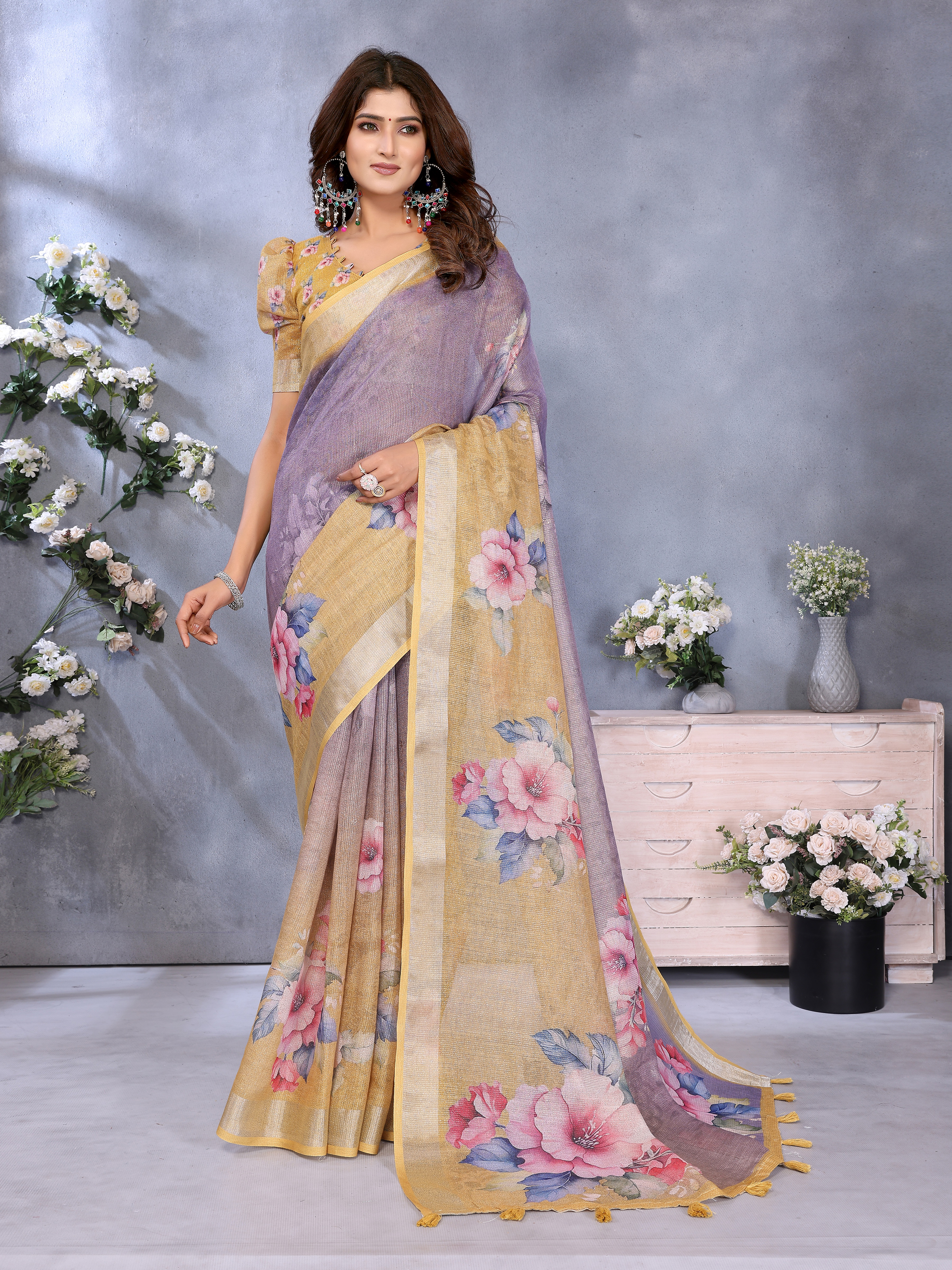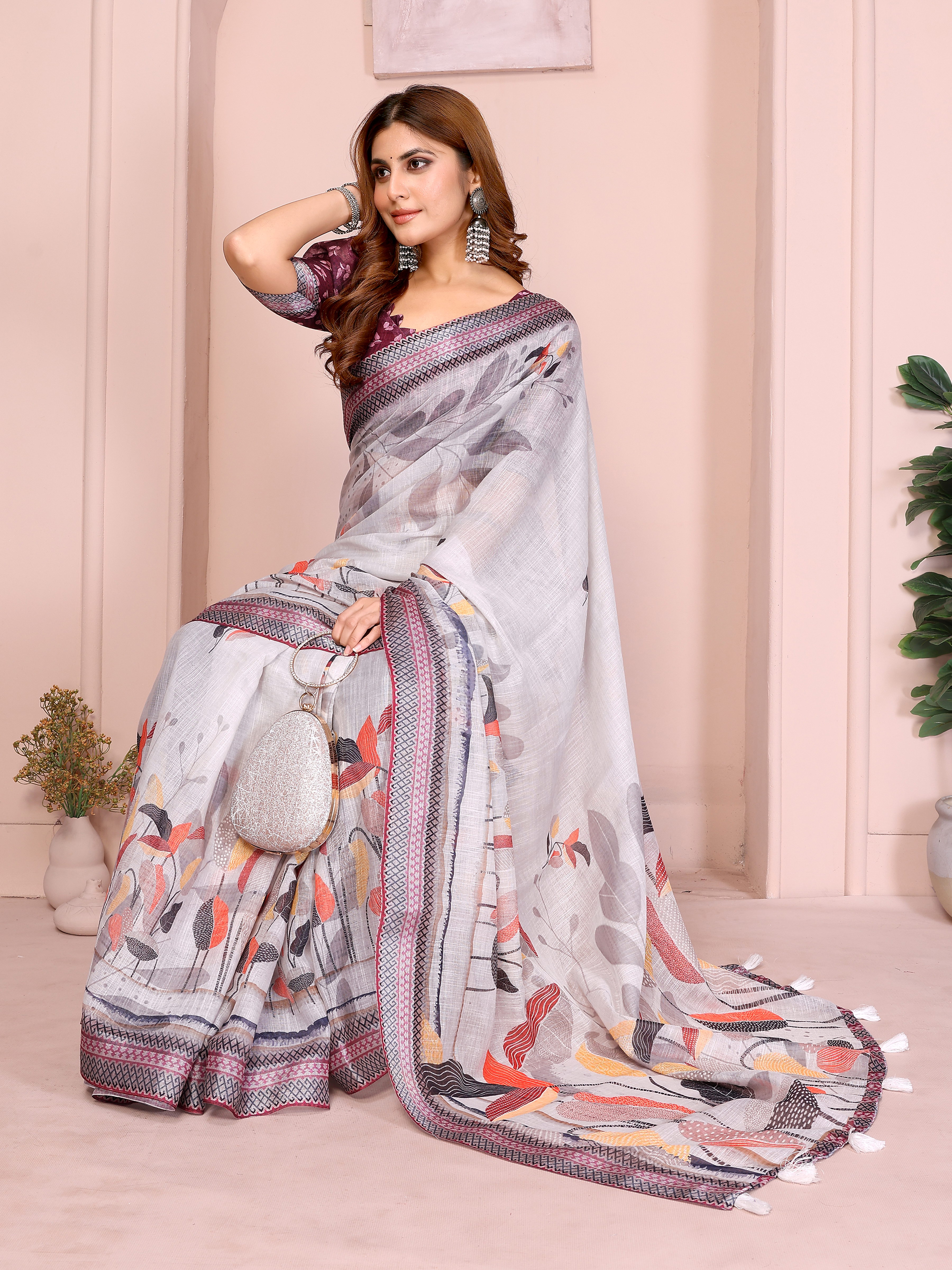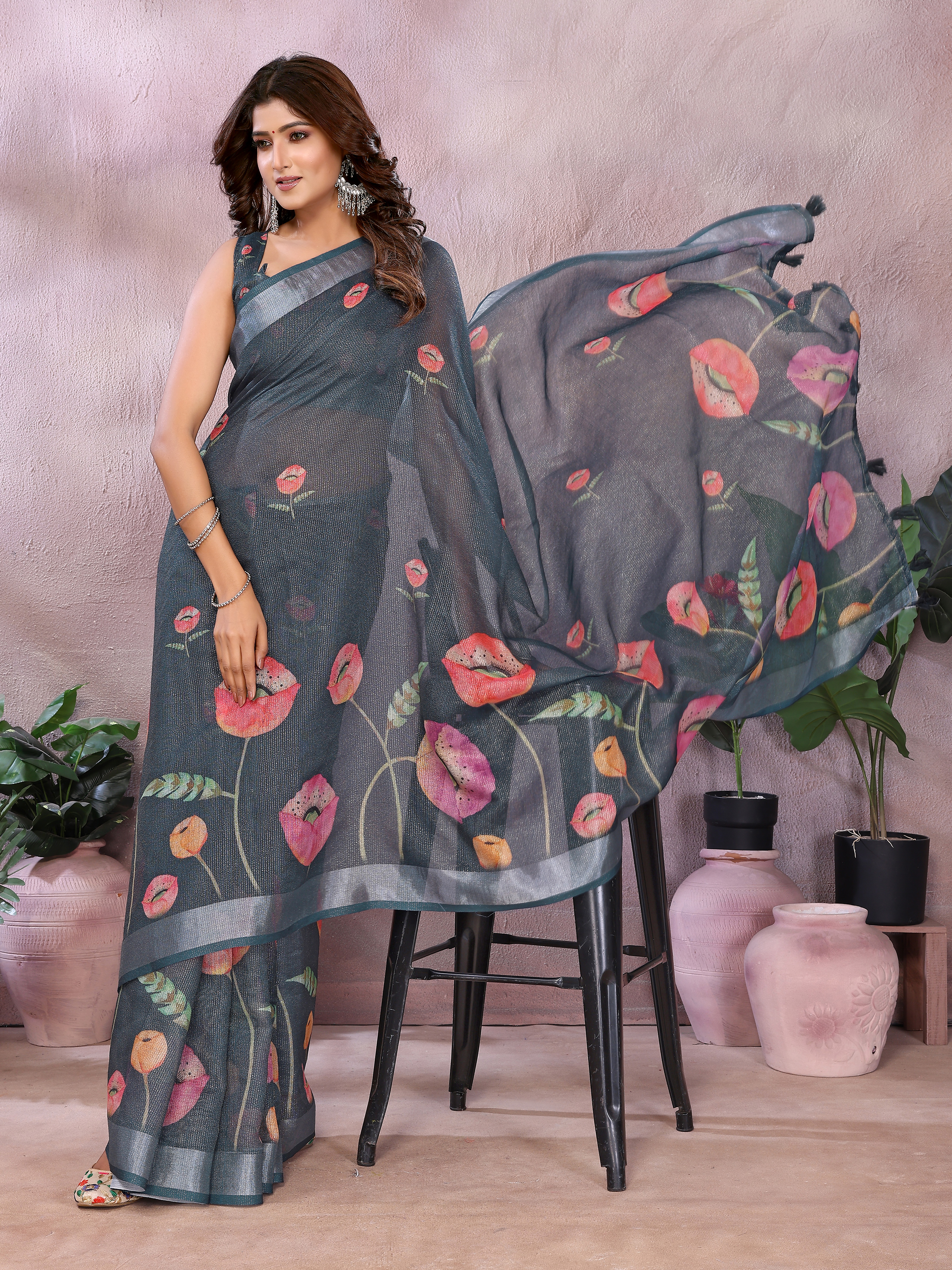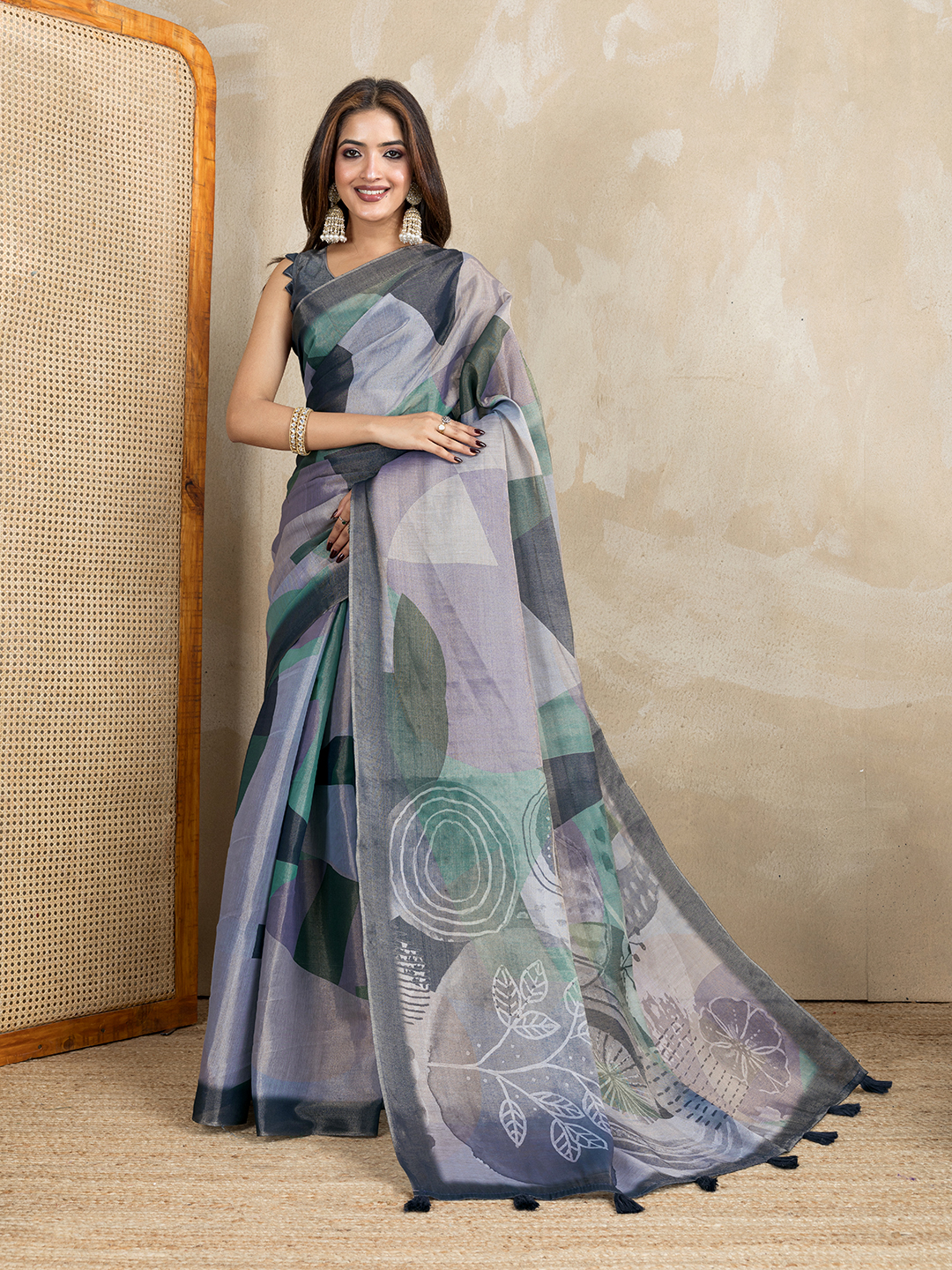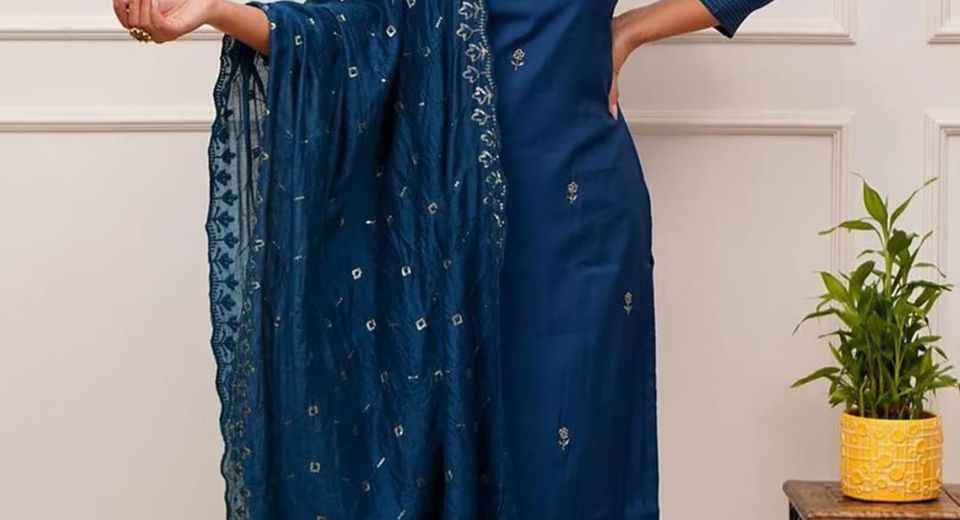
Suit Pants With Side Pockets Need More Room at the Hip because a pocket opening must move with the body without pulling the front of the garment sideways. A pair of salwar suit pants can fit the waist correctly and still feel tight when you sit, walk or place a hand inside the pocket. The useful measurement isn't the waist alone: hip circumference, pocket depth, fabric stretch, rise and the amount of wearing ease all influence comfort. Once those details are understood, a readymade kurta pant set becomes much easier to assess before purchase.
Side pockets are particularly sensitive in straight pants and slim ethnic trousers because the pocket opening lies across the fullest part of the hip. A one-centimetre shortage at the hip can make the pocket gape, while a generous two to four centimetres of total ease can preserve a clean line. The correct amount depends on the fabric and silhouette, so the same measurement won't suit cotton, rayon, silk and Chanderi equally.
Why Suit Pants With Side Pockets Need More Room at the Hip
Suit Pants With Side Pockets Need More Room at the Hip because the pocket bag occupies space inside the trouser and increases movement across the hip area. A side pocket isn't a flat decoration. It has an opening, an inner pouch and seam allowances, all of which need room when the wearer bends a knee or sits down.
When hip ease is too small, the pocket opening becomes the first visible stress point. The opening may gape when the wearer stands, the side seam may swing towards the front, or horizontal drag lines may appear below the waist. Pulling the pocket bag out and pressing it flat can hide the symptom briefly, but the underlying problem remains insufficient width.
Readymade salwar suit pants also need room for everyday posture. Standing measurements don't account for sitting, climbing stairs or carrying a phone in the pocket. A comfortable fit should allow the wearer to slide two fingers between the fabric and the fullest hip without forcing the pocket open. That simple test is more useful than judging the waistband in isolation.
What does hip ease mean in salwar suit pants?
Hip ease is the extra circumference added to the body hip measurement so trousers can accommodate movement and construction. For a woven straight pant, approximately 4 to 8 centimetres of total hip ease is a practical starting range, while a close-cut silk pant may use less and a relaxed palazzo may use considerably more.
Total ease is shared around the garment rather than added only at the side seam. If a wearer measures 100 centimetres at the fullest hip and a pant measures 106 centimetres around the hip, the garment has 6 centimetres of total ease. Pocket design, rise and fabric weight still determine whether those 6 centimetres feel comfortable.
How to Measure the Hip and Pocket Area Correctly
The most reliable fit decision comes from comparing body measurements with the garment's finished measurements, not from relying on a small, medium or large label. Measure the fullest part of the hip while wearing the underwear and light clothing normally worn under the salwar suit. Keep the tape parallel to the floor, level across the seat, and loose enough to sit against the body without compressing it.
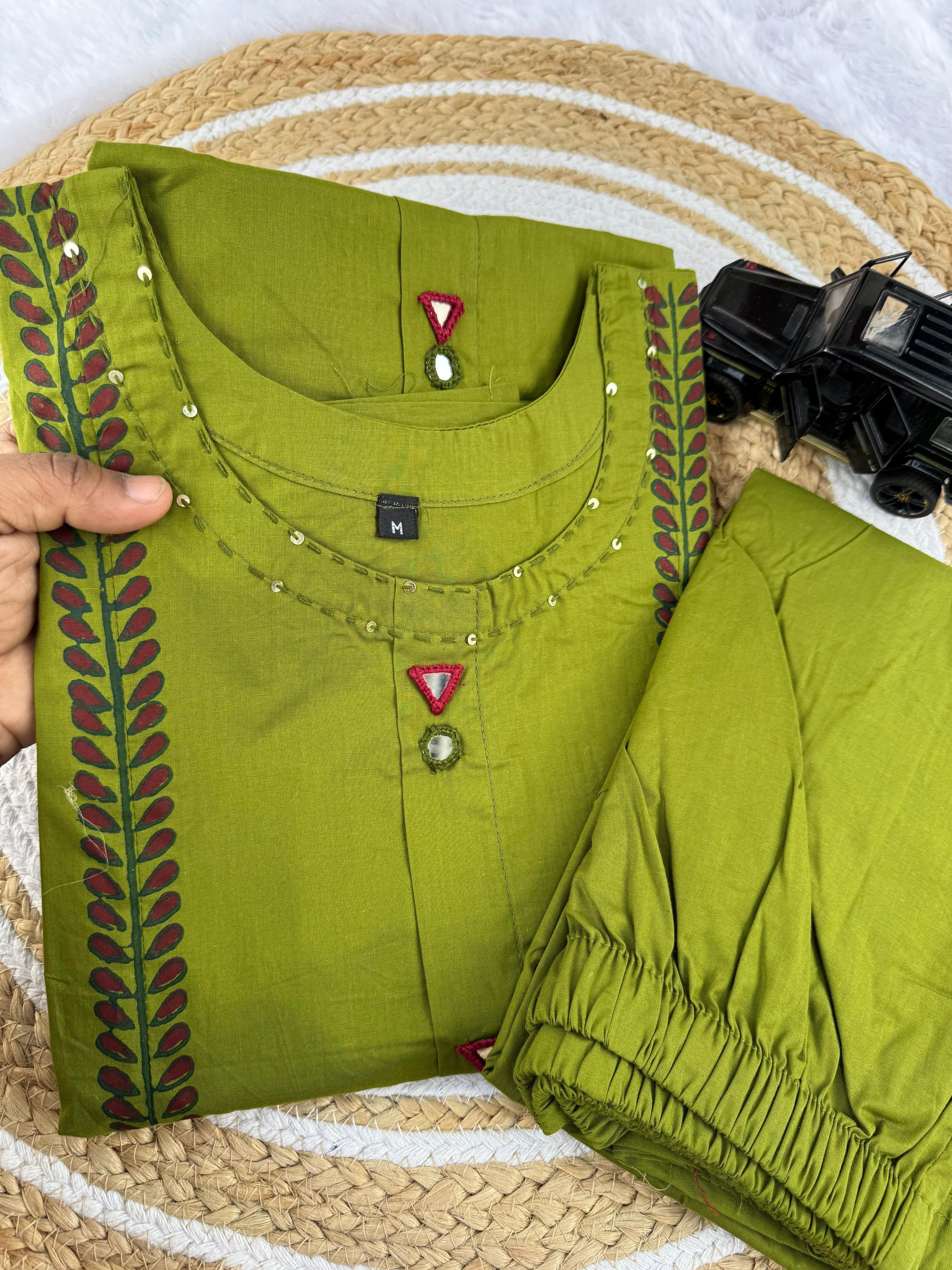
- Measure the waist: Place the tape where the pant waistband will sit, which may be above, at or below the natural waist.
- Measure the fullest hip: Record the widest horizontal circumference, usually around the seat and upper thigh.
- Measure the front rise: Sit on a firm chair and measure from the waistband position, through the legs, to the back waistband position if a full rise measurement is needed.
- Check the garment hip: Lay the pants flat without stretching the fabric, measure straight across the fullest area and double the result.
- Inspect the pocket opening: Confirm that the opening begins above the fullest curve or follows it smoothly, rather than cutting directly across a tight area.
For example, a person with a 102-centimetre hip should generally avoid a non-stretch straight pant with a 102-centimetre finished hip if the design includes side pockets. A finished hip of 106 to 110 centimetres may offer more usable comfort, depending on fabric thickness and the intended silhouette. A stretch rayon pant can sometimes work with less ease, but stretch should not compensate for a pocket bag that's too short.
Why the rise matters as much as the hip width
The rise must be long enough to let the waistband remain in position while the wearer sits and walks. A short rise can pull the side pockets forward even when the hip circumference appears adequate. A longer, correctly shaped rise distributes tension between the waist, seat and crotch instead of concentrating pressure at the pocket opening.
Try a sitting test when possible: sit for one minute, stand, walk several steps and lift one knee. The waistband should not roll, the crotch should not feel tight, and the pocket opening should not spread dramatically. A pair that passes only the standing test isn't yet a good everyday fit.
How Fabric Changes the Amount of Room You Need
Fabric determines how much hip ease a pocketed pant requires because different textiles respond differently to tension, friction and recovery. Woven cotton has little natural give, rayon drapes but may cling, silk has a smooth fall, and Chanderi is lightweight but often structured enough to reveal pulling.
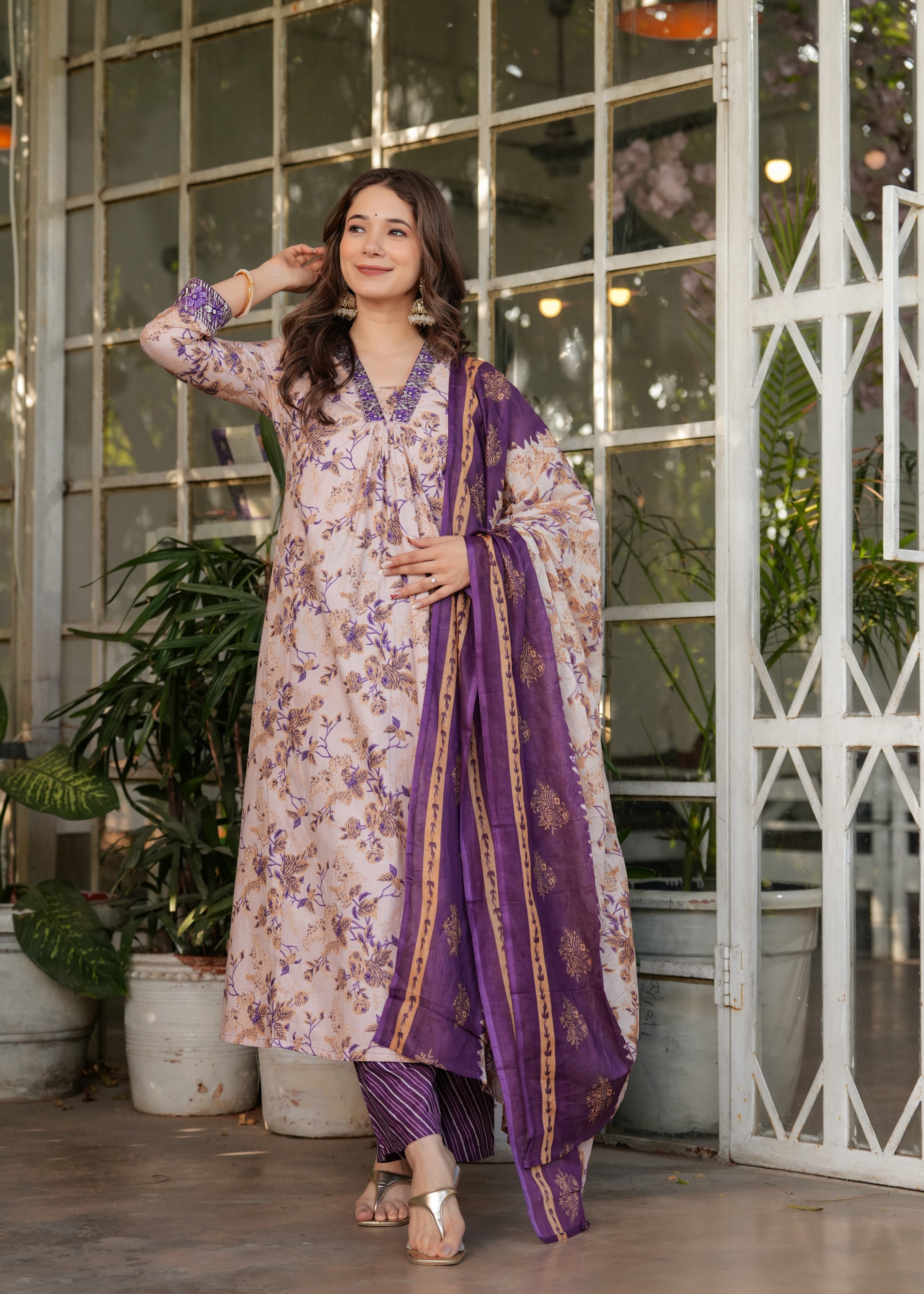
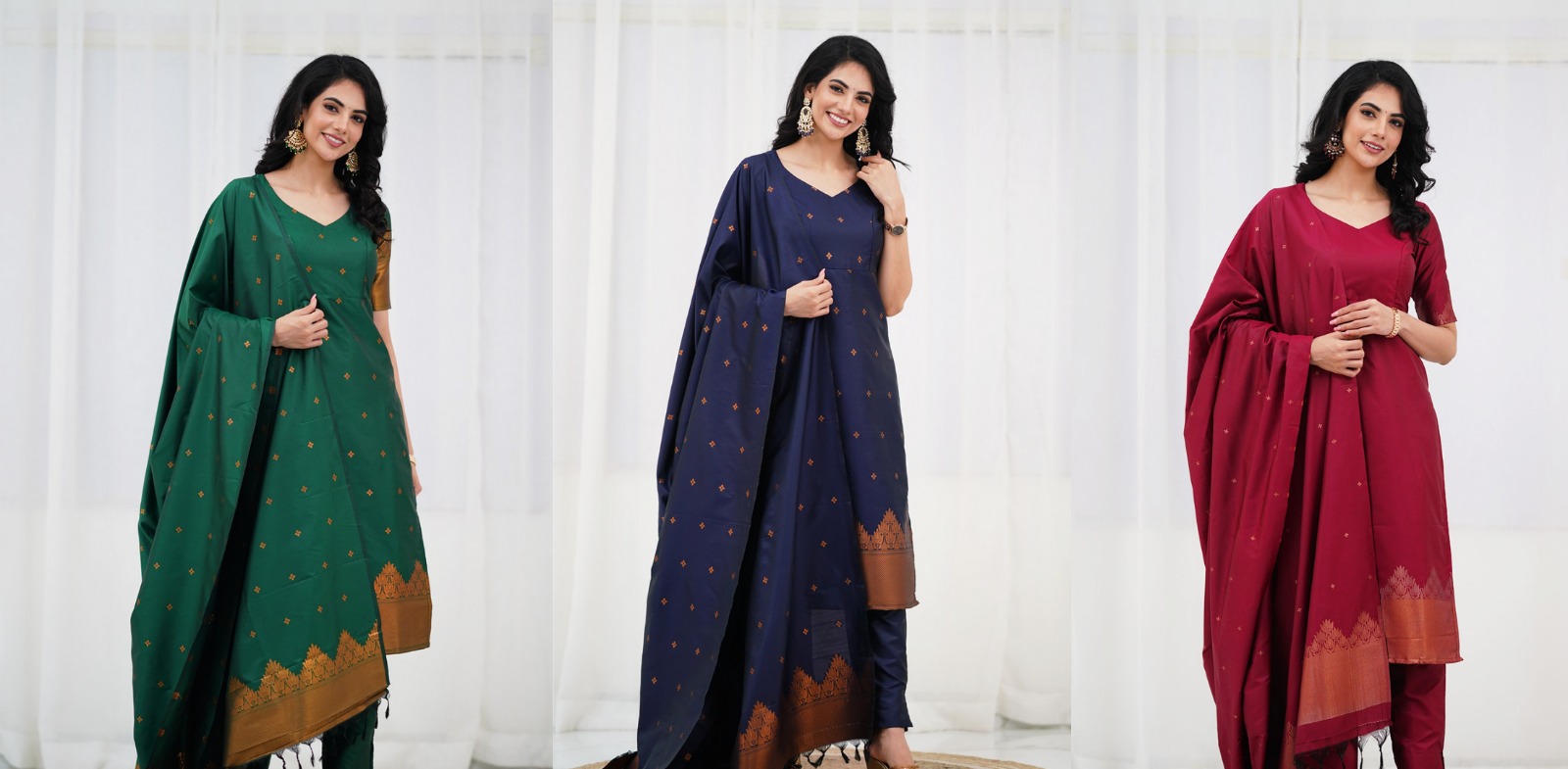
- Cotton: Printed cotton pants usually need dependable ease because cotton woven fabric doesn't recover after repeated sitting. Rust Printed Cotton Kurta Set with Pant and Dupatta illustrates why a relaxed, breathable lower half can be more practical than a sharply narrow trouser.
- Rayon: Rayon drapes softly and can accommodate movement, but a close fit may make the pocket bag visible through the fabric. Striped Rayon Straight Kurta Palazzo Set for Women demonstrates the visual advantage of a straight or relaxed lower silhouette when vertical stripes are used.
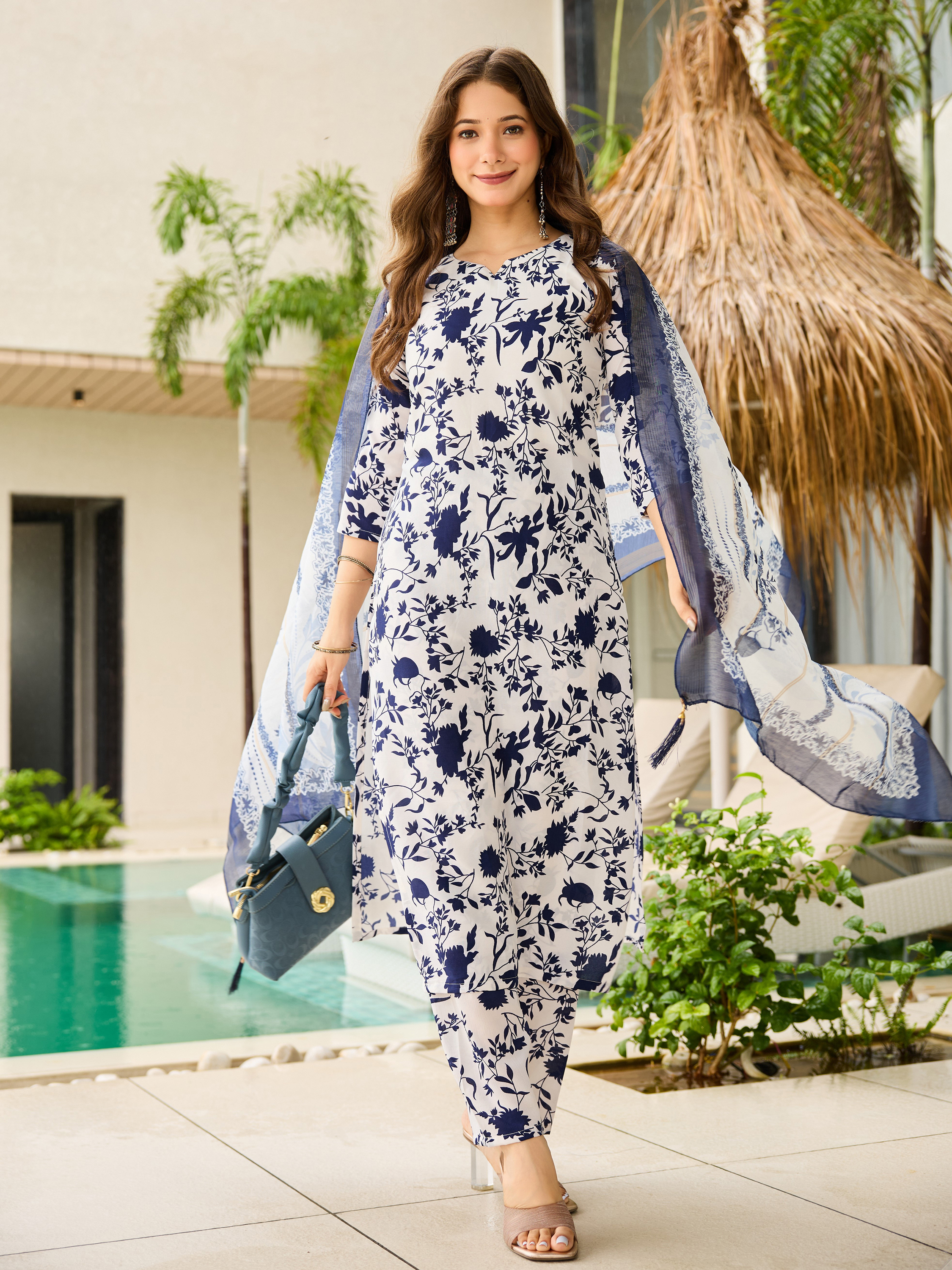
- Silk and blended silk: Silk has a fluid surface but can show every strain line. Stylish Navy Floral Silk Kurta Pant Dupatta Set and Navy Blended Silk Zari Kurti Pant Dupatta Set benefit from enough hip ease to keep the fabric smooth around zari or printed surfaces.
- Chanderi: Chanderi is lightweight and often slightly crisp, so a tight pocket can create a noticeable flare rather than disappearing into drape. Lavender Chanderi Kurta with Olive Embroidered Palazzo Suit works better with the generous movement associated with a palazzo shape.
Fabric thickness also affects pocket comfort. A lined silk pant, an embroidered pant or a pocket with a broad facing uses more internal space than an unlined lightweight trouser. A pocket bag made from a slippery lining may move more easily, but lining can't create missing hip width.
Which Pant Silhouettes Handle Side Pockets Best?
Relaxed straight pants, cigarette pants with measured hip ease and palazzos can all handle side pockets well when the pocket opening follows the garment's shape. The most comfortable silhouette depends on how much movement the wearer expects and where the trouser fabric is meant to fall.
Straight pants and cigarette pants
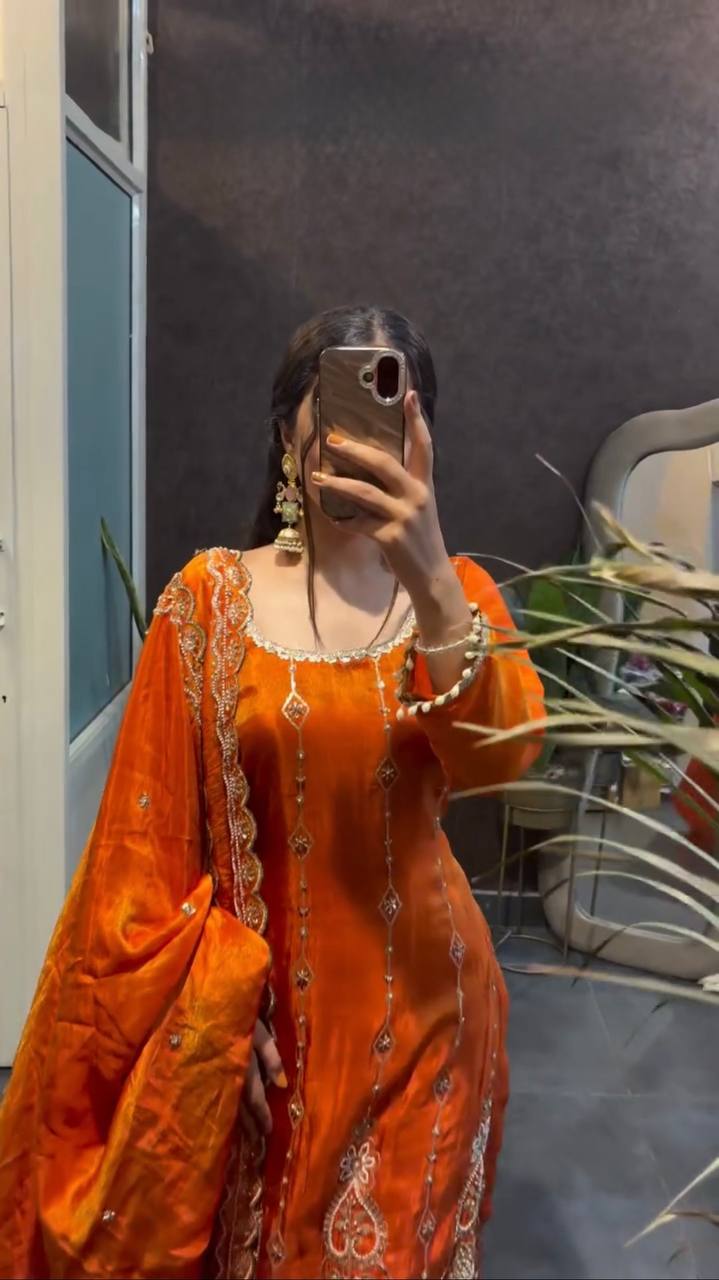
Straight pants require accurate hip ease because the leg remains relatively close to the body from hip to hem. The Stylish Rust Orange Ethnic Co-Ord Set for Women shows why a coordinated top-and-pant outfit benefits from clean side seams: a pocket that pulls can interrupt the vertical line of the entire set.
Cigarette pants can look polished with side pockets, but they should not be sized down to achieve a narrow leg. A better alteration strategy is to preserve the hip measurement and taper gradually below the fullest hip. Removing width directly at the pocket opening usually creates gaping and makes the garment less comfortable.
Palazzos and wide-leg pants
Palazzo pants usually provide more room through the hip and upper thigh, making them naturally compatible with side pockets. The pocket still needs a secure opening and a pocket bag that doesn't collapse into the leg. A wide hem doesn't automatically fix a short rise or a tight waistband.
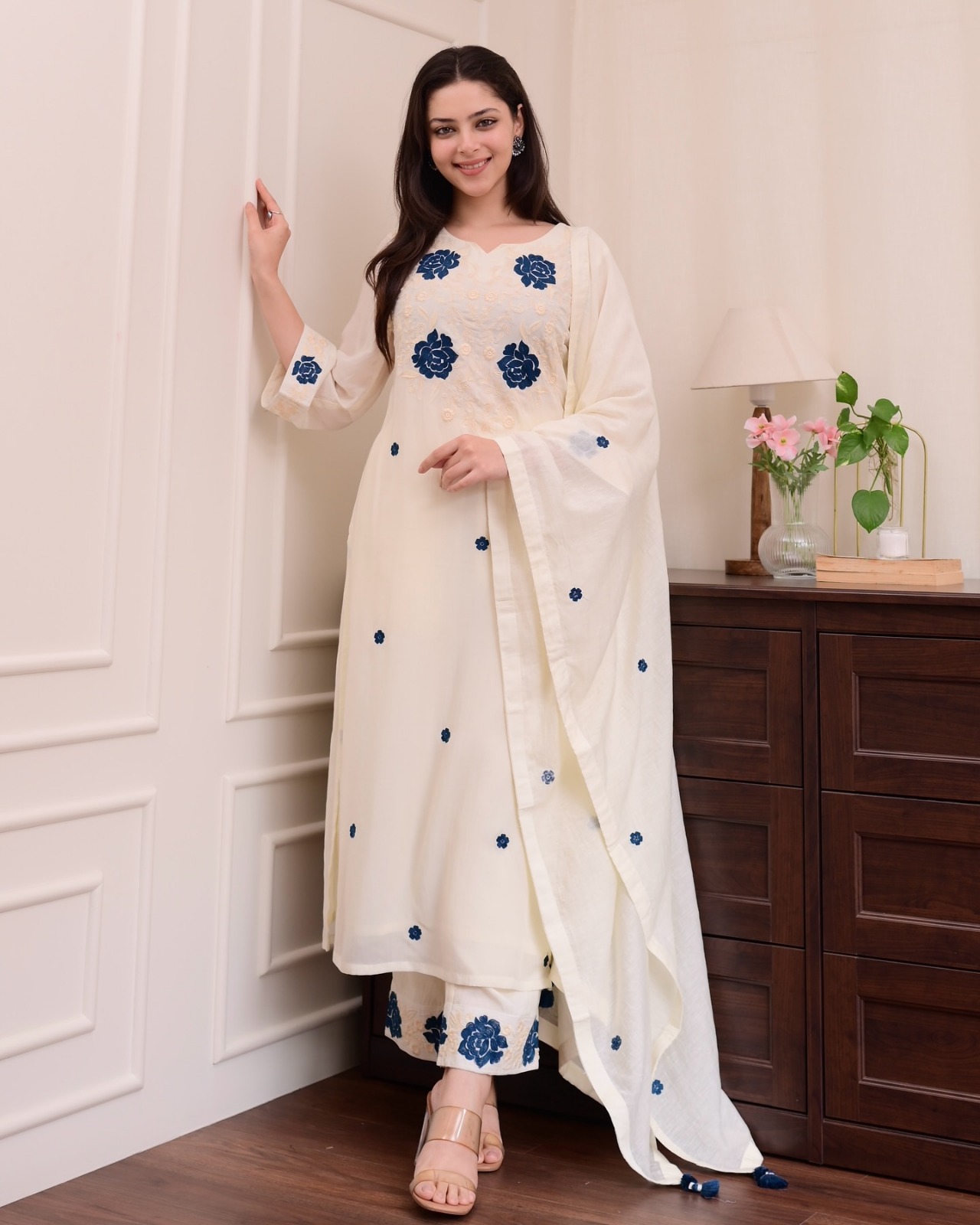
The Cream Embroidered Silk Kurta Pant Ethnic Co-ord Set offers a useful styling reference for balancing a dressier fabric with a practical lower silhouette. Embroidery and silk can look formal without requiring the pant to cling tightly around the hip.
How Pocket Placement Affects Comfort and Appearance
Pocket placement affects both comfort and the apparent width of the hip, so the pocket opening should follow the body's movement rather than sit on the fullest point under tension. A diagonal opening can be easier to use than a vertical opening, but the angle must be supported by enough fabric around it.
A pocket opening that begins too close to the waistband may pull the waistband down when the hand enters. An opening that ends at the fullest hip may gape while walking. A pocket bag that's too shallow can force a phone or keys against the seam, increasing visible strain. For daily wear, a pocket bag around 18 to 22 centimetres deep is often more useful than a decorative 10-centimetre pouch, although the final size depends on the garment and intended contents.
Heavy objects should not be used to test the fit of delicate silk or Chanderi pants. A phone, keys and wallet can distort a pocket even when the garment has correct ease. For event wear, a small phone pouch or separate potli can protect the trouser line while preserving the convenience of a light pocket.
Common Fit Problems and Practical Alteration Fixes
Most side-pocket problems can be diagnosed by observing where the fabric pulls, but some problems require more than a simple waistband adjustment. The location of the strain tells a tailor whether to add hip width, alter the rise, reshape the pocket or release the side seam.
- Pocket gapes while standing: The hip may be too small, the pocket opening may be cut too wide, or the pocket facing may have stretched. Adding width at the side seam is preferable to sewing the opening shut.
- Side seam moves towards the front: The back hip may need more room or the rise may be too short. A tailor should inspect the seat and crotch before changing the waistband.
- Horizontal wrinkles below the pocket: The pocket bag may be catching, or the upper thigh and hip may lack ease. Replacing a short pocket bag can help only when the garment circumference is already sufficient.
- Waist fits but hip is tight: Preserve the waist and add room below it through the side seams or darts. Do not simply size up if the larger size makes the waist excessively loose.
- Pocket contents pull the garment down: The pocket bag or fabric may not be designed for weight. Keep heavy items elsewhere and check whether the pocket is anchored at the waistband.
Alterations depend on seam allowance. A tailor may release 1 to 2 centimetres from each side seam if extra fabric is available, but a finished garment with narrow seams can't always be expanded safely. Buying a slightly roomier hip measurement is usually more reliable than expecting major alteration after delivery.
Using Regional Suit Styles Without Losing Practical Fit
Regional salwar suit aesthetics can guide silhouette choices, but cultural detailing doesn't replace a functional hip fit. Collections inspired by regional dress often combine distinctive prints, borders and proportions with contemporary pants, so side-pocket construction deserves the same attention as colour and embroidery.
Kalamkari Print Salwar Suits often bring dense printed surfaces into focus, making pocket drag lines easier to notice. Maharashtra Paithani Inspired Salwar Suits may use rich visual borders or silk-inspired colour relationships that look best when the lower garment hangs smoothly. Gujarat Bandhej Salwar Suits can pair lively pattern with a relaxed pant, where sufficient hip ease preserves movement.
Odisha Sambalpuri Salwar Suits and Punjab Patiala Salwar Suits also show why silhouette matters. Sambalpuri-inspired patterning can work with straight or roomy pants, while a Patiala-inspired shape traditionally depends on generous fabric volume and deep folds. A narrow pocketed pant should not be labelled Patiala merely because it accompanies a Punjabi-style kurta; the cut and ease need to support the name.
For a more understated everyday option, a set such as Stylish Navy Floral Silk Kurta Pant Dupatta Set can be assessed by checking whether the floral placement remains undistorted at the pocket. For festive styling, Rust Orange Embroidered Readymade Suit Set for Women should receive the same practical inspection: embroidery doesn't make a tight hip comfortable.
A Buyer's Checklist for Pocketed Suit Pants
A good purchase decision combines measurements, construction and intended use rather than relying on a model photograph. Check each point before choosing a salwar suit with side-pocket pants.
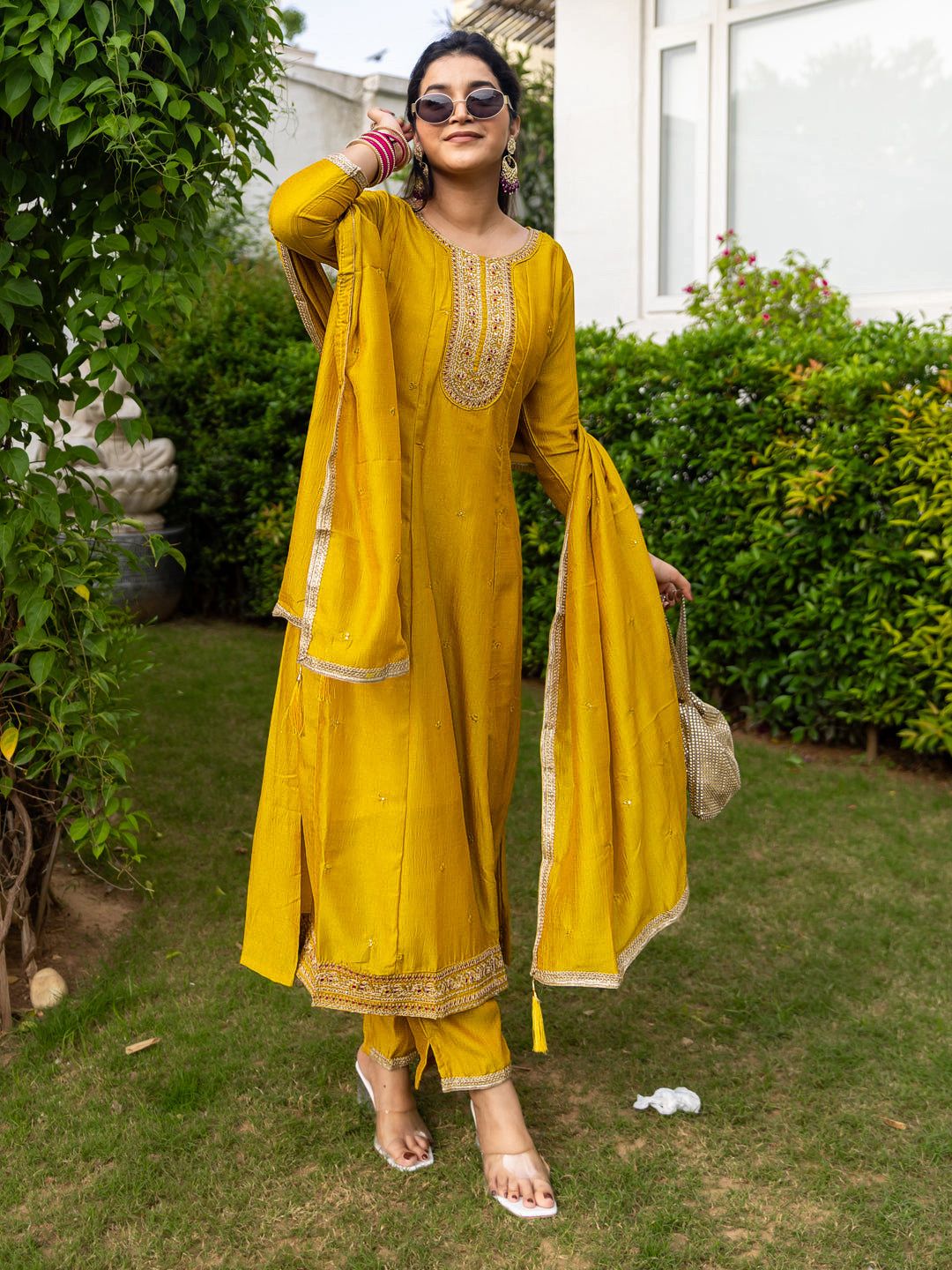
- Compare your fullest hip measurement with the finished garment hip measurement.
- Allow roughly 4 to 8 centimetres of total ease for many woven straight pants, adjusting for fabric and silhouette.
- Check whether the pocket opening lies smoothly when standing, sitting and walking.
- Look for a rise that keeps the waistband in place while seated.
- Inspect whether the pocket bag is deep enough for the intended use without pulling the side seam.
- Choose the larger hip size when the waist can be altered more easily than the hip.
- For silk, zari, embroidery or crisp Chanderi, prioritise a smooth surface over an overly close fit.
The central rule is straightforward: side pockets need usable space around the hip, not merely a waistband that closes. Suit Pants With Side Pockets Need More Room at the Hip when the garment is woven, close-cut or expected to handle sitting and walking throughout the day. Accurate measurements, a suitable rise and a pocket opening that follows the body will produce a cleaner line and a more comfortable salwar suit than sizing down for a sharper-looking label.
Common Questions About the Hip Fit of Pocketed Salwar Pants
Why do suit pants with side pockets gape at the hip?
Suit pants with side pockets usually gape because the finished hip is too small, the pocket opening is too long, or the pocket facing has stretched. Adding room through the hip and reshaping the opening is more effective than simply stitching the pocket closed.
How much hip ease should salwar suit pants have?
Many woven straight salwar suit pants work well with about 4 to 8 centimetres of total hip ease. Cotton, lined silk and close-cut pants may need the higher end of that range, while stretch or relaxed fabrics may need less.
Should I buy a larger size if the waist fits but the hip is tight?
Buy for the hip when the waist fits but the hip is tight, provided the waistband can be altered or adjusted. A tailor can often reduce a loose waist more easily than they can add missing fabric at a side pocket.
Are palazzo pants better for side pockets?
Palazzo pants are often more forgiving because they provide extra room through the hip and thigh. They still need a correctly sized rise, a stable waistband and a pocket bag that does not pull the side seam down.
How can I check the fit of pocketed suit pants before wearing them outside?
Stand, sit for one minute, walk, climb a few steps and raise one knee while wearing the pants. The waistband should stay in place, the pocket should not gape sharply, and horizontal drag lines should not appear around the hip.
Can a tailor add more room to tight salwar suit pants at the hip?
A tailor can add room only when sufficient seam allowance or matching fabric is available. Releasing 1 to 2 centimetres from each side seam may help, but buying a garment with adequate finished hip width is safer than depending on a large alteration.