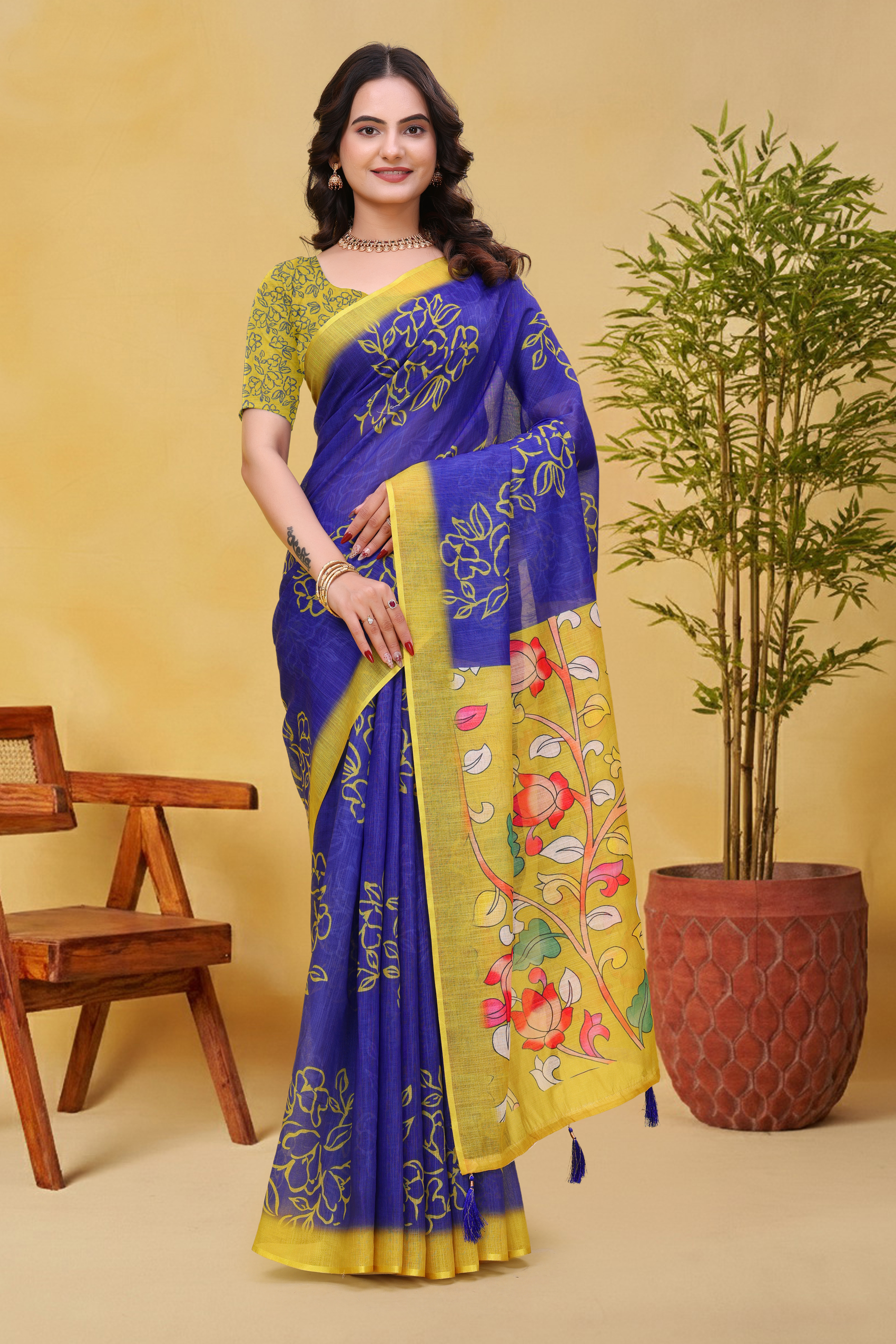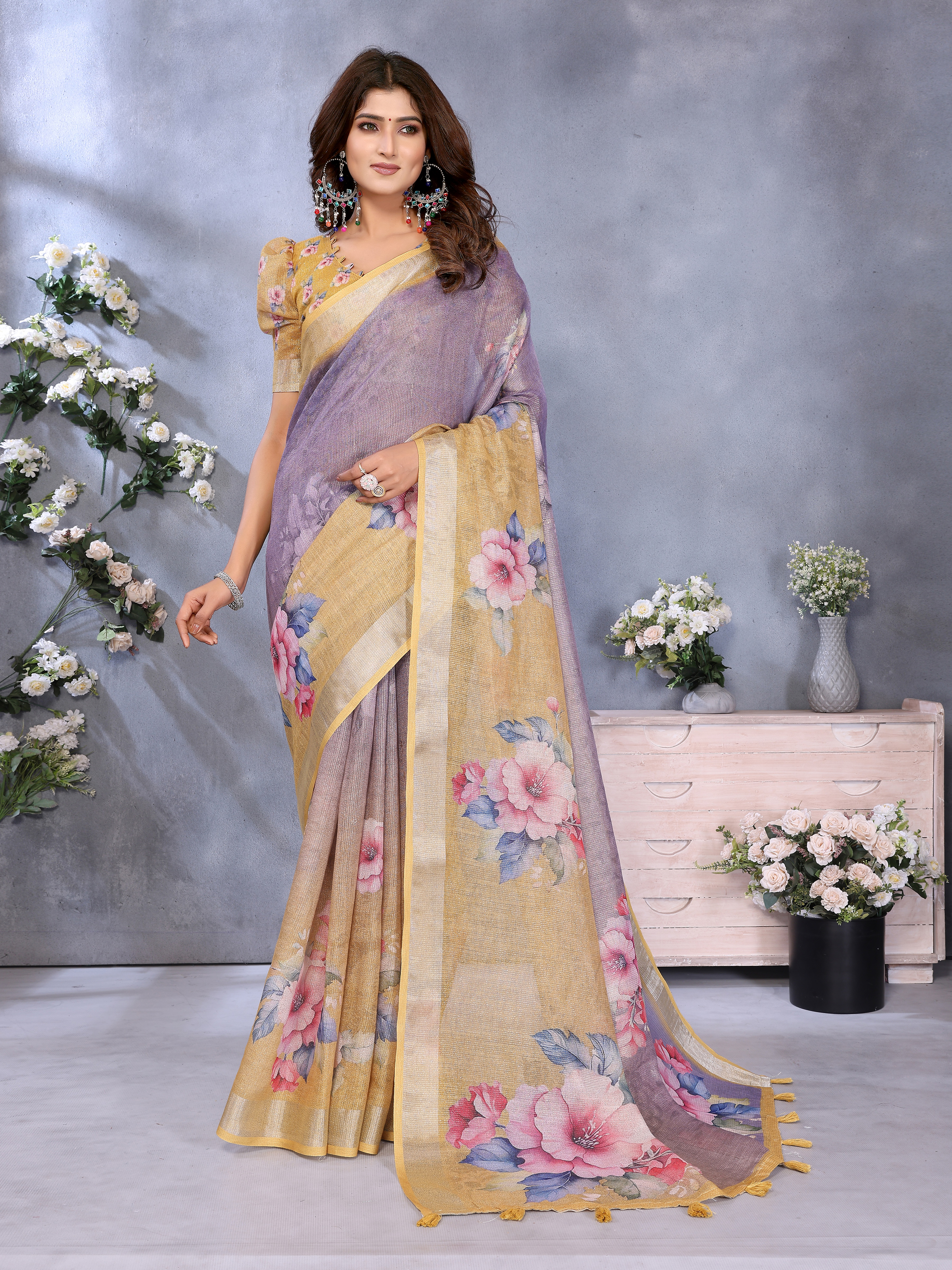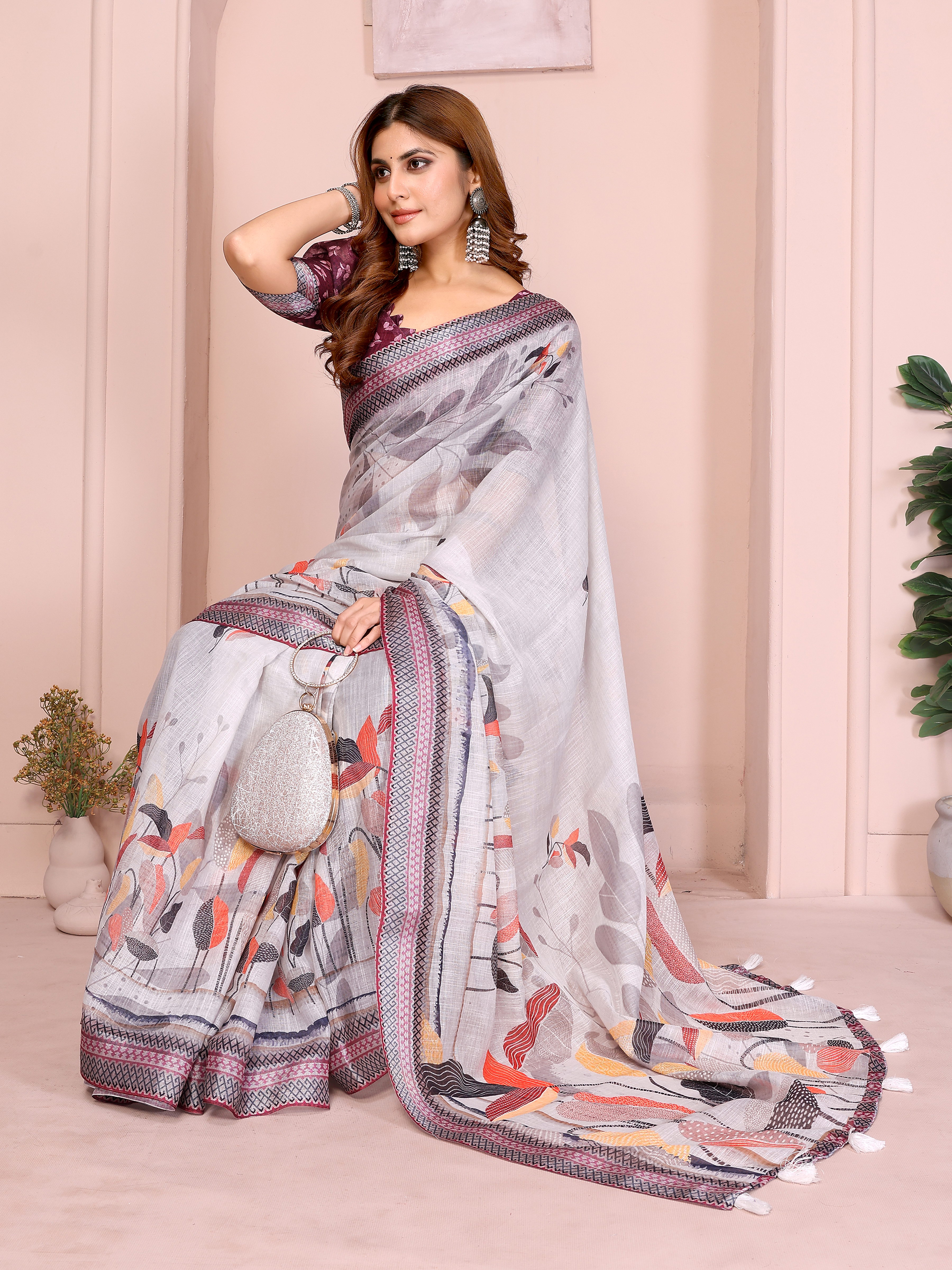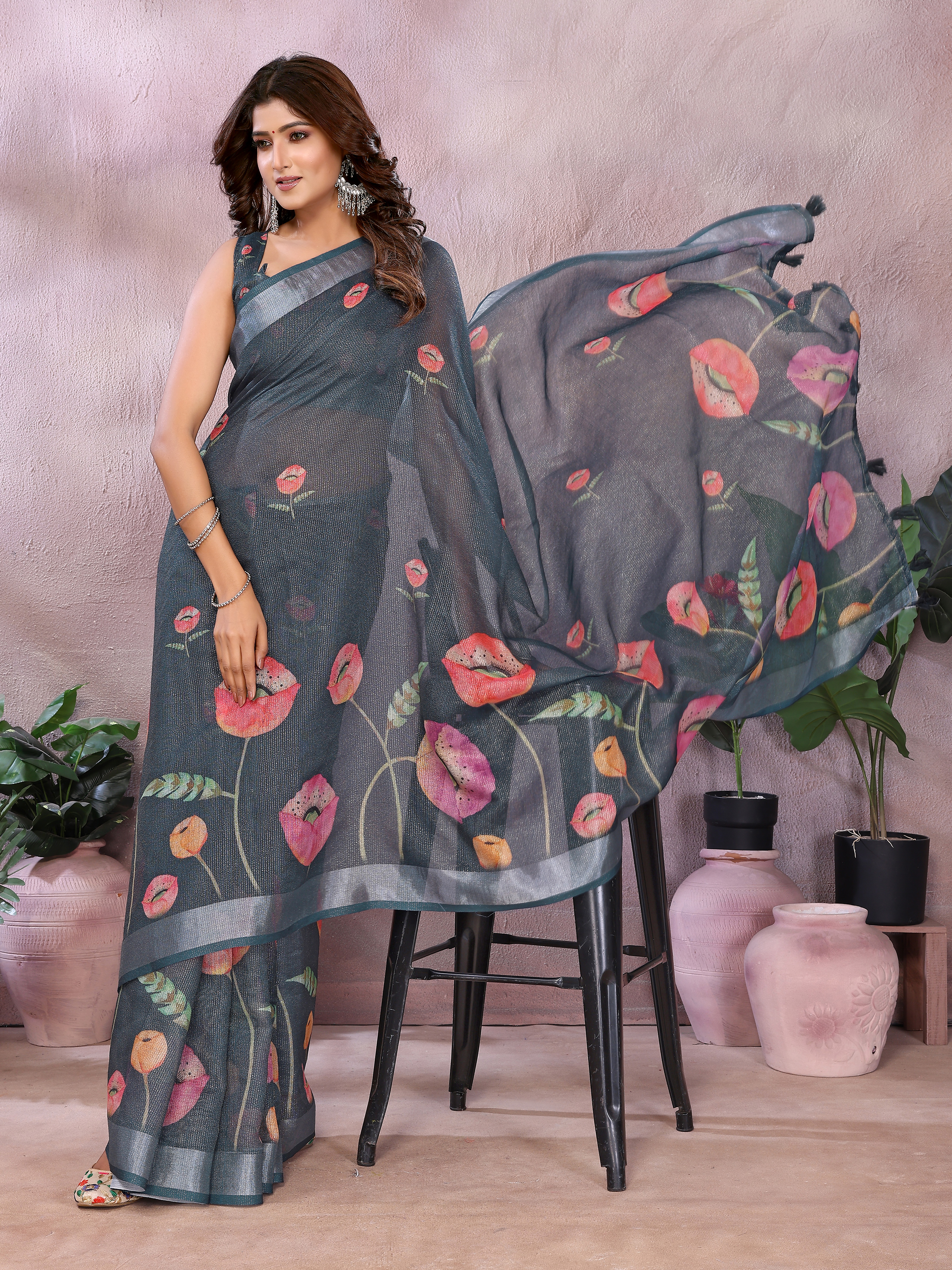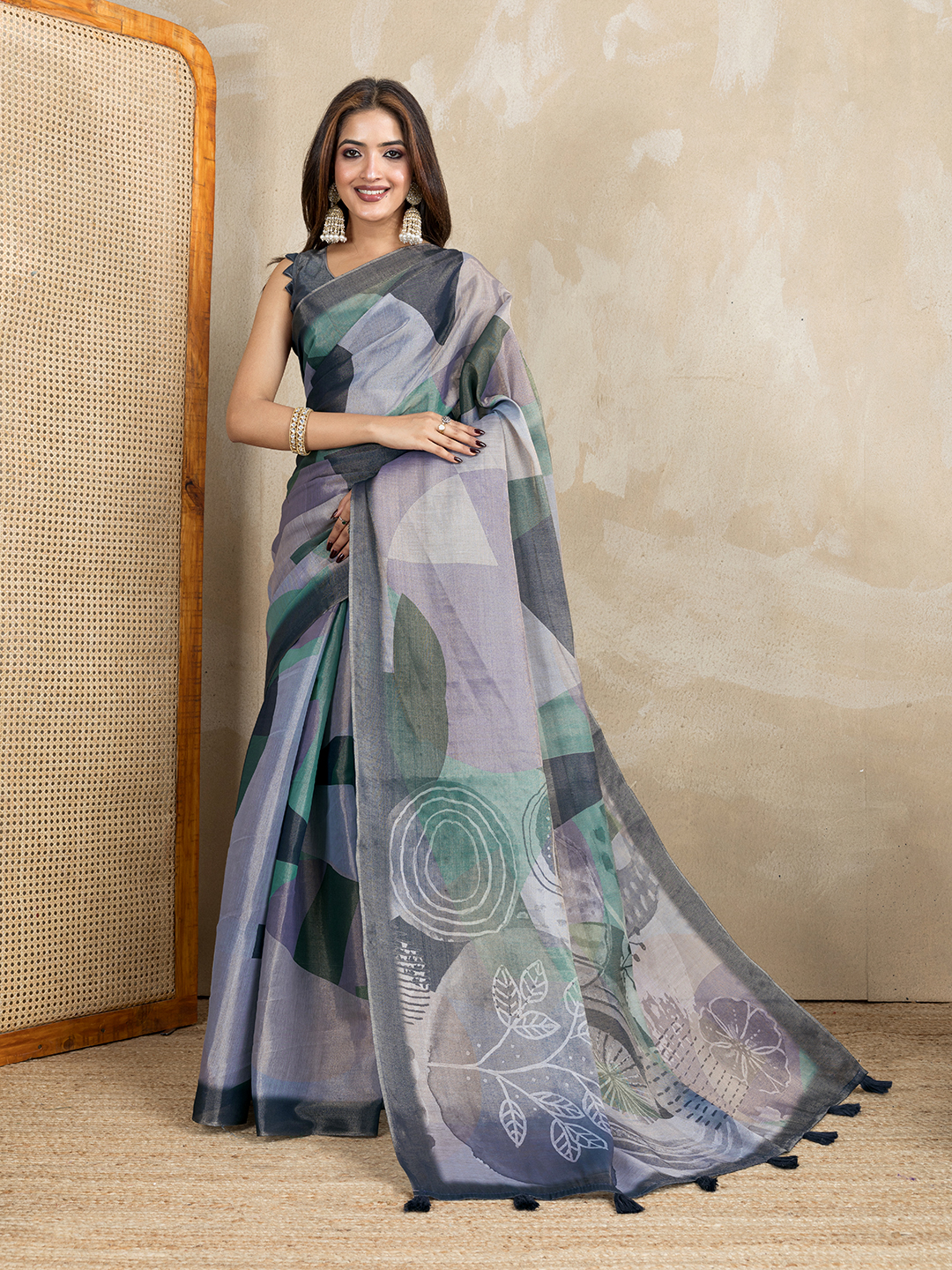
A dupatta can change the visual proportion of an entire salwar suit, especially when its border is wide, metallic, embroidered or heavily embellished. Suit Dupattas With Heavy Borders Can Pull an Outfit Out of Balance when the border becomes the strongest horizontal line in the look, competes with the neckline or gathers too much fabric around one side of the body. The answer isn't always to remove the dupatta; careful choices in silhouette, colour, draping and jewellery can make the same piece look intentional.
Why suit dupattas with heavy borders can pull an outfit out of balance
Suit Dupattas With Heavy Borders Can Pull an Outfit Out of Balance because a dense border adds visual weight to the outer edge of the fabric. A border measuring 4 to 8 centimetres looks very different from a narrow 1 to 2 centimetre finish, particularly when zari, sequins, velvet, gota or layered embroidery is involved.
The eye usually follows the most contrasting or reflective area first. A gold zari border against black georgette creates a strong frame that may compete with an embroidered bodice, ornate sleeves or a decorated hemline. When all three areas are equally prominent, the salwar suit can look crowded rather than coordinated.
Proportion also changes according to where the border sits. A dupatta worn across the chest places the heavy edge near the neckline and bust, while a one-shoulder drape creates a diagonal line from the shoulder to the hip. A dupatta left open on both sides creates two vertical borders, which may elongate the body but can also add width if the fabric is stiff or bulky.
What makes a dupatta border look heavy?
A border looks visually heavy when it combines width, contrast, shine and texture. Gold zari on black fabric, dense multicolour embroidery on ivory fabric and a thick opaque edge on a sheer net dupatta all create strong visual boundaries.
- Width: Borders wider than about 6 centimetres need more breathing room in the rest of the outfit.
- Contrast: Gold on black or red on ivory attracts attention faster than tonal embroidery.
- Reflective detail: Zari, mirror work, sequins and metallic thread catch light and appear larger in photographs.
- Stiffness: Brocade, layered lace and firm woven trims hold their shape instead of falling softly.
- Placement: A border crossing the bust or ending at the widest part of the hip can change the perceived silhouette.
How can you balance a heavy-border dupatta with a salwar suit?
You can balance a heavy-border dupatta by making the suit's silhouette and surface detail quieter than the dupatta's most prominent feature. The most reliable approach is to let one area lead and make the remaining areas support it.
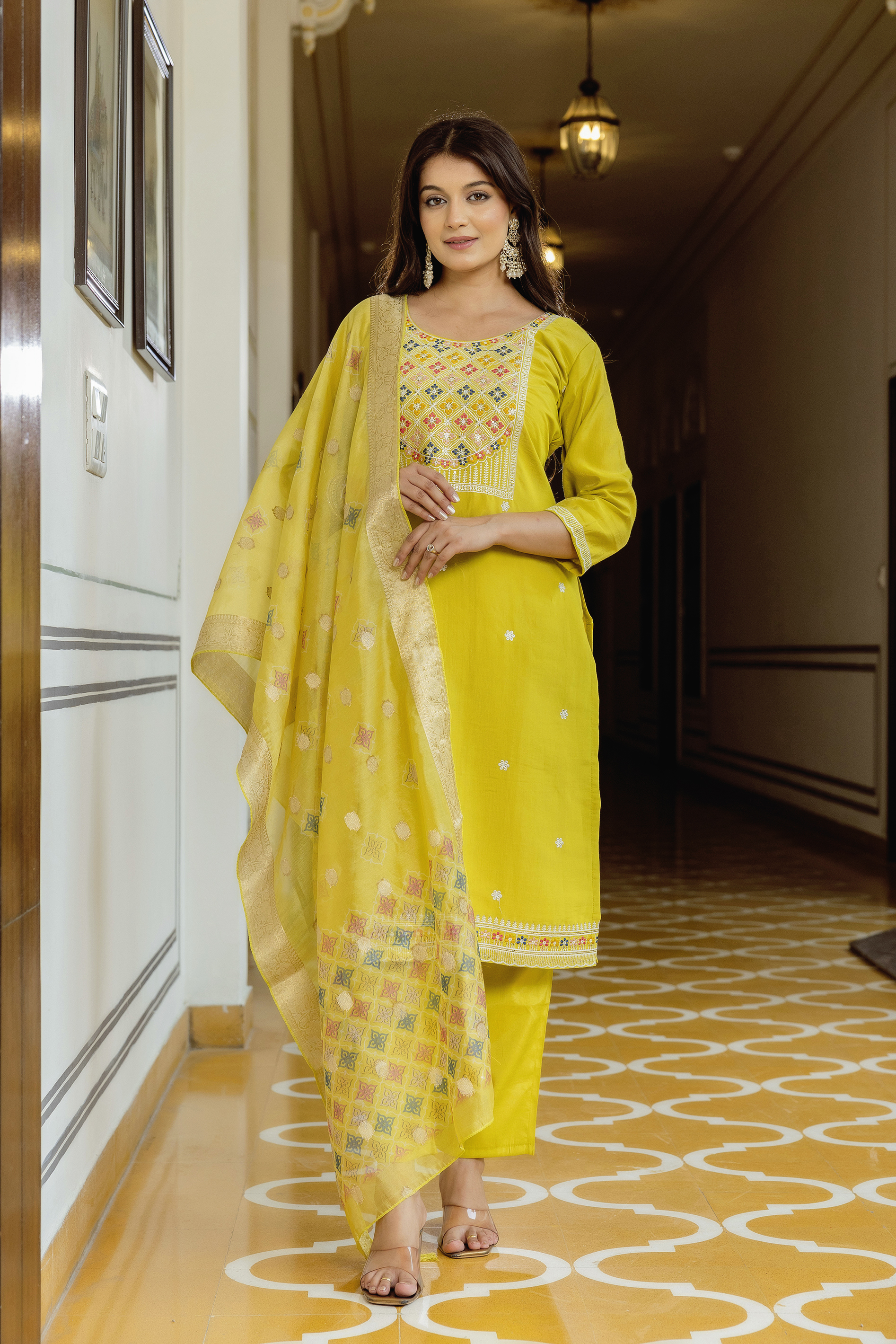
A plain or lightly textured kameez works well with an ornate dupatta because the eye receives a clear focal point. A straight kurta with clean seams, a restrained neckline and minimal sleeve decoration gives a wide border enough space to stand out. A heavily embroidered anarkali can also work, but the dupatta should repeat one or two existing colours instead of introducing several new ones.
The Lavender Georgette Kurti Pant Set with Embroidery & Dupatta demonstrates why fabric weight matters. Georgette falls close to the body, so a decorated edge can provide definition without creating the bulk associated with a stiff dupatta. Delicate earrings are usually enough when the border already carries substantial embroidery.
Which suit detail should the border repeat?
A heavy border should repeat one established detail in the suit, such as the neckline embroidery, sleeve motif or trouser trim. Repeating every colour from a multicoloured border in the kurta, jewellery, footwear and bag usually creates unnecessary competition.
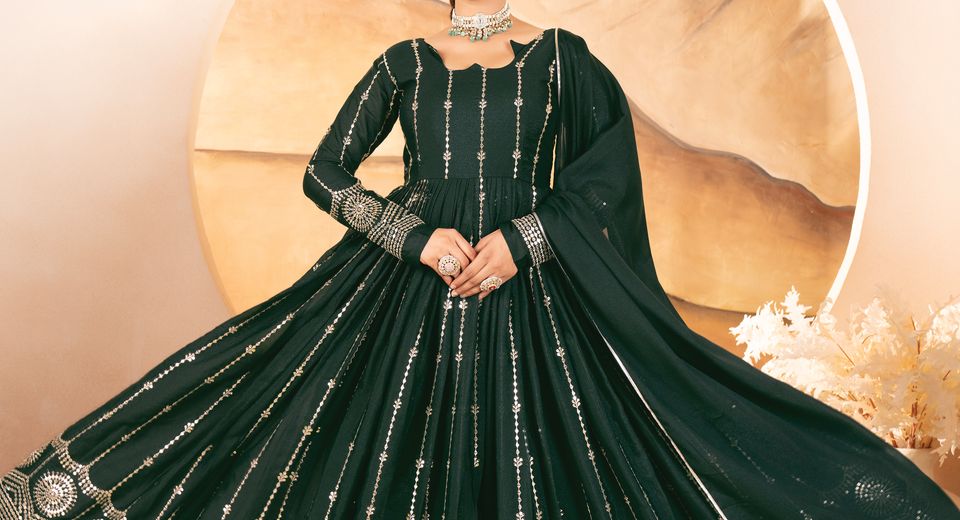
A black suit with gold zari can be paired with gold earrings and neutral footwear without adding a bright contrasting clutch. The Black Embroidered Anarkali Suit Set with Zari Work suits this approach because zari can connect the dupatta to the accessories while the black base keeps the overall palette controlled.
Traditional regional references can also guide the colour relationship. Maharashtra Paithani Inspired Salwar Suits often suggest jewel-toned accents and ornamental borders, while Gujarat Bandhej Salwar Suits may introduce lively contrast through tie-dye-inspired colour placement. A heavy border needs one dominant colour from the regional palette, not every available shade at equal intensity.
Which salwar suit silhouettes work best with a bordered dupatta?
Straight suits, lightly flared kurtas and simple palazzo sets usually provide the clearest balance for a heavy-bordered dupatta. These shapes give the border room to stand out without adding another dramatic outline.
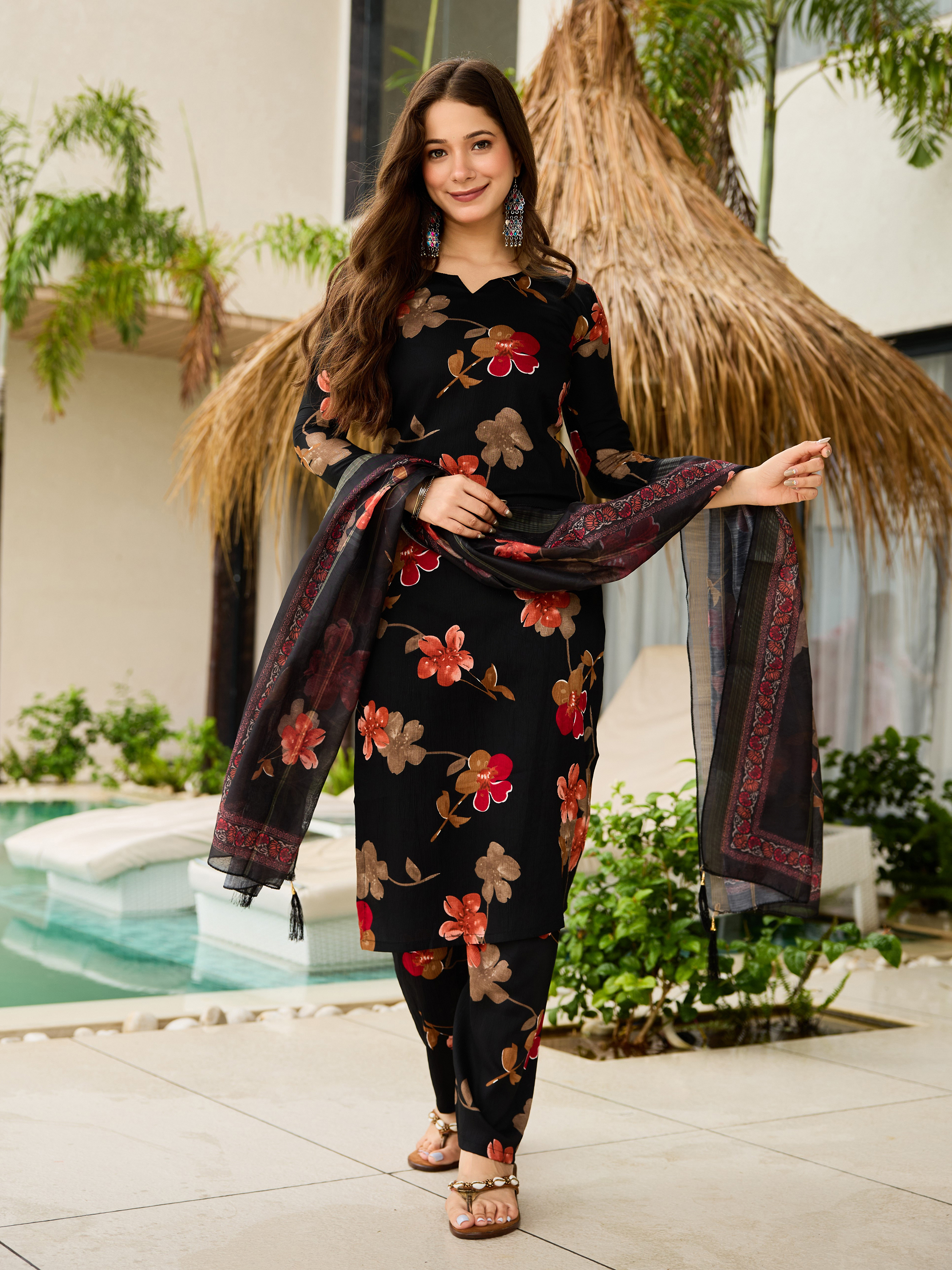
A straight suit creates a long vertical base, particularly when the kameez falls below the knee and the trousers remain relatively streamlined. The vertical line counteracts a wide horizontal border. A lightly flared kurta offers movement, but a very full anarkali combined with a broad, stiff border can create excess volume at both the hem and the dupatta edge.
Palazzo trousers can accommodate a statement dupatta when the kurta remains controlled. The wide trouser hem already introduces movement around the legs, so a soft drape is generally more balanced than a structured shoulder arrangement with multiple folds.
The Black Heavy Silk Crepe Kurta Set with Sequence Embroidery needs particular attention because silk crepe has more body than lightweight georgette and sequence embroidery catches light. A wide metallic border can be balanced with an open drape and matte or minimally reflective accessories.
When does an anarkali need a simpler drape?
An anarkali with dense embroidery or a broad hem usually needs a single, uncluttered dupatta drape. A one-side fall, a narrow shoulder pleat or a relaxed front drape prevents the upper body from becoming as ornate as the hem.
The Black Anarkali Suit with Zari, Sequins & Moti Lace Work contains several reflective and textured elements, including zari, sequins and moti lace. A dupatta with a heavy border should fall in one clean line with this kind of suit, rather than being wrapped repeatedly around the neck.
Regional collections can offer a useful contrast in silhouette. Punjab Patiala Salwar Suits already have volume in the salwar, so a soft, uncluttered dupatta keeps the lower half from appearing overloaded. Odisha Sambalpuri Salwar Suits may feature strong woven or printed pattern language, making a controlled border placement especially useful when the fabric already has visual rhythm.
Which dupatta drape reduces visual bulk?
A single-shoulder open drape usually reduces visual bulk because it displays the border without stacking it around the neck or waist. The best drape depends on the fabric, but fewer folds generally help a heavy border look lighter.
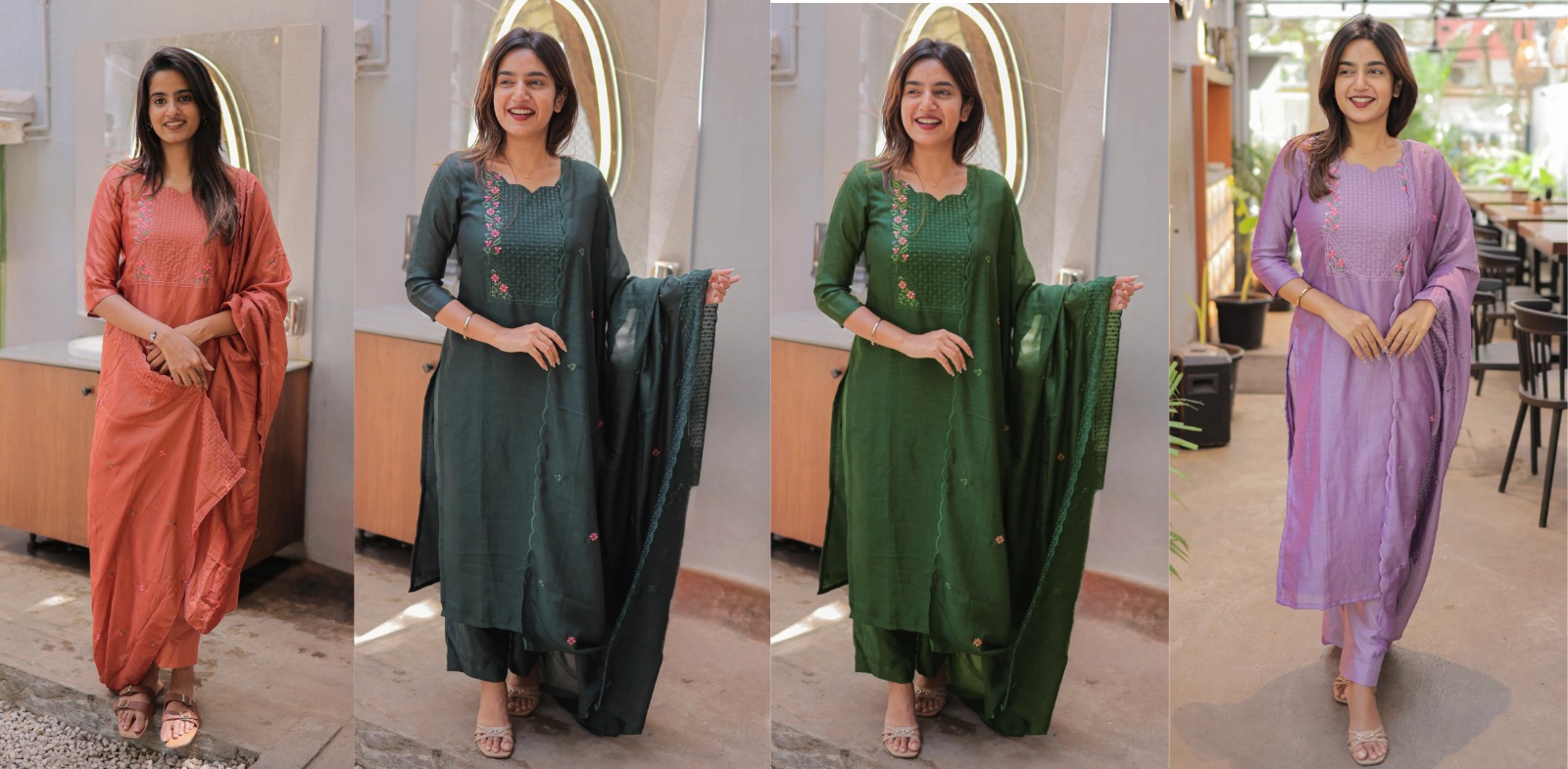
- Single-shoulder fall: Place the dupatta over one shoulder and let the ends hang at different lengths. The uneven lengths create an elongated diagonal rather than a thick horizontal band.
- Front-open drape: Set the centre of the dupatta near the back of the neck and let both ends fall in front. Keep the edges vertical and avoid crossing them over the bust.
- One-sided pleat: Make 5 to 7 broad pleats at one shoulder and leave the remaining length open. Broad pleats prevent a wide border from becoming a narrow, dense stack.
- Waist-tucked drape: Tuck one end lightly at the side of the waist when the fabric is soft and the suit has a clean, straight line. Avoid this method if the border is rigid or heavily layered.
Net and georgette can usually be arranged in a soft open fall, while a heavier silk-blend or brocade dupatta may need fewer pleats to prevent the shoulder from looking raised. Pins should secure the fabric without creating a tight bundle at the collarbone.
When should you avoid a neck wrap?
You should avoid a neck wrap when the border is wide, stiff or heavily embellished because repeated folds concentrate the heaviest part of the dupatta near the face. A neck wrap can also obscure an embroidered neckline and make the shoulder area appear wider.
A neck wrap may still work with a narrow border, soft chiffon or a lightly decorated suit. If the border is the main statement, show its full line with an open drape instead of compressing it into several layers.
How should colour and fabric be coordinated?
Colour balance improves when the dupatta repeats a base colour from the suit or introduces only one controlled contrast. Fabric balance improves when a fluid dupatta is paired with a structured suit, or when a structured suit is paired with a dupatta that has enough drape to soften its edges.
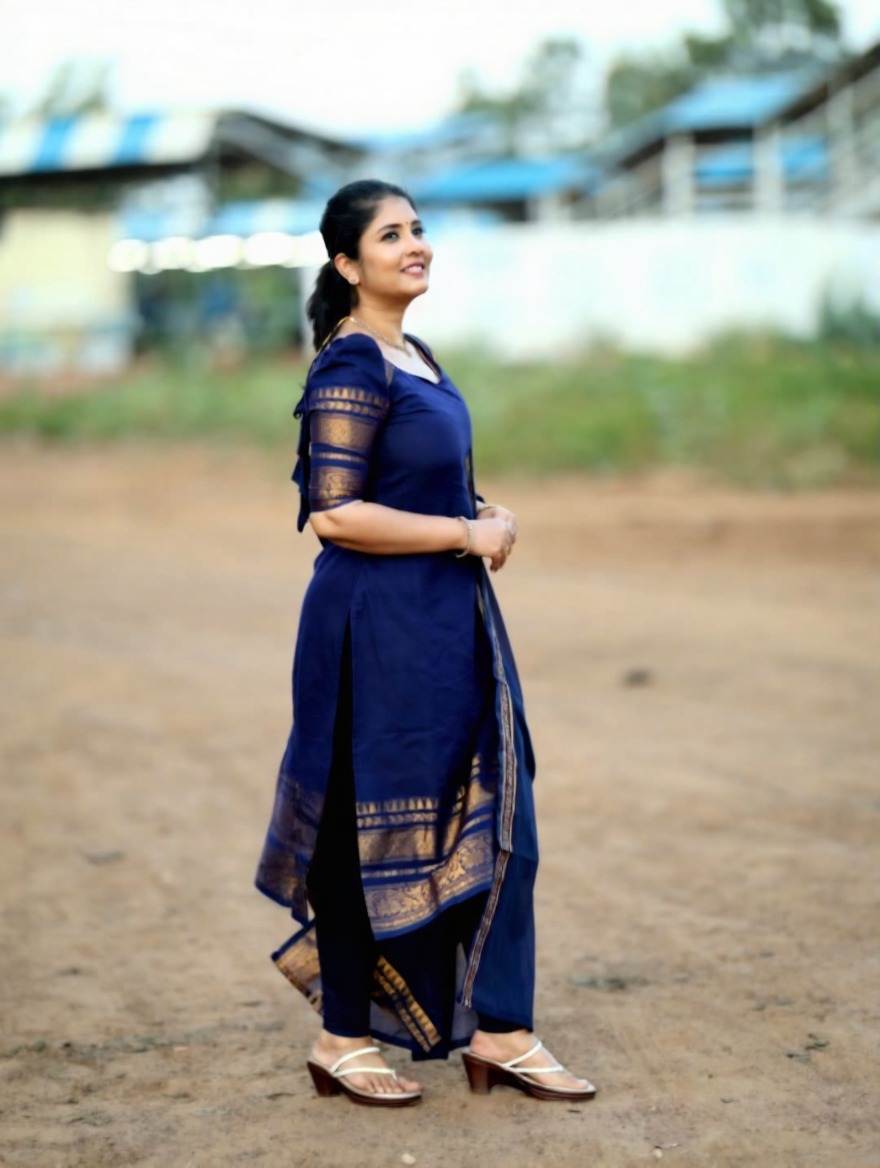
A black suit with a gold border is a high-contrast combination, so gold jewellery and black or metallic footwear are usually sufficient. A pastel suit with a silver border can take pearl, crystal or silver accessories, but adding a second strong colour may distract from the border.
The Black Embroidered Georgette Salwar Suit with Net Dupatta brings an important fabric lesson: net and georgette can look light even when the trim is decorative. Keep the lower half streamlined so the airy fabric doesn't compete with a wide border at the hemline.
The Multicolor Embroidered Crepe Maxi Suit Set for Festive Wear already brings colour and surface detail into the outfit, so accessories should select one shade from the embroidery rather than introduce an unrelated bright tone. The same principle applies to Kalamkari Print Salwar Suits, where a patterned base is best supported by a border colour already present in the print.
Should the dupatta and suit be the same colour?
The dupatta and suit don't need to be the same colour, but they should share a clear visual relationship. Tonal combinations are easiest to balance, while a contrasting dupatta works best when the kurta has a simple cut and limited embellishment.
A cobalt, emerald or wine dupatta can enliven a neutral suit when the border repeats the suit's embroidery colour. The BLUE Georgette Designer Gown Set with Dupatta Women illustrates why a single dominant colour can look polished when the drape remains fluid and the accessories don't compete with the blue surface.
How much jewellery should you wear with a heavy border?
Choose jewellery according to the border's shine and the neckline's decoration, using one dominant accessory category instead of making every piece ornate. A heavily embellished border usually pairs better with medium-sized earrings and a slim bracelet than with a large necklace, layered bangles and a statement maang tikka together.
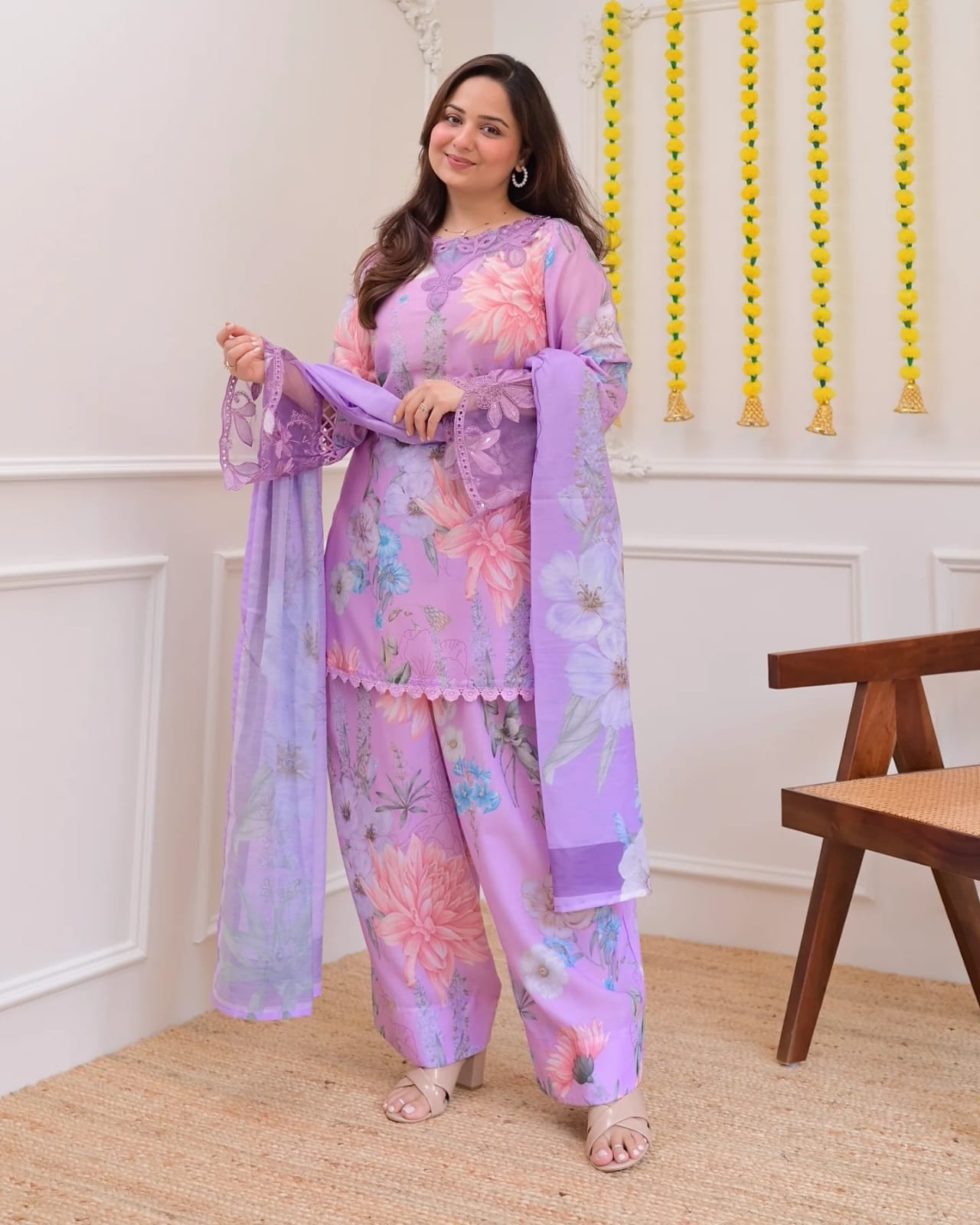
A high neckline or embroidered yoke can replace the need for a necklace. A V-neck or open round neck may allow one pendant, provided the pendant doesn't visually merge with the dupatta edge. Gold zari generally works with warm gold-toned jewellery, while silver thread, crystal and cool pastels suit silver or white-metal accessories.
Footwear should support the outfit without becoming another focal point. Metallic sandals, neutral juttis or footwear matching the suit's base colour are safer choices when the dupatta already contains sequins or zari. A large embellished handbag can repeat the same visual weight that caused the imbalance in the first place.
How can you check the outfit before leaving home?
You can check the balance in three minutes by viewing the outfit from the front, side and at a distance of about two metres. A mirror check at close range can hide the way a broad border changes the full silhouette.
- Stand in the complete outfit and identify the first area your eye notices.
- Check whether the border cuts across the widest part of the bust or hip.
- Take one photograph with the dupatta open and one with the dupatta pleated.
- Remove one accessory if the border, neckline and jewellery compete for attention.
- Walk, sit and raise one arm to confirm that pins are not forcing the border into a bulky fold.
A photograph is particularly useful for wedding receptions and festive evenings because flash and indoor lighting make metallic trims appear stronger. The best final arrangement is the one that preserves movement while keeping one clear focal point.
What should you remember when buying a heavy-border dupatta?
Check border width, fabric fall, embellishment density and finished length before buying a salwar suit with a statement dupatta. These four measurements predict styling difficulty more reliably than colour alone.
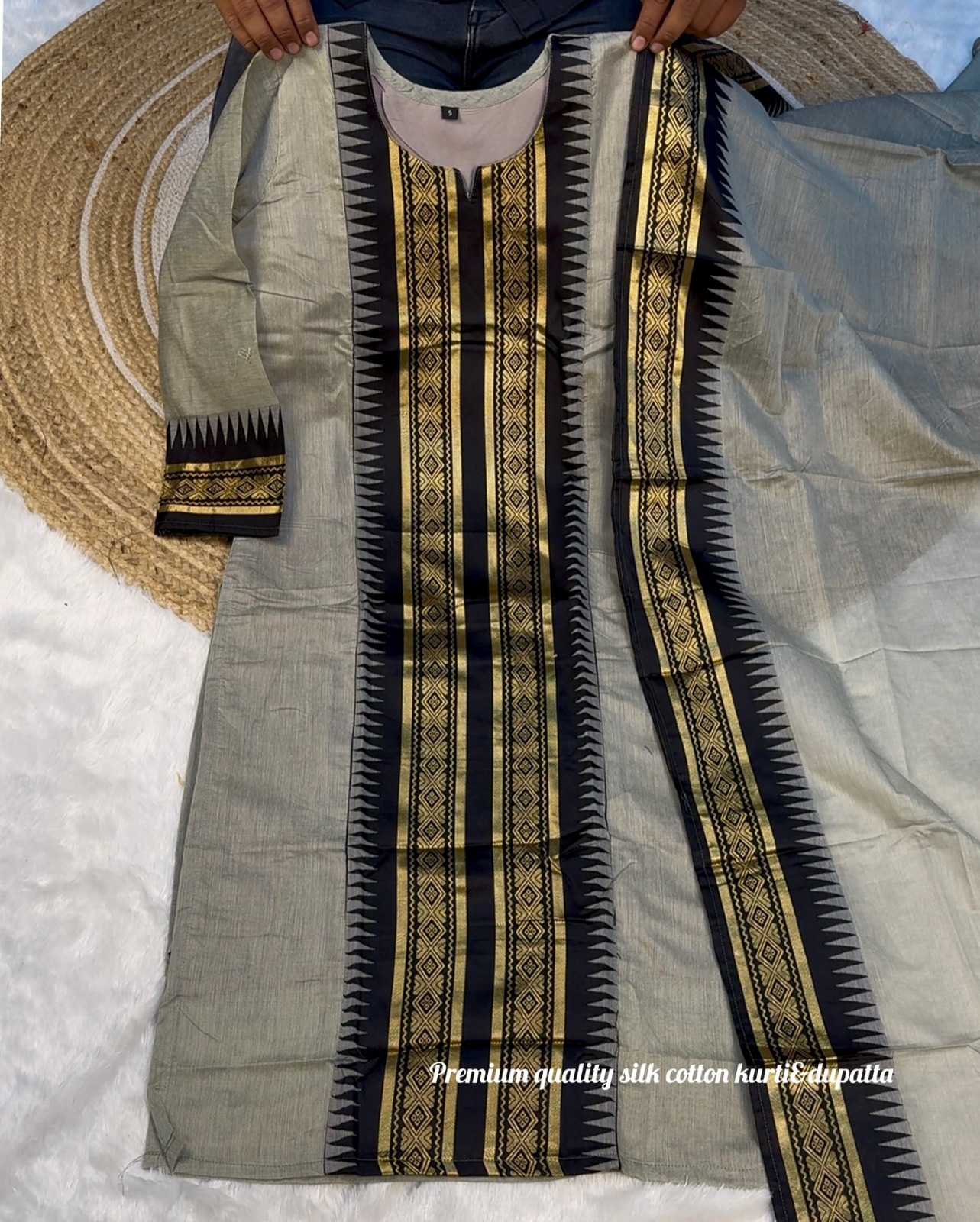
- Measure the border: Record its approximate width in centimetres and consider whether it crosses the bust, waist or hip when draped.
- Test the fall: Hold the fabric from one corner. A soft fall is easier to style than a border that sticks outward.
- Inspect the reverse: Dense threadwork, sequins and zari can feel heavier on the shoulder and may require stronger pins.
- Compare the suit: If the kurta already has dense embroidery, select a border that repeats its palette rather than adding a new contrast.
- Consider use: A lightweight georgette or net dupatta may be more practical for long ceremonies than a stiff, layered trim.
Suit Dupattas With Heavy Borders Can Pull an Outfit Out of Balance, but the problem is usually one of proportion rather than decoration. A quieter silhouette, a controlled colour palette and an open drape allow zari, sequins, lace and embroidery to look deliberate. When the border has room to breathe, a salwar suit can appear more elegant, comfortable and photograph-ready.
Common questions about balancing a heavy-border salwar suit
Can I wear a heavy dupatta with an embroidered salwar suit?
You can wear a heavy dupatta with an embroidered salwar suit when the embroidery and border share a controlled colour relationship. Keep the drape open and reduce the number of competing accessories.
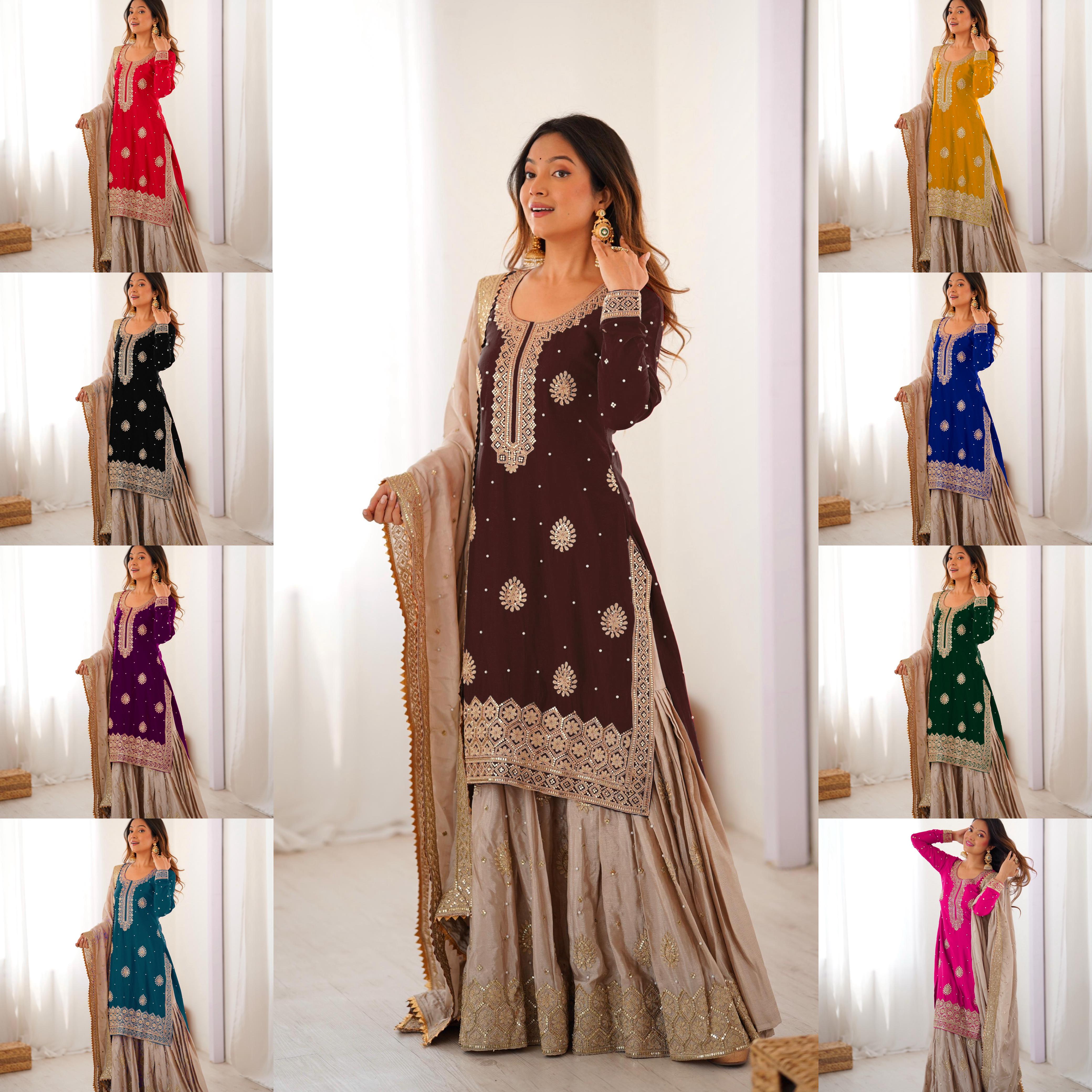
A heavily decorated neckline and a wide zari border may need separate visual zones. Let the dupatta fall from one shoulder instead of wrapping it around the neck.
Which dupatta drape is best for a broad border?
A single-shoulder open drape is usually the best choice for a broad border because it displays the trim without stacking it around the neckline. A front-open drape also works when the fabric falls vertically and remains free of bulky folds.
Use 5 to 7 broad pleats if pleating is necessary, rather than making many narrow pleats that concentrate the embellishment.
Does a heavy dupatta make a petite person look shorter?
A heavy dupatta can make a petite person look shorter when the border forms a thick horizontal line across the torso or ends at the widest part of the hip. Vertical open falls, tonal colours and a longer kurta can help preserve visual length.
Shorter dupattas with stiff borders may be more difficult to arrange, so check the finished length before purchase and avoid excessive neck wrapping.
Can a heavy-border dupatta be worn with palazzo pants?
A heavy-border dupatta can be worn with palazzo pants when the kurta remains relatively streamlined and the drape is soft. Both the palazzo hem and the dupatta should not be equally stiff or densely embellished.
Keep the border on one shoulder or let it fall vertically so the wide trouser silhouette doesn't compete with repeated horizontal lines.
What jewellery goes with a zari-border dupatta?
Gold-toned earrings, a slim bracelet or one restrained ring usually complements a zari-border dupatta without creating excess shine. A necklace is optional and should depend on the neckline's decoration.
When the suit includes sequins, moti lace or dense embroidery, matte accessories can create useful contrast and prevent the outfit from appearing overloaded.
How do I keep a heavy dupatta from slipping?
Use small safety pins at the shoulder and, when appropriate, a discreet pin near the waist to control movement without bunching the border. Pin through a seam or reinforced area rather than directly through delicate zari or fine net.
For a long ceremony, test the pinned drape while walking and sitting before leaving home. A secure, relaxed fall is more comfortable and usually looks more polished than tightly folded fabric.
Common Questions About Balancing Heavy-Border Suit Dupattas
Can I wear a heavy dupatta with an embroidered salwar suit?
Yes. Keep the embroidery and border within a controlled colour palette, use an open drape, and reduce competing jewellery so the outfit has one clear focal point.
Which dupatta drape is best for a broad border?
A single-shoulder open drape usually works best because it displays the border without stacking it around the neckline. A front-open drape is another good option when the fabric falls vertically.
Does a heavy dupatta make a petite person look shorter?
It can, particularly when the border creates a horizontal line across the torso or ends at the widest part of the hip. A vertical fall, tonal colour and a longer kurta can help preserve visual length.
Can a heavy-border dupatta be worn with palazzo pants?
Yes, if the kurta is relatively streamlined and the dupatta is soft. Keep the border on one shoulder or let it fall vertically so the palazzo silhouette and dupatta do not compete.
What jewellery goes with a zari-border dupatta?
Gold-toned earrings, a slim bracelet or one restrained ring usually complements zari. Skip a necklace when the neckline is already embroidered or embellished.
How do I keep a heavy dupatta from slipping?
Use small safety pins at the shoulder and, if needed, near the waist. Pin through seams or reinforced areas, and test the drape while walking and sitting before the event.