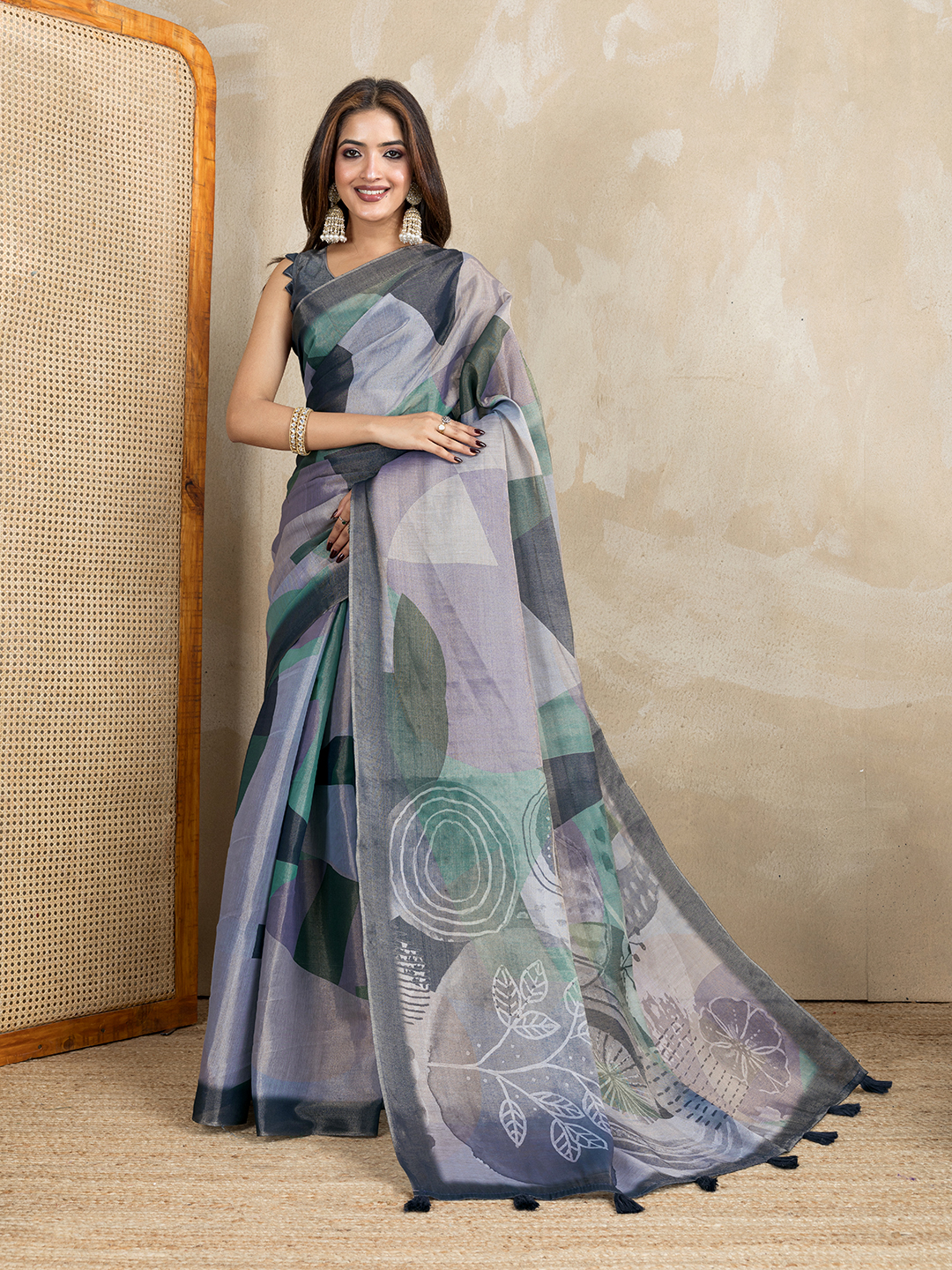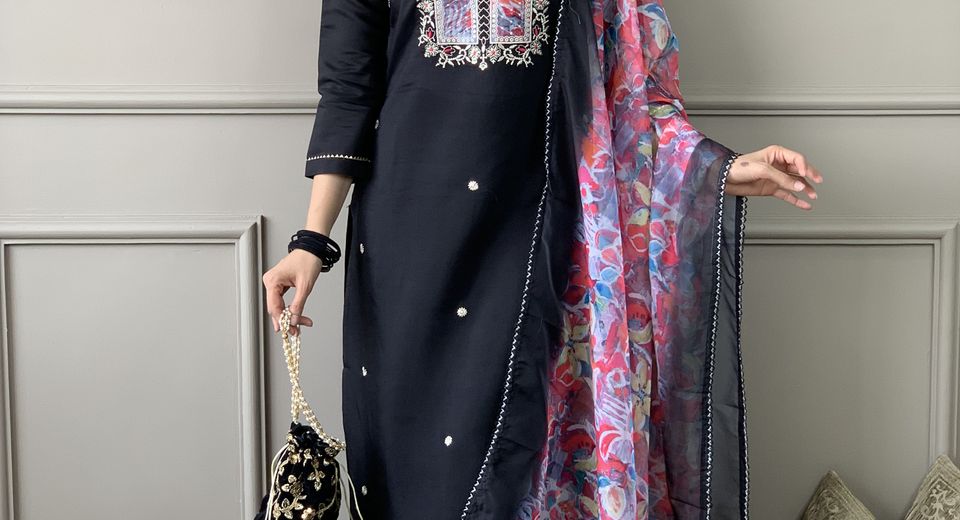
Straight Kurtis With Back Slits Move Differently From Side Slit Styles because the opening releases fabric at a different point around the hips and legs. That small construction choice affects stride, how the kurti sits over trousers, the amount of side movement visible while walking and the way a dupatta falls. Knowing the difference helps you choose a salwar suit for commuting, festive gatherings, office wear or long hours of sitting.
A back slit usually begins at the centre back hem and opens as you walk, while side slits begin along the left and right seams. Neither design is automatically more comfortable. Comfort depends on the kurti's length, fabric, ease around the hips, slit height and the bottom you wear underneath.
Straight Kurtis With Back Slits Move Differently From Side Slit Styles: What changes with a back slit?
A back slit gives the rear hem extra room for walking while keeping the side seams visually continuous. The front of the kurti can retain a clean, uninterrupted line, and the opening remains less noticeable when you stand still.
Back slits are especially useful on straight kurtis that fall below the knee or close to mid-calf. Without an opening, a narrow straight silhouette can restrict the natural forward-and-back movement of the legs. A back slit allows the two rear panels to separate temporarily during a stride and settle back when you stop.
The movement is primarily front-to-back rather than outward at the hips. A back-slit kurti may look streamlined from the front, but the back hem can lift or part slightly when you climb stairs, enter a car or sit down. A soft cotton or rayon fabric generally settles faster than a stiff, heavily starched fabric.
Check the slit depth before buying. A slit of approximately 20 to 30 centimetres can provide walking ease on a knee-length or calf-length kurti without exposing much of the leg. A longer opening gives more mobility but requires closer attention to the opacity and fit of the lower garment.
Straight Kurtis With Back Slits Move Differently From Side Slit Styles: How do side slits behave?
Side slits release fabric at the hips, so side-slit kurtis usually offer more lateral movement than back-slit kurtis. The side panels swing outward during a step, making the silhouette feel less restrictive when you walk quickly or sit cross-legged.
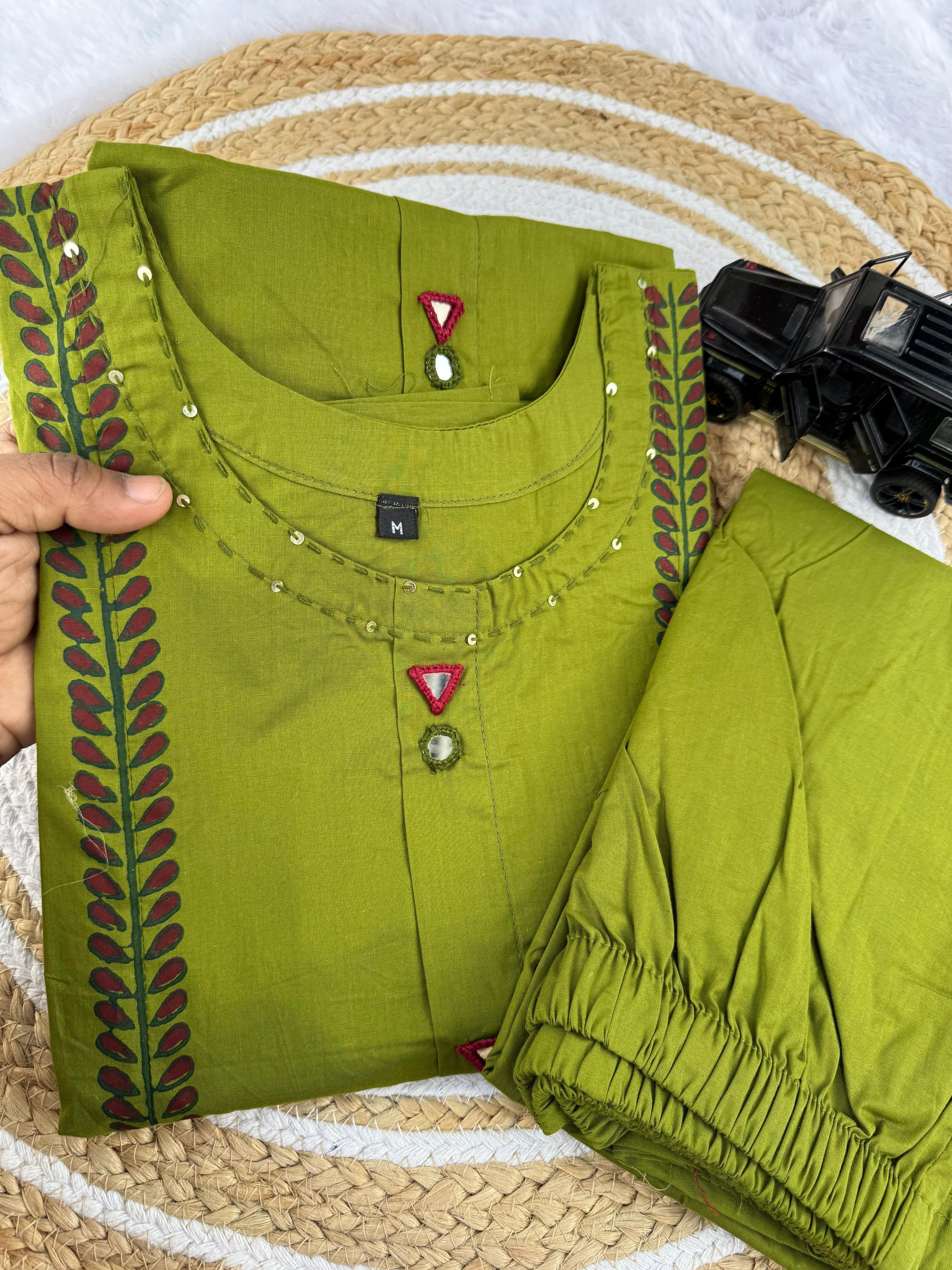
Side slits also create visible vertical breaks in the front view. Those breaks can make a long straight kurti appear lighter and can show the colour, print or texture of the palazzo or trousers underneath. A side slit therefore changes styling as well as mobility.
Side-slit designs can be more forgiving when the kurti fits close around the hips, but a very high slit may expose the side of the bottom garment while climbing stairs. A lower slit gives modest coverage and a quieter outline. A higher slit creates a more relaxed, contemporary appearance, particularly with wide-leg trousers.
Straight Kurtis With Back Slits Move Differently From Side Slit Styles because side slits let the hem fan away from both legs, whereas a back slit concentrates the opening behind the body. The distinction is easy to feel: side slits help with side-to-side separation, while back slits mainly help the legs move forward and backward.
Straight Kurtis With Back Slits Move Differently From Side Slit Styles: Which bottoms work best?
The best bottom depends on the slit position, hem length and the amount of fabric at the ankle. A straight kurti usually looks balanced when the lower garment either repeats its vertical line or deliberately contrasts with it.
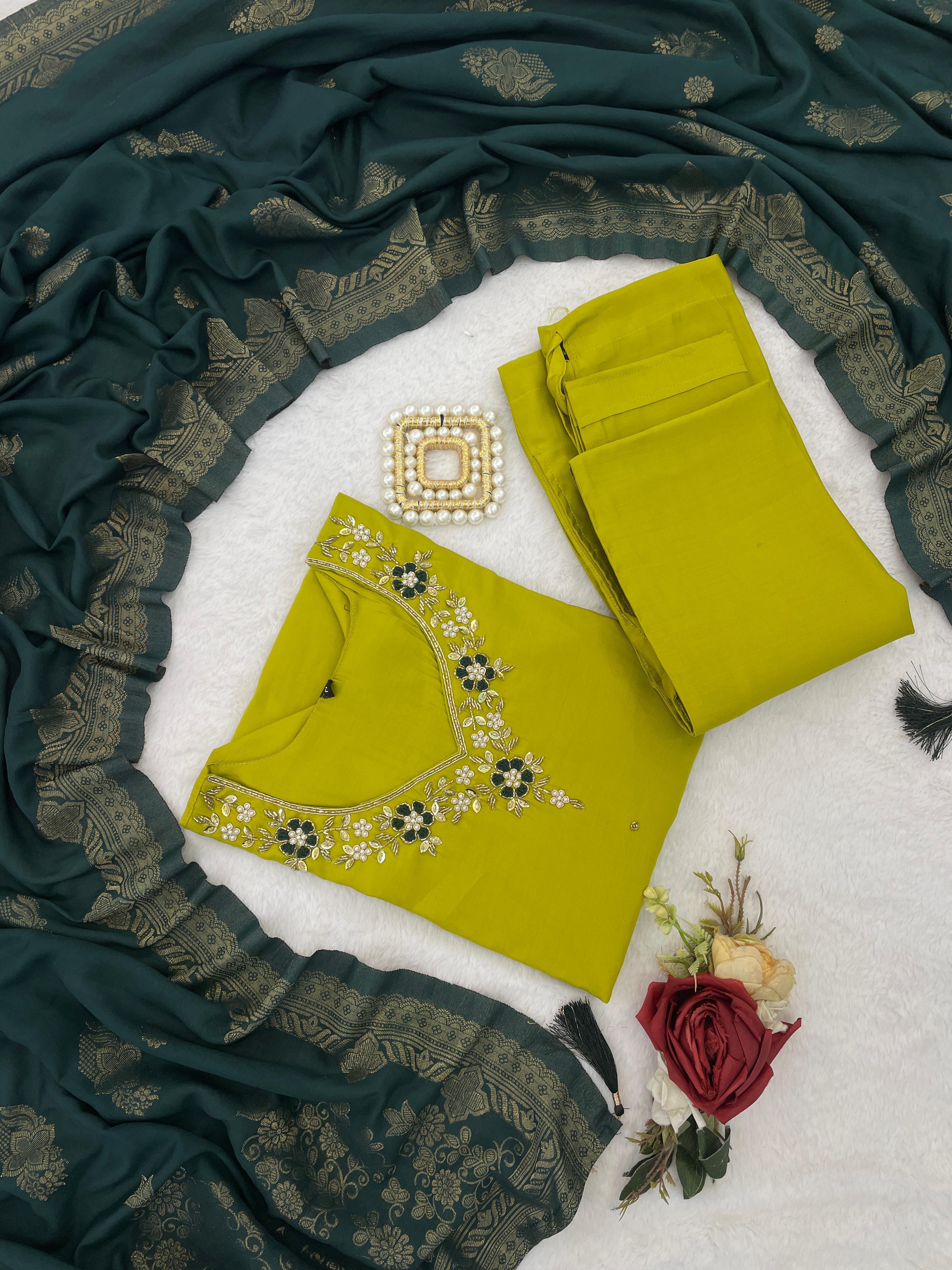
Leggings and churidar pants
Leggings and churidar pants work well with back-slit kurtis because the rear opening reveals very little extra volume and keeps the front line narrow. A solid black, ivory or matching pair is practical under printed cotton kurtis. Choose opaque fabric with a firm waistband, especially when the back slit is deep.
Side-slit kurtis also suit leggings, but the side opening makes the contrast between the kurti and lower garment more visible. A printed kurti with a solid bottom usually looks more composed than two competing prints placed beside one another.
Palazzos and wide-leg trousers
Palazzos create the strongest movement under side-slit kurtis because both garments can swing from the side. The combination works particularly well for relaxed daytime dressing, but the kurti should not be so wide that the entire outfit loses its straight silhouette.
A back-slit kurti over a palazzo creates a more controlled effect. The front remains relatively sleek while the wide-leg shape appears in motion from behind and below. Striped Rayon Straight Kurta Palazzo Set for Women demonstrates why fabric drape matters: rayon can follow leg movement without producing the rigid folds associated with crisp cotton.
Patiala and gathered salwar bottoms
Patiala and gathered salwar bottoms need enough side and hip room, so a side-slit kurti generally accommodates them more naturally. The extra fabric of Punjab Patiala Salwar Suits already creates volume around the lower body, making a very narrow back-slit kurti feel visually and physically compressed.
A shorter straight kurti can balance a gathered bottom better than a long one. Keep the hem above the widest part of the salwar if the goal is a defined waist-to-hip proportion rather than a fully layered look.
Straight Kurtis With Back Slits Move Differently From Side Slit Styles: How should fit be judged?
Measure the kurti against your fullest hip point, not only your bust or shoulder width. A straight kurti needs enough ease for the fabric to fall without pulling across the hips when you stand, walk and sit.
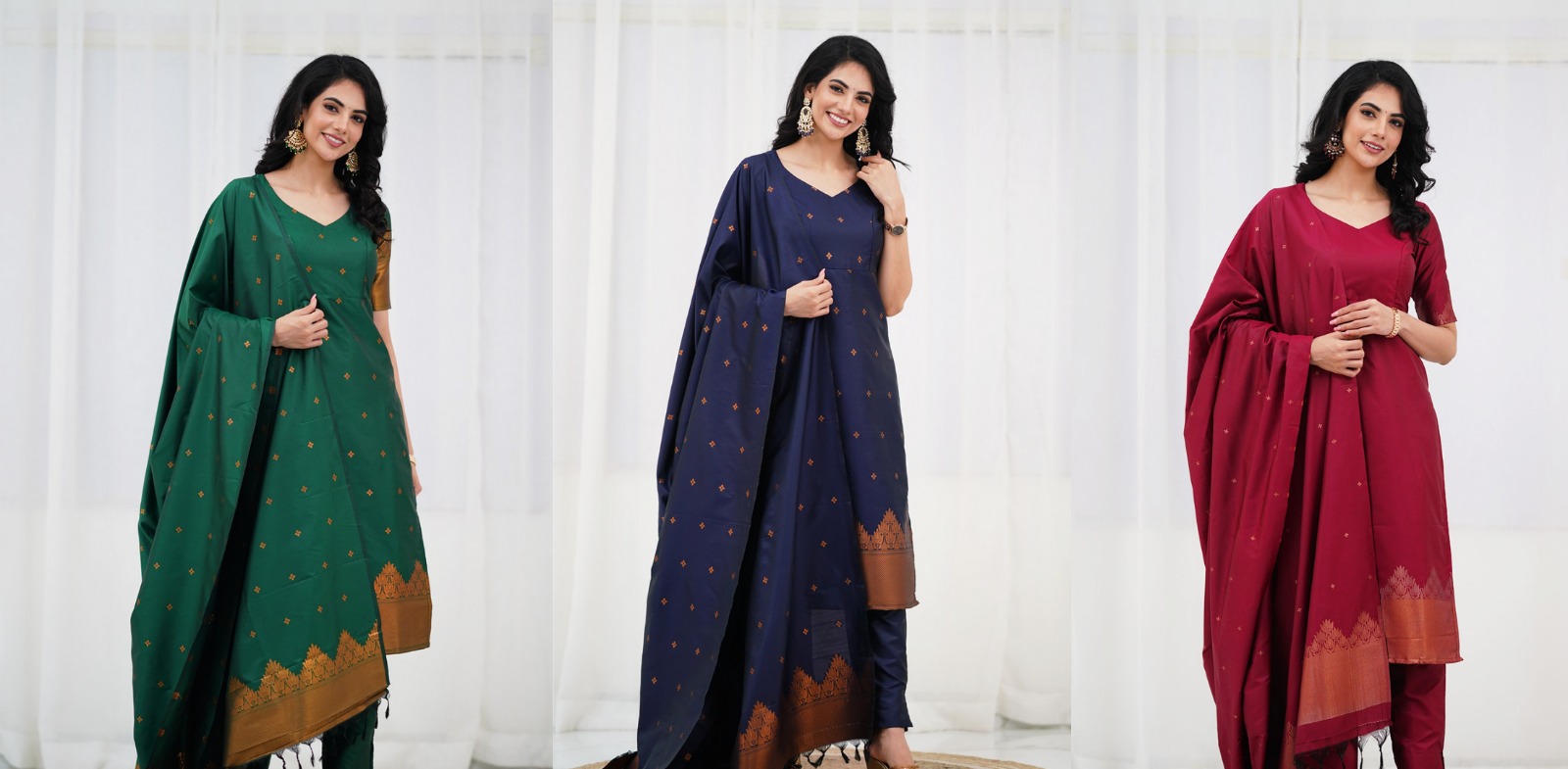
For a comfortable everyday fit, allow roughly 8 to 12 centimetres of total garment ease over the body measurement at the hip, depending on fabric thickness and personal preference. Fluid rayon may need less visual ease than a non-stretch woven cotton, but neither fabric should form horizontal strain lines below the waist.
Perform three simple tests when trying on a straight kurti. Walk ten steps, sit on a chair and raise one knee slightly as though climbing a stair. A back slit should open without pulling the centre-back seam, while side slits should not spread so far that the side of the bottom garment becomes exposed.
Look at the hem after sitting. If the front hem rises sharply and remains bunched, the kurti may be too narrow through the hips or too long for the slit design. If the side seams twist toward the front, the garment may need more hip ease or a better-placed slit.
Long straight silhouettes also need attention to lining and opacity. Chanderi, lightweight cotton and rayon can behave differently under indoor and outdoor light. A well-fitting lower layer protects modesty when a back slit opens behind you or when a side slit moves during a breeze.
Straight Kurtis With Back Slits Move Differently From Side Slit Styles: Which fabrics help?
Medium-weight cotton is dependable for everyday straight kurtis because it holds the vertical shape while remaining breathable. Khadi cotton has a slightly textured hand and may feel firmer at first, so a back slit can be useful on a long khadi kurti that would otherwise resist a full stride.
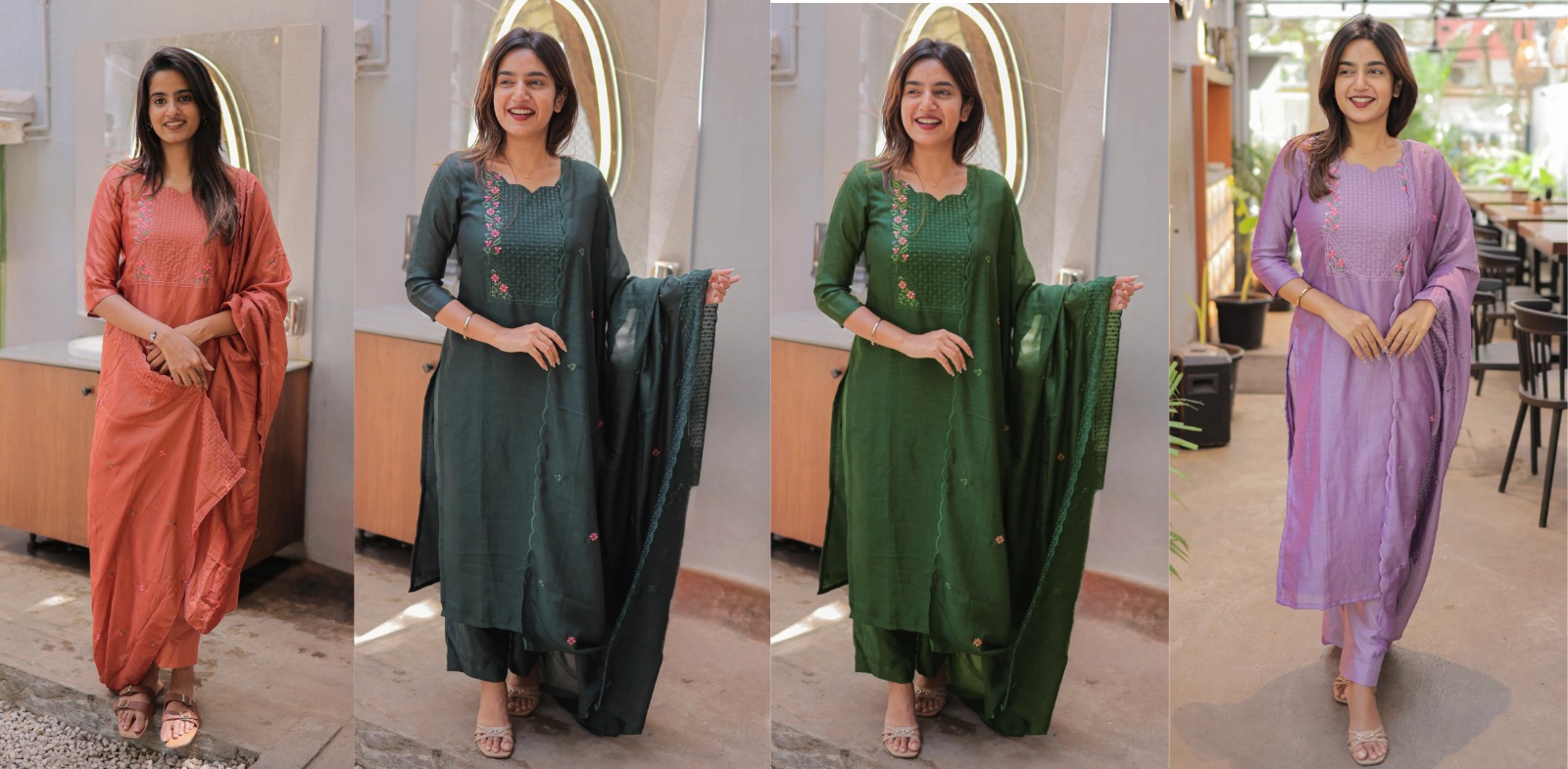
Cream Khadi Cotton Straight Kurta Set with Dupatta is a useful reference for understanding how texture changes drape. Khadi cotton usually creates a more structured line than fluid rayon, so the slit becomes a functional construction detail rather than merely a decorative opening.
Rayon falls close to the body and moves readily around the legs. Rayon can therefore work with either slit placement, although a deep side slit may need a smooth, opaque bottom underneath to prevent the fabric from clinging or shifting.
Chiffon is light and mobile but often needs careful layering because its transparency and softness can make a high slit more revealing. Shop Floral Digital Printed Chiffon Kurti Palazzo Set with zari embroidery shows how a flowing fabric and wide bottom can create movement without requiring a heavily flared kurti.
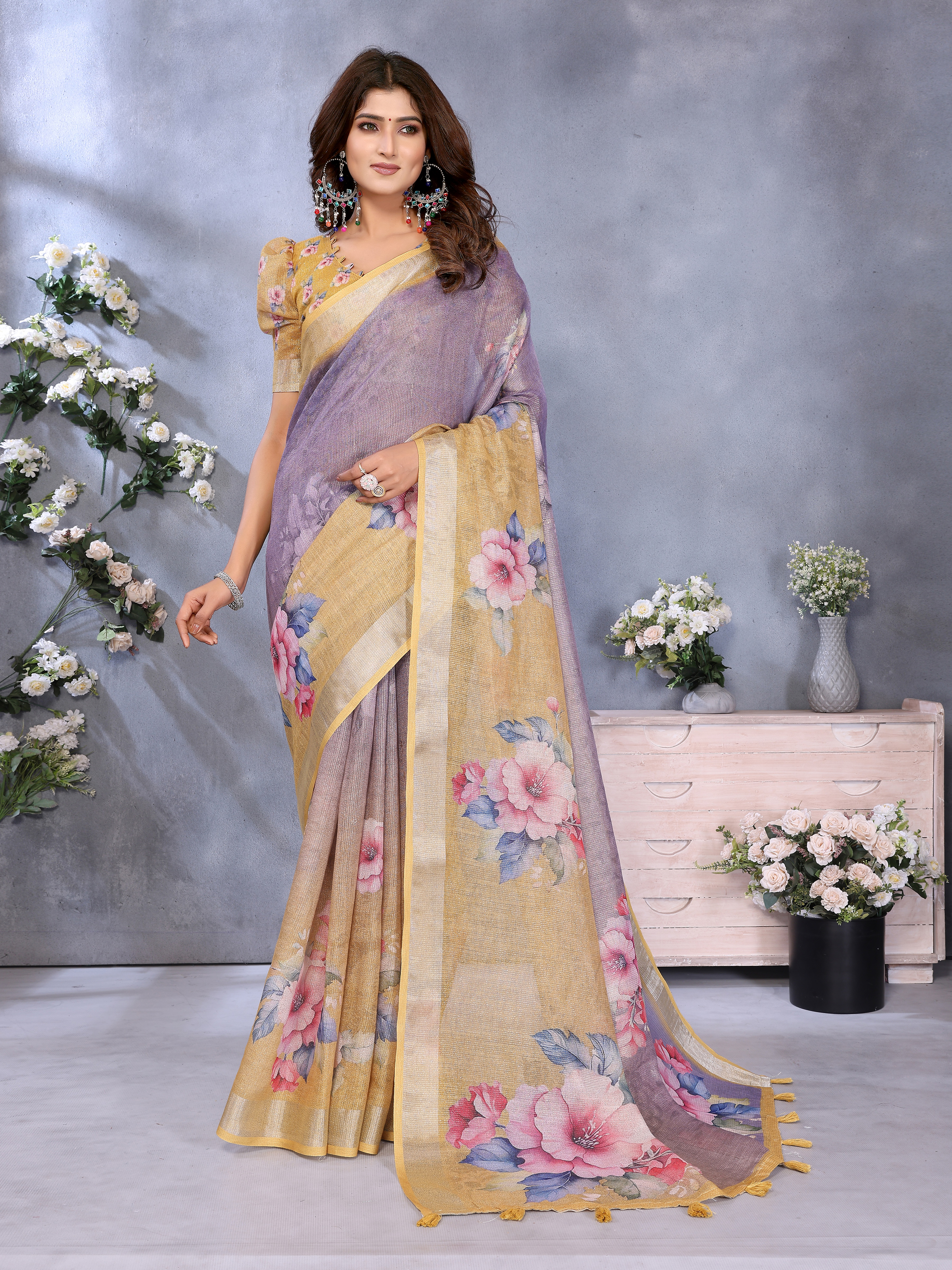
Banarasi silk and heavily embellished fabrics need a different approach. Weight from zari, lining or embroidery can pull a slit downward, so reinforcement at the slit top is important. Kanjeevaram-inspired or Paithani-inspired styling often benefits from a controlled opening and a stable bottom rather than an extremely high slit.
Straight Kurtis With Back Slits Move Differently From Side Slit Styles: How do print and dupatta placement help?
A straight kurti with a back slit benefits from uninterrupted front styling, while a side-slit kurti can support more visible contrast along the sides. Use the slit location as a guide when deciding where to place print, border and dupatta volume.
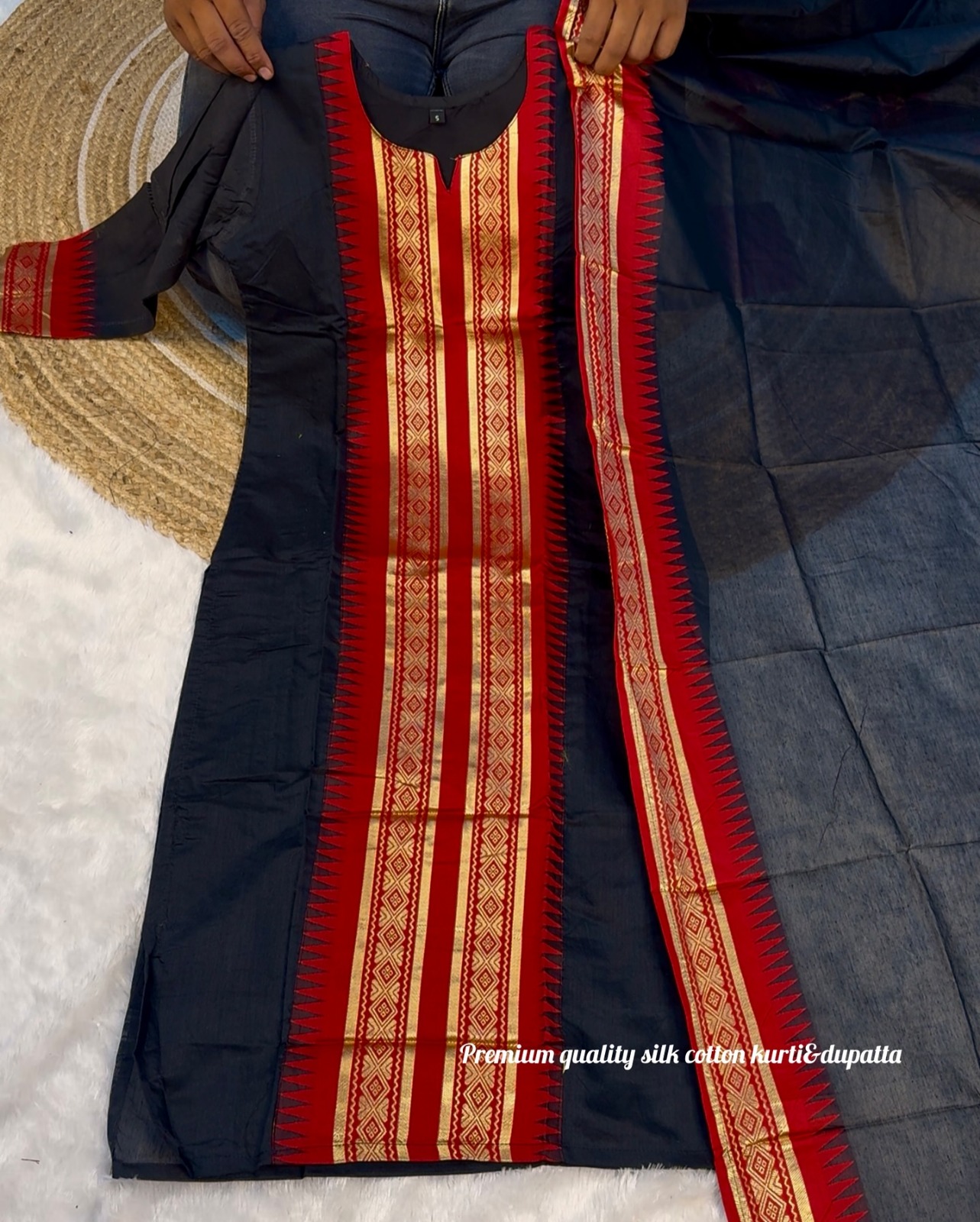
Vertical stripes, narrow woven patterns and centre-front embroidery reinforce a back-slit kurti's long line. Vertical Cotton Straight Kurta Set with Dupatta suits this logic because a simple vertical direction can make the front appear longer and cleaner.
Large motifs near the side seams become more noticeable on a side-slit kurti because the opening separates the print as you move. A floral or block print can look lively in that position, provided the trouser colour doesn't compete with the motif.
For a back slit, drape the dupatta over one shoulder and allow it to fall behind the opposite arm when you want the centre front to remain visible. For a side slit, a front drape or neatly folded shoulder placement can prevent the dupatta from catching on the moving side panel.
Neutral colours make construction easier to read. Cream Printed Straight Kurta Set with Dupatta and Designer Cream Straight Kurti Set with Dupatta show how cream can keep attention on the cut, print scale and layering instead of creating a strong colour block at the slit.
Straight Kurtis With Back Slits Move Differently From Side Slit Styles: Which regional styles complement them?
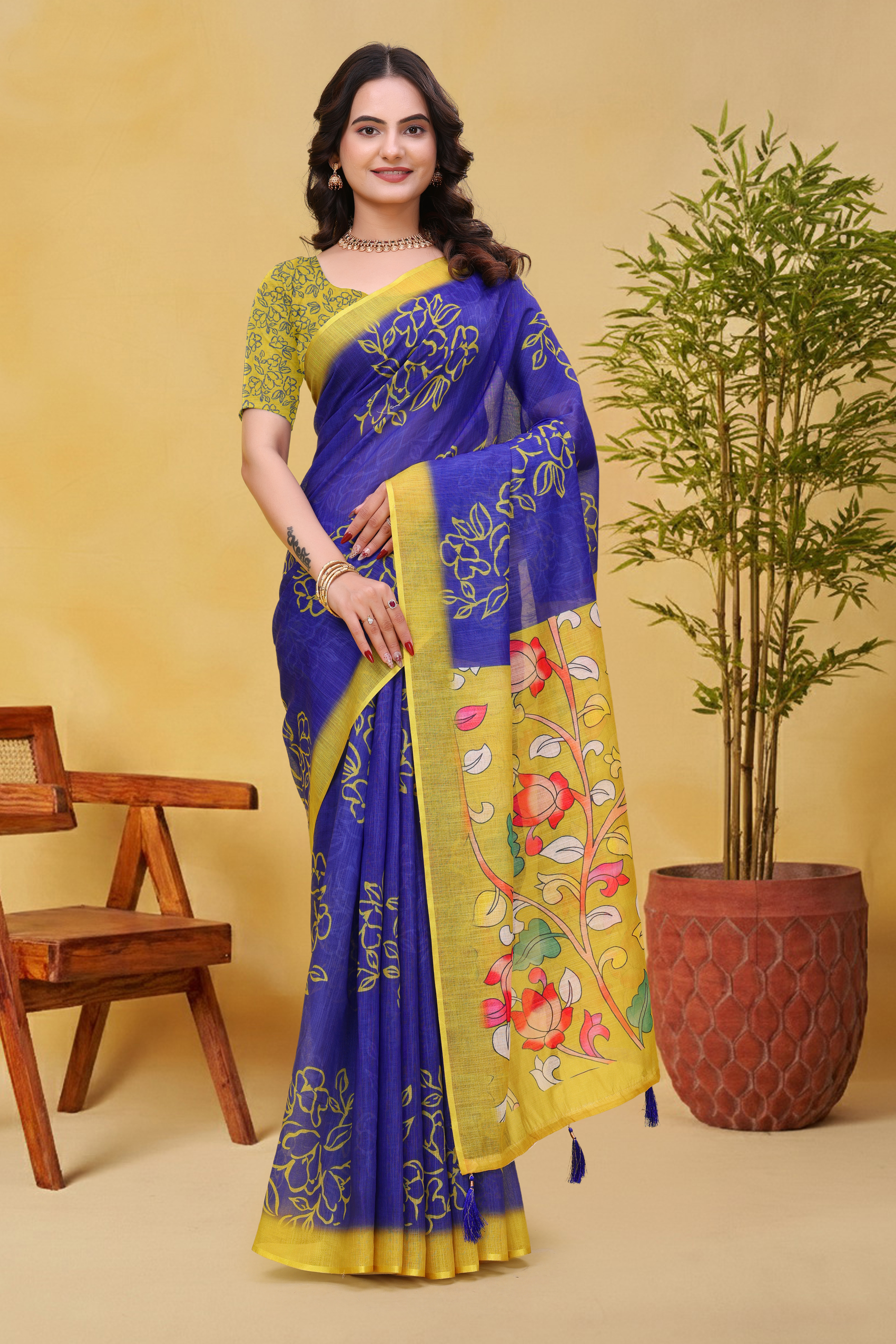
Regional textile references can guide the level of structure, contrast and ornament that suits a straight kurti. Kalamkari Print Salwar Suits work well with a simple straight base because the illustrated motifs can remain the visual focus while a back slit preserves a clean front.
Maharashtra Paithani Inspired Salwar Suits and Gujarat Bandhej Salwar Suits often call for deliberate colour balance. Pair a richly coloured dupatta with a quieter kurti front when the slit is at the back, or use a solid palazzo to prevent a side slit from creating too many competing lines.
Odisha Sambalpuri Salwar Suits can pair effectively with medium-weight cotton and restrained tailoring. A lower side slit allows the woven-inspired pattern to remain visible without exposing too much of the bottom garment during movement.
Punjab Patiala Salwar Suits naturally favour ease around the hips and legs. A side-slit straight kurti or a shorter kurti generally supports the gathered salwar better than a long, narrow back-slit design.
Colour and motif should not override practical movement. A beautiful print still needs enough ease for sitting, climbing stairs and carrying a dupatta comfortably.
Straight Kurtis With Back Slits Move Differently From Side Slit Styles: What is the practical choice?
Choose a back slit when you want a streamlined front, moderate rear walking ease and a neat pairing with leggings, churidar pants or narrow trousers. Choose side slits when you want more hip movement, a relaxed silhouette or visible coordination between the kurti and a palazzo, wide-leg trouser or Patiala bottom.
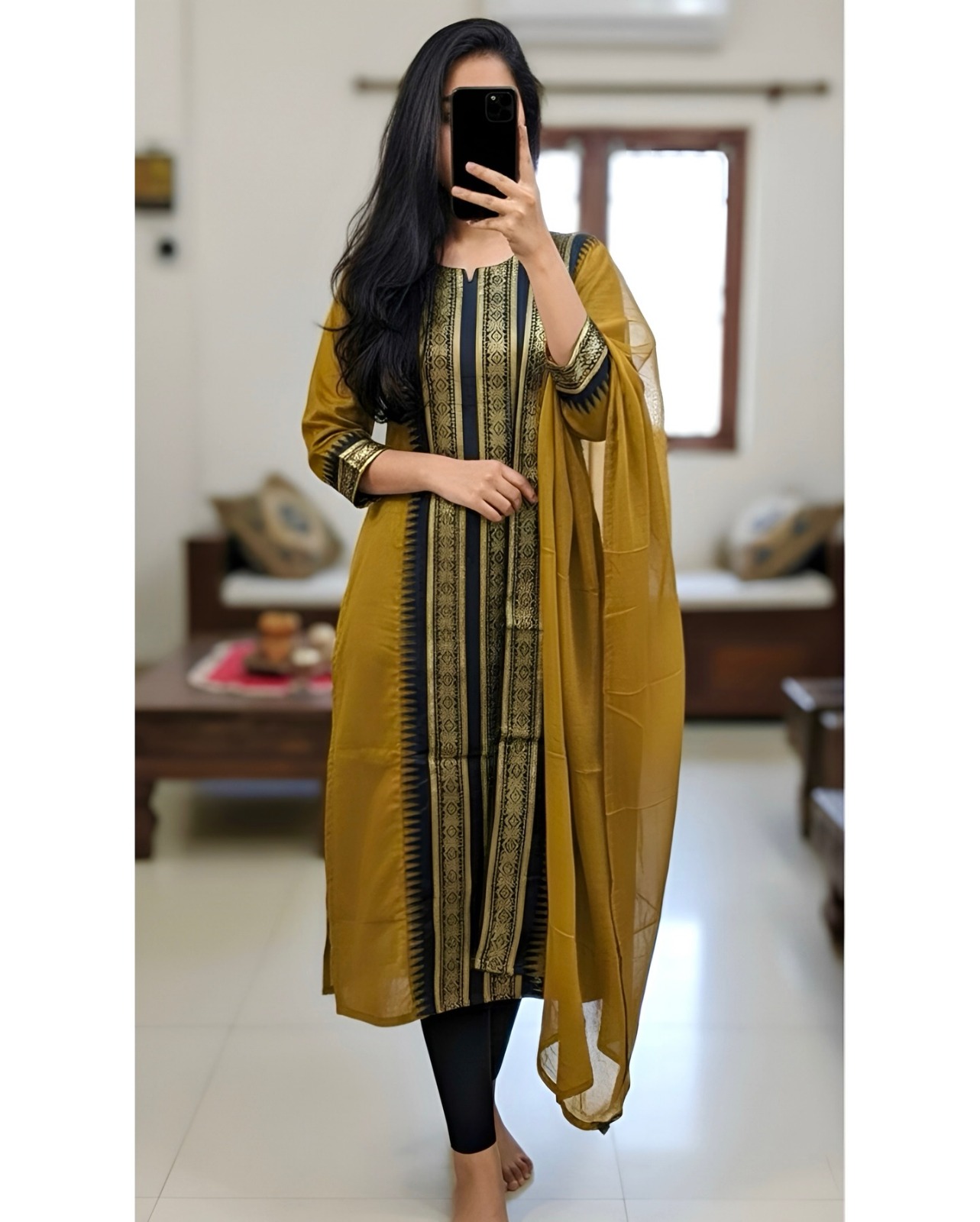
For office wear, a medium-length back slit with opaque trousers usually offers a polished balance. For daily errands, a lower side slit can make sitting and walking easier. For festive dressing, inspect the lining, embroidery weight and slit reinforcement before choosing a heavily decorated fabric.
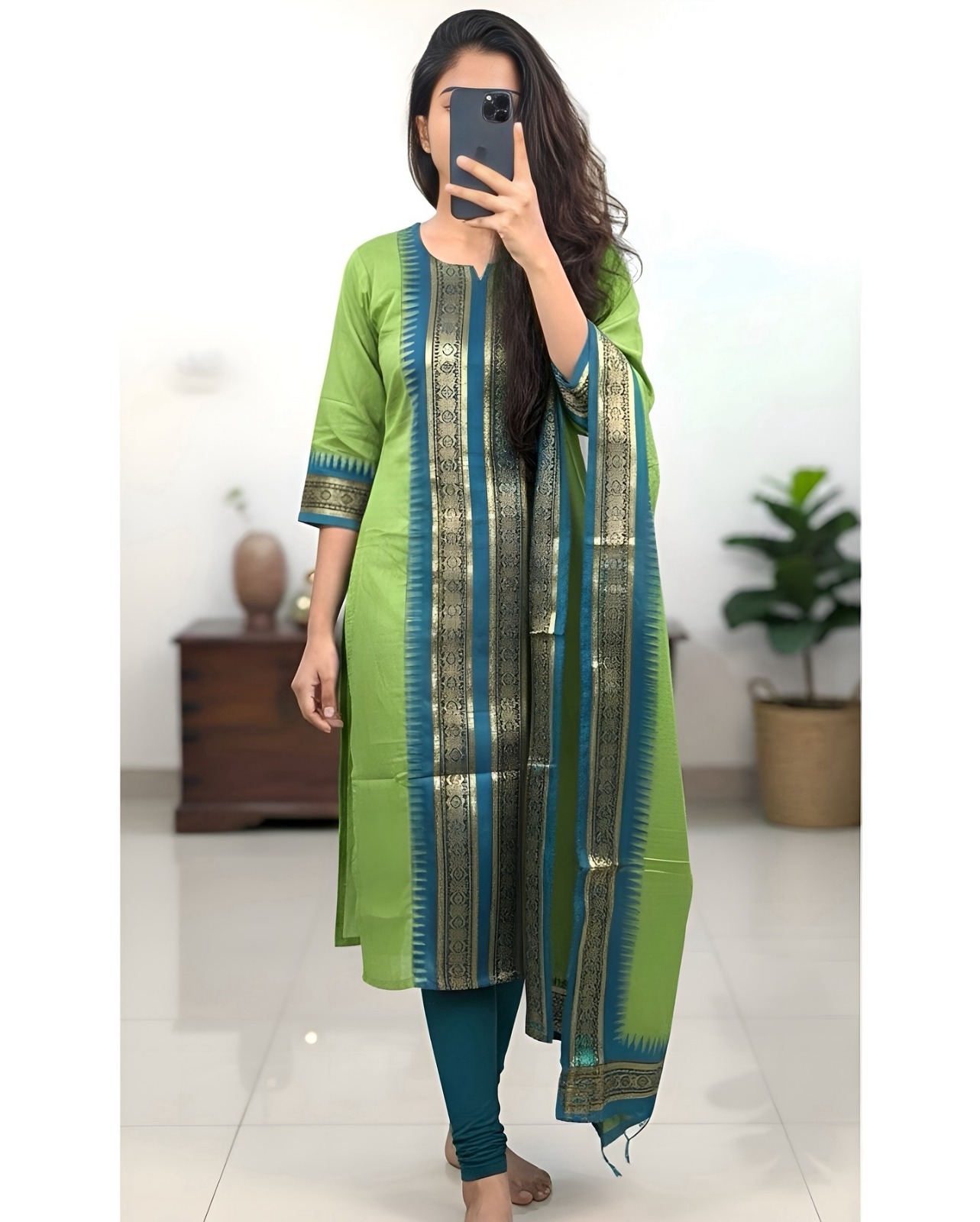
Graceful Parrot Green Straight Kurti Dupatta Set and Black Kanchi Cotton Kurti Dupatta Set for Women illustrate how colour and cotton structure can change the impression of the same straight silhouette. A bright parrot green set can feel more expressive with a controlled back opening, while black Kanchi cotton can support a sharper, more defined side line.
The most reliable choice is the one that passes both a movement test and a proportion test. Walk, sit and climb one step before judging the garment, then check whether the slit, bottom and dupatta create the amount of coverage and volume you actually want.
Common Questions About Back-Slit and Side-Slit Straight Kurtis
Are back-slit kurtis more comfortable than side-slit kurtis?
Back-slit kurtis are more comfortable for forward walking when the straight silhouette is narrow through the legs. Side-slit kurtis usually provide more lateral and hip movement, so they can feel easier with palazzos, Patiala salwars or cross-legged sitting.
What should I wear under a straight kurti with a back slit?
Wear an opaque legging, churidar, straight trouser or palazzo that provides full coverage when the rear panels separate. Match the bottom to the kurti's length, slit depth and fabric transparency rather than choosing only by colour.
Can I wear palazzos with a back-slit straight kurti?
Yes, palazzos work with a back-slit straight kurti when the front remains relatively streamlined and the palazzo is not excessively wide. A side-slit kurti creates more visible side movement, while a back slit gives the combination a more controlled appearance.
How high should a slit be on a long straight kurti?
A slit of about 20 to 30 centimetres often provides useful walking ease on a knee-length or calf-length kurti. A higher slit can offer more movement, but it requires an opaque bottom and a fit that does not expose the hip or side while sitting and climbing stairs.
Which fabric is easiest to wear in a straight kurti with a slit?
Medium-weight cotton is easy for everyday wear because it is breathable and holds its shape. Rayon moves fluidly, khadi cotton feels more structured, and chiffon needs careful lining because its softness and transparency can make a deep slit more revealing.
How can I tell whether a straight kurti fits correctly around the slit?
Walk ten steps, sit on a chair and raise one knee as if climbing a stair. The centre-back seam should not pull on a back-slit kurti, and side slits should not spread enough to expose the side of the bottom garment.