

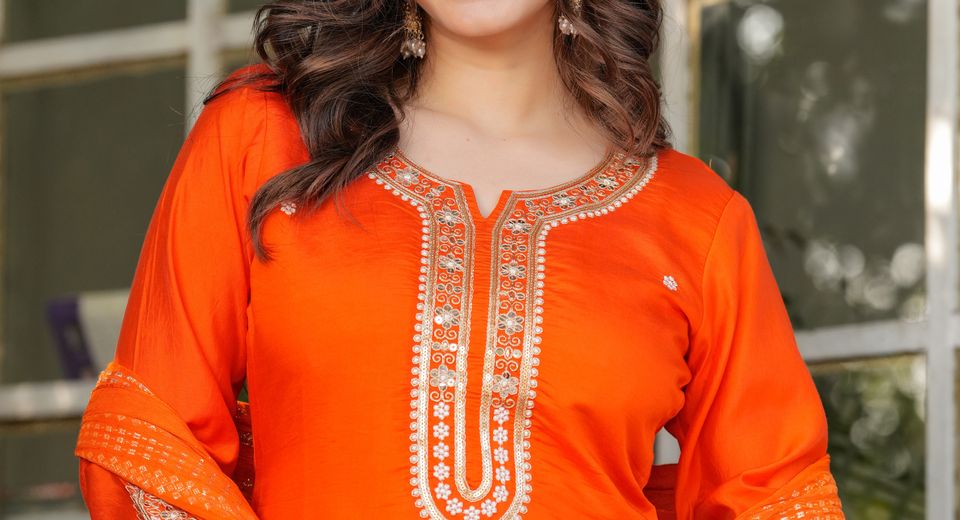
Bright ethnic garments can stain one another before a wardrobe owner notices the problem. Storage and Wash Precautions for Colour Transfer Between Bright Ethnic Garments matter most when vivid yellow, orange, red, magenta, indigo or black textiles sit together while damp, are washed in warm water, or rub against pale embroidery. A simple colour-fastness test, cool hand washing, complete drying and breathable separation prevent most avoidable marks.
The risk isn't limited to inexpensive clothing. Banarasi silk, Chanderi, cotton, jacquard, organza, Chinon and zari can all behave differently because dyes, finishes, embroidery threads and fabric blends react differently to moisture. The correct care method depends on the fibre, the dye and the garment construction rather than on colour alone.
Storage and Wash Precautions for Colour Transfer Between Bright Ethnic Garments: Why do bright clothes bleed?
Bright ethnic garments transfer colour when loose dye molecules move from a wet or damp textile onto another absorbent surface. Friction, heat, alkaline detergent and long soaking increase that movement.
Deep shades usually carry a higher risk during their first few washes. A saturated yellow salwar suit, orange Chanderi kurta, black printed saree or dark pink dupatta may release surface dye even when the fabric has been professionally dyed. Excess dye is especially likely to migrate when a garment is pressed against another cloth in a washing machine.
Natural fibres such as cotton and silk absorb moisture readily, so they can both release and receive dye. Chanderi combines a delicate weave with a light hand, while Banarasi silk often includes zari and patterned areas that should not be treated like ordinary cotton. Organza and Chinon may crease, snag or lose their finish when rubbed or soaked for too long.
Colour transfer can also happen inside one garment. A multicolour saree may bleed from a dark border into a pale field, and embroidery backing can release dye onto the base cloth. Sweat, perfume, hair oil and body lotion add moisture and chemicals that may encourage migration around collars, underarms and waistbands.
Storage and Wash Precautions for Colour Transfer Between Bright Ethnic Garments: How do you test colour fastness?
A hidden-area damp-cloth test is the safest quick method for checking colour fastness before washing an ethnic garment. The test takes about five minutes and can prevent a permanent stain.
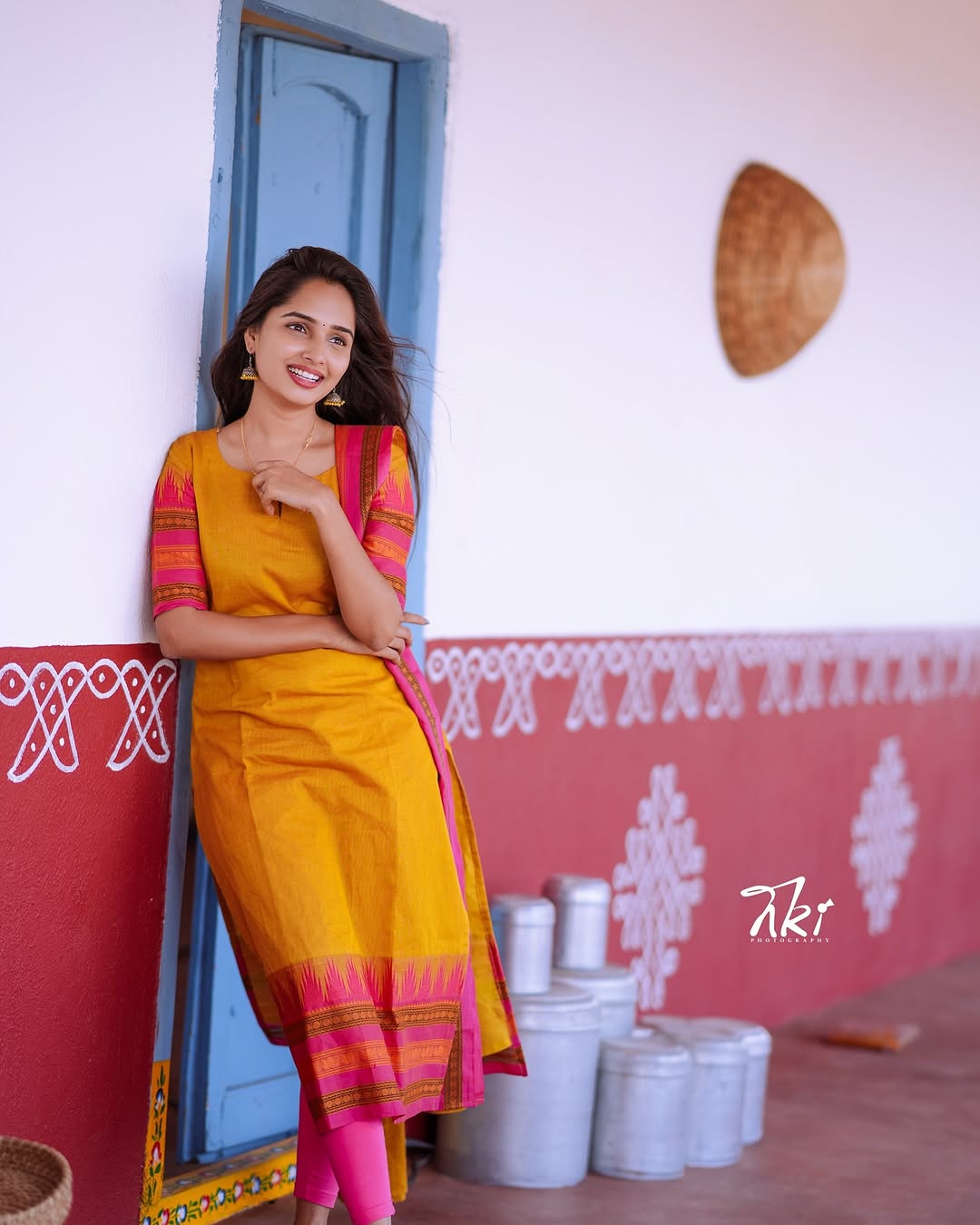
- Choose an inconspicuous area, such as an inner seam allowance, beneath a blouse fold or the reverse side of a hem.
- Dampen a clean white cotton cloth with cool water and squeeze out excess moisture.
- Press the white cloth on the test area for 10 to 15 seconds without scrubbing.
- Inspect the white cloth under strong natural light. A clear coloured mark indicates dye movement.
- Repeat the test with a drop of diluted mild detergent if the care label permits washing. Rinse the test area with a second damp white cloth.
A faint mark means the garment needs separate washing and careful handling; it doesn't automatically mean the garment is damaged. A strong mark, visible colour streak or dye transfer after detergent testing calls for professional cleaning or the care method stated on the label. Avoid testing with bleach, vinegar or salt because household remedies can alter dyes and finishes rather than reliably fixing colour.
Test contrasting trims separately when possible. A yellow base with orange embroidery, a black border on a multicolour saree or a red zari-adjacent thread may behave differently from the main fabric. Testing only the largest visible area can miss the component most likely to bleed.
Storage and Wash Precautions for Colour Transfer Between Bright Ethnic Garments: Which washing method is safest?
Cold hand washing in a clean basin, with the garment turned inside out and washed alone, reduces colour transfer more reliably than a mixed machine load.
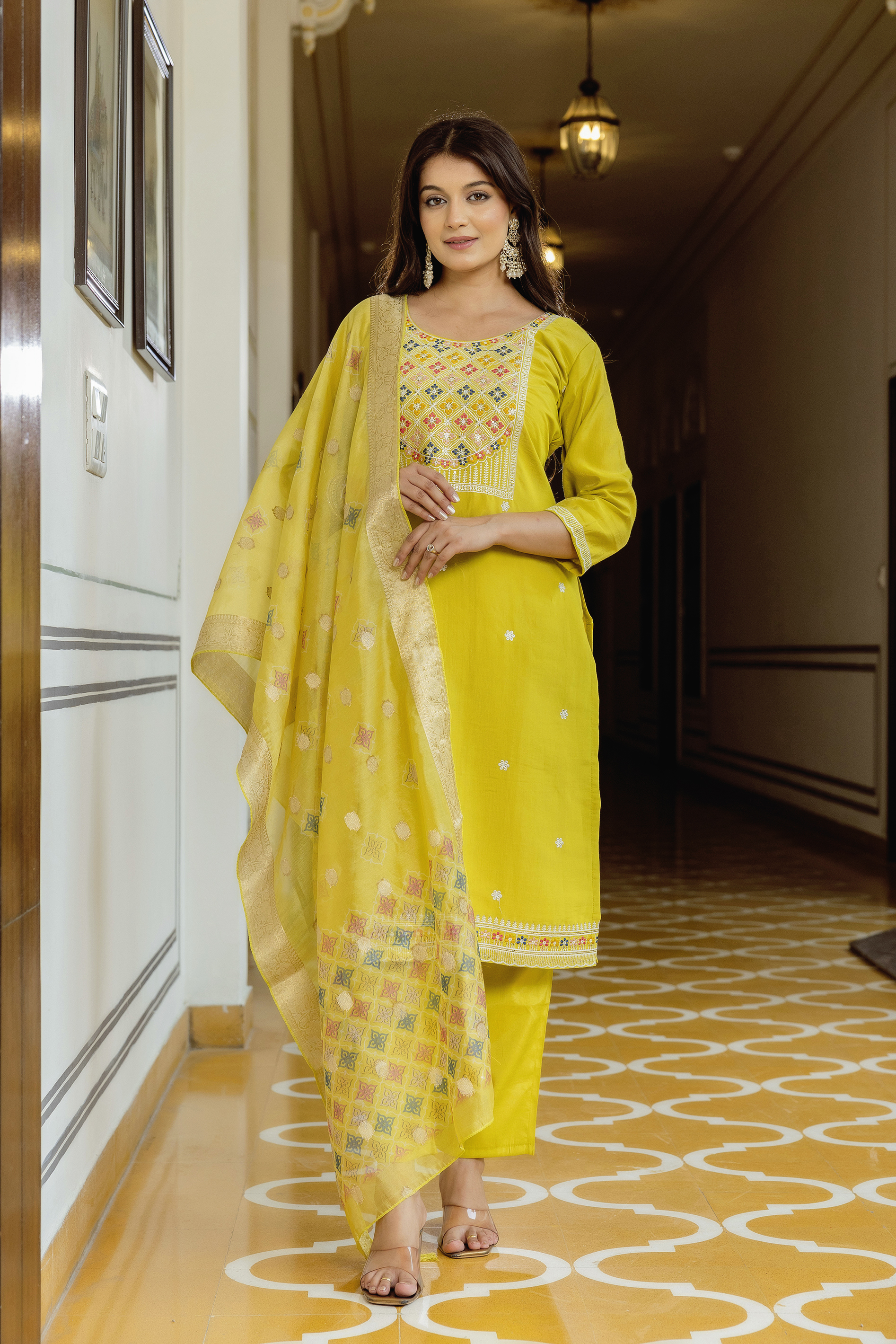
Separate garments by colour and fabric
Wash saturated yellow, orange, red, fuchsia, royal blue, green and black garments separately until the rinse water becomes nearly clear. Keep bright garments away from ivory, cream, white and pastel clothing even when the bright item has been washed before. Separate silk and embellished clothing from cotton because cotton lint, friction and different drying times can damage delicate surfaces.
A garment such as Designer Yellow Salwar Suit with Dupatta should not share a basin with a pale salwar suit or an untested orange dupatta. Bright Orange Chanderi Kurta Pant Dupatta Set Women deserves a separate, cool-water wash because Chanderi can lose its crisp appearance through harsh agitation. Classic Yellow Cotton Kurti Set with Woven Dupatta can usually tolerate gentler hand washing than silk, but the woven dupatta still needs protection from rubbing and colour transfer.
Control water, detergent and soaking time
Use cool water, generally below 30°C, and a small quantity of pH-neutral liquid detergent made for delicate fabrics. Dissolve the detergent in the water before adding the garment so concentrated detergent doesn't sit on one coloured patch. Keep soaking to five minutes or less unless the care label specifies another method.
Press and release the garment gently instead of scrubbing, twisting or beating it against the basin. Rinse in two or three changes of cool water until no visible foam remains. Do not leave a wet garment in the basin or washing machine because prolonged contact between folded layers encourages patchy bleeding.
Machine washing is suitable only when the care label permits it. Use a mesh laundry bag, a delicate cold cycle, low spin and a small load containing similar colours. Do not add colour-sensitive garments to a normal cotton cycle containing towels, denim or pale clothes, because heat, lint and friction raise the chance of transfer.
Storage and Wash Precautions for Colour Transfer Between Bright Ethnic Garments: How should each fabric be washed?
Silk, Chanderi, cotton and embellished ethnic garments require different washing decisions because their fibres and surface treatments respond differently to water and friction.

- Banarasi silk: Prefer professional dry cleaning or the exact method on the care label, particularly when zari, brocade or heavy finishing is present. Never wring Banarasi silk, and never store it while even slightly damp. Multi Color Banarasi Silk Saree with Artistic Prints should be folded with a soft, uncoloured muslin layer between folds if the label permits folding.
- Chanderi: Use cool water, mild detergent and minimal agitation. Do not scrub printed or woven areas, and avoid prolonged soaking because the weave can lose body or develop uneven patches. Black Chanderi Cotton Saree with Multicolor Geometric Print should be washed separately from light fabrics during early washes.
- Cotton: Cotton generally tolerates gentle hand washing, but vivid cotton dyes can still bleed. Wash Classic Yellow Cotton Kurti Set with Woven Dupatta or a similar cotton set inside out, rinse promptly and dry away from direct midday sun to limit fading.
- Jacquard: Turn the garment inside out and prevent the raised pattern from catching on rough surfaces. Orange Jacquard Embroidered Kurta Set with Organza Dupatta should be treated as a delicate set because the jacquard, embroidery and organza may need different handling.
- Organza and Chinon: Avoid vigorous rubbing, hot water and high-speed spinning. Colorful Ethnic Chinon Saree for Women should be supported fully while wet because a narrow hanger or one-point grip can stretch the fabric.
- Zari and embroidery: Keep metallic threads away from abrasive detergent, bleach and repeated rubbing. Place heavy embroidered garments flat on a clean towel for initial drying so wet weight doesn't pull the seams.
Sunshine Yellow Embroidered Kurti Set with Dupatta needs additional care around embroidery. Turn the set inside out, place the decorated portion inside a mesh bag if machine washing is permitted, and avoid hanging the wet garment from one embroidered shoulder. Embroidery can retain moisture longer than the surrounding fabric, so inspect the reverse side before storage.
Storage and Wash Precautions for Colour Transfer Between Bright Ethnic Garments: How should garments be dried?
Bright ethnic wear should be dried in shade with air circulation, away from direct heat and contact with other fabrics.

Press excess water between clean towels rather than twisting the garment. Shape seams, borders and sleeves while the textile is damp, then place delicate sarees, organza dupattas and embellished pieces flat on a dry towel. Lightweight cotton garments may be hung on a padded hanger after dripping has stopped, but sharp wire hangers can leave marks and stress wet shoulders.
Keep every bright garment physically separate while drying. A damp orange dupatta touching a white bathroom tile may leave a mark, while a wet yellow kurta folded over a black saree can create two-way transfer. Leave space between garments and don't stack damp clothes in a laundry basket.
Direct strong sunlight can fade yellow, orange, red and printed surfaces even though sunlight may seem useful for drying. Choose bright shade or soft morning light, and bring garments indoors as soon as they're fully dry. Iron only when the fabric is dry and the care label permits it; use a pressing cloth over prints, zari and embroidery.
Storage and Wash Precautions for Colour Transfer Between Bright Ethnic Garments: What storage prevents transfer?
Completely dry garments stored in breathable, separated layers have the lowest risk of colour transfer in a wardrobe.

Air a garment for several hours after wearing before folding it away, especially after a Haldi ceremony, humid travel or prolonged contact with perspiration. Sweat and turmeric residue can stain fabric and may react with dye during storage. Clean visible marks before long-term storage because old stains become harder to remove after heat and time.
Wrap silk, Chanderi, Chinon and heavily embellished garments in clean, unbleached cotton or muslin. Avoid newspaper, coloured tissue, plastic bags and fragranced paper because inks, acids, trapped moisture and perfume can affect textiles. A breathable cotton cover is more suitable than a sealed plastic bag for long-term storage.
Separate strongly dyed garments with folded muslin, especially when a dark fabric touches a pale border or when a saree has contrasting panels. Do not place a bright garment directly against white embroidery, cream lining or an unwashed blouse. Store heavy sarees horizontally or on a broad, padded hanger so folds and zari are not crushed.
don't overfill a cupboard. Compressed clothing has less air circulation and creates constant friction between neighbouring surfaces. Leave a small gap around folded sarees and kurta sets, and inspect stored garments every two to three months for dampness, odour, insect activity or colour marks.
Keep wardrobes dry and away from exterior walls that develop condensation. Silica-gel packets can help in a closed storage box, but packets should never touch the fabric directly and should be replaced when saturated. Avoid mothballs in direct contact with textiles because their chemicals and odour can damage or contaminate delicate clothing.
Storage and Wash Precautions for Colour Transfer Between Bright Ethnic Garments: What should you do after accidental bleeding?
Separate the affected garments immediately, keep them wet only if the care label permits rinsing, and avoid heat until the transferred dye has been assessed.

don't iron, tumble-dry or place a stained garment in direct sun before treatment because heat can set migrated dye. Rinse the affected piece in cool, clean water without rubbing if the textile is washable. Keep the stained garment away from the source garment and from pale fabrics during every subsequent step.
For cotton with a washable care label, a specialist colour-run remover may be considered after testing an inner seam. Do not use a colour-run product on silk, zari, organza, leather trims or uncertain blends without professional advice. Bleach is particularly risky because it can weaken fibres, remove printed colours unevenly and turn yellow or orange dyes pale.
Professional textile cleaning is the safer choice for Banarasi silk, Kanjeevaram, zari-rich sarees, heavily embroidered garments and pieces with severe bleeding. Tell the cleaner which garment caused the transfer, whether the fabric was exposed to detergent or heat, and whether the stain appeared during washing or storage. Clear information helps the cleaner choose a less damaging treatment.
A practical wardrobe routine prevents most incidents: test new bright garments, wash saturated colours alone, use cool water, shorten soaking time, dry every item separately and store clean textiles with breathable barriers. Those steps protect both the colour and the structure of ethnic wear across repeated festive seasons.
Common Questions About Preventing Colour Transfer in Bright Ethnic Wear
How can I stop a bright saree from bleeding colour?
Test the saree with a damp white cloth, then follow the care label and wash it separately in cool water if washing is permitted. Avoid soaking, scrubbing, wringing and direct heat, and use professional cleaning for silk, zari or severe dye release.
Can I wash yellow and orange ethnic garments together?
Wash yellow and orange garments separately until each garment has passed a colour-fastness test and the rinse water is nearly clear. Similar colours can still transfer different dyes, especially during the first few washes.
Should bright Indian clothes be stored in plastic bags?
Bright Indian clothes should not be stored long-term in sealed plastic bags because trapped humidity can encourage dye migration, mildew and odour. Use clean, unbleached muslin or cotton covers and store garments only after they are completely dry.
How do I wash a Chanderi kurta without fading or colour transfer?
Wash a Chanderi kurta alone in cool water with a small amount of mild detergent and minimal agitation. Avoid long soaking, wringing, harsh scrubbing and direct midday sunlight, then dry the garment in shade with good air circulation.
Can sunlight remove colour bleeding from ethnic clothes?
Sunlight should not be used to remove colour bleeding because strong heat and ultraviolet exposure can set stains or fade the original dye. Rinse washable fabrics in cool water and seek professional advice for silk, zari, organza and embellished garments.
What should I do if a wet orange dupatta touches a white garment?
Separate the garments immediately and keep the white garment away from heat until the transfer is assessed. Rinse according to the white garment's care label, avoid rubbing and bleach unless specifically safe, and use a professional cleaner for delicate or valuable fabric.


