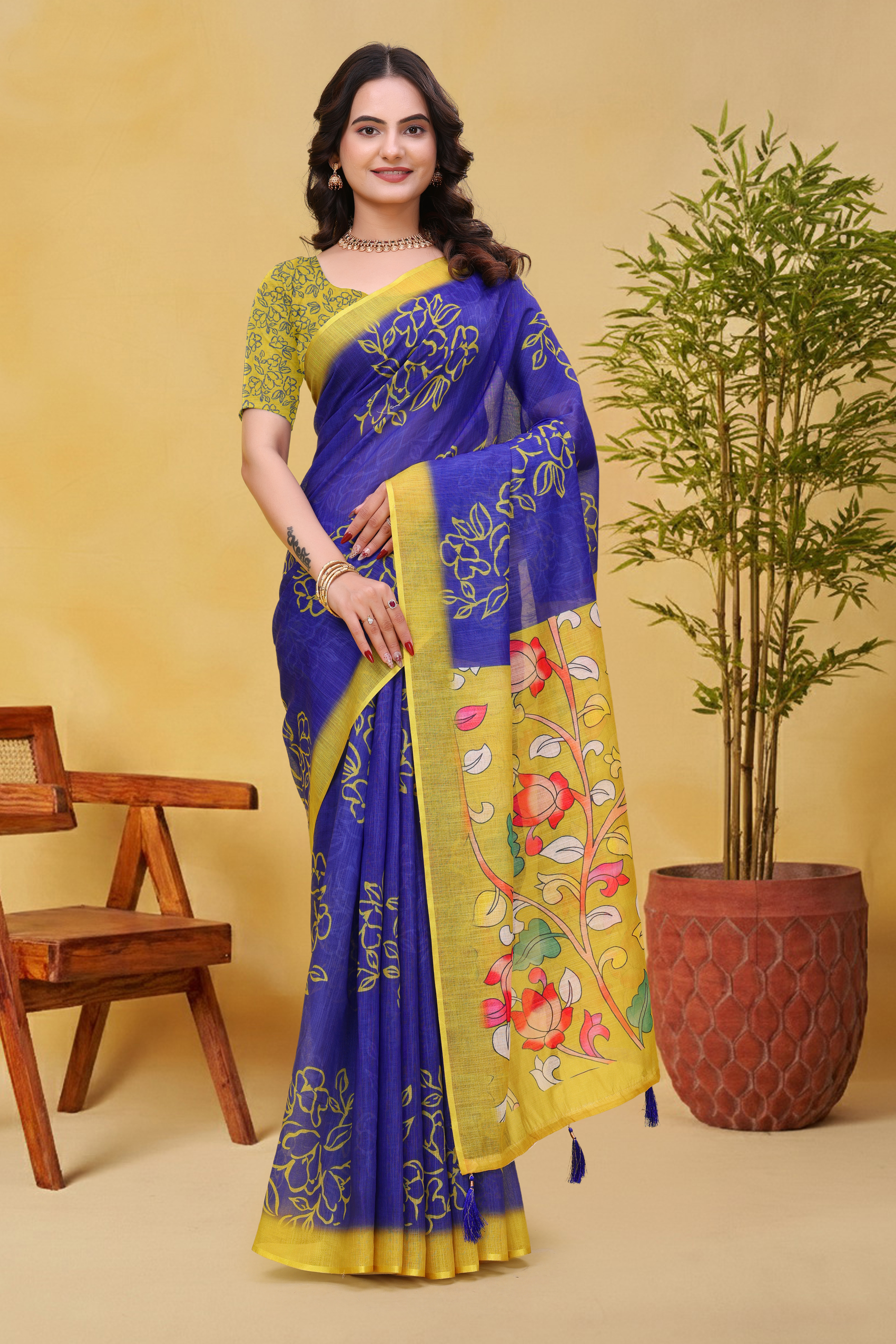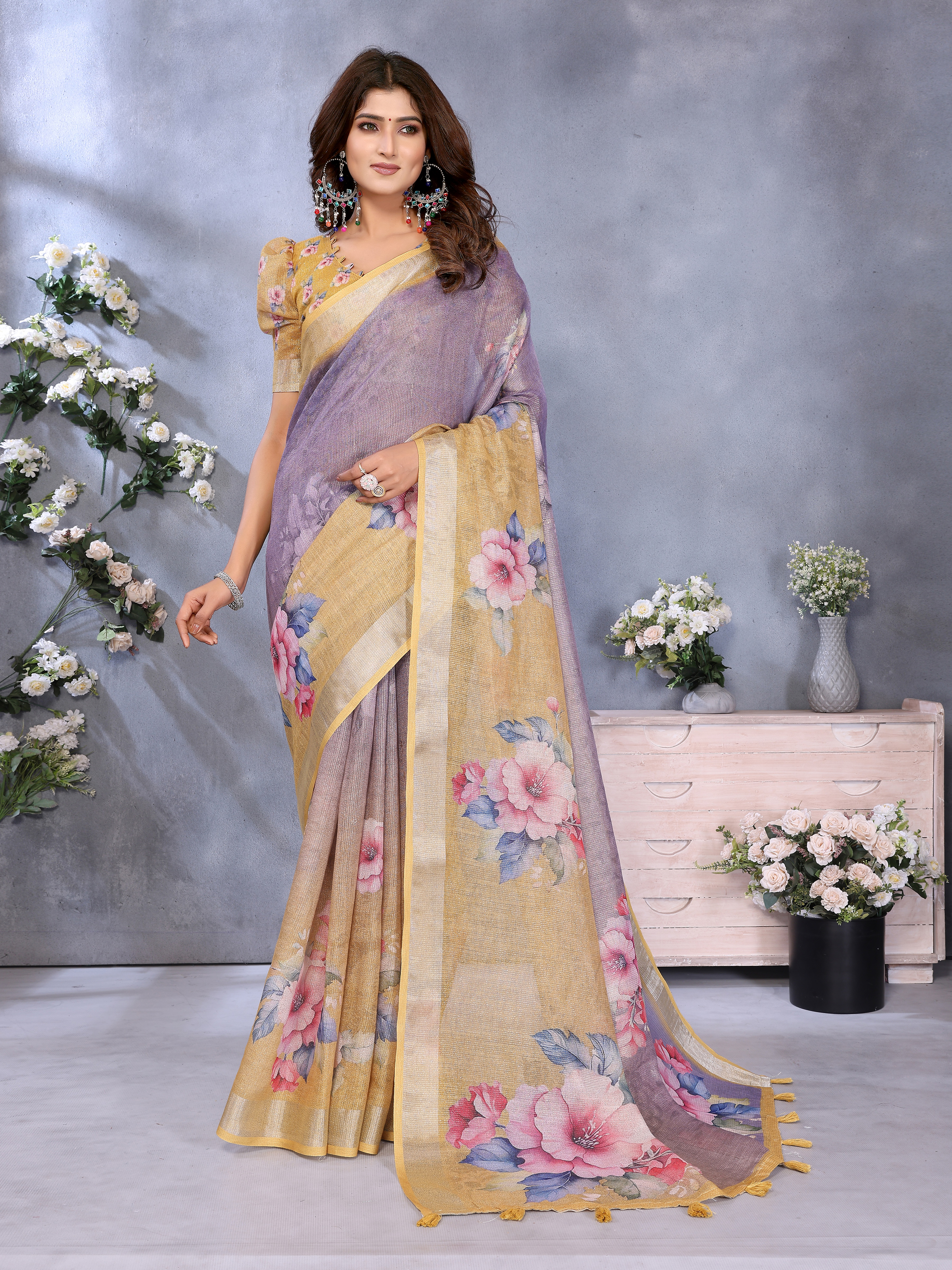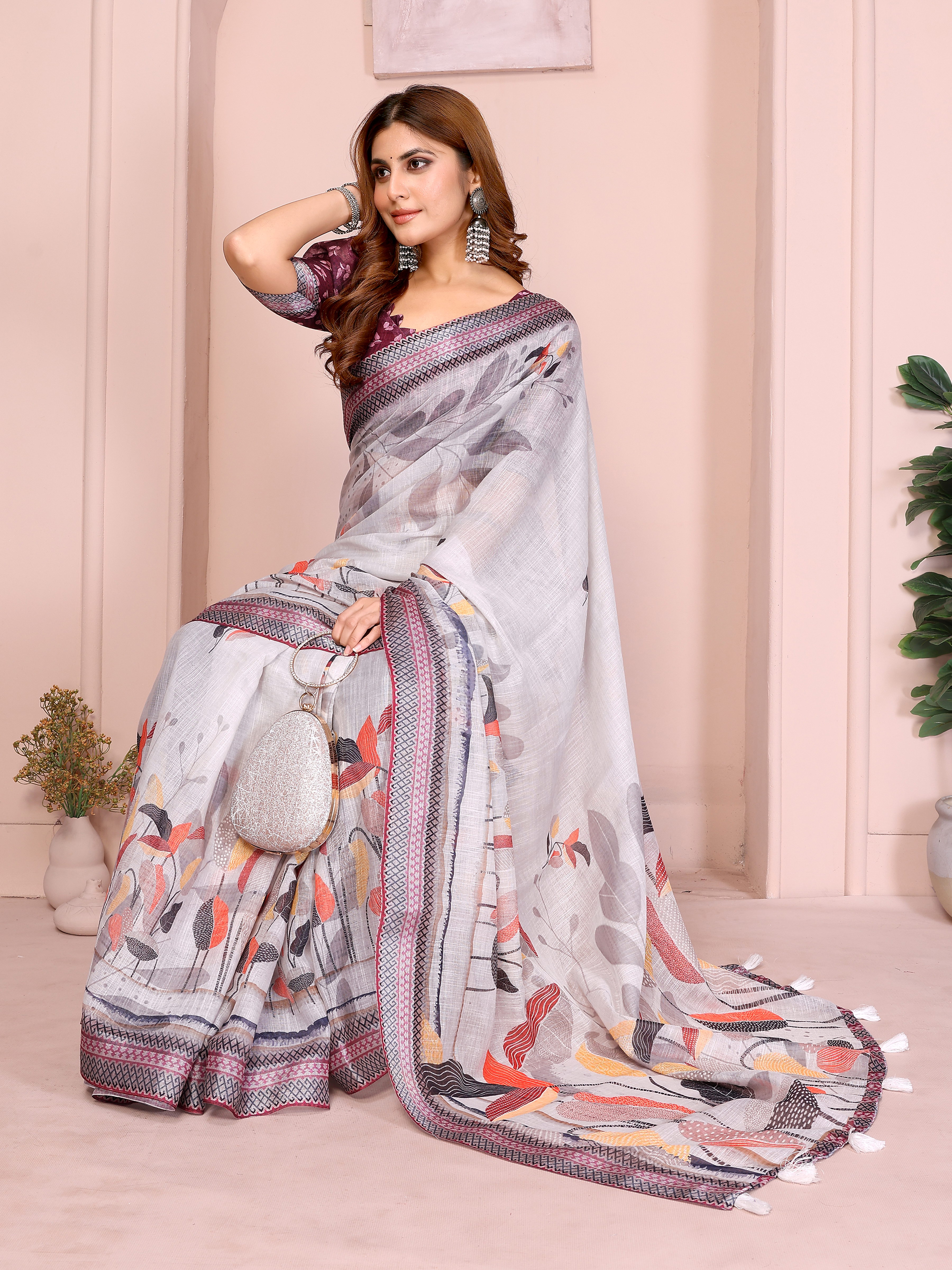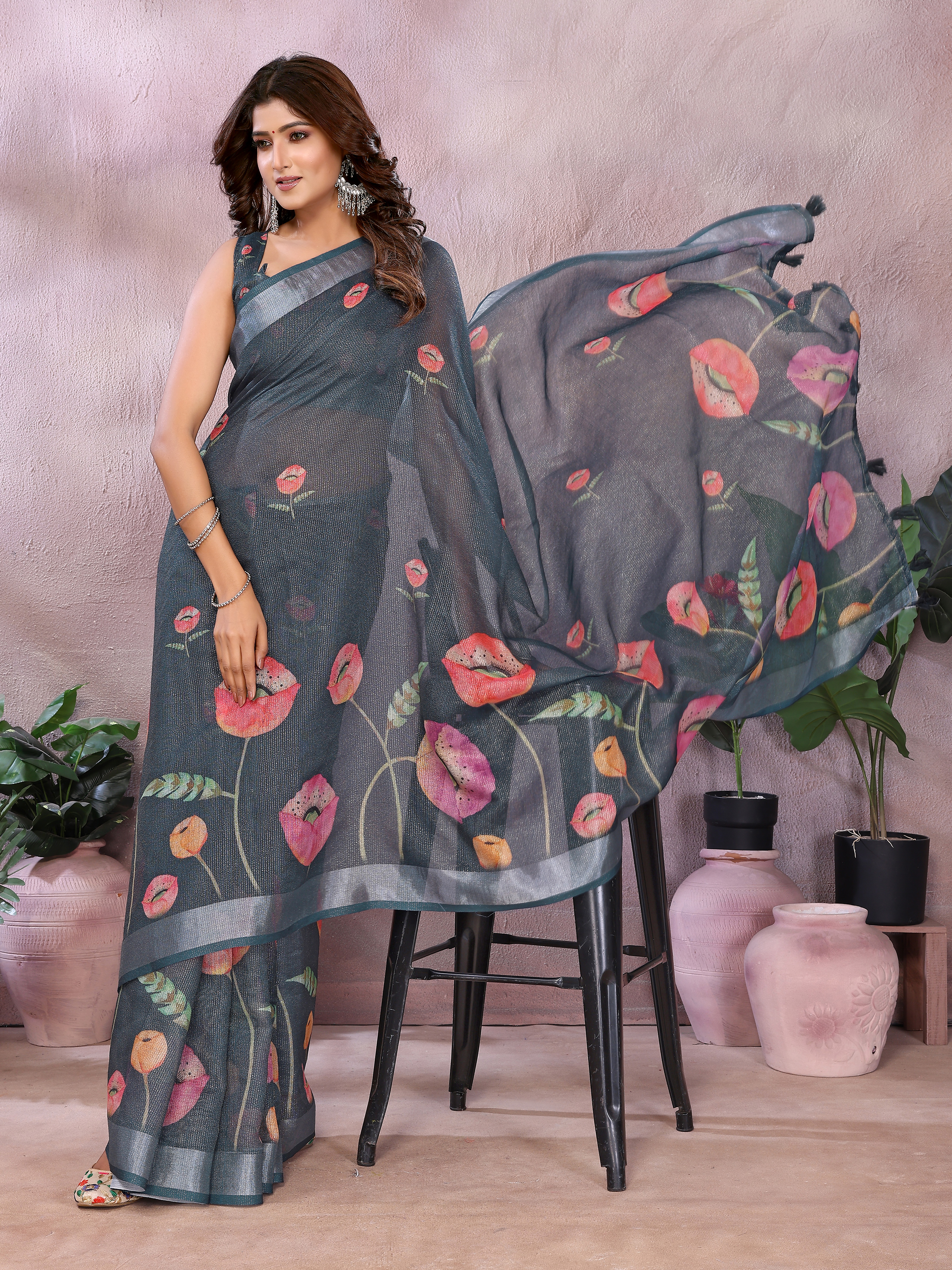
A saree can have a beautiful colour and still feel disappointing after two hours of wear. A kurta can use a fine cotton and still pull awkwardly at the armhole. Small Construction Details Often Decide Whether Ethnic Wear Feels Premium because comfort, shape, durability and visual polish depend on work that's easy to miss in a product photograph. Stitch density, seam allowance, lining, hem weight, button placement and the treatment of zari all change how a garment performs.
Premium doesn't always mean the most expensive fabric or the heaviest embroidery. Premium ethnic wear usually shows consistency in the places a wearer touches, bends, fastens and washes. A careful inspection can reveal more about value than a close-up of sequins.
Why Small Construction Details Often Decide Whether Ethnic Wear Feels Premium
Small construction details decide whether ethnic wear feels premium because they control how fabric hangs, how seams withstand movement and how comfortably the garment sits on the body. A well-made garment distributes tension instead of concentrating it at the neckline, side seam or waist.
Consider a handloom silk saree. The visible surface may be impressive, but the selvedges, fall attachment, blouse-piece finishing and pallu alignment determine whether the saree drapes cleanly. Premium Handloom Silk Saree with Handkatha illustrates why texture alone isn't enough: a handworked surface needs secure thread ends and a stable edge so the decorative work remains attractive through repeated handling.
The same principle applies to ready-to-wear ethnic sets. A good kurta allows the wearer to raise an arm without pulling the bust seam, while trousers or palazzos should sit smoothly at the waist without twisting the side seam. Construction quality turns a textile into clothing that works in real life.
Fabric Preparation and Surface Finish Matter Before Stitching
Fabric preparation matters because shrinkage, skewed grain and uneven tension can distort a finished ethnic garment even when the stitching is neat. Cotton commonly needs pre-shrinking, while silk and Chanderi require careful pressing and storage to avoid permanent creases or crushed texture.
Fabric grain describes the direction of the yarns, and a garment cut off-grain may hang diagonally. A saree with a slightly uneven border can become visibly crooked when pleated. A kurta cut against the grain may twist after washing. Buyers can check a straight border, consistent motifs and an even fall of fabric rather than judging only colour and print.
What should a buyer inspect on a saree?
A buyer should inspect the selvedge, border alignment, pallu transition, blouse-piece join and finishing at the ends of the saree. A selvedge is the self-finished edge woven along the length of fabric; it should generally look firm rather than loosely cut.
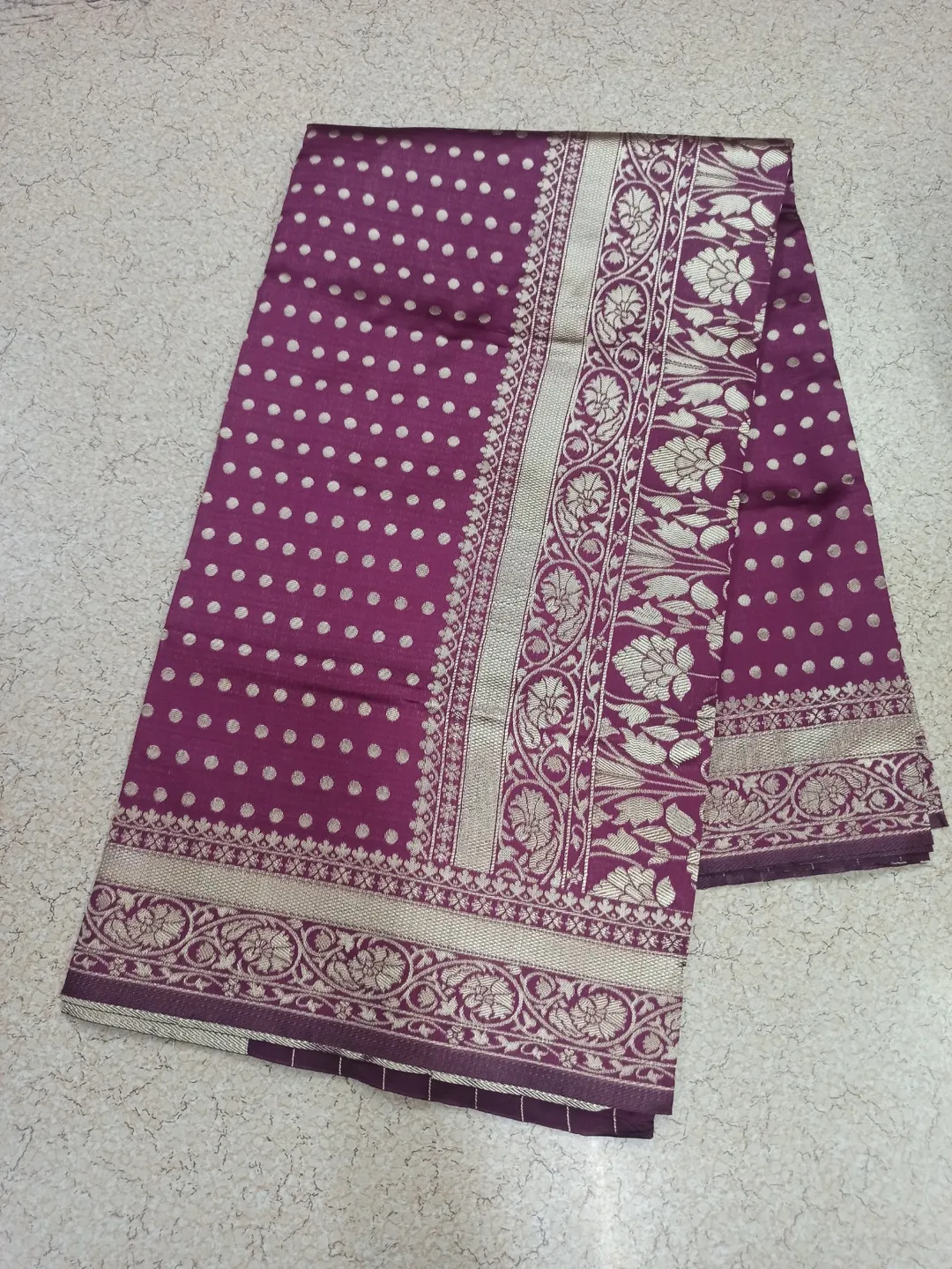
Banarasi silk often contains zari motifs that must sit cleanly across the weave, while Kanjeevaram sarees are known for a strong contrast between body, border and pallu. A visible pattern shift isn't automatically a defect in a handwoven textile, but loose floating threads, abrupt unfinished edges and repeated knots deserve attention.
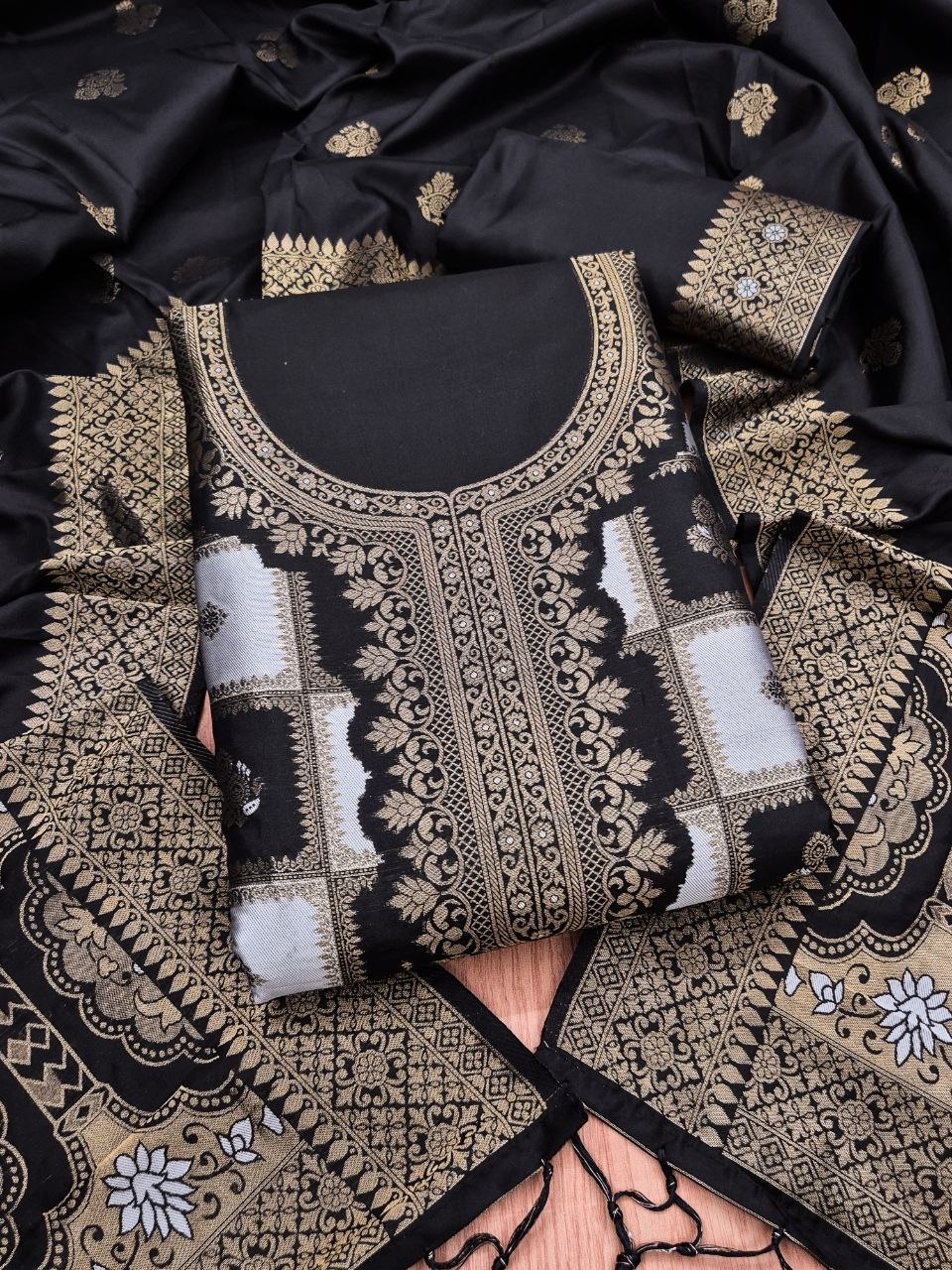
Black Gold Jacquard Lichi Silk Saree with Rich Pallu demonstrates how a strong pallu can become the visual anchor of a saree. The pallu should fold without excessive stiffness, and the jacquard surface should not snag easily when handled with a plain ring or rough nail.
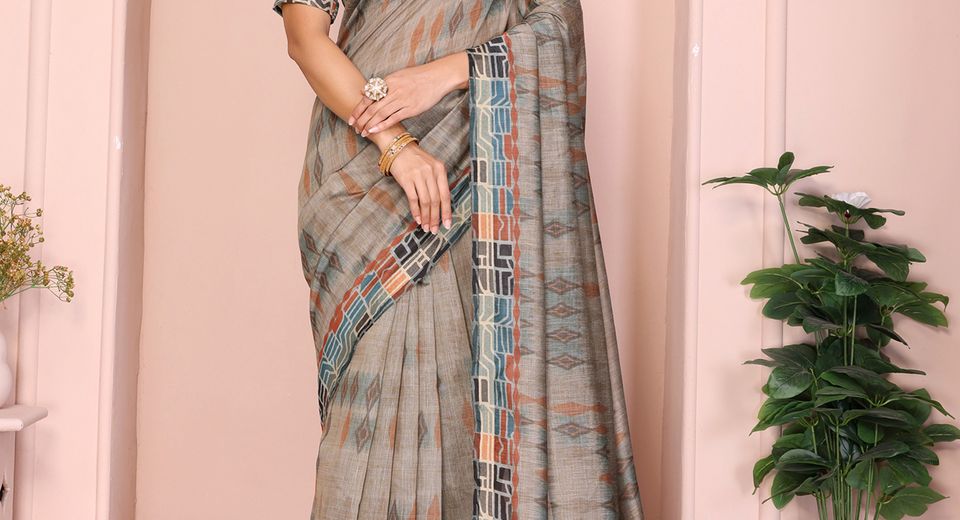
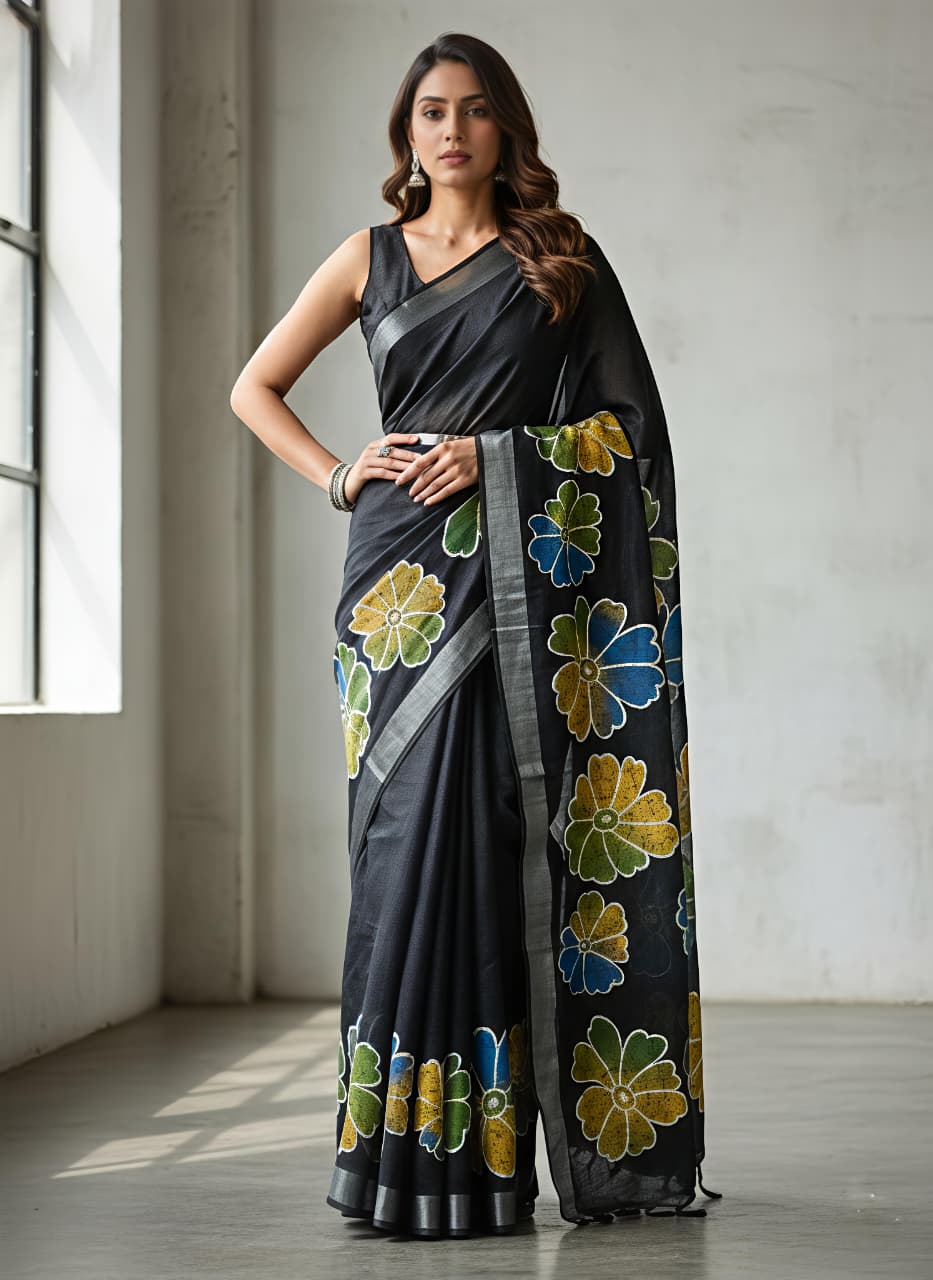
Chanderi is lightweight and often slightly sheer, so finishing becomes especially important. Black Chanderi Cotton Saree with Contemporary Checked Weave should be assessed for an even checked pattern, a stable border and a fall that supports the drape without making the fabric bulky.
Seams, Seam Allowance and Stress Points Reveal Garment Quality
Seams reveal garment quality through straight stitching, adequate seam allowance and reinforcement at points that receive repeated stress. A seam allowance of roughly 1 to 1.5 centimetres is common in many ready-to-wear garments, although the exact measurement varies by design and fabric.

Look for stitches that form a regular line without long gaps, skipped sections or visible thread loops. Side seams should lie flat when the garment is worn, and the armhole should not show puckering. A narrow seam allowance can unravel quickly if the fabric frays, while an overly bulky allowance can create uncomfortable ridges under the arm.
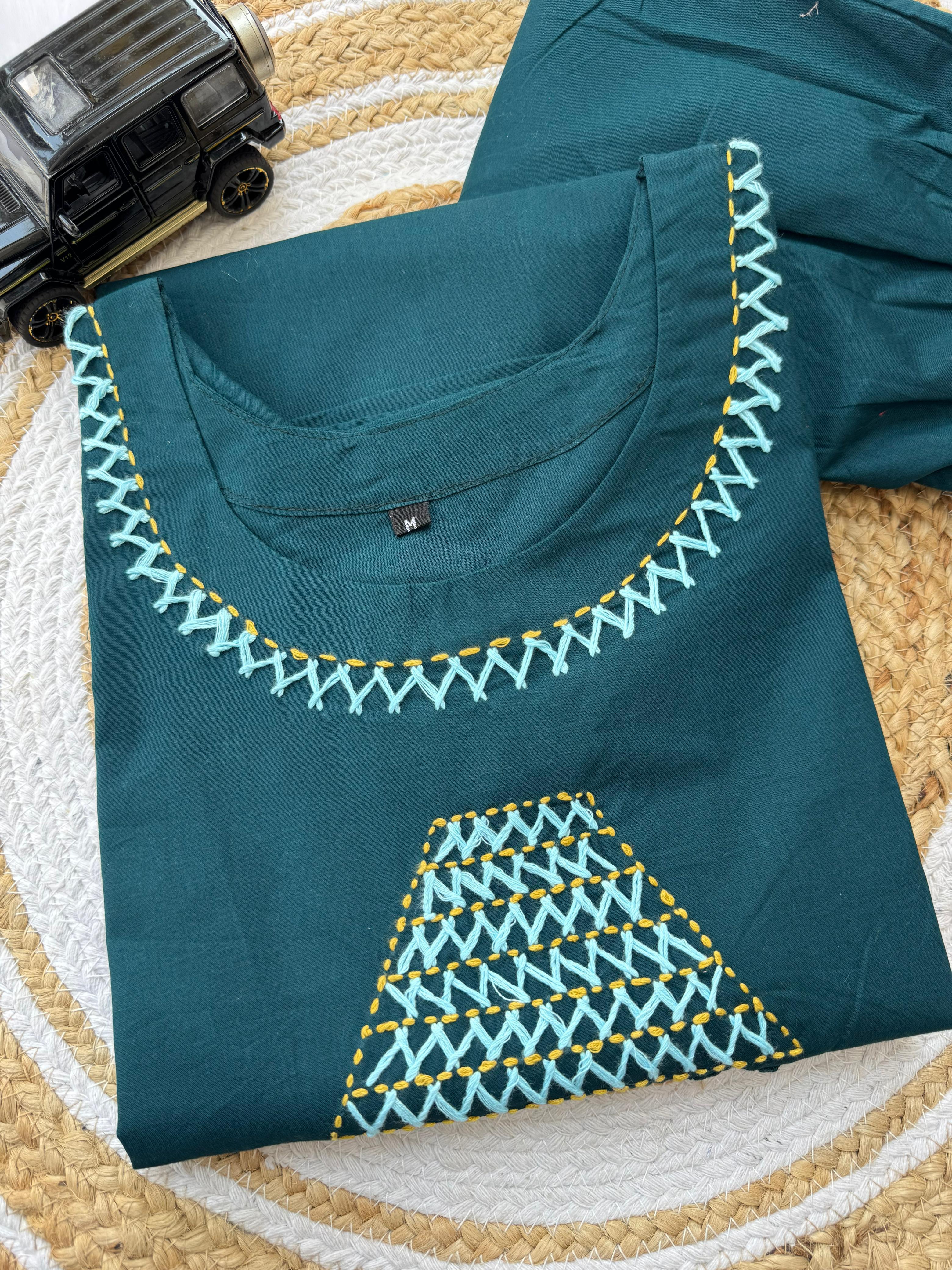
Necklines deserve special attention because embroidery, facings and repeated pulling can distort them. A facing is an additional piece of fabric used to finish a neckline or armhole. A clean facing keeps the edge smooth; an exposed overlocked edge or uneven topstitching can make an otherwise attractive kurta look unfinished.
Where should reinforcement appear?
Reinforcement should appear at pocket openings, side slits, underarms, waist seams, zipper ends and points where drawstrings are attached. Bar tacks, short dense stitch groups or carefully secured seam ends help prevent stress points from opening.
Orange Thread Embroidered Ethnic Suit Set shows why embroidery and construction need to cooperate. Orange thread can make uneven stitching highly visible, so the motifs should have controlled outlines, secure reverse-side threads and no heavy bunching that makes the fabric pucker.
Brown Embroidered Cotton Kurta Pant Dupatta Set Women offers another useful inspection point: cotton can tolerate regular wear, but embroidery still adds weight. The kurta should hang evenly, the trouser waistband should remain flat and the dupatta edge should not curl after light handling.
Lining, Interfacing and Weight Create Comfort
Lining improves comfort and shape when it's breathable, correctly sized and attached without restricting the outer fabric. Lining should not be so tight that it pulls the shell fabric, nor so loose that it bunches at the hem.
Silk and embellished fabrics often benefit from a smooth lining because lining reduces friction against the skin and helps the garment slide over an inner layer. Cotton garments may need only partial lining, especially around a yoke, neckline or sheer panel. A full synthetic lining in hot weather can trap heat even when the outer fabric is breathable.
Interfacing adds firmness to collars, waistbands, cuffs and plackets. Good interfacing supports a shape without creating a cardboard-like feel. Poorly matched interfacing can bubble after washing or create a visible ridge along a neckline.
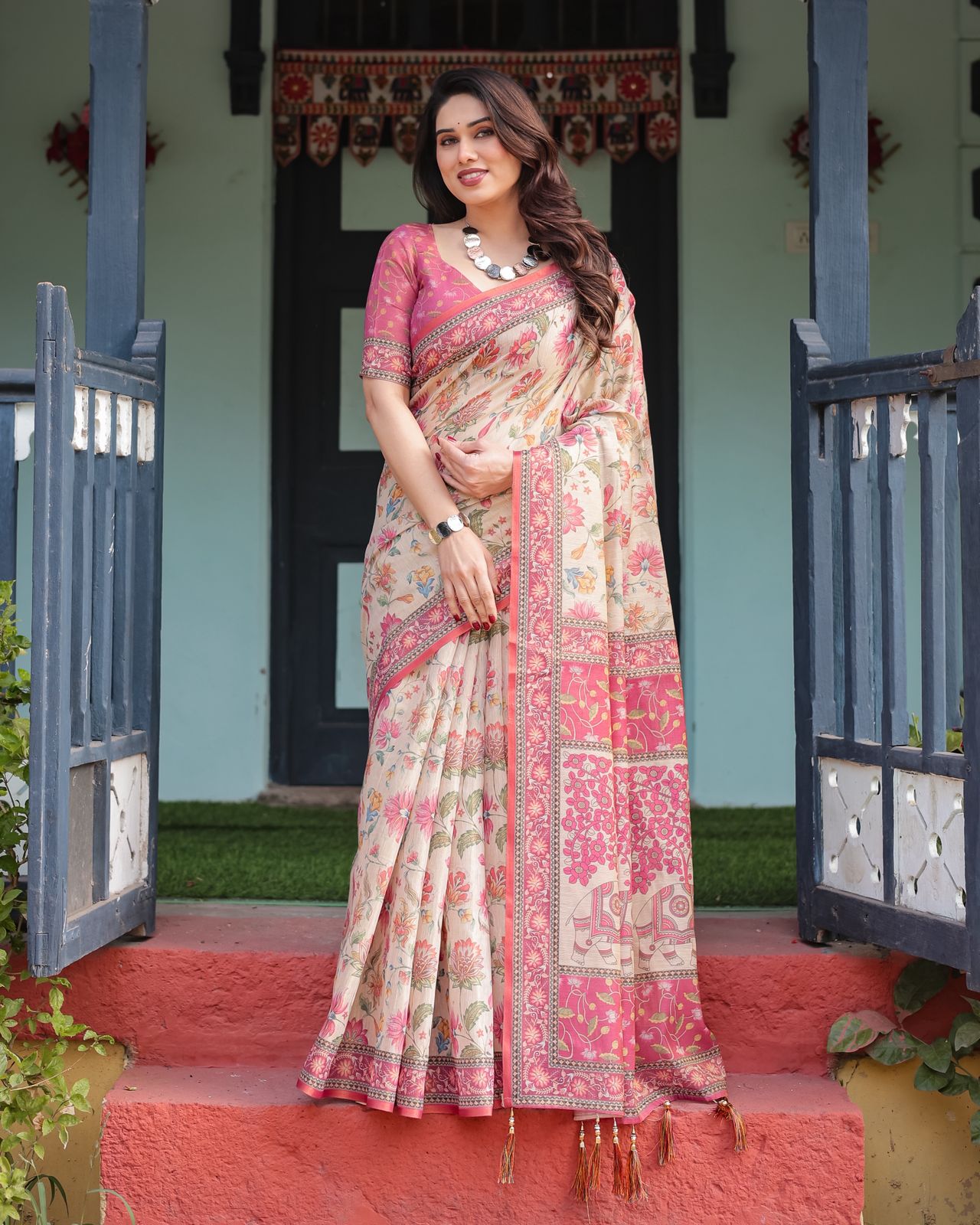
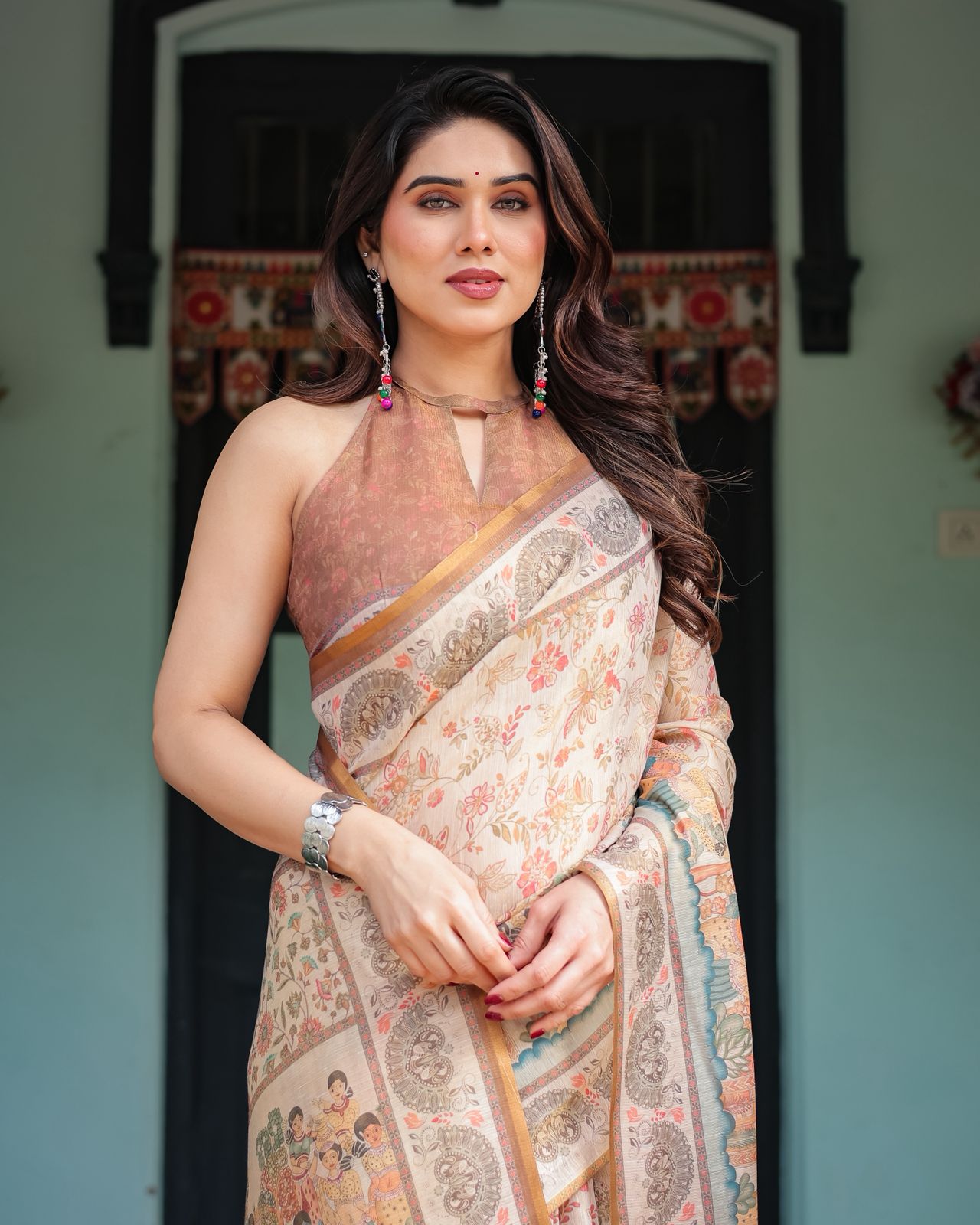
Premium Beige Cotton Handloom Saree with Maroon Ethnic Border and Heritage Printed Pallu shows how a restrained textile can rely on edge stability rather than heavy embellishment. The border should remain defined, while the body should retain enough softness to pleat naturally.
Closures and Fit Details Should Work Without Strain
Closures should open and fasten smoothly while keeping the garment secure during movement. Buttons, hooks, zippers, dori ties and concealed snaps each need reinforcement suited to the fabric and the amount of tension involved.
Buttons should have enough thread shank to accommodate the fabric thickness, and buttonholes should be cleanly cut rather than frayed. Hook-and-eye closures need firm attachment because the waist and bust often place direct strain on them. A zipper should lie flat and should not catch embroidery, lining or zari.
Ready-to-wear ethnic suits also need practical adjustment room. A waistband with a modest seam allowance can support minor alterations, while a completely cut-away seam leaves little flexibility. Side slits should be high enough for walking comfort but finished securely so the opening doesn't spread.
Red Cotton Embroidered Kurta Pant Dupatta Set Women can be evaluated through these everyday points: the kurta should permit a full arm lift, the pant should not twist at the knee and the dupatta should have an edge that stays flat. Comfortable movement is a measurable quality, not merely a styling preference.
Hems, Edges and Zari Finishing Prevent Early Wear
Hems protect the lower edge of a garment from abrasion, stretching and fraying. A good hem is even, proportionate to the fabric weight and secured without a stiff ridge that affects the fall.
Saree fall is a strip of fabric attached along the lower edge to add weight and help the saree pleat. The fall should be attached neatly, with stitching that supports the edge without showing prominently from the outside. Excessively heavy fall can pull a delicate saree, while inadequate support can make pleats collapse.
Dupatta edges may use a narrow hem, overlock, piping, lace or hand finishing. A narrow rolled hem suits light fabrics, but a heavier border needs a construction method that prevents curling. Decorative edging should be securely joined rather than attached only at widely spaced points.
Zari requires careful handling because metallic threads may snag, tarnish or loosen. Store zari-rich garments folded in soft cotton, avoid direct contact with rough jewellery and never drag a zari border across a textured surface. Kanjeevaram and Banarasi silk pieces should be folded along different lines periodically so permanent crease marks don't form in one place.
How to Judge Premium Quality Online
Online buyers can judge construction quality by requesting or locating close photographs of seams, hems, neckline finishing, closures, selvedges and the reverse side of embroidery. A single front-facing image can't show whether a garment is lined, how much alteration allowance exists or whether motifs are securely stitched.
Product measurements should be compared with a garment that already fits well, not guessed from a familiar size label. Check bust, waist, hip, shoulder, sleeve opening, kurta length and trouser rise where those measurements are provided. A two-centimetre difference at the bust can affect comfort more than a small difference in decorative detail.
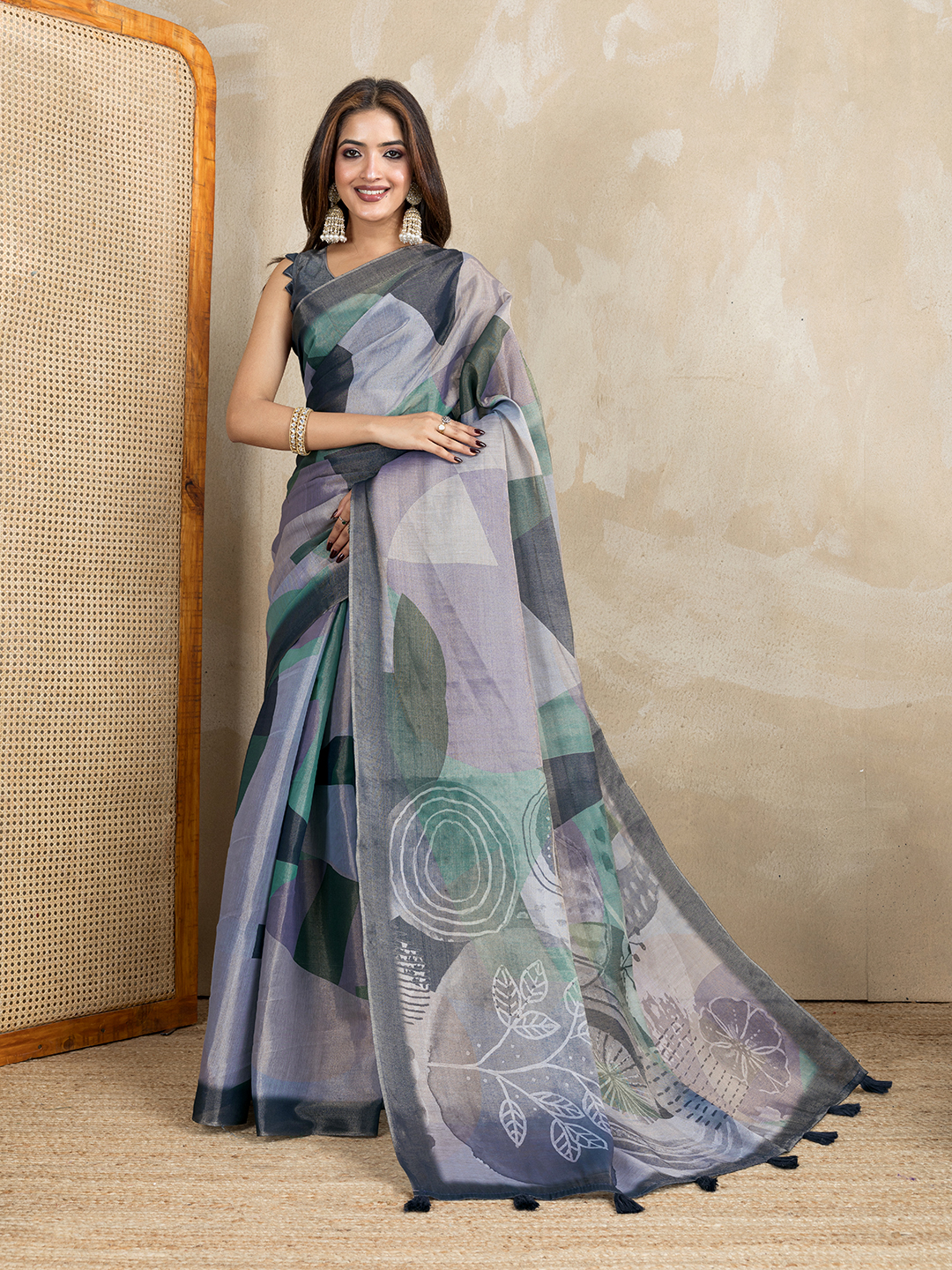
Elegant Grey Chanderi Saree for Contemporary Ethnic Styling is a useful example of why photographs should be read for construction clues. Lightweight Chanderi benefits from close attention to transparency, border stability and pallu finishing, particularly when the saree is intended for minimal styling.
Ask five practical questions before buying: Is the fabric pre-shrunk or likely to shrink? Is the garment lined? Are the seams finished for the fabric type? Can the waist or side seams be altered? Are embroidery and zari threads secured on the reverse? Clear answers reduce uncertainty far more effectively than broad claims about luxury.
Care Habits Preserve Construction Quality
Care preserves construction quality when cleaning, drying and storage methods match the fibre and embellishment. Cotton garments may tolerate gentle machine washing if the care label allows it, while silk, zari and heavily embroidered garments usually need specialist dry cleaning or cautious hand care.
Wash cotton ethnic wear in cool water with a mild detergent, avoid prolonged soaking and dry strong colours in shade. Excess heat can shrink cotton and weaken adhesive interfacing. Press cotton on the reverse side when possible, using a temperature appropriate for the fibre.
Silk should be protected from perfume, deodorant and direct sunlight because acids, alcohol and ultraviolet exposure can alter colour and weaken fibres. Fold Banarasi silk, Kanjeevaram and jacquard sarees in clean muslin or cotton rather than sealing them in plastic for long-term storage.
don't iron raised embroidery, sequins or metallic zari directly. Place a thin cotton cloth between the iron and the garment, use low heat where appropriate and test an inconspicuous section first. Careful handling protects the small construction decisions that made the garment comfortable and durable in the first place.
A premium ethnic garment earns its value through repeated small successes: a neckline that stays flat, a seam that doesn't scratch, a hem that holds its shape and a closure that works without a struggle. Small Construction Details Often Decide Whether Ethnic Wear Feels Premium because those details are experienced every time the garment is worn, not only when it's photographed.
Common Questions About Ethnic Wear Construction and Finish
What makes ethnic wear look premium?
Ethnic wear looks premium when fabric quality is supported by straight seams, clean hems, secure embroidery, stable borders, comfortable lining and well-fitted closures. Consistent finishing often matters more to the wearing experience than heavy embellishment alone.
How can I check the quality of a saree before buying it online?
Check close images or product information for the selvedge, border alignment, pallu, blouse-piece finish, fall attachment and reverse side of zari or embroidery. Also verify fabric composition, measurements, care instructions and whether the textile is handwoven or powerloom.
Why is lining important in a salwar suit or kurta set?
Lining can reduce friction, improve opacity and help a garment retain its shape. Lining should fit the outer garment without pulling, bunching or trapping excessive heat, especially in cotton ethnic wear used during warm weather.
What seam details should I inspect in a ready-to-wear kurta?
Inspect the armhole, side seams, neckline, side slits, pocket openings and shoulder seams for regular stitching and secure finishing. Reinforcement at stress points and enough seam allowance also make later alterations and repeated wear safer.
How should I care for zari and embroidered ethnic wear?
Store zari and embroidered garments folded in clean cotton or muslin, away from moisture, rough jewellery and direct sunlight. Follow the care label, avoid ironing embellishment directly and use specialist cleaning for delicate silk or heavily worked garments.
Does a higher price always mean better ethnic-wear construction?
A higher price does not automatically guarantee better construction. Buyers should compare fabric, handwork, lining, seam finishing, closure quality, alteration allowance and care requirements because those details provide stronger evidence of value.