

Simple Ways to Reduce Static Cling in Chiffon and Georgette Sarees can make a visible difference to pleats, pallu placement and comfort. Chiffon and georgette are lightweight, closely woven fabrics that can develop an electrical charge when they rub against petticoats, blouses, skin or synthetic lining. The result may be a pallu that sticks to the arm, pleats that pull together, or fabric that follows the legs while walking. A few changes to washing, drying, layering and last-minute preparation usually contain the problem without adding weight or leaving marks.
Why do chiffon and georgette sarees cling?
Chiffon and georgette sarees cling when friction and low moisture allow small static charges to build up on the fabric. Movement separates electrons between two surfaces, while dry air gives the charge fewer opportunities to dissipate. Polyester blends, nylon petticoats, acrylic sweaters and synthetic blouse linings can increase the effect because these materials rub easily and don't absorb much moisture.
Georgette has a slightly grainy, crepe-like surface created by twisted yarns, whereas chiffon generally feels smoother and more fluid. Both fabrics can carry static, but the amount depends on fibre content, finishing, humidity and the garments worn underneath. A georgette saree with sequin lace may also catch against a lining or textured blouse more readily than a plain, matte weave.
Static cling is different from ordinary fabric friction. Friction makes a saree snag or drag against another surface; static makes separate layers attract, repel or stick together. This distinction matters because adding oil or heavy lotion may reduce dry-skin friction but can stain a pale chiffon saree. The safest first response is to manage moisture and the surfaces touching the saree.
Simple Ways to Reduce Static Cling in Chiffon and Georgette Sarees
Can humidity reduce saree static?
Moderate humidity can reduce saree static because moisture in the air helps electrical charges disperse. Before dressing, keep the saree in a room that's not excessively dry, and avoid storing it beside a heater, hot appliance or continuously running air conditioner. In a very dry room, a small humidifier used safely for a short period can help, but the saree should never be exposed to steam or direct dampness.
A practical preparation window is 30 to 60 minutes before draping. Hang the saree on a broad hanger with space around it, rather than leaving it folded tightly inside a plastic cover. Do not place the saree against a wet wall or spray water directly onto the fabric. Direct moisture can create tide marks, weaken embellishment adhesives and leave an uneven finish after drying.
Does lightly moisturising the skin help?
Lightly moisturising exposed skin can reduce the dry contact that encourages a saree to cling to the legs or arms. Apply a small amount of fast-absorbing, fragrance-free lotion to the arms, waist area and legs at least 10 minutes before dressing. The skin should feel comfortable but not greasy when the saree is wrapped.
Keep creams, oils and body butters away from the saree itself, especially around the pallu and front pleats. Oil can darken chiffon, leave a ring on georgette and attract dust to zari or sequin lace. If the saree is pale, test any lotion on a hidden area of the petticoat or blouse instead of experimenting on the garment.
How should you wash and dry a saree to prevent static?
Gentle washing and complete drying reduce residue and fibre roughness, both of which can make static feel worse. Always check the care label first, because embellished, silk-blend and handloom sarees may require dry cleaning or specialist cleaning rather than home washing.
- Use a mild liquid detergent in cool water for washable chiffon or georgette, and measure the detergent instead of pouring it freely.
- Rinse thoroughly so detergent residue doesn't remain between the yarns.
- don't twist, wring or scrub the saree; press water out through a clean towel if the care label permits washing.
- Dry the saree in shade with good airflow, keeping it away from direct midday sunlight and rough walls.
- Remove the saree when it's fully dry, because storing even slightly damp fabric can cause odour and mildew.
A small amount of fabric conditioner may reduce friction on some washable synthetic fabrics, but conditioner isn't automatically safe for every saree. Conditioner can coat fibres, affect the fall, dull a surface finish or loosen the grip of embellishments. Avoid conditioner on Banarasi silk, Kanjeevaram, zari-heavy sarees and handloom pieces unless the care instructions specifically allow it. Never pour concentrated conditioner directly onto chiffon or georgette.
Dry-cleaned sarees should not be repeatedly sent for cleaning only because of static. Frequent chemical cleaning can shorten the life of delicate fibres and trims. Airing the saree after wear, brushing away loose dust with a soft garment brush and storing it correctly are gentler routine measures.
Which layers reduce cling while you're wearing a saree?
A smooth, breathable underskirt and a low-friction blouse lining usually reduce cling more effectively than adding extra layers. Choose a petticoat that fits without excess volume and has a smooth cotton, satin or suitable anti-static lining. Avoid rough net underskirts and very thin nylon layers when a fluid chiffon or georgette saree is already prone to sticking.

The petticoat should support the saree without pulling it tightly against the legs. A drawstring that's too tight increases pressure and friction, while a loose waist can make pleats shift. The ideal fit holds the knot securely at the natural waist and leaves enough room for comfortable walking and sitting.
Blouse lining also matters. A clean, smooth lining lets the pallu move over the shoulder instead of catching on seams or textured embroidery. If a blouse has sequins, raw seam edges or stiff interfacing, place a soft, lightweight lining between those areas and the saree. A narrow shoulder drape pin can stabilise the pallu, but pins should pass through a reinforced edge or fall area rather than the visible body of delicate fabric.
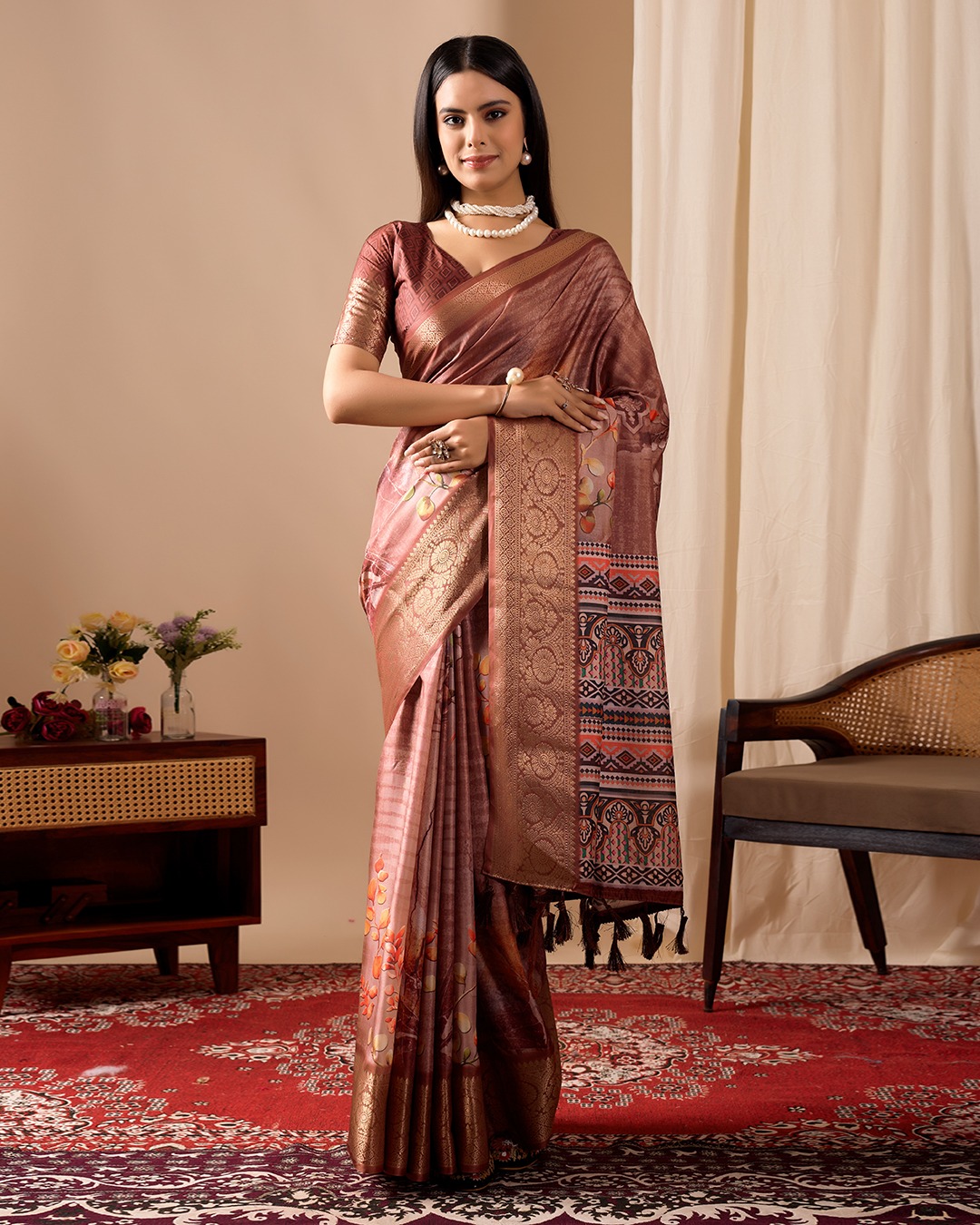
Layering choices can be illustrated by different saree surfaces. The fluid Wine Floral Georgette Saree with Sequin Lace Border may benefit from a smooth petticoat and a lined blouse because lace and sequins can catch on rough underlayers. The Mustard Calcutta Moss Georgette Printed Saree may need less intervention if its printed surface moves easily, but the same low-friction base remains useful. The Mustard Moss Georgette Silk Saree With Foil Work should be handled carefully because foil work can be affected by abrasion and unsuitable washing products.
What can you do immediately before draping?
A clean metal hanger, a light touch and a brief fabric-safe check can control last-minute static without wetting the saree. Hang the saree, run clean hands over the inside of the pallu and pleats, and check whether the cling comes from the saree or the garment underneath. Remove lint and hair with a soft clothes brush rather than adhesive tape, which may pull at loose threads or sequins.

An anti-static spray can be useful only when its label confirms compatibility with the saree fibre and embellishments. Spray onto a clean cloth or into the air according to the product directions; don't saturate chiffon, georgette, zari, foil or sequin work. Test the product on an inconspicuous inner edge and wait until it dries before using it on a visible area.
Another low-risk option is to touch a grounded metal object before handling the saree, especially after walking across a carpet. This may discharge static from your body, although it won't permanently change the fabric. A clean, slightly dampened cloth can be passed over the underside of a stubborn pallu, but the cloth must be barely damp and the saree must dry fully before folding.
Metal accessories can sometimes create a small discharge when they touch charged fabric. That sensation is usually harmless, but sharp jewellery can snag a fluid weave. Wear bangles and brooches after the saree is draped, and keep pointed pins away from the visible pallu.
How do you drape a cling-prone saree more securely?
Secure the waist, pleats and shoulder separately so one area doesn't carry all the movement. Start with a correctly fitted petticoat, make pleats of consistent width and place the pleat bundle slightly to the side where walking feels natural. A discreet safety pin through the pleat folds can keep the lower edge aligned, while a second pin at the shoulder can prevent the pallu from creeping upward.
don't over-tighten the front pleats to force a flat finish. Excess tension makes the fabric pull against the petticoat and can exaggerate cling. Press the pleats with your hands instead of using a hot iron directly on chiffon or georgette. If pressing is necessary, use the temperature stated on the care label, place a pressing cloth over the saree and keep the iron moving.
Leave enough pallu length for natural movement. A very short pallu is more likely to pull across the bust and shoulder, while an excessively long pallu brushes the floor and collects dust. For a slippery saree, a small number of well-placed pins is safer than many pins scattered across the fabric.
The Designer Emerald Georgette Saree with Sequin Lace works well as an example of why placement matters: a sequin edge needs support without being pierced repeatedly. A contrasting fabric can offer another solution when static is persistent. The Elegant Charcoal Garden Organza Cotton Silk Saree and Ivory Geometric Print Pure Linen Saree with Tassel Pallu have different structures, so switching to a cotton silk or linen saree may be more comfortable in an especially dry environment.
What should you avoid when treating static?
Avoid direct water sprays, hair spray, perfume, oil, starch and untested household remedies on chiffon and georgette. These products can create rings, stiffness, colour change or residue, and perfume alcohol may affect dyes or metallic decoration. Do not rub the saree with a balloon, rough towel or abrasive dryer sheet because friction can pull yarns and damage surface details.

Never use a hot hair dryer to remove static or dry a damp spot. Concentrated heat can distort synthetic fibres, set a mark and weaken glue used for lace or sequins. Avoid folding a cling-prone saree immediately after wearing it; air it for several hours, inspect the lower edge for dust and then fold it with soft, acid-free tissue if the care instructions permit.
Storage affects future static as well. Keep chiffon and georgette in a breathable cotton cover rather than sealed plastic for long periods. Fold heavy borders inward so they don't press continuously against the lightweight body, and refold rarely worn sarees every few months to reduce permanent crease lines.
How can you choose a less cling-prone saree?
A slightly more substantial weave, natural-fibre content or textured surface may feel less cling-prone than ultra-light synthetic chiffon in dry conditions. Check the fibre composition, lining requirements and embellishment before buying, rather than judging only by the photograph. A saree intended for frequent wear should also have a care routine that fits your household.
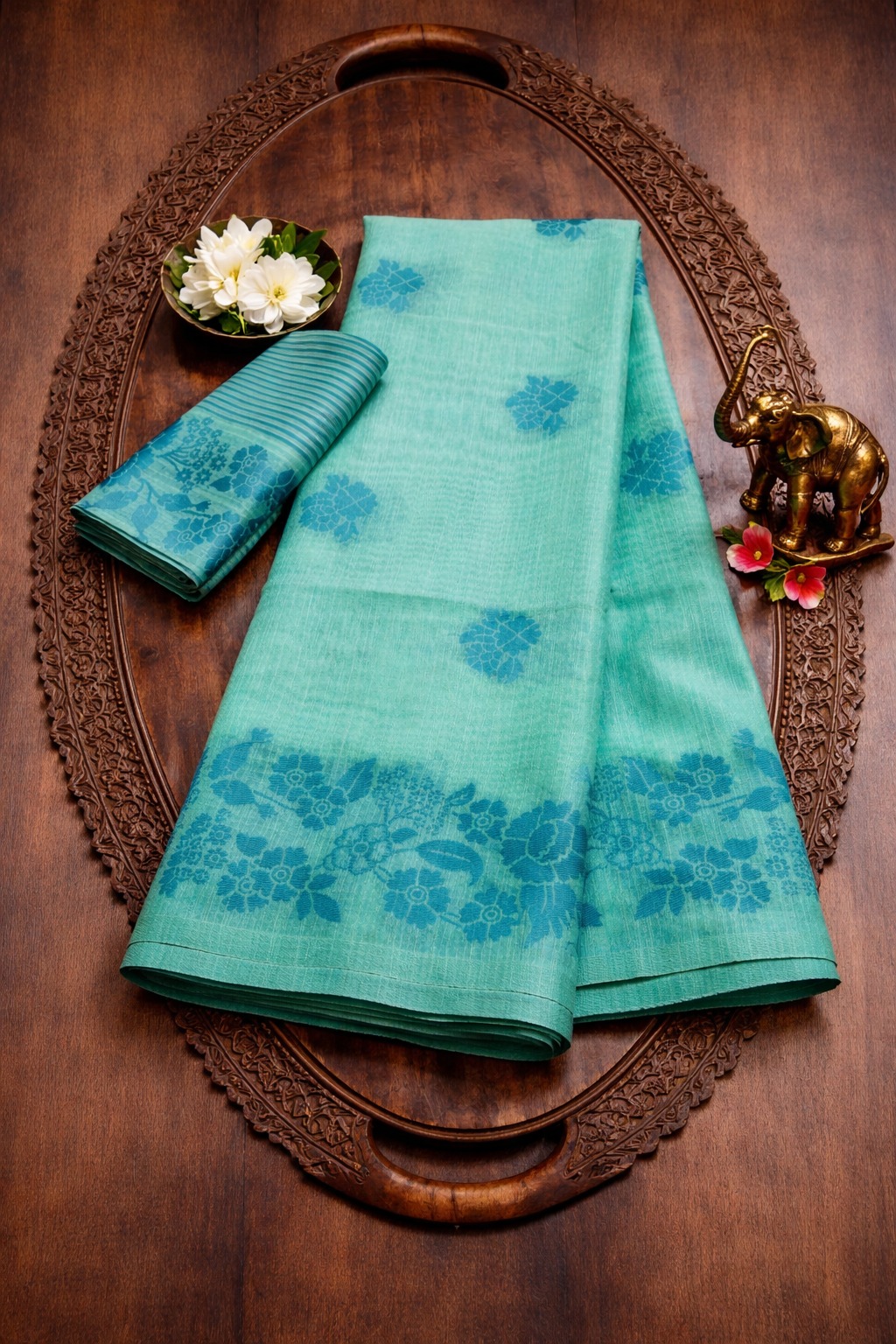
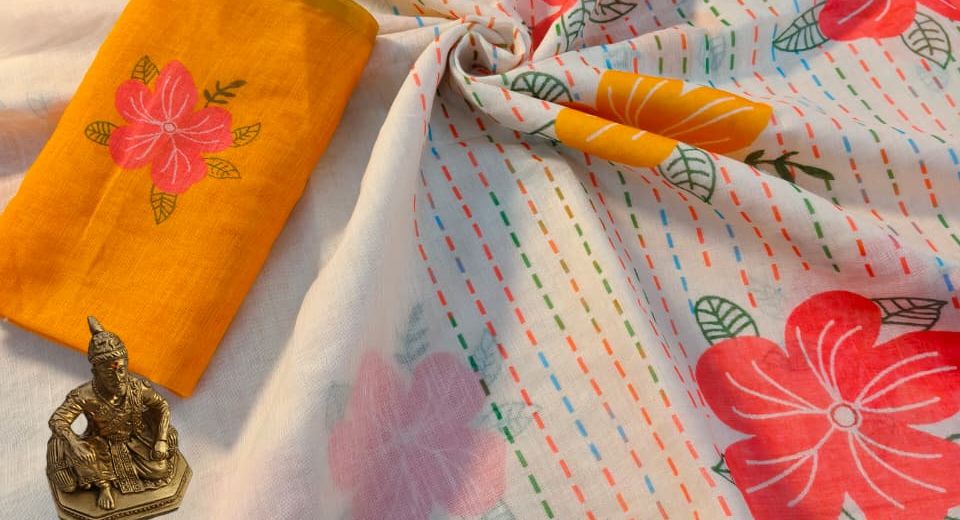
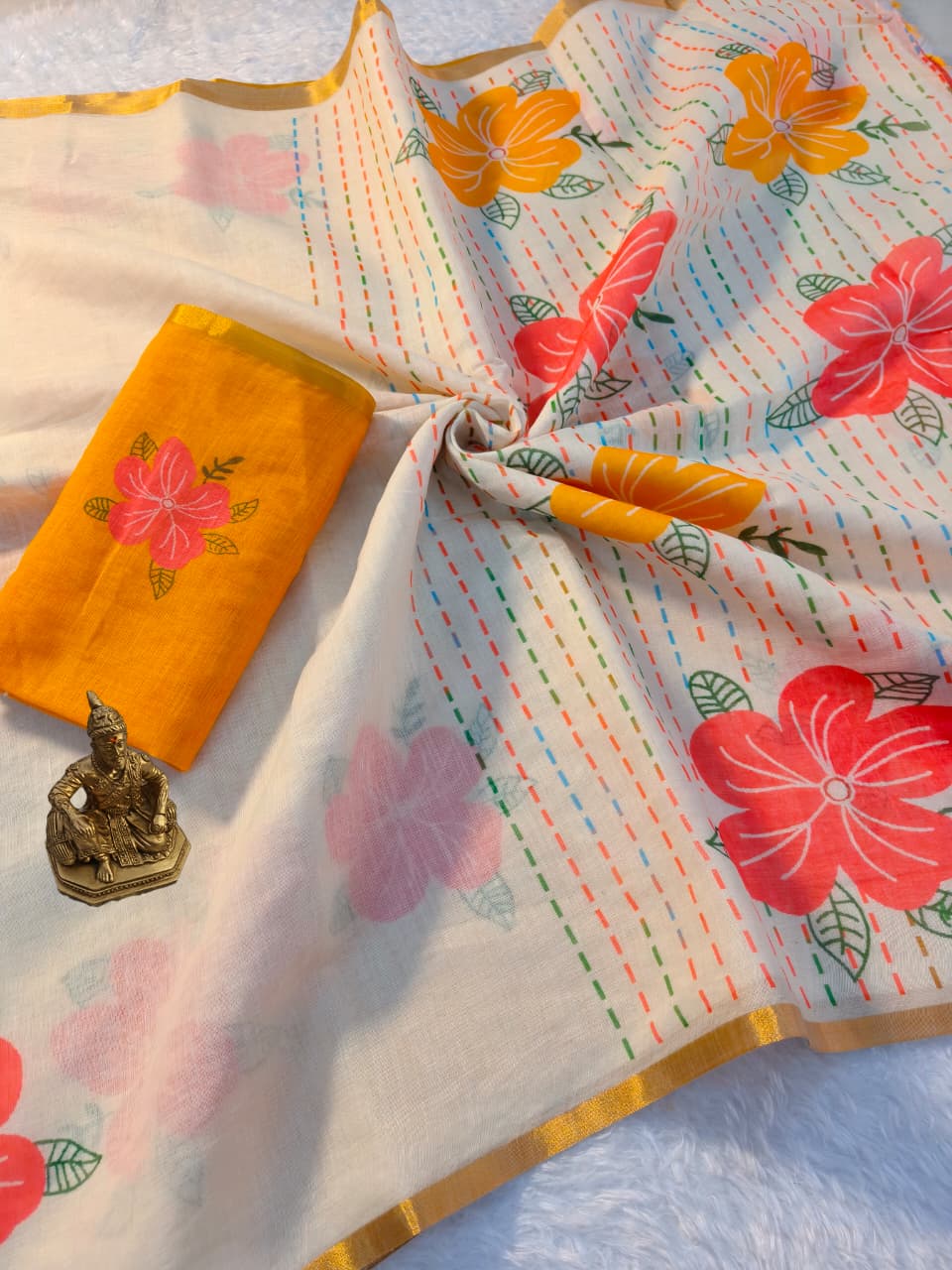
For a breathable alternative, the Chikoo Floral Linen Digital Print Saree with Blouse and Ivory Geometric Print Pure Linen Saree with Tassel Pallu offer linen-based options with more body than floaty chiffon. The Pastel Floral Tissue Handloom Cotton Saree with Zari Weaves can suit someone who prefers a structured handloom texture, although zari still requires careful folding and cleaning. These examples are not static-proof; fibre blends, weather and underlayers continue to influence performance.
Budget-conscious shopping can leave room for a better petticoat and blouse lining, which often solve more practical problems than a lower-priced saree alone. Relevant browsing sections include Sarees from Rs 1000 to Rs 1500, Sarees Under 20% Off and Sarees Under 10% Off. Discounted pieces still deserve a composition check, especially when the description mentions foil, zari, tissue, silk or handloom construction.
Simple Ways to Reduce Static Cling in Chiffon and Georgette Sarees work best as a sequence: reduce dry friction, choose compatible layers, prepare the saree gently and pin only where support is needed. With those steps, the pallu can remain fluid and the pleats can stay orderly without coating the garment in risky home remedies.
Common Questions About Static in Chiffon and Georgette Sarees
How can I stop a georgette saree from sticking to my legs?
Wear a smooth, well-fitting petticoat and apply a small amount of fast-absorbing lotion to dry skin before dressing. Avoid rough net underskirts, oily creams and direct sprays on the georgette.
Can I use fabric softener on a chiffon saree?
Use fabric softener only when the care label permits it and the saree is a washable fabric. Do not use it automatically on embellished chiffon, zari, foil work or silk blends because residue can change the fall or affect decoration.
Does hairspray remove static from a saree?
Hairspray is not a reliable or fabric-safe default for sarees. Alcohol, fragrance and resin can leave marks or stiffness, so use a tested anti-static product that specifically allows the saree fibre instead.
Why does my saree cling more in winter or air-conditioned rooms?
Cold, dry air contains less moisture, so static charges dissipate less easily. Air the saree in a moderate-humidity room, moisturise dry skin and reduce contact with synthetic petticoats or linings.
How should I store a chiffon or georgette saree after wearing it?
Air the saree for several hours, remove dust gently and ensure it is completely dry before folding. Use soft tissue where appropriate and store the saree in a breathable cotton cover away from heat and direct sunlight.
Can ironing remove static from georgette?
Ironing may temporarily change the fabric's feel but is not a dependable static solution. If pressing is allowed, use the lowest care-label temperature, a pressing cloth and a moving iron; never apply direct high heat to chiffon, georgette or embellishments.


