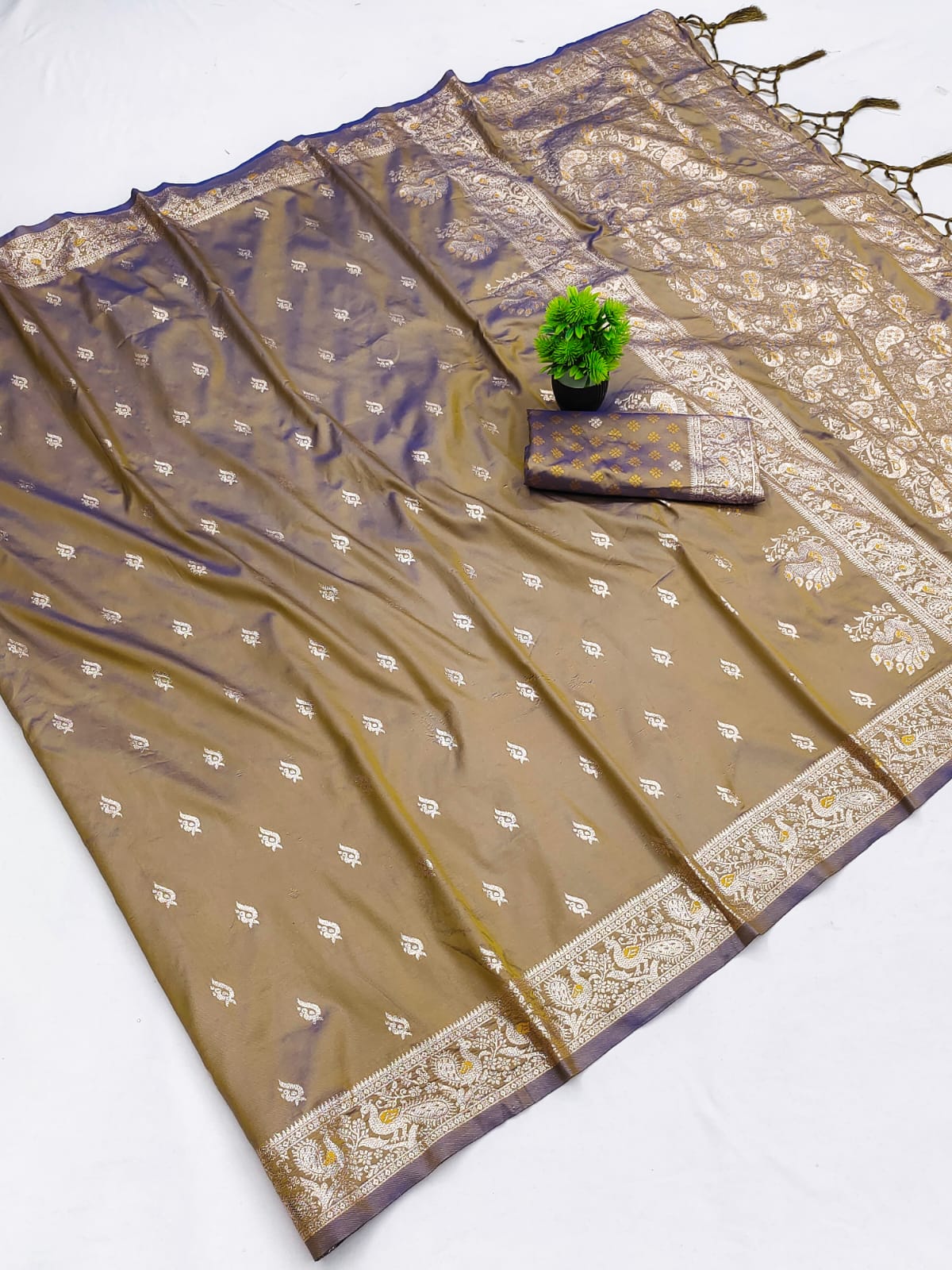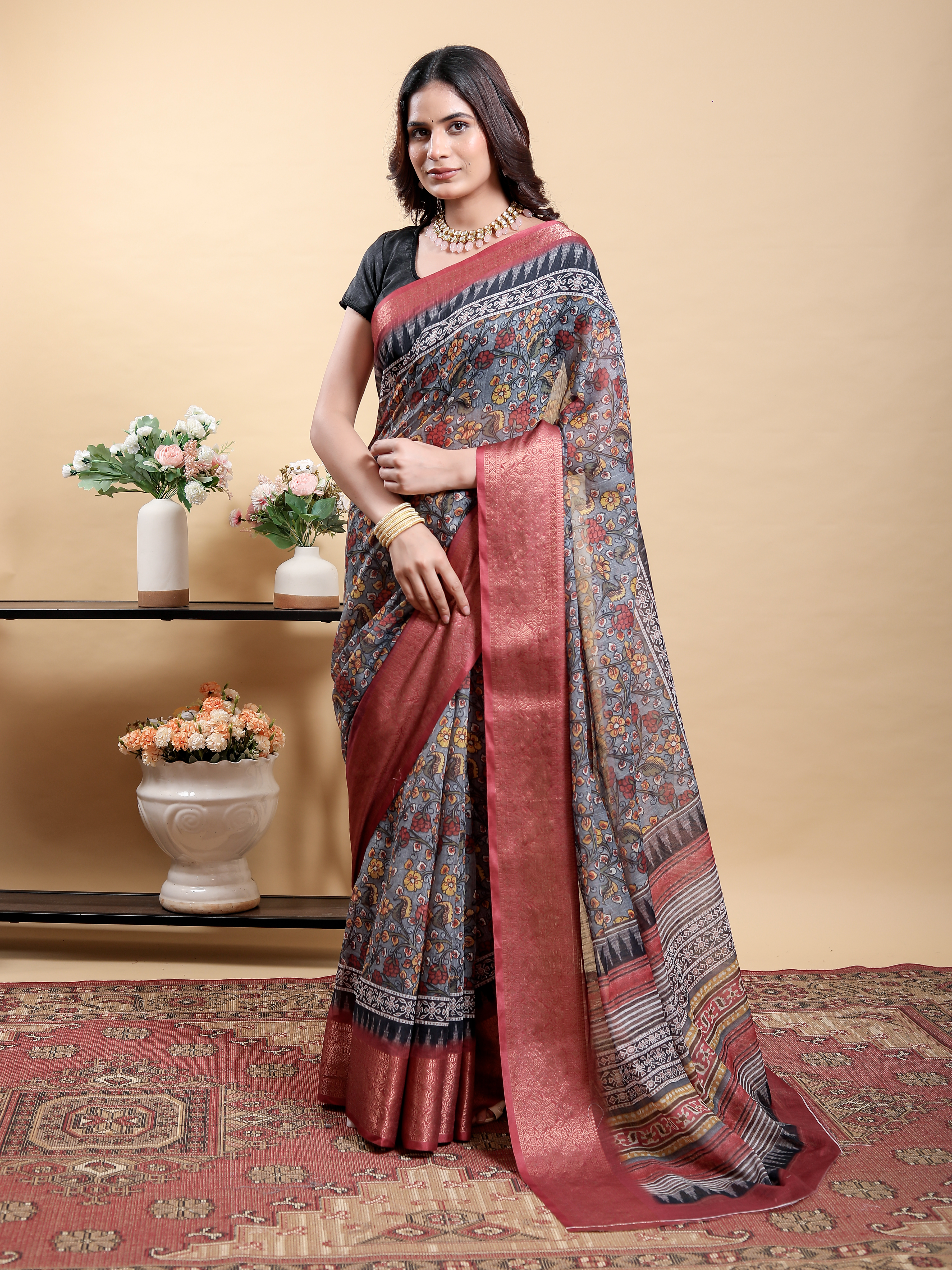
Fabric should usually come first when you're choosing a wedding guest outfit, because the textile determines comfort, drape, breathability and how long the garment remains wearable. The question "Should You Prioritise Fabric or Embroidery for a Wedding Guest Outfit" has a practical answer: choose a suitable fabric for the venue, season and duration of the event, then use embroidery to refine the level of celebration.
A heavily embroidered outfit made from an uncomfortable or poorly suited textile can feel restrictive after two hours, while a well-cut Banarasi silk, Chanderi or viscose silk outfit can look polished with moderate embellishment. The right balance depends on whether you're attending a daytime Haldi ceremony, an outdoor mehendi, a formal evening reception or a long wedding day involving several venues.
Should You Prioritise Fabric or Embroidery for a Wedding Guest Outfit?
Prioritise fabric first, then select embroidery that matches the formality of the wedding and the amount of movement you need. Fabric affects the physical experience of wearing an outfit, while embroidery mainly affects visual impact, texture and perceived formality.
A wedding guest outfit has to perform across practical conditions. You may sit on a low sofa, walk across grass, climb stairs, eat comfortably, dance during the sangeet and remain dressed for photographs. Silk blends, georgette, crepe, cotton-silk and lightweight viscose can each work well, but the best option changes with temperature and event timing.
Embroidery becomes the stronger priority when the base fabric is already comfortable and the event calls for noticeable occasion dressing. Zari, sequins, resham, beads, mirror work and zari-moti combinations can transform a simple silhouette, but the placement and weight of the work matter more than the quantity alone.
How Does Fabric Change Wedding Guest Comfort?
Fabric changes wedding guest comfort through breathability, weight, friction, drape and resistance to creasing. These five qualities are more important than a fabric name printed on a product page.
Choose breathable textiles for daytime ceremonies
Cotton-silk, Chanderi, lightweight organza, soft georgette and breathable viscose blends are useful for daytime weddings, particularly in warm or humid weather. Chanderi provides a lightly crisp drape and a subtle sheen without the dense weight of many brocade fabrics. Cotton-silk can offer a more structured appearance while remaining easier to wear for several hours.
For a Haldi ceremony, avoid placing heavy metallic embroidery across the underarm, waist or neckline if you expect to sit outdoors. Yellow turmeric paste, flower petals and food spills are also more likely at a Haldi ceremony, so a washable or professionally cleanable outfit with manageable surface detail is often more sensible than a fragile, densely embellished garment.
Use richer textiles for evening formality
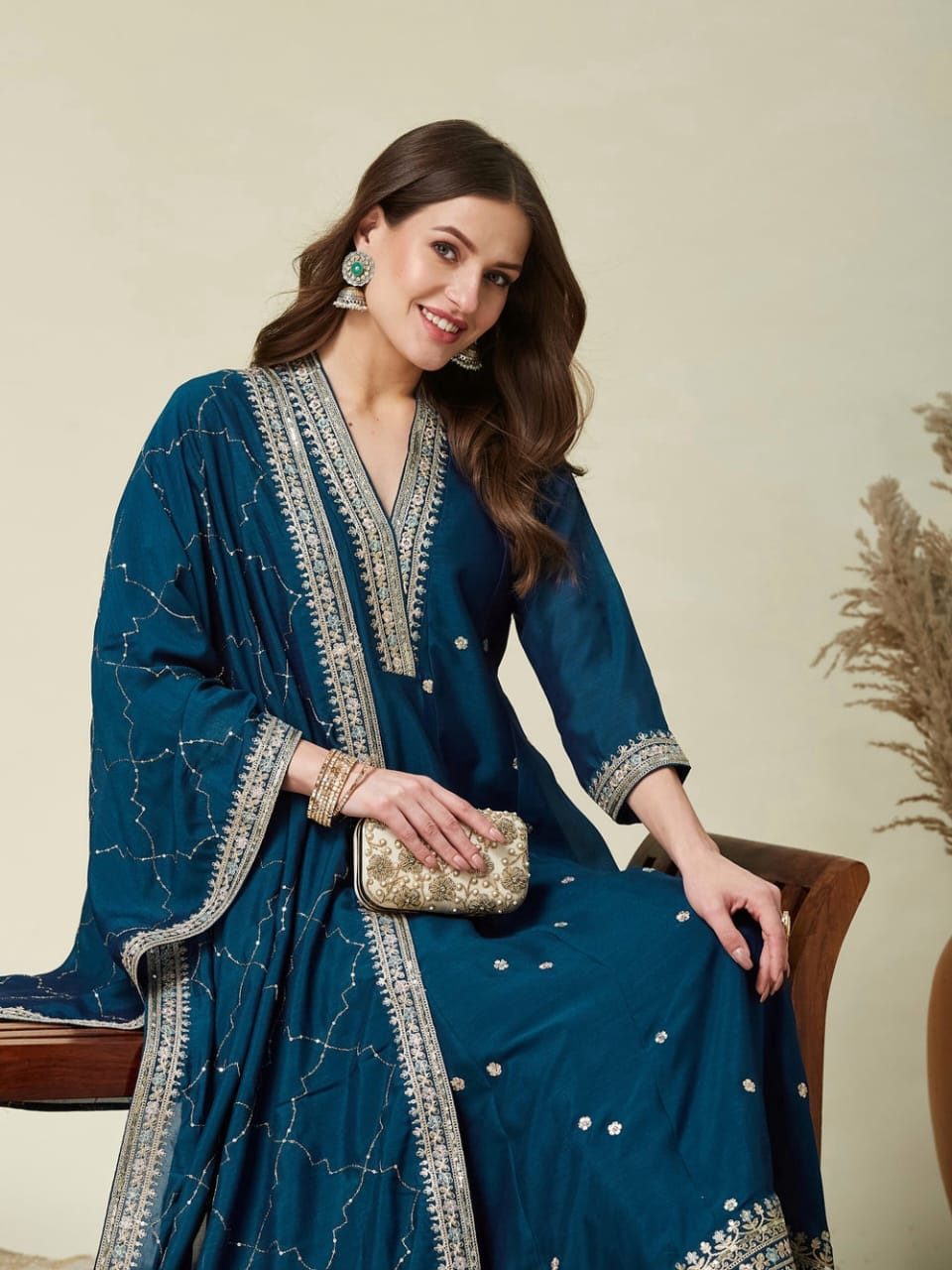
Banarasi silk, Vichitra silk, satin blends and heavier viscose silk can suit evening receptions because artificial and venue lighting highlight their surface sheen. Banarasi silk typically has a more structured drape and woven pattern, while Vichitra silk can create a fluid, dressy fall in gowns, Anarkalis and coordinated sets.
Heavier fabric isn't automatically more luxurious. A dense textile becomes inconvenient when a guest needs to travel, sit for a long dinner or wear the outfit in a warm banquet hall. Check the garment's lining, sleeve construction and hem weight before assuming that a glossy finish means better quality.
Test movement before buying
Movement reveals fabric problems that a standing mirror can't show. Raise both arms, sit on a chair, take ten steps and turn your shoulders before finalising an outfit. A tight armhole, scratchy lining, stiff waistband or dragging hem can make an otherwise attractive embroidered outfit impractical.
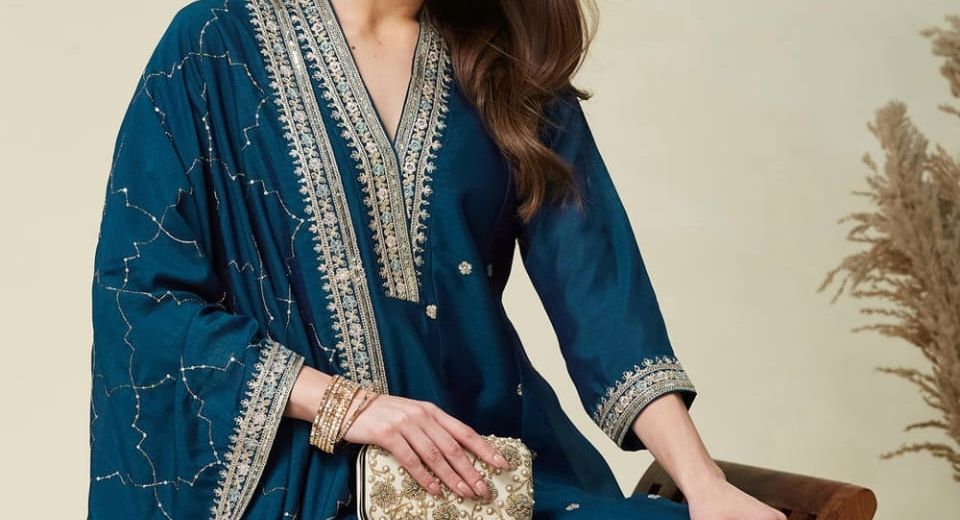
The Teal Blue Vichitra Silk Embroidered Gown Set Online Copy Title illustrates why silhouette and fabric must be considered together. A gown can create a long, formal line, but the wearer should still check whether the flare, lining and sleeve shape permit easy walking and sitting.
When Does Embroidery Matter More Than Fabric?
Embroidery matters more when the event is highly formal, the silhouette is simple, or the base textile needs visual definition. Controlled embellishment can make a comfortable plain fabric look appropriate for a reception without requiring a very heavy garment.
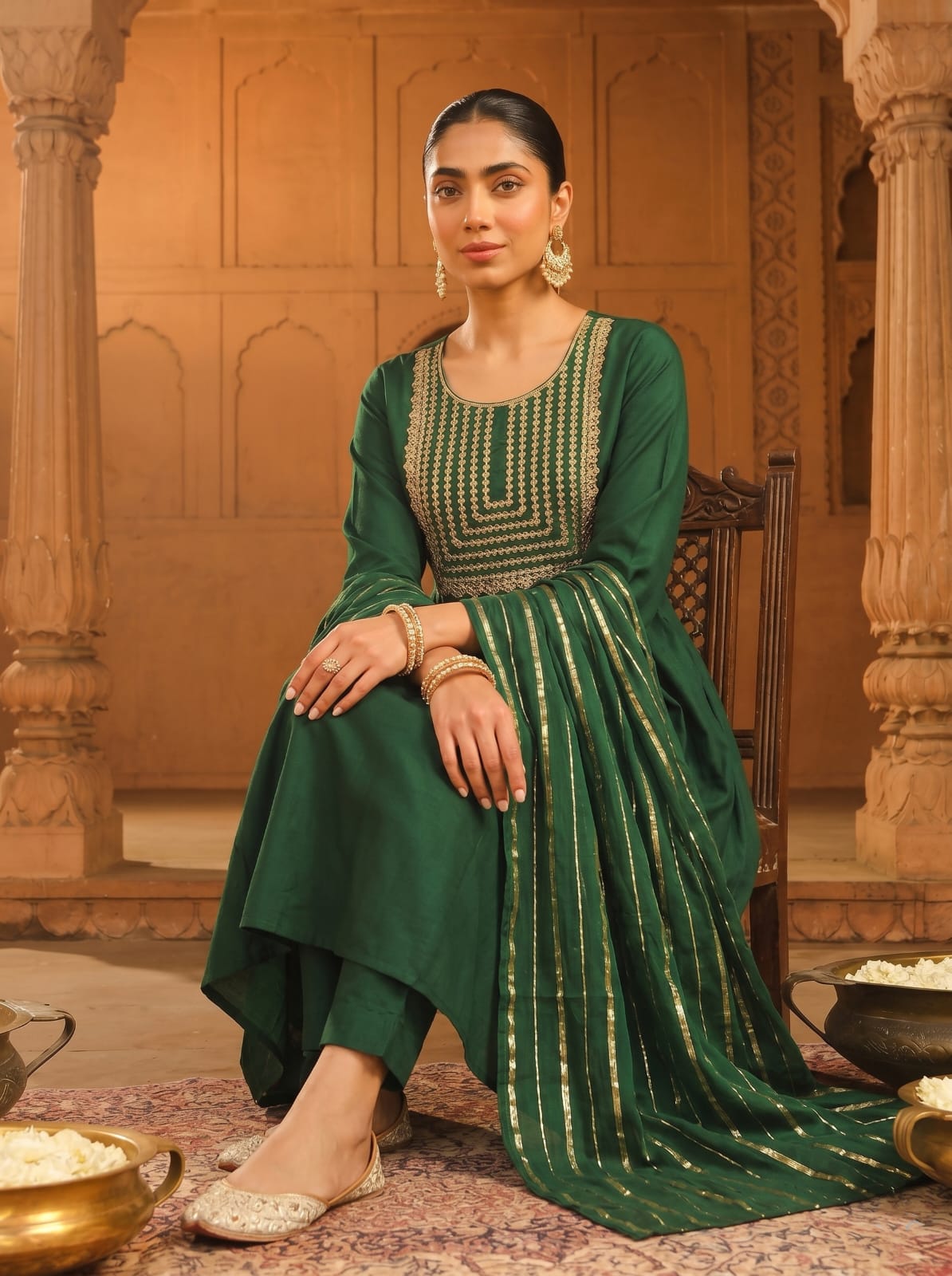
Evening receptions generally allow more reflective surface work than daytime ceremonies. Sequin zari catches direct light, traditional zari adds a metallic border or motif, and Moti lace work creates a softer dimensional finish. A black outfit with multicolour embroidery can also provide enough visual interest without requiring a bright base colour.
The Black Chinon Sharara Set with Multicolour Embroidery for Women is an useful example of contrast. Chinon gives the sharara a fluid, festive fall, while multicolour embroidery supplies the visual energy expected from a celebratory outfit. The combination works particularly well when the blouse and sharara already create movement, because accessories can remain restrained.
Embroidery should support the garment's proportions rather than compete with them. A border at the hem can lengthen the appearance of a sharara, vertical motifs can make an Anarkali look taller, and concentrated work at the yoke can draw attention to the face. Scattered sequins across every panel may look impressive in a product photograph but can feel visually crowded in person.
How Should You Match the Choice to the Wedding Event?
Match fabric and embroidery to the ceremony's time, setting, expected movement and level of family formality. The same guest can reasonably choose different priorities for a morning pheras ceremony and a late-night reception.
Haldi and mehendi
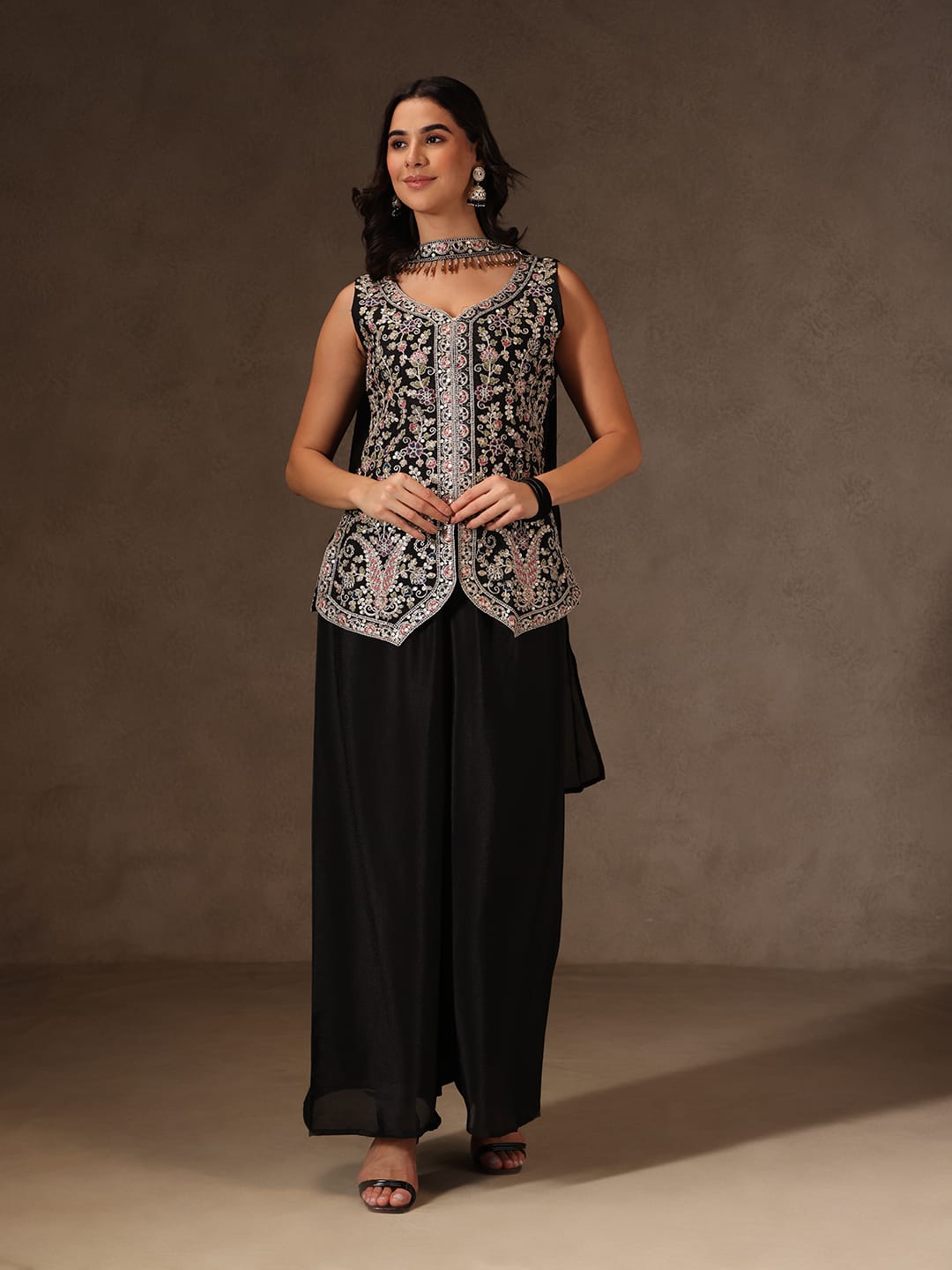
Haldi and mehendi outfits benefit from lightweight fabric, colour resilience and comfortable movement. Choose cotton-silk, Chanderi, georgette or viscose blends with embroidery concentrated on the neckline, cuffs or dupatta rather than covering every surface.
Emerald green can work beautifully for a mehendi because it complements foliage, marigolds and outdoor settings. The Emerald Green Embroidered Viscose Silk Kurti Set Online offers an example of a coordinated silhouette where the fabric gives sheen and the embroidery supplies occasion definition. A comfortable kurti set can also be easier to manage when guests move between seating, photographs and food areas.
Sangeet
Sangeet dressing needs a fabric that moves without becoming difficult to control. Georgette, crepe, chinon and lighter viscose silk work well for dancing, while embroidery should be secure enough to withstand repeated arm and hip movement.
Sharara trousers need particular attention because excessive stiffness at the knee can interrupt movement. Check whether the lining stops above the ankle, whether the waistband lies flat and whether the dupatta can be pinned securely. A lighter embroidered set often performs better than a rigid, heavily worked lehenga when dancing is central to the evening.
Wedding ceremony
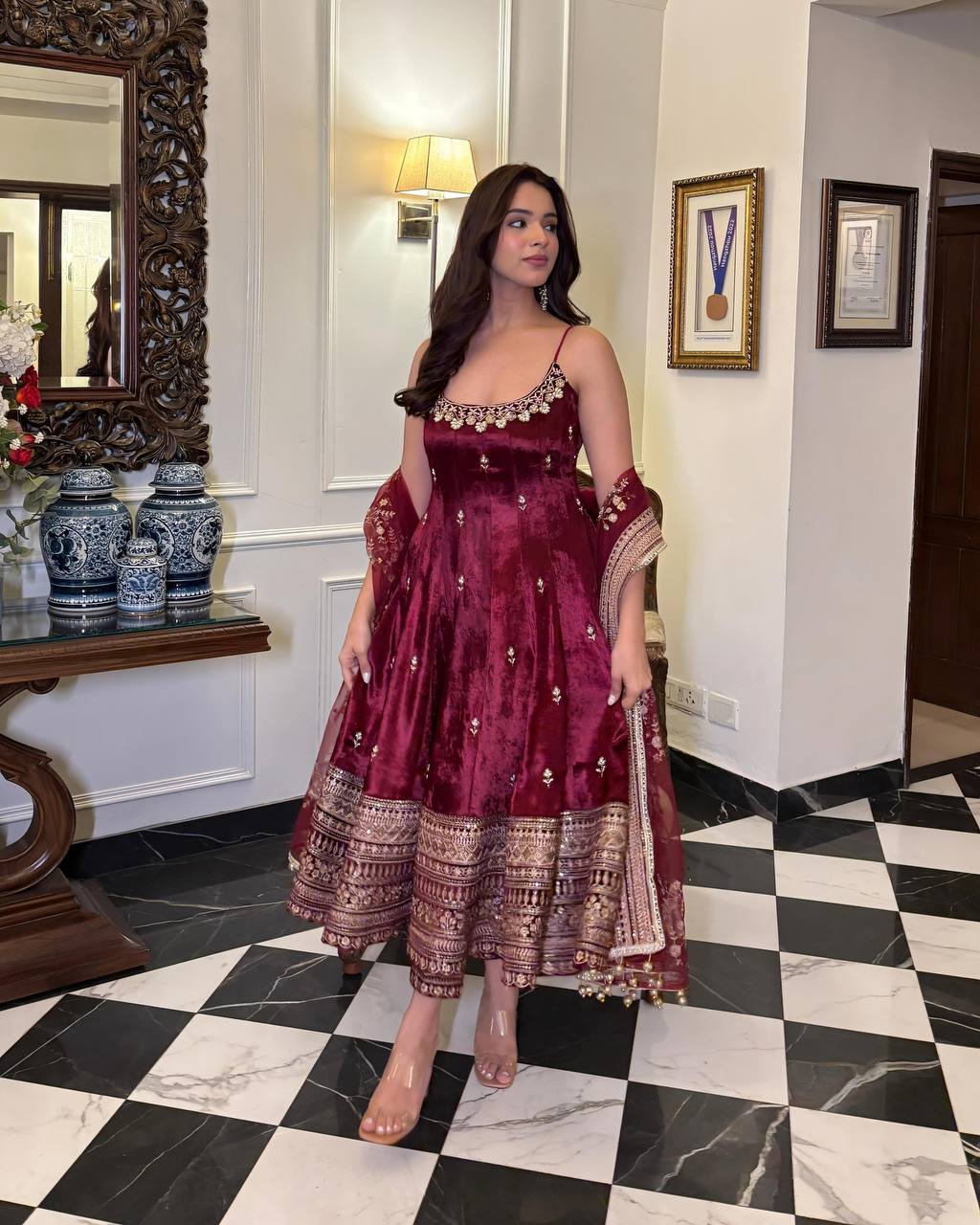
A main wedding ceremony can support more heritage textiles and classic embellishment, including Banarasi silk, Kanjeevaram-inspired borders, zari motifs and embroidered Anarkali panels. Guests should still avoid dressing so heavily that the outfit resembles bridal attire, especially in red, deep maroon or heavily gold-worked combinations.
The Maroon Vichitra Silk Embroidered Anarkali Suit Set demonstrates how a rich colour and fluid silk surface can create ceremony-appropriate depth. When wearing maroon, balance the outfit with antique gold or muted accessories instead of adding a large necklace, ornate earrings and a highly embellished dupatta simultaneously.
Reception
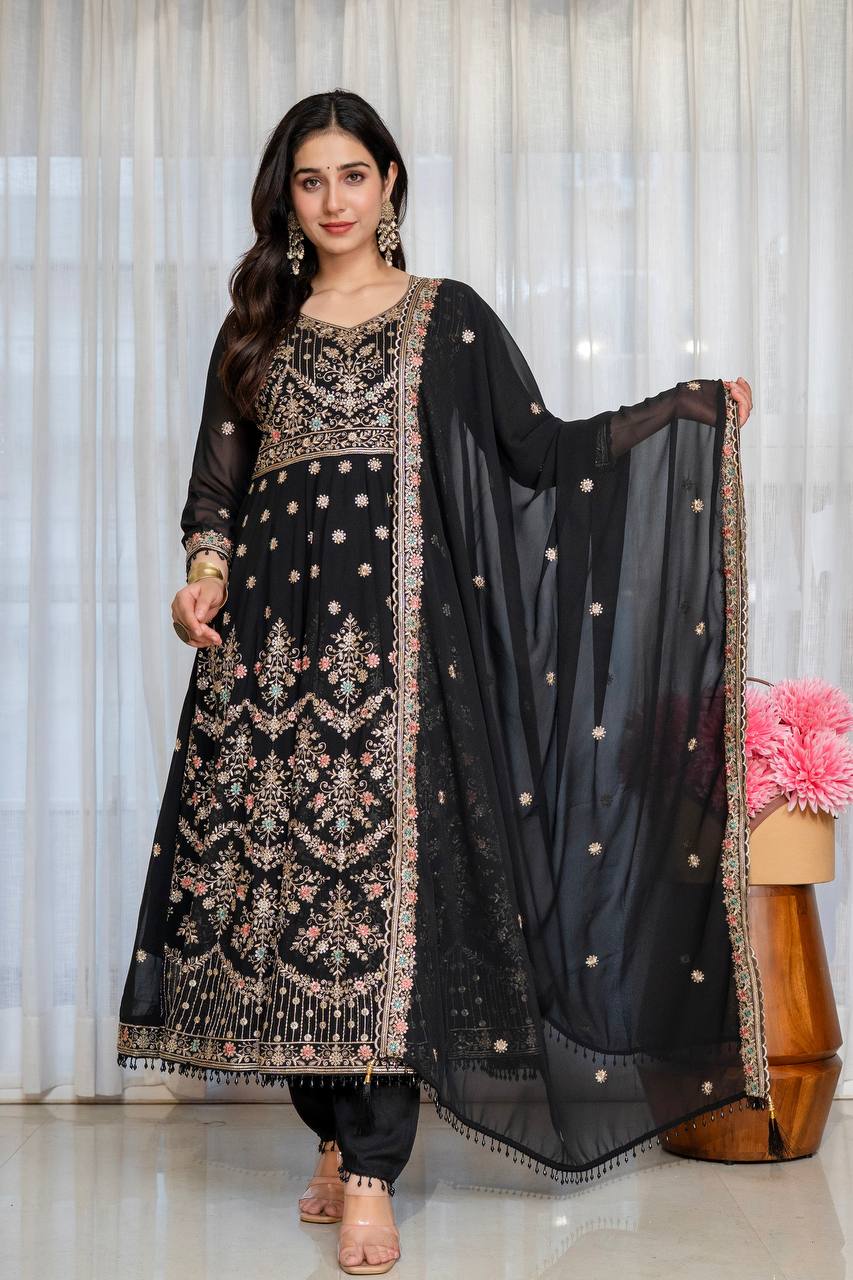
A reception allows the strongest use of surface detail because evening lighting rewards sequins, zari, beads and glossy textiles. Black, jewel tones and metallic accents can look especially effective, but the outfit should retain one visually quiet area so the overall appearance doesn't become overwhelming.
The Black Anarkali Suit Set with Sequin Zari and Moti Lace Work combines a dark base with reflective and dimensional detailing. Such a design can carry the outfit on its own, so plain heels, a compact clutch and one defined jewellery element are usually enough.
What Fabric and Embroidery Details Should You Inspect?
Inspect the inside of the garment, the density of embellishment and the construction of stress points before judging appearance alone. A wedding guest outfit should remain comfortable and intact after a full day of wear.
- Check the lining: A smooth cotton or soft polyester lining should not scratch the skin or bunch around the hips. A lining that ends abruptly can create friction while walking.
- Examine the seams: Look at shoulder seams, armholes, side seams and the waistband. Uneven stitching or loose threads in these areas can become more noticeable after movement.
- Assess embroidery weight: Lift the dupatta and skirt panels separately. Heavy zari, sequins or beadwork can pull a lightweight fabric out of shape if the backing is weak.
- Look at embellishment security: Sequins and beads should be attached at multiple points rather than hanging from one loose thread. Turn the garment inside out to identify exposed knots or sharp ends.
- Measure the hem: A floor-length Anarkali or gown should leave enough clearance for the footwear you intend to wear. A hem that touches the floor is more likely to collect dirt or catch under a sandal.
- Consider colour transfer: Dark dyes and metallic finishes can transfer through sweat or friction. Test a hidden seam with a white cloth if the garment's care instructions permit it.
The best visual detail is detail that the base textile can support. Delicate Chanderi may suit fine thread embroidery, while a structured silk can carry broader zari borders. A thin, fluid fabric with very heavy beadwork may sag at the neckline or shoulder unless reinforced properly.
How Can You Balance Budget, Repeat Wear and Styling?
Choose a versatile fabric and controlled embroidery when you want the highest repeat-wear value from a wedding guest outfit. A garment with moderate detail can move between weddings, festive dinners and family celebrations through changes in accessories.
A heavily embellished neckline may limit styling because it already dictates the jewellery and dupatta arrangement. A solid-colour silk-blend kurta with embroidery at the cuffs can be worn with a contrasting dupatta for one event and a tonal dupatta for another. Similarly, a black sharara or Anarkali can shift from classic to contemporary through footwear, earrings and hairstyle.
Before buying, calculate the full cost rather than looking only at the garment price. Include tailoring, blouse or camisole adjustments, footwear, lining changes, petticoat requirements, steaming and professional cleaning. An outfit that needs extensive alterations may cost more than a slightly higher-priced garment with a better original fit.
Care requirements also affect value. Banarasi silk, zari and dense sequin work commonly require careful storage and professional cleaning. Do not iron zari directly; place a cotton cloth between the iron and the garment, use low heat only when the care label permits it, and store embellished pieces flat or on a padded hanger so the embroidery doesn't press into another surface.
What Is the Practical Decision Rule?
Use fabric as the first filter, embroidery as the second filter and fit as the final approval. This sequence prevents a striking photograph from persuading you to buy an uncomfortable outfit.
- Identify the event: Write down whether the wedding is daytime, outdoor, indoor, formal, dance-heavy or likely to last more than six hours.
- Choose the textile: Select breathable fabric for heat and movement, or a richer silk blend for a cooler formal evening.
- Set the embellishment level: Choose threadwork or restrained borders for daytime events and reflective zari, sequins or beads for evening receptions.
- Check colour context: Avoid bridal-looking combinations if the invitation or family customs suggest restraint. Emerald, teal, navy, plum, black, dusty rose and muted gold are often adaptable guest colours.
- Test the fit: Sit, walk, lift your arms and check the hem before committing.
- Review care: Confirm whether the outfit needs dry cleaning, special storage or immediate alteration.
If the fabric feels right but the embroidery looks too quiet, add impact through earrings, a textured dupatta or metallic footwear. If the embroidery is perfect but the textile feels hot, stiff or scratchy in the fitting room, keep looking. Comfort rarely improves after several hours of wedding wear.
The most reliable wedding guest outfit combines a textile suited to the weather with embellishment suited to the ceremony. Fabric determines whether you can enjoy the event; embroidery determines how strongly the outfit communicates celebration. When the two qualities support each other, the result looks considered in photographs and remains wearable beyond one wedding.
Common Questions About Choosing Fabric and Embroidery for Wedding Guests
Should fabric or embroidery come first in a wedding guest outfit?
Fabric should come first because it controls comfort, drape, breathability and movement. Choose embroidery after confirming that the textile suits the weather, venue and duration of the wedding.
Which fabrics are comfortable for a summer wedding guest outfit?
Chanderi, cotton-silk, lightweight georgette and breathable viscose blends are practical choices for warm-weather weddings. Select lighter linings and avoid dense beadwork across areas that touch the skin.
Is heavy embroidery suitable for a daytime wedding?
Heavy embroidery can work for a daytime wedding when the fabric remains breathable and the venue is formal. For outdoor Haldi or mehendi events, concentrated embroidery and lighter embellishment are usually more comfortable.
What should I wear to a sangeet if I want to dance?
Choose georgette, crepe, chinon or lightweight viscose silk with secure embroidery and a manageable dupatta. Check the waistband, knee movement, lining and hem before choosing a sharara, Anarkali or lehenga.
How can I avoid looking overdressed as a wedding guest?
Use one main statement element, such as a heavily embroidered neckline, ornate dupatta or reflective skirt, and keep the other accessories quieter. Avoid bridal-style combinations with dense gold work, a large train or excessive head-to-toe embellishment.
How should embroidered silk wedding outfits be stored?
Follow the care label and use professional cleaning when zari, sequins or dense beadwork are present. Store the outfit clean, dry and protected from direct sunlight on a padded hanger or folded with soft tissue between embellished surfaces.