

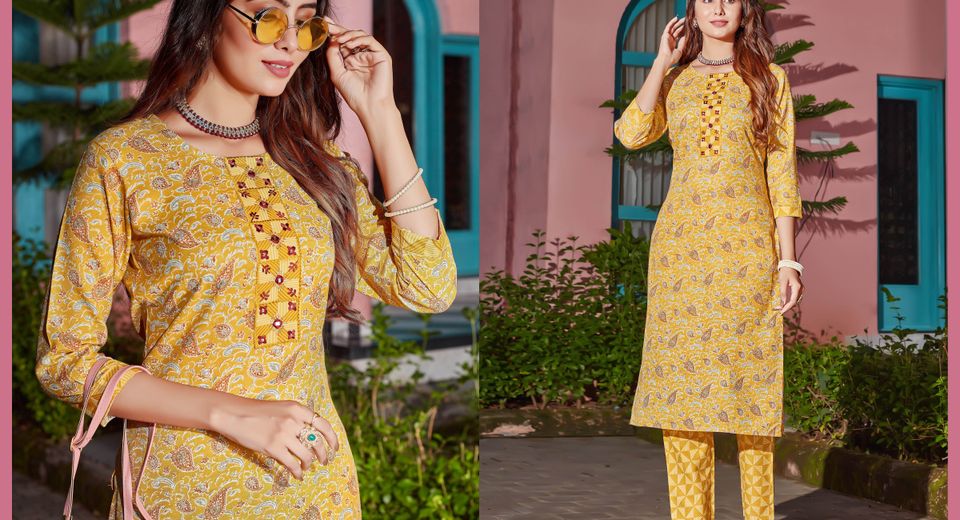
Short Midi or Long Kurti Lengths for Women 5 to 5'3 are easiest to choose when the hemline is matched to the bottom wear, not selected by height alone. A midi kurti ending around the knee can make the legs look longer with slim trousers, while a long kurti ending below the calf can create a graceful column with straight pants or a narrow churidar. The right choice also depends on torso length, shoulder width, fabric volume, footwear and the setting in which the salwar suit will be worn.
For a useful starting point, women around 5 feet to 5 feet 3 inches can usually compare three lengths: a short kurti of approximately 30 to 36 inches, a knee-length or midi kurti of approximately 38 to 42 inches, and a long kurti of approximately 44 to 48 inches. These are garment measurements from the shoulder, not fixed rules. Measure a well-fitting kurta at home before ordering because different brands and silhouettes may place the same stated length differently on the body.
How should women between 5 and 5'3 choose a kurti length?
Women between 5 and 5'3 should choose a kurti length by checking where the hem falls relative to the knee, calf and ankle, then balancing that line with the width of the bottom garment. A hem that ends at the widest part of the calf often looks heavier than a hem that ends just below the knee or closer to the ankle.
Height is only one measurement. A woman with a longer torso may carry a 44-inch kurti comfortably, while a woman with a shorter torso may find the same length visually overwhelming. Bust placement, shoulder-to-waist proportion and the rise of the trousers change the amount of leg that remains visible. High-waisted straight pants reveal more leg than a low-rise salwar worn under the same kurti.
- For a shorter, leg-lengthening effect: choose a hem just above or just below the knee, a low-contrast bottom, and footwear with a pointed or slightly raised toe.
- For a balanced everyday silhouette: choose a 38- to 42-inch kurti with straight pants or ankle-length trousers.
- For a traditional long silhouette: choose a 44- to 48-inch kurti with a narrow churidar, cigarette pant or matching salwar.
- For a fuller lower half: avoid a hem that stops exactly at the widest point of the calf and consider a longer, straighter line.
The most reliable test is visual: stand in front of a full-length mirror wearing the intended footwear and bottom wear. Take a photograph from several feet away rather than judging the fit only from above, because a mirror view can hide the effect of the hemline on overall proportion.
Short midi kurtis: when do they work best?
Short midi kurtis work best when the hem ends around the knee or slightly below it and the lower half remains visually clean. A 32- to 40-inch kurti paired with straight pants, cigarette pants or a narrow palazzo can show enough leg to make a petite frame look more elongated without sacrificing salwar suit coverage.
What should be worn with a midi kurti?
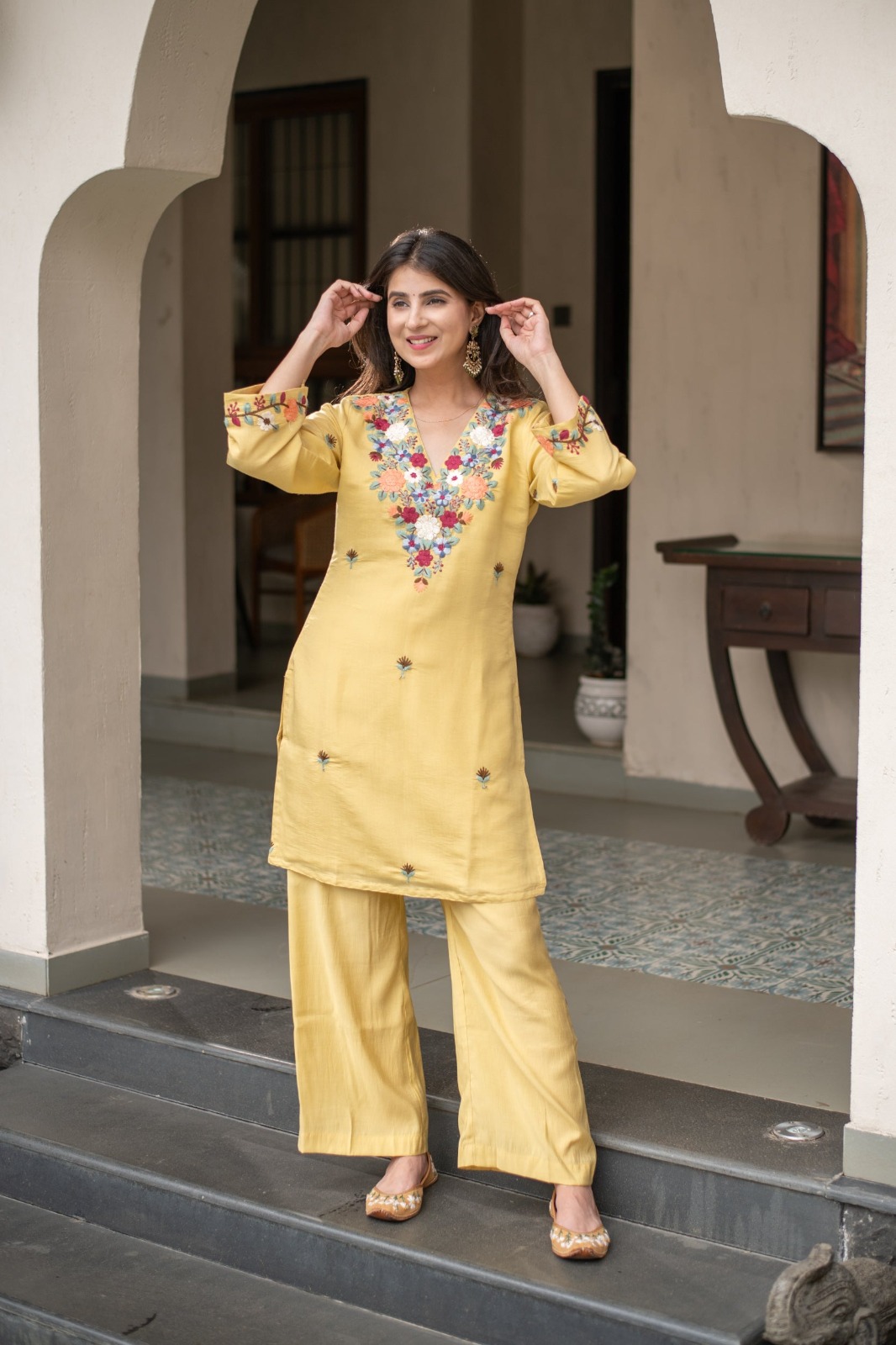
A midi kurti should be worn with a relatively streamlined bottom when the goal is a taller appearance. Straight cotton pants, cigarette pants and slim ankle-length trousers keep the vertical line uninterrupted. A matching or closely related colour in the kurti and bottom creates a longer visual column, while a high-contrast bottom creates a clear horizontal break at the waist or hip.
The Mustard Yellow Cotton Kurti Pant Set for Women demonstrates why coordinated sets are useful for proportion planning: the kurti and pants already share a colour story, so the eye can move down the outfit without a distracting break. The Peach Printed Cotton Kurti Pant Set for Women Casual is another practical direction for daytime dressing, especially when the print scale remains moderate and the hem doesn't finish at the broadest part of the calf.
Shorter kurtis are particularly convenient for commuting, college, casual lunches and warm weather. Cotton and lightweight viscose allow the garment to move without adding bulk around the hips. A side slit can give extra walking ease, but a very high slit may visually separate the upper and lower halves of the outfit. A slit that begins around mid-thigh is generally easier to style with straight pants than a slit that reaches close to the waist.
When can a midi kurti look less balanced?
A midi kurti can look less balanced when a wide, gathered bottom begins directly beneath a broad hem and both garments add volume at the same level. A large floral print, heavy border and wide palazzo can produce the same effect even when the garment length is technically correct.
For a shorter frame, use one focal point at a time. If the kurti has a bold print, choose a plain bottom. If the bottom is a wide palazzo, select a straighter kurti with a lighter border. A small neckline, vertical placket or long open dupatta can also direct attention up and down rather than across the body.
When does a long kurti flatter a petite frame?
A long kurti flatters a petite frame when the hem falls in a continuous line below the calf and the garment doesn't add unnecessary width at the waist, hip or hem. A 44- to 48-inch straight kurti can look elegant on women 5 to 5'3 when paired with narrow bottoms and proportionate footwear.
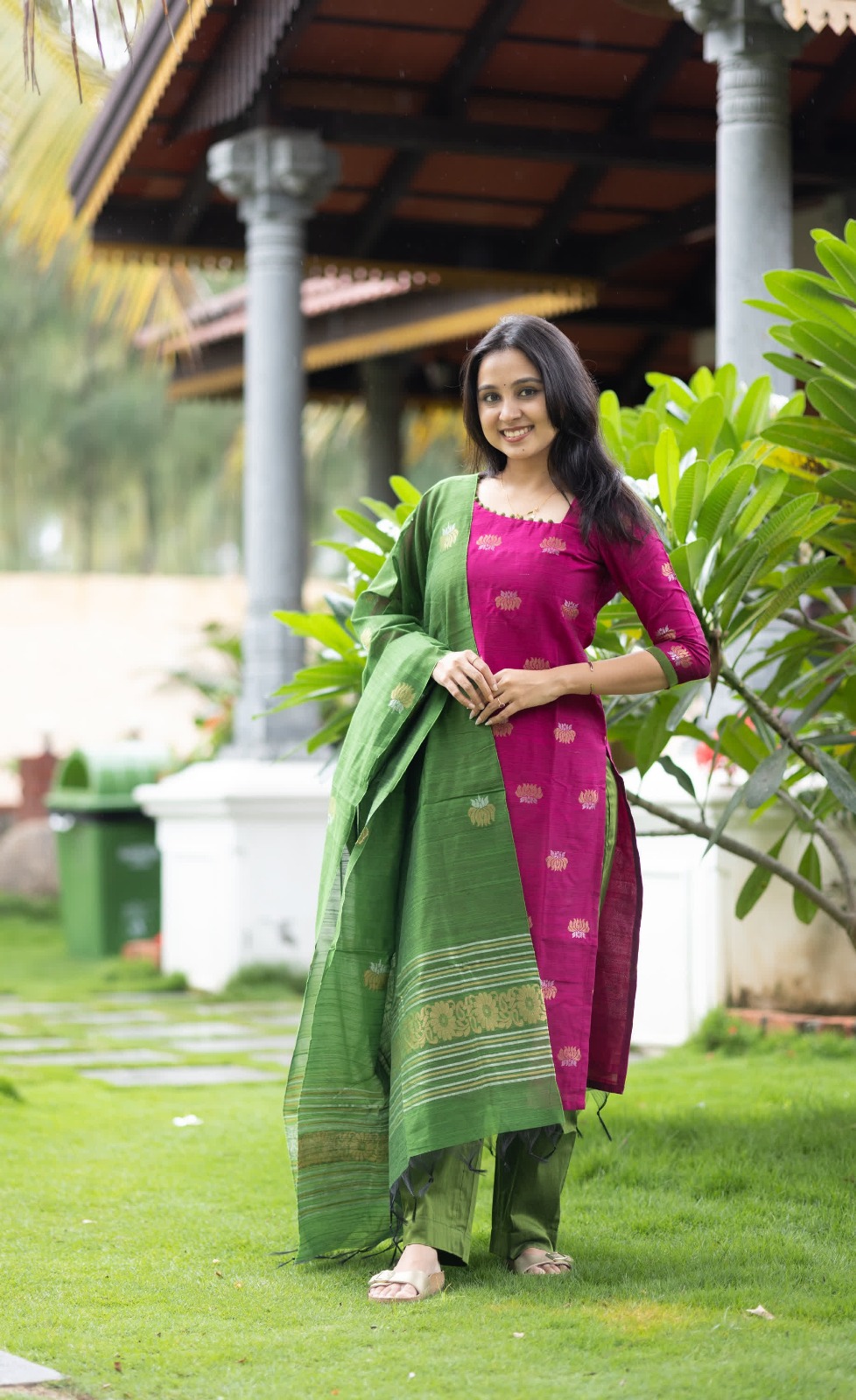
The long silhouette suits festive dressing, office occasions that call for a polished ethnic outfit and ceremonies where a more covered look is preferred. The Elegant Beige Vichitra Silk Embroidered Kurta Set for Women illustrates how a neutral colour and refined surface detail can support a long, uninterrupted shape. The Cream Chanderi Silk Kurti Pant Dupatta Set for Women offers another useful styling direction: a coordinated kurti, pant and dupatta reduce colour breaks while Chanderi silk gives structure without the dense weight of many embellished fabrics.
Long kurtis should not necessarily be floor length. A hem that finishes 3 to 6 inches above the ankle usually allows the footwear to show and prevents the outfit from looking like an unaltered dress. If the kurti reaches the ankle, side slits and a narrow lower half become more important for walking comfort. A long Anarkali is a separate proportion question because flare changes the amount of fabric below the waist; the measurements for a straight kurti should not be applied automatically to an Anarkali.
Which bottom wear suits a long kurti?
A straight pant, cigarette pant or close-fitting churidar usually suits a long kurti better than a heavily gathered salwar because a narrow base preserves the vertical line. A palazzo can work when the kurti is structured, the side slits provide movement and the hem doesn't end at the widest part of the calf.
The Classic Maroon Woven Kurti Set for Women can be considered for a deeper, more continuous colour effect when styled with a matching or near-matching bottom. The Maroon Viscose Chanderi Silk Embroidered Kurta Set for Women is better suited to a festive proportion where the fabric and embroidery provide interest without requiring a highly contrasting dupatta. Keeping the footwear close in colour to the trousers can add a few more visible inches to the lower line.
How do body proportions change the ideal kurti length?
Body proportions change the ideal kurti length because two women of identical height may have different torso, leg and hip measurements. A fixed number of inches can't replace a shoulder-to-hem trial using the intended bottom wear.
Short torso and longer legs
A short torso and longer legs can accommodate a midi kurti that ends near the knee or a long kurti with a defined neckline. Very short kurtis may expose too much leg relative to the torso, particularly when worn with a high-waisted pant. A V-neck, vertical embroidery panel or open dupatta can extend the upper-body line.
Long torso and shorter legs
A long torso and shorter legs often benefit from a slightly shorter kurti or a raised waist detail that begins above the natural waist. A 34- to 40-inch hem with high-waisted straight pants can reveal more leg. Avoid placing a wide contrast border exactly at the hip because the horizontal line can make the torso appear longer and the legs shorter.
Curvier proportions
Curvier proportions generally benefit from a kurti that skims rather than clings, with enough ease at the bust and hip to prevent the side seams from pulling. A long vertical panel, small-to-medium print and side slits can make a long kurti feel lighter. A midi kurti can also work when the hem sits clearly above or below the widest calf point.
The Sky Blue Printed Cotton Kurti Pant Set for Women shows why print placement matters as much as length. A controlled print with a coordinated pant can keep a casual set visually neat, whereas a large horizontal motif at the hip may add width regardless of whether the kurti is short or long.
Which fabrics and details affect kurti length?
Fabric weight and surface structure affect how a kurti hangs, so the same measured length can appear shorter, longer, wider or more formal in different materials. Fluid viscose tends to fall close to the body, cotton holds a cleaner shape, Chanderi silk adds light structure, and chiffon needs careful layering because it's sheer and moves away from the body.
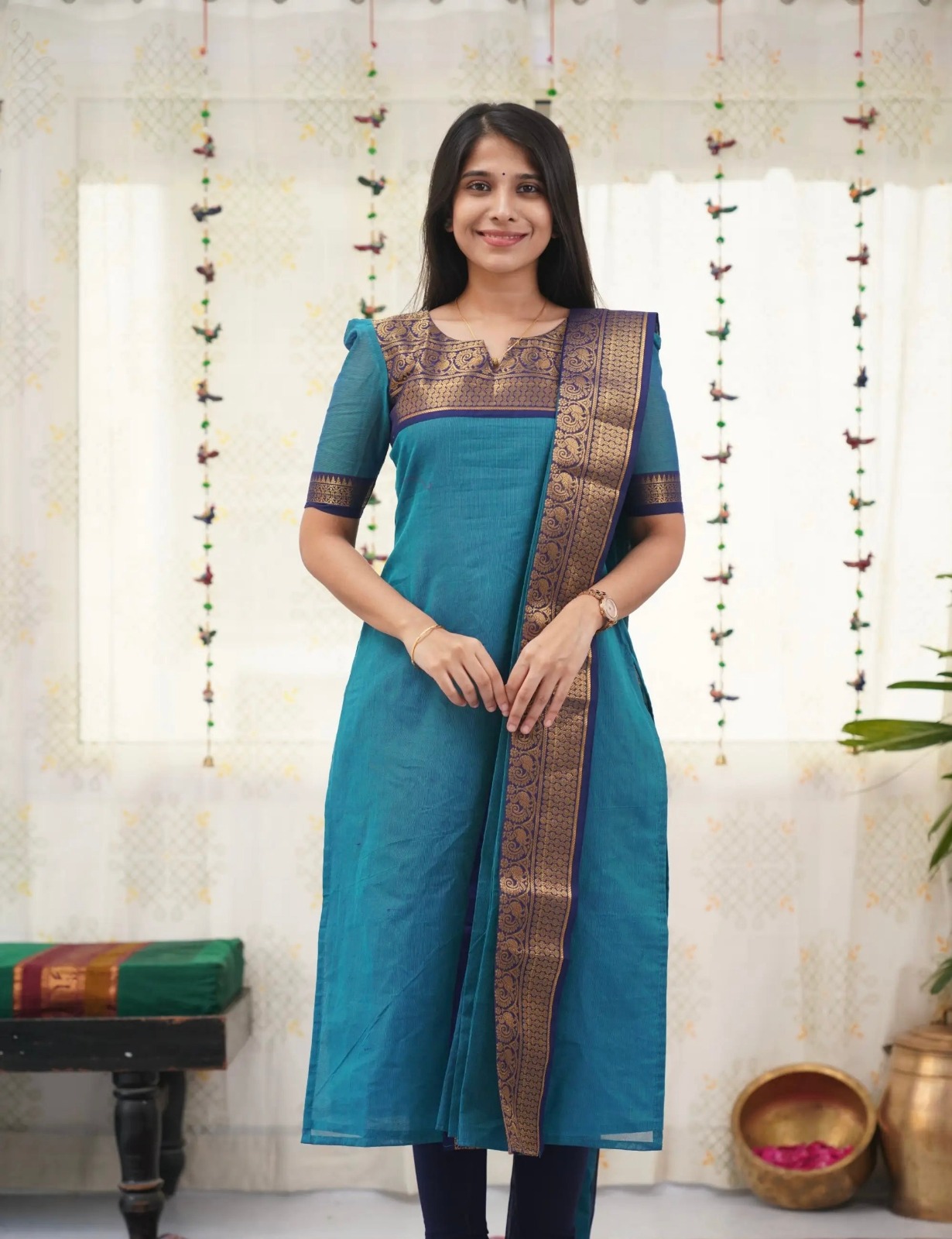
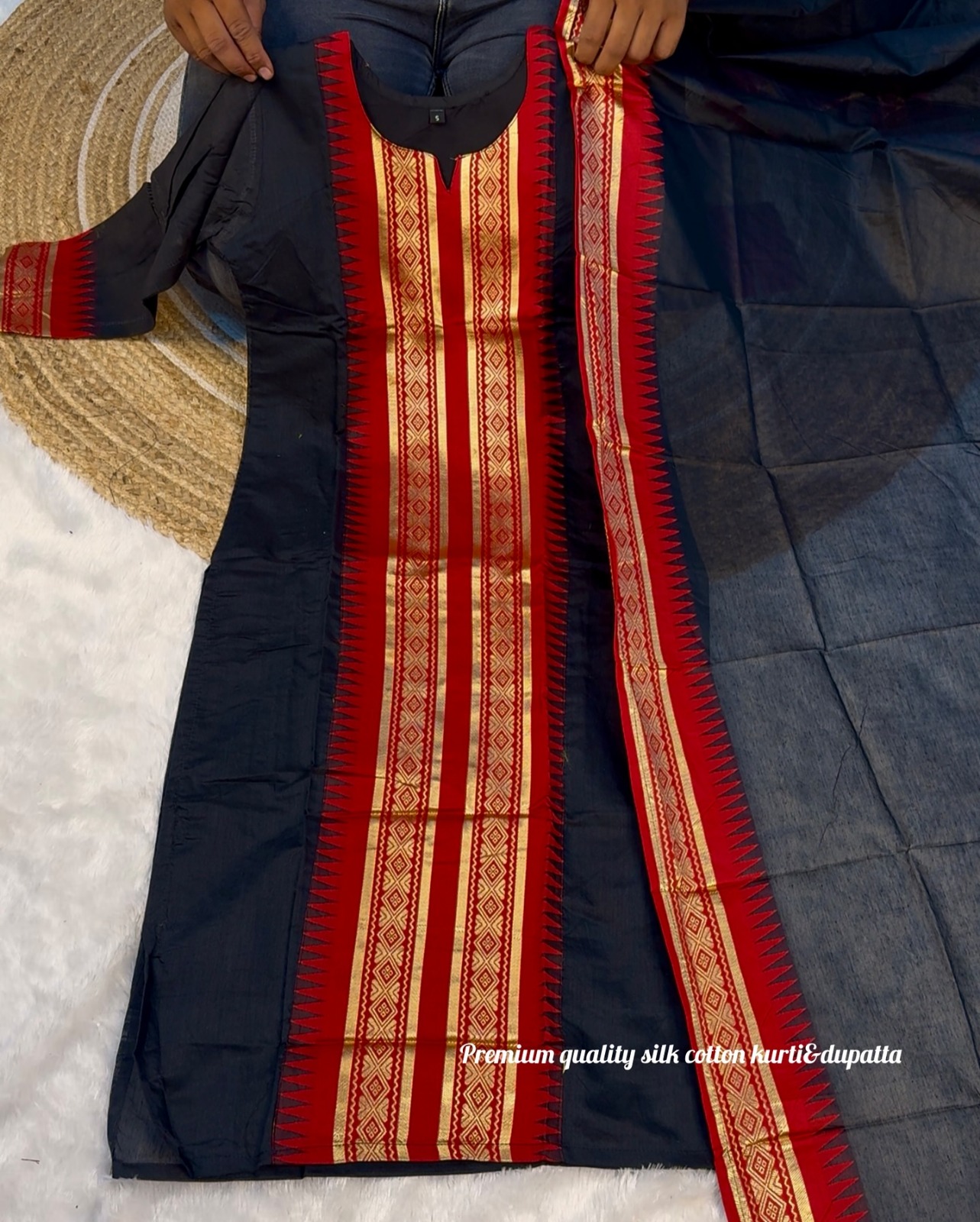
Embroidery, zari borders and heavy hems can visually pull attention downward. A wide zari border placed near the calf may make the lower leg look shorter, while a narrow vertical embroidered panel can reinforce height. The Shop Floral Digital Printed Chiffon Kurti Palazzo Set with zari embroidery combines a fluid textile, a wide lower silhouette and surface detail, so the most balanced styling approach is to keep the footwear visible and avoid adding a heavily contrasting dupatta.
Print scale should relate to frame size and garment area. Small or medium motifs usually look controlled on a shorter kurti, while a large repeated motif can become crowded if the garment has a short hem. On a long kurti, a larger print can be balanced by a plain bottom and a simple neckline. Kalamkari Print Salwar Suits (Copy) can be styled with a solid bottom when the print is dense; the same principle applies to Gujarat Bandhej Salwar Suits, where the repeating tiedye pattern already supplies visual energy.
How should a petite woman style a salwar suit for different occasions?
A petite woman should match kurti length to the formality and movement required by the occasion, then keep the bottom, dupatta and footwear proportionate. No single hemline works equally well for office wear, a Haldi ceremony and an evening celebration.
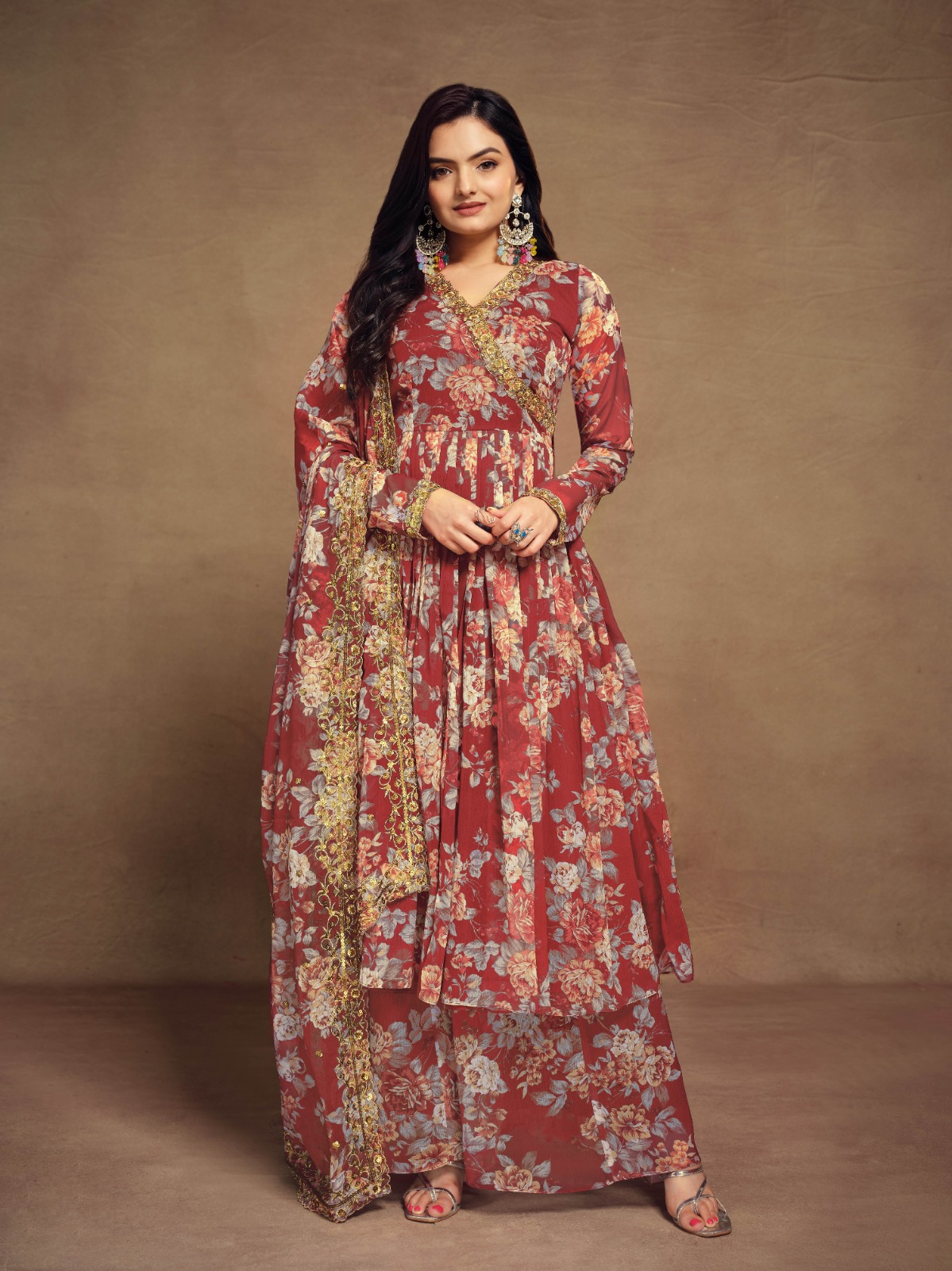
- Workwear: choose a 36- to 42-inch straight kurti, ankle-length pants, a restrained print and a dupatta that doesn't overwhelm the shoulder. Cotton, viscose and light Chanderi silk are practical choices when the outfit must remain comfortable for several hours.
- Casual daytime wear: choose a midi kurti with straight pants or a modest palazzo. The Mustard Yellow Cotton Kurti Pant Set for Women and Sky Blue Printed Cotton Kurti Pant Set for Women suit the coordinated-set approach, where fewer colour breaks make dressing simple.
- Festive events: choose a 42- to 48-inch kurti when embroidery, zari or silk adds formality. Maharashtra Paithani Inspired Salwar Suits and Odisha Sambalpuri Salwar Suits can guide colour and textile styling, but a petite wearer should keep the hem and dupatta border from competing at multiple horizontal points.
- Haldi ceremony: choose a breathable cotton midi or a lightweight long kurti in yellow, peach or another bright shade, with a hem that permits easy movement. Avoid a trailing dupatta or floor-skimming hem if the event involves sitting on the floor, outdoor movement or turmeric rituals.
- Traditional Punjabi styling: a shorter kurti with a Patiala salwar creates volume below the hip, so the upper garment should remain structured and not excessively flared. Punjab Patiala Salwar Suits can be balanced with a fitted neckline, a shorter hem and a dupatta draped vertically over one shoulder.
What should you check before buying the right kurti length?
Before buying, compare the garment's shoulder-to-hem measurement with a kurti already owned and liked. Lay the existing garment flat, measure from the highest shoulder point to the hem, and note whether the hem sits above the knee, below the knee, mid-calf or near the ankle.
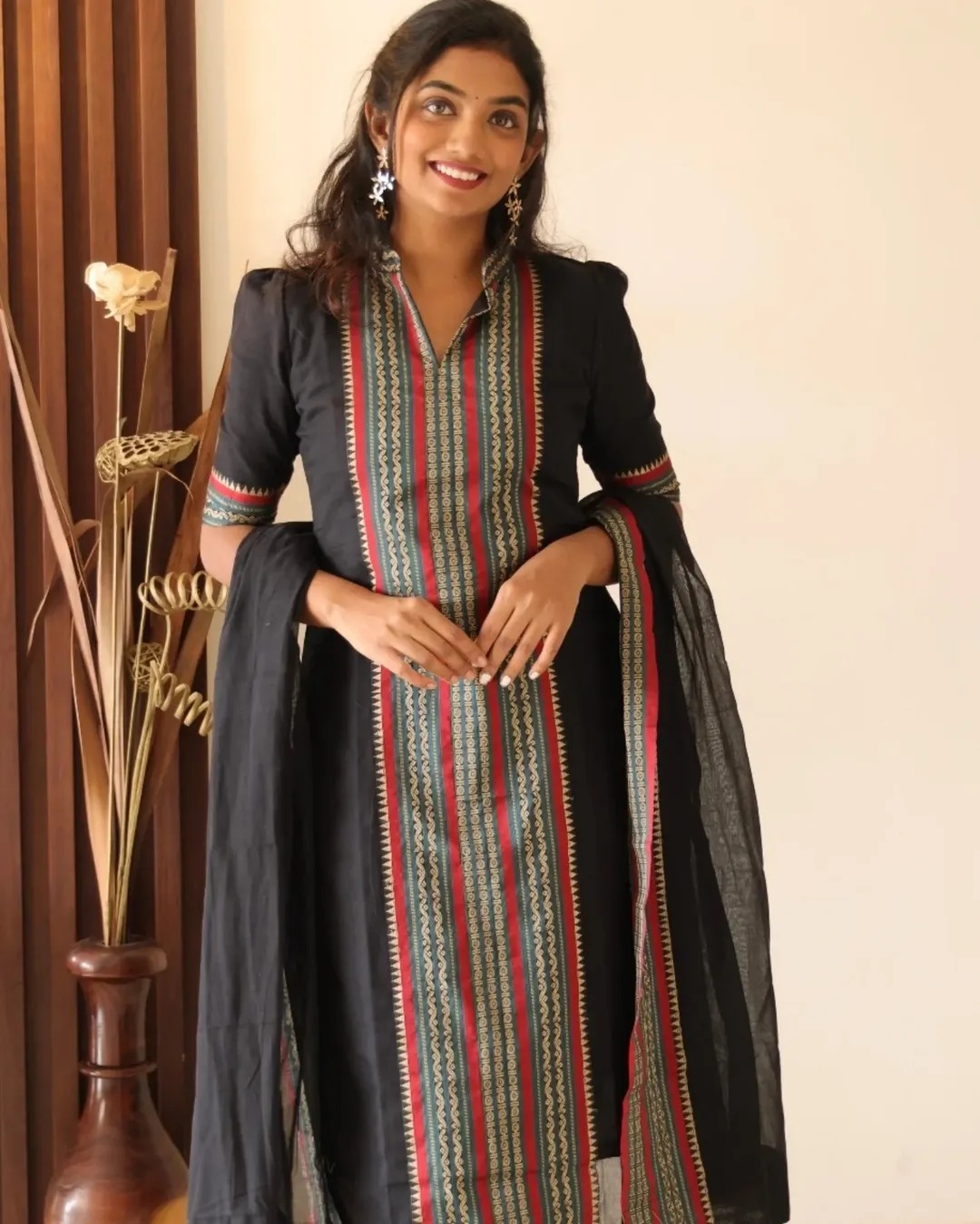
- Measure height without footwear and record the shoulder, bust, waist and hip measurements.
- Measure the preferred bottom's rise and inseam because a high-rise pant changes how much of the leg is visible.
- Check the garment's finished length, not only the model's height or a label such as "long kurta."
- Read the fabric composition and care instructions. Cotton may shrink slightly if washed incorrectly, while silk blends and embroidered surfaces may require gentler care.
- Inspect the hem and border placement in the product photographs. A border at mid-calf deserves more attention than a plain hem at the same measurement.
- Allow for footwear. Flat sandals, juttis, block heels and wedges each change the final relationship between hem and floor.
A tailor can usually alter a straight kurti more easily than a heavily bordered or flared garment. Shortening from the hem may remove embroidery or change a border's position, while shortening from the shoulder can affect the neckline and armhole. Ask for alteration advice before cutting a decorated hem, especially on silk, zari or chiffon garments.
Short Midi or Long Kurti Lengths for Women 5 to 5'3: the practical decision
Short Midi or Long Kurti Lengths for Women 5 to 5'3 can both work when the hem avoids awkward calf placement and the lower garment supports the intended vertical line. Select a midi kurti around 36 to 42 inches for easy movement, visible legs and everyday versatility. Select a long kurti around 44 to 48 inches for a more covered, elegant silhouette, using straight pants or a narrow churidar to prevent excess volume.
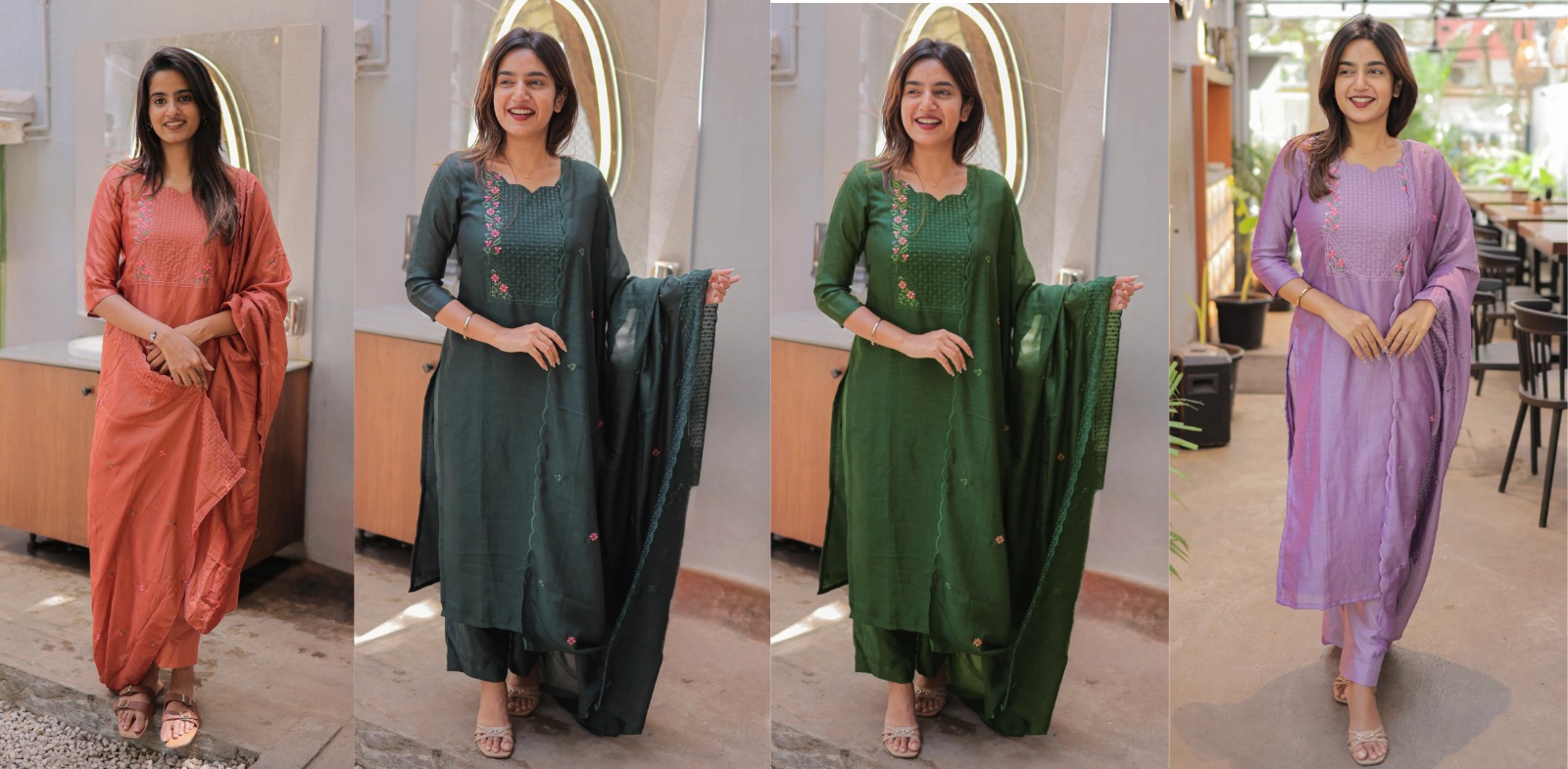
The strongest choice is the one that fits the wearer's actual torso and leg proportions, rather than the one recommended by height alone. A mirror check, a known garment measurement and the correct footwear will usually produce a better result than relying on labels such as short, midi or long.
Questions About Choosing Kurti Lengths for Women 5 to 5'3
What is the ideal kurti length for a 5-foot woman?
A 36- to 42-inch kurti is a practical starting range for a 5-foot woman, especially with straight pants or cigarette pants. The best length depends on torso and leg proportions, so compare the shoulder-to-hem measurement with a well-fitting kurti before buying.
Is a long kurti suitable for women below 5'3?
A long kurti is suitable for women below 5'3 when the hem finishes above the ankle and the bottom remains narrow. A 44- to 48-inch straight kurti with matching or low-contrast pants usually creates a cleaner line than a long kurti paired with a very wide, gathered bottom.
Does a midi kurti make a short woman look shorter?
A midi kurti does not automatically make a short woman look shorter. A hem just above or just below the knee, coordinated pants and low-contrast footwear can lengthen the appearance, while a hem stopping at the widest part of the calf can make the outfit look heavier.
Which bottom wear is best with a long kurti for petite women?
Straight pants, cigarette pants and narrow churidars are usually the easiest bottoms to pair with a long kurti. A palazzo can work when the kurti has side slits and the fabric is not bulky, but several wide layers can reduce the vertical effect.
What kurti length works for a Haldi ceremony if I am 5 to 5'3?
A 36- to 42-inch cotton or lightweight kurti is practical for a Haldi ceremony because it allows movement and avoids a trailing hem. Pair the kurti with comfortable straight pants or a modest palazzo and secure the dupatta so it does not drag through the ceremony.
How can I make a long kurti look taller on a petite frame?
Keep the kurti and bottom in related colours, choose a hem that ends several inches above the ankle, and wear footwear that does not create a strong contrast at the feet. Vertical embroidery, a narrow border and a dupatta worn in a long line can reinforce the effect.


