

A rotating petticoat can pull saree pleats sideways, expose the ankles and make every step feel awkward. Saree Petticoat Twisting While You Walk? Fit Issues That Cause It usually points to a mismatch between the underskirt's waist, length, flare, fabric or fastening method, rather than a problem with the saree alone. A few measurements and a short walking test can identify the cause before you alter the drape.
The petticoat carries much of the saree's lower weight, so its fit affects both comfort and appearance. A lightweight cotton saree, a fluid linen saree and a heavier silk saree don't all need the same amount of flare. The right underskirt stays centred at the waist, moves with the legs and gives the pleats a stable surface without gripping the saree too tightly.
Fit Issues That Cause It Often Begin at the Waist
A saree petticoat twists while walking when the waistband slips, rides upward or pulls unevenly around the hips. The waistband must be firm enough to hold the underskirt in place, but it should not compress the waist or make the petticoat climb during movement.
Walking creates repeated horizontal movement around the hips. A loose drawstring can shift a few millimetres with every step, while an overly tight waist can pull the petticoat upward and create diagonal folds. A narrow tube-shaped petticoat can also restrict the stride, causing the legs to push against the fabric and gradually turn the skirt.
Measure the waist over the same inner layer normally worn under the saree. Measuring over thick winter clothing produces an unnecessarily loose petticoat, while measuring over bare skin may create an overly tight fit when the saree is styled with a tucked-in camisole or shapewear.
An useful test is to slide two fingers beneath the fastened waistband. Two fingers should fit comfortably, but the petticoat should not drop when you walk, sit or climb stairs. Deep red marks, numbness or upward movement indicate that the waistband needs adjustment.
Drawstring petticoats need a flat knot positioned slightly to the side rather than directly under the front pleats. A centre-front knot can create a visible lump beneath a lightweight saree and may loosen when the wearer sits. Stretched elastic is another common cause of rotation because old elastic no longer provides enough holding force.
Fit Issues That Cause It Include Incorrect Length
A saree petticoat should usually end about 2 to 5 centimetres above the floor, depending on the saree length, footwear and desired coverage. A hem that touches the floor can catch beneath the feet and rotate the skirt, while a hem that's much shorter than the saree may leave the lower drape unsupported.
Measure the petticoat from the exact waist level where it will sit to the floor while wearing the final footwear. A 5-centimetre heel changes the required measurement significantly. Changing from flats to heels after tailoring can make a correctly fitted petticoat appear too short.
A dragging saree adds downward force to the underskirt. That force increases when a border becomes damp, collects dust or catches on the floor. The saree should remain slightly above the ground while walking, especially for crowded venues, staircases and outdoor functions.
Check the hem while taking ten normal steps and turning around. If the hem folds beneath the feet or moves in one direction after each turn, shortening the petticoat may solve the problem. If the hem stays clear but the skirt rotates at the thighs, the cause is more likely insufficient flare or a slipping waistband.
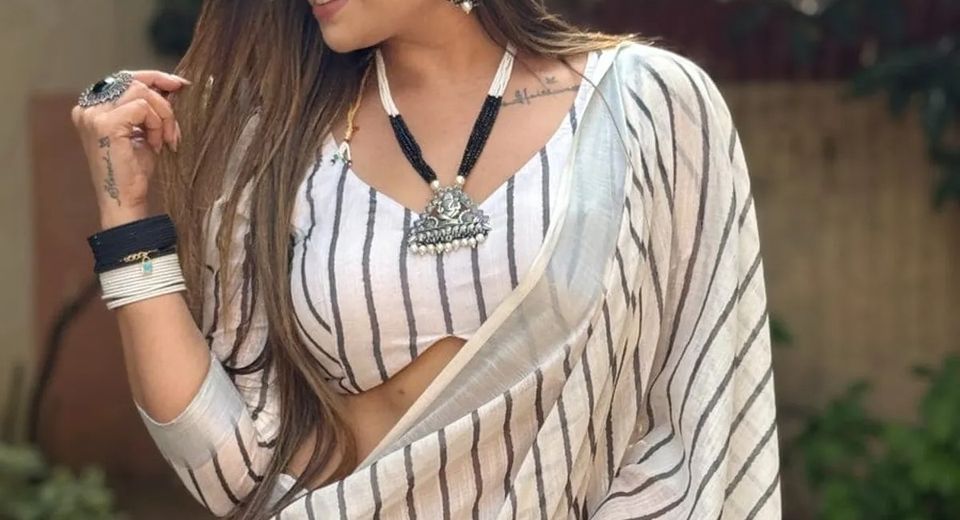
The length test matters for both everyday and occasion sarees. For example, a saree such as Off White Striped Linen Cotton Saree Online India may be worn for longer periods, making a comfortable hem and unrestricted stride more important than a tightly controlled silhouette.
Fit Issues That Cause It Can Come From Insufficient Flare
Petticoat flare determines how freely the legs move and how evenly the saree falls below the waist. Too little flare creates resistance around the calves, while excessive flare can make the saree billow, rotate or form bulky folds at the bottom.
A slim petticoat may work under a light, narrow drape, but it can be unsuitable for a saree with a broad border or heavier silk body. An A-line or panelled petticoat distributes fabric more evenly than a straight tube and gives the wearer room to walk without forcing the underskirt around the thighs.
Use a walking test before finalising the fit. Take ten normal steps, turn around, sit on a chair and climb one step. If the hem moves clockwise or anticlockwise after these actions, the petticoat may be too narrow, too loose at the waist or catching against the saree. If the saree lifts at the knees, add room through the lower skirt rather than loosening the waist alone.
Fabric weight should guide the amount of flare. A light printed linen or cotton saree generally needs moderate ease, while a silk saree with a substantial pallu and border needs enough lower room to prevent the saree from gripping the legs.
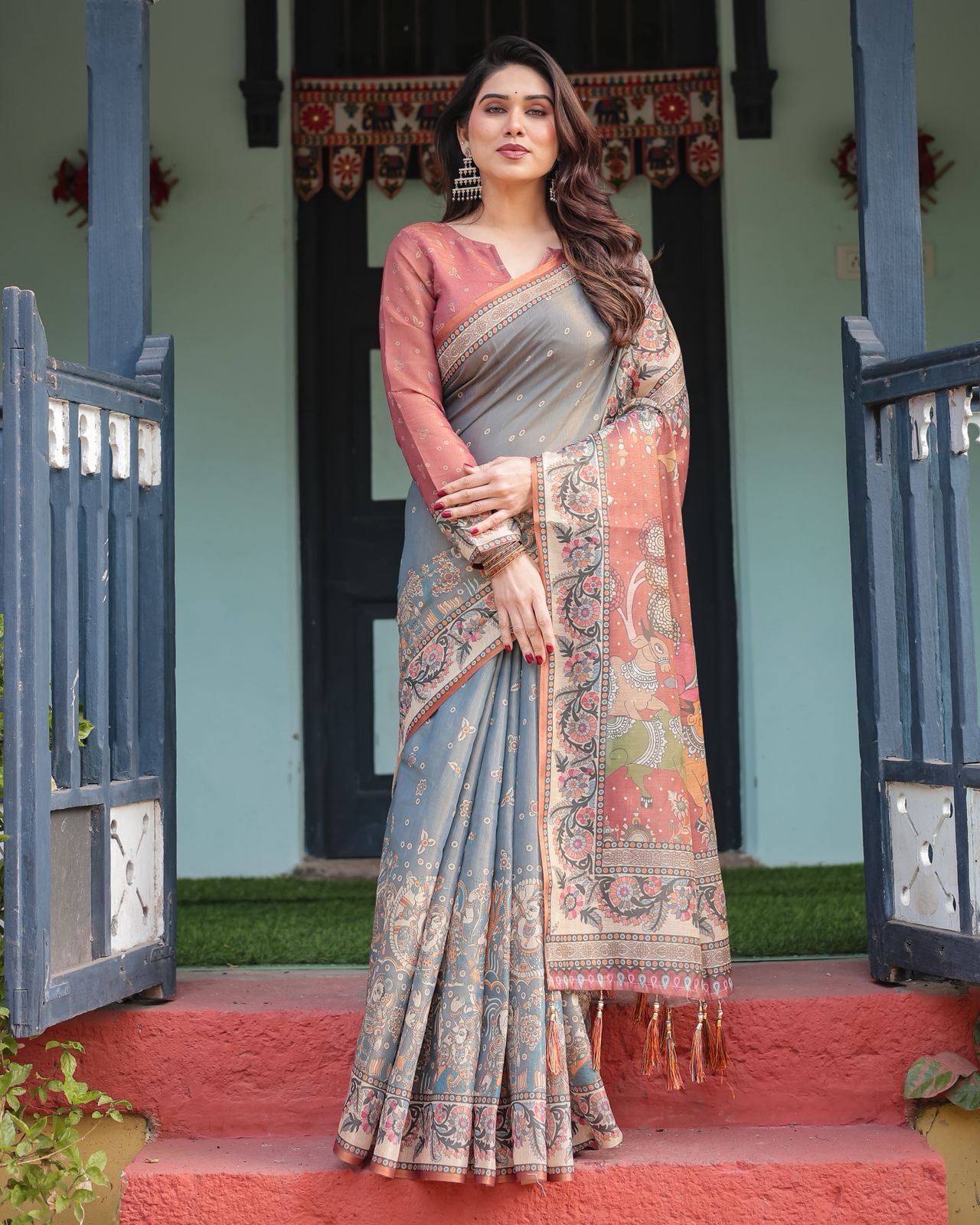
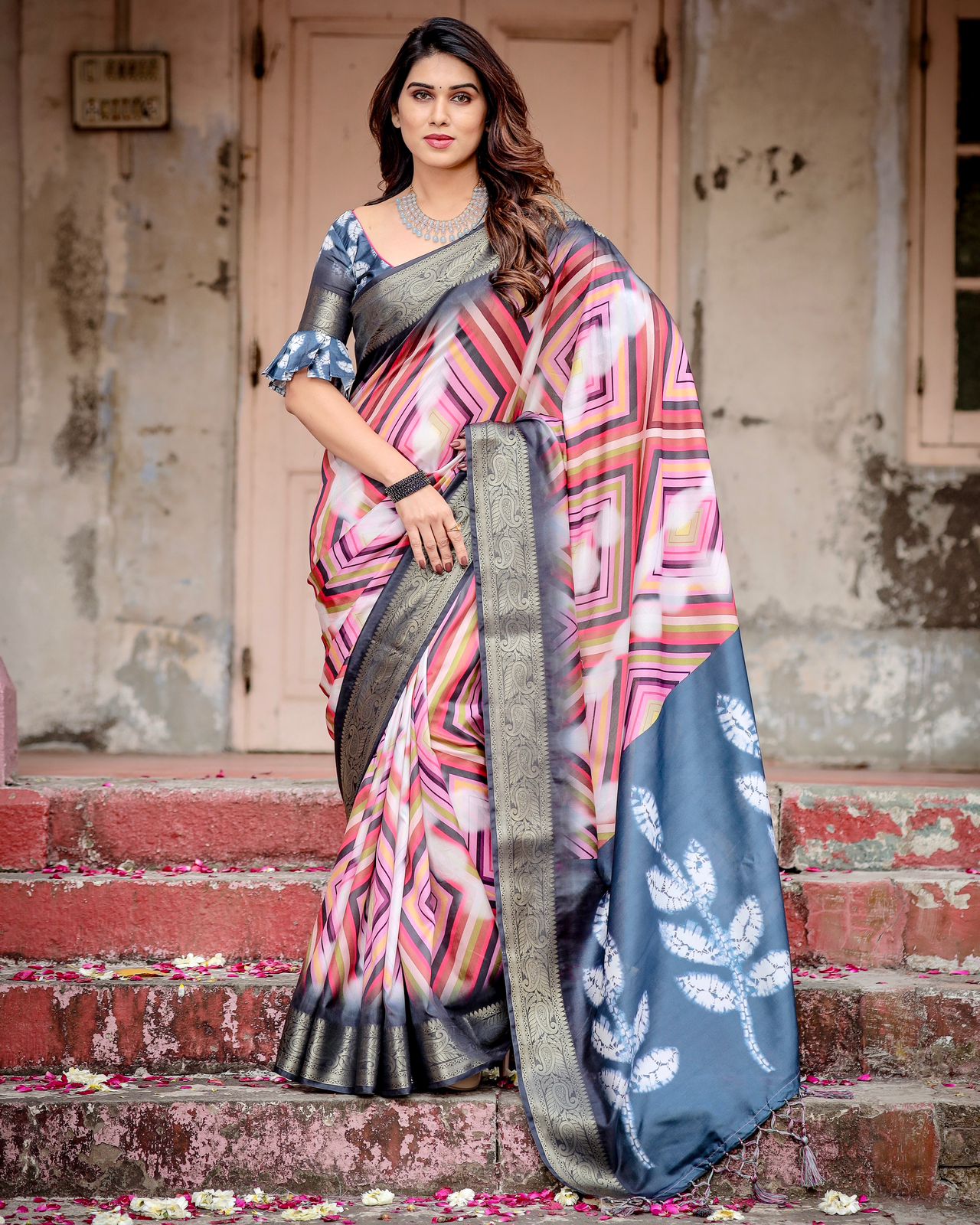
The difference is clear when comparing Vibrant Multicolor Linen Saree with Ikat Inspired Prints with Red Yellow Soft Lichi Silk Saree with Rich Pallu & Jacquard Border. The silk design may need more movement allowance because its pallu and jacquard border can place greater downward pressure on the underskirt.
Fit Issues That Cause It May Involve Fabric Friction
Fabric friction affects whether the saree and petticoat move together or slide independently. A very slippery underskirt can rotate beneath the saree, while a rough or heavily textured underskirt can catch the saree and pull pleats out of alignment.

Medium-weight cotton or cotton-blend construction often gives controlled friction and breathability in warm weather. Satin and very smooth synthetic linings may feel comfortable at first but can allow a fluid saree to shift during repeated walking. A rough seam or stiff hem can create the opposite problem by catching around the ankles.
Test the fabric combination by rubbing a small section of saree and petticoat gently between your fingers. Extreme slipping suggests that a cotton-blend underskirt or compatible lining may be more stable. Snagging suggests that the inner surface, seam finish or hem needs changing.
Panel seams, a bulky hem and a thick drawstring casing can produce irregular movement. A seam placed directly beneath the front pleats may show through a thin saree. Flat seams and a smooth lower finish are particularly useful under lightweight sarees such as Multicolor Linen Cotton Saree with Artistic Stripe Design.
Heavier borders deserve a separate check. Wine Patola Style Soft Pashmina Silk Party Wear Saree calls for a secure waistband and sufficient flare rather than a narrow underskirt. A petticoat that works under a soft daily-wear cotton saree may not remain stable beneath a dense party-wear drape.
Fit Issues That Tucking Can Reveal
Uneven saree tucking can rotate a correctly sized petticoat because more downward pressure is placed on one side of the body. The saree should be distributed around the waist with consistent tuck depth before the front pleats are formed.
Separate the waistband problem from the tucking problem by walking first in the petticoat and then in the fully draped saree. If the petticoat rotates without the saree, the waistband, flare or length needs attention. If the petticoat remains centred until the saree is tucked, the pressure distribution or pleat placement is more likely responsible.
Fasten the petticoat at the intended waist level and mark the centre front with a small safety pin placed beneath the saree. Walk for two minutes, including a turn. If the mark moves to the hip, the waistband is slipping or the skirt is being pulled by the legs. If the waistband stays centred but the lower skirt turns, inspect the flare, hem and fabric friction.
For the saree test, tuck the first section evenly around the waist and keep the pleats parallel. Avoid pulling the front pleats excessively tight. Excess tension can drag the petticoat towards one side, particularly when a stiff border or zari edge is concentrated near the tuck.
Pallu weight also changes the balance. A pinned shoulder pallu distributes force differently from a loose pallu. Turquoise Floral Heavy Chinnon Ready to Wear Saree should be tested in its intended ready-to-wear structure rather than judged against the walking behaviour of an unstructured cotton saree.
Fit Issues That Practical Alterations Can Fix
The most effective correction depends on the direction and location of movement. Tighten or replace a slipping waistband, add lower flare for a restricted stride, shorten a dragging hem or rebalance uneven tucking. Altering saree pleats alone won't permanently solve an underskirt that rotates.
- For a loose waist: adjust the drawstring with a flat knot, replace stretched elastic or have the waistband taken in. Do not tie the cord so tightly that the fabric gathers into a hard ridge.
- For a tight waist: add a small extension or choose a wider waistband. A tight waistband can ride upward during walking and shorten the effective length.
- For a narrow lower skirt: add side panels or choose an A-line petticoat. More room around the knees and calves usually improves movement more than increasing the waist size.
- For a dragging hem: shorten the petticoat while wearing the final footwear. Keep enough length to support the saree without allowing the underskirt to touch the floor.
- For uneven tucking: distribute the saree around the waist before forming pleats. Tuck the front, sides and back with consistent depth instead of anchoring the entire saree heavily on one hip.
- For a slippery pairing: try a cotton-blend underskirt or a smoother saree-compatible lining. Avoid powders, oils and adhesive products because they can stain delicate sarees.
A temporary safety pin can help diagnose movement but should not replace a correct fit. Place pins horizontally and away from the most visible pleat line, using only enough tension to hold the fabric. Too many pins can concentrate weight in one area and create another pulling point.
When comparing a replacement saree or planning a budget, collections such as Sarees from Rs 1000 to Rs 1500 can be useful for finding practical fabrics to test with an existing petticoat. Discount collections including Sarees Under 20% Off, Sarees Under 10% Off and Sarees Flat 50% Off can also help build a small rotation of sarees with different weights, but every new fabric still requires a walking test.
Fit Issues That A Final Test Can Confirm
A final fitting confirms whether the waistband, length, flare and drape work together. Wear the actual blouse, footwear, saree and accessories that will be used for the event, then complete a ten-minute movement test before making permanent alterations.
Walk across a room, turn in both directions, sit, climb stairs and reach for an object. Check whether the centre front remains centred, whether the hem stays above the floor and whether the pleats remain parallel. Repeat the test after pinning the pallu because shoulder placement can alter the balance of the saree.
Inspect the waist after sitting. A petticoat that feels correct while standing may ride upward when the hips bend. A waistband that rolls, folds or leaves a deep mark needs adjustment even if the skirt doesn't visibly rotate.
Record the useful measurements for future purchases: waist circumference, waist-to-floor length with footwear, approximate hem clearance and the amount of lower flare that allowed comfortable walking. These numbers make it easier to assess whether a petticoat will suit another saree.
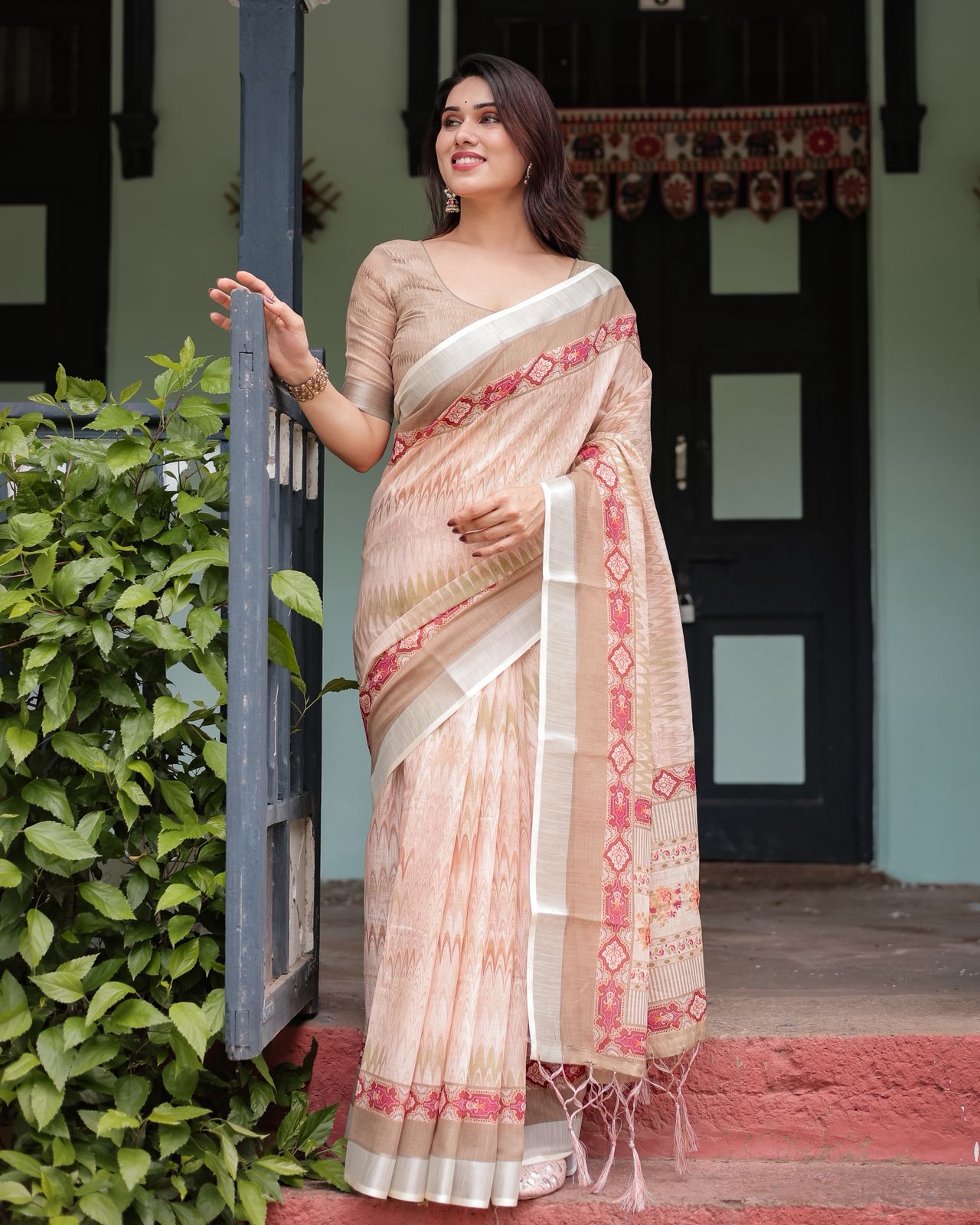
A stable underskirt should let you walk naturally rather than forcing short steps. Peach Green Tissue Cotton Saree With Print Blouse Piece and Peach Linen Cotton Printed Saree for Women Online may have different surface movement and weight, so test each saree with the same petticoat before assuming one fit will suit both.
Good fit is more valuable than simply tightening the waist. A centred waistband, a hem clear of the floor, adequate flare and even tucking allow the saree to move with the body instead of dragging the petticoat around it. For additional price comparisons, Sarees Flat 60% Off offers another collection context, but fit should remain the deciding factor after fabric and drape are considered.
Common Questions About a Saree Petticoat That Twists While Walking
How do I stop my saree petticoat from twisting while walking?
Check the waistband, length, lower flare and tuck balance in that order. A firm two-finger waistband fit, a hem around 2 to 5 centimetres above the floor and enough room around the calves usually prevent rotation.
Should a saree petticoat be tight or loose?
A saree petticoat should be secure without feeling restrictive. Two fingers should fit beneath the waistband, and the petticoat should stay centred when you walk, sit and climb stairs.
What petticoat length is correct for a saree?
The petticoat usually works best when it finishes about 2 to 5 centimetres above the floor while you wear the final footwear. The exact length depends on the saree, heel height and desired coverage.
Can a narrow petticoat cause saree pleats to twist?
Yes, a narrow petticoat can restrict the stride and make the legs push the underskirt around the body. An A-line or panelled petticoat with more room through the knees and calves can improve stability.
Why does my petticoat twist only with a heavy saree?
A heavy border, zari or dense pallu can place uneven downward pressure on the underskirt. The saree may need a firmer waistband, more lower flare and more evenly distributed tucking than a lightweight cotton or linen saree.
How can I tell whether the saree or petticoat is causing the problem?
Walk in the petticoat alone and mark the centre front with a small pin. If the mark moves before the saree is tucked, the underskirt fit is responsible; if it moves only after draping, inspect tucking, pleat tension and fabric friction.


