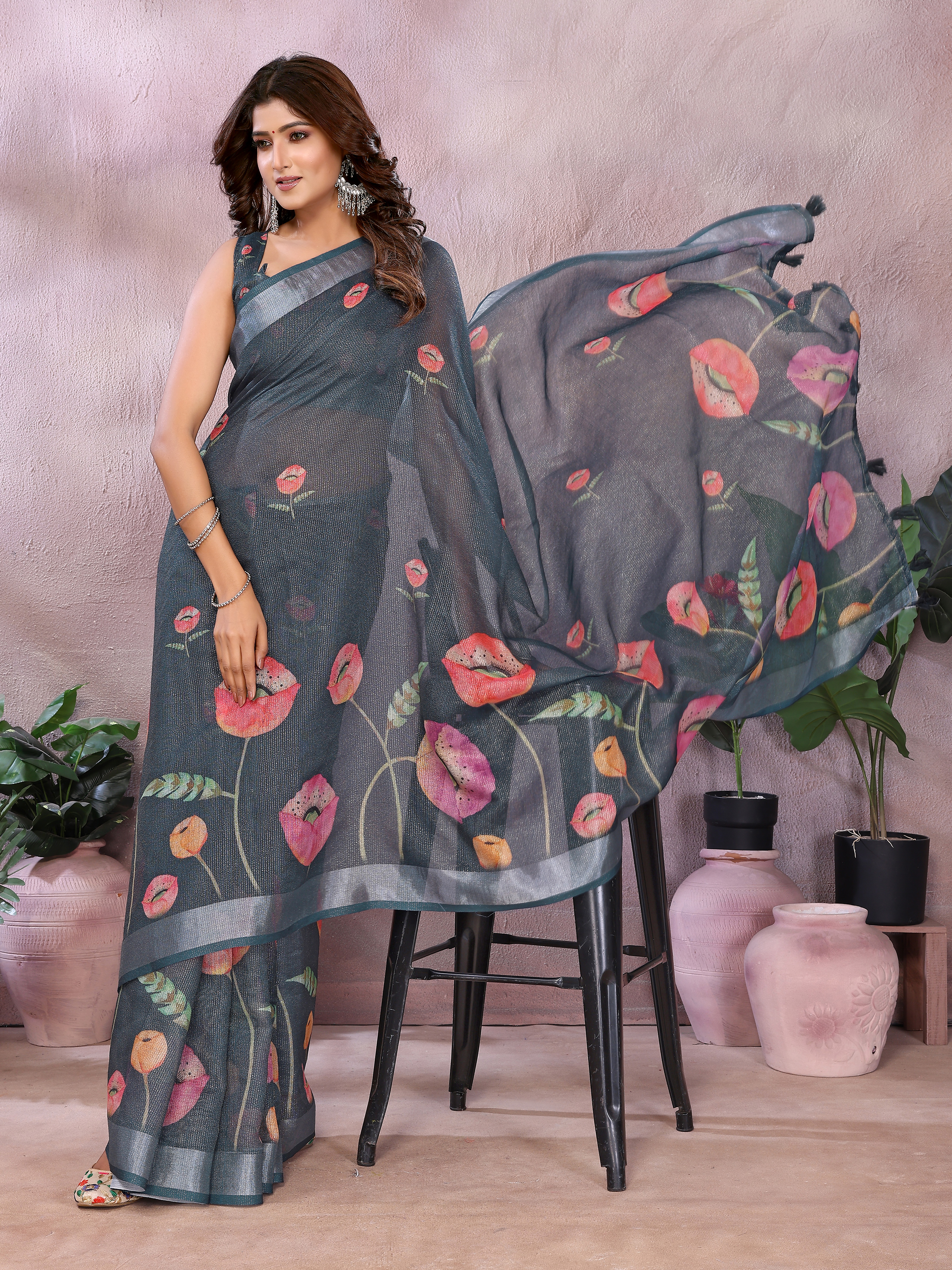

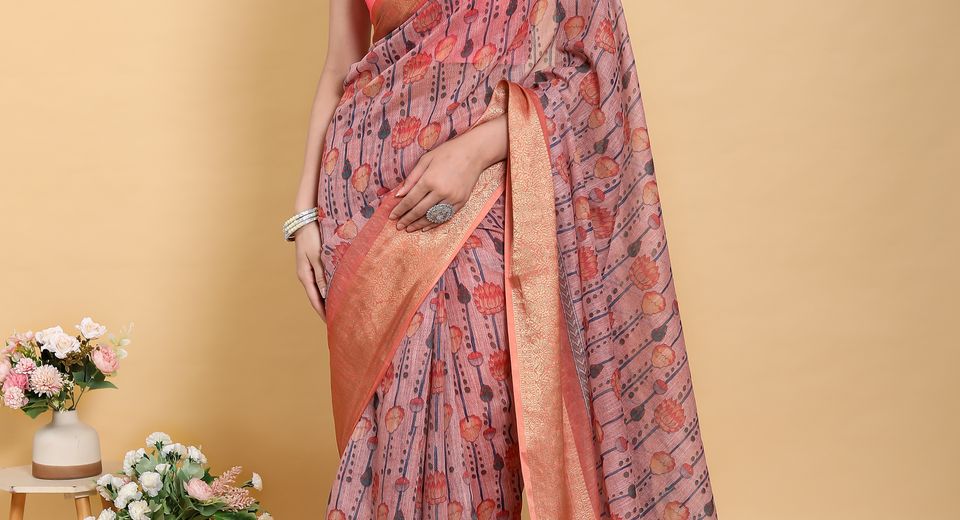
A saree that smells slightly of perfume, cupboard air or a long evening out doesn't automatically need a wash. Saree Fabrics That Need Airing More Often Than Washing include linen cotton, cotton, Chanderi cotton and delicate tissue weaves because fresh air can release mild odours without repeatedly stressing the fibres, dyes or zari. The right routine is simple: unfold the saree, turn it inside out, hang it in shade for several hours, then refold it along a different line.
Washing remains necessary when sweat, body oil, food, visible dust or a spill has entered the fabric. Airing is a maintenance step between wears, not a substitute for cleaning a soiled saree. Knowing the difference helps preserve colour, drape and surface texture while reducing unnecessary exposure to water, detergent and friction.
Why airing can be gentler than washing
Airing removes mild odours and trapped humidity without exposing a saree to soaking, rubbing, detergent residue or repeated drying. Natural ventilation allows moisture held between fibres to evaporate, which is especially useful after a saree has been worn for a few hours in warm weather.
Every wash places some mechanical stress on a garment. Fibres swell when wet, seams and woven borders experience movement, and printed or dyed surfaces may release a small amount of colour. A hand wash is gentler than a machine cycle, but hand washing still involves water, handling and drying. Airing avoids those steps when the saree is clean but simply needs to recover after use.
Air doesn't disinfect a saree, remove oily stains or kill every moth larva. Airing also doesn't replace specialist cleaning for silk, heavy zari or fabric with colour-transfer risk. The useful rule is to assess the cause of the problem: a faint odour calls for ventilation, while visible soil calls for appropriate cleaning.
When should a saree be aired?
A saree should be aired after wearing, before long-term storage, and whenever it feels warm or slightly damp from body heat. Four to eight hours in a shaded, well-ventilated room is usually sufficient for a lightly worn saree.
Allow extra time after a humid event or a crowded indoor gathering. A saree worn for a full day may need overnight ventilation, provided the room is dry and the fabric is protected from dust. Do not leave a saree in direct midday sunlight, because prolonged ultraviolet exposure can fade prints and weaken some fibres.
Saree Fabrics That Need Airing More Often Than Washing
Linen cotton, cotton, Chanderi cotton and tissue handloom cotton generally benefit from regular airing between washes because their surfaces can hold everyday odours while still being visibly clean. Their care needs differ, so the fibre content and embellishment should guide the method.

Linen cotton sarees
Linen cotton sarees should be aired flat or on a broad hanger in shade because linen creases easily and can develop a stale smell when stored before it's fully dry. The cotton component adds softness, while the linen component gives the saree a crisp, breathable handle that responds well to ventilation.
A product such as Buy Dusty Rose Floral Linen Cotton Saree with Woven Border can be aired with the pallu and pleats opened rather than left compressed. Buy Blue Linen Cotton Floral Print Saree with Yellow Border and Light Grey Linen Cotton Floral Print Saree with Blue Border also illustrate why printed borders deserve shade: repeated direct sun can make a dark or bright border age faster than the body of the saree.
Cotton and handloom cotton
Cotton sarees should be aired after warm-weather wear because cotton absorbs perspiration and can retain humidity in folded pleats. Sea Green Tissue Handloom Cotton Saree With Floral Patterns and Sea Green Cotton Linen Printed Saree with Woven Border can be opened fully so the waistband area, pleats and pallu receive moving air.
Airing doesn't remove salt marks from dried perspiration. If a cotton saree shows a pale line around the blouse area, shoulder or waist, washing is safer than repeatedly airing the garment. Sweat residue can attract insects and may become more difficult to remove over time.
Chanderi cotton
Chanderi cotton should be handled lightly and aired in shade because its fine, slightly sheer structure can crease and abrade under rough treatment. Rust Printed Chanderi Cotton Saree with Traditional Borders should be kept away from a rough wall, metal hook or textured hanger that could pull the yarn or catch a printed border.
Chanderi fabric often benefits from a smooth, padded hanger or a clean cotton sheet spread on a bed for airing. Avoid spraying perfume, deodorant or fabric freshener directly onto Chanderi cotton. Alcohol, oils and concentrated fragrance can mark the surface even when the saree looks clean.
Tissue cotton and zari weaves
Tissue cotton and zari sarees need careful airing because metallic yarn can react poorly to moisture, abrasion and prolonged exposure to chemicals. Tissue Handloom Cotton Saree with Zari Weave & Floral Print should be opened on a clean surface, with the zari side protected from rough contact.
A faint cupboard smell can usually be reduced by several hours of shade ventilation. A sticky mark, tarnished-looking patch or oily residue needs more than airing. For valuable zari, a textile specialist can select a cleaning method that limits pressure and protects metallic threads.
How to air a saree without fading or stretching it
The safest airing method uses shade, support and complete opening rather than strong sunlight or a narrow hook. A five-step routine protects most lightly worn cotton and linen cotton sarees.
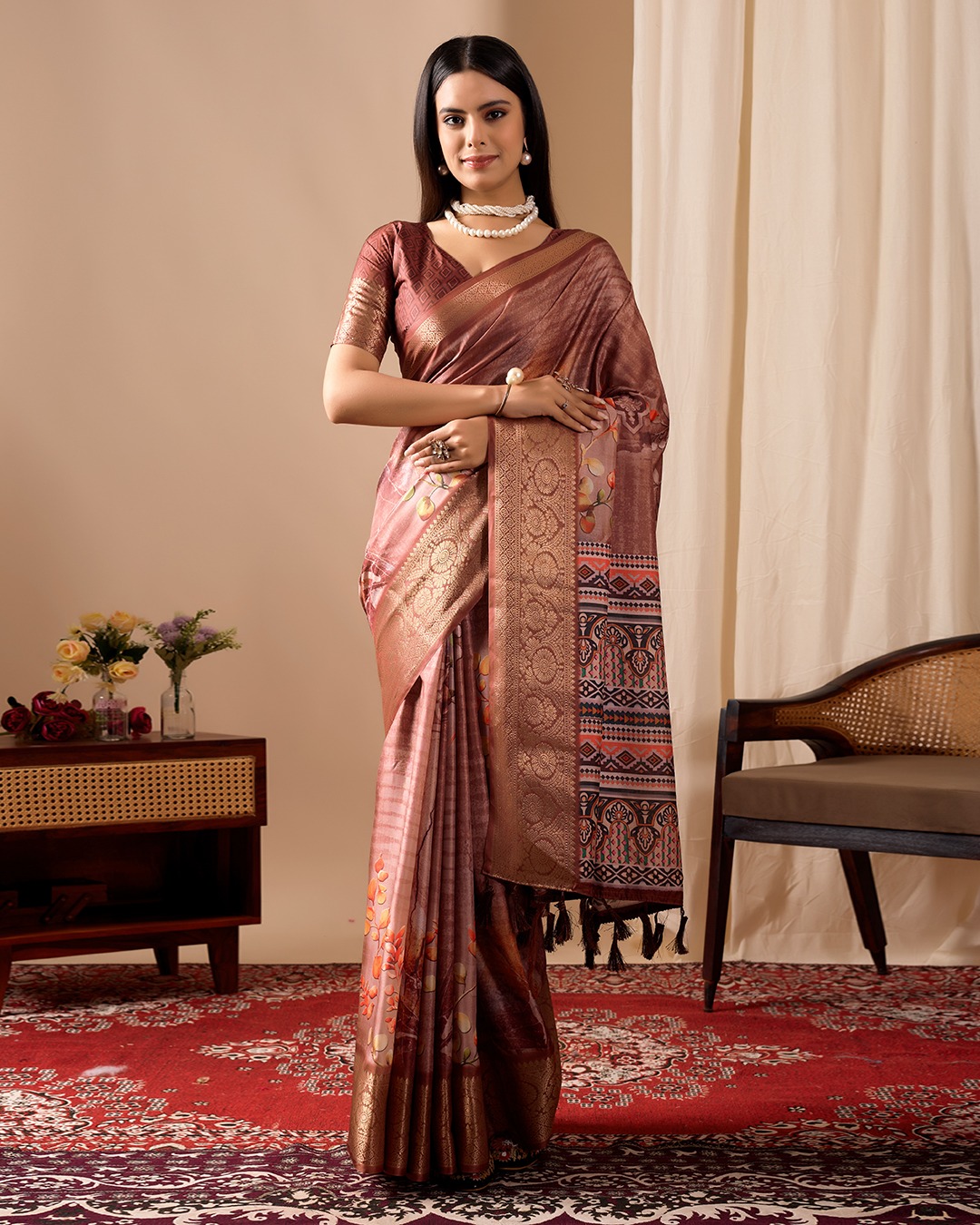
- Inspect first. Check the blouse area, underarm line, waist, pleats and pallu for sweat, makeup, food or moisture. Marking a problem before airing prevents a stain from being mistaken for a harmless odour.
- Open the folds. Shake the saree gently once, then separate the pleats and unfold the pallu. Do not snap the saree sharply, because sudden tension can stress fine yarns and woven borders.
- Choose shade and airflow. Use a clean drying rack, broad hanger or freshly laundered cotton sheet in a room with circulating air. Keep the saree away from kitchen smoke, incense, damp bathrooms and direct sunlight.
- Ventilate both sides. Turn the saree once after two to four hours so the body, pallu and blouse area receive similar exposure. A lightly worn saree usually needs four to eight hours, while a humid full-day wear may need overnight airing.
- Refold differently. Change the position of the main fold before storing the saree. Rotating the fold reduces the chance of a permanent crease along one line.
A clean cotton muslin cloth can be placed between a zari border and a wooden or metal surface. Plastic garment covers should not be used immediately after wearing because they trap residual humidity. A breathable cotton cover is preferable once the saree is completely dry.
When airing isn't enough
Washing or professional cleaning is needed when a saree has visible soil, strong perspiration odour, an oily mark, mould, insect residue or a spill. Airing may reduce the smell temporarily while leaving the substance inside the fibre, which can lead to discolouration or fabric damage later.
Signs that require cleaning
Yellowing around the neckline, grey marks on pleats, powdery residue, food spots and a stiff patch are practical signs that a saree needs cleaning. A saree worn during a Haldi ceremony should be treated promptly because turmeric and oil can become harder to remove after drying.
don't rub a stain aggressively to test whether it will disappear. Rubbing can spread pigment and roughen a printed or lustrous surface. Blot a fresh liquid spill with a clean white cloth, record what caused the mark if possible, and follow the care label or consult a professional.
Strong musty odour combined with tiny holes, shed fibres or fine webbing may indicate insect activity rather than ordinary cupboard air. Isolate the saree from other garments and inspect the storage area. Washing the single saree without addressing the storage environment may not solve the problem.
Why frequent washing can shorten a saree's life
Frequent washing can fade surface prints, soften crisp borders, disturb sizing and weaken fibres through repeated wetting and drying. Linen cotton may lose some of its structured finish, while zari can dull when exposed repeatedly to detergent, hard water or aggressive rubbing.
Machine washing is particularly risky for sarees with woven borders, printed panels, metallic yarn or a fine Chanderi structure. A gentle hand wash isn't automatically safe if colours bleed into one another or if the saree is twisted during rinsing. Always test colourfastness on an inconspicuous area when the care instructions permit home washing.
Storage habits that reduce washing frequency
A dry, breathable and low-pressure storage system keeps sarees fresher between wears and reduces the need for corrective washing. Store only completely dry sarees, and leave a little space between folded garments so air can move through the stack.

Fold sarees with clean hands on a dry surface. Keep zari, tissue and fine printed borders away from rough paper, newspaper ink, unwashed wood and abrasive plastic. Acid-free tissue or a clean cotton cloth can cushion delicate folds, but the wrapping should not be damp or heavily fragranced.
Refold frequently used sarees every few months, changing the fold lines and checking for moisture or insects. A wardrobe sachet should not touch the fabric directly. Strong essential oils can stain, and concentrated fragrance can cling to natural fibres.
don't put a recently worn saree straight into a tightly packed drawer. Allowing the saree to air first is more effective than increasing the amount of perfume or using a deodorising spray. A wardrobe that smells damp needs ventilation and moisture control, not fragrance alone.
Choosing a practical saree-care routine
A useful care schedule depends on wear intensity, fabric and environment rather than a fixed monthly washing rule. A saree worn for two hours in a cool indoor setting may only need airing, while a saree worn all day in humid weather may need inspection and prompt cleaning.

- After a short, clean wear: air the saree for four to eight hours, inspect it, and store it only when fully dry.
- After a full day in summer: air it overnight, then check the blouse area, pleats and waist for perspiration before deciding whether to wash.
- After a festival or meal: inspect for oil, turmeric, drink and food stains before folding. Treat visible marks promptly.
- Before seasonal storage: clean the saree if necessary, dry it completely, refold it with changed fold lines and use a breathable cover.
- For zari or delicate Chanderi: follow the care label and use a professional textile cleaner when the fabric has a serious stain or uncertain colourfastness.
Budget-conscious buying doesn't require compromising on care knowledge. Collections such as Sarees from Rs 1000 to Rs 1500, Sarees Under 20% Off and Sarees Under 10% Off can be assessed using the same questions: what is the fibre, how is the border made, and what care does the label specify? A lower price doesn't make a saree disposable, and a higher price doesn't eliminate the need for careful storage.
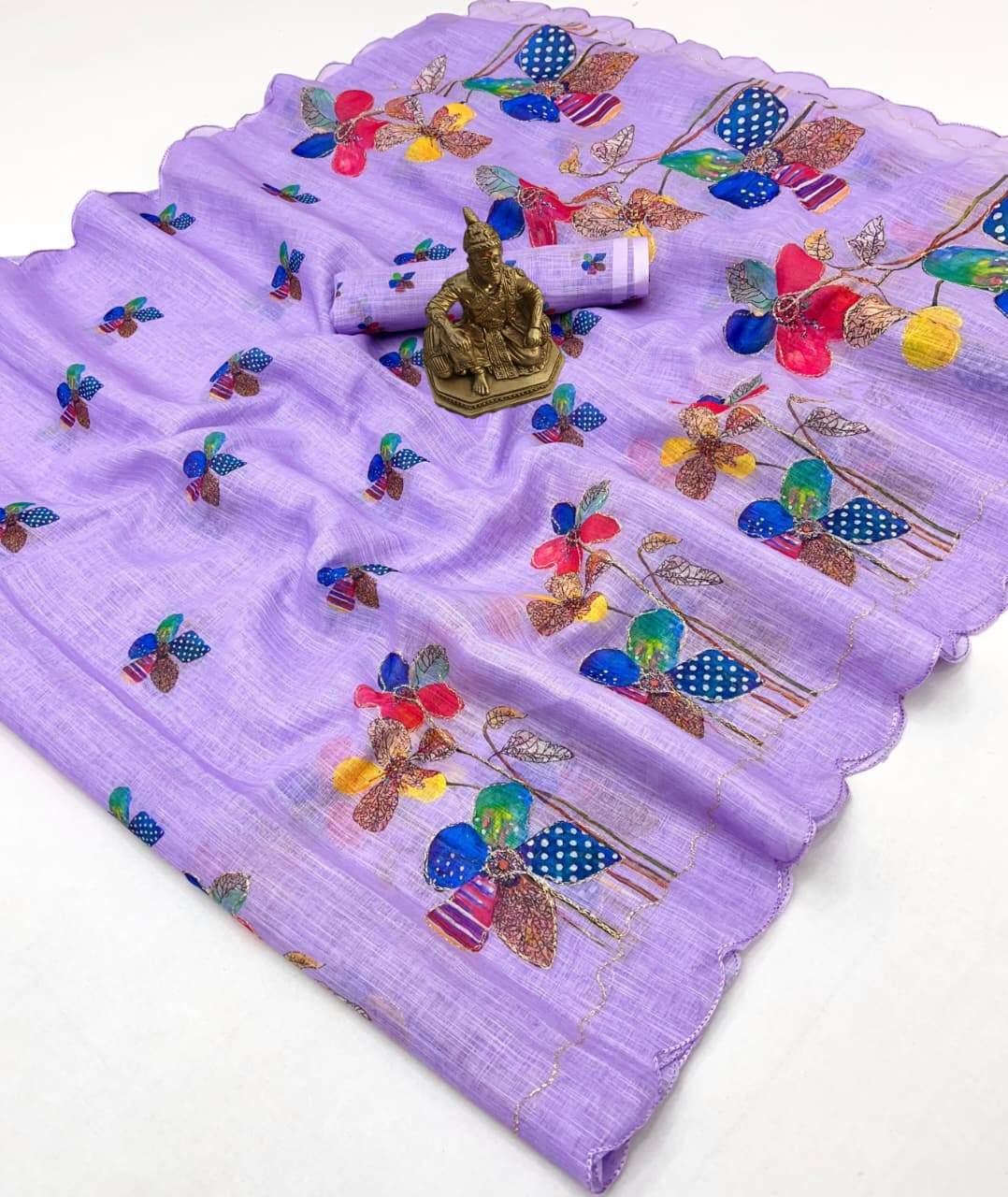
For everyday rotation, choose enough breathable sarees that no single garment is worn repeatedly before it has dried and recovered. A saree such as Lavender Floral Printed Shimmer Linen Cotton Saree can return to the wardrobe after shade airing when it's clean, dry and free of perspiration marks. Rotating garments also reduces the pressure to wash one favourite saree after every use.
A simple decision before you wash
Ask three questions before placing a saree in water: Is there visible soil, is there body moisture, and does the care label allow home washing? If the answer to all three is no, airing is usually the lower-stress option.

If one answer is yes, choose the least aggressive suitable treatment. A clean cotton saree may tolerate careful hand washing, while tissue cotton, heavy zari and delicate Chanderi cotton may need specialist advice. The purpose of Saree Fabrics That Need Airing More Often Than Washing isn't to postpone necessary cleaning; it's to prevent unnecessary cleaning from becoming the default.
Good saree care combines observation with restraint. Ventilate after wear, clean genuine soil promptly, protect colour from harsh sun, and store every saree only after it's fully dry. Those small decisions preserve the hand feel, print and drape that made the saree worth wearing in the first place.
Common Questions About Airing and Washing Sarees
How often should I air a saree instead of washing it?
Air a clean saree after each wear, usually for four to eight hours in shade. A saree worn all day in humid weather may need overnight ventilation, followed by an inspection for sweat or stains.
Can airing remove sweat smell from a cotton saree?
Airing can reduce a mild, recent odour, but airing cannot remove dried sweat salts or oily residue. Wash the cotton saree according to its care instructions when marks or persistent smell remain.
Should linen cotton sarees be kept in direct sunlight while airing?
Linen cotton sarees should be aired in shade with good airflow rather than in strong direct sunlight. Shade reduces the risk of fading floral prints, woven borders and darker colours.
How should I air a saree with zari?
Open the zari saree on a clean, dry surface or use a broad, smooth support in shade. Avoid perfume, moisture, rough hangers and direct sun, and seek professional cleaning for oily marks or serious stains.
Can I air a Chanderi saree overnight?
A Chanderi saree can be aired overnight in a dry, dust-free room if it is spread or supported without tension. Do not leave it near a damp window, kitchen vapour or direct sunlight.
When should a saree be washed after a Haldi ceremony?
A saree worn at a Haldi ceremony should be inspected and treated promptly because turmeric and oil can set into fibres. Blot fresh marks without rubbing, then follow the care label or consult a textile cleaner if the saree is delicate.