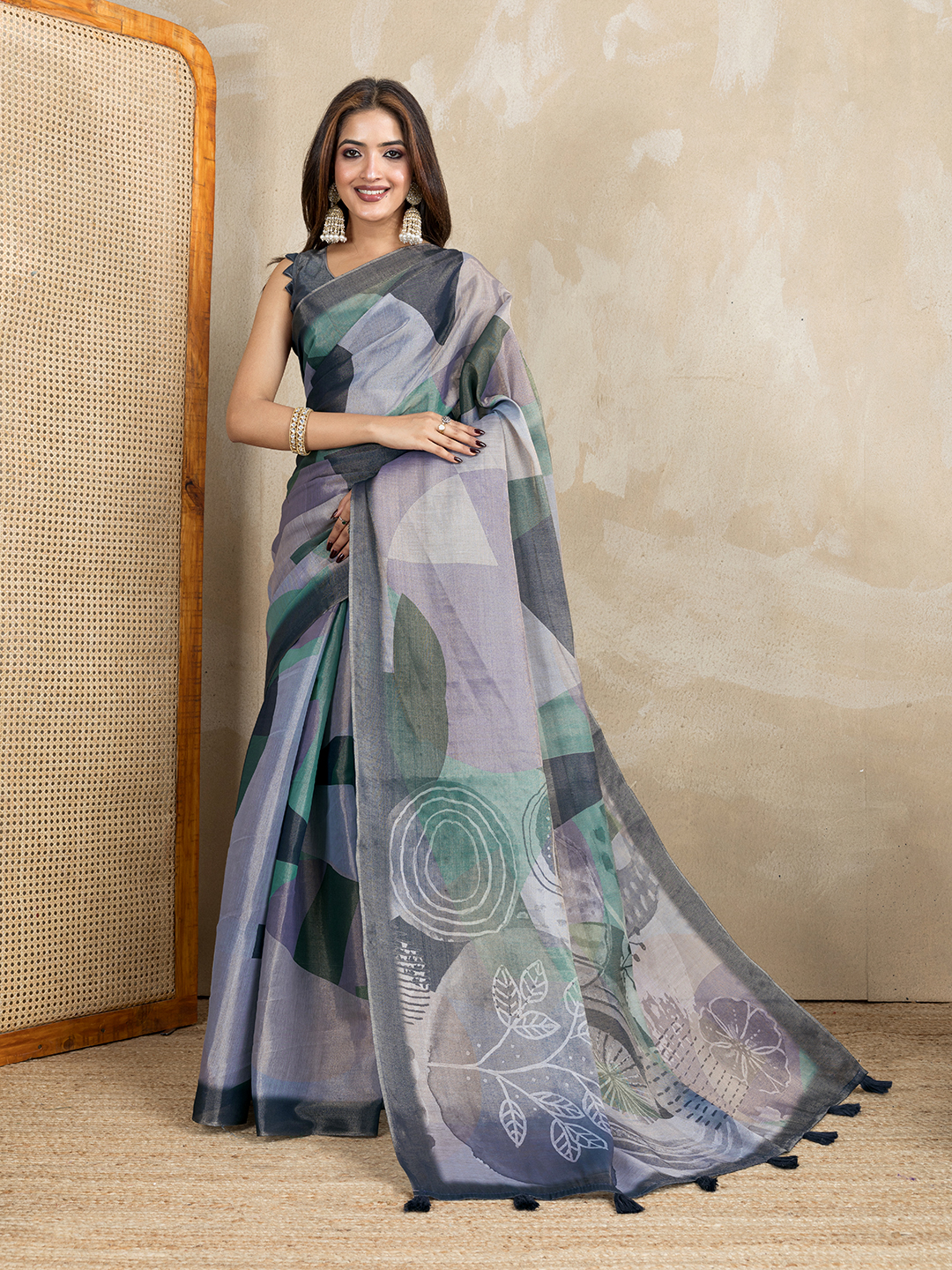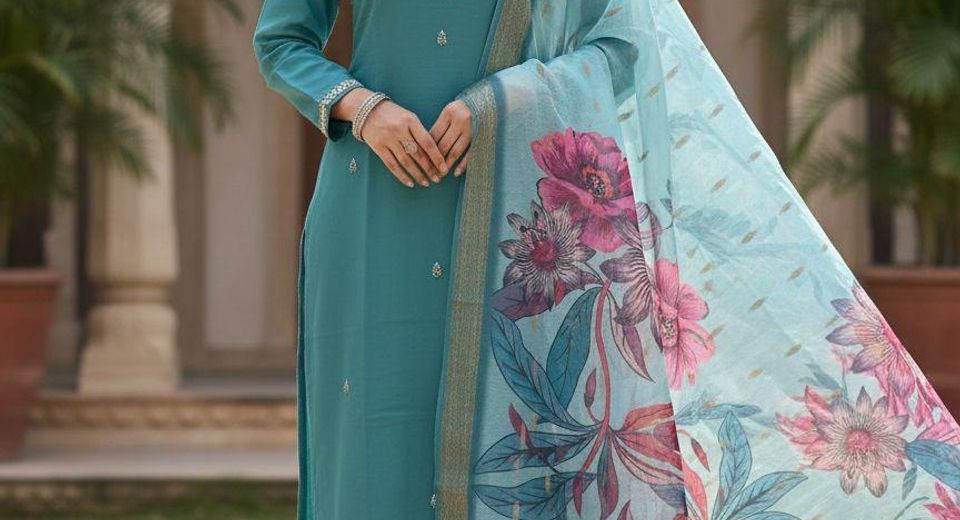
Salwar Waistbands With Wide Elastic Sit Differently From Narrow Elastic because waistband width changes how pressure is distributed around the waist, where the garment settles on the body, and how the salwar fabric falls below the hips. The difference may be subtle on a hanger but obvious after several hours of walking, sitting or climbing stairs. Understanding elastic width helps you choose a ready-made salwar suit that feels secure without digging into the skin.
A waistband isn't merely a hidden strip that keeps salwar trousers in place. The waistband controls the garment's rise, affects the amount of gathering at the waist, and influences whether the salwar sits naturally at the mid-waist or slips toward the high hip. Fabric weight, trouser volume, stitching quality and body measurements work together with elastic width, so a useful fit assessment requires more than checking the labelled size.
Salwar Waistbands With Wide Elastic Sit Differently From Narrow Elastic: what changes?
Wide elastic spreads tension across a larger vertical area, which usually creates steadier support and less concentrated pressure at one horizontal line around the waist. A wide waistband commonly feels smoother when the wearer sits, bends or moves for long periods.
Elastic width is measured from the top edge to the bottom edge of the elastic. A band measuring approximately 3 to 5 centimetres covers more of the waist than a narrow band measuring approximately 1 to 2 centimetres. The exact measurement varies by garment, but the fit principle remains consistent: a wider band distributes the pull of the salwar across more skin and fabric.
- Pressure: Wide elastic reduces the sensation of a thin cord pressing into one horizontal line.
- Stability: Wide elastic is less likely to roll when the waistband is properly stitched and the garment has enough ease.
- Rise: Wide elastic can help the salwar remain at its intended position instead of slipping down during movement.
- Appearance: Wide elastic can create a flatter waistline under a straight kurta, although excessive gathering may still show beneath lightweight fabric.
Wide elastic doesn't automatically mean a looser or larger fit. A firm, wide elastic band can feel more supportive than a soft narrow band even when both waistbands measure the same. A comfortable waistband should remain secure without leaving deep marks after approximately 30 minutes of wear.
Salwar Waistbands With Wide Elastic Sit Differently From Narrow Elastic: why does narrow elastic feel sharper?
Narrow elastic concentrates its holding force over a smaller strip, so the waistband may feel more noticeable even when the salwar size is correct. Narrow elastic can suit lighter trousers and less voluminous silhouettes, but it needs the correct tension and a stable casing.
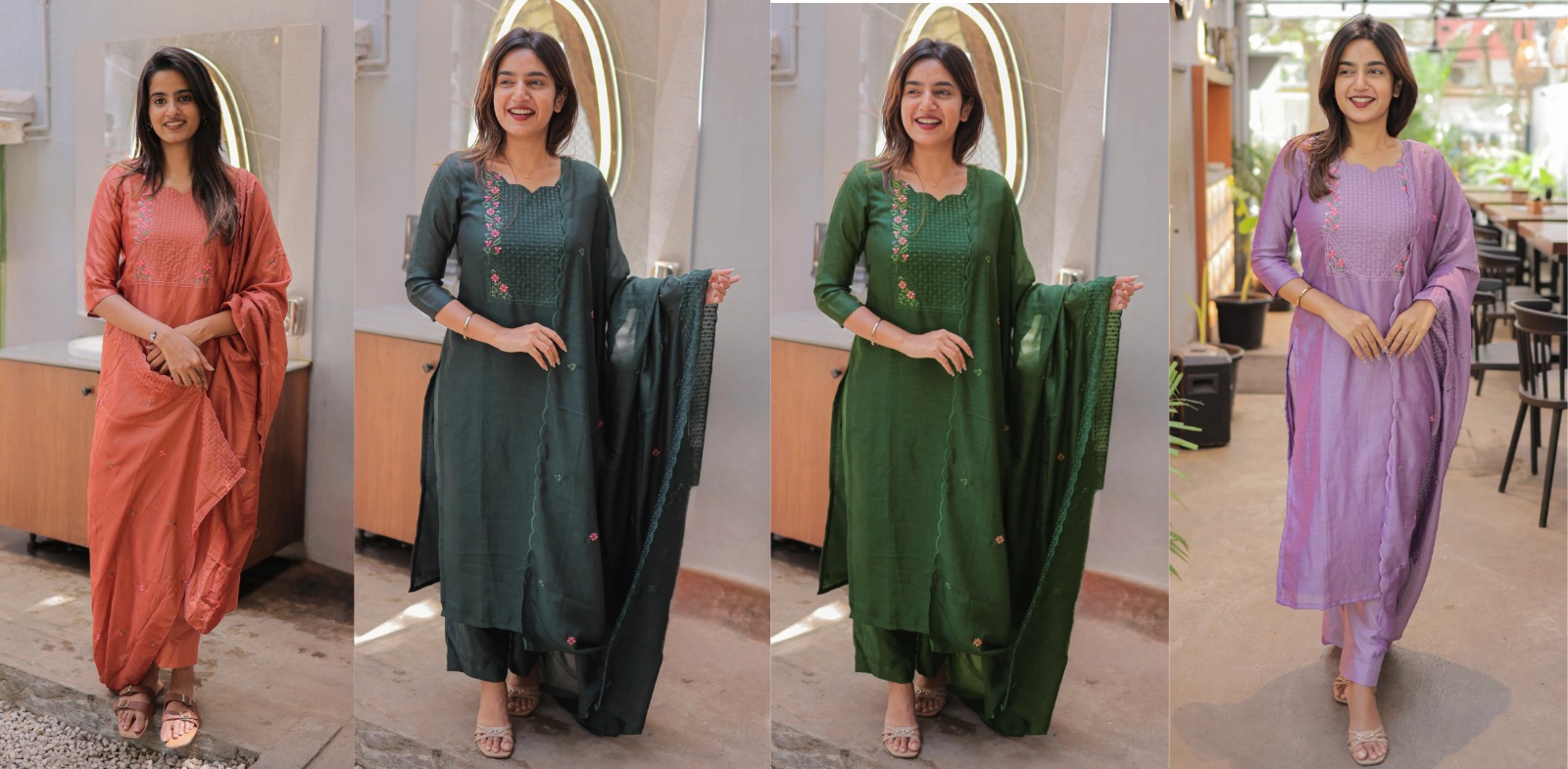
A narrow band often allows a cleaner, less structured waist finish. The narrower construction may be useful when the waistband must remain discreet beneath a fitted kurta or when the salwar has minimal gathers. The trade-off is that a narrow strip can twist, fold or press into the waist if the elastic is too tight or the casing is poorly finished.
Salwar Waistbands With Wide Elastic Sit Differently From Narrow Elastic because the body experiences a different type of contact. A narrow band creates more localised pressure, while a wide band creates broader contact. People who are sensitive to waist pressure may prefer the broad support of wide elastic, while people who dislike a fuller waistband may prefer a softer narrow construction.
Elastic recovery also matters. Recovery describes how quickly stretchable returns to its primary length after stretching. A thin band with strong recovery can feel tighter than a wide band with mild recovery. A wide band with weak recovery may find comfortable at first but loosen during repeated wear. Width should therefore be assessed alongside stretch, recovery and the waist measurement of the finished garment.
Salwar Waistbands With Wide Elastic Sit Differently From Narrow Elastic when sitting and walking
Elastic width affects rise by changing how securely the salwar holds its position between the waist and hip. A stable waistband usually keeps the crotch and upper leg in the intended location, whereas a slipping waistband can make the entire salwar feel low, loose or restrictive.
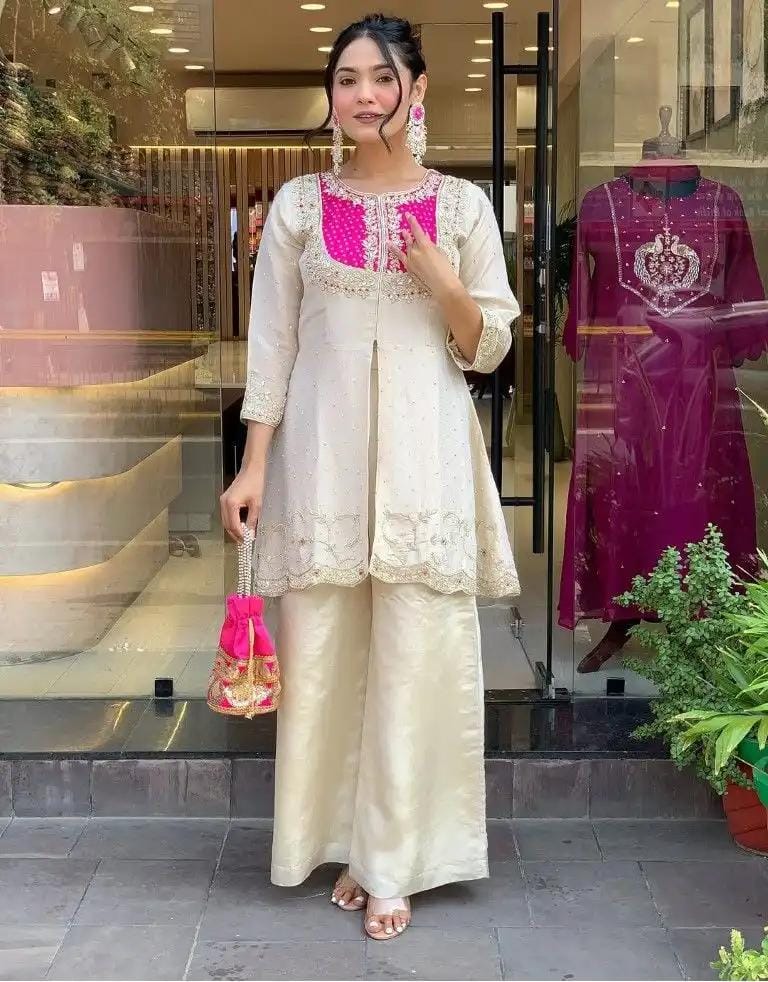
How does elastic behave when you sit?
Wide elastic generally feels more even when sitting because pressure is distributed across a larger area. The waistband may remain flat against the body instead of folding into a thin edge. Narrow elastic can feel comfortable while standing but become more noticeable when the abdomen bends during sitting.
A practical sitting test is simple: sit on a chair for five minutes, lean forward, and check whether the waistband rolls or presses sharply. A well-fitted salwar should not require repeated pulling upward after sitting. The kurta should also continue to overlap the waistband without exposing a gap at the back.
How does elastic behave while walking?
Wide elastic can provide steadier support for a salwar with generous gathers, heavier fabric or a larger hem volume. Narrow elastic may allow more flexibility in a lightweight cotton trouser, but the band must have enough tension to prevent gradual slipping.
Movement exposes a fit problem faster than a mirror does. Walk for 20 to 30 steps, lift one knee, and take two flights of stairs if possible. A waistband that stays in place without cutting into the waist is more useful than a waistband that looks neat only while standing still.
Salwar Waistbands With Wide Elastic Sit Differently From Narrow Elastic across fabrics and silhouettes
Wide elastic is usually more useful for gathered, flowing or moderately heavy salwars, while narrow elastic can work well with lighter, straighter trousers. The final choice depends on the garment's total volume and not on the fabric name alone.
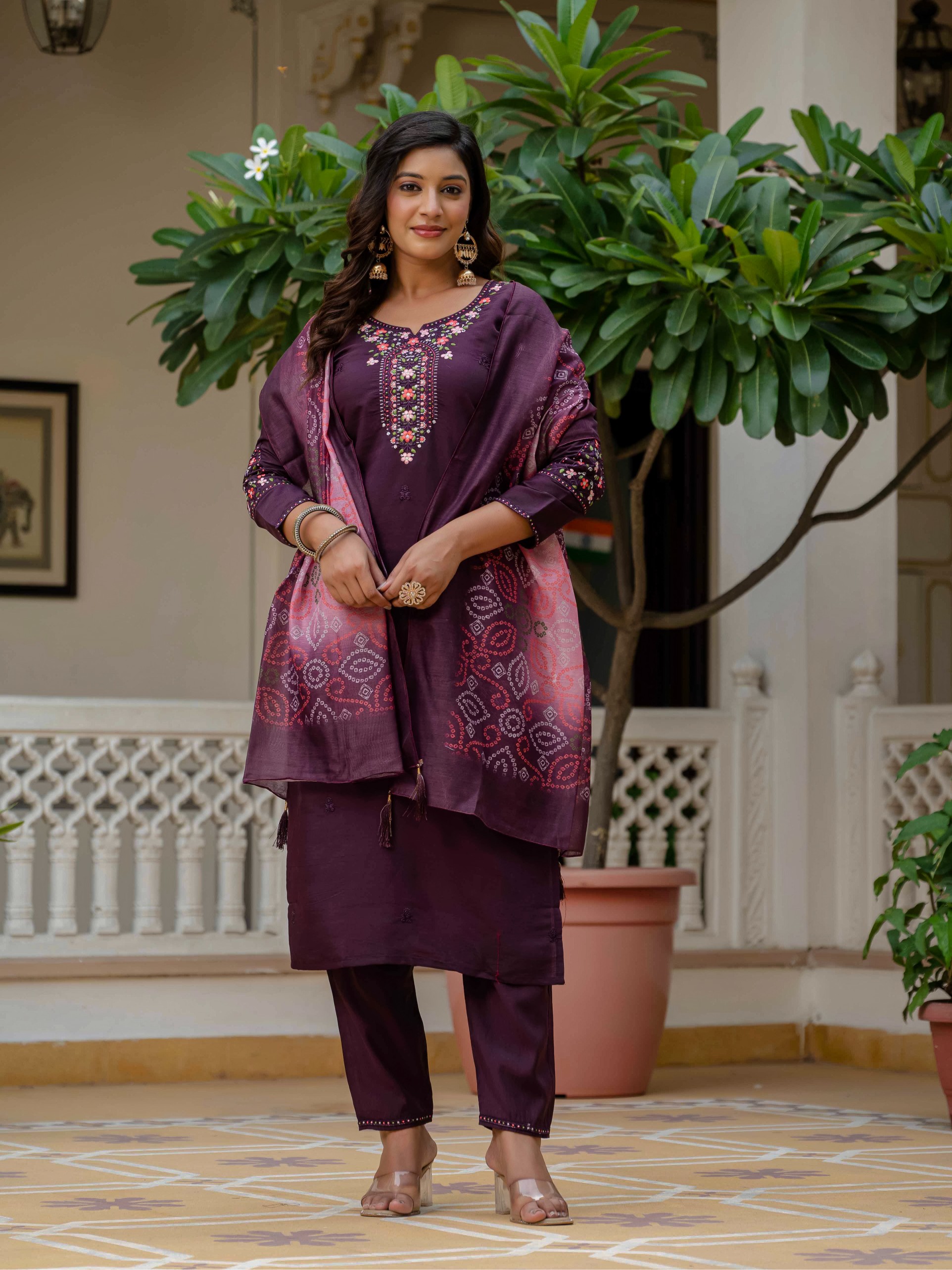
Cotton salwar suits often benefit from a supportive waistband because cotton can hold gathers and create downward pull. A straight cotton kurta set with a lighter bottom may need less waistband structure than a traditional, fuller salwar. Vertical Cotton Straight Kurta Set with Dupatta illustrates why silhouette matters: a vertical straight line through the kurta usually pairs well with a waistband that stays smooth rather than creating excess bulk.
Silk and silk-blend garments can feel heavier or more slippery, depending on construction. Black Red Fendy Silk 3 Piece Readymade Salwar Suit Set and White Cording Threadwork Roman Silk Salwar Suit represent styles where a secure waistband can help keep the lower garment aligned beneath a decorative kurta. A narrow elastic may work if the trouser is relatively light, but a broad, well-cased band can feel more dependable for extended wear.
Embroidery and surface decoration add another consideration. Heavy threadwork can increase the visual and physical weight of an outfit. Elegant White Cording Threadwork Salwar Suit and Embroidered Salwar Suit Set for Women should be evaluated for both waistband support and the way the upper garment falls over the waist. A supportive band can reduce tugging, but excessive tightness can cause the kurta fabric to bunch above the waistband.
Collections inspired by regional dress also use different trouser proportions. Punjab Patiala Salwar Suits often have substantial gathers and need a waistband that can support volume without slipping. Gujarat Bandhej Salwar Suits and Odisha Sambalpuri Salwar Suits may include lighter or more structured regional styling, so the correct elastic depends on the particular cut rather than the print or cultural reference alone. Kalamkari Print Salwar Suits can range from relaxed cotton shapes to straighter silhouettes, making the finished waist measurement especially important.
Black White Floral Embroidered Readymade Salwar Suit shows another practical point: printed or embroidered styling doesn't tell you whether a waistband will feel firm, soft or restrictive. The product's finished waistband, rise and elastic recovery remain the measurements that determine wearability.
Salwar Waistbands With Wide Elastic Sit Differently From Narrow Elastic: how should you measure?
The most reliable method is to compare your body measurement with the garment's finished waistband measurement, elastic width and stated ease. A size label alone can't show whether the waistband will sit comfortably.
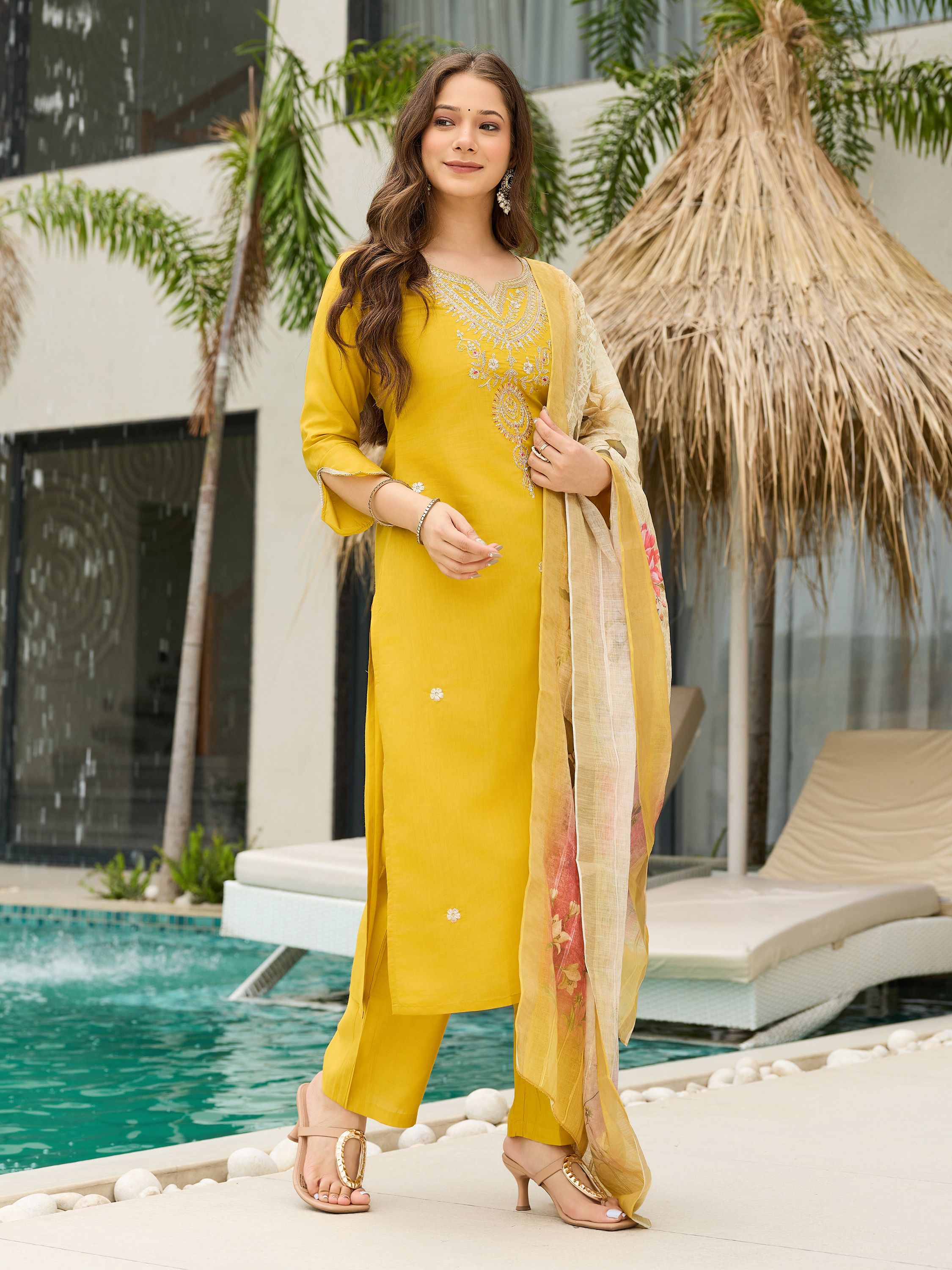
- Measure the body: Wrap a soft tape around the place where you want the salwar to sit. Keep the tape level and comfortably close to the body without pulling it tight.
- Measure a garment you already like: Lay the salwar flat, measure the waistband from edge to edge, and double the number. Record whether the elastic is relaxed or gently stretched.
- Check the rise: Measure from the top of the waistband to the crotch seam. A correct waist measurement can still feel wrong if the rise is too short for your preferred position.
- Check the elastic width: Measure the visible or internal band vertically. Note whether the waistband contains one wide piece, two narrow rows, or elastic sewn directly into a casing.
- Allow for fabric behaviour: A slippery silk blend may need more hold than a stable cotton, while a bulky gathered salwar may need broader support to prevent downward drag.
don't stretch a waistband to its maximum length when comparing sizes. Maximum stretch describes the garment's limit, not its comfortable wearing measurement. A useful comparison includes the relaxed measurement, the gentle-stretch measurement and the point at which the elastic begins to feel restrictive.
Body shape can influence the result without determining a single correct waistband. A person with a fuller hip may need enough ease for the salwar to pass over the hip without excessive waistband tension. A person with a straighter waist-to-hip difference may prioritise a band with reliable recovery so the salwar remains in place.
Salwar Waistbands With Wide Elastic Sit Differently From Narrow Elastic: what should you inspect online?
Online shoppers should inspect the size chart, finished measurements, rise, fabric weight and construction details before choosing between wide and narrow elastic. Product photographs rarely show waistband tension accurately.
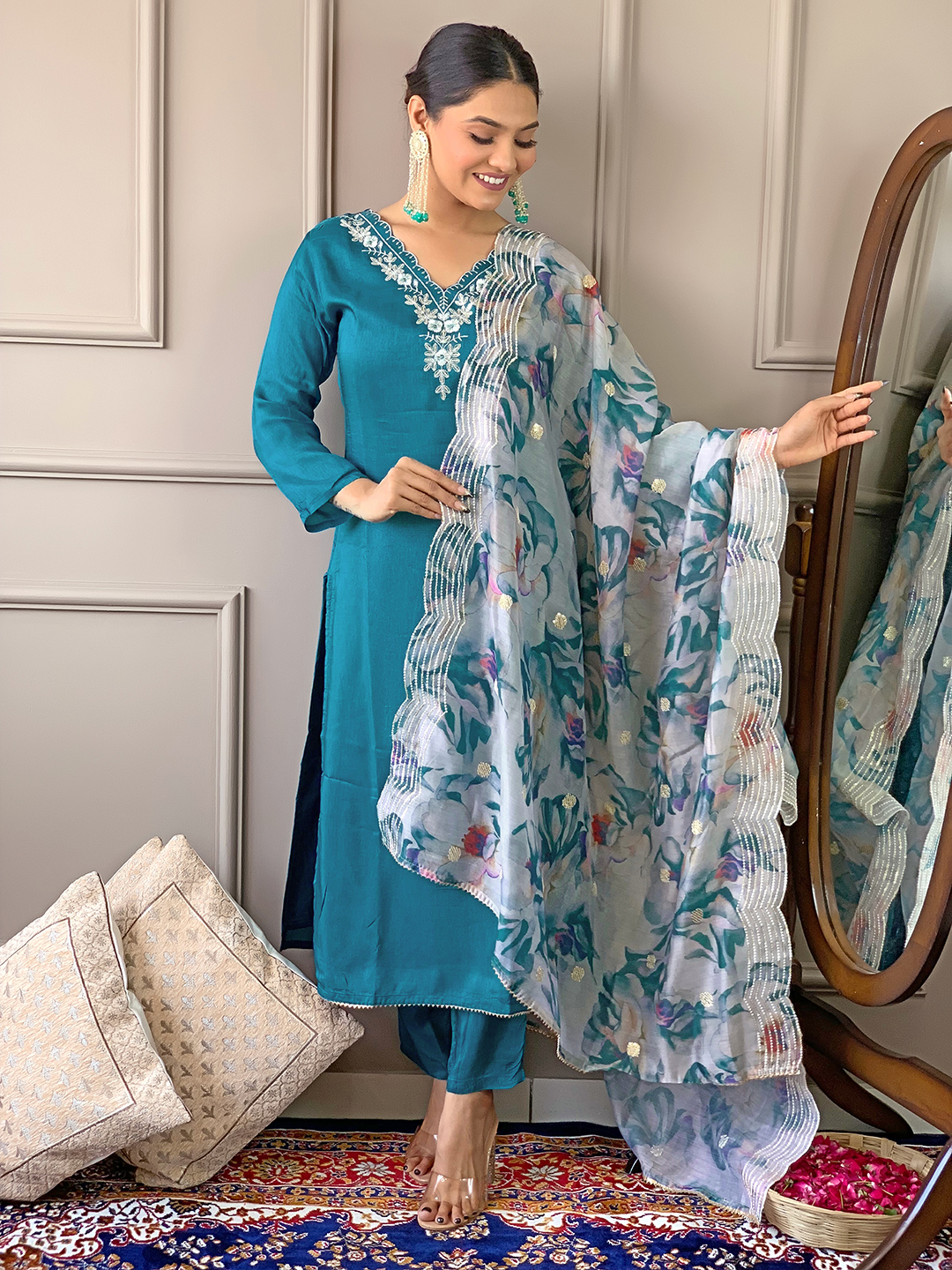
Look for a measurement chart that separates body waist from garment waist. A body waist of 76 centimetres doesn't necessarily require a garment waistband measuring exactly 76 centimetres because the required ease depends on elastic strength and the intended position. Ask whether the measurement is taken relaxed, stretched or flat.
Examine photographs for signs of waistband construction. A wide casing may appear as a broader horizontal section inside the salwar, while a narrow elastic casing may be visible as a slim gathered line. Neither construction is automatically superior. The suitable option depends on the salwar's volume, your preferred rise and your tolerance for pressure.
Also consider the kurta length. A shorter kurta can make waistband slippage more visible, while a longer kurta may conceal movement but can't correct an unstable fit. A coordinating dupatta doesn't affect waistband comfort, so the lower garment deserves separate attention when assessing a three-piece set.
A waistband that feels secure at first may become uncomfortable in warm weather if sweat increases friction. Breathable cotton can feel more forgiving, while dense silk, Roman silk or heavily decorated fabric may require a smooth, properly finished casing. Stylish Rust Orange Ethnic Co-Ord Set for Women and Teal Blue Silk Embroidered Gown Set with Dupatta demonstrate why garment category alone can't predict waistband behaviour; the actual bottom construction and measurement remain decisive.
Salwar Waistbands With Wide Elastic Sit Differently From Narrow Elastic: which option should you choose?
Choose wide elastic when you want distributed pressure, steadier support or a waistband for a gathered and moderately heavy salwar. Choose narrow elastic when you prefer a less substantial waist finish and the trousers are light, relatively straight and correctly tensioned.
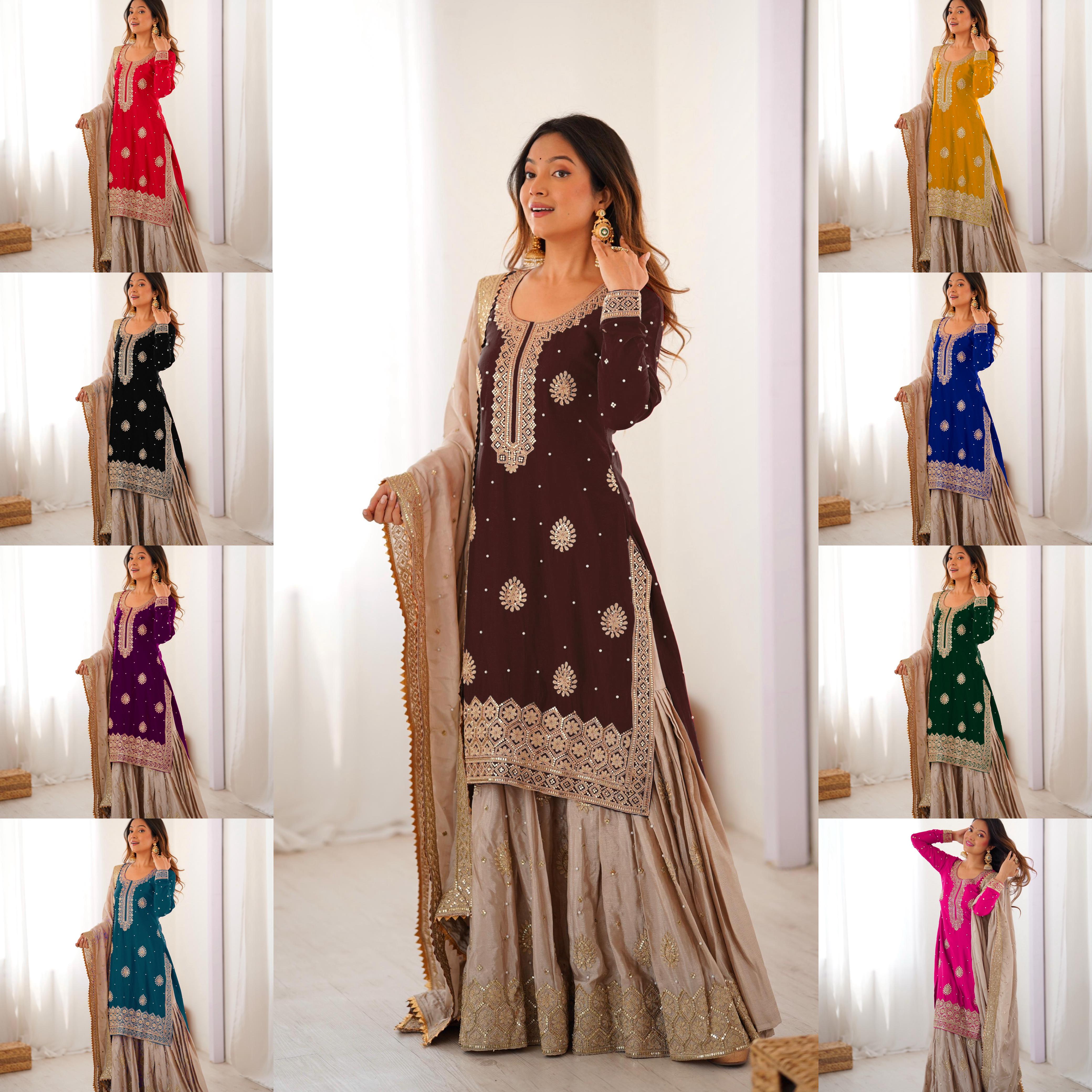
Wide elastic is often the safer choice for long events, commuting, travel and outfits that require frequent sitting. Wide elastic is also useful when a salwar has substantial gathers or a fabric with downward weight. A well-made wide band should lie flat, resist rolling and remain comfortable after movement.
Narrow elastic may be preferable for a sleek straight suit, a lightweight cotton bottom or a wearer who dislikes a broader band near the abdomen. Narrow elastic requires closer attention to recovery and casing because twisting or concentrated pressure can become irritating quickly.
The best test combines measurements with movement. Wear the salwar over the undergarments you normally use, sit for five minutes, walk for several minutes and check the waistband after bending. The correct choice is the one that stays at the intended rise, supports the garment's weight and leaves no sharp pressure line after ordinary activity.
Elastic width changes contact, not just appearance. Compare the finished waistband, rise and recovery before deciding that a particular size will fit.
Common Questions About Wide and Narrow Elastic in Salwar Suits
Do wide elastic waistbands feel more comfortable than narrow elastic waistbands?
Wide elastic often feels more comfortable because it distributes pressure over a broader area instead of concentrating pressure along one thin line. Comfort still depends on elastic firmness, waistband ease, rise and the weight of the salwar.
Will a wide elastic waistband make a salwar look bulky?
A wide elastic waistband does not necessarily look bulky when it is properly cased and the kurta has enough overlap. Excessive gathers, thick fabric or a waistband that is too tight can create visible bunching under a lightweight kurta.
Is narrow elastic suitable for a cotton salwar suit?
Narrow elastic can suit a lightweight, straight cotton salwar when the elastic has good recovery and the waistband does not roll. A fuller cotton salwar with many gathers generally benefits from broader support.
How can I tell whether a readymade salwar waistband will slip?
Compare the garment's relaxed waistband measurement with your preferred wearing measurement and check the rise. A waistband is more likely to slip when it has weak recovery, insufficient tension, a short rise or a heavy gathered trouser pulling downward.
Should I measure my waist or my hips for a salwar suit?
Measure the area where you want the waistband to sit and also check the hip measurement so the salwar can pass comfortably over the body. The waist measurement controls waistband comfort, while the hip measurement helps prevent pulling during dressing and movement.
Can a tailor replace narrow elastic with wide elastic?
A tailor can sometimes replace narrow elastic, but the waistband casing must be wide enough and the garment must have sufficient seam allowance. Alteration may change the rise, gathering and finished appearance, so the existing construction should be inspected before modification.