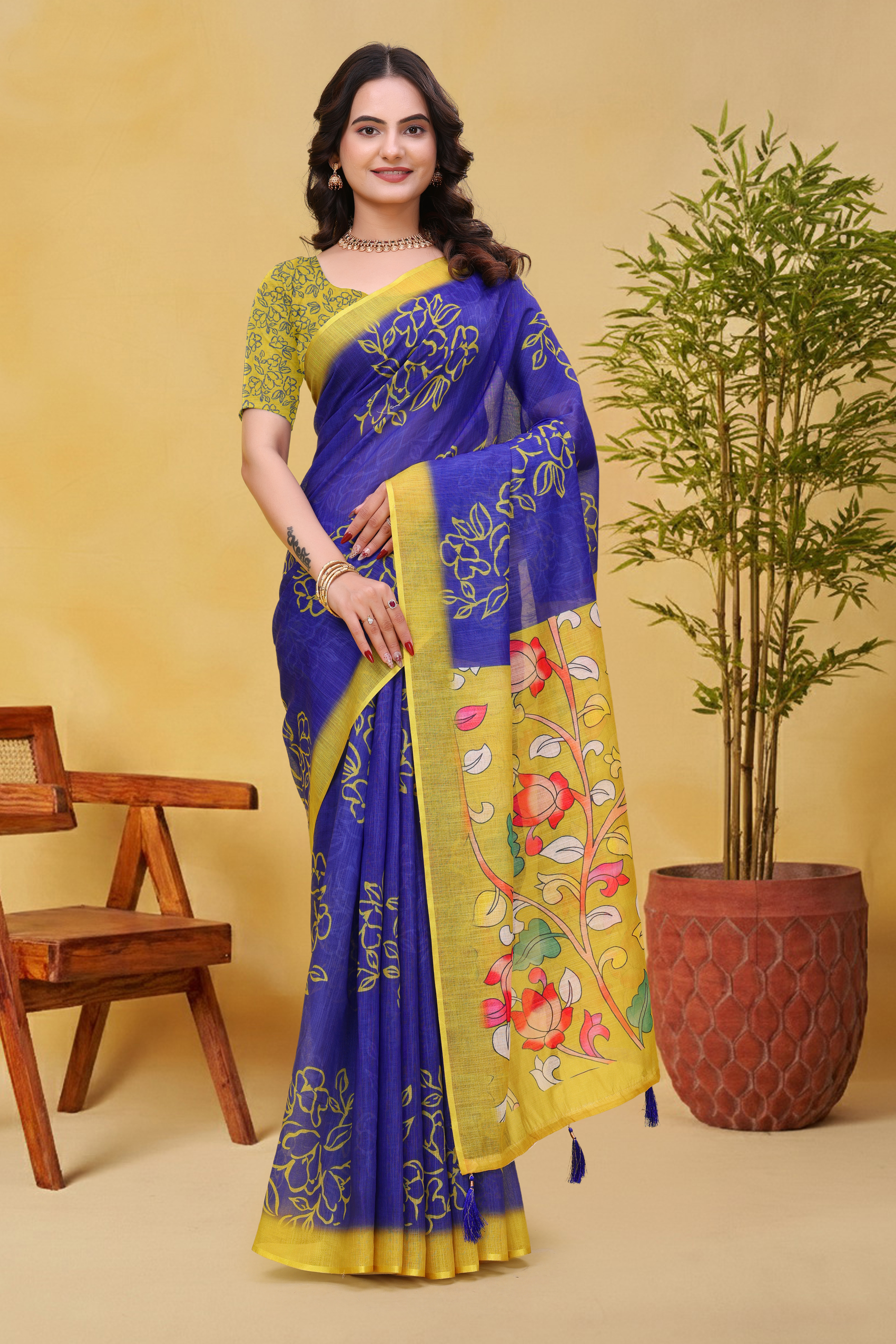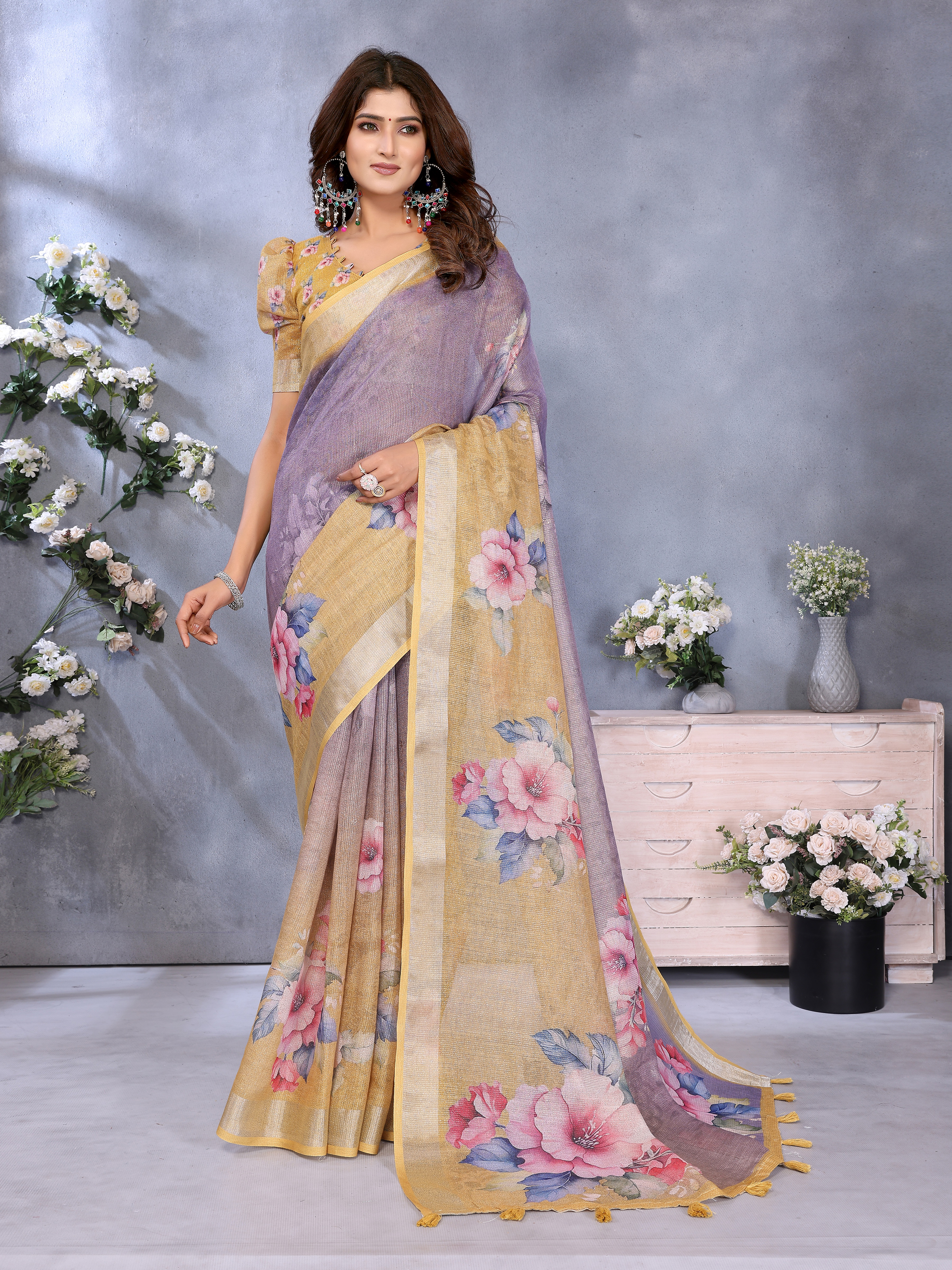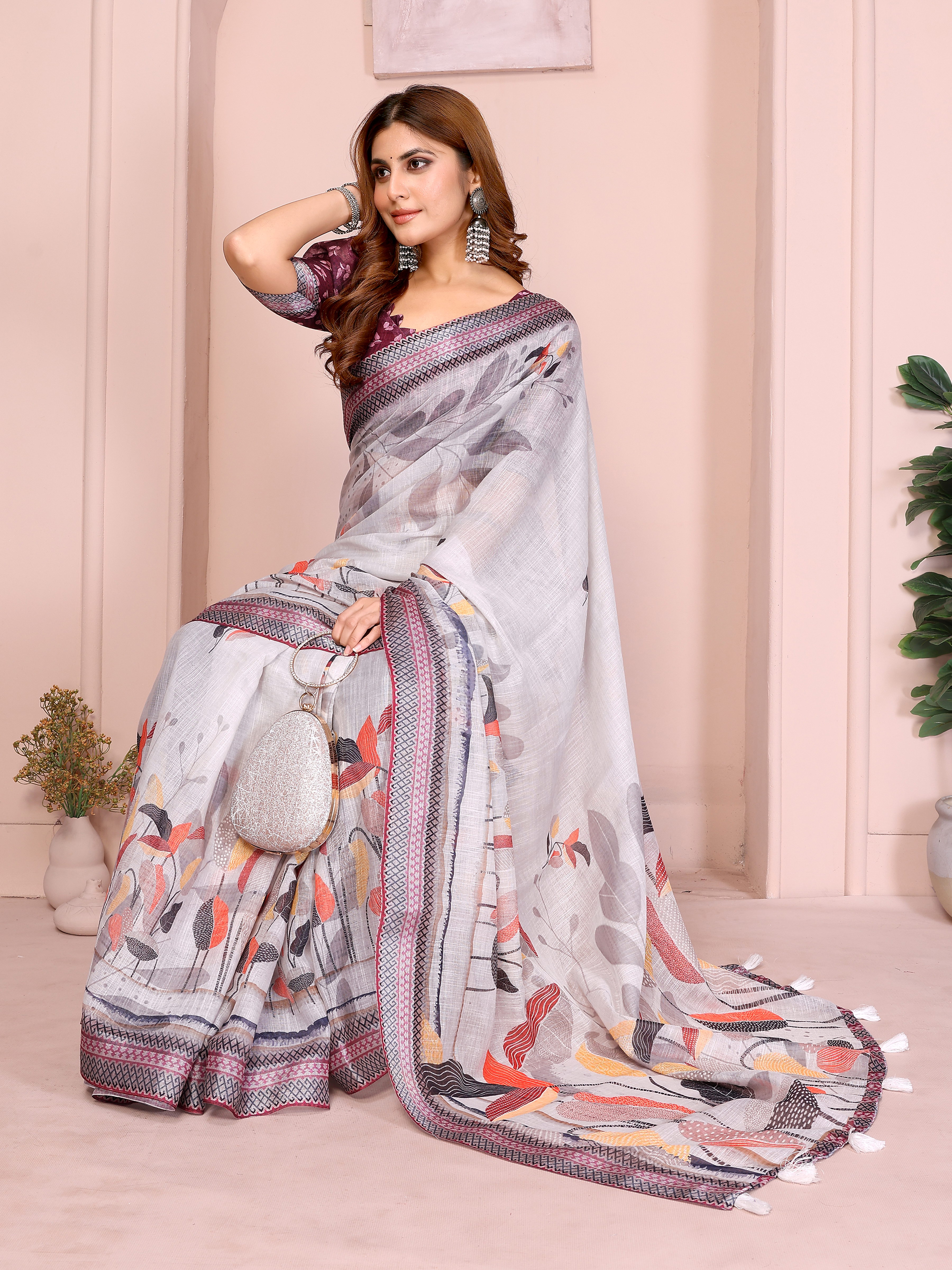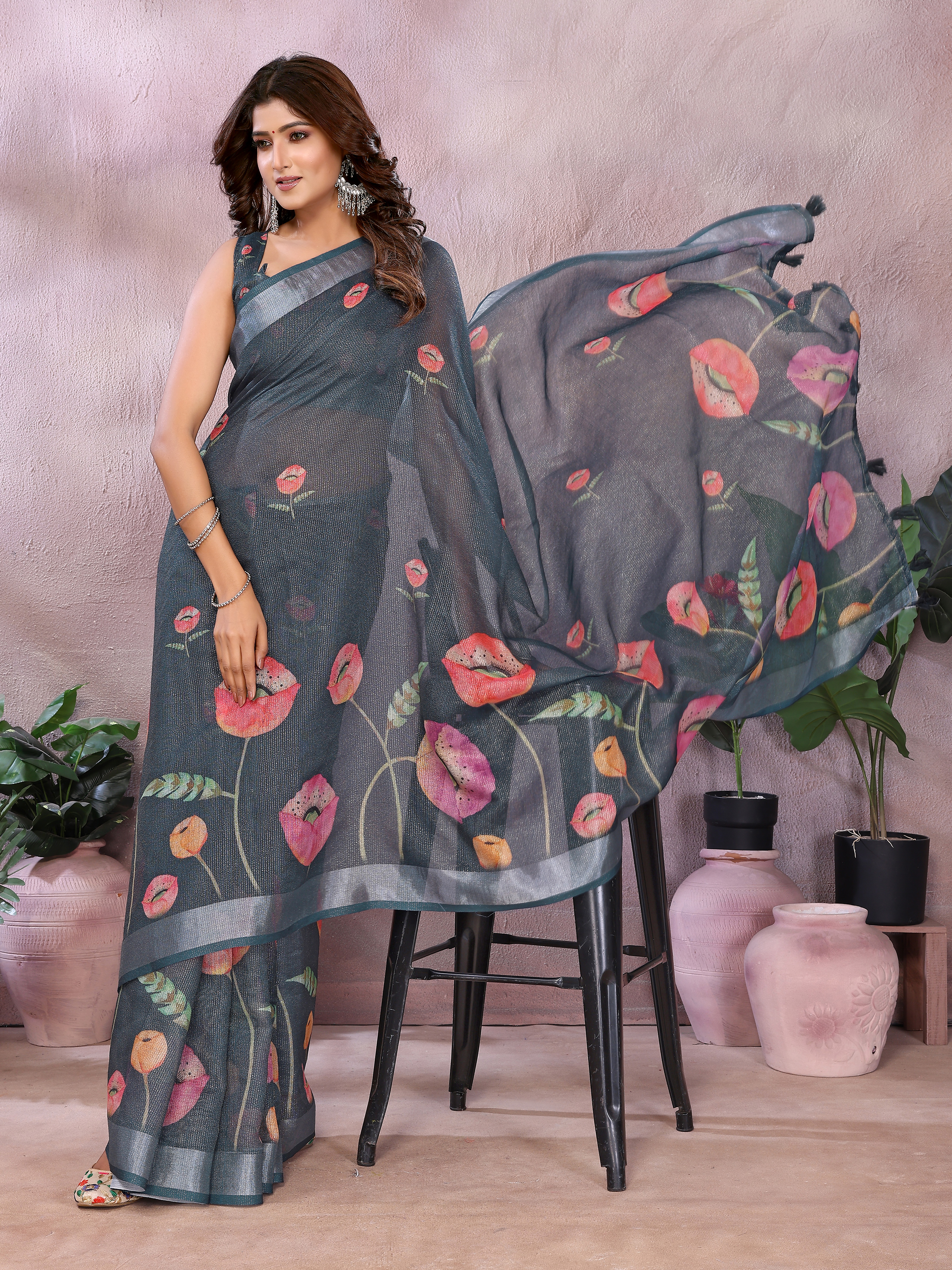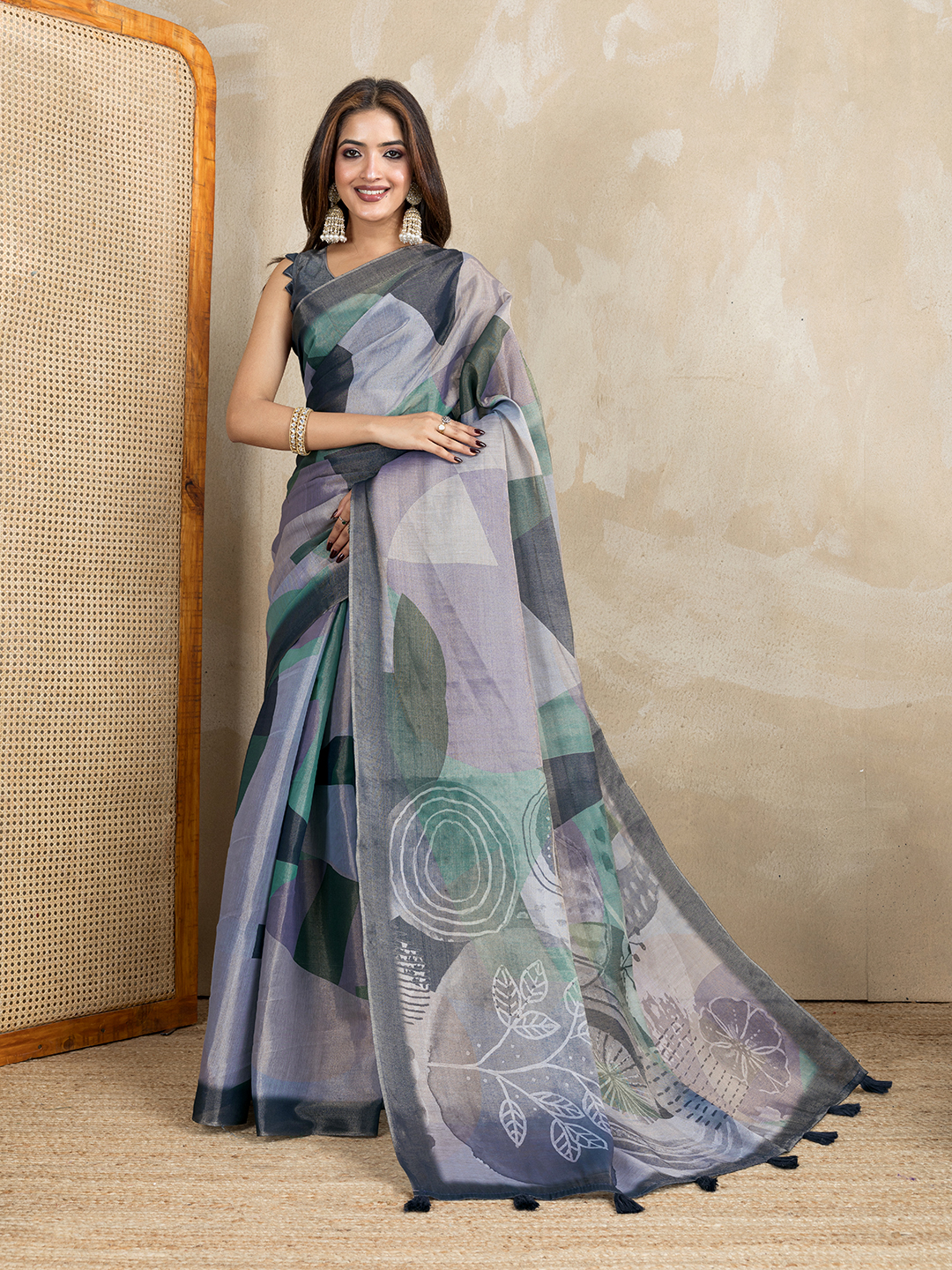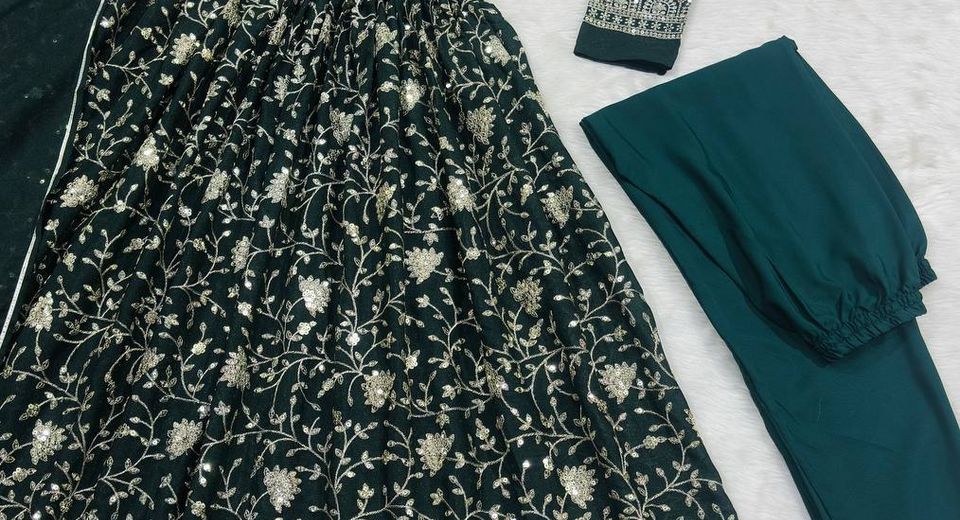
A pale lining beneath a coloured kameez can make the garment look brighter, while a dark lining can deepen the same outer fabric. Salwar Suit Linings Can Change the Colour You See From the Outside because light passes through, reflects from, and is absorbed by several layers before reaching your eyes. The effect is easy to miss in a fitting room, yet it can change whether a yellow suit looks lemon or mustard, whether white embroidery remains crisp, and whether a printed fabric looks airy or heavy.
The lining also affects opacity, fall, warmth, comfort and the way threadwork sits against the body. Understanding the relationship between the outer textile and its inner layer helps you assess a readymade salwar suit more accurately than judging colour from a product photograph alone.
Why Salwar Suit Linings Can Change the Colour You See From the Outside
Salwar Suit Linings Can Change the Colour You See From the Outside because the lining modifies the amount and quality of light returning through the outer fabric. A translucent outer layer allows some light to travel into the garment; the lining then reflects or absorbs part of that light and sends the remainder back through the surface.
A white lining reflects more light and usually makes a sheer or lightly woven outer fabric appear clearer and more luminous. A beige lining adds warmth, so cream, peach, orange and yellow fabrics may look richer. A grey lining reduces brightness without making the garment as visually heavy as a black lining. A black lining absorbs light and can make jewel tones look deeper, although it may also flatten delicate prints.
Colour mixing happens optically rather than because the outer dye has changed. A red outer fabric over a warm beige lining can appear brick red, while the same red over white may look brighter and cooler. A blue outer fabric over grey may appear slate-like, whereas a blue outer fabric over white can look more vivid.
The impact is strongest in fabrics with open weaves, fine yarns, embroidery gaps, or a lightly transparent finish. Dense cotton, heavy brocade and closely woven silk usually conceal the lining more effectively, though a contrasting lining can still influence the garment's overall depth at the sleeves, side seams and hem.
Which Outer Fabrics Show the Strongest Lining Effect?
Chanderi, organza-like weaves, fine georgette, chiffon, voile and lightweight viscose show the strongest lining effect because their structures allow more light to pass through. The lining influence becomes less noticeable in dense cotton, velvet, thick jacquard and fully opaque brocade.
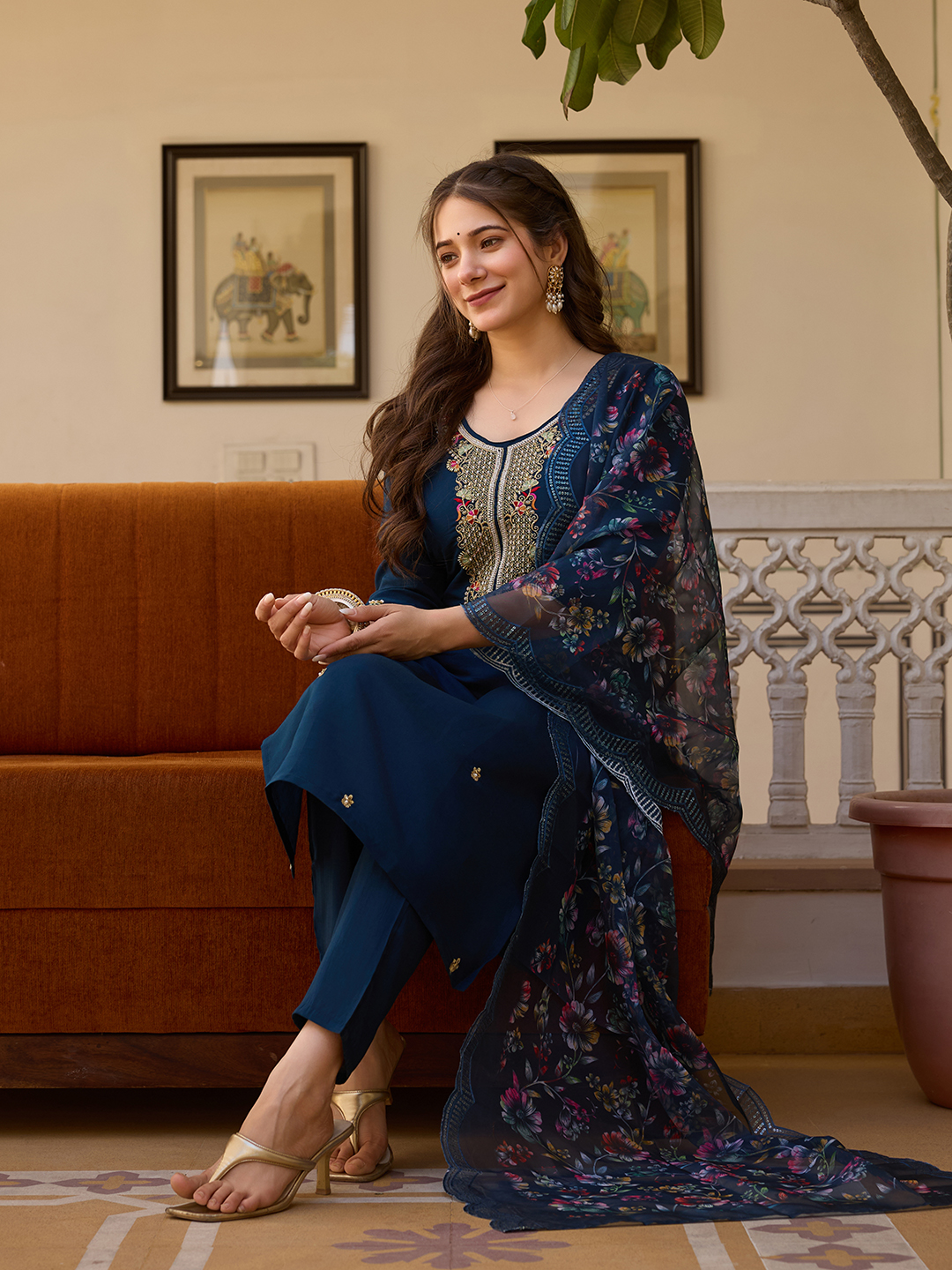
Chanderi and lightweight woven fabrics
Chanderi has a delicate surface and a light-catching quality that can look different under white, nude or coloured lining. Cream Threadwork Viscose Chanderi Readymade Salwar Suit illustrates why a soft neutral inner layer generally preserves the fabric's gentle brightness instead of creating a stark contrast beneath it. Chanderi also benefits from a lining that supports the garment without making the kameez look stiff.
A lining that's much darker than a fine Chanderi outer can create visible shadows around the bust, waist and side seams. A lining that's much lighter can make the surface look more polished but may expose uneven construction if the outer weave is especially open.
Brocade, silk and dense decorative surfaces
Dense brocade and silk conceal most lining colour, but the lining still affects comfort, movement and the perceived depth of the garment. Orange Zariwork Brocade Readymade Salwar Suit, for example, combines a saturated outer colour with zari, so a warm lining is usually visually compatible and less likely to create a cold, grey cast at openings and seams.
Fendy silk and similar smooth fabrics reflect light directionally. Black Red Fendy Silk 3 Piece Readymade Salwar Suit Set may appear more lustrous under direct light than under a soft indoor lamp because the surface reflection changes. The inner layer won't usually recolour dense silk dramatically, but it can influence how opaque the garment looks when held against daylight.
How Does Lining Shade Affect Common Salwar Suit Colours?
Lining shade affects pale, saturated and printed salwar suits differently, so the most suitable lining is the one that supports the intended colour temperature and opacity.
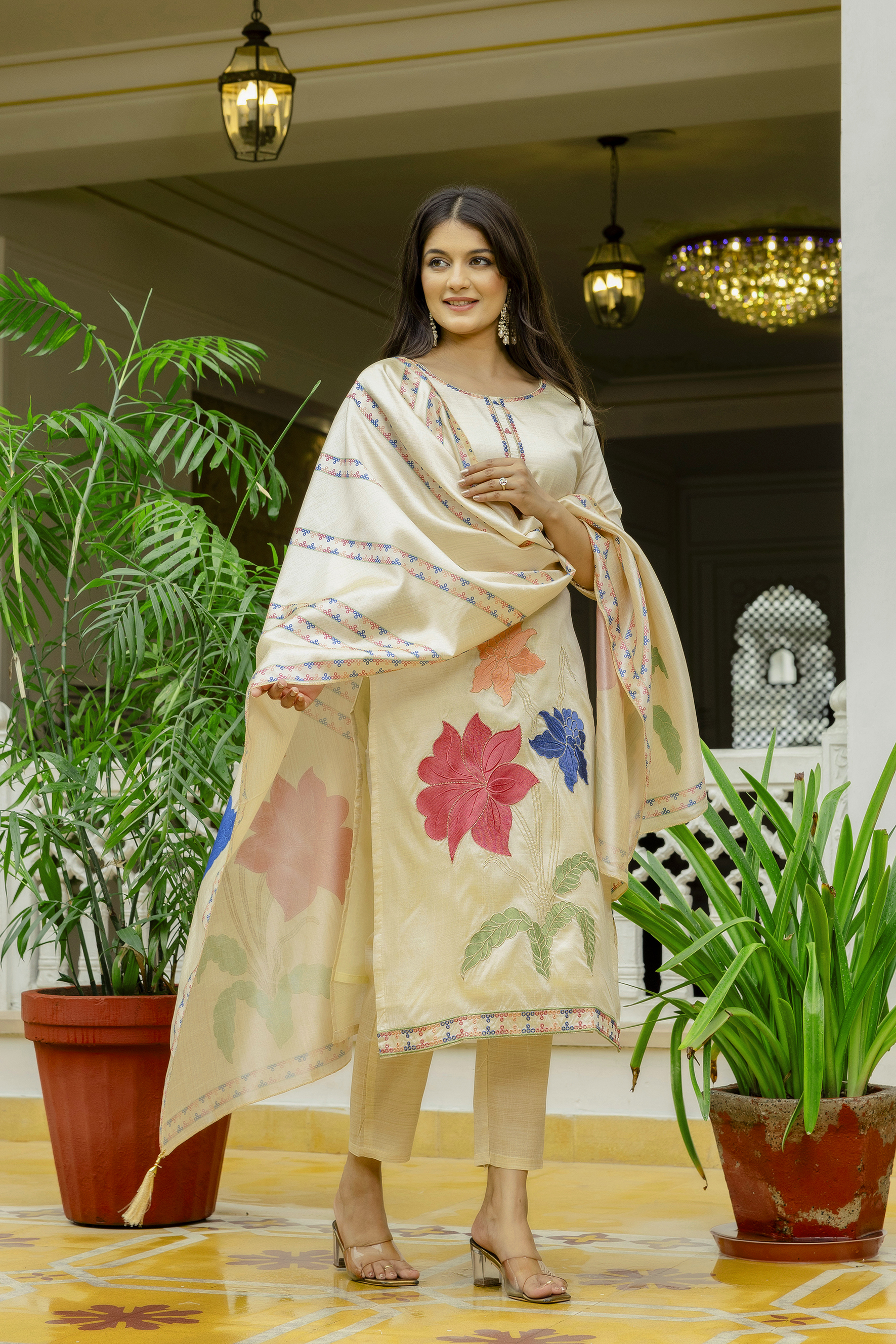
- White and ivory: White lining preserves brightness, while nude or cream lining gives the outer fabric a warmer, softer appearance. A grey lining can make ivory look dull.
- Yellow: White can make yellow appear lemon-like, while cream or pale beige can push it towards marigold. Yellow Threadwork Readymade Salwar Suit is the kind of garment where a small shift in warmth can be noticeable around the neckline and sleeve edges.
- Orange and coral: Warm beige generally maintains richness. A stark white lining can increase brightness and make coral look more peachy.
- Red and maroon: Black or deep brown can intensify depth, while white can make red look more open and vivid. The wrong dark lining may make maroon appear nearly brown.
- Blue: White or pale blue can keep navy looking clean, whereas grey may make it appear smoky. Navy Blue Threadwork Readymade Salwar Suit should be assessed in both daylight and warm indoor light because navy is particularly sensitive to surrounding colour.
- Black: Black lining maintains a uniform appearance and improves opacity. A pale lining may show at armholes or through very fine fabric, creating an unintended outline.
- Prints: A neutral lining lets the original pattern remain legible. A strongly coloured lining can visually blend with one print colour and reduce contrast with the others.
Printed and embroidered garments need special attention because the lining doesn't affect every part equally. Dense threadwork blocks light, while the unembroidered areas reveal more of the lining's influence. Black White Floral Embroidered Readymade Salwar Suit may therefore look sharper in embroidered sections and softer in the open floral background.
What Should You Check Before Buying a Readymade Salwar Suit?
Check the garment against daylight, inspect the lining at openings and seams, and compare the displayed colour with the fabric held over a neutral surface before buying a readymade salwar suit.
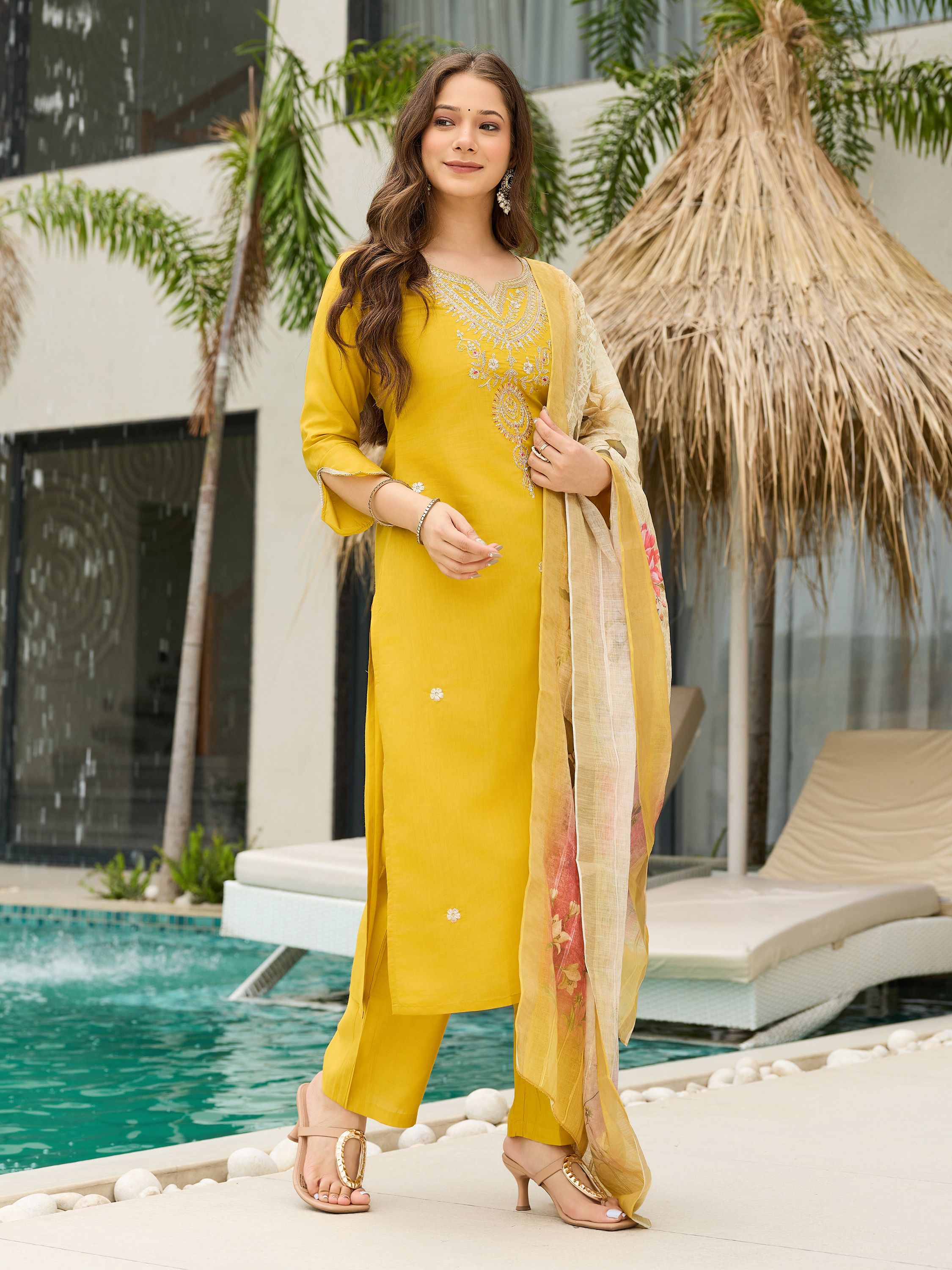
Use two lighting conditions
Daylight near a window reveals transparency, undertones and uneven lining more reliably than a yellow shop light. Warm indoor bulbs can make cream, beige, orange and red appear more saturated. If online shopping is involved, compare customer photographs taken outdoors with the official image, but treat phone-camera colour as approximate rather than definitive.
Look at construction points
Examine the neckline, sleeve opening, side slit and lower hem. These areas often expose whether the lining is white, nude, grey or matching the outer fabric. A lining that sits several centimetres above the hem can also create a visible band when the kameez moves.
Check whether the lining is attached smoothly or hangs independently. A loose lining can twist during wear, causing darker patches and changing the garment's apparent opacity. A lining that's too tight can pull the outer fabric and distort embroidery, printed borders or the fall of an Anarkali silhouette.
Assess the fibre and weight
Cotton lining generally feels breathable and absorbs moisture, making it useful for warm-weather salwar suits, but it can add structure and may crease. Polyester lining resists wrinkling and slides easily over clothing, although it can feel warmer in humid weather. Viscose lining offers a softer hand feel and good drape, but care instructions should be followed because some viscose fabrics can shrink or weaken when washed incorrectly.
A good lining should not make the kameez noticeably heavier than its outer fabric can support. Fine Chanderi, georgette and lightweight printed textiles need a flexible inner layer; a rigid lining can erase their movement and create a bulky appearance around the waist.
Can a Lining Change the Fit and Fall as Well as the Colour?
Yes, lining weight and attachment can change the fit, fall and perceived volume of a salwar suit in addition to altering colour.
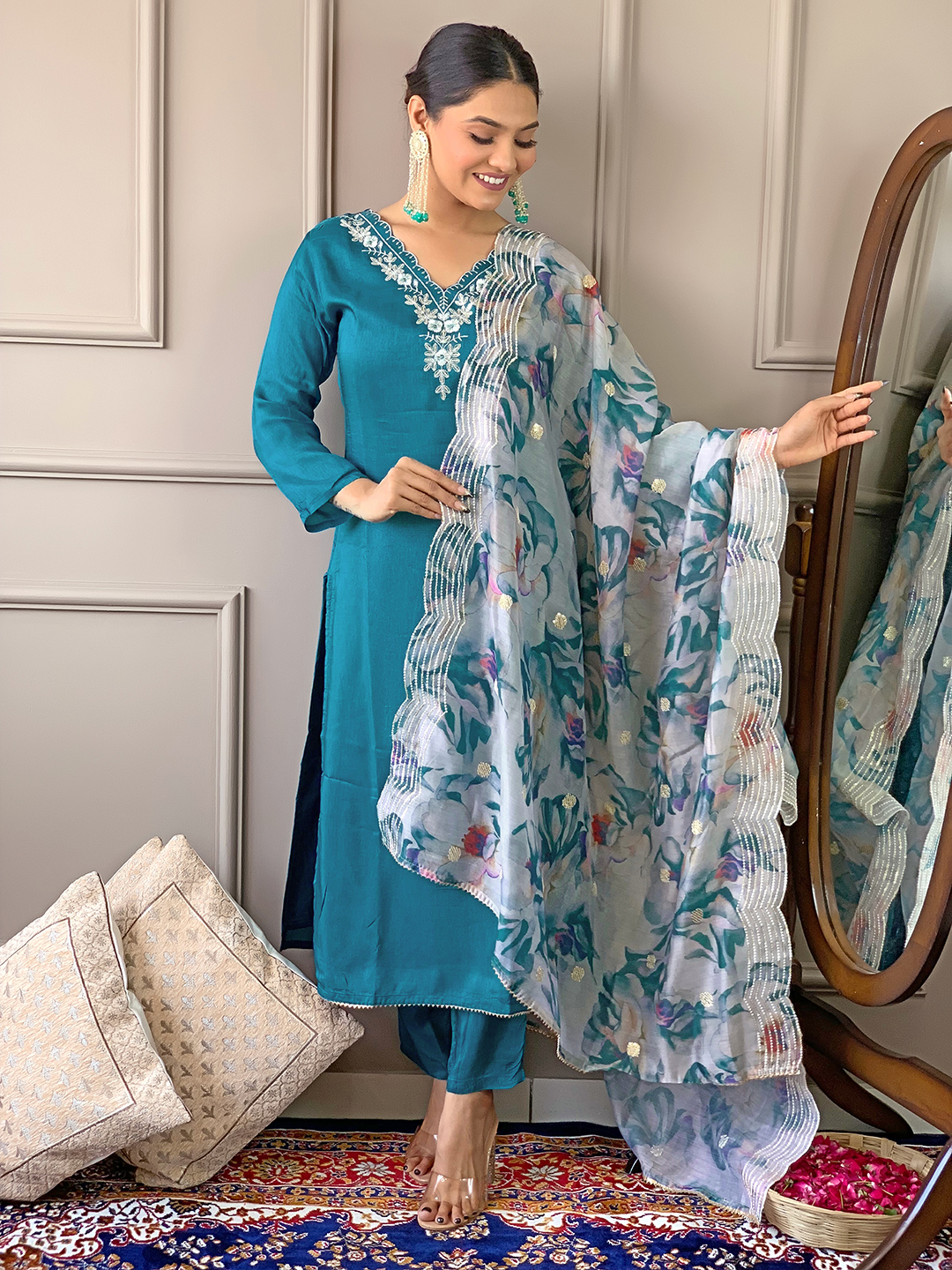
A smooth lining can help a kameez glide over the body and prevent cling, while a structured lining can make the garment stand away from the body. A full lining may reduce transparency but also reduce airflow. A partial lining can preserve movement, although the transition between lined and unlined areas must be finished neatly.
The lower part of a salwar suit is affected too. A lining inside palazzo-style trousers can prevent the outer fabric from catching on the legs, but excessive lining can reduce the wide-leg drape. In a Patiala silhouette, extra fabric already creates volume, so a lightweight lining is usually more comfortable than a heavy one.
Collections built around regional textiles can show different priorities. Kalamkari Print Salwar Suits (Copy) may need a lining that protects modesty without hiding the printed character. Maharashtra Paithani Inspired Salwar Suits often benefit from a supportive but not overly thick inner layer so decorative borders remain defined. Gujarat Bandhej Salwar Suits can look more luminous when the lining preserves the contrast between tied-dye dots and the ground colour.
How Should Lining Be Chosen for Weather and Occasion?
Choose lining according to climate, duration of wear and the amount of movement required, not colour alone.
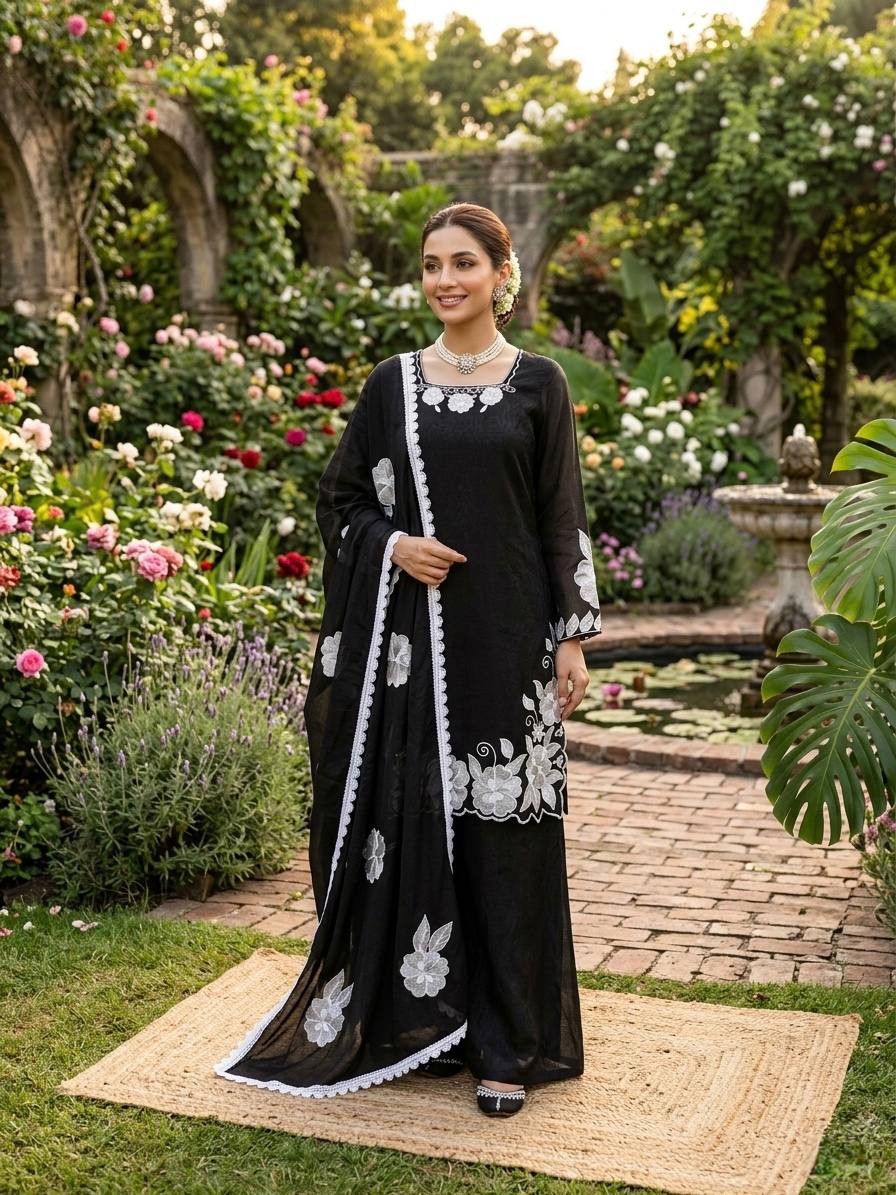
For humid summer events, breathable cotton or viscose lining is usually more comfortable than a dense synthetic layer. For a short evening function in air-conditioned surroundings, a smooth polyester lining may be acceptable if the outer fabric needs easy movement. Wedding guests who will sit, stand and travel for several hours should prioritise a lining that doesn't trap heat or pull at the armholes.
Haldi ceremony clothing benefits from breathable construction and sufficient opacity because turmeric, water and frequent movement can place stress on seams. Bright yellow and orange suits should be checked for colour transfer, especially when the lining is pale. A lining that becomes damp can also make the outer colour appear temporarily darker.
For formal evening wear, a deeper lining can support saturated shades and make zari or metallic threadwork appear more pronounced. Elegant White Cording Threadwork Salwar Suit calls for careful inspection because white outer fabric shows shadows, seam allowances and lining contrast more readily than a dark suit.
Regional styling references can guide colour decisions without dictating fabric behaviour. Odisha Sambalpuri Salwar Suits may feature strong woven or printed contrasts that require a neutral inner layer to keep the pattern readable. Punjab Patiala Salwar Suits usually need enough ease for movement, so lining should support comfort rather than add unnecessary stiffness.
How Can You Test the Colour at Home?
You can test lining influence at home with daylight, a white card, a grey card and a simple fabric-fold comparison.
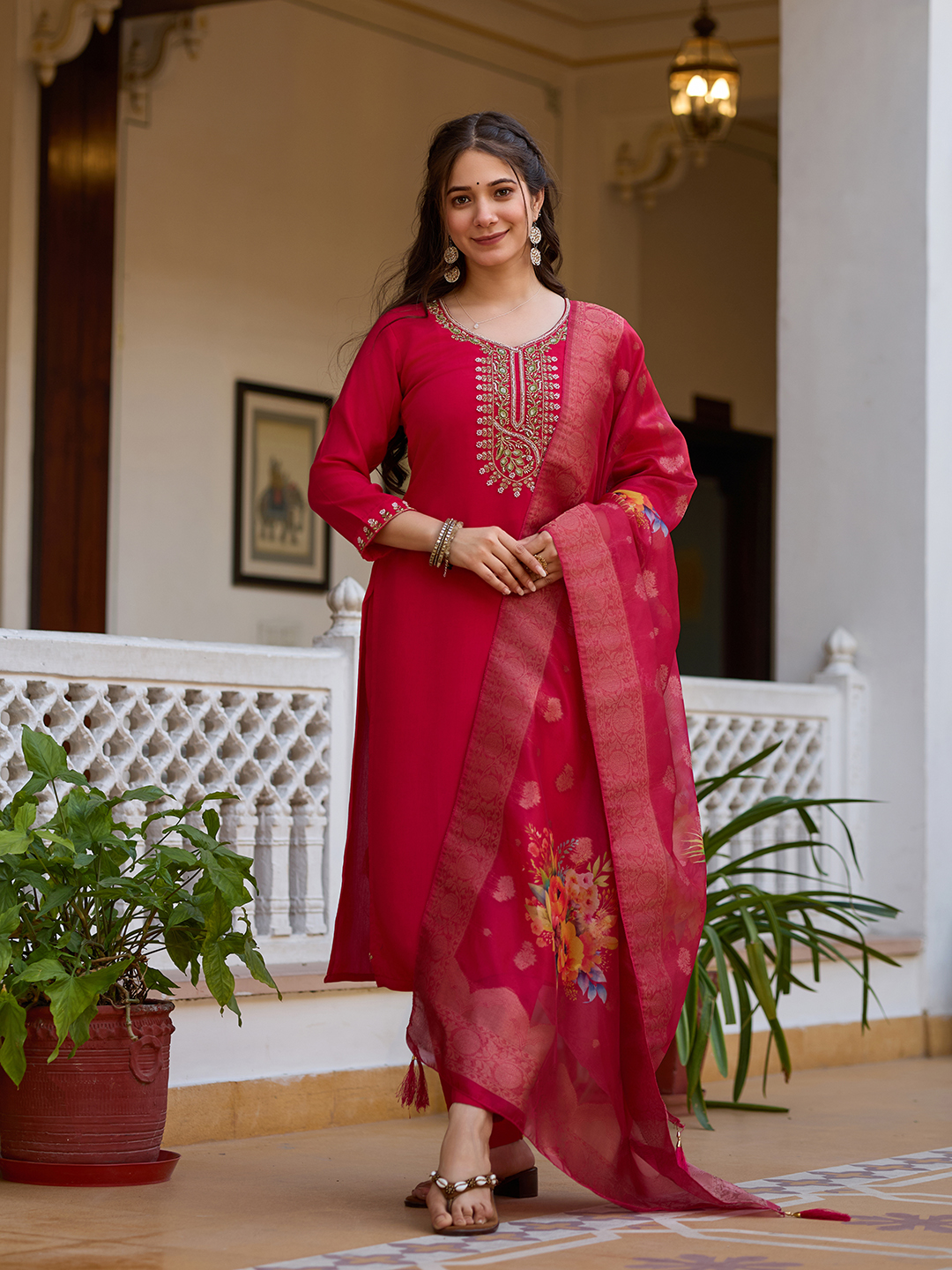
- Place the salwar suit near a window during indirect daylight rather than direct sun.
- Hold a white card behind a single layer of the outer fabric and note its brightness.
- Repeat the test with a medium-grey card or garment behind the fabric to imitate a darker lining.
- Compare the fabric flat, folded twice and gathered lightly, because multiple layers reduce transparency and deepen colour.
- Inspect embroidery and print separately from plain areas.
- Photograph the fabric beside a neutral white object, then repeat under warm indoor light.
The test won't reproduce every effect of a stitched garment, but it reveals whether the outer textile is highly dependent on the background beneath it. The same method can help compare a pale lining with a matching lining before alterations are made.
don't replace a manufacturer's lining without checking seam construction and care instructions. Alteration can affect armhole ease, side-slit movement and the placement of embroidery. If a lining is removed, the outer fabric may become more transparent, cling more readily or lose the fall intended by the original pattern.
Practical Takeaway for Choosing Salwar Suit Linings
Choose a lining close to the outer fabric's colour family when you want predictable results, and choose white, nude or grey only when you understand the brightness change each shade creates.
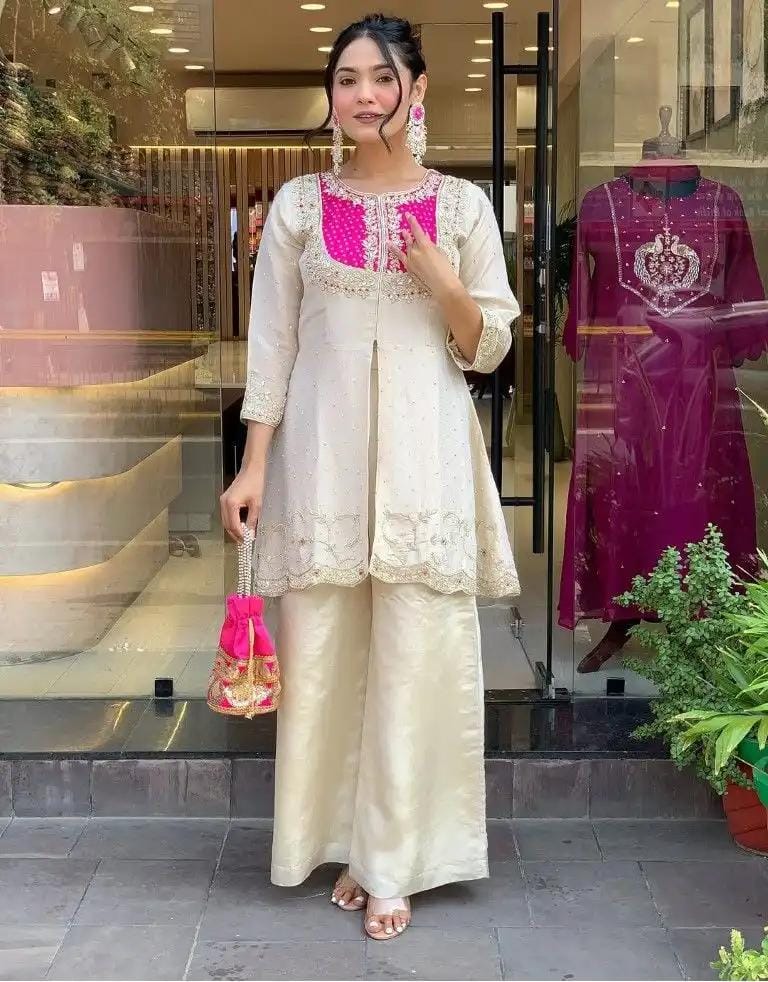
Inspect lightweight fabrics in daylight, judge printed and embroidered areas separately, and consider fibre content alongside appearance. Cream, beige and warm neutrals usually preserve softness in pale and warm-coloured suits; white increases brightness; grey mutes; and black deepens while absorbing light.
Salwar Suit Linings Can Change the Colour You See From the Outside, but the effect becomes manageable once lining shade, fabric density, light source and garment construction are evaluated together. A few minutes of testing can prevent a suit from looking unexpectedly dull, transparent, warm or dark after purchase.
Common Questions About Salwar Suit Lining and Colour
Can a white lining make a salwar suit look brighter?
Yes, a white lining can make a lightweight outer fabric appear brighter because it reflects more light back through the surface. The effect is strongest in Chanderi, georgette, voile and other semi-sheer fabrics.
Which lining colour is best for a cream or white salwar suit?
A cream, ivory or nude lining usually gives a cream or white salwar suit a soft, consistent appearance. Bright white can increase luminosity, while grey or black may create visible shadows or dull the outer fabric.
Does a black lining make a salwar suit look darker?
Yes, a black lining can deepen the visible colour by absorbing light that would otherwise reflect through the outer fabric. Black lining is most noticeable beneath lightweight or semi-transparent textiles and can make delicate prints look less open.
How can I check whether a salwar suit is transparent before buying it?
Inspect the neckline, sleeves, side seams and hem in indirect daylight, then hold the outer fabric over a white and a grey surface. A visible change between those tests indicates that the lining or background strongly affects opacity and colour.
Is cotton or polyester lining better for a salwar suit?
Cotton lining is generally more breathable, while polyester lining is smoother, more crease-resistant and often easier to layer over other clothing. The better choice depends on climate, wearing time, outer-fabric weight and the required amount of movement.
Can changing the lining alter the fit of a readymade salwar suit?
Yes, changing lining can affect ease, drape, opacity and how the kameez moves over the body. Alterations should preserve armhole room, seam balance and the original attachment points, especially when the outer fabric is lightweight or embroidered.