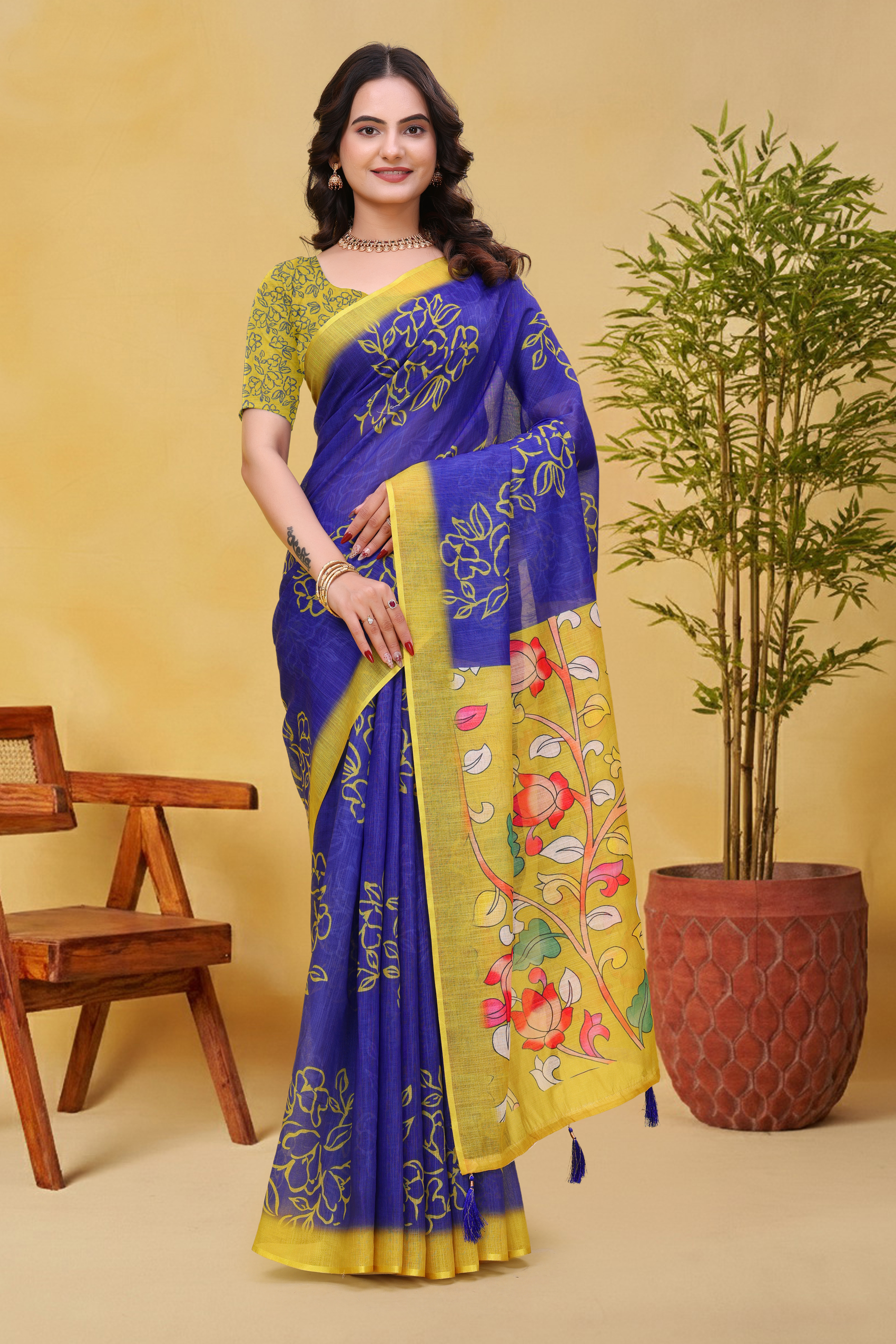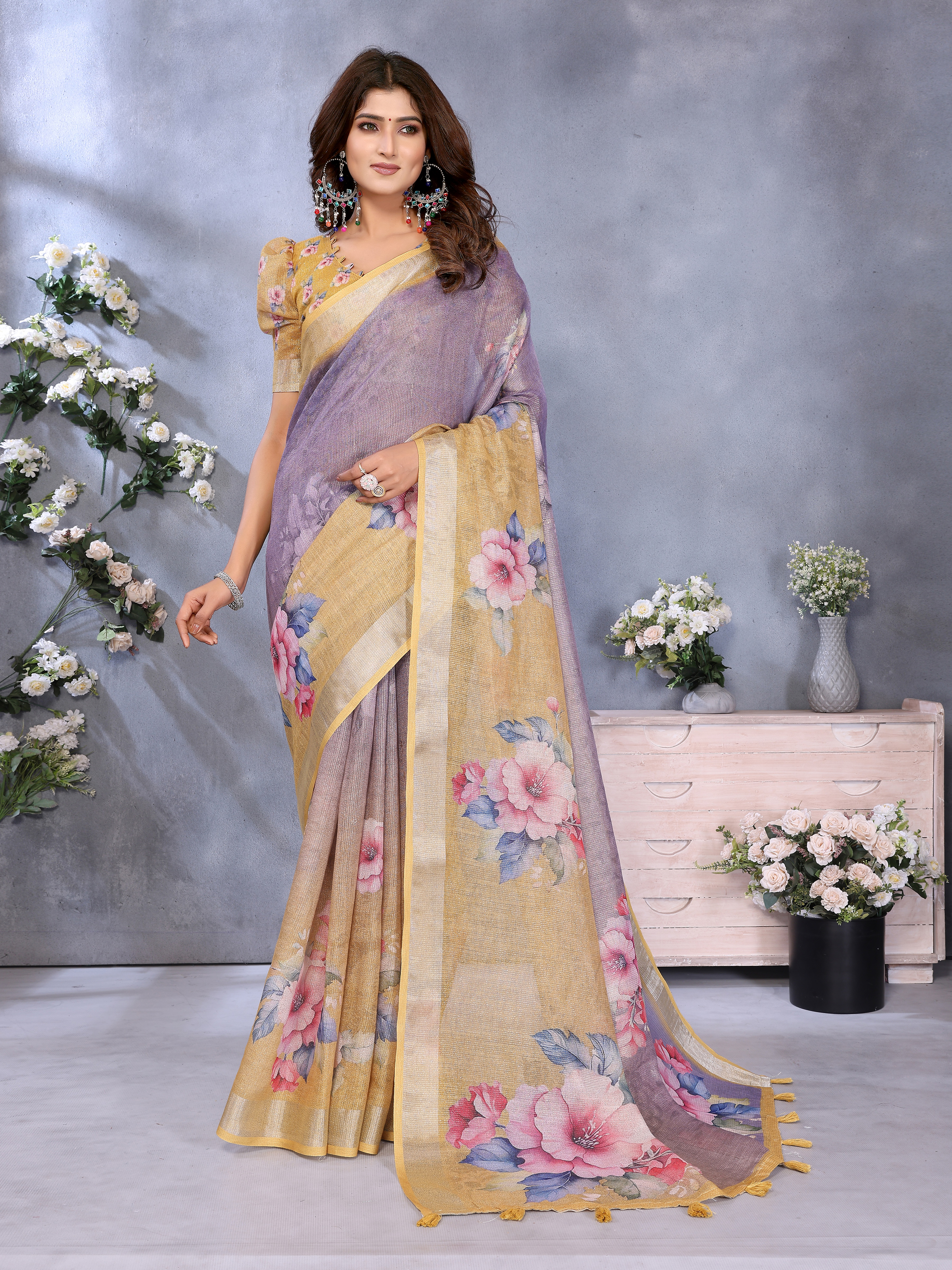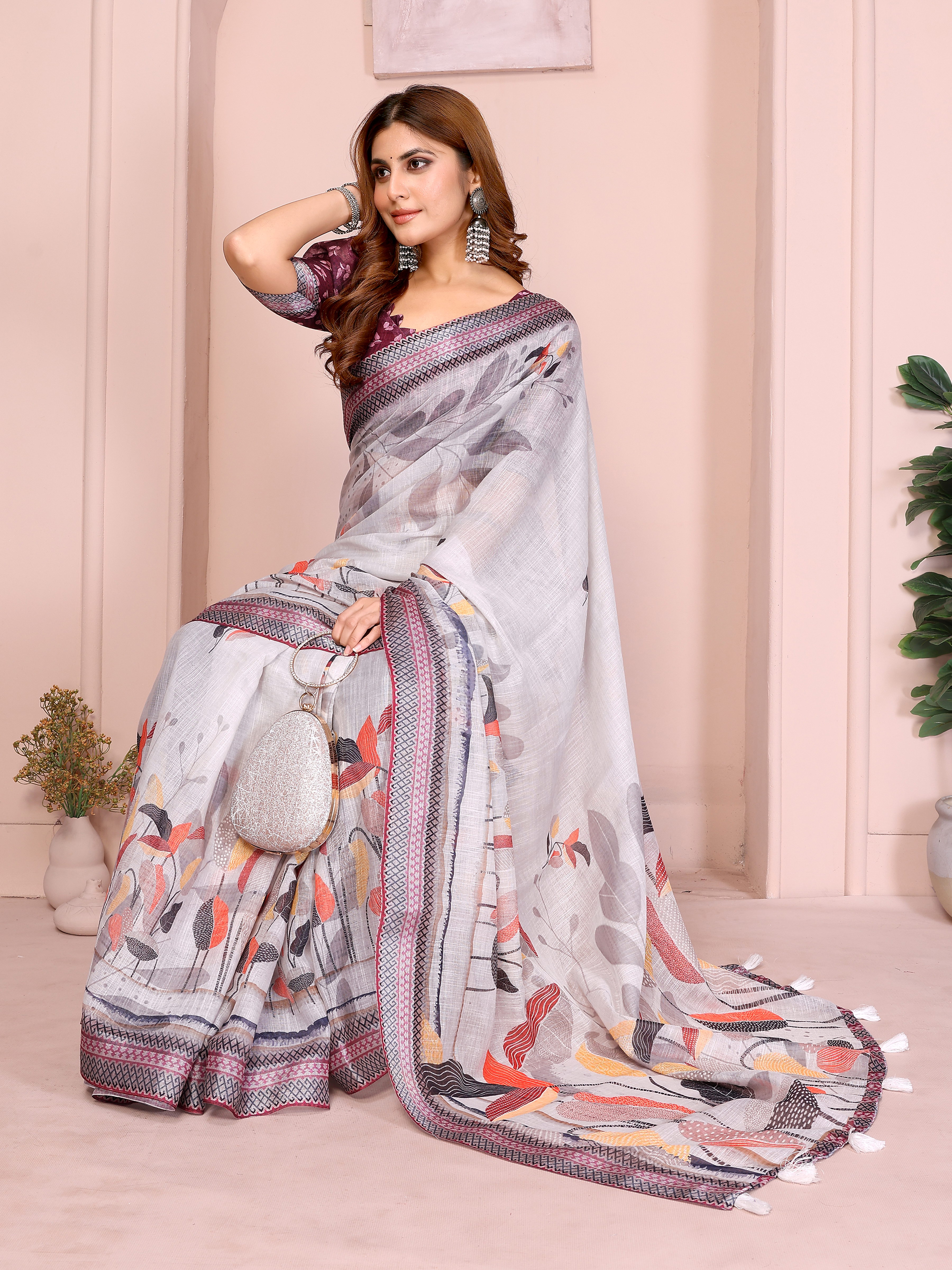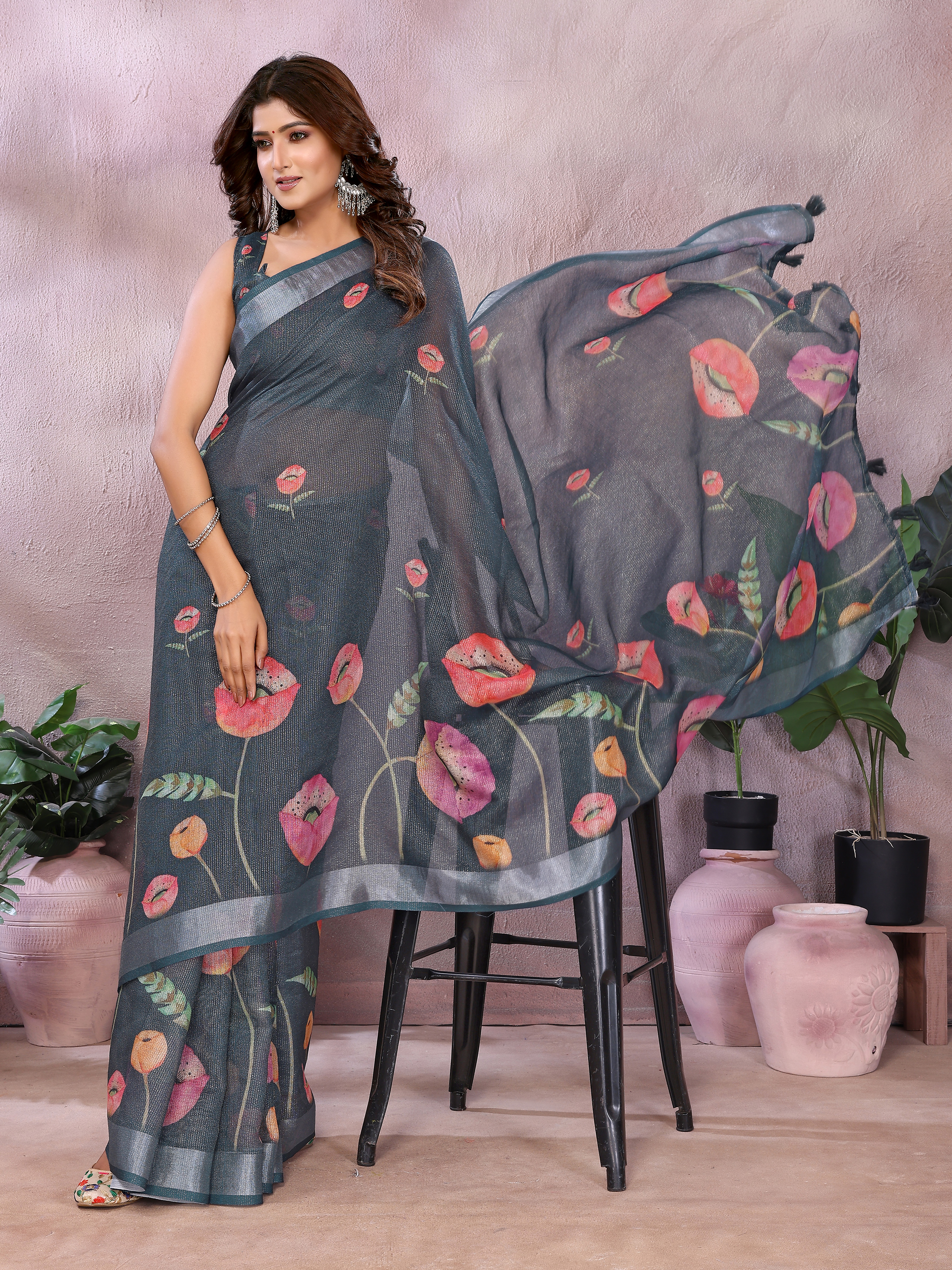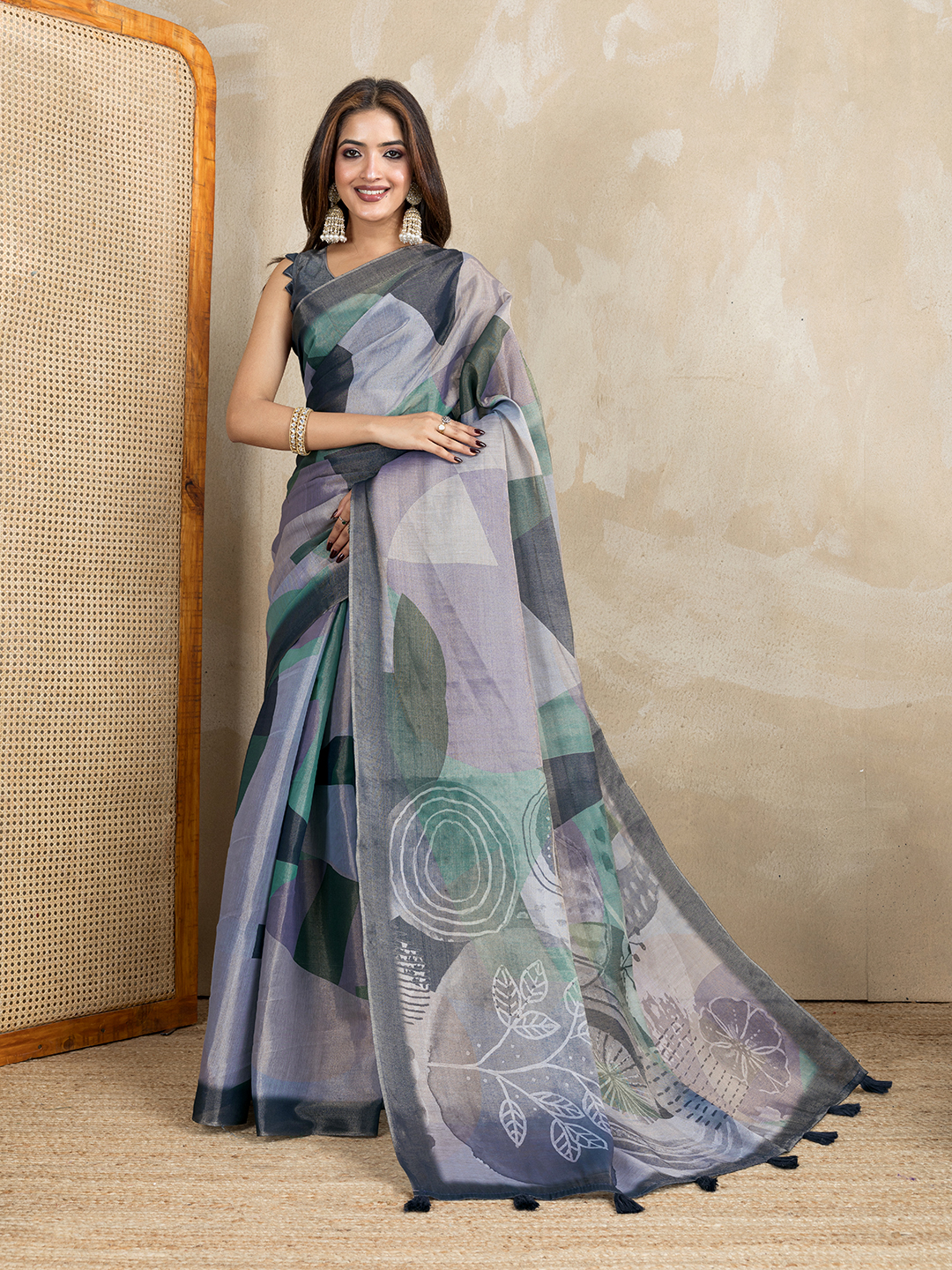
An air-conditioned office, cinema or banquet hall can turn a comfortable outfit into a chilly one within an hour. Salwar Suit Fabrics That Handle Air Conditioning Better Than You Expect are usually lightweight fabrics with enough body to block a constant cold draft without becoming heavy outdoors. Chanderi, cotton, rayon and carefully chosen brocade each respond differently to indoor temperature, humidity and movement.
The right choice depends on more than whether a fabric feels soft at the shop. Fibre content, weave density, sleeve length, garment looseness and the weight of the dupatta all affect comfort. A lightweight Chanderi suit may feel more protective than a very thin rayon suit, while a loose cotton kameez may allow too much airflow at the elbows and neckline.
Why do Salwar Suit Fabrics That Handle Air Conditioning Better Than You Expect feel warmer indoors?
Air conditioning makes exposed skin lose heat faster, especially when cool air moves continuously across the body. Salwar Suit Fabrics That Handle Air Conditioning Better Than You Expect generally slow that airflow, cover the shoulders and arms, and retain a small amount of warmth without becoming heavy.
Indoor comfort also changes during a normal day. You may walk from a humid street into a cold office, sit beneath a ceiling vent for two hours, and then travel home in warm weather. A fabric that feels pleasant in one setting may feel clammy or too thin in another because temperature, sweat and air movement are changing together.
Weave structure matters as much as fibre type. Closely woven fabric generally offers more protection from drafts than an open, gauzy weave of the same weight. A smooth lining can reduce the sensation of cool air on the skin, but an overly synthetic lining may feel warm or sticky once you leave the building.
Which Salwar Suit Fabrics That Handle Air Conditioning Better Than You Expect work best?
Chanderi, medium-weight cotton and rayon are the most useful everyday choices for air-conditioned settings, while brocade and zari suit shorter festive occasions. Chanderi provides light structure, cotton gives dependable breathability, rayon brings fluid drape, and brocade adds density and visual texture.
Why is Chanderi useful in a cold office?
Chanderi is useful in a cold office because its fine, structured weave can reduce the bare-skin chill without making the outfit bulky. Chanderi may combine cotton or silk yarns with a delicate lustre, giving the kameez enough body to hold its shape.
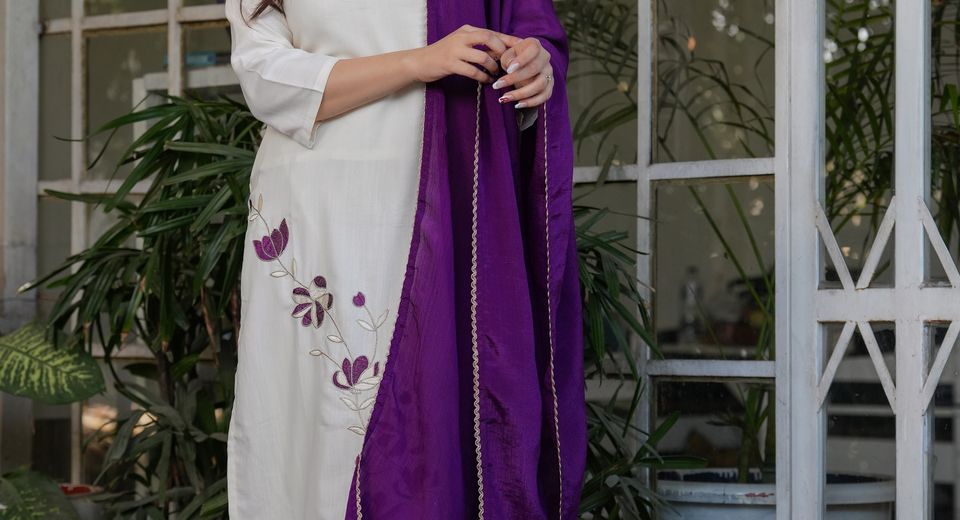
The Elegant White Chanderi Threadwork Suit with Dupatta demonstrates why Chanderi works beyond summer dressing. White Chanderi can look polished in a formal workplace, while threadwork adds surface texture without relying on a thick, heat-trapping layer. A full dupatta gives additional coverage when a desk is positioned directly beneath an air vent.
The Woven Chanderi Cotton Readymade Salwar Suit is useful for shoppers who want a more grounded cotton feel. Chanderi cotton generally has more visual body than a limp, lightweight rayon, so it can hold a straight or gently flared silhouette while remaining manageable for long indoor wear.
When does rayon work well under air conditioning?
Rayon works well under air conditioning when the garment has moderate weight, a relaxed fit and sufficient sleeve coverage. Rayon drapes close to the body, feels smooth against the skin and avoids the crisp rustle associated with some starched cottons.
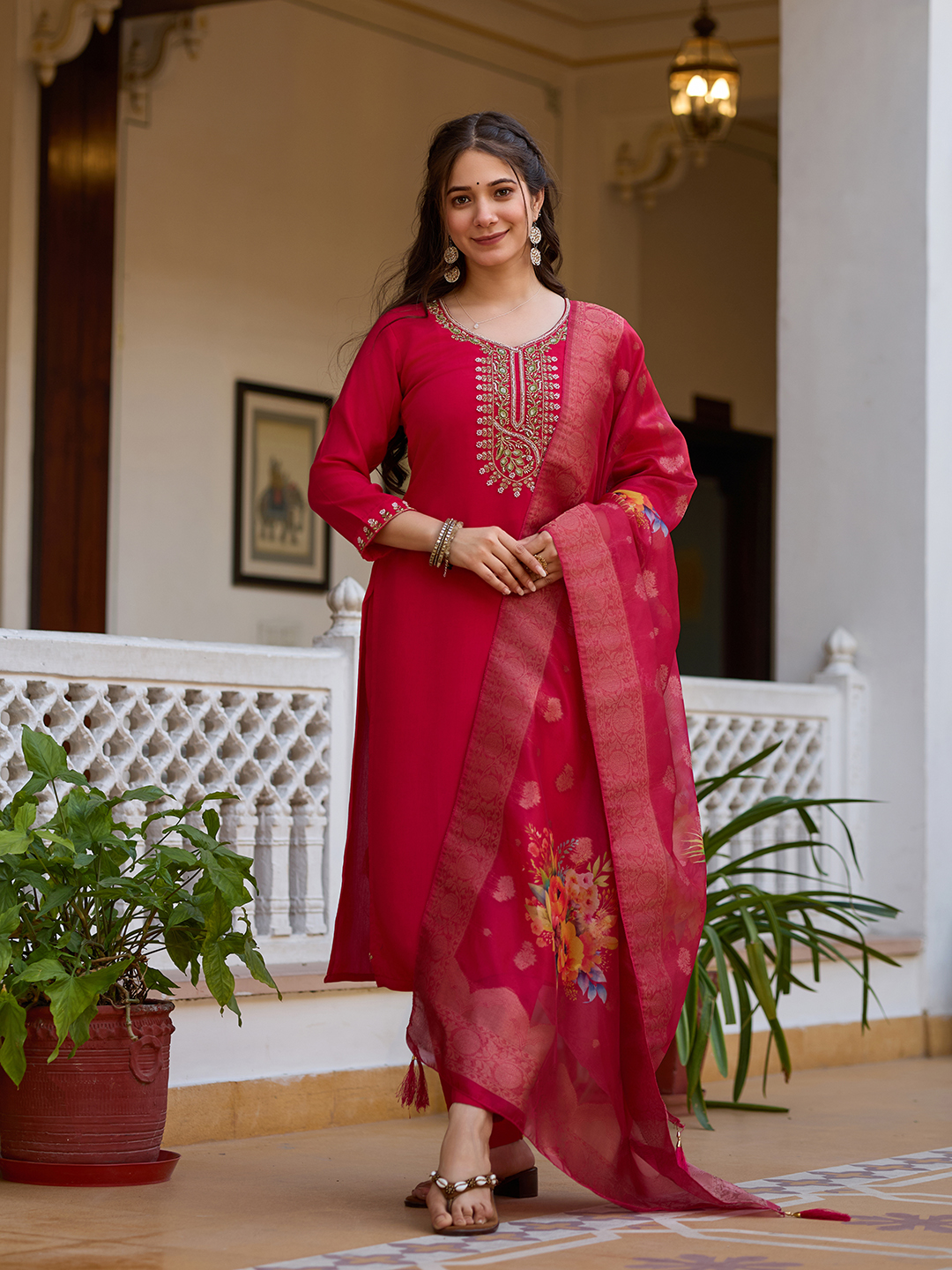
The Cream Pink Printed Rayon Readymade Salwar Suit illustrates the advantage of a soft, fluid printed fabric for routine wear. The Teal Rayon Threadwork Salwar Suit brings a dressier direction, where threadwork adds visual richness without requiring a heavy outer layer. An useful rule is to choose rayon for drape, then use the cut and dupatta to control warmth.
Can cotton remain comfortable in a cold room?
Cotton can remain comfortable in a cold room when the weave is medium-weight and the design gives enough coverage. Cotton absorbs some moisture and allows air exchange, which reduces the sticky sensation that can develop after commuting.
Medium-weight cotton is usually more practical than very fine cotton in strong air conditioning because it brings greater coverage. Dense prints can make a cotton garment feel slightly more substantial, while heavy starch can make the fabric stiff against the elbows. Kalamkari Print Salwar Suits can suit an office-to-evening wardrobe when the base fabric isn't excessively thin.
Are brocade and zari suitable for air-conditioned events?
Brocade and zari are suitable for air-conditioned events because their dense surfaces and decorative yarns provide more visual and physical substance. Brocade is less practical for a long commute in hot weather, but it can feel reassuringly covered inside a banquet hall or wedding venue.
The Orange Zariwork Brocade Readymade Salwar Suit is better suited to a reception, festive dinner or indoor ceremony than to a humid afternoon. Zari can add weight and texture, so a lighter inner layer and breathable sleeve construction help prevent overheating before and after the event.
How should Salwar Suit Fabrics That Handle Air Conditioning Better Than You Expect be judged by weight?
Fabric weight should be matched to the length of indoor exposure rather than simply to the season. A lightweight-to-medium fabric is generally the most versatile choice for an eight-hour office day because it protects against indoor chill while remaining wearable outdoors.
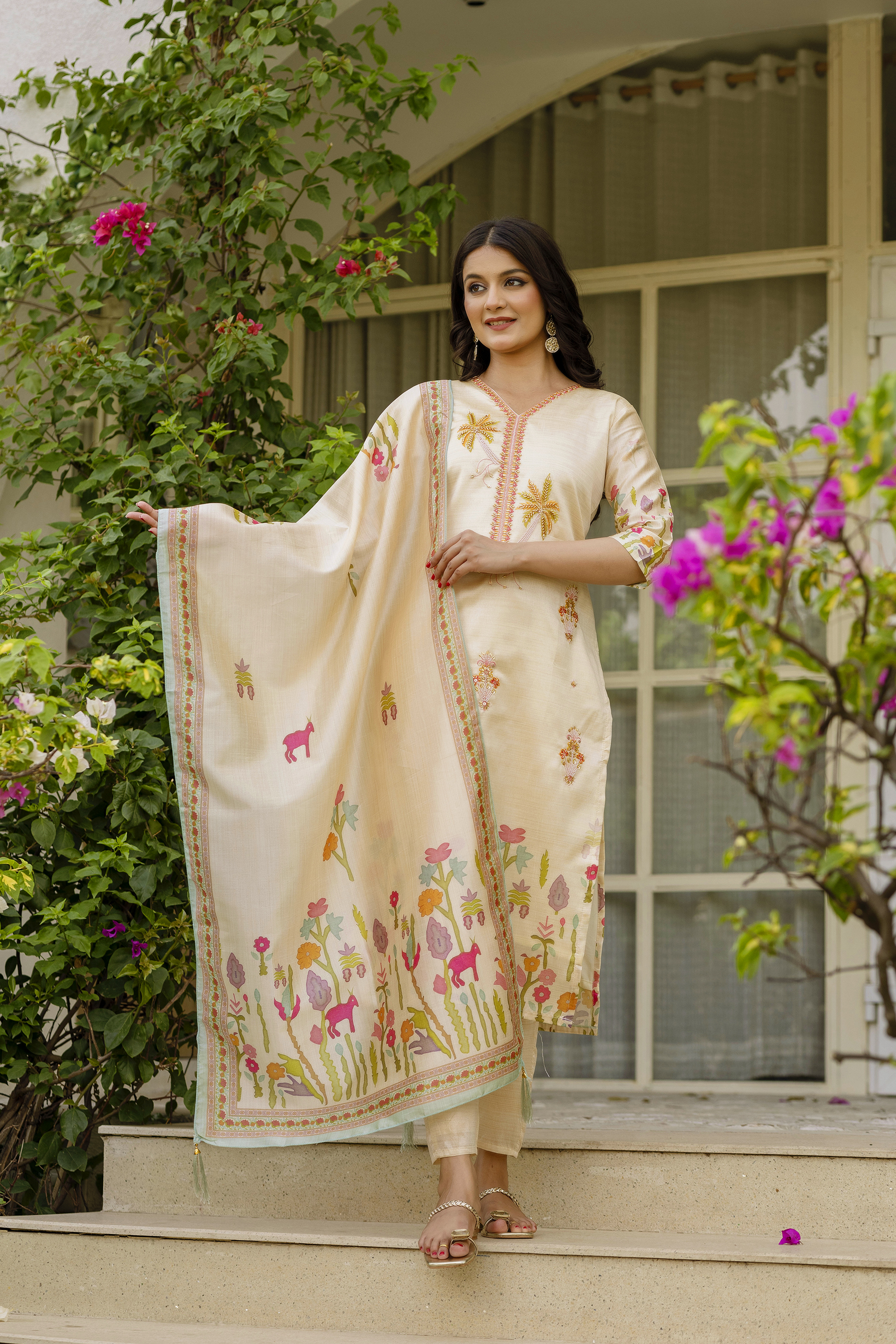
An useful practical test is to hold the fabric near a light source and gently pull it across your palm. If the weave looks almost transparent and the fabric collapses immediately, expect limited protection from moving cold air. If the fabric has a stable surface, moderate opacity and a little body, it's more likely to feel comfortable under air conditioning.
Garment construction can compensate for a lighter fabric. A higher neckline, three-quarter sleeves, a lined bodice and a longer kameez create more coverage without turning the outfit into winter clothing. Conversely, a loose armhole, deep neckline and cropped kameez can leave the wearer cold even when the fabric itself is moderately dense.
Collections inspired by regional textiles offer different solutions. Maharashtra Paithani Inspired Salwar Suits may provide decorative structure for festive indoor wear, while Gujarat Bandhej Salwar Suits can offer colour and pattern in silhouettes that remain easy to layer. Odisha Sambalpuri Salwar Suits are worth considering when a woven or patterned surface is preferred over a very smooth, clingy finish.
What construction details improve Salwar Suit Fabrics That Handle Air Conditioning Better Than You Expect?
Construction details improve indoor comfort by controlling how much skin is exposed and how freely cold air enters the garment. Sleeve length, neckline, armhole depth, lining, hem length and trouser ease can change the experience as much as the fabric label.
Which sleeve length is most practical?
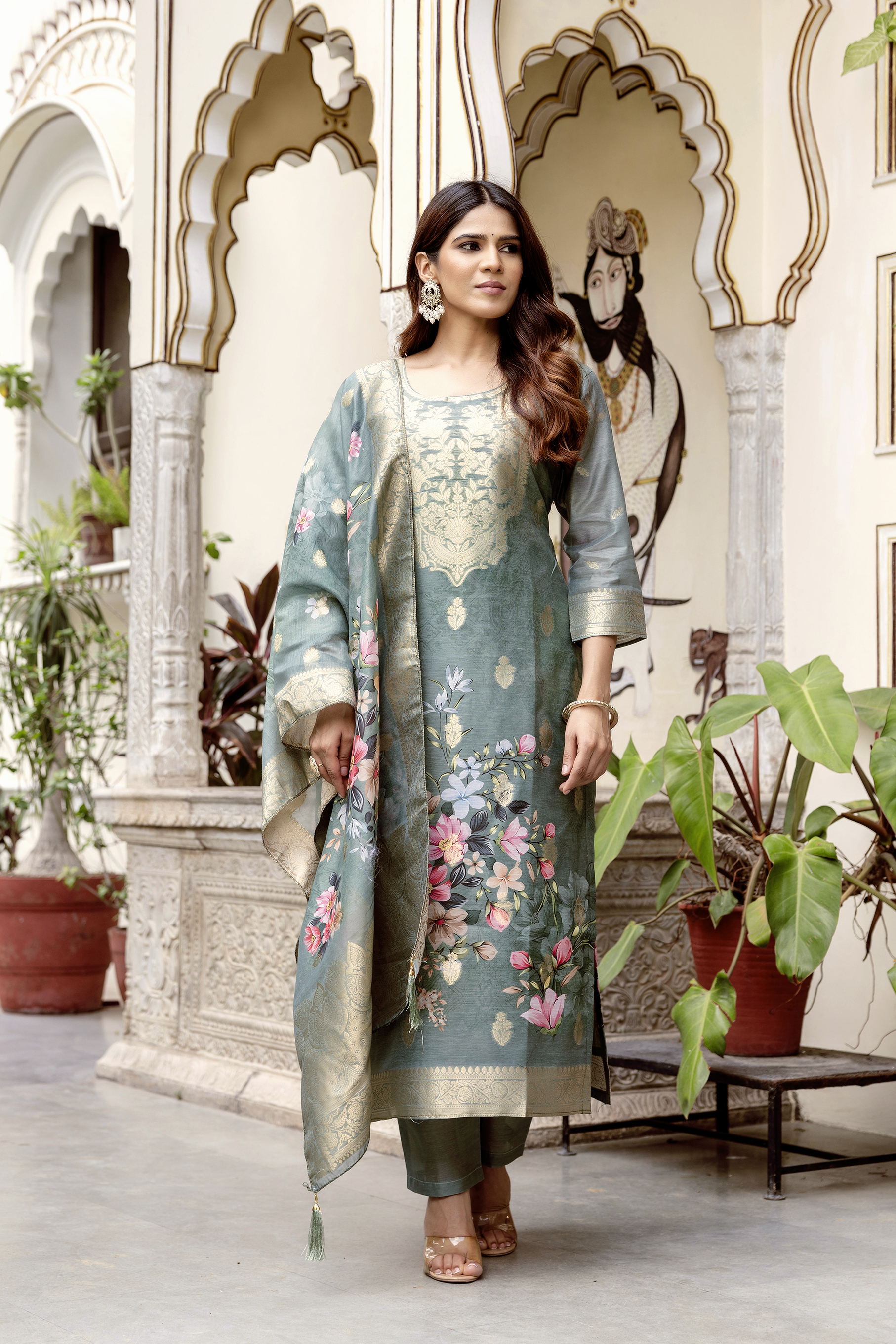
Three-quarter sleeves are the most practical compromise for many air-conditioned offices because they cover the forearm without making outdoor travel excessively warm. Full sleeves suit very cold workplaces, particularly when the cuffs are not tight and the fabric remains breathable. Short sleeves can work when a substantial dupatta stays securely around the shoulders.
How much room should the kameez have?
A small amount of ease allows movement without making the outfit feel drafty. Very close-fitting rayon can feel cold against the skin, while an oversized kameez can let moving air enter through the hem and armholes. The trouser or palazzo should allow seated movement because compressed fabric can feel less comfortable after several hours.
Does lining make a salwar suit warmer?
Lining can make a salwar suit feel warmer by creating a second barrier between the skin and moving air. Cotton lining is usually more comfortable for long wear than a fully synthetic lining, especially when the wearer travels outdoors before entering the cooled room.
The Elegant Camel Shade Salwar Suit Set shows how a neutral colour can support practical layering without looking overly casual. A tonal shawl or structured dupatta can be added for a conservative office, while the same base outfit remains suitable for travel between indoor and outdoor spaces.
How can a dupatta make Salwar Suit Fabrics That Handle Air Conditioning Better Than You Expect more adaptable?
A dupatta makes a salwar suit more flexible by adding adjustable coverage at the neck, shoulders and upper arms. A medium-width Chanderi, cotton or rayon dupatta can be wrapped during a cold meeting and folded loosely over one arm outdoors.
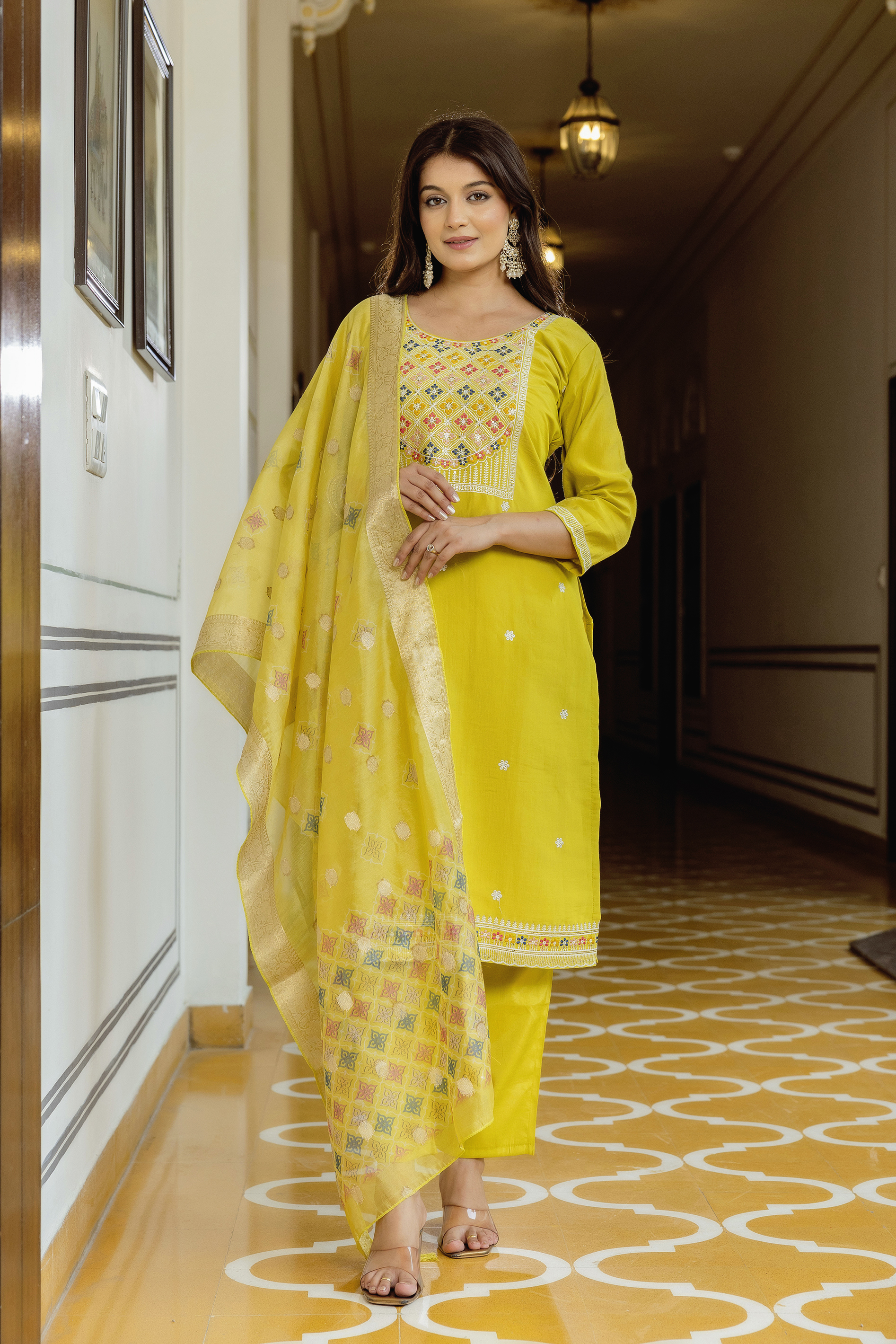
Very sheer dupattas add appearance but little insulation. A densely woven or lightly textured dupatta can make a noticeable difference under a vent without the inconvenience of carrying a separate jacket. A longer dupatta also allows the wearer to cover the lap during extended seated periods.
Styling should support movement rather than create another source of discomfort. Pin one shoulder securely if you work at a desk, but avoid tight pinning around the neck. A soft fold across the collarbone blocks drafts while preserving the drape of the kameez.
Punjab Patiala Salwar Suits can be useful for readers who prefer a roomier lower half and a visibly layered silhouette. The extra volume of a Patiala-style salwar allows comfortable sitting, although the upper garment and dupatta should still be selected for the temperature of the room.
Which Salwar Suit Fabrics That Handle Air Conditioning Better Than You Expect suit work and festive dressing?
The best fabric for work or festivities depends on the time spent indoors, the amount of movement required and the temperature difference between the venue and the street. Chanderi and cotton are strong all-day choices, rayon is comfortable for fluid dressing, and brocade is most useful when the event is mainly indoors.
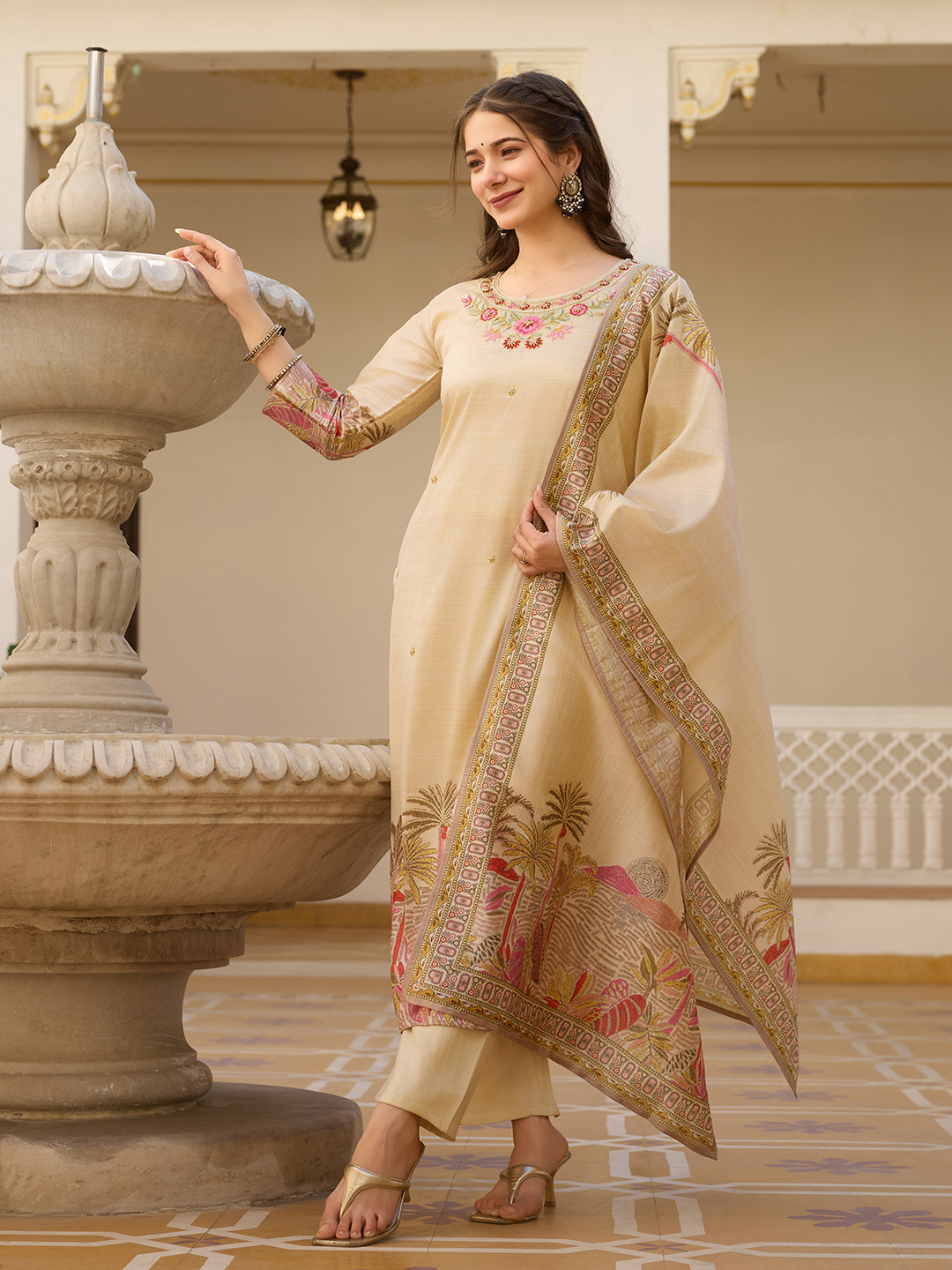
The SunsetCharm Ethnic Suit can be assessed by its balance of colour, drape and coverage rather than by decorative appeal alone. A festive suit is easier to wear in a cold venue when the kameez covers the upper arm and the dupatta doesn't slide constantly from the shoulder.
Embroidered Salwar Suit Set for Women suits a dressier indoor setting when embroidery is concentrated on the neckline, cuffs or dupatta rather than spread across a heavy base. Concentrated embellishment preserves movement and helps prevent the outfit from feeling cumbersome during a long ceremony.
For regional styling, Maharashtra Paithani Inspired Salwar Suits and Odisha Sambalpuri Salwar Suits can bring woven character to an indoor wardrobe, while Gujarat Bandhej Salwar Suits and Punjab Patiala Salwar Suits offer stronger colour and silhouette identity. Each option should still be judged by sleeve coverage, fabric density and the likely travel conditions.
How should AC-friendly salwar suit fabrics be cared for?
AC-friendly fabrics remain comfortable longer when they're washed according to fibre behaviour and stored completely dry. Chanderi, rayon, cotton and zari should not all be treated as interchangeable materials.
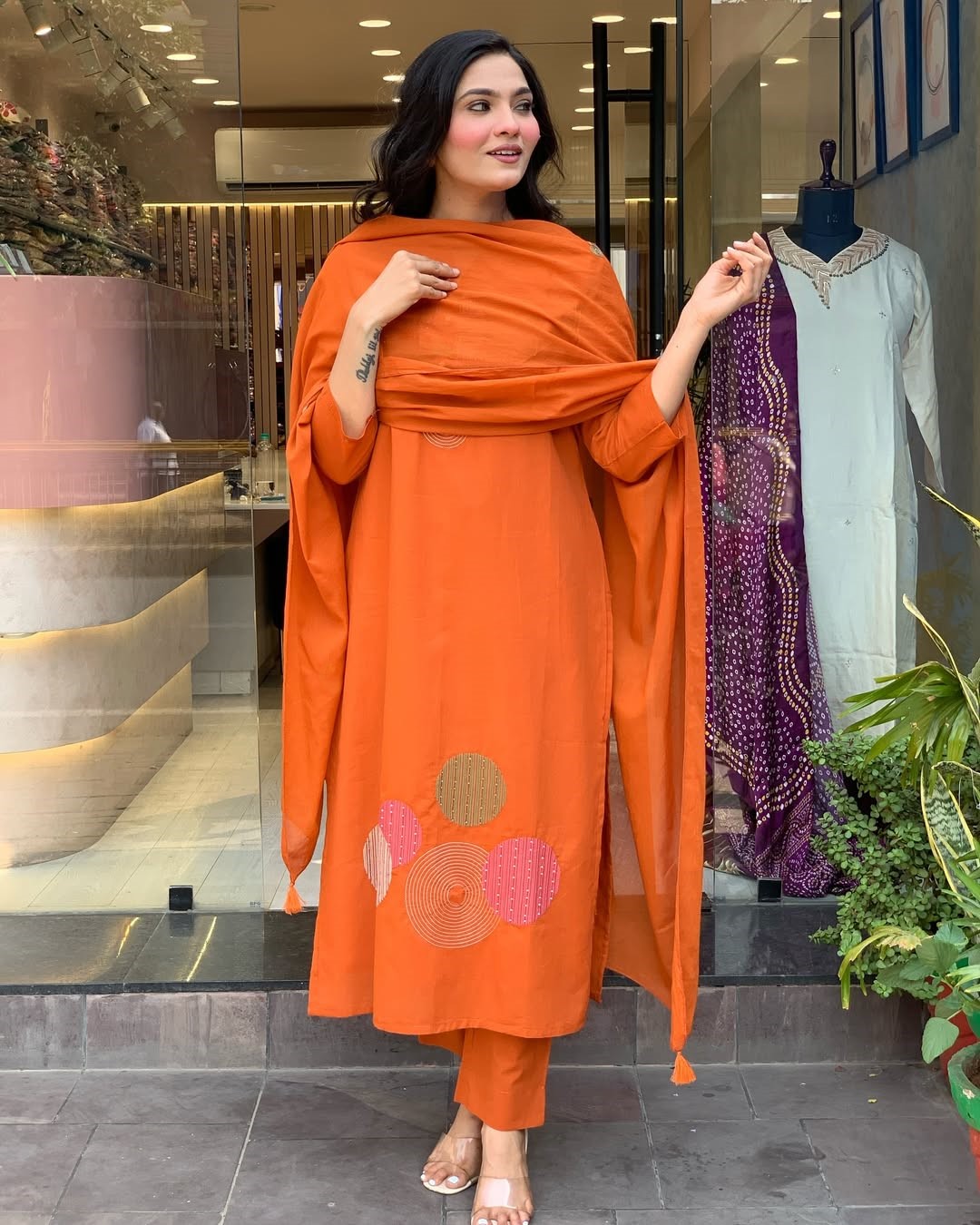
Rayon often benefits from gentle washing, low agitation and drying away from direct, harsh sunlight. Rayon can lose shape when wrung aggressively, so press excess water out with a towel and dry the garment on a broad hanger or flat surface according to its care label.
Chanderi should be handled gently because its fine structure and surface lustre can be affected by rough washing. Store Chanderi with enough space to prevent crushing, and avoid placing heavy garments on top of threadwork or zari details.
Cotton can usually tolerate more regular washing, but repeated high heat may cause shrinkage or weaken printed colour. Zariwork Brocade should be spot-cleaned or dry-cleaned when the care instructions require it, then stored folded with a soft cotton layer between embellished surfaces.
A simple pre-purchase checklist prevents most comfort mistakes: identify the fibre, examine the weave against light, check sleeve and neckline coverage, assess the dupatta weight, and consider how long the outfit will remain indoors. Those five checks are more useful than choosing solely by colour or current trend.
Common Questions About Salwar Suit Fabrics for Air-Conditioned Spaces
Which fabric is best for a salwar suit in an air-conditioned office?
Medium-weight cotton, Chanderi and moderately dense rayon are reliable choices for an air-conditioned office. Select three-quarter sleeves, a comfortable neckline and a dupatta if your desk is near a vent.
Is rayon too thin for strong air conditioning?
Rayon is not automatically too thin for strong air conditioning, but very lightweight rayon may provide limited protection from drafts. A medium-weight rayon suit with sleeves and a substantial dupatta is more suitable for a cold office.
Does Chanderi keep you warm in an air-conditioned room?
Chanderi can reduce the sensation of indoor chill because its structured weave provides more coverage than a very sheer fabric. Chanderi is lightweight, so a dupatta remains useful in rooms kept particularly cold.
What should I wear to a cold indoor wedding venue?
Chanderi, brocade, zariwork and medium-weight rayon can all work at a cold indoor wedding venue. Choose the fabric according to the amount of travel and movement, and use a dupatta to add adjustable shoulder coverage.
Are cotton salwar suits comfortable when moving between heat and air conditioning?
Cotton salwar suits are comfortable when moving between heat and air conditioning because cotton manages moisture and allows air exchange. Medium-weight cotton usually performs better than very fine cotton when the indoor room is heavily cooled.
How can I make a lightweight salwar suit warmer without adding a jacket?
Add a medium-weight dupatta, choose three-quarter or full sleeves, and wear a breathable cotton inner layer if the garment is unlined. A higher neckline and longer kameez also reduce the amount of cold air reaching the skin.