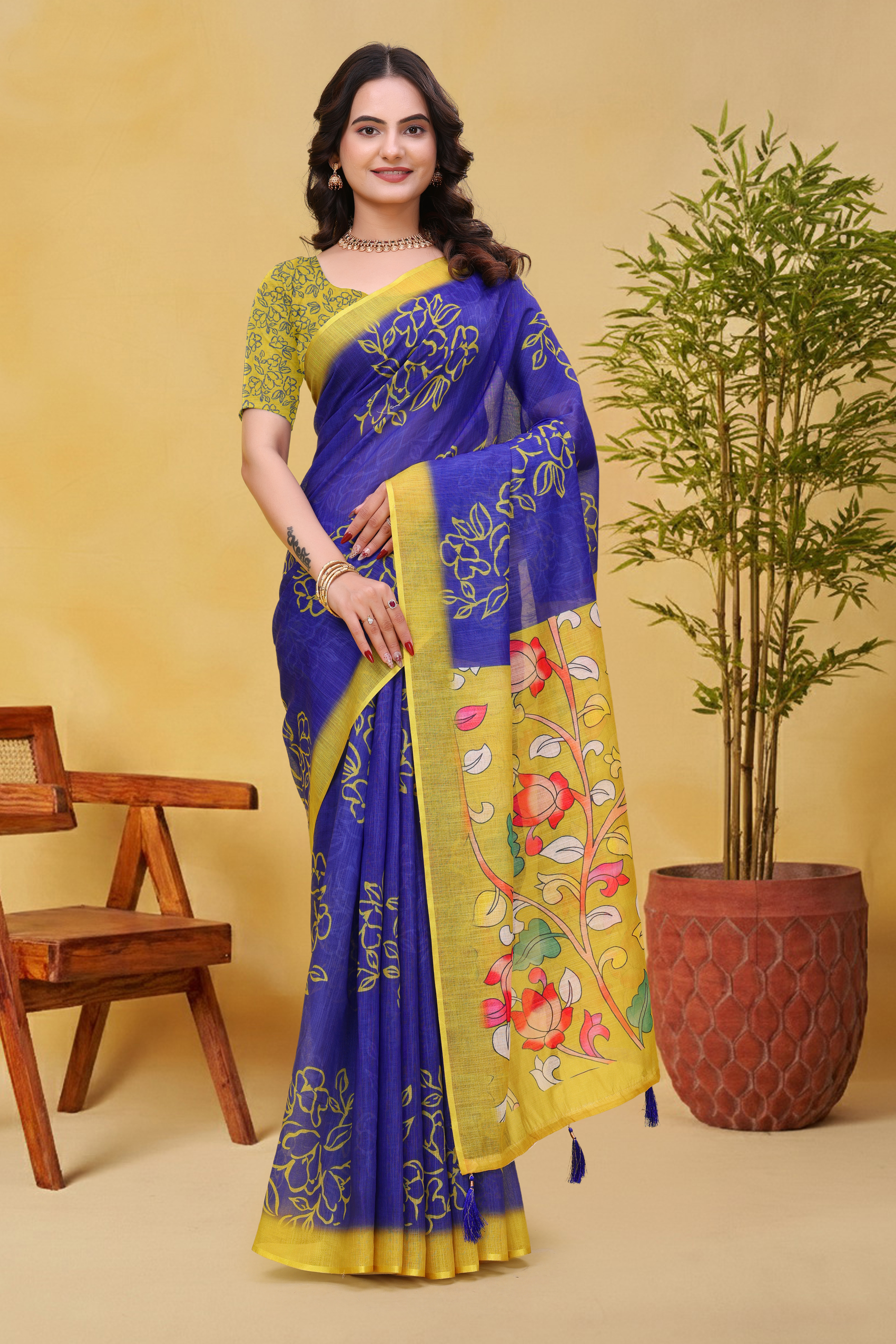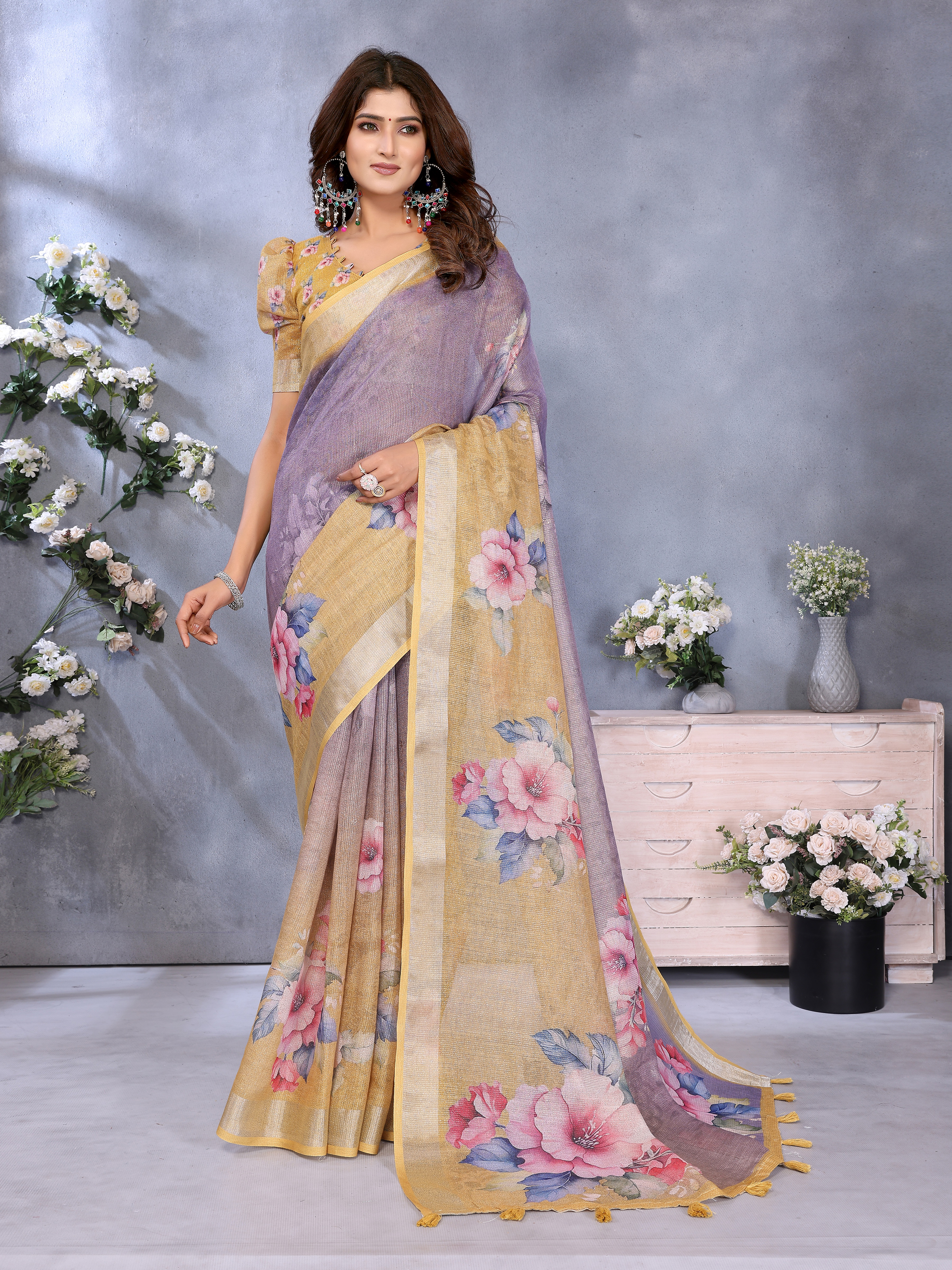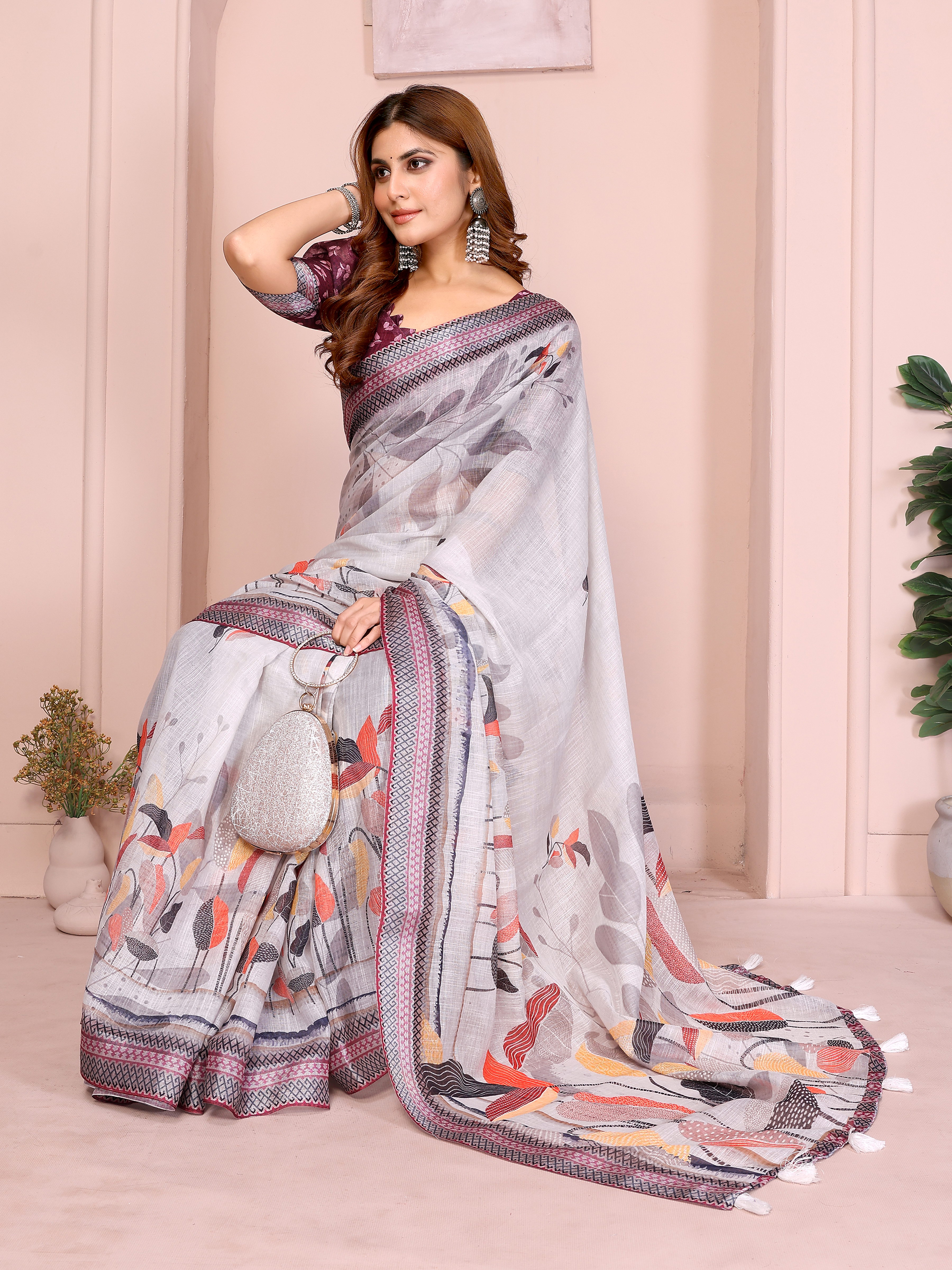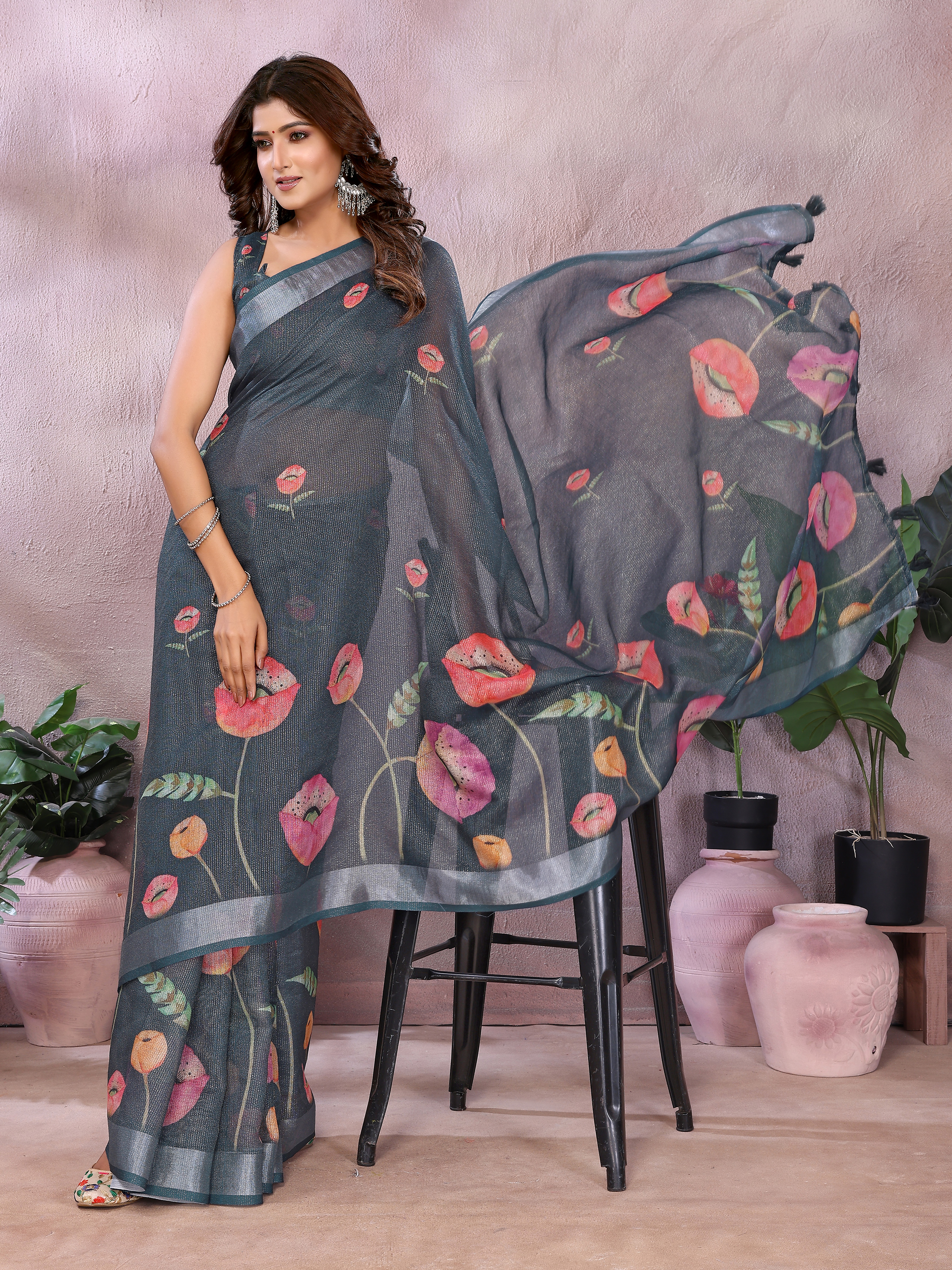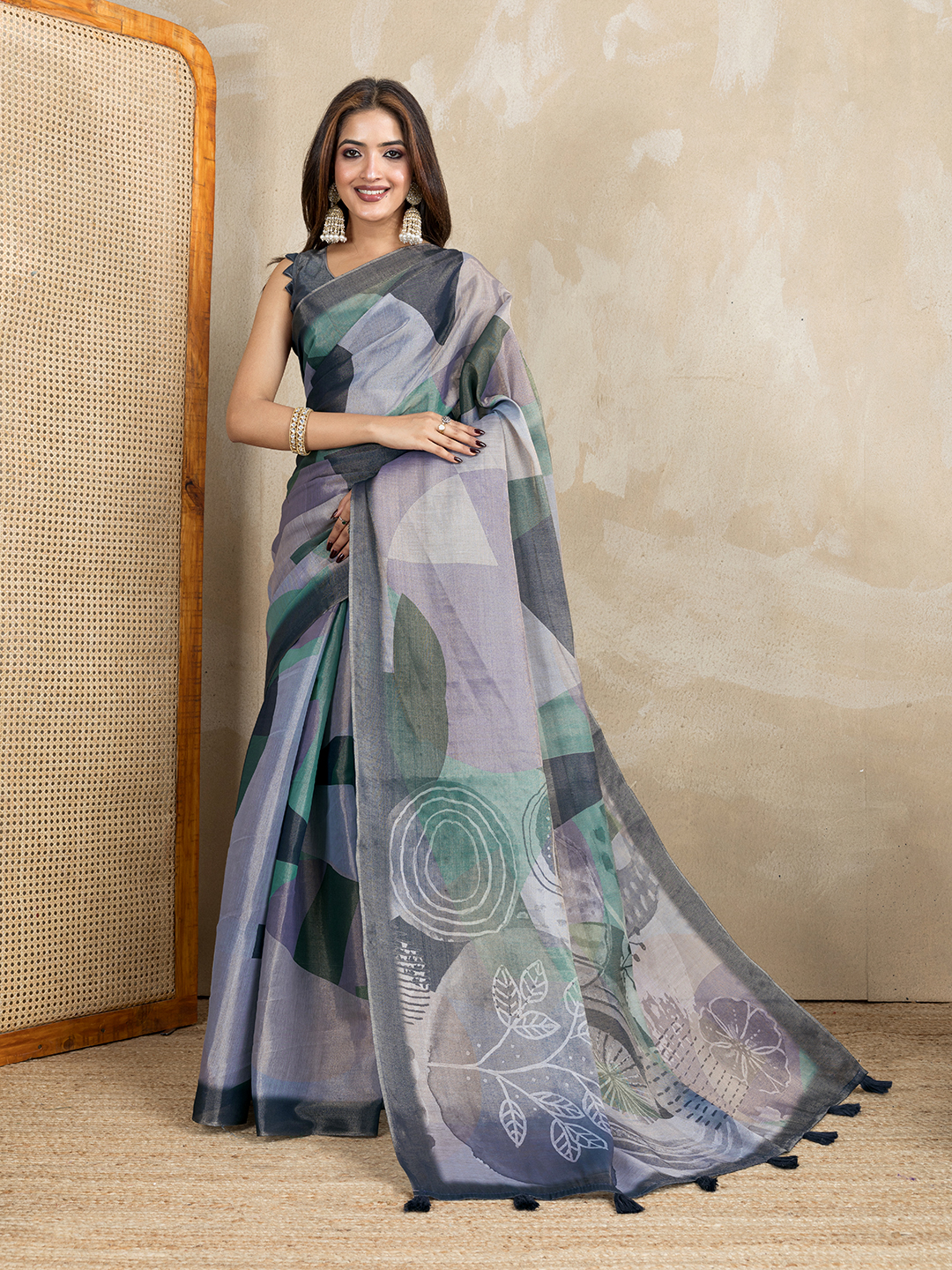
Colour can look rich on a salwar suit without relying on sequins, metallic thread or a mirror-like surface. Resham Embroidery on Salwar Suits Gives Colour Without Metallic Shine because smooth silk-like threads build saturation through dense stitches, tonal contrast and directional light. The result suits anyone who wants a polished festive outfit with a softer surface than zari-heavy dressing.
Resham work also solves a practical styling problem. Metallic embroidery can dominate a small outfit, reflect strongly in photographs and feel too ceremonial for a daytime gathering. Coloured thread allows the kurta, salwar or dupatta to carry detail while retaining a matte, fabric-led appearance. Understanding thread colour, fabric weight, motif scale and maintenance helps you choose a suit that looks intentional rather than merely decorated.
Resham Embroidery on Salwar Suits Gives Colour Without Metallic Shine: What creates the effect?
Resham embroidery looks colourful without metallic shine because coloured silk or silk-like threads reflect light softly instead of throwing back the bright flash associated with zari, foil or metal-coated yarn. Stitch direction creates subtle changes in tone, while closely packed threads make yellow, pink, green, blue and red appear more saturated.
The visible difference comes from material and stitch construction. Zari is designed to catch light, so even a thin border can become a focal point. Resham thread absorbs and diffuses more light across its surface. A rose-pink floral motif may therefore look dimensional and vivid without looking glittery.
Thread density matters as much as thread colour. Satin stitches produce a smooth, filled area; stem stitches create fine curved outlines; chain stitches give a slightly raised, handcrafted line; and small knot-like details add texture without requiring reflective embellishment. A carefully planned salwar suit may combine two or three stitch types to make one colour feel layered.
Colour contrast determines whether embroidery remains clear from a distance. Coral resham on ivory is delicate, while orange resham on deep green is more graphic. Tonal embroidery, such as several shades of pink on rose fabric, gives a quieter formal effect. Contrasting embroidery, such as red on black, creates a stronger party-wear impression even when the surface remains entirely non-metallic.
Resham Embroidery on Salwar Suits Gives Colour Without Metallic Shine: Which fabrics work?
Choose the base fabric by matching embroidery density with drape, breathability and the structure required by the silhouette. Cotton suits suit light or medium embroidery for daytime use, while crepe, silk blends and dressier woven fabrics can support denser motifs for celebrations.
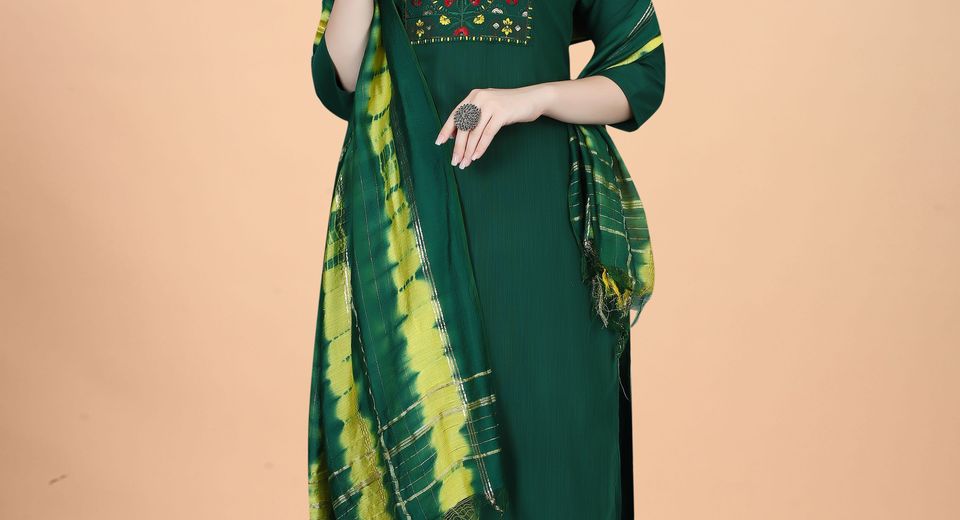
Cotton is practical for summer lunches, work-friendly ethnic dressing and long daytime ceremonies. Cotton allows air movement and gives coloured thread a grounded, matte background. Emerald Green Cotton Kurta Set with Chanderi Dupatta shows how cotton can be paired with a lighter woven layer to add occasion value without making the entire outfit shiny.
Crepe has a fluid fall and photographs well because its surface creates gentle movement. Multicolor Embroidered Crepe Maxi Suit Set for Festive Wear demonstrates how several colours can create impact through pattern rather than metallic decoration. Fluid fabrics benefit from embroidery that follows vertical garment lines instead of placing heavy weight only at the hem.
Silk and silk-blend bases provide a naturally luminous background, so resham motifs can look rich even when the thread itself is matte. Black Red Fendy Silk 3 Piece Readymade Salwar Suit Set illustrates why a dark base and red detailing can feel dramatic without requiring all-over glitter. When buying a readymade salwar suit, check whether the lining supports the embroidery and whether the fabric remains comfortable at the armhole.
Chanderi works well when transparency, lightness and a slightly crisp fall are part of the desired look. Chanderi dupattas can frame a cotton or silk-blend kurta and make a simple embroidered set feel more formal. Lightweight fabric still needs careful edge finishing because rough seams and exposed threads can snag during wear.
Resham Embroidery on Salwar Suits Gives Colour Without Metallic Shine: Which colours suit each occasion?
Yellow, coral, rose, orange, emerald, red and multicolour resham work can suit different occasions when the base colour and motif scale are balanced. The most versatile choice is usually one dominant thread family with one supporting shade rather than many unrelated colours.
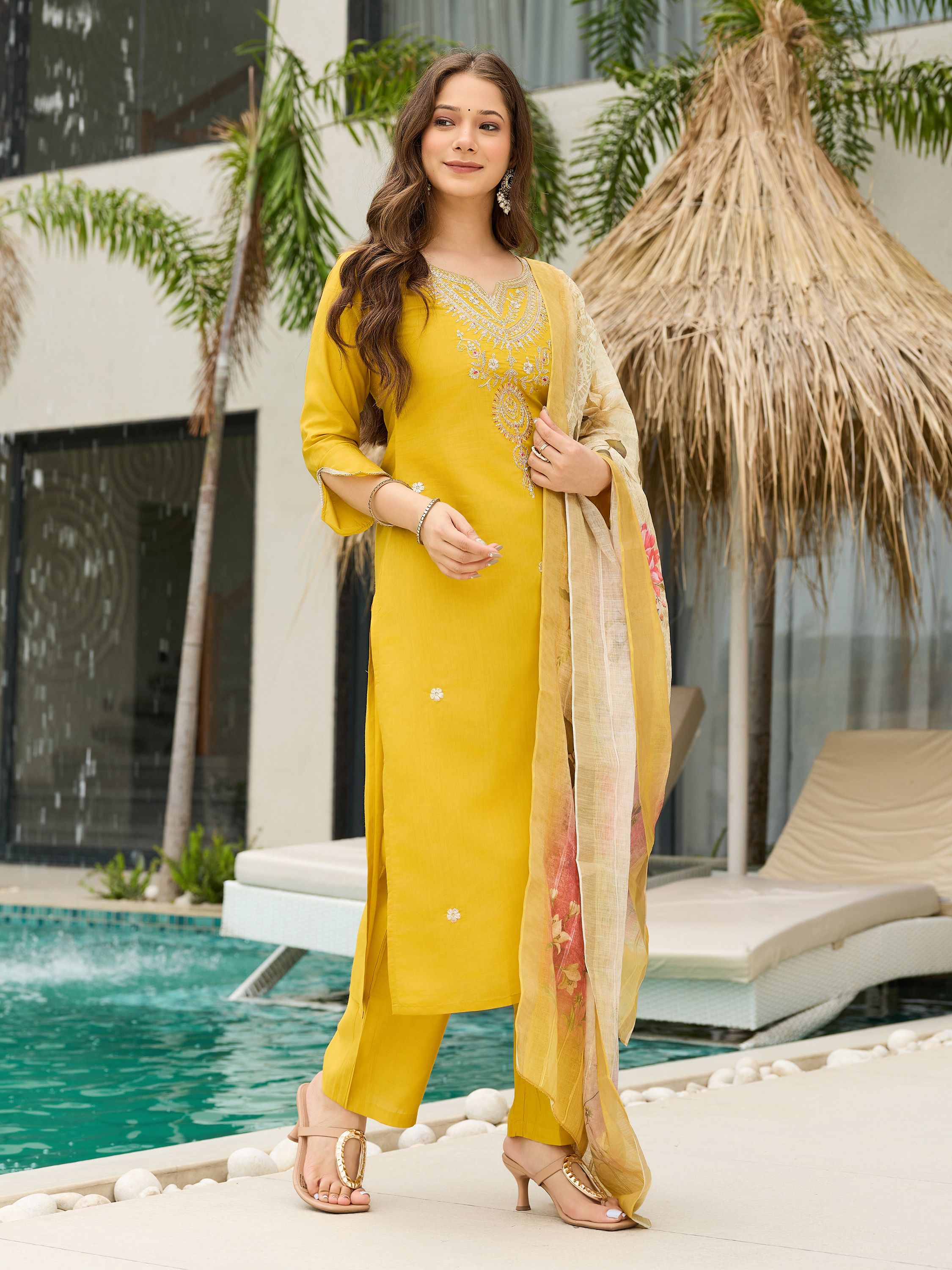
- Haldi ceremony: Yellow, marigold and green embroidery echo the ceremony's bright palette. Designer Yellow Salwar Suit with Dupatta can be styled with warm-toned earrings while keeping the garment itself free from heavy metallic work.
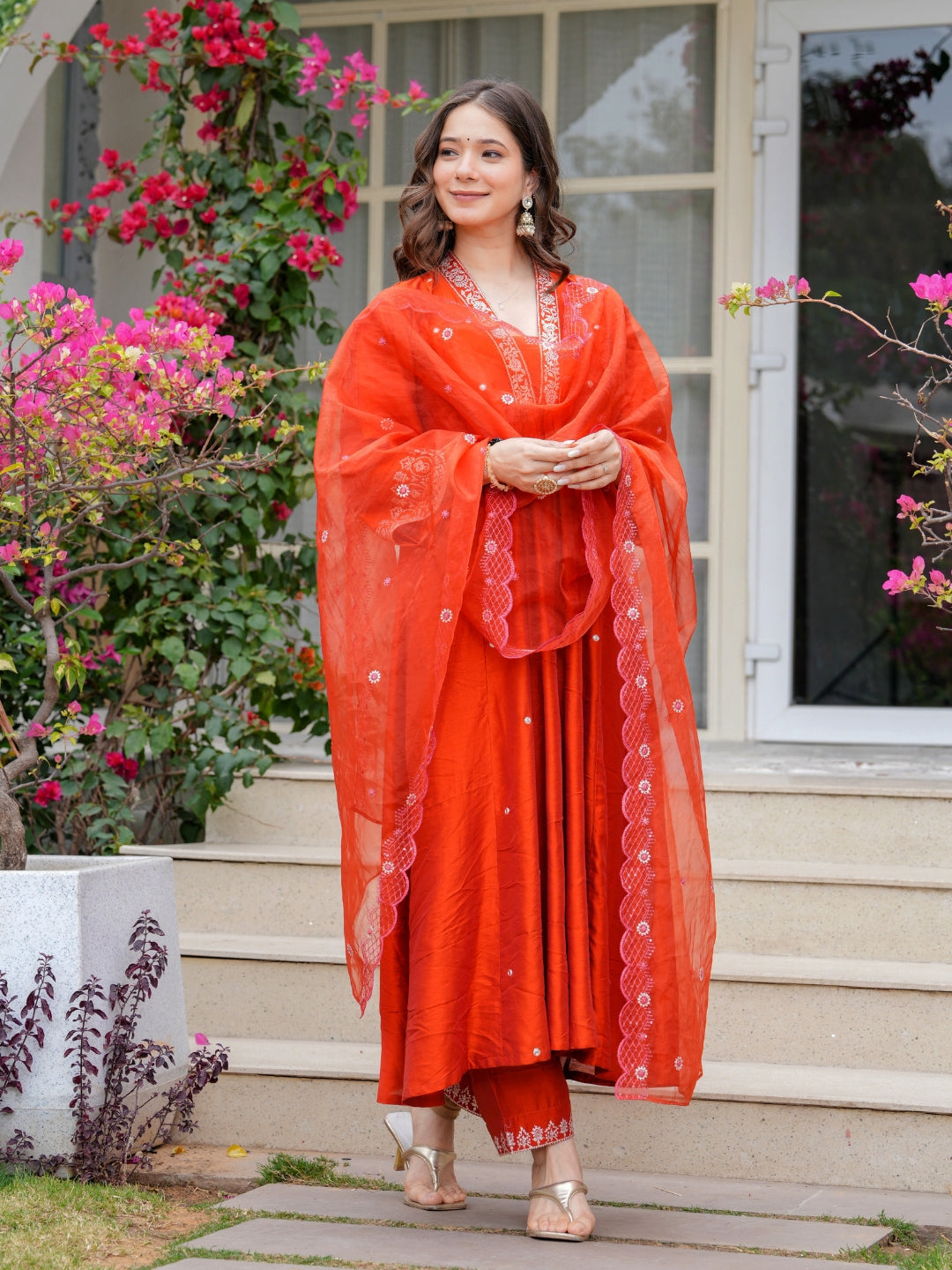
- Daytime festive wear: Coral, orange, pink and turquoise remain visible in natural light without looking severe. Orange Radiance Salwar Suit uses one energetic colour as the outfit's main visual statement.
- Evening party wear: Black, wine, navy and emerald bases make red, fuchsia or jewel-toned resham appear deeper. Black Red Fendy Silk 3 Piece Readymade Salwar Suit Set suits this high-contrast approach.
- Formal salwar suit dressing: Tonal embroidery on ivory, beige, dusty rose, bottle green or muted blue is easy to repeat for work dinners and smaller receptions. Moderate motifs and a clean dupatta border keep the outfit composed.
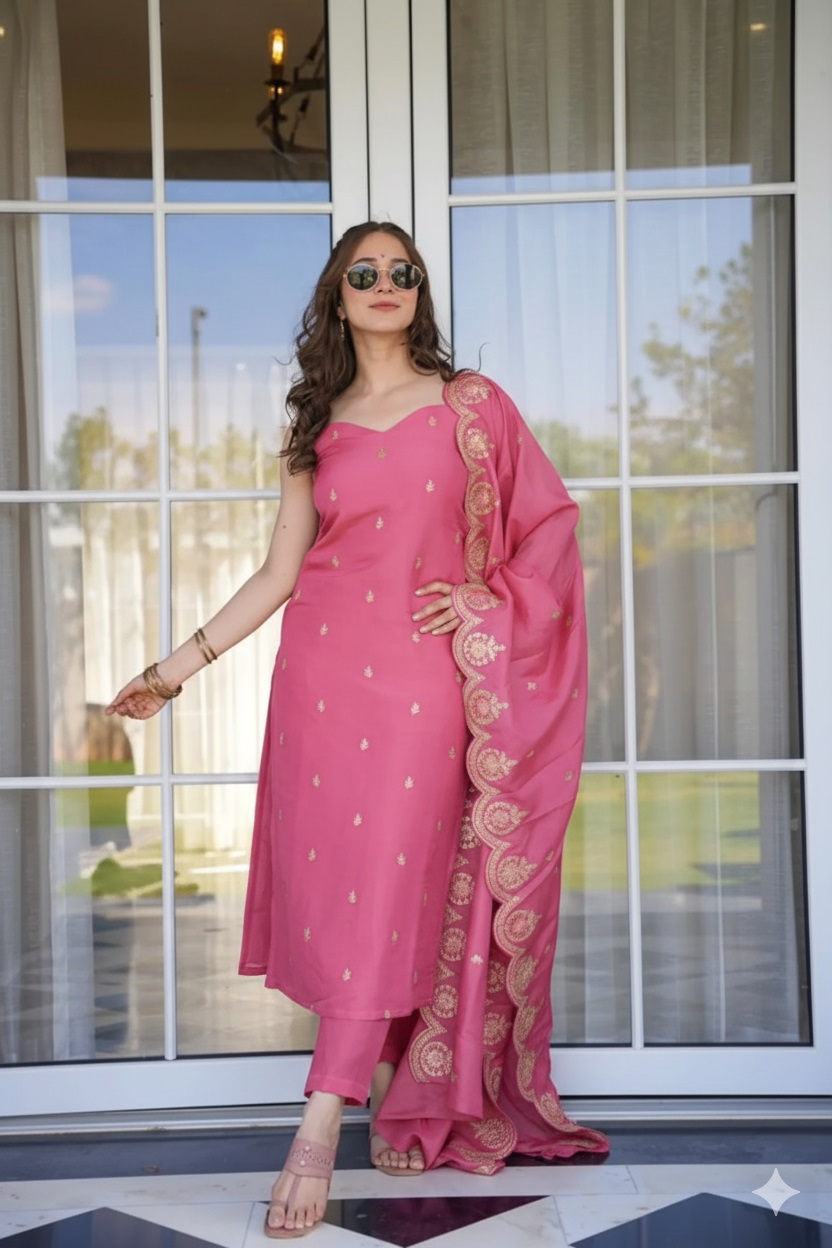
- Family celebrations: Rose, pink, peach and multicolour thread work can look festive without competing with heavier bridal clothing. RoseGlow Designer Salwar Suit demonstrates how a soft colour direction can still feel occasion-ready.
Photography changes how colours are perceived. Strong daylight reveals the difference between matte resham and reflective embellishment, while warm indoor lighting can deepen red, orange and wine. If an outfit will be worn in both settings, choose a base-and-thread combination with sufficient contrast in natural light.
Resham Embroidery on Salwar Suits Gives Colour Without Metallic Shine: How do motifs alter the silhouette?
Motif scale should follow the garment's proportions: smaller repeated motifs suit straight kurtas and everyday sets, while larger florals or arranged panels suit flared, palazzo and maxi silhouettes. Embroidery placement can also change how the body appears visually.
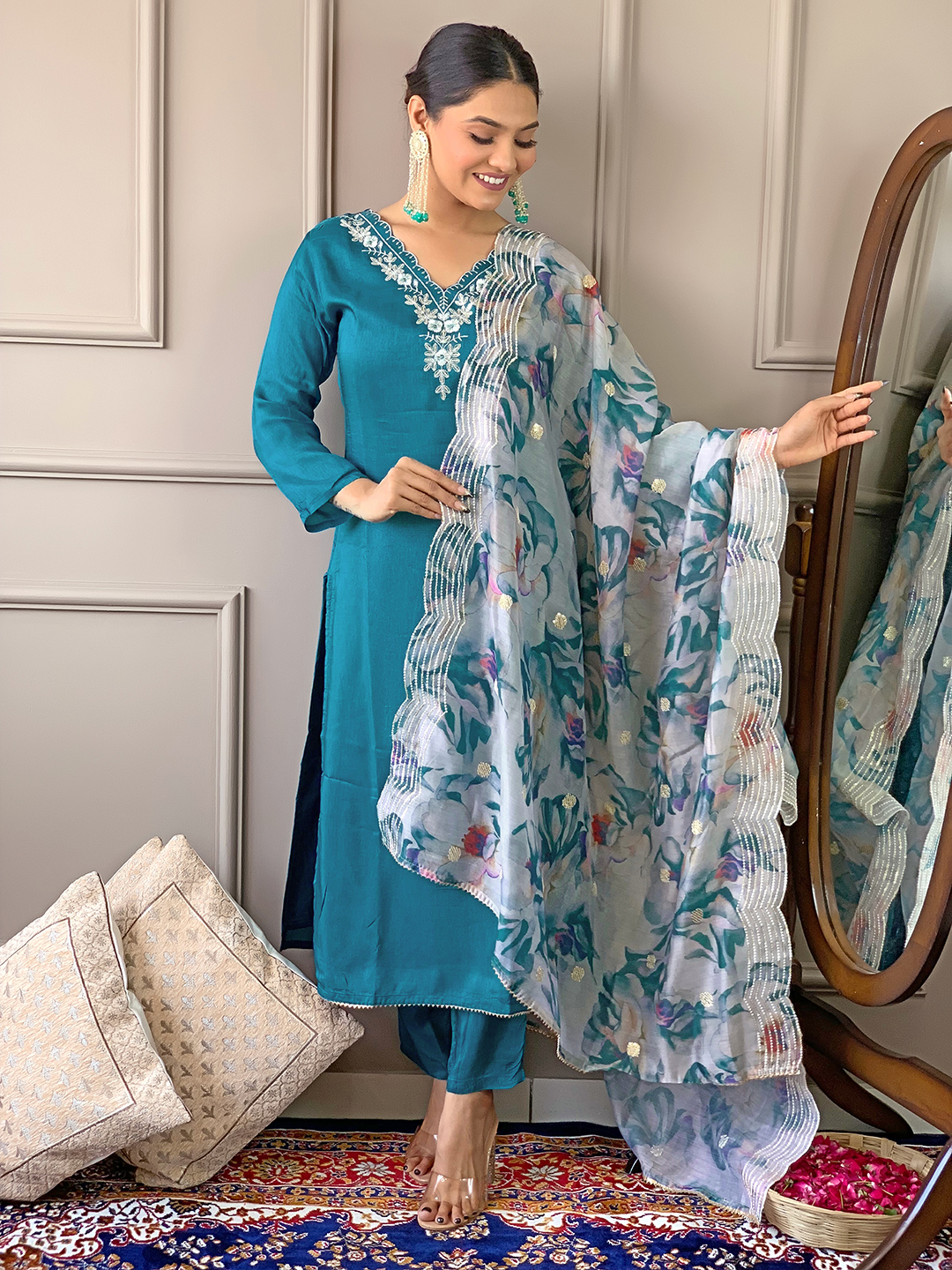
Vertical vines and narrow embroidered panels create a longer visual line on a straight kurta. A concentrated hem border draws attention downward and works well with cigarette pants or a slim salwar. Large chest motifs create a focal point, so they're best balanced with simpler sleeves and a less crowded dupatta.
Flared salwar suits and maxi suits can carry larger resham arrangements because the fabric provides more surface area. Multicolor Embroidered Crepe Maxi Suit Set for Festive Wear demonstrates why a flowing silhouette can accommodate several colours without looking fragmented. Simpler accessories are usually more effective when the garment already has movement and a large pattern.
Sharara silhouettes create another styling opportunity. Pink Sharara Suit Set with Mirror Work Dupatta combines colourful dressing with reflective detail in the dupatta, showing that resham doesn't have to carry every decorative element. For a completely non-metallic look, choose threadwork earrings, enamel bangles or fabric-covered jewellery instead of mirror-focused accessories.
A salwar suit design for a young wearer benefits from clear motifs, comfortable armholes and a dupatta that can be pinned securely. Trend-led details are useful only when the outfit remains easy to sit, walk and move in. A flattering silhouette depends on shoulder fit, bust ease, trouser rise and hem placement, not embroidery alone.
Resham Embroidery on Salwar Suits Gives Colour Without Metallic Shine: How should you style the dupatta?
Style a resham-embroidered suit by repeating one thread colour in a small accessory and keeping the remaining accessories textural rather than highly reflective. The dupatta should either echo the embroidery or provide calm negative space.
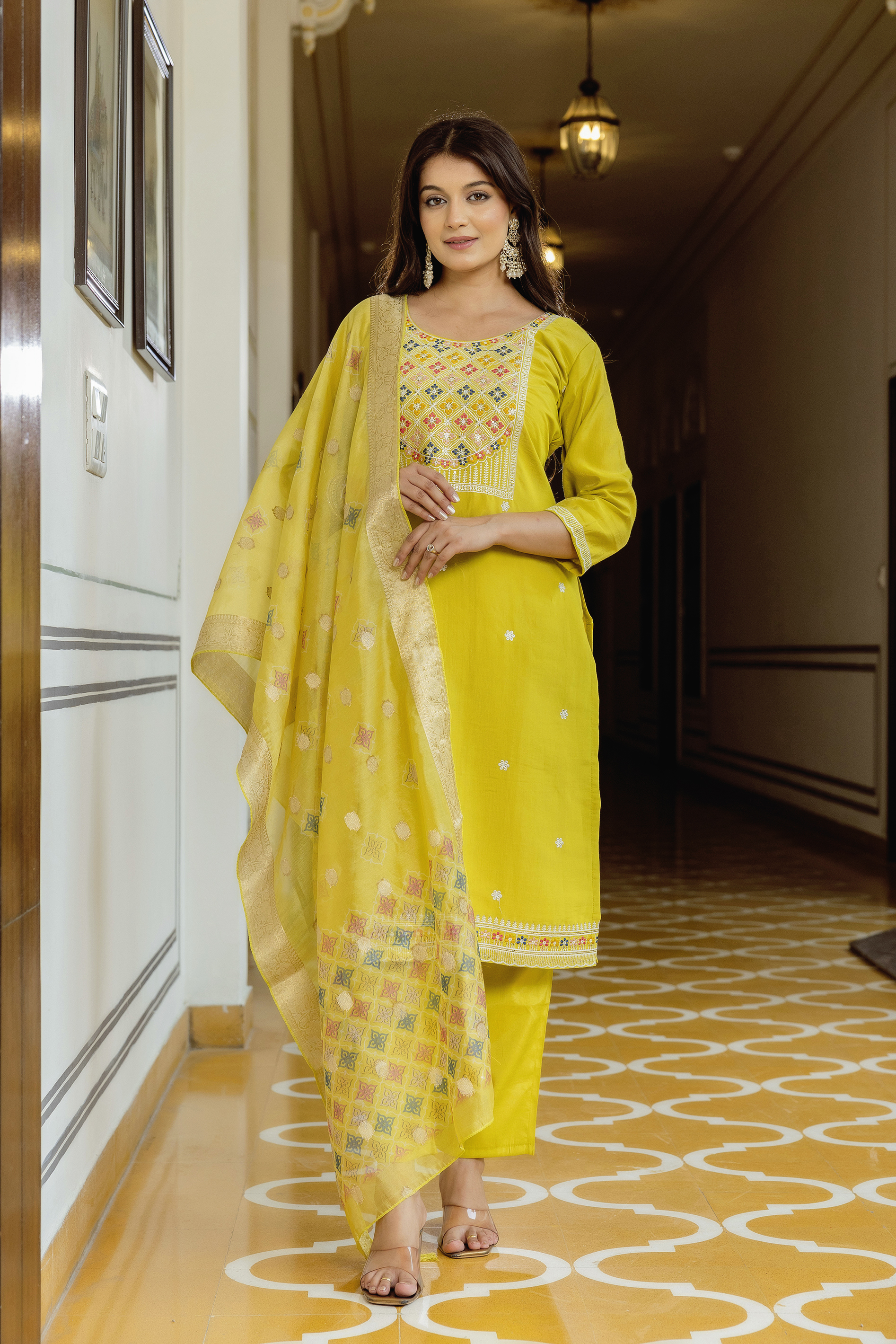
For an embroidered salwar suit with a busy kurta, choose a plain or lightly edged dupatta in a related shade. For a simple kurta, a printed or woven dupatta can add depth, provided the print doesn't introduce more than two competing colour families. A readymade salwar suit dupatta should be checked for width, opacity and border weight because those details determine whether it frames the neckline or overwhelms it.
Jewellery can reinforce the non-metallic character of resham. Enamel earrings, coloured glass bangles, carved wood, beads and fabric flowers add colour without repeating a high-shine surface. If metal jewellery is preferred, brushed silver, antique gold or oxidised finishes are generally quieter than mirror-polished pieces.
Shoes and bags are useful places to repeat one embroidery tone. Orange thread can be echoed with tan or rust footwear; emerald embroidery can work with a deep green or neutral bag; pink thread can be balanced by ivory footwear. Matching every accessory exactly can flatten the colour story, so repeat one shade and allow the rest to remain neutral.
For salwar suit women choosing party wear, a three-piece set offers a straightforward balance: a detailed kurta, a coordinated bottom and a dupatta that controls the amount of visual contrast. Embroidered Salwar Suit Set for Women can be considered when the wearer wants a complete outfit rather than separate pieces that require extensive coordination.
Resham Embroidery on Salwar Suits Gives Colour Without Metallic Shine: Which regional styles offer ideas?
Regional embroidery traditions offer useful direction for motif placement, colour contrast and surface density, even when a contemporary suit isn't a direct traditional reproduction. Punjab Phulkari Embroidered Salwar Suits are associated with bold, colourful threadwork and provide inspiration for large floral arrangements with strong colour blocks.
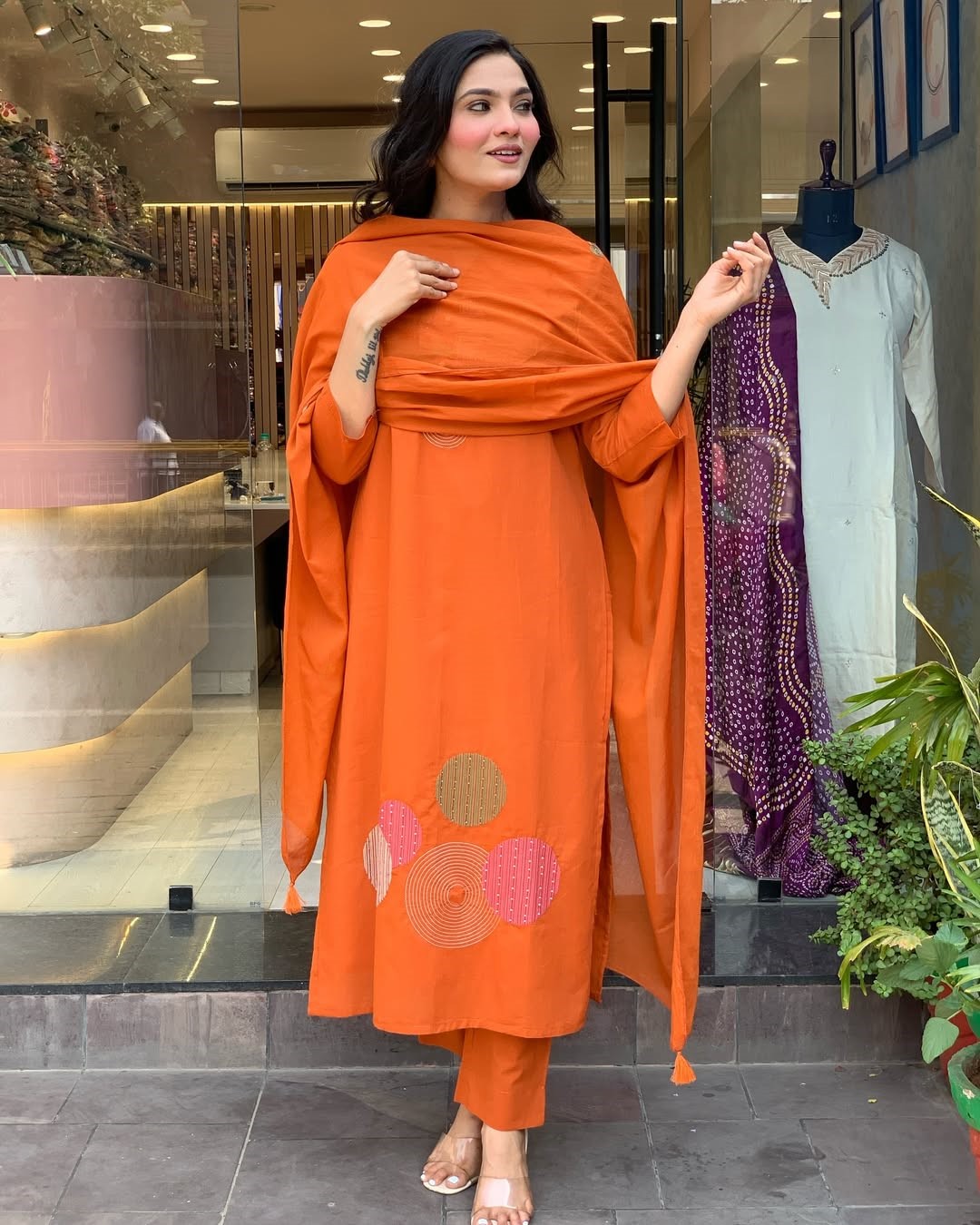
Kashmir Embroidered Salwar Suits suggest a more intricate approach, where floral and botanical ideas can be arranged with delicacy across a calmer base. Kashmir-inspired colour planning works especially well when the wearer wants detail that can be examined closely without a glittering surface.
Hyderabad Embroidered Salwar Suits can inspire richer borders and formal colour combinations for evening dressing. A dark base with red, green or rose thread creates depth while preserving the softer visual character of resham.
Delhi Chikankari Embroidered Salwar Suits and Lucknow Chikankari Embroidered Salwar Suits show how restraint, negative space and fine linear work can make embroidery look refined. Chikankari is traditionally known for delicate white or tonal thread techniques, so these references are useful when selecting a formal salwar suit with an understated surface.
Regional references should guide the styling decision rather than force every outfit into a single category. A bold Phulkari-inspired palette can work for a festive gathering, while a restrained chikankari-like arrangement can suit a formal daytime event. The important comparison is between motif density, colour contrast and the level of shine desired.
Resham Embroidery on Salwar Suits Gives Colour Without Metallic Shine: How should you care for it?
Protect resham embroidery from friction, prolonged sunlight, moisture and harsh detergents to preserve thread colour and stitch definition. Read the garment care label first, and use professional dry cleaning when the fabric, lining or embroidery requires it.
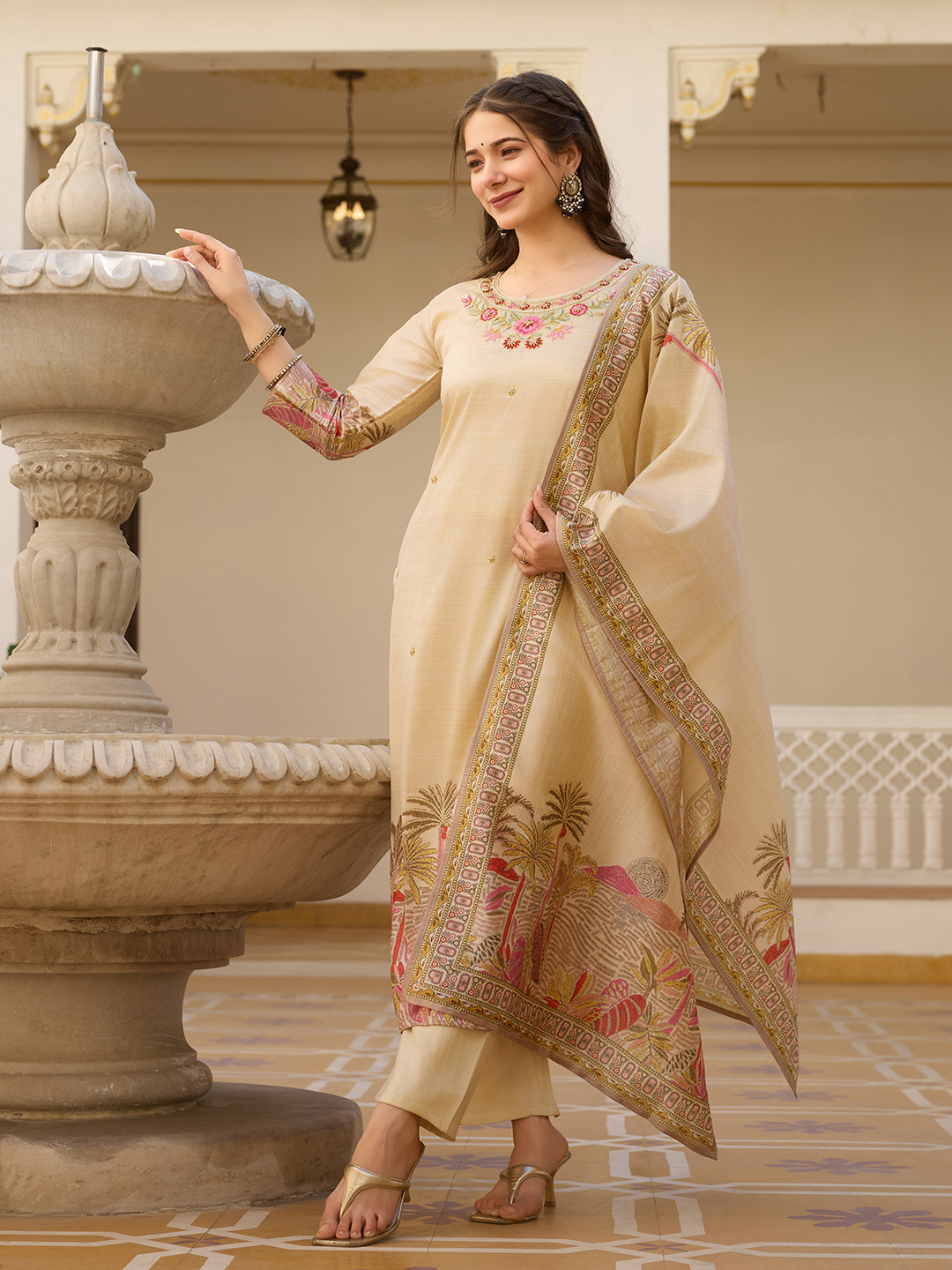
Turn the salwar suit inside out before gentle washing only when the care label permits water cleaning. Use cool water, a mild detergent and a short soak of no more than five minutes. Do not scrub embroidered areas, wring the garment or leave saturated coloured thread pressed against pale fabric.
Dry the garment away from direct sunlight because strong ultraviolet exposure can fade both resham and the base fabric. Lay lightweight pieces flat over a clean towel or hang them on a broad padded hanger once excess water has been removed. Avoid thin wire hangers, which can create shoulder marks.
Store the suit in a breathable cotton garment bag after it's completely dry. Fold heavily embroidered sections with acid-free tissue or soft muslin between layers to reduce pressure on raised stitches. Keep perfume, hair spray and deodorant away from the embroidery because alcohol and oils can alter colour or leave marks.
Inspect the garment before storing it for loose threads, missing stitches or snags. Do not cut a loose embroidery thread immediately; secure it from the reverse side or ask a tailor to repair it. Careful handling preserves resham's colour-rich, low-shine finish for repeated wear.
Resham Embroidery on Salwar Suits Gives Colour Without Metallic Shine: What should you check before buying?
Check fabric composition, garment measurements, embroidery density, lining, dupatta dimensions and care instructions before buying a resham-embroidered salwar suit. Those details determine comfort and longevity more reliably than photographs alone.
- Confirm measurements: Compare bust, waist, hip, shoulder and sleeve measurements with a familiar garment. Readymade salwar suits are not uniformly sized across silhouettes.
- Inspect the stitch area: Look for even coverage, secure thread ends and no puckering around dense motifs. Uneven tension can distort a neckline or side seam.
- Assess fabric weight: A heavily worked panel should not pull the garment out of shape. Lightweight cotton and crepe need especially careful balance between embroidery and drape.
- Evaluate the dupatta: Check whether the width allows comfortable draping and whether the border lies flat. A beautiful kurta can feel impractical if the dupatta is too narrow or slippery.
- Match the occasion: Cotton salwar suits with restrained resham are generally practical for daytime and formal-casual use, while silk, crepe and deeper colours can support evening party wear.
- Consider repeat wear: A multicolour suit may be striking, but a two-colour palette is often easier to accessorise for several events.
The strongest purchase isn't necessarily the most heavily embroidered one. A well-fitting suit with purposeful colour placement, comfortable fabric and a manageable dupatta will usually be worn more often than a crowded design that requires special handling. Resham embroidery earns its place when colour, texture and movement work together without depending on metallic shine.
Common Questions About Colourful Resham-Embroidered Salwar Suits
Which salwar suit is trending now?
Colourful embroidered suits, straight kurta sets, palazzo suits, sharara sets and fluid maxi silhouettes remain useful trend directions. Resham embroidery is particularly relevant when you want saturated colour with less reflective shine than zari or mirror work.
Where can I buy women's suit sets online in India?
Women's suit sets are available through established ethnic-wear websites and online fashion marketplaces in India. Check the size chart, fabric description, embroidery details, dupatta measurements, delivery information and care instructions before placing an order.
What is the best app for buying ladies suits?
The best shopping app is the one that provides reliable garment measurements, clear fabric details, customer support, secure payments and a transparent exchange process. App popularity alone cannot confirm whether a particular resham-embroidered suit will fit or match its photographs.
Which brand is best for ladies suits?
The most suitable label depends on fabric quality, sizing consistency, embroidery finish, price and the occasion for which the suit is needed. Compare construction details and customer reviews rather than choosing only by brand recognition.
Is resham embroidery suitable for formal salwar suits?
Resham embroidery is suitable for formal salwar suits when the motifs are moderate, the colours are coordinated and the base fabric has a neat drape. Tonal pink, ivory, muted blue, emerald or beige threadwork usually appears more restrained than dense multicolour or high-shine embellishment.
How do you wash a resham-embroidered salwar suit?
Follow the garment care label and use professional dry cleaning when the fabric or embroidery requires it. If gentle washing is permitted, use cool water, mild detergent, minimal soaking, no scrubbing or wringing, and dry the garment away from direct sunlight.