

Repeating Ethnic Outfits Without Making the Look Feel Repeated starts with an useful shift in attention: the garment is only one part of an outfit. A saree can look formal with a zari blouse and temple jewellery, relaxed with a cotton blouse and flat sandals, or contemporary with a belt and sculptural earrings. A kurta set can change character through a different dupatta, trouser silhouette, hairstyle and shoe. The goal isn't to disguise repetition; the goal is to create a recognisably different styling idea each time.
Indian wardrobes already contain the ingredients for this approach. A Banarasi silk saree, a Chanderi kurta, a block-printed dupatta and a pair of neutral palazzos can support several combinations when colour, proportion and texture are deliberately varied. Thoughtful repetition reduces unnecessary purchases, makes occasion dressing less stressful and helps well-made textiles earn more wears.
Why Repeating Ethnic Outfits Without Making the Look Feel Repeated Works
Repeating an ethnic outfit feels fresh when at least two visible styling variables change between wears. The most effective variables are the blouse or top layer, drape, footwear, jewellery, hairstyle, bag and colour balance.
People usually remember the strongest visual signals first: a bright red dupatta, a heavily embroidered neckline, a distinctive saree border or an unusual pair of earrings. Changing those signals can alter the perceived identity of the whole outfit, even when the base garment remains the same. Wearing the same saree with a contrasting blouse and changing the pallu position can create more difference than buying another saree in a similar colour.
A practical rule is to keep one element constant and change three others. Retain a cream kurta, for example, but switch from a printed dupatta to a solid jewel-toned dupatta, from juttis to metallic sandals, and from layered necklaces to long earrings. The colour framing, surface detail and vertical line all change, so the combination reads as a new look.
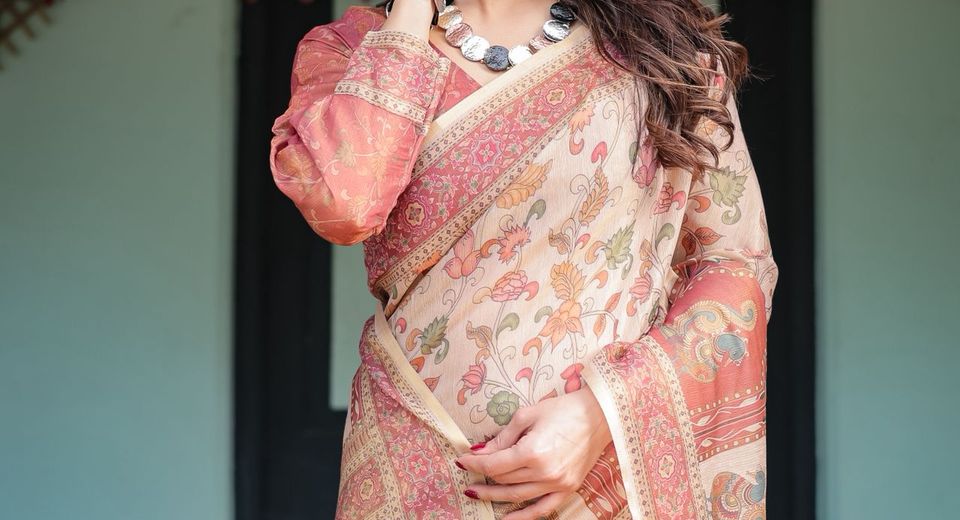
The Peach Beige Floral Handloom Saree with Ethnic Border illustrates this principle clearly. The handloom texture and ethnic border provide a stable base, while a maroon blouse can make the saree festive and an indigo blouse with a woven tote can make it suitable for a daytime cultural event.
Build a Small Ethnic Outfit Formula Before You Shop
A repeatable ethnic wardrobe formula needs four layers: a base garment, a colour bridge, a finishing layer and an accessory direction.
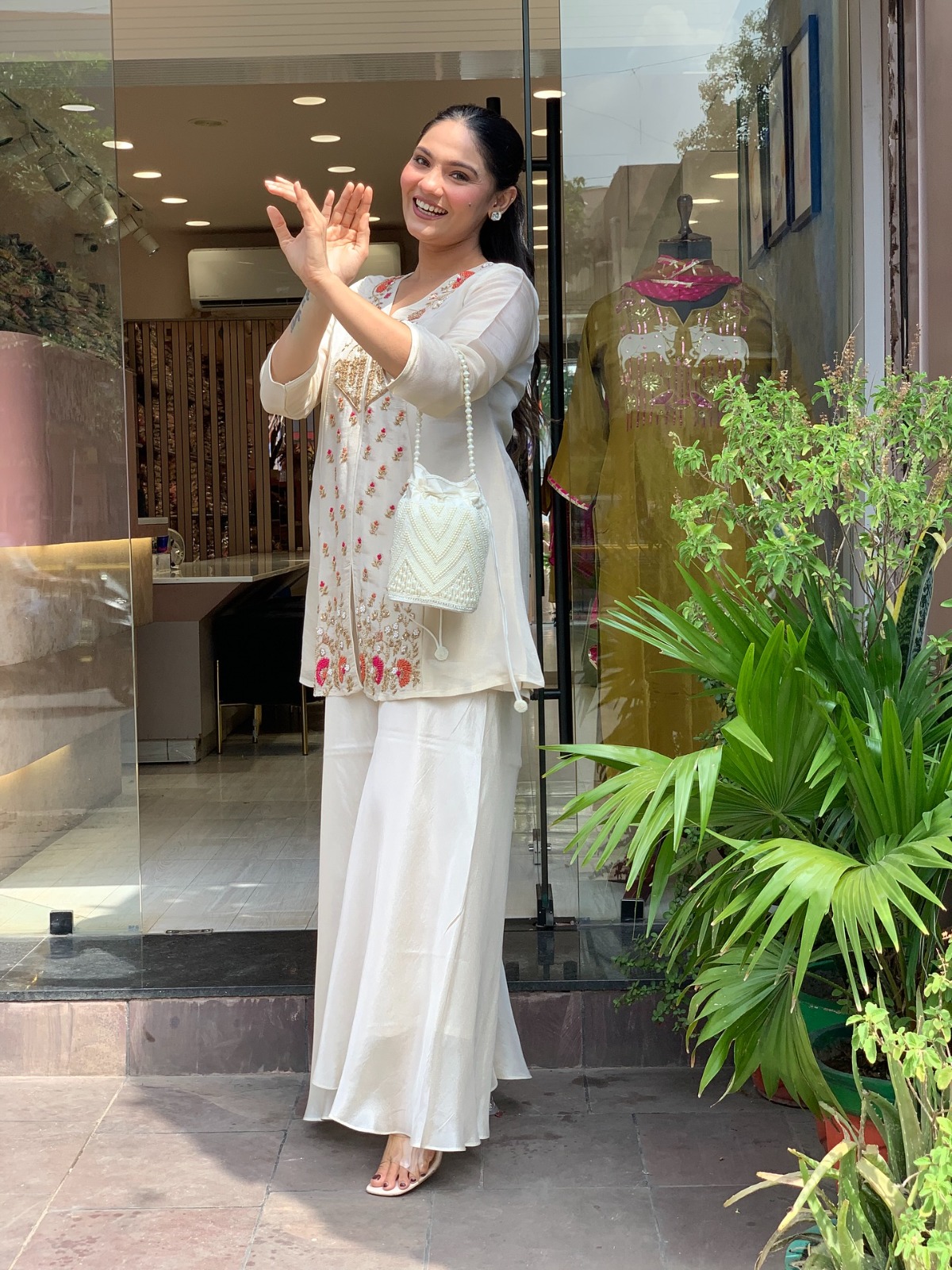
The base garment may be a saree, kurta, salwar suit, sharara or palazzo trouser. The colour bridge is a blouse, dupatta, camisole or jacket that connects the base garment to another wardrobe piece. The finishing layer includes a waistcoat, long shrug, cropped jacket or lightweight stole. The accessory direction determines whether the outfit reads as traditional, minimal, festive or contemporary.
Try creating three formulas for each frequently worn garment. A saree might follow these combinations:
- Classic festive: a silk blouse, gold-toned zari jewellery, a low bun and an embroidered potli.
- Daytime heritage: a cotton or handloom blouse, silver jewellery, flat leather sandals and a fabric tote.
- Modern evening: a solid sleeveless blouse, a slim belt, geometric earrings and pointed heels.
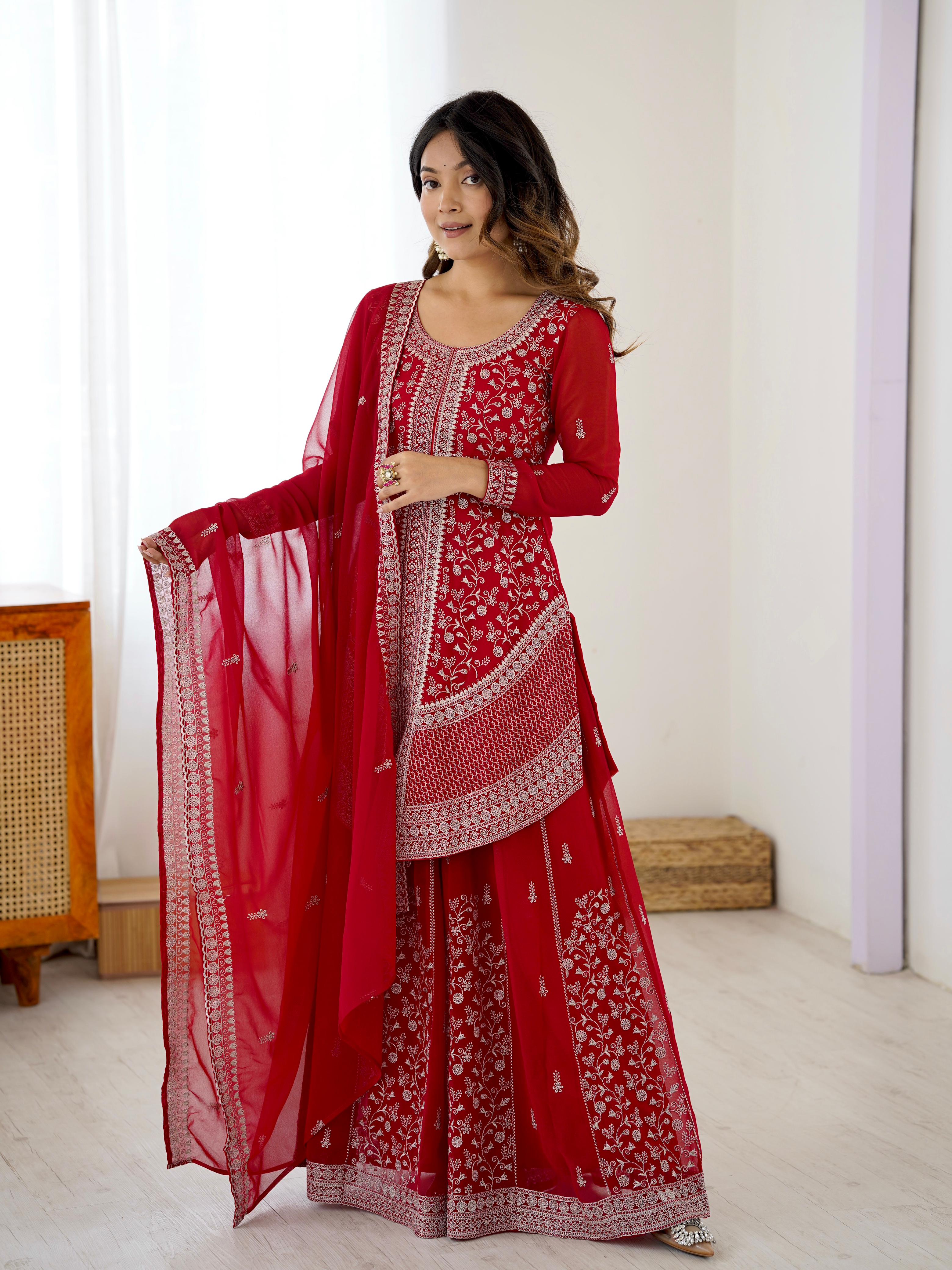
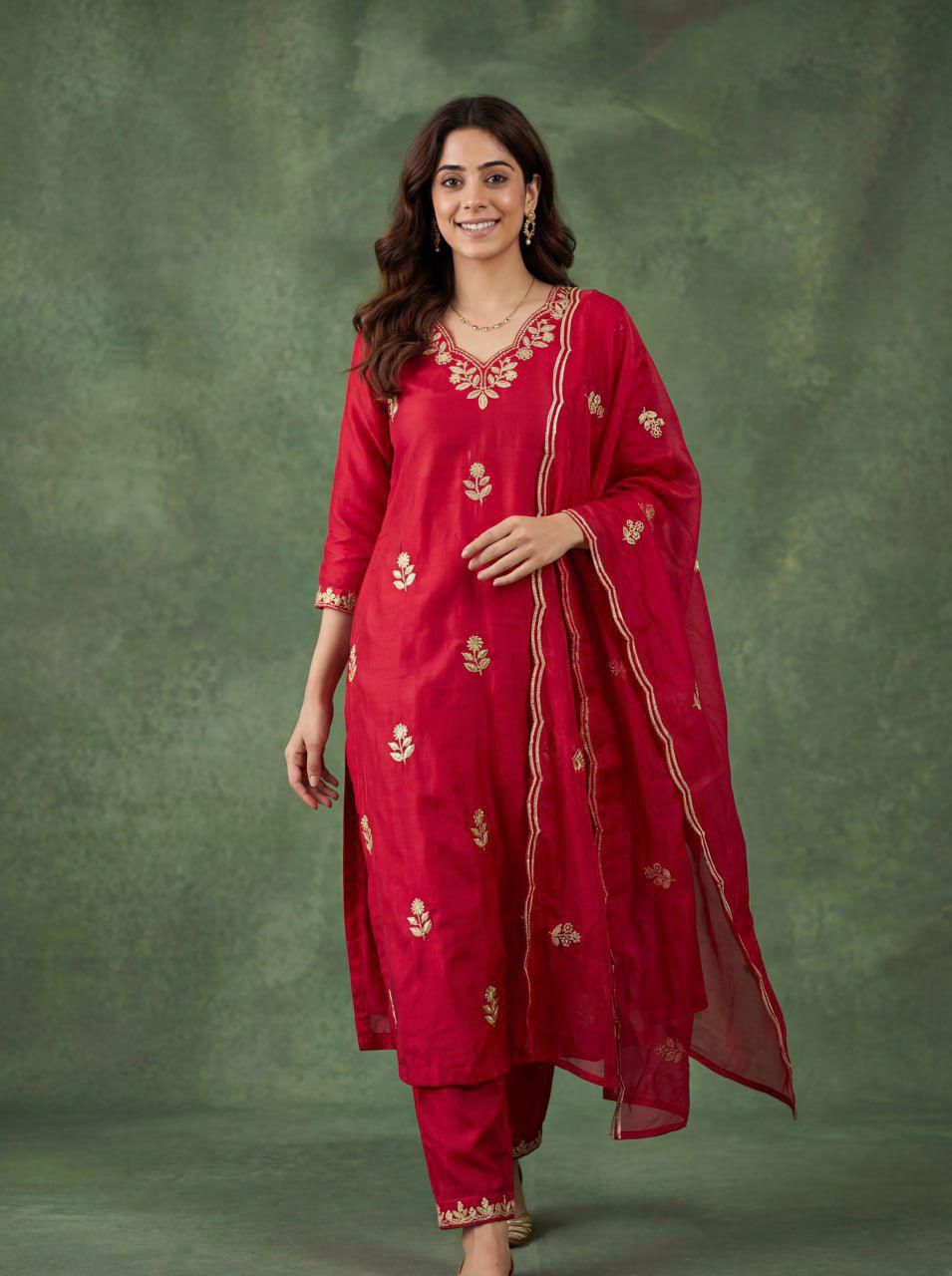
A kurta set can use the same method. Red Cotton Embroidered Kurta Pant Dupatta Set Women can be styled with its matching dupatta for a coordinated appearance, with an ivory dupatta for softer contrast, or with a short neutral jacket when the embroidery should remain the focal point. The garment has not changed, but the styling language has.
Photograph each formula in natural light and save the images in a phone album. A personal reference album is more useful than relying on memory before weddings, family celebrations and work events. Record the blouse, dupatta, jewellery, footwear and hairstyle used in each photograph so that successful combinations are easy to repeat.
Change Proportion Before Changing the Outfit
Changing proportion is one of the fastest ways to make a repeated ethnic outfit look different. Proportion describes the visual relationship between lengths, volumes and fitted or relaxed shapes.
Use the top and bottom line deliberately
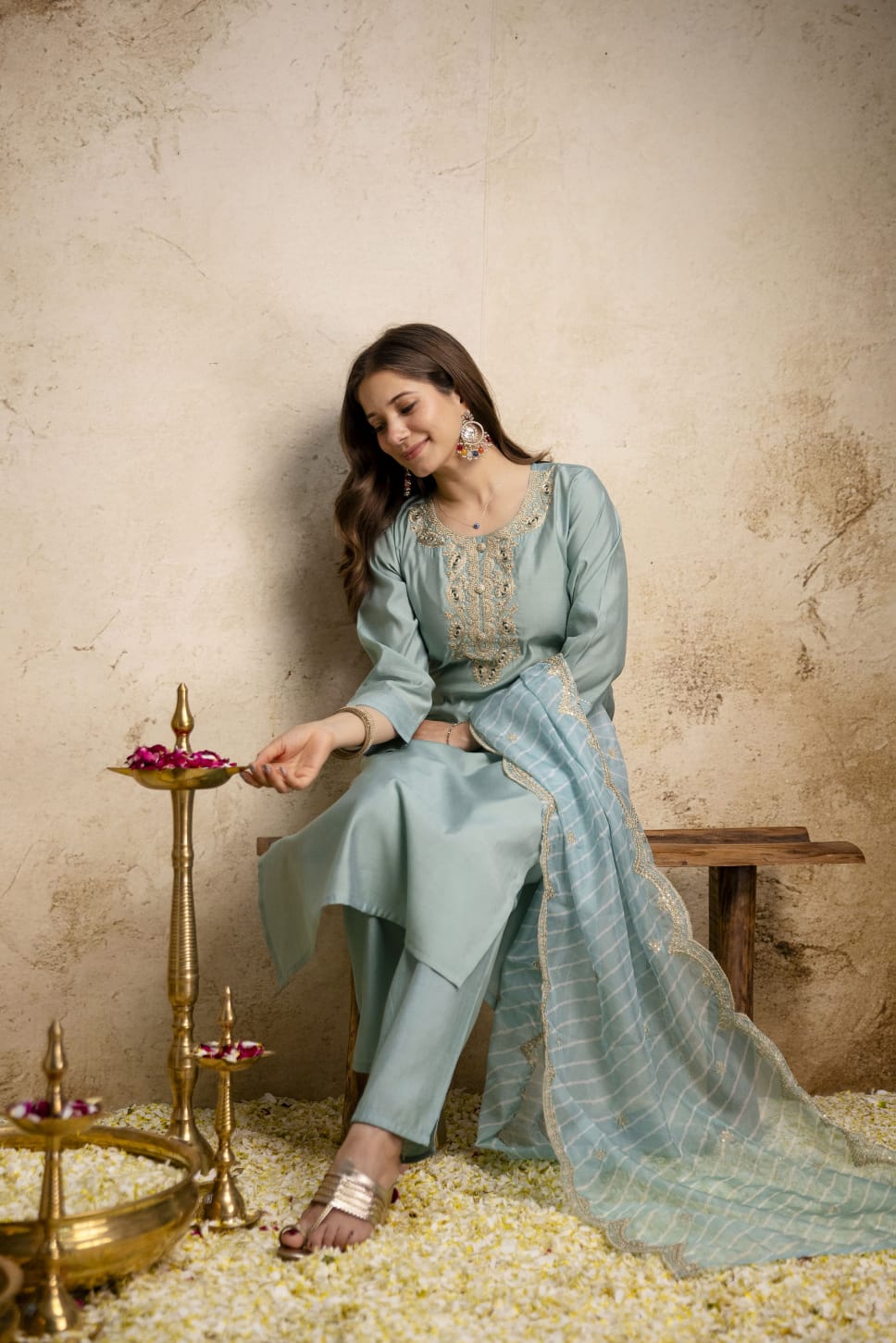
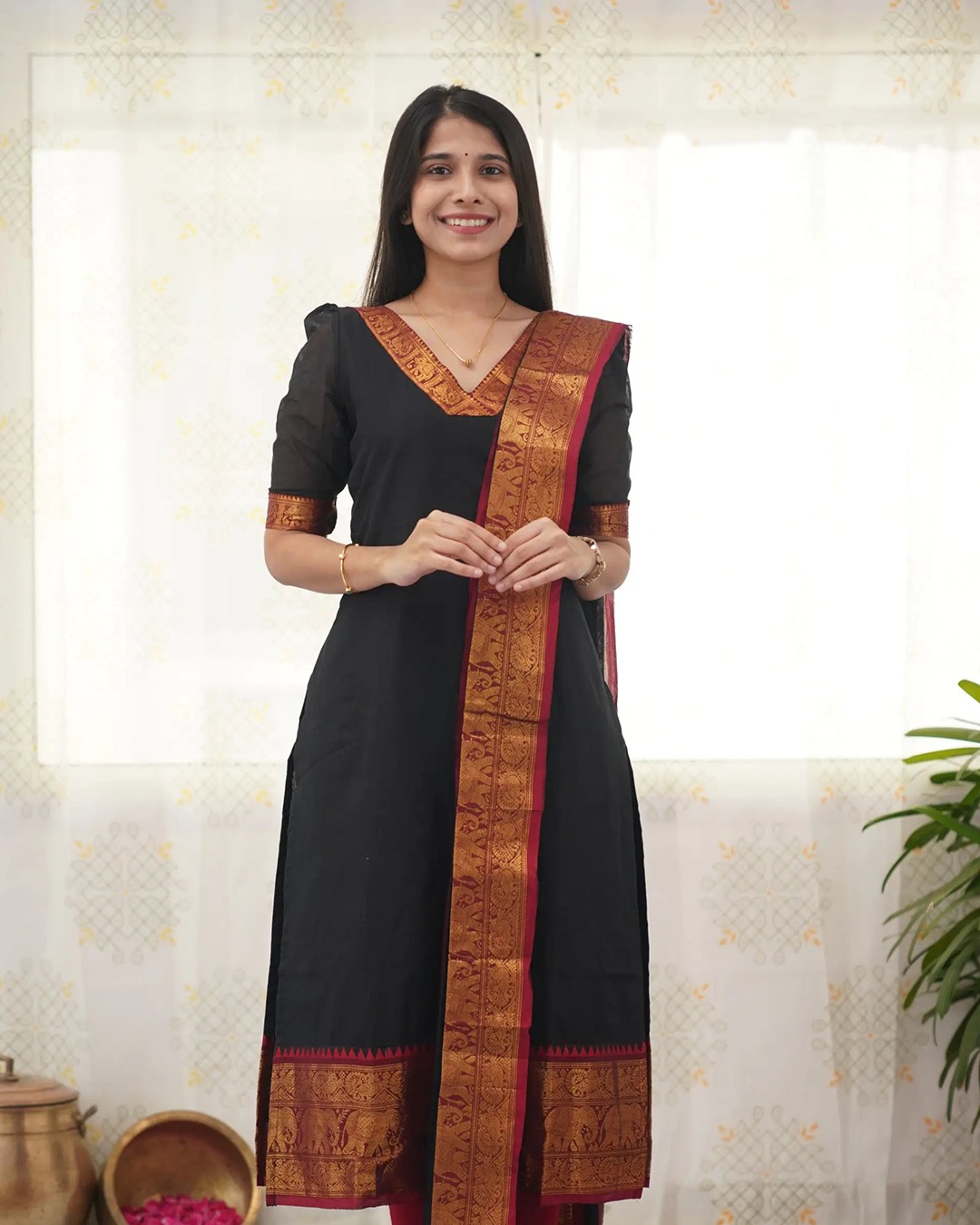
A long straight kurta creates a different impression with narrow cigarette pants than with wide palazzo trousers. Black Embroidered Chanderi Kurti Pant Dupatta Set can appear streamlined when the dupatta is folded narrowly and the pants remain visible; a broader shoulder drape creates more volume and a softer festive line.
Shortening the visible length of a kurta with a cropped jacket can make the same set feel more structured. Wearing the dupatta over one shoulder and allowing it to fall below the knee creates a long vertical line, while a front drape across both shoulders produces a more compact shape.
Alter the saree silhouette
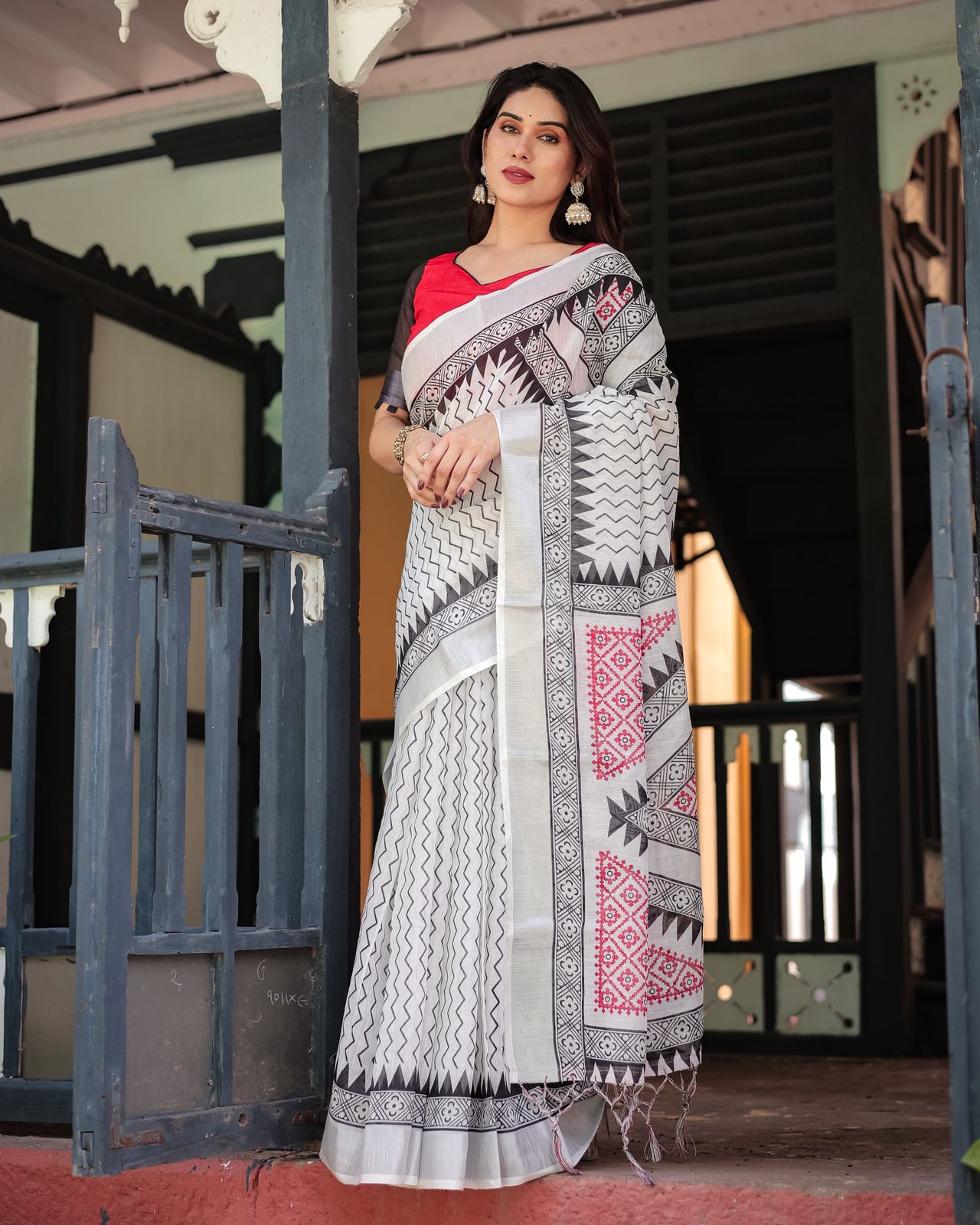
A saree silhouette changes when the pleats, pallu and blouse coverage change. Narrow pleats give a clean, formal line, while wider pleats create softer movement. A shoulder-pinned pallu looks composed; an open pallu looks more fluid; a front pallu can highlight a border or embroidered panel.
For a second wear, consider a high-neck blouse, a three-quarter sleeve blouse or a fitted long-sleeve blouse instead of repeating the original neckline. A blouse in a solid colour often gives a more significant visual change than a blouse with a small print that competes with the saree.
Use layers with restraint
One additional layer is usually enough to recast an ethnic base. A sleeveless jacket over a kurta adds structure, while a soft draped stole adds movement. Layering works best when the base outfit has one dominant detail and the added piece has a quieter surface.
Let Colour Create the Second Identity
Colour creates a visibly new version of an ethnic outfit when the secondary colour changes the proportion of light and dark in the look.
Start by identifying the base garment's dominant colour, accent colour and neutral. A cream kurta may have gold embroidery as its accent and work with tan, black, rust, bottle green or powder blue. Cream Embroidered Silk Kurta Pant Ethnic Co-ord Set can move between warm festive styling with a rust dupatta and a cooler, more understated direction with a powder-blue stole and pearl earrings.
Colour contrast doesn't always need to be dramatic. Tonal dressing can also create difference by varying depth: pale peach with dusty rose, mid-blue with navy, or ivory with champagne. Tonal styling is particularly useful when the base garment has detailed embroidery because the outfit remains coherent rather than visually crowded.
For a stronger change, use the 60-30-10 balance. Let approximately 60 percent of the outfit sit in the main colour, 30 percent in a supporting colour and 10 percent in an accent such as earrings, a clutch or footwear. Mustard Viscose Chanderi Kurta Set with Sequence Embroidery can use deep plum as the supporting colour and antique gold as the small accent, rather than adding several competing bright shades.
don't overlook the dupatta as a colour-changing tool. A plain dupatta can quiet a heavily embroidered suit, while a printed or woven dupatta can give a plain kurta more personality. A large floral print suits a relatively simple base, while a small geometric print can sit comfortably beside fine embroidery.
Use Texture and Fabric to Shift the Mood
Texture changes the mood of an ethnic outfit even when the colour remains similar. Smooth silk, crisp Chanderi, matte cotton, airy chiffon, slubbed handloom fabric and reflective zari each catch light differently.
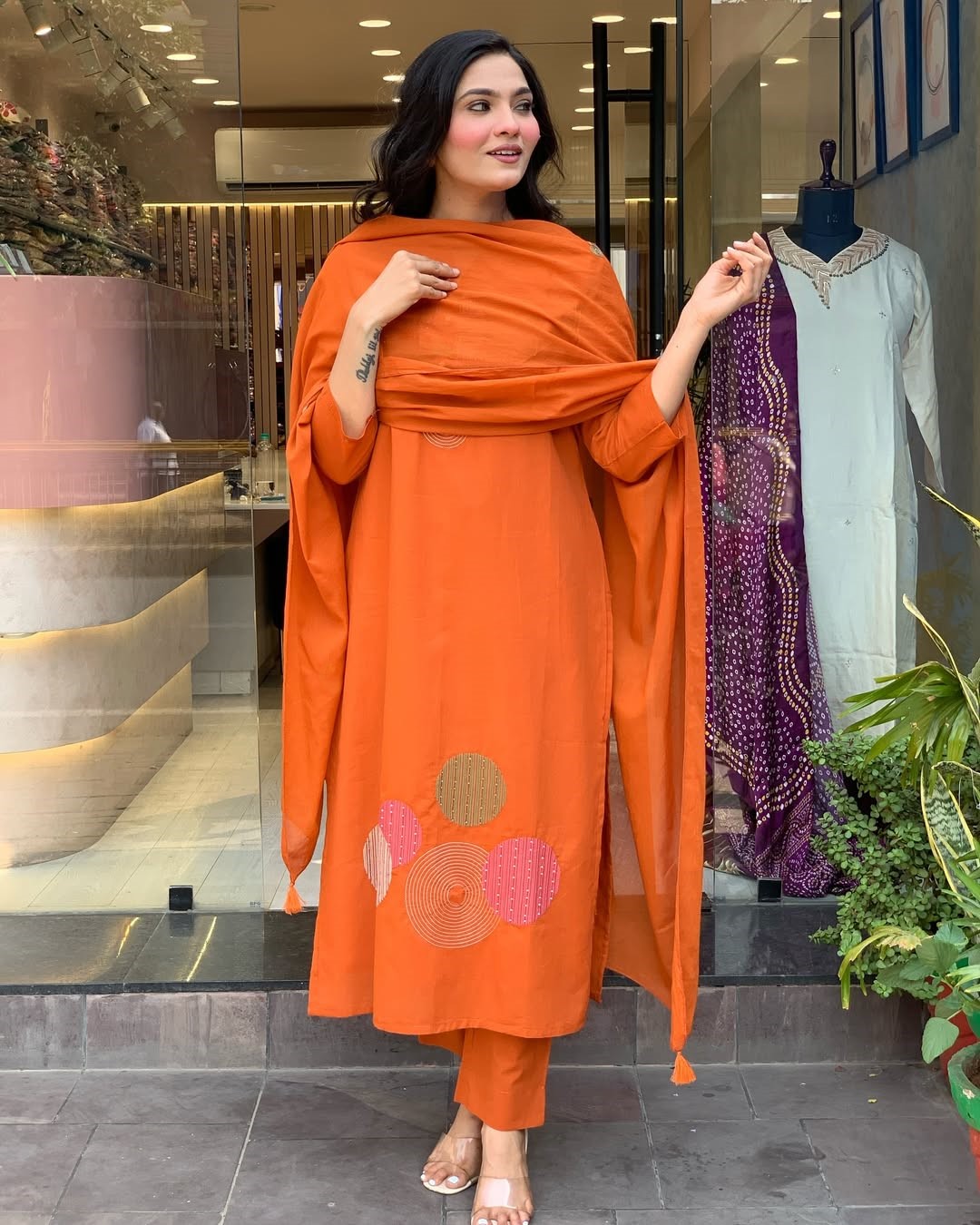
Pairing unlike textures is a reliable way to create a fresh combination. A cotton kurta with a glossy silk dupatta looks more festive than the same kurta with cotton. A Chanderi kurta with a handwoven stole feels more artisanal, while a smooth crepe dupatta can make the outfit look cleaner and more evening-ready.
Cream Blue Embroidered Viscose Kurti Set can be styled with its coordinated pieces for a polished appearance, then worn with a textured ivory stole and oxidised silver earrings for a more handcrafted mood. Pastel Blue Embroidered Chanderi Kurta Set with Dupatta can move in the opposite direction with pearl accessories, a structured clutch and metallic sandals.
Fabric weight also affects comfort and silhouette. A heavy Banarasi silk dupatta may hold a dramatic shoulder drape, while a light cotton voile dupatta works better in layered folds or a loose front fall. Avoid forcing a fabric into a shape it can't support; an uncomfortable drape will make even a beautiful repeat feel awkward.
Check care requirements before combining garments with different handling needs. Chanderi, silk and zari pieces generally benefit from gentle dry cleaning or careful specialist care, while cotton may tolerate more regular washing if the care label permits it. Store embellished dupattas folded in breathable cotton covers rather than compressed in plastic for long periods.
Let Accessories Change the Styling Story
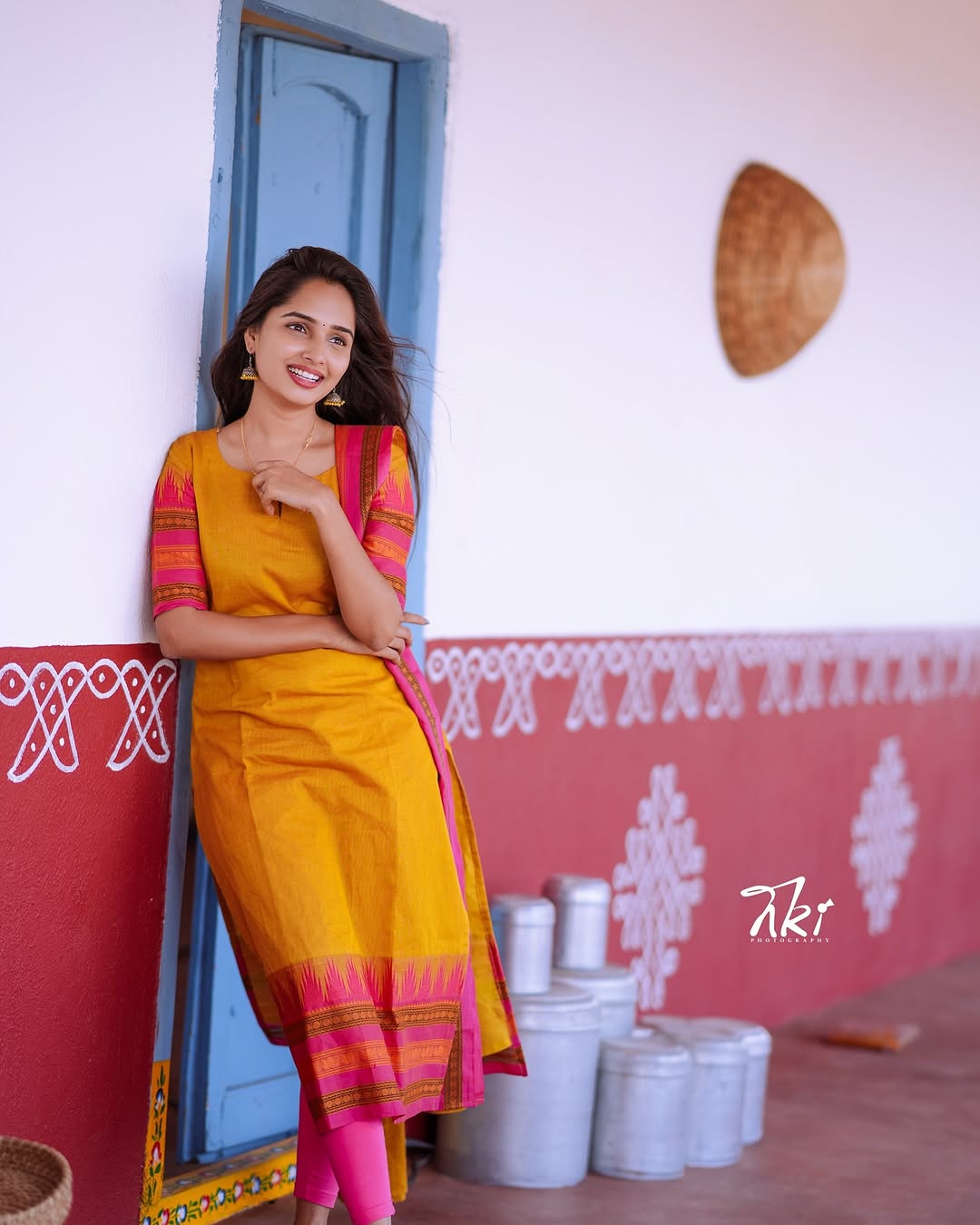
Accessories should support a new styling direction rather than simply add more decoration. Changing jewellery scale, metal colour, bag structure and footwear can make a repeated garment appropriate for a different setting.
- For a daytime gathering: choose silver jhumkas, a woven tote, flat kolhapuri sandals and a low ponytail.
- For a festive dinner: choose gold-toned earrings, a small embellished clutch, heeled sandals and a polished bun.
- For a contemporary event: choose geometric earrings, a compact shoulder bag, a slim belt and clean-lined heels.
- For a family ceremony: choose a medium-length necklace, comfortable embroidered juttis and a neatly pinned dupatta.
Black Red Fendy Silk 3 Piece Readymade Salwar Suit Set already carries strong colour contrast and a dressy silk surface. Keep the accessories restrained for a polished result: choose one metal, a simple clutch and either statement earrings or a necklace, not both. For a later wear, replace gold-toned pieces with silver jewellery and use a plain black shoe to create a sharper, less time-honoured effect.
Footwear deserves special attention because it changes the apparent formality of an outfit. Juttis and mojaris reinforce a heritage mood, flat sandals make a look more relaxed, and metallic heels add evening polish. A structured handbag can make a soft kurta set feel more work-appropriate, while a potli immediately signals celebration.
Plan Repeats Around the Occasion
Repeating an ethnic outfit works best when the styling changes match the setting, time of day and expected level of formality.
For a Haldi ceremony, breathable cotton, light jewellery and secure footwear are practical because turmeric, heat and movement can damage delicate surfaces. For a formal wedding reception, silk, zari, richer colour contrast and dressier accessories are more suitable. For an office celebration, a restrained dupatta, closed footwear and limited jewellery keep the outfit polished without appearing overdressed.
A calendar can prevent accidental repetition at closely scheduled events. Leave at least one significant visual difference between appearances at the same social gathering: change the blouse for a saree, change the dupatta for a kurta set, or shift from gold to silver accessories. If photographs from both events are likely to circulate, changing the silhouette is more effective than changing only a ring or lipstick shade.
Consider the climate as part of the styling plan. Cotton and lightweight viscose are more comfortable in humid weather, while silk blends and layered jackets may work better in cooler indoor venues. Comfort affects posture, and confident posture makes a repeated outfit appear more intentional.
A Simple Repeat-Wear Checklist
A repeat-wear checklist can turn a crowded wardrobe into a practical styling system.
- Choose the base: select the saree, kurta, lehenga, salwar suit or palazzo set that you want to wear again.
- Change the frame: switch the blouse, dupatta, jacket or visible neckline.
- Change the proportion: alter the drape, tuck, layer length or trouser volume.
- Change the texture: add cotton, silk, Chanderi, woven fabric or a matte accessory.
- Change the accessory direction: move between silver, gold, minimal, classic or geometric jewellery.
- Check the occasion: match footwear, bag and comfort level to the venue and time.
Repeating ethnic outfits becomes easier when each garment has at least three documented styling options. That approach saves money, reduces last-minute shopping and encourages better use of handloom, silk, cotton and embroidered pieces. A familiar garment can feel new because the eye is responding to a different composition, not because the wardrobe has expanded.
Common Questions About Repeating Ethnic Outfits
How can I wear the same saree differently?
Wear the same saree differently by changing the blouse, pallu arrangement, jewellery, footwear and hairstyle. A shoulder-pinned pallu with a high-neck blouse looks more formal than an open pallu with a cotton blouse and flat sandals.
How many times can I repeat a kurta set?
You can repeat a kurta set as often as the fabric and condition allow when the styling changes visibly. Rotate at least two dupattas, three accessory combinations and two footwear options to create distinct appearances.
What is the easiest way to make a repeated ethnic outfit look new?
The easiest method is to change the strongest visual element, usually the dupatta, blouse or jewellery. Switching from a matching dupatta to a contrasting one often creates a larger difference than adding several small accessories.
Can I wear the same ethnic outfit to work and a family function?
You can wear the same ethnic outfit to work and a family function by adjusting formality through accessories and layers. Choose minimal jewellery, a structured bag and practical footwear for work, then add festive earrings, a clutch and metallic sandals for the family event.
How should I repeat an embroidered outfit without making it look excessive?
Repeat an embroidered outfit with quieter accessories and a solid supporting colour. Avoid combining heavy embroidery with a large printed dupatta, statement necklace and embellished footwear unless the event specifically calls for maximal styling.
Does changing the dupatta really change the whole outfit?
Changing the dupatta can change the whole outfit because the dupatta occupies a large, visible area around the face and upper body. A plain silk dupatta adds polish, a printed cotton dupatta adds character, and a sheer embellished dupatta creates a more formal finish.
Common Questions About Repeating Ethnic Outfits
How can I wear the same saree differently?
Wear the same saree differently by changing the blouse, pallu arrangement, jewellery, footwear and hairstyle. A shoulder-pinned pallu with a high-neck blouse looks more formal than an open pallu with a cotton blouse and flat sandals.
How many times can I repeat a kurta set?
You can repeat a kurta set as often as the fabric and condition allow when the styling changes visibly. Rotate at least two dupattas, three accessory combinations and two footwear options to create distinct appearances.
What is the easiest way to make a repeated ethnic outfit look new?
The easiest method is to change the strongest visual element, usually the dupatta, blouse or jewellery. Switching from a matching dupatta to a contrasting one often creates a larger difference than adding several small accessories.
Can I wear the same ethnic outfit to work and a family function?
You can wear the same ethnic outfit to work and a family function by adjusting formality through accessories and layers. Choose minimal jewellery, a structured bag and practical footwear for work, then add festive earrings, a clutch and metallic sandals for the family event.
How should I repeat an embroidered outfit without making it look excessive?
Repeat an embroidered outfit with quieter accessories and a solid supporting colour. Avoid combining heavy embroidery with a large printed dupatta, statement necklace and embellished footwear unless the event specifically calls for maximal styling.
Does changing the dupatta really change the whole outfit?
Changing the dupatta can change the whole outfit because the dupatta occupies a large, visible area around the face and upper body. A plain silk dupatta adds polish, a printed cotton dupatta adds character, and a sheer embellished dupatta creates a more formal finish.


