

Rayon Salwar Suits Care Comfort and Occasion Styling matter because the same fabric can feel airy and elegant in one setting yet lose its shape when washed or fitted incorrectly. Rayon offers a soft hand-feel, fluid drape and strong colour appeal at a practical price. Good results depend on recognising rayon's moisture sensitivity, choosing the right silhouette and matching embellishment to the event.
Rayon is a regenerated cellulosic fibre made from processed plant cellulose, commonly wood pulp. The fibre isn't identical to cotton, silk or polyester: rayon absorbs moisture like a natural cellulosic material, but wet rayon can become weaker and more prone to stretching. That single fact explains why a rayon salwar suit needs gentler care than a sturdy cotton suit and more careful handling than a fully synthetic garment.
Why Rayon Salwar Suits Feel Comfortable
Rayon salwar suits feel comfortable because the fabric is smooth, absorbent and capable of falling close to the body without the stiffness of many woven cottons. Rayon's fluid drape also helps a kurta move naturally while walking or sitting.
Rayon usually feels cooler than heavy polyester in warm, dry weather because the fibre can take up some perspiration. The fabric doesn't automatically keep the wearer cool in every climate, however. In humid weather, moisture may remain in the garment longer, so a loose cut, breathable lining and short drying time become important.
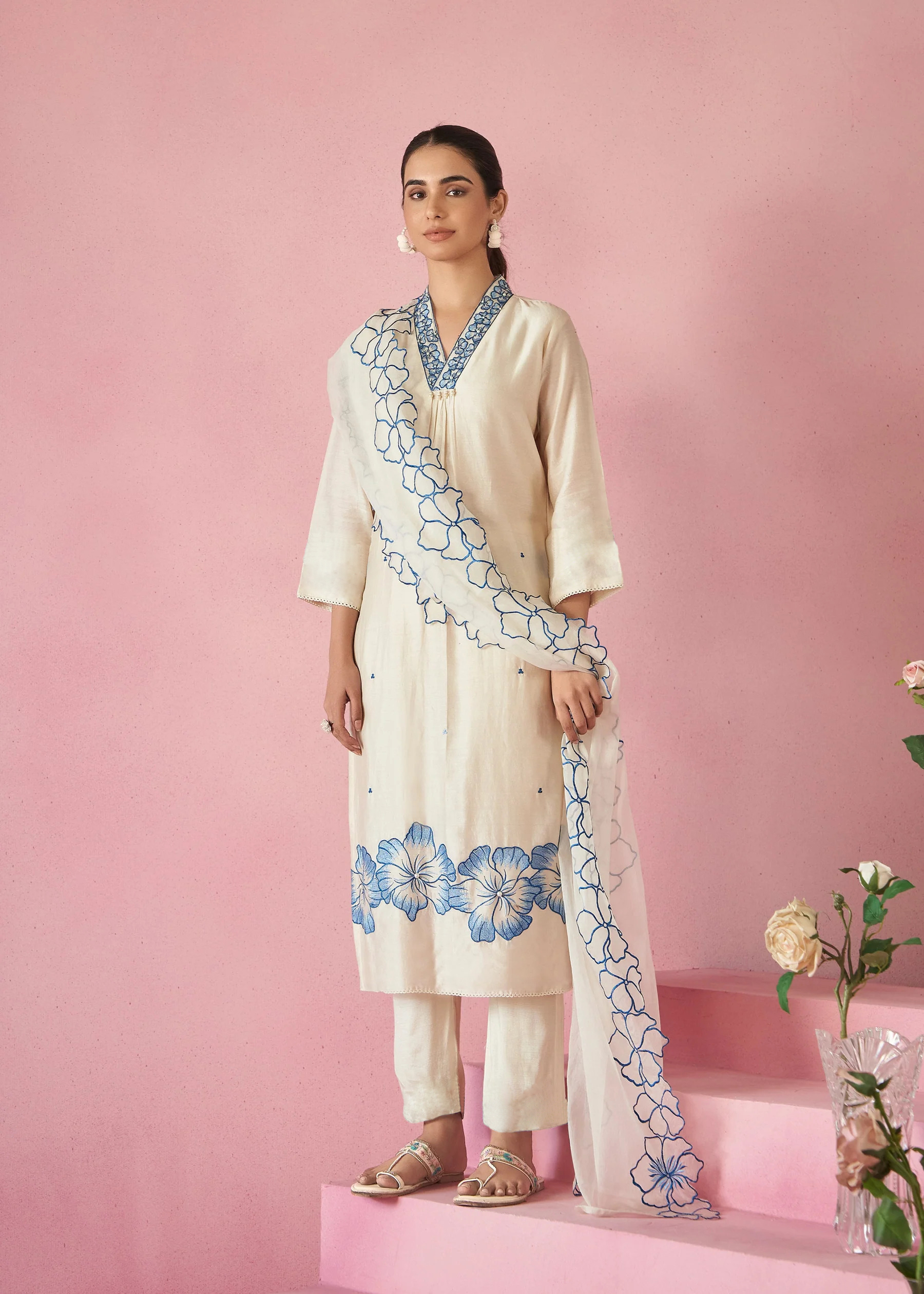
Rayon works particularly well in straight kurtas, A-line kurtas, palazzo sets and relaxed pant sets. A straight silhouette creates a clean vertical line, while wide palazzo trousers balance the soft fall of the kurta. Striped Rayon Straight Kurta Palazzo Set for Women demonstrates how stripes and a fluid lower half can create an easy daytime proportion.
Comfort also depends on construction. Check whether the neckline is reinforced, whether the armhole permits movement and whether the trouser waistband sits securely without digging in. A rayon outfit with a generous bicep measurement and a smooth inner seam will feel better for a six-hour workday than a narrower garment made from a nominally softer fabric.
How Rayon Compares with Common Suit Fabrics
Rayon is softer and more fluid than many cotton fabrics, lighter than most brocade and generally less glossy than polyester satin. Cotton usually tolerates more vigorous washing, while polyester resists creasing and dries faster. Banarasi silk and Kanjeevaram provide a more structured, lustrous appearance, but neither is a direct substitute for rayon's relaxed everyday comfort.
Rayon also differs from Chanderi, which is known for a crisp, lightweight transparency and often needs careful layering. Rayon usually has more body-hugging movement, so opaque lining and the right undergarments help maintain a polished outline.
Rayon Salwar Suits Care Comfort and Occasion Styling Begin with Washing
Rayon salwar suits should normally be washed gently in cool water, with limited soaking and no wringing. A careful wash routine protects colour, reduces shrinkage risk and prevents the garment from stretching while wet.
- Read the care label first. Some rayon blends tolerate machine washing, while embellished or lined garments may require dry cleaning.
- Test colour fastness. Dab a hidden seam with a damp white cloth before the first wash, especially on red, mustard, navy or dark printed garments.
- Use cool water and mild detergent. Water around 20-30°C is safer than hot water for most rayon garments.
- Limit soaking to about five minutes. Prolonged soaking can encourage colour bleeding and weaken wet fibres.
- Press water out without twisting. Roll the garment inside a clean towel and press gently to remove excess moisture.
- Dry flat or on a broad hanger in shade. Direct midday sun can fade prints, while a thin hanger can leave shoulder marks in damp rayon.
Hand washing is often the safest choice for an unlined rayon suit, but a front-loading machine on a delicate cycle can work when the care label permits it. Place the kurta and trousers inside a mesh laundry bag, use a low-spin setting and keep the suit separate from rough towels or garments with hooks.
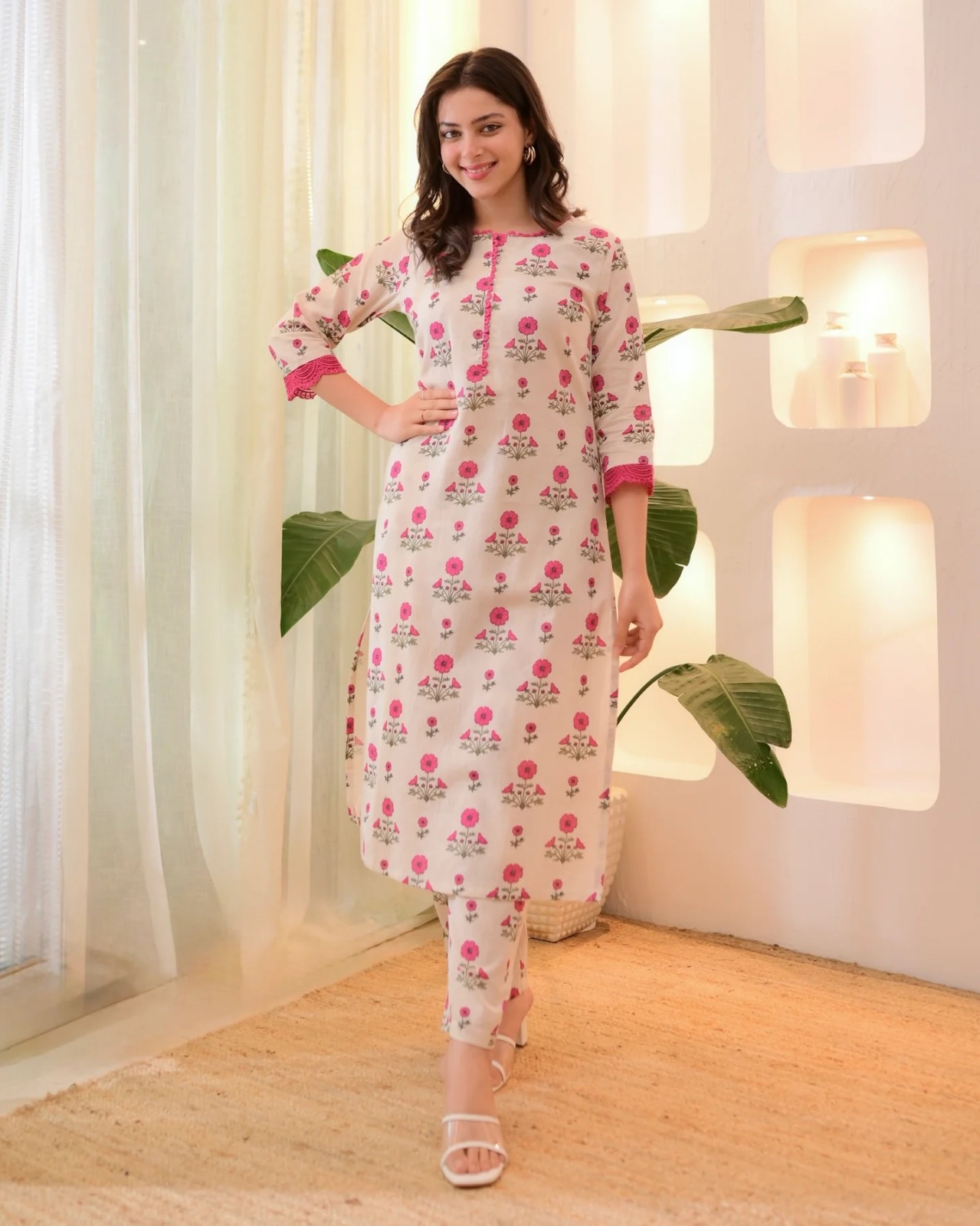
don't wring rayon, scrub printed areas aggressively or apply chlorine bleach. Fabric softener is usually unnecessary because rayon already has a soft surface, and heavy softener residue can reduce absorbency. Cream Pink Printed Rayon Readymade Salwar Suit should be washed inside out to reduce friction on the print.
How to Iron and Store Rayon
Rayon should be ironed inside out on a low to medium setting while slightly damp, or under a thin cotton pressing cloth. High direct heat can create shiny patches, flatten surface texture or leave a permanent mark near embroidery.
Steam can relax creases, but keep the steamer several centimetres away from embroidered work and avoid pulling the damp fabric downward. Fold a rayon suit only after it's completely dry. Store heavy dupattas separately from the kurta if the garment is on a hanger, because prolonged weight can stretch the shoulder area.
Choosing Rayon for Summer, Travel and Daily Wear
The best daily rayon suit has a breathable cut, manageable decoration and a colour that suits frequent washing. Look for three-quarter or full sleeves with comfortable armholes, a trouser rise that permits sitting and a dupatta that doesn't require constant adjustment.
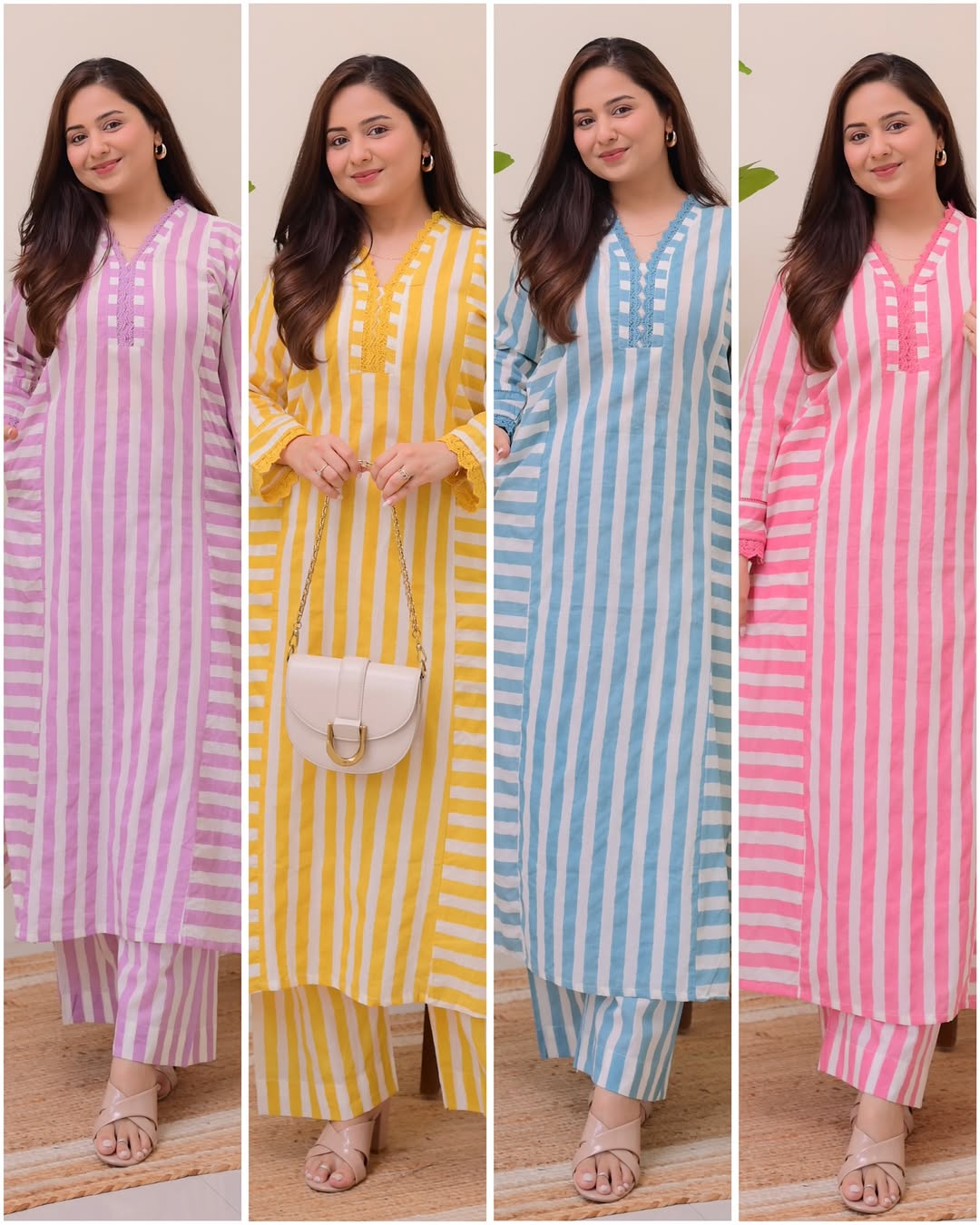
For summer, choose lighter colours, smaller prints and silhouettes that leave air between the fabric and the skin. Soft Rayon Pink Print Kurta Set for Women can work for errands, casual lunches and travel because a printed surface disguises minor creases better than a plain dark surface.
For commuting, avoid very long trailing dupattas and floor-skimming palazzos. A pant set with a stable waistband is easier to manage on public transport, while a straight kurta can move from desk to dinner with a change of earrings and footwear. Royal Orange Kurti Pant Set introduces colour without demanding the weight of dense zari or layered velvet.
Travel care becomes easier when rayon garments are folded between cotton scarves rather than compressed tightly in plastic. Pack the suit only when fully dry, and hang it in a wardrobe for 20 to 30 minutes after arrival. Small creases often release through steam from a distance, without aggressive ironing.
Styling Rayon Salwar Suits for Work and Casual Days
Rayon salwar suits look work-appropriate when the print scale, neckline, accessories and footwear remain controlled. A straight kurta with cigarette pants or a modest palazzo, small studs and closed or low-profile sandals creates a balanced office outfit.
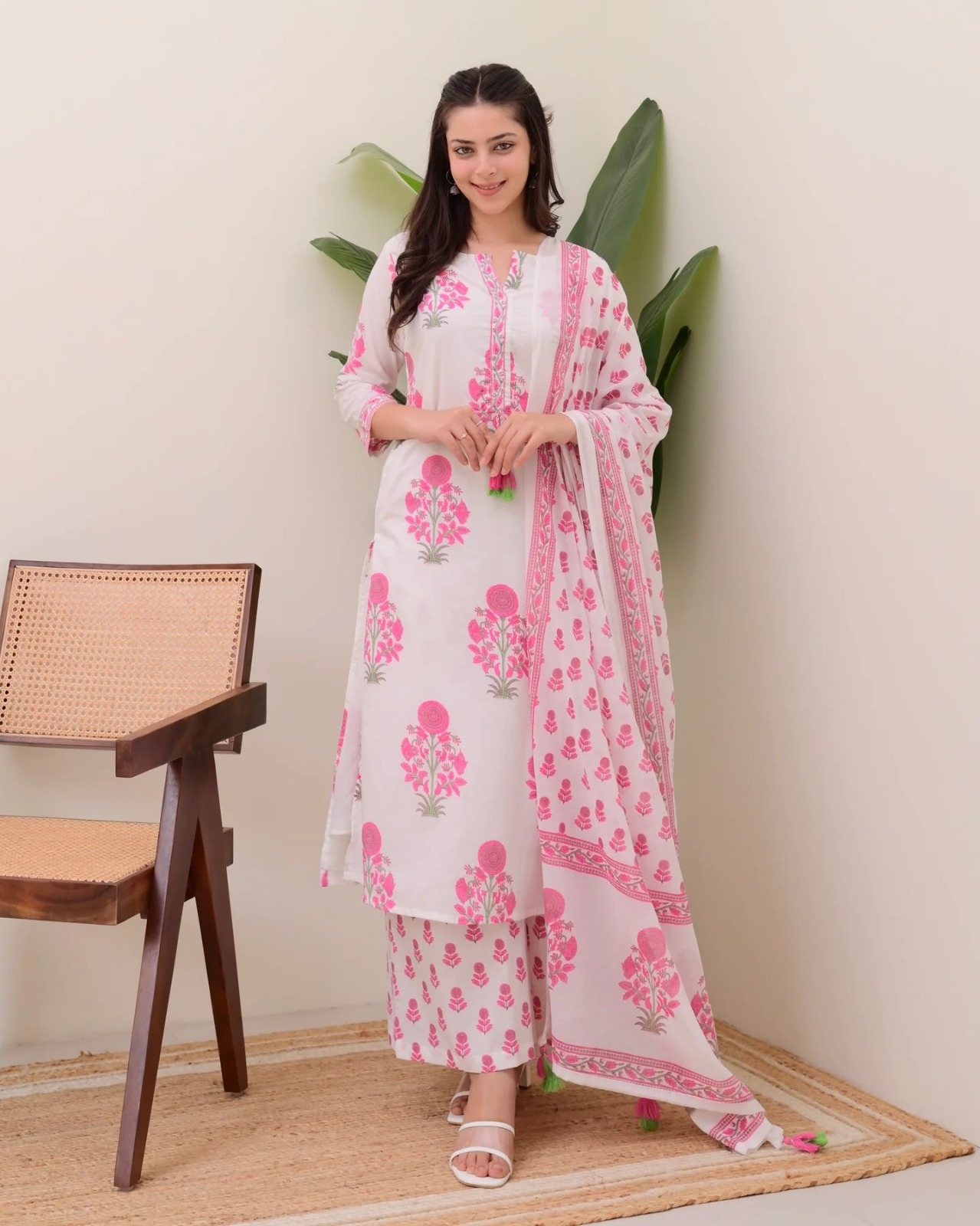
Keep one visual focus. If the kurta has a strong print, use a solid dupatta and restrained jewellery. If the garment is plain, a printed dupatta can add definition without making the full outfit look busy. Rayon Embroidered Kurti Pant Set with Taby Dupatta for Women illustrates how a coordinated dupatta can supply detail around the face while the pant maintains a practical line.
For casual days, replace formal footwear with kolhapuri sandals, flat juttis or clean slip-ons. A woven tote and oxidised silver earrings suit earthy prints, while a compact shoulder bag and pearl studs create a softer look. Avoid pairing every ethnic element at once; one strong accessory usually looks more intentional than several competing pieces.
Collections can also guide a consistent styling direction. Kalamkari Print Salwar Suits (Copy) suit natural textures, terracotta accessories and muted footwear. Maharashtra Paithani Inspired Salwar Suits benefit from a richer border, a structured potli and jewel-toned accents, even when the base silhouette remains comfortable rayon.
Styling Rayon Suits for Festivals and Family Functions
Festive rayon styling works best when the outfit gains visual richness through embroidery, a decorative dupatta or jewellery rather than excessive layers. Rayon can look polished at a puja, mehendi lunch or daytime family gathering when the finishing details are deliberate.
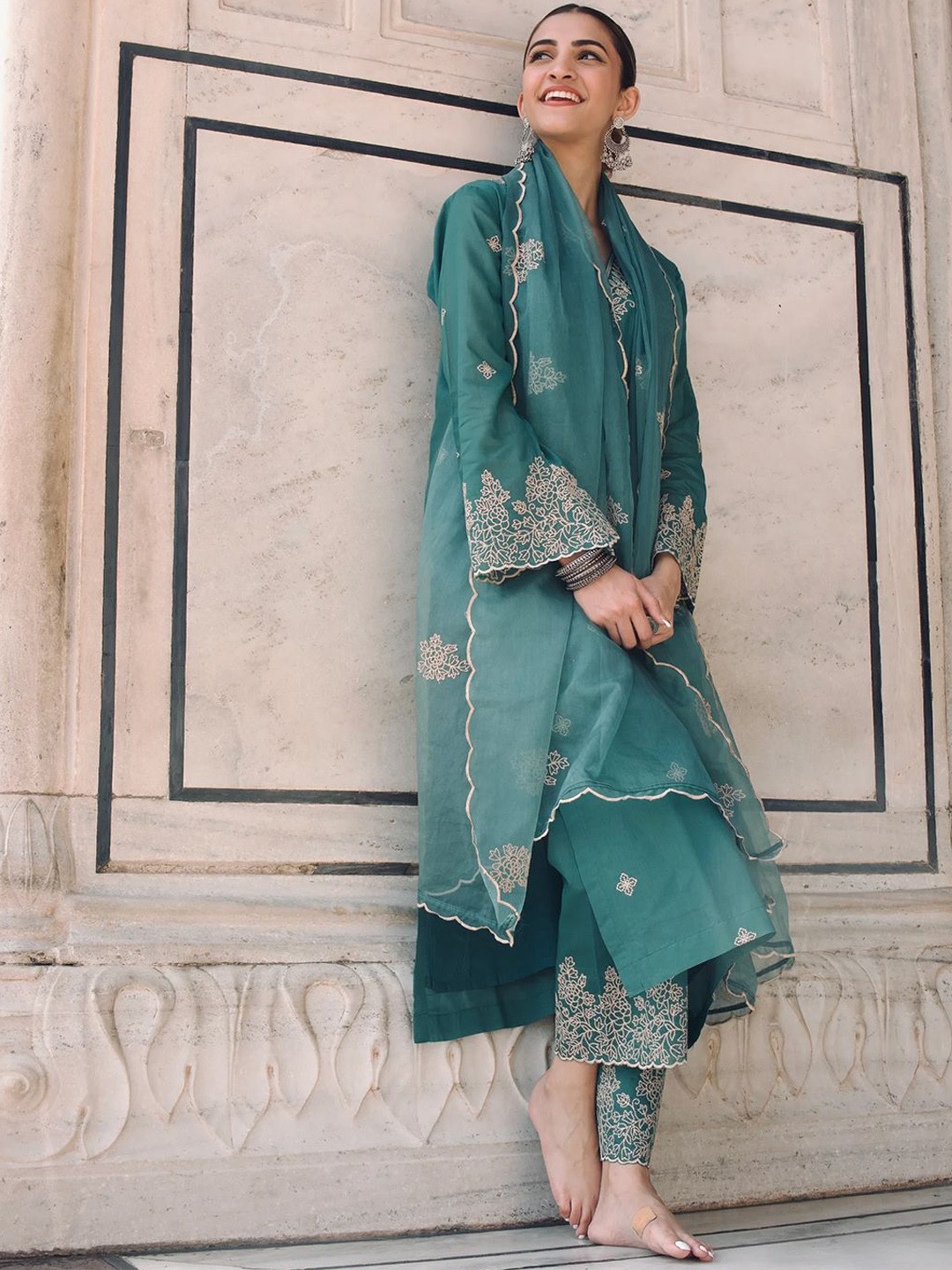
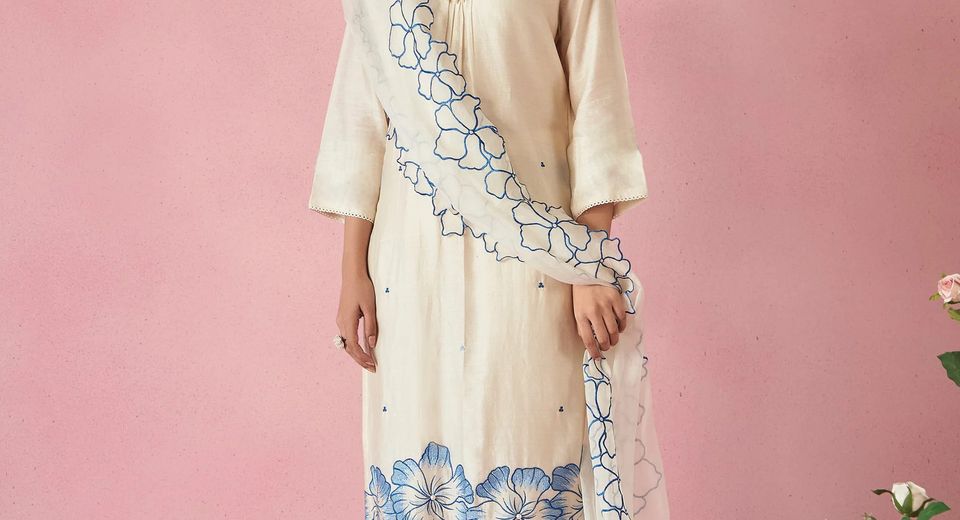
Choose zari, thread embroidery, mirror accents or a contrasting border according to the event's formality. Zari gives a traditional gleam, but zari-heavy pieces can feel warm and require specialised care. Rayon Elegance Embroidered Suit Set with Organza Dupatta creates occasion interest through embroidery and organza contrast, making it more suitable for a festive lunch than an ordinary errand.
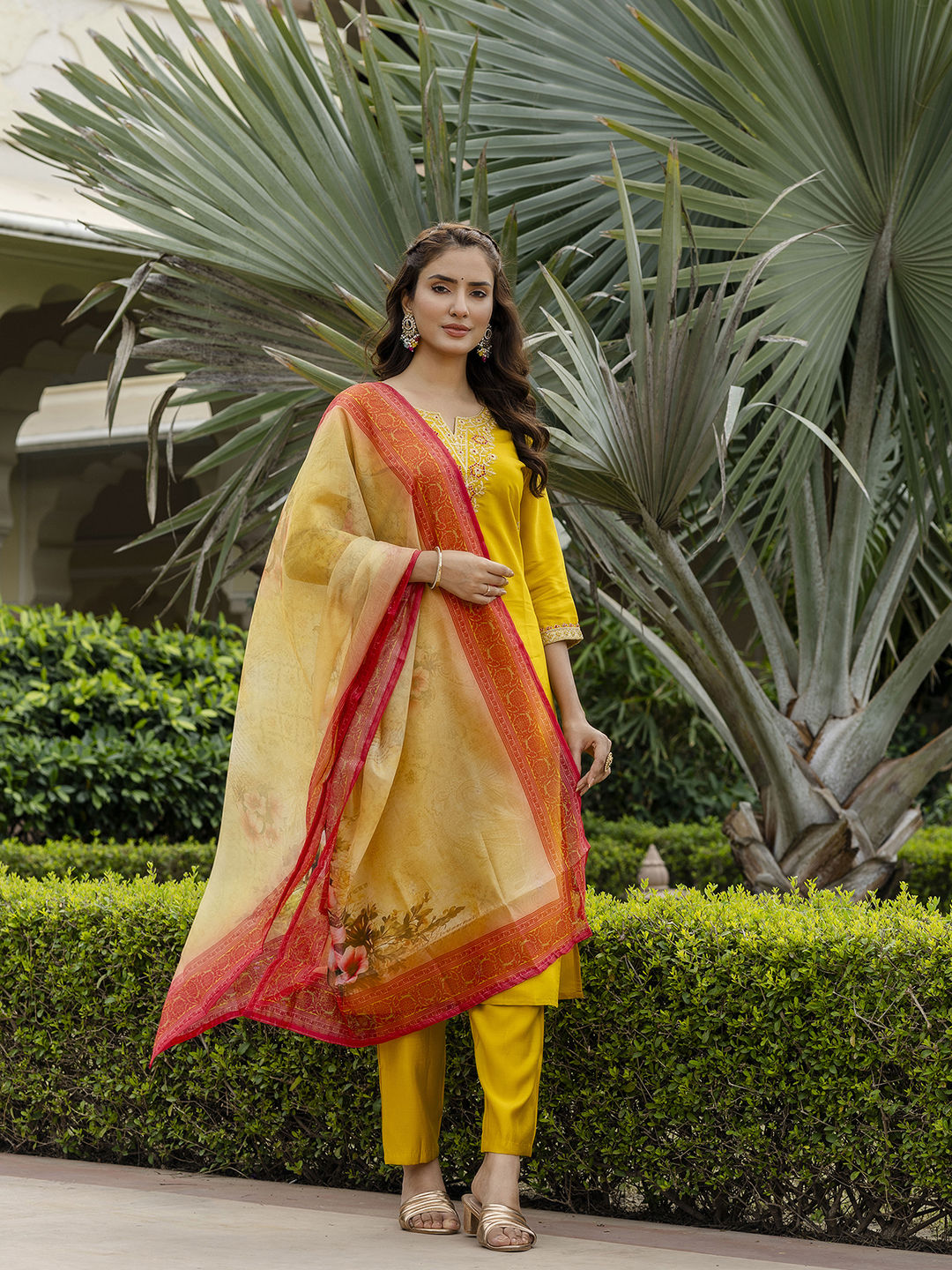
A Haldi ceremony calls for colour, movement and practical footwear. Mustard, yellow, coral, orange and pink photograph well in daylight, but check whether the dye is colourfast before wearing a new suit near turmeric paste. Mustard Embroidered Rayon Kurta Set with Printed Dupatta gives a celebratory colour story, while Red Embroidered Rayon Kurta Set with Silk Printed Dupatta can suit an evening family dinner when paired with gold-toned earrings.
For a more regional styling direction, Punjab Phulkari Embroidered Salwar Suits can inspire colourful threadwork, Karnataka Silk Salwar Suits suggest a more lustrous heritage palette and Kashmir Embroidered Salwar Suits point towards detailed surface embroidery. These references can guide accessories without requiring a rayon suit to imitate the exact fabric or technique.
Can Rayon Be Worn to a Wedding?
Rayon can be worn to a daytime wedding or intimate family function when the suit has refined embroidery, a well-finished dupatta and appropriate accessories. Rayon is less suitable than silk, brocade or heavily woven fabrics for a very formal evening reception where structured shine and elaborate drape are expected.
For a daytime wedding, add a small potli, embellished juttis, a low bun and medium-sized earrings. Keep the dupatta secure with two discreet pins at the shoulder and one at the waist if movement will be frequent. Avoid overloading a soft rayon base with heavy jewellery that can pull the neckline or snag the fabric.
Fit, Dupatta and Colour Decisions That Improve Comfort
A comfortable rayon suit should provide approximately 5 to 8 centimetres of ease around the bust, depending on the cut and personal preference. Measure the body at the fullest bust, natural waist and widest hip, then compare those numbers with the garment chart rather than relying on a familiar size label.
Pay particular attention to the hip measurement in palazzo and pant sets. Rayon drapes close to the body, so insufficient hip ease can create drag lines and place stress on side seams. A slightly relaxed trouser leg usually improves sitting comfort without making the outfit look oversized.
Dupatta choice changes both appearance and practicality. Cotton or rayon dupattas are easier for everyday use, organza creates festive lift, and a silk printed dupatta adds contrast but may need more careful storage. Pin only through seam allowances where possible, because repeated pinholes can damage fine rayon or embroidered borders.
Colour should reflect both the event and maintenance routine. Cream and pale pink can show makeup or food marks quickly, while red, mustard and orange create festive impact but deserve a colour-bleed test. Printed rayon is often forgiving for travel, whereas delicate pale embroidery needs more cautious use at crowded functions.
A Practical Care and Styling Checklist
Rayon salwar suit care becomes straightforward when the garment's fabric, construction and use are considered together. The following checklist covers the decisions that make the greatest difference.
- Check the fibre blend and care label before washing.
- Wash dark rayon separately in cool water during the first few washes.
- Use a mild detergent and avoid bleach, twisting and long soaking.
- Dry rayon away from direct sunlight and reshape the garment while damp.
- Iron inside out on low or medium heat with a pressing cloth.
- Choose loose, breathable cuts for summer and travel.
- Use embroidery, organza, zari or a statement dupatta to raise formality.
- Match footwear and jewellery to the venue rather than adding every time-honoured accessory.
- Store completely dry rayon folded or on a broad hanger without heavy weight.
When these choices are followed, rayon can cover an useful range of wardrobes: printed sets for regular days, pant sets for commuting, embroidered suits for festive lunches and richer dupatta combinations for family celebrations. The fabric rewards gentle handling, sensible fit and styling that lets its soft drape remain visible.
Common Questions About Caring for and Styling Rayon Salwar Suits
Can rayon salwar suits be washed at home?
Yes, many unlined rayon salwar suits can be hand washed at home in cool water with mild detergent. Check the care label first, avoid soaking for more than about five minutes, and never wring the wet garment.
Does rayon shrink after washing?
Rayon can shrink or lose shape when exposed to hot water, high heat or aggressive spinning. Cool water, a delicate cycle where permitted, shade drying and low-temperature ironing reduce the risk.
Is rayon suitable for summer wear?
Rayon is suitable for summer because it feels smooth, absorbs some moisture and drapes lightly. Loose silhouettes and quick shade drying are especially helpful in humid weather, where wet rayon may take longer to dry.
How should rayon be ironed without damaging it?
Iron rayon inside out on a low to medium setting while it is slightly damp, or use a thin cotton pressing cloth. Keep direct heat away from printed areas and embroidery, and avoid pulling the fabric while steaming.
Can rayon salwar suits be worn to a Haldi ceremony?
Rayon suits can work well for a Haldi ceremony because the fabric is comfortable and available in bright colours such as mustard, yellow, orange and pink. Test colourfastness first and choose practical footwear and a securely pinned dupatta.
Are rayon salwar suits suitable for weddings?
Rayon salwar suits suit daytime weddings and intimate family functions when they include refined embroidery, a decorative dupatta and occasion-appropriate accessories. For a highly formal evening reception, silk, brocade or more structured fabrics may provide a richer finish.


