Puri Rath Yatra Clothing for Walking in Humid Weather needs to handle heat, moisture, crowds and several hours on your feet without making traditional dressing feel restrictive. Puri's coastal climate can leave clothing damp, while strong sunlight and dense festival routes create a different challenge from dressing for a short temple visit. The most dependable outfit combines a breathable textile, a forgiving silhouette, secure styling and footwear that remains comfortable after a long walk.
Rath Yatra is a major religious festival centred on the chariots of Lord Jagannath, Lord Balabhadra and Devi Subhadra. Visitors may walk between transport points, viewing areas, food stalls and temple surroundings, so clothing needs to support movement as well as suit the devotional setting. A beautiful outfit becomes genuinely useful when it stays in place, allows air to circulate and doesn't require repeated adjustments in a crowd.
What should Puri Rath Yatra clothing do in humid weather?
Puri Rath Yatra clothing should keep the body ventilated, reduce friction, provide comfortable coverage and remain manageable during extended walking. Humidity slows the evaporation of sweat, which means fabric weight, weave and fit matter more than ornament alone.
Choose clothing with enough ease at the bust, waist and hip to prevent fabric from sticking to the skin. Approximately 5 to 8 centimetres of wearing ease usually feels more comfortable than a close fit during a hot outdoor festival. Loose doesn't have to mean shapeless. Straight kurtas, A-line kurtas, relaxed co-ord sets and lightly flared trousers can look polished while allowing air movement.
Movement also affects garment construction. A kurta with side slits makes walking easier, while trousers with a soft waistband avoid pressure after meals or long periods of standing. A saree needs a secure waist tuck and pleats that don't require constant adjustment. Dupattas should be pinned at one shoulder or arranged across the torso instead of left loose in crowded areas.
Which fabrics work best for Puri Rath Yatra Clothing for Walking in Humid Weather?
Lightweight cotton, linen-cotton, muslin, rayon and airy Chanderi silk garments can work well in humid weather because they offer different combinations of breathability, softness, drape and drying speed.
Linen-cotton for long walking routes
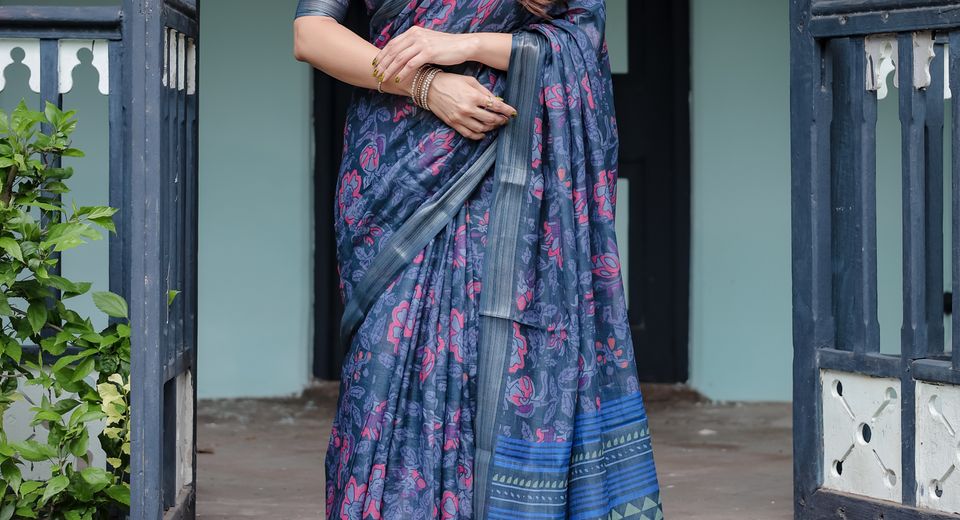
Linen-cotton is useful when you want a saree that feels less clingy than many synthetic fabrics. The slightly open weave encourages airflow, while cotton softens linen's crisp texture. Deep Indigo Floral Linen Cotton Saree with Elegant Ensemble can work for a daytime route when the blouse is comfortable and the pallu is secured with discreet pins. Linen may crease during travel, but normal creasing is preferable to a fabric that traps heat against the skin.
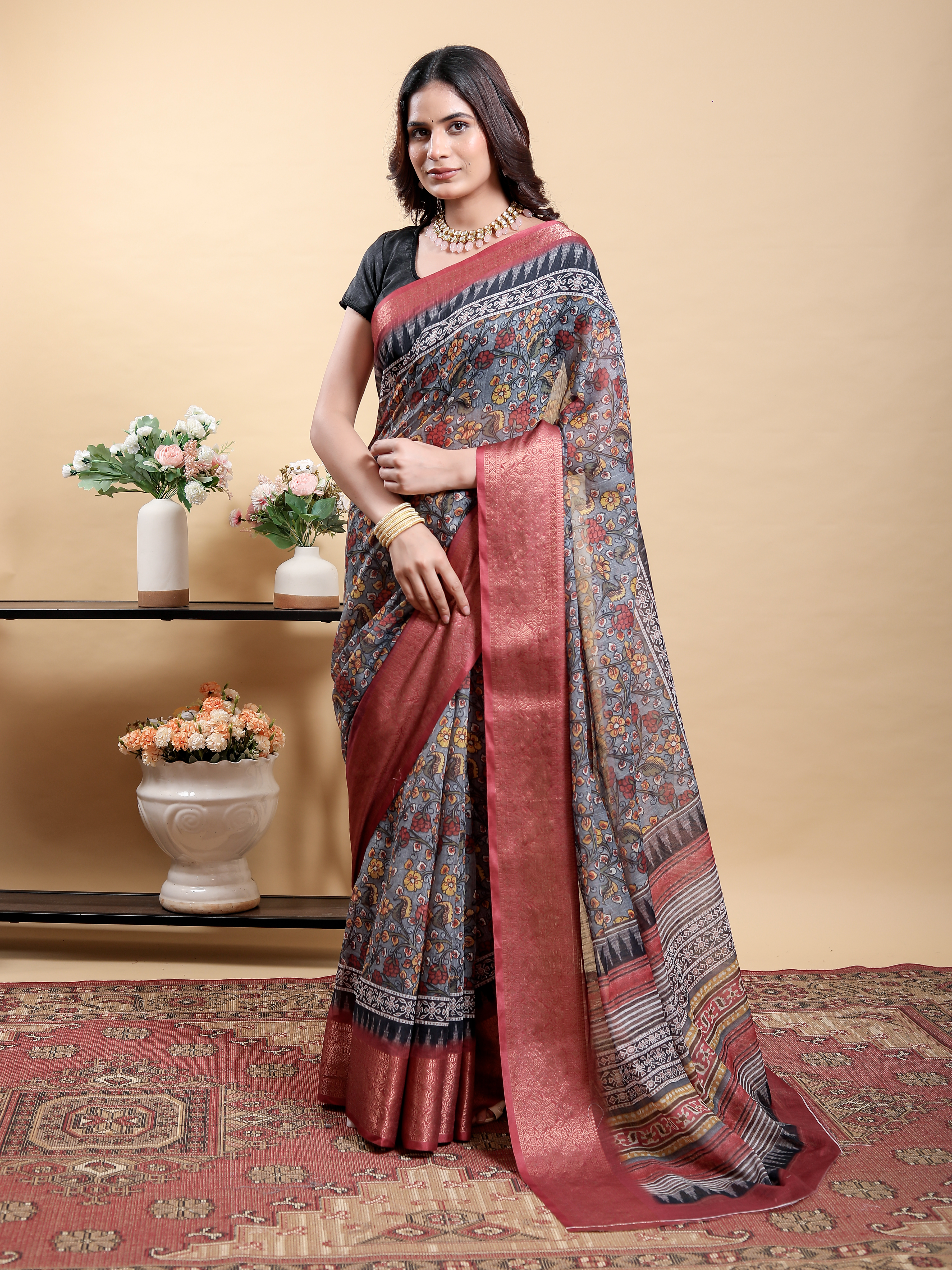
Peach Orange Floral Linen Cotton Saree with a Printed Pallu offers another practical saree direction for a warm outdoor route. A printed pallu adds visual interest without depending on heavy zari, while linen-cotton remains relatively easy to manage during walking. Keep the pleats medium-sized, use a firm but comfortable tuck and secure the pallu near the shoulder.
Muslin and rayon for soft movement
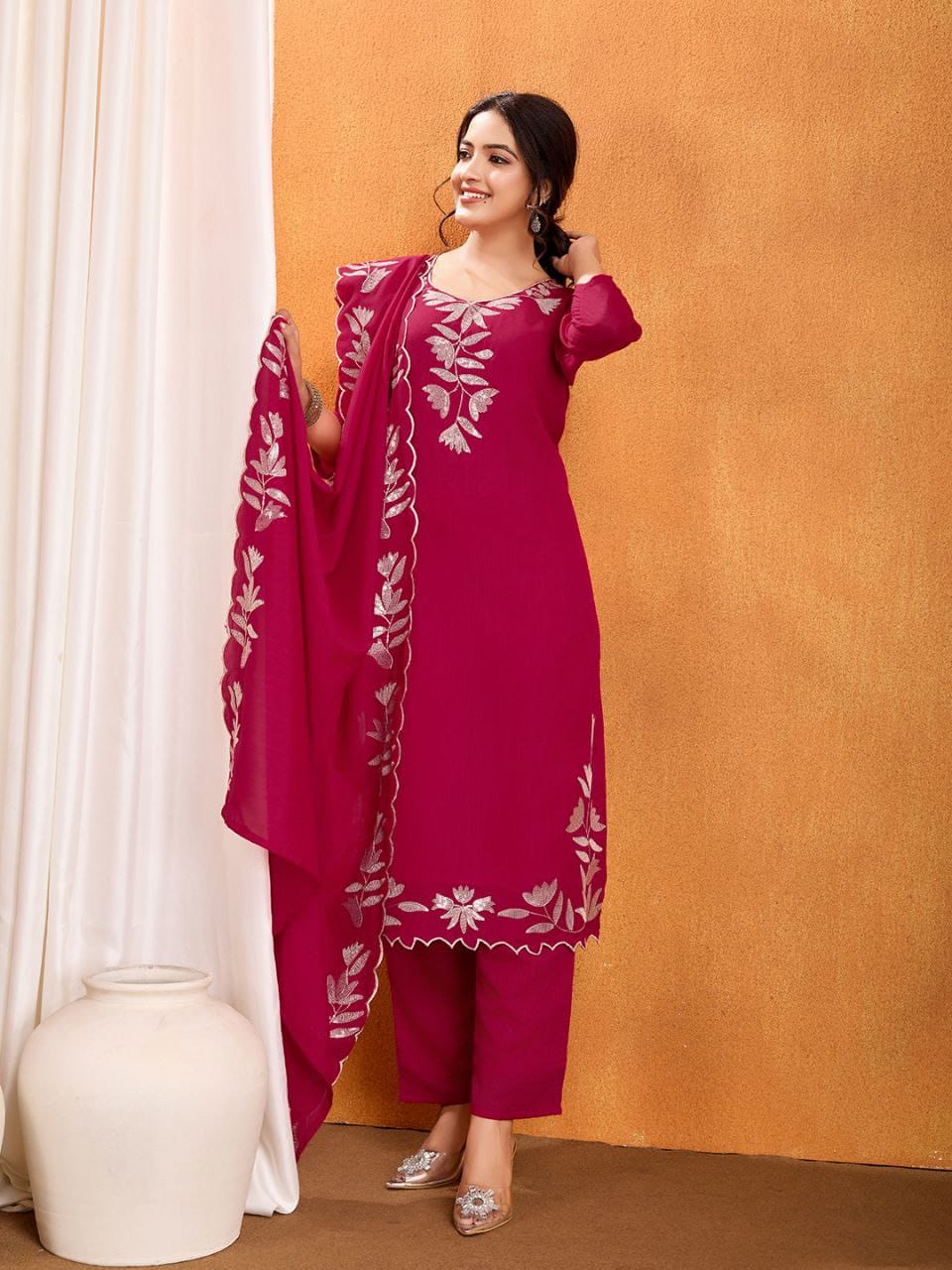
Muslin brings a soft, lightweight hand feel and is particularly comfortable when the garment has a relaxed cut. Veena Pink Muslin Embroidered Kurta Set with Organza Dupatta can be adapted for humid weather by wearing the dupatta over one shoulder and avoiding unnecessary layers underneath. Organza adds structure but may feel less absorbent than cotton, so keep the drape compact and breathable.
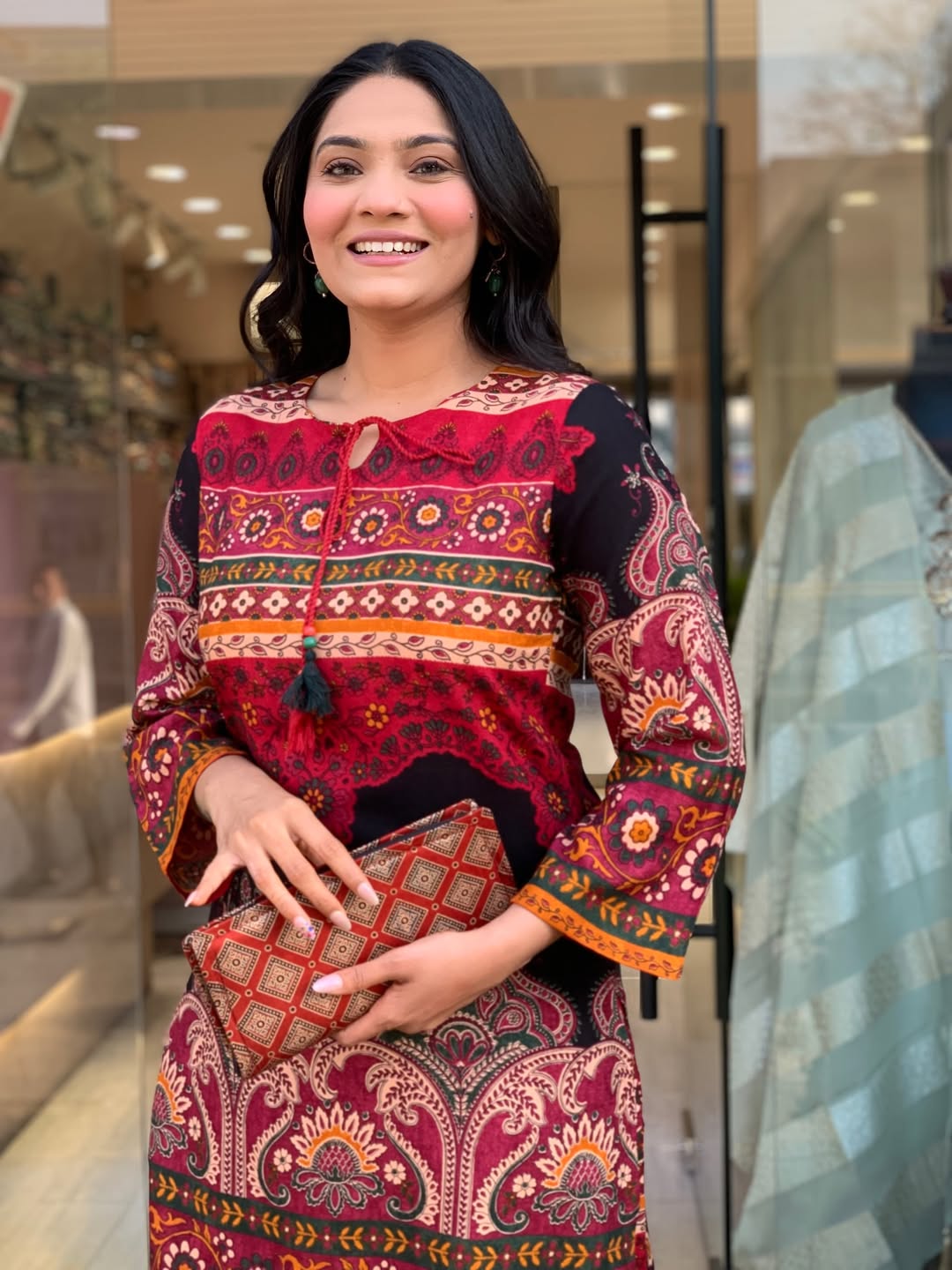
Rayon drapes smoothly and feels cool at first contact, although thicker rayon can retain moisture. Printed Rayon Co Ord Set for Women Online | Varnavi illustrates why coordinated separates can be practical for festival walking. A matching top and bottom create a complete look without the repeated adjustment required by a loose dupatta or a long trailing hem. The outfit remains most comfortable when the waistband is soft and the top isn't tight under the arms.
Chanderi silk and embroidered fabrics
Chanderi silk can feel light and elegant, but embroidery and lining determine whether a garment remains comfortable in humidity. Dusty Rose Pink Chanderi Silk Embroidered Kurta Set and Rust Orange Chanderi Silk Embroidered Kurta Set for Women are better suited to warm conditions when the inner layer is breathable and the embroidery isn't backed by a heavy, non-absorbent lining.
Chanderi silk should not be treated like handloom cotton because Chanderi silk absorbs perspiration differently. Wear a lightweight cotton camisole only when needed, leave room around the neckline and underarms, and avoid adding a thick jacket or dense stole. Delicate silk garments also benefit from a smooth cotton scarf placed between the skin and a bag strap to reduce rubbing.
How should you choose a silhouette for walking through Puri?
A relaxed kurta set, coordinated separates or a practical saree drape is usually easier to walk in than a heavily layered lehenga or a floor-length outfit with a wide flare.
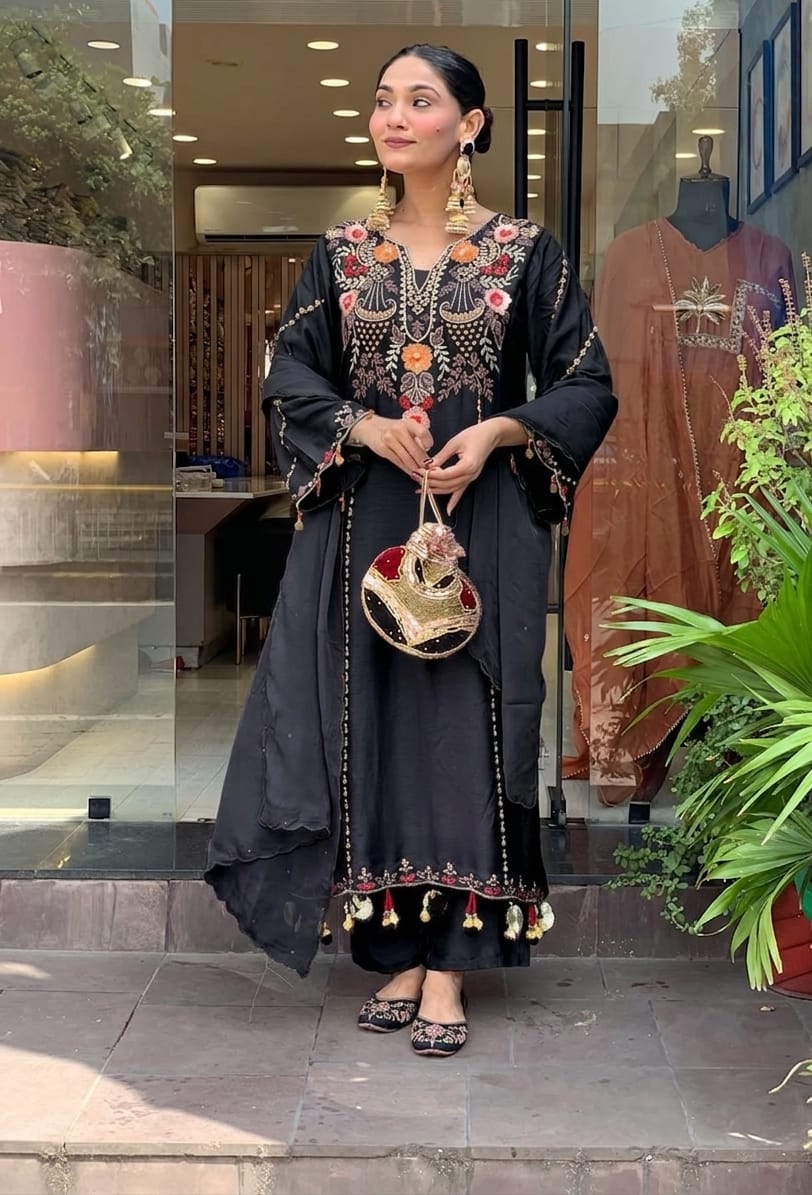
Kurta sets are convenient for visitors who expect to walk, queue and sit on temporary seating. The hem should finish above the ankle or clear the ground by at least 3 to 5 centimetres with the selected footwear. Trousers should skim the leg rather than gather heavily at the ankle, where dust and moisture can collect.
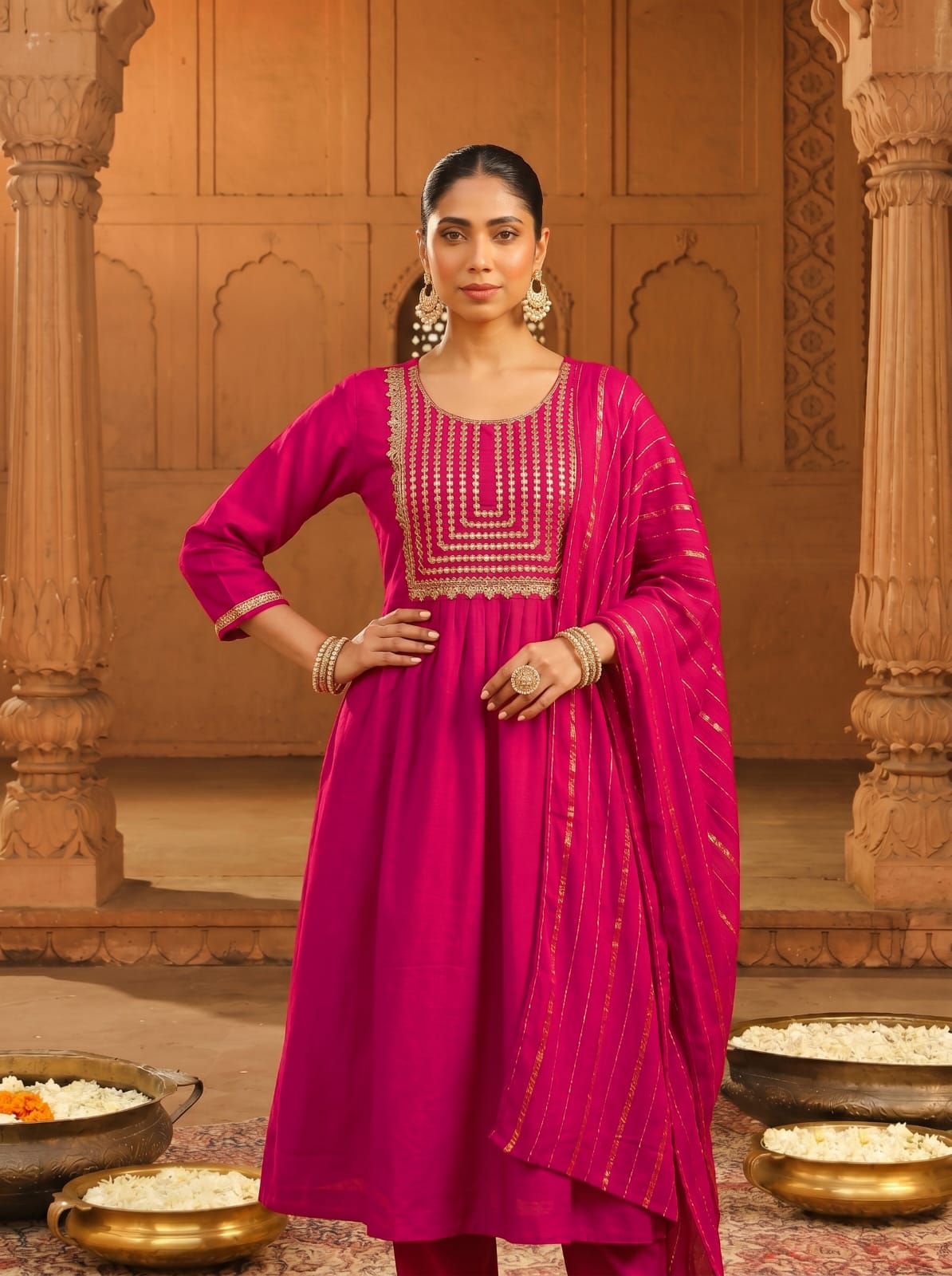
Rani Pink Vichitra Silk Embroidered Kurta Set with Dupatta gives a dressier direction for a morning visit or a family gathering connected with the festival. To make a richer set more practical, use a compact dupatta drape, flat sandals with secure straps and a small crossbody bag rather than a shoulder bag that repeatedly slips.
A saree remains workable for Puri Rath Yatra if the drape is tested before leaving home. Use medium-width pleats, tuck them firmly but comfortably, and pin the pallu near the shoulder. A saree worn with a fitted but breathable blouse gives better freedom of movement than a blouse that's tight across the upper back or underarms.
Lehenga-style volume requires extra care. A broad skirt can brush against other people in a crowd, collect dust and become tiring during a long walk. If a lehenga is important for a family photograph or evening event, choose a shorter lining, moderate flare and a lightweight blouse, then reserve the lehenga for a limited-duration appearance rather than the entire day.
How can colour, embroidery and accessories improve comfort?
Light-coloured, low-bulk styling generally feels cooler, while compact accessories reduce heat, weight and snagging in crowded festival spaces.
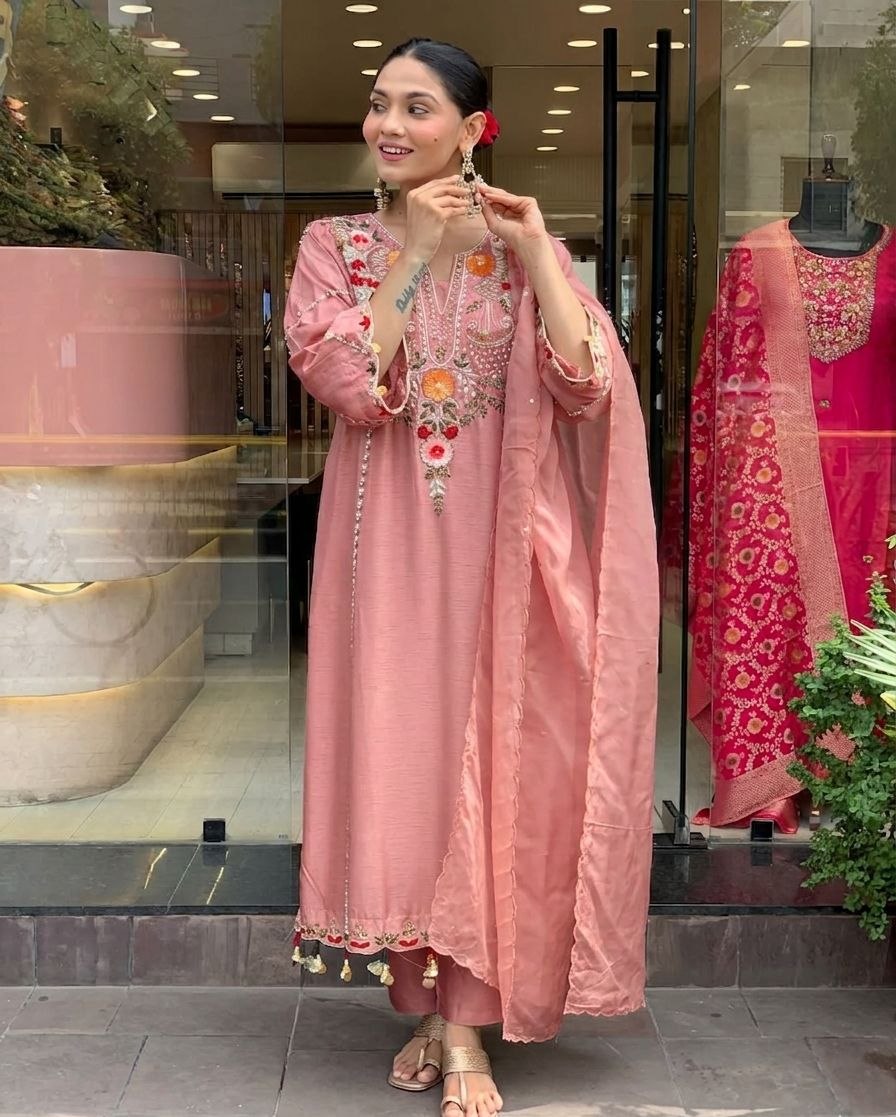
Pastel pink, peach, ivory, soft yellow and muted blue reflect more sunlight than black or very dark surfaces. Dark colours are not unsuitable, but dark garments can feel warmer in direct sun and show salt marks from dried perspiration more clearly. Mustard Yellow Viscose Chinon Embroidered Kurta Set can provide a festive colour story without requiring a heavily embellished dupatta or multiple jewellery layers.
Embroidery should be concentrated rather than spread across a dense, lined garment. Metallic zari, sequins and thick threadwork can add weight, scrape against the skin or make a garment slower to dry. If an embroidered kurta is the chosen outfit, keep the rest of the styling quiet with one pair of earrings, a lightweight bangle and a small bindi.
Sun protection deserves equal attention. A breathable cotton scarf, sunglasses and a broad-brimmed hat worn during the walking portions can reduce heat exposure, although head coverings should be adjusted respectfully near temple spaces. A cotton scarf can also absorb sweat, cover the shoulders temporarily or protect the neck from a bag strap.
What footwear and bags are practical for a Rath Yatra day?
Secure flat footwear with a cushioned sole and a broken-in fit is the safest choice for walking during Rath Yatra.
Wear sandals with two or more secure straps, soft edges and enough room for the feet to expand in heat. Avoid new footwear, narrow pointed toes, unstable wedges and completely flat hard soles. Test the footwear on a 30-minute walk at least several days before the festival. Moisture-wicking socks can help prevent blisters with closed shoes, while a small amount of blister tape in the bag is useful insurance.
Choose a compact crossbody or small backpack that leaves both hands free. A practical day bag can hold a phone, identification, cash, tissues, sunscreen, hand sanitiser, a reusable water bottle and blister patches without becoming heavy. Keep valuables in a zipped inner compartment and avoid long decorative tassels that can catch on people or railings.
A bag strap can affect delicate clothing. Rough straps may pull at Chanderi silk, organza or embroidered surfaces, so place a smooth cotton scarf between the strap and the garment when necessary. Avoid carrying a large tote on one shoulder because its weight can distort the drape and cause neck or shoulder fatigue.
How should you prepare and care for festival clothing?
Preparing the outfit at least one day in advance prevents most comfort problems caused by untested fit, loose fastenings or unsuitable fabric combinations.

- Walk-test the complete outfit. Wear the kurta set or saree with the exact footwear, innerwear and bag planned for Puri. Walk stairs and sit down for 10 minutes to identify pulling, slipping or excessive fabric.
- Check heat-sensitive areas. Examine the underarm lining, waistband, neckline and inner thigh seams. These areas experience the most friction and heat during walking.
- Secure the moving pieces. Carry two or three small safety pins for a saree pallu or dupatta, but avoid piercing delicate silk or organza repeatedly. Use a brooch or fabric-safe clip where appropriate.
- Pack a small backup layer. A lightweight cotton scarf can manage sudden rain, strong sun, sweat or chilly indoor air conditioning without adding much weight.
- Separate damp clothing after returning. Do not leave a sweaty saree or kurta set folded inside luggage overnight. Hang the garment in shade with airflow and follow the care label before washing or dry-cleaning.
Rayon and linen-cotton should generally be washed according to their care labels because shrinkage and colour bleeding vary by finish. Chanderi silk, zari and heavily embroidered garments often need gentler handling than everyday cotton. Avoid wringing delicate garments, direct high heat and prolonged storage in plastic covers.
What does a practical Puri Rath Yatra outfit look like?
A practical Puri Rath Yatra outfit pairs a breathable kurta set or linen-cotton saree with secure footwear, a compact bag and minimal accessories. The best combination depends on how long you expect to walk, whether you'll sit on the ground and how much sun exposure the route involves.
For a long daytime route, choose linen-cotton or muslin, a 3 to 5 centimetre ground clearance and flat sandals. For a shorter family visit, a lightly embroidered Chanderi silk kurta set can work with a breathable inner layer and a pinned dupatta. For a saree look, pre-pleat the saree at home, use a comfortable blouse and carry a few pins in a zipped pouch.
The guiding test is simple: walk, sit, reach and stand in the outfit before the festival. If the garment pulls, slips, scratches or makes you overheat during a 20-minute trial, the same problem will feel larger after several hours in Puri's humidity. Comfort doesn't reduce the festive quality of ethnic wear; comfort allows you to stay present for the procession, prayers and shared celebration.
Common Questions About Comfortable Clothing for Puri Rath Yatra
What should women wear for Puri Rath Yatra in humid weather?
Women can wear a breathable kurta set, relaxed co-ord set or lightweight linen-cotton saree with comfortable inner layers. Flat secure footwear, a pinned dupatta or pallu and a small hands-free bag make long walks easier.
Is a saree practical for walking during Puri Rath Yatra?
A saree is practical when the pleats are secured, the pallu is pinned and the hem clears the ground by about 3 to 5 centimetres. Linen-cotton sarees are often easier for humid outdoor conditions than heavily layered or densely embellished sarees.
Which fabrics are best for humid weather in Puri?
Lightweight cotton, muslin, linen-cotton and breathable rayon are useful choices for humid weather. Chanderi silk can also work when the garment has a light lining, a relaxed fit and limited heavy embroidery.
Can I wear an embroidered kurta set for Rath Yatra?
An embroidered kurta set can suit Rath Yatra when the embroidery is not excessively heavy and the garment allows air circulation. Pair the set with a compact dupatta drape, breathable innerwear and comfortable flat footwear.
What footwear is best for walking during Rath Yatra?
Broken-in flat sandals with cushioned soles and secure straps are usually the most practical choice. Avoid new footwear, narrow toes, unstable heels and hard soles because festival walking can make blisters and foot fatigue worse.
How can I stop my dupatta or saree pallu from slipping in a crowd?
Pin the dupatta or pallu at the shoulder and secure the saree pleats at the waist before leaving. A compact drape keeps both hands free and reduces the need for repeated adjustments while walking.