


Long train journeys, airport queues and unfamiliar streets can make saree dressing feel complicated, but the right footwear and bag remove much of that difficulty. Pleats Footwear and Bags That Make Travelling in a Saree Easier begins with one practical idea: your saree, shoes and luggage must allow the same range of movement. A secure petticoat, walkable hem length, low-friction pleats and a bag that leaves one hand free matter more than decorative styling when you're travelling.
A travel-ready saree outfit should let you climb two or three steps, sit without crushing the pleats, reach for a passport and walk for at least 20 minutes without adjusting the drape. Fabric weight, shoe grip, strap placement and the location of your essentials all affect that experience. The following choices help you plan the complete outfit instead of treating footwear and bags as last-minute accessories.
Pleats Footwear and Bags That Make Travelling in a Saree Easier
Pleats Footwear and Bags That Make Travelling in a Saree Easier work best when they protect movement, balance and quick access to essentials. Select shoes with a stable sole, a manageable heel and a secure fastening, then pair them with a crossbody, sling or compact backpack that doesn't pull the saree pallu out of place.
Start with a realistic travel route. A car-to-venue journey allows more ornament and a taller heel, while a railway platform, airport transfer or heritage walk requires traction and easy stride length. A saree that looks elegant in a seated photograph may become inconvenient if its border catches on escalators or its pleats spread while walking.
Measure the final saree length while wearing the shoes you intend to pack. The front edge should clear the floor by roughly 1 to 2 centimetres during normal walking. A hem that drags collects dust and can catch under a sandal; a hem that sits too high exposes the ankle and changes the intended fall. Alterations made with flat footwear may become too short when worn with a small heel.
How should you choose footwear for walking in a saree?
The best saree-travel footwear has a cushioned footbed, a non-slip outsole, a secure upper and a heel no higher than you can walk in naturally. A low block heel of about 2 to 4 centimetres usually offers more stability than a narrow stiletto, while a well-fitted flat works especially well for long distances.
Prioritise grip and fastening
Rubber or textured thermoplastic soles provide more dependable grip than very smooth, hard soles on polished floors. An ankle strap, broad front band or closed-back mule keeps the shoe attached when you climb stairs. Loose sliders can cause the toes to grip the footwear, which changes your stride and may pull against the saree pleats.
Test the shoes on three surfaces before travel: a smooth indoor floor, a slightly uneven pavement and a staircase. Walk for 15 minutes at home and check for heel rubbing, toe pressure and slipping at the instep. Shoes that feel acceptable for five minutes may become painful after a security queue or a full wedding reception.
Match the shoe to the saree fabric
Lightweight cotton sarees pair naturally with cushioned flats, woven sandals or low block heels because their relaxed drape suits an easy walking rhythm. A heavier Banarasi silk or zari saree benefits from a stable heel that keeps the border from brushing the ground. Soft silk can also sit well over a closed-toe shoe when cooler weather or extensive walking is expected.
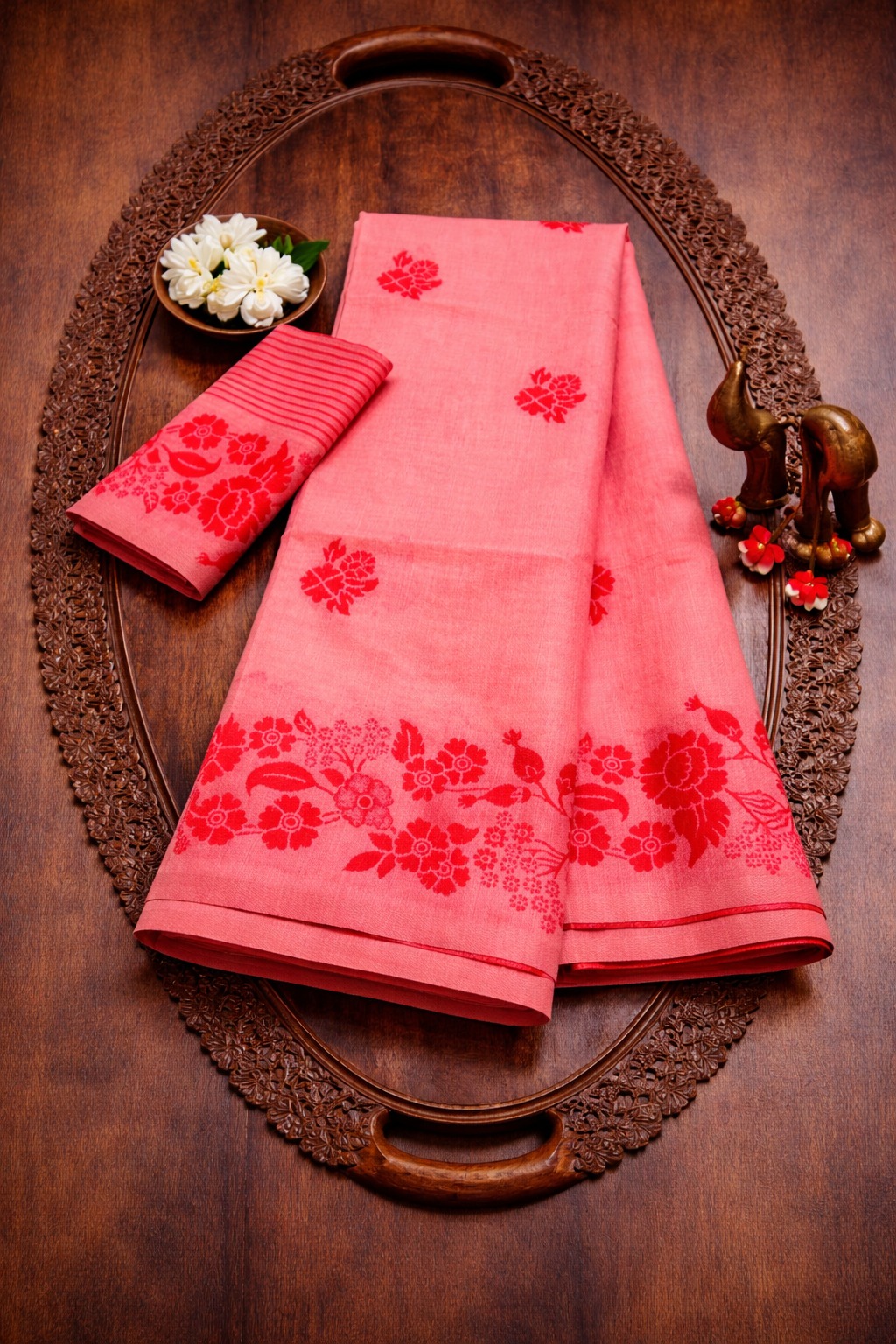
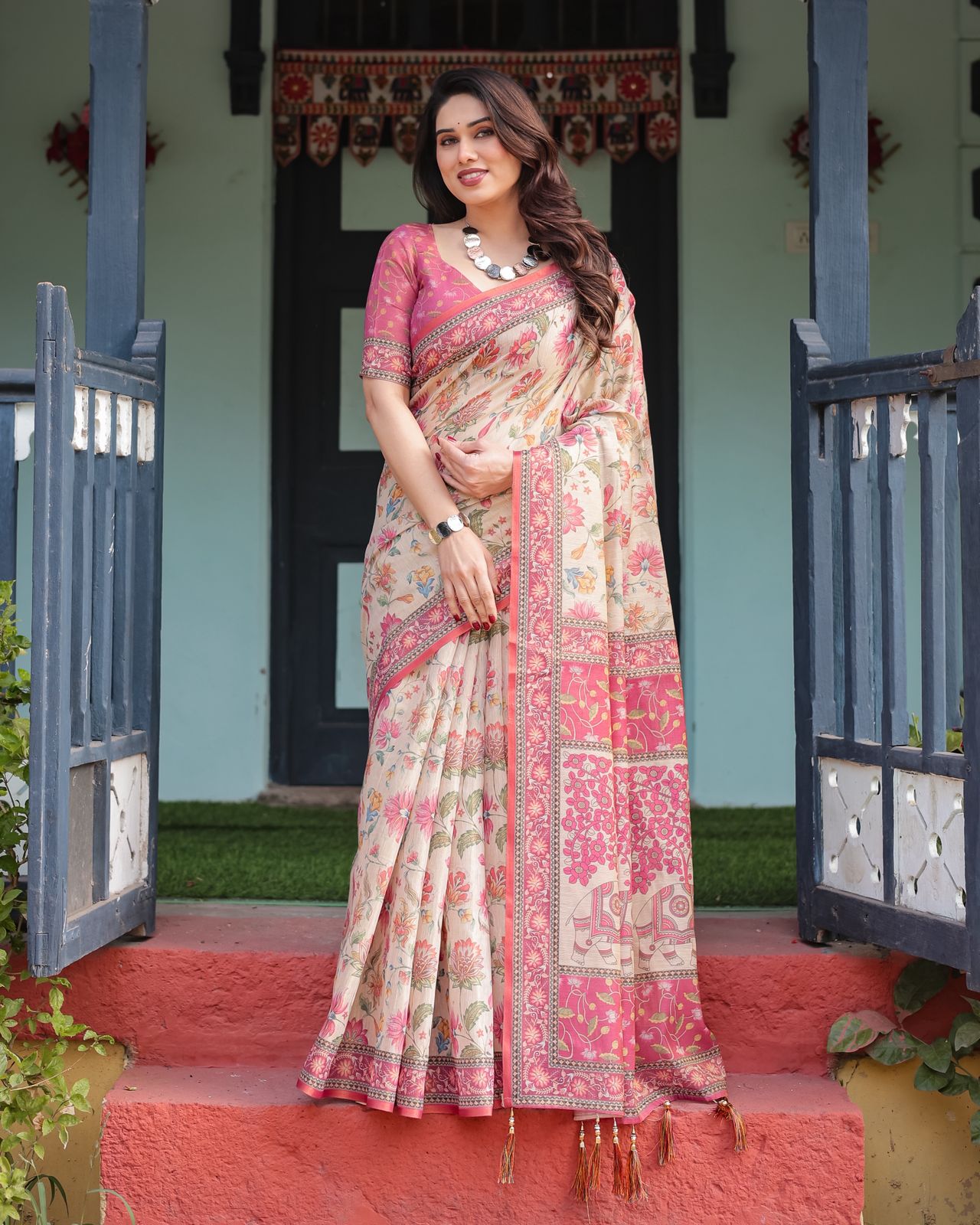
The Lightweight Cream Saree with Designer Floral Pattern is a sensible example of a lighter visual look that can be balanced with tan, beige or metallic flats. The Pastel Floral Tissue Handloom Cotton Saree with Zari Weaves needs footwear with a firm sole because tissue and zari details deserve a clean fall rather than a dragging hem. Neutral shoes are especially useful when one pair must work with several sarees during a trip.
Pack one familiar walking pair and one occasion pair only when luggage space allows. The walking pair should be worn during transit so that a lost bag doesn't leave you without usable footwear. Keep the occasion pair in a soft shoe bag and avoid wearing new shoes for the first time at a destination event.
Which bag shape keeps a saree comfortable while travelling?
A crossbody bag with an adjustable strap or a small structured backpack keeps a saree comfortable while travelling because both options distribute weight and leave the hands available. Choose a medium-size bag with a secure zip, a broad strap and enough space for a phone, passport, wallet, tissues, medication and a compact repair kit.
Use the strap strategically
Wear a crossbody strap under the pallu only if the pallu is securely pinned and the strap doesn't cut across an embellished blouse. A bag worn over the shoulder can slide down a silk or tissue drape, while a crossbody placed too low can catch the lower pleats. Position the bag near the high hip and adjust the strap before fixing the final pallu folds.
Structured bags protect their contents but can press against the waist when you sit. A soft-sided sling conforms more comfortably to the body, although a completely unstructured bag may collapse and make documents difficult to retrieve. A zip-top design is safer than an open tote in crowded stations, markets and public transport.
Keep the weight under control
Limit the everyday contents of a travel saree bag to approximately 1.5 to 2 kilograms. Heavy bottles, large makeup cases and multiple books make the strap pull on the shoulder and can disturb the pallu. Move water and bulky items into a separate wheeled cabin bag whenever possible.
The Designer Black Soft Silk Saree with Intricate Patterns can take a compact black or metallic sling without competing with the saree surface. The Lavender Floral Printed Shimmer Linen Cotton Saree works well with a soft neutral crossbody because a rigid, highly embellished bag may catch on the textured linen-cotton weave. A bag should support the outfit's movement, not become another source of friction.
How can you secure saree pleats before a journey?
You can secure saree pleats before a journey by using a firm petticoat fit, three to five concealed safety pins and a final walking test in the chosen footwear. Pleats should be even at the waist, held close enough to prevent spreading and loose enough to allow normal sitting and breathing.
Begin with the petticoat rather than the visible saree. A drawstring that's too loose allows the saree to rotate, while an excessively tight tie creates pressure after several hours. A fitted shapewear petticoat can reduce bulk, but comfort and secure anchoring remain more important than a very narrow silhouette.
Pin the top of the pleats to the petticoat at the waist, add one discreet pin around mid-thigh if the fabric opens while walking, and secure the pallu near the shoulder. Avoid placing a pin where the strap of a crossbody bag will rub repeatedly. Test every pin by sitting, standing and taking a long step.
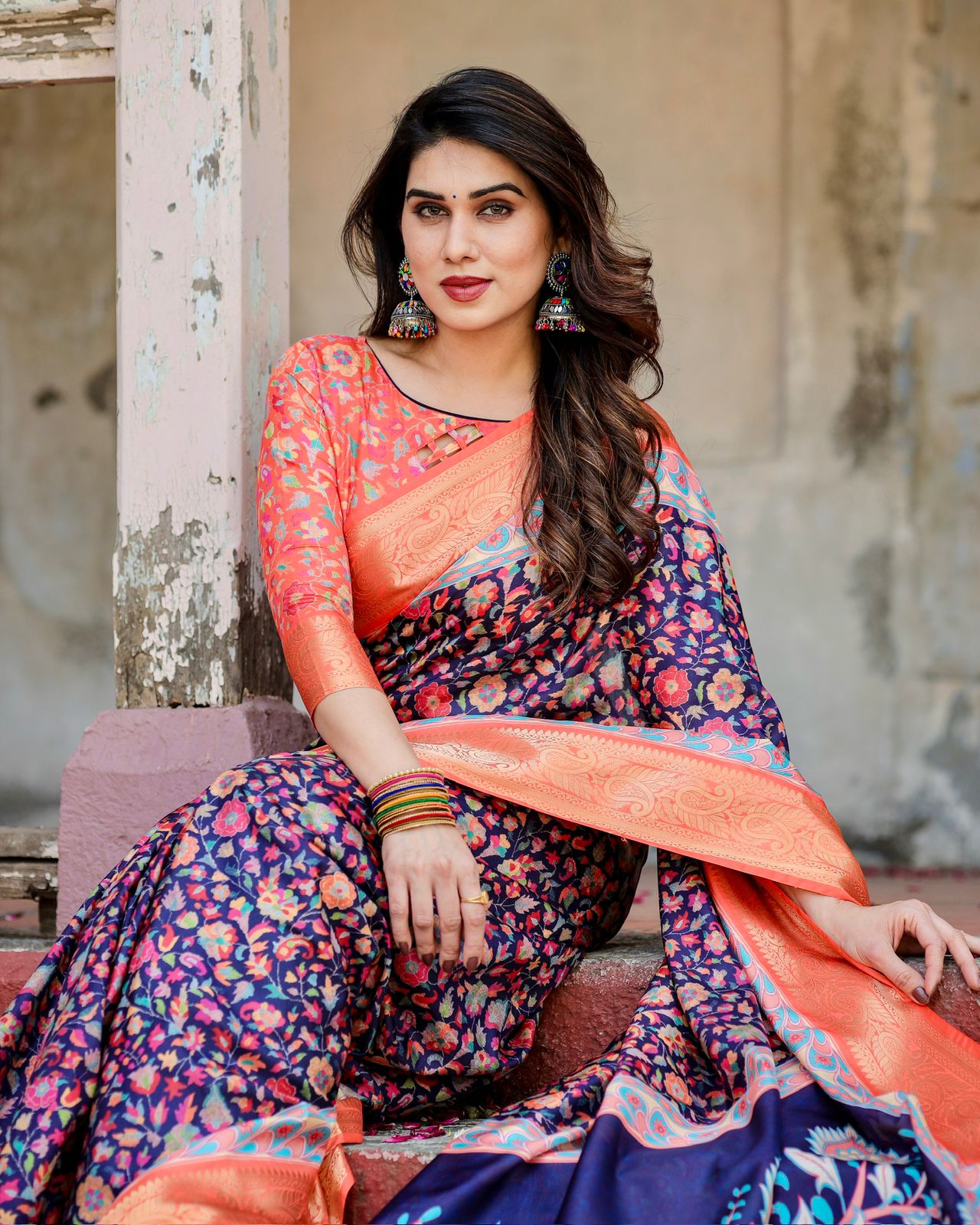
The Rust Maroon Handloom Cotton Saree with Floral Print and Traditional detailing can benefit from careful pleat alignment because handloom cotton may hold a fold strongly while also developing small friction points. The Classic Beige Multicolor Printed Saree gives an useful travel direction: printed cotton or cotton-blend surfaces can hide minor handling marks better than a completely plain, high-shine fabric.
don't over-pin delicate tissue, fine zari or slippery silk. Pins can leave holes, snag threads or create visible puckering. For the Pastel Floral Tissue Handloom Cotton Saree with Zari Weaves, place pins through stronger seam-adjacent areas where possible and remove them by lifting the fabric rather than pulling sharply.
What should you pack for a saree journey?
A compact saree journey kit should contain spare safety pins, two small clips, fashion tape, a stain-removal wipe, blister plasters, a foldable shoe bag and a thin scarf or cloth bag. These items solve common problems without adding much weight.
- Saree security: Carry six to eight medium safety pins, two smaller pins for the pallu and a few discreet clips for temporary adjustments.
- Foot comfort: Pack blister plasters, gel heel cushions only after testing them and a pair of thin cotton socks if your shoes allow them.
- Clean handling: Use a clean cotton scarf when sitting on dusty surfaces, and keep the pallu away from food trays and escalator edges.
- Weather protection: A compact umbrella or light stole helps protect zari and silk from sudden rain without requiring a second large bag.
- Emergency storage: Keep jewellery, medicines and identification in zipped inner compartments rather than loose outer pockets.
Fold the saree along its existing pleat lines when packing it for the return journey. Place tissue paper between delicate zari sections and never compress a damp saree inside plastic for several hours. Air the saree after reaching the destination, then hang it on a broad hanger before storing it.
Which saree fabrics are easiest for travel days?
Cotton, linen-cotton and lighter silk-cotton sarees are generally easier for travel days because they offer manageable weight and a more stable drape than heavily embellished fabrics. Fabric choice still depends on climate, journey duration and the amount of walking required.
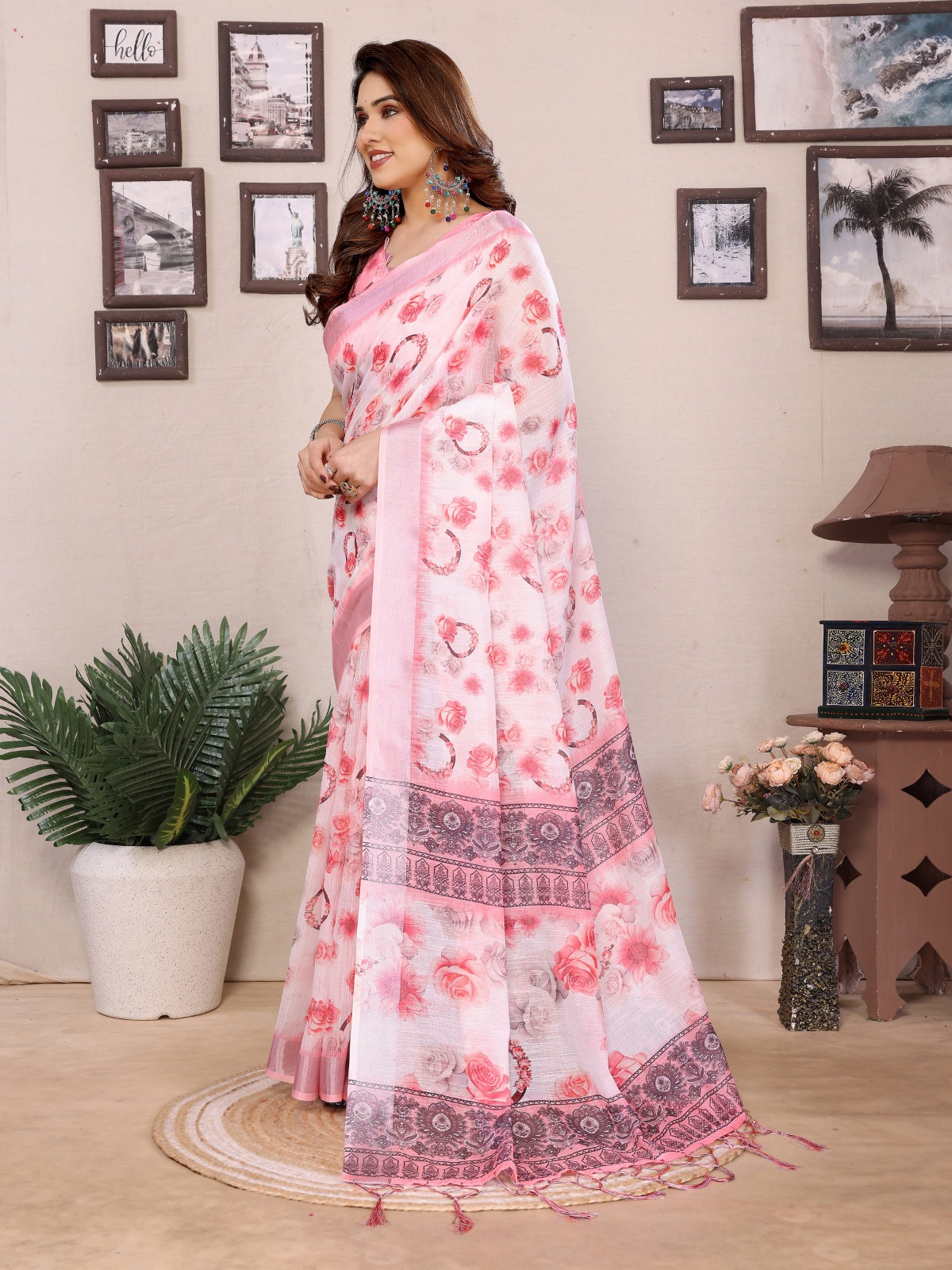
Handloom cotton can crease, but the creases often look natural and the fabric stays breathable in warm weather. Linen cotton feels light and dries relatively quickly, although its texture may create friction against rough bags. Soft silk brings a polished appearance with less stiffness than some heritage silk sarees, but it needs careful folding to prevent pressure marks.
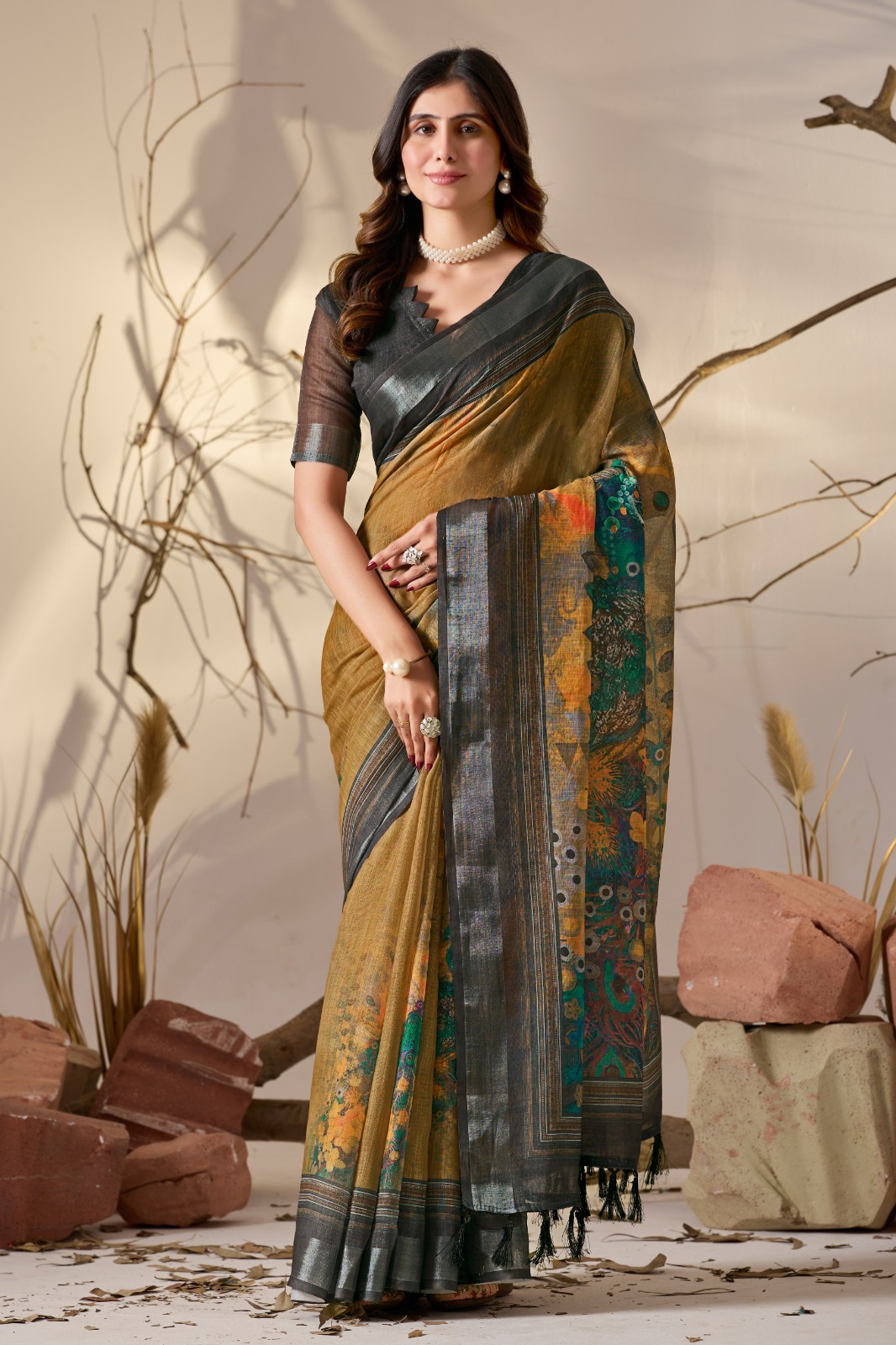
The Elegant Mustard Linen Cotton Saree Set is suited to a day when breathability and moderate structure matter. The Mustard Teal Banarasi Soft Silk Zari Weave Saree is better treated as a destination or shorter-transit choice because Banarasi zari deserves protection from repeated rubbing and compression. Carrying a garment sleeve or clean muslin cover can prevent contact with rough luggage interiors.
For a budget-conscious travel wardrobe, browse the Sarees from Rs 1000 to Rs 1500 collection and compare weight, weave description and care instructions rather than choosing only by colour. Discount collections such as Sarees Under 20% Off and Sarees Under 10% Off can also be useful for building a second travel option, but a reduced price doesn't remove the need to check fabric care and fall.
How should you move through airports, trains and cars in a saree?
You should move through transport hubs in a saree by lifting only the front edge slightly, keeping the pallu secured and placing the bag where it can't catch on rails or handles. Small changes in posture and route prevent most avoidable snags.
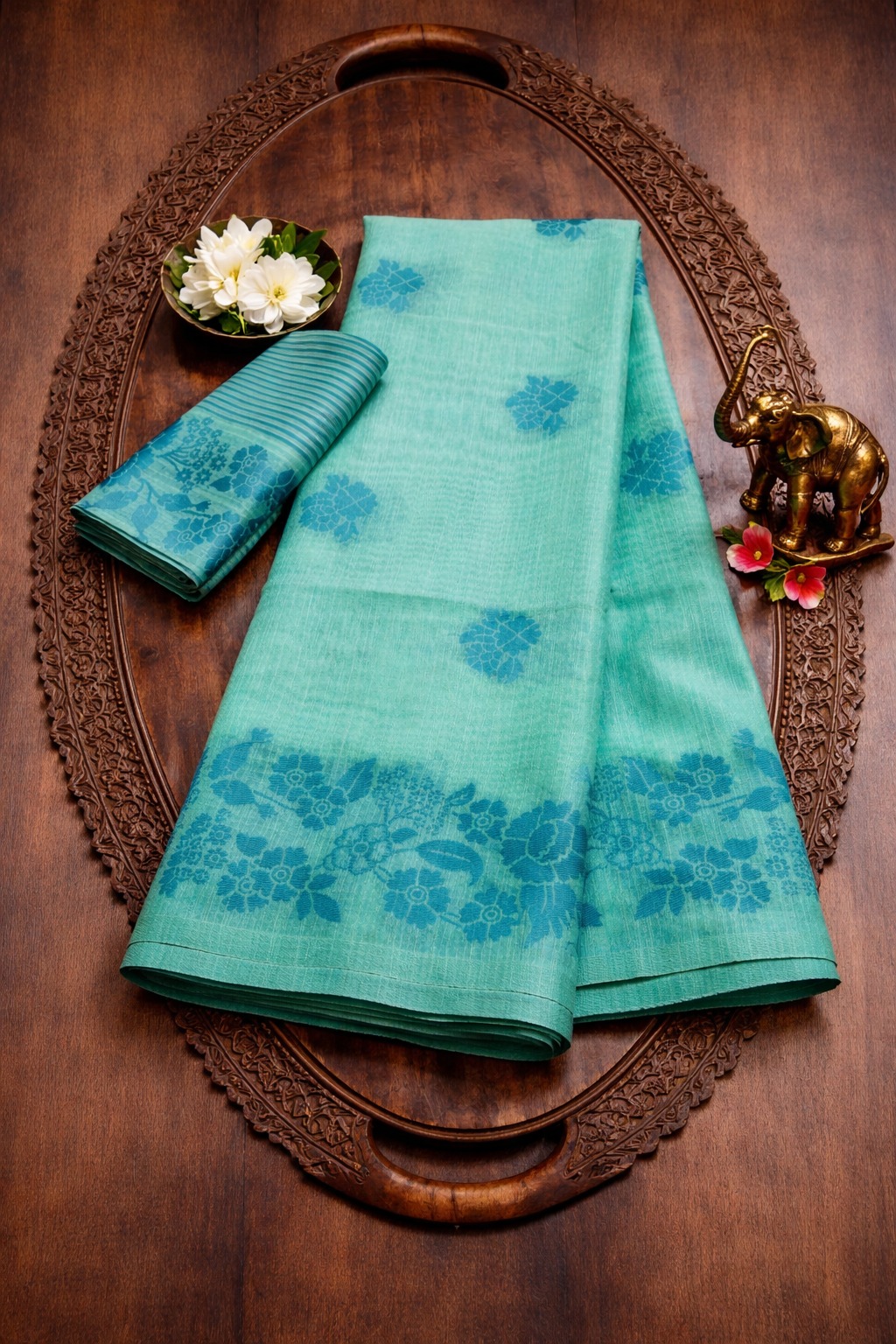
At an airport, complete footwear and jewellery checks before reaching security where possible. Wear shoes that can be removed without untying a complicated fastening, and keep the passport in the bag's front zipped compartment. At a railway station, avoid letting the pleated edge trail near the platform gap, escalator teeth or rolling luggage wheels.
When sitting in a car, gather the pleats at the knees before lowering yourself into the seat. Place the pallu beside rather than beneath your body, and keep the bag on the floor only if it can remain upright and secure. In a bus or train, choose a window-side position when available so the pallu is less likely to be caught by passing passengers.
A five-minute rehearsal at home reveals more than a mirror check. Wear the complete saree, shoes and bag, walk up stairs, sit on a chair, reach overhead and turn around. If the pallu slips, the bag strap rubs or the hem catches, make the adjustment before departure rather than relying on safety pins at the destination.
How do you balance style, budget and practicality?
You balance style, budget and practicality by choosing one reliable travel base and changing only one accessory for each event. A versatile saree, neutral walking shoe and medium crossbody usually create more usable outfits than several delicate accessories that can't survive transit.
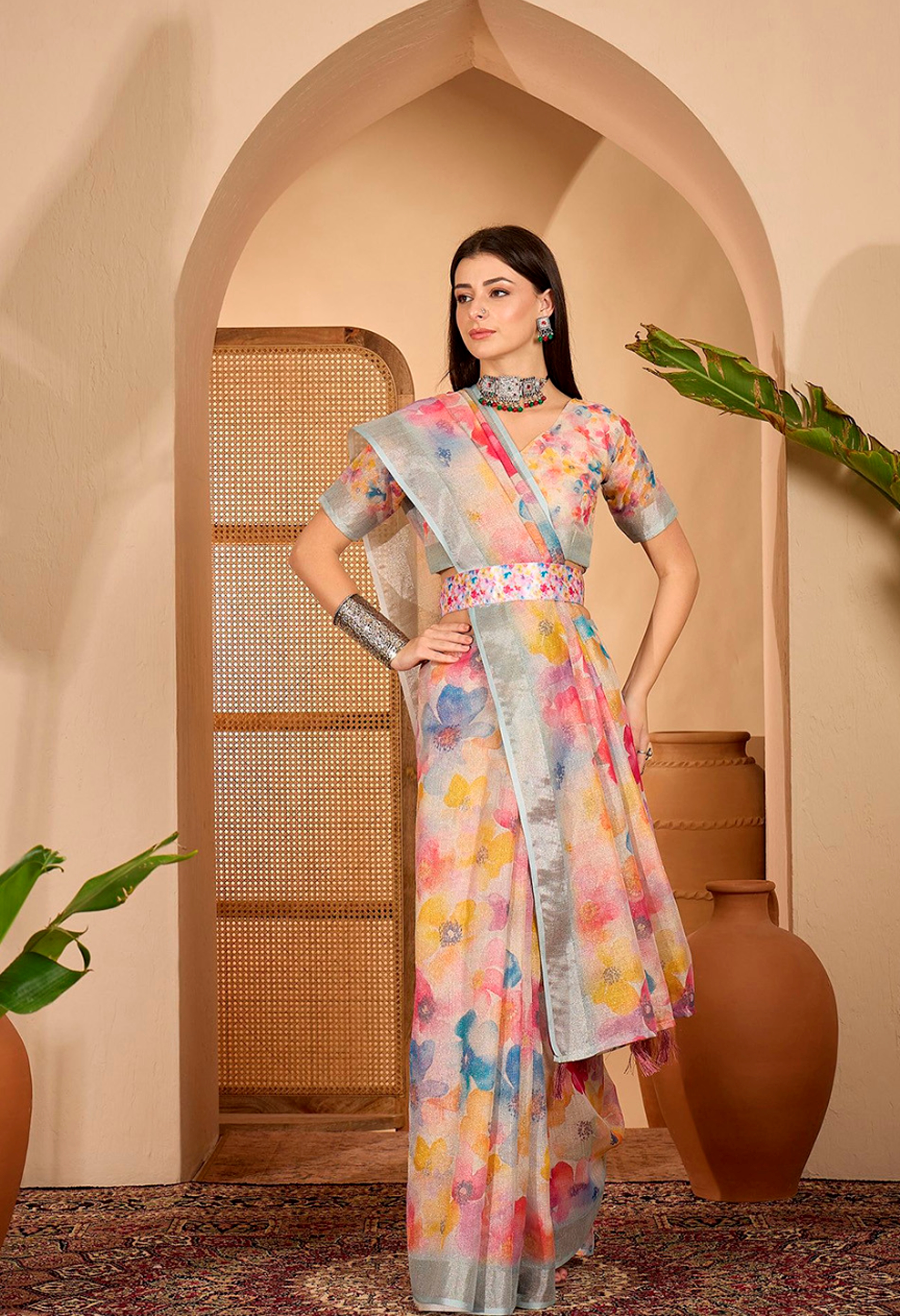
Colours can simplify packing. Beige, black, tan, muted gold and deep brown footwear work with many printed sarees, while a mustard or maroon accent bag can add interest without requiring matching jewellery. The Time-honoured Beige Multicolor Printed Saree and Designer Black Soft Silk Saree with Intricate Patterns demonstrate why neutral foundations are useful when one pair of shoes must serve several looks.
Sale browsing can be practical when it's tied to a clear travel need. The Sarees Flat 60% Off and Sarees Flat 50% Off collections may help you compare options at different prices, but check the final fabric composition, blouse inclusion, care label and delivery timeframe before planning an important journey. A saree arriving two days before departure leaves little time for fall adjustment or blouse fitting.
The strongest travel outfit isn't the one with the most accessories. The strongest travel outfit keeps the hem clear, the pleats stable, the hands available and the essentials reachable. When footwear, bag and drape are tested together, travelling in a saree becomes a sequence of manageable movements rather than a series of emergency fixes.
Practical Questions About Travelling Comfortably in a Saree
What footwear is most comfortable for travelling in a saree?
Low block heels, cushioned flats and secure sandals with textured, non-slip soles are usually the most comfortable choices. Test the pair for at least 15 minutes and on stairs before travelling, and keep the heel around 2 to 4 centimetres if you need height.
Can I carry a backpack with a saree?
You can carry a small, lightweight backpack with a saree if the straps do not crush the pallu or rub against blouse embellishment. A compact backpack distributes weight well, but a crossbody bag is often easier for quick access to a passport and phone.
How do I stop saree pleats from opening while walking?
Secure the pleat top to a well-fitted petticoat and use one discreet mid-thigh pin only if the fabric spreads during your walking test. Avoid excessive pinning on tissue, zari and delicate silk because pins can snag threads or leave holes.
Which saree fabric is best for a long journey?
Light cotton, linen-cotton and lighter silk-cotton sarees are generally practical for long journeys because they are breathable and manageable in weight. Banarasi silk, heavy zari and highly embellished sarees need more careful packing and are better suited to shorter transit or destination wear.
What should I keep in an emergency saree travel kit?
Keep six to eight safety pins, small clips, fashion tape, blister plasters, stain-removal wipes, a shoe bag and a clean scarf or cloth bag. Place these items in an inner zipped compartment so they remain accessible without unpacking the entire bag.
How high should a saree hem be for travelling?
A travel saree hem should generally clear the floor by about 1 to 2 centimetres while you wear the actual travel shoes. Check the length while walking and climbing stairs, because a hem altered with barefoot or flat feet may drag when the final footwear changes.


