Pitta Work Sarees Have a Softer Metallic Finish Than Sequin Embroidery, and the difference becomes visible as soon as light falls across the pleats. Pitta work usually creates a brushed, gently reflective surface, while sequins produce sharper points of sparkle. Understanding that contrast helps you choose a saree for a wedding, reception, festive dinner or Haldi ceremony without relying only on a product photograph.
The distinction isn't simply about whether a saree looks heavy or light. Embroidery technique changes how the fabric moves, how the border photographs, how much texture you feel against the skin and how easily the saree works with jewellery. A considered comparison also prevents a common buying mistake: expecting a soft metallic glow from a sequin saree or expecting high-impact glitter from a pitta-work design.
Why Pitta Work Sarees Have a Softer Metallic Finish Than Sequin Embroidery
Pitta work looks softer because its metallic elements generally sit closer to the fabric and reflect light in a broader, less mirror-like way than raised sequins. The surface appears luminous from several angles, but the shine doesn't usually break into as many bright flashes.
In practical terms, pitta work gives the eye a continuous metallic impression. The embellishment may resemble tiny metallic plates, discs or structured accents worked into motifs, depending on the design. The result is a low-glare finish that complements woven textures such as tissue, cotton silk and organza without completely overpowering them.
Sequin embroidery behaves differently. A sequin is a small reflective element that catches a direct beam of light and sends it back as a distinct glint. Dense sequin placement can therefore create a more pronounced shimmer under stage lighting, flash photography or indoor event lights.
Pitta work isn't necessarily dull, and sequin embroidery isn't automatically loud. Thread colour, motif density, base fabric, border width and the size of the metallic elements all influence the final effect. A sparse sequin butti can look delicate, while closely placed pitta details can appear richly ornate.
How Pitta Work Sarees Have a Softer Metallic Finish Than Sequin Embroidery in Texture
Pitta work generally creates a flatter, more integrated surface, whereas sequin embroidery creates a more tactile layer with individual pieces that can catch, overlap or rustle as the saree moves.
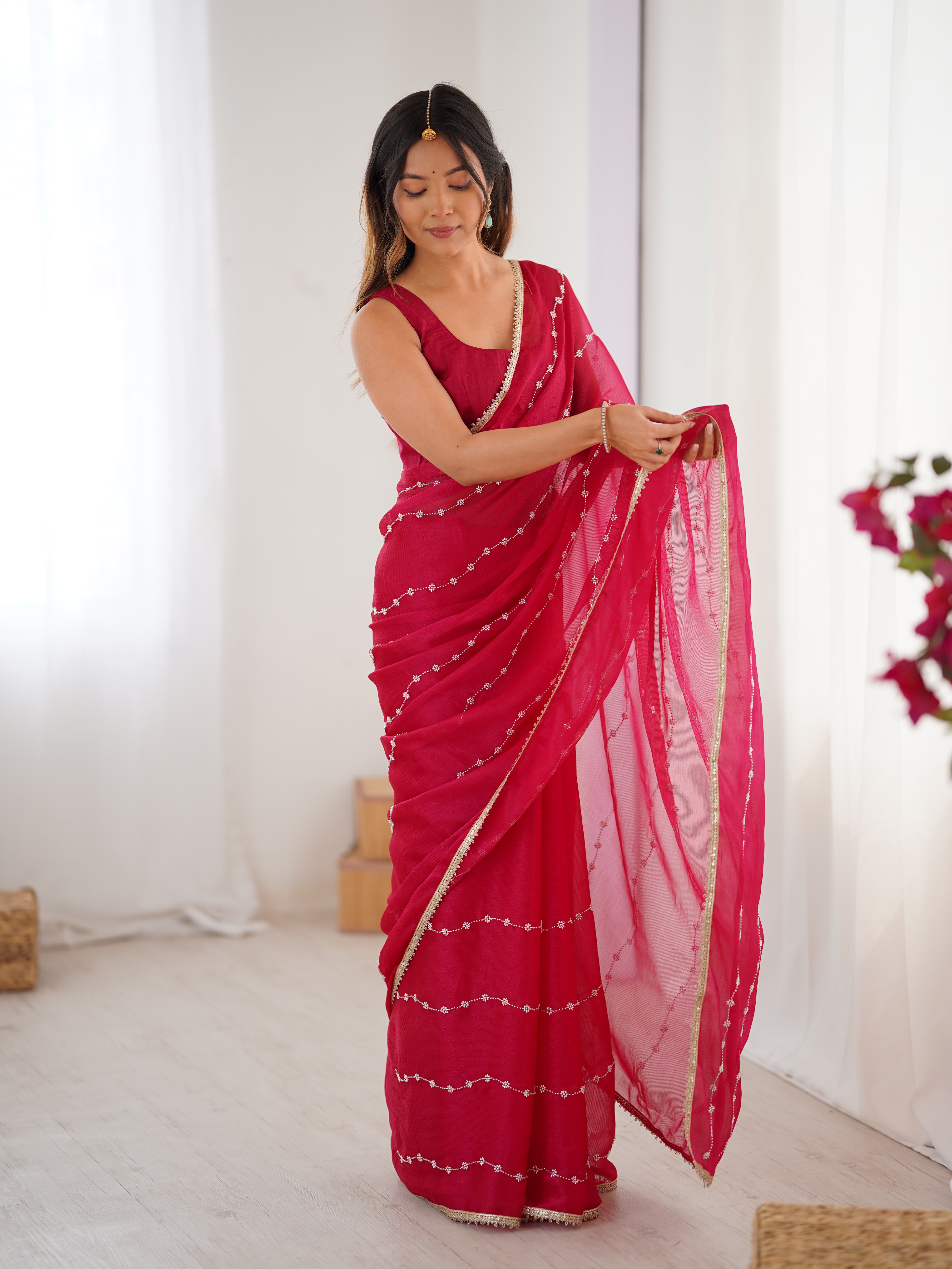
A saree with pitta work often folds in a controlled way because metallic accents don't project as strongly from every motif. That quality can make the pleats look clean and the pallu appear softly illuminated rather than glitter-covered. Pitta work can be especially appealing when you want embroidery that remains visible at close range without dominating the entire silhouette.
Sequins add movement through repeated flashes. Every turn of the shoulder or shift of the pallu can change the pattern of reflected light. The effect is valuable for dance floors, evening receptions and party settings, but the raised surface deserves closer attention during draping. A rough lining, sharp sequin edge or crowded embellishment can feel uncomfortable around the forearm or waist.
Fabric weight also matters. Organza supports a crisp, sculptural drape, while cotton silk gives a slightly more grounded fall. Tissue fabric can amplify metallic details because its translucent, lightly crisp structure already interacts with light. A metallic embellishment on each base will therefore look different even when the motif is similar.
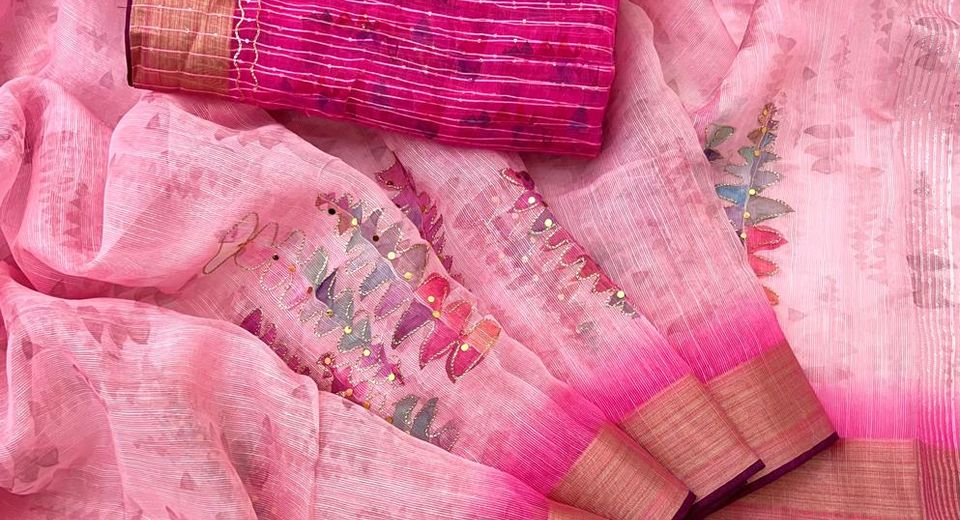
The Pink Organza Cotton Silk Saree With Thread & Sequin Work shows how thread can interrupt the shine of sequins and give the surface greater definition. The Periwinkle Blue Organza Cotton Silk Saree With Sequin takes a cooler colour direction, which can make shimmer feel more contemporary and less traditionally gold-heavy.
When Pitta Work Sarees Have a Softer Metallic Finish Than Sequin Embroidery for Day Events
Pitta work usually suits daytime celebrations and refined evening events, while sequins are strongest when you want visible sparkle under artificial light.
Why does pitta work suit daytime weddings?
Soft metallic embroidery suits daytime weddings because natural light reveals texture without creating excessive glare. A pitta-work saree in a pastel, cream, blush or muted jewel tone can look festive while retaining visual calm. The finish is useful for guests who want a dressed-up appearance without appearing overdressed beside the bride.
A Haldi ceremony calls for practical movement and cheerful colour, so a lighter saree with restrained metallic detail can be more comfortable than a densely embellished design. A securely pinned pallu and lightweight blouse can make sitting, walking and participating in rituals easier.
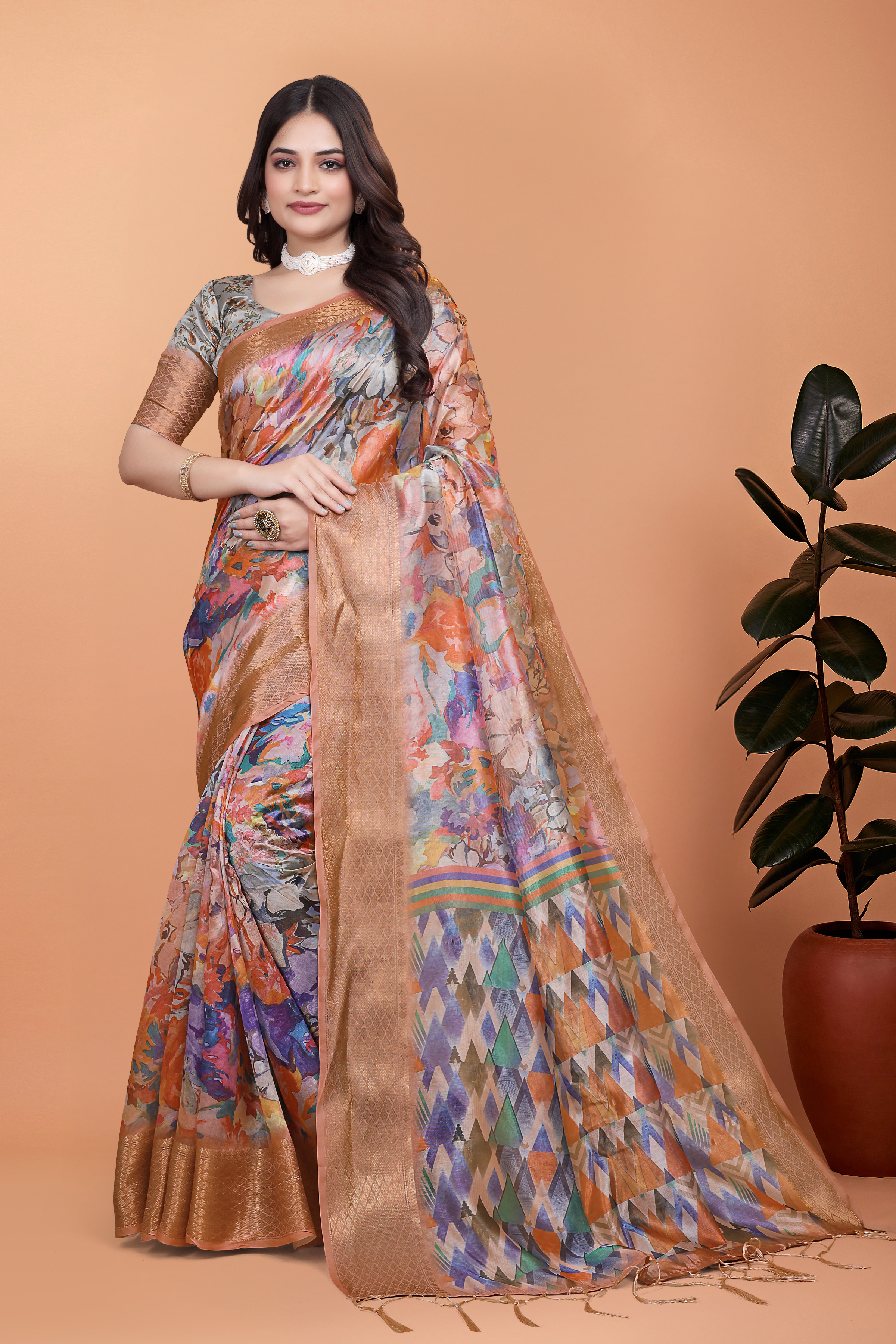
The Pastel Floral Tissue Handloom Cotton Saree with Zari Weaves illustrates how a woven metallic element can contribute to occasion dressing without requiring an all-over glitter effect. The Cream Pink Tissue Handloom Cotton Saree with Zari offers another useful direction when a soft palette and gentle sheen matter more than dramatic sparkle.
Chanderi, Banarasi silk and Kanjeevaram sarees also demonstrate why metallic detail doesn't have to mean surface glitter. Woven zari can create depth through pattern and structure, while pitta work can add a quieter embroidered highlight to a contemporary silhouette.
When do sequins work better at night?
Sequin embroidery is often more effective for night-time parties because spotlights and flash photography make each reflective element visible. The Rani Pink Heavy Smooth Sitara Saree with Sequin Embroidery demonstrates the stronger, more animated surface associated with concentrated sparkle.
A reception outfit can use sequins as the main visual statement, allowing relatively simple earrings and a restrained hairstyle to complete the look. A saree with moderate pitta work may be preferable when statement jewellery or a dramatic blouse needs to share attention.
How to Judge Pitta Work Sarees Have a Softer Metallic Finish Than Sequin Embroidery Online
Close-up fabric photographs, motif density, base-fabric composition and customer images provide the most reliable clues when comparing metallic shine online.
Screen brightness can make pitta work look flatter than it appears in person and can make sequins look more reflective than they feel under ordinary indoor lighting. A static photograph also can't show how sequins flash when a saree shifts. The following checks provide a more accurate assessment:
- Inspect the close-up: Check whether the metallic detail appears woven, stitched flat, raised or individually attached.
- Study the pallu and border: A heavy border can change the saree's balance even when the body has limited embroidery.
- Read the base fabric: Organza, tissue, cotton silk and pashmina silk create different levels of crispness, weight and light transmission.
- Estimate motif spacing: Small, widely spaced accents usually create a quieter effect than dense all-over work.
- Check the product description: Terms such as zari, sequin, butti, thread work, mirror work and handloom indicate different surface effects.
- Consider the blouse: A heavily embellished blouse can make a moderate saree look much more ornate.
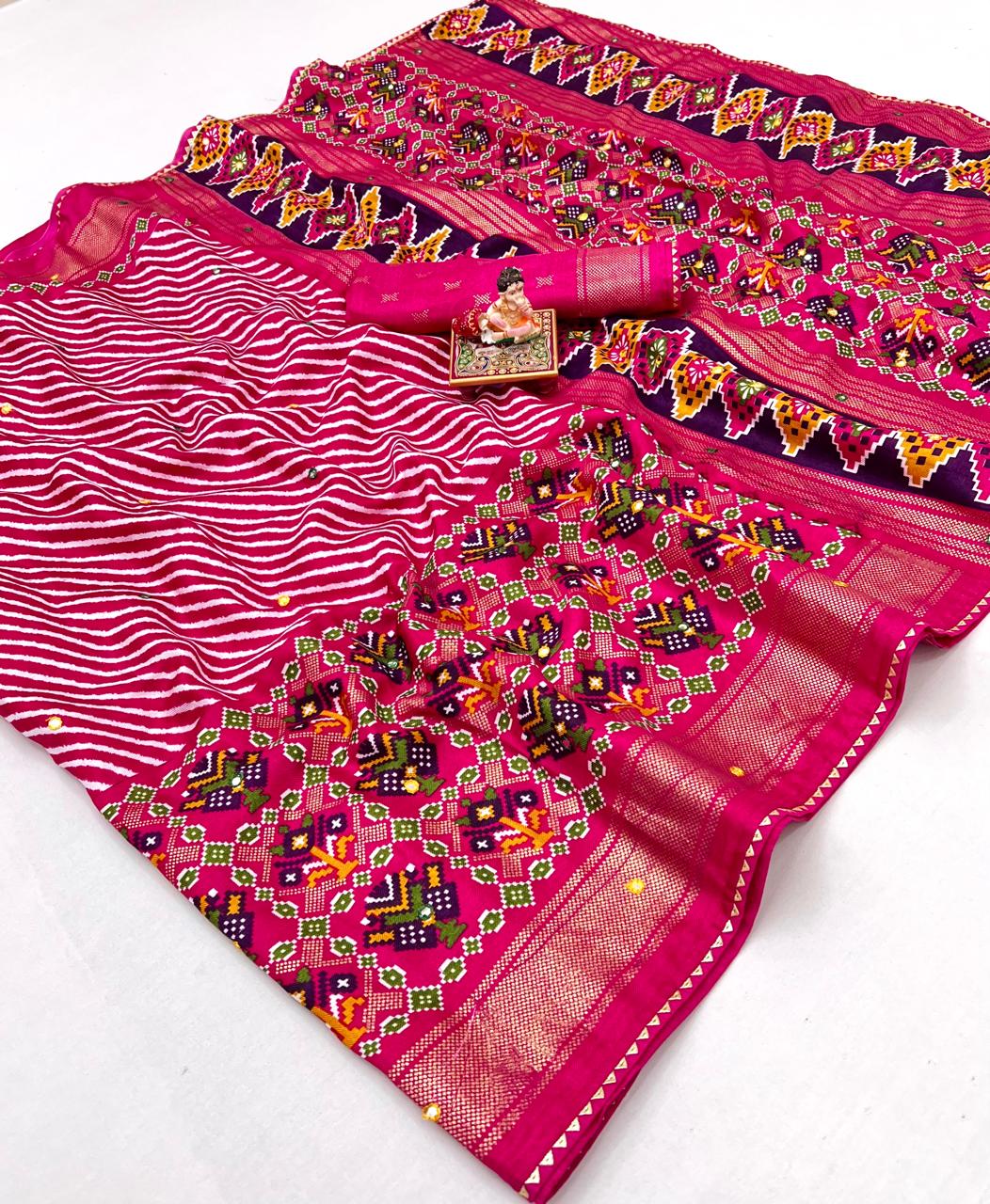
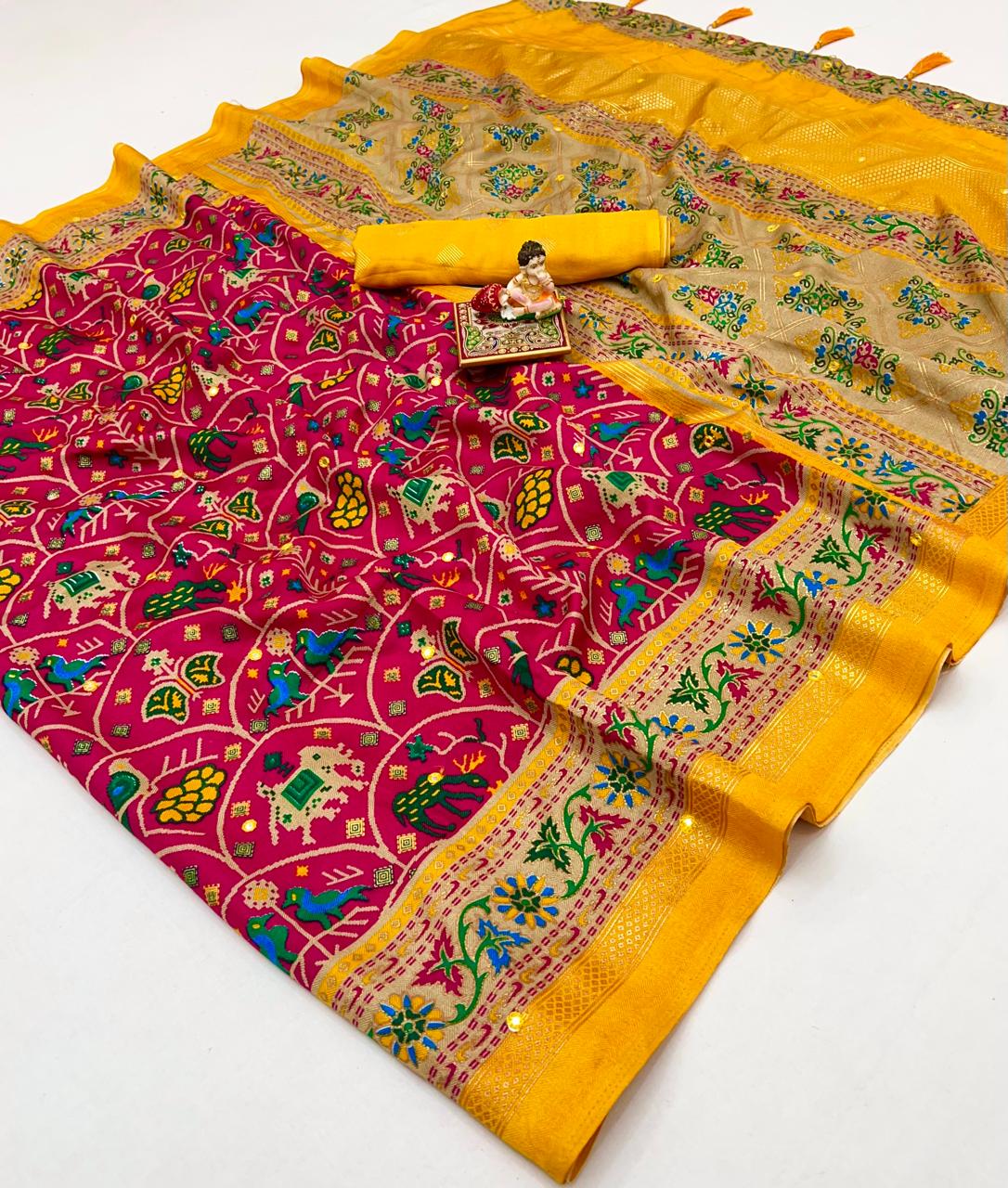
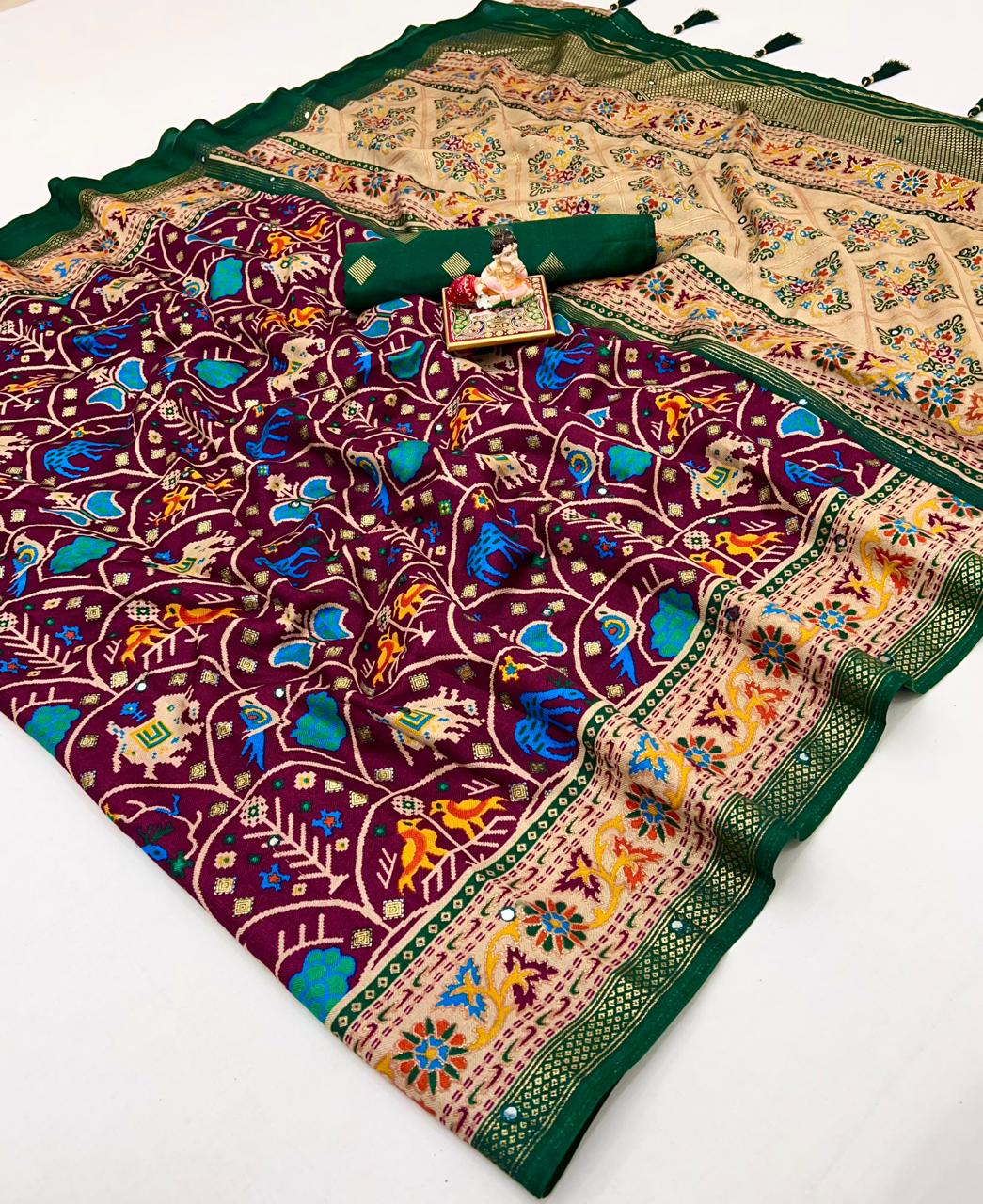
The Pink Patola Print Pashmina Silk Saree With Mirror Work is an useful reminder that reflectivity doesn't come only from pitta work or sequins. Mirror work creates a more defined, jewel-like flash, while the printed base and silk texture determine how that flash is framed.
Price can also provide context, although price alone doesn't identify quality. Browsing Sarees from Rs 1000 to Rs 1500 can help compare accessible fabric and embroidery combinations, while Sarees Under 20% Off, Sarees Under 10% Off, Sarees Flat 60% Off and Sarees Flat 50% Off can be useful when comparing discounted options. Product details remain more important than the discount label.
How to Style Pitta Work Sarees Have a Softer Metallic Finish Than Sequin Embroidery
Style a softer metallic saree with one controlled area of contrast, such as sculptural earrings, a matte blouse or a defined lip colour.
Soft metallic finishes benefit from visual space. Pair pitta work with brushed-gold jhumkas, pearls, an antique-finish cuff or slim bangles rather than stacking every reflective accessory at once. A blouse in raw silk, cotton silk or a plain matching fabric can make the saree's surface easier to notice.
A cream or pastel saree can take a deeper blouse colour such as wine, bottle green, navy or chocolate brown. A jewel-toned saree can instead work with a tonal blouse and warm metal jewellery. The aim isn't to remove contrast but to decide where the eye should land first.
Sequin sarees can carry simpler accessories, especially when the embroidery is dense. Pairing a high-shine sequin pallu with a mirror-work blouse, rhinestone belt and layered crystal necklace creates a deliberately maximal party look, but the combination may overwhelm a smaller frame.
The Off White Organza Silk Embroidered Saree with Sequin Butti Work - Party Wear is better suited to selective sparkle because butti placement allows parts of the base fabric to remain visible. The Premium Gold Crush Embroidered Party Wear Saree for Women takes a richer, more celebratory route, so a clean blouse neckline and limited jewellery can prevent visual competition.
For a traditional direction, repeat the metallic tone in one or two accessories, then let the weave or embroidery provide the texture. Matching every item exactly can make an outfit appear flatter than a carefully coordinated mix of finishes.
How to Care for Pitta Work Sarees Have a Softer Metallic Finish Than Sequin Embroidery
Metallic embroidery should be protected from friction, moisture, perfume and careless folding, whether a saree uses pitta work, zari or sequins.
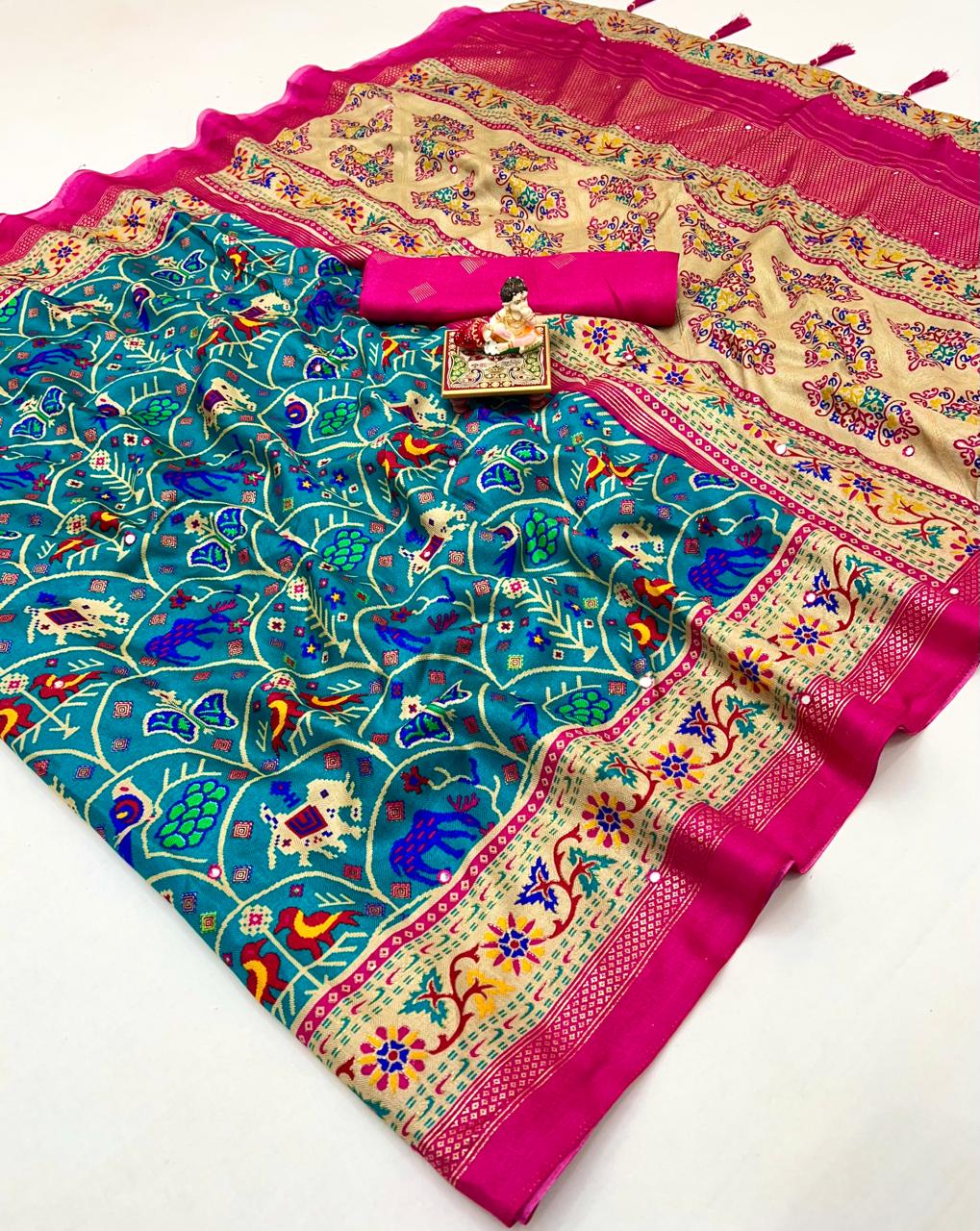
Store an embellished saree clean and completely dry. Fold the saree with soft, unprinted cotton or muslin between major folds so metallic elements don't press directly against one another. Refold a special-occasion saree every few months to reduce permanent crease lines in one position, but avoid repeatedly handling the saree with rough or jewellery-covered hands.
Perfume, deodorant and hair products should never be sprayed directly onto pitta work or sequins. Personal products should be applied first and allowed to dry before draping the saree. Perspiration and cosmetics can dull metallic surfaces over time, particularly around the neckline, underarm and waist.
Professional dry cleaning is the safer choice for dense embroidery, organza and tissue sarees. A specialist should be told about sequins, zari, mirror work and metallic embroidery before cleaning begins. Home washing can distort crisp organza, loosen embellishments and cause colour transfer between contrasting fabrics.
During travel, roll a heavily embellished saree around a soft tube or fold it loosely inside a breathable garment bag instead of compressing it beneath heavy clothing. A padded hanger is appropriate for short-term airing, but long-term hanging can stretch the fabric around the blouse and border.
Which Pitta Work Sarees Have a Softer Metallic Finish Than Sequin Embroidery Should You Choose?
Choose pitta work when you want a smooth, restrained glow, and choose sequins when you want distinct flashes of light and a more overt party effect.
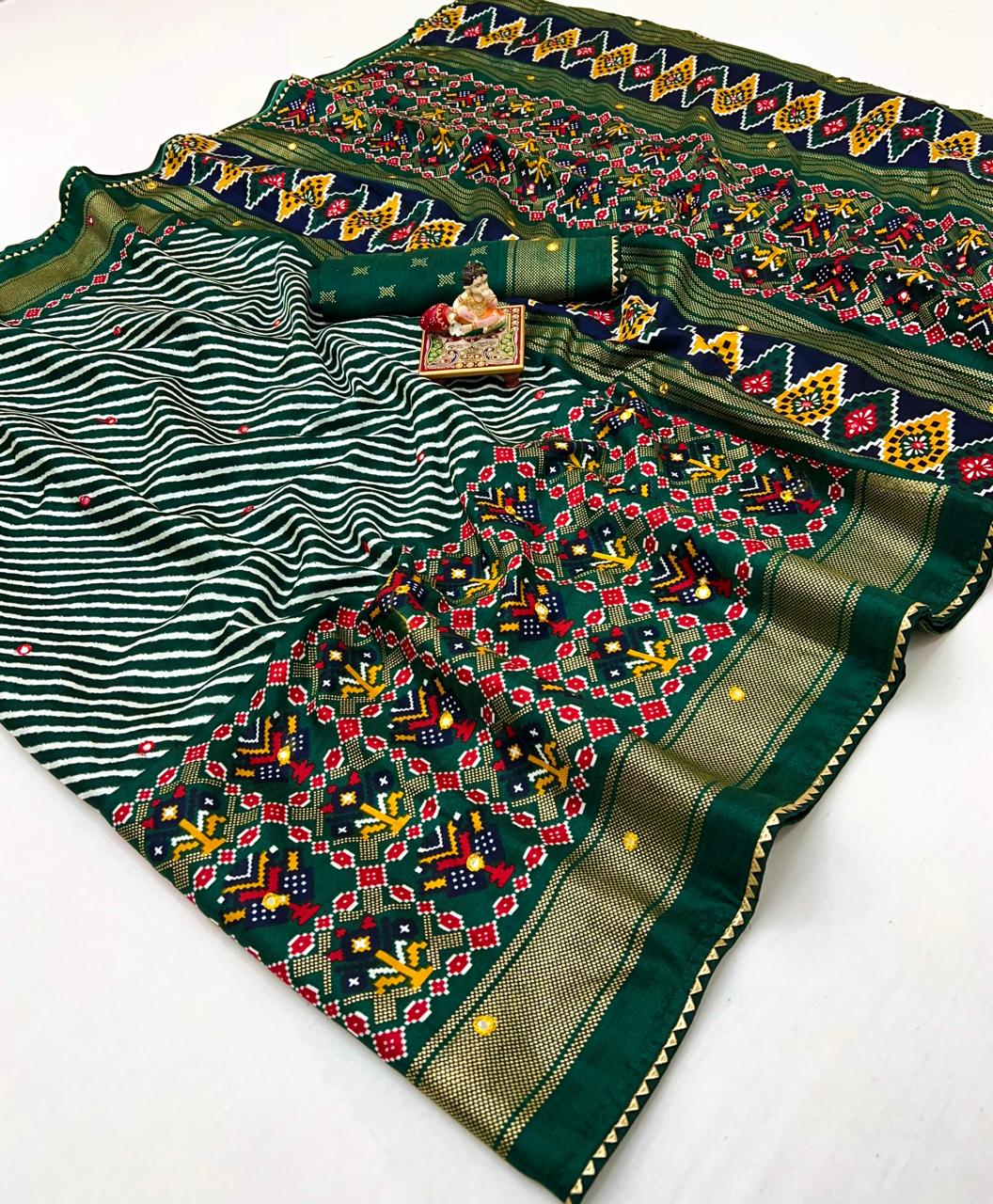
Pitta work is a strong choice for daytime weddings, intimate receptions, festive lunches, formal dinners and outfits built around statement jewellery. Sequin embroidery is a strong choice for cocktail evenings, stage events, dance celebrations and photographs taken under strong artificial light.
Base fabric should be the deciding factor after finish. Tissue and organza create crisp structure, cotton silk brings a balanced fall, and pashmina silk contributes a softer, warmer hand-feel. A saree with the right embroidery but unsuitable weight may remain uncomfortable for a long ceremony.
The most practical decision combines four details: the event lighting, the amount of movement required, the jewellery you plan to wear and the care you can provide after use. Once those factors are clear, the difference between a gentle metallic surface and a sharp sequin sparkle becomes easy to evaluate.
Common Questions About Pitta Work and Sequin Saree Finishes
What is the difference between pitta work and sequin embroidery on a saree?
Pitta work usually creates a flatter, softer metallic glow, while sequin embroidery produces sharper points of reflected light. Pitta work often looks more integrated with the fabric, whereas sequins create a visibly raised and animated surface.
Are pitta work sarees suitable for daytime weddings?
Yes, pitta work sarees are well suited to daytime weddings because natural light reveals their texture without creating excessive glare. Pastel, cream, blush and muted jewel tones can make the metallic detail look festive but controlled.
Are sequin sarees better for evening parties?
Sequin sarees are often better for evening parties because artificial lighting and flash photography make the reflective elements stand out. A densely sequined saree can function as the main statement, allowing simpler jewellery and accessories.
How should an embellished saree be stored?
An embellished saree should be stored clean and completely dry, with soft unprinted cotton or muslin between major folds. Keep the saree away from direct sunlight, moisture, perfume and rough fabrics, and refold it occasionally to reduce permanent crease lines.
Can pitta work sarees be worn with heavy jewellery?
Pitta work sarees can be worn with heavy jewellery when the jewellery provides one controlled focal point. Brushed-gold earrings, an antique cuff or a statement necklace usually works better than combining several high-shine accessories with dense metallic embroidery.
What should I check before buying a metallic saree online?
Check close-up photographs, base-fabric composition, motif spacing, border weight, embroidery terminology and customer images before buying. Product details help distinguish zari, pitta work, sequins, mirror work and thread embroidery, which can look similar in a distant photograph.