

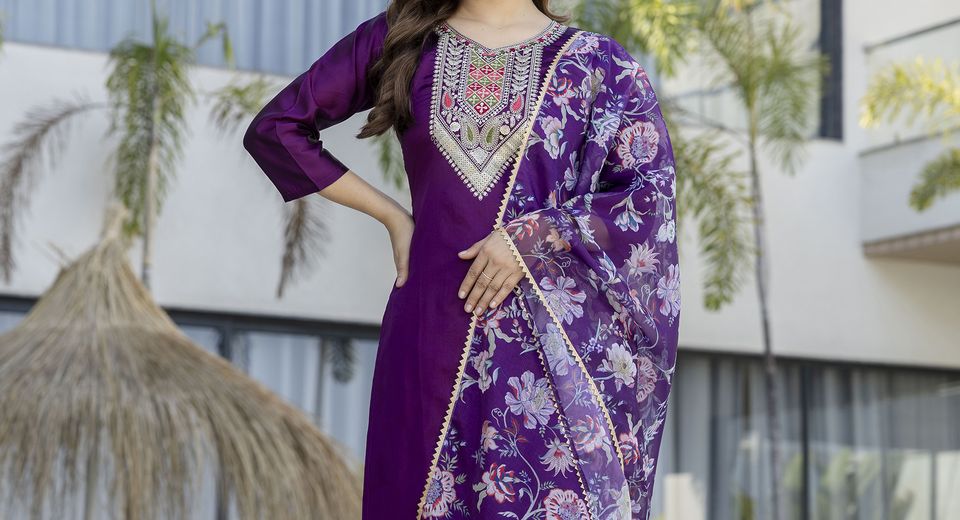
A single rough pin can pull out zari, catch a sequin or leave a visible hole in a delicate dupatta within minutes. Pinning an Embroidered Dupatta Without Snagging the Fabric requires more than choosing a small safety pin: the pin must match the fabric, the embroidery and the point where the dupatta will bear weight. The safest approach combines a smooth pin, a hidden backing layer and a placement that avoids dense decorative work.
These techniques work for silk blends, chiffon, georgette, organza, cotton voile and jacquard dupattas. They are especially useful for embroidered kurta sets worn at weddings, festive lunches, Haldi ceremony gatherings and long indoor events where a loose drape needs reliable support.
Why embroidered dupattas snag so easily
Embroidered dupattas snag because raised threads, zari, sequins, beads and unfinished thread ends can catch on the sharp point or coil of an ordinary pin. A smooth-looking surface doesn't always mean a low-risk surface; Banarasi silk, jacquard and zari borders can hide loose metallic strands between woven motifs.
Fabric weight also affects the risk. A heavily worked dupatta creates more downward pull at the shoulder, so a tiny pin may be forced sideways as you move. Chiffon and organza can show a pinhole clearly because their open structure doesn't close around the puncture as readily as a denser cotton weave.
Embroidery placement matters just as much as fabric type. A pin through a plain border may leave a minor mark, but a pin through a sequin, bead or metallic couching thread can deform the embellishment and make the snag permanent. Kanjeevaram-inspired woven borders, zari edging and dense floral threadwork should therefore be treated as no-pin zones whenever possible.
Pinning an Embroidered Dupatta Without Snagging the Fabric
Pinning an Embroidered Dupatta Without Snagging the Fabric is safest when you secure a plain seam allowance, use a fine smooth pin and distribute the dupatta's weight across two or more points.
Choose the right pin
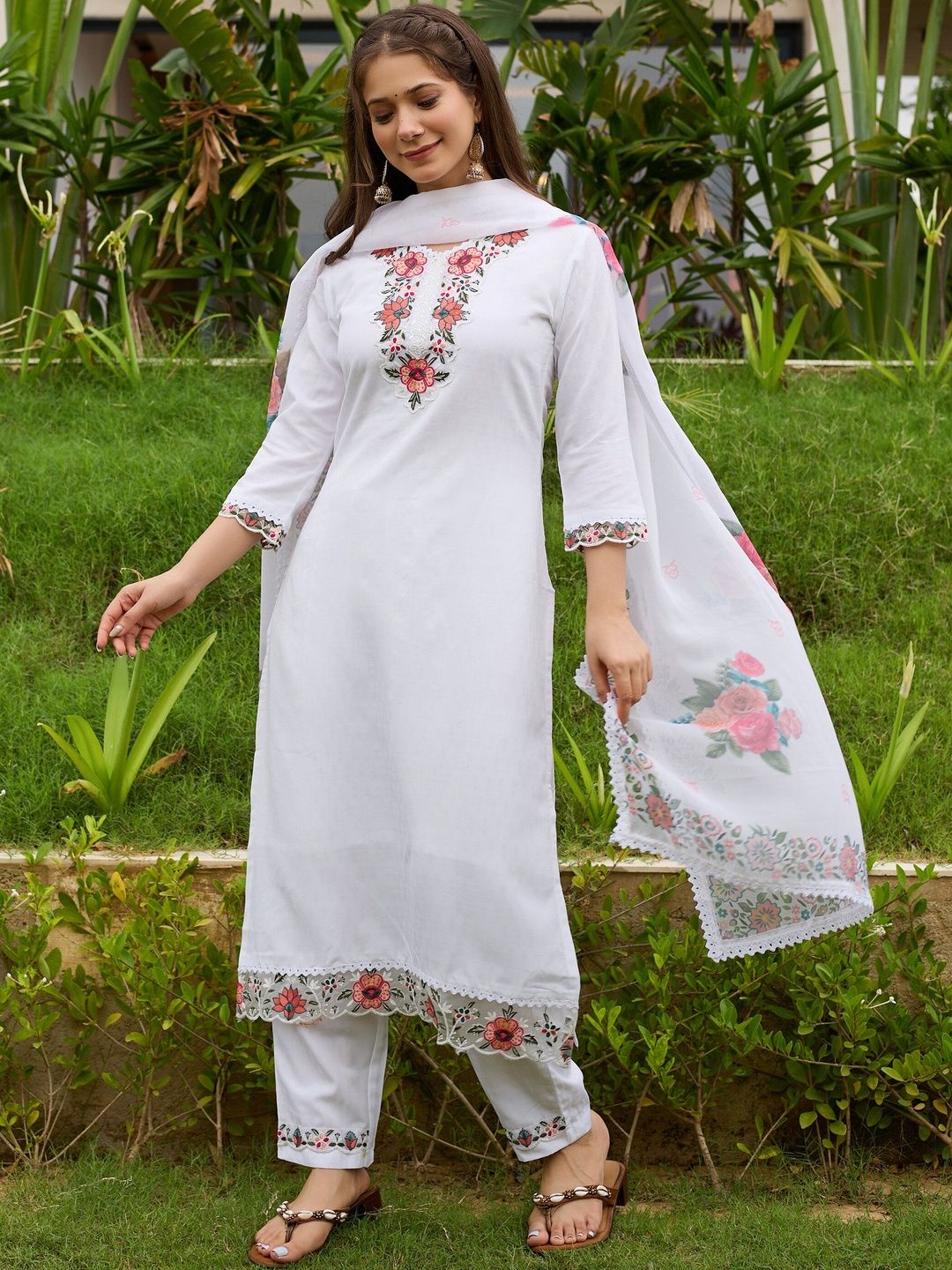
A fine, sharp, rust-free dressmaking pin with a smooth shaft is suitable for a lightweight dupatta, provided the pin doesn't pass through embroidery. A small safety pin with a polished interior is more secure for a moving drape, but inspect the coil and clasp first because rough metal can catch threads.
- For chiffon and organza: use an extra-fine pin and a small fabric backing because the open weave marks easily.
- For georgette: use a fine safety pin at the shoulder or a hidden seam, keeping the pin away from beads and sequins.
- For silk blends: choose a sharp, smooth pin rather than a blunt pin, which can push fibres aside and create a visible pull.
- For cotton and heavier jacquard: a medium-sized smooth safety pin can work, but avoid forcing it through zari or raised embroidery.
Test every pin on an inside hem or spare fabric before dressing. Drag the closed pin gently across the test area. If the metal catches even once, replace the pin rather than assuming the snag won't show on the finished drape.
Use a fabric sandwich for extra protection
A small fabric sandwich reduces friction and spreads pressure around the pinhole. Place the dupatta between two pieces of soft, tightly woven cotton or silk organza, then pass the pin through the backing pieces and the dupatta's plain edge.
The backing should be slightly larger than the pin head and clasp, but it should not be so large that it creates a visible bump. A square measuring approximately 3 by 3 centimetres is enough for most shoulder pins. White or skin-toned cotton works under pale dupattas, while a matching scrap is less visible under darker colours such as purple, gajri or royal blue.
don't substitute tissue paper, paper tape or adhesive patches for fabric backing. Paper tears and leaves fibres behind, while adhesive can stain silk blends and interfere with later cleaning. A clean scrap of tightly woven fabric is safer and reusable.
Where to place pins on different dupatta drapes
The safest pinning point is usually a plain seam, narrow hem or area where two layers of fabric overlap. The best position changes according to the drape, but the principle remains constant: hold the dupatta at a stable structural point rather than piercing the most decorative area.
Shoulder drape over one side
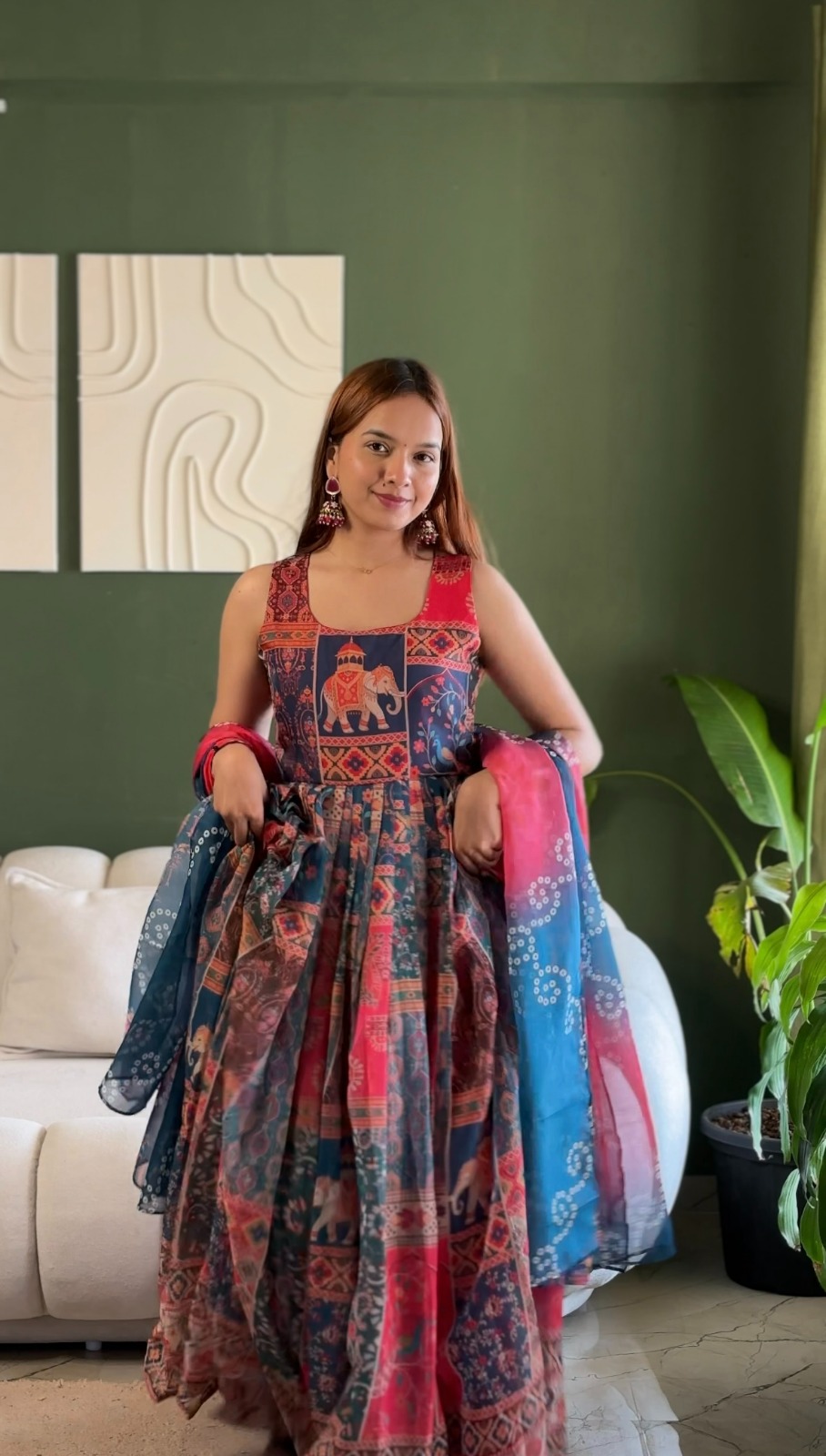
A shoulder drape needs one concealed pin at the shoulder and, when the dupatta is heavy, a second low-support pin near the side seam. Fold the upper edge by 2 to 3 centimetres, place the fold over the shoulder seam of the kurta and secure the fold to the garment rather than pinning through the visible embroidered panel.
The second pin should connect the inner layer of the dupatta to the kurta side seam or sleeve seam. This arrangement prevents the shoulder pin from carrying the full weight. It also keeps the pallu from sliding backwards when you sit, walk or lift your arms.
Front-open drape with both ends over the shoulders
A front-open drape is most stable when each shoulder receives a separate hidden pin and the centre remains free. Fold a small section of the upper border inward on both sides, then pin each folded section to the shoulder seam of the kurta.
Keep the centre of the dupatta unpinned so the fabric can fall naturally. Pinning across the chest often creates tension lines and increases the chance that embroidery will rub against jewellery, a handbag strap or the opposite border.
Head-covering or one-sided festive drape
A head-covering drape should be anchored at the shoulder or hair accessory, not pierced repeatedly along the scalp or embroidered edge. Use one pin at the shoulder and a second pin through a plain section near the crown, preferably into a braid, bun accessory or fabric-covered hair clip.
For a dupatta with zari, beads or sequins, avoid inserting a hairpin directly through the decorated border. A fabric-covered clip can grip the folded plain underside without touching metallic threads. Keep the edge loose enough to move when you turn your head.
How to pin around zari, sequins and threadwork
Zari and sequins should never be treated as ordinary cloth because a pin can bend metallic strips, loosen a sequin thread or catch the loop that holds a bead. Identify the embroidery-free paths before folding the dupatta.
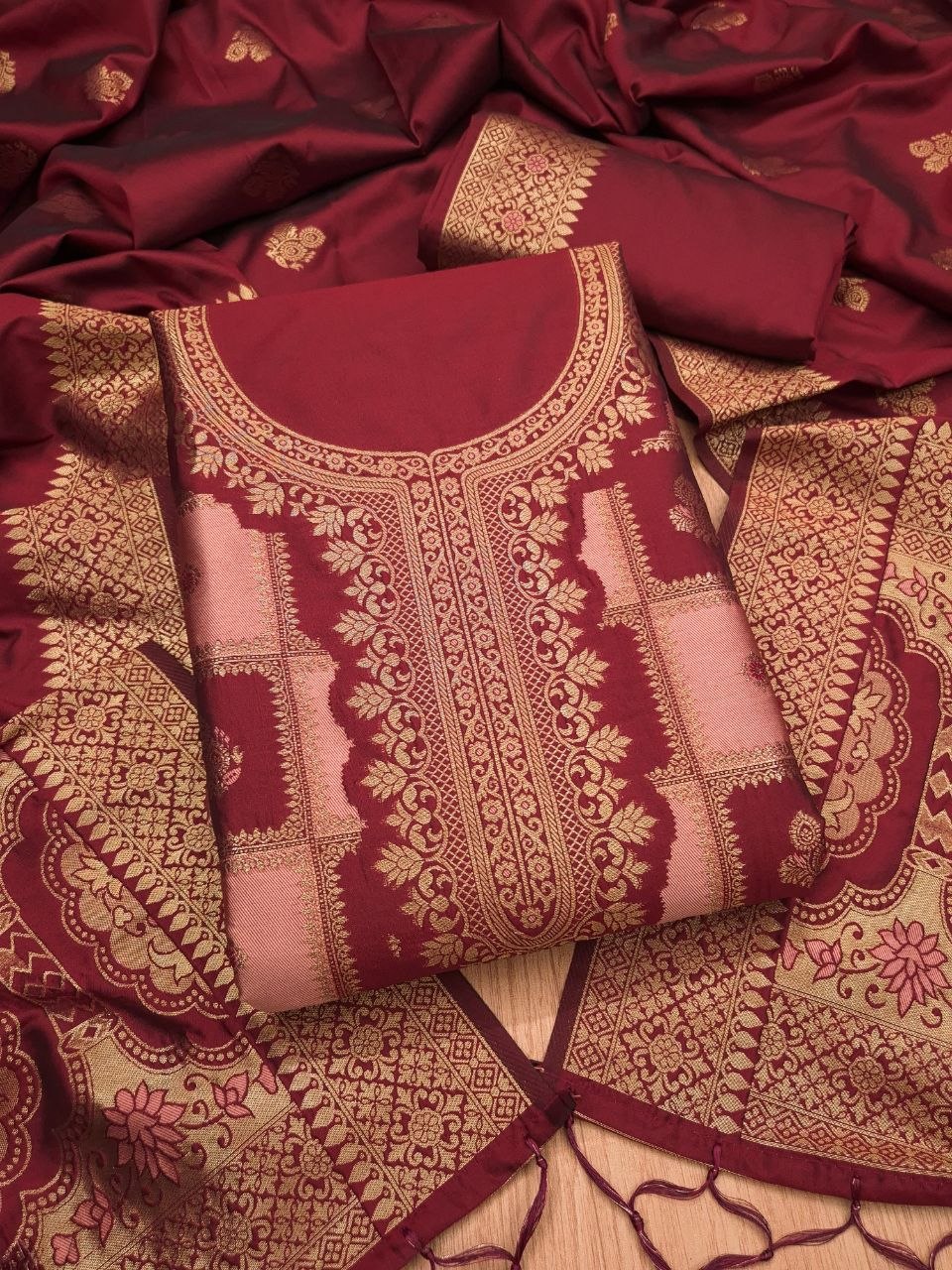
Lay the dupatta flat under good light and mark three areas mentally: the plain upper edge, the embroidered body and the decorative border. Choose a pin path through the plain upper edge whenever possible. If the entire upper edge is decorated, pin through the seam allowance from the underside, using a fabric backing to keep the point away from the visible work.
For a loose thread, don't pull with the pin or scissors. Guide the thread to the wrong side with a blunt needle, then secure it with a tiny hand stitch if the embroidery construction allows. Cutting a raised thread can cause a motif to unravel, particularly in handwork and loosely couched zari.
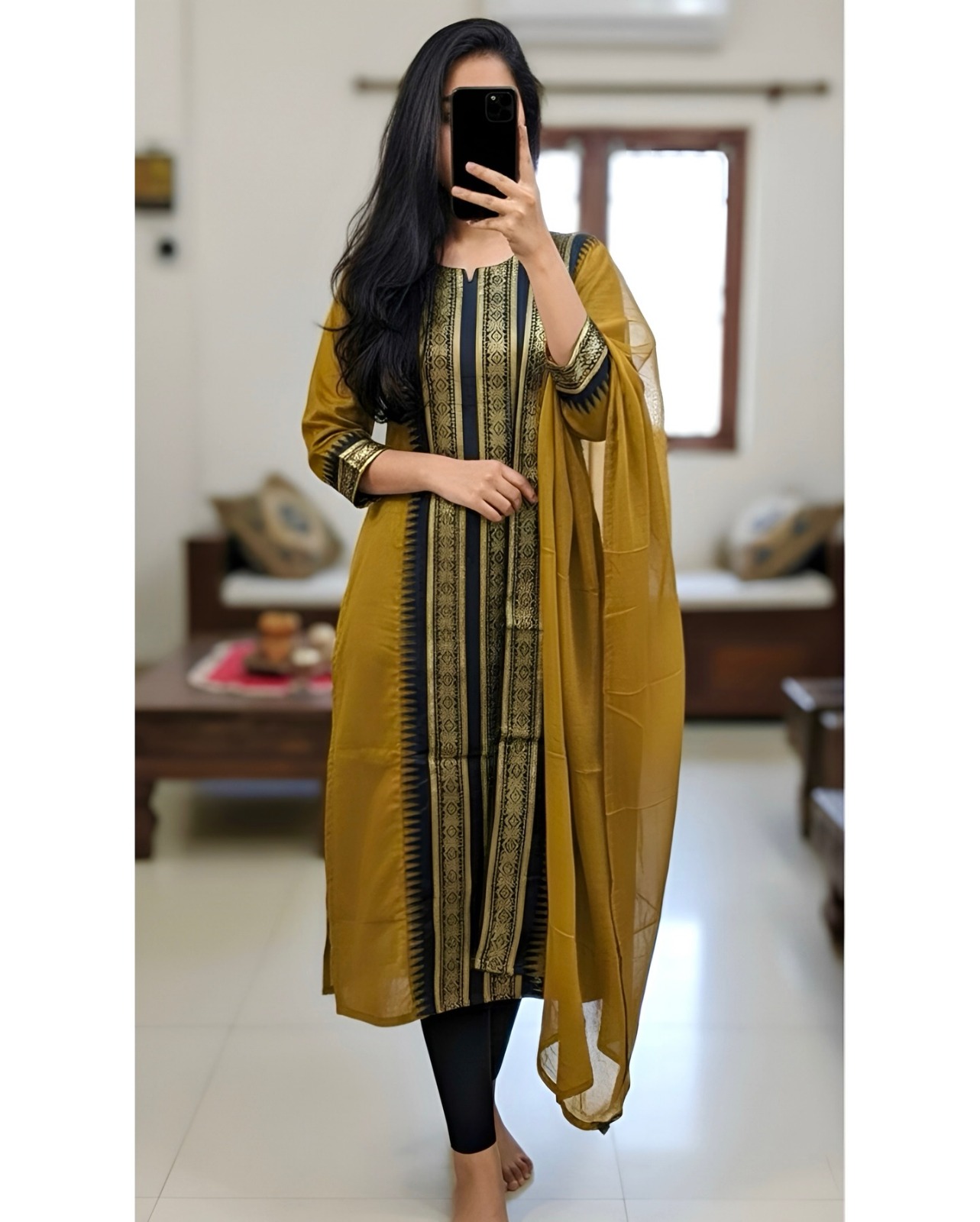
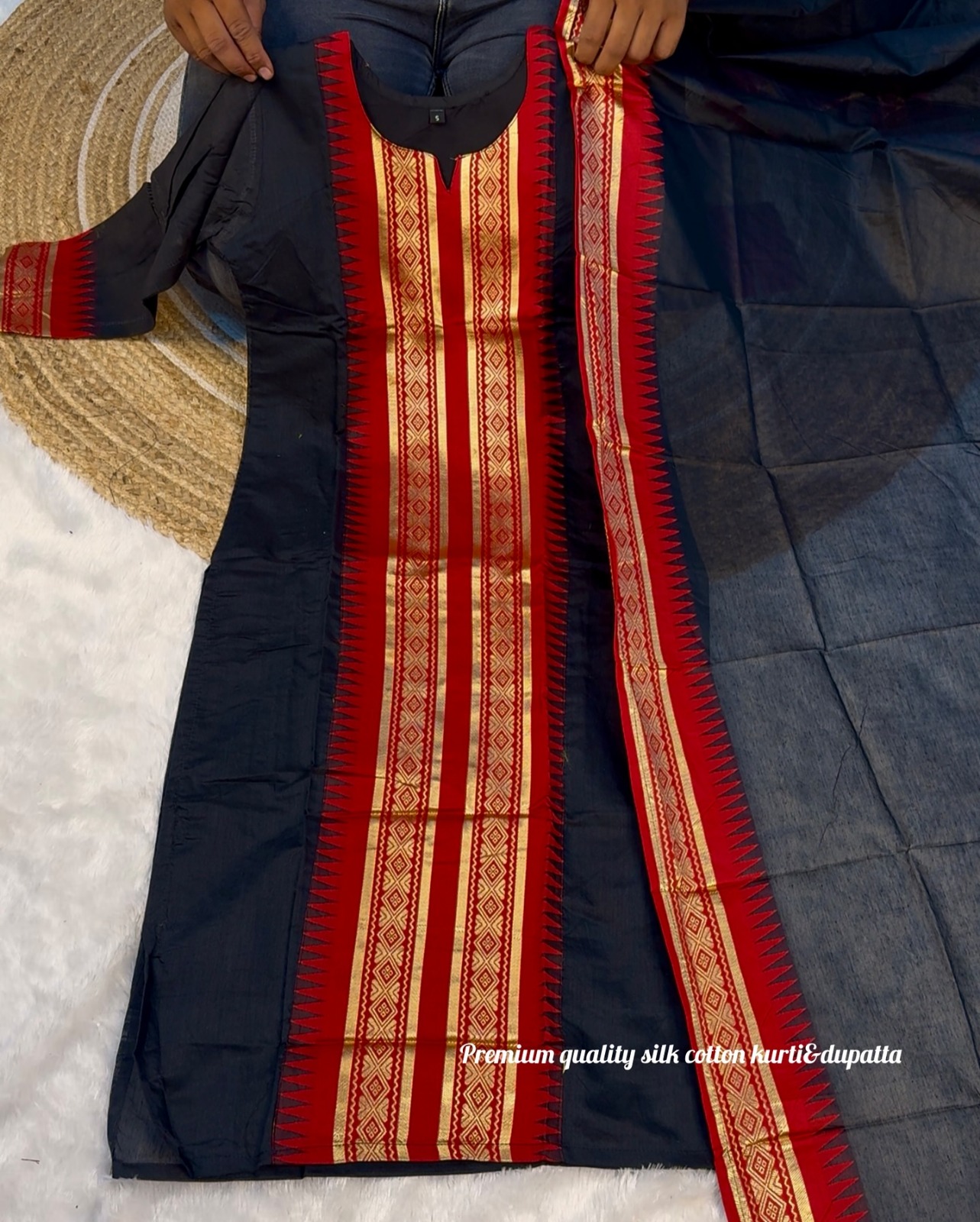
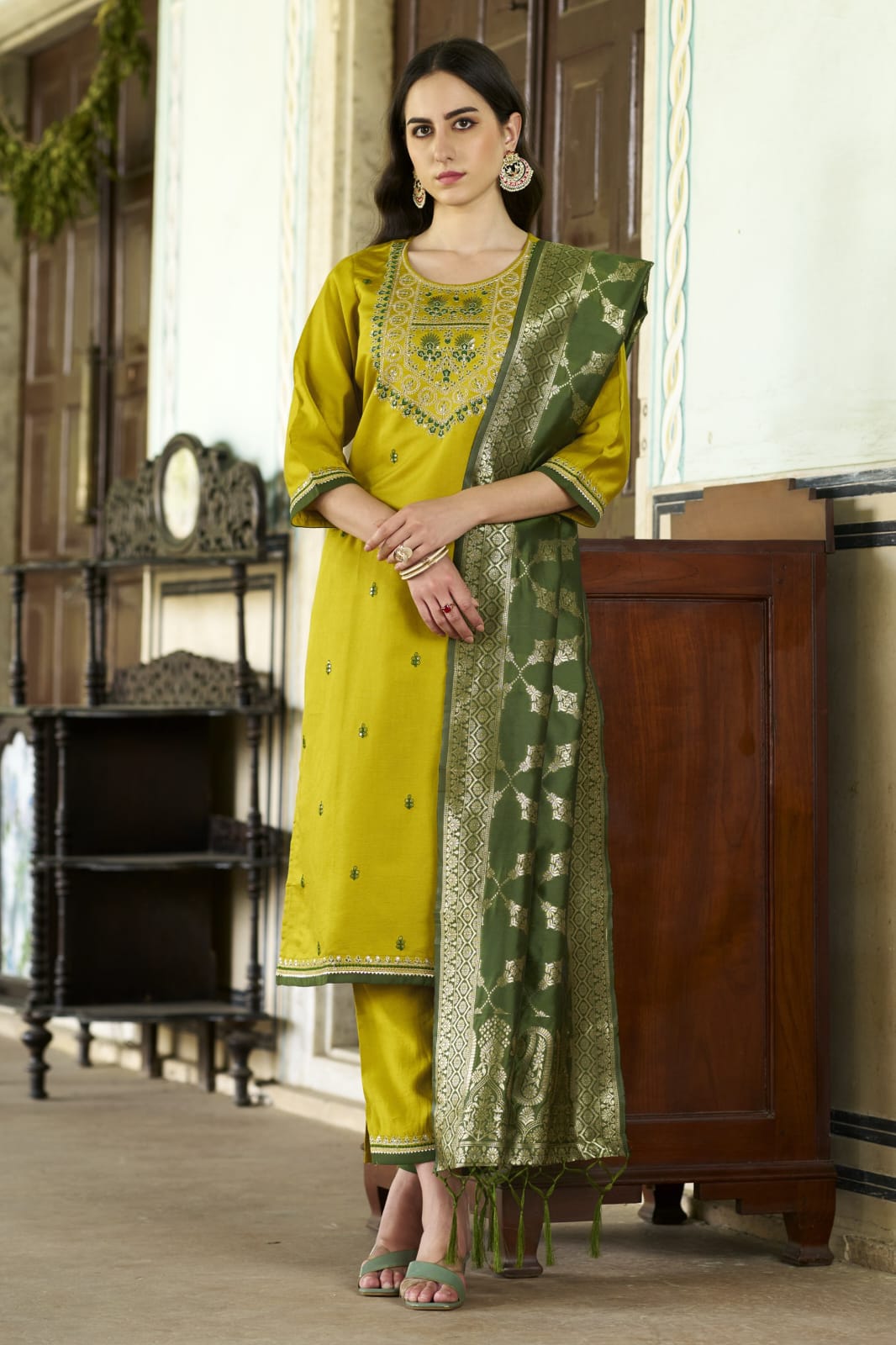
The Elegant Silk Embroidered Kurta Pant Set with Jacquard Dupatta illustrates why border control matters: a structured jacquard edge can support a fold, while the embroidered central area is better left untouched. The same approach applies to the Women's Mustard Silk Blend Kurta Set with Dupatta, where a concealed fold protects the visible surface during movement.
Practical pinning methods for common kurta sets
Different garments offer different anchor points, so the kurta's construction should guide the pin placement. Shoulder seams, neckline facings and side seams are generally stronger than loose sleeve fabric or a thin embroidered panel.
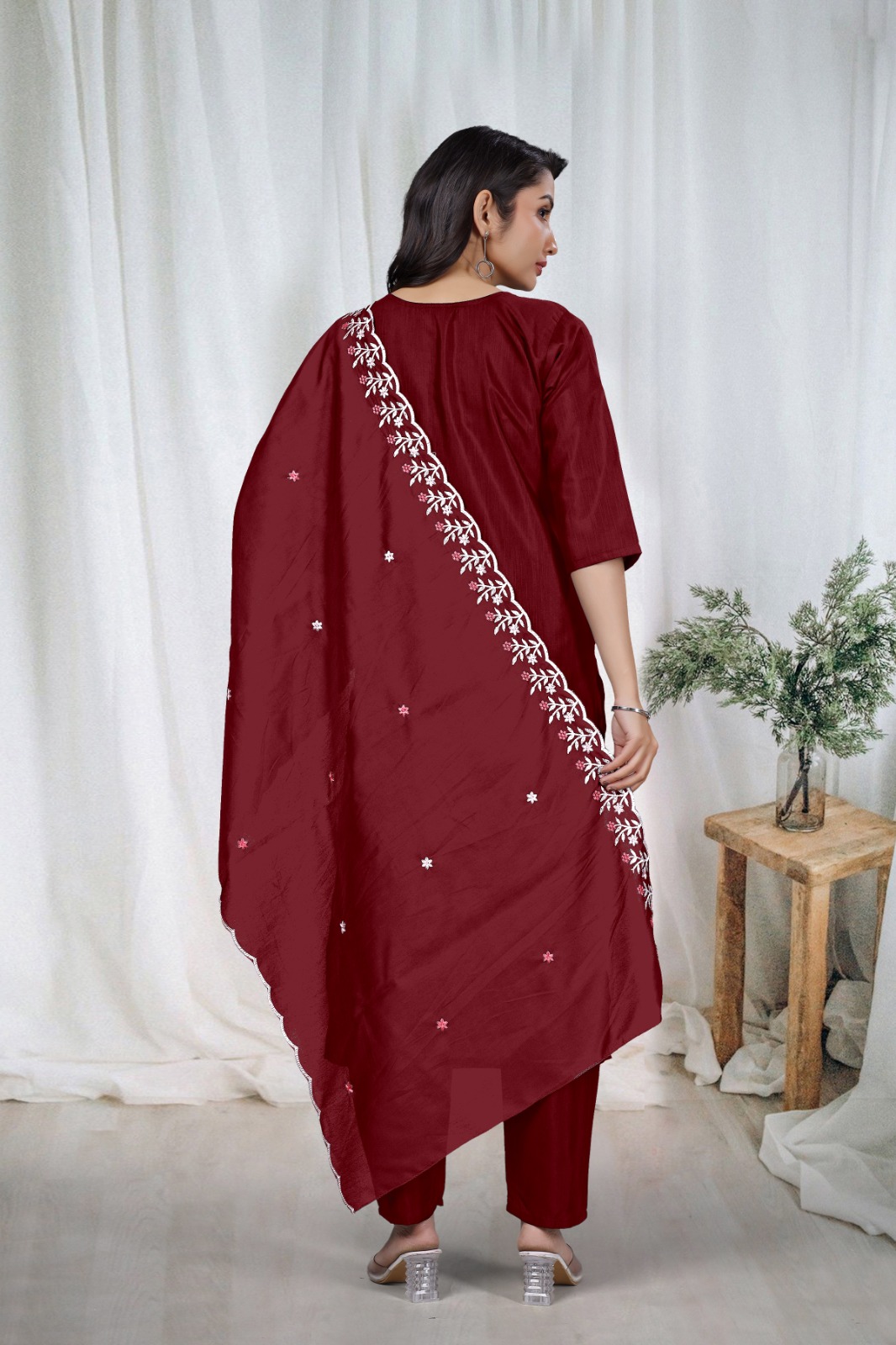
The Gajri Embroidered Kurti Pant Dupatta Set Women can be styled with a neatly folded shoulder drape, using a pin through the plain underside and the kurta shoulder seam. A gajri-toned backing scrap will be less noticeable than a contrasting piece if a small edge becomes visible.
For the Purple Embroidered Kurti Pant with Dupatta Online, a two-point arrangement helps preserve the fall of the purple fabric. Place one pin at the shoulder and a second at the side seam, keeping both pins away from sequins or raised floral motifs.
The Royal Purple Embroidered Kurta Pant Dupatta Set benefits from a concealed inner fold when worn for a long event. Dark fabrics can disguise small backing pieces, but dark colour doesn't prevent snagging, so smooth metal and a test on the reverse remain necessary.
A Bandhani-style dupatta, such as the Cream Embroidered Kurta Set with Bandhani Style Dupatta, may combine printed or resist-dyed sections with embroidery. Pin through an unembellished edge and avoid placing a hot iron directly over printed dots or metallic work when preparing the fold.
The Grey Embroidered Kurta Pant Dupatta Set for Women can be secured with a grey or neutral fabric backing beneath the shoulder fold. A second anchor at the side seam is useful when the dupatta has a substantial border that would otherwise pull the shoulder pin downward.
Common mistakes that cause pulls and holes
The most common mistake is pinning through the centre of a motif because the embellishment appears to hide the pin. The pin may hold temporarily, but its shaft can cut the thread beneath a bead or distort a sequin when the fabric shifts.
- Using a blunt pin: a blunt point pushes fibres apart instead of entering cleanly.
- Overloading one pin: all the dupatta's weight concentrates on one hole and widens it during movement.
- Pinning while wearing jewellery: bangles, rings and brooches can catch the fabric while you work.
- Leaving the pin partly open: an exposed point can snag the dupatta or skin.
- Pinning through a zari motif: metallic thread can unravel or become permanently distorted.
- Placing a pin too close to the edge: a narrow seam allowance may tear under tension.
Remove bracelets, rings and dangling earrings before pinning. Close every safety pin fully, then run a fingertip over the covered side to check for a protruding point. After dressing, lift both arms and sit down once before leaving home; these movements reveal whether the pin is carrying too much tension.
What to do after wearing and before storing the dupatta
Remove pins by opening them completely and withdrawing them in the same direction as the fabric fold. Pulling a pin sideways can stretch the hole, especially in organza, chiffon and lightweight silk blends.
Inspect the pinned area immediately under bright light. If a thread has lifted, don't cut it. Lay the dupatta flat, guide the thread to the reverse side with a blunt needle and consult a professional textile cleaner if beads, zari or colour bleeding are involved.
Air the dupatta for 30 to 60 minutes before folding it for storage, provided the fabric is dry and away from direct sunlight. Place acid-free tissue between heavily embroidered folds and store the dupatta flat or loosely rolled. Tight creases can place continuous pressure on sequins and metallic embroidery.
Keep pins in a separate container rather than leaving them attached to the garment. Rust, rough edges and accidental pressure from a closed drawer can damage fabric even when the dupatta isn't being worn. Professional dry cleaning is safer than home washing for silk embroidery, zari, glued embellishments and heavily beaded borders.
A simple five-minute safety check
A five-minute check can prevent most pin-related damage before a celebration. The check should happen after the complete outfit, jewellery and handbag are in place because accessories change how the fabric moves.
- Inspect the textile: locate plain seams, hems and embroidery-free areas.
- Test the pin: check the point, shaft, coil and clasp on a hidden section.
- Prepare the backing: cut a tightly woven fabric square of about 3 by 3 centimetres.
- Anchor the shoulder: fold the upper edge inward and pin through the fold and shoulder seam.
- Add support: use a second concealed pin at the side seam if the dupatta is heavy.
- Check movement: raise your arms, sit and turn before finalising the drape.
Pinning an Embroidered Dupatta Without Snagging the Fabric becomes a repeatable skill when the decorative areas are mapped first and the weight is shared between secure points. A smooth pin, clean fabric backing and a seam-based anchor protect both the drape and the embroidery without making the outfit feel stiff.
Common Questions About Safely Pinning an Embroidered Dupatta
How do I pin an embroidered dupatta without damaging it?
Pin through a plain seam, folded hem or overlapping inner layer instead of through zari, sequins, beads or raised threadwork. Use a sharp, smooth pin with a small woven-fabric backing and distribute the weight across two anchor points when necessary.
Which pin is safest for a delicate dupatta?
A fine, rust-free pin with a smooth shaft is safest for lightweight fabric, while a polished small safety pin offers better security during movement. Test the pin on an inside hem first and reject any pin that catches thread or feels rough.
Can I pin a chiffon or organza dupatta?
You can pin chiffon or organza, but both fabrics need extra care because their open weave can show holes. Use an extra-fine pin, a 3-by-3-centimetre fabric backing and a plain seam or folded edge rather than the embroidered body.
Where should I pin a heavy embroidered dupatta?
Pin the upper folded edge to the kurta shoulder seam and add a second concealed anchor near the side seam if the dupatta pulls downward. Two structural anchor points reduce the strain placed on any single pinhole.
How can I protect zari and sequins while draping a dupatta?
Keep pins away from zari strips, sequins, beads and raised motifs, and secure the dupatta through a plain edge or seam allowance. Remove the pin in the direction of the fold after wearing so the decorated surface does not catch or stretch.
What should I do if a pin has already pulled a thread?
Do not pull or cut the loose thread. Guide the thread to the reverse side with a blunt needle, and use a professional textile cleaner or embroiderer for damage involving zari, beads, sequins or an unraveling motif.


