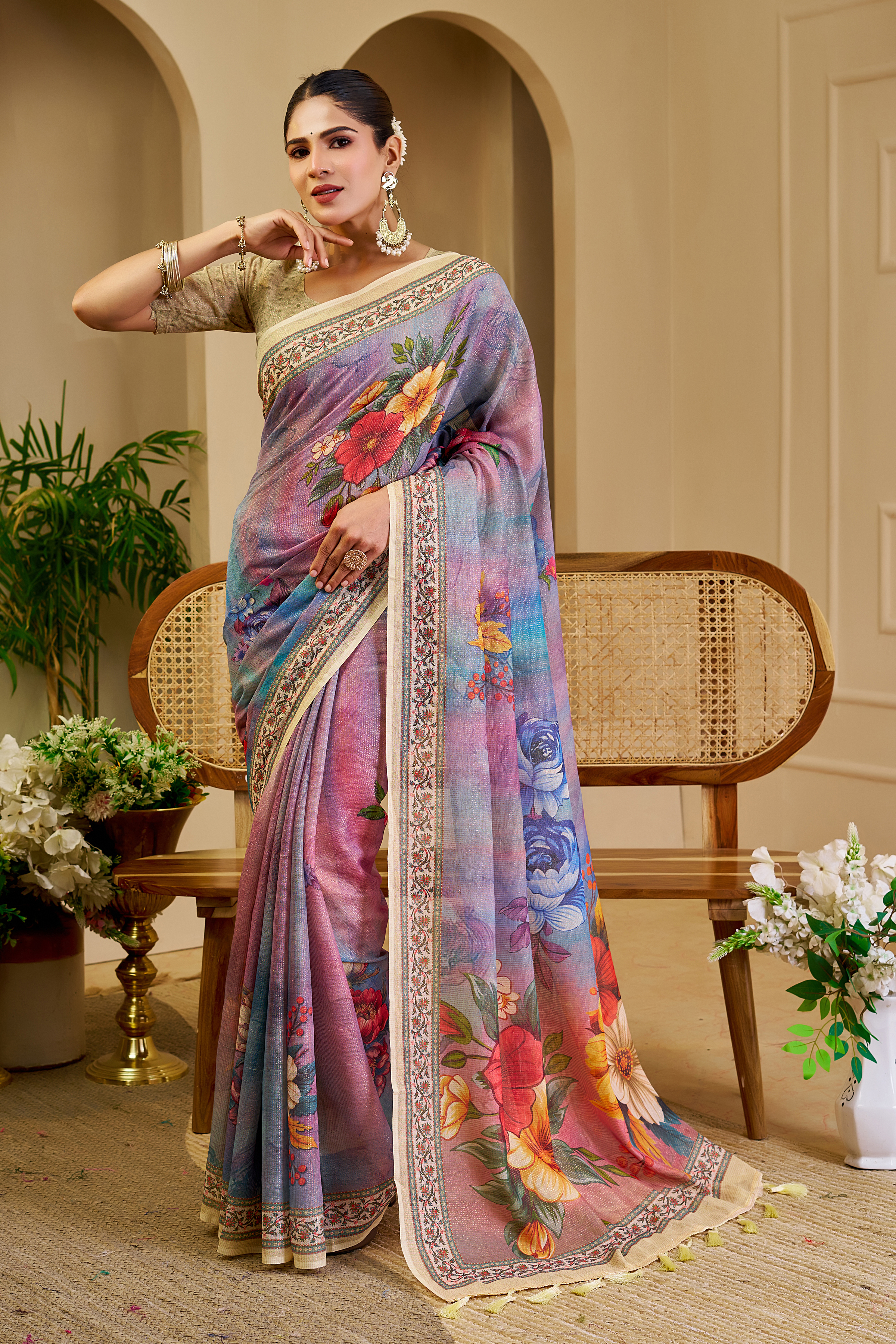
Search bars, family WhatsApp groups and South Indian saree shops use a vocabulary that can feel unfamiliar to a first-time buyer. Pattu Pudavai Shopping Terms That Tamil Saree Buyers Actually Use often describe the silk, border construction, zari content, pallu, blouse piece and intended ceremony more precisely than the word "silk saree" alone. Understanding those terms helps you compare a Kanjeevaram wedding saree with a silk-cotton festive saree, identify what a listing actually includes and avoid paying a premium for a detail you did not request.
What does pattu pudavai mean?
Pattu pudavai means a silk saree, with "pattu" referring to silk and "pudavai" referring to a saree in Tamil usage. The phrase can describe several levels of silk saree, so it doesn't automatically prove that a saree is pure Kanjeevaram silk, handwoven or made with pure zari.
In everyday Tamil shopping conversations, "pattu saree" may supplied to a traditional wedding saree, a lightweight silk saree, a silk-cotton saree or a festive saree with a silk-like finish. A buyer should therefore ask for the fibre composition, weaving location, zari type and product certificate alternatively of relying on the word pattu alone.
Kanjeevaram, also called Kanchipuram silk, is associated with lustrous silk, substantial drape, contrasting borders and detailed pallu designs. Banarasi silk is another important silk category, but its motifs and weaving traditions differ from Kanjeevaram. Chanderi is lighter and more translucent, while silk-cotton blends generally feel easier to wear for longer hours than heavyweight bridal silk.
"Pattu pudavai" can also be used emotionally rather than technically. A Tamil family may use the phrase for a saree bought for a wedding, Seemantham, engagement, temple visit or milestone birthday even when the exact fabric is a silk blend. The safest buying habit is to separate the occasion label from the fibre label.
Pattu Pudavai Shopping Terms That Tamil Saree Buyers Actually Use
The most useful terms describe five parts of a saree: the body, border, pallu, zari and blouse piece. These terms help a buyer ask specific questions instead of asking only whether a saree is "good quality."
- Pattu: Silk, although the percentage of silk may vary in blended fabrics.
- Pudavai: Saree; the word is commonly used in Tamil retail conversations.
- Pallu or mundhani: The decorated end of the saree that appears over the shoulder.
- Border or karai: The lengthwise decorative strip running along one or both edges.
- Zari: Metallic thread used for borders, pallus and motifs.
- Thari: Loom; buyers may use this word while discussing weaving or handloom origin.
- Korvai: A time-honoured technique in which the body and border are joined with a distinct interlocked construction.
- Petni or petni-style joining: A method associated with joining contrasting sections, particularly in classic silk weaving conversations.
- Butta: A small repeated motif placed across the saree body.
- Butti: A smaller individual motif, often used to describe scattered designs.
- Jaal or jal: An all-over network of motifs, usually more densely arranged than isolated buttas.
- Vaira oosi: A diamond or geometric needle-like motif associated with heritage South Indian saree design language.
Retail terms are not always used consistently. One seller may call a small floral motif a butti, while another may call the same motif a butta. Photos, measurements and fibre details remain more reliable than terminology alone.
How do silk, silk-cotton and synthetic sarees differ?
Silk sarees contain silk fibres, silk-cotton sarees combine silk and cotton, and synthetic sarees use manufactured fibres such as polyester or viscose; the label or seller should identify the composition clearly. Fibre content affects breathability, weight, sheen, price, crease behaviour and care.

Pure silk and Kanjeevaram
Pure silk usually has a soft but resilient hand feel, a natural lustre and a drape that gains character with wear. Time-honoured Kanjeevaram silk often feels more substantial than lightweight occasion silk, particularly when the saree carries a broad zari border and a densely woven pallu.
A heavier saree isn't automatically a better saree. Weight may come from silk density, zari, border width or finishing. Ask whether the quoted weight includes the blouse piece, packaging and zari, because sellers may measure these differently.
Silk-cotton and lightweight festive sarees
Silk-cotton blends usually offer a practical middle ground between the sheen of silk and the breathability of cotton. These sarees can suit daytime weddings, temple functions, office celebrations and travel when a heavy bridal saree would be uncomfortable.
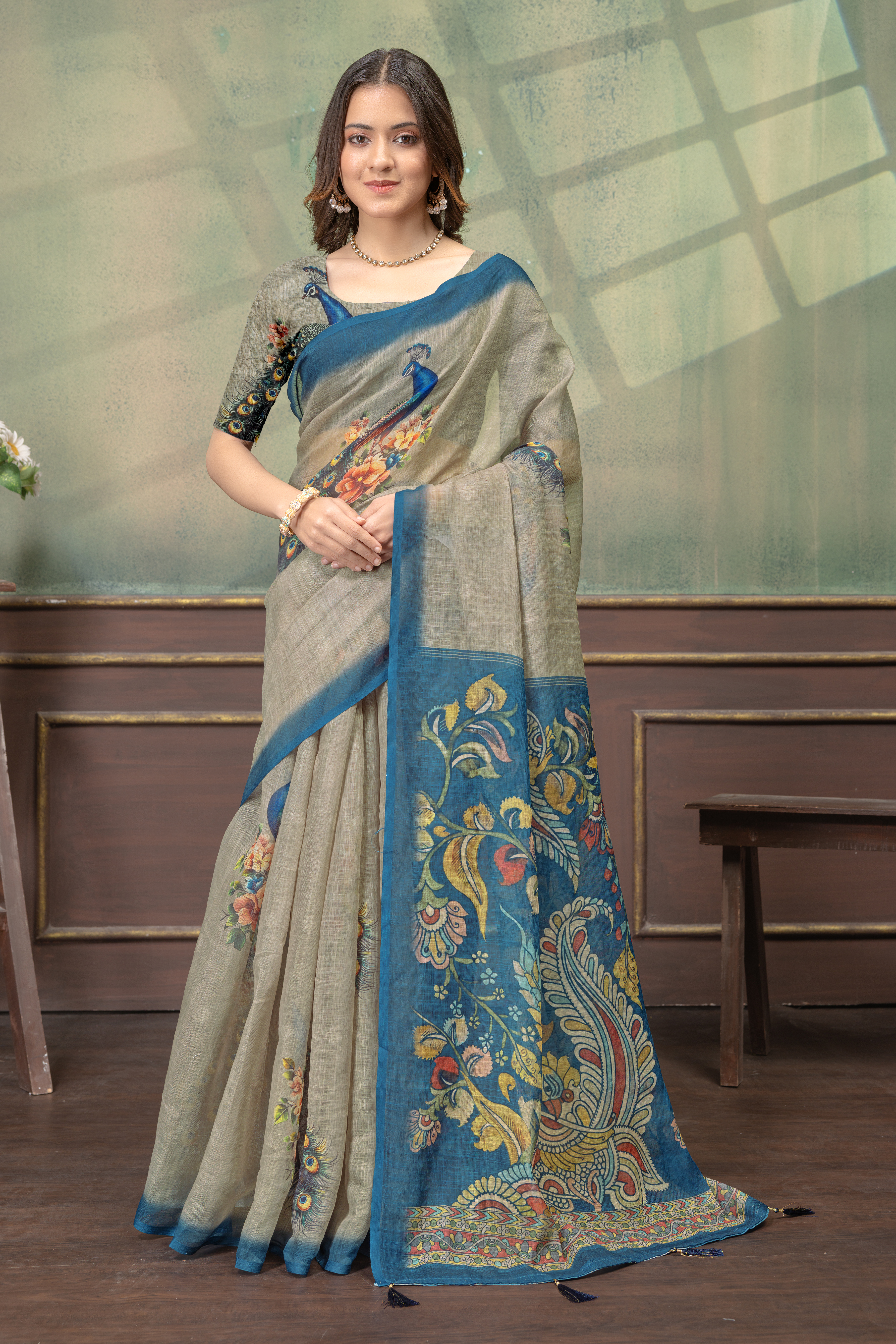
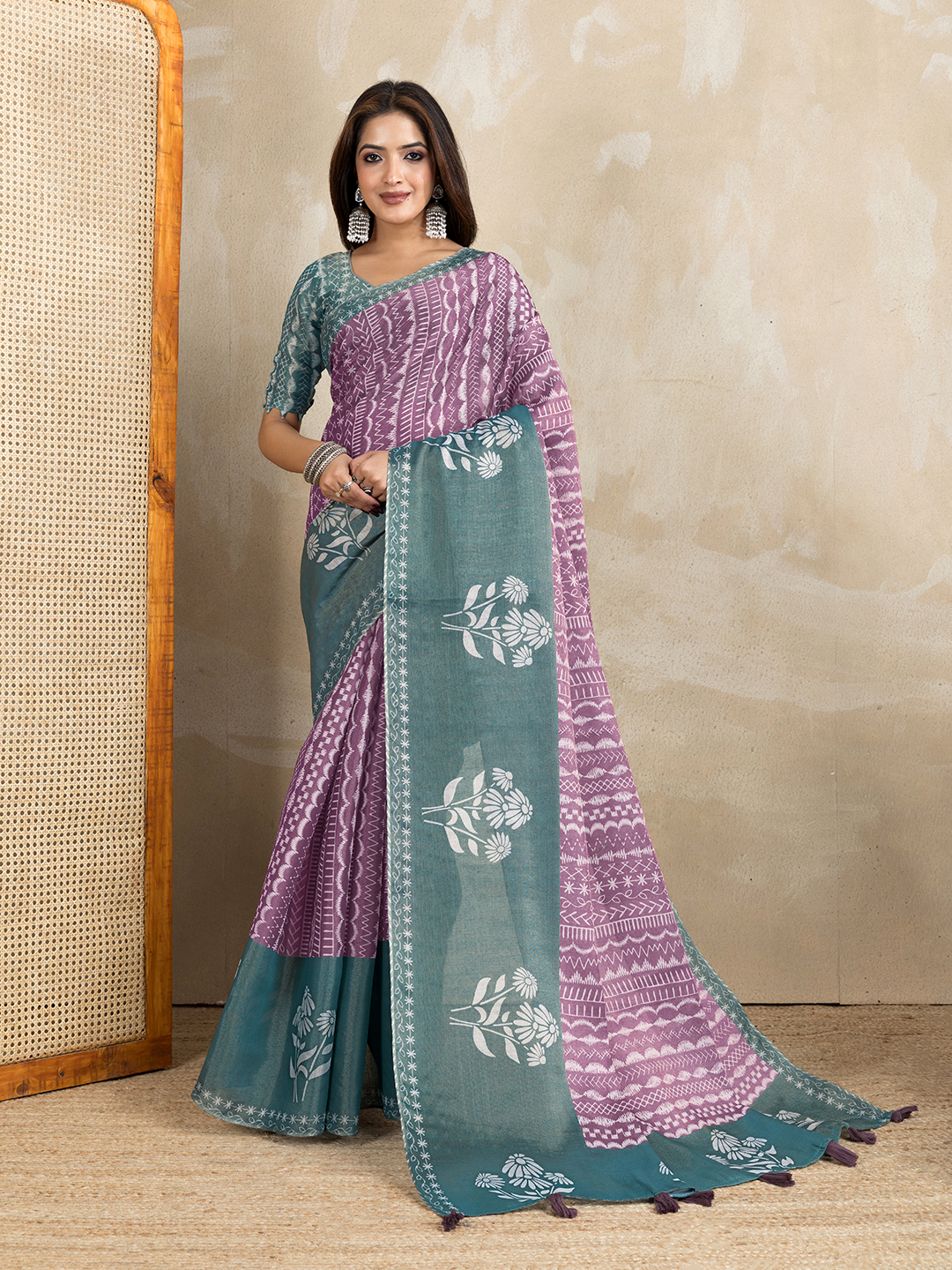
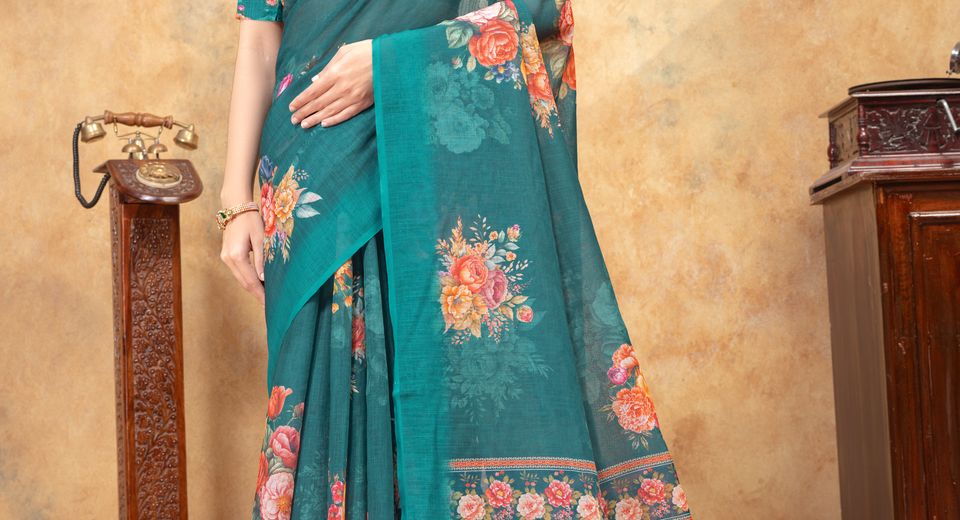
A printed or woven linen-cotton saree should not be described as pattu merely because it has a festive colour or a glossy border. For example, Teal Floral Printed Linen Cotton Saree with Designer Border and Peach Floral Linen Cotton Saree with Woven Jacquard Borders illustrate how cotton-based sarees can deliver pattern and structure without being silk sarees.
How to read terms such as soft silk and art silk
"Soft silk" is commonly used for lighter, easier-to-drape silk sarees, but the phrase alone doesn't state the exact fibre percentage. "Art silk" generally indicates an imitation silk made from synthetic fibres, although product terminology can vary between sellers.
Ask three direct questions before buying: What is the fibre composition? What is the source of the weave? What care method is required? Clear answers are more useful than descriptions such as "premium," "designer" or "bridal quality."
What do zari, border and pallu terms tell you?
Zari is metallic thread used to create sheen and ornamentation, and its material determines much of a saree's cost and care requirement. Zari may be made with precious-metal content, tested silver-gilt material, metallic-coated thread or imitation zari, so buyers should request the exact specification.

"Pure zari" is a value claim that should be supported by a seller's description or certification. Imitation zari can be attractive and more affordable, but it may react differently to moisture, perfume and long-term storage. Avoid folding a zari saree while it's damp, and keep tissue between folds when storing it for extended periods.
A contrast border uses a visibly different colour from the saree body. A self-border stays close to the body colour. A broad border creates a stronger heritage appearance and can alter the visual proportion of the wearer, while a narrow border generally feels lighter and more versatile.
A temple border usually refers to repeated triangular or temple-shaped motifs. A rudraksha border uses bead-like oval motifs. A peacock border, floral border or mango border names the motif rather than the fibre of the saree. Motif terminology can help you search, but it doesn't establish authenticity.
The pallu often carries the densest weaving, so compare its width, motif scale and finishing with the listing photographs. A striped pallu, for example, creates a very different look from a dense zari pallu. Indigo Peach Satin Saree with Striped Pallu and Border Work is an useful example of why "striped pallu" can be a more precise search term than simply "party saree."
Which shopping terms help you compare online sarees?
The best online search phrase combines the fabric, colour, motif, border and intended use. A search such as "pink saree" produces a broad result, while "peach silk-cotton saree with zari border and contrast pallu" gives you a more useful starting point.
Use the following combinations when comparing listings:
- Fibre plus occasion: "silk-cotton saree for daytime wedding" or "Kanjeevaram silk for muhurtham."
- Colour plus weave: "teal woven saree" or "peach jacquard border saree."
- Motif plus construction: "floral printed linen cotton saree" or "butta silk saree with zari pallu."
- Border plus drape: "broad contrast border pattu saree" or "lightweight saree with narrow border."
- Blouse requirement: "saree with attached blouse piece" or "saree with designer blouse."
Teal Mal Cotton Woven Print Saree With Blouse - VARNAVI demonstrates the importance of reading the complete product name: the name identifies mal cotton, a woven print and a blouse inclusion. Pastel Linen Cotton Floral Print Saree with Designer Blouse also shows how "designer blouse" may be part of the product description rather than an assumption that every saree comes with a stitched blouse.
Check the product measurements before placing an order. A saree is commonly around 5.5 metres, with an additional blouse piece often measuring close to 0.8 metres, but dimensions vary. Confirm whether the blouse piece is attached, unstitched, separate, printed, woven or already tailored.
How should you match a pattu pudavai to a Tamil ceremony?
A ceremony's time, formality, movement and photography needs should guide the saree choice more than a generic "bridal" label. Muhurtham ceremonies often support classic Kanjeevaram silk with a substantial border, while reception, engagement and daytime functions can accommodate lighter silk, silk-cotton or structured cotton blends.
Muhurtham and wedding rituals
A wedding muhurtham usually calls for a saree with a secure drape, visible pallu, durable border and a blouse that supports pleating and pinning. Kanjeevaram silk, temple borders, korvai construction and time-honoured zari are common search terms, but the bride should also consider the saree's weight because several hours of standing and movement can make a heavy saree tiring.
Haldi ceremony and daytime events
A Haldi ceremony suits breathable, easy-care fabrics and colours that can handle an informal setting, provided the seller gives appropriate care instructions. Linen cotton, mal cotton and silk-cotton options may be more comfortable than heavy zari silk for a daytime event.
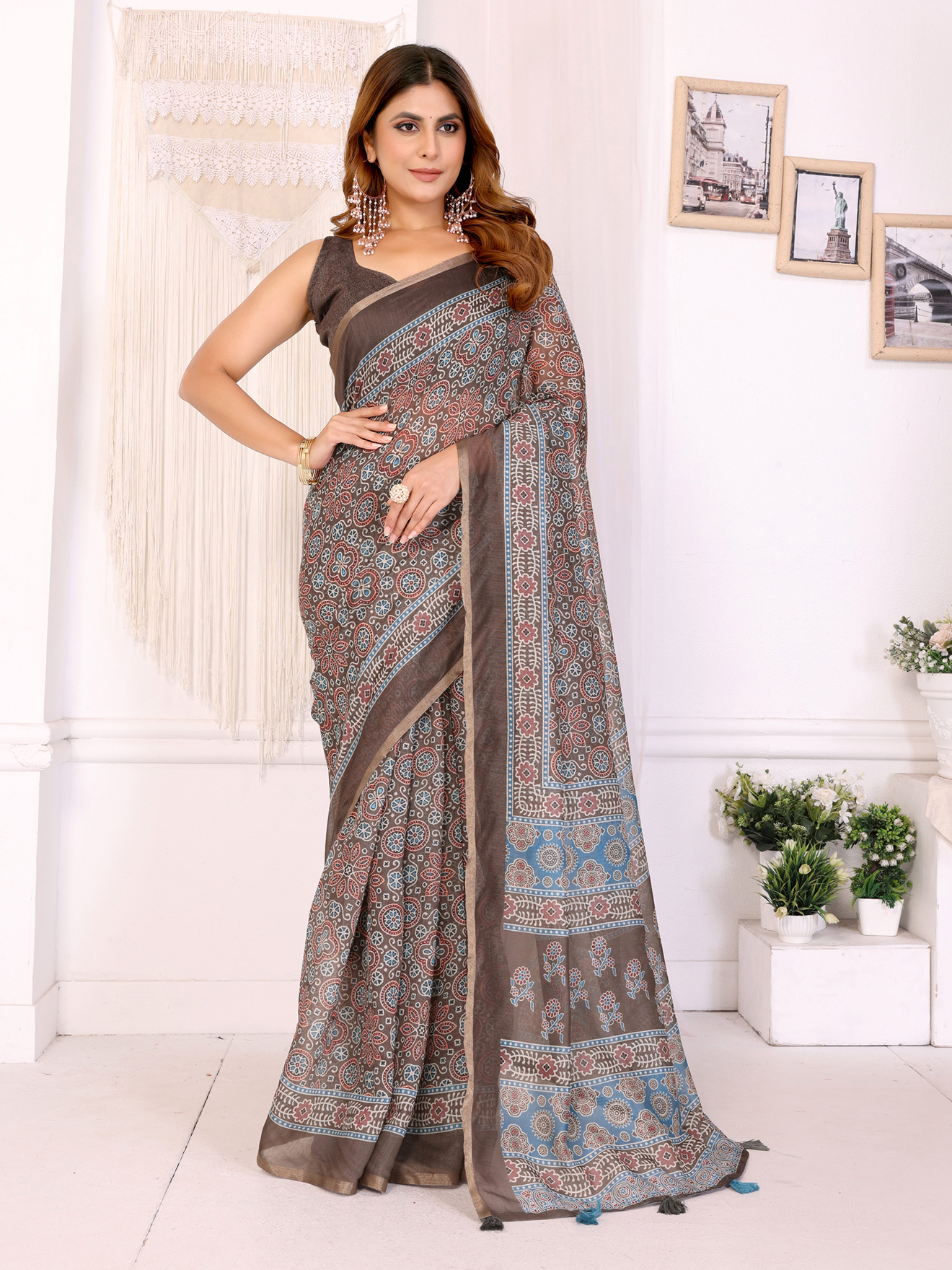
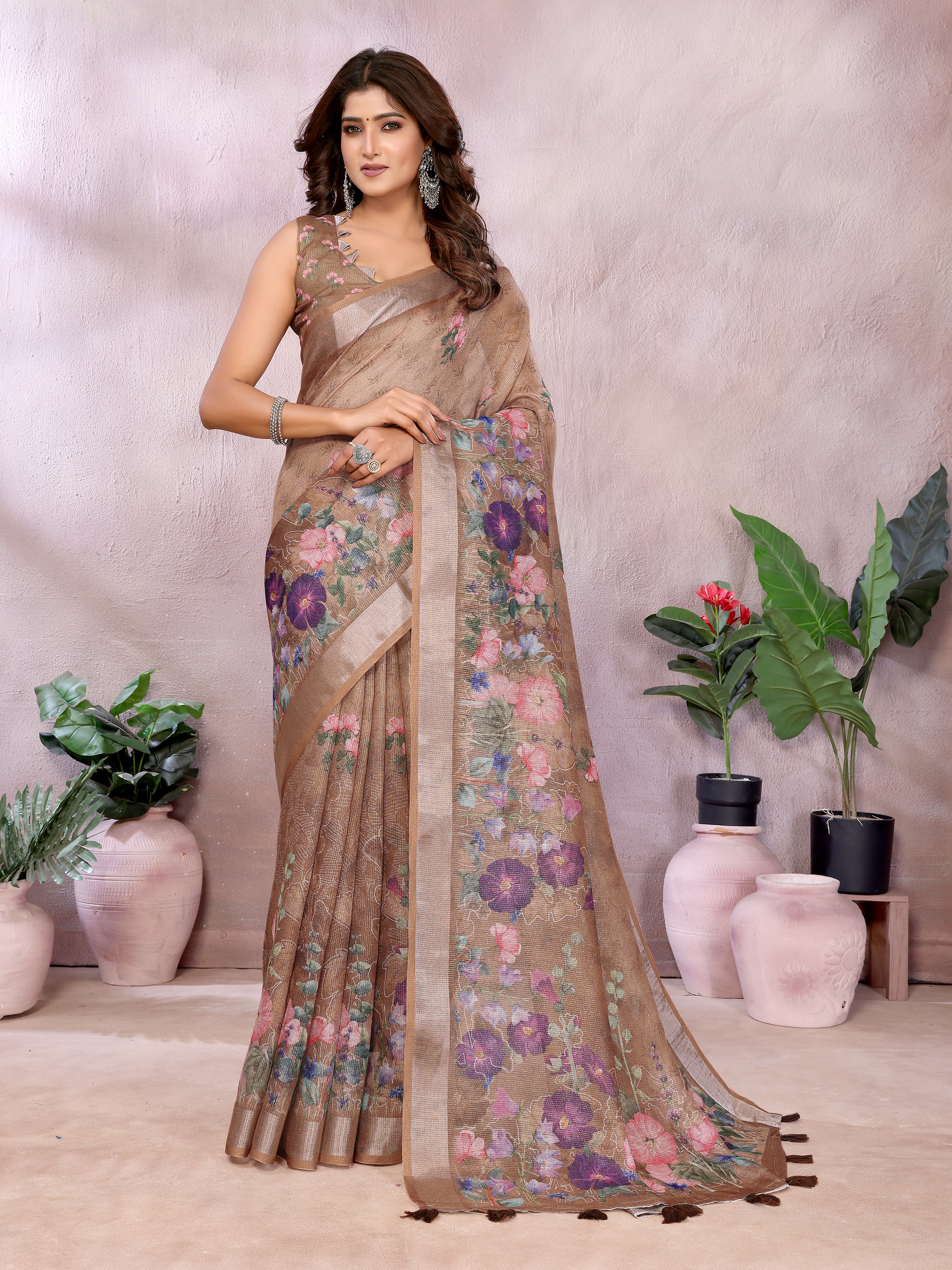
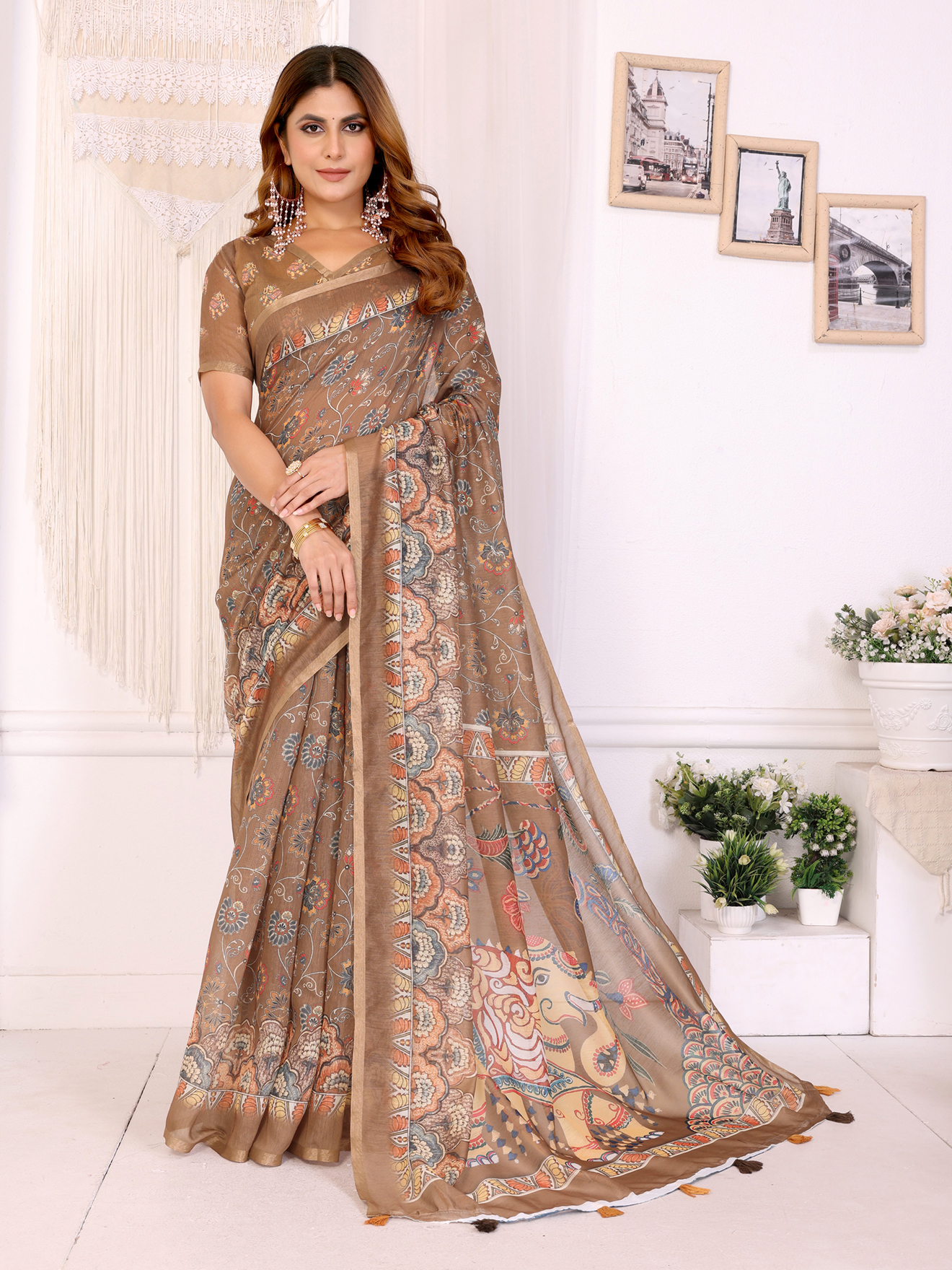
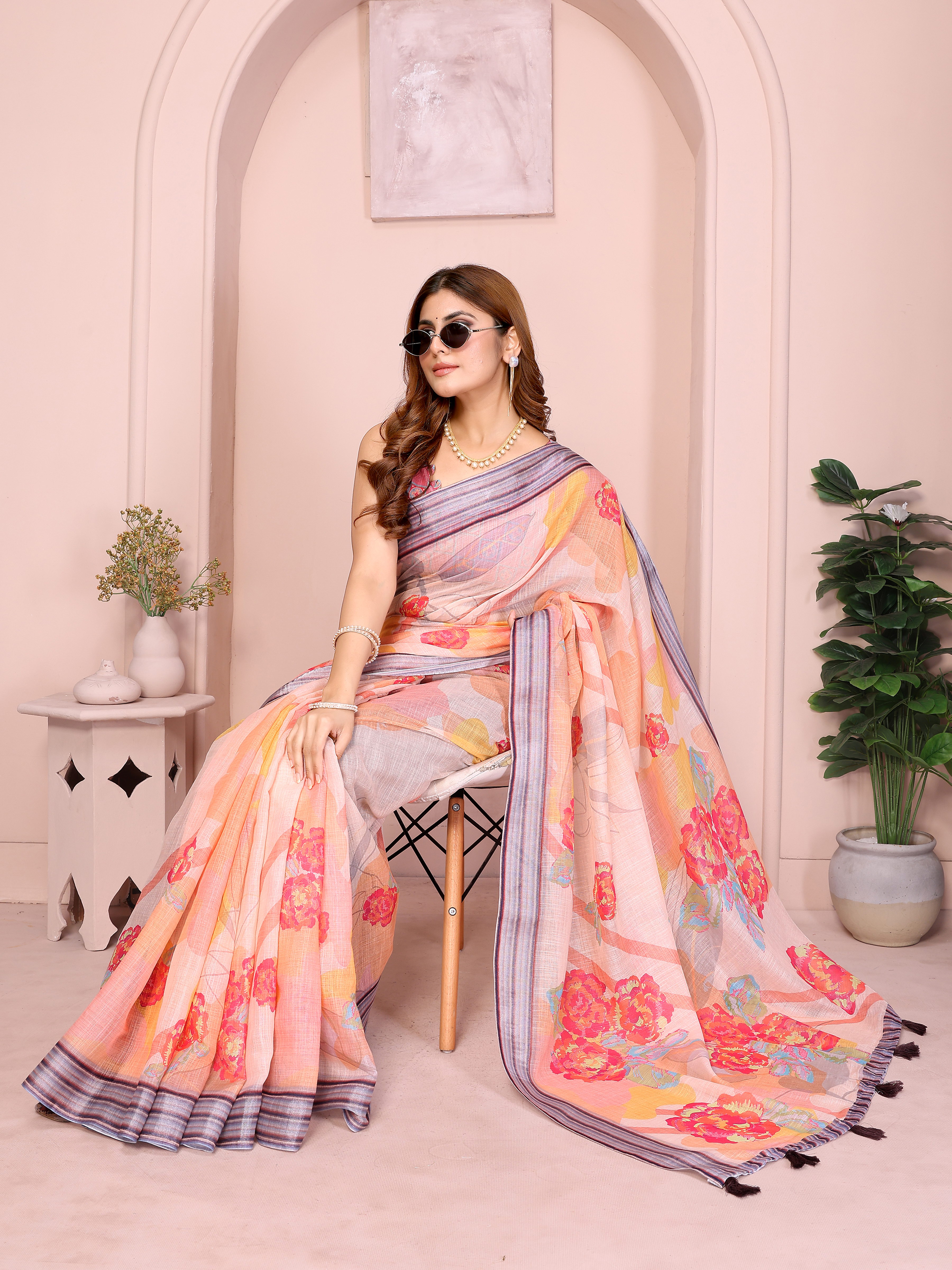
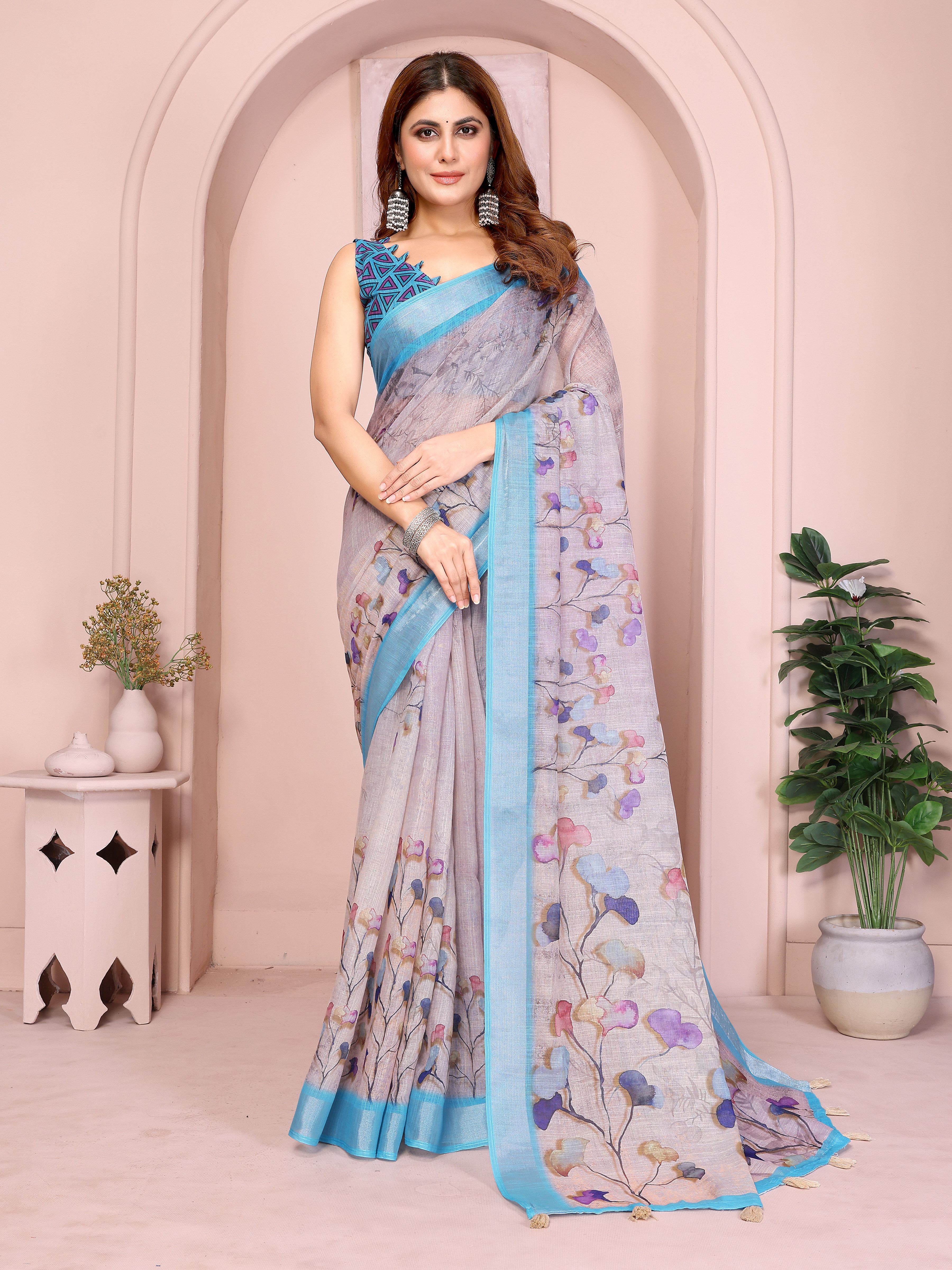
Brown Floral Linen Cotton Saree with Peach Botanical Print and Peach Floral Linen Cotton Saree with Blue Border for Ladies show how botanical prints and contrast borders can create a festive appearance without relying on heavy metallic work. These are not substitutes for a time-honoured pattu saree when a family specifically requires pure silk, but they may suit pre-wedding functions.
Reception and evening celebrations
Evening receptions allow greater flexibility in satin, jacquard, woven and embellished surfaces because artificial lighting highlights sheen and border detail. A saree with a defined pallu can photograph well, but comfort still depends on the fabric's weight and how easily the pleats hold.
How much should you budget for a saree purchase?
A sensible budget starts with the required fibre, zari, weaving method and blouse inclusion rather than a discount percentage. A low price can reflect a synthetic fibre, narrow border, printed design or imitation zari, while a higher price may reflect silk quantity, handloom labour, precious-metal content or intricate joining.
Online shoppers can create an useful comparison table with five columns: fibre, zari type, saree length, blouse details and care instructions. Add the final delivered price, because shipping, alteration and blouse stitching can change the actual cost of ownership.
Collections such as Sarees from Rs 1000 to Rs 1500 can help shoppers set an initial price boundary, while Sarees Under 20% Off and Sarees Under 10% Off allow discount-led browsing. Sarees Flat 60% Off and Sarees Flat 50% Off may be useful for non-bridal festive sarees, but a percentage reduction doesn't replace checking fabric composition or measurements.
Compare original specifications rather than comparing discount labels. A printed linen-cotton saree and a handwoven Kanjeevaram silk saree serve different purposes even when their sale prices appear similar. The right question is whether the saree meets the ceremony, comfort, fibre and care requirements you actually have.
What should you check before ordering a pattu saree online?
Before ordering, verify the fabric, weave, zari, dimensions, blouse details, colour representation, care method and return conditions in writing. A five-minute checklist can prevent the most common online saree disappointments.

- Read the fibre line: Confirm whether the saree is pure silk, silk-cotton, cotton, linen cotton, satin or synthetic.
- Inspect close-up images: Look at the border edge, pallu, motif spacing, zari finish and reverse side if shown.
- Confirm the blouse: Check whether a blouse piece is included and whether "designer blouse" means a stitched garment or a matching fabric panel.
- Ask about colour: Screens can shift teal, peach, indigo and brown tones, especially under warm lighting.
- Check length and width: Taller wearers or buyers planning elaborate pleats may need to confirm measurements carefully.
- Review care instructions: Dry cleaning, gentle hand washing and zari-specific storage requirements differ by fabric.
- Keep the invoice and product description: These records are useful if the received fibre, colour or blouse details differ from the listing.
Teal Floral Printed Linen Cotton Saree with Designer Border and Pastel Linen Cotton Floral Print Saree with Designer Blouse show why exact product descriptions matter: one highlights a designer border, while the other highlights a designer blouse. A buyer looking for traditional pattu should not confuse either feature with pure silk or Kanjeevaram construction.
The most reliable purchase combines terminology with evidence. Use Tamil shopping words to narrow the search, then use composition, measurements and detailed photographs to make the final decision.
Common Questions Tamil Buyers Ask Before Choosing a Pattu Pudavai
What does pattu pudavai mean in Tamil saree shopping?
Pattu pudavai means a silk saree in common Tamil usage. The phrase does not by itself confirm pure silk, Kanjeevaram origin or pure zari, so buyers should check the fibre composition and product specifications.
What is the difference between Kanjeevaram silk and silk-cotton?
Kanjeevaram silk is traditionally associated with substantial silk, distinctive borders, rich pallus and South Indian weaving traditions. Silk-cotton combines silk and cotton, making it generally lighter and more breathable, but the exact blend should be confirmed on the product label.
What does korvai mean in a pattu saree?
Korvai describes a traditional construction in which the saree body and border are joined through an interlocked weaving technique. Korvai can indicate a specific weaving method, but it should not be treated as proof that every other feature, such as zari purity, meets a particular standard.
How can I check whether a saree has pure zari?
Ask the seller to state the zari material and provide certification or product documentation when a pure-zari claim is made. Metallic-coated and imitation zari can also look attractive, but they require different expectations about price, durability and care.
Is a saree with a designer blouse the same as a saree with a blouse piece?
No. A designer blouse may mean a stitched or specially designed blouse, while a blouse piece usually means matching fabric supplied with the saree for tailoring. The listing should specify whether the blouse is stitched, unstitched, attached or sold separately.
Which saree terms should I search for a Tamil wedding?
Useful searches include Kanjeevaram silk, korvai border, temple border, pure zari, contrast pallu, bridal pattu saree and silk saree with blouse piece. Add the ceremony, colour and preferred weight to narrow the results more effectively.