

Pastel ethnic wear can look luminous in daylight and strangely dull in photographs. Pastel Ethnic Wear Without the Washed-Out Look depends less on choosing a darker colour and more on controlling contrast, texture, tailoring, accessories and light. A powder-blue kurta, blush saree or pistachio dupatta needs a visual anchor so the outfit reads as intentional rather than unfinished.
The useful distinction is between softness and low contrast. Soft colours such as mint, lilac, peach, powder blue and butter yellow can retain plenty of depth when they include zari, embroidery, a strong border, a defined blouse or a darker accessory. The following method helps you assess a pastel outfit before wearing it to a Haldi ceremony, daytime wedding, festive lunch or reception.
Why do pastel outfits sometimes look washed out?
Pastel outfits look washed out when several low-contrast elements appear together without a darker or more textured anchor. A pale garment, nude footwear, light jewellery, neutral makeup and bright white lighting can visually merge into one flat area.
Colour value matters here. Value means how light or dark a colour appears, independent of whether the colour is pink, blue or green. A pastel peach saree paired with champagne accessories may have almost no value contrast, while the same saree with antique gold earrings, a teal blouse or a defined berry lip will look more dimensional.
Fabric also changes perceived richness. A matte cotton surface scatters light softly, while silk, satin, tissue and metallic zari reflect light in different directions. A pastel saree in Banarasi silk may therefore appear more substantial than a similar pastel shade in a very thin, flat synthetic fabric.
Digital photographs amplify the problem because phone cameras often expose pale clothing against the brightest part of the frame. A face, blouse and saree can lose colour when a photographer points towards a window or when an overhead light creates a white cast. Styling and photography should be planned together for important events.
How can colour contrast make pastel ethnic wear look richer?
Use one deliberate contrast point in the blouse, border, dupatta, jewellery or makeup rather than adding dark accents everywhere. A contrast point gives the eye somewhere to settle while keeping the overall outfit light.
Match contrast to the pastel base
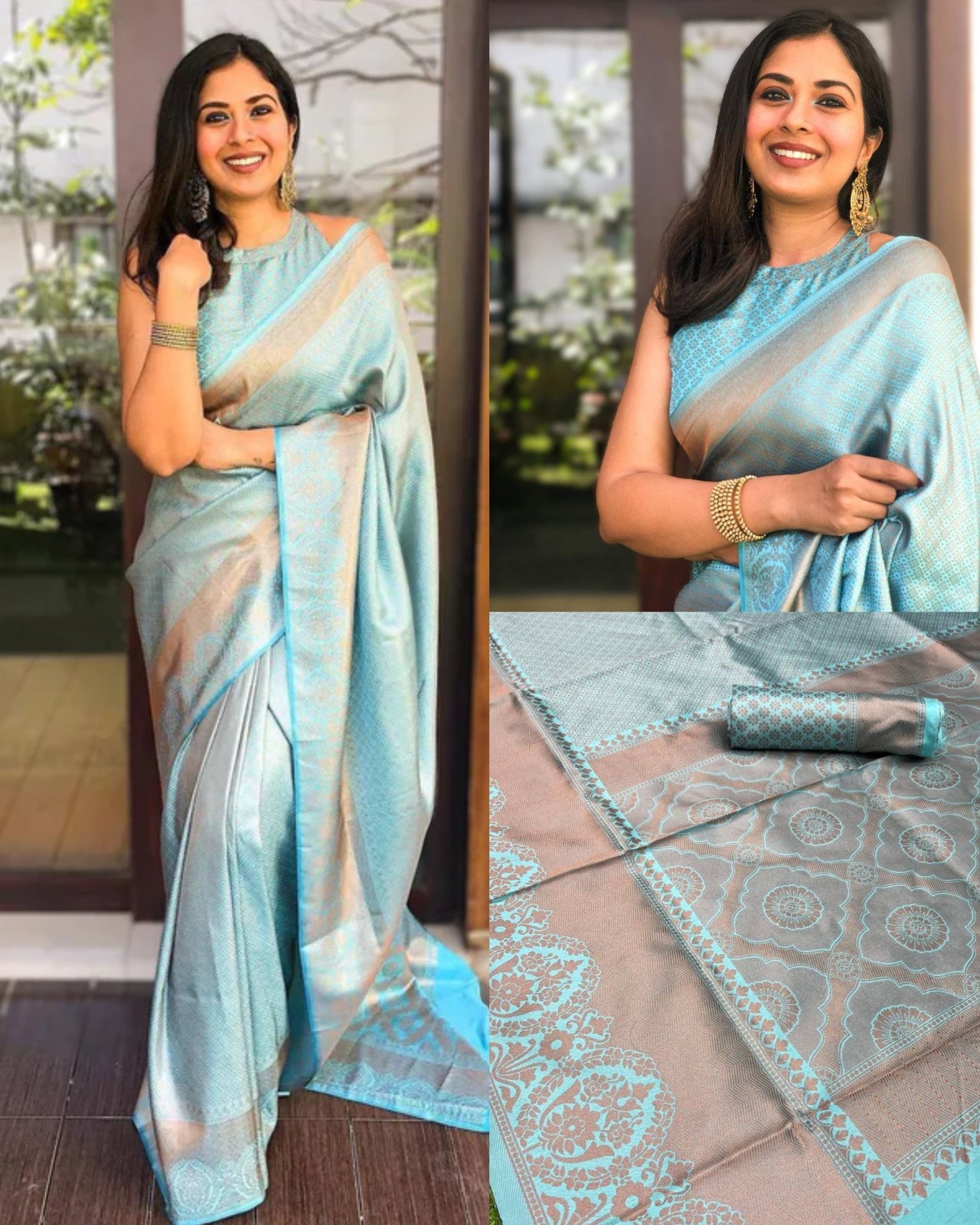
Pastel blue works well with navy, cobalt, silver, antique gold and muted plum. Pastel pink gains definition from wine, rosewood, chocolate brown, oxidised silver or deep green. Pastel peach becomes more visible beside teal, rust, old gold or warm brown. Pastel lavender pairs effectively with aubergine, charcoal, silver and golden gold.
The contrast doesn't need to occupy a large area. A 10 to 20 percent contrast detail can be enough: a darker blouse sleeve, a narrow zari border, a printed pallu, a bindi, a belt or a pair of earrings. Keeping the contrast controlled prevents the accessory from competing with the pastel base.
Use a three-part colour formula
A reliable formula is one dominant pastel, one supporting neutral and one accent shade. For example, pastel aqua can be combined with ivory and antique gold; pastel pink can be combined with rose beige and wine; pastel lavender can be combined with grey and yellow gold.
The supporting neutral should connect two parts of the outfit. Ivory footwear can echo an ivory blouse, while gold jewellery can repeat zari on the pallu. A random black handbag may create harsh separation unless black already appears in the print, border or footwear.
Which fabrics prevent a pastel outfit from looking flat?
Pastel outfits look more dimensional when the fabric provides visible weave, sheen, embroidery, pleats or a structured fall. Fabric selection is therefore as important as colour selection.
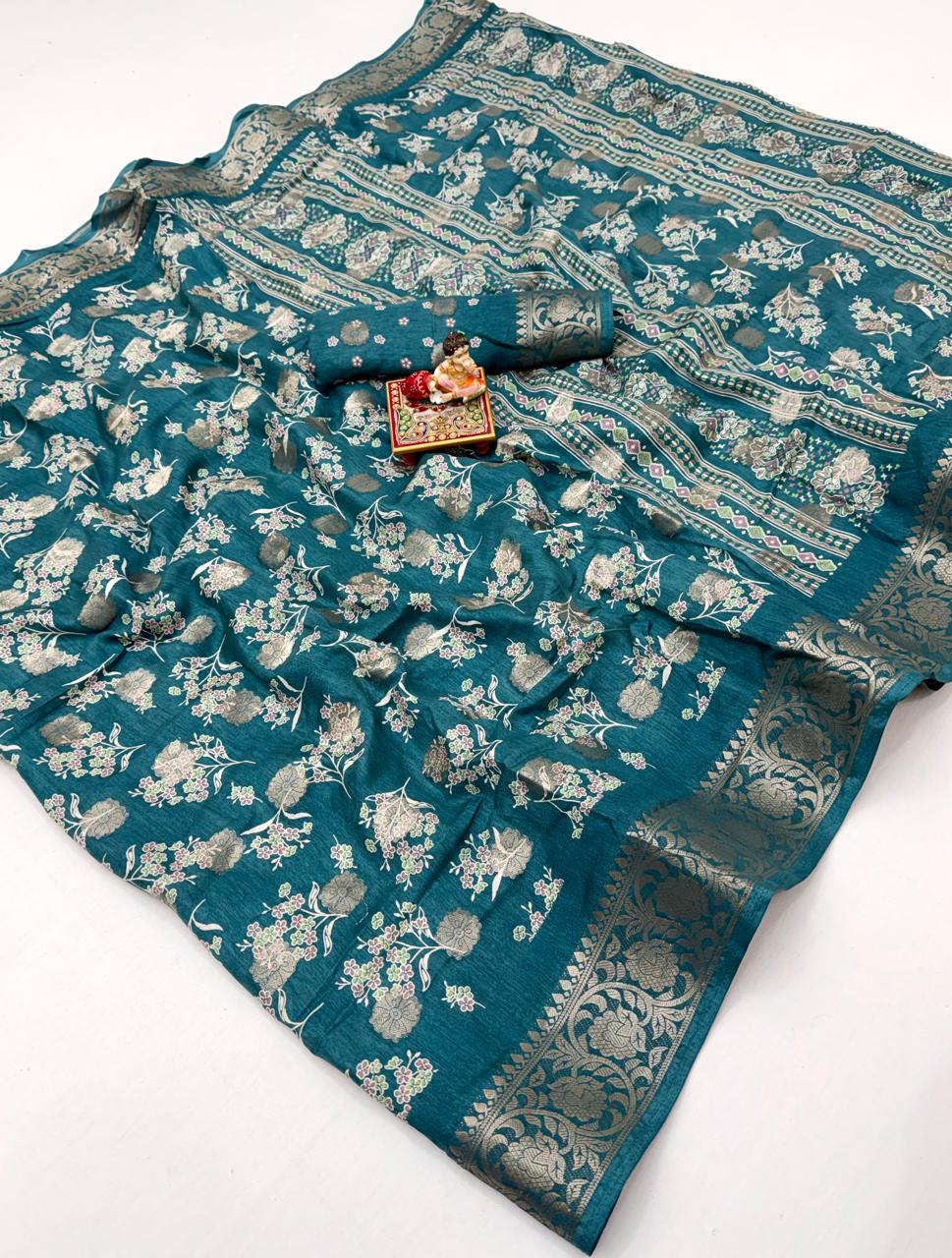
Banarasi silk and Lichi silk add depth through their compact weave and reflective surface. Pastel Peach Teal Banarasi Lichi Silk Saree Zari Work demonstrates why a pastel base can still feel festive: the teal note creates contrast and zari catches directional light. Pastel Aqua Lichi Silk Saree with Rich Jacquard Border uses a substantial border to frame a pale colour instead of letting the saree disappear.
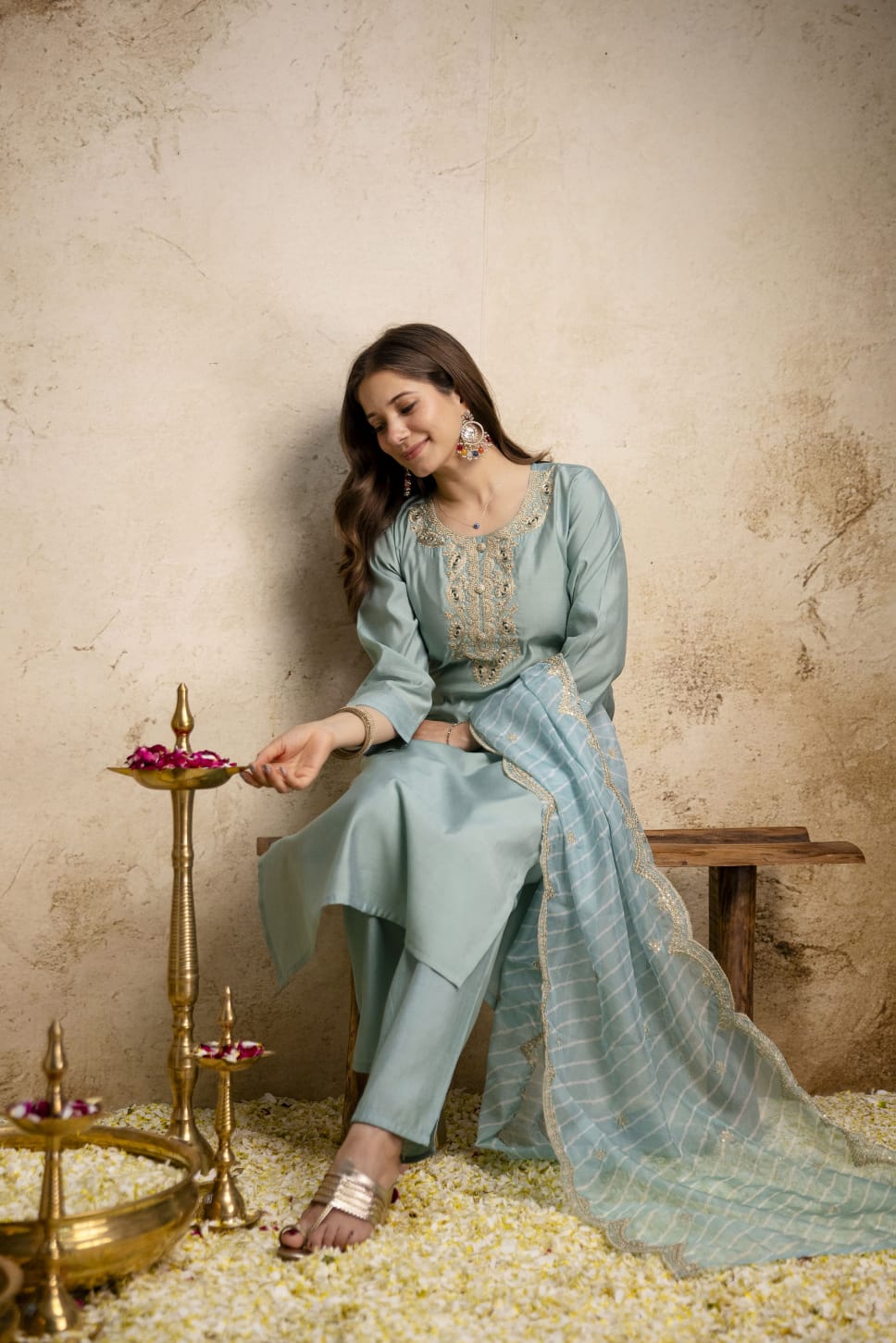
Chanderi offers a lighter, more transparent effect with an airy hand and often a subtle sheen. Pastel Blue Embroidered Chanderi Kurta Set with Dupatta can look elegant for a daytime event when the embroidery, neckline and dupatta edging are visible. Keep the lining close to the skin tone or the garment's base shade so transparency doesn't make the colour appear patchy.
Cotton, linen cotton and handloom tissue are useful when the event is warm or informal, but these fabrics need styling structure. Pastel Floral Printed Linen Cotton Saree with Blouse and Pastel Linen Cotton Floral Print Saree with Designer Blouse gain definition from floral placement and blouse design. Crisp pleats, a pressed pallu and a shaped blouse help matte fabric look deliberate.
Satin reflects light strongly, so it can make pale colours appear brighter in some conditions and overly white in others. Pastel Pink Satin Floral Print Saree with Unstitched Blouse benefits from controlled lighting, a defined blouse fit and jewellery with enough weight to balance the smooth surface.
Budget-conscious shoppers can compare fabric, lining and finishing through Pastel Dress Materials Under 2000, especially when assembling a daytime kurta set. A lower price doesn't automatically mean a weaker look, but thin fabric needs stronger attention to cut, pressing and colour contrast.
How should you style the blouse, dupatta and border?
The blouse, dupatta and border should create a frame around a pastel garment rather than repeat the same pale shade from head to toe.
For a pastel saree, a blouse one or two values darker usually creates the clearest result. A teal blouse with peach, a plum blouse with lavender or a powder-blue blouse with navy piping can sharpen the silhouette. If the saree already has a rich border, a blouse that repeats the border colour is often more polished than a completely contrasting blouse.
Neckline and sleeve shape also contribute contrast. A square neckline, high neck or sleeveless cut exposes more skin and creates separation between the face and fabric. Elbow-length sleeves, piping and covered buttons add visual lines without making a pastel outfit heavy.
A dupatta should not become a pale second layer that hides the kurta embroidery. Wear Pastel Blue Embroidered Chanderi Kurta Set with Dupatta with one shoulder pinned or with the dupatta folded narrowly across the body, allowing the embroidery and waistline to remain visible. A dupatta with zari edging can act as the outfit's contrast line.
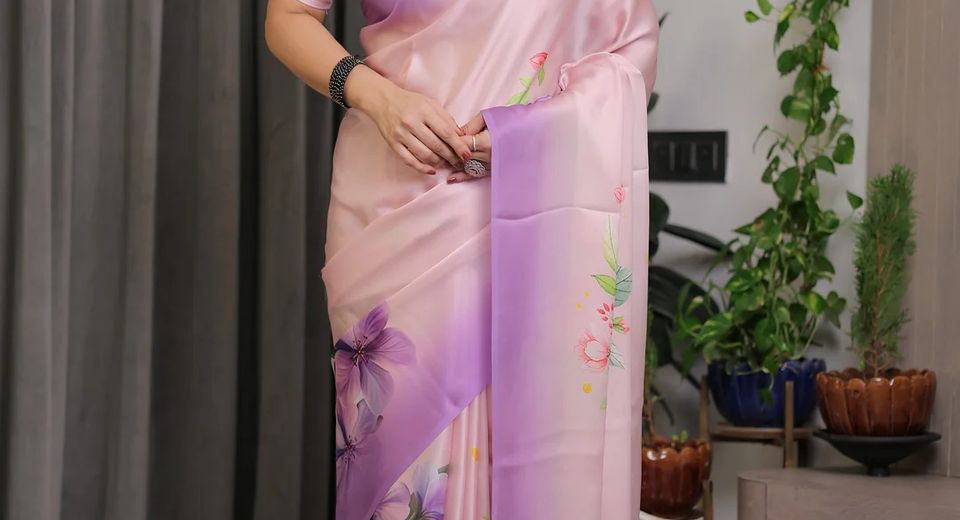
Pastel Lavender Floral Saree with Printed Pallu & Gold Trim shows how a printed pallu and gold trim can supply definition without requiring a dark blouse. Let the pallu remain visible, and avoid covering its strongest print with an oversized shawl or very wide belt.
Pastel Dress Materials Under 2000 can also be useful for testing the same styling principle with a kurta, salwar or palazzo set. Select one darker piping, printed dupatta border or metallic button detail instead of adding several unrelated embellishments.
Which jewellery and makeup work with pastel ethnic wear?
Jewellery with a clear metal tone and makeup with defined eyes or lips prevent a pastel outfit from blending into the face. The right choice depends on the weave, embellishment and time of day.
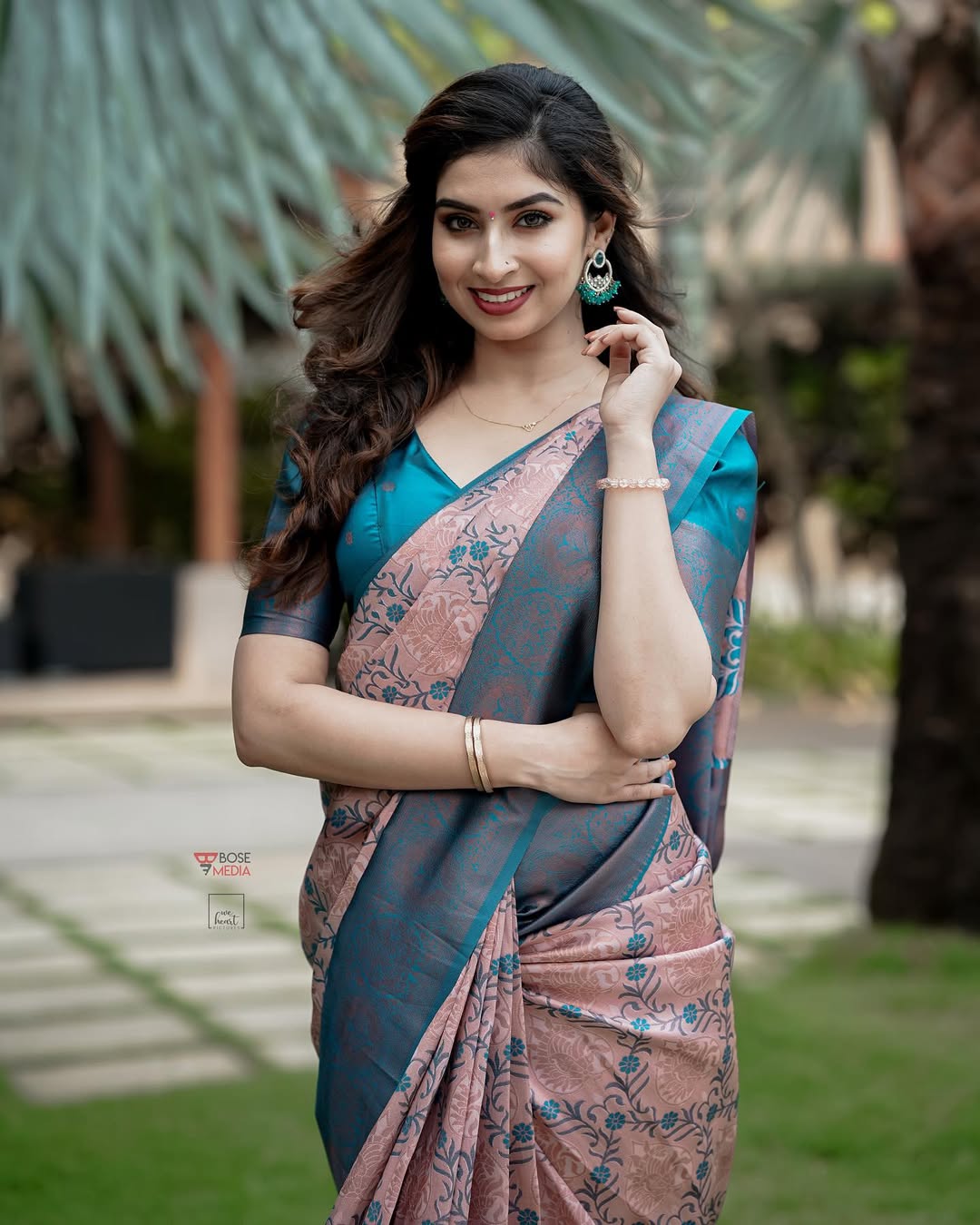
Yellow gold complements peach, coral, butter yellow and warm ivory, especially when the saree includes zari. Silver and white gold sharpen pastel blue, lavender, mint and cool pink. Oxidised silver adds useful depth to cotton, linen cotton and handloom outfits, while pearls reinforce a soft daytime mood but may need a darker makeup detail.
Choose one primary jewellery scale. Large jhumkas can replace a necklace, while a choker can be paired with smaller earrings. Wearing a heavy necklace, large earrings, stacked bangles and an ornate maang tikka together can obscure a delicate pastel print and make the look visually crowded rather than richer.
Makeup should restore definition without changing the gentle character of the outfit. A rose, terracotta or berry lip gives pastel pink and peach more presence. Mauve, brown or plum eyeliner suits lavender and blue. Blush should be placed high on the cheek and kept slightly stronger than an everyday neutral look because event lighting can reduce colour.
For a Haldi ceremony, waterproof eye makeup and a satin-finish base are practical choices because heat, movement and turmeric stains can affect comfort. Avoid a very pale nude lipstick with a very pale saree unless the eyes and brows are strongly defined.
How can prints, zari and trims add depth?
Print scale, metallic detail and trim create depth by breaking up a large uninterrupted pastel surface.

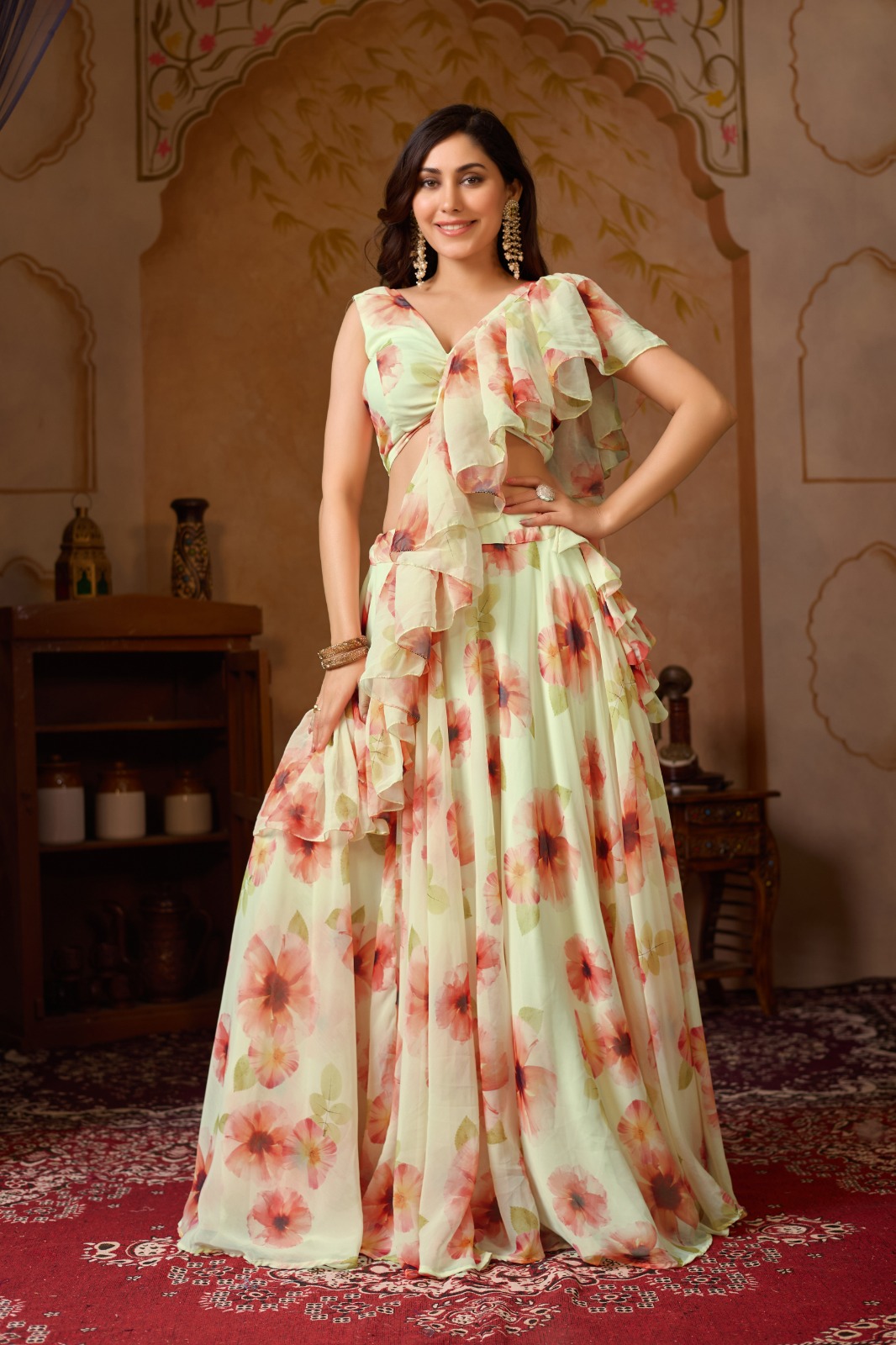
Small floral prints can look delicate, but they need a clean silhouette to avoid visual busyness. Pastel Floral Tissue Handloom Cotton Saree with Zari Weaves combines a tactile handloom surface with metallic detail, so keep the blouse relatively simple and let the weave do the work.
A large floral pallu can become the focal point of a saree. Pastel Lavender Floral Saree with Printed Pallu & Gold Trim should be pleated so that the printed section remains readable over the shoulder. Folded fabric can hide the contrast that makes the saree interesting.
Gold trim is especially useful around pale colours because it establishes a warm outline. However, zari should be checked under the event lighting. Bright yellow metallic thread may look formal under warm indoor lights, while antique gold or silver zari may photograph with more texture in daylight.
More embellishment doesn't always solve a washed-out appearance. Excessive glitter on a pale base can create glare and erase the garment's colour in photographs. A narrow border, concentrated neckline embroidery or restrained pallu zari usually gives better definition than uniform sparkle across the entire outfit.
How should pastel ethnic wear be adapted for different occasions?
Pastel ethnic wear should be adjusted through fabric weight, embellishment level, contrast and accessories according to the event's time, formality and setting.
Daytime functions
Daytime functions suit matte or lightly reflective fabrics, floral prints, Chanderi, cotton, linen cotton and restrained zari. Choose pearl, silver or delicate gold jewellery, and use a defined lip or eyeliner so direct sunlight doesn't flatten the face.
A pastel kurta set with a printed or embroidered dupatta works well for a festive lunch or puja. Keep the silhouette comfortable but pressed, because creases are more visible on pale colours. Block heels, juttis or embellished flats can repeat the accent colour without making the outfit formal.
Weddings and receptions
Weddings and receptions call for stronger texture or shine, such as Banarasi silk, Lichi silk, tissue, jacquard, satin or concentrated zari. A richer border, structured blouse and gold jewellery can make a pale saree appropriate for evening wear.
Pastel Peach Teal Banarasi Lichi Silk Saree Zari Work gives an useful example of combining a soft base with a deeper secondary colour. The same principle can be applied with a contrasting clutch, bindi or blouse while keeping the rest of the styling restrained.
Haldi ceremonies
Haldi ceremonies favour breathable fabrics, secure drapes and washable or replaceable accessories. Avoid long trailing dupattas and delicate footwear that can be damaged by turmeric paste or outdoor ground conditions.
Pastel aqua, peach, yellow, pink and green work naturally for a Haldi ceremony, but the outfit should include one defined element such as a printed pallu, colourful earrings or a darker blouse. Waterproof makeup, pinned pleats and a small crossbody or potli keep the outfit practical.
What lighting and finishing details keep pastels camera-ready?
Soft side light, accurate white balance and visible garment texture keep pastel clothing closer to its real colour in photographs.
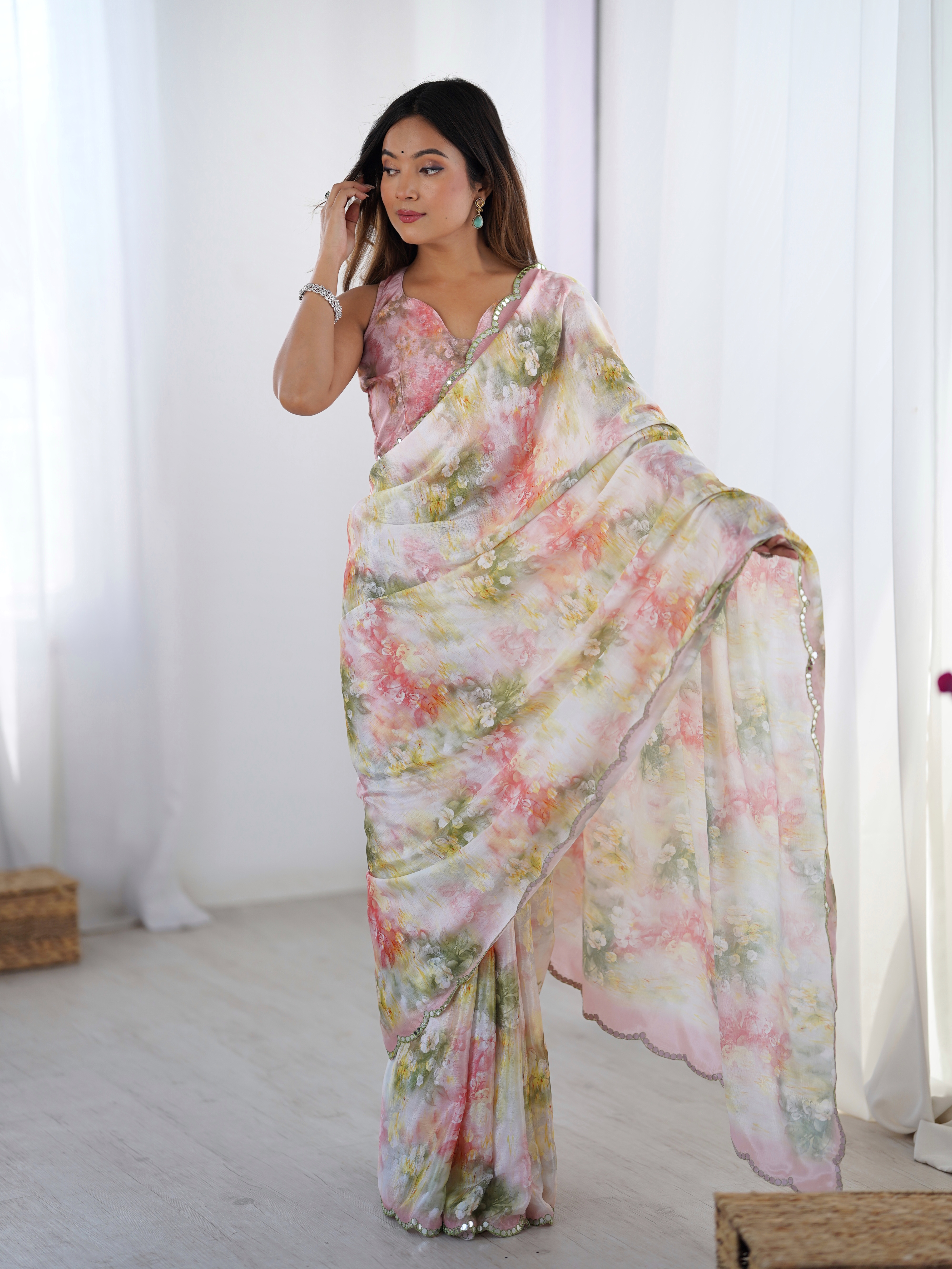
Ask the photographer to avoid placing a pale saree directly in front of a bright white wall or window. A warmer neutral wall, leafy outdoor background or shaded open-air setting gives the camera more colour information. Direct midday sunlight can bleach detail, while a shaded area near daylight usually preserves embroidery and skin tone.
Check the camera exposure before the event begins. If the saree appears nearly white on the phone screen, tap on the garment or lower exposure slightly. Avoid strong beauty filters because filters commonly reduce the distinction between pastel pink, beige, ivory and pale peach.
Finishing matters as much as colour coordination. Steam the saree or kurta set according to the fabric's care label, remove loose threads, press the pallu and check that the blouse cups or lining don't show through unexpectedly. Clean footwear and a structured bag provide quiet contrast even when the main outfit remains soft.
Pastel Ethnic Wear Without the Washed-Out Look comes from giving a pale palette a clear visual hierarchy. Choose one dominant colour, add one supporting neutral, introduce one accent, select a fabric with texture and finish the outfit with purposeful jewellery and light-aware makeup. These decisions make pastel dressing look luminous, considered and distinctly festive rather than faded.
Common Questions About Making Pastel Ethnic Wear Look Rich
How can I make a pastel saree look less dull?
Add one clear contrast point, such as a darker blouse, zari border, printed pallu, defined jewellery piece or stronger lip colour. Crisp pleats and textured fabrics such as Banarasi silk, Chanderi or tissue also give a pastel saree more visual depth.
Which blouse colours go with pastel sarees?
A blouse one or two values darker than the saree usually creates the strongest definition. Teal works with pastel peach, navy with pastel blue, wine or aubergine with pastel pink and lavender, and antique gold with warm pastel shades.
Can pastel ethnic wear be worn to a wedding reception?
Pastel ethnic wear suits a wedding reception when the fabric and finish provide enough richness. Choose Banarasi silk, Lichi silk, jacquard, satin, tissue, embroidery or zari, then add a structured blouse and jewellery with a clear metal tone.
Which jewellery suits pastel Indian outfits?
Yellow gold suits peach, coral and warm ivory, while silver and white gold complement pastel blue, lavender and mint. Oxidised silver adds depth to cotton and linen cotton, and pearls work best when the outfit includes another defined detail such as eyeliner, a border or a darker blouse.
How do I stop a pastel outfit from looking pale in photographs?
Use shaded daylight or soft side lighting instead of direct backlight, and avoid a bright white background. Check the phone exposure, keep the garment's texture visible and include a contrast detail such as a border, jewellery or deeper lip colour.
Are pastel colours suitable for a Haldi ceremony?
Pastel colours are suitable for a Haldi ceremony when the outfit is breathable, secure and easy to move in. Choose cotton, linen cotton or light silk, pin the dupatta and pleats, and use waterproof makeup and practical footwear.


