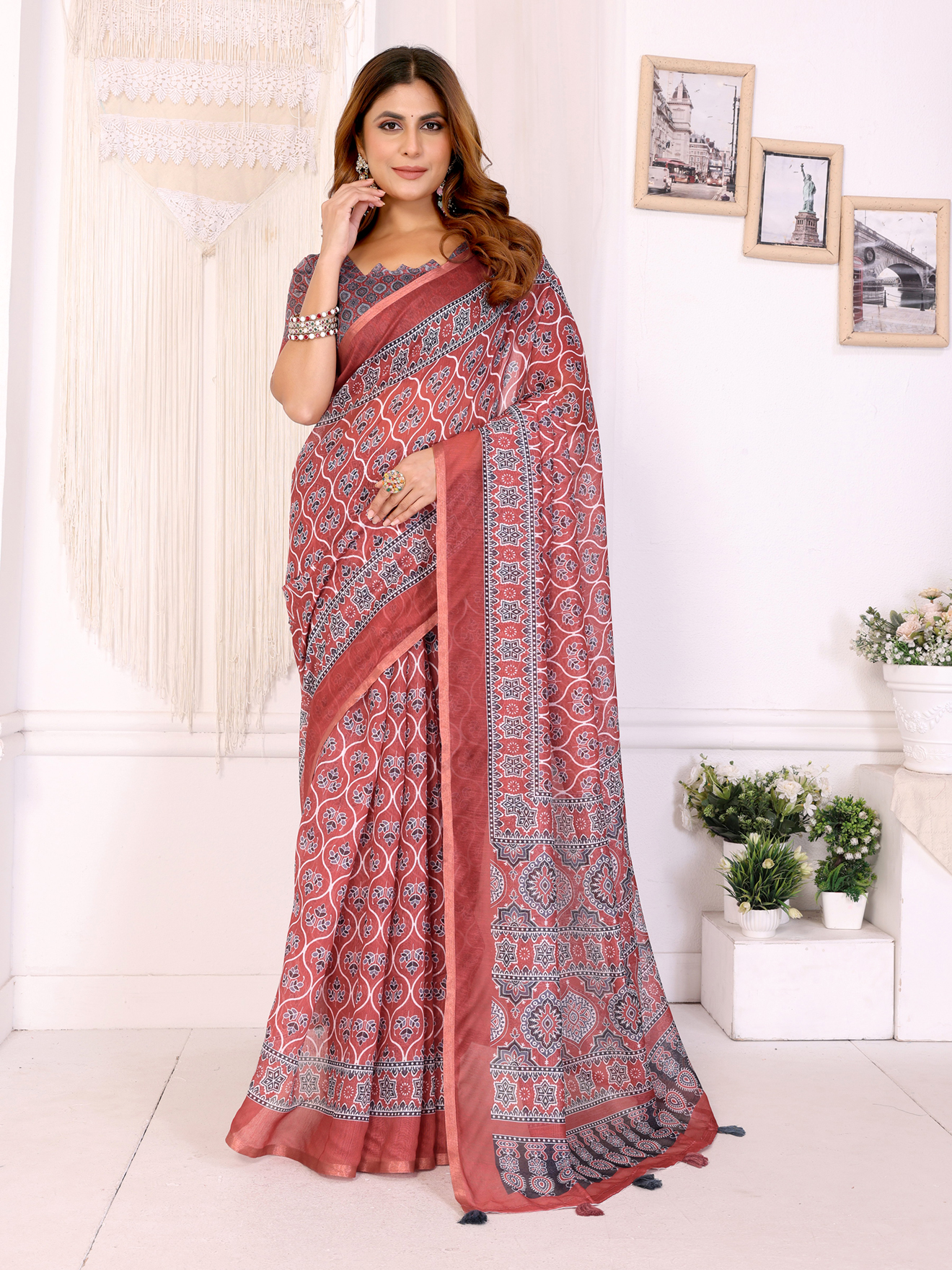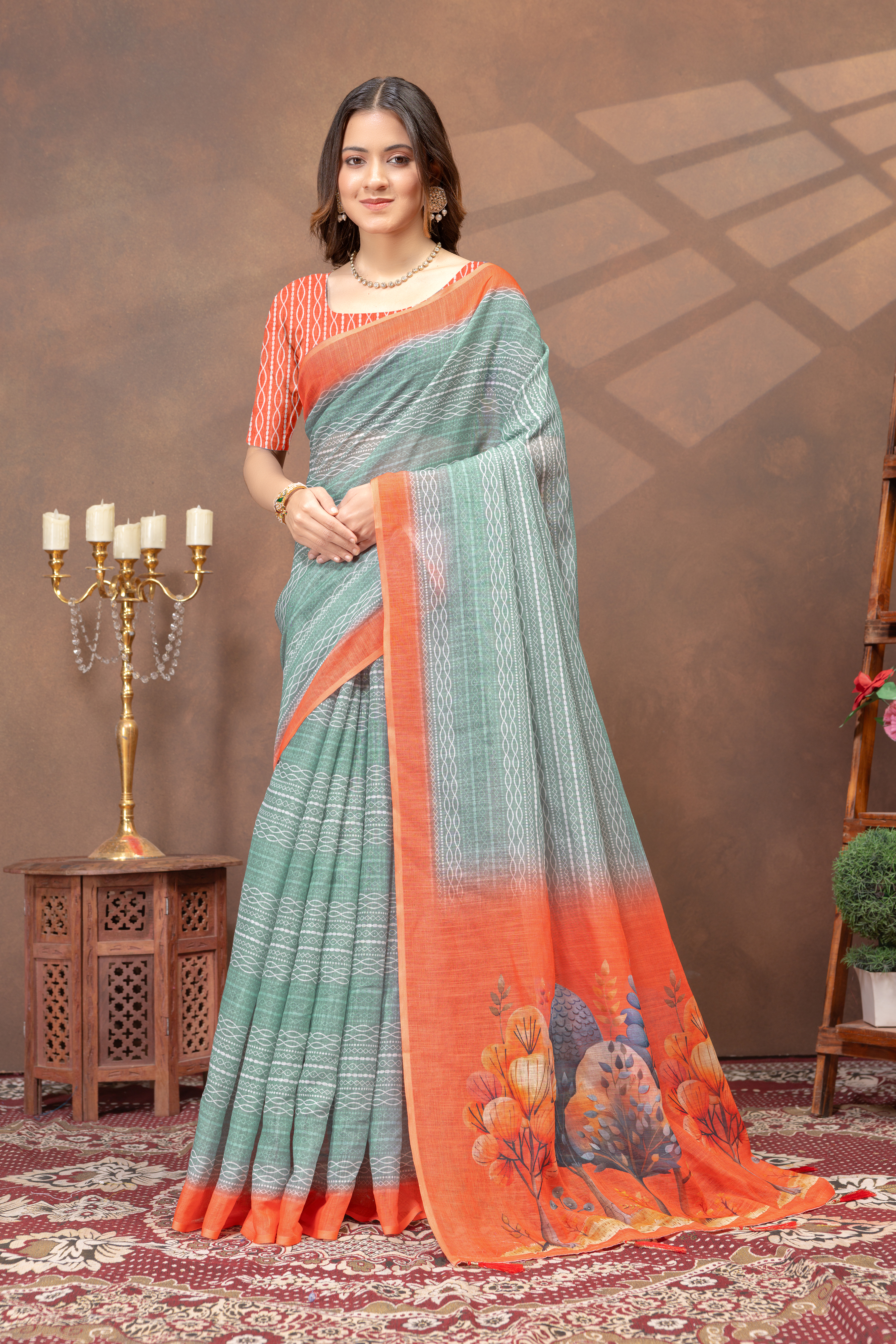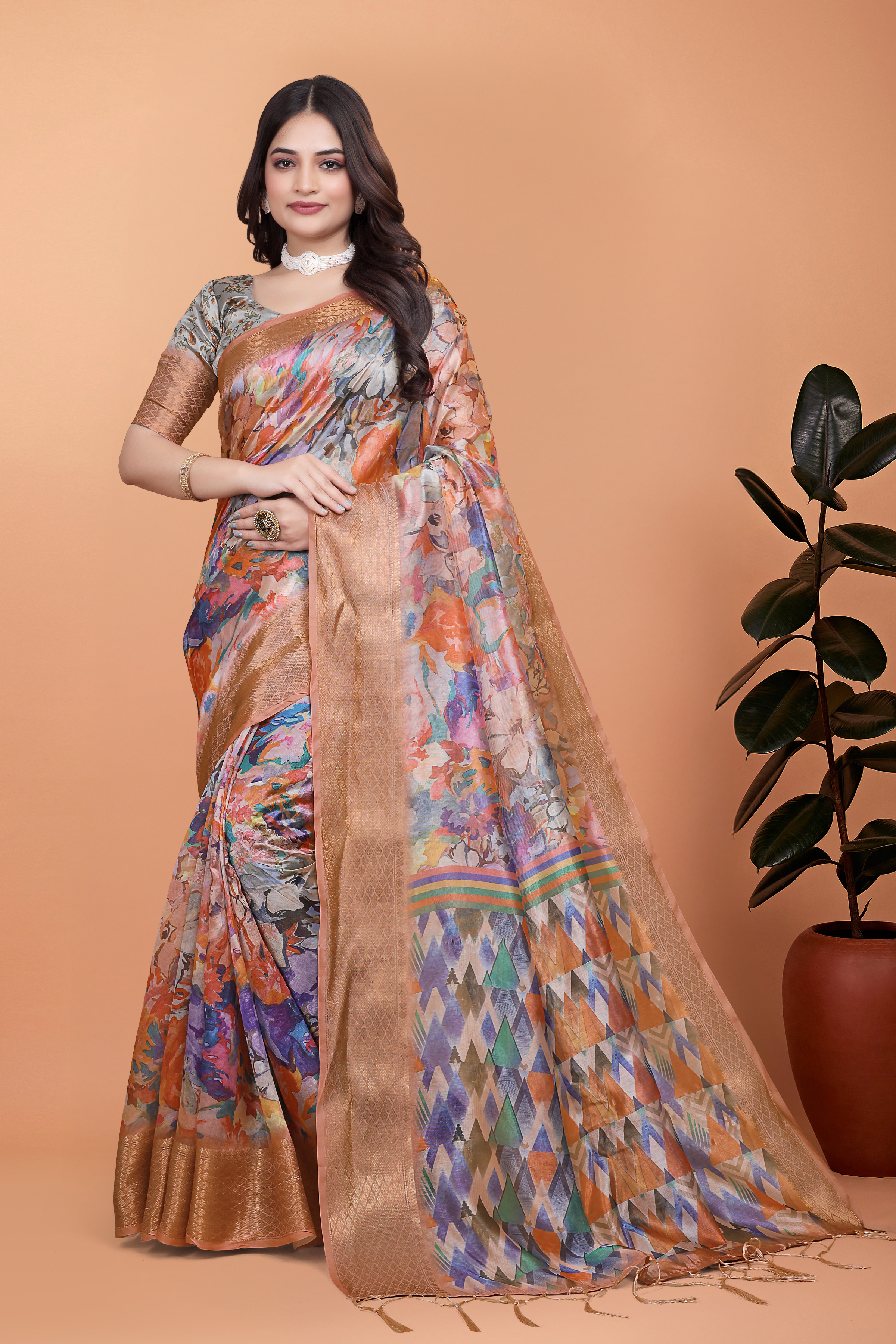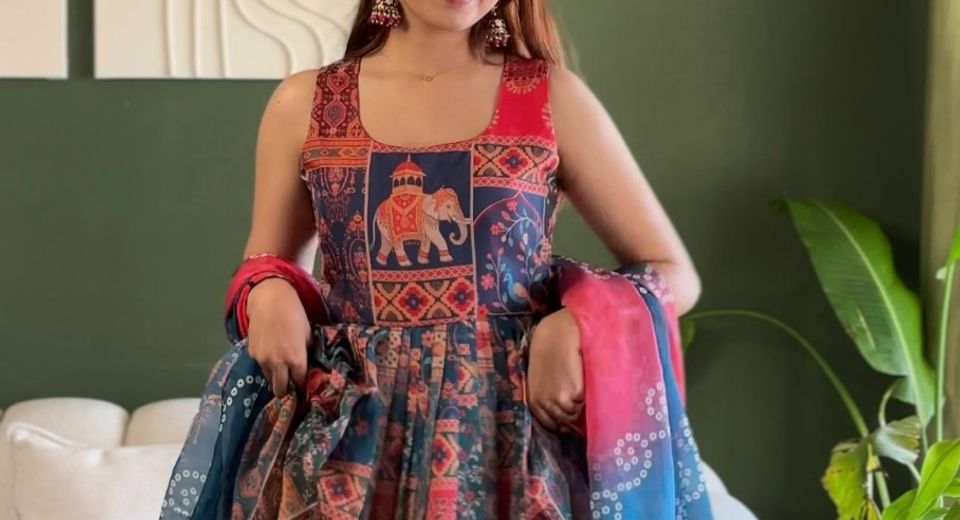
Panelled Lehengas Move Differently From Full Circle Lehengas because the skirt's seams, flare distribution and hem weight determine how fabric responds when you walk, turn or sit. A panelled skirt builds volume through separate gores joined vertically, while a full-circle skirt spreads fabric from a circular or near-circular waist opening. The difference affects comfort, photographs, alterations and the amount of space needed on a dance floor.
Knowing the construction before shopping helps you judge a lehenga beyond colour and embroidery. A heavily worked bridal lehenga can look spectacular on a hanger yet feel restrictive if the flare, waistband and lining don't suit your movement. A lighter readymade lehenga may need less volume but offer easier walking, faster dressing and simpler storage.
What separates a panelled lehenga from a full-circle lehenga?
A panelled lehenga uses multiple fabric sections to create its skirt, whereas a full-circle lehenga uses a broad circular cut to produce continuous flare. The cut controls where the fabric gathers, how the hem opens during a spin and how easily a tailor can adjust the waist.
Panelled lehengas usually have identifiable vertical seams running from the waistband towards the hem. Four, six, eight or more panels can be used, and each panel may contain a different print, border or embroidery layout. Designers often place motifs along the seams or use contrasting sections to make the construction part of the visual design.
A full-circle lehenga has a smoother sweep around the body because the skirt expands continuously from the waist. The hem can appear especially generous when the fabric is lightweight, crisp or supported by can-can. Full-circle construction often creates a dramatic fan shape during a twirl, although the extra fabric can add weight and require more room while walking.
Panel count doesn't automatically indicate quality or fullness. A six-panel silk skirt can be more substantial than a lightly made twelve-panel georgette skirt. Fabric width, lining, gathers, waistband design, hem finishing and the amount of added flare matter just as much as the number of seams.
How do panelled lehengas move when you walk, turn and sit?
Panelled lehengas generally move in controlled sections, with each seam helping the skirt fall in a defined direction. The silhouette opens gradually during a walk and creates a structured flare during a turn, rather than spreading equally at every point like a full-circle skirt.
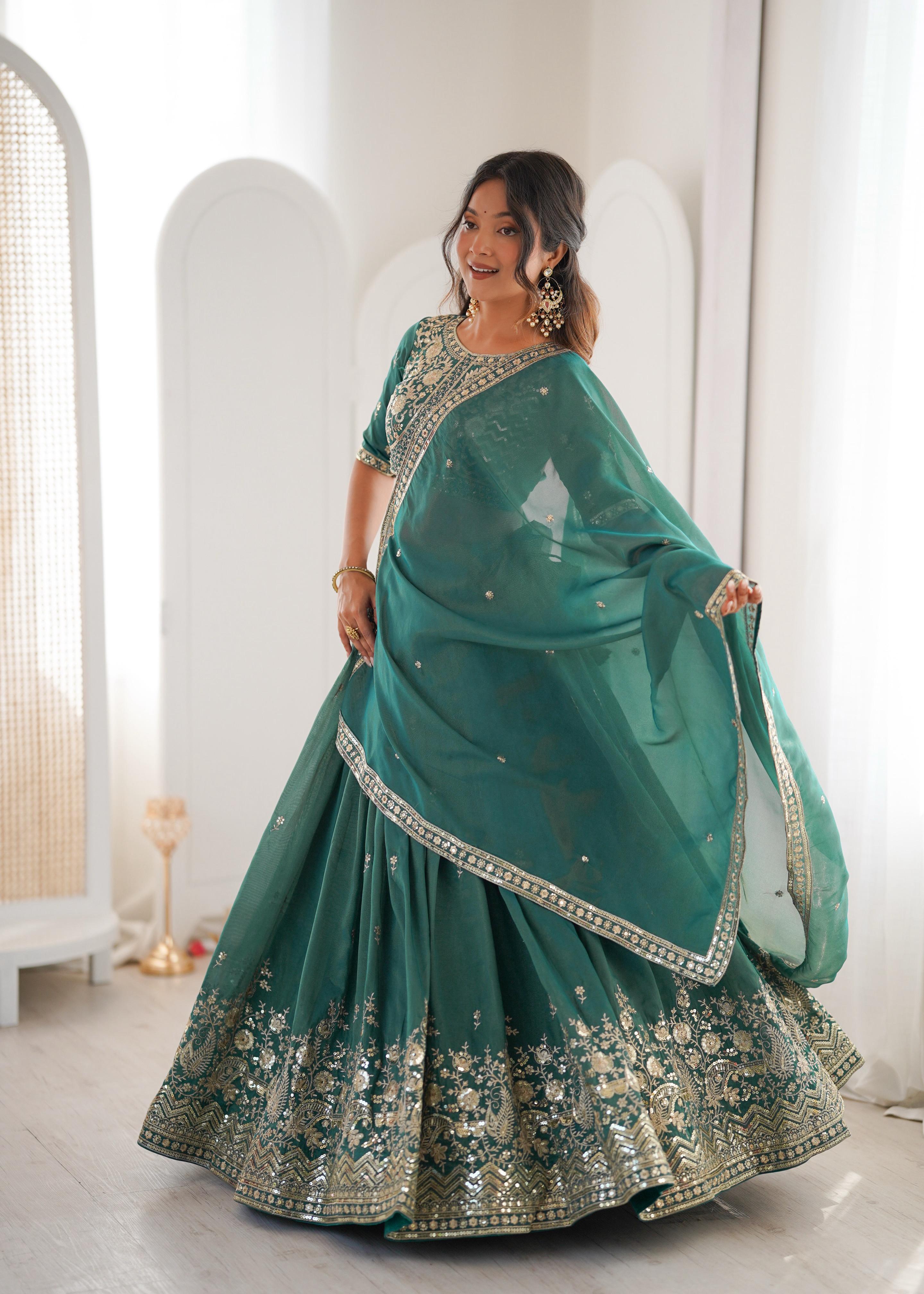
Vertical panels can make walking feel predictable because the fabric doesn't all swing outward at once. That quality is useful at crowded wedding venues, on stairs and during entrances where a wearer needs to control the hem. A panelled skirt can also show a border or alternating colour clearly because the panels retain their visual placement as the wearer moves.
Full-circle lehengas react more dramatically to momentum. A quick turn sends a larger amount of fabric away from the legs, and a breeze or dance movement can lift the outer layer. The same generous sweep may feel less convenient in a narrow aisle, a seated ceremony or a busy buffet area.
Sitting requires attention to the back waist and the amount of fabric gathered around the hips. A panelled lehenga with carefully placed seams may settle neatly under a chair, while a very full circle can bunch behind the knees or press against the waistband. Neither construction is automatically uncomfortable; the correct length, lining, waistband and petticoat-style support decide the result.
Which silhouette creates the most dramatic flare?
A full-circle lehenga usually creates the most expansive twirl, while a panelled lehenga gives a more directional and controlled flare. The final result depends on fabric, skirt length, lining, can-can and embroidery weight.
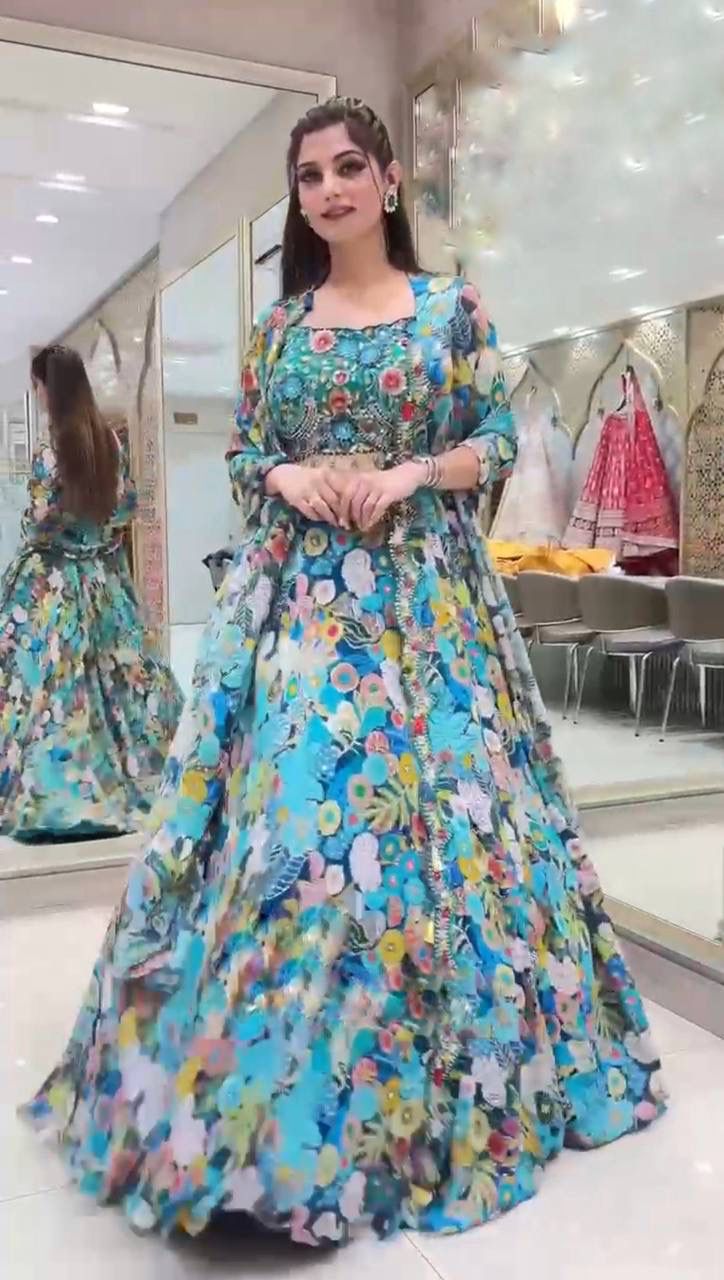
Organza, net and lightweight georgette spread readily because their surfaces hold shape or respond quickly to movement. A full-circle organza skirt can look especially broad in photographs, while a panelled georgette skirt may create soft, separated waves. Heavy silk and dense threadwork reduce the speed of movement but can give either construction a rich, sculpted fall.
For a sangeet or dance-led event, check whether the flare reaches its widest point without pulling at the waist. Stand with both feet together, lift the skirt slightly at the sides and make one controlled turn. If the hem catches your ankles, the lining twists or the waistband shifts, the skirt needs adjustment before the event.
Fullness also changes the distance required between you and other people. A very wide full-circle lehenga needs roughly 1.5 to 2 metres of clear turning space for a comfortable spin, depending on the wearer's height and the skirt length. A panelled lehenga with moderate flare is usually easier to manage in group photographs and crowded dance sequences.
How should fabric and embellishment influence the choice?
Light fabrics favour airy movement, while heavy fabrics and dense embellishment favour controlled structure. Matching construction to fabric prevents a skirt from becoming either limp or unnecessarily difficult to wear.
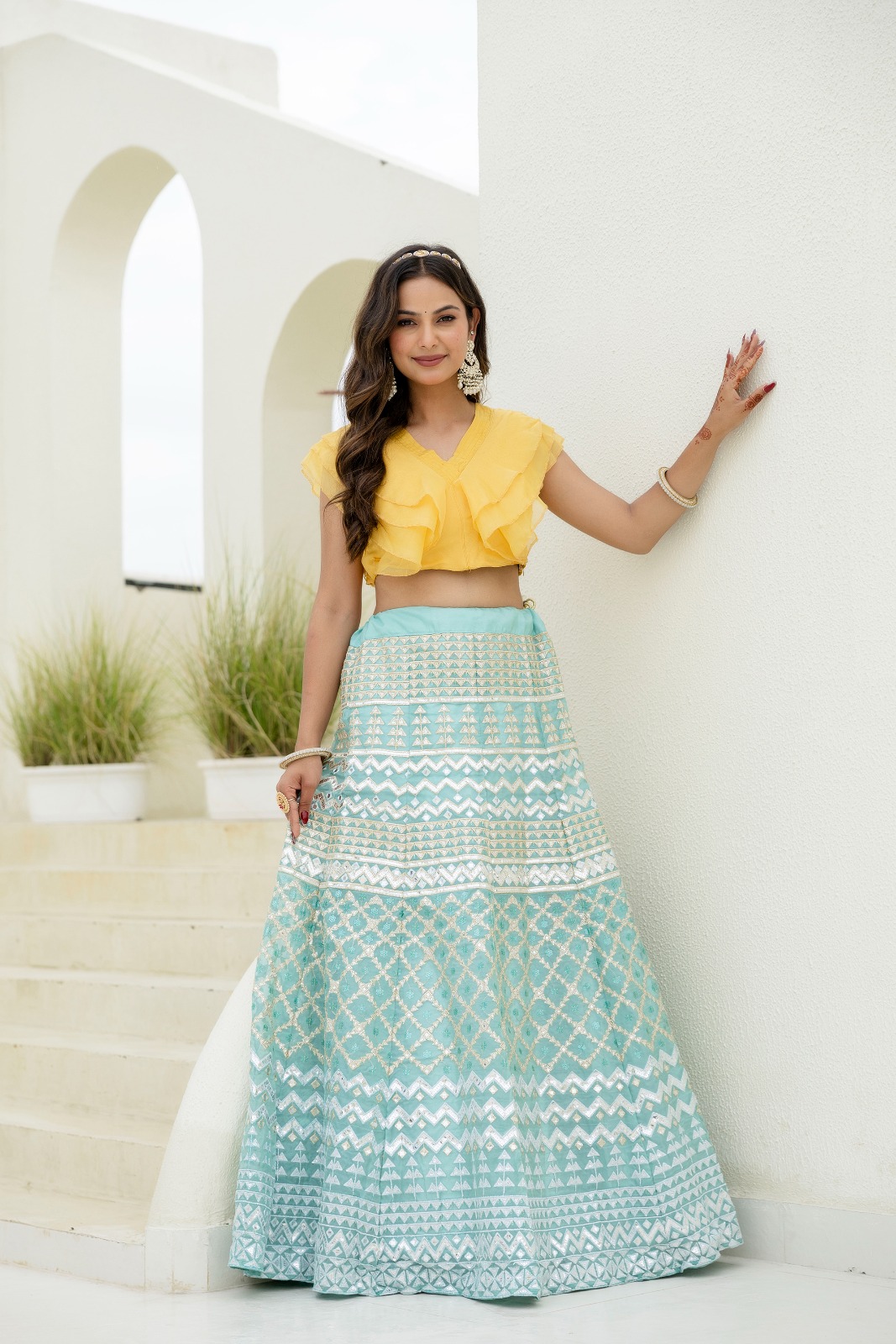
Butter silk has a smooth, fluid fall and can support a polished panelled silhouette without feeling as rigid as heavily woven brocade. The Stylish Multicolor Butter Silk Lehenga Choli Set and Multicolor Printed Butter Silk Lehenga Choli Set illustrate how printed colour placement can make panel direction part of the outfit's identity.
Georgette is light and responsive, so a full or moderately panelled skirt can move comfortably without excessive bulk. The Pastel Floral Georgette Lehenga Set with Ruffle Blouse suits a softer, layered appearance where the ruffle adds movement near the blouse while the skirt remains relatively easy to handle.
Organza holds a crisp outline and can create visible volume even without an extremely wide cut. The Peach Floral Organza Lehenga Set with Printed Dupatta demonstrates why a structured fabric rewards careful waist fitting: a small mismatch at the waistband is more noticeable when the skirt doesn't collapse softly against the body.
Net and butterfly net can look light but may contain embroidery, lining and supportive layers that add considerable weight. The Pastel Grey Embroidered Butterfly Net Lehenga Set and Cream Peacock Embroidered Net Lehenga Set for Women should be assessed by lifting the skirt, checking the lining and walking for several minutes rather than judging weight only from the outer surface.
Silk with threadwork can produce a formal, grounded silhouette. Designer Threadwork Silk Lehenga Choli Set with Dupatta is the kind of outfit where panel placement, seam strength and hem reinforcement deserve close attention because embroidery can make repairs more complicated after purchase.
Which lehenga construction works for different wedding events?
Panelled lehengas suit events that require controlled movement and easy styling, while full-circle lehengas suit entrances, portraits and performances where maximum flare is part of the visual effect. The best choice depends on the schedule rather than the label "bridal" or "designer" alone.
Mehendi and daytime celebrations
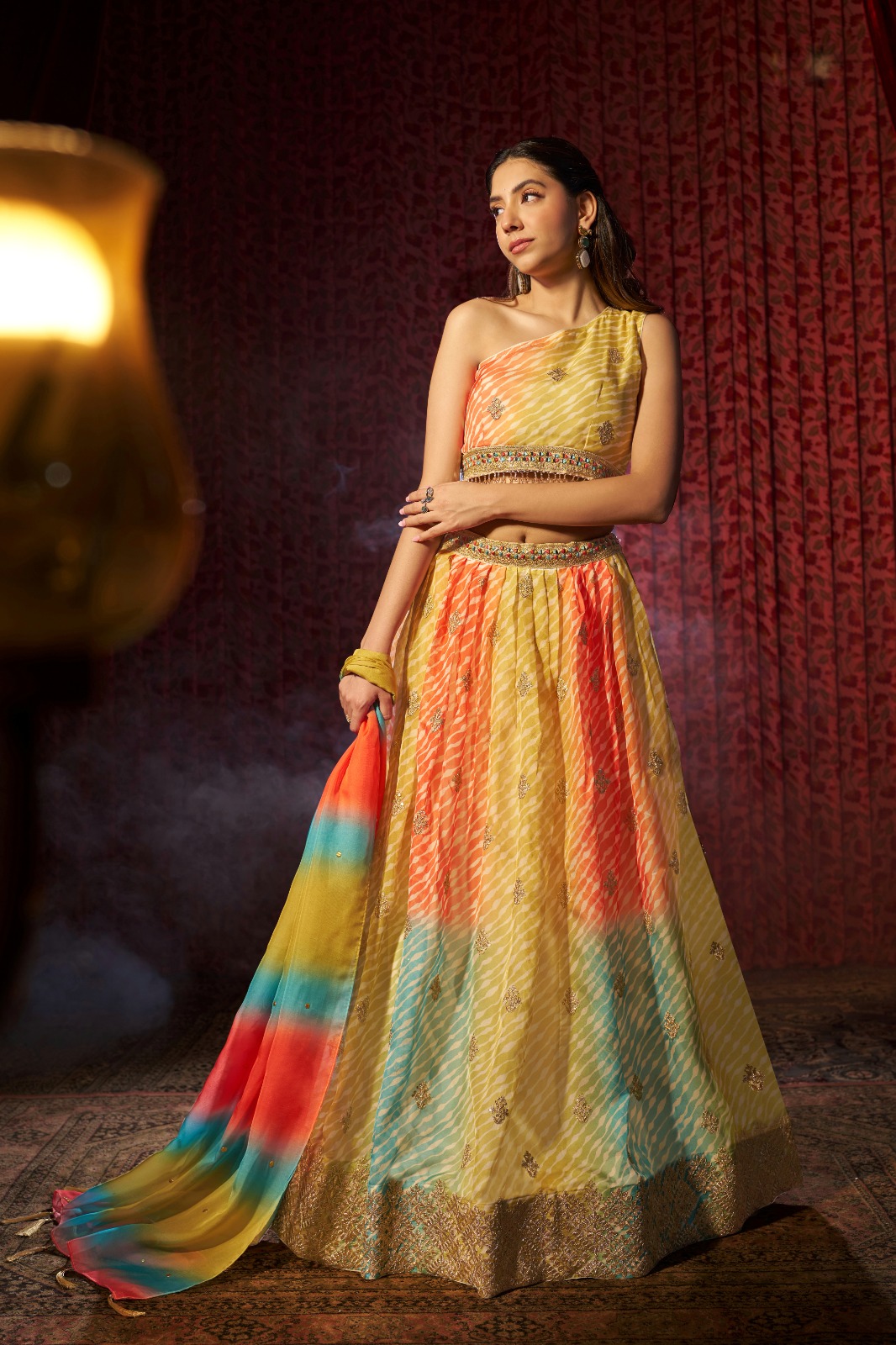
A lighter panelled or moderately flared lehenga is often practical for a Mehendi ceremony because the wearer may sit for long periods and move between guests. Bright prints, breathable linings and a manageable hem make a better combination than maximum volume. Mehendi Lehengas commonly work well when their colours and motifs carry the festive mood without requiring a heavy underskirt.
A Royal Patola Printed Designer Gown with Elegant Dupatta can be considered when a wearer wants the visual richness of traditional patterning with a continuous gown-like line rather than a very wide skirt. The key fitting check is whether the lower hem clears the floor during seated Mehendi rituals.
Sangeet and reception
A full-circle skirt is useful for a Sangeet performance or reception entrance because the flare photographs strongly during turns. A panelled skirt remains a sensible choice when choreography includes quick direction changes, close group formations or repeated stair movement.
Use the dupatta strategically rather than allowing it to compete with the skirt's movement. A pinned shoulder drape keeps a full-circle hem visible, while a front or waist tuck can show the alternating lines of a panelled lehenga.
Wedding and bridal wear
A bridal lehenga should prioritise wear time, support and repairability alongside visual grandeur. A bride who will sit through rituals for several hours may prefer structured panels and moderate flare, while a bride planning a dramatic entrance and short ceremony may prefer the sweep of a fuller circle.
Yellow Lehengas and Green Lehengas can work especially well for haldi and pre-wedding functions when lighter layers reduce heat and simplify movement. A heavily embellished bridal skirt should have a secure hook-and-eye or drawstring adjustment in addition to a zip, because waist comfort can change during a long day.
What should you check when buying a stitched or readymade lehenga?
A buyer should verify waist measurements, finished length, lining, closure, flare and alteration allowance before choosing a stitched or readymade lehenga. Product photographs rarely show how the skirt behaves while walking.
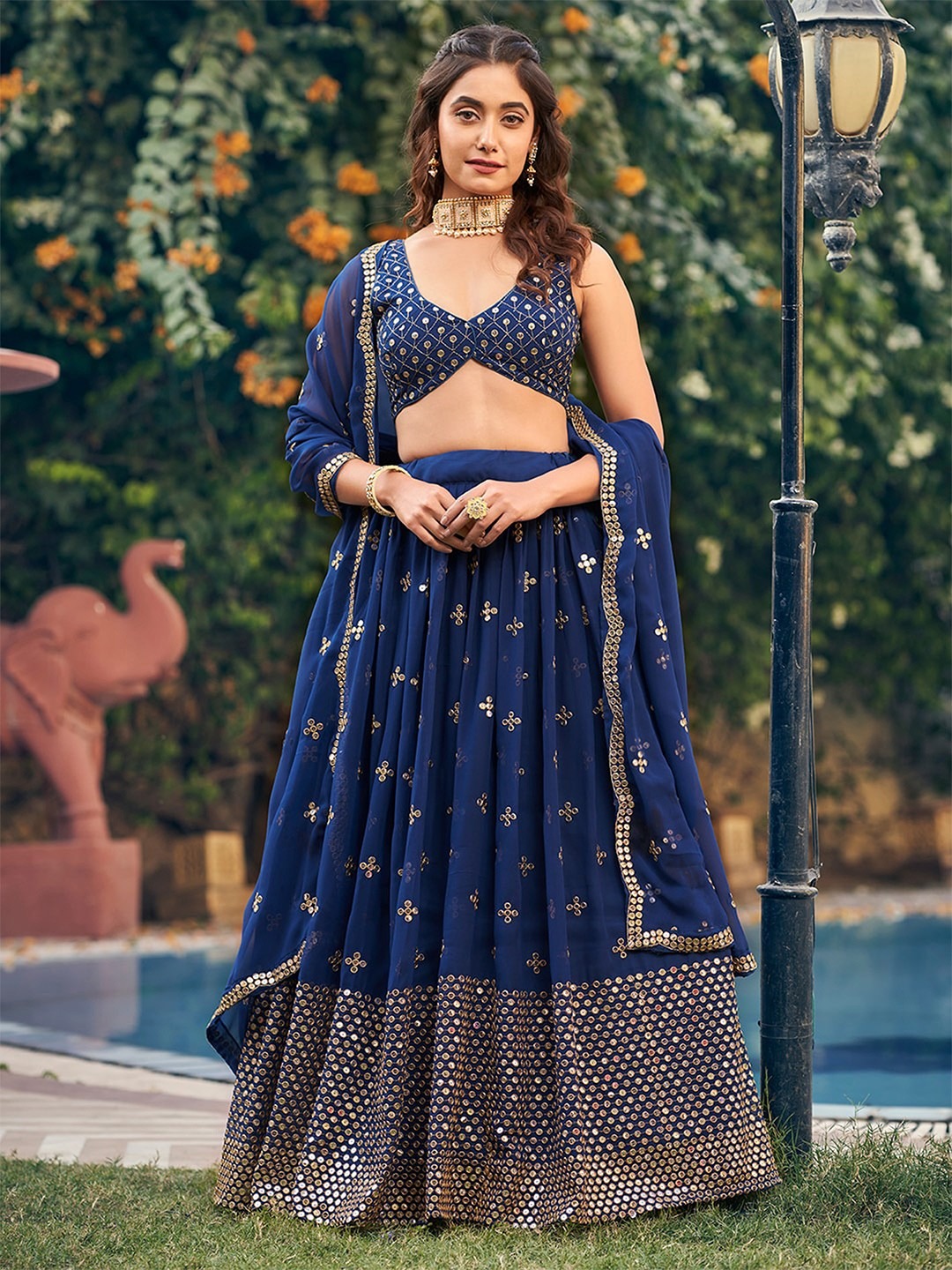
- Measure the waist where the waistband will sit. Do not use a lower-hip measurement for a high-waisted lehenga. Measure over the shapewear or petticoat you expect to wear, and avoid pulling the tape tightly.
- Check the finished length with footwear. The hem should generally sit about 1 to 2 centimetres above the floor when worn with the intended heels, although personal preference and venue conditions can change that allowance.
- Ask how the waist closes. A side zip is neat but offers limited adjustment. Hooks, a tie-up panel or an elasticated section can provide more flexibility, especially for a fully stitched choli shopping decision where the complete set is purchased together.
- Inspect the lining and seams. The lining should not pull across the thighs, and seam allowances should be sufficient for a modest alteration. Embroidered seams need stronger finishing because unravelling can damage the motif layout.
- Confirm what creates the flare. Ask whether volume comes from the cut, gathers, net layers or can-can. Two skirts with the same listed length can occupy very different amounts of space.
- Test sitting and walking. Take ten steps, sit on a chair and climb two or three steps if possible. These simple movements reveal more about comfort than a standing mirror pose.
Ready Made Lehenga options are convenient when the event is close and the wearer wants a complete outfit without coordinating every component. Semi Stitched Lehengas Collection pieces can offer more waist and length flexibility, but a tailor still needs enough time to set the waistband, finish the hem and balance the choli with the skirt.
How can a tailor alter a panelled or full-circle lehenga?
A tailor can usually adjust the waistband and length more easily than the overall flare, so buyers should select a silhouette that already has the desired volume. Altering the flare after embroidery, lining and border placement are complete can disturb motif alignment and hem balance.
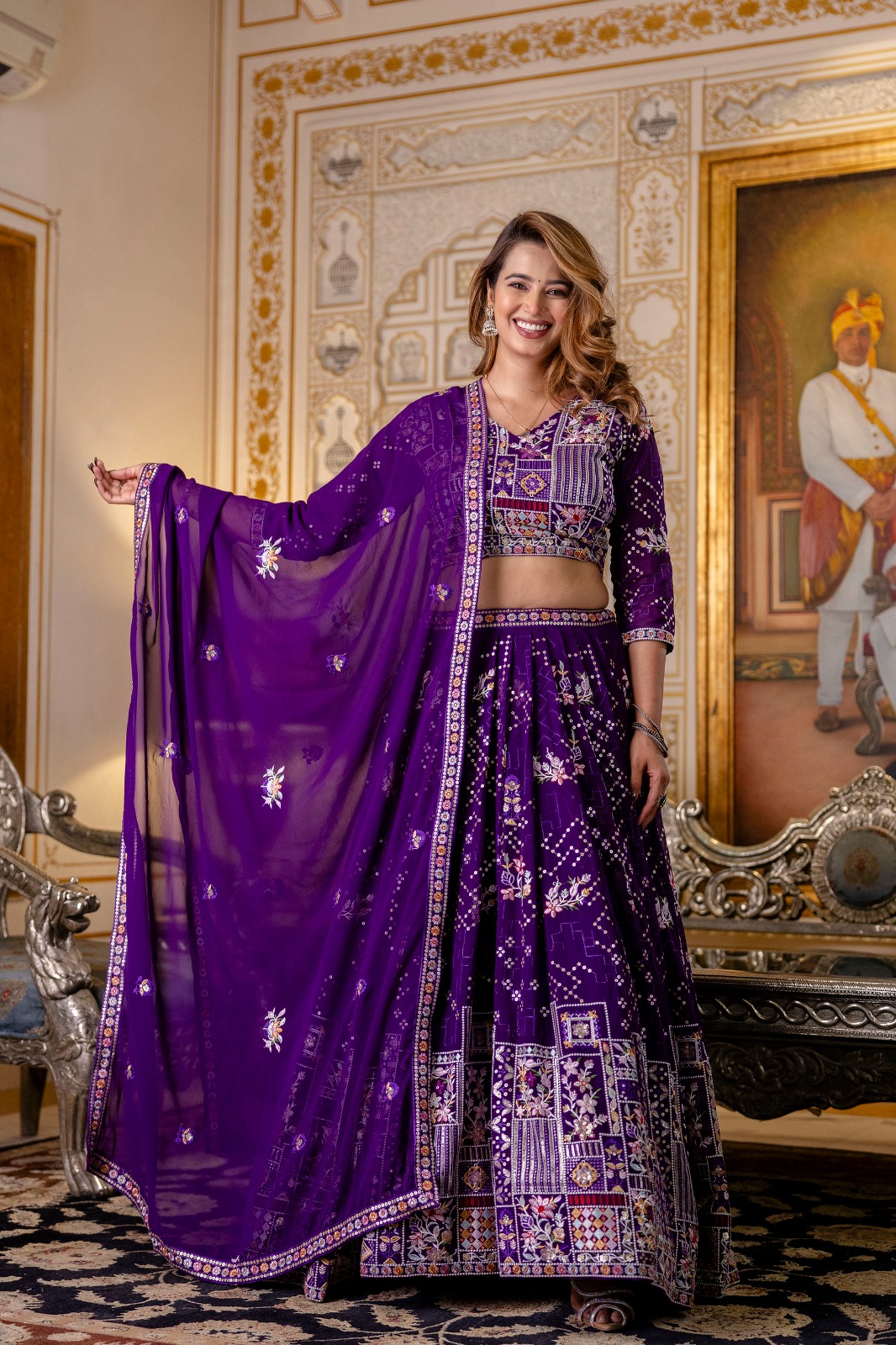
Panelled skirts allow targeted changes when a seam has enough allowance. A tailor may reduce a small amount from several panels rather than removing volume from one side, which keeps the skirt symmetrical. If a contrast panel contains a central motif, that panel should not be narrowed casually because the print or embroidery may become visually off-centre.
Full-circle skirts can often be shortened from the hem when the border permits, but shortening a heavily bordered skirt may require lifting and reattaching the border. Reducing the waist opening without changing the skirt's balance can create excess fabric at the waistband, so the tailor should inspect gathers and seam distribution before cutting.
Order alterations at least two weeks before a non-bridal event and three to four weeks before a wedding whenever possible. A final fitting should happen in the actual footwear and with the dupatta or underskirt planned for the event.
How should you store and care for a flared lehenga?
A flared lehenga should be aired after wear, stored clean and supported without crushing the hem or embroidery. Good storage protects movement because flattened net, bent can-can and damp fabric can permanently change the fall.
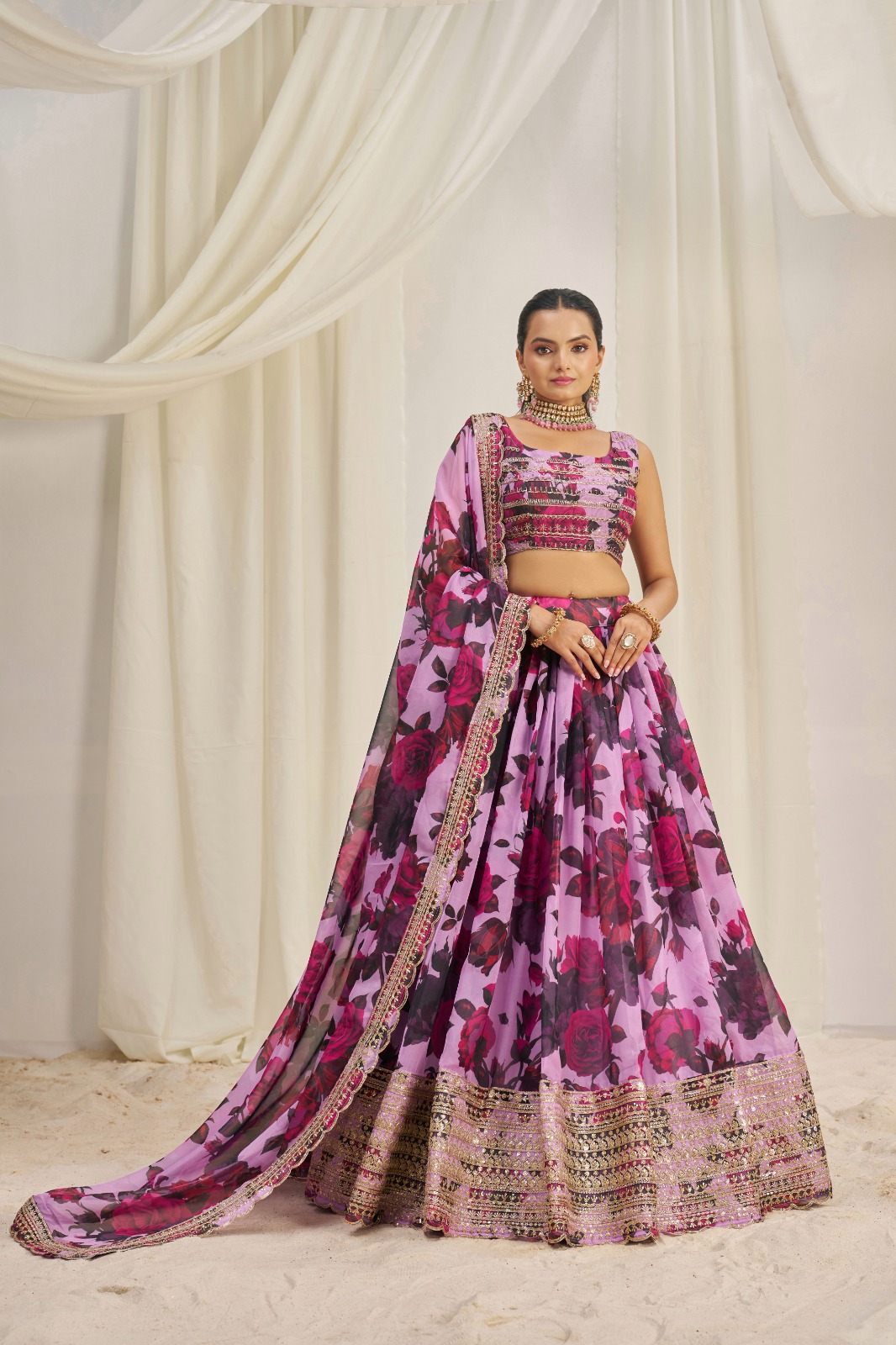
Air the skirt in shade for several hours after an event, then remove visible dust with a soft, dry brush. Do not spray perfume directly onto silk, organza, net or embroidery. Perspiration and food marks should go to a professional cleaner rather than being scrubbed at home.
Fold heavily embellished skirts with soft, acid-free tissue between decorated layers. Store a lighter panelled skirt in a breathable cotton garment bag, and avoid a permanently compressed plastic cover. Do not hang a very heavy bridal skirt for months because the waistband and hanger points can carry excessive strain.
Before wearing a stored lehenga, open the folds at least 24 hours in advance. Check the hook, zip, seam and hem, then walk in the skirt before the event. A quick inspection can identify a loose border thread or stiff fold while there's still time for repair.
Panelled Lehengas Move Differently From Full Circle Lehengas: the practical decision
Choose a panelled lehenga when you want directional structure, easier crowd movement, visible colour blocking or more controlled sitting. Choose a full-circle lehenga when a broad twirl, dramatic entrance and expansive photographic silhouette matter most.
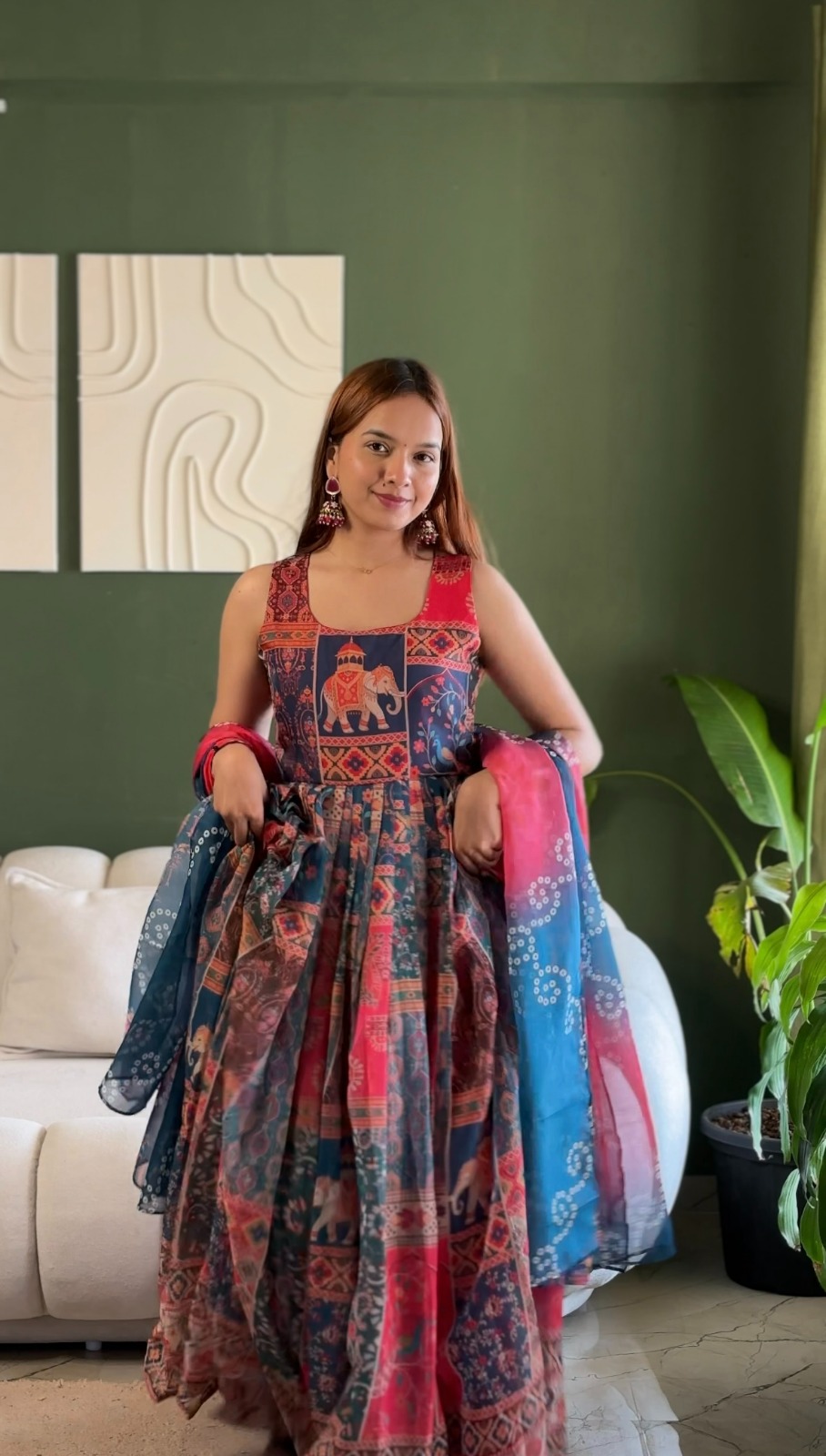
Fabric can adjust the expected result: a lightweight panelled georgette skirt may move more freely than a densely embroidered full-circle silk skirt. Your height, footwear, ceremony duration, venue width and planned dance movements should therefore take the decision more than a product label.
For online shopping, compare the garment's finished measurements with a skirt you already own, ask for the number of panels and confirm whether the displayed flare includes can-can or additional layers. A clear construction check turns lehenga shopping from a purely visual decision into a reliable fit decision.
Questions to Ask Before Choosing Your Lehenga Flare
Are panelled lehengas better than full-circle lehengas for weddings?
Panelled lehengas are better for controlled walking, long ceremonies and crowded venues, while full-circle lehengas are better for dramatic entrances and twirling photographs. The better option depends on the wedding schedule, fabric weight and the amount of movement planned.
Which lehenga gives more flare, panelled or full circle?
A full-circle lehenga usually gives more continuous flare because fabric spreads around the entire waist opening. A panelled lehenga can still look very full when it uses wide gores, multiple layers or a supportive can-can underskirt.
Can a readymade lehenga be altered at the waist?
Most readymade lehengas can be altered modestly at the waist if the seams contain enough allowance. A tailor should check the waistband, zip, hooks, lining and embroidery before reducing the measurement.
Is a full-circle lehenga comfortable for sitting?
A full-circle lehenga can be comfortable for sitting when the length, waistband and lining are correctly fitted. Excess fabric may bunch behind the knees, so sit on a chair during the fitting and check whether the waistband remains level.
What should I wear under a panelled lehenga?
Wear a smooth, supportive underskirt or shapewear that does not catch on the panel seams or lining. The exact choice depends on fabric, opacity, weather and whether the lehenga already includes a structured lining or can-can.
How early should I order a bridal or fully stitched lehenga?
Order a bridal lehenga at least three to four weeks before the wedding when possible, allowing time for delivery, fitting and alterations. A fully stitched choli and skirt should be tried with the intended footwear and dupatta before the final fitting.