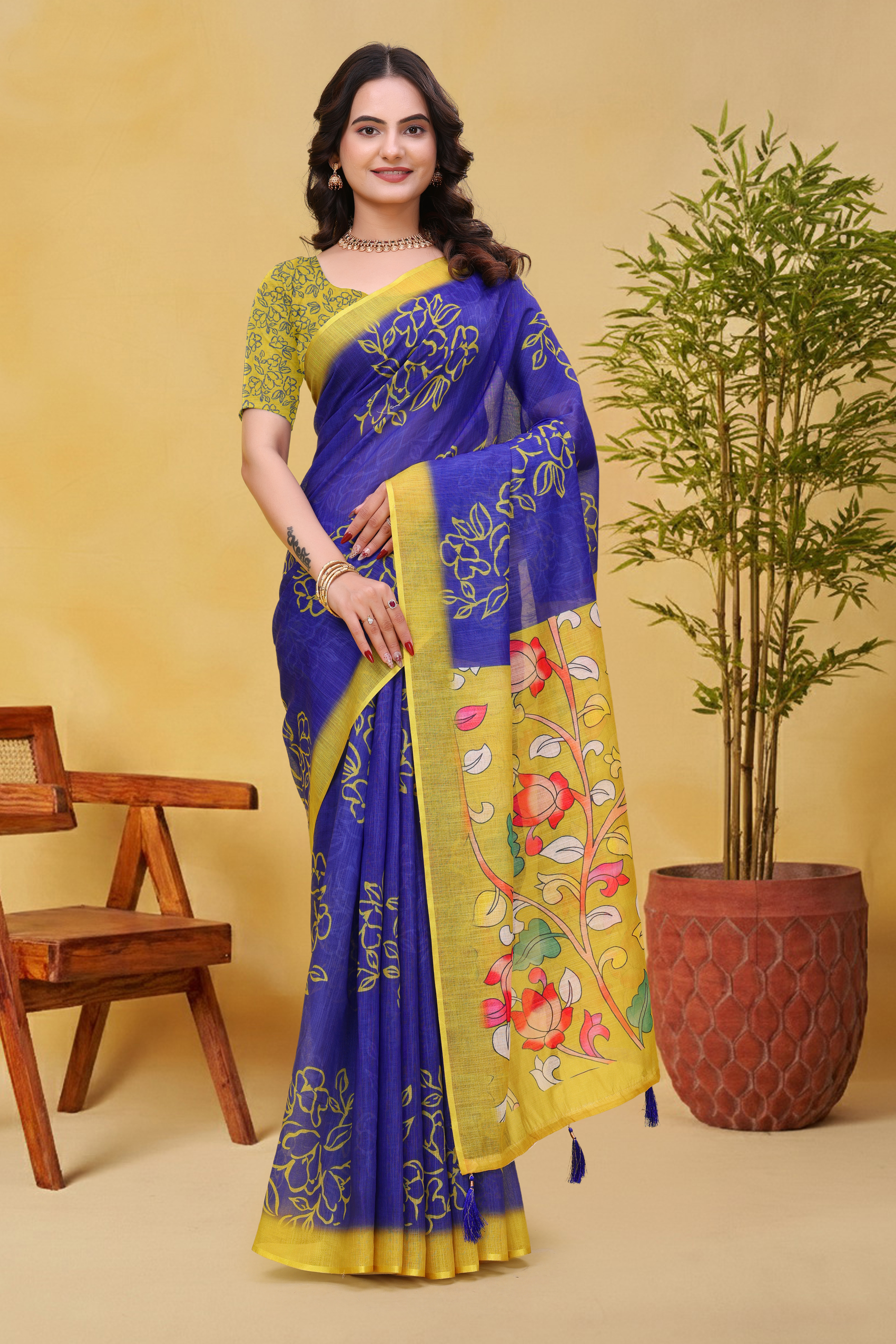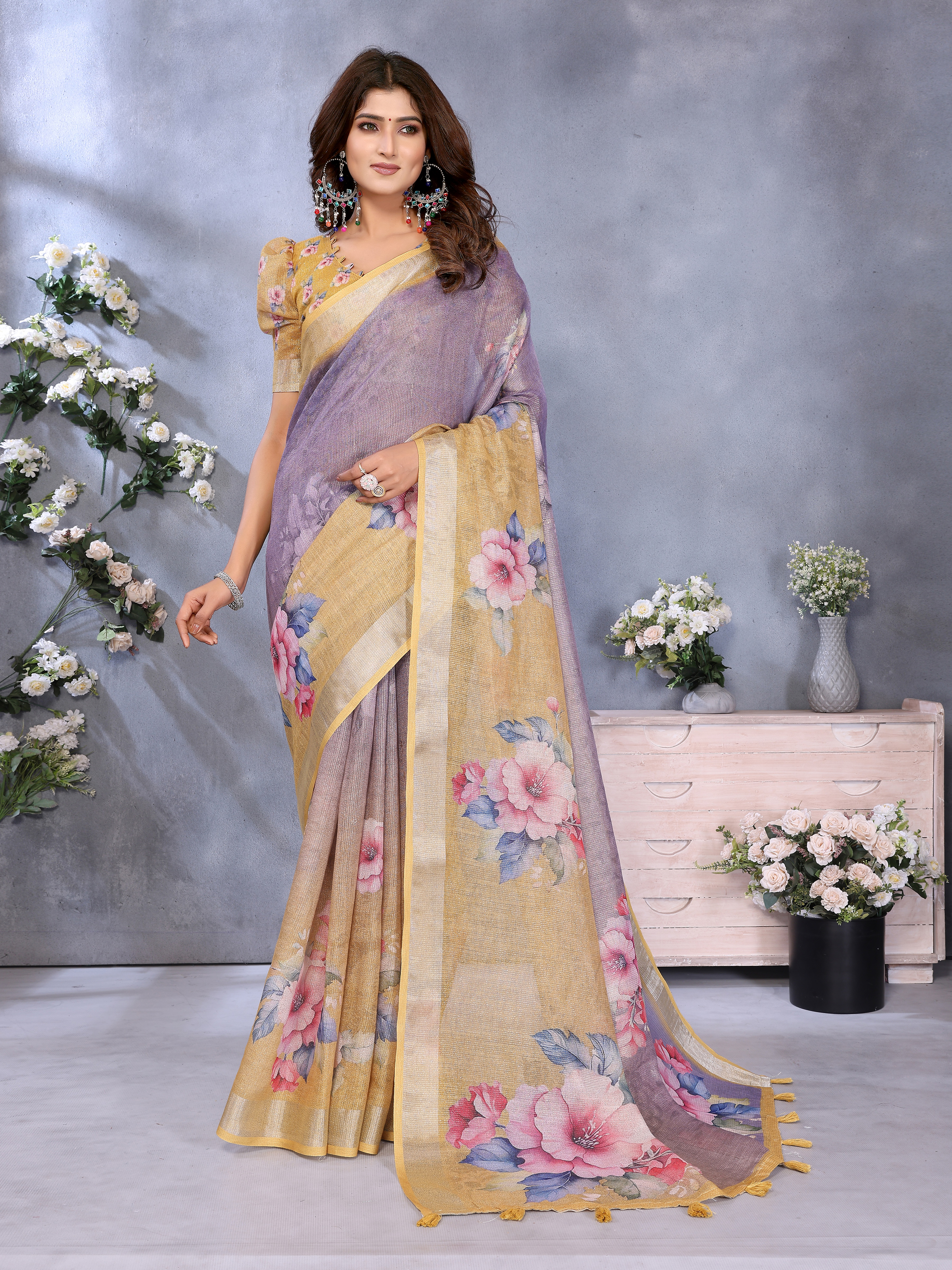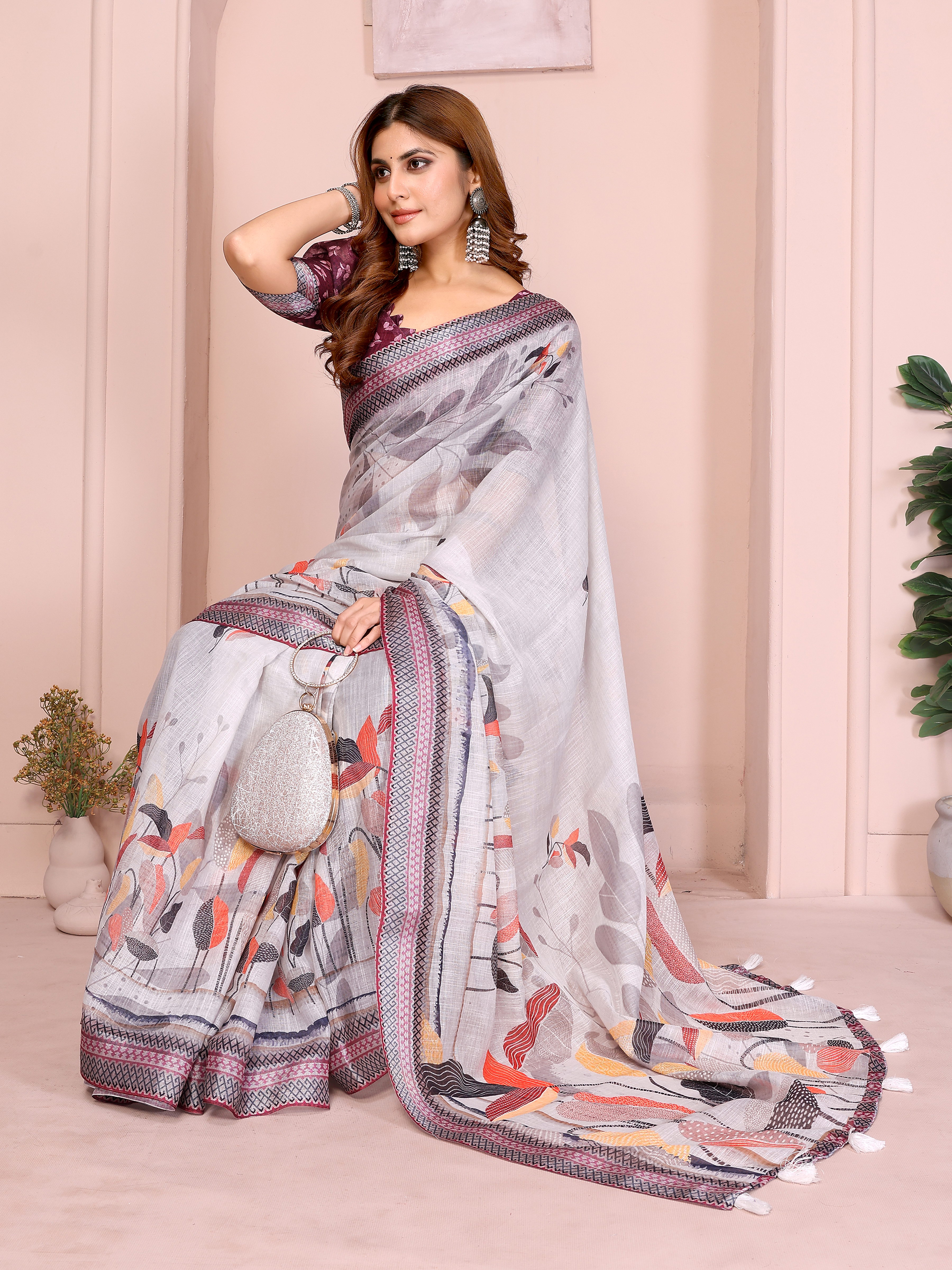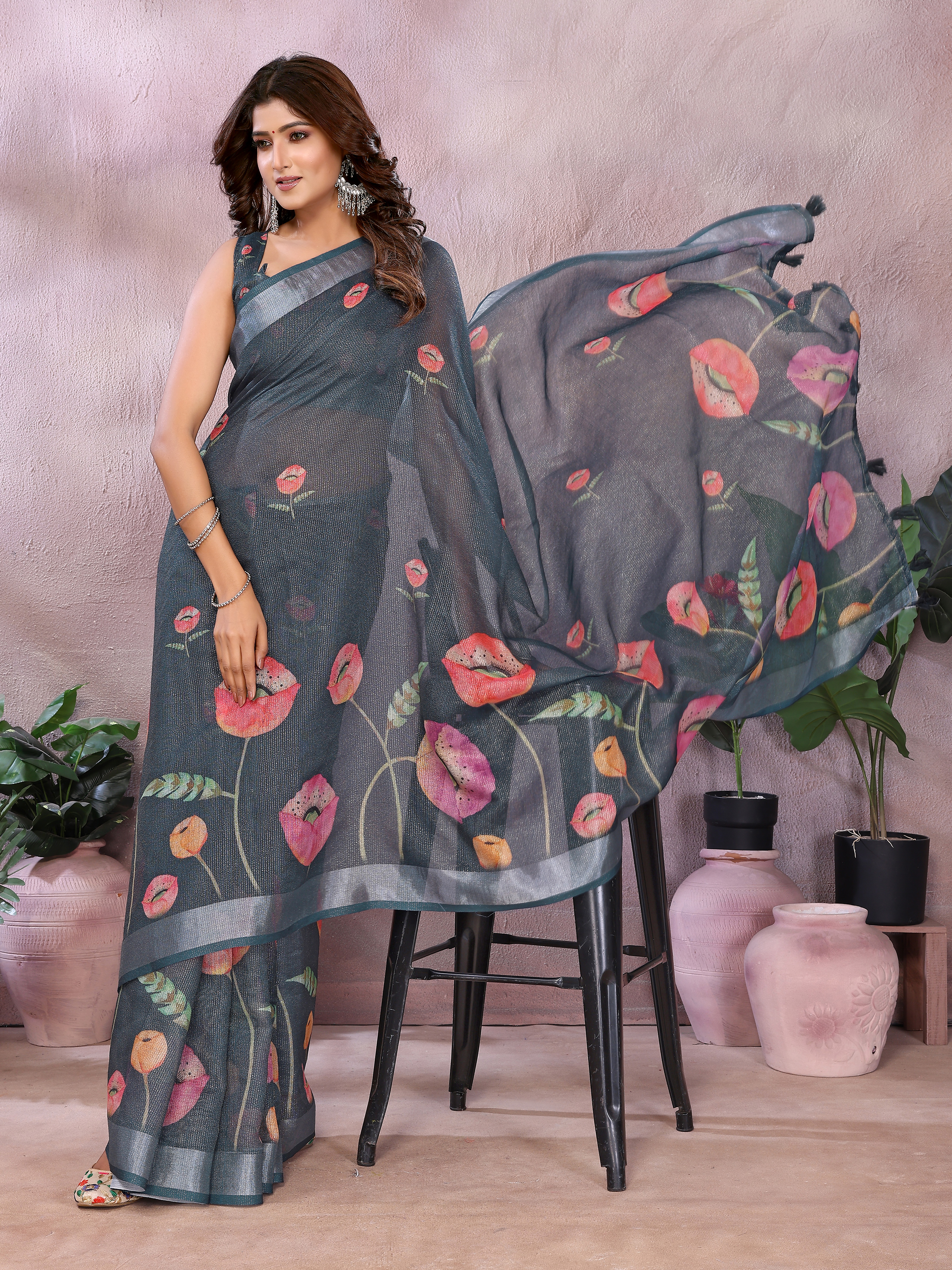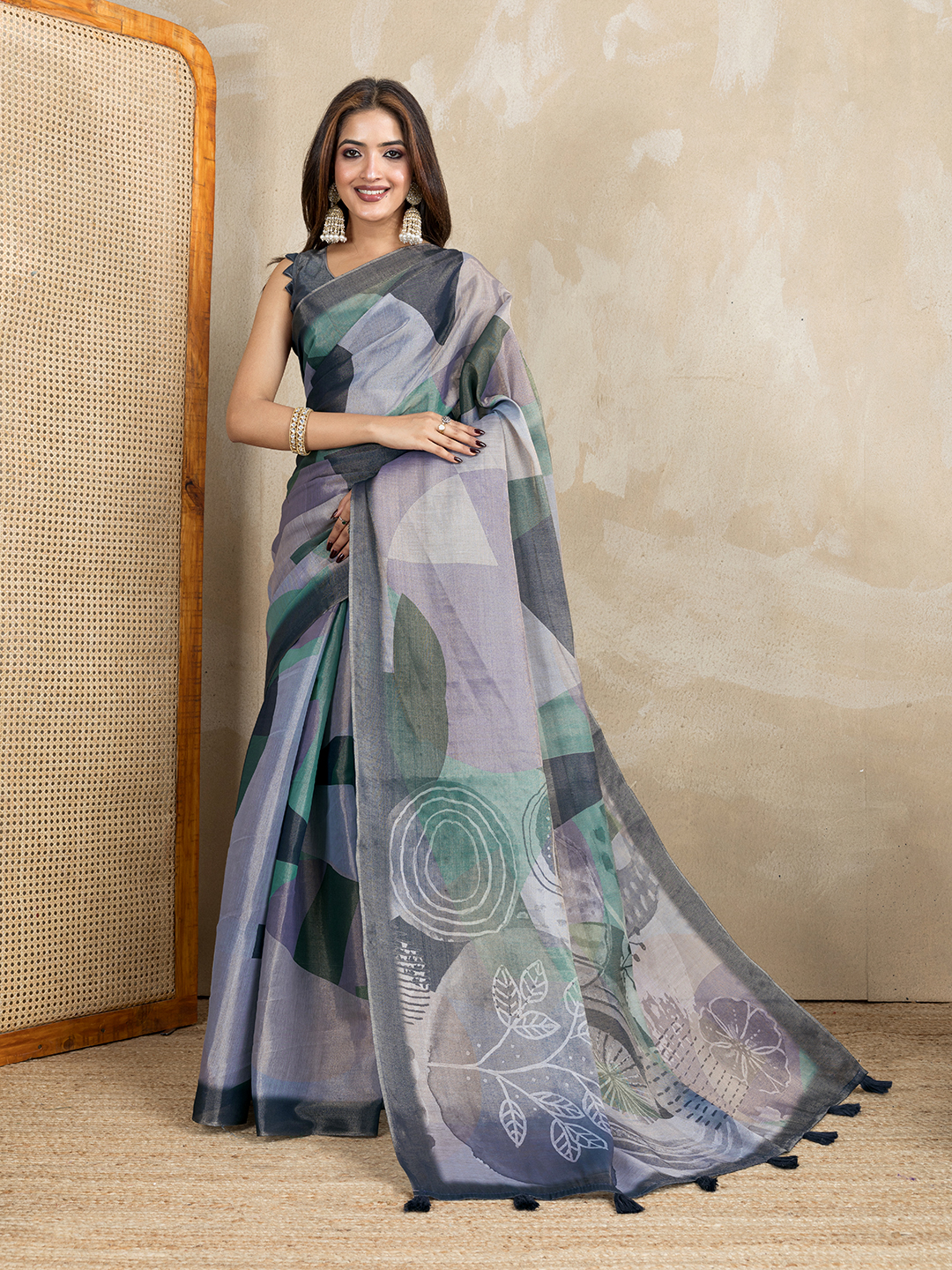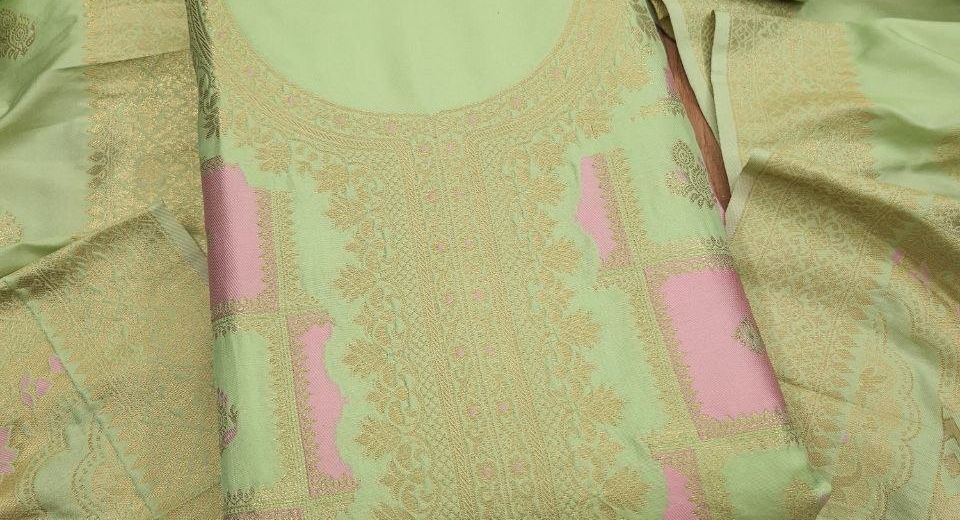
A wide leg can make a salwar suit look fluid, but comfort depends just as much on where the waistband sits and how much fabric travels through the crotch. Palazzo Suit Pants Need the Right Rise as Much as the Right Width because an overly short rise pulls across the hips, while an overly long rise creates folds below the waistband. A reliable fit comes from reading both measurements together, then considering fabric, body shape, footwear and kurta length.
Rise means the distance from the centre of the waistband, between the legs, to the back of the waistband. Width means the room across the upper thigh and the breadth of the leg below it. Those two measurements control movement and drape more accurately than a small, medium or large label alone.
What does rise mean in palazzo suit pants?
Rise is the vertical measurement from the front waistband, through the crotch, to the back waistband. A mid-rise palazzo usually sits around the natural waist or slightly below it, while a high-rise palazzo reaches closer to the narrowest part of the torso.
Front rise and back rise perform different jobs. Front rise accommodates the lower abdomen, while back rise gives the seat enough coverage when you sit, climb stairs or bend. A pair can have a comfortable front waist yet feel restrictive at the back if the back rise is too short.
Readymade salwar suits often use an elasticated or partially elasticated waistband, so the garment may tolerate a small difference in waist measurement. Elastic can't correct an insufficient rise. If the crotch seam sits too high, the waistband pulls downward during movement and the legs lose their intended fall.
How can you tell whether the rise is correct?
The rise is correct when the waistband stays level during walking and sitting, the crotch seam doesn't press into the body, and the fabric falls from the hips without diagonal strain lines. Sit on a chair for one minute and raise one knee; a suitable rise should remain comfortable without requiring repeated waistband adjustments.
Horizontal wrinkles beneath the front waistband usually indicate a rise that's too short or a waist that's too tight. Excess fabric pooling at the front crotch can indicate a rise that's too long, although soft rayon or chiffon can also create temporary folds during movement.
Why Palazzo Suit Pants Need the Right Rise as Much as the Right Width
Palazzo Suit Pants Need the Right Rise as Much as the Right Width because leg volume can't compensate for tension at the crotch or an unstable waistband. Width determines how dramatically the pants swing; rise determines whether the pants stay in place while the body moves.
Consider two palazzo pants with a 28-inch hem circumference. The pair with a 13-inch front rise may feel restrictive on a fuller hip, whereas the pair with a 15-inch front rise may sit smoothly and create the intended column of fabric. Conversely, a very long rise on a petite wearer can make the crotch appear low and shorten the visible leg line.
Width should also be measured in context. A narrow upper thigh with a very wide lower leg can look like a skirt but may still feel tight when sitting. A generous upper thigh with a moderate flare can be easier for everyday movement. Palazzo silhouettes are not defined by one universal width; proportion matters.
What is a practical measurement target?
A practical starting point is to compare the garment's flat front rise and full hip measurement with a pair of trousers that already fits comfortably. Add approximately 2 to 4 inches of ease at the hip for a fluid palazzo, depending on fabric and personal preference. Use more ease for a non-stretch fabric and less for a soft, draping fabric with an elastic waist.
For a personal reference garment, measure from the crotch intersection straight up to the top edge of the waistband. Measure the hip at the fullest point, usually 7 to 9 inches below the waistband. Record both numbers instead of relying only on a size label.
How should you measure yourself before buying a palazzo suit?
Measure the natural waist, fullest hip, rise and preferred trouser length while standing relaxed in the undergarments you normally wear. A flexible tape should touch the body without compressing it, and all measurements should use either centimetres or inches consistently.
- Measure the waist: Place the tape around the point where you want the waistband to sit. Keep the abdomen relaxed and avoid pulling the tape tight.
- Measure the hip: Wrap the tape around the fullest part of the seat, keeping it parallel to the floor. Check the measurement in a mirror to prevent a sloping tape.
- Measure the rise: Sit on a firm chair and measure from the intended front waistband position, through the legs, to the intended back waistband position. A well-fitting trouser can provide a more reliable reference than a body measurement.
- Measure the length: Measure from the waistband to the ankle or the point where you want the hem to finish. Take the measurement barefoot and repeat it with the footwear planned for the outfit.
Online size charts may list garment measurements rather than body measurements. A garment hip measurement should be larger than your body hip measurement by the amount of ease you need. A body-measurement chart requires a different reading, so check the chart heading before selecting a size.
Tailoring allowances are worth checking before purchase. A waistband can often be adjusted by a tailor, but changing a crotch curve or adding substantial rise is more difficult. If the size chart places your hip between two sizes, choose according to the hip and ask whether the waist can be altered.
Which fabrics change the way palazzo rise and width feel?
Fabric weight, surface texture and drape change the practical effect of both rise and width. A fluid fabric follows the body and usually needs a stable waistband, while a crisp fabric holds more shape and may require additional ease at the hip.
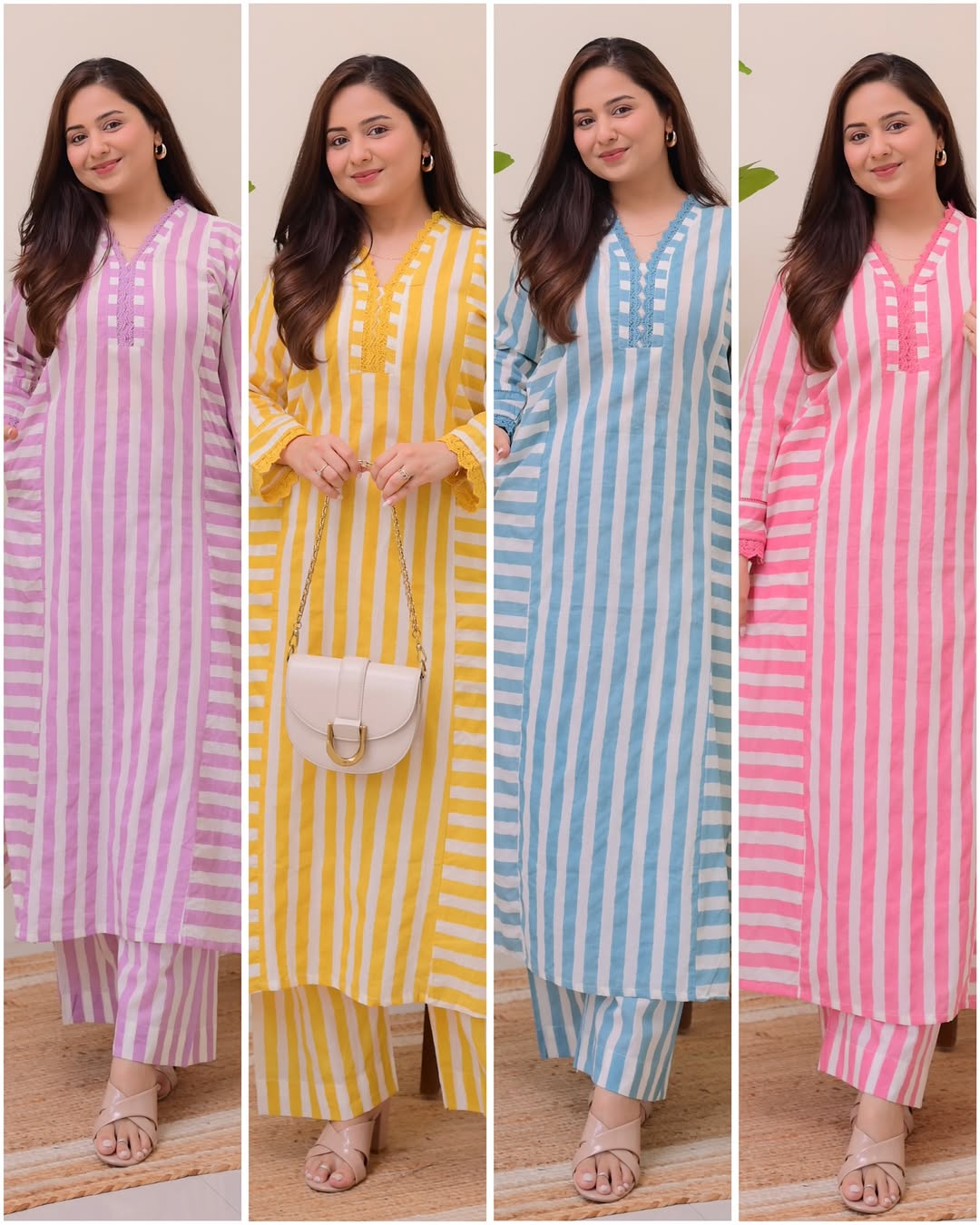
Rayon palazzos often provide a soft fall and comfortable movement, but thin rayon can reveal pulling at the upper thigh if the rise is too short. Striped Rayon Straight Kurta Palazzo Set for Women demonstrates why a less dramatic trouser width can still look elongated when stripe direction and trouser length work together.
Chanderi has a lighter, more structured hand and can hold a graceful outline without looking bulky. Lavender Chanderi Kurta with Olive Embroidered Palazzo Suit suits a measured approach to ease: too little room can disturb embroidery placement, while too much room can hide the clean relationship between kurta and palazzo.
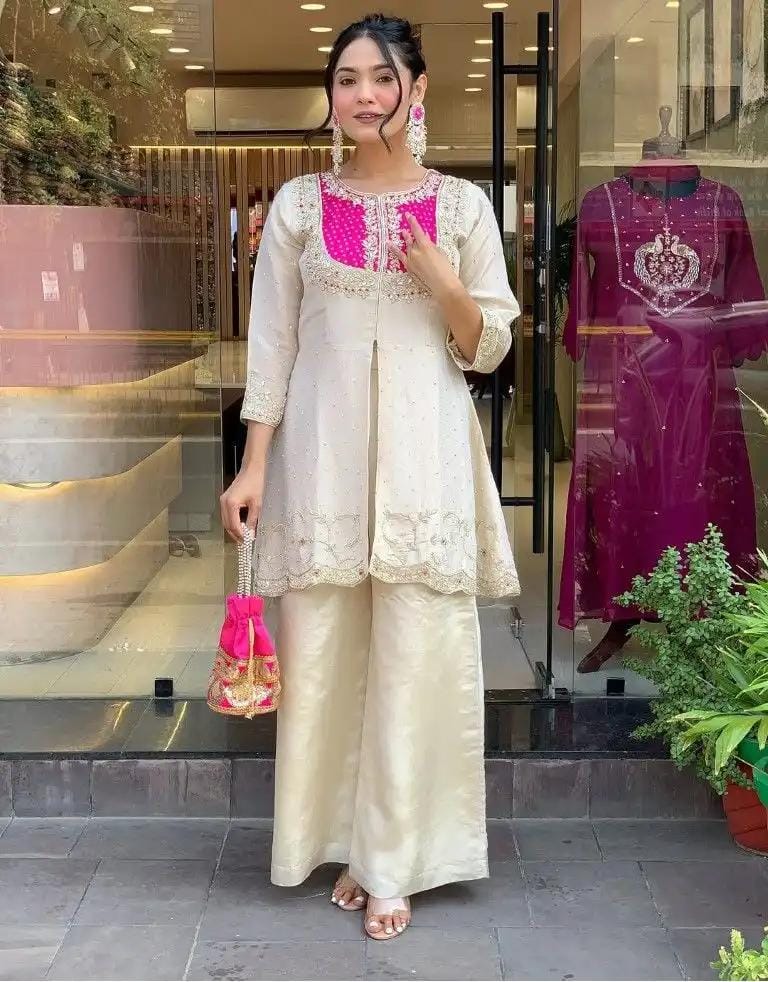
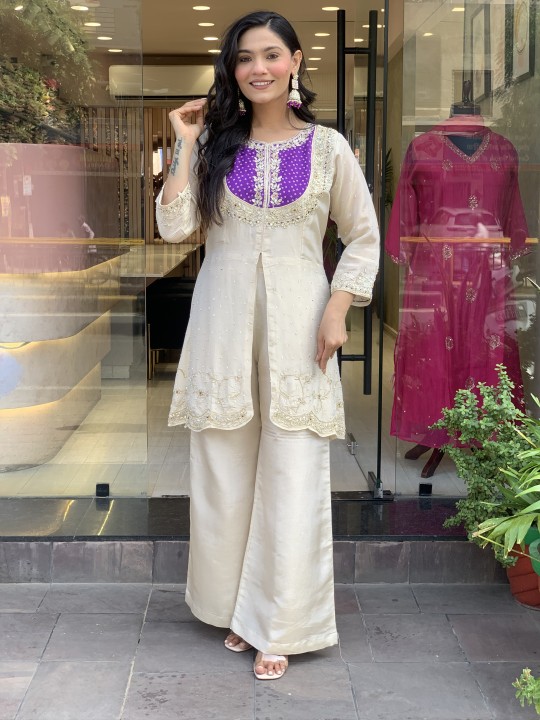
Roman silk and Chinon silk create a dressier surface, especially when paired with embroidery. Elegant Cream Roman Silk Embroidered Top Palazzo Set and Purple Pink Chinon Silk Embroidered Suit Set show why a smooth, flowing leg benefits from a rise that sits securely rather than a waistband that must be repeatedly pulled into place.
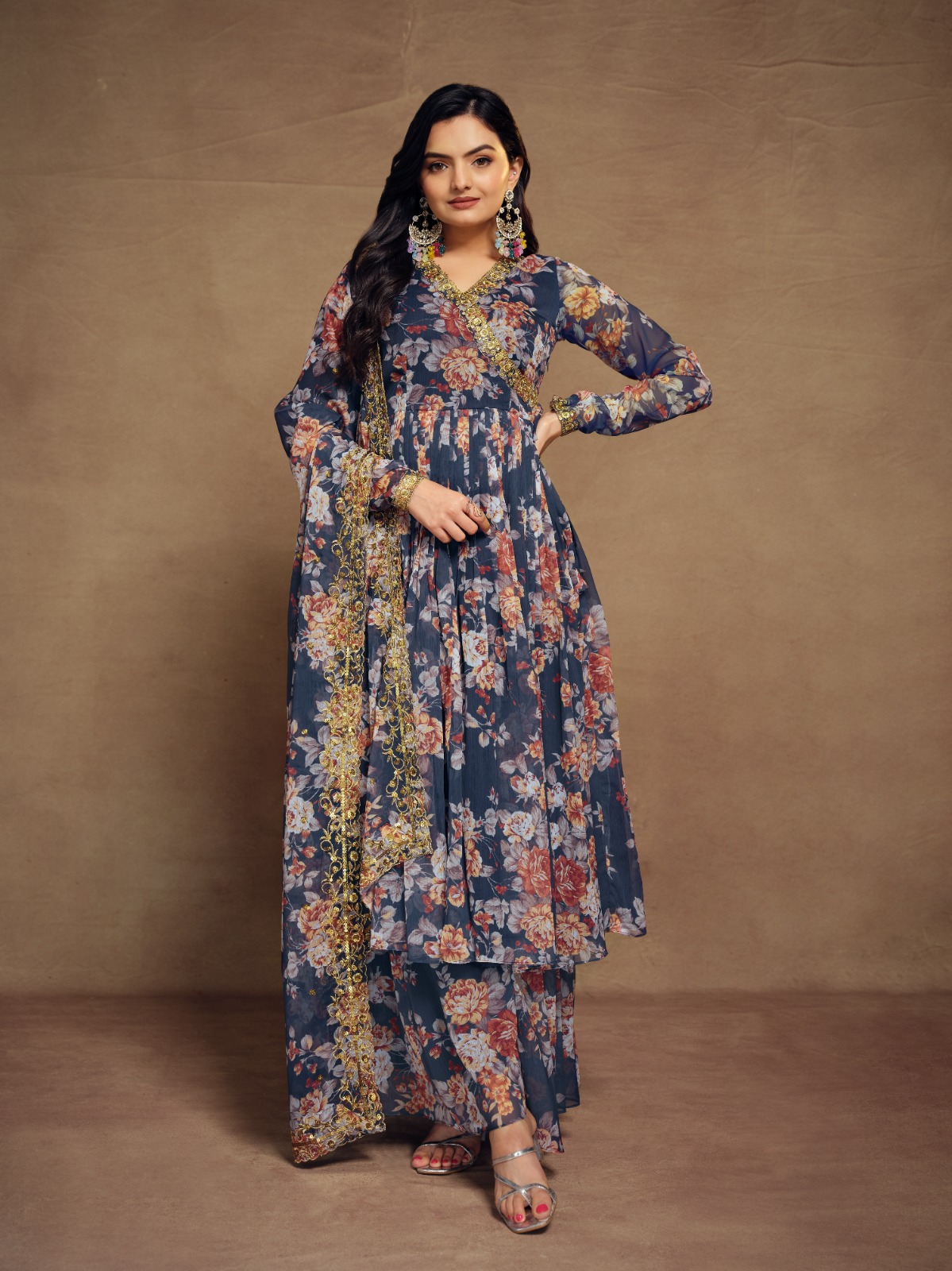
Chiffon needs special attention because it's light and visually delicate. Shop Floral Digital Printed Chiffon Kurti Palazzo Set with zari embroidery should be assessed for the construction beneath the outer layer, including lining, waistband stability and the amount of ease around the seat. Zari embroidery adds visual detail but doesn't provide stretch or functional comfort.
Silk blends and embroidered fabrics can also feel less forgiving when the hip is too close to the garment measurement. A fabric that looks fluid on a hanger may catch at the seat when sitting. A 2-inch increase in hip ease can make a greater difference than adding several inches to the lower-leg width.
How can you balance palazzo proportions with the kurta?
Balance the outfit by matching the visual volume of the trouser with the kurta length, hem shape and placement of embellishment. A broad palazzo generally works with a kurta that either finishes above the widest part of the leg or falls in a controlled, straight line.
A longer kurta can create a graceful column with a wide palazzo, but the hem should not end at the broadest part of the calf if you want a lengthened appearance. A shorter kurta reveals more of the trouser and makes the waist fit especially visible.
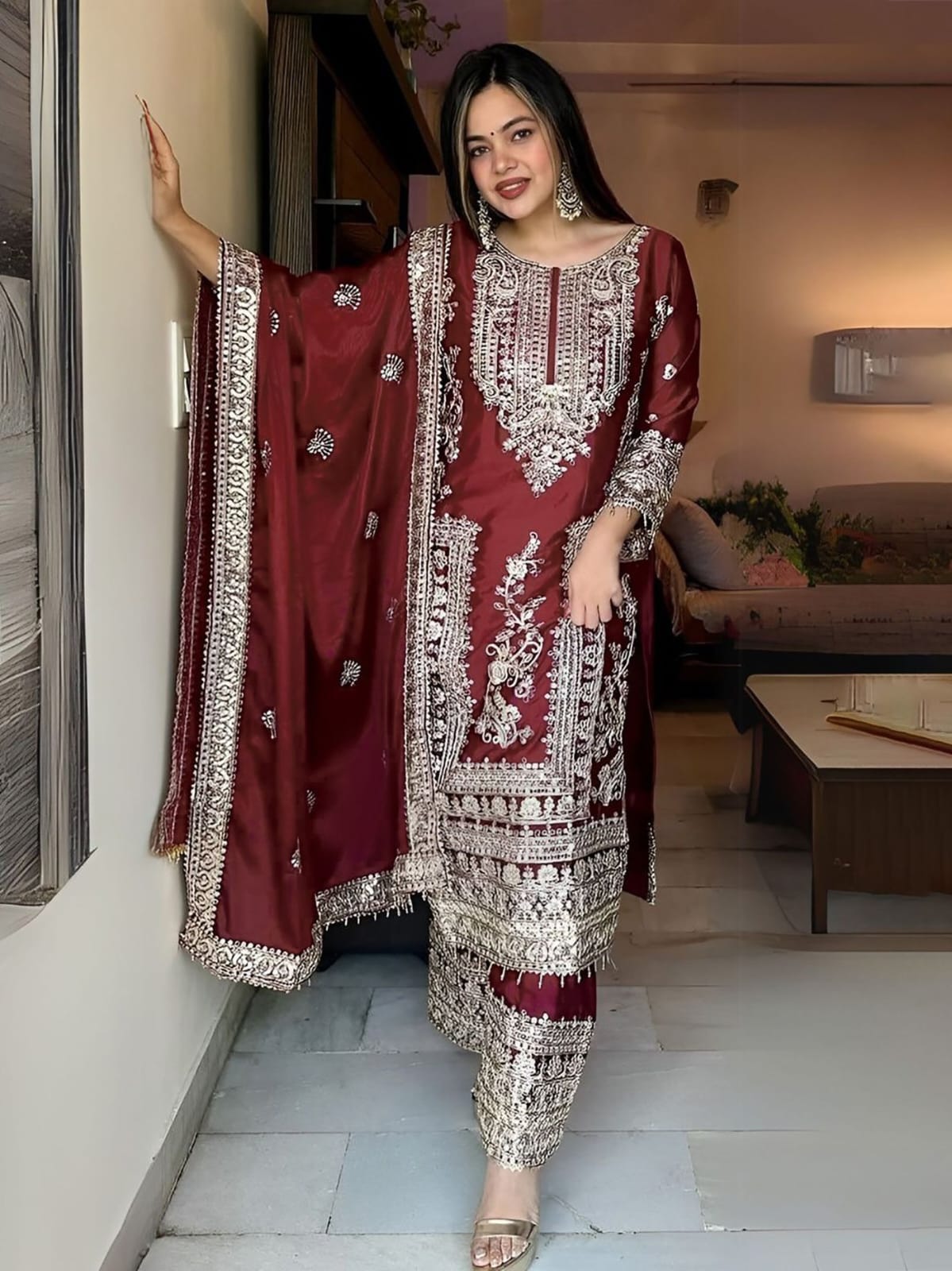
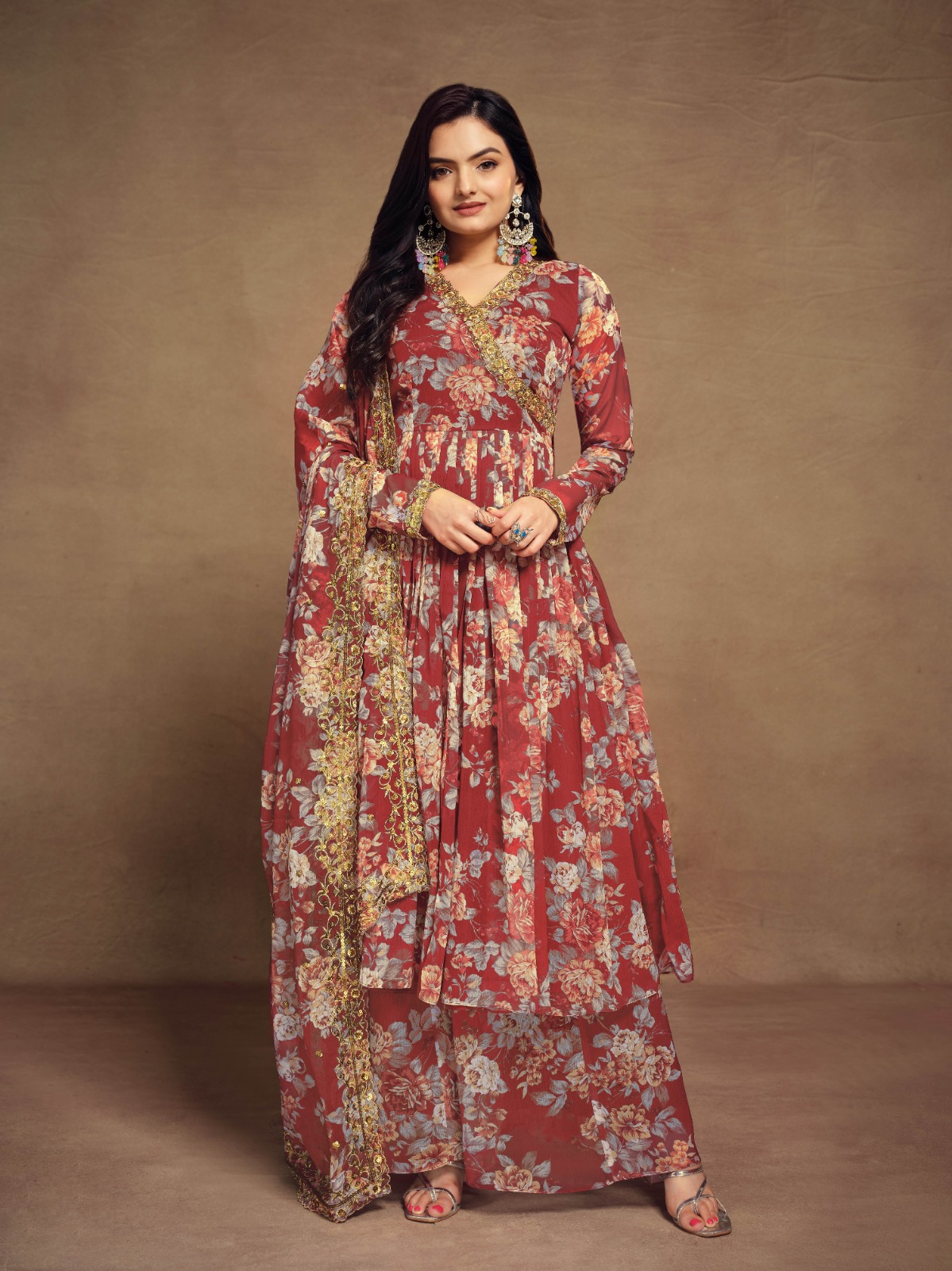
For festive styling, Maroon Wedding Wear Embroidered Palazzo Suit Set can be read as a proportion exercise: a richly decorated upper half needs enough trouser movement to prevent the outfit from looking bottom-heavy. Keep the dupatta fall deliberate, placing one edge near the shoulder or allowing a controlled vertical line rather than adding random width on every side.
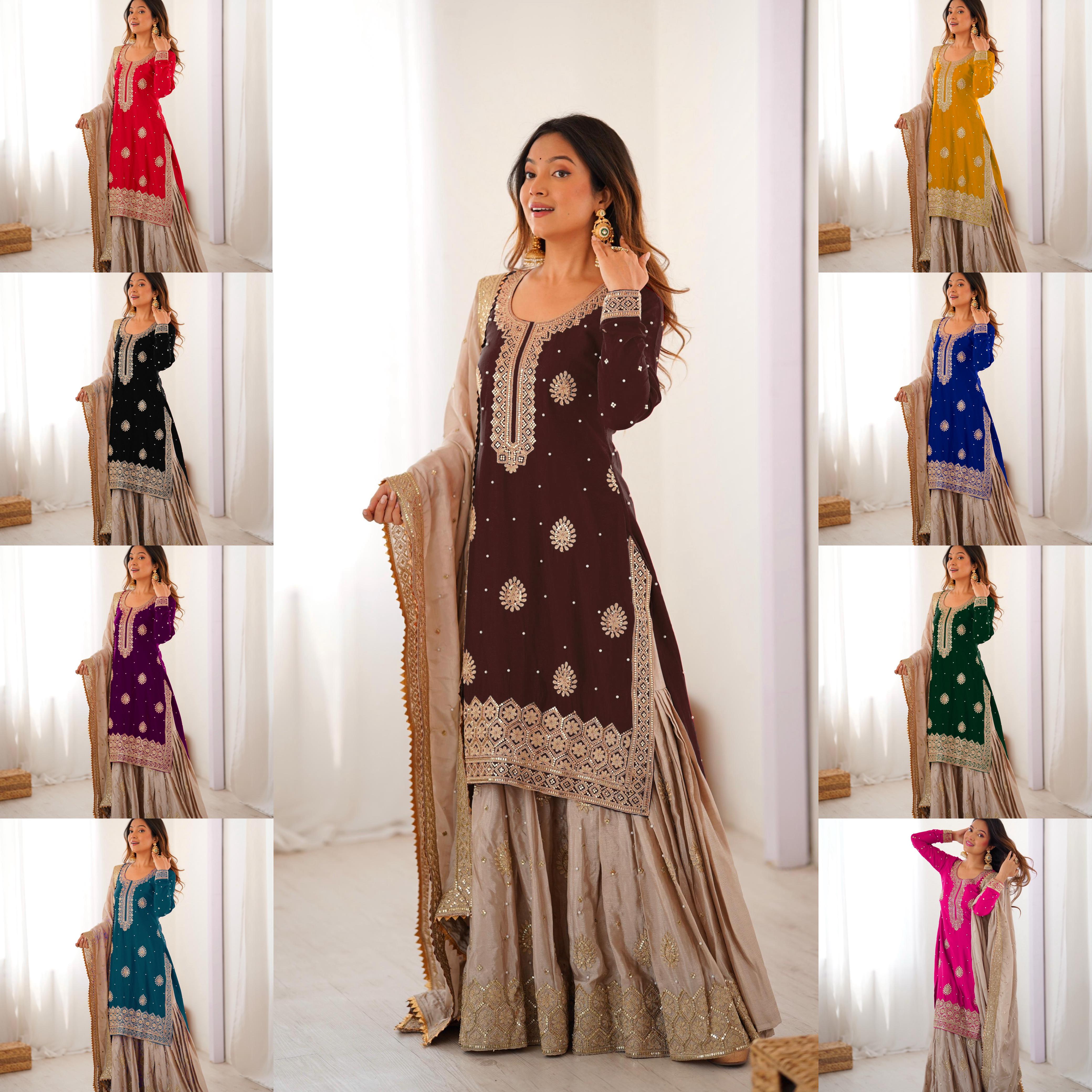
Cream Roman Silk Embroidered Top Palazzo Set Purple offers another useful styling principle: when the top and lower piece carry strong colour or surface interest, clean trouser length becomes more important than maximum flare. Allow the hem to skim the top of the foot without dragging.
Mustard Silk Embroidered Kurti Palazzo Dupatta Set shows how a coordinated dupatta can add movement without requiring extremely wide pants. If the dupatta already creates volume at the shoulder and side, a moderate palazzo leg can produce a more balanced silhouette.
Which footwear works with a full palazzo?
A low block heel, wedge or pointed flat can support a full palazzo without changing the rise. Choose footwear before final hemming because trousers shortened for flats may look too high with a 2-inch heel.
Heavy sandals can catch in a very wide hem, particularly in lightweight Chanderi or chiffon. A smooth sole and a hem that clears the floor by approximately 1 to 2 centimetres reduce dragging while preserving the long line.
Can regional salwar suit styles help you choose a silhouette?
Regional textile traditions offer useful clues about proportion, surface detail and movement, but they don't replace individual measurements. A palazzo silhouette can borrow colour or craft references while retaining a modern, comfortable rise.
Kalamkari Print Salwar Suits often bring a strong printed surface, so a controlled palazzo width can keep the pattern readable. Maharashtra Paithani Inspired Salwar Suits can suggest richer colour placement and border-led styling, where excessive trouser volume may compete with the upper garment.
Gujarat Bandhej Salwar Suits and Odisha Sambalpuri Salwar Suits can inspire the use of patterned dupattas with simpler lower silhouettes. A clearly placed print border looks more intentional when the trouser hem doesn't pool on the floor.
Punjab Patiala Salwar Suits have a different visual language, with gathered volume and a traditionally generous silhouette. A palazzo isn't a Patiala salwar, so shoppers should compare the desired amount of fabric rather than assuming every roomy lower garment will fit in the same way.
What can be altered when the palazzo fit is almost right?
A tailor can usually adjust the waistband, waist elastic, hem and limited side ease more easily than the rise. A small waistband alteration is practical when the hip and crotch already feel comfortable.
If the waistband is loose but the rise is correct, a tailor may reduce the waist from the side seams or adjust the elastic. If the hem is too long, shortening it's straightforward provided the border or embroidery isn't cut through.
A rise that's too short is harder to repair because adding fabric requires access to the crotch seam and matching material. A rise that's too long may sometimes be reduced at the waistband, but the alteration can change the intended placement of embroidery or the proportion between the kurta and trouser.
Before altering an embroidered palazzo, try the full suit with the dupatta and intended footwear. Mark the waistband position while standing and sitting. A measurement that looks correct in front of a mirror may feel wrong after ten minutes of walking, so movement testing should come before permanent tailoring.
How should palazzo suit pants be checked after washing?
Check the waistband, rise and hem again after the first wash because shrinkage, pressing and fabric movement can change the fit. Follow the garment's care label, and avoid high heat unless the instructions specifically permit it.
Wash delicate embroidered, Chanderi, Chinon silk and zari-accented garments according to their care instructions, usually with gentle handling and shade drying. Do not hang a wet, heavy suit from a narrow hanger because water weight can stretch the waistband or distort the rise.
Press palazzo pants from the inside or through a pressing cloth when the fabric or embroidery is sensitive to heat. Store the trousers folded along the leg crease, with the waistband flat, so the wide leg doesn't develop permanent diagonal folds.
Common Questions About Getting the Right Palazzo Suit Fit
How do I know if palazzo pants have the right rise?
The rise is right when the waistband stays level while standing and sitting, the crotch seam does not press into the body, and the fabric falls without strong diagonal wrinkles. Test the fit by sitting, walking and lifting one knee before deciding.
Should palazzo pants be tight around the hips?
Palazzo pants should have enough hip ease for sitting and walking without pulling across the seat. A fluid palazzo commonly needs about 2 to 4 inches of ease beyond the body hip measurement, with the exact amount depending on fabric and personal preference.
Can a tailor increase the rise of palazzo suit pants?
Increasing the rise is difficult because the alteration involves the crotch curve and may require additional matching fabric. Waist, elastic and hem adjustments are usually more practical, so choose a pair with a comfortable rise before purchasing.
What is the best length for palazzo suit pants?
The best length allows the hem to clear the floor by approximately 1 to 2 centimetres while skimming the top of the foot. Measure with the footwear you plan to wear because a heel changes the required finished length.
Which fabric is most comfortable for palazzo salwar suits?
Comfort depends on construction as well as fibre, but soft rayon often offers easy movement, while Chanderi, Roman silk, Chinon silk and chiffon create different levels of structure and drape. Check the rise, hip ease, lining and waistband instead of judging comfort from fabric name alone.
Are very wide palazzo pants more comfortable?
Very wide legs do not automatically make palazzo pants more comfortable because the upper thigh, crotch and rise still need adequate room. A moderate width with the correct rise can be easier to sit and walk in than an extremely wide pair with a restrictive crotch.