A padded blouse can change the way a saree sits across the bust, shoulders and waist, even when the garment measurements look correct on paper. Padding thickness can change the fit of a readymade blouse by adding volume, altering the neckline position and reducing or increasing the available inner space. The right choice depends on foam depth, bust shape, fabric, closure, saree fabric and the amount of support you actually need.
Many shoppers compare only bust, waist and shoulder measurements when buying a readymade blouse. A more accurate decision also requires checking whether the padding is thin, medium or firm, whether the cups are stitched into position, and whether the blouse fabric has any give. A cotton padded blouse behaves differently from a silk readymade blouse because cotton usually holds its shape while silk may glide more easily over the body.
Padding Thickness Can Change the Fit of a Readymade Blouse: Why It Matters
Padding thickness changes fit because the cup occupies space inside the blouse and changes the garment's outer contour. A thin pad may provide gentle shaping without significantly changing the bust measurement, while a thicker pad can make the bust area project further forward and feel tighter around the side seams.
Padding also affects the relationship between the bust and the neckline. A thicker cup can lift the bust line, which may make a V-neck appear deeper or cause a high neckline to sit closer to the base of the neck. A thinner cup generally creates a flatter, softer line and leaves more room for movement.
Readymade blouses are cut to a fixed pattern, so the foam can't be adjusted in the same way as a tailor-made cup. A person with a fuller bust may need more room around the cup perimeter but not necessarily thicker padding. A person with a smaller bust may appreciate moderate padding for shape, but excessive foam can create pressure at the armhole or make the front look overfilled.
Padding Thickness Can Change the Fit of a Readymade Blouse in Three Ways
Thin padding usually gives light coverage, modest shaping and the greatest ease of movement. Thin cups work well for everyday cotton sarees, lightweight fabrics and shoppers who want a natural outline.
Medium padding usually gives a clearer rounded shape and moderate support. Medium cups can suit festive sarees, structured blouses and outfits where the blouse needs to maintain its form under zari or embroidered drapes.
Thick padding creates the most noticeable projection and structure. Thick cups can be useful when a blouse is designed for a firm, sculpted silhouette, but thick padding also has the highest risk of tightness, visible cup edges and an unnatural fit if the base size is already close.
Padding Thickness Can Change the Fit of a Readymade Blouse: How to Choose a Size
Choose a padded blouse by comparing the bust, underbust, shoulder and armhole measurements rather than sizing up automatically. A larger size may create extra width at the shoulders and waist without solving pressure caused by a small cup or narrow bust panel.
Measure the fullest part of the bust while wearing a lightly lined bra or the undergarment normally planned with the blouse. Keep the tape level across the back and avoid pulling it tightly. Measure the underbust separately, because the difference between bust and underbust helps explain whether a standard padded cut will feel supportive or restrictive.
Check the shoulder measurement because padding can alter posture and pull the front of the blouse forward. Check the armhole because a thick cup combined with a high armhole can cause rubbing. Check the blouse length because a raised bust line can make the hem appear slightly shorter at the front.
- Choose your regular size when the size chart allows approximately 2 to 4 centimetres of comfortable ease around the fullest bust point.
- Consider one size up when the fabric has no stretch, the bust measurement is between sizes, or the design uses firm medium-to-thick padding.
- don't size up automatically when the main concern is a loose waist, broad shoulder or excess fabric near the neckline.
- Prioritise the largest measurement when the blouse has a side or back closure and can't be altered easily across the cup area.
Padding thickness can change the fit of a readymade blouse even when two garments share the same listed size. A 36-size blouse with a thin cup may feel roomier than a 36-size blouse with a thick cup because the inner volume and front projection are different.
Padding Thickness Can Change the Fit of a Readymade Blouse by Fabric
Fabric determines how firmly padding sits against the body and how quickly the blouse relaxes during wear. Cotton, silk, brocade and blended fabrics each respond differently to the same foam depth.

Padding Thickness Can Change the Fit of a Readymade Blouse in Cotton
Cotton padded blouses usually feel breathable and stable, especially when the cotton is woven firmly. The fabric can hold a shaped cup neatly, but pure cotton has limited recovery, so a close fit may feel restrictive after several hours.
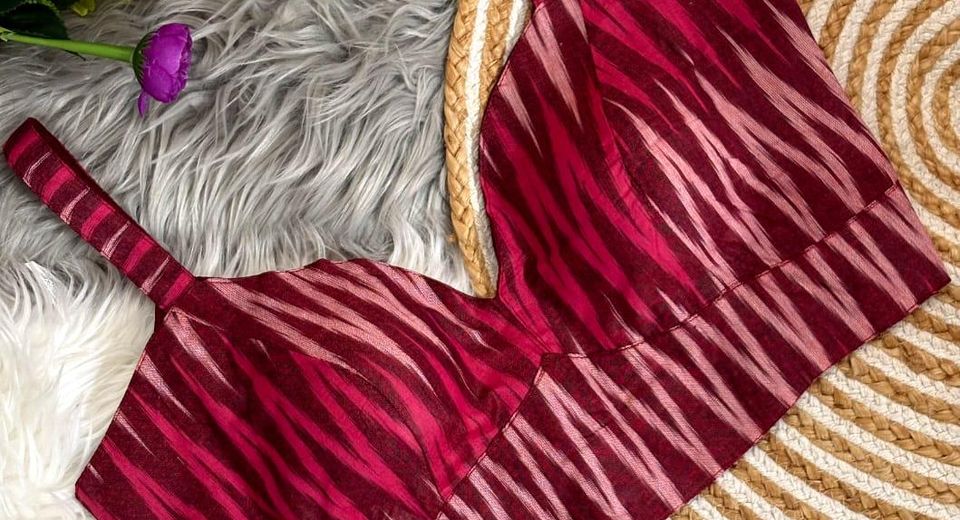
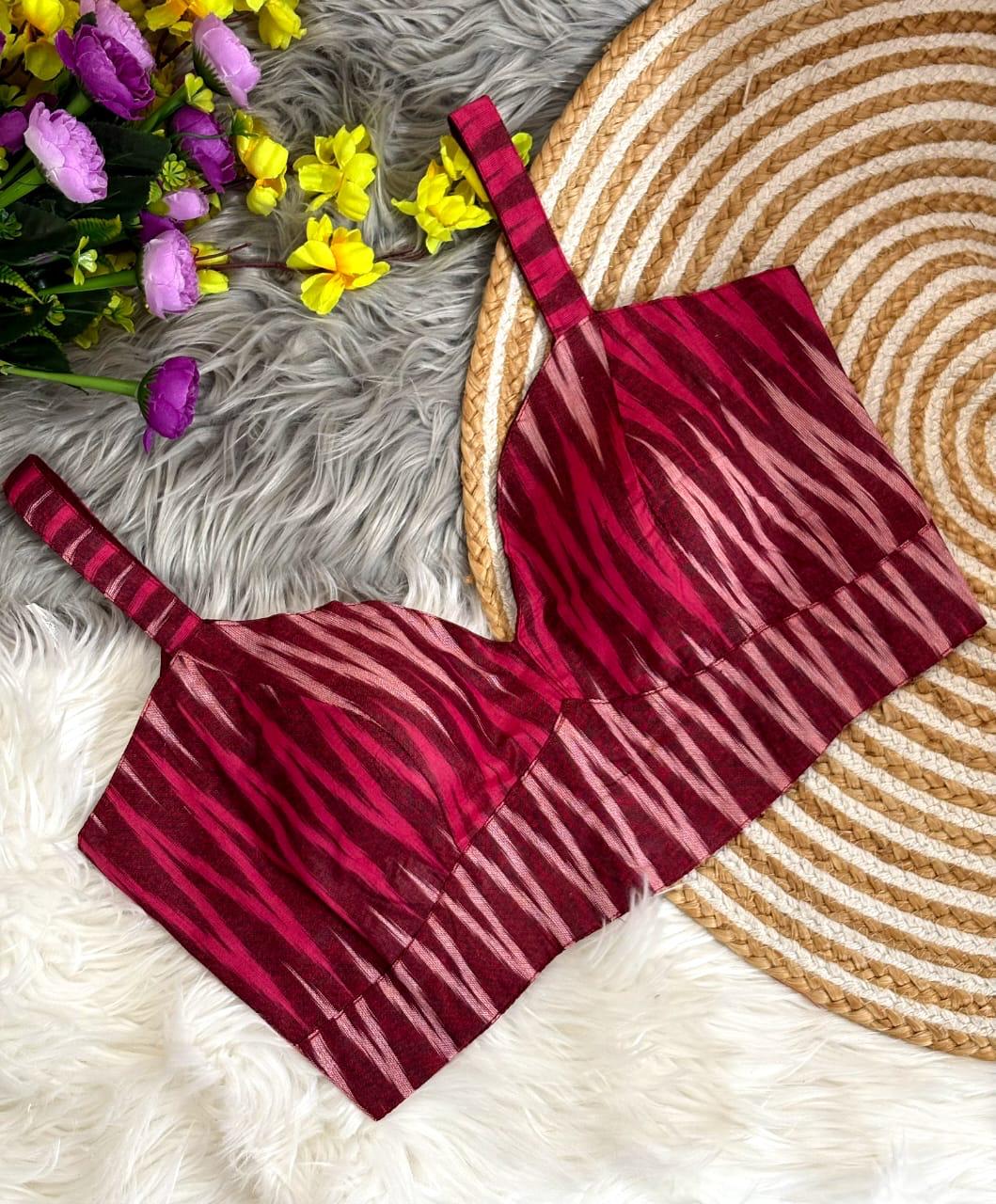
Ikkat Cotton Padded Blouse for Women Sleeveless and Brown Ikat Cotton Padded Blouse Sleeveless Stylish illustrate why weave matters alongside padding. Ikat cotton can provide visual texture and structure, while the sleeveless cut makes the armhole especially important for comfort. Cream Ikat Cotton Padded Blouse Sleeveless Trendy can work with lighter saree colours, but pale cotton requires attention to lining and the visibility of the cup edge under thin drapes.
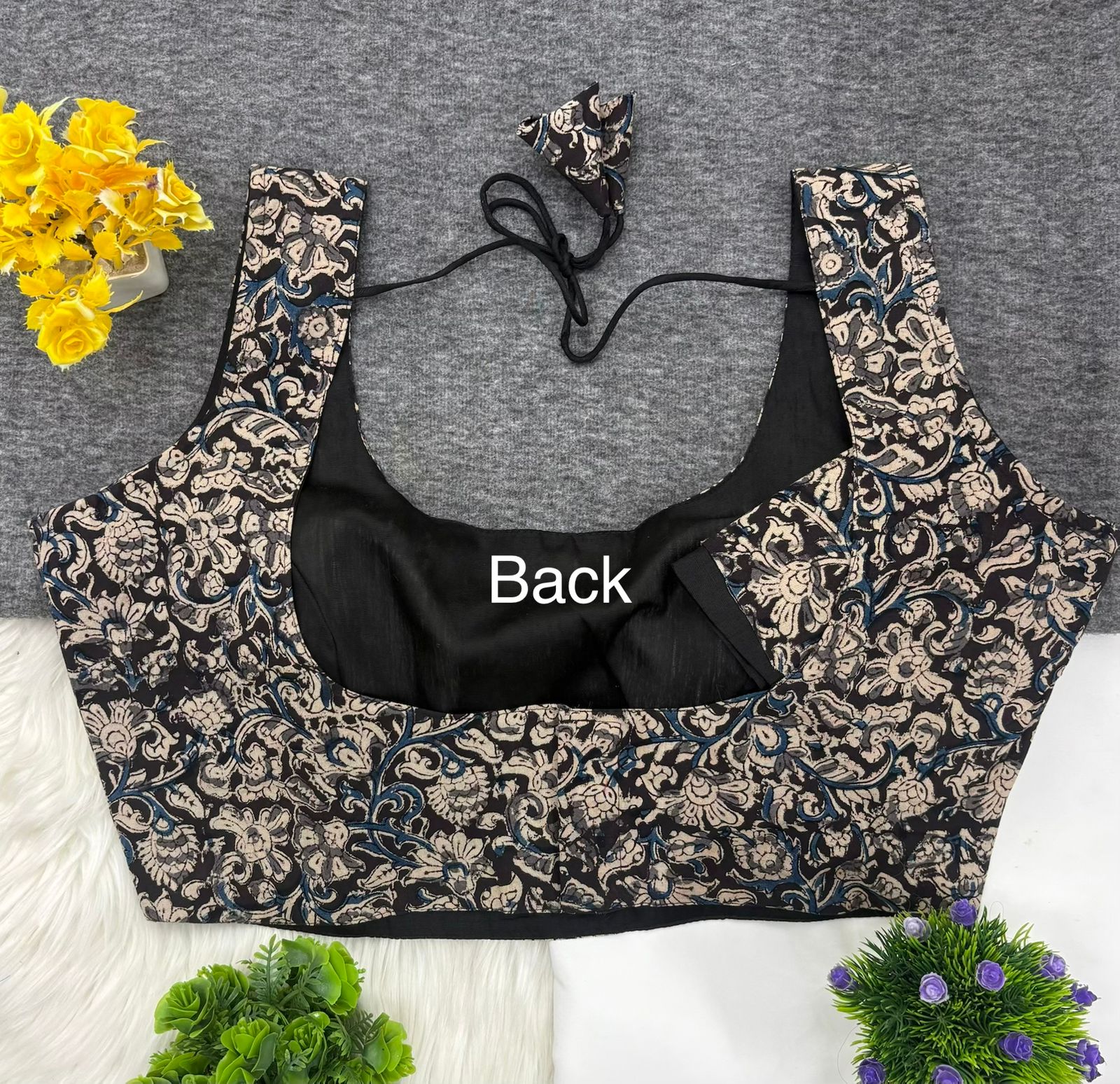
Pure Kalamkari Cotton Padded Blouse for Women suits shoppers who want a printed cotton surface with built-in shaping. Cotton padded blouses are particularly practical for daytime gatherings, office celebrations and a Haldi ceremony, where breathability matters more than a highly sculpted silhouette.
Padding Thickness Can Change the Fit of a Readymade Blouse in Silk
Silk and woven festive fabrics often create a smoother, more formal outline, but they may have less forgiving recovery than stretch fabric. A silk readymade blouse should feel secure without cutting into the underarm or forcing the neckline away from the body.
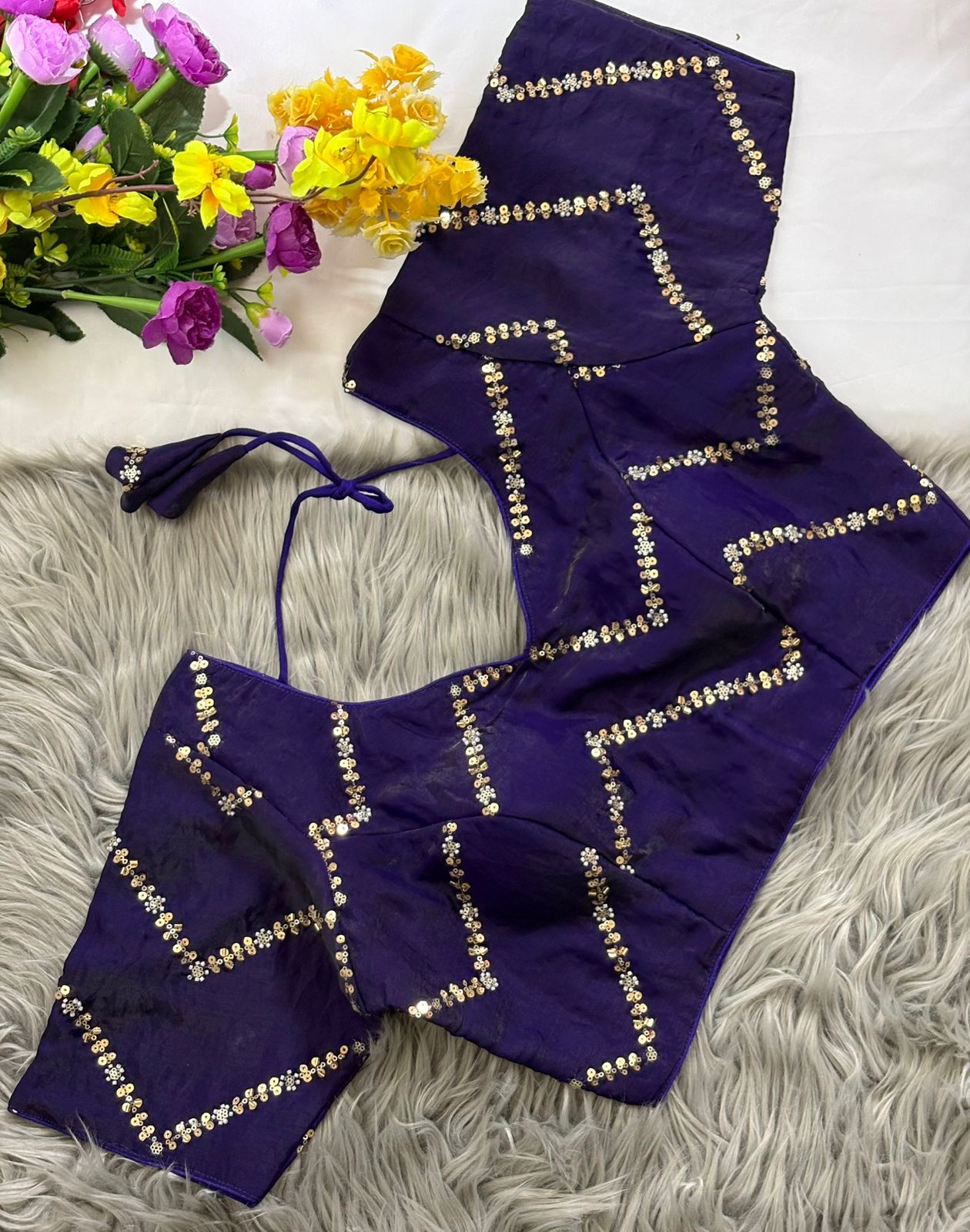
Fendy Silk Zigzag Moti Work Readymade Blouse demonstrates how surface embellishment can add visual weight even when the padding is moderate. Beaded or motif-heavy designs should not be judged only by the cup shape; inspect whether the embellishment sits over a stable lining and whether the closure can accommodate normal breathing.
Banarasi Silk Golden Jari Padded Blouse for Women has a naturally festive visual language because Banarasi silk and zari catch light strongly. Thick padding isn't always necessary under Banarasi silk. Moderate padding can preserve a smooth front while preventing the blouse from becoming stiff beneath a heavy Designer saree.
Padding Thickness Can Change the Fit of a Readymade Blouse at the Neckline
Neckline, sleeve and closure construction can either balance or intensify the effect of padding. A padded blouse with the same bust size can feel comfortable in one neckline and restrictive in another.

V-necks create a longer visual line and may show more of the upper bust when a thick cup lifts the bust line. A collar neckline contains the front more securely, but the collar must not press against the throat when the wearer sits or moves. Kalamkari Cotton V Neck Collar Blouse for Women combines two construction ideas that need careful checking: the V shape and the collar height.
Sleeveless blouses require a clean armhole because there's no sleeve seam to distribute tension. Padded sleeveless designs can feel comfortable when the armhole is cut low enough for movement but not so low that the inner edge of the bra becomes visible. Short sleeves can reduce rubbing for some wearers, while tight sleeves can create extra pressure around the upper arm.
Back hooks, front hooks, side zips and elastic panels change how a padded blouse adjusts. Back hooks offer some flexibility across the torso, but a hook-and-eye gap often indicates that the blouse is too small. A side zip can create a smooth back but gives little room for adjustment. Elastic or stretch panels can accommodate minor fluctuations, although stretch doesn't compensate for an undersized cup.
Padding Thickness Can Change the Fit of a Readymade Blouse for Saree Styling
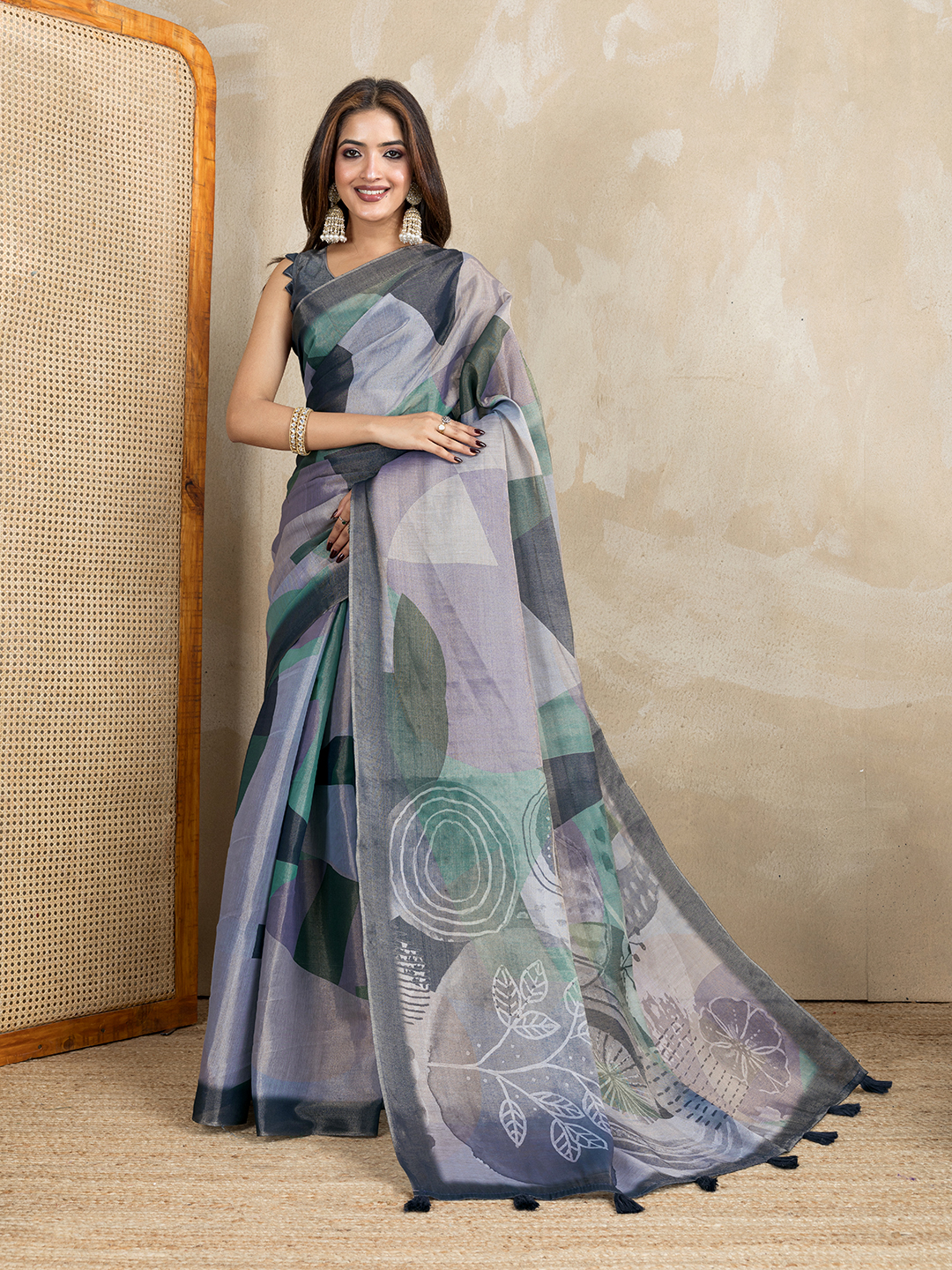
Match padding thickness to the saree's weight, transparency and drape rather than choosing the thickest option for every event. A structured blouse should support the saree without creating an unrelated silhouette.
- Daily cotton sarees: Thin or light-medium padding usually provides enough shape and keeps the blouse breathable during long wear.
- Chanderi sarees: Thin or medium padding works well because Chanderi is light and can reveal bulky cup edges beneath the pallu.
- Banarasi silk sarees: Medium padding can balance the visual weight of Banarasi silk and zari, while thick cups are best reserved for a deliberately sculpted design.
- Kanjeevaram sarees: A firm, well-lined blouse can support the weight of a traditional silk drape, but the fit must leave room for shoulder movement.
- Haldi ceremony outfits: Breathable cotton and light-medium padding are practical for warm venues, turmeric rituals and extended standing.
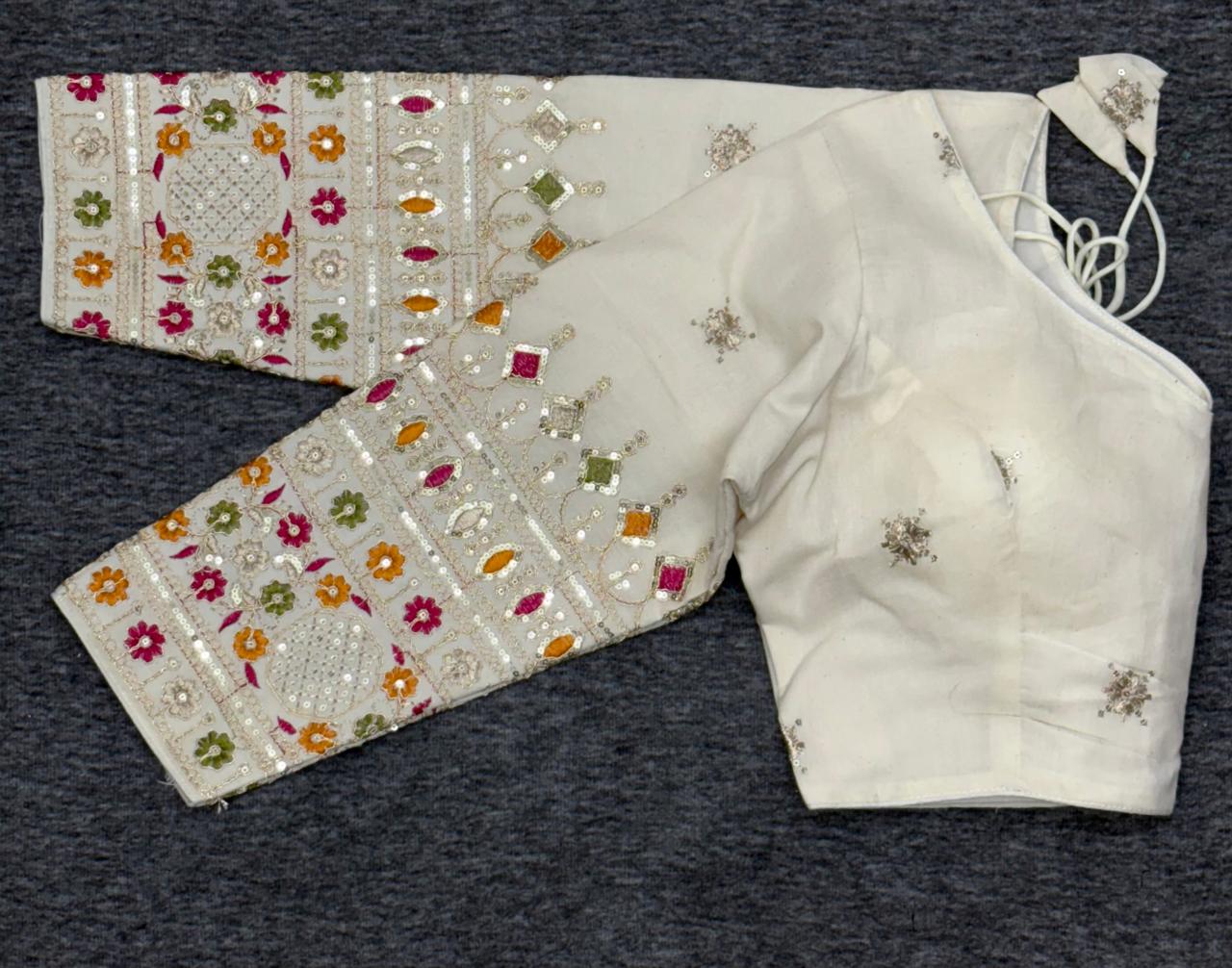
- Wedding receptions: Medium padding can support embroidered or embellished designs, provided the neckline and closures remain comfortable for several hours.
Classic Festive Wear Blouse for Stylish Saree Look offers a useful reference for occasion dressing: festive appearance doesn't automatically require maximum padding. Colour, sleeve shape, neckline and textile surface often create enough impact without adding unnecessary bulk.
Padding Thickness Can Change the Fit of a Readymade Blouse Under a Draped Pallu
A smooth, correctly fitted pad helps the pallu fall cleanly across the bust without repeated adjustment. Excessively thick padding can push the pallu outward, create a visible ridge or make pleats appear uneven.
Lightweight sarees such as Chanderi, organza-style weaves and fine cotton reveal surface irregularities more readily than heavier silk. For transparent or semi-transparent drapes, inspect the cup edge under strong indoor light before wearing the blouse to a formal event.
Heavier Kanjeevaram or Banarasi silk can visually balance a more structured blouse, but the wearer still needs comfortable breathing room. Saree weight pulls on the shoulder and blouse, so a garment that feels merely snug before draping may become uncomfortable after several hours.
Padding Thickness Can Change the Fit of a Readymade Blouse During Wear
A padded blouse should remain comfortable when the wearer sits, raises both arms, bends slightly and breathes deeply. Testing movement is more reliable than judging the fit while standing still in front of a mirror.
- Put on the blouse over the intended undergarment and fasten every closure without forcing the hooks.
- Raise both arms to shoulder height and check whether the armholes cut into the underarm.
- Sit for five minutes and observe whether the neckline presses against the chest or throat.
- Take a few deep breaths and check whether the band, seams or cups create sharp pressure.
- Place the saree pallu over the blouse and look for cup outlines, wrinkles or unexpected gaps.
Red marks around the underbust, a gaping neckline, flattened cups or a hook line that strains are practical signs of poor fit. Minor looseness at the waist may sometimes be altered, but a cup that's too small or badly positioned is harder to correct without dismantling the blouse.
Padding can also feel different after repeated wear. Cotton may soften slightly, while silk and embellished fabrics generally retain their original structure. Never assume that a tight padded blouse will loosen enough to become comfortable; a garment with firm foam and a non-stretch shell often changes very little.
Padding Thickness Can Change the Fit of a Readymade Blouse: Care and Buying Checklist
Care preserves the shape of padded cups because heat, compression and rough washing can deform foam. Hand-wash when the care label permits, use cool water, avoid wringing the bust area and dry the blouse flat or on a broad hanger away from direct heat.
don't fold a padded blouse with the cups crushed inward for long periods. Store the cups in their natural shape, particularly when the blouse includes zari, zari-like metallic detailing, beads or a stiff lining. Steam should be used cautiously because concentrated heat can affect adhesive layers and synthetic padding.
Before buying a readymade blouse, record four measurements: fullest bust, underbust, shoulder and waist. Then check five construction details: padding thickness, cup placement, fabric recovery, armhole depth and closure type. These details provide a more dependable fit assessment than a product photograph alone.
- Confirm whether the padding is removable or permanently stitched.
- Check whether the size chart gives garment measurements or body measurements.
- Compare the bust measurement with the cup style, not only with the numbered size.
- Consider the saree fabric, pallu weight and expected wearing time.
- Allow extra comfort when the design has thick embellishment, a high collar or a rigid lining.
The most useful rule is simple: choose the padding level that gives the intended shape while leaving room for normal movement. Padding thickness can change the fit of a readymade blouse, but correct measurement, suitable fabric and realistic occasion planning make the difference between a blouse that looks good briefly and one that remains comfortable throughout the day.
Common Questions About Padding Thickness and Readymade Blouse Fit
How does padding thickness affect the size of a readymade blouse?
Padding thickness affects the inner space and forward projection of a readymade blouse. Thick padding can feel tighter across the bust and may lift the neckline, even when the listed size is identical to a thin-padded blouse.
Should I choose one size larger for a padded blouse?
Choose one size larger only when the bust measurement falls between sizes, the fabric has no stretch or the padding is firm and thick. Sizing up may create loose shoulders and waist fabric without fixing a cup that is poorly shaped for your body.
Is thin or thick padding better for a cotton saree?
Thin or light-medium padding usually suits a cotton saree because it provides shape without excessive heat or bulk. Firm thick padding is more appropriate when a deliberately sculpted silhouette is required and the blouse has enough room around the bust.
Can a padded blouse be worn with Banarasi silk or Kanjeevaram?
A medium-padded blouse generally works well with Banarasi silk or Kanjeevaram because it balances the visual weight of the saree. The blouse should still allow shoulder movement and should not create a bulky ridge beneath the pallu.
How can I tell whether a padded readymade blouse fits correctly?
A correctly fitting padded blouse fastens without strain, leaves comfortable breathing room and stays smooth when you sit or raise your arms. Gaping at the neckline, strained hooks, cup edges, armhole rubbing and sharp underbust pressure indicate a poor fit.
How should I wash and store a padded readymade blouse?
Follow the care label, use cool water when hand-washing is permitted and avoid wringing or high heat. Store the blouse with the cups in their natural shape so that foam and lining do not become permanently creased.