

Airline baggage limits, uneven hotel storage and several wedding functions can make Packing Ethnic Wear for a Destination Wedding Without Overpacking feel harder than choosing the outfits themselves. An useful solution is to plan a small wardrobe around ceremonies, repeat key accessories and select fabrics that tolerate travel. Most guests need four to six complete looks for a two- to three-day Indian wedding, not a separate garment for every photograph.
The most reliable method is to list the functions first, assign one outfit formula to each function, and pack pieces that can serve at least two styling purposes. A lightweight saree can work for a welcome dinner and a daytime puja, while one embroidered kurta set can move from travel to a casual mehendi gathering with a change of dupatta and jewellery.
How many ethnic outfits should you pack for a destination wedding?
Pack one principal outfit for each important ceremony, plus one practical travel look and one emergency option. For a two-night wedding, five outfits are usually enough: travel or arrival, haldi, mehendi or sangeet, wedding ceremony, and reception or departure.
Many wedding itineraries list six or more events, but guests rarely need six entirely different silhouettes. A two-piece set, saree blouse or dupatta can create a second appearance without adding a full garment. The goal is to count complete looks, not individual clothes.
- Arrival: Choose a breathable kurta-pant set or relaxed salwar suit that doesn't need complicated pressing.
- Haldi ceremony: Carry a washable cotton or cotton-blend outfit in a colour where turmeric marks are less noticeable.
- Mehendi: Wear a light sharara, palazzo suit or short kurta with flat footwear for sitting comfortably.
- Sangeet: Select one festive outfit with movement, such as a crepe maxi suit or a lighter lehenga.
- Wedding: Reserve the most formal saree, silk suit or embellished ensemble for the main ceremony.
- Reception or departure: Reuse the wedding blouse, jewellery or dupatta with a different lower garment if a separate look is necessary.
A three-day destination wedding may justify six looks when the dress codes are genuinely different, such as a beach welcome dinner, daytime haldi, evening sangeet and traditional temple wedding. A six-look plan should still include repeated accessories and at least one outfit that can be worn without alteration.
Packing Ethnic Wear for a Destination Wedding Without Overpacking starts with the ceremony calendar
A ceremony calendar prevents duplicate outfits because each garment receives a defined job before it enters the suitcase. Write the event name, time of day, location, expected weather, dress code and footwear requirement in a simple table.
Time and location affect fabric more than many travellers expect. A daytime Haldi ceremony in Jaipur may require cotton, mulmul or a breathable cotton blend, while a winter wedding in Jaipur or Delhi can accommodate Banarasi silk, pashmina and layered blouses. A humid Goa venue calls for lighter fabrics and quick-drying lining, whereas an indoor winter reception allows heavier zari and velvet accents.
Match the outfit to movement and ground conditions
Choose outfits according to the amount of walking, sitting and dancing required at each function. A heavily flared lehenga can be excellent for a sangeet but inconvenient for airport transit, a garden mehendi or a venue with uneven stone flooring.
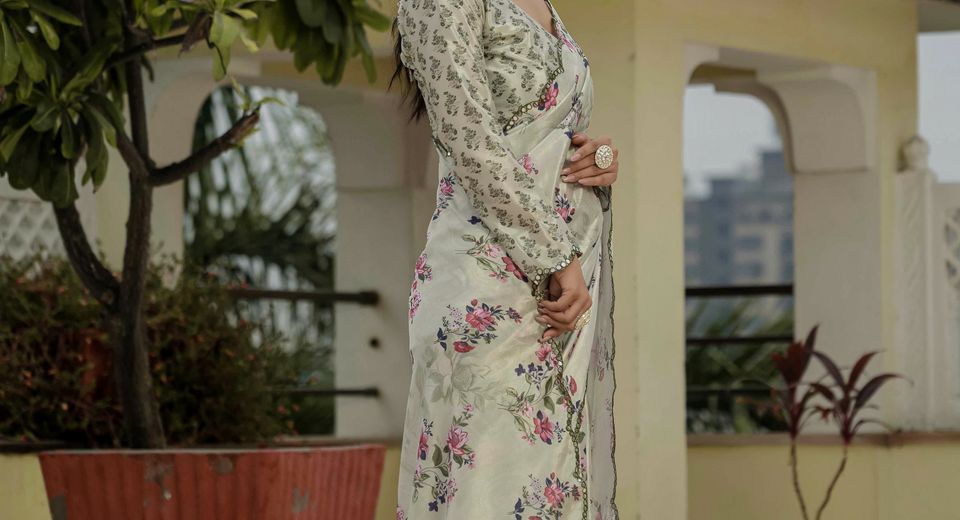
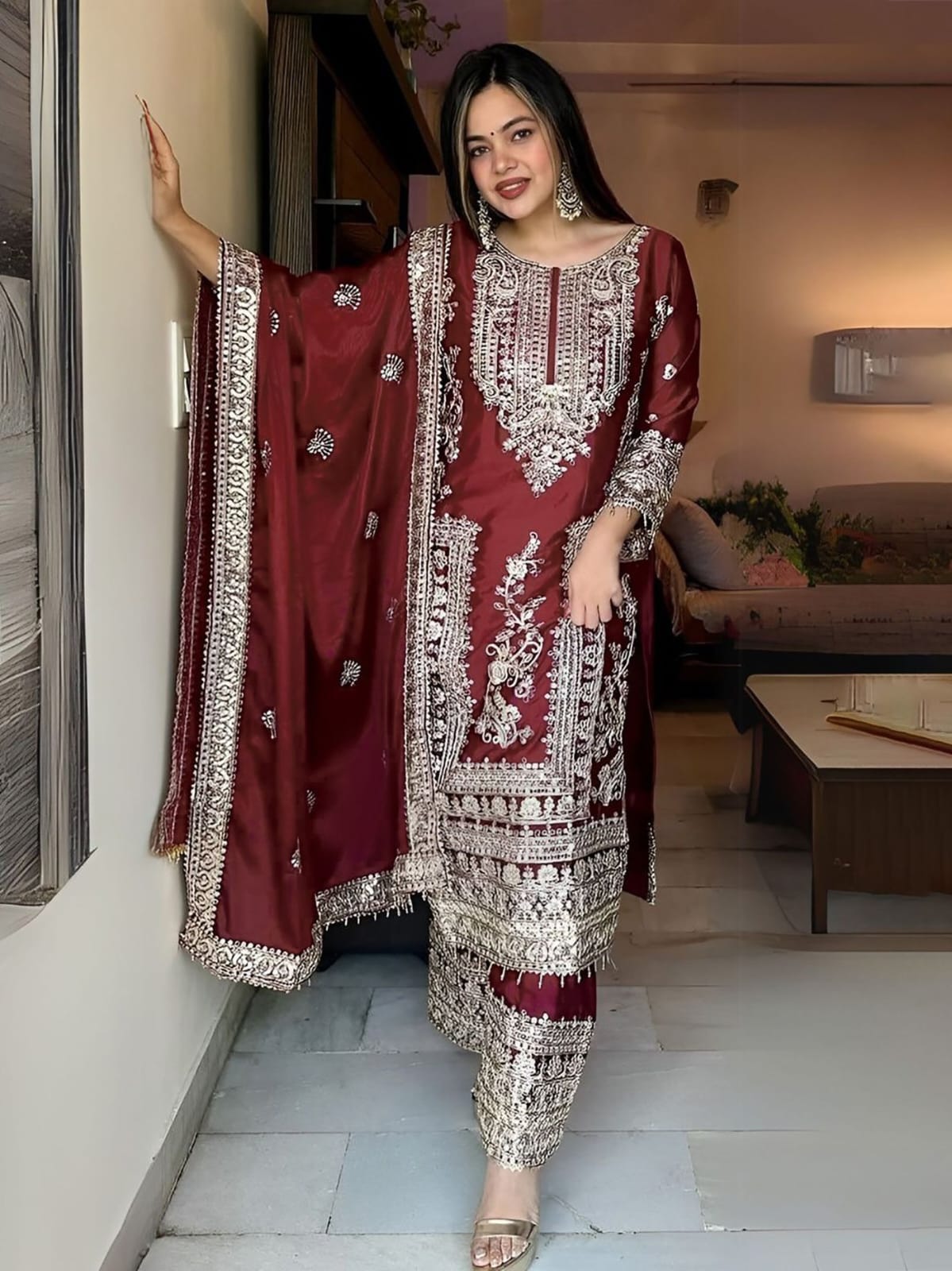
For a daytime function, a Pastel Green Floral Heavy Chinnon Ready to Wear Saree offers a pre-stitched option that reduces pinning and draping time. For a formal evening, a Maroon Cotton Saree with Zari Work for Wedding can provide time-honoured detail without the weight of a fully embellished lehenga. A saree should always be paired with a blouse whose hooks, lining and fit have been tested before travel.
Which fabrics travel well in ethnic wear?
Crepe, cotton blends, linen cotton, georgette and ready-to-wear sarees generally travel more easily than heavily embellished velvet or unstructured silk. Fabric choice matters because humidity, compression and repeated unpacking create creases and moisture more quickly than normal wardrobe storage.
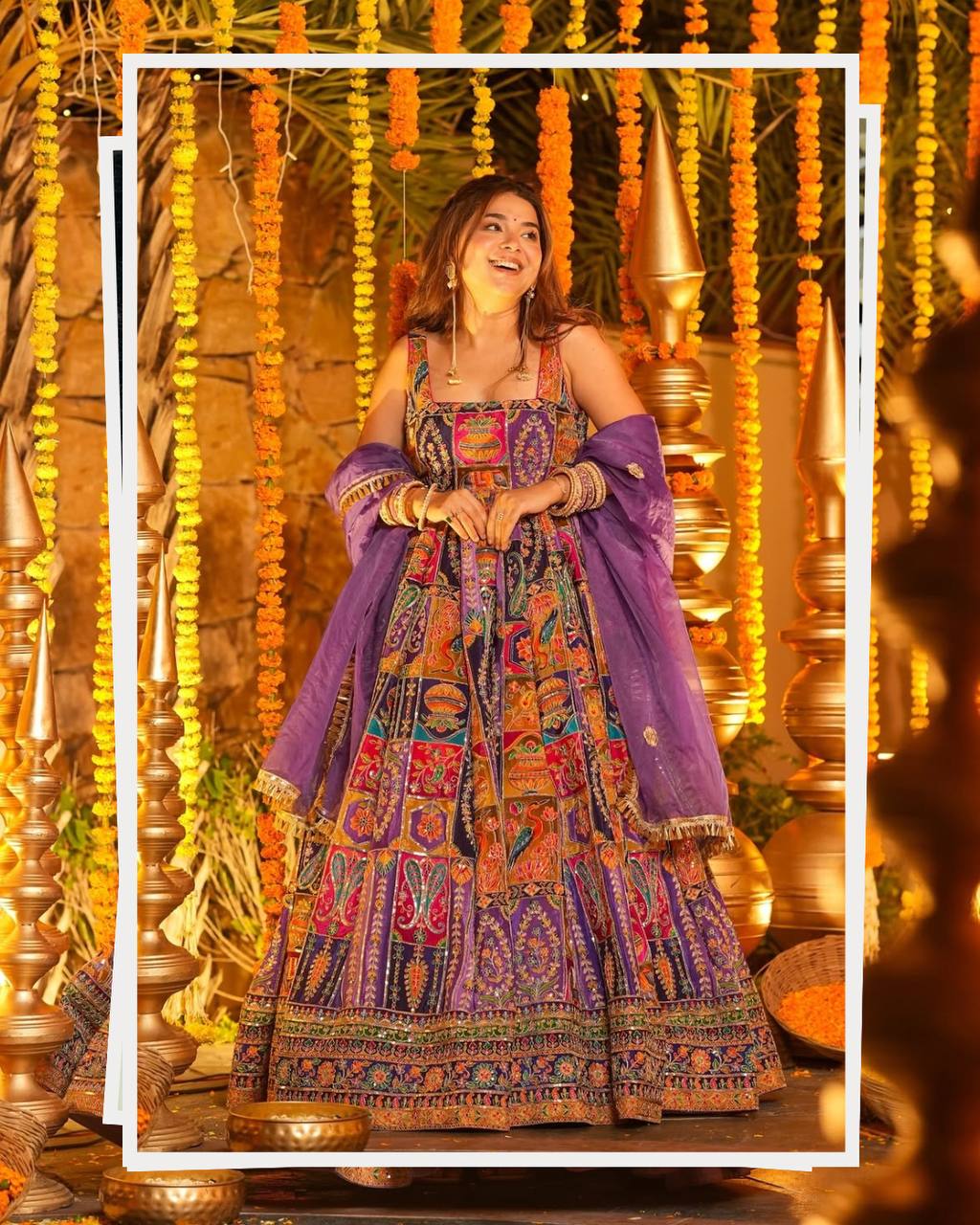
Crepe has an useful balance of drape and resilience, making a Multicolor Embroidered Crepe Maxi Suit Set for Festive Wear a practical candidate for a sangeet or welcome dinner. The same suit can be styled with slim earrings and flats for a less formal function, although the set should be folded with tissue around embroidery to prevent snagging.
Linen cotton is breathable and usually easier to air than pure silk. A Royal Blue Floral Linen Cotton Saree Online | Varnavi can suit a daytime event when the blouse is packed separately and the saree is folded along its existing pleat lines. The product name includes the brand name, so it should be treated as one item in the wardrobe plan rather than surrounded by additional branded pieces.
Silk, Banarasi silk and Kanjeevaram deserve more careful packing because sharp folds can leave permanent-looking crease lines and zari can catch on rough surfaces. A Cream Embroidered Silk Kurta Pant Set for Women can travel safely when wrapped in a soft cotton garment bag and placed above shoes, toiletry bags and hard accessories.
Pashmina is valuable for a cold-weather wedding because one shawl can serve as warmth, a drape and a colour-changing layer. A Classic Blue Pashmina Saree With Shawl For Weddings may replace a separate stole and evening wrap, reducing both volume and the number of accessories required.
How should sarees, suits and embellished pieces be folded?
Fold sarees with tissue or a clean cotton layer between major folds, and keep embroidery facing inward to reduce abrasion. Heavy zari should not be crushed beneath shoes or cosmetic pouches because pressure can flatten decorative threads and transfer moisture or colour.
Saree packing method
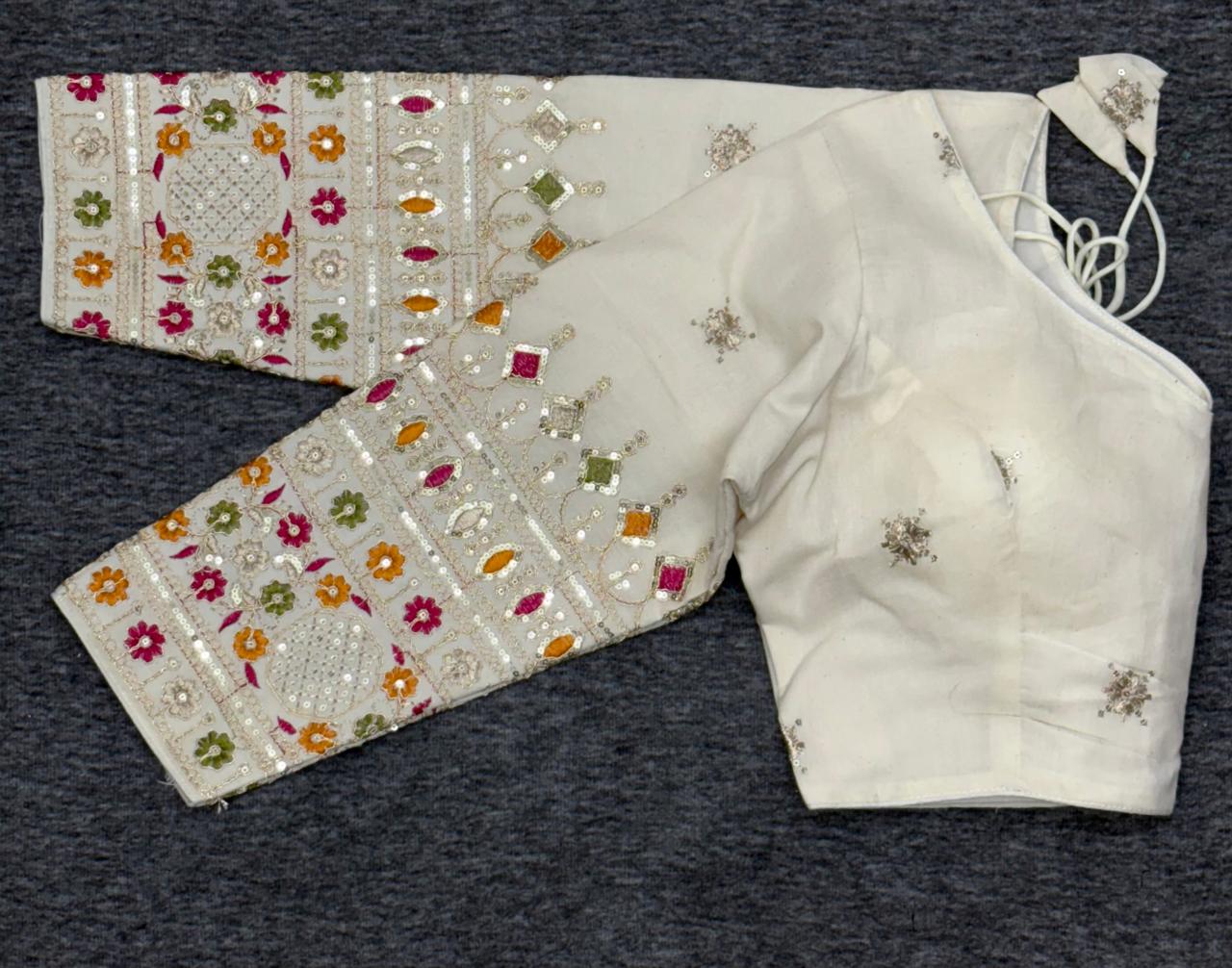
Air the saree for 20 to 30 minutes before folding, then fasten the blouse and petticoat together in a separate fabric pouch. Fold the saree lengthwise first, follow the natural fall of the pleats, and place one sheet of acid-free tissue or plain white cotton at each major fold. A breathable cotton cover is safer than sealed plastic for journeys longer than a few hours.
Ready-to-wear sarees need a different approach because stitched pleats and attached belts can distort when sharply folded. Keep the stitched pleats flat, avoid bending the waistband repeatedly, and place the saree on top of softer garments inside the suitcase.
Suit and lehenga packing method
Pack kurta sets with the kurta and bottom aligned, but fold the dupatta separately in a loose rectangle so its border doesn't press into the main garment. A White Embroidered Anarkali Suit Set with Gota Patti Dupatta should be wrapped with tissue at the gota edges, because metallic trim can catch on sequins, zips and rough suitcase lining.
Pack a lehenga skirt in a wide garment folder or fold it only once across the waistband when the suitcase allows. Keep can-can, stiff net and dense embroidery away from direct compression. A lightweight suit can be rolled around a soft cotton layer, but a structured skirt should not be rolled because the resulting pressure lines are difficult to steam out.
What belongs in a destination wedding ethnic-wear capsule?
A compact capsule needs coordinated colours, interchangeable accessories and no more than two pairs of event footwear. Choose one neutral metallic family, such as antique gold or silver, then build outfits around it instead of packing jewellery for every garment.
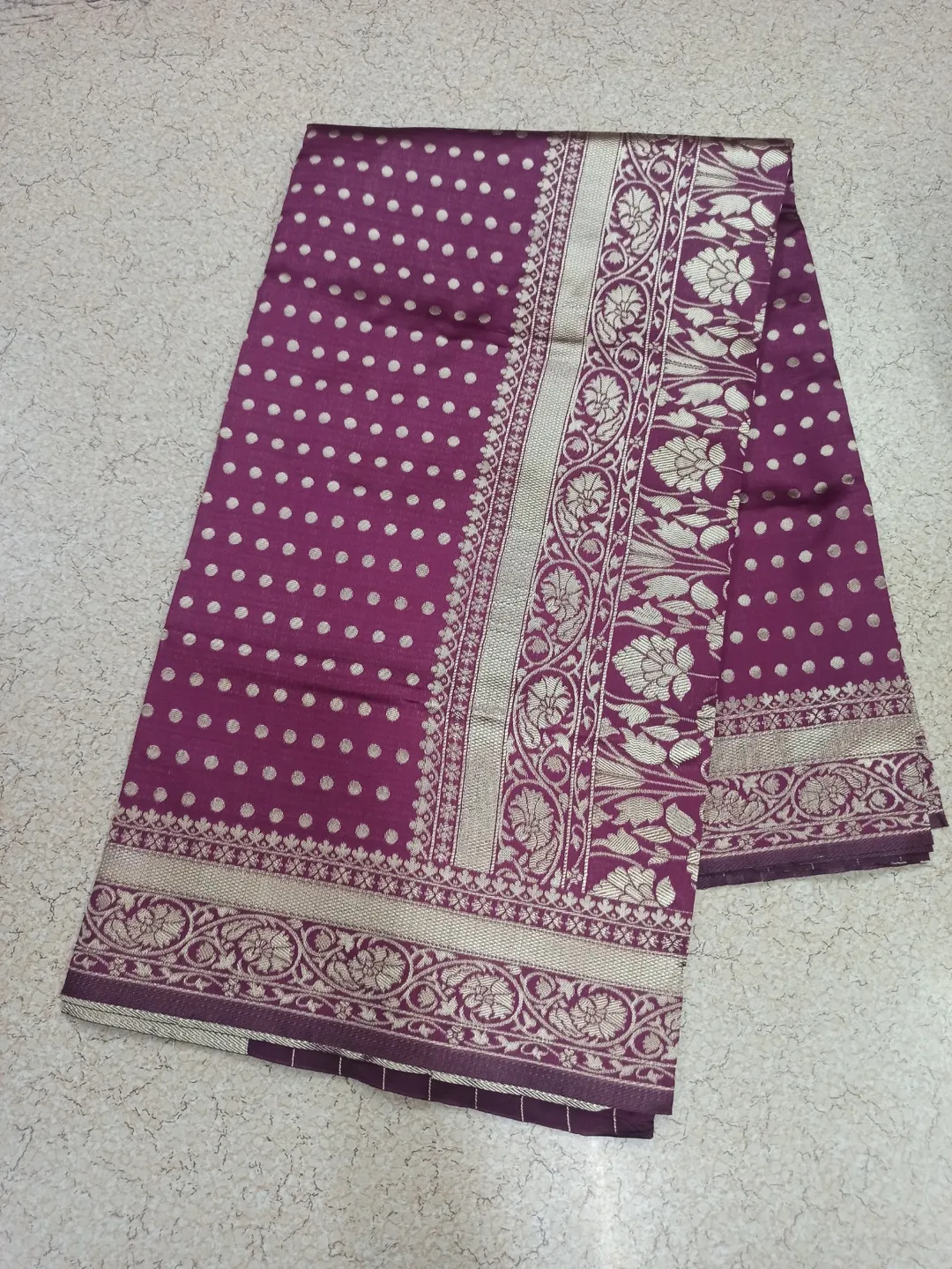
- Five garments: one arrival set, one haldi or mehendi outfit, one dance-friendly festive set, one main wedding outfit and one flexible extra.
- Two footwear pairs: comfortable embellished flats or juttis and one low block heel or dressy sandal.
- Three accessory groups: a neutral earring, a statement necklace or choker, and a compact clutch that suits at least two outfits.
- Two layering pieces: one neutral camisole or lining option and one shawl, cape or light stole suited to the destination climate.
- One repair kit: safety pins, fashion tape, spare hooks, needle and thread, small scissors, stain-removal wipes and extra blouse hooks.
Colour coordination is more useful than carrying more clothes. A cream, maroon, royal blue or pastel green palette can share gold earrings, a neutral clutch and tan or metallic footwear. Contrast can come from one dupatta, belt or lipstick rather than an entirely new outfit.
The Maroon Cotton Saree with Zari Work for Wedding can share antique-gold jewellery with a cream silk set, while a royal-blue saree can use the same clutch with silver-toned accents. The purpose of coordination isn't to make every look identical; the purpose is to make each accessory work twice.
Which items should stay out of the suitcase?
Leave behind duplicate heavy jewellery, extra heels, full-size beauty products and garments that require specialist pressing after every wear. These items consume space without solving a distinct dressing need.
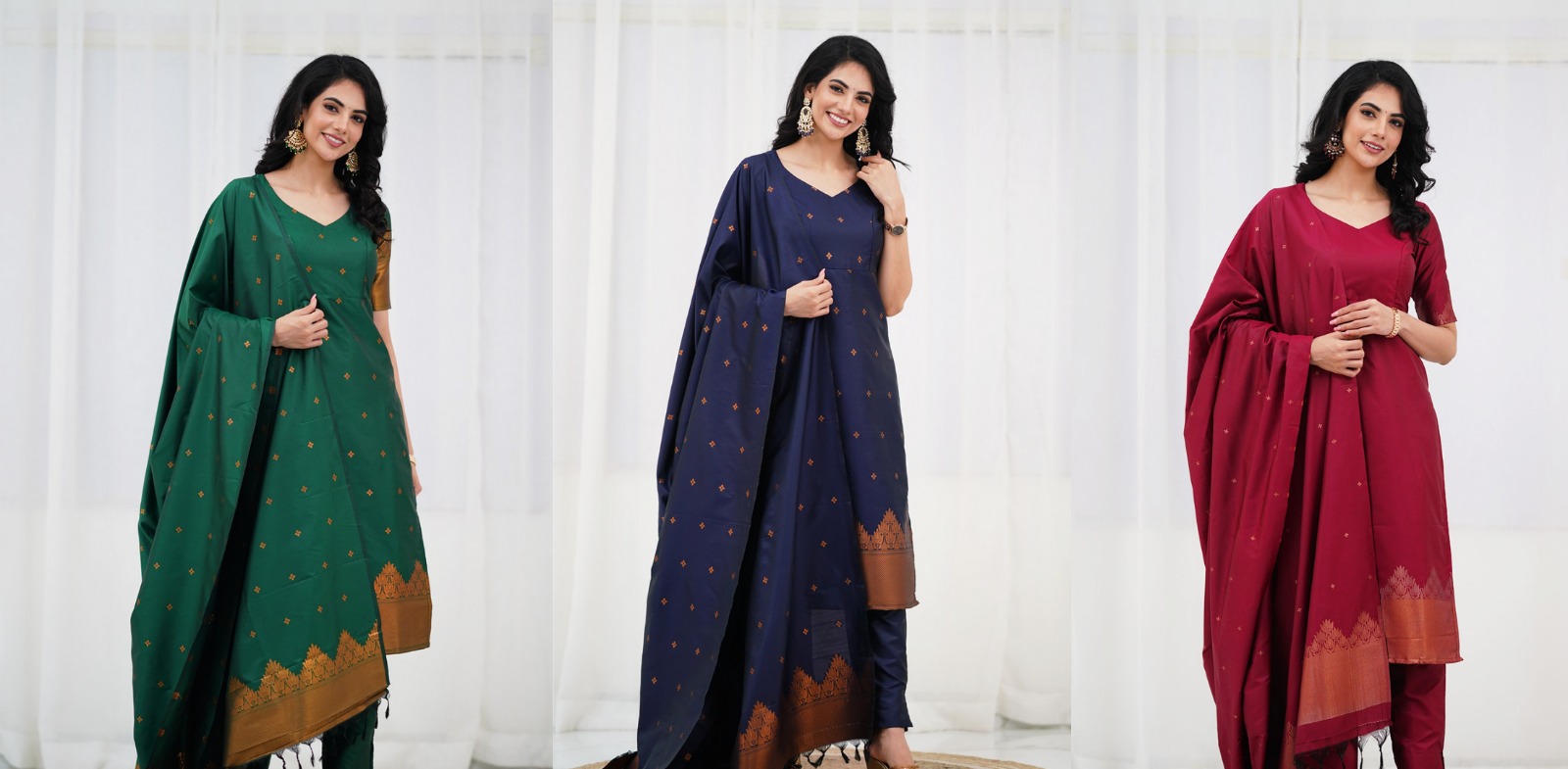
don't pack an outfit that has never been tried with its blouse, inner layer, footwear and jewellery. Destination weddings often leave little time for alterations, and a beautiful garment with an uncomfortable neckline or unstable dupatta becomes a poor travel choice.
Avoid carrying a separate pair of shoes for every ceremony. Two pairs cover most itineraries when one pair is walkable and the other provides height or formal finish. Wear the heavier pair during transit if comfort allows, and place shoes in washable bags with socks or small accessories inside them.
Reduce beauty bulk by decanting cleanser, moisturiser and hair products into labelled travel containers. Keep makeup limited to products that can serve both daytime and evening looks, such as a neutral eye colour, a buildable blush and one bold lip shade.
How can you prevent wrinkles and damage during travel?
Wrinkle prevention depends on loose folding, breathable layers, weight control and early unpacking. Remove garments from the suitcase as soon as you reach the hotel, hang them on broad hangers and allow at least six hours for natural relaxation before steaming.
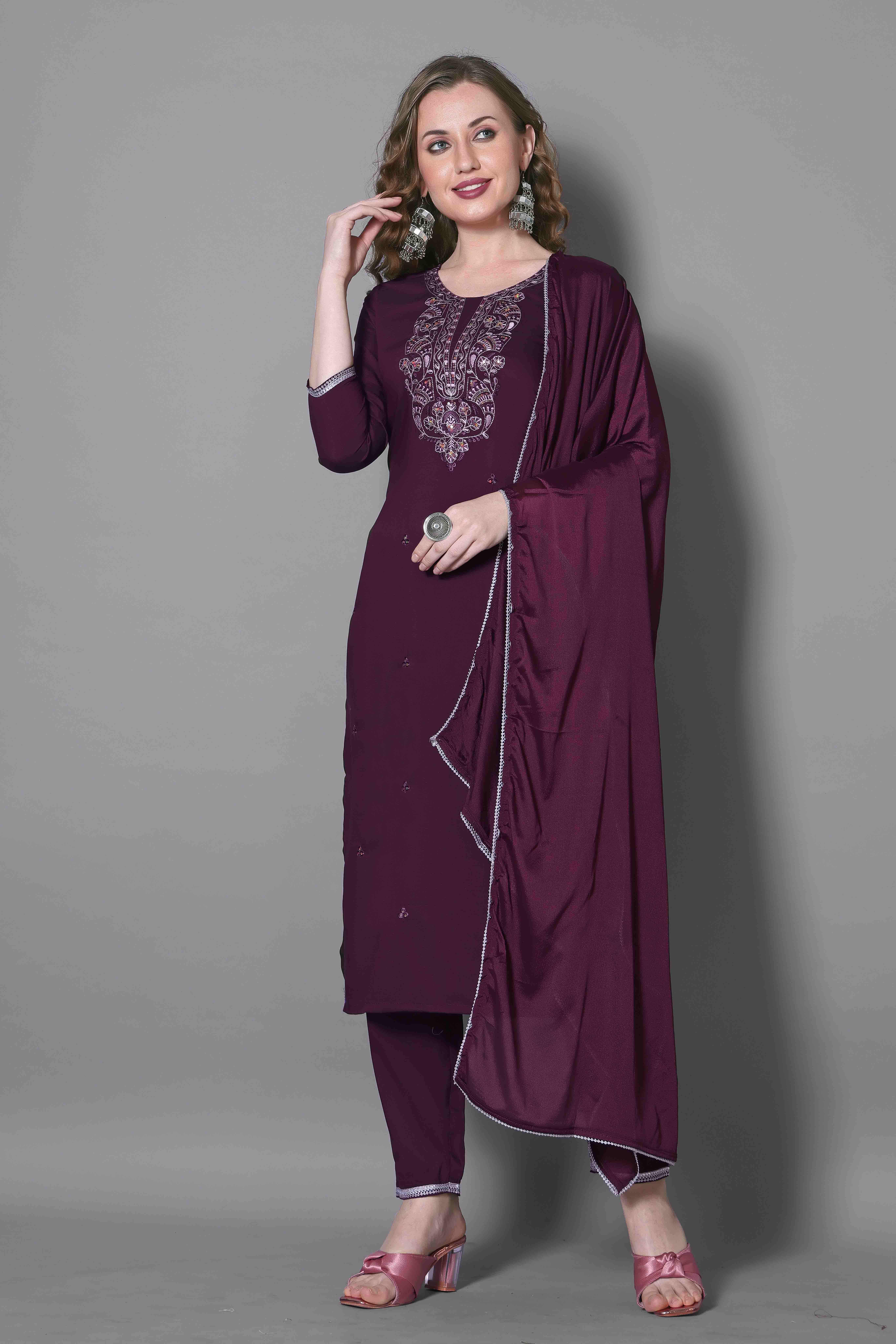
Place the heaviest items near the suitcase wheels, but keep delicate embroidery away from hard corners. Use tissue around zari, sequins and gota patti, and never place damp swimwear, wet toiletries or recently worn garments in the same compartment as silk or pashmina.
Most hotels can provide an iron or steamer, but high heat can damage synthetic crepe, metallic trim and silk. Test steam on an inside seam first, keep the steamer several centimetres away from zari, and use a pressing cloth for cotton or linen cotton. A bathroom with running hot water can relax mild creases, but direct moisture should not be used on delicate embroidery.
Pack a small stain kit because wedding food, turmeric and cosmetics are more likely to cause emergencies than severe fabric damage. Blot oil or liquid without rubbing, place a clean cloth behind the mark, and use a professional cleaner for silk, pashmina, dense zari or colour-bleeding garments.
A practical 24-hour packing check before departure
Complete the final check one day before travel, not while leaving for the airport. A 24-hour review exposes missing blouse fasteners, untested footwear and outfits that don't work in the destination weather.
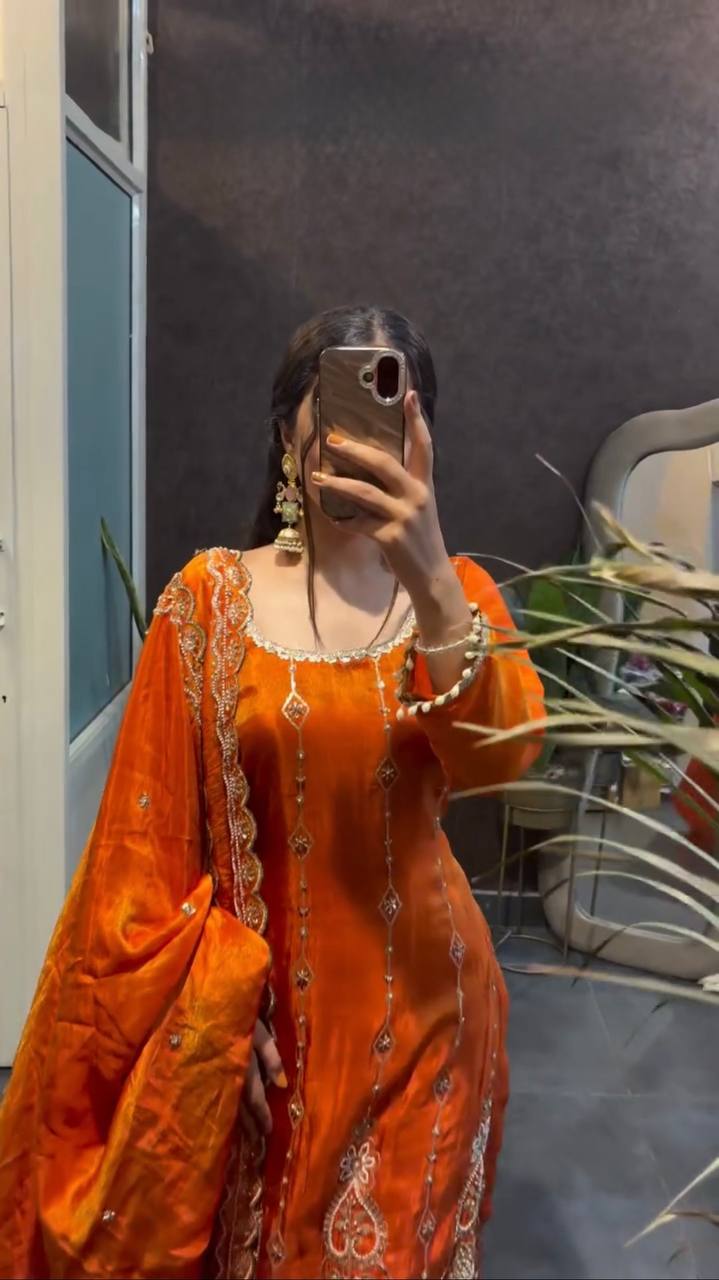
- Lay every planned look on the bed with its blouse, innerwear, footwear, jewellery, bag and hair accessory.
- Photograph each complete look so dressing at the hotel takes less time.
- Remove any piece that has no assigned ceremony or can't be paired with another item.
- Check weather, venue surfaces and transport plans against footwear and fabric choices.
- Place fragile jewellery in a hard case and keep medication, repair supplies and one change of clothes in cabin baggage.
- Weigh the suitcase after adding shoes and accessories, because those small items often create the final excess weight.
Cabin baggage should contain the most difficult items to replace: the main blouse, essential jewellery, medication, documents and one compact outfit. Checked luggage can hold washable basics and bulkier layers, but expensive silk, zari and irreplaceable heirloom pieces are safer when kept with you.
Thoughtful Packing Ethnic Wear for a Destination Wedding Without Overpacking is less about owning fewer festive clothes and more about assigning every item a second role. A breathable arrival set, one carefully protected statement outfit, versatile jewellery and reliable footwear can cover a full wedding weekend with less stress, fewer wrinkles and more room for the journey home.
Questions About Packing Ethnic Wear for a Destination Wedding
How many sarees should I pack for a three-day destination wedding?
Pack one saree for the main wedding and add a second only when another function has a distinct dress code or climate requirement. A suit, sharara or palazzo set can cover the remaining events without adding another saree blouse, petticoat and drape.
What is the best fabric for destination wedding travel?
Crepe, cotton blends, linen cotton, georgette and ready-to-wear sarees are generally easier to transport than heavily embellished velvet. Banarasi silk, Kanjeevaram, zari and pashmina can travel well when wrapped in breathable fabric, protected from compression and unpacked promptly.
How do I pack a saree without creasing it?
Fold the saree along its natural pleat lines and place tissue or clean cotton between major folds. Keep embroidery facing inward, use a breathable cover and place the saree above shoes and heavy items rather than at the bottom of the suitcase.
Can I repeat jewellery at different wedding functions?
Yes, repeating jewellery is one of the easiest ways to reduce luggage without making outfits look identical. Change the hairstyle, dupatta, blouse or lip colour and use one statement pair with multiple coordinated garments.
What should I wear for a Haldi ceremony at a destination wedding?
Choose a washable cotton, cotton-blend or lightweight suit in a colour that can tolerate turmeric marks. Flat footwear, secure sleeves and minimal jewellery are more practical than delicate silk, long trains or elaborate heels.
How can I avoid carrying too many pairs of shoes for an Indian wedding?
Two pairs are usually sufficient: comfortable flats or juttis for walking and a low heel or dressy sandal for formal events. Select footwear in a neutral metallic, tan or colour that complements at least three outfits, and test every pair before travel.


