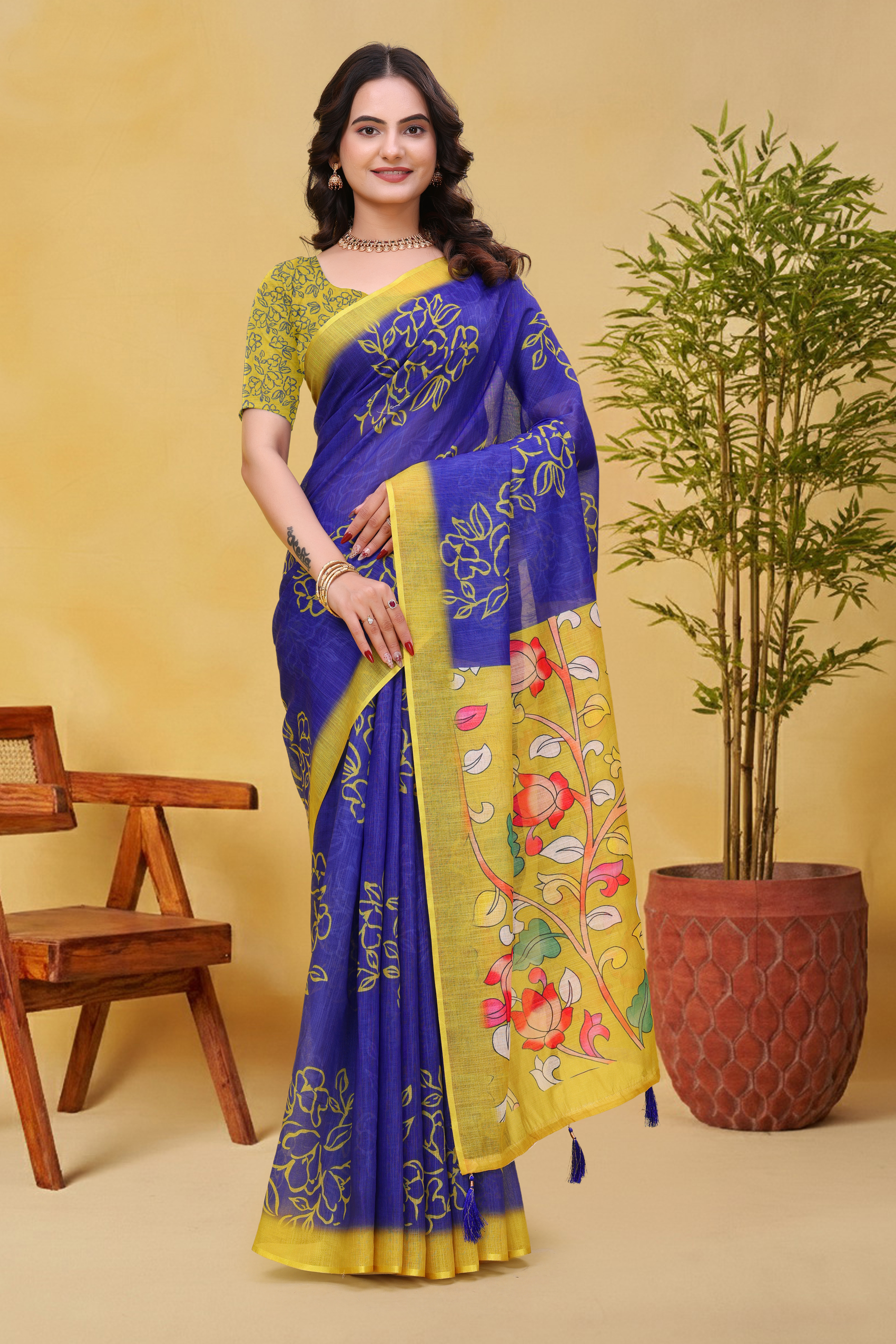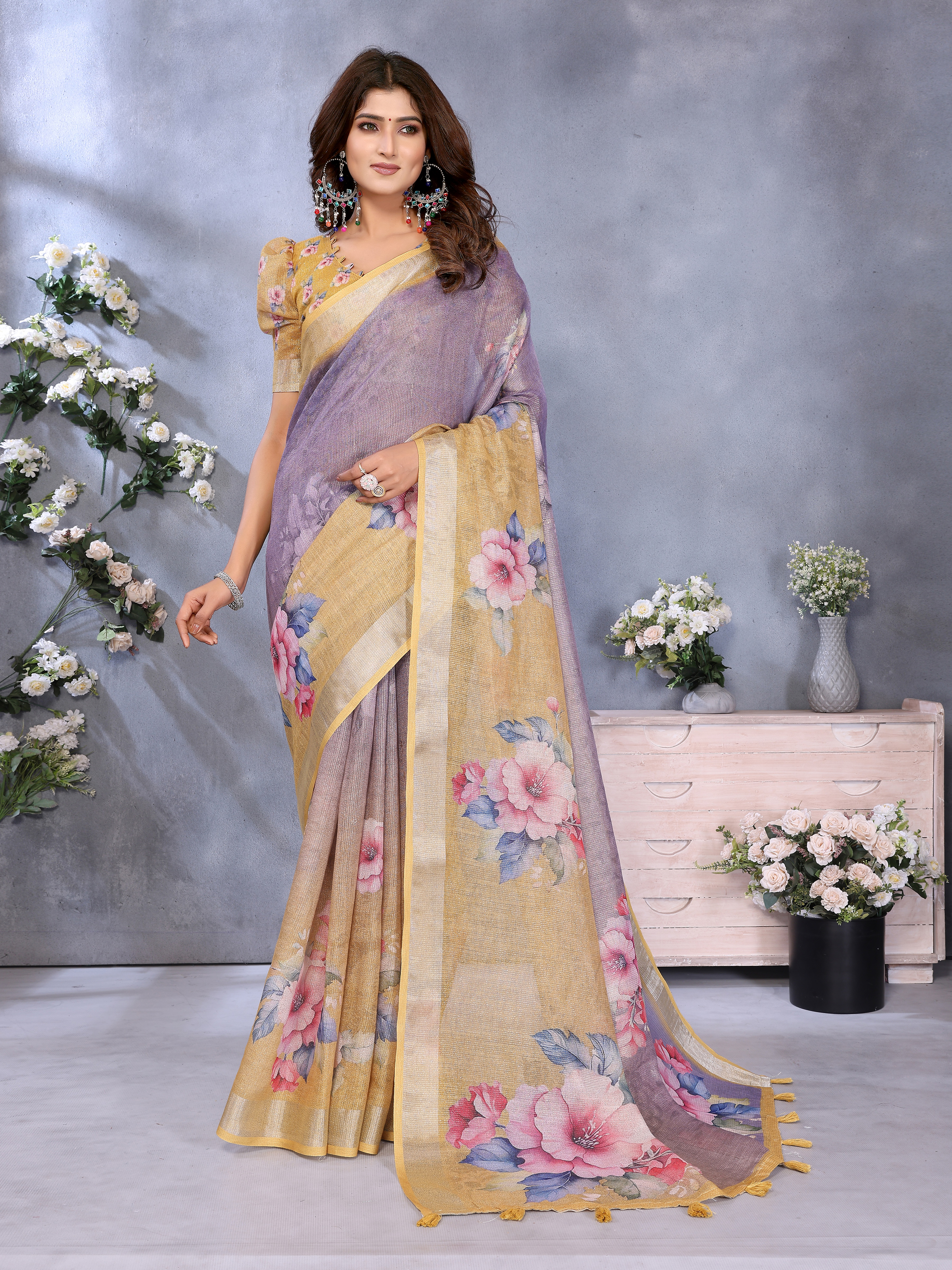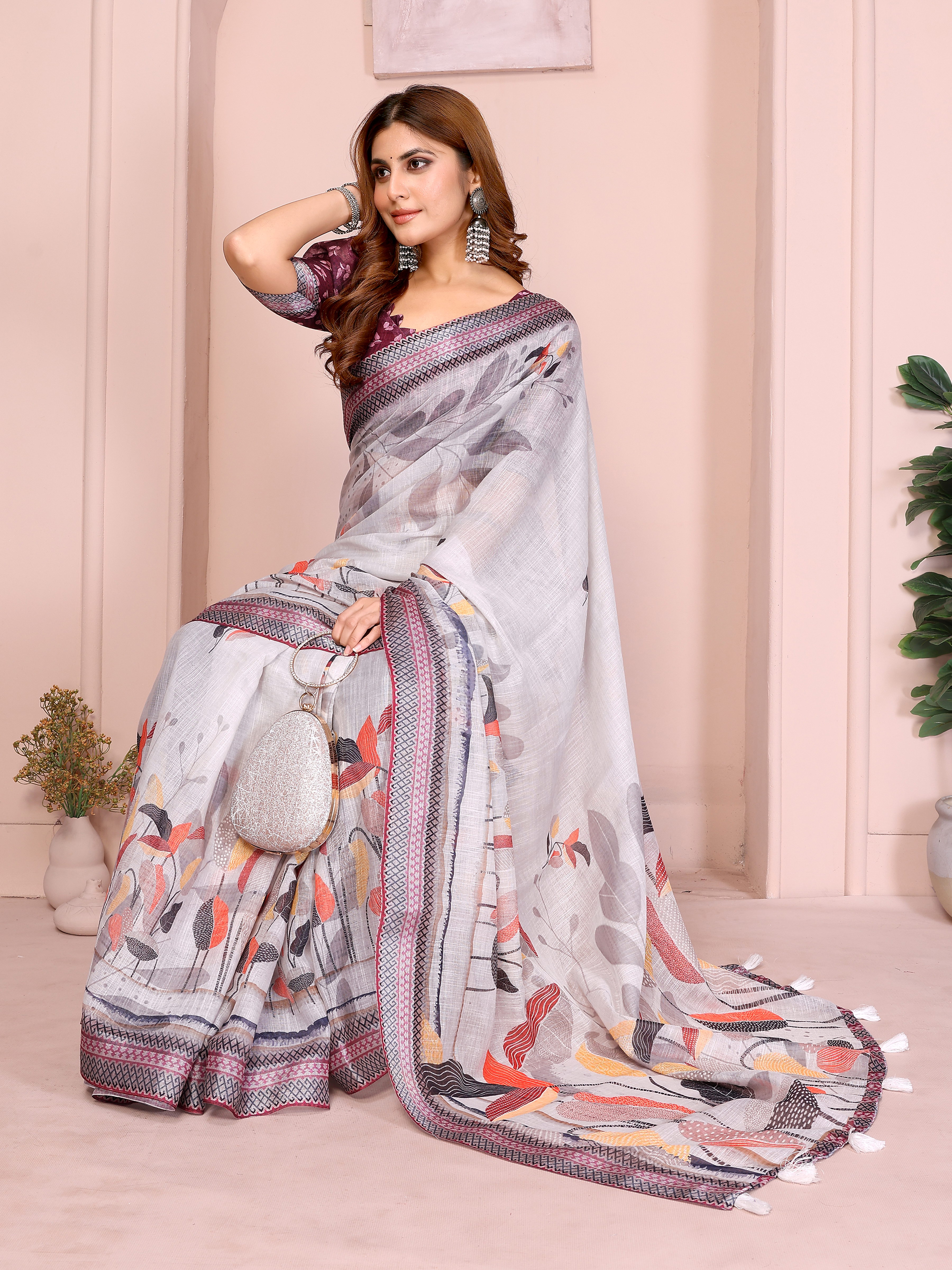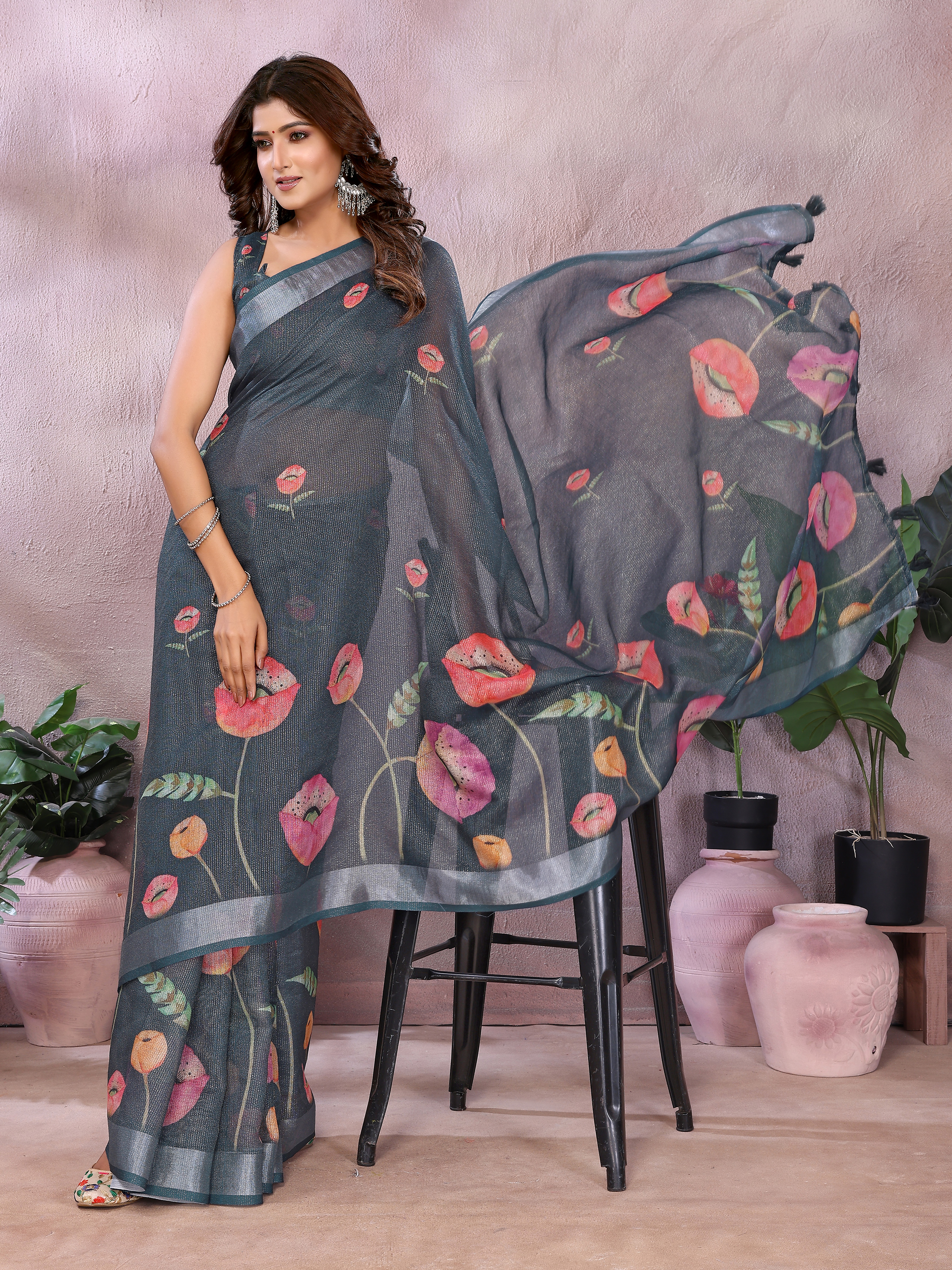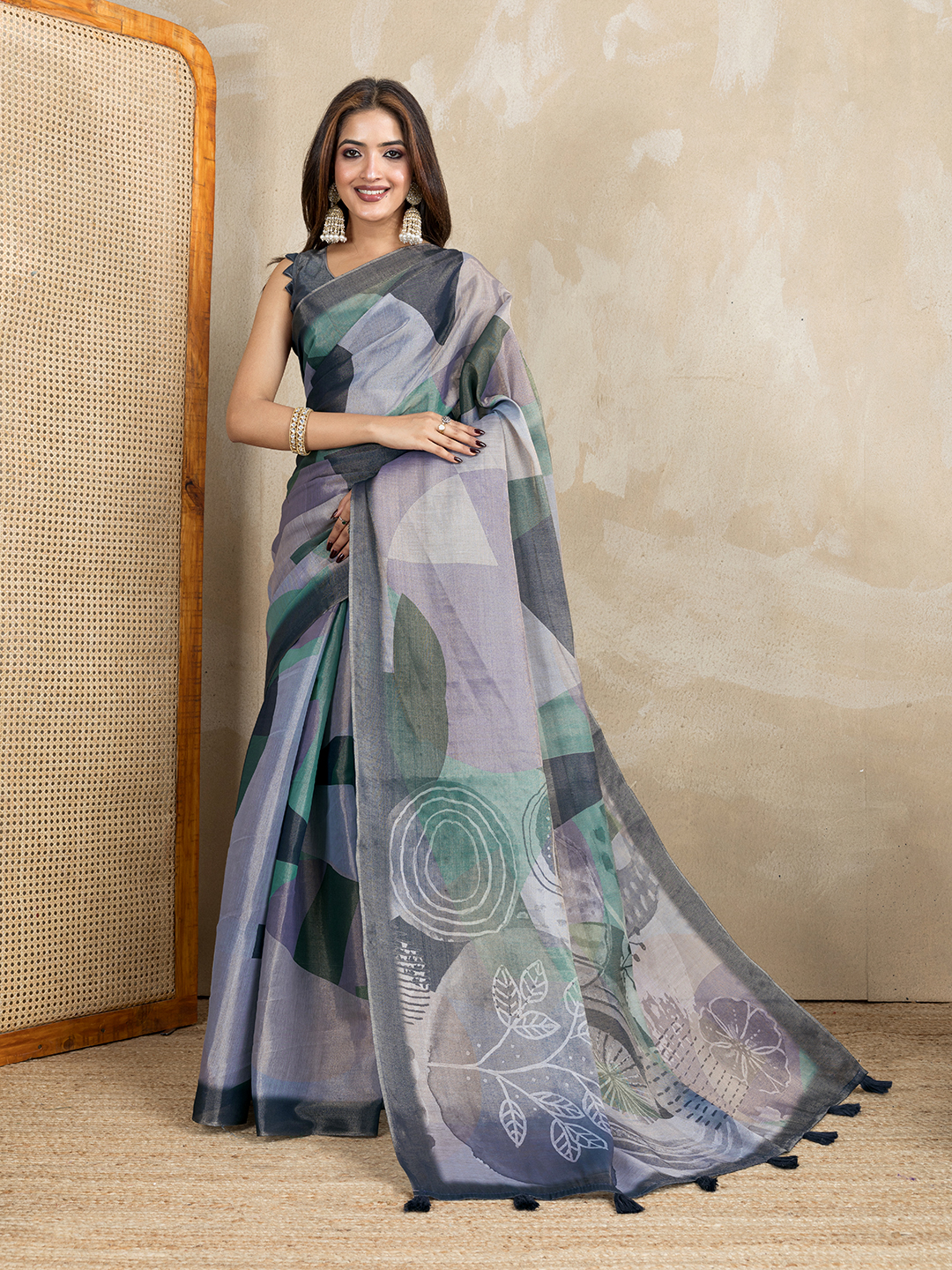
Outdoor Wedding Lehengas Need Fabrics That Can Handle Grass and Dust, particularly when a wedding takes place on a lawn, garden path, courtyard or uncovered mandap. A lehenga that looks perfect under indoor lights may drag through soil, catch on shrubs, collect pollen or become uncomfortable in afternoon heat. The practical choice depends on weave, surface decoration, hem height, colour and the amount of walking required during the celebration.
A dependable outdoor outfit doesn't need to look plain. Satin, Banarasi silk, chinon silk, butter silk and well-constructed net can all work when their strengths match the venue. The goal is to select a lehenga that keeps its shape, allows movement and can be cleaned without putting embroidery or embellishment at risk.
Why Outdoor Wedding Lehengas Need Fabrics That Can Handle Grass and Dust
Outdoor wedding lehengas need resilient fabrics because grass, dry soil, footwear, sunlight and repeated movement place more stress on clothing than a carpeted indoor venue does. A lehenga hem can pick up dust within minutes when it touches the ground, while delicate surface work may snag on rough seating, tent ropes or garden foliage.
Outdoor weddings also make larger temperature changes. A daytime Haldi ceremony may be hot and bright, while an evening reception can become cool and lively. Dense velvet may find heavy in direct sun, and a very sheer layer may offer little comfort when wind lifts the dupatta. Fabric selection should therefore consider physical wear, weather and the length of the event.
Walking distance matters as much as the venue name. A lawn wedding with a short route from the car to the stage presents fewer problems than a farmhouse event where guests move between the welcome area, ceremony, buffet and dance floor. A lehenga with a manageable flare, a secure waistband and a slightly raised hem will usually perform better.
Which fabrics perform best on grass and dusty ground?
Satin, silk blends, chinon silk and butter silk offer an useful balance of structure, movement and easier surface cleaning for many outdoor wedding settings. These fabrics are not stain-proof, but they generally hold a polished appearance better than extremely fragile, loose or heavily textured materials.

Satin and silk blends
Satin has a smooth face that doesn't hold loose dust as readily as a rough brocade surface. A satin lehenga also falls close to the body, reducing the amount of fabric sweeping across grass. The smooth finish can show water marks or oily stains, so satin should be protected from buffet spills and wiped only with a dry, soft cloth until professional cleaning is possible.
Banarasi silk and silk blends provide more body than many lightweight synthetics, which helps a skirt retain its shape in a breeze. Kanjeevaram silk is exceptionally durable for traditional silk dressing, although its weight and formal appearance may suit an evening wedding better than a hot midday ceremony. Silk lehengas work particularly well at stable venues where their richer drape can be appreciated without constant walking.
Chinon silk and butter silk
Chinon silk offers a fluid fall with enough surface smoothness for festive dressing, while butter silk feels light and moves comfortably during long ceremonies. Green Chinon Silk Sequins Embroidered Lehenga Set shows how a silk-based fabric can bring colour and shine without relying on an excessively heavy skirt.
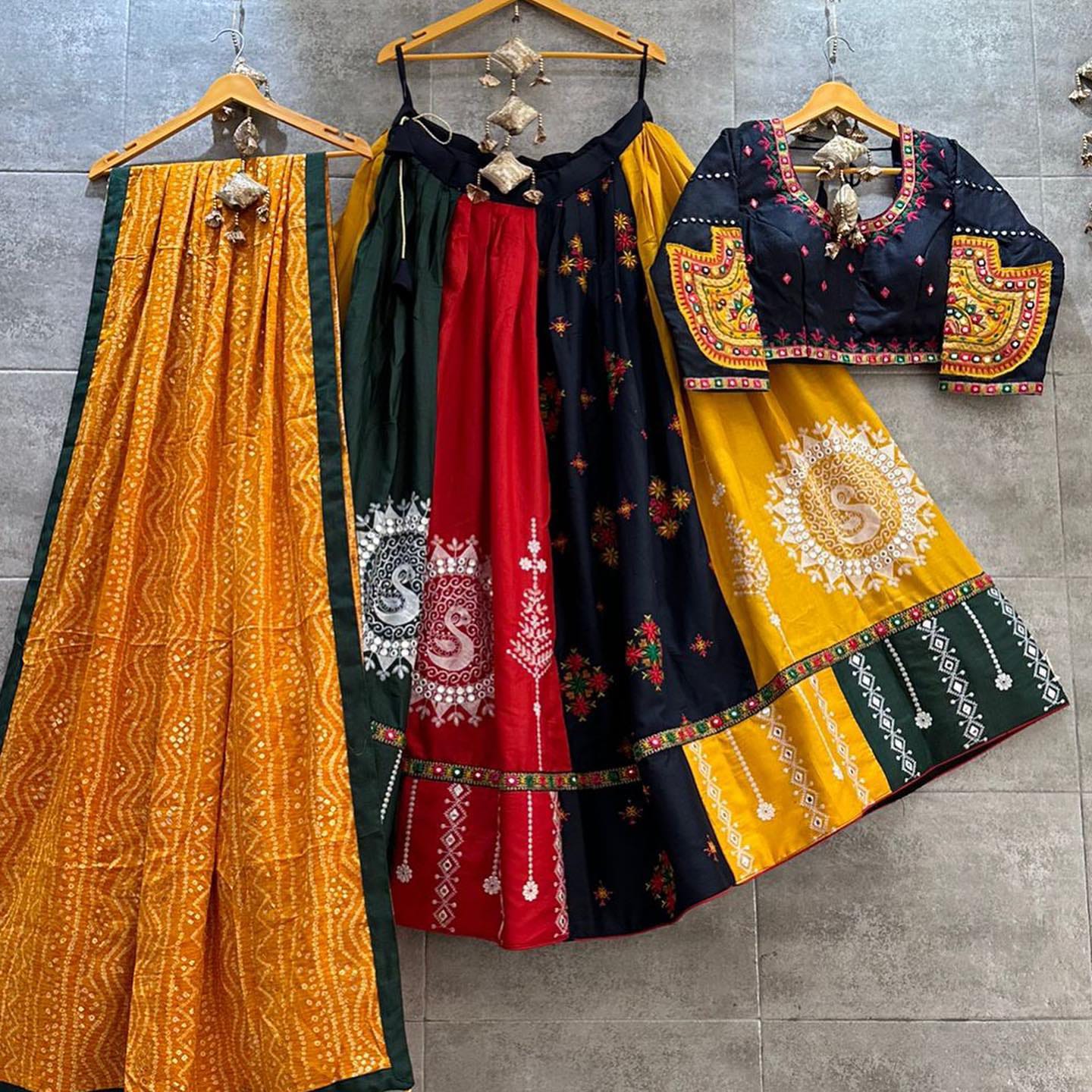
Multicolor Printed Butter Silk Lehenga Choli Set is useful inspiration for a daytime garden wedding because a printed surface can make small specks of dust less noticeable than a completely plain pastel panel. Butter silk can still snag around rough surfaces, so the skirt should not be dragged over stone, gravel or exposed roots.
Net and layered fabrics
Net works outdoors when the net layer is supported by a stable lining and the hem has a clean finish. Net alone is more vulnerable to catching on branches, chair edges and jewellery. Pastel Grey Embroidered Butterfly Net Lehenga Set and Mint Embroidered Lehenga Set with Net Dupatta for Women demonstrate why the lining, waistband and finishing deserve as much attention as the visible net.
Net fabrics can collect dry grass and dust in their open structure, particularly around sequins and embroidery. A hand-held garment steamer may help restore shape after travel, but steam should never be applied close to glued stones or uncertain synthetic trims. A clean cotton sheet placed under the garment during preparation can prevent avoidable floor contact.
How should colour and embellishment be chosen for an outdoor venue?
Mid-tone colours and controlled embellishment are usually more forgiving outdoors than very pale, fully plain surfaces or densely decorated hems. Dust shows quickly on ivory, white, powder blue and very light grey, while grass marks can stand out against pale pink near the lower panels.
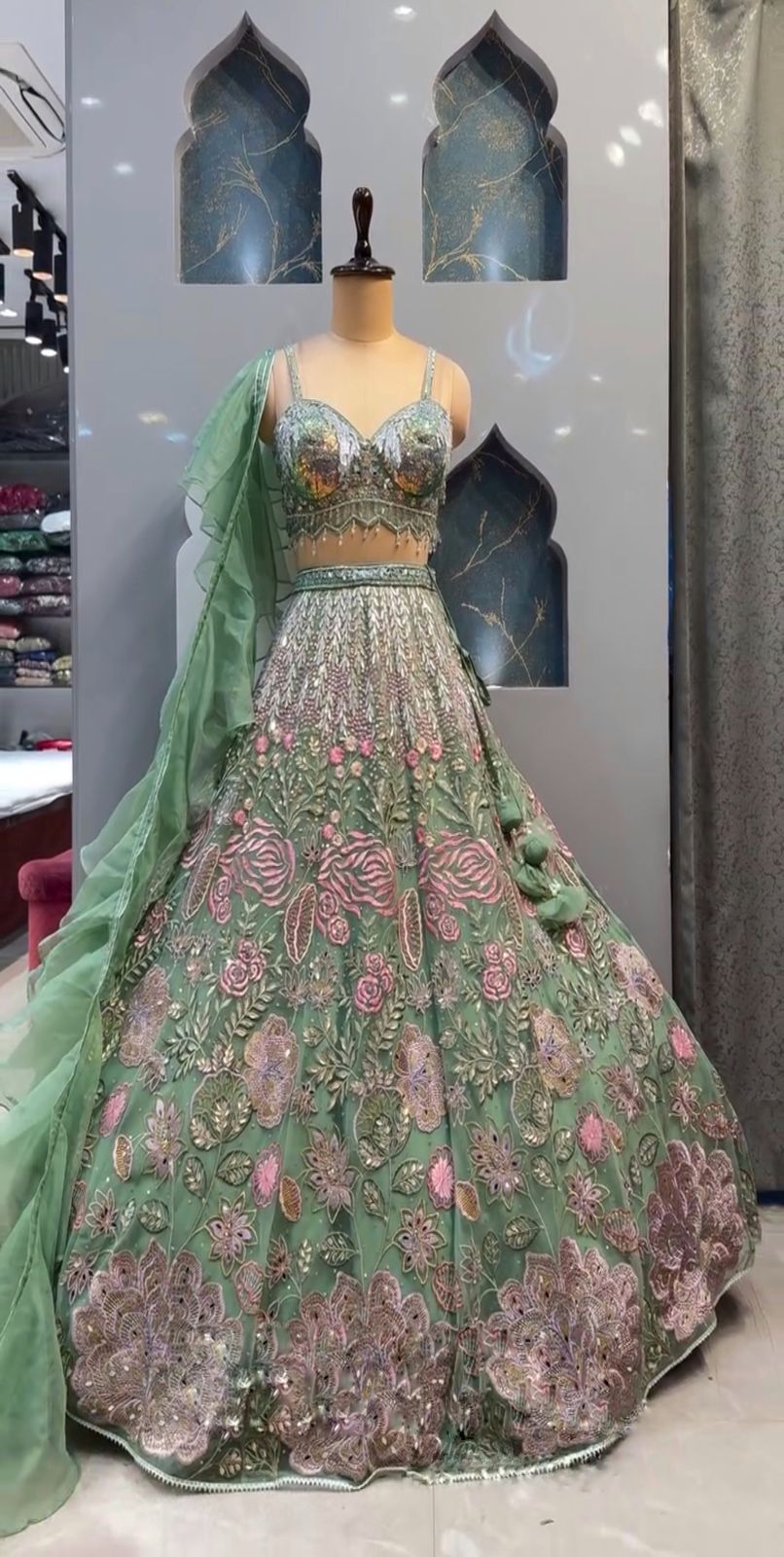
Printed motifs, tonal embroidery and small variations in colour help disguise minor particles without making the outfit look casual. Lime Floral Embroidered Butterfly Net Lehenga Set uses a bright floral direction that suits daytime celebrations, while Pink Sequins Embroidered Butterfly Net Lehenga Set brings sparkle for a garden reception where evening lighting will catch the sequins.
Red, deep green, wine, cobalt and richer pinks generally conceal dry dust better than very pale shades. Dark colours can absorb more heat in direct sunlight, however, so a deep red lehenga may be more comfortable after sunset than at a noon ceremony. Red Butterfly Net Sequins Lehenga Set Wedding Wear can work well for an evening pheras or reception, provided the net is kept away from rough seating and vegetation.
Zari and dense sequins create visual richness, but heavy embellishment adds weight and can snag. Choose zari borders that sit a few centimetres above the floor when possible. If a lehenga has extensive embroidery across the hem, wear it only when the venue has a clear walkway or arrange a discreet temporary lift for photographs and movement.
What construction details prevent a lehenga from collecting dirt?
A raised hem, secure lining and moderate flare prevent the most common outdoor lehenga problems. The skirt should skim above the ground rather than sweep over it, with enough length to cover the footwear without forming a puddle of fabric at the back.
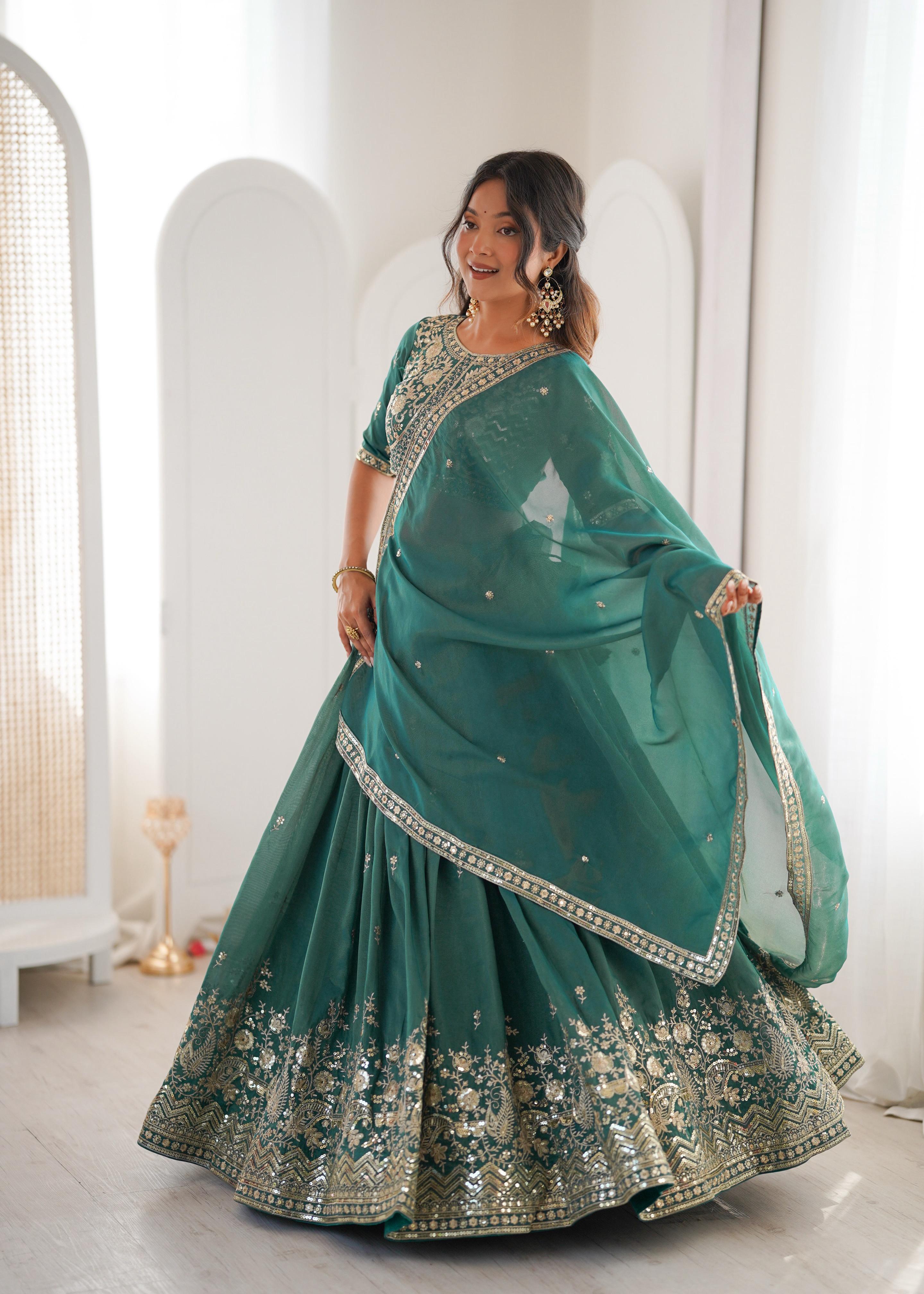
Ask for the final garment length while wearing the shoes planned for the wedding. A difference of 2 to 3 centimetres can determine whether the hem stays clean on grass. A can-can layer should add shape without pushing the outer skirt outward so far that it catches on guests, chairs or plants.
Waist construction also affects comfort. A broad waistband distributes pressure during several hours of wear better than a narrow, stiff band. Hooks, concealed zips and drawstrings should be tested while sitting, climbing steps and walking at a normal pace. A loose hook can cause a wardrobe problem during dancing, while a tight waistband becomes especially uncomfortable after a full meal.
Dupatta placement requires equal care. A shorter dupatta draped over one shoulder is less likely to trail through dust than a long loose drape. Secure the dupatta with two small pins, one at the shoulder and another near the waist, while avoiding direct pinning through delicate sequins. A lighter net dupatta may look graceful, but a silk or lined dupatta behaves more predictably in wind.
How can you style an outdoor lehenga for heat, movement and photographs?
An outdoor wedding lehenga should be styled with breathable layers, stable footwear and jewellery that won't catch the fabric. Comfort improves when the blouse has room for arm movement, the underskirt isn't overly tight and the dupatta is secured before photographs begin.
For a hot daytime ceremony, choose a blouse with cotton lining or a breathable lining blend rather than several layers of thick synthetic padding. Sleeves ending above the wrist allow better airflow and reduce contact with food, flowers and mehendi. A lighter blouse can balance a heavily embroidered skirt without making the whole outfit feel heavy.
Block heels, embellished juttis with a firm sole and dressy wedges are more practical on grass than narrow stilettos. Heel protectors can reduce sinking on lawns, but they don't replace stable footwear. Test the shoes with the finished lehenga because footwear height changes the hem position.
Jewellery should support the neckline and colour without creating snag points. Long layered necklaces can catch on sequins, while sharp bangles may pull at net. Smooth-finished earrings, a compact clutch and a low or braided hairstyle are sensible for a windy venue. Sun protection also matters: a parasol, light stole or sunscreen applied before dressing can protect exposed skin without touching the garment.
Which lehenga choices suit different outdoor wedding events?
Daytime Haldi ceremonies call for lighter, less complicated fabrics and lively colours, while evening receptions can support deeper shades, more sequins and richer silk surfaces. The event schedule should guide the lehenga more than a single trend.
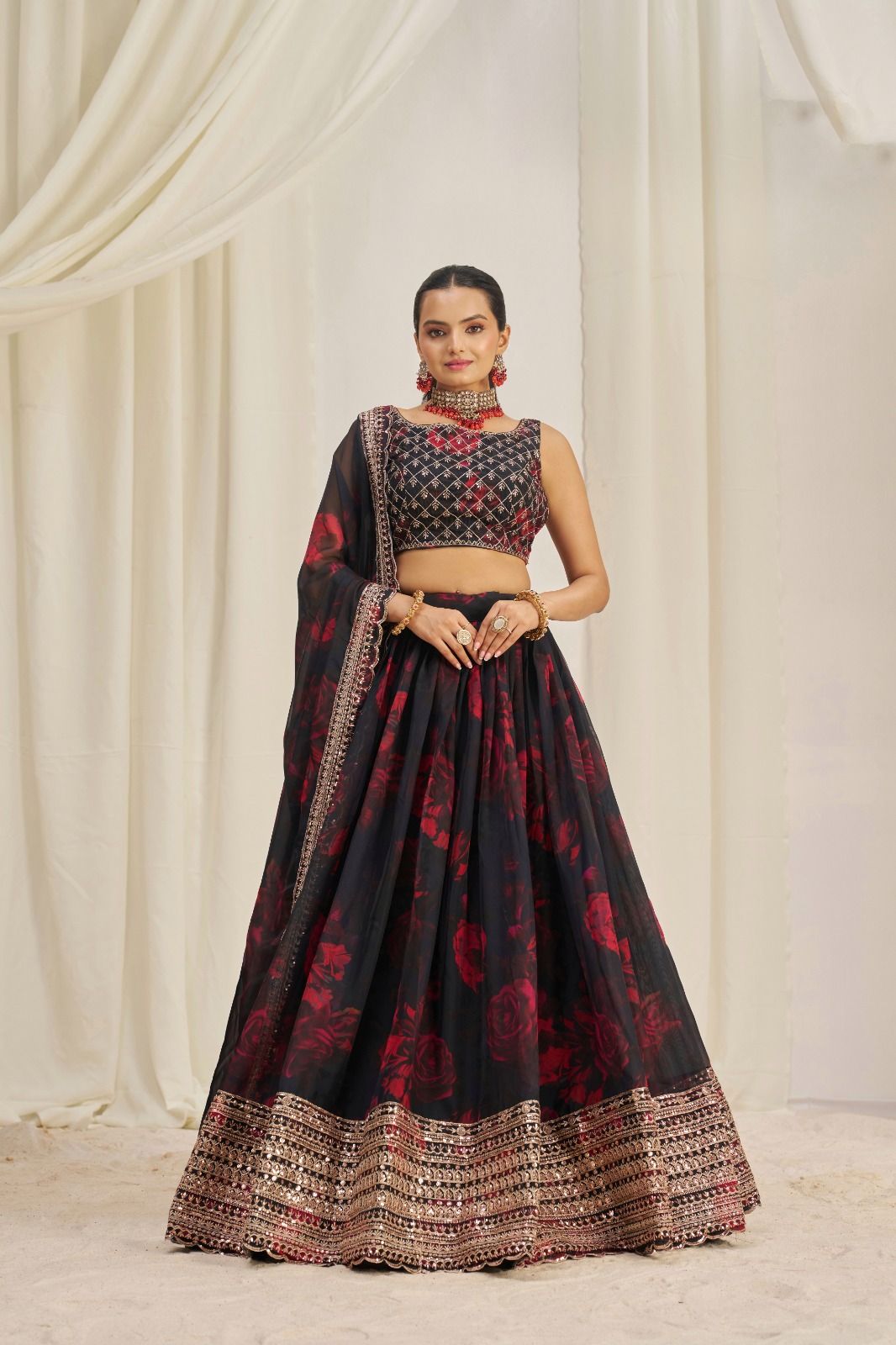
Haldi celebrations involve turmeric, water, flower petals and frequent sitting on the floor. A moderately flared skirt with a less delicate hem is safer than a floor-pooling net design. Haldi Lehengas Under 5500 is an useful starting point for comparing bright colour directions and practical price points, but every garment should still be checked for lining and care instructions.
For a daytime garden ceremony, printed butter silk, satin and lighter chinon silk can offer movement without excessive weight. Pink Lehengas Under 4000 with 50% Discount may help a bridesmaid compare accessible pink options, although the shade should be assessed in daylight before purchase because outdoor sun can make pastel colours appear much brighter.
An evening reception allows more flexibility with reflective work. Green Chinon Silk Sequins Embroidered Lehenga Set and Dusty Pink Satin Embroidered Lehenga Set Online illustrate two different directions: one uses a fluid, luminous surface, while the other brings a smoother fall with a softer colour story. Evening lighting can flatter sequins, but guests should still confirm that the lower embroidery doesn't touch the floor.
Bridesmaids who need to move between several venue areas may prefer a lighter design than the bride's main outfit. Bridesmaid Lehengas Under 5500 and Net Lehengas Under 4500 with 51% Discount can be useful comparison points for balancing budget, colour coordination and comfort. A bridesmaid outfit should allow walking, assisting with photographs and standing for long periods without constant adjustment.
How should an outdoor wedding lehenga be packed and cleaned?
An outdoor wedding lehenga should be transported in a breathable garment bag, protected from moisture and checked immediately after the event. Plastic covers can trap humidity against embroidery and synthetic lining, so they should not be used for long-term storage.
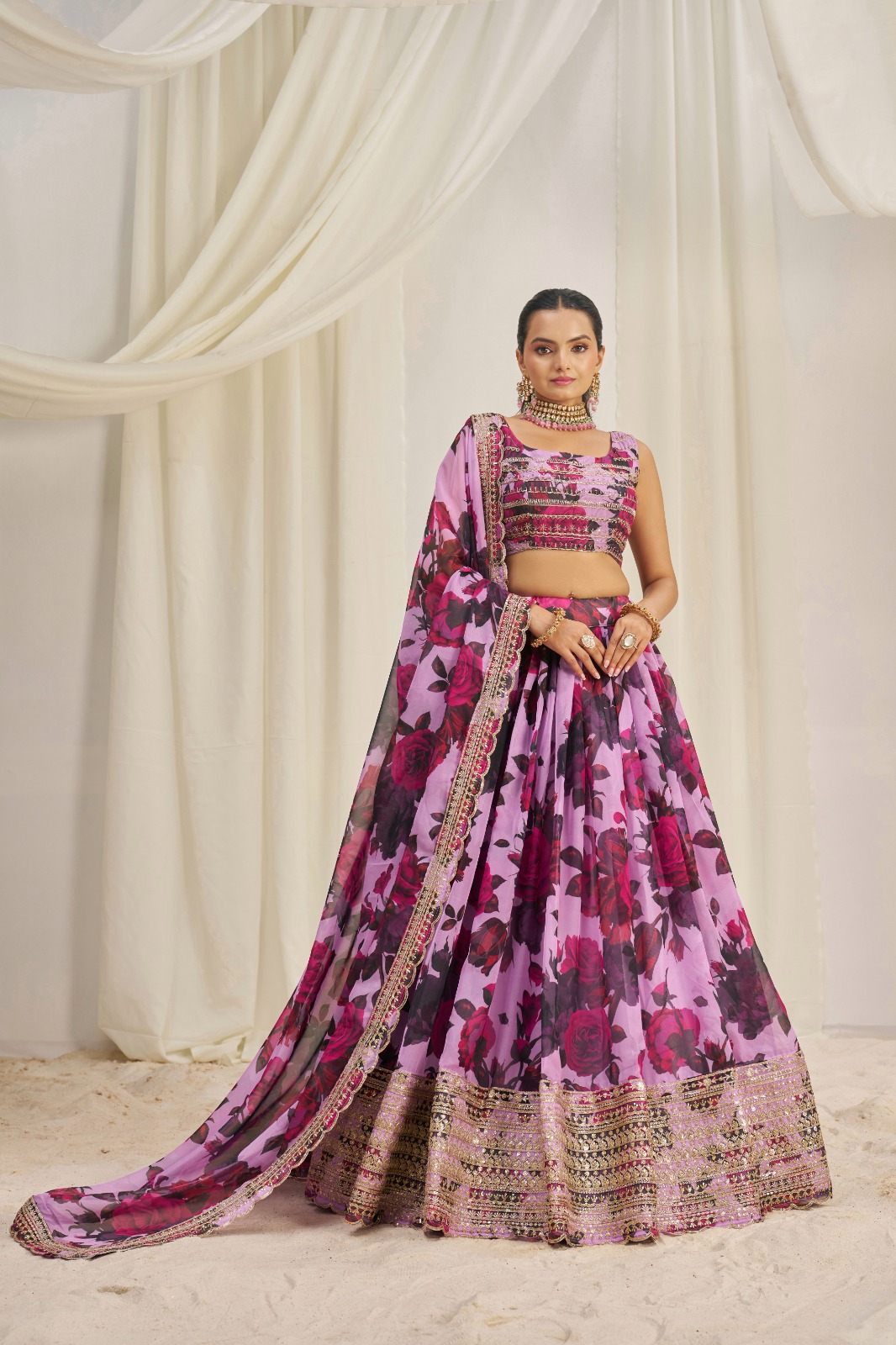
Before packing, allow the garment to cool completely and remove loose grass with a soft clothes brush or gentle shaking. Do not rub a dusty hem aggressively because friction can push particles into satin, net or embroidered threads. Fold heavy embellished sections inward and place acid-free tissue or clean muslin between layers to reduce pressure marks.
Small fresh stains should be blotted with a dry white cloth rather than treated with household detergent. Coloured towels can transfer dye, and water rings may remain on satin or silk. Professional dry cleaning is the safer choice for zari, sequins, glued stones, Banarasi silk, Kanjeevaram silk and garments with multiple lining layers.
Net requires special handling after an outdoor event. Check the skirt for pulled threads, loose sequins and grass caught around the hem before storing it. Never cut a snagged thread immediately; secure the garment and ask a tailor or specialist cleaner to repair it so the opening doesn't grow.
Care instructions should be followed even when a fabric appears washable. A garment labelled dry clean only should not be tested in a home bucket. Keeping the original care label, spare embellishments and purchase details with the outfit makes later repairs and cleaning easier.
A practical checklist before buying an outdoor wedding lehenga
A short inspection before purchase can reveal whether a lehenga is suited to grass, dust and extended wear. The following checks take only a few minutes but prevent many common problems.
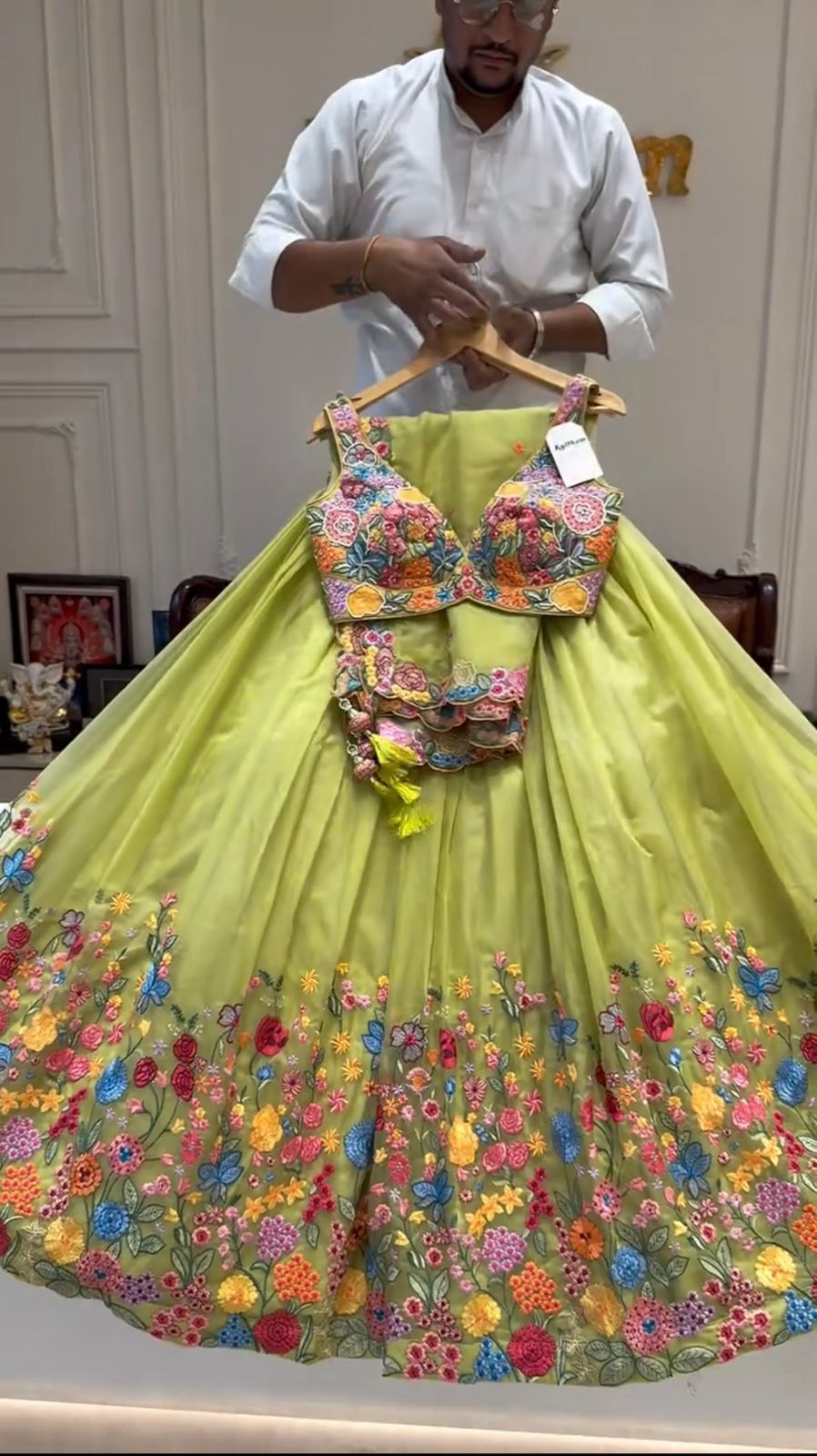
- Check the hem: Wear the intended shoes and confirm that the skirt sits at least slightly above the ground.
- Inspect the lining: A smooth, secure lining should prevent net or embroidery from catching on the legs.
- Test movement: Walk, sit, climb two steps and turn once while wearing the lehenga.
- Examine the embellishment: Look for loose sequins, sharp zari edges and exposed stitching around the lower border.
- Assess the colour: View pastel, pink and grey shades in natural light, not only under warm shop lighting.
- Secure the dupatta: Confirm that the shoulder drape can be pinned without damaging the fabric.
- Read the care label: Note whether the garment needs dry cleaning, specialist cleaning or careful spot treatment.
- Match the venue: Choose a simpler hem for uneven lawns, gravel paths, farmhouses and ceremonies involving floor seating.
The most suitable outfit is the one that matches the actual route, weather and duties of the wedding day. A smooth fabric with a raised hem may outperform a more elaborate design that constantly needs lifting. When the garment is comfortable to walk in and simple to protect, the wearer can concentrate on the ceremony, photographs and people rather than the ground beneath the skirt.
Common Questions About Choosing Lehengas for Grass and Dust
Which fabric is best for an outdoor wedding lehenga?
Satin, chinon silk, butter silk and supported net are practical choices for many outdoor weddings because they offer movement and a relatively manageable surface. The best option also depends on temperature, walking distance, embellishment and whether the venue has grass, gravel or a paved path.
How do I stop my lehenga from dragging on grass?
Have the lehenga hem measured with the exact shoes planned for the wedding and keep the skirt slightly above the ground. A moderate flare, secure lining and raised embroidered border reduce contact with grass and dust.
Are net lehengas suitable for outdoor weddings?
Net lehengas are suitable when the net has a stable lining, a clean hem and limited exposure to branches or rough seating. Net can catch grass and snag on jewellery, so a shorter secure dupatta and careful movement are important.
Which lehenga colours hide dust best?
Mid-tone and deeper colours such as red, green, wine, cobalt and rich pink usually disguise dry dust better than white, ivory or very pale grey. Dark colours can become warmer in direct sunlight, so lighter or printed shades may be more comfortable for midday functions.
Can I wash a sequined lehenga after an outdoor wedding?
A sequined lehenga should not be machine-washed unless the care label specifically permits it. Remove loose dust gently, blot fresh marks without rubbing and use professional cleaning for sequins, zari, glued stones, silk and layered net.
What footwear works best with a lehenga on grass?
Block heels, stable wedges and firm-soled juttis work better on grass than narrow stilettos because they reduce sinking and improve balance. Test the footwear with the lehenga before the wedding because heel height changes the hem and walking comfort.