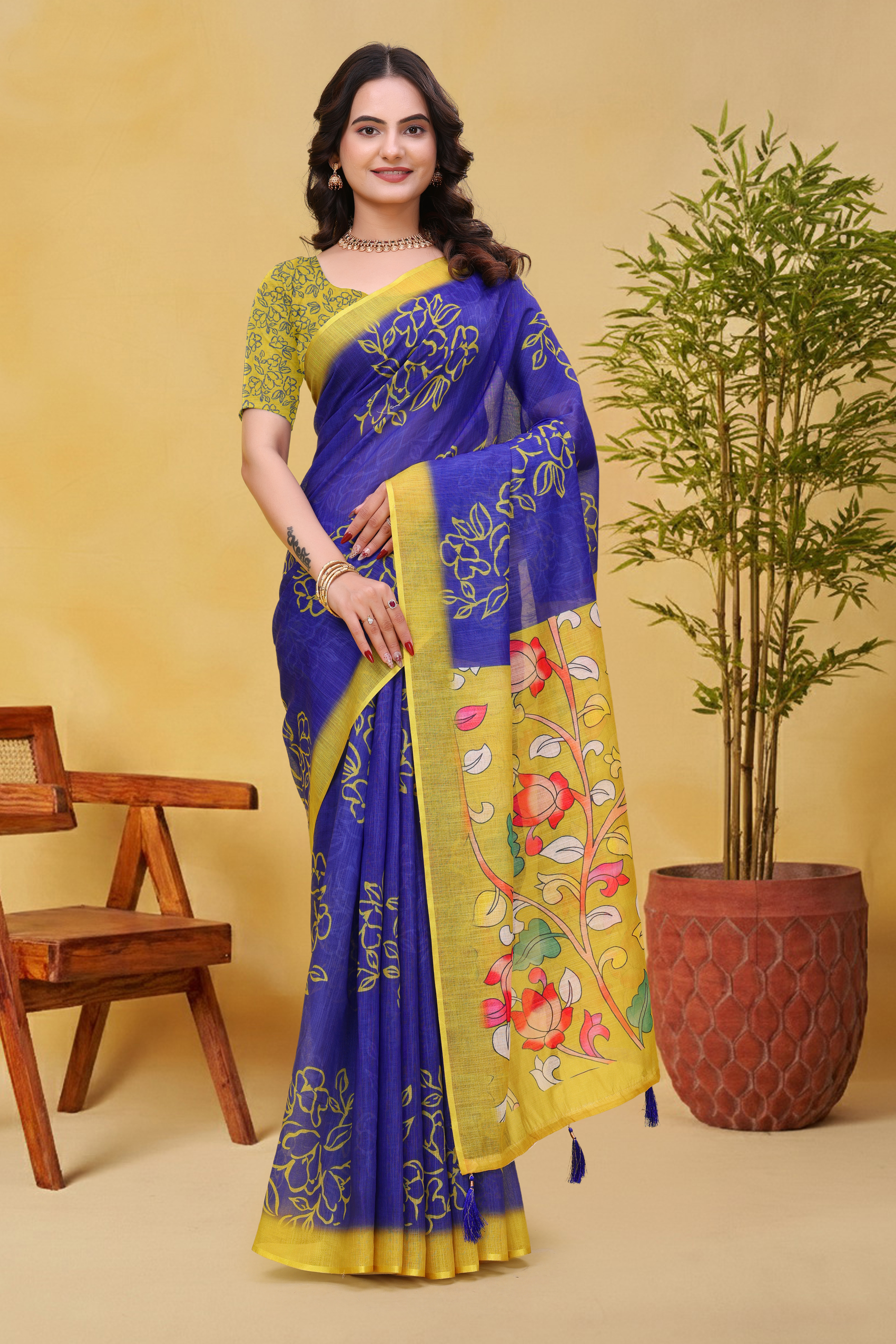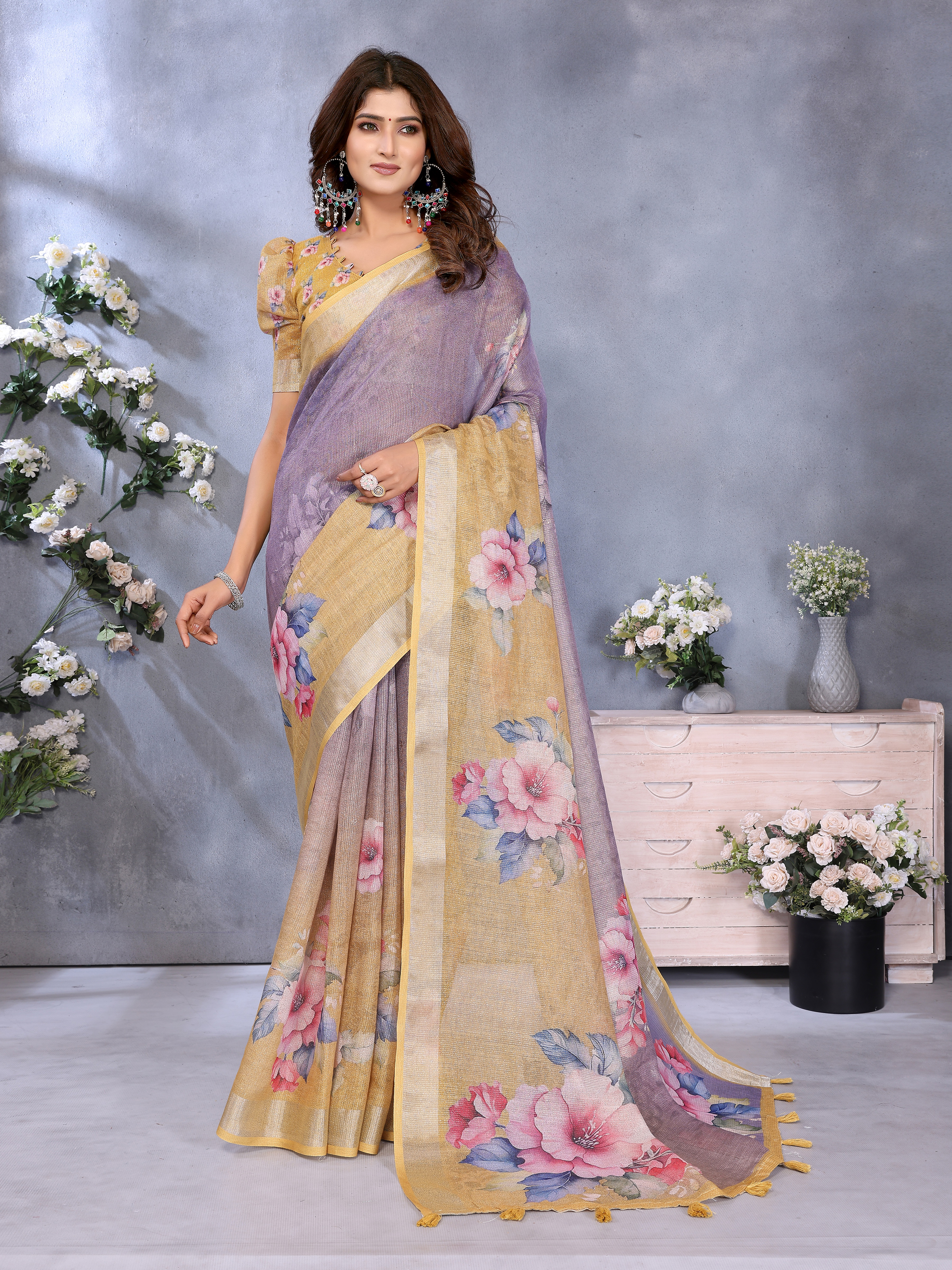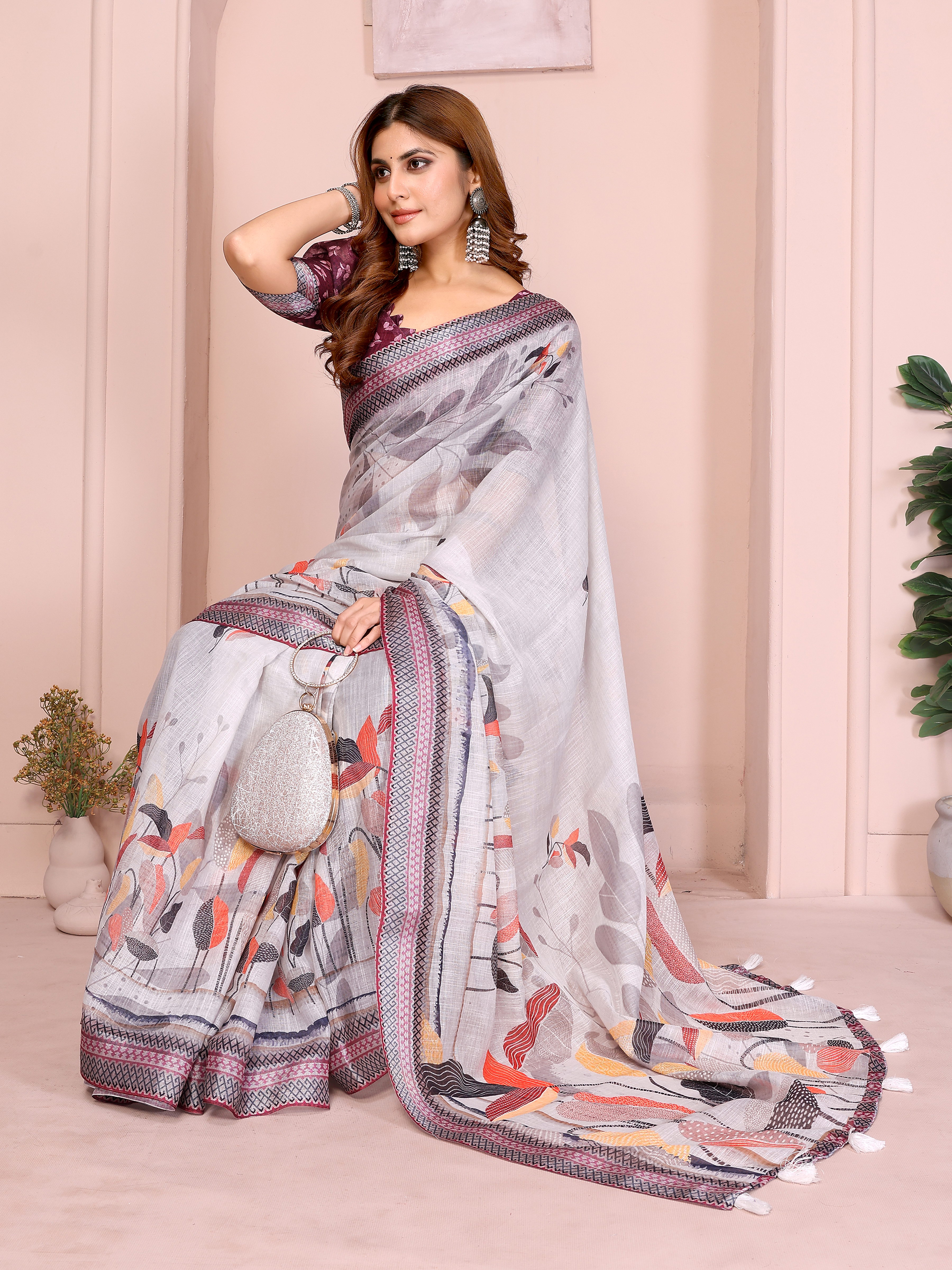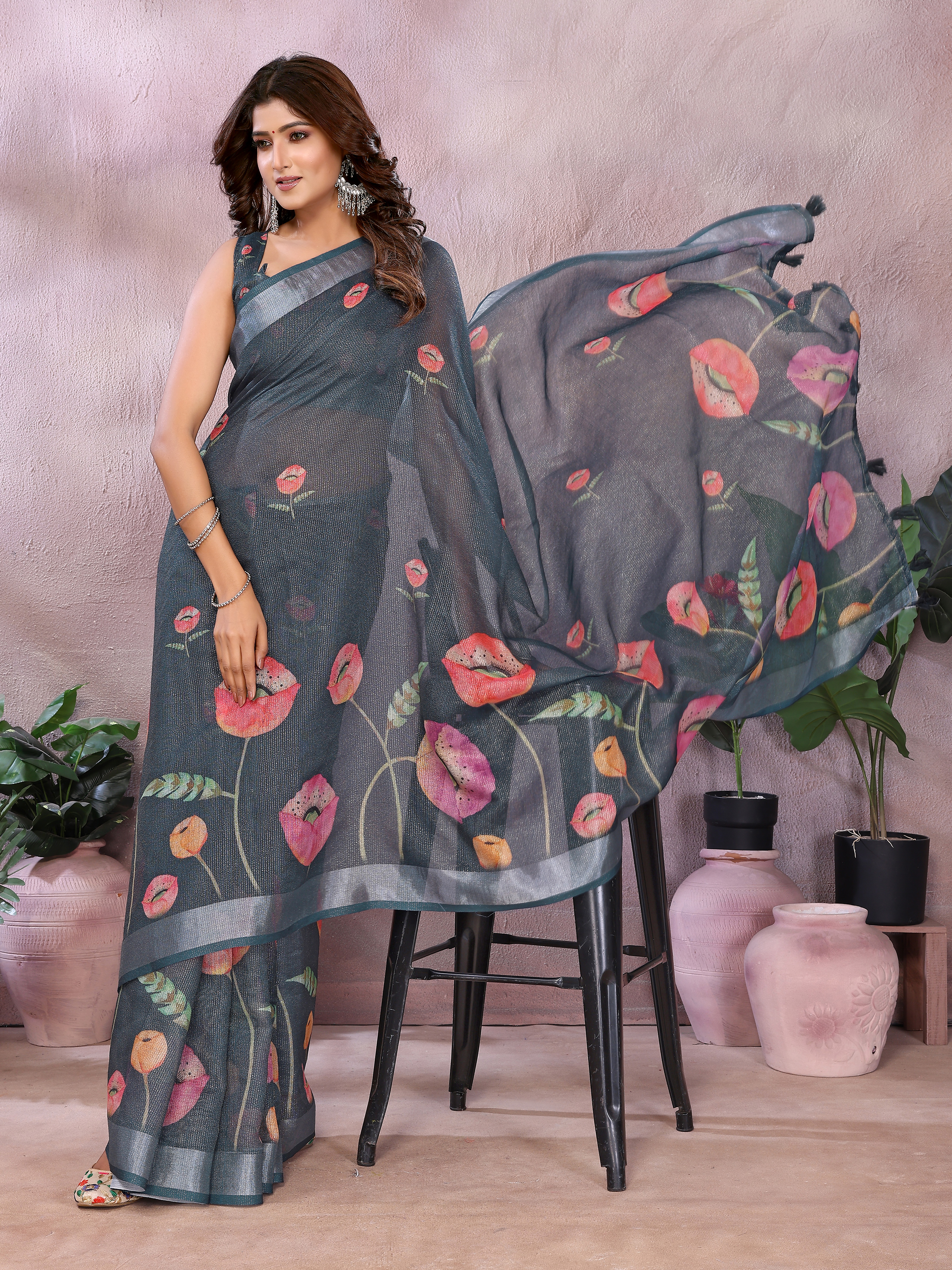
Neckline stay tape can stop a blouse from stretching out when the tape is placed along the seam that carries the neckline's tension. The narrow strip supports cotton, silk and lightweight decorative fabrics without changing the visible shape of a saree blouse. The method is especially useful for V-necks, sleeveless readymade blouses and padded styles that are worn repeatedly.
A stretched neckline isn't always evidence of poor stitching. Pulling a blouse over the head, hanging it by the shoulders, washing it in warm water and repeatedly adjusting the saree pallu can all enlarge the neck opening. Reinforcing a sound neckline before it loses its shape is easier than reconstructing a distorted edge later.
Why Neckline Stay Tape Can Stop a Blouse From Stretching Out
Neckline stay tape can stop a blouse from stretching out because it limits how far a cut edge can spread under movement and handling. A neckline seam is relatively short, and diagonal or bias-cut sections can lengthen more readily than fabric cut along the straight grain.
V-neck points are particularly vulnerable because two diagonal edges meet at one small area. Wide round necklines and boat necklines can also loosen because they remove more fabric from the front or extend closer to the shoulder. Every time the blouse is pulled on, removed or adjusted, the edge receives an outward tug.
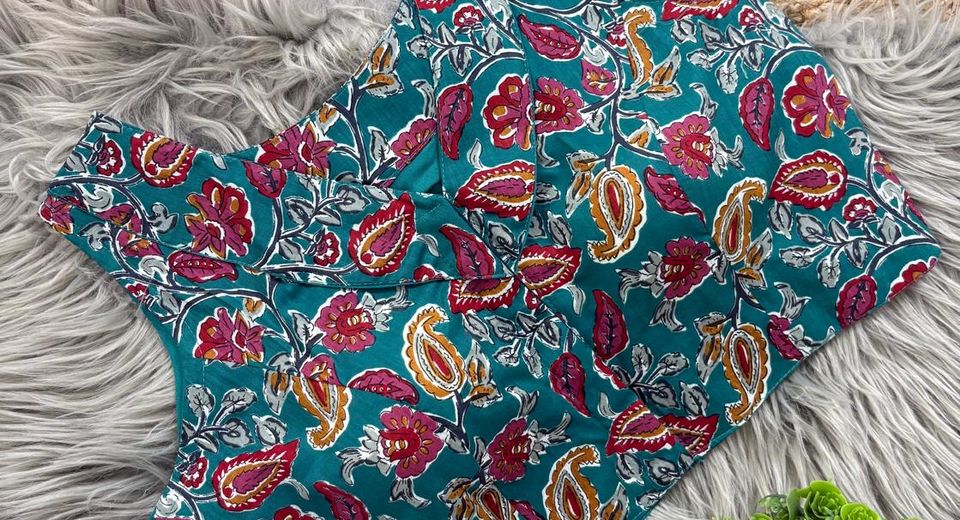
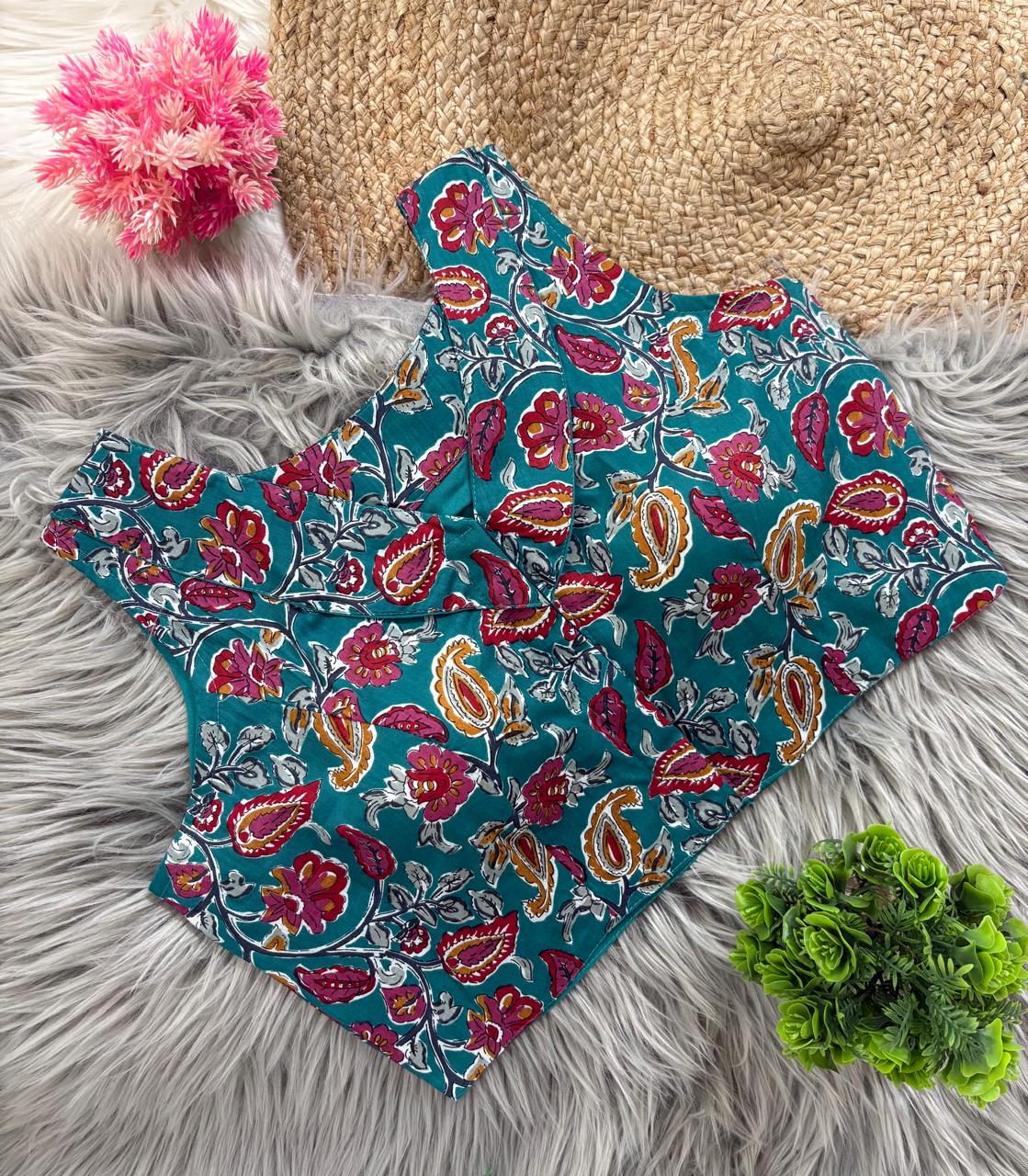
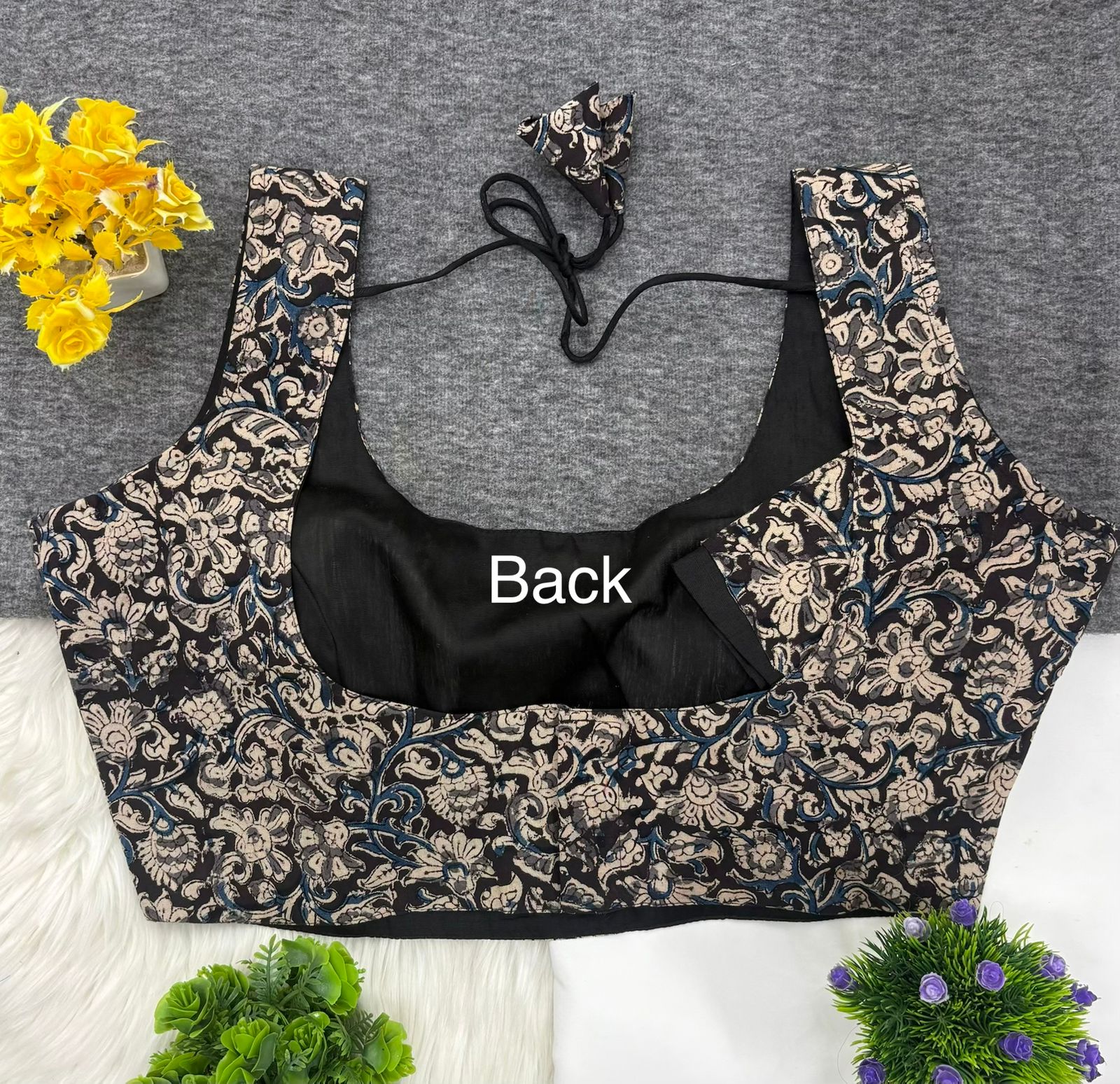
Cotton may relax after moisture and washing, especially when the neckline has a lightweight facing. Kalamkari cotton and Ikat cotton can feel firm when new but soften with use. The Kalamkari Cotton V Neck Collar Blouse for Women demonstrates why a collar and V-neck edge should be treated as one connected structure during reinforcement.
Silk behaves differently from cotton. Banarasi silk and smooth silk weaves may not look stretched immediately, but friction from jewellery, repeated dressing and a tight pallu can gradually pull the facing away from the outer fabric. Padded blouses may also become misshapen when the wearer grips the neckline or pulls on the bust area while dressing.
A readymade blouse can have a correct bust measurement but a slightly generous neckline. A generous opening moves more during wear, so the seam receives repeated outward pulls. Stay tape can't replace correct sizing, but it can stabilise a neckline that otherwise fits well.
How Neckline Stay Tape Can Stop a Blouse From Stretching Out
Neckline stay tape can stop a blouse from stretching out by acting as a stable internal bridge along the seam allowance. The tape allows the neckline to curve while preventing the cut edge from developing extra length.
Tailors commonly use cotton twill tape, woven stay tape, clear elastic or a narrow strip of lightweight fusible interfacing. Woven stay tape is usually the safest choice for a saree blouse because it controls stretching without adding the springy sensation of elastic. Clear elastic can help flexible fabric, but excessive tension may gather the neckline or raise a V-neck point.
The support belongs on the inside of the garment, not on the visible outer edge. The tape should follow the neckline curve from one shoulder seam to the other, with extra attention at the V point, back-neck curve and seam joins. Depending on the construction, the tape may be stitched into the seam allowance or secured to the facing.
A suitable stay is firm enough to support the fabric but flexible enough to preserve the intended neckline. A strip that's too wide can create a ridge, while a strip that's too short can leave the most stressed section unsupported. A tape between 6 and 10 millimetres wide is often easier to conceal than a broad garment tape.
Where Neckline Stay Tape Can Stop a Blouse From Stretching Out
Neckline stay tape can stop a blouse from stretching out when it's placed along the neckline seam allowance, beginning near one shoulder seam and ending near the other. The tape should not be stretched while it's sewn, because stretched tape can pull the neckline inward after the blouse is finished.
V-neck reinforcement
V-neck reinforcement should cover both diagonal edges and the point where they meet. Sew or secure the tape continuously around both sides of the V, then anchor it across the point with a short line of stitching that doesn't unnecessarily pierce the outer fabric.
The V point should lie flat rather than form a bubble. If the neckline has already stretched, ease the excess gently back into its original shape before attaching tape. Do not force a large amount of fabric into a small point, because that creates puckering. The Kalamkari Cotton V Neck Collar Blouse for Women shows why the collar and V-neck edge need to be supported as a single line.
Round and boat neck reinforcement
A round neckline needs continuous support around the curve, while a boat neckline needs particular attention near both shoulder ends. A short stay that stops several centimetres before the shoulder may allow the front edge to loosen even when the centre remains firm.
Wide necklines should be checked while the blouse is worn with the intended saree. Jewellery, pallu weight and shoulder movement can reveal areas that appear stable on a table but shift against the body. The stay tape should follow the finished garment shape rather than a flatter shape imposed during ironing.
Sleeveless and padded styles
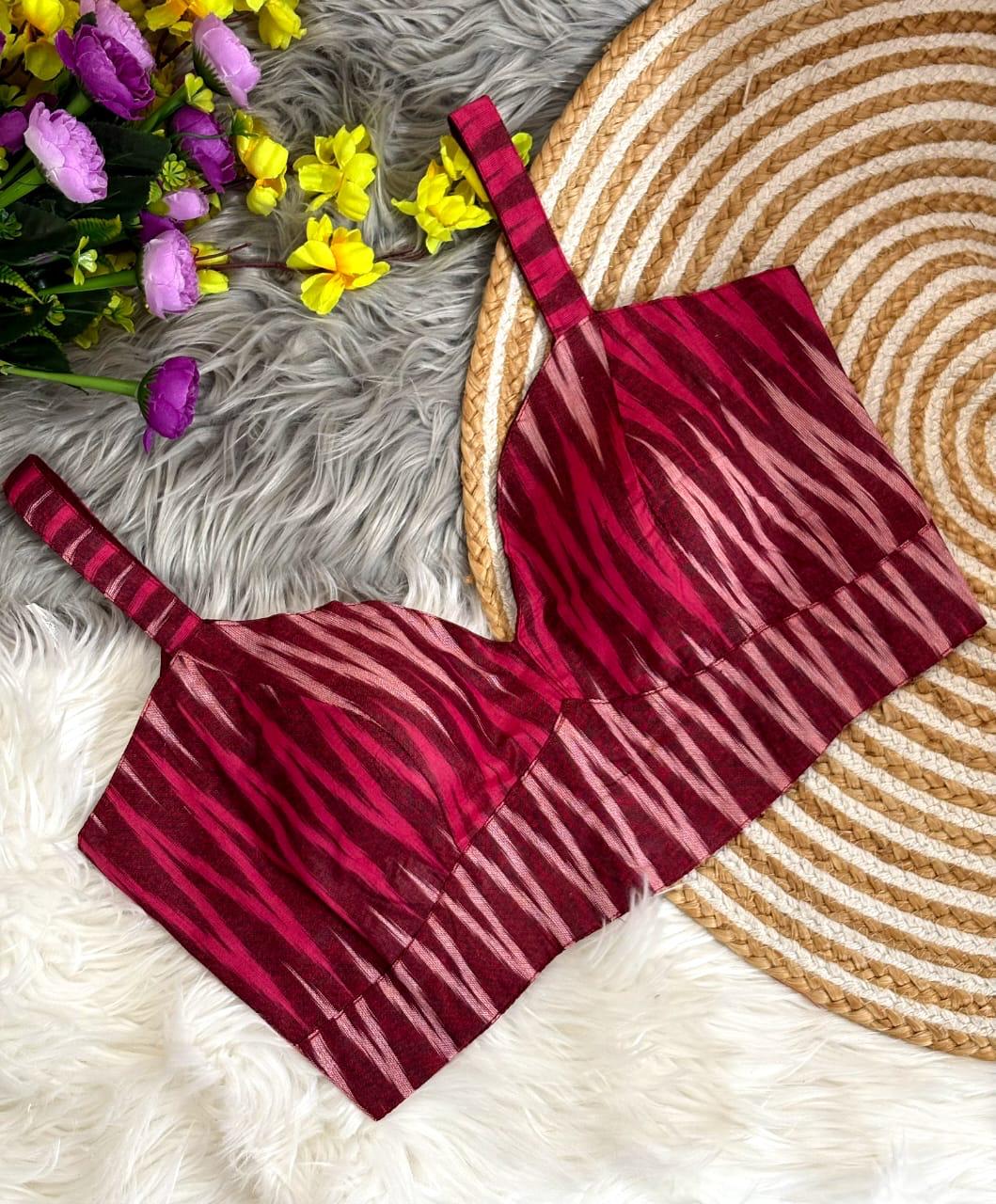
Sleeveless blouses often need neckline support because the armhole and neck opening share the same limited shoulder structure. The Ikkat Cotton Padded Blouse for Women Sleeveless and Cream Ikat Cotton Padded Blouse Sleeveless Trendy should be stored flat or folded through the bodice instead of being pulled from a hanger by the neckline.
Padded blouses should be reinforced without catching the cup foam or creating a hard ridge over the bust. The stay belongs in the neckline seam allowance or facing, while the pad remains free to retain its intended shape. The Pure Kalamkari Cotton Padded Blouse for Women and Banarasi Silk Golden Jari Padded Blouse for Women are examples of styles where internal structure matters as much as visible fabric.
Which Fabrics Let Neckline Stay Tape Stop a Blouse From Stretching Out?
Cotton, silk and lightweight decorative fabrics benefit most from neckline stay tape when their edges are cut on the bias or receive frequent handling. The support is useful when the blouse is comfortable and wearable but lacks enough recovery to return to its original measurement.
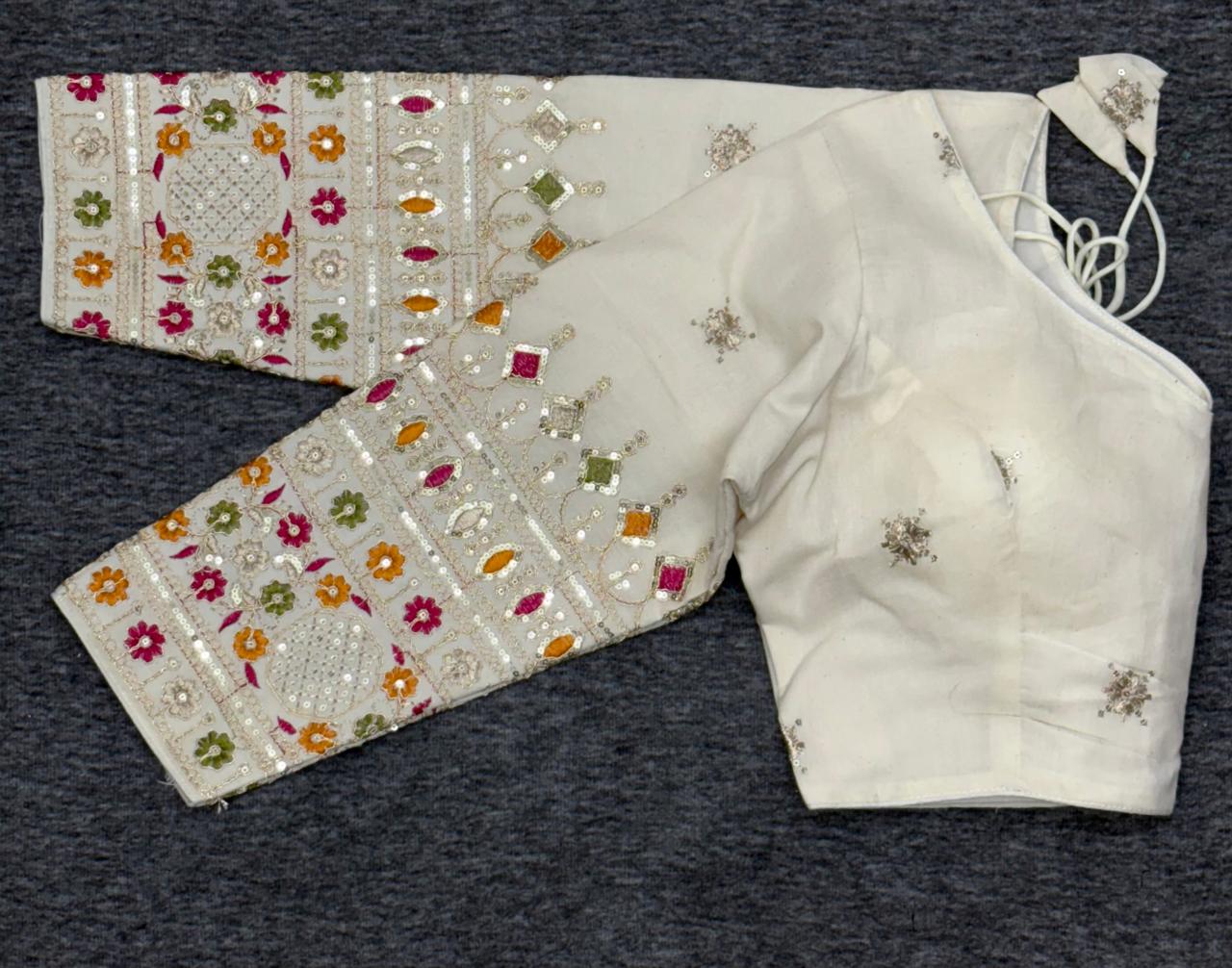
Cotton: Cotton blouses are breathable and practical, but moisture and repeated washing can relax the fibres. A narrow woven stay works well on Kalamkari cotton and Ikat cotton, provided the tape is pre-shrunk or washed before application. The Brown Ikat Cotton Padded Blouse Sleeveless Stylish should be kept away from high heat because hot ironing can alter both the fabric and the internal support.
Silk: Silk needs a lighter hand because pressing and stitching can leave marks. Banarasi silk with zari should be handled from the reverse side, using a pressing cloth and low to moderate heat. A stay tape that's too stiff may show through a thin silk facing, so the tailor should match the tape weight to the lining.
Decorative fabric: Moti work, metallic zari and dense surface decoration can make a neckline heavier. The Fendy Silk Zigzag Moti Work Readymade Blouse may need a clean internal facing to distribute weight before stay tape is added. Heavy embellishment should not hang directly from a delicate outer neckline edge.
Blended or stretch fabric: Flexible fabric may need soft clear elastic or a stable knit stay rather than rigid cotton tape. The support must control unwanted growth while allowing the wearer to breathe and move. A tailor should test a small hidden area first because the wrong tape can cause rippling.
Can Neckline Stay Tape Stop a Blouse From Stretching Out in Readymade Styles?
Neckline stay tape can stop a blouse from stretching out in a readymade style when the neckline is structurally sound and the facing or seam allowance is accessible. A tailor can usually open a short section of the lining, insert the tape and close the opening without disturbing the outer design.

Try a readymade blouse with the saree and bra that will normally be worn before planning an alteration. Mark the point where the neckline moves, gaps or folds, then remove the blouse before pinning. The Classic Festive Wear Blouse for Stylish Saree Look can be assessed this way because a festive blouse may need to remain stable through several hours of sitting, walking and pallu adjustment.
Stay tape won't correct a blouse that's too small across the bust, too narrow at the shoulder or cut with an incorrectly positioned neckline. Those problems require a seam alteration or a different size. Tape is a reinforcement method, not a substitute for adequate ease.
Designer readymade blouses with embroidery or unusual neck shapes should be taken to a tailor who can identify the construction layers. Cutting through an embellished facing may loosen zari, beads or decorative stitches. A professional may reinforce the inner edge by hand instead of unpicking the entire neckline.
Readymade sizing also affects how much support a neckline needs. A blouse that fits closely at the shoulders usually moves less than one with excess shoulder width. Before buying a designer saree blouse, compare shoulder, bust, armhole and neckline measurements rather than relying on the label alone.
How to Apply Stay Tape So It Can Stop a Blouse From Stretching Out
A neckline can be reinforced at home with narrow stay tape, matching thread, a hand-sewing needle, small scissors, pins and a cool iron. The safest method is to work from the inside and test the finished shape before wearing the blouse for a long event.

- Measure the seam: Lay the blouse flat and measure the neckline seam line, not the outer edge. Add approximately 2 centimetres so the tape can overlap or anchor securely at both ends.
- Choose compatible tape: Select lightweight woven tape for cotton or structured silk, and choose softer support for flexible fabric. Avoid thick tape that can create a visible ridge.
- Prepare the blouse: Turn the blouse inside out and open only enough lining or facing to access the seam allowance. Do not cut through zari, embroidery, padding or the outer shell.
- Pin without tension: Follow the neckline curve with the tape resting naturally. Keep the tape flat and relaxed. Do not stretch either the tape or the fabric while pinning.
- Secure the tape: Use small, even stitches through the seam allowance or facing. Hand stitches are appropriate for delicate silk, while a machine stitch can work on a stable cotton facing.
- Check the point: At a V-neck, anchor the meeting point with a few controlled stitches. Avoid bunching the seam allowance into a thick lump.
- Press carefully: Use a pressing cloth and the lowest effective heat for the fabric. Silk and zari should be pressed from the reverse side; padded areas should not be crushed under a hot iron.
- Test the fit: Wear the blouse for 10 to 15 minutes, move both arms and adjust the saree pallu. Remove the blouse if the neckline feels tight, pulls inward or shows ripples.
Adhesive garment tape isn't a permanent substitute for sewn stay tape. Temporary adhesive strips can leave residue, lose grip with perspiration and damage delicate silk or zari. Fusible tape also needs a temperature-compatible fabric and a pressing cloth, so a tailor should test it before applying heat across the entire neckline.
How Care Helps Neckline Stay Tape Stop a Blouse From Stretching Out
Care preserves the benefit of neckline stay tape by reducing the moisture, heat and pulling that cause neckline growth. Washing and storage habits matter as much as the reinforcement itself.
- Wash gently: Follow the garment's care label, use cold or lukewarm water where permitted, and avoid vigorous rubbing around the neckline.
- Dry flat: Place cotton and lined blouses flat or support them across the bodice while drying. Do not hang a wet blouse by its neckline or shoulder edge.
- Store correctly: Fold padded blouses through the bodice or use a broad, padded hanger. Narrow wire hangers can distort shoulders and transfer tension to the neckline.
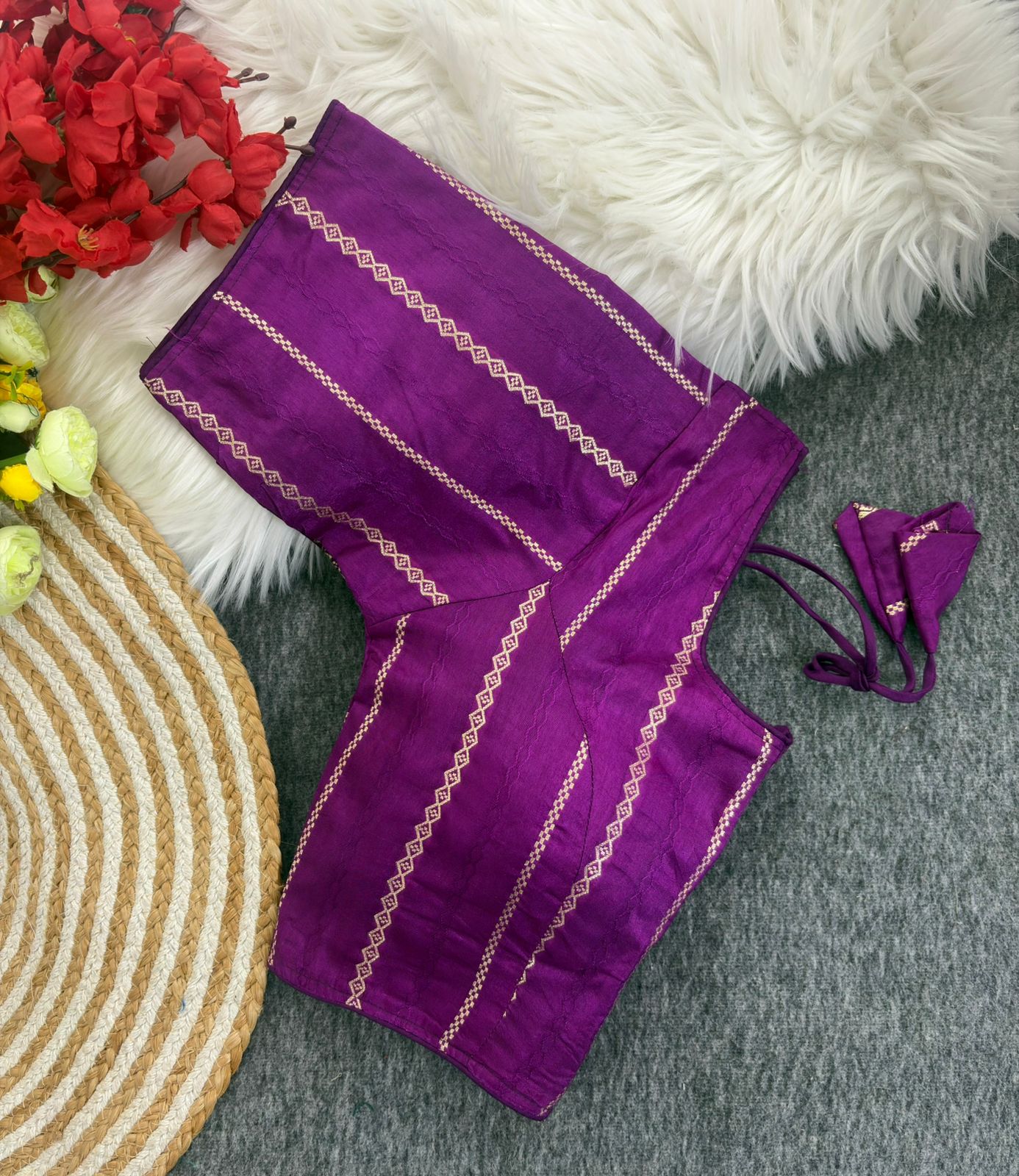
- Protect silk: Keep Banarasi silk and zari away from direct high heat, rough jewellery and damp storage. Allow perspiration to dry before folding the blouse.
- Inspect regularly: Check the neckline after every few wears for loose stitches, bubbling, gaps or exposed tape. Early repair takes less work than reshaping a stretched edge.
A neckline that still stretches after reinforcement may have a deeper construction problem, such as insufficient seam allowance, a weakened facing or a poor size match. A tailor can remove the facing, reshape the edge and rebuild the support. Continuing to pull a distorted neckline into place usually makes the damage worse.
Common Questions About How Neckline Stay Tape Can Stop a Blouse From Stretching Out
Can I use ordinary ribbon as blouse neckline stay tape?
Ordinary ribbon can work only when it's narrow, colourfast and stable enough for the fabric. Satin ribbon is usually a poor choice because it can slide and create bulk, while lightweight cotton twill tape is more predictable for cotton blouses.
Should stay tape be stretched while sewing?
Stay tape should normally be sewn without stretching. Stretching the tape during application can pull the neckline inward, create puckers and reduce comfort when the blouse is worn.
Can stay tape fix a neckline that's already too large?
Stay tape can reduce minor looseness when the original neckline shape is still recoverable. A neckline that's substantially too large needs reshaping, alteration or a better-fitting blouse because reinforcement alone can't remove significant excess fabric.
Is stay tape suitable for a silk blouse with zari?
Stay tape is suitable for a silk blouse with zari when the tape is lightweight and applied from the inside. Use a pressing cloth, low heat and a tailor experienced with Banarasi silk, because excessive heat or unpicking can damage zari and silk fibres.
How do I stop a sleeveless blouse neckline from gaping?
A sleeveless blouse neckline can be stabilised with stay tape after confirming that the shoulder and bust fit correctly. If gaping comes from excess fabric or an incorrect size, the shoulder or neckline seam needs alteration in addition to internal reinforcement.
Does neckline stay tape make a blouse uncomfortable?
Correctly chosen neckline stay tape should not feel uncomfortable because it remains inside the seam allowance and follows the natural curve. Discomfort usually indicates tape that's too wide, too stiff, tightly applied or placed where it rubs against the skin.
Common Questions About How Neckline Stay Tape Can Stop a Blouse From Stretching Out
Can I use ordinary ribbon as blouse neckline stay tape?
Ordinary ribbon can work only when it is narrow, colourfast and stable enough for the fabric. Lightweight cotton twill tape is generally more reliable than slippery satin ribbon for a blouse neckline.
Should stay tape be stretched while sewing?
Stay tape should normally be sewn without stretching. Stretching the tape during application can pull the neckline inward, create puckers and reduce comfort.
Can stay tape fix a neckline that is already too large?
Stay tape can correct minor looseness when the original neckline shape is still recoverable. A substantially oversized neckline needs reshaping, alteration or a different blouse size.
Is stay tape suitable for a silk blouse with zari?
Stay tape is suitable for silk with zari when the tape is lightweight and applied from the inside. Use a pressing cloth, low heat and a tailor experienced with Banarasi silk.
How do I stop a sleeveless blouse neckline from gaping?
Confirm that the shoulder and bust fit correctly, then add stay tape to the neckline seam or facing. Gaping caused by excess fabric or an incorrect size requires a seam alteration as well.
Does neckline stay tape make a blouse uncomfortable?
Correctly chosen stay tape should remain inside the seam allowance and follow the natural curve. Discomfort usually indicates tape that is too wide, too stiff, tightly applied or placed where it rubs the skin.