

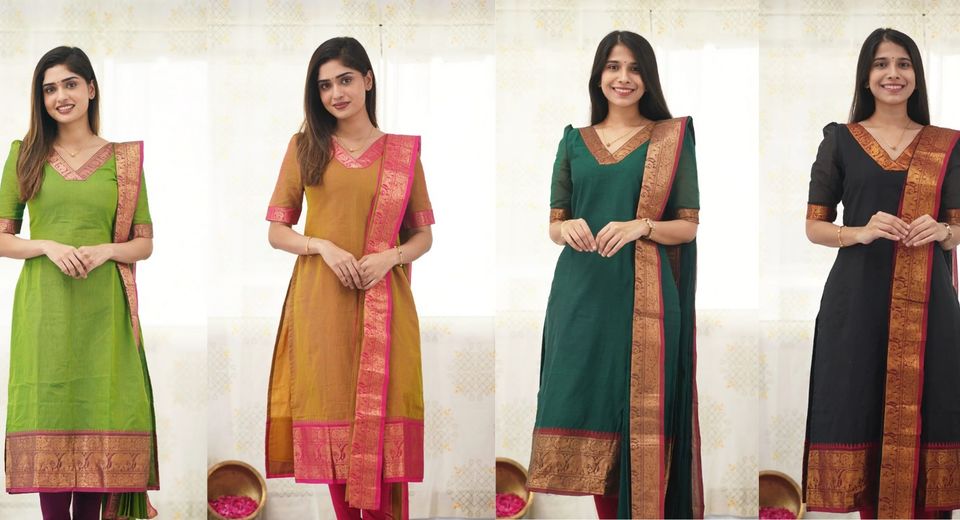
The right dupatta width can change the balance, comfort and visual shape of an Indian outfit within minutes. Narrow vs Wide Dupatta for Different Outfits for Dupatta Width is an useful way to decide whether a slim scarf-like layer or a fuller drape will suit a kurta, palazzo, salwar suit or lehenga. The decision depends on more than personal taste: fabric weight, neckline, sleeve volume and the number of layers already present all matter.
A narrow dupatta usually measures about 28 to 34 inches wide, while a wide dupatta commonly measures 40 to 48 inches. These measurements refer to the finished distance from one long edge to the other, not the length. Bridal and heavily embellished dupattas may measure 50 inches or more.
Narrow vs Wide Dupatta for Different Outfits for Dupatta Width: What Changes?
Dupatta width changes the amount of coverage, volume and movement an outfit has. A narrow dupatta creates a cleaner vertical line, while a wide dupatta adds fabric across the torso, shoulder and arms.
A 28-inch dupatta folded once can resemble a long stole and is easy to keep over one shoulder. A 44-inch dupatta folded lengthwise creates a substantial border and can cover the front of a kurta more fully. A broad dupatta also gives enough fabric for a pleated shoulder drape, a head covering or a diagonal front drape without leaving the hemline too short.
Width affects comfort as well as appearance. More fabric means more weight when zari, sequins, mirror work or dense embroidery has been added. A wide Banarasi silk dupatta with a zari border may look luxurious but can slide from a smooth blouse or shoulder. A narrow cotton dupatta may stay secure during commuting, desk work and repeated movement.
- Narrow width: approximately 28 to 34 inches; light, neat and easy to manage.
- Medium width: approximately 35 to 40 inches; a flexible choice for most kurta sets.
- Wide width: approximately 41 to 48 inches; useful for fuller coverage and dramatic draping.
- Extra-wide width: 49 inches or more; suitable for bridal, formal and head-covering styles.
Narrow vs Wide Dupatta for Different Outfits for Dupatta Width: Which Kurta Sets Suit Each Size?
Narrow or medium-width dupattas usually suit structured everyday kurta sets, while medium-wide dupattas complement traditional and festive silhouettes.
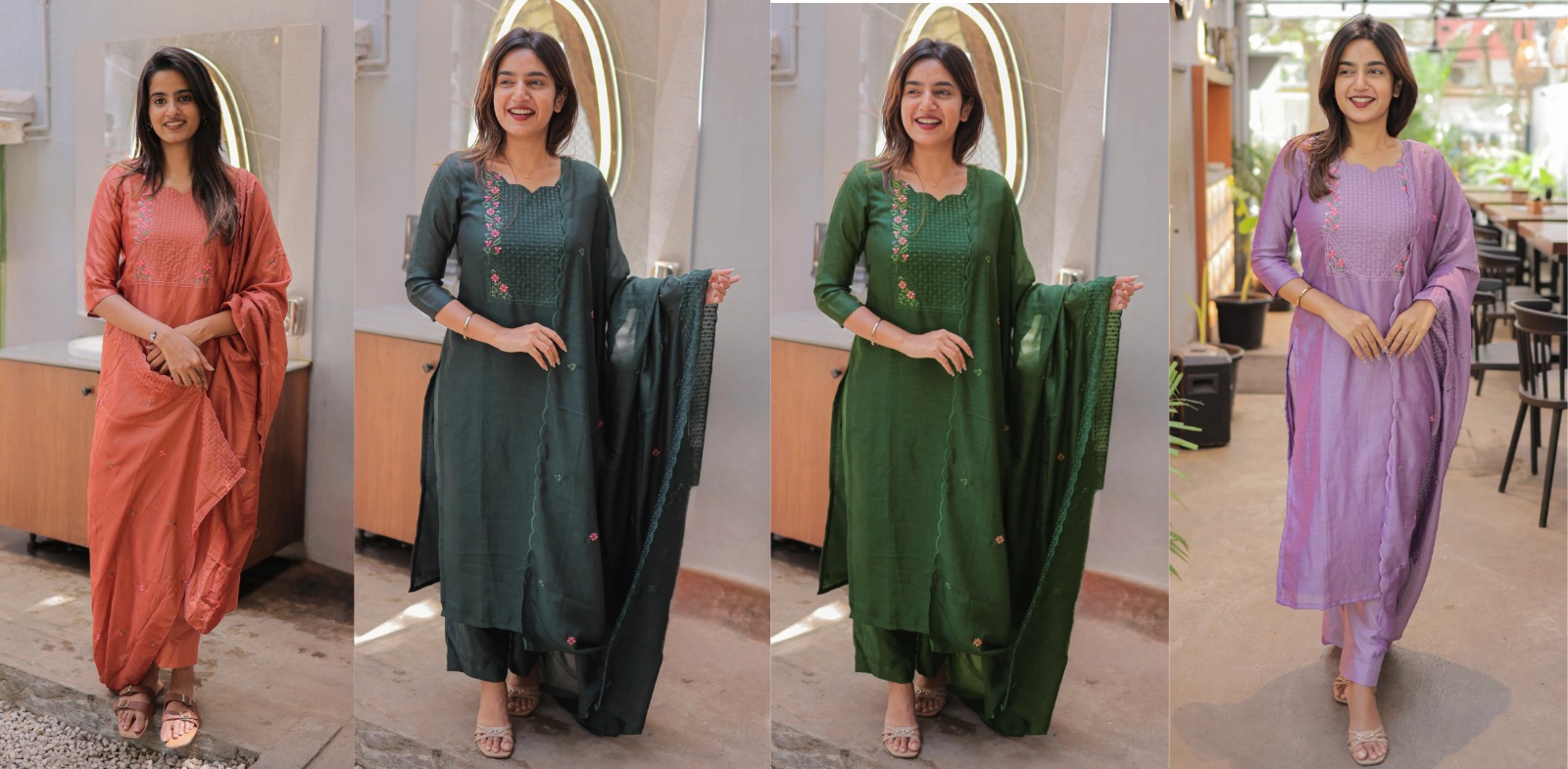
Everyday straight kurta sets
A narrow or medium-width dupatta is usually best for a straight kurta worn to work, college or daily errands. A slim cotton dupatta keeps the side seams, trousers and hem visible instead of adding bulk over a simple silhouette.
The Vertical Cotton Straight Kurta Set with Dupatta demonstrates why a lighter, controlled drape works well with a straight kurta. Wear the dupatta open over both shoulders for balanced coverage, or pleat it narrowly on one shoulder when carrying a tote or travelling. A width close to 30 or 32 inches is generally comfortable for this purpose.
Kurta pant dupatta ensembles
A medium-width dupatta of approximately 36 to 40 inches works well with a kurta and straight pant combination. Moderate width adds colour and polish without overpowering the clean lines of the pants.
The Navy Blue Traditional Kurta Pant Dupatta Ensemble can be styled with a front-open drape when the kurta has a modest neckline and limited surface decoration. A narrow width is preferable when the kurta has a high collar, front buttons or a printed yoke because excess fabric can conceal the design.
The Mustard Embroidered Kurta Pant Dupatta Set for Women benefits from a medium rather than extremely wide dupatta when the kurta already carries embroidery. Place the dupatta over one shoulder and let one narrow pleated section fall down the front; the arrangement keeps the embroidery visible while adding a vertical line.
Palazzo and crop-top sets
A narrow dupatta often balances a wide palazzo, especially when the top is cropped or fitted. A very wide dupatta can compete with palazzo volume and make the outfit look crowded around the waist and hips.
The Women's Embroidered Crop Top & Jacket Palazzo Set | Varnavi works well with a narrow or medium-width dupatta worn over one shoulder or looped lightly around the elbows. A 28-to-34-inch width preserves the jacket and crop-top details. A wide dupatta becomes more suitable when the jacket is removed or when the outfit is being adapted for a formal evening event.
Narrow vs Wide Dupatta for Different Outfits for Dupatta Width: When Is a Wide Dupatta Better?
A wide dupatta is better when an outfit needs more coverage, a ceremonial drape or enough surface area to display a border. Wide dupattas are especially useful with lehengas, simple kurta sets and outfits featuring a prominent woven or embellished edge.
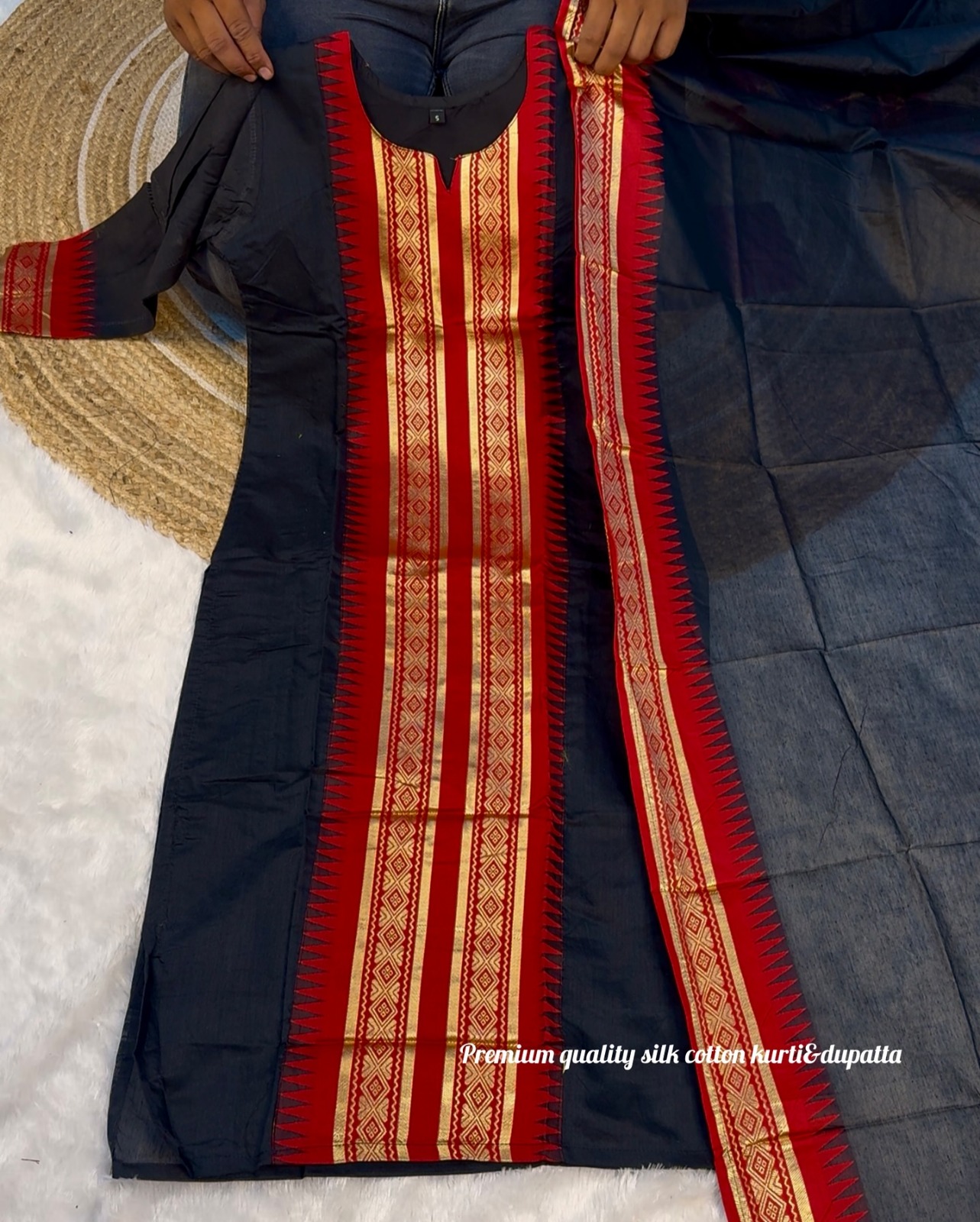
A 42-to-48-inch dupatta is a practical range for many festive lehengas. The width allows a front pleat to begin near the shoulder and finish around the waist while leaving enough material to frame the skirt. A narrow 30-inch dupatta can work with a lehenga when the blouse has a high neckline, the skirt is heavily embellished or the desired style is deliberately modern and minimal.
Choose a wide dupatta for a lehenga with a relatively simple blouse and skirt if the dupatta has an ornate border. A broad panel gives the border room to appear as a design feature rather than a thin line. Choose a narrower dupatta when the blouse, skirt and jewellery already contain heavy embroidery, because reducing fabric volume prevents visual overload.
A wide dupatta also suits a plain kurta set that needs a stronger festive finish. The Kanchi Cotton Zari Woven Kurti Set with Traditional Dupatta can take a medium-wide drape because cotton provides more grip than satin or georgette. Keep the pleats broad enough to show the zari border, and pin the shoulder section underneath the hair or near the blouse seam if the fabric shifts.
For a Haldi ceremony, cotton, kota doria or lightweight Chanderi in a medium width is usually more practical than heavy silk or dense embellishment. Turmeric, outdoor movement and frequent sitting can make a very wide dupatta difficult to keep clean and secure. A 34-to-40-inch dupatta gives festive colour while remaining easier to pin and wash according to the fabric label.
Narrow vs Wide Dupatta for Different Outfits for Dupatta Width: How Does Fabric Affect the Choice?
Fabric weight and surface finish determine whether a particular width will look graceful or cumbersome. The same 44-inch measurement behaves differently in cotton, chiffon, Banarasi silk, georgette and Chanderi.
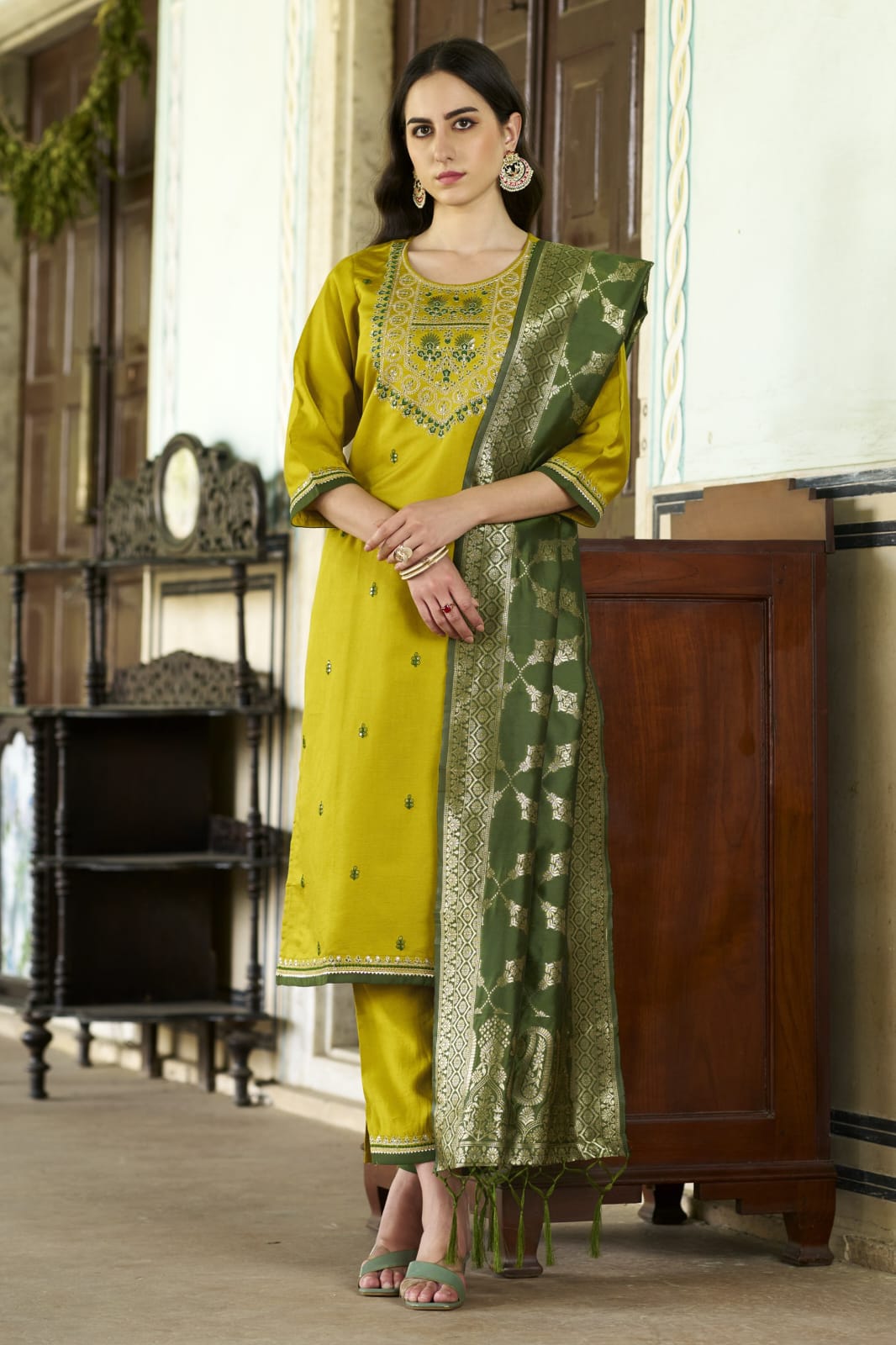
Cotton and cotton blends
Cotton dupattas can usually be worn slightly wider because their natural grip helps them stay on the shoulder. A 36-to-44-inch cotton dupatta is useful for daily salwar suits, traditional kurta sets and warm-weather dressing.
The Teal Embroidered Cotton Blend Kurta Dupatta Set Women can support a medium-wide drape because a cotton blend generally has enough body to hold soft pleats. Avoid making the pleats very narrow if embroidery is concentrated along the border; wider pleats show more of the design.
Silk and zari
Silk and zari dupattas often need a narrower width or discreet pinning because smooth surfaces can slide and metallic work adds weight. Banarasi silk, Kanjeevaram-inspired weaves and zari borders can look elegant at 34 to 42 inches when the shoulder point is secured.
Heavy zari should not be judged by width alone. A 38-inch zari dupatta may feel heavier than a plain 46-inch cotton dupatta. Test the fabric on one shoulder for five minutes before finalising the drape, especially if the outfit will be worn for a long ceremony.
The Women's Mustard Silk Blend Kurta Set with Dupatta calls for attention to weight and slipperiness. A 34-to-40-inch width offers visible drape without creating an unnecessarily heavy layer. Silk blends often look best when the dupatta falls in a soft diagonal line rather than being tightly folded into many small pleats.
Chanderi, chiffon and georgette
Chanderi brings a light, slightly crisp fall that can support a medium-wide dupatta without appearing bulky. Chiffon and georgette are fluid and delicate, so a wider version can create attractive movement but may require a brooch, safety pin or shoulder loop.
The Elegant White Chanderi Kurta Pant Dupatta Set Women illustrates how a medium-wide Chanderi dupatta can add occasion polish while keeping a pale outfit airy. Fold the dupatta once along its length for a defined border, or leave it open when more coverage is needed.
Narrow vs Wide Dupatta for Different Outfits for Dupatta Width: How Should You Consider Proportions?
Choose dupatta width by considering where the fabric creates horizontal volume and where the outfit already has width. A narrow drape lengthens the appearance of the body, while a wide open drape adds softness and coverage.
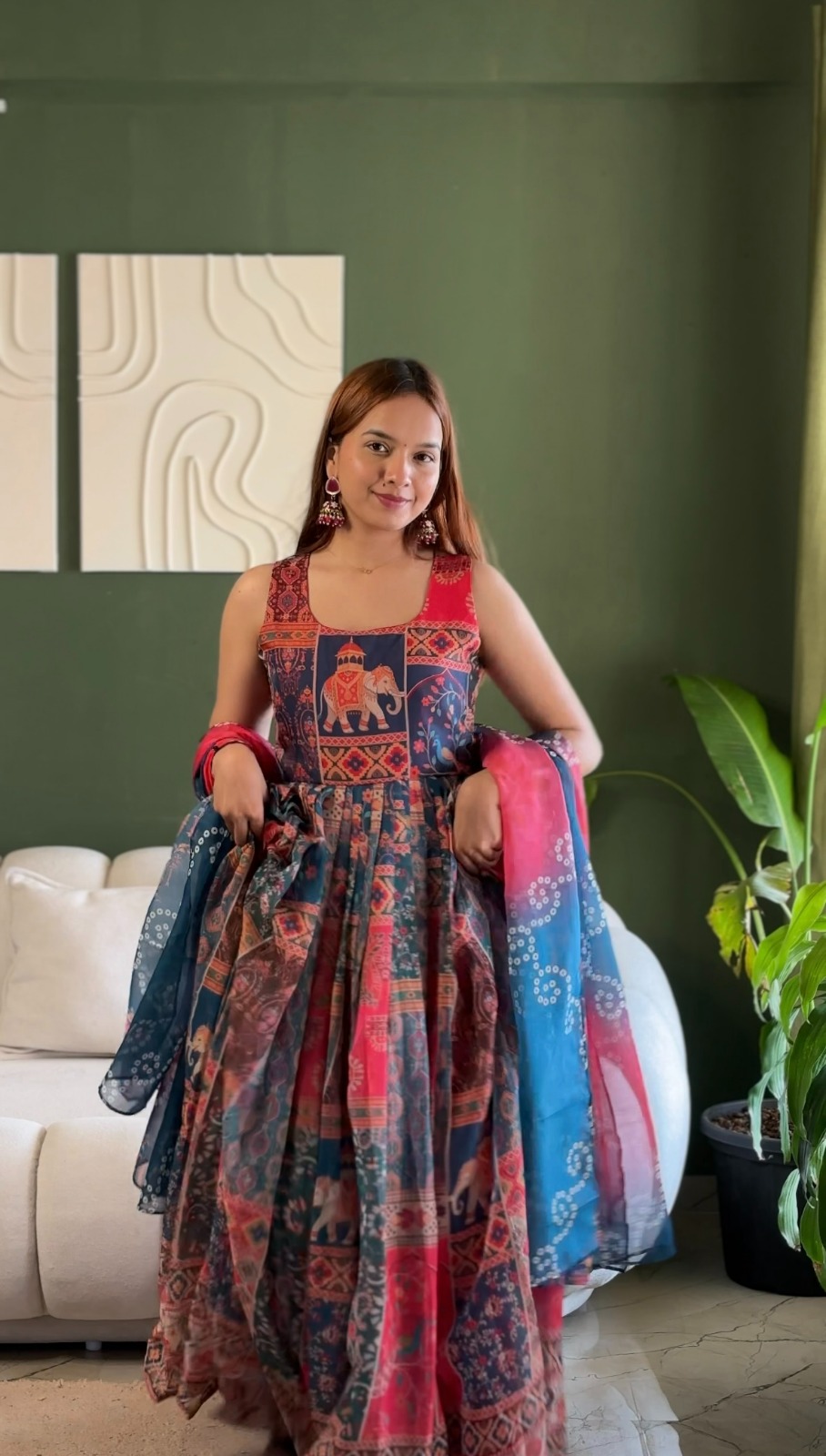
For a petite frame, a 28-to-36-inch dupatta often prevents the shoulder and torso from being overwhelmed. Folding a wider dupatta lengthwise can create the same effect while preserving the option of opening it for extra coverage. Avoid very thick pleats because they can create a short, dense block at the chest.
For a taller frame or a broad-shouldered silhouette, a 38-to-46-inch dupatta can provide proportion and visual balance. Letting one side fall closer to the knee creates length, while a diagonal drape breaks up a straight horizontal line across the torso.
For a fuller bust or midsection, a medium-wide open drape can offer comfortable coverage without the bulk of many tight pleats. Choose a fabric with moderate fall, such as Chanderi, cotton silk or lightweight georgette, and avoid placing a thick folded border directly across the widest part of the torso.
For a narrow-shouldered frame, a wider dupatta worn open over both shoulders can add balance. For a broad-shouldered frame, an one-sided diagonal drape can reduce the visual width across the upper body. These are styling options rather than fixed rules, so movement and personal comfort should remain the final test.
Narrow vs Wide Dupatta for Different Outfits for Dupatta Width: Which Drapes Work Best?
A narrow dupatta works best in a single-shoulder, scarf-style or loose looped drape, while a wide dupatta works best in an open-front, pleated or head-covering drape.
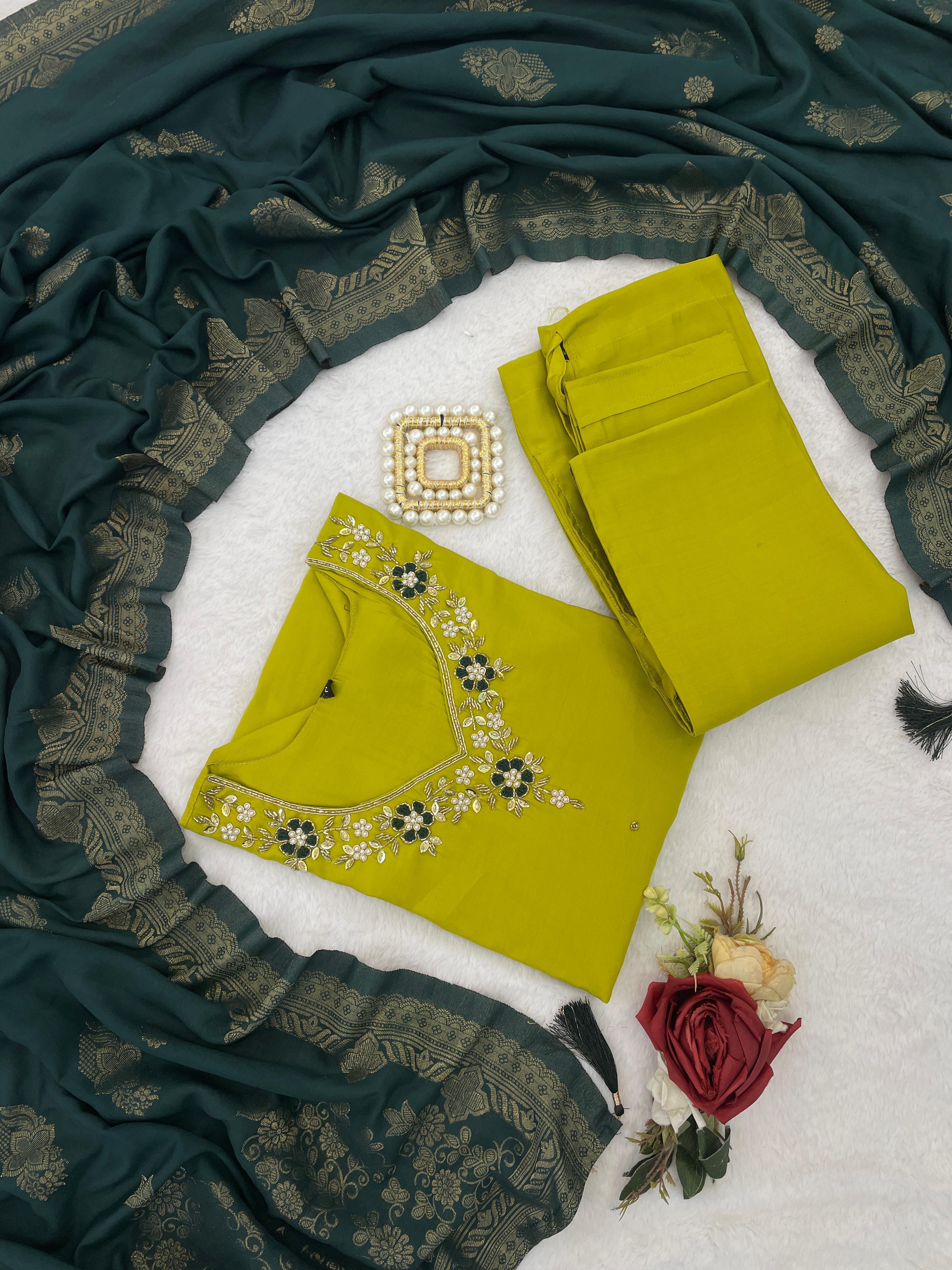
Single-shoulder drape
A single-shoulder drape is the easiest option for a narrow dupatta because it keeps the fabric contained and highlights the kurta neckline. Make five to seven loose pleats, place the pleated section on the shoulder, and allow the remaining length to fall near the opposite hip.
Open two-shoulder drape
An open two-shoulder drape is useful when a wide dupatta is needed for coverage. Centre the dupatta behind the neck, bring both ends forward and adjust the front edges so they fall at similar heights. This arrangement works well with straight kurta sets and modest festive dressing.
Front pleated drape
A front pleated drape creates a formal appearance and shows a decorative border clearly. Use six to eight broad pleats rather than many narrow folds when the dupatta has zari, woven motifs or heavy embroidery.
Head-covering drape
A head-covering drape requires a wide dupatta because additional fabric must travel from the shoulder over the head and down the opposite side. Pin one shoulder first, place the centre section over the head, and secure the other side near the waist if the fabric is slippery.
Narrow vs Wide Dupatta for Different Outfits for Dupatta Width: How Can You Test the Fit Before Buying?
You can test dupatta width by checking coverage, shoulder security, border visibility and walking comfort before committing to a style. A width that looks attractive on a hanger may behave differently once folded and worn.
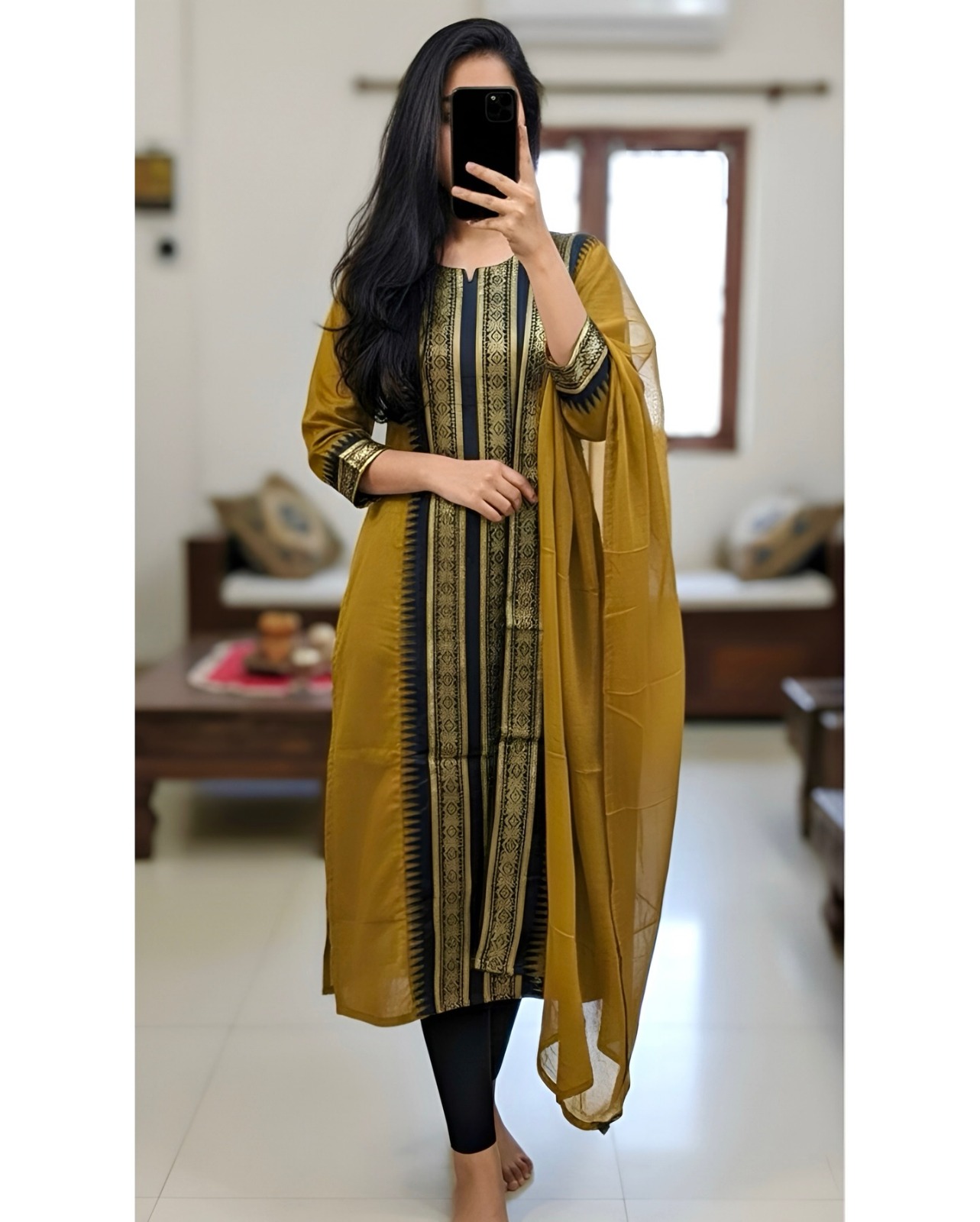
- Measure the finished width: Use a tape measure from one long edge to the other while the fabric lies flat.
- Check the shoulder: Keep the dupatta in place for five minutes and raise both arms to test whether it slips.
- Walk and sit: A practical dupatta should not pull at the neckline or drag against the floor when sitting.
- Inspect the border: Fold the fabric once and confirm that the zari or embroidery remains visible.
- Check the outfit balance: Step back and see whether the dupatta hides important neckline, jacket or kurta details.
Length matters alongside width. A dupatta around 2.25 to 2.5 metres suits many salwar suits, while a lehenga drape may need approximately 2.5 to 2.75 metres depending on height and the desired head covering. A wide but short dupatta may provide coverage at the shoulder yet fail to reach the waist comfortably.
Pinning should be discreet but secure. Use small safety pins from the underside of the fabric, avoid piercing delicate zari repeatedly, and place a soft fabric tab or brooch at the shoulder when the dupatta is slippery. These small adjustments often make a medium-width dupatta more versatile than choosing an excessively wide piece.
Narrow vs Wide Dupatta for Different Outfits for Dupatta Width: A Practical Decision
Choose a narrow dupatta for everyday straight kurtas, wide palazzos, heavily detailed tops and movement-heavy schedules. Choose a wide dupatta for lehengas, simple festive kurta sets, head covering and outfits that need additional front coverage.
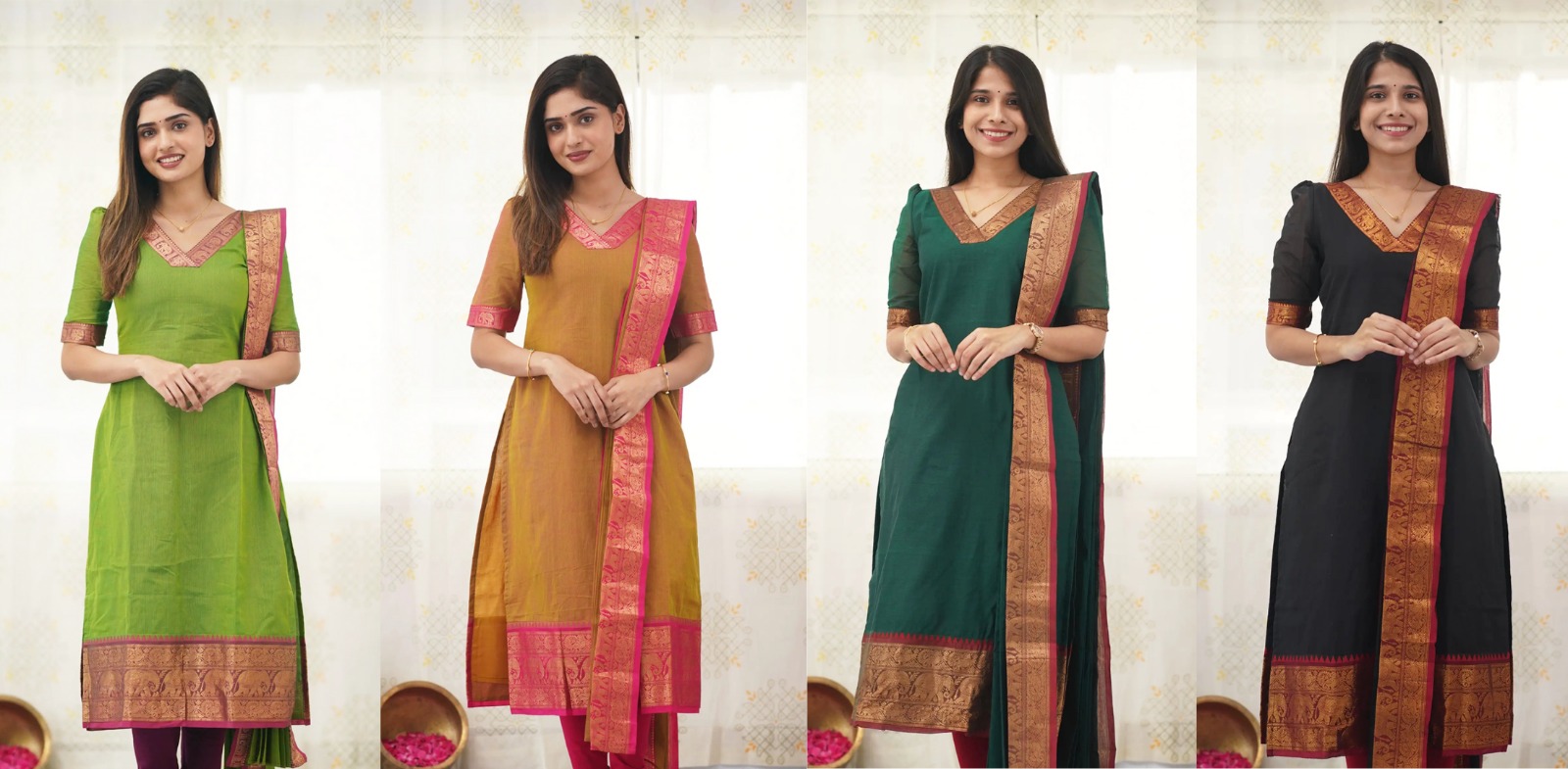
When the choice remains uncertain, select a medium width of approximately 36 to 40 inches in cotton, Chanderi or a lightweight blend. Medium width gives enough fabric for an open drape while remaining easy to fold, pin and carry. Fabric weight, border placement and the outfit's existing volume should guide the final decision more strongly than a fixed styling rule.
Common Questions About Narrow and Wide Dupatta Widths
What is the best dupatta width for a salwar suit?
A 35-to-40-inch dupatta is a versatile choice for most salwar suits. Choose 28 to 34 inches for a lightweight everyday look, or 41 to 48 inches when you need more coverage or a festive drape.
Is a narrow dupatta better for a palazzo suit?
A narrow dupatta is often better for a palazzo suit because it balances the width of the trousers and keeps the upper body defined. A medium width can work for formal dressing if the crop top or jacket is not already heavily detailed.
What dupatta width is suitable for a lehenga?
A 42-to-48-inch dupatta is suitable for most lehengas because it provides coverage over the blouse and enough fabric for a shoulder or head drape. A 30-to-36-inch dupatta can work when the blouse and skirt are heavily embellished or the intended look is minimal.
Does fabric affect the right dupatta width?
Fabric affects the right dupatta width because cotton has more grip, while silk, satin and some georgettes can slide. A wide cotton dupatta is often manageable, but a heavily embellished silk dupatta may be more comfortable at a medium width with discreet shoulder pinning.
Can a wide dupatta make a petite person look shorter?
A very bulky wide dupatta can make a petite person look visually crowded, especially when folded into thick pleats across the chest. Folding the dupatta lengthwise, choosing a lightweight fabric or using a 28-to-36-inch width creates a cleaner vertical line.
How do I stop a slippery dupatta from falling off?
Secure a slippery dupatta with a small safety pin at the shoulder, a fabric-covered brooch or a discreet loop under the blouse strap. Test the drape by walking, sitting and raising your arms before leaving home.


