

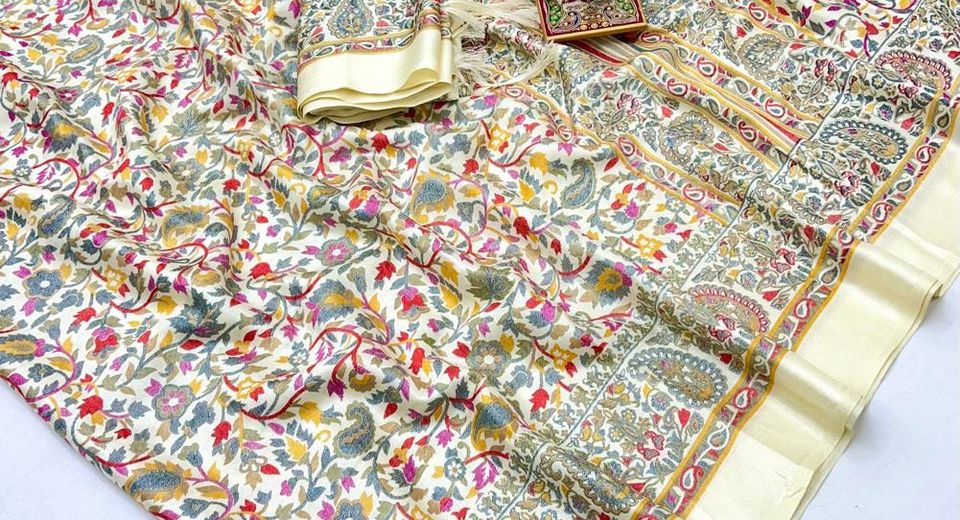
Matching the Bag to the Ethnic Outfit for Potli vs Clutch vs Shoulder Bag becomes much easier when you judge the complete look rather than matching the bag to one colour. The right choice depends on outfit volume, textile shine, event formality and what you need to carry. A heavily embroidered lehenga may need a quiet satin potli, while a fluid silk saree can take a structured clutch. A shoulder bag can work beautifully with a kurta set when its strap, hardware and size are deliberately chosen.
Indian occasion dressing often combines several visual elements at once: zari, sequins, woven borders, statement earrings, bangles, embellished footwear and a dupatta. A bag should support that composition without competing with every detail. The most reliable method is to decide the bag's role first: ornament, practical storage or a balanced combination of both.
Matching the Bag to the Ethnic Outfit for Potli vs Clutch vs Shoulder Bag
Choose a potli for softness and ceremony, a clutch for polished structure, and a shoulder bag when hands-free movement matters most. That simple distinction provides an useful starting point before you consider colour or decoration.
A potli has a gathered shape and usually closes with drawstrings, making a potli naturally suited to festive and traditional styling. A clutch has a firmer profile and creates a clean horizontal or vertical line against a saree, anarkali or lehenga. A shoulder bag introduces a strap, so a shoulder bag needs more attention because the strap can cross embroidery, disturb a dupatta or interrupt the fall of a pallu.
Visual weight also matters. A large lehenga with a flared skirt already creates volume below the waist, so a small-to-medium potli keeps the upper half graceful. A sleek saree with a narrow border can carry a rectangular clutch without looking overloaded. A relaxed salwar suit can accommodate a compact shoulder bag, especially for daytime shopping, a mehendi function or a long family gathering.
How to Choose a Potli for Lehengas and Festive Sarees
A potli works best with outfits that already have movement, softness or traditional surface detail. A drawstring closure, rounded volume and short handle make a potli feel ceremonial without adding a rigid shape to the outfit.
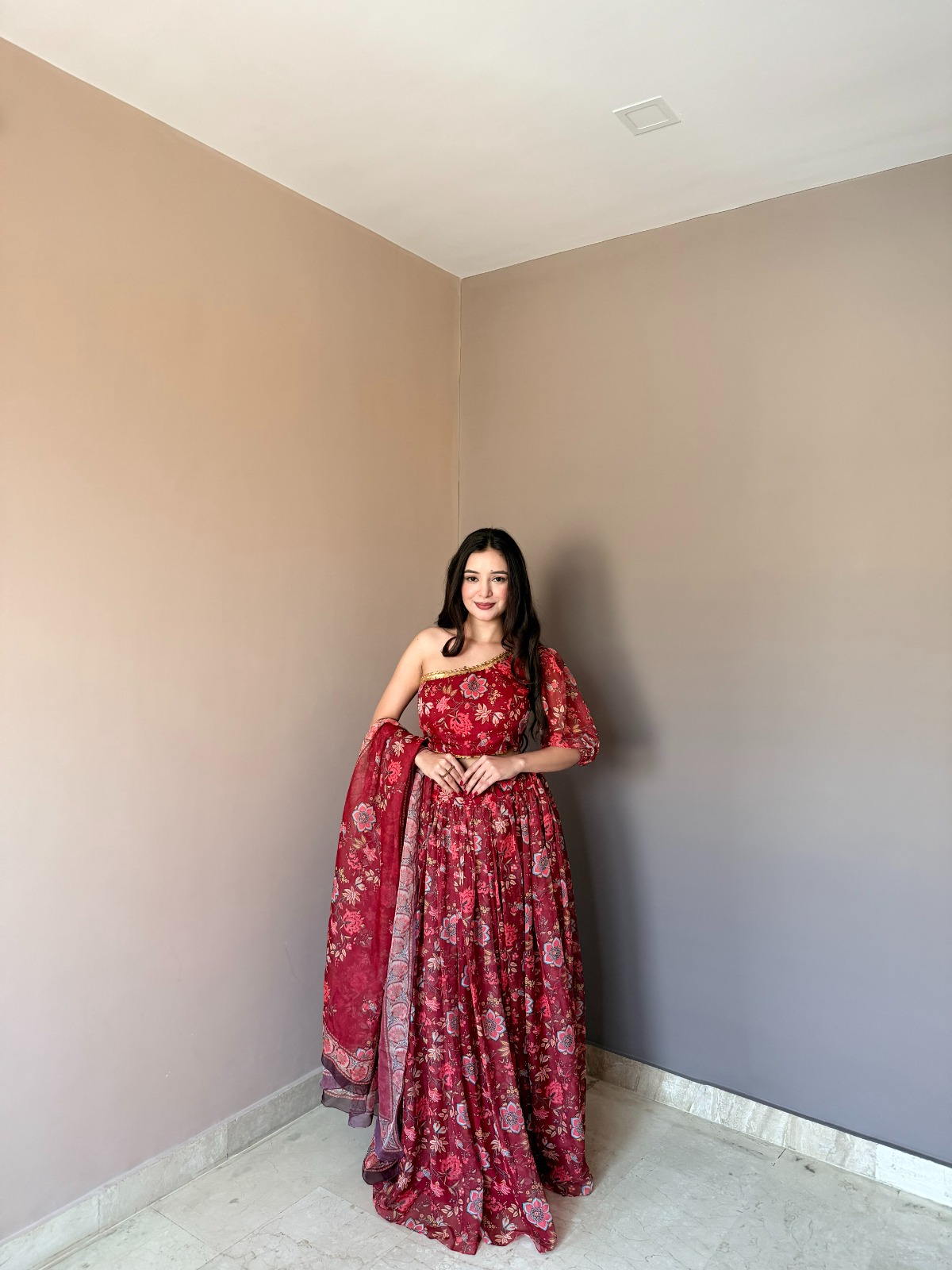
Pair a potli with a lehenga when the blouse or skirt includes embroidery, brocade, mirror work or floral motifs. The Red Floral Organza Lehenga Set with One Shoulder Blouse has a dramatic silhouette and a visible shoulder detail, so a compact potli keeps attention on the neckline and shoulder line. Choose a potli in muted gold, deep red or soft ivory rather than adding another large floral print.
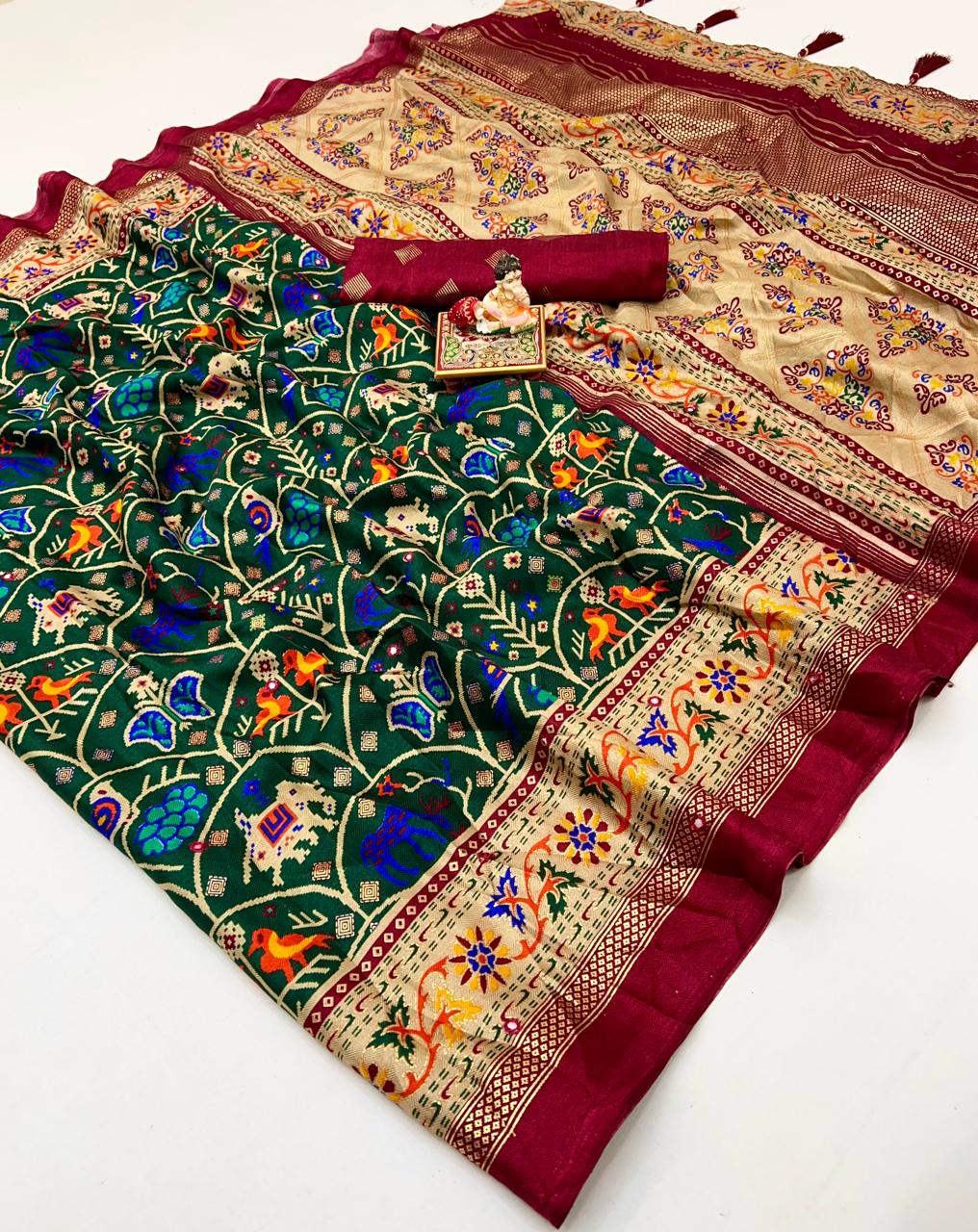
Potlis also complement Banarasi silk, Patola silk and brocade sarees because their textile vocabulary feels connected to festive weaving. The Traditional Bottle Green Patola Border Silk Saree can take a potli with antique-gold details or a controlled bottle-green accent. Avoid matching the entire bag to the saree border; repeating one minor colour is usually more refined than copying the dominant shade.
Size matters more than many shoppers expect. A potli measuring roughly 15 to 20 centimetres across is generally enough for a phone, compact powder, keys and two or three cards. A very tiny potli may look decorative but becomes inconvenient if it can't hold the essentials. A heavily embellished potli should also have a secure lining, because loose sequins can scratch a phone or catch on delicate organza.
When a Clutch Creates the Best Saree and Gown Proportion
A clutch is the strongest choice when an outfit benefits from a crisp, controlled accessory line. A structured clutch balances fluid drapes, long gowns and tailored kurta sets without adding another rounded or gathered shape.
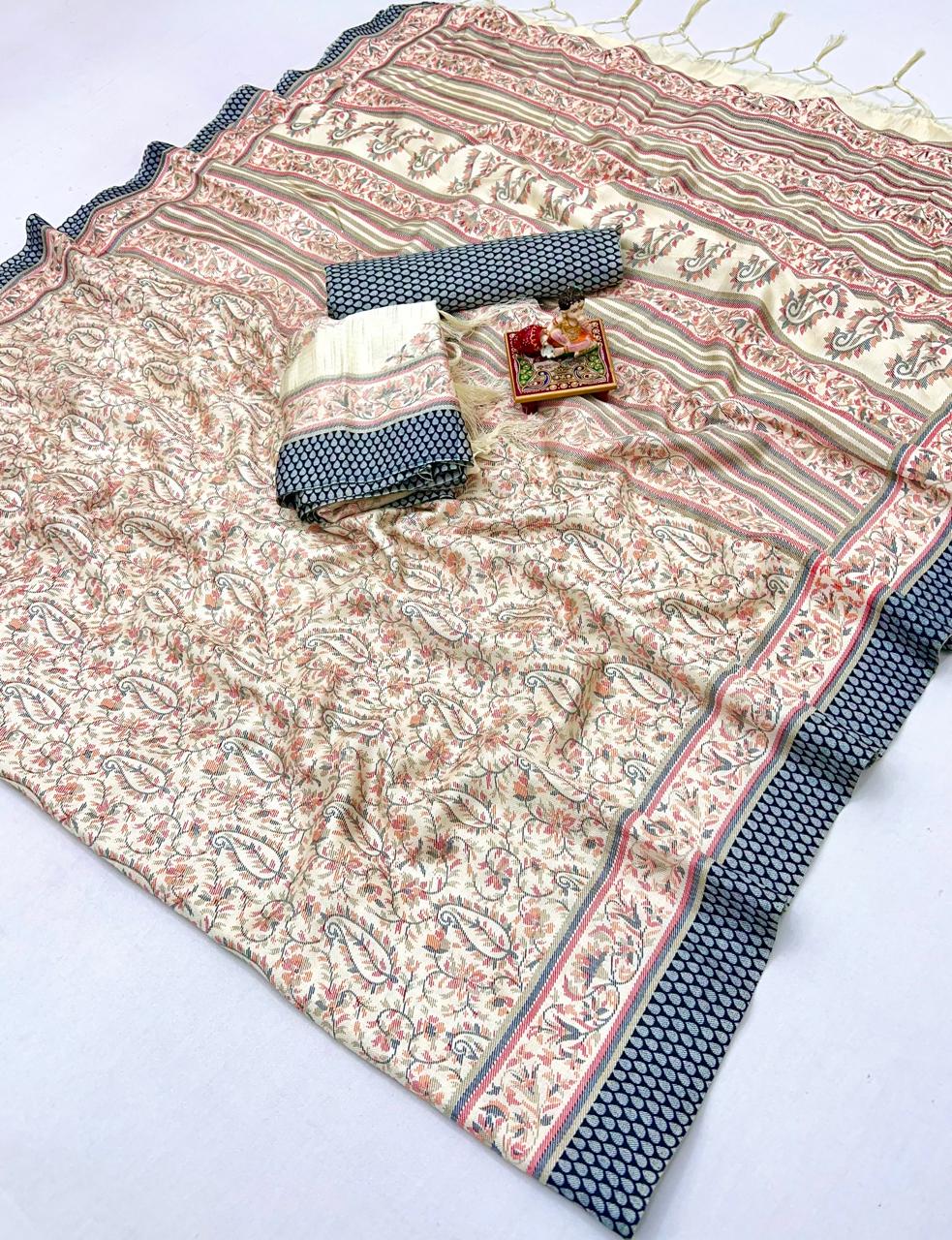
Use a clutch with a saree when the pallu, blouse or border already brings enough movement. The Designer Red Patola Print Pashmina Silk Festive Saree has a rich textile presence, so a slim metallic clutch or a solid velvet clutch can add polish without introducing a competing print. A clutch in antique gold, wine, black or warm bronze can connect with zari while remaining separate from the saree pattern.
A clutch is also effective with a gown because a long, uninterrupted silhouette benefits from an accessory with clean edges. The Royal Patola Printed Designer Gown with Elegant Dupatta can be styled with a small rectangular clutch held at the waist or slightly below the hip. Holding the clutch low prevents the clutch from obscuring the neckline or the drape of the dupatta.
Consider the direction of the outfit's visual lines. A vertical clutch echoes the length of an anarkali or gown, while a horizontal envelope clutch complements a saree pallu spread across the torso. An oval or curved clutch softens a sharply tailored kurta pant set. A box clutch is best reserved for evening events where its architectural shape won't look overly formal in daylight.
Check the closure before choosing an embellished clutch. A magnetic snap is quick but can open under pressure, while a frame clasp often gives better security for a wedding reception. A detachable chain is useful when you need to free both hands, but the chain should be removed if it rubs against zari, sequins or fine silk.
Where a Shoulder Bag Fits into Ethnic Dressing
A shoulder bag is appropriate when convenience, walking and hands-free movement are more important than strict ceremonial formality. The best shoulder bags for ethnic wear are compact, lightweight and designed with a narrow strap that doesn't overpower the outfit.
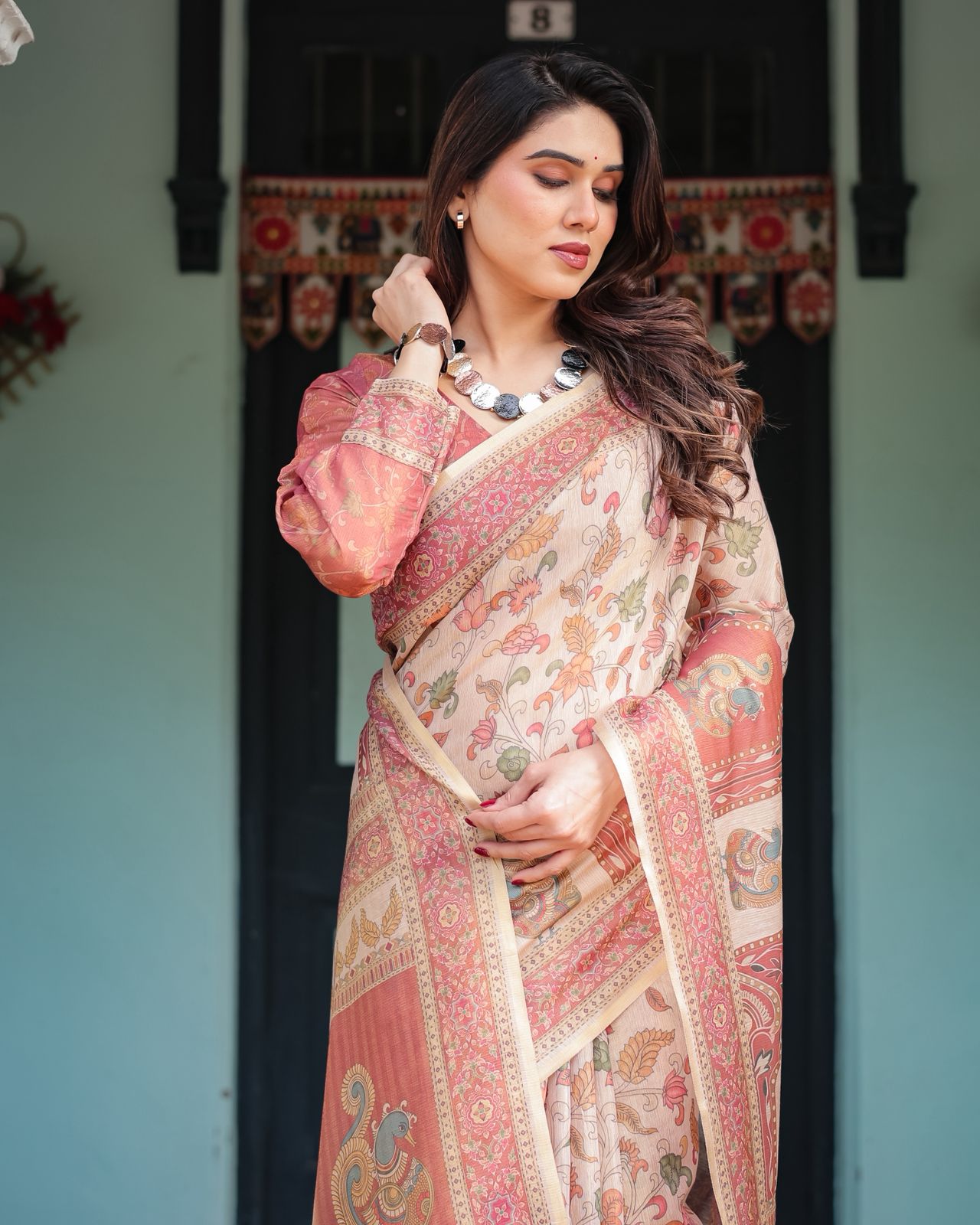
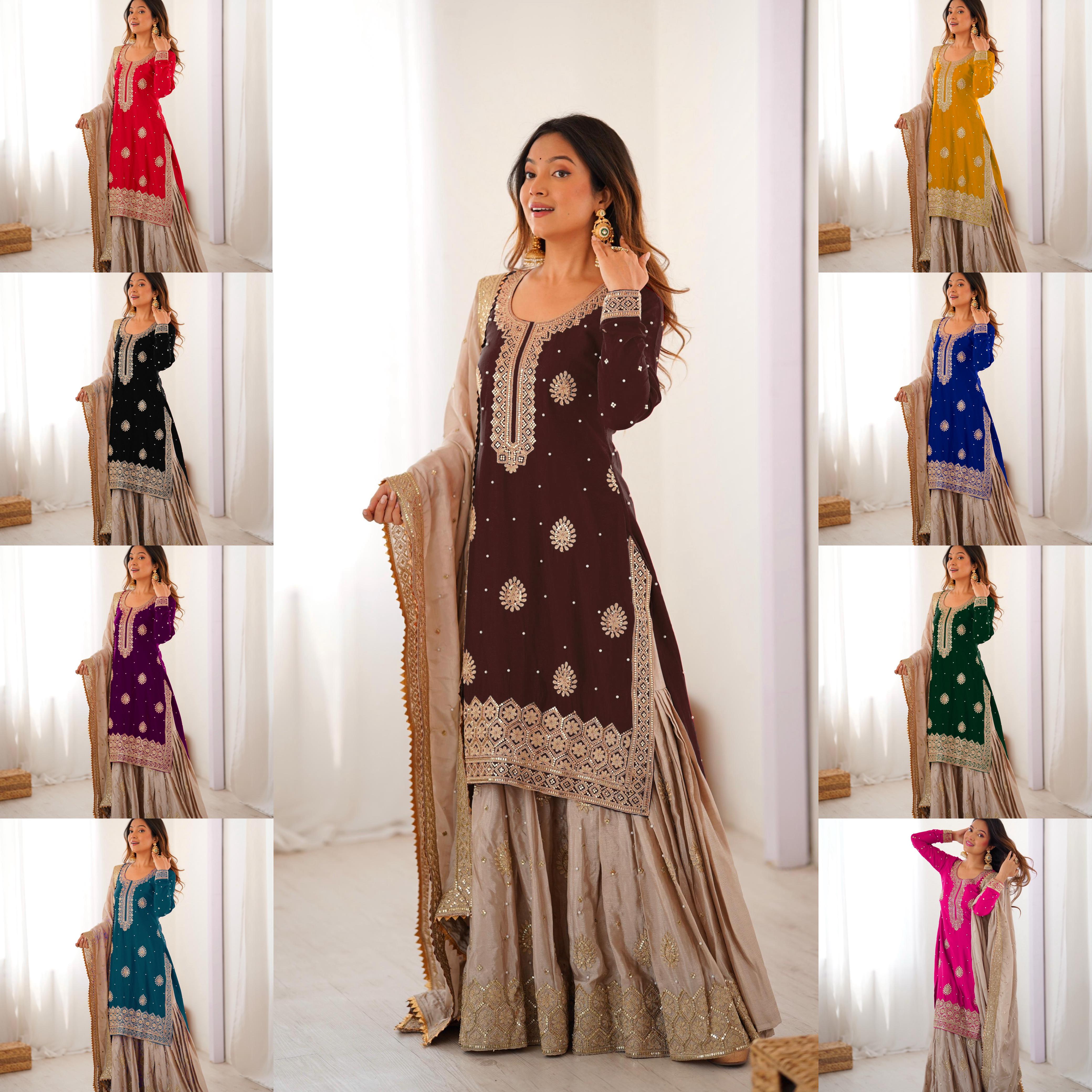
Shoulder bags are particularly practical with salwar suits, kurta pant sets, palazzo suits and simple sarees worn for daytime functions. The Mustard Chanderi Embroidered Kurta Pant Dupatta Set has a light, breathable character, so a small leather-look, woven or fabric shoulder bag can feel more natural than a crystal-covered clutch. Keep the hardware understated if the Chanderi embroidery is already visible around the neckline and dupatta.
Strap placement needs planning. Wear a shoulder bag on the side opposite a heavily embroidered shoulder, one-shoulder blouse or large brooch. A crossbody strap over a saree can press the pallu flat and create unwanted creases, so a short shoulder strap or hand-held option may be better for a formal drape.
Choose a shoulder bag with a flat base and a secure zip when the event involves travel, outdoor seating or several hours of standing. A shoulder bag that holds a phone, tissues, cash, cards, medicine and a small power bank is more useful than a decorative style that only fits lipstick. Keep the capacity moderate; an oversized tote can make a refined kurta set look more like workwear unless the setting is explicitly casual.
How Colour and Textile Should Work Together
The bag doesn't need to match the outfit exactly; the bag needs to share one controlled colour, finish or textile conversation with the outfit. Colour matching works best when the bag repeats a secondary shade rather than the most obvious colour.
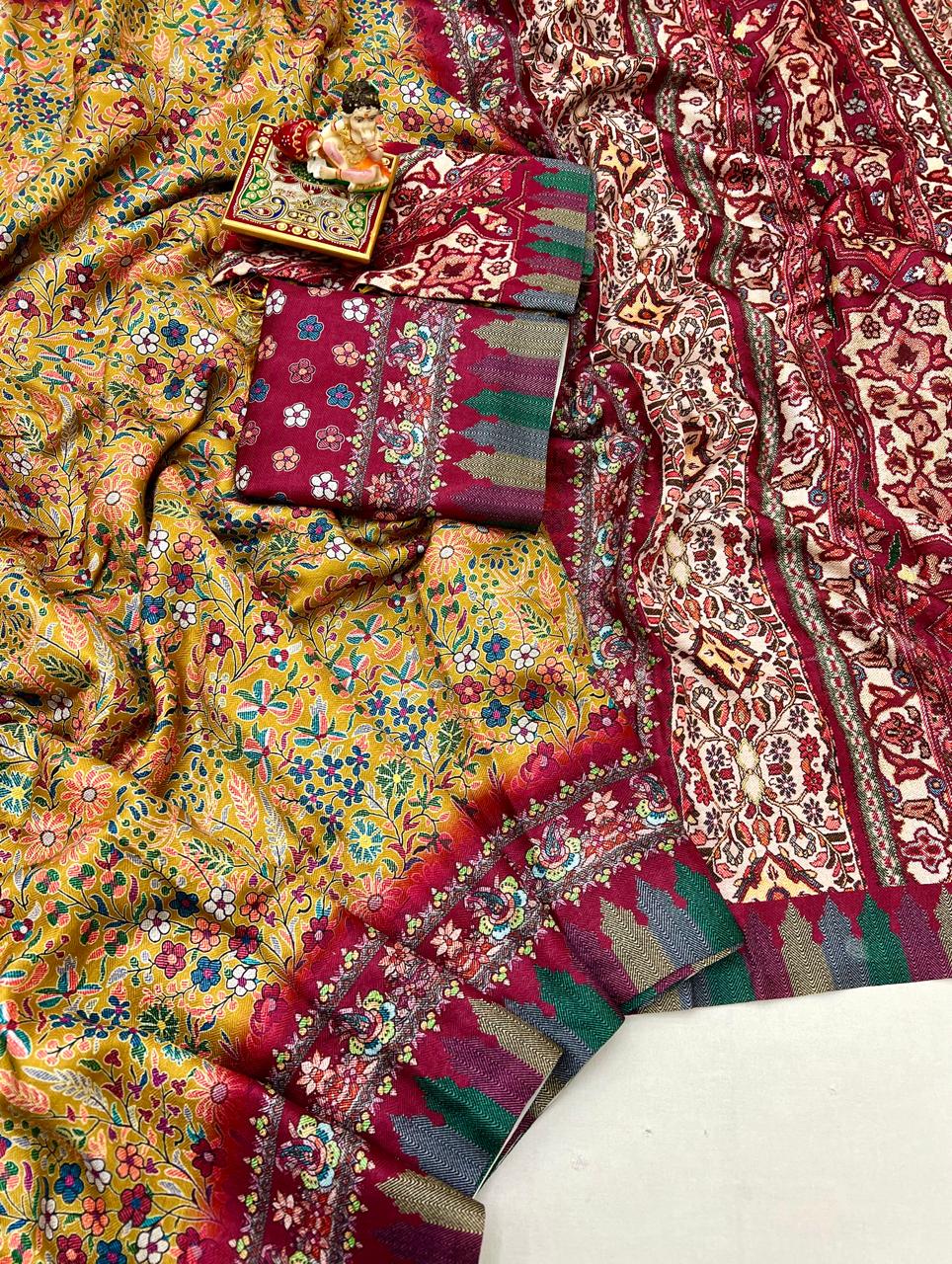
With the Elegant Mustard Dola Butti Silk Saree With Blouse, a deep teal, rust, antique gold or dark brown bag can create depth. A mustard bag would be possible, but a slightly different tone prevents the ensemble from appearing flat. Dola butti details already provide small points of shine, so a matte velvet or lightly metallic clutch may be more balanced than dense crystal embellishment.
The Heritage Peacock Patola Pashmina Silk Saree offers another useful example because peacock-inspired palettes can include blue, green, red and gold. Select one colour from the border or woven motif and repeat that colour in the bag. Avoid adding a second multicoloured pattern, since Patola weaving already supplies visual complexity.
Fabric can bridge apparently different pieces. Velvet suits winter weddings and rich silk, while satin creates a smoother evening finish. Brocade works with traditional zari but can look heavy beside airy Chanderi. Woven cotton, raw silk and embroidered fabric are more suitable for daytime ceremonies, especially when the outfit has a matte finish.
The Black Gold Jacquard Lichi Silk Saree with Rich Pallu can take a black clutch, yet a gold-edged black bag or an antique-bronze potli may connect more clearly with the jacquard texture and rich pallu. A bright silver bag could introduce a cooler, more modern contrast, but that choice should be repeated in jewellery or footwear for cohesion.
Bag Choices for Different Indian Functions
Event timing and activity should determine how formal and practical the bag needs to be. A bag for a Haldi ceremony must tolerate movement and colour transfer, while a reception bag can prioritise finish and ornament.
What should you carry to a Haldi ceremony?
A compact, washable or dark-coloured shoulder bag is usually the safest choice for a Haldi ceremony. Turmeric paste, flower petals and outdoor dust can mark pale satin, ivory velvet and heavily beaded surfaces.
Choose a zippered shoulder bag or a simple fabric potli that can be kept away from the main activity. Avoid long loose chains that can catch on seating or brush against wet colour. A phone pouch with a secure closure is often more practical than a delicate evening clutch.
What works for a wedding reception?
A structured clutch or embellished potli works best for a wedding reception because the setting usually rewards polished, decorative accessories. Match the bag's metal finish to your jewellery, using gold with warm zari and silver or crystal with cooler sequins.
The Red Floral Organza Lehenga Set with One Shoulder Blouse can support a small potli for a traditional reception, while the Designer Red Patola Print Pashmina Silk Festive Saree can take a slim clutch for a more composed evening look. Both choices keep the bag proportionate to the outfit rather than adding another oversized focal point.
What suits a daytime family function?
A medium-sized shoulder bag or an unstructured clutch is practical for a daytime family function. Daylight usually favours matte surfaces, woven textures and restrained embellishment over highly reflective crystal or mirror work.
The Royal Patola Printed Designer Gown with Elegant Dupatta may still call for a clutch at a formal lunch, while the Mustard Chanderi Embroidered Kurta Pant Dupatta Set can work with a compact shoulder bag. The difference comes from the outfit's silhouette and the amount of movement expected at the event.
A Practical Checklist Before You Leave Home
Test the bag with the complete outfit, jewellery and footwear before the event. A bag that looks suitable on its own may feel too bright, too large or difficult to hold once bangles and a dupatta are added.
- Check the essentials: Confirm that the bag fits your phone, cards, keys, lipstick, tissues and any required medication.
- Check the strap: Wear the bag for five minutes to see whether the strap slips, catches on zari or presses the pallu.
- Check the weight: Heavy metal hardware and dense beadwork can become uncomfortable during a four-hour wedding function.
- Check the finish: Match warm gold, antique gold, silver or gunmetal details with the dominant finish in your jewellery.
- Check the proportion: Hold the bag at the intended position and photograph the full outfit. A mirror may hide how the bag changes the silhouette.
- Check the security: Test the zip, clasp, drawstring and detachable chain before leaving home.
For most formal ethnic outfits, one decorative idea is enough. If the saree has a rich zari pallu, the blouse has embroidery and the earrings are large, choose a simpler bag. If the outfit is plain or minimally woven, an embroidered potli or jewelled clutch can become the deliberate focal point.
The most successful choice balances three things: visual proportion, event suitability and everyday usefulness. A potli brings softness and tradition, a clutch gives structure and a shoulder bag gives freedom of movement. Once those roles are clear, matching the bag to the ethnic outfit becomes a styling decision grounded in shape, material and real-life comfort rather than guesswork.
Common Questions About Choosing Bags for Indian Ethnic Outfits
Which bag is best with a lehenga: a potli or a clutch?
A potli is usually best with a traditional or heavily embellished lehenga because its rounded shape complements volume and festive detailing. Choose a clutch when the lehenga has a sleek, modern silhouette or when you want a sharper evening finish.
Can I carry a shoulder bag with a saree?
You can carry a shoulder bag with a saree, especially for daytime events or functions involving travel and movement. Select a compact style, use a short strap where possible and position the bag away from heavy embroidery or a fragile pallu.
What colour bag goes with a Patola saree?
A solid bag in one secondary Patola colour usually works better than another printed accessory. Antique gold, deep red, bottle green, navy or black can complement Patola silk, depending on the border and jewellery.
Is a clutch practical for a wedding reception?
A clutch is practical for a wedding reception if it fits your phone, cards, keys and lipstick and has a secure clasp or zip. A detachable chain can provide hands-free convenience during dinner, photographs or dancing.
What bag should I take to a Haldi ceremony?
A compact zippered shoulder bag or washable fabric potli is the safest choice for a Haldi ceremony. Avoid pale satin, delicate velvet and loose chains because turmeric, petals and outdoor movement can stain or damage them.
How big should an ethnic occasion bag be?
An ethnic occasion bag should generally be large enough for a phone, cards, keys, tissues, lipstick and essential medication without becoming bulky. A potli or clutch measuring roughly 15 to 20 centimetres is often sufficient for formal events, while a shoulder bag may need slightly more capacity for daytime use.


