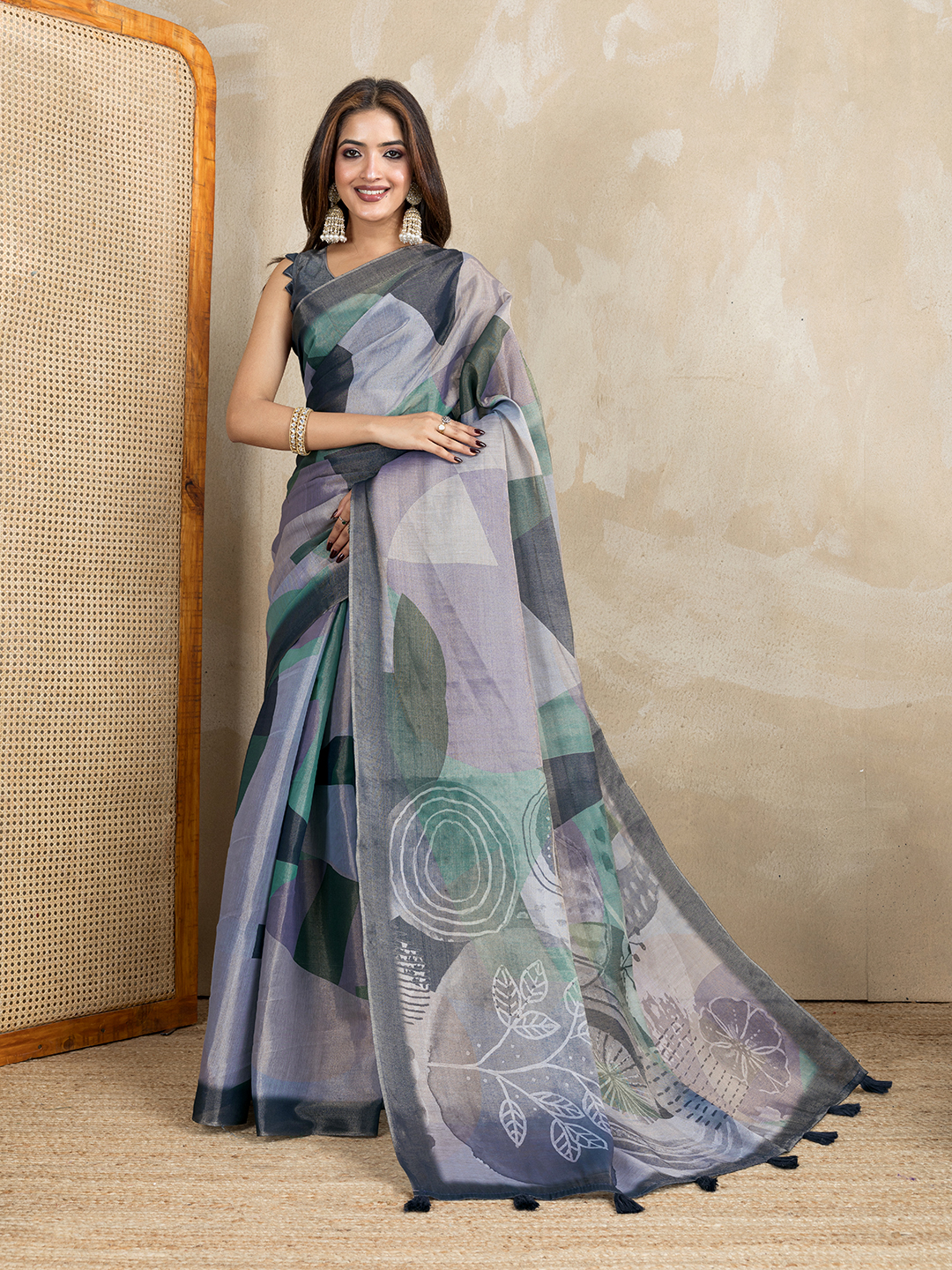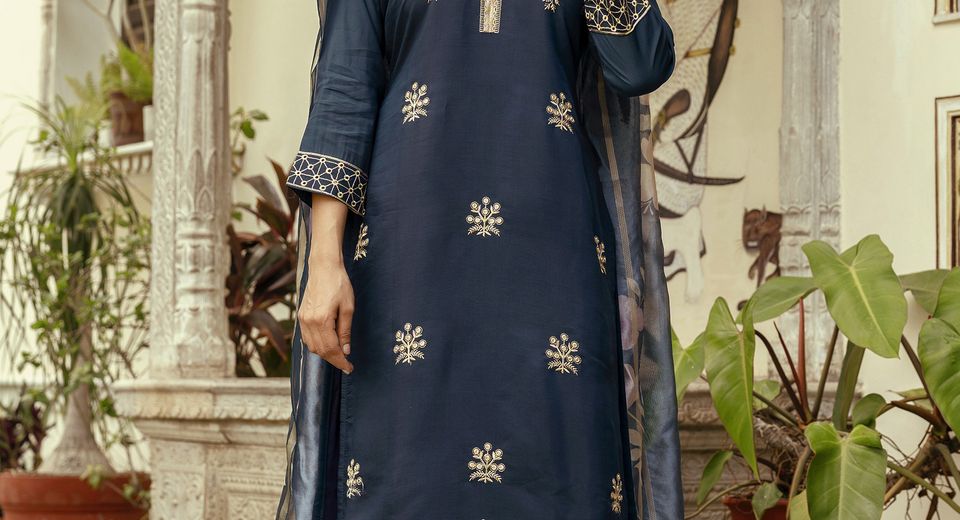
Long Kameez Styles Need More Walking Ease Than Short Kurtas because unnecessary length changes how fabric moves around the knees, ankles and trouser opening. A short kurta normally clears the thighs and knees, while a long kameez can catch between the legs, restrict a long stride or pull across the side seams. The right salwar suit therefore needs more than a flattering hemline: it needs a planned relationship between kameez length, side slits, bottom width, fabric weight and footwear.
Walking comfort matters during weddings, family gatherings, office commutes and festive visits where standing, climbing stairs and sitting on low seating are unavoidable. A well-fitted long kameez should let you take a normal stride without lifting the front hem or holding the side seams. The following checks help you judge movement before choosing a long straight kurta, A-line kurti set or flowing occasion suit.
Why Long Kameez Styles Need More Walking Ease Than Short Kurtas
Long kameez styles need more walking ease than short kurtas because a longer hem travels farther with every step and can interfere with the knees or trouser legs. A short kurta ends above or near the knee, so the lower body has greater freedom to move forward. A long kameez that ends at the calf or ankle needs additional room through the lower side seams to create a comfortable stride.
Length alone doesn't determine mobility. A narrow straight kameez with a small slit may feel more restrictive than a longer A-line kameez with generous flare. A stiff jacquard or densely woven fabric may also need more ease than a soft cotton with natural drape. The useful question isn't simply whether a kameez is long; the useful question is whether the cut gives the legs enough space at the point where the body bends and advances.
Walking ease becomes especially important when the kameez is worn with narrow cigarette pants, churidar-style bottoms or fitted leggings. A slim bottom can reduce the space available below the hem, even when the kameez itself has side slits. A palazzo or relaxed pant offers more room, but excessive width can also catch under the hem if the kameez falls over the ankle.
How to Check Kameez Length Before Buying
The safest kameez length leaves the hem clear of the shoe and gives the knees enough room to move without pulling the front panel. Measure from the highest shoulder point to the intended hem, then compare that measurement with your height, footwear and chosen bottom rather than relying only on labels such as long or full length.
Use the hem-to-foot relationship
A calf-length kameez should generally end several centimetres above the ankle bone when paired with straight pants. A near-ankle hem requires greater care because even a small length difference can cause the fabric to brush the floor or sit on the shoe. A long kameez worn with flats may need to be shorter than the same kameez worn with a modest heel.
Stand upright in the footwear you expect to wear and check whether the front hem clears the toes when you take a full step. Walk at a normal pace for at least ten steps. If you instinctively gather the fabric, shorten your stride or pull the kameez away from the knees, the design needs more walking ease or a different bottom.
Compare hem shape, not just hem length
A straight hem distributes fabric evenly around the body, while a rounded or high-low hem can create more front clearance. An A-line hem gradually widens from the waist and often allows smoother movement than a narrow straight cut. Anarkali-style flare can offer excellent stride room, but a heavy flare may require a lighter lining and secure footwear to prevent tripping.
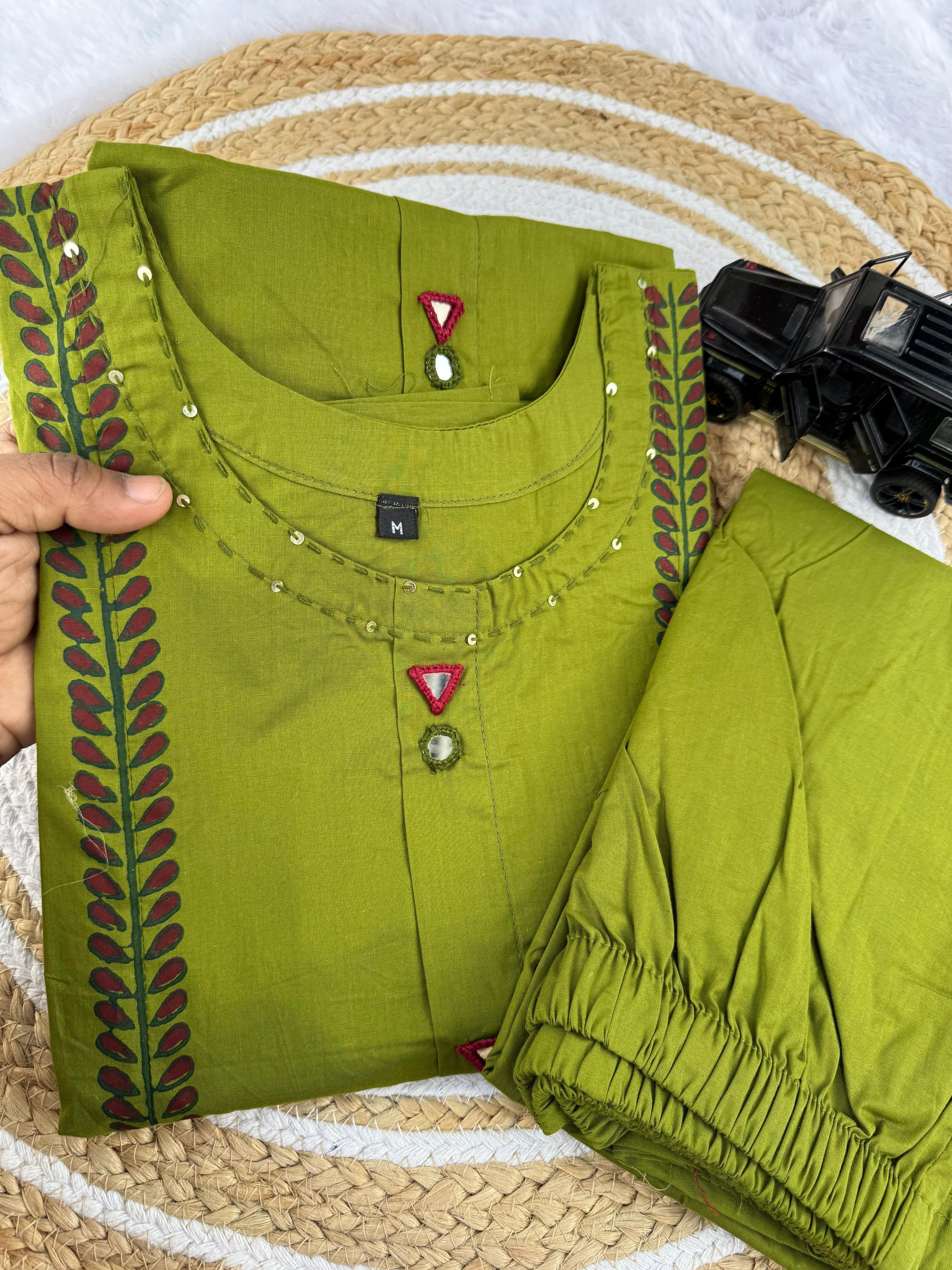
The Designer Cotton A-Line Kurti Pant Set with Mirror Work demonstrates why silhouette and movement should be considered together. Cotton can feel comfortable for active wear, while an A-line shape provides more lower-body room than a closely tapered long kurta. A buyer should still check the actual hem position and pant width because individual proportions determine the final fit.
Which Side-Slit Details Improve Walking Comfort?
Long kameez side slits improve walking comfort when they open around the knee or slightly above it and continue high enough to release fabric during a normal stride. A slit that begins too low leaves the knees trapped inside a narrow tube, while a slit that begins too high can expose the hip or require extra lining for coverage.
Side-slit height should match the kameez shape. A straight kameez usually benefits from deeper side openings because the cut has little built-in flare. An A-line kameez may need smaller slits because the flare already supplies movement. A long, heavily embroidered kameez may also need reinforced slit edges so repeated walking doesn't strain the seam.
Check whether the slit opens smoothly when you step forward and sideways. The slit should not pull the front panel into a sharp diagonal or expose the trouser waistband. Sit on a chair after walking, because a slit that feels comfortable while standing may pull across the thighs when the knees bend.
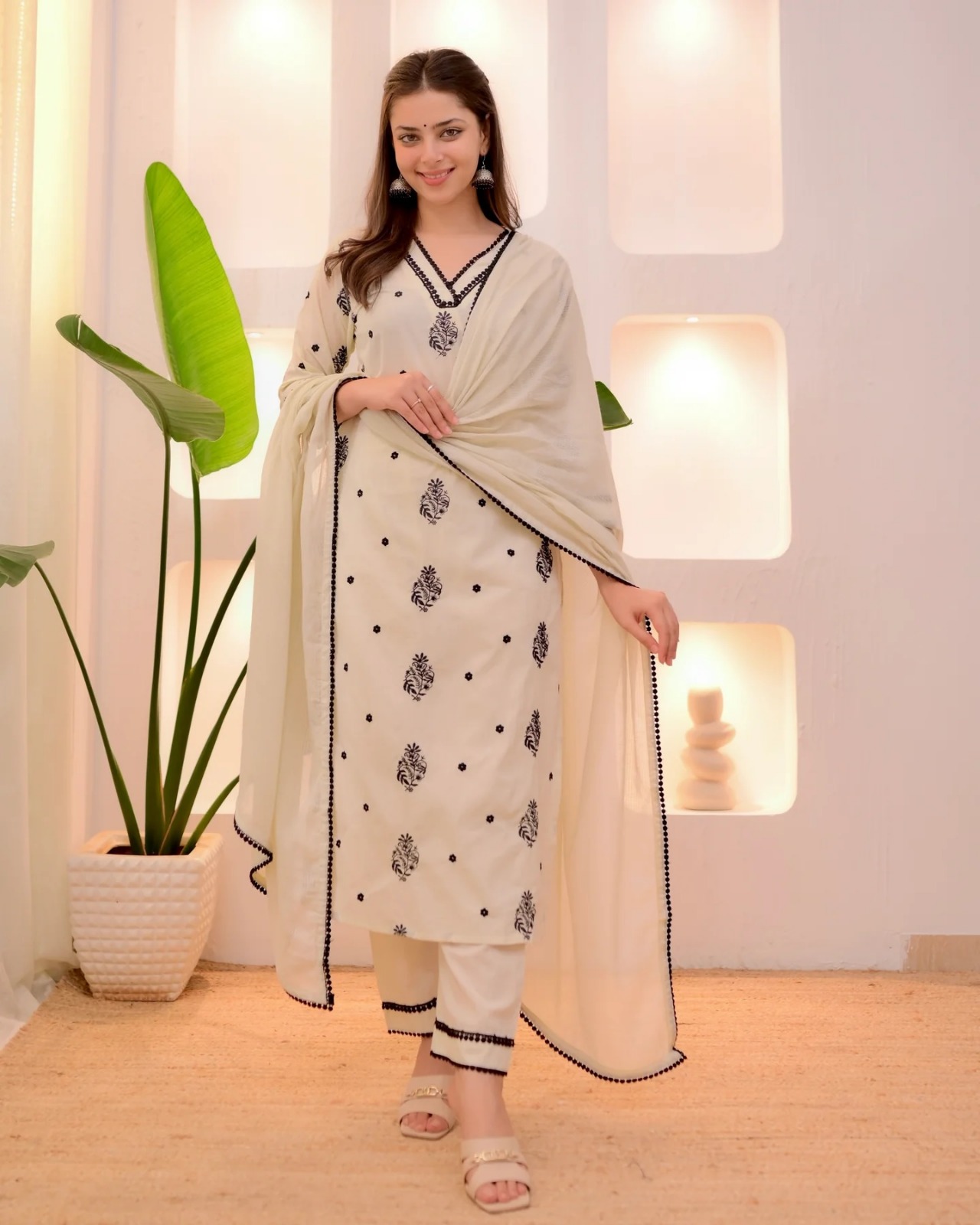
The Cream Embroidered Silk Kurti Pant with Designer Dupatta is an example of why embellishment and mobility must be assessed together. Silk-like surfaces and embroidery can add structure or weight near the hem. A wearer should look for clean side-seam finishing and enough opening to prevent decorative fabric from dragging against the legs during movement.
How Fabric and Weave Change the Stride
Fabric weight, stiffness and surface friction determine how easily a long kameez follows the legs. Lightweight cotton, soft blended fabric and fluid materials generally move with the body, while dense jacquard, heavy zari work and layered silk can resist a quick stride or swing more slowly around the ankles.
Cotton for repeated movement
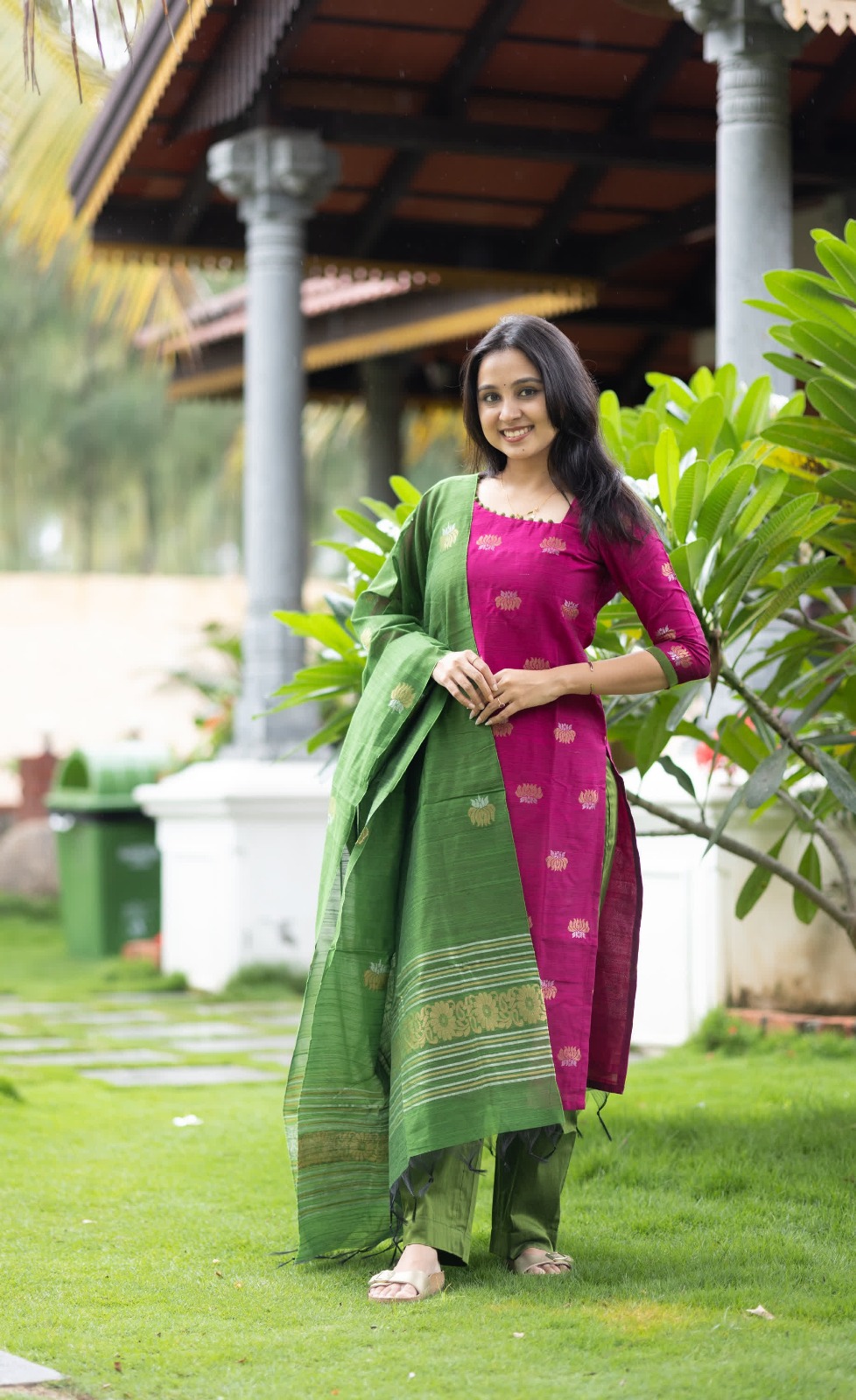
Cotton suits are practical when walking, commuting or attending a daytime gathering because breathable fibres and moderate structure can reduce cling. The Teal Cotton A-Line Kurti Pant Set with Handwork combines a movement-friendly A-line idea with surface decoration, but handwork still deserves a weight check near the chest and hem.
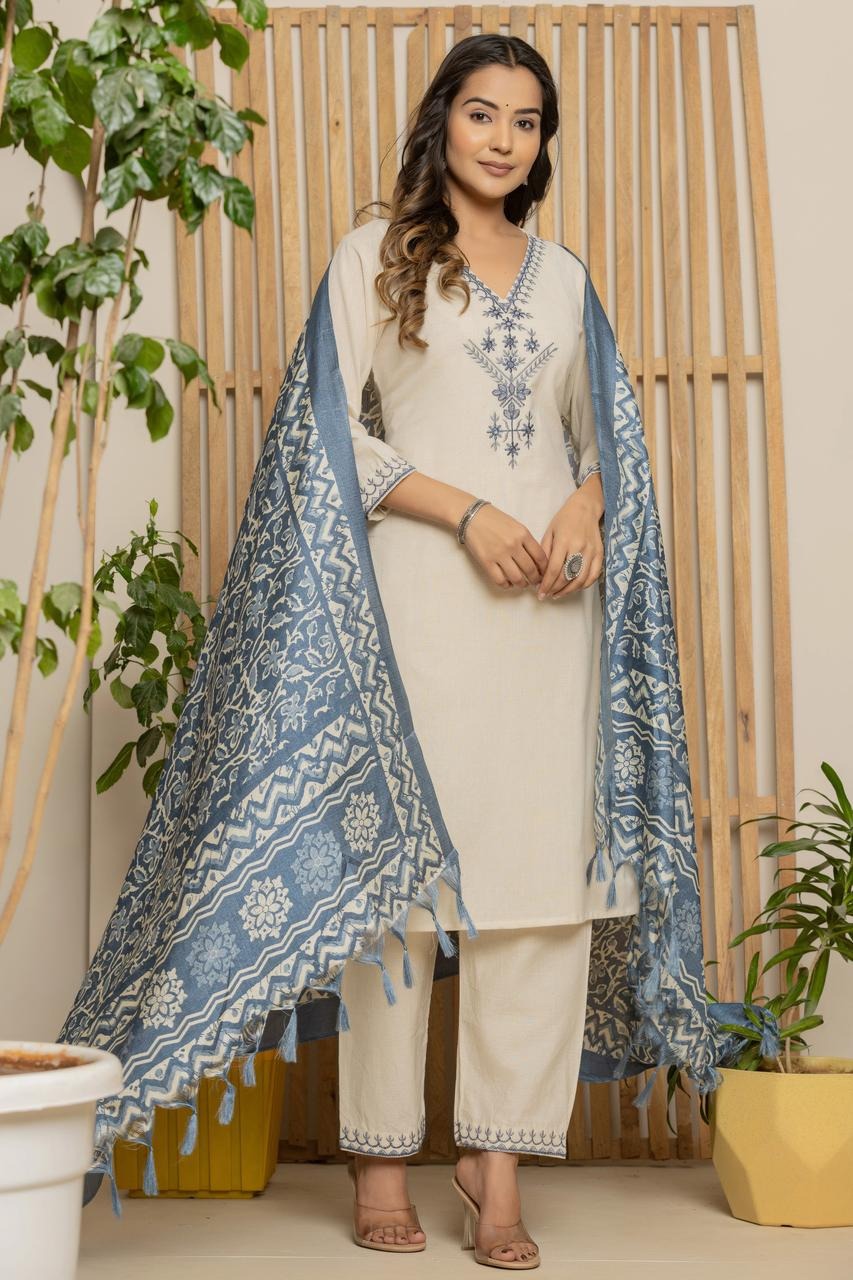
The Cream Khadi Cotton Straight Kurta Set with Dupatta may suit a wearer who prefers a more structured cotton appearance. Khadi cotton can have a textured hand and visible body, so the wearer should confirm that the straight cut doesn't become tight at the knees. A slightly wider pant or a well-placed side slit can balance the fabric's structure.
Woven fabrics for festive dressing
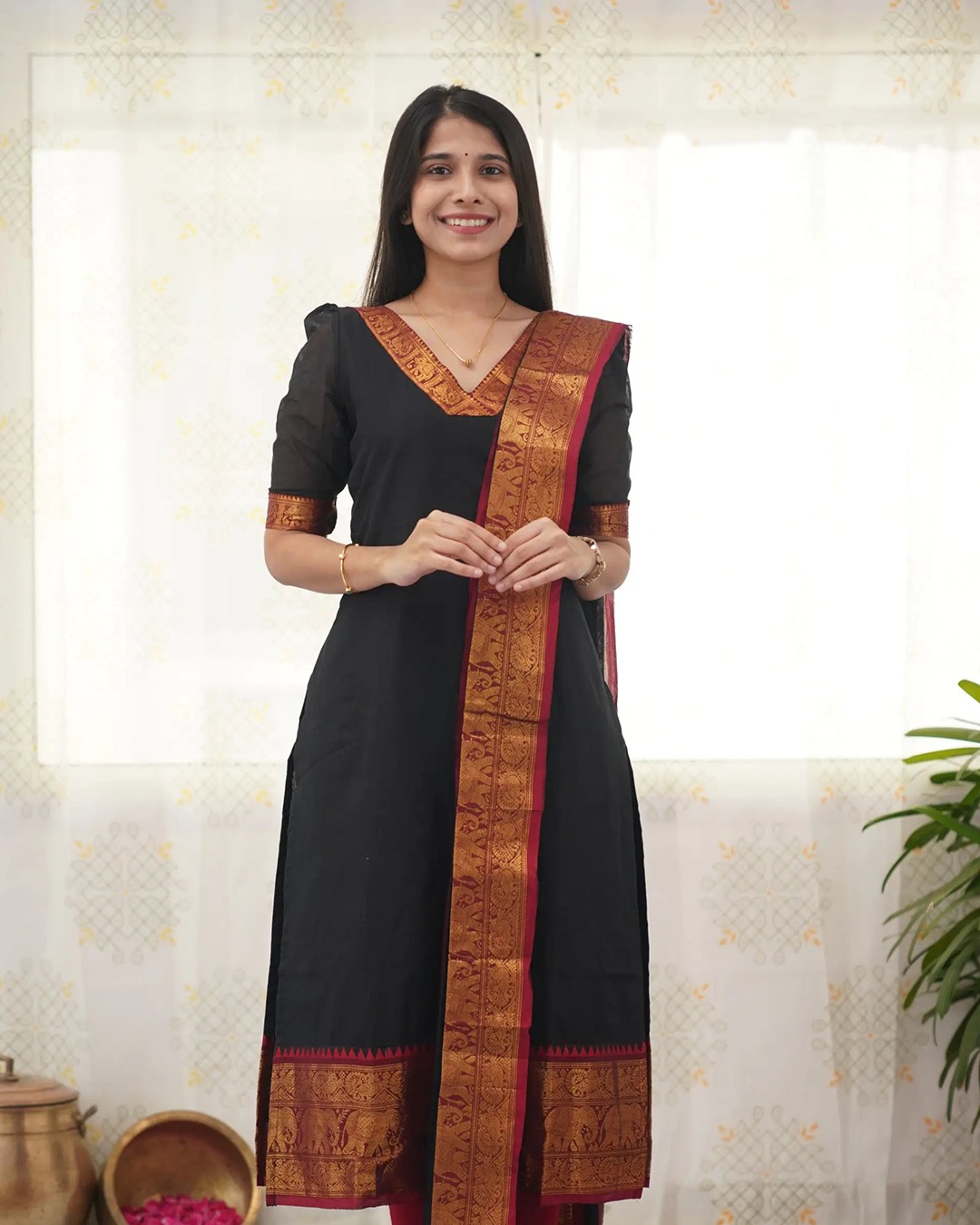
Woven textiles can look polished without being difficult to wear, but the weave affects swing and bulk. The Black Jacquard Woven Kanchi Cotton Kurti Set may feel more substantial than a light everyday cotton set because jacquard and woven motifs can add body. A wearer should pair a structured long kameez with enough lower opening rather than depending on stretch.
The Kanchi Cotton Zari Woven Kurti Set with Traditional Dupatta brings zari and a traditional woven character into the fit decision. Zari can increase visual and physical weight, particularly when concentrated around the hem or front panel. The most comfortable styling choice is usually a walking-friendly bottom and footwear that doesn't require hurried steps.
Silk and embellished surfaces
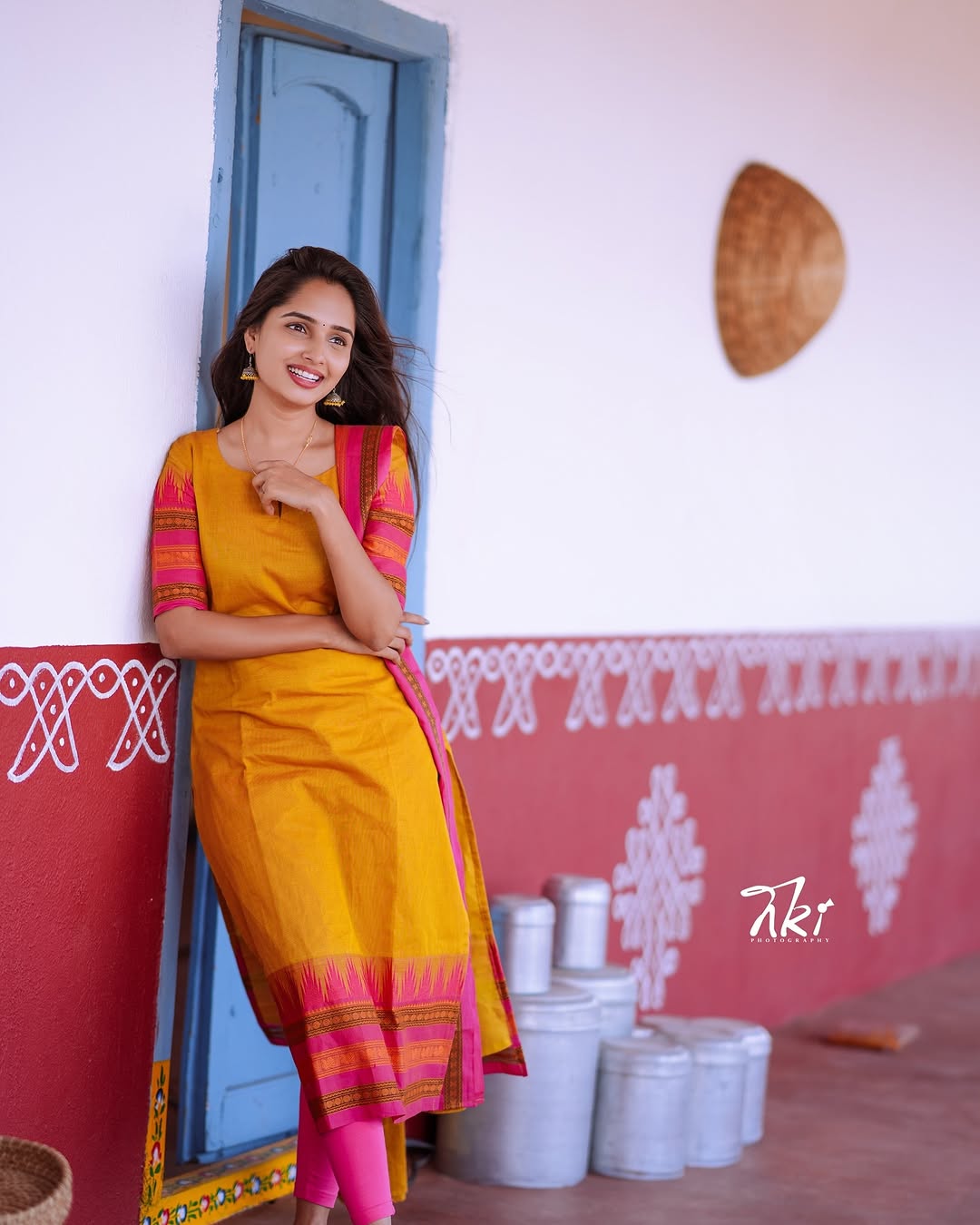
Silk, embroidery and rich weaving deserve a movement test because glossy or decorated surfaces can be less forgiving when caught between the legs. The Mustard Designer Kurti Dupatta Set with Rich Weaving illustrates how a visually rich weave may need deliberate styling: keep the hem clear of the floor, avoid an overly narrow bottom and secure the dupatta away from the feet.
Which Bottoms Give a Long Kameez the Most Room?
Relaxed straight pants and moderately wide palazzos usually give a long kameez the most practical walking room, provided the kameez hem doesn't cover the entire shoe. Fitted pants can work with a flared kameez, but they offer less forgiveness when the upper garment is narrow or heavily structured.

Use a simple proportion rule: a narrow kameez needs a bottom that doesn't further restrict the legs, while a voluminous kameez needs a bottom that won't bunch under the hem. Straight pants are versatile because they preserve a clean line without wrapping tightly around the calves. A moderate palazzo creates excellent stride room but should be hemmed high enough to avoid stepping on the fabric.
Churidar-style bottoms can look elegant with a shorter or flared kameez, yet the gathered ankle area can complicate movement under a long straight silhouette. Leggings create the cleanest outline but are best reserved for kameez cuts that open adequately at the sides. Salwar bottoms offer volume around the hips and thighs, although gathered fabric must not become trapped beneath a narrow hem.
The Royal Orange Kurti Pant Set gives an useful example of coordinated dressing: the pant is selected as part of the silhouette rather than as an afterthought. When evaluating any kurti pant set, take the stride test in the complete outfit, because a comfortable kameez can still feel restrictive if the trouser rise, thigh width or ankle opening is too narrow.
How to Choose a Long Kameez for Different Indian Occasions
The right walking ease depends on how much movement the occasion requires. A seated dinner, crowded wedding venue and daytime ceremony each demand a different balance between decoration, structure and freedom through the legs.
For Haldi ceremony and daytime functions
A Haldi ceremony usually benefits from breathable fabric, a secure hem and enough room for frequent walking between guests, seating areas and food counters. Cotton A-line sets and lighter straight kurta sets are practical choices because they can handle repeated movement without excessive weight. Avoid a floor-skimming hem when turmeric, outdoor dust or uneven ground is likely.
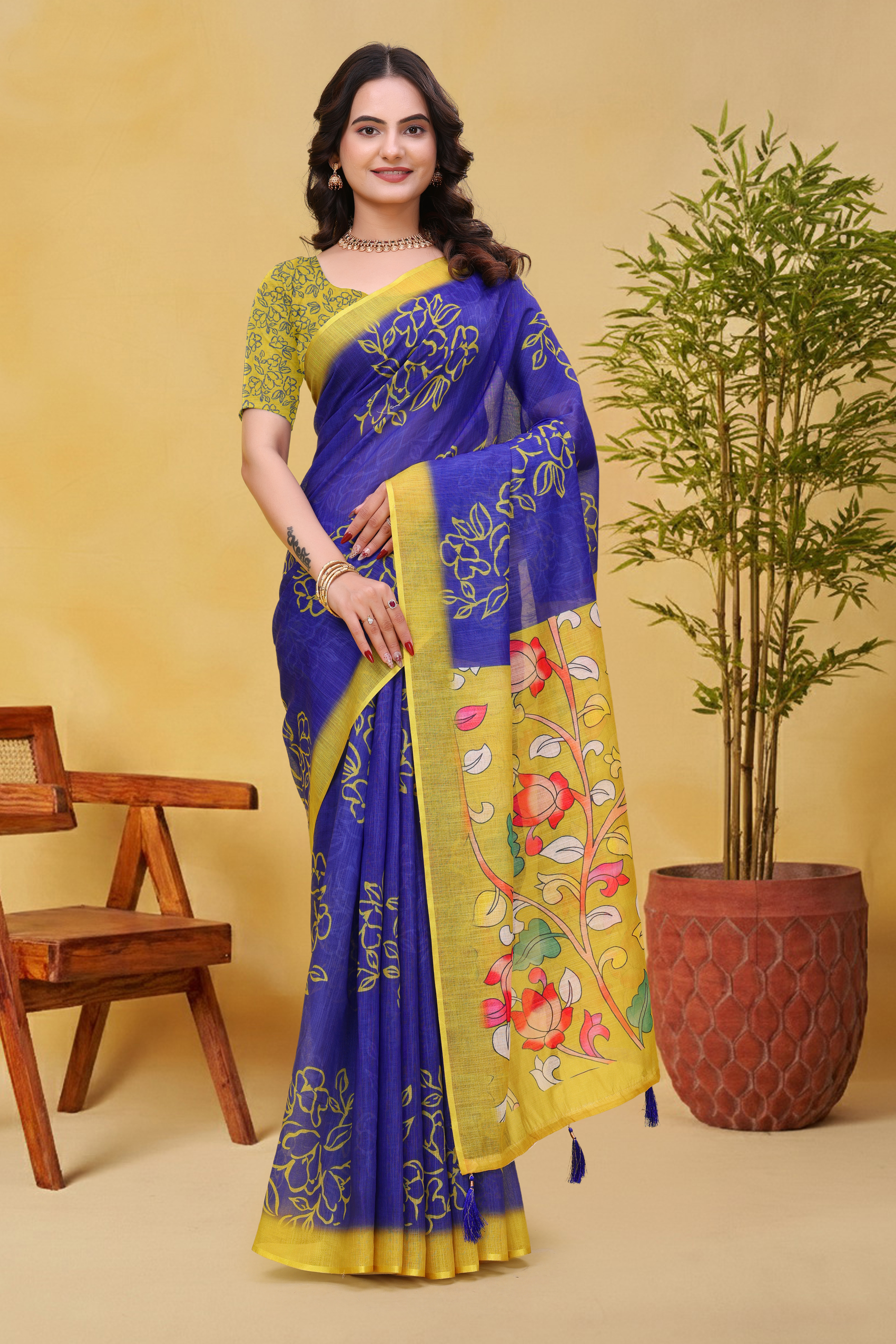
The Kalamkari Print Salwar Suits collection can suit a daytime setting when the chosen silhouette has a clear hem and breathable construction. Kalamkari-inspired prints create visual interest without requiring a heavy embellished surface, but movement still depends on the individual cut, slit height and bottom.
For weddings and festive gatherings
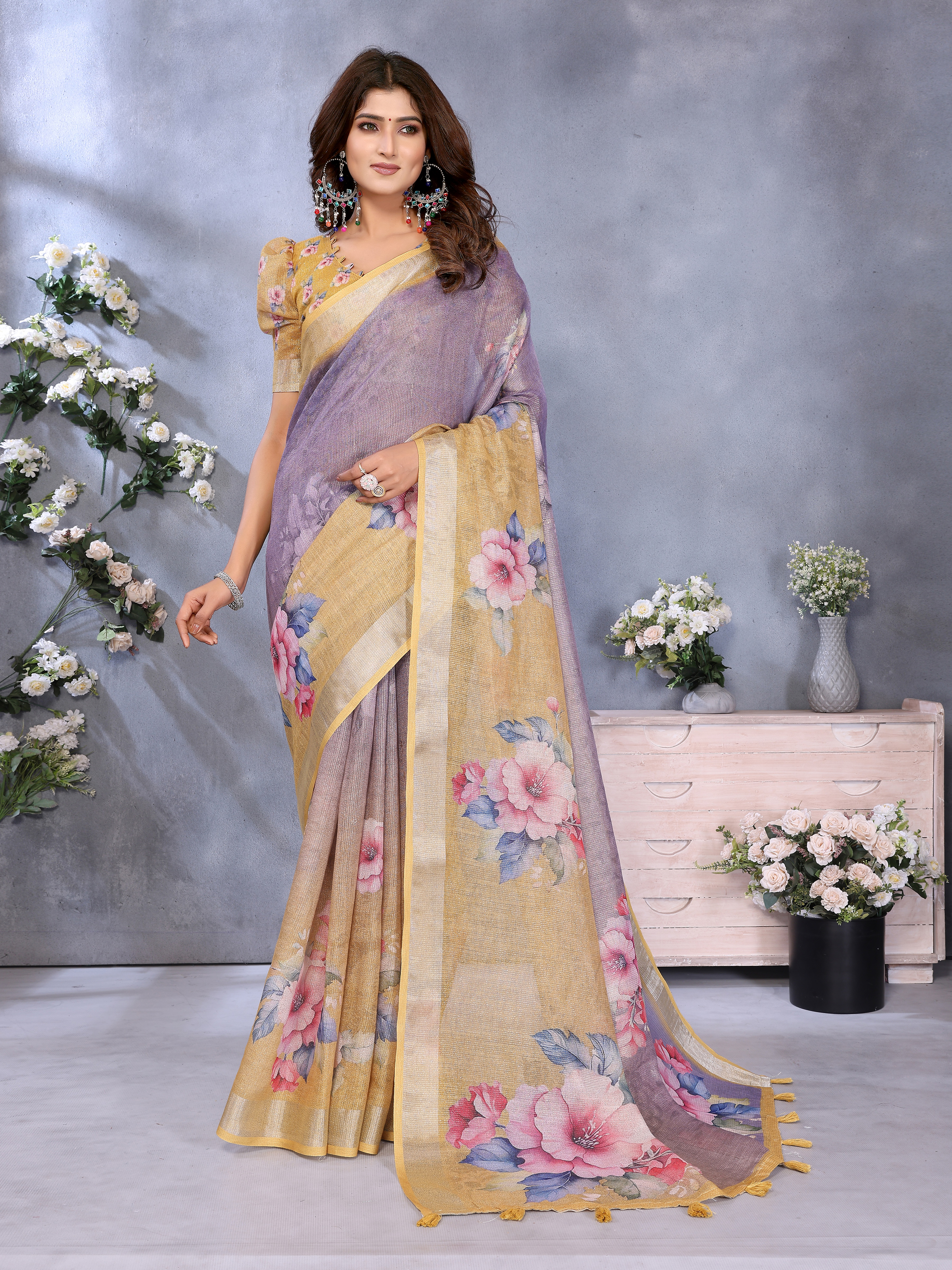
Wedding dressing can support more structure and ornament, but the outfit should still allow stair climbing, greeting guests and sitting comfortably. The Maharashtra Paithani Inspired Salwar Suits collection and Gujarat Bandhej Salwar Suits collection suggest festive textile directions; both should be judged by actual fabric weight and construction rather than by colour or motif alone.
A rich dupatta should not be allowed to trail near the feet. Pin one shoulder securely, keep the opposite end away from the front hem and test sitting before leaving home. A long kameez with a heavy dupatta may need simpler bottoms so the complete outfit doesn't become bulky around the ankles.
For cultural and regional styling
Regional references don't determine comfort by themselves; the cut and finishing determine comfort. Odisha Sambalpuri Salwar Suits can be styled for movement when the fabric, hem and bottom are proportionate. Punjab Patiala Salwar Suits naturally offer room through the salwar, but a long kameez should still have enough side opening to prevent the gathered bottom from catching beneath it.
A Practical Movement Test Before You Keep the Suit
A five-minute movement test reveals more about a long kameez than a mirror check alone. Wear the intended footwear and dupatta, then walk, turn, sit, climb one step and raise one knee gently. These actions expose problems at the hem, side slits, trouser rise and shoulder seams.
Take ten ordinary steps and confirm that the front hem doesn't touch the toes or require lifting.
Take one longer stride with each leg and check whether the side seams pull across the thighs.
Sit on a chair and verify that the back hem doesn't bunch sharply or drag against the seat.
Turn around and walk sideways to test whether the dupatta, flare or palazzo catches under the shoe.
Raise one knee slightly, as you would on stairs, and check whether the trouser fabric and kameez opening allow the motion.
Minor alterations can improve a good garment. A tailor may adjust the hem, deepen a side slit within a modest coverage limit, widen the trouser opening or shorten a lining that catches at the knees. Alterations can't always solve a fundamentally narrow cut, so movement testing should happen before removing tags or committing to permanent changes.
Comfort also depends on care after purchase. Follow the garment's stated wash instructions, avoid hanging a wet embellished kameez by a narrow shoulder seam and store heavy dupattas so their weight doesn't distort the neckline. A stretched shoulder or warped hem can reduce walking ease even when the original fit was correct.
The Final Fit Rule for Long Kameez Dressing
The best long kameez fit gives the wearer a natural stride, a clear hem, controlled fabric around the ankles and enough room to sit without pulling. A flattering silhouette should support movement rather than make every step feel like a careful adjustment.
Compare the kameez length with the slit height, fabric weight and bottom shape as one system. A soft cotton A-line suit may need only a moderate slit, while a straight jacquard or zari-woven suit may need more release at the sides. A long embellished kameez can remain comfortable when the hem is safely raised, the trousers are proportionate and the dupatta is secured.
Long Kameez Styles Need More Walking Ease Than Short Kurtas is therefore an useful buying principle, not a rule against longer silhouettes. Long salwar suits can be graceful and practical when the cut respects the body's stride. Checking five details-length, slit, fabric, bottom and footwear-turns a visual purchase into a more reliable fit decision.
Common Questions About Walking Comfort in Long Kameez Suits
How long should a kameez be for comfortable walking?
A kameez should end clear of the shoe and leave the knees free during a normal stride. The exact length depends on height, footwear, hem shape and bottom style, so walk several steps in the intended shoes before deciding.
Are long straight kurtas difficult to walk in?
Long straight kurtas can be comfortable when the side slits open around the knee and the lower cut is not too narrow. A slim trouser, stiff fabric or low slit can make the same length feel restrictive.
Which is easier to walk in, an A-line or straight kameez?
An A-line kameez usually offers easier movement because the hem widens away from the legs. A straight kameez can also walk well when it has suitable side slits and enough room through the hips and thighs.
Do side slits make a long kameez more comfortable?
Side slits usually improve walking comfort by releasing fabric near the knees and thighs. Slit height must still provide adequate coverage and should be tested while walking, sitting and climbing stairs.
Which fabric is most comfortable for a long salwar suit?
Light or medium-weight cotton is often comfortable for long salwar suits because it breathes and moves predictably. Jacquard, zari-woven cotton, silk and heavy embroidery can also work when the cut provides extra movement and the hem is not too low.
Can a long kameez be worn with palazzo pants?
A long kameez can be worn with palazzo pants when the hem and palazzo length are carefully balanced. The palazzo should provide stride room without bunching under the kameez or touching the floor.