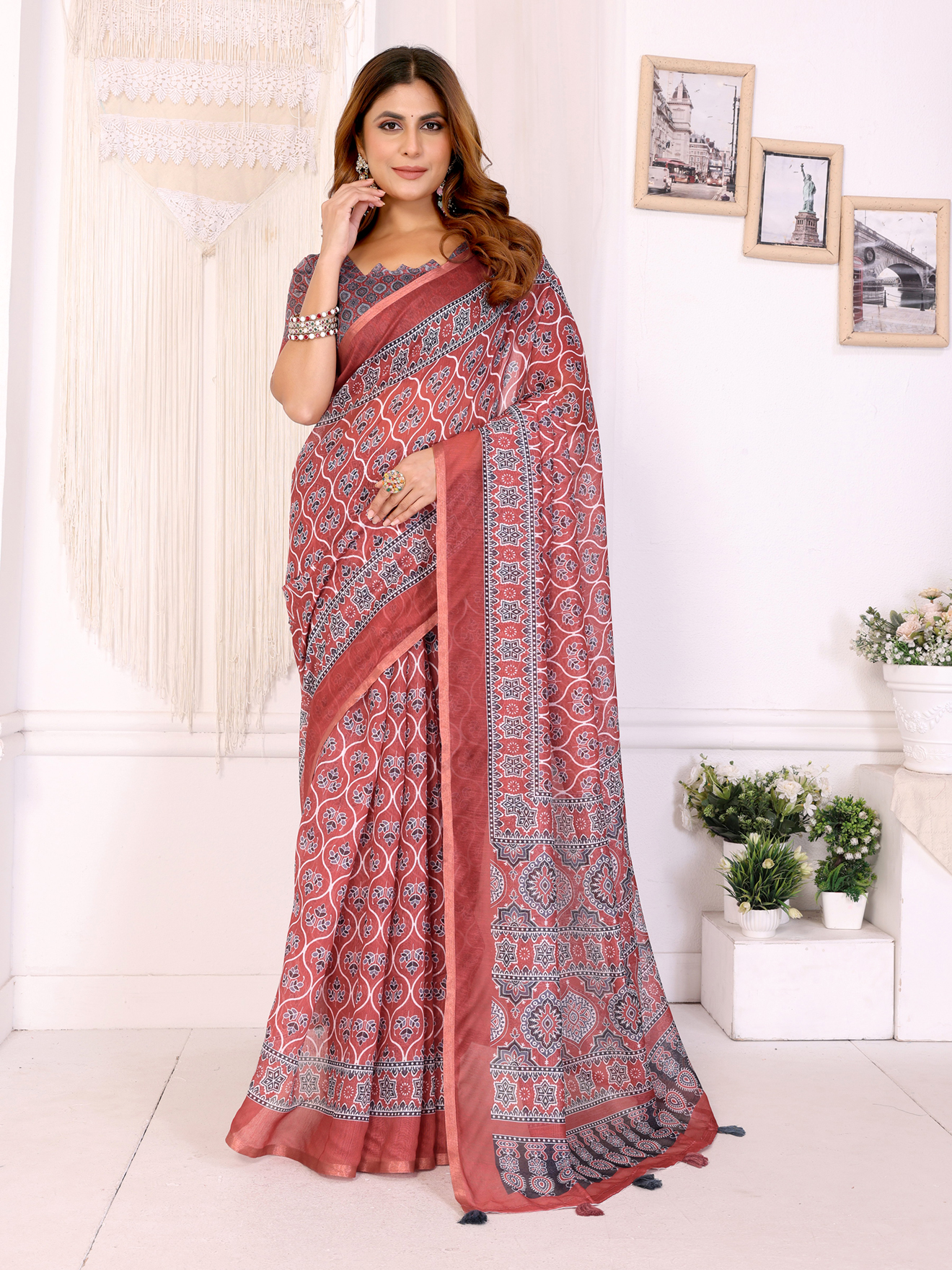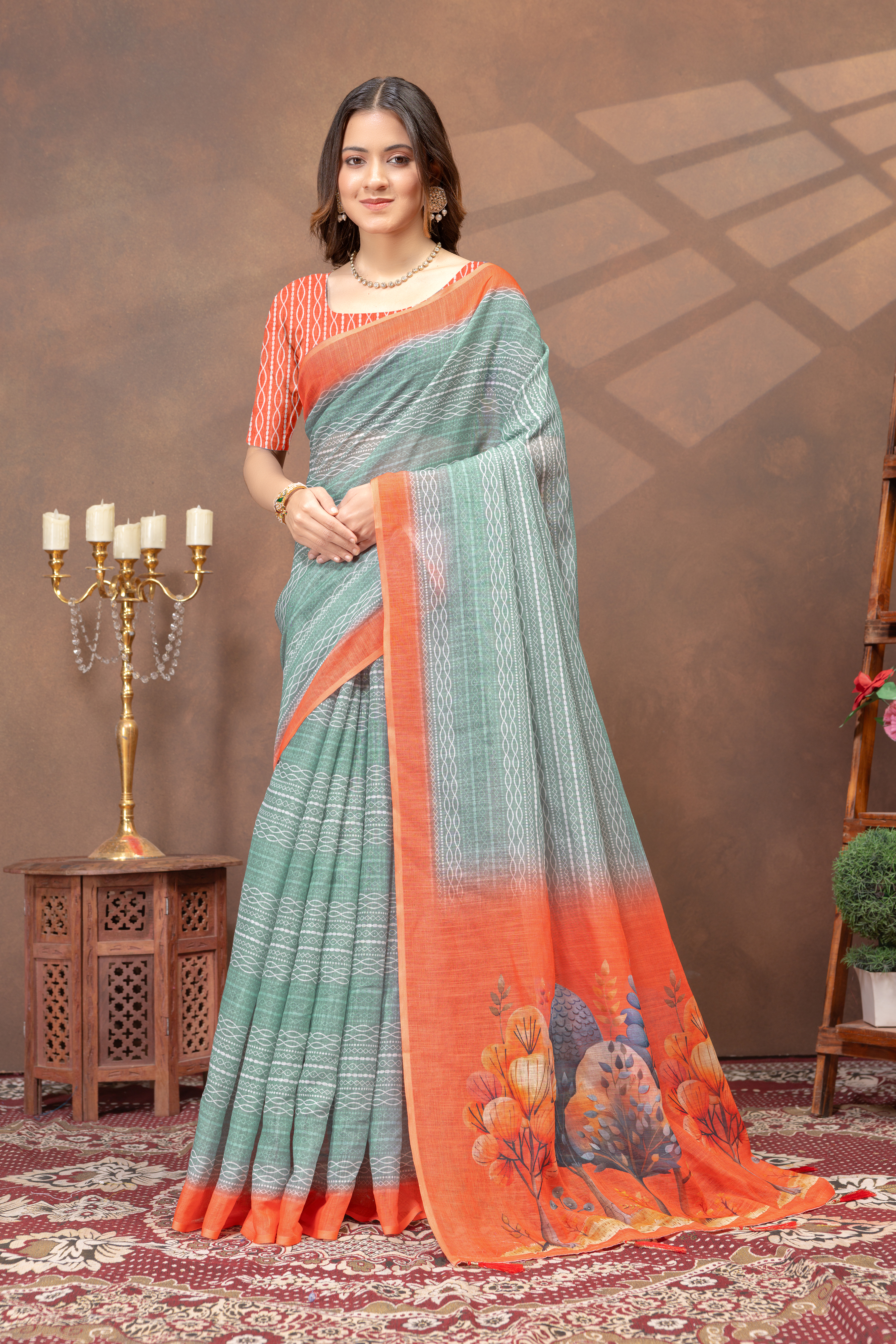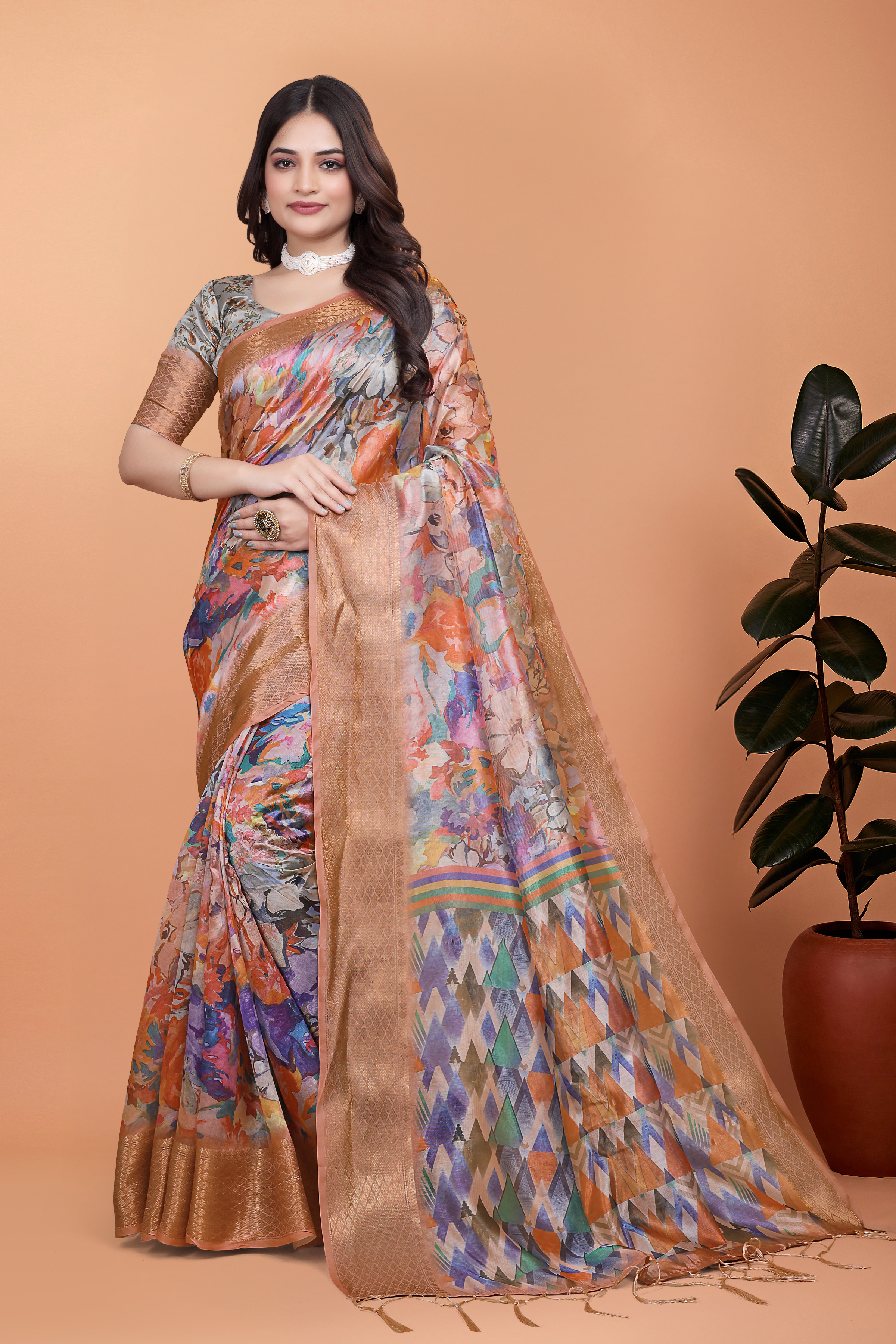
Lehengas Without Dupattas Put More Attention on the Blouse and Skirt, so the two pieces need to look intentional together. A dupatta normally adds colour, texture and visual coverage around the upper body; removing it makes the neckline, sleeve shape, waistline and skirt volume easier to notice. The result can look cleaner and more contemporary, but only when proportion, fit and fabric are carefully considered.
A dupatta-free lehenga doesn't require a heavily embellished blouse. A well-fitted cotton blouse with a controlled neckline can be more effective than a crowded design, while a richly worked silk skirt may need a quieter bodice. The most useful starting point is to decide which garment should carry the visual emphasis and then let the other garment support it.
Why Lehengas Without Dupattas Put More Attention on the Blouse and Skirt
Lehengas Without Dupattas Put More Attention on the Blouse and Skirt because no extra layer interrupts the line between the shoulders, waist and hem. The eye reads the blouse as the complete upper-body design and the skirt as the main lower-body shape. Small details that a dupatta might previously soften, such as an uneven hem, a loose armhole or a mismatched border, become more visible.
The blouse also becomes the main indicator of occasion. A structured blouse with zari, a sculpted neckline or full sleeves can make a skirt feel wedding-ready. A simple sleeveless cotton blouse can make the same skirt feel suitable for a daytime celebration. This flexibility is useful, but it means the blouse must be selected with the skirt rather than treated as an interchangeable afterthought.
Visual balance matters more than matching every detail. A heavily patterned skirt often works with a solid blouse in a related shade, while a plain skirt can support a blouse with embroidery, contrast panels or a distinctive sleeve. Repeating one colour in the blouse border, skirt border or jewellery is usually enough to connect the outfit.
How to Choose the Blouse Silhouette
The best blouse silhouette depends on the skirt's volume, the wearer's comfort and the amount of detail already present in the outfit. A fitted blouse with a defined waist gives a full A-line or circular skirt a clear shape, while a cropped blouse with strong shoulders can balance a straighter skirt.
Necklines and coverage
A higher neckline creates a polished, composed line when the lehenga skirt is ornate or voluminous. A sweetheart, square or gently curved neckline exposes more of the upper chest and can make the outfit feel lighter, especially with a full-length skirt. A V-neckline adds vertical direction, while a boat neckline draws attention across the shoulders.
The neckline should be judged from the front and side. A blouse that looks attractive in a flat product photograph may sit differently when worn, particularly if the bust, shoulder width or armhole depth isn't correct. A readymade blouse should provide enough room for movement without creating horizontal pulling across the chest.
Sleeves and shoulder proportions
Sleeve length changes the visual weight of a blouse. Sleeveless and short-sleeved designs expose more of the arm and suit warm daytime functions, while elbow-length and full sleeves add formality and structure. Puff sleeves, cap sleeves and broad shoulder details can make a narrow shoulder line appear wider, so they should be balanced with the skirt's volume.
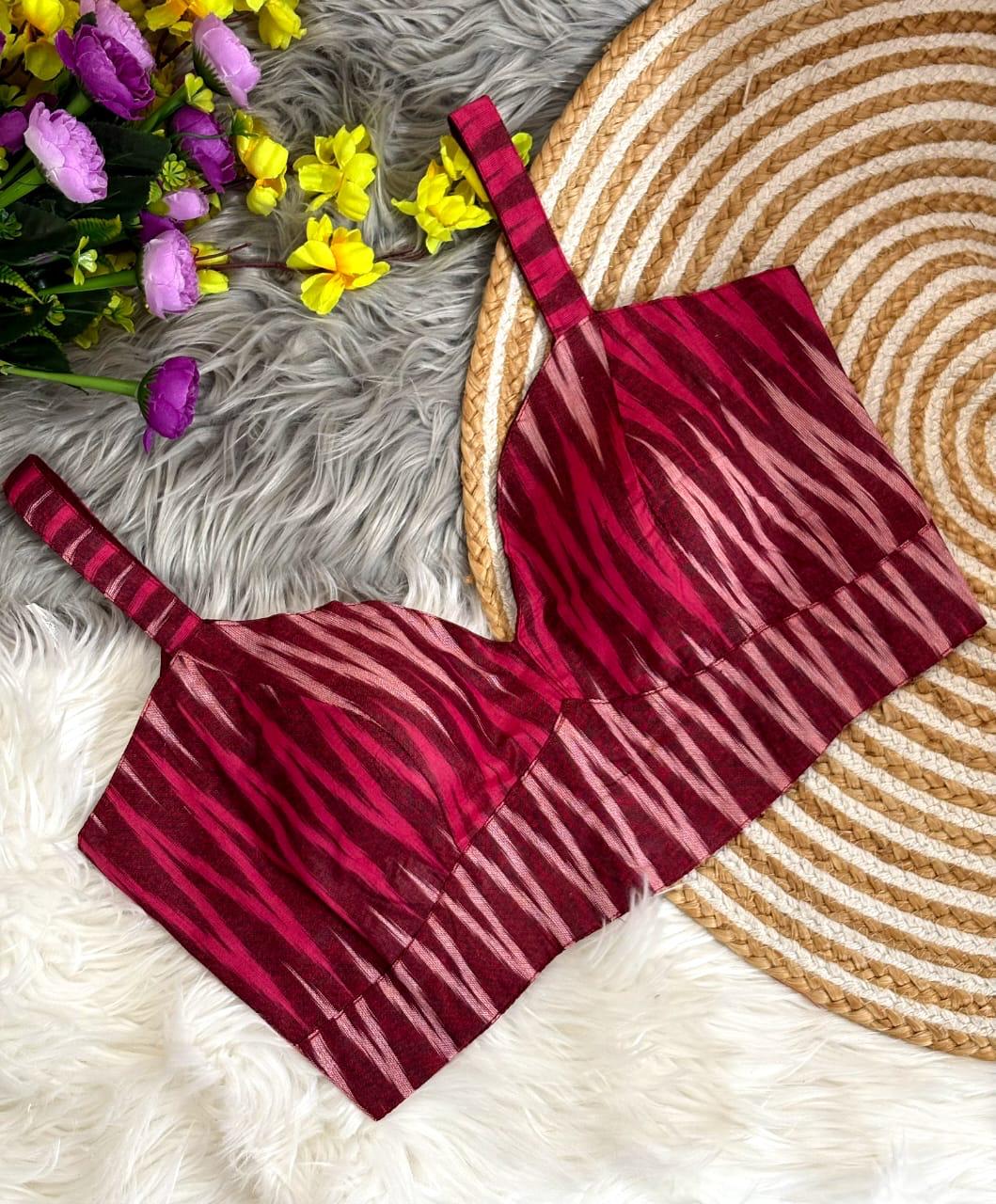
The Ikkat Cotton Padded Blouse for Women Sleeveless illustrates a useful daytime direction: a sleeveless cotton blouse keeps the upper body visually uncluttered and lets the skirt provide movement. Cotton also has a more relaxed visual character than heavily embellished silk, making the pairing appropriate for a Haldi ceremony, intimate lunch or festive gathering where ease matters.
How Fabric Changes a Dupatta-Free Lehenga
Fabric affects how the lehenga hangs, how much structure the blouse needs and how formal the final outfit appears. Silk, cotton, velvet, brocade and lighter woven fabrics don't create the same line, even when they share a colour. A successful combination considers weight, surface texture and movement rather than colour alone.
Silk and dressier combinations
Silk lehenga skirts usually have enough sheen and body to act as the outfit's focal point. A silk blouse can create a coordinated ceremonial effect, but matching shine from head to toe may appear visually dense without a matte accessory or a restrained border. A blouse in a similar colour with a different texture can create depth without needing a dupatta.
Banarasi silk brings woven pattern and zari into the outfit, so a blouse can either repeat a small motif or provide a calm solid surface. Kanjeevaram silk has distinctive visual weight and often benefits from a blouse with a clean neckline and controlled ornamentation. These pairings are especially appropriate for wedding rituals, receptions and evening celebrations where the fabric's texture can be seen under warm lighting.
A skirt with a wide zari border needs particular attention at the waist. The blouse hem should not cut across the most prominent portion of the border, and the waistline should sit securely enough to prevent the skirt from dropping during walking or dancing. A one- to two-inch change in blouse length can noticeably alter the proportion of the entire ensemble.
Cotton and lighter festive fabrics
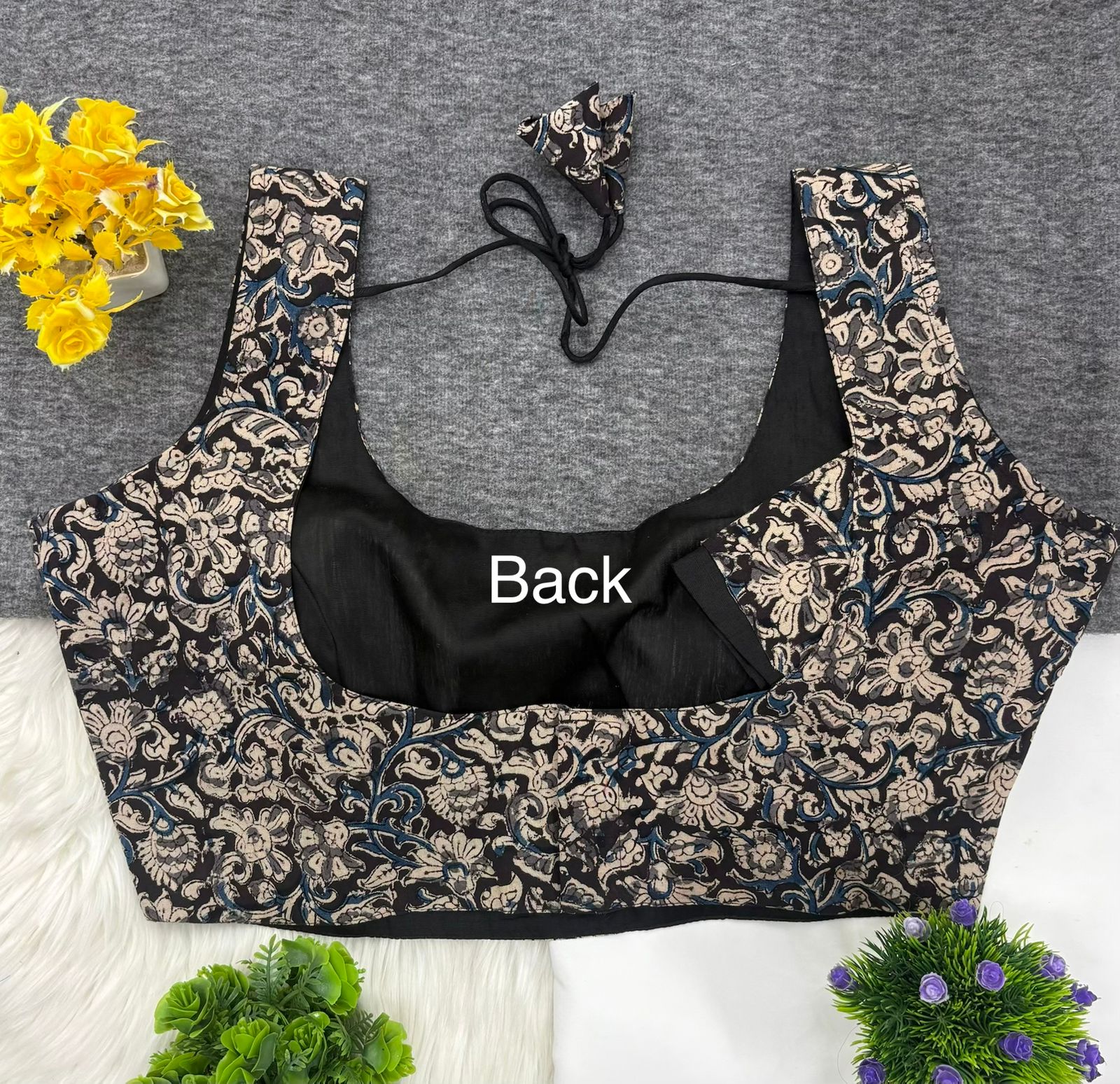
Cotton lehengas are practical for daytime wear because cotton generally feels breathable and has a less reflective surface than silk. Cotton can still look festive when the weave, print, border or colour is distinctive. Kalamkari cotton adds narrative motifs and a handcrafted appearance, so a plain skirt or simple jewellery can prevent the outfit from becoming crowded.
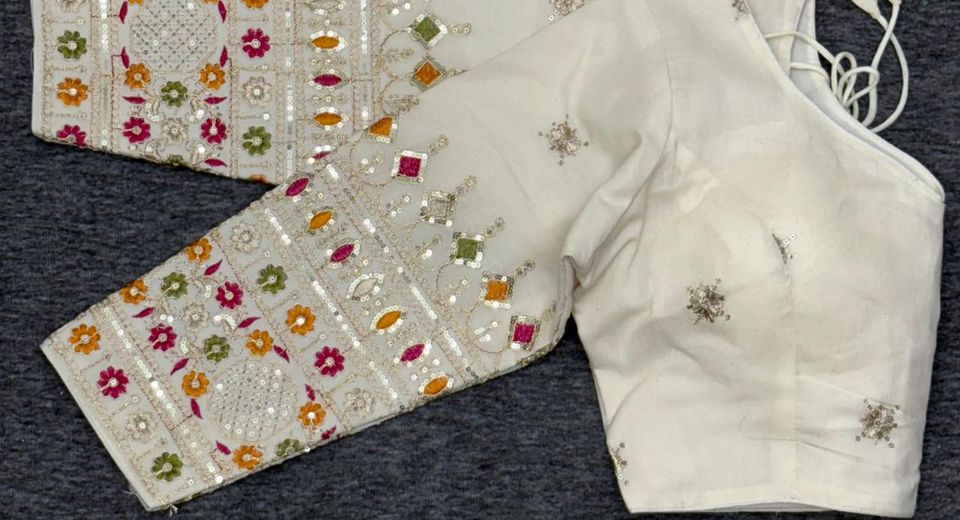
The Pure Kalamkari Cotton Padded Blouse for Women demonstrates how a printed or artisanal blouse can supply the detail normally contributed by a dupatta. Pairing a patterned blouse with a solid skirt creates a clear focal point. Pairing the blouse with a heavily printed skirt may work only when both prints share a limited colour palette and one pattern is visibly smaller.
Chanderi is lighter and more translucent-looking than dense cotton or heavy silk, so a Chanderi skirt can benefit from a blouse with enough structure to define the waist. Lining, padding and secure seams are practical considerations when a dupatta isn't being used for additional coverage.
Colour and Surface Detail: Matching Without Looking Overdone
The most reliable colour strategy is to choose one dominant shade, one supporting shade and one small accent. The dominant shade can belong to the skirt, the supporting shade can appear in the blouse, and the accent can be repeated through earrings, footwear or a border. Three equally strong colours often compete for attention when no dupatta breaks up the arrangement.
Tonal dressing works particularly well for a dupatta-free lehenga. A deep rose blouse with a lighter pink skirt, an ivory blouse with a muted gold skirt or a wine blouse with a burgundy skirt creates continuity while preserving contrast. A strong contrast, such as emerald with magenta, looks sharper when the blouse silhouette remains simple.
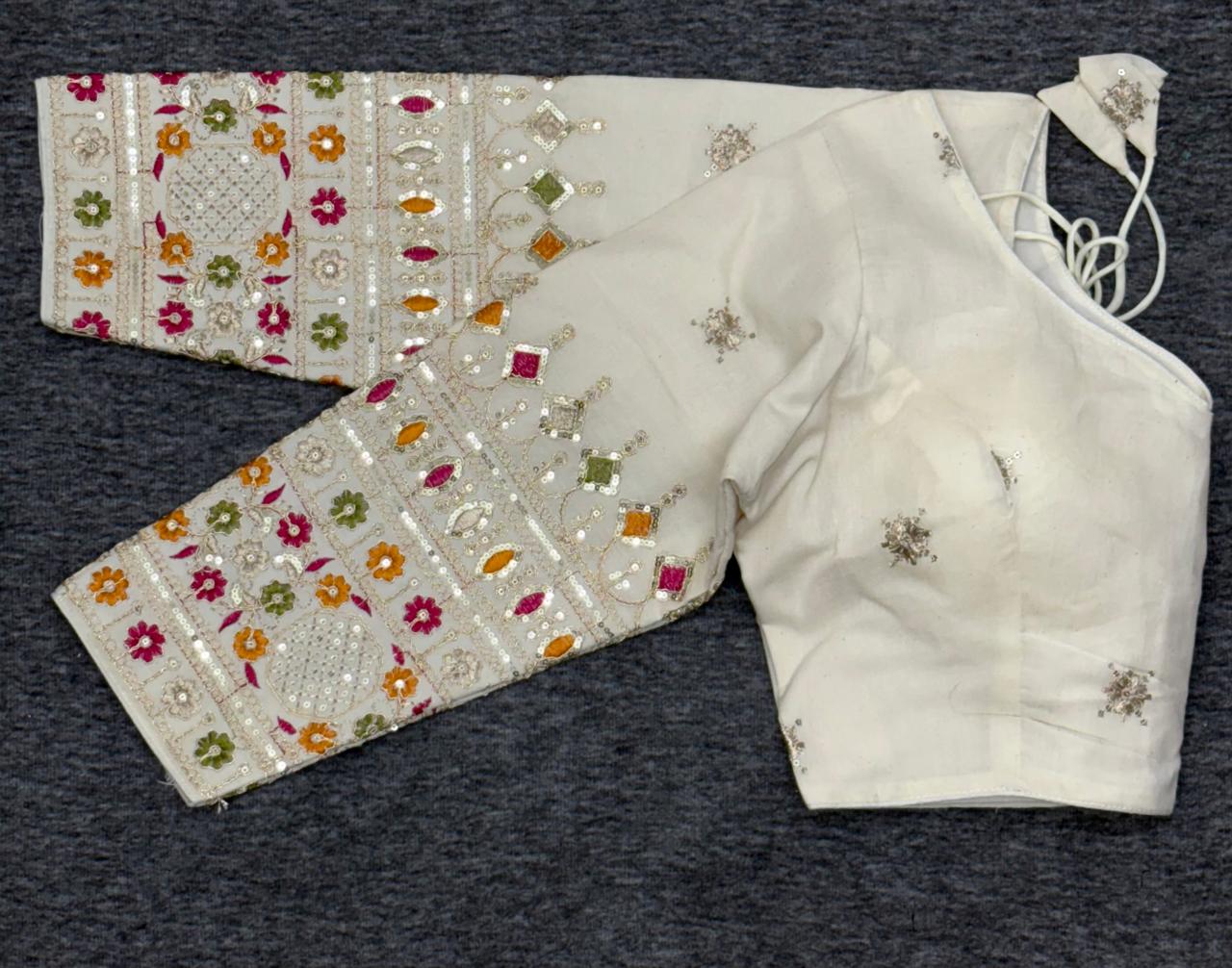
Embellishment should be placed according to the garment's job. Sequins, zari, mirror work and embroidery draw attention to the area where they appear. If the skirt already has a wide embellished hem, a blouse with concentrated detail around the neckline or sleeves is usually more balanced than a blouse covered evenly from shoulder to hem.
The Classic Festive Wear Blouse for Stylish Saree Look can be considered for a versatile festive wardrobe because a classic blouse shape gives a detailed skirt room to lead. Although the product name references saree styling, a blouse with a clean, adaptable silhouette can also be assessed for a lehenga by checking its length, closure, neckline and waist placement before pairing it.
Readymade, Designer Readymade and Custom-Fit Decisions
A readymade blouse is useful when the required size is close to standard measurements and the wearer needs a dependable outfit without a long tailoring process. A designer readymade blouse is often selected for its neckline, sleeve construction, surface detail or unusual cut, but visual appeal doesn't replace the need for accurate measurements.
Measure the bust at the fullest point, the underbust if the blouse has a fitted band, the shoulder width, the armhole and the preferred blouse length. Compare those measurements with the seller's size chart rather than relying only on small, medium or large labels. Allowing a tailor to adjust the side seams, shoulder or hook placement can improve the fit of a readymade blouse, but major size changes may distort embroidery or padding.
Padded blouses can provide shape and reduce the need for additional inner layers, but padding should sit correctly over the bust rather than press against it from the wrong position. A blouse should not be judged only while standing still. Raise both arms, sit down, rotate the shoulders and walk several steps before finalising the outfit.
The difference between a blouse for a saree and a blouse for a lehenga often appears at the waist. A saree blouse may be designed to meet a draped saree fall, while a lehenga blouse must align with the skirt waistband and expose the intended amount of midriff. Check both pieces together, ideally with the footwear that will be worn at the event.
Accessories and Styling When there's No Dupatta
Accessories should fill the visual space left by the missing dupatta without competing with the blouse. Earrings, a necklace, bangles, a waist belt and hair adornment each occupy a different area, so choosing every category at maximum scale can make the upper body look crowded.
A statement blouse with a high neckline may need only earrings and bangles. A simple blouse with an open neckline can support a short necklace or choker. A broad kamarbandh can define the waist over a relatively plain skirt, but the belt should sit securely and should not pinch or catch on delicate fabric.
Footwear should be selected before the skirt is hemmed. A lehenga worn with flat footwear may require a shorter length than a lehenga worn with three-inch heels. The hem should skim the top of the footwear without dragging on the floor, especially at crowded wedding venues or outdoor functions.
Hair styling also affects the blouse's visibility. An updo exposes the neckline and shoulders, while loose hair can soften a sleeveless or back-detail blouse. If the blouse has an ornate back, keep the hair away from that area so the construction remains visible without requiring a dupatta to frame it.
A Practical Final Check Before Wearing the Outfit
A complete outfit check should confirm fit, movement, proportion and comfort before the event day. Put on the blouse, skirt, jewellery and footwear together at least once, preferably in lighting similar to the venue.
- Check the waist: The skirt should remain secure when sitting, walking and turning, without forcing the blouse upward.
- Check the armholes: Armholes should allow movement without cutting into the underarm or exposing more than intended.
- Check the overlap: The blouse and skirt should meet at the planned position, with no unexpected gap or bunching.
- Check the surface: Zari, sequins, embroidery and printed motifs should sit smoothly rather than pulling across the bust or waist.
- Check the hem: The skirt should clear the floor safely with the chosen shoes.
- Check the photographs: Front, side and seated photographs reveal proportion problems that a mirror may not show.
Lehengas Without Dupattas Put More Attention on the Blouse and Skirt, but that attention can be used to create a more personal outfit rather than a more elaborate one. A carefully fitted blouse, a skirt with controlled volume and a deliberate colour relationship usually create stronger results than adding detail everywhere. The most dependable styling decision is the one that allows the wearer to move comfortably while keeping the blouse and skirt visually connected.
Common Questions About Styling Lehengas Without Dupattas
Can a lehenga be worn without a dupatta?
Yes, a lehenga can be worn without a dupatta when the blouse provides the intended coverage and the blouse and skirt have balanced proportions. Check the neckline, armhole, waistline and skirt fit carefully because those details become more visible without an additional layer.
What type of blouse works best with a lehenga skirt?
A fitted blouse with a secure waist and enough room for movement works best with most lehenga skirts. Choose a simpler blouse for a heavily embellished skirt, and use embroidery, sleeves or a distinctive neckline to add interest when the skirt is plain.
Is a readymade blouse suitable for a lehenga?
A readymade blouse is suitable when its measurements align closely with the wearer's body and its length matches the lehenga waistband. Compare bust, shoulder, armhole and blouse-length measurements with the size chart, then test the blouse while sitting and raising the arms.
Can a cotton blouse be worn with a silk lehenga?
Yes, a cotton blouse can be worn with a silk lehenga when the colour and silhouette connect the two garments. The matte cotton surface can reduce the visual heaviness of Banarasi silk or Kanjeevaram silk, especially for a daytime celebration.
How should jewellery be chosen for a lehenga without a dupatta?
Jewellery should complement the blouse rather than fill every available space. A high-neck or embellished blouse may need statement earrings and bangles, while a plain open-neck blouse can support a short necklace or choker.
What should be checked before buying a designer readymade blouse?
Check the size chart, blouse length, neckline depth, armhole, closure, lining and padding before buying a designer readymade blouse. Confirm that the blouse will meet the lehenga waistband at the intended position and allow comfortable movement.