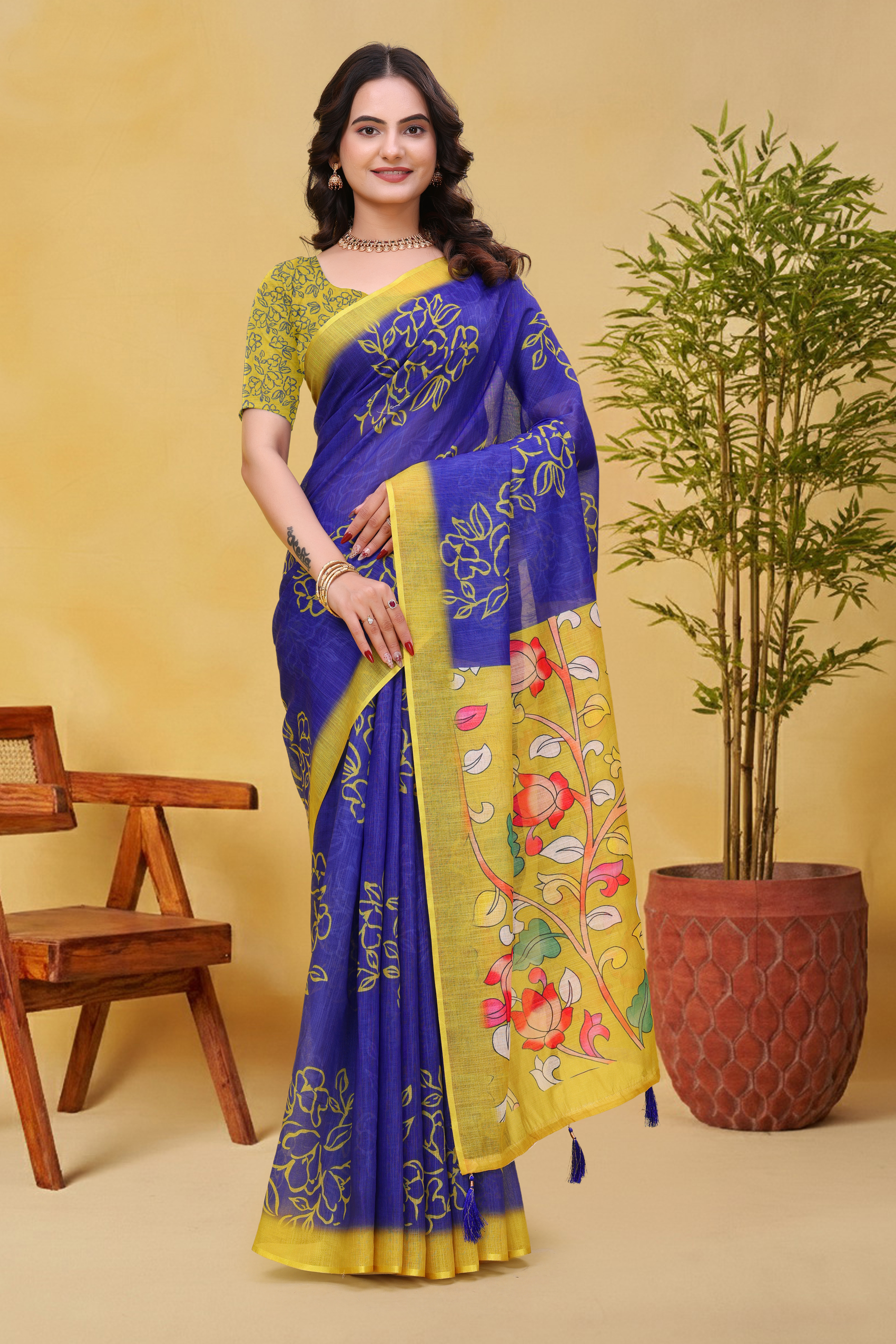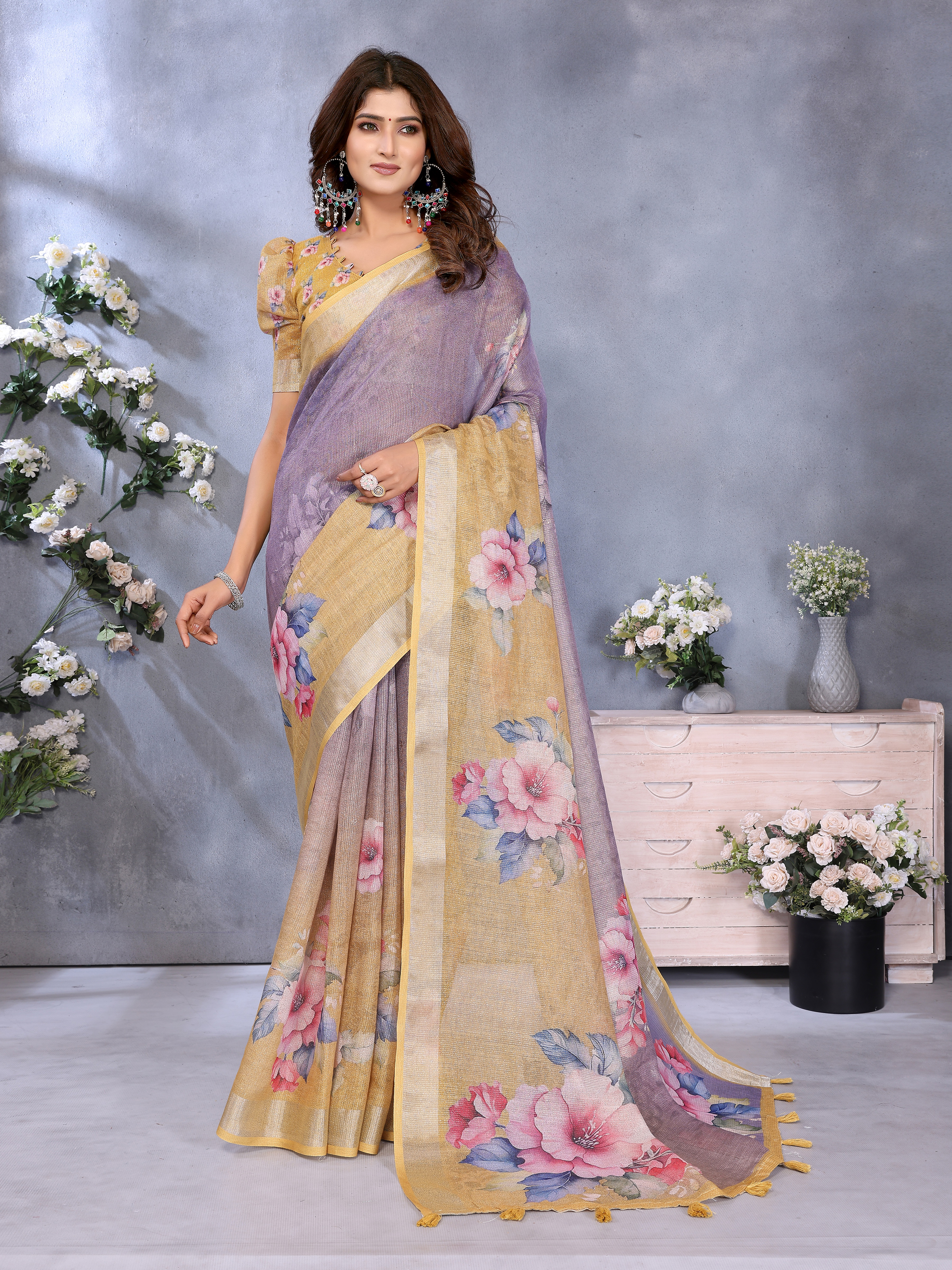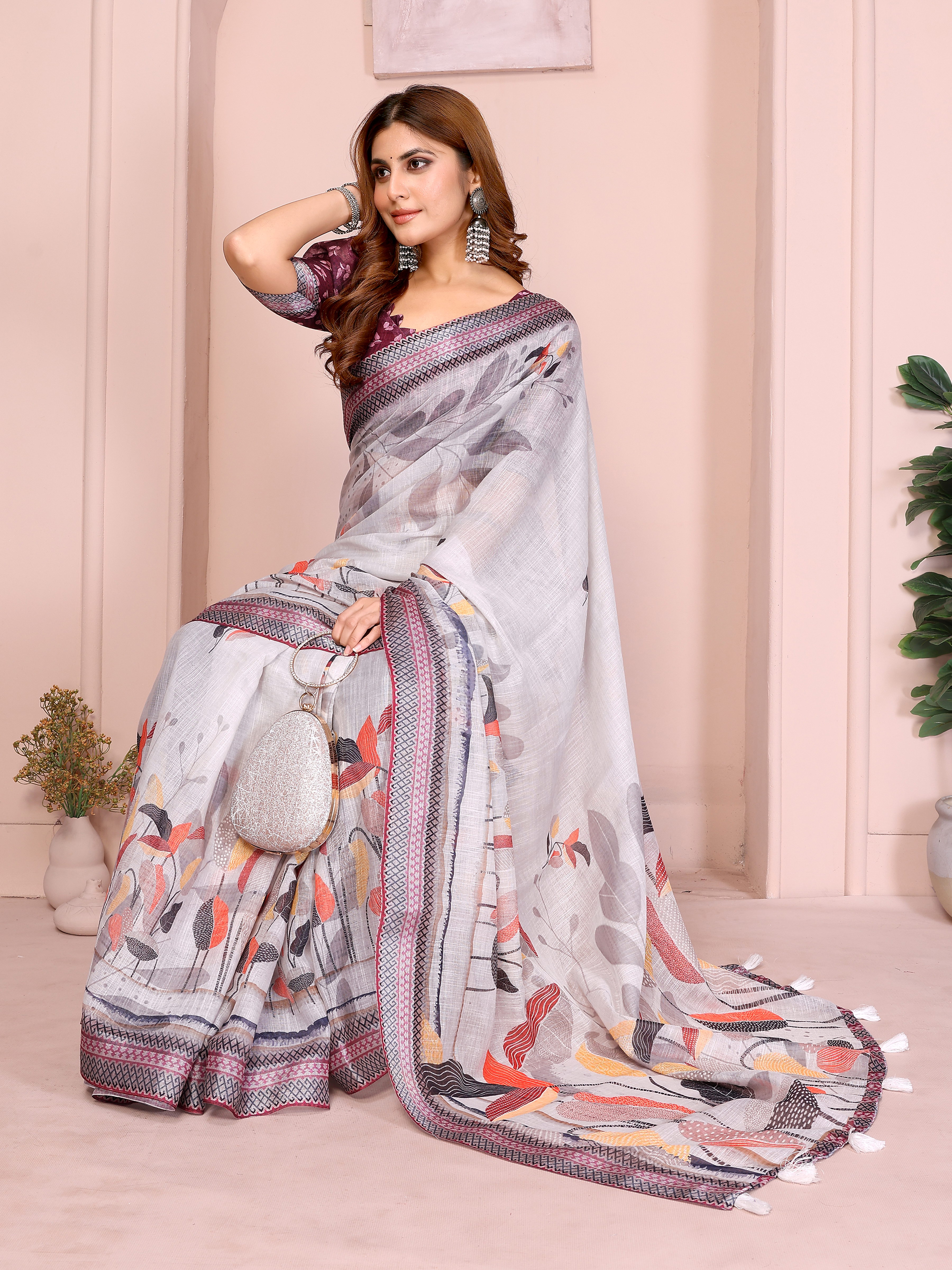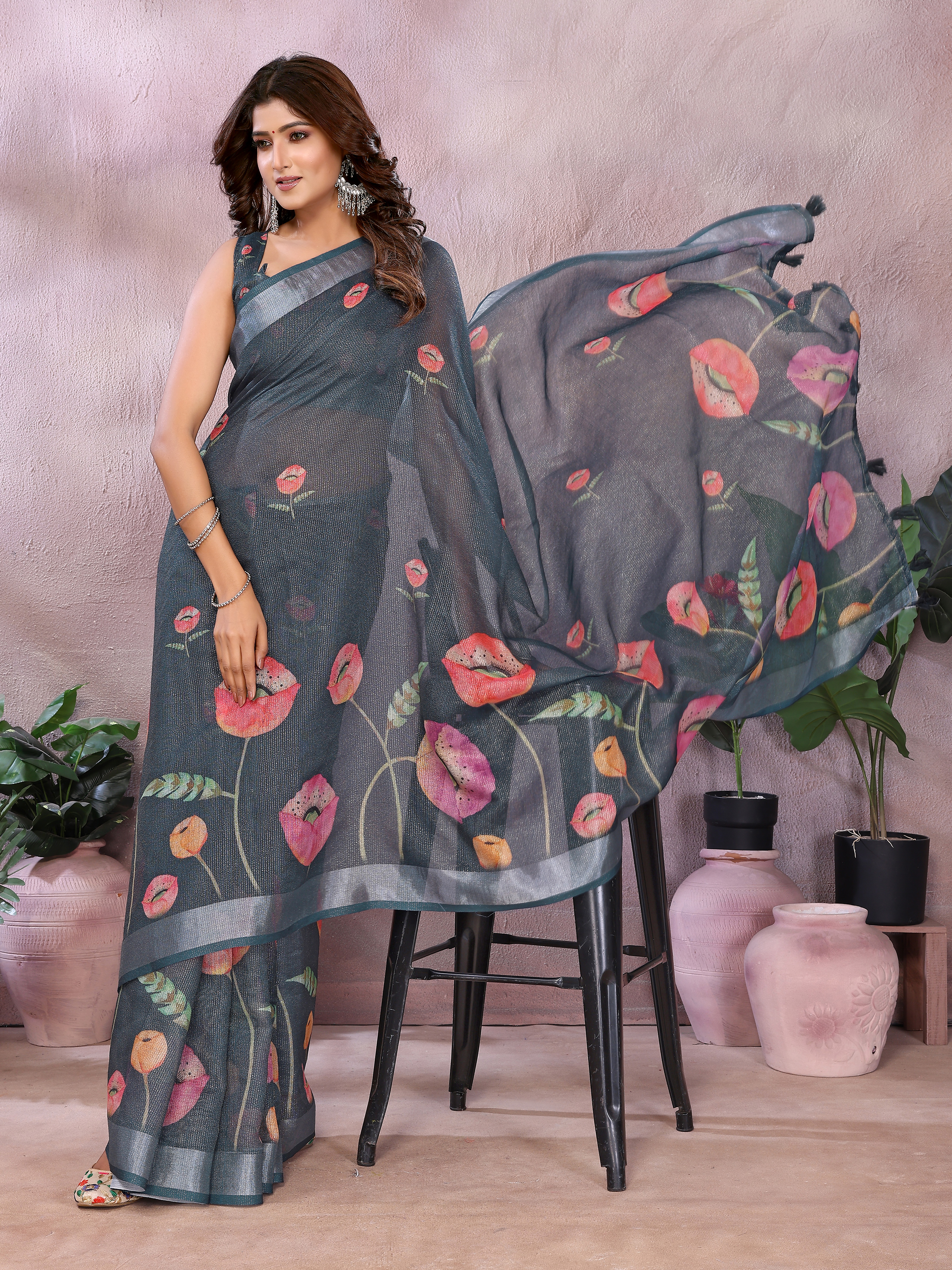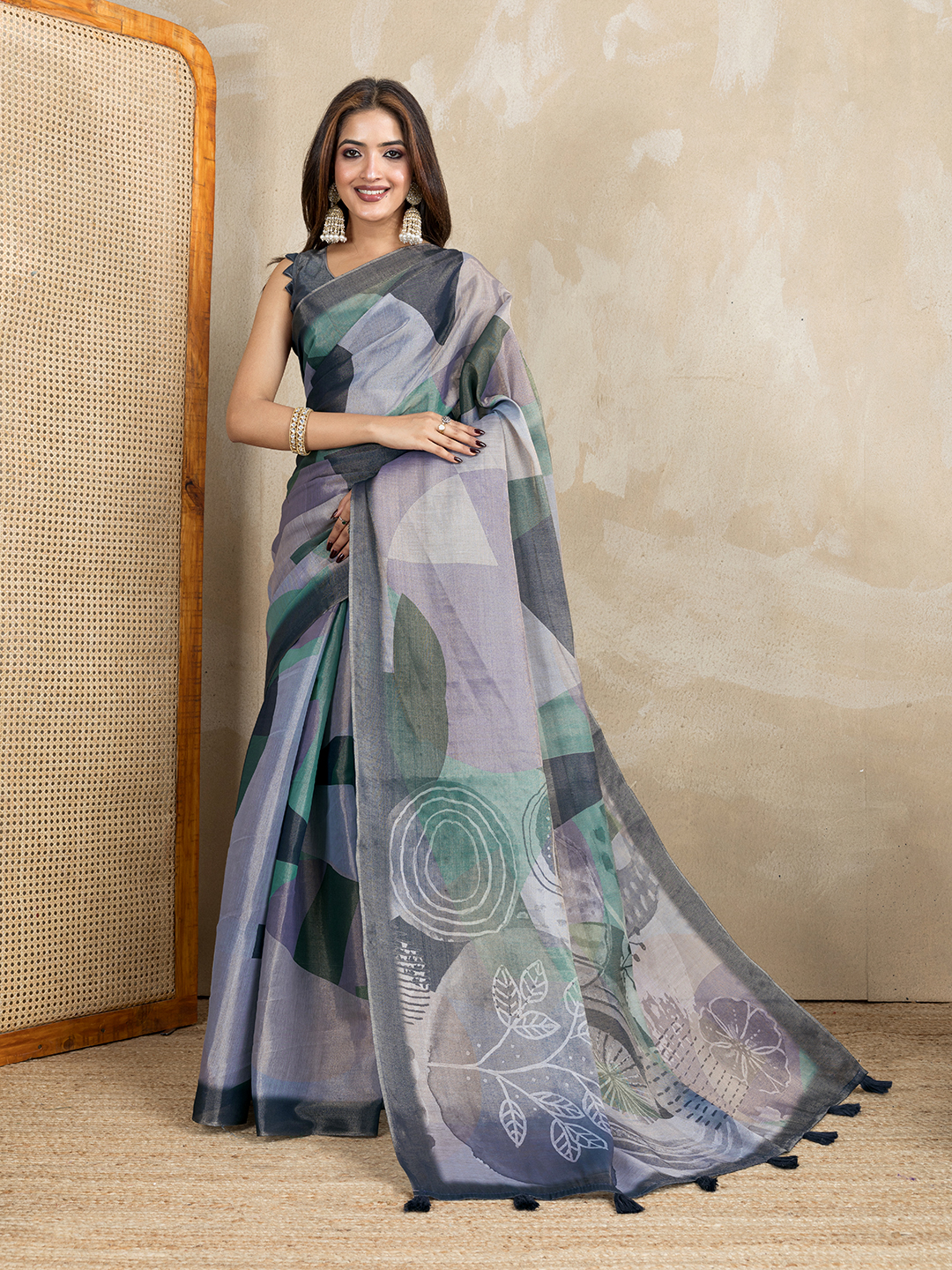
Heavy embroidery can make a lehenga skirt beautiful, but it also changes the engineering required at the waist. Lehenga Zippers Need Support When the Skirt Carries Heavy Embroidery because sequins, zari, threadwork, beads and layered net add downward pull to the fastening area. A secure zip depends on more than the zipper teeth: the waistband, seam allowance, inner lining, hooks and the wearer's measurements must work together.
This guide explains how to judge that construction while shopping for a bridal, designer or wedding lehenga. It also shows why a fully stitched choli shopping decision, a readymade purchase and a semi-stitched fitting appointment each require different checks.
Lehenga Zippers Need Support When the Skirt Carries Heavy Embroidery: Why Weight Matters
Heavy embroidery transfers weight to the waist seam, where the zipper joins two narrow panels of fabric. A lightly embellished skirt may place modest tension on that seam, while a skirt with dense sequins or metallic zari can pull downward every time the wearer sits, walks or dances.
The main risk isn't always a broken zipper. The surrounding fabric may pucker, stitching can loosen, the waist seam can gape, or the zip can separate because the fastening is carrying tension that the garment was not designed to handle.
A broad, structured waistband distributes force across a wider area. A single layer of soft net concentrates force around the zipper tape and may stretch with repeated wear. Strong lehenga construction usually combines a stable outer waistband with an inner facing, lining or reinforced seam.
Lehenga Zippers Need Support When the Skirt Carries Heavy Embroidery: Which Details Add Strain?
Sequins, metal zari, dense dori work, beads and layered appliqué generally add more weight than sparse thread embroidery. A full-flare bridal skirt can also carry more decoration simply because it has a larger surface area.
The Pink Bridal Sequins Lehenga Set with Heavy Flare illustrates why flare and embellishment should be assessed together. A wide skirt with concentrated sequins needs a dependable waist finish because the garment's weight is distributed over a broad circumference but suspended from the waist.
A Green Chinon Silk Sequins Embroidered Lehenga Set and a Red Butterfly Net Sequins Lehenga Set Wedding Wear may feel different because Chinon silk and butterfly net have different drape and stability. Both still deserve a close look at the zip tape, waist seam and inner support.
Lehenga Zippers Need Support When the Skirt Carries Heavy Embroidery: What Construction Should You Check?
A well-supported lehenga zipper should be anchored to a stable waistband or facing, stitched into a reinforced seam and backed by another fastening such as hooks or a hook-and-eye closure.
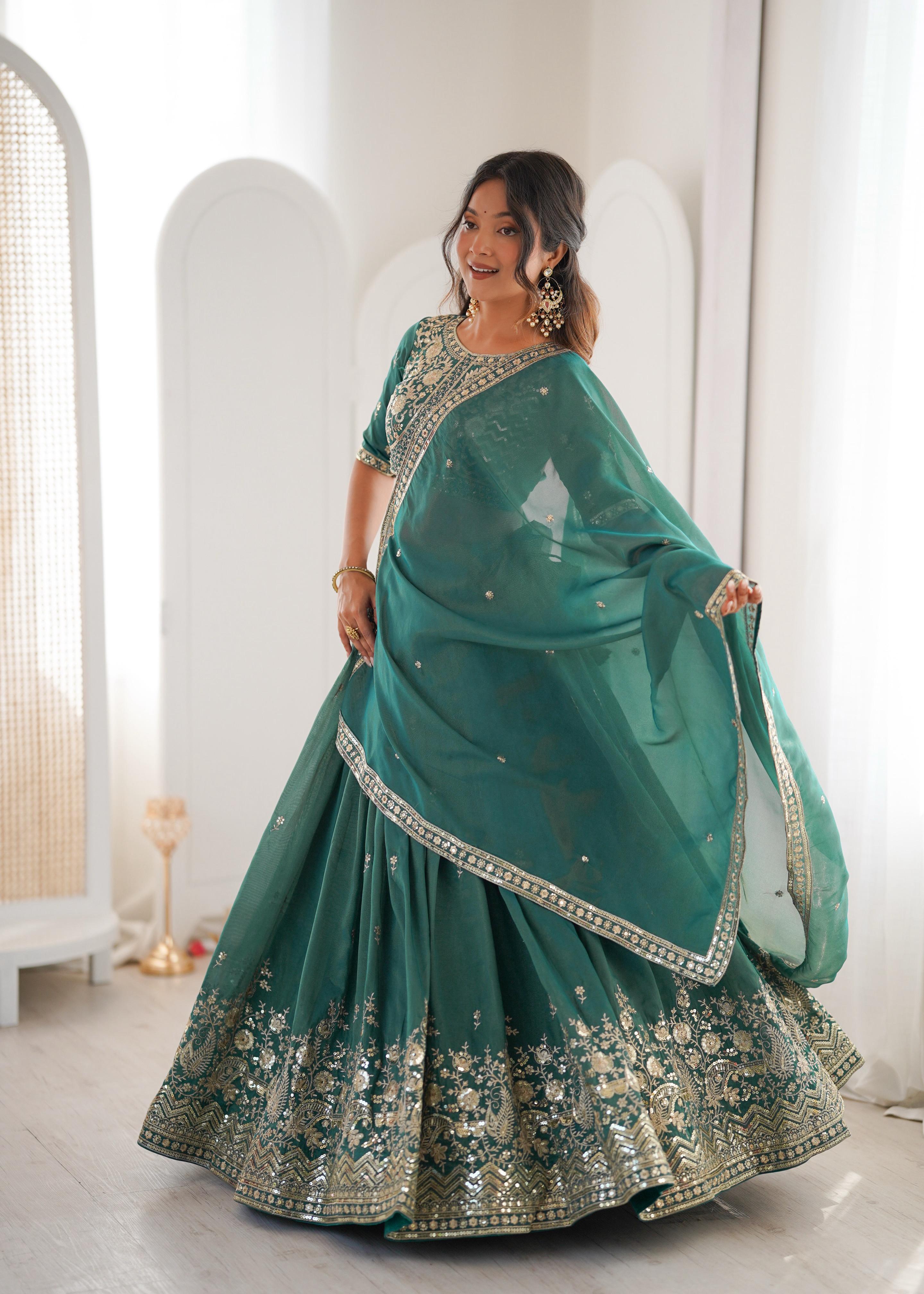
The zipper tape should lie flat rather than twisting into the seam. Stitching should run evenly along both sides, with no skipped stitches, loose thread ends or visible pulling when the skirt is worn at the correct waist position. A concealed zipper can look elegant, but its neat appearance doesn't prove that the seam is strong.
Hooks matter because they reduce constant load on the zip. A hook placed above the zipper helps keep the waistband aligned, while a hook-and-eye set can prevent the top of the zip from opening during movement. For a particularly embellished bridal skirt, several secure hooks or a wide inner closure may provide better stability than a zip alone.
Lehenga Zippers Need Support When the Skirt Carries Heavy Embroidery: How Can You Inspect a Fastening?
A shopper can inspect a lehenga fastening by opening and closing the zipper several times, checking the inside waist seam and gently holding the skirt at the hem to feel whether the waist seam pulls.
- Close the zipper while the skirt is laid flat and confirm that the teeth meet evenly from top to bottom.
- Examine the inside for a waistband, facing, lining or tape that supports the zipper.
- Check whether the zip top has a hook, hook-and-eye or another secondary closure.
- Hold the waist with one hand and lift a small section of the skirt with the other. Excessive seam distortion indicates that the fastening is carrying too much load.
- Try sitting briefly if a fitting room permits it. The waist should remain secure without the zipper teeth separating.
The Semi Stitched Lehenga with Organza Dupatta requires a different inspection because the final waist construction may be completed after purchase. A tailor should add adequate seam allowance, a stable waistband and a secondary closure rather than simply inserting a zip into the skirt edge.
Lehenga Zippers Need Support When the Skirt Carries Heavy Embroidery: How Does Fit Protect the Zip?
Correct waist fit protects the zipper because a skirt that's too tight makes the fastening carry body tension before the embroidery weight is even considered. A skirt that's too loose can shift, drag and repeatedly pull at the closure during walking.
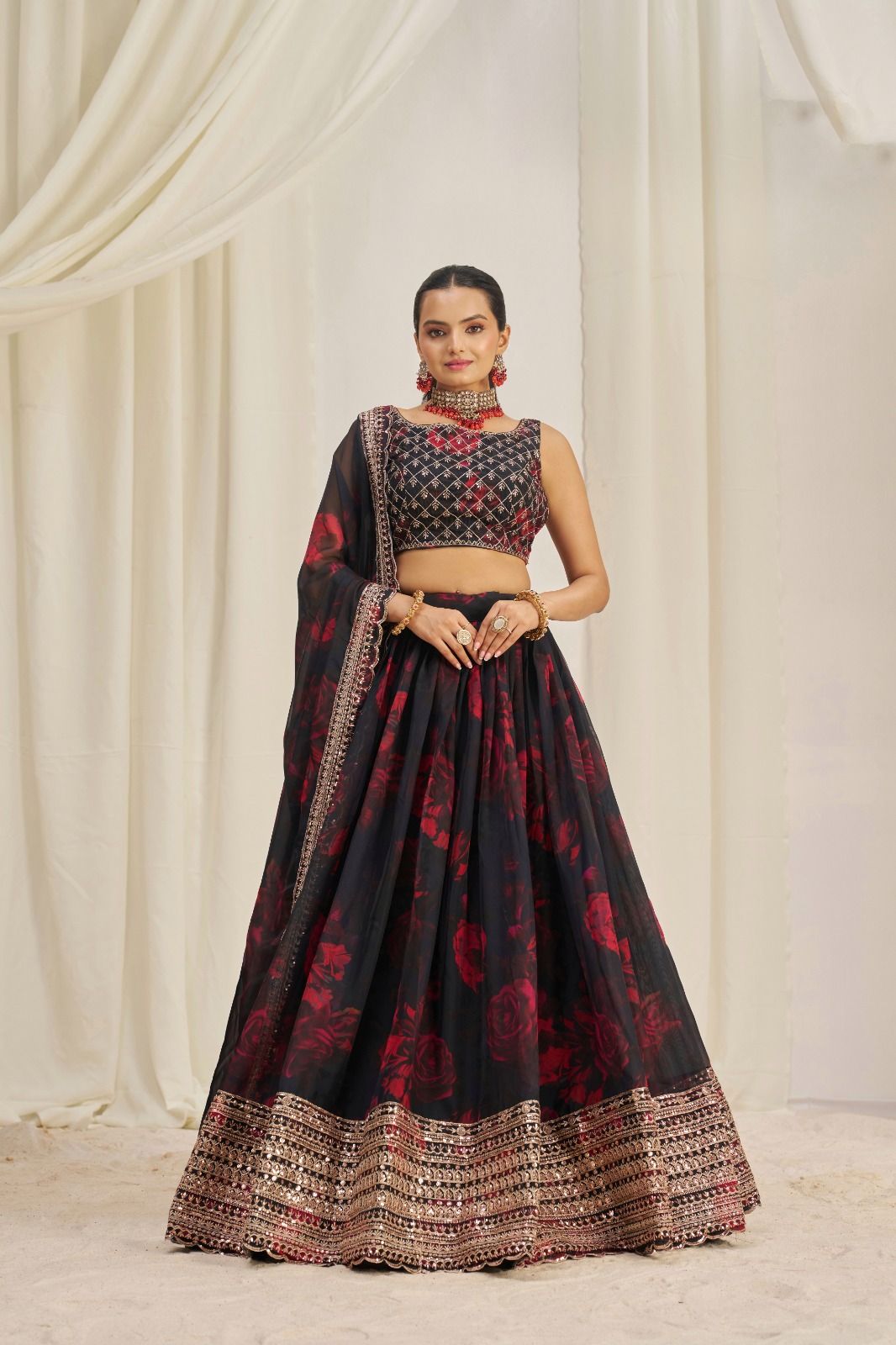
Measure the natural waist or the exact point where the lehenga waistband will sit, then compare that measurement with the garment's finished waist rather than relying only on a familiar clothing size. Take the measurement while standing normally, without pulling the tape tightly. The correct wearing ease depends on the construction and fabric, so a tailor should confirm the final allowance.
Pay attention to the difference between waist, high waist and hip measurements. A lehenga with a low waistband must pass over the fullest part of the hips, so the zipper must open far enough for comfortable entry. A zip with the correct waist measurement can still strain if the opening is too short for the hip measurement.
Lehenga Zippers Need Support When the Skirt Carries Heavy Embroidery: Which Measurements Matter?
The waist, fullest hip, waistband position, skirt length and zipper opening all matter when fitting a heavily embellished lehenga.
Measure the waist at the intended wearing point, the hips at their fullest point and the distance between the two points. Record the finished skirt length with the footwear planned for the event. A difference of even 2 to 3 centimetres can change where the skirt sits and whether the zip experiences pulling.
Allow room for movement rather than measuring in a rigid pose. A wedding wearer needs to sit, climb steps, walk and dance without forcing the waistband. Tightening a heavily embroidered skirt after purchase is usually more difficult than taking in a lightly decorated garment because the tailor may need to protect sequins, zari borders and lining layers.
Lehenga Zippers Need Support When the Skirt Carries Heavy Embroidery: Ready-Made or Semi-Stitched?
A ready-made lehenga offers immediate construction, while a semi-stitched lehenga gives more control over the final waist, flare and fastening.
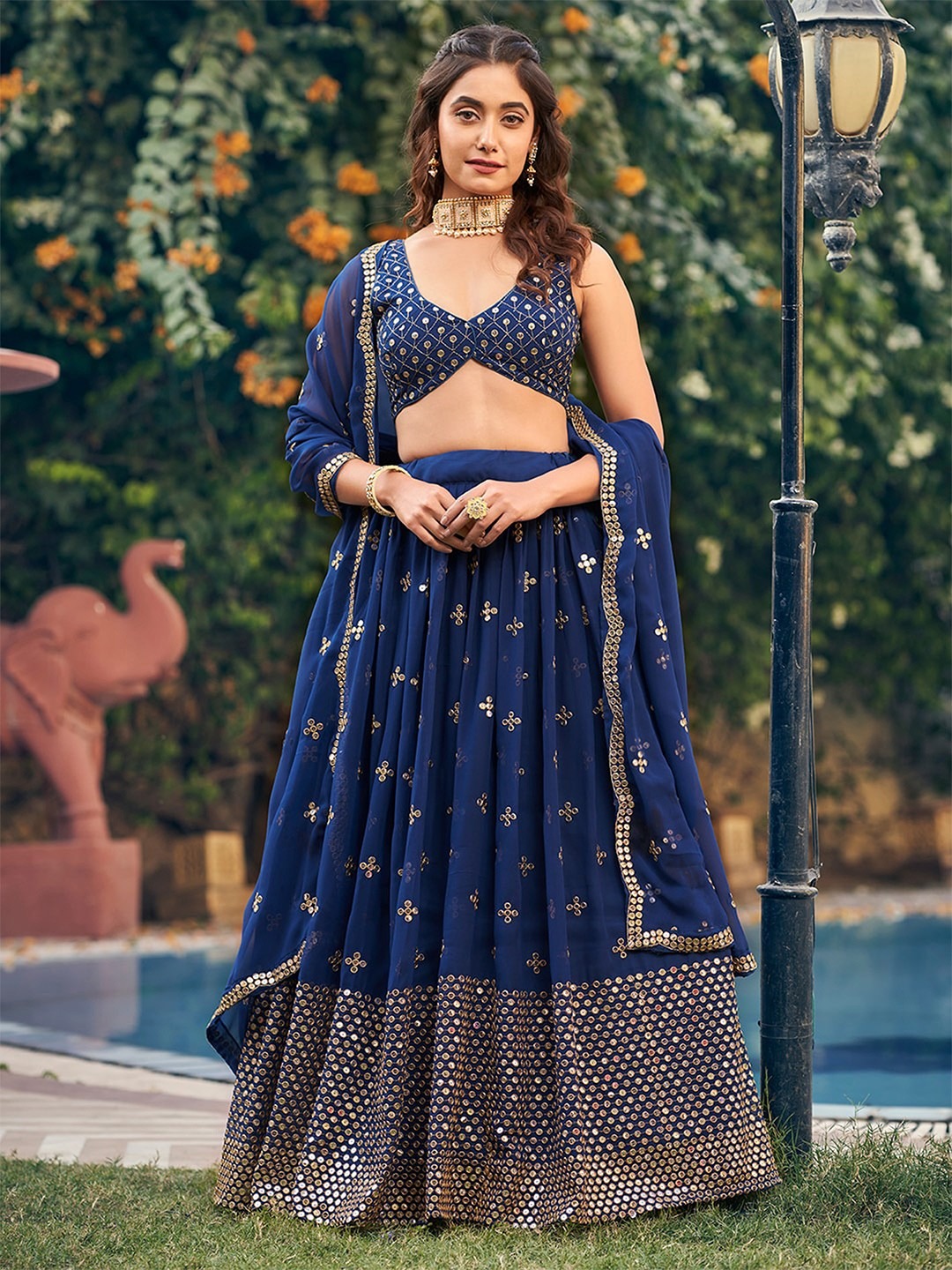
Ready Made Lehenga shopping works best when the buyer checks the finished waist, hip opening, zipper length and inner finish rather than choosing only by colour. Ask whether the waist can be altered without cutting through embroidery and whether extra fabric remains inside the seam.
A semi-stitched design can suit changing measurements or a buyer who wants a custom waist position. The tailor's brief should specify the waist measurement, desired waistband width, zipper type, hook placement and the direction of heavy embroidery near the closure.
The Semi Stitched Lehengas Collection can be useful for buyers who need a personalised fit. The final stitching should preserve enough seam allowance for a later adjustment, especially when the garment is intended for bridal or repeated wedding wear.
Fully stitched choli shopping involves a related but separate fit decision. The choli should allow comfortable arm movement and sit securely at the bust and waist, while the skirt should be assessed independently for zipper support. Matching sizes across a choli and lehenga set doesn't guarantee that both pieces fit the same body measurements.
Lehenga Zippers Need Support When the Skirt Carries Heavy Embroidery: How Do Fabrics Change the Risk?
Fabric affects zipper support because silk, organza, net and Chinon silk hold stitching and decorative weight differently.
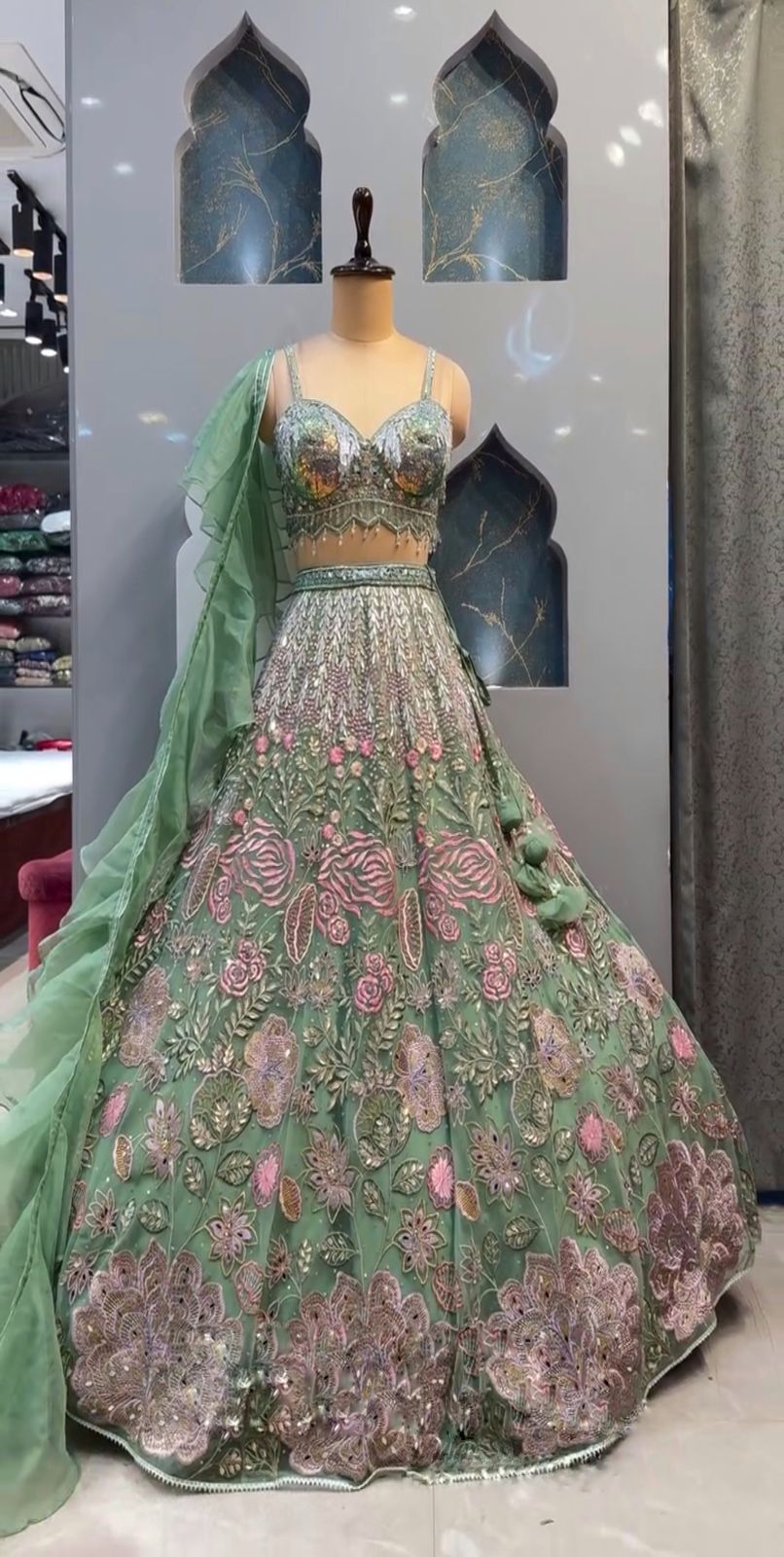
The Designer Threadwork Silk Lehenga Choli Set with Dupatta provides an example of a silk-based garment with detailed threadwork. Silk can offer a stable surface, but the buyer should still inspect the inner construction because a rich outer fabric doesn't automatically guarantee a reinforced waist seam.
The Lime Floral Embroidered Butterfly Net Lehenga Set and the Cream Peacock Embroidered Net Lehenga Set for Women call for closer attention to lining and seam support. Net can carry decorative work while remaining comparatively open and delicate, so the zipper should not be attached only to an unsupported net edge.
Organza presents another consideration. The Floral Digital Printed Organza Lehenga with Zari, Dori and Sequin Embroidery combines a crisp surface with several decorative techniques. A stable waistband and careful seam finishing help prevent organza from fraying or becoming distorted around the fastening.
Embroidery placement also matters. Dense motifs directly beside the zipper can make alterations difficult because a tailor may need to cut through zari, sequins or decorative borders. A clean side seam with manageable seam allowance is usually easier to adjust than a zip surrounded by tightly packed embellishment.
Lehenga Zippers Need Support When the Skirt Carries Heavy Embroidery: What Should a Tailor Reinforce?
A tailor should reinforce the waistband, zipper seam, lining attachment and top closure before altering a heavily embroidered lehenga.
Useful reinforcement can include a firm waistband facing, a narrow interfacing strip, secure bar tacks at the zipper ends and a hook positioned above the zip. The reinforcement should support the garment without creating a hard ridge that rubs against the body.
Alterations should avoid cutting through major motifs whenever possible. If the side seam contains heavy zari or sequins, a tailor may achieve a cleaner result by using an existing seam with sufficient allowance or by distributing a small adjustment across more than one seam.
Lehenga Zippers Need Support When the Skirt Carries Heavy Embroidery: Which Occasion Fits the Construction?
Bridal lehengas need the most careful support check because they commonly combine broad flare, dense embroidery, multiple layers and many hours of wear.
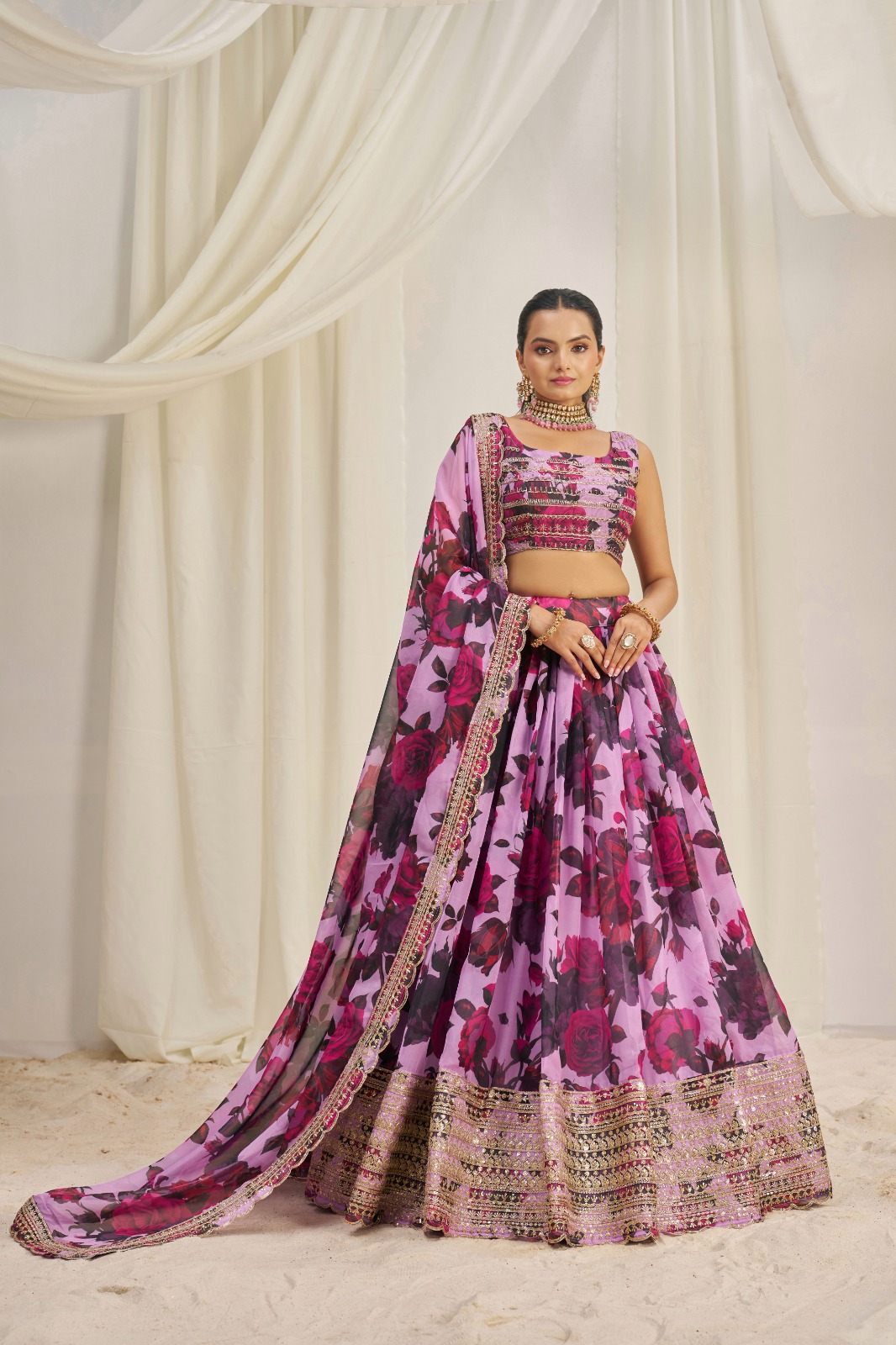
A wedding lehenga should remain comfortable through standing, sitting, photographs, ceremonies and movement on the dance floor. A zip that feels acceptable for a five-minute fitting may become uncomfortable after six hours, so the buyer should evaluate both fit and expected wearing time.
A lighter outfit for a Mehendi ceremony may tolerate a softer construction if the embellishment is modest and the wearer expects shorter use. Mehendi Lehengas often benefit from breathable lining, manageable flare and a fastening that can be opened easily without assistance.
Colour-based shopping should not replace construction-based shopping. Yellow Lehengas and Green Lehengas may be popular for Haldi ceremony and Mehendi ceremony dressing, but the same zipper checks apply whether the skirt is pastel, jewel-toned or heavily metallic.
A Mint Embroidered Lehenga Set with Net Dupatta can work for a daytime celebration when the wearer wants colour and detail without the visual density of a traditional bridal skirt. The practical question remains whether the waist support matches the embroidery and the number of hours the garment will be worn.
For a reception or formal wedding, the Red Butterfly Net Sequins Lehenga Set Wedding Wear or Pink Bridal Sequins Lehenga Set with Heavy Flare should be assessed while considering movement, sitting and the weight of the complete skirt rather than appearance alone.
Lehenga Zippers Need Support When the Skirt Carries Heavy Embroidery: How Should You Care for the Garment?
Care protects zipper support by preventing moisture, snagging and storage pressure from weakening the waist seam.
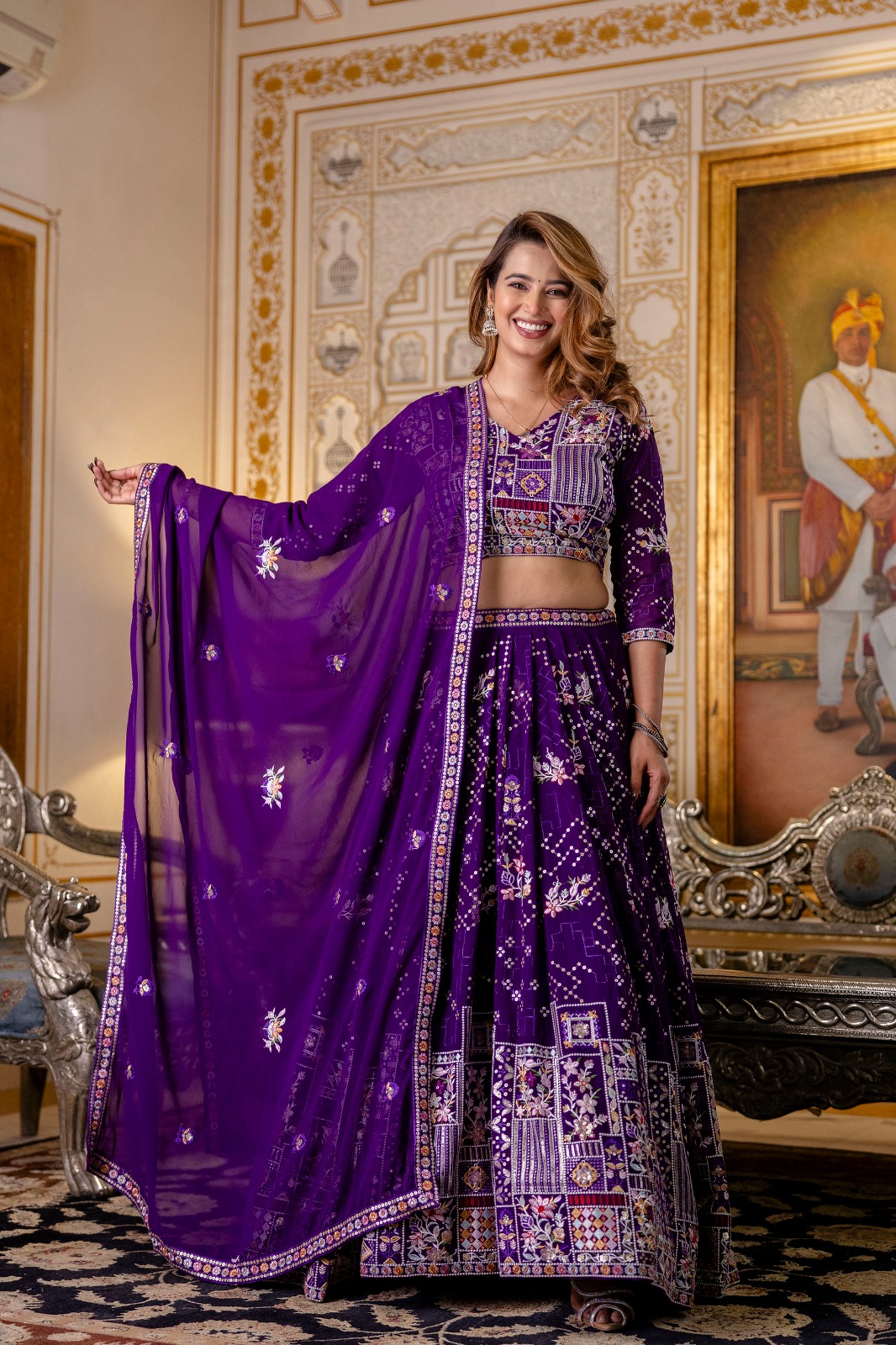
Close the zipper and fasten the hooks before storing the lehenga. Hang the skirt from a wide, padded hanger only if the waistband and hanger loops are designed to carry its weight. For very heavy bridal embroidery, folded storage in a breathable cotton garment bag can reduce long-term strain on the waistband.
Keep the lehenga away from damp cupboards, direct sunlight and rough jewellery that can catch sequins. Do not drag a beaded or zari-heavy hem across the floor, because pulled decoration can transmit force back toward the side seam and zip.
Follow the care label for cleaning. Professional dry cleaning may be appropriate for some embellished garments, but the cleaner should be told about sequins, zari, net, organza and adhesive-backed decoration. Avoid ironing directly over zipper teeth, hooks or raised embroidery.
Inspect the fastening before every major wear. Loose thread, a lifting hook, a twisted zip tape or a small opening in the waist seam should be repaired before the event rather than after the zipper fails under movement.
A reliable buying decision combines the right finished measurements with visible internal support. When heavy embroidery, broad flare and delicate fabric appear together, the zipper deserves the same attention as colour, blouse design and dupatta styling.
Common Questions About Lehenga Zippers and Heavy Embroidery
Why do heavy embroidered lehengas need extra zipper support?
Heavy sequins, zari, beads and layered fabric place downward force on the waist seam, so the zipper needs a stable waistband, reinforced stitching and a secondary hook. Correct fit also prevents body tension from being added to the embroidery weight.
How can I tell if a lehenga zipper is strong enough?
Open and close the zipper several times, inspect the inside waist seam and look for a waistband, facing, lining or reinforcement strip. A hook above the zip, flat tape and even stitching are positive signs, while puckering or tooth separation indicates strain.
Is a semi-stitched lehenga safer for heavy embroidery?
A semi-stitched lehenga can offer better control because a tailor can position the waist and reinforce the fastening before final stitching. Safety still depends on the quality of the waistband, seam allowance, zipper and hooks.
What measurements should I take before buying a readymade lehenga?
Take the waist at the intended wearing point, the fullest hip measurement, the distance between waist and hip, and the finished skirt length. Check the zipper opening as well, because a correct waist size may still be difficult to pull over the hips if the opening is short.
Which fabrics need extra care around a lehenga zipper?
Net and organza need careful reinforcement because their edges can stretch or fray around a fastening. Chinon silk and silk can support detailed embroidery, but the inner waistband and seam construction should still be inspected rather than judged from the outer fabric alone.
Can a tailor repair a zipper without damaging heavy embroidery?
A tailor can often repair or reinforce a zipper by using an existing seam, preserving seam allowance and avoiding dense motifs. Alterations are easier when the zip is not surrounded by tightly packed zari or sequins, so professional inspection before cutting is important.