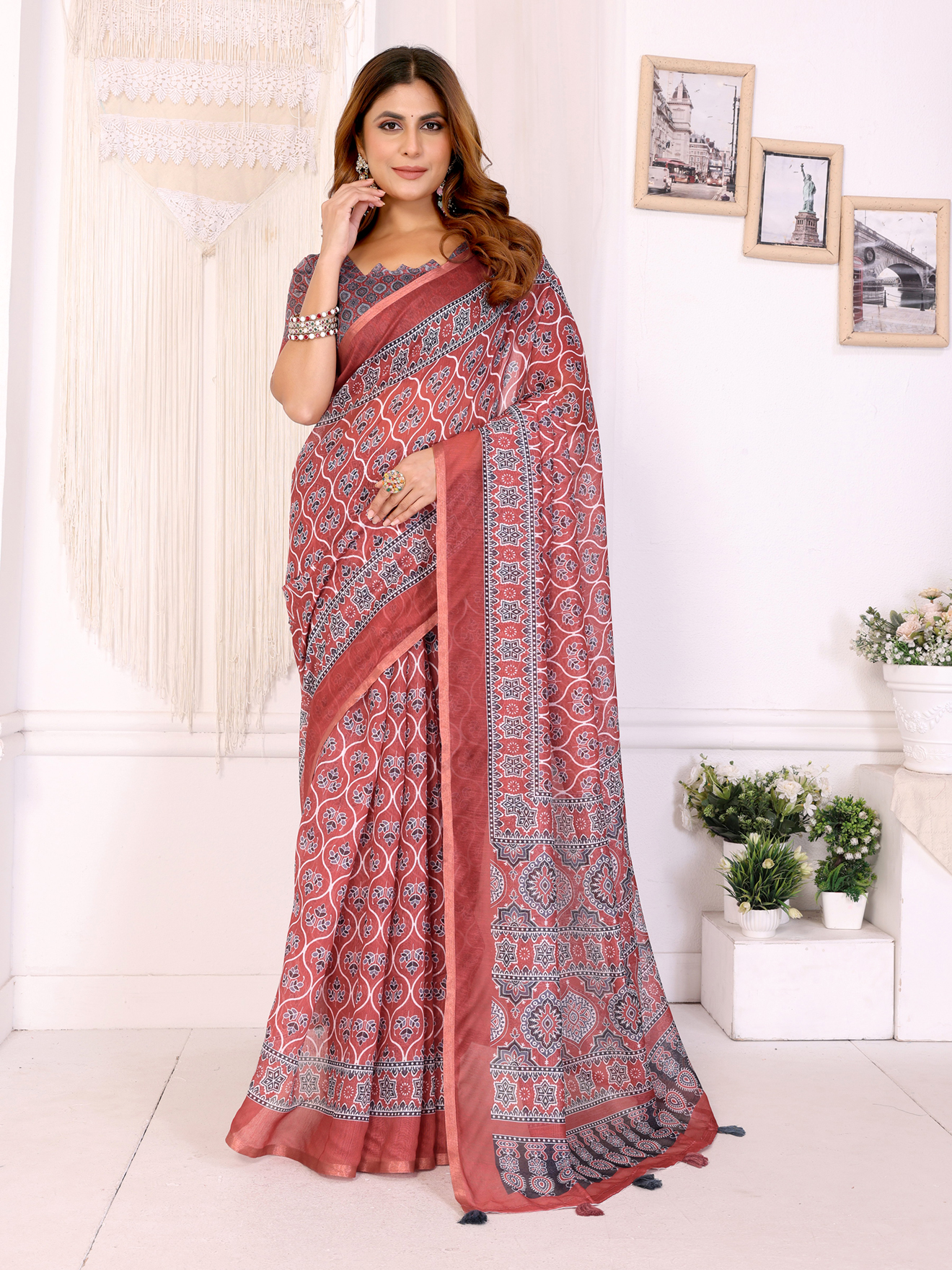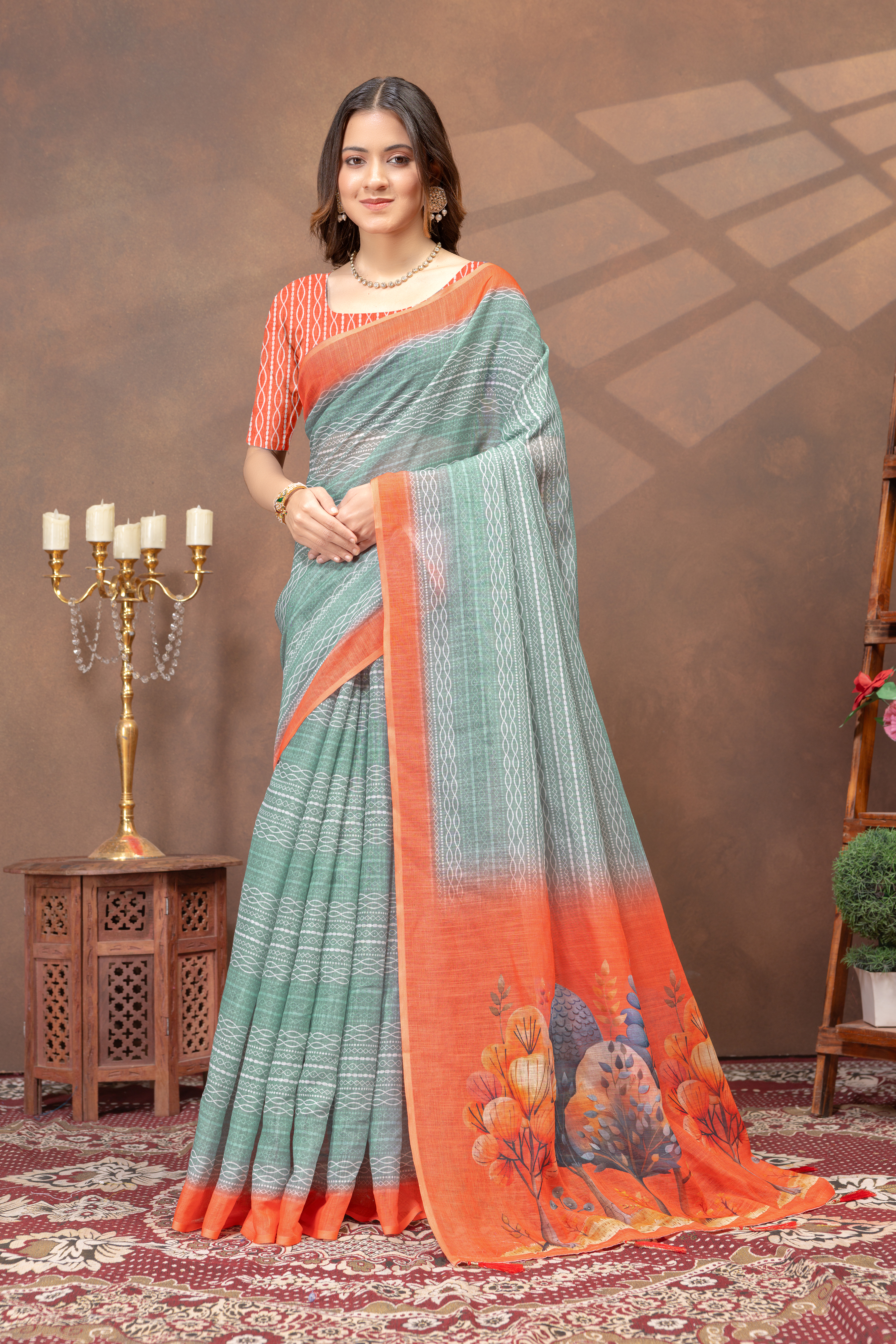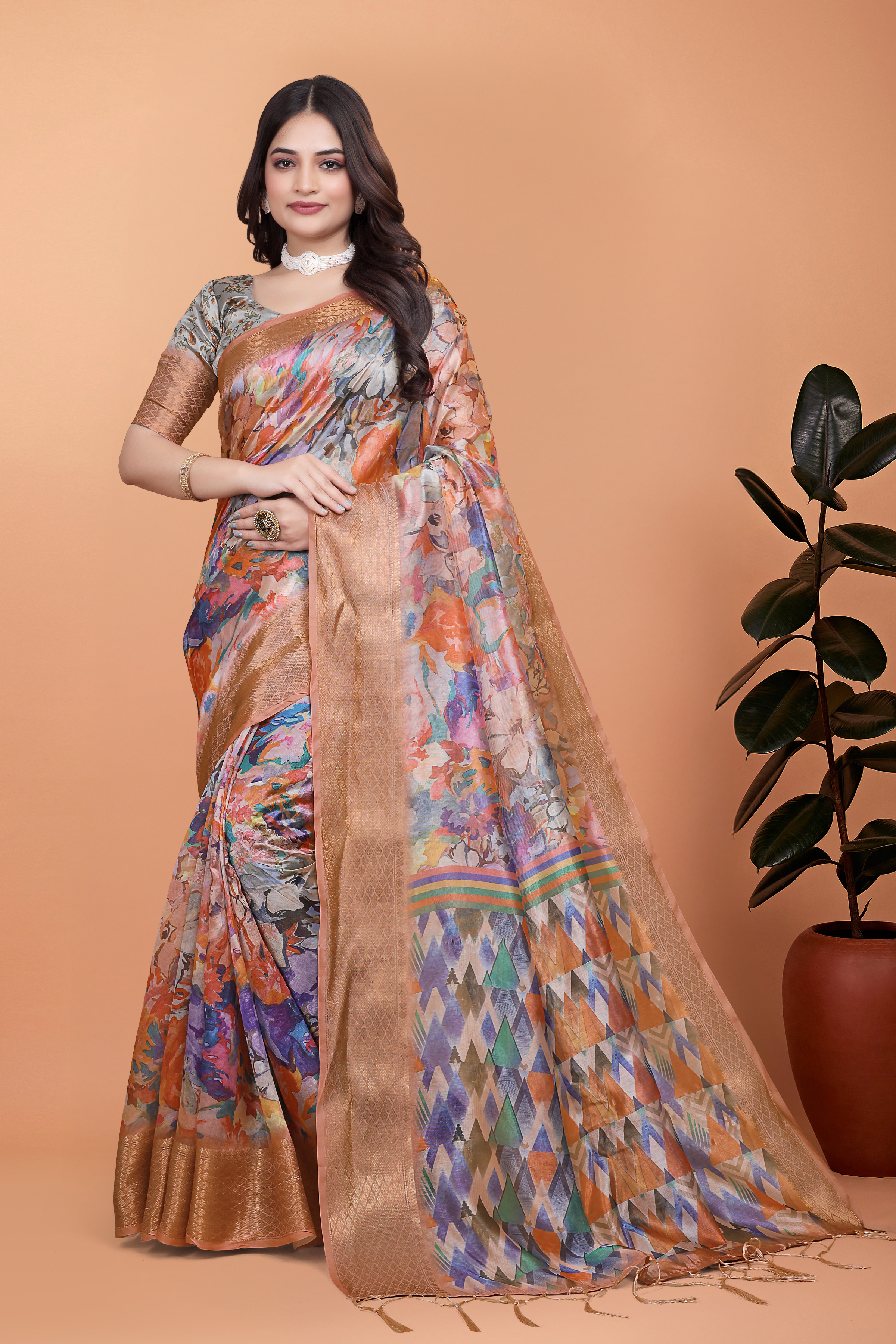
Lehenga Pockets Are Useful but Their Placement Can Change the Fall, especially when the skirt carries sequins, zari, a formal lining or several layers of net. A well-positioned pocket can hold a phone without disturbing the silhouette; a low, heavy or poorly supported pocket can pull one section of the skirt down. Checking the pocket should therefore be part of fitting a lehenga, whether you're buying a ready-made set, ordering a bridal design or choosing a semi-stitched style.
Pocket construction affects more than convenience. The pocket opening, bag depth, seam position and reinforcement all influence how fabric hangs from the waistband. These details matter most when a lehenga has a broad flare, a structured waistband or embellishment concentrated around the lower skirt.
Why Lehenga Pockets Are Useful but Their Placement Can Change the Fall
A pocket changes the distribution of weight inside a lehenga skirt, so its position can influence the way the flare opens and settles. The skirt hangs from the waistband, and any extra weight placed far below that waistband creates a pulling force on the surrounding panels.
A phone, keys or a small cardholder may add only a few hundred grams, but the weight doesn't sit evenly across the entire garment. The weight gathers at one side, which can make that side dip while the opposite side appears slightly higher. The effect becomes more visible when the skirt fabric is light, fluid or cut with a very wide flare.
A pocket placed close to a side seam usually allows the skirt to retain its intended front fall. A pocket positioned too far toward the front can interrupt the visible sweep of the front panels, while a pocket placed very low can create a faint vertical drag line. Neither issue automatically makes a lehenga unsuitable, but both deserve inspection before purchase.
Pocket placement also affects hand movement. A pocket opening should be easy to reach without twisting the waistband or lifting the skirt. A narrow opening may be secure but uncomfortable, while a wide opening may gape when the wearer walks, sits or dances. The best position balances access, support and the visual rhythm of the lehenga panels.
How Does Pocket Position Affect a Lehenga's Flare?
The pocket position affects flare most when the pocket bag crosses a panel seam, sits below the skirt's main support area or carries a heavy object. The visible result can range from a small side dip to a twisted hemline.
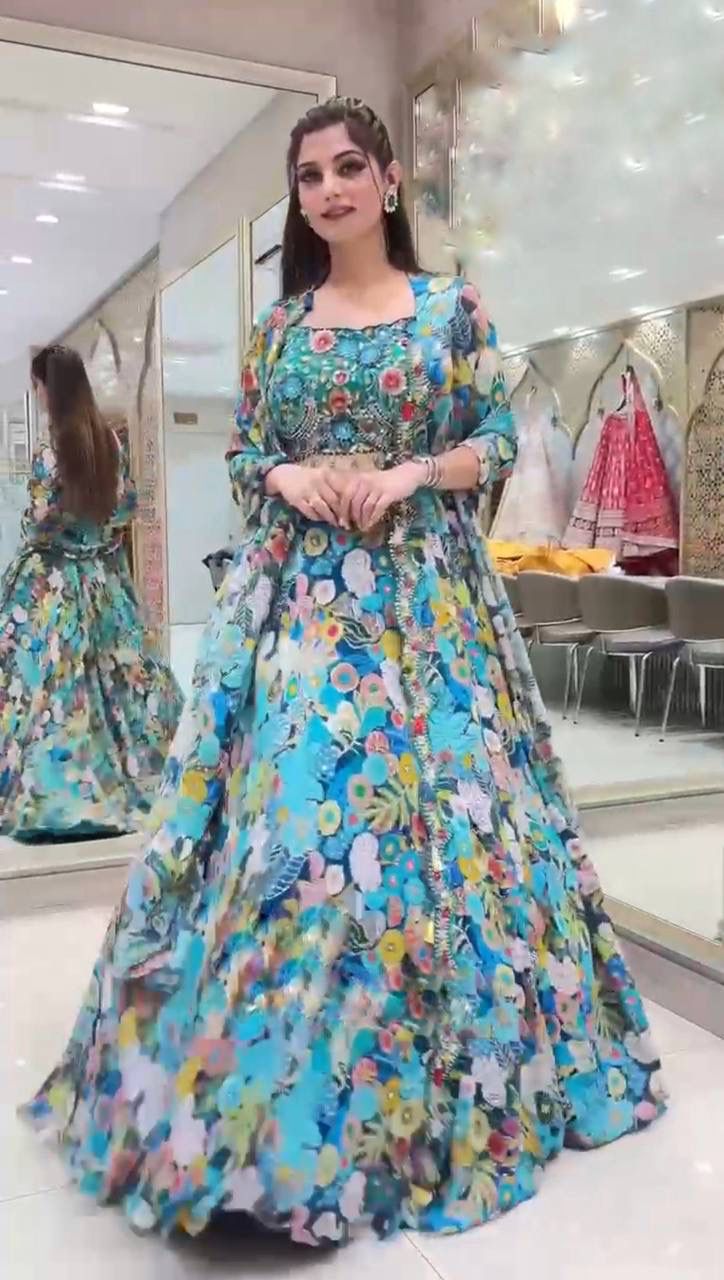
High side pockets support a cleaner fall
A pocket opening located near the upper hip generally preserves a cleaner fall because the pocket bag remains closer to the waistband and the body's natural support points. A high side pocket also reduces the length of fabric hanging below the loaded area.
High placement doesn't mean that every pocket will behave perfectly. The pocket bag can still pull if it's made from thick lining, if the opening is cut on the bias or if the pocket is attached to a delicate embellished panel. Feel the inside construction as well as inspecting the outside appearance.
Low pockets can create a visible drag line
A low pocket can pull the outer skirt downward and create a diagonal or vertical drag line, particularly when the pocket contains a phone. A low opening may also force the wearer to reach through several layers, which increases the chance of catching the lining or disturbing the pleats.
Low placement is more noticeable in a straight or lightly flared lehenga than in a heavily gathered skirt. A very full bridal lehenga may conceal a small amount of unevenness, but concealment isn't the same as comfort. Sit, walk and turn before deciding that the pocket works.
Front pockets need extra scrutiny
A pocket located close to the front can alter the way the front panels overlap and may make the contents visible through a lighter skirt. A front pocket is especially difficult to disguise under pastel georgette, organza or satin with a smooth surface.
Front placement may be practical for a wearer who uses the pocket frequently, but the pocket opening should follow a stable seam rather than cut across embroidery or a prominent motif. A pocket concealed in a side panel usually creates less visual interruption.
Which Lehenga Fabrics Show Pocket Problems Most Clearly?
Lightweight, fluid and smooth fabrics show pocket distortion most clearly, while dense or highly layered skirts tend to conceal minor pulling. Fabric choice should determine how carefully you test a pocket before buying.
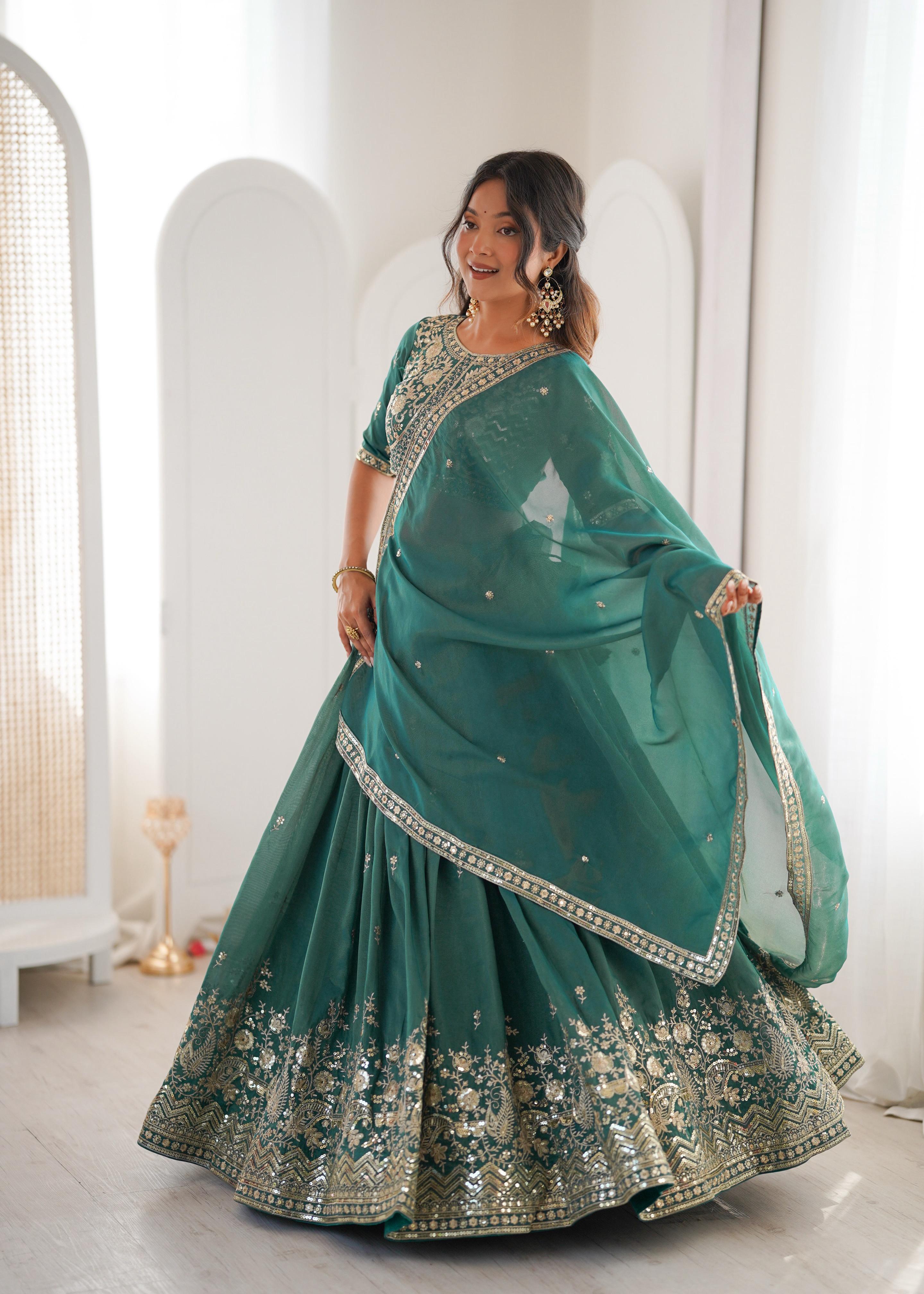
Georgette drapes softly and can reveal a loaded pocket through a shallow dip or a stretched seam. Organza has more body, but a pocket opening can become visible if the surrounding fabric is transparent or sharply pressed. Satin reflects light across its surface, so a small change in tension may appear as a noticeable shiny line.
Chinon silk and other smooth silk-blend surfaces can show drag marks when the pocket lining catches against the outer layer. Sequins and embroidery add another consideration: embellishment makes the skirt heavier overall, but concentrated work around one pocket can make one panel hang differently from the rest.
Pastel Floral Georgette Lehenga Set with Ruffle Blouse illustrates why a soft skirt needs a careful pocket check. Inspect whether the pocket bag is supported by the lining and whether a phone causes the floral surface to pull. Floral Digital Printed Organza Lehenga with Zari, Dori and Sequin Embroidery also deserves attention around the pocket seam because organza, zari and sequin work can make repairs or alterations more complex.
Dusty Pink Satin Embroidered Lehenga Set Online should be tested under direct and indirect light. Uneven tension can look subtle in a fitting room but become more obvious when satin catches light at a different angle.
How Should You Test a Lehenga Pocket Before Buying?
The most reliable pocket test takes five minutes and uses the objects you expect to carry. A mirror-only inspection isn't enough because the fall can change when the skirt is loaded and the wearer moves.
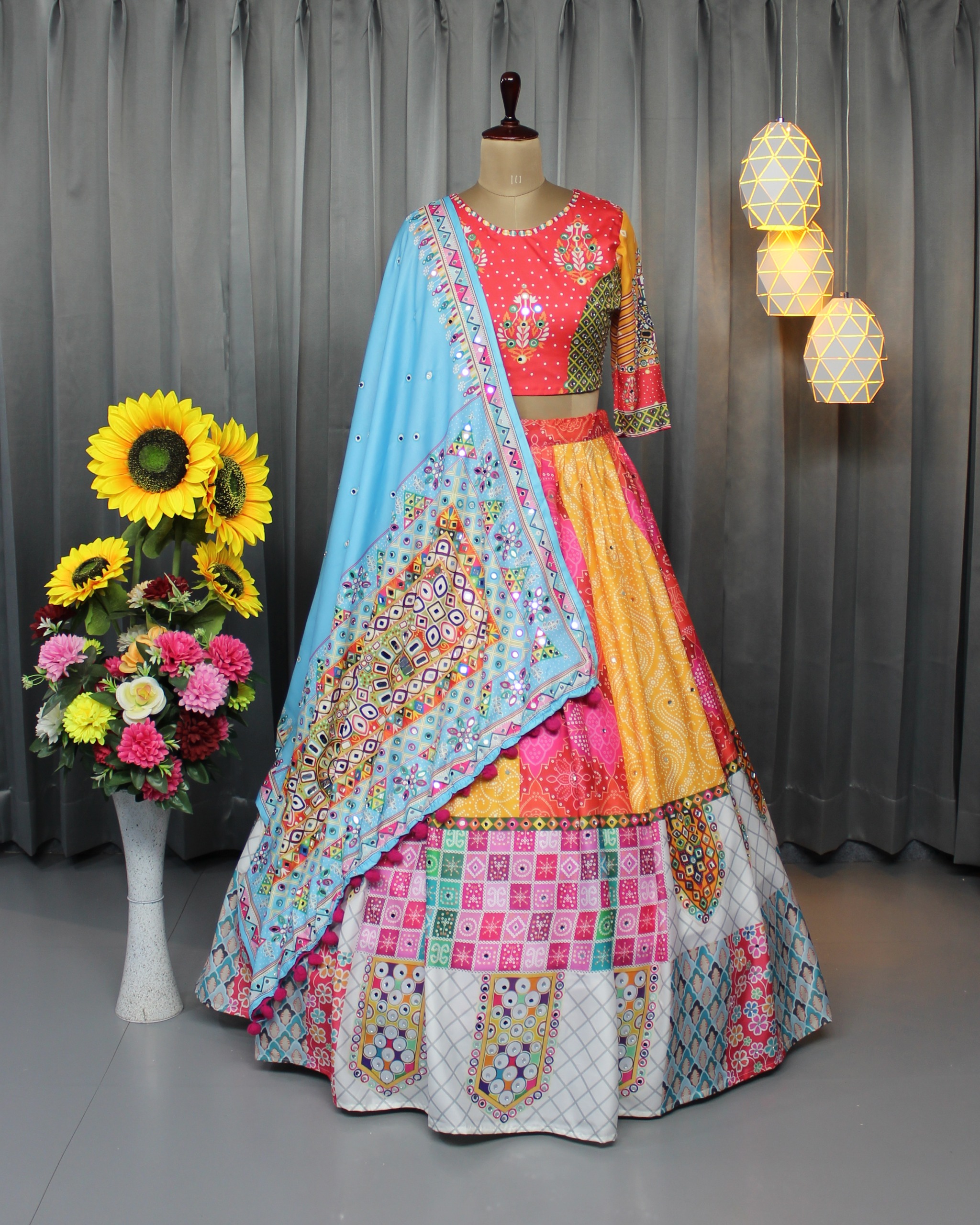
- Check the opening: Slide your hand into the pocket without forcing the seam. The opening should accept your hand comfortably and should not scratch against exposed embroidery, zari or a rough seam allowance.
- Use a realistic object: Place a phone of similar size and weight to your own phone inside the pocket. Test the pocket again with a small cardholder or keys if those items are part of your event-day routine.
- Inspect the waistband: Look for a waistband that tilts toward the loaded side. A slight change may be correctable, but a strong tilt suggests that the pocket or its support needs alteration.
- Walk and turn: Take at least ten steps, turn slowly and make one wider pivot. Watch whether the hem swings evenly or whether one panel repeatedly trails behind.
- Sit down: Sit on a firm chair and stand again without using your hands. A pocket that feels comfortable while standing may gape, press into the hip or pull the side seam when seated.
- Inspect the inside: Look at the pocket bag and lining. The pocket should not hang substantially lower than neighbouring layers or twist into a narrow, rope-like shape.
Ask for a second opinion from someone standing behind you. A wearer often feels a pocket pulling before seeing the change, while another person can identify a sloping waistband, an uneven hem or a pocket outline.
What Pocket Construction Should a Good Lehenga Have?
A good lehenga pocket has a secure opening, a smooth pocket bag, reinforced attachment points and enough depth for its intended use without becoming a heavy pouch. Construction quality matters as much as the pocket's location.
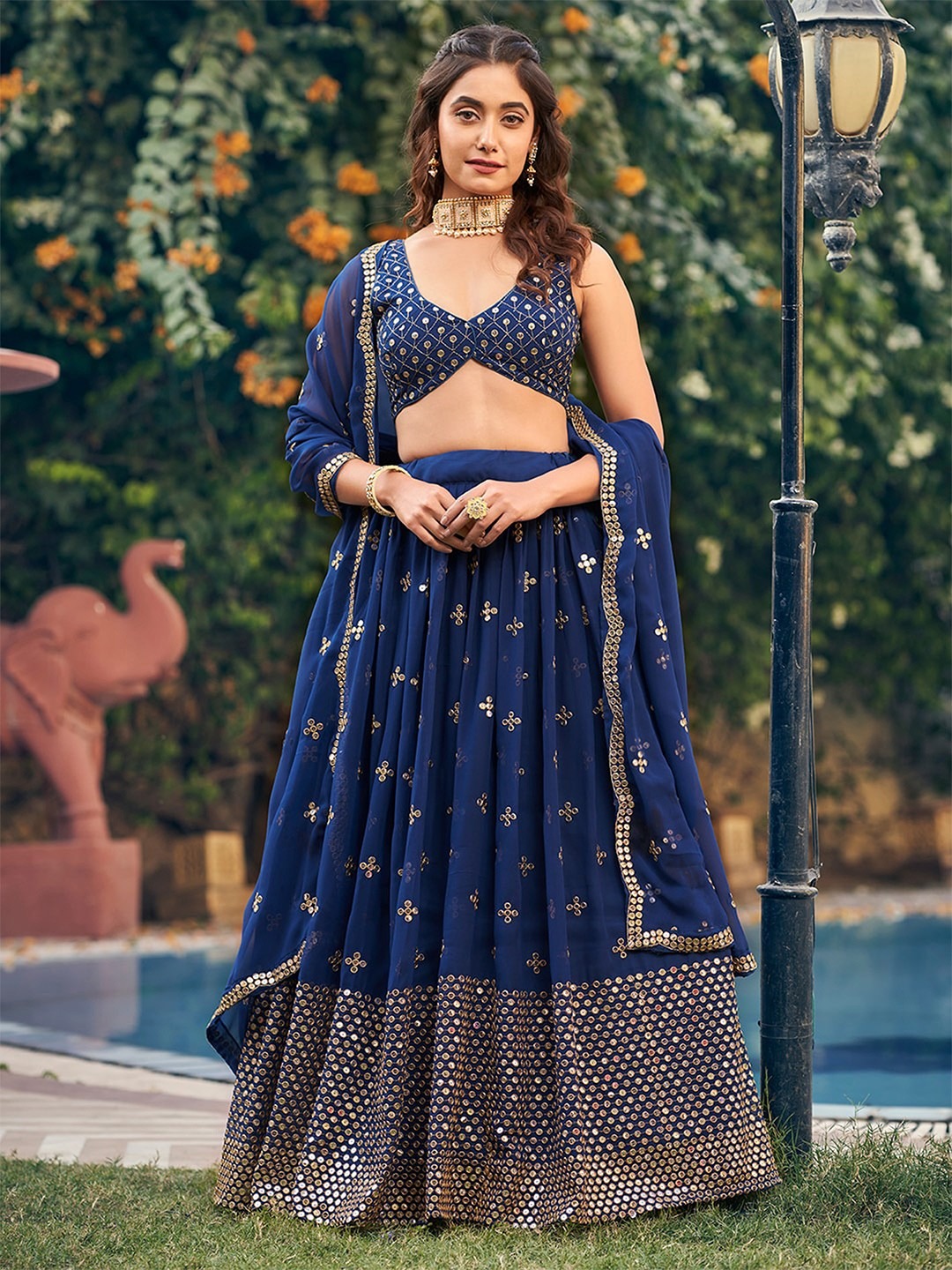
The pocket opening should be finished cleanly and should not expose loose threads. The pocket bag can be made from lightweight lining rather than the heavily embellished outer fabric, which reduces unnecessary weight. Extremely thin lining may tear when holding a phone, so strength and low bulk must be balanced.
Reinforcement at the top of the pocket is important because the top edge receives repeated stress when a hand enters and exits. Bar tacks or secure stitching at stress points can extend the pocket's life. The pocket should also be anchored to a stable side seam or waist-facing area rather than relying only on a delicate decorative panel.
A pocket that's too deep may allow a phone to sit near the knee, where its weight disturbs the lower fall. A practical depth keeps the object supported around the upper hip while preventing it from slipping out during movement. If the pocket is deep, ask whether a tailor can shorten the pocket bag without damaging embroidery.
Starfall Luxe Sequin Georgette Lehenga and Varnika Sequin Georgette Lehenga show why embellished georgette requires an inside-out inspection. Sequins can catch on a loose pocket edge, and a pocket inserted through a decorated area may need specialist alteration rather than a quick side-seam adjustment.
How Do Ready-Made and Semi-Stitched Lehengas Handle Pockets?
Ready-made lehengas offer the fastest route to a pocketed outfit, but the pocket position and waistband fit must be checked on the actual garment. A standard size may fit the waist while placing the pocket too low or too far forward for your body shape.
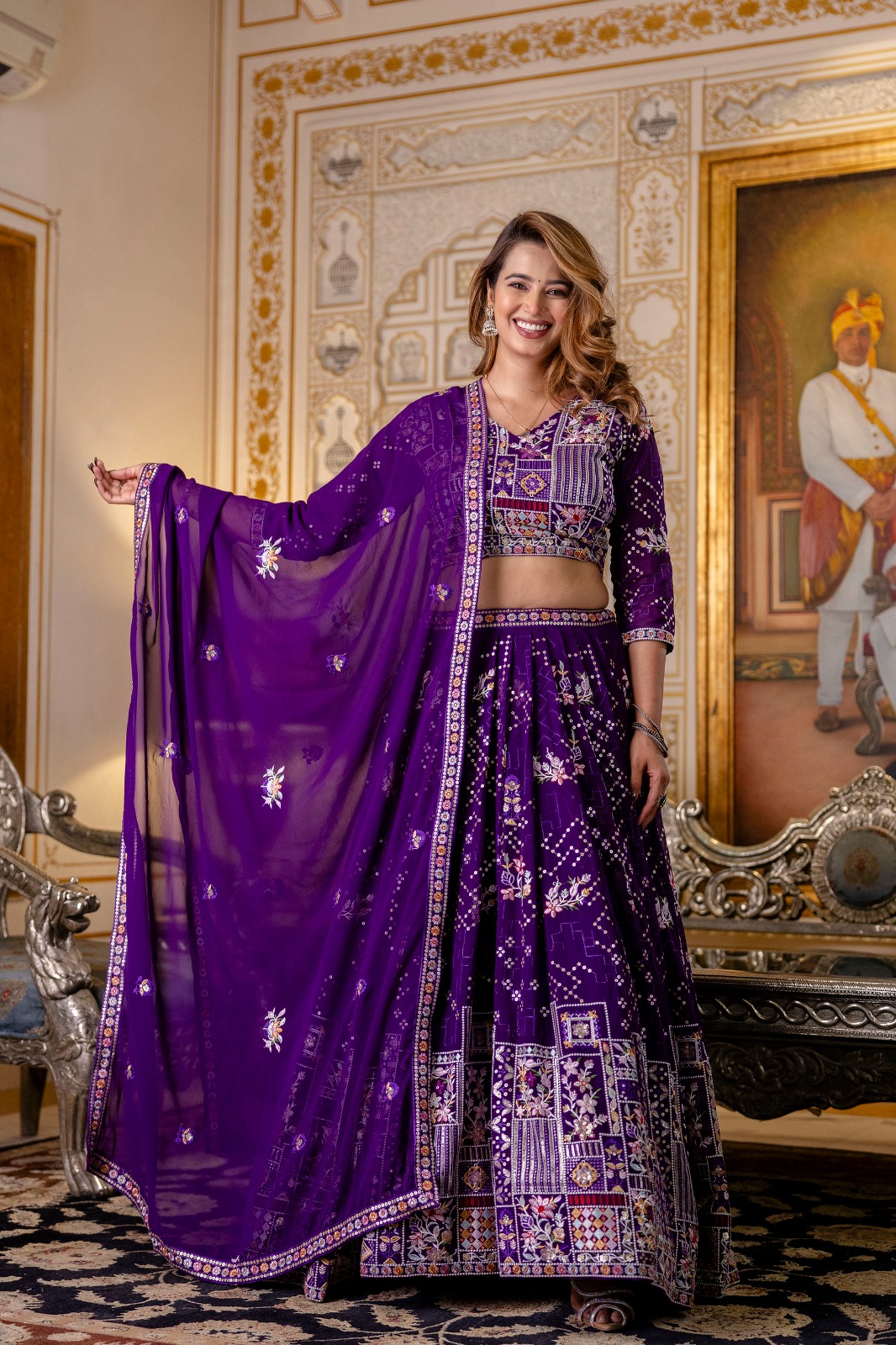
Fully stitched choli shopping and ready-made lehenga shopping become easier when you record three measurements: natural waist, high hip and the distance from the waist to the point where your hand naturally rests. Compare those measurements with the garment rather than relying only on the label size.
Semi-stitched lehengas can offer more flexibility because a tailor may position the side seam and pocket during final construction. The tailor needs clear instructions about phone size, preferred hand and intended placement. A pocket should be planned before the waistband and lining are finally closed.
Semi Stitched Lehenga with Organza Dupatta is the kind of outfit where custom placement can be worthwhile, particularly if the skirt has a light organza layer. A tailor should avoid placing the pocket through a visible border, dense embroidery or a fragile edge. The tailor should also test the finished pocket with the dupatta and blouse because the complete outfit changes how easily the pocket can be reached.
The Semi Stitched Lehengas Collection can suit buyers who want more control over waist fit, flare and pocket position. Buyers should confirm whether pocket insertion is included in tailoring or whether it will require a separate alteration appointment.
Where Should You Place a Pocket for Mehendi, Wedding and Bridal Wear?
A pocket should sit at the upper side seam or high hip, remain supported by the waistband and avoid prominent front motifs for most Mehendi, wedding and bridal outfits. The ideal position may change according to the skirt's fabric, flare and embellishment.
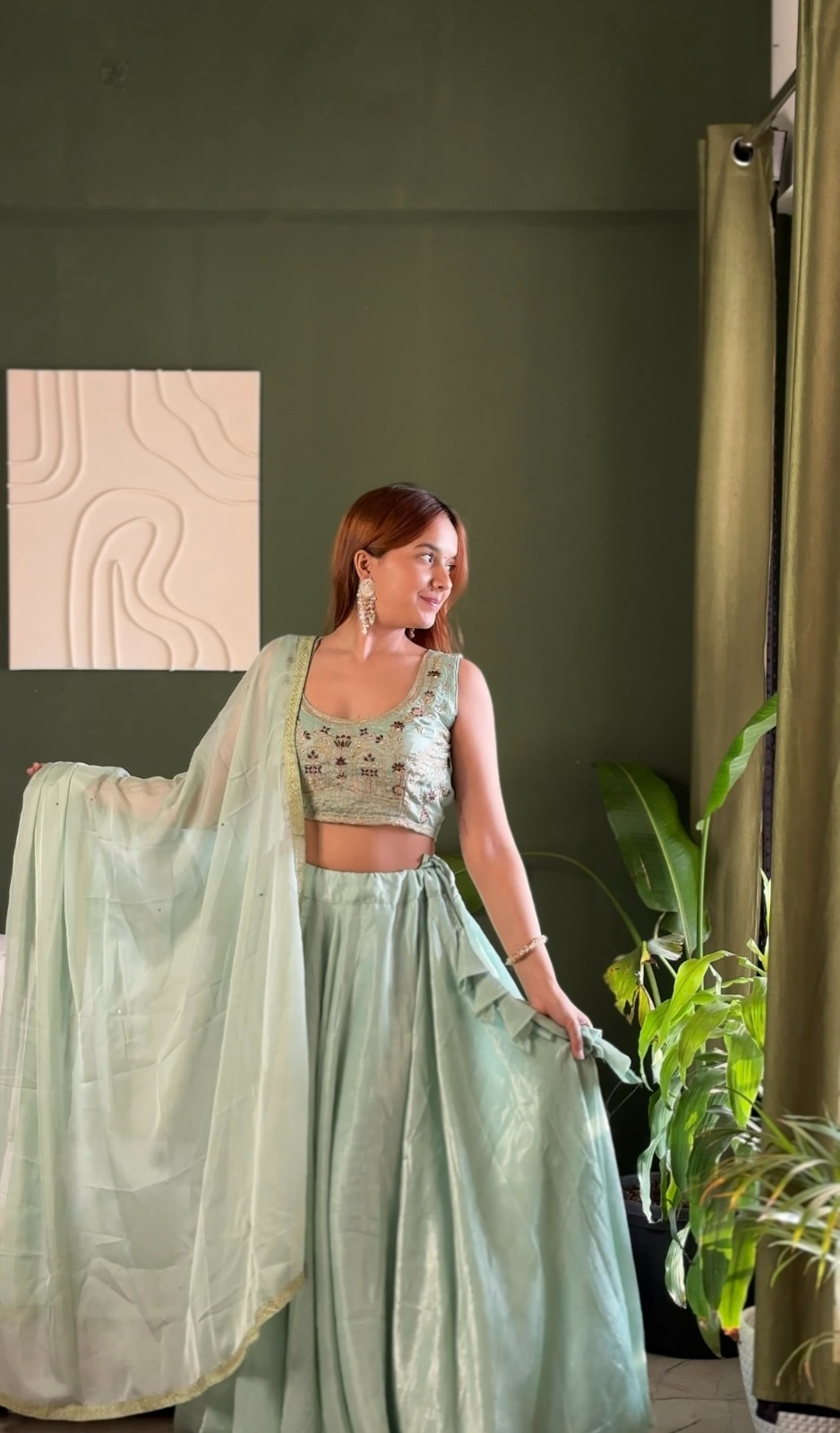
For a Mehendi ceremony, practical access may matter because the wearer often moves between seating, photographs and activities. Mehendi Lehengas with lighter fabrics can benefit from a discreet side pocket, but a phone should not remain inside throughout dancing if it visibly pulls the skirt.
Yellow Lehengas and Green Lehengas often use bright surfaces where a small shadow or drag line can be noticeable. Test the pocket under daylight as well as warm indoor lighting before a Haldi ceremony or daytime wedding event.
Bridal designs need the strictest weight check because embroidery, zari, layered linings and can-can may already make the skirt heavy. Pink Bridal Sequins Lehenga Set with Heavy Flare and Green Chinon Silk Sequins Embroidered Lehenga Set should be checked with the intended phone, not an empty pocket. Heavy flare can hide a dip from the front while still making the waistband uncomfortable on one side.
A pocket is most valuable when it supports the wearer without becoming the main weight-bearing point. For a long wedding ceremony, keep only a phone or a few cards inside and give keys, cosmetics and heavier items to a companion or a small accessory bag.
When Should You Choose a Readymade Lehenga Without a Pocket?
A readymade lehenga without a pocket may be the better choice when the skirt is very light, heavily embellished at the side seam or designed with a delicate transparent layer. A tailor can sometimes add a pocket later, but an alteration may disturb the embroidery, lining or flare.
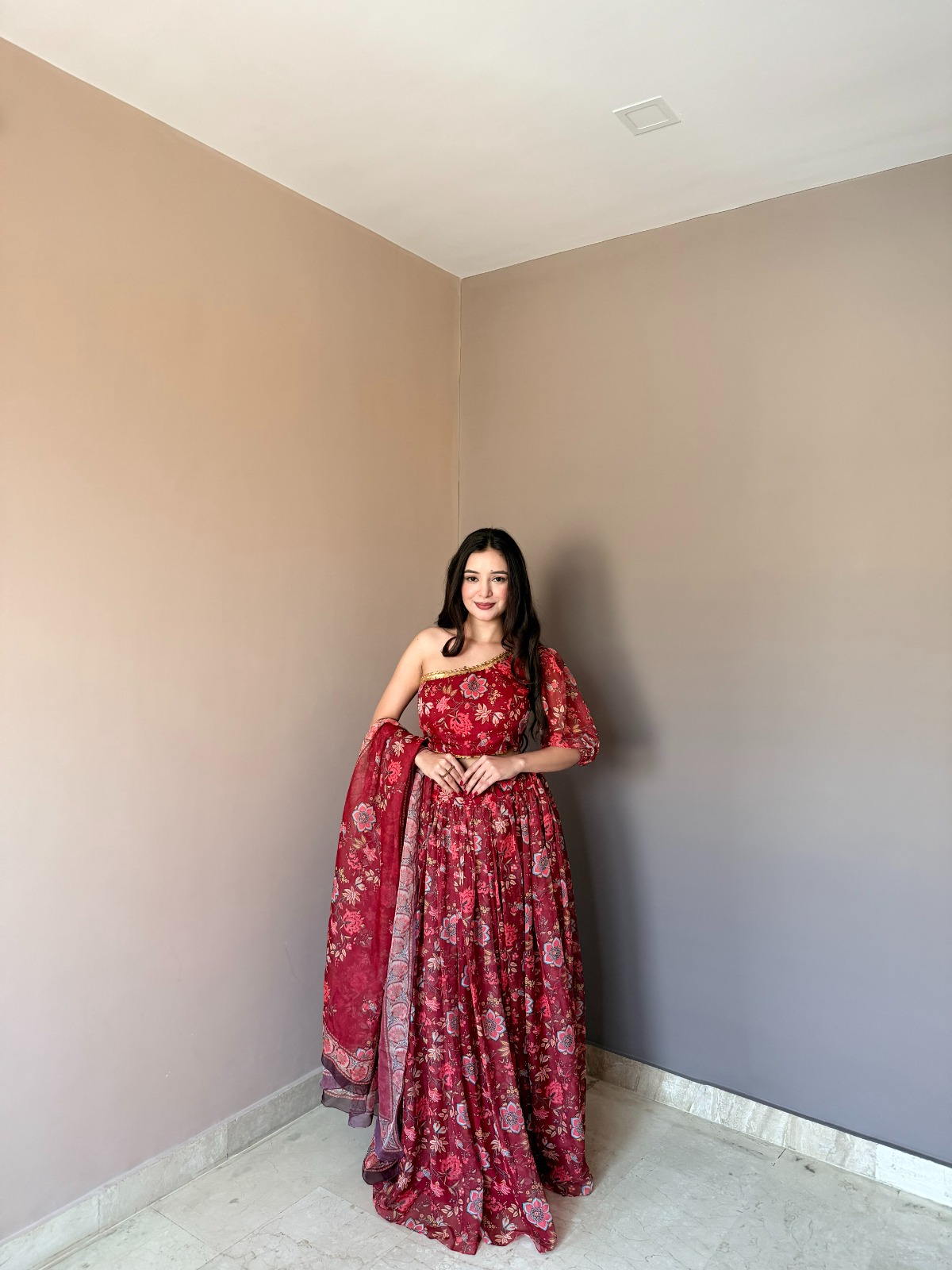
Varnika Sequin Georgette Lehenga and Blooming Georgette Sequins and Thread Embroidered Lehenga Set with Georgette Dupatta should be evaluated for pocket compatibility before any cutting takes place. A concealed pouch worn under the blouse or a small potli can preserve the original fall when the skirt construction is too delicate for a pocket.
Ready Made Lehenga is a useful category for buyers who need a quicker decision, but speed should not replace a movement test. Check the waistband, sit in the outfit, walk ten steps and load the pocket before removing the tags or confirming final alterations.
The practical rule is simple: choose the pocket that keeps the phone close to the upper hip, distributes weight through a stable seam and leaves the hem moving evenly. Convenience becomes genuinely useful when the pocket supports the lehenga's design instead of competing with it.
Common Questions About Lehenga Pockets and Skirt Fall
Do lehenga pockets make the skirt look bulky?
Lehenga pockets don't necessarily make a skirt look bulky when the pocket bag is slim, the opening is discreet and the contents are lightweight. Bulk usually comes from thick lining, a low pocket bag or carrying several objects at once.
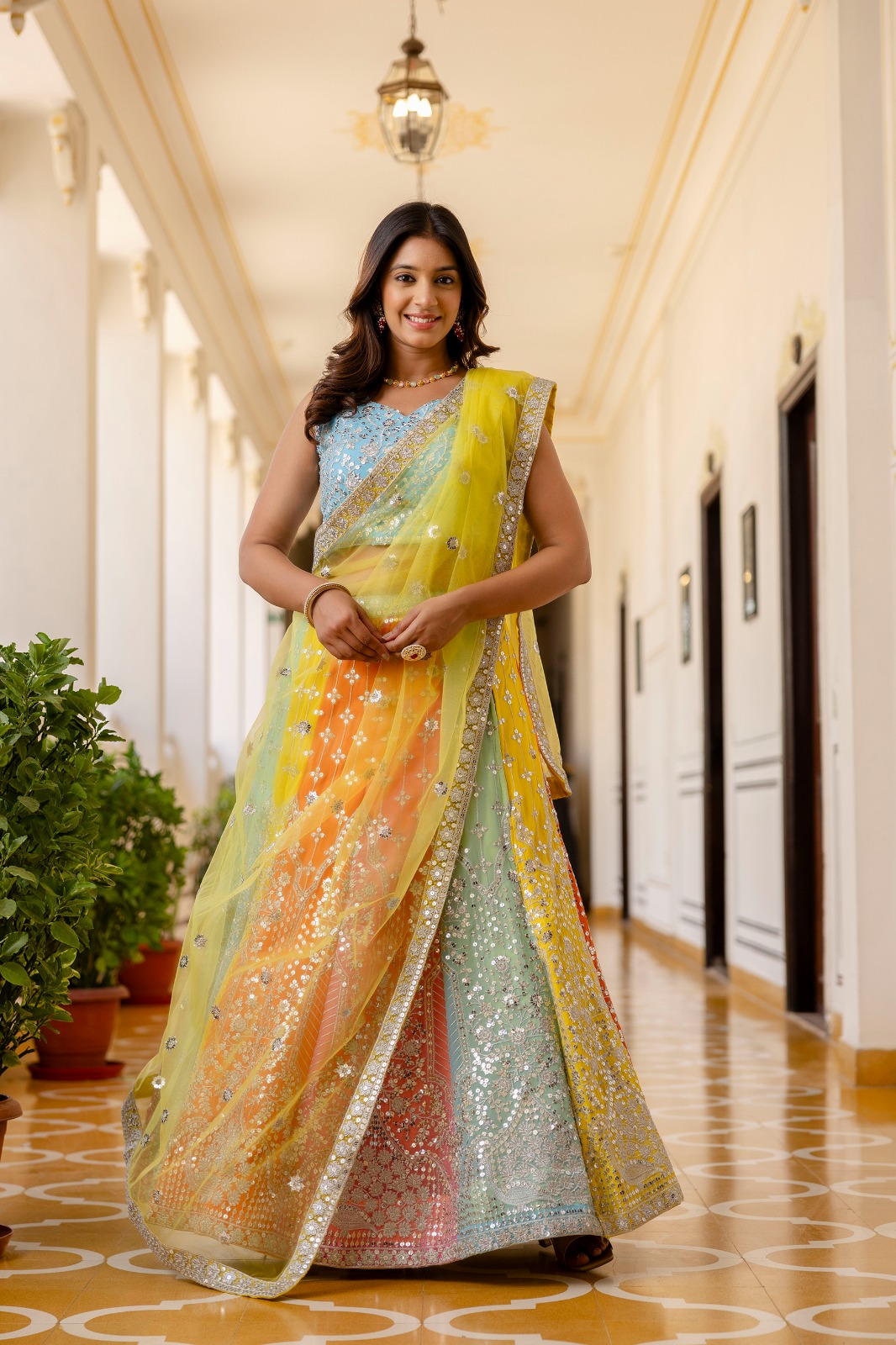
Test the pocket empty and loaded because the outer fabric may look smooth until a phone is inserted. A tailor can sometimes reduce bulk by replacing a heavy pocket bag with a strong, lightweight lining.
Can a tailor add pockets to a bridal lehenga?
A tailor can add pockets to many bridal lehengas, but the result depends on the lining, embroidery, border and side-seam construction. A pocket should be planned before cutting through embellished fabric.
Ask the tailor to mark the opening while you wear the skirt and to test the finished pocket with your phone. Alterations are riskier when the pocket would cross zari, sequins, organza or a heavily decorated border.
Are pockets practical in a heavily flared lehenga?
Pockets can be practical in a heavily flared lehenga when the waistband and side seam are strong enough to support the added weight. Heavy flare may hide a small visual dip, but it doesn't prevent one-sided pressure at the waist.
Carry only a phone or a few cards during movement-heavy events. Keep keys, cosmetics and other dense objects outside the skirt whenever possible.
Which pocket position works best for a ready-made lehenga?
A high side-seam pocket usually works best for a ready-made lehenga because it's accessible and keeps the pocket weight near the waistband. The opening should not sit across a front motif or a delicate embellished panel.
Body shape and skirt construction still matter, so confirm the position by walking, sitting and turning in the actual size. A pocket that works for one wearer may sit too far forward or too low for another.
Should a semi-stitched lehenga have the pocket added before final fitting?
A semi-stitched lehenga should have its pocket position marked before the final fitting and stitched after the waist and side seams are correctly placed. Early planning gives the tailor room to avoid embroidery, borders and unstable layers.
Bring the phone you intend to carry and specify which hand you use. The final test should include the blouse and dupatta because both can affect access to the pocket.
Common Questions About Lehenga Pockets and Skirt Fall
Do lehenga pockets make the skirt look bulky?
Lehenga pockets do not necessarily make a skirt look bulky when the pocket bag is slim, the opening is discreet and the contents are lightweight. Bulk usually comes from thick lining, a low pocket bag or carrying several objects at once.
Can a tailor add pockets to a bridal lehenga?
A tailor can add pockets to many bridal lehengas, but the result depends on the lining, embroidery, border and side-seam construction. The pocket should be planned before cutting through embellished fabric and tested with the wearer's phone.
Are pockets practical in a heavily flared lehenga?
Pockets can be practical in a heavily flared lehenga when the waistband and side seam are strong enough to support added weight. Carry only a phone or a few cards during movement-heavy events because dense objects can pull one side down.
Which pocket position works best for a ready-made lehenga?
A high side-seam pocket usually works best for a ready-made lehenga because it is accessible and keeps pocket weight near the waistband. Confirm the position by walking, sitting and turning in the actual size.
Should a semi-stitched lehenga have the pocket added before final fitting?
A semi-stitched lehenga should have its pocket position marked before the final fitting and stitched after the waist and side seams are correctly placed. Bring the phone you intend to carry so the tailor can check the finished fall.