A seated ceremony can expose every problem in a lehenga within minutes: a rigid waistband presses into the stomach, heavy layers bunch around the knees, and a stiff flare refuses to fold comfortably. Choosing Lehenga Fabrics That Will Not Feel Too Stiff at a Seated Ceremony requires more than checking colour or embroidery. The useful questions are how the fabric bends, where the volume sits, whether the lining slides, and how much ease the waistband allows.
Georgette, soft net, butter silk and carefully constructed silk blends usually offer a more manageable balance of movement and structure than heavily layered brocade or densely embellished bridal skirts. The right choice also depends on whether the event involves floor seating, a low divan, a long puja, a formal stage ritual or several hours at a dining table.
Lehenga Fabrics That Will Not Feel Too Stiff at a Seated Ceremony: Which materials bend most easily?
Georgette, butter silk and light butterfly net generally feel easiest to sit in because they fold with the body instead of holding a rigid bell shape.
Fabric alone does not determine comfort. A georgette skirt with a tight waistband and stiff can-can may feel less comfortable than a structured silk skirt with generous ease and a soft lining. Fabric weight, lining, embroidery density and the number of underskirt layers all change how a lehenga behaves when the wearer bends her knees.
- Georgette: Georgette has a fluid drape, moderate fall and enough movement for walking, sitting and turning. Georgette is especially useful for daytime weddings, engagement functions and ceremonies where the wearer will remain seated for 30 minutes or longer.
- Butter silk: Butter silk usually has a smooth hand and a gentle, pliable body. Butter silk can hold colour and light embroidery without becoming as board-like as a very stiff brocade skirt.
- Butterfly net: Butterfly net creates airy volume and can look festive without requiring multiple heavy layers. Comfort depends strongly on the lining and embroidery, because raised threadwork or rough seams can irritate the legs during prolonged sitting.
- Organza: Organza gives a crisp, sculptural finish, so organza is less naturally flexible than georgette or butter silk. A lightly layered organza skirt can still work for a seated ceremony, but a very full, heavily lined version may resist folding at the knees.
- Silk: Silk can range from fluid to firm. A lightweight silk skirt may sit well, while dense silk with heavy zari, stiff interlining or extensive embellishment can feel restrictive.
Banarasi silk and brocade are beautiful choices for formal bridal dressing, but their firmness and surface weight need careful testing. Kanjeevaram-inspired silk structures can also feel substantial, particularly when paired with a wide waistband and several stiff underskirt layers. These fabrics are not automatically uncomfortable; they simply require more attention to construction.
Lehenga Fabrics That Will Not Feel Too Stiff at a Seated Ceremony: How do they compare?
Georgette offers the most naturally flexible drape, butter silk combines softness with polish, butterfly net gives airy volume, organza gives crisp shape, and silk provides the widest range of comfort depending on its weight and construction.
A simple comparison helps when shopping for a ready-made or fully stitched choli set.
- Best for relaxed folding: Georgette and butter silk.
- Best for airy festive volume: Butterfly net with a smooth lining.
- Best for a crisp silhouette: Organza, provided the skirt is not over-layered.
- Best for a formal traditional finish: Silk, when the fabric and embellishment are not excessively dense.
- Most likely to feel rigid: Heavy brocade, dense zari surfaces, stiff can-can and skirts with several reinforced layers.
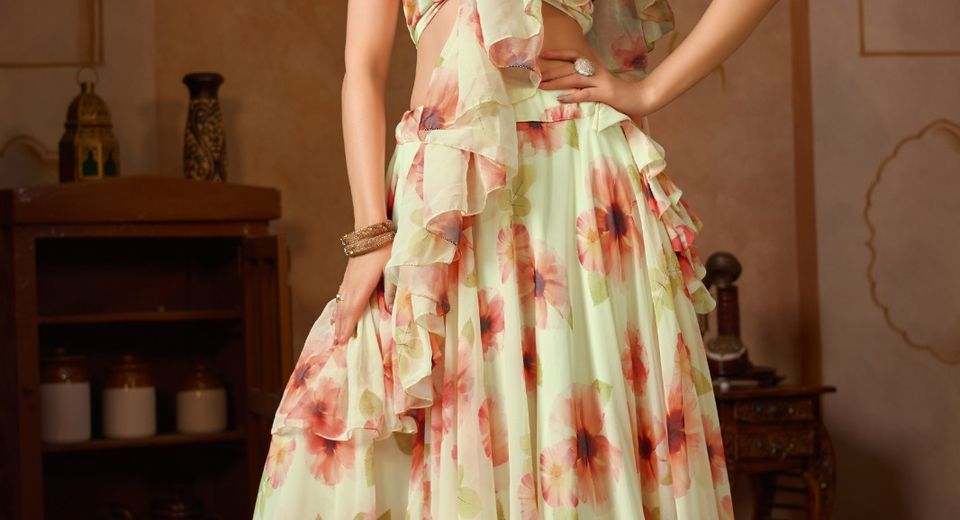
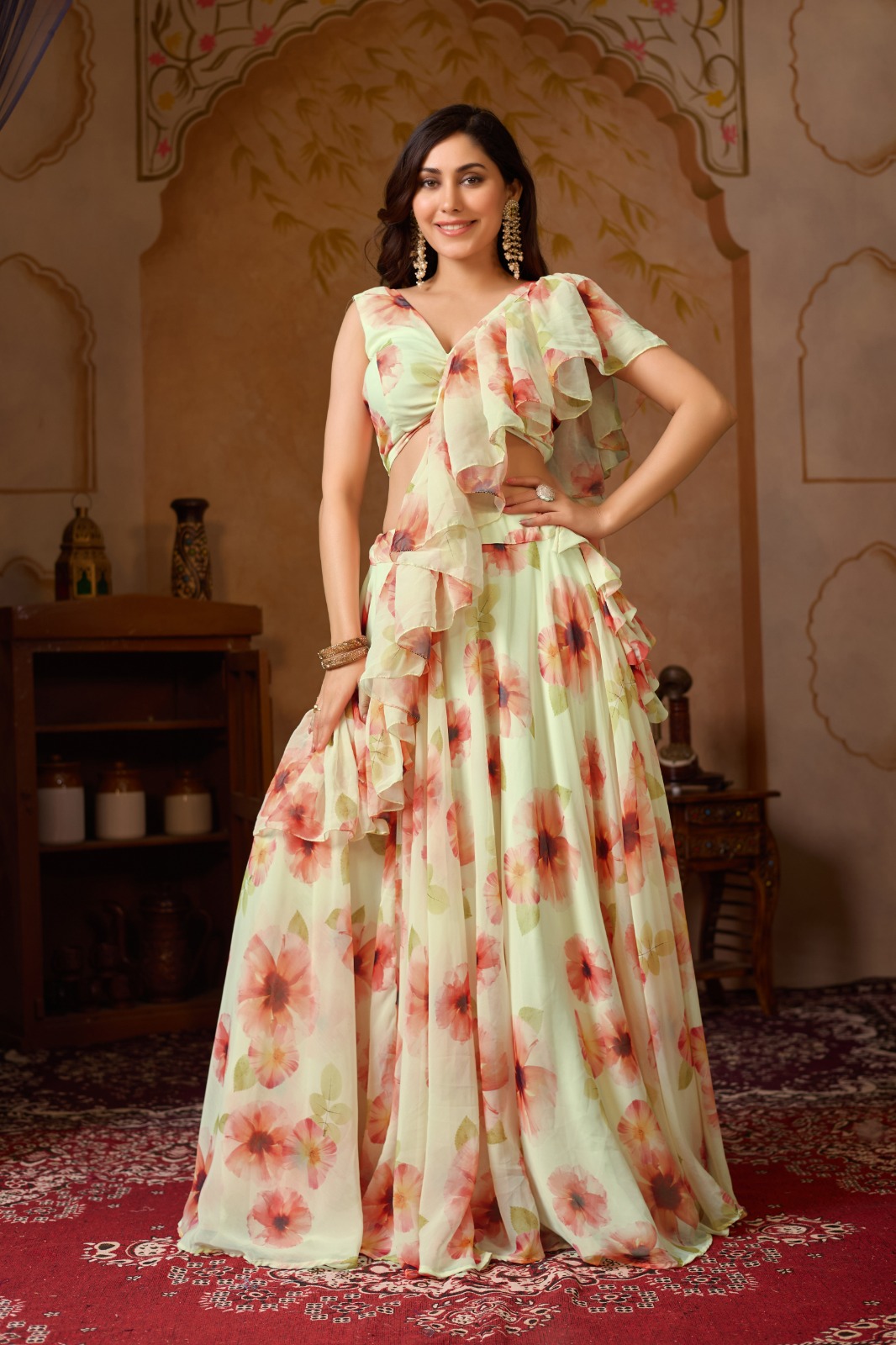
Pastel Floral Georgette Lehenga Set with Ruffle Blouse illustrates why a fluid outer fabric can suit a ceremony that includes sitting and standing. Georgette allows the skirt to gather more naturally around the legs than a rigid circular construction. A ruffle blouse may add visual volume above the waist, so the blouse fit should still allow comfortable breathing and bending.
Stylish Multicolor Butter Silk Lehenga Choli Set and Colorful Patch Print Butter Silk Lehenga Choli Set are useful references for shoppers who want colour and occasion appeal without automatically choosing a hard, heavily structured skirt. Butter silk can be a practical middle ground for wedding guests, festive shopping and daytime celebrations where a wearer wants polish without a bridal-weight silhouette.
Lehenga Fabrics That Will Not Feel Too Stiff at a Seated Ceremony: Which construction details matter?
A tight waistband, stiff can-can, scratchy lining, dense embroidery and excess underskirt volume are the construction details most likely to make a lehenga uncomfortable while seated.
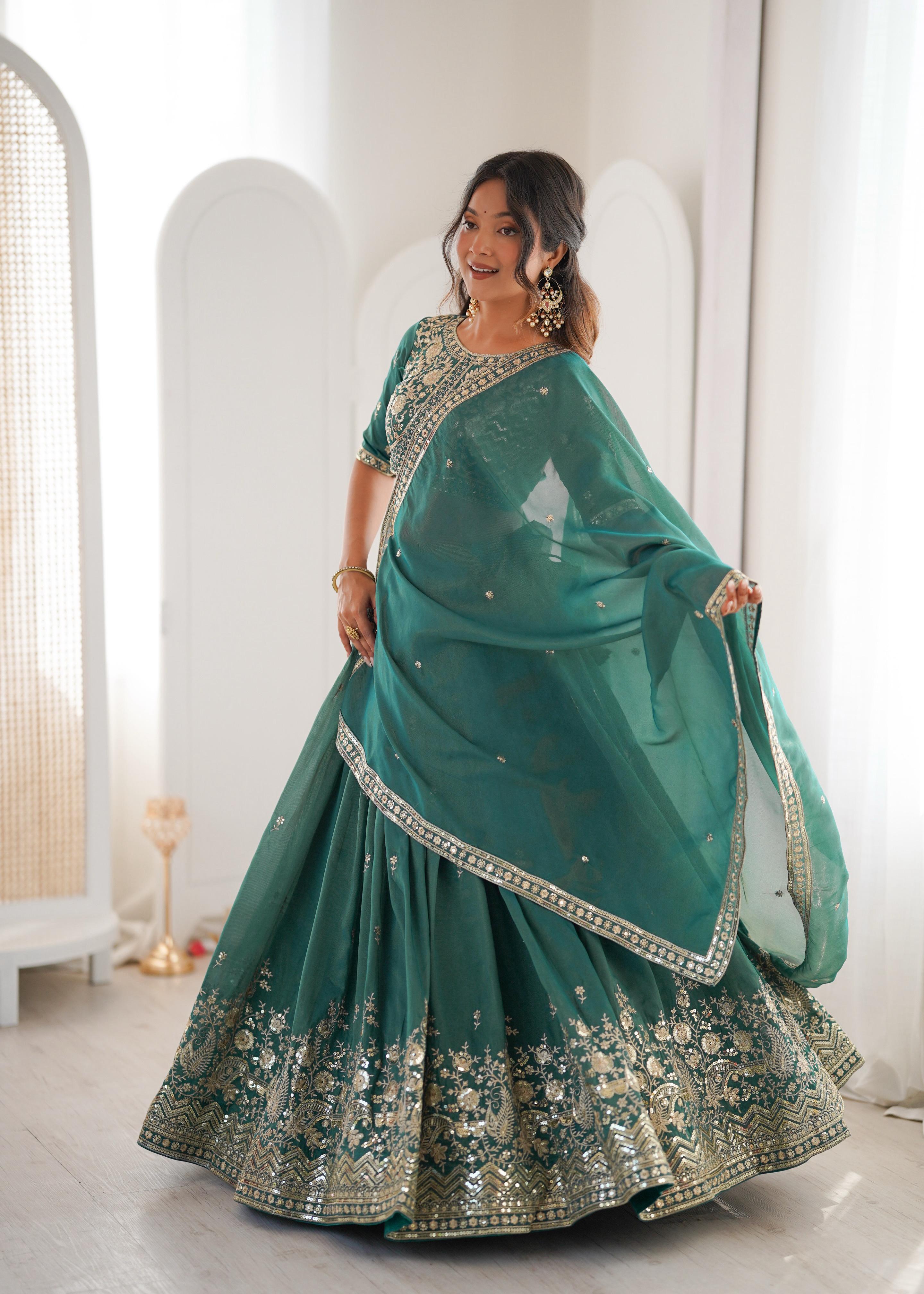
Waistband and closure
A comfortable waistband should sit securely without cutting into the waist when the wearer bends forward. A wide, rigid waistband can create pressure across the abdomen, while a very narrow elastic section may roll or dig in. A side zip should close without pulling across the hips, and a drawstring should have enough adjustment to accommodate normal post-meal movement.
Lining and seam finish
A smooth lining reduces friction and helps the skirt move as one layer when the wearer changes position. Rough overlocking, exposed embroidery backs and thick seam joins can become noticeable after an hour of sitting. Run a hand along the inside waist, hip and hem areas before buying, and check whether sequins or metallic threads touch the skin.
Can-can and underskirt layers
Can-can creates volume by adding a firm net layer, but too much can-can prevents the skirt from folding naturally over bent knees. A ceremony lehenga usually needs less rigid volume than a stage-performance lehenga. Ask whether the can-can extends from the waist to the hem or appears only near the lower edge; a partial layer often permits easier sitting.
Embroidery and surface weight
Dense zari, thick threadwork and extensive sequins increase the skirt's weight and can pull the waistband downward. Designer Threadwork Silk Lehenga Choli Set with Dupatta demonstrates why a formal silk look should be assessed for embroidery placement, not just fabric name. Embroidery concentrated at the hem may leave the upper skirt flexible, while all-over work can make the entire garment feel heavier.
Lehenga Fabrics That Will Not Feel Too Stiff at a Seated Ceremony: How can you test comfort?
You can test seated comfort by bending the knees, sitting for five minutes and checking pressure at the waist, hips, thighs and inner hem.
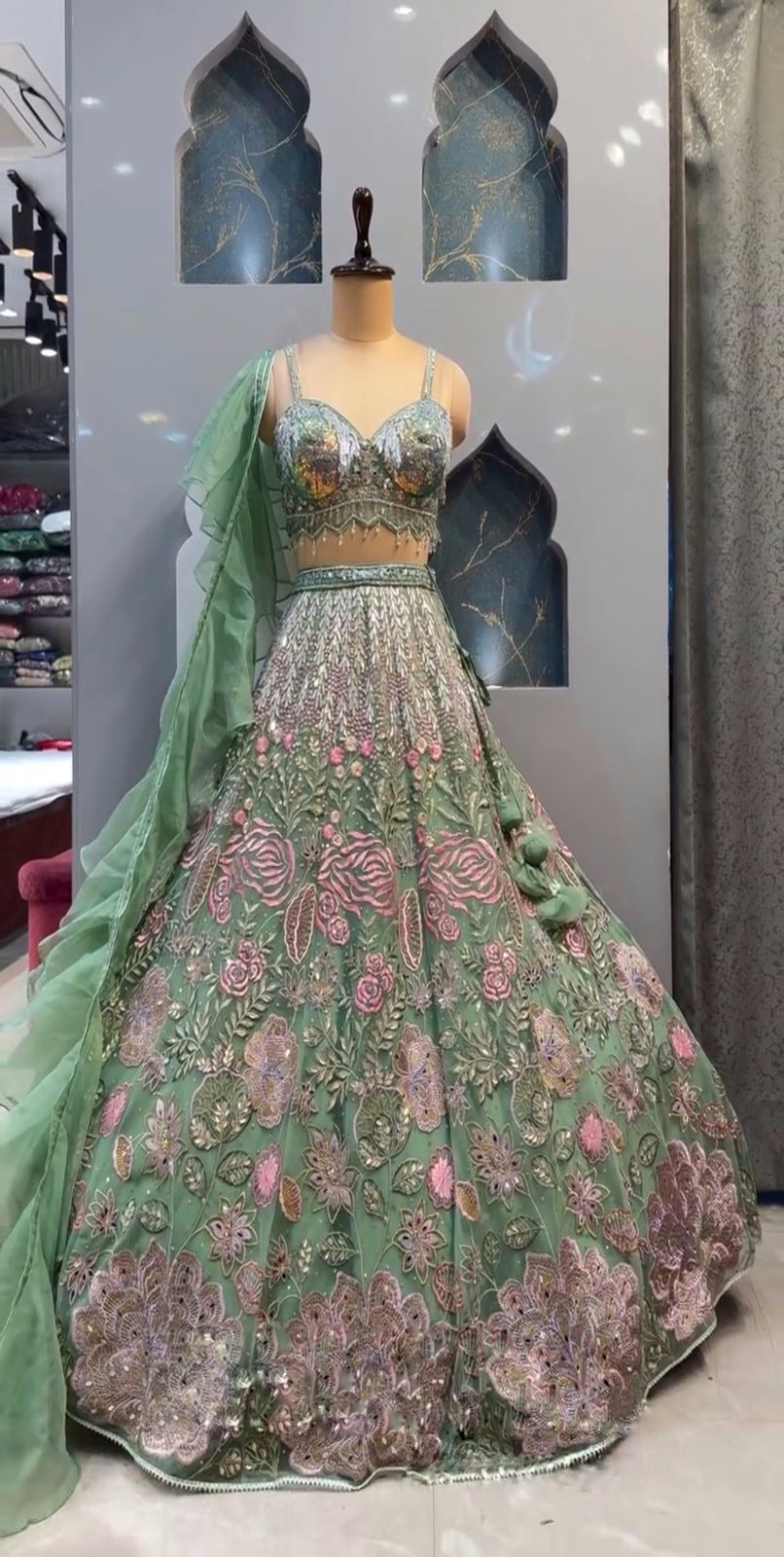
- Check the waist standing: Place two fingers between the waistband and the body. The waistband should feel secure but should not leave a deep mark after a short trial.
- Perform a controlled sit: Sit on a chair with the feet flat, then sit on a lower seat if possible. Notice whether the skirt spreads smoothly or pushes the knees apart.
- Cross and uncross the ankles: This reveals whether the lining grips the legs or whether stiff layers prevent natural movement.
- Lean forward slightly: A blouse that rides up or a waistband that digs in during a small forward lean needs alteration before the ceremony.
- Stand without pulling the skirt: If the fabric catches under the shoes or requires repeated tugging, the hem, lining or flare may need adjustment.
- Lift the outer skirt a little: Check the inner construction, especially rough seams, exposed hooks, stiff net and scratchy embellishment backs.
Online shopping requires a different version of the same test. Read the fabric description, inspect close-up images of the waist and hem, and confirm whether the garment is fully stitched, semi-stitched or adjustable. A fully stitched choli can save tailoring time, but the listed blouse measurements still need to match the wearer's bust, underbust and preferred ease.
Readymade lehenga shopping is most reliable when the buyer compares garment measurements with a comfortable outfit already owned. Body measurements alone do not show whether a particular waistband sits high, low or directly at the natural waist.
Lehenga Fabrics That Will Not Feel Too Stiff at a Seated Ceremony: Which styles suit long rituals?
Lightly embellished georgette, butter silk and soft net lehengas suit long rituals best, while structured organza and dense silk work better when the event is shorter or the wearer can stand frequently.
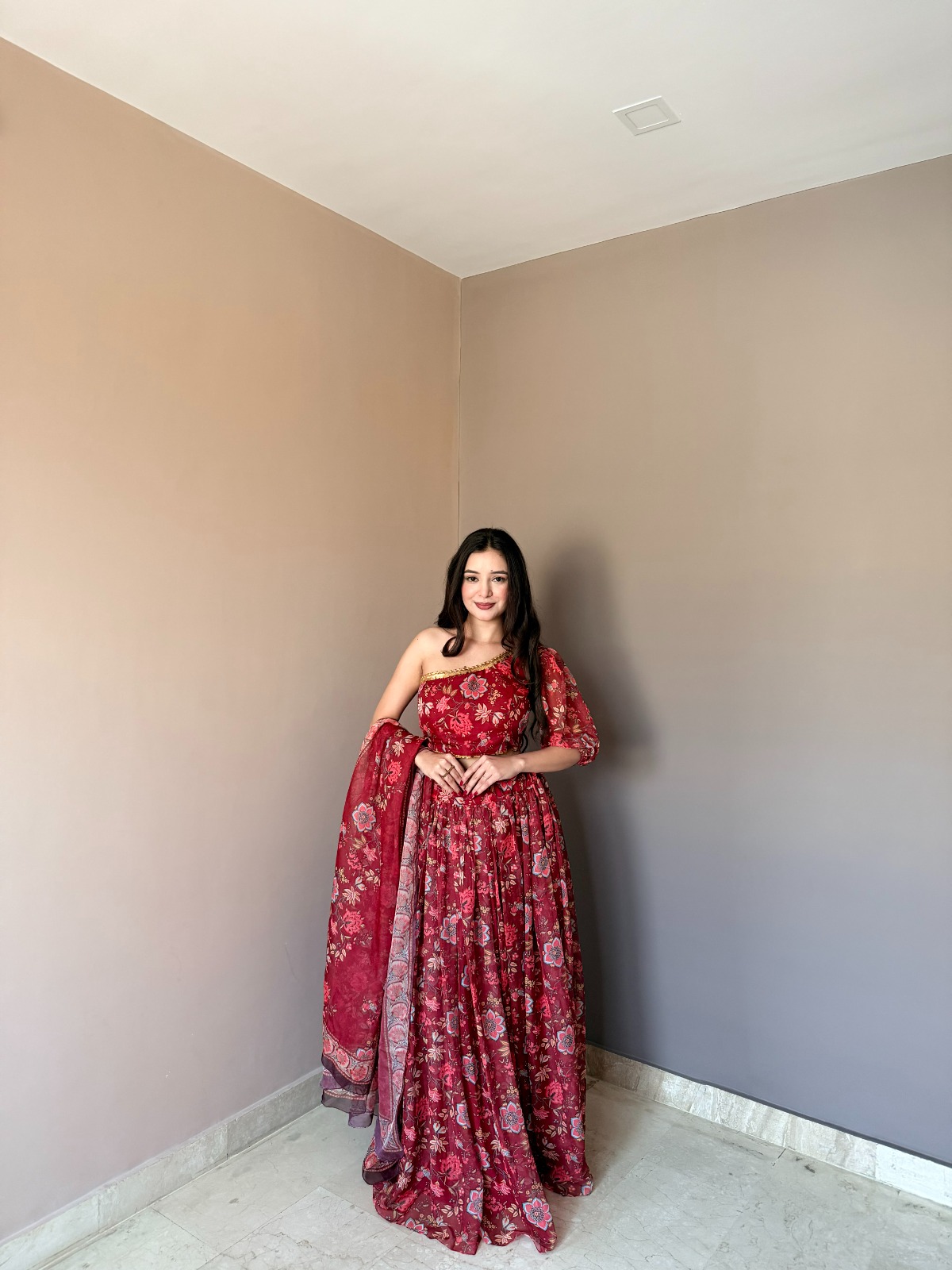
A Haldi ceremony often involves movement, floor-level activity and contact with turmeric, so a practical guest may prefer a lighter printed or moderately embellished skirt rather than a fragile, heavily worked bridal design. Mehendi Lehengas and Yellow Lehengas can help shoppers compare colour direction with the practical needs of daytime functions. Yellow and green outfits are visually appropriate for many pre-wedding events, but a breathable construction remains more important than colour alone.
Mint Embroidered Lehenga Set with Net Dupatta for Women offers a useful example of how a soft colour palette and net dupatta can create a festive appearance without automatically requiring a dense, formal skirt. Green Lehengas is another relevant starting point for shoppers dressing for Mehendi ceremonies, particularly when the function includes sitting on low seating or moving between guests.
Bridal lehengas need a separate comfort calculation. A bride may accept extra weight for a main wedding ritual, but a bride attending several functions may benefit from lighter fabrics for the Mehendi, Haldi or daytime ceremony. Peach Floral Organza Lehenga Set with Printed Dupatta can suit a shorter formal event where crisp organza is desirable, while a longer seated programme calls for careful checking of lining and layer count.
Pastel Grey Embroidered Butterfly Net Lehenga Set and Lime Floral Embroidered Butterfly Net Lehenga Set show how butterfly net can create celebration-ready volume without relying entirely on dense, heavy fabric. Butterfly net remains comfortable only when the inner lining is smooth and the embroidery does not create abrasive raised areas around the thighs or hem.
Lehenga Fabrics That Will Not Feel Too Stiff at a Seated Ceremony: How should you shop and alter them?
The safest shopping approach is to choose the fabric first, verify the construction second and schedule alterations at least 7 to 10 days before the ceremony.
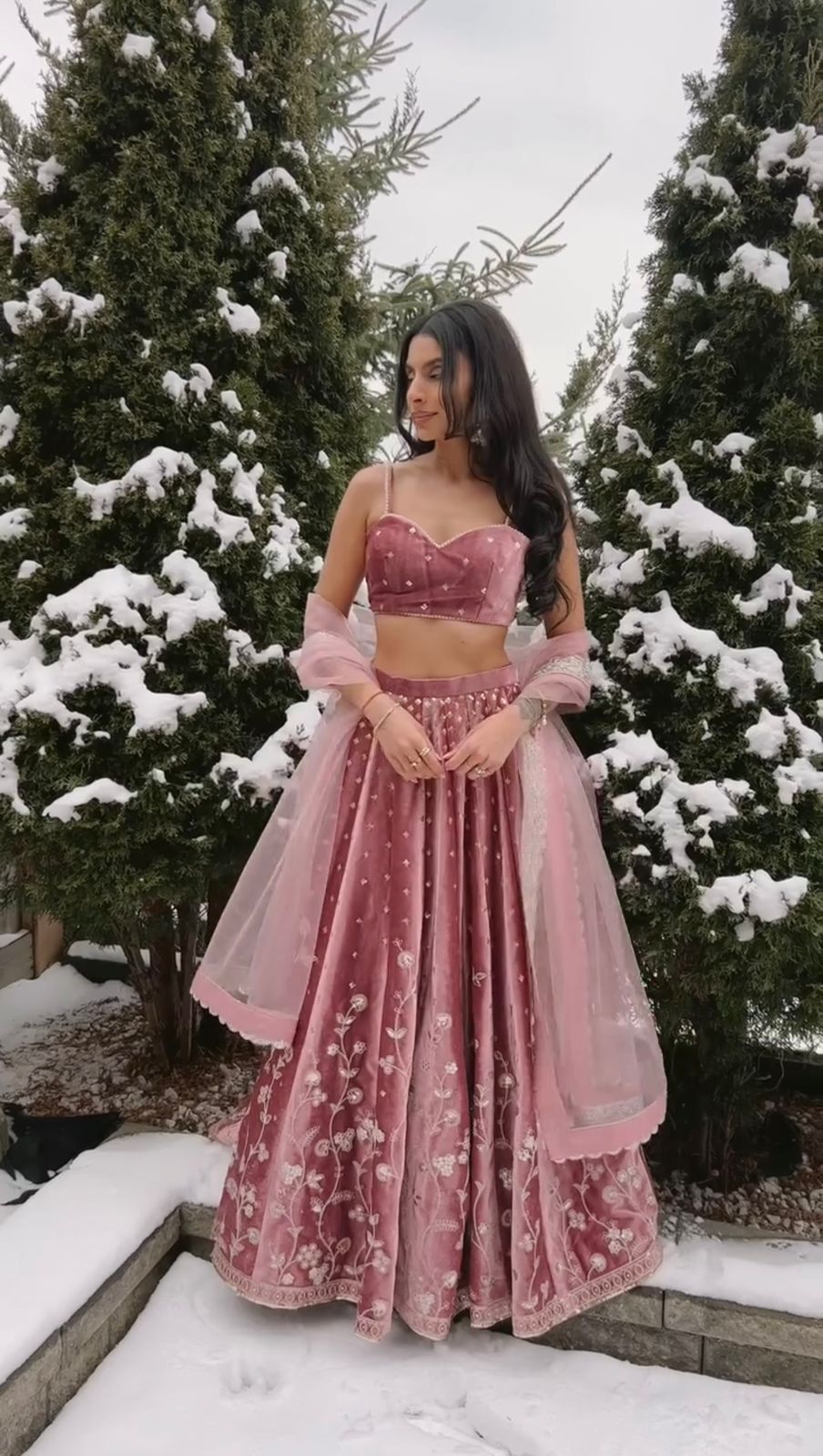
When shopping for a Ready Made Lehenga, compare the waist, hip and length measurements with a garment that already feels comfortable. When choosing from a Semi Stitched Lehengas Collection, ask how much adjustment is available at the waist and whether the final flare can be reduced. Semi-stitched garments can provide useful flexibility, but the finished comfort depends on the tailor's placement of the waistband, lining and can-can.
Tailoring can improve comfort without changing the complete design. A tailor may lower a tight waist seam, replace a scratchy lining, remove one unnecessary stiff net layer, add a modest waist extension or shorten a hem so the skirt does not catch beneath the feet. Alterations should preserve the balance of the flare; removing too much volume from one area can distort the fall.
Try the complete outfit with the dupatta, footwear and blouse at least once before the event. A dupatta pinned too tightly can restrict shoulder movement, while high heels change the position of the hem and may make sitting and standing less stable. A comfortable lehenga should allow the wearer to sit, rise, adjust the dupatta and walk a short distance without repeated pulling.
For most seated ceremonies, georgette or butter silk is the low-risk choice, soft butterfly net is a good option for airy festive volume, and organza or heavy silk should be selected only after testing the complete construction. Comfort does not require giving up embroidery or occasion detail; it requires matching fabric flexibility, lining, waistband ease and layer count to the actual schedule.
Common Questions About Comfortable Lehenga Fabrics for Seated Ceremonies
Which lehenga fabric is most comfortable for sitting during a wedding ceremony?
Georgette and butter silk are usually the most comfortable because both fabrics fold more easily than rigid brocade or heavily reinforced skirts. A soft butterfly net lehenga can also work well when the lining is smooth and the embroidery is not abrasive.
Is organza comfortable for a long seated ceremony?
Organza can be comfortable when the skirt has limited layers, a flexible waistband and a soft lining. Heavy can-can, dense embroidery and stiff interlining can make organza difficult to fold while sitting.
Are readymade lehengas less comfortable than semi-stitched lehengas?
Readymade lehengas are not automatically less comfortable, but their waist and blouse measurements offer less scope for adjustment. Semi-stitched lehengas provide more flexibility when the tailor preserves enough ease at the waist and does not add excessive stiff layers.
How much can-can should a comfortable ceremony lehenga have?
A ceremony lehenga usually needs only enough can-can to support the hem and maintain the desired flare. Excessive can-can from the waist to the hem can prevent the skirt from folding over bent knees.
What should I check when buying a fully stitched choli set?
Check the finished bust, underbust, waist and hip measurements rather than relying only on standard size labels. Confirm that the blouse allows a small forward lean and that the skirt waistband does not press into the stomach when sitting.
Which lehenga fabric is suitable for a Haldi or Mehendi ceremony?
Light georgette, butter silk and moderately embellished butterfly net are practical choices for Haldi and Mehendi ceremonies because they permit movement and are usually less burdensome than heavily structured bridal skirts. The final choice should also account for lining, footwear, stain exposure and the length of the ritual.