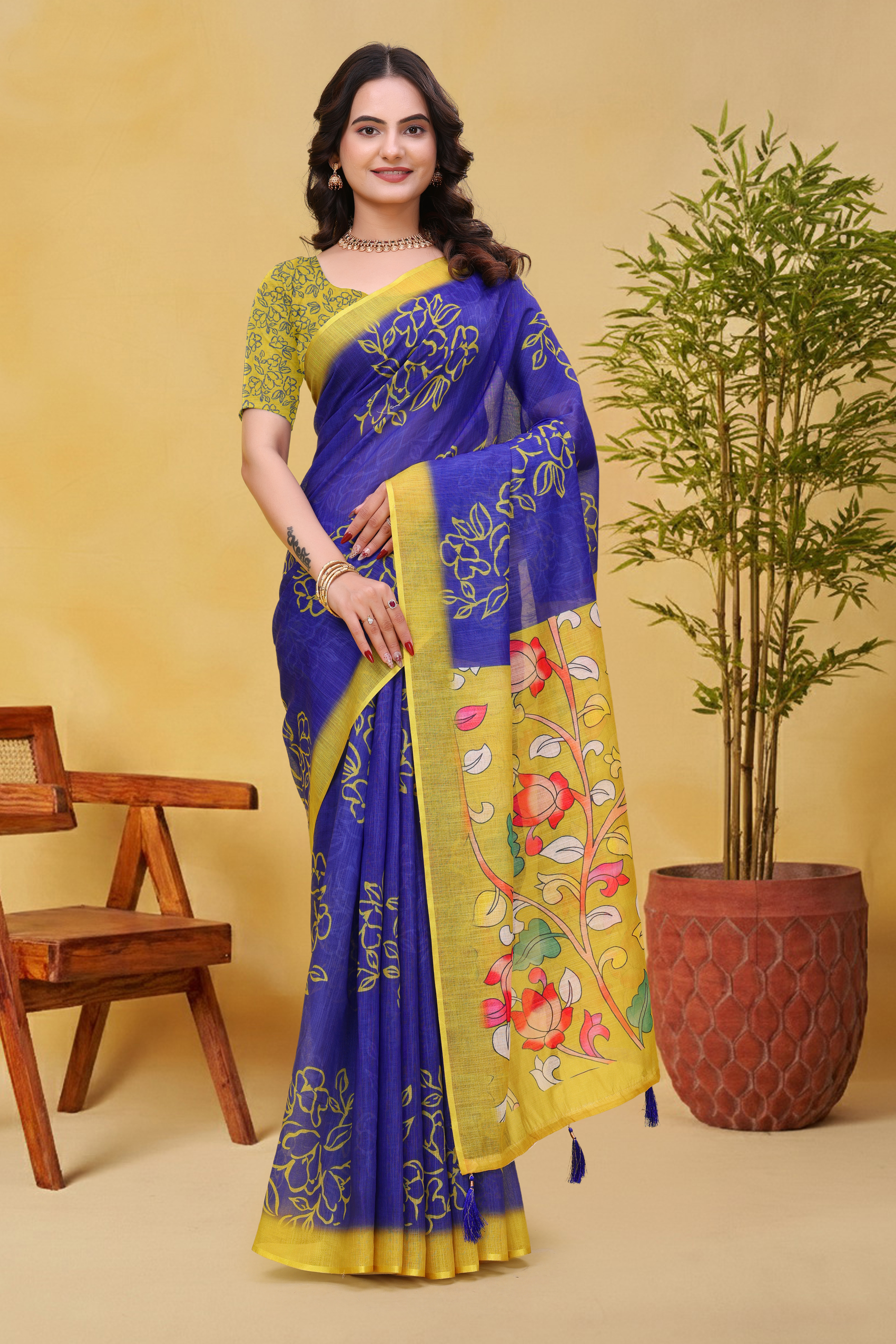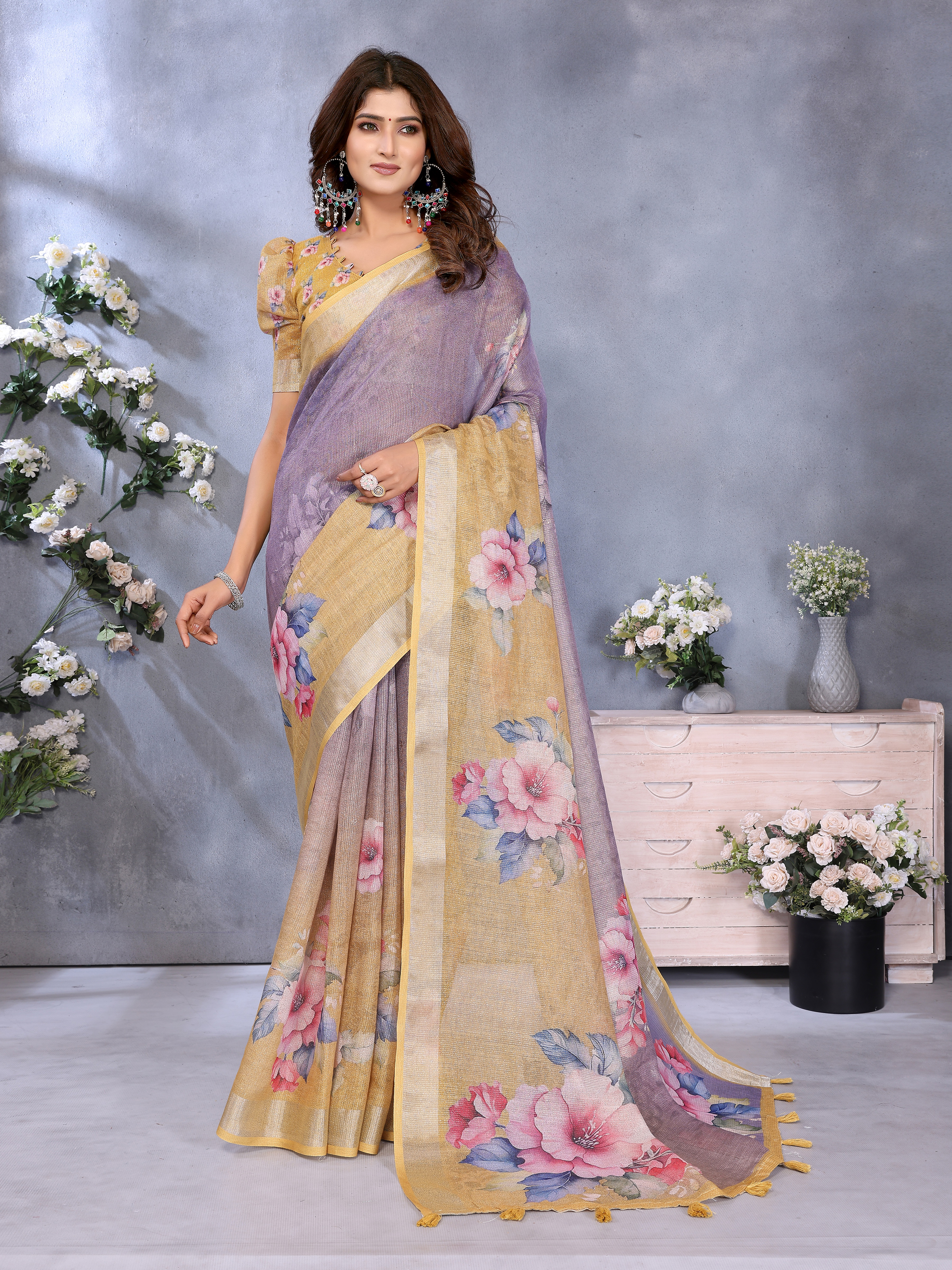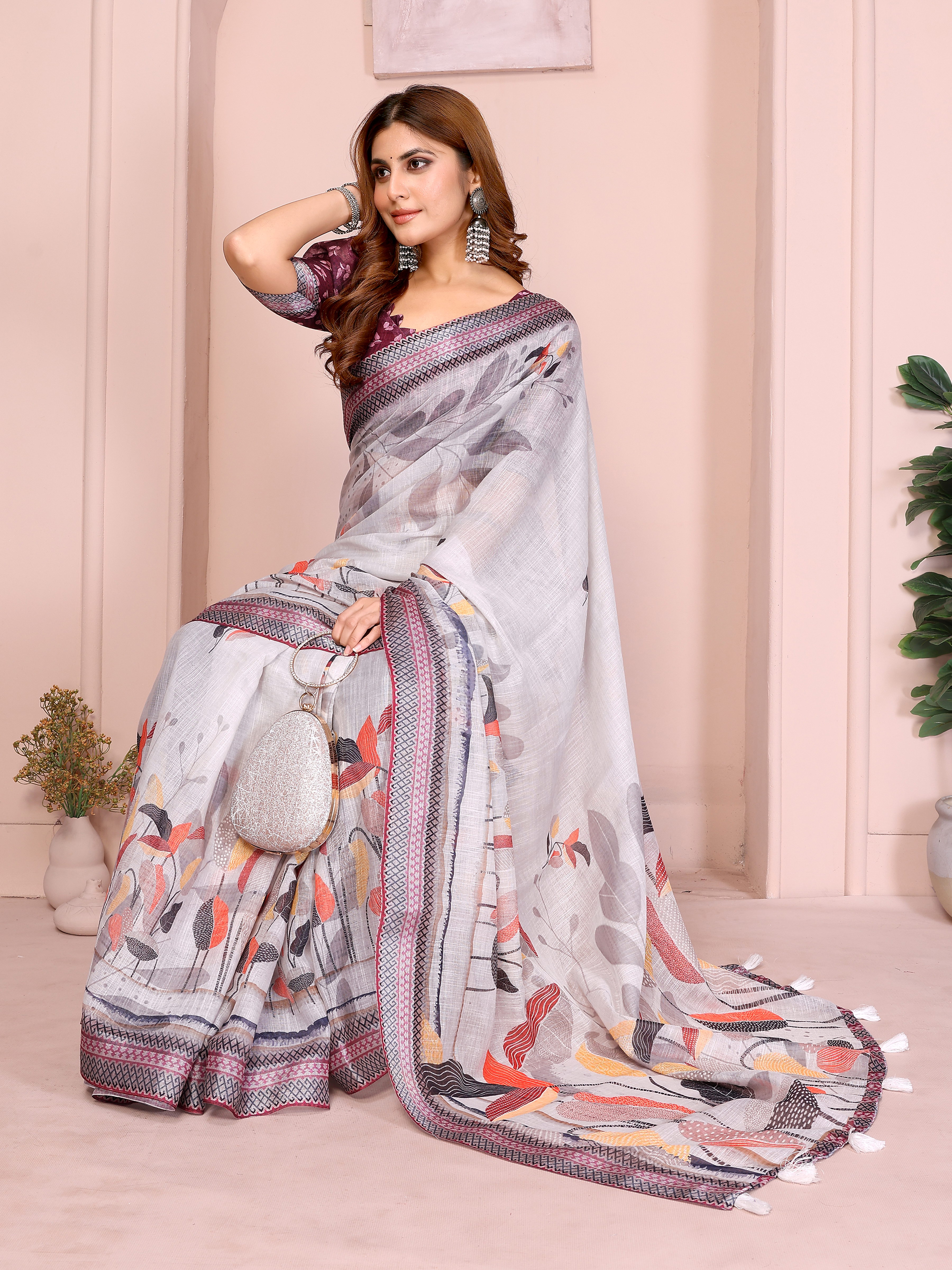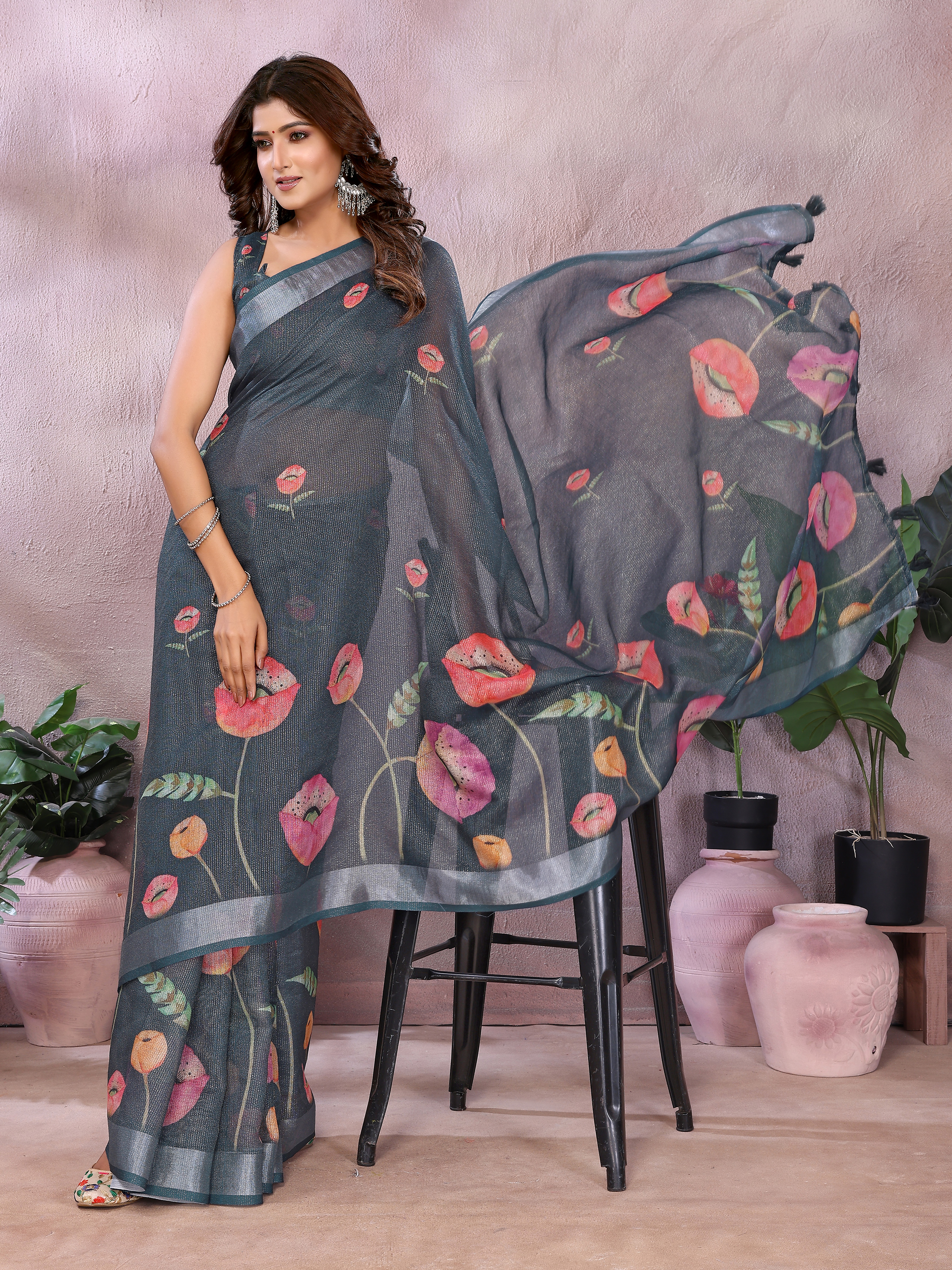
A lehenga blouse may fit perfectly on the day you buy it and still become difficult to wear a year later. Weight changes, a different bra style, a new lehenga waistband or a preference for more arm movement can all require adjustments. Lehenga blouse seams need space for future alterations, so seam allowance should be treated as part of the garment's usefulness, not as hidden leftover fabric. A careful inspection before purchase can tell you whether a blouse can be let out, taken in or reshaped without damaging its neckline and embroidery.
The most useful rule is simple: inspect the inside seams before judging the outer design. A blouse with modest decoration and generous side-seam allowance can serve you for several occasions, while a heavily embellished blouse with narrow, cut-away seams may have almost no fitting flexibility. The following guide explains what to look for in readymade, silk and cotton blouses, including practical measurements that a tailor can use.
Why Lehenga Blouse Seams Need Space for Future Alterations
Lehenga blouse seams need space for future alterations because the bust, waist and armhole are the areas most likely to need fitting changes. A tailor can usually let out a side seam when extra fabric has been left inside, but a tailor can't create fabric where the seam has been cut close to the edge.
A useful allowance for a fitted blouse is about 1 to 1.5 inches of usable fabric on each side seam, measured from the stitching line to the raw edge. That amount doesn't mean the entire blouse can automatically become three inches larger. The tailor must also consider seam strength, lining, darts, hooks, piping, embroidery and whether adjoining panels have matching motifs.
Side seams matter most because they can alter bust and waist circumference without disturbing the centre-front design. Shoulder seams can sometimes be adjusted by about 0.5 to 1 inch, although changing the shoulder also affects the neckline, sleeve position and armhole depth. Centre-front seams are rarely ideal for alterations when they carry embroidery, a decorative placket or a prominent motif.
How much allowance should a tailor leave?
A tailor should generally preserve 1 inch of seam allowance for a stable fitted blouse and up to 1.5 inches where future size changes are likely. A narrow 0.25-inch allowance may be adequate for a very close, fixed-size garment, but it gives little practical room for letting out.
Allowance is useful only when the fabric is intact and securely finished. A fraying Banarasi silk edge, a clipped seam beside a dart or a lining cut smaller than the outer fabric can prevent a safe alteration. Ask the tailor to inspect both the fashion fabric and the lining, because the lining often determines how far a blouse can actually be opened.
Where a Lehenga Blouse Can Be Altered Safely
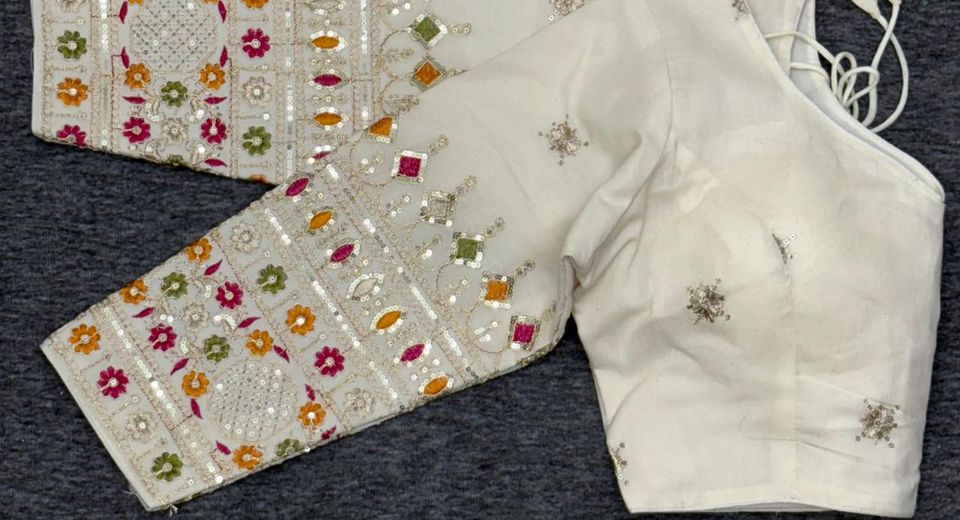
The safest alteration points are usually the side seams, waist seams and shoulder seams, provided those seams contain enough fabric and don't interrupt important surface work. Each location changes a different part of the fit, so adding fabric at the wrong seam can solve one problem while creating another.
- Side seams: Side seams can increase or reduce bust and waist measurements. They are usually the first place a tailor checks on a readymade blouse.
- Shoulder seams: Shoulder seams can correct a loose or tight shoulder, but the neckline and armhole may need reshaping afterwards.
- Waist seams: Waist seams can improve the lower fit of a long blouse, especially when the lehenga blouse has a separate peplum or waistband panel.
- Dart seams: Darts can be moved or released slightly, but a large change may alter the bust shape and cause unwanted fullness.
- Back seams: A centre-back seam can sometimes be adjusted if it has a concealed hook panel, but exposed embroidery or a zipper can limit the available space.
Armholes require particular caution. Lowering an armhole may seem like an easy way to create comfort, but a deeper armhole can expose the bra band, reduce support and cause the blouse to gape when the arm is raised. A tailor should first check whether the problem comes from a tight side seam, a narrow sleeve or an incorrect shoulder slope.
Neckline alterations are also more complicated than they appear. Raising a neckline is often easier than lowering one, especially when zari, beads, appliqué or a border sits along the edge. A designer saree blouse with a fixed embroidered neckline may need visible reworking if the original opening is changed substantially.
How Readymade Blouse Sizing Affects Future Fittings
Readymade blouse sizing is normally based on a standard body block, so the labelled size may not match every wearer's bust, waist, shoulder and armhole proportions. Measuring your body and the garment separately gives a more accurate picture than choosing only by S, M, L or XL.
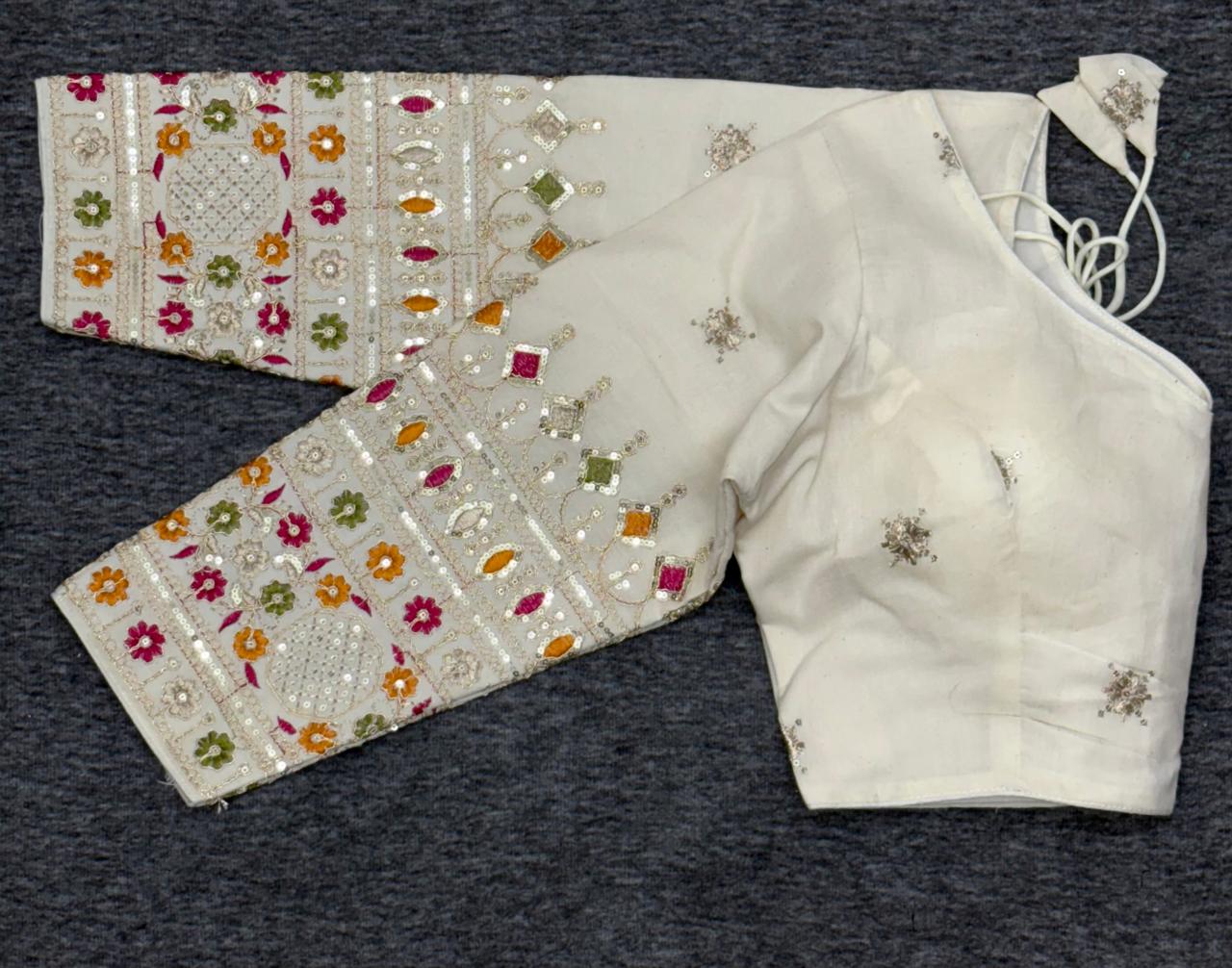
Measure the fullest part of the bust while wearing the bra you plan to use with the blouse. Measure the underbust, natural waist, shoulder width, armhole circumference and preferred blouse length as well. Compare those measurements with the seller's size chart, then inspect the inside seam if photographs or an in-person view are available.
A blouse that's slightly loose at the side seam is generally easier to tailor than one that's already tight and has no allowance. However, excessive looseness can mean that the bust apex, darts or neckline are positioned incorrectly. Altering the side seam can't always correct a bust dart that sits several centimetres above or below the fullest point.
Try on a readymade blouse with the same undergarment and lehenga waistband height you intend to wear. A blouse can feel comfortable with jeans and become too short when paired with a high-waisted lehenga. Raise both arms, sit down, bend forward slightly and check whether the hooks pull apart. These movements reveal fitting problems that a mirror-only trial often misses.
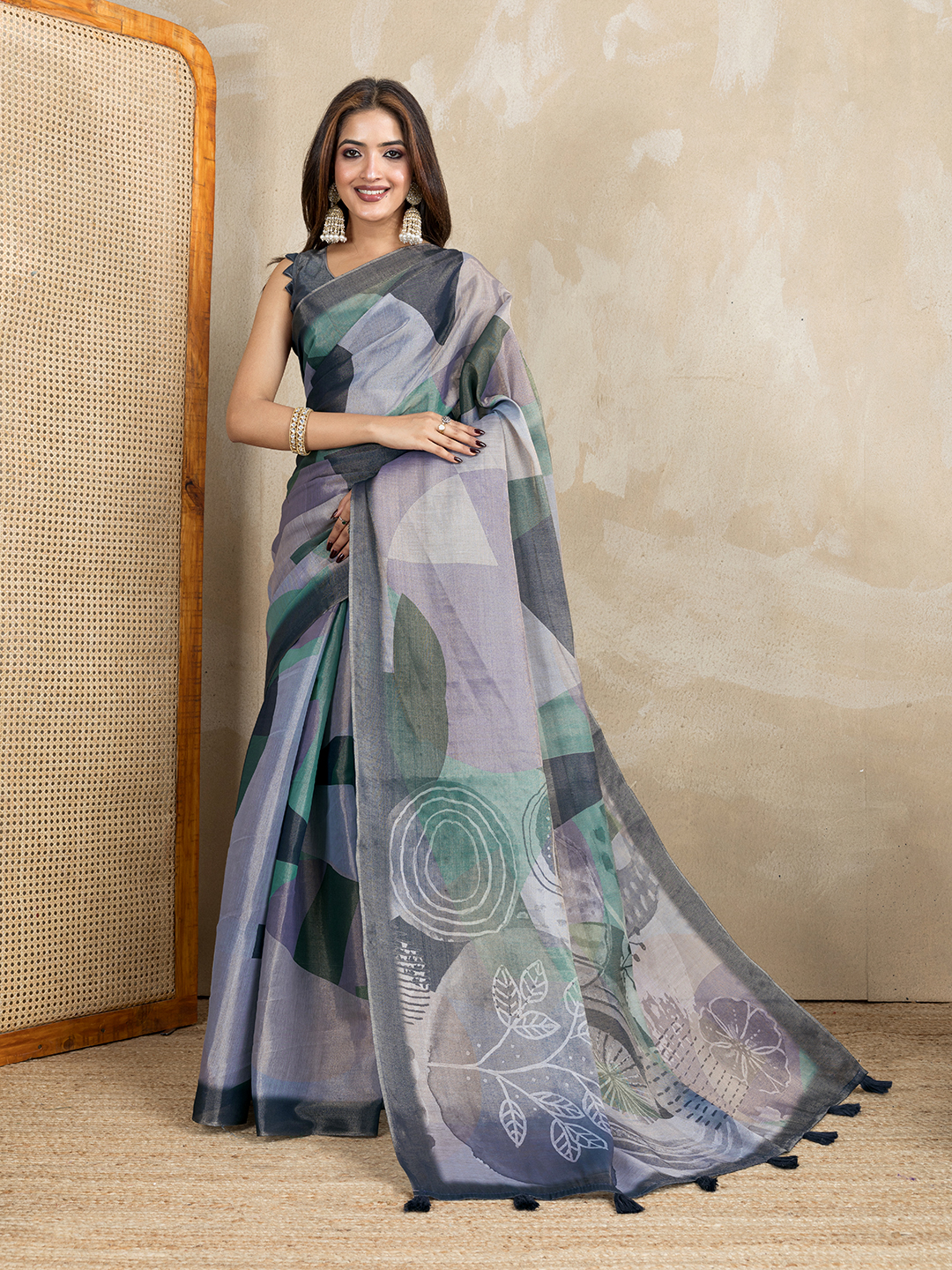
The Classic Festive Wear Blouse for Stylish Saree Look illustrates why a versatile blouse should be assessed beyond its front appearance. A straightforward festive silhouette may work with a saree or lehenga, but its usefulness depends on shoulder width, closure placement and the amount of fabric inside the side seams.
Which Fabrics Tolerate Blouse Alterations Best?
Medium-weight cotton and stable silk blends generally tolerate small blouse alterations better than fragile, heavily embellished or loosely woven fabrics. The best choice depends on the alteration needed, because fabric strength, weave stability and seam slippage all affect the final result.
Silk and zari blouses
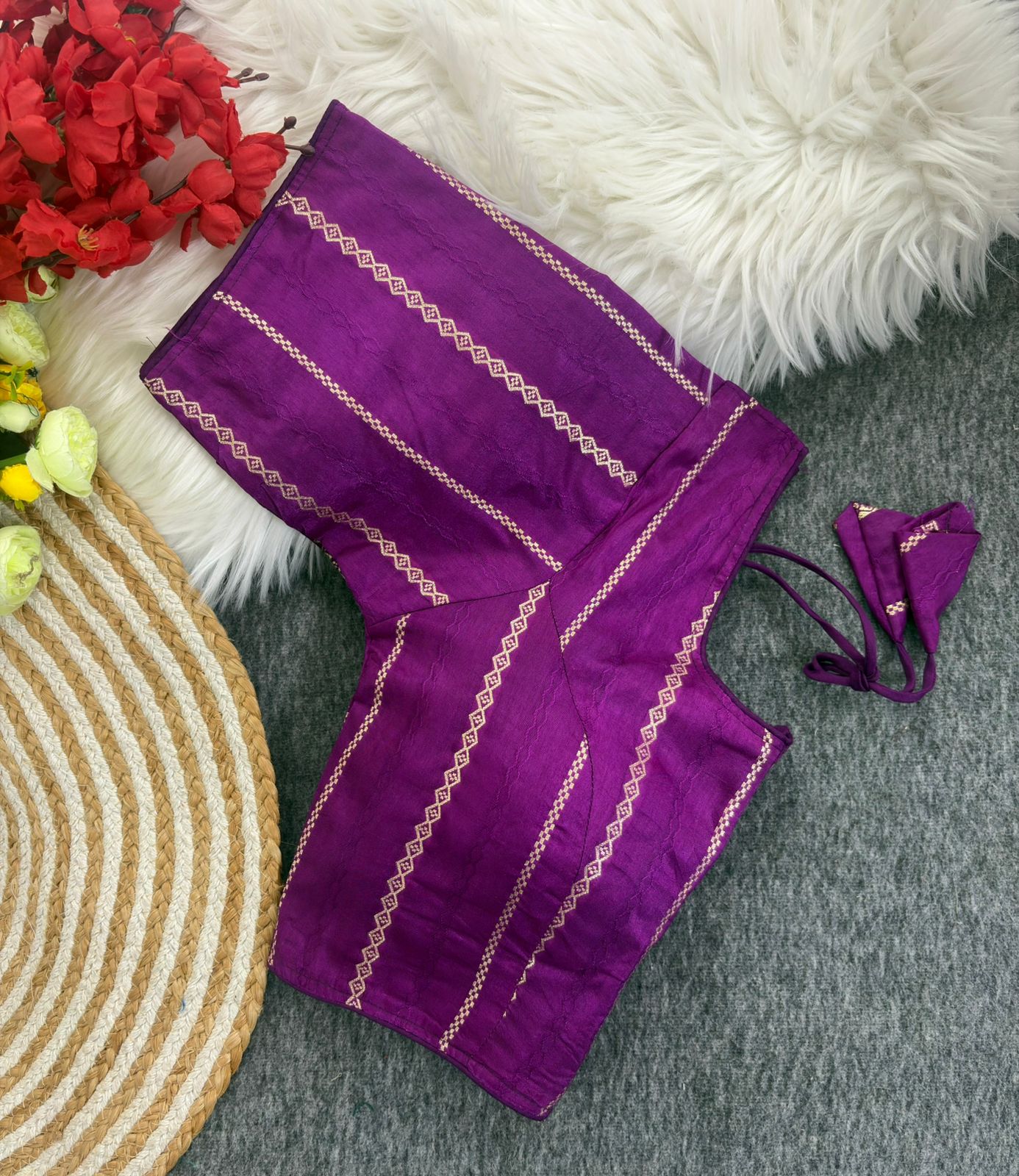
Silk blouses can be altered successfully when the weave is dense and the old stitch line has not left permanent needle marks. Banarasi silk may show crease lines after a seam is opened, while zari can snag if a tailor unpicks stitches carelessly. A professional should remove the old thread slowly, press the area from the reverse side and test a new stitch on a concealed section.
The Banarasi Silk Golden Jari Padded Blouse for Women needs special attention around the padded bust and zari surface. A small side-seam adjustment may be practical, but changing the bust shape or shoulder can require repositioning the padding, lining and decorative work. Do not assume that a padded blouse can be enlarged simply because the outer silk appears loose.
Silk is also sensitive to heat and moisture. A tailor should avoid pressing directly on zari and should use a pressing cloth and moderate temperature. Aggressive pressing can flatten texture, create shine or distort metallic thread.
Cotton blouses
Cotton is often forgiving for everyday alterations because it's stable, breathable and easier to stitch repeatedly. Cotton may still shrink if it has not been prewashed, so a tailor should wash or steam-test the fabric before making a major adjustment.
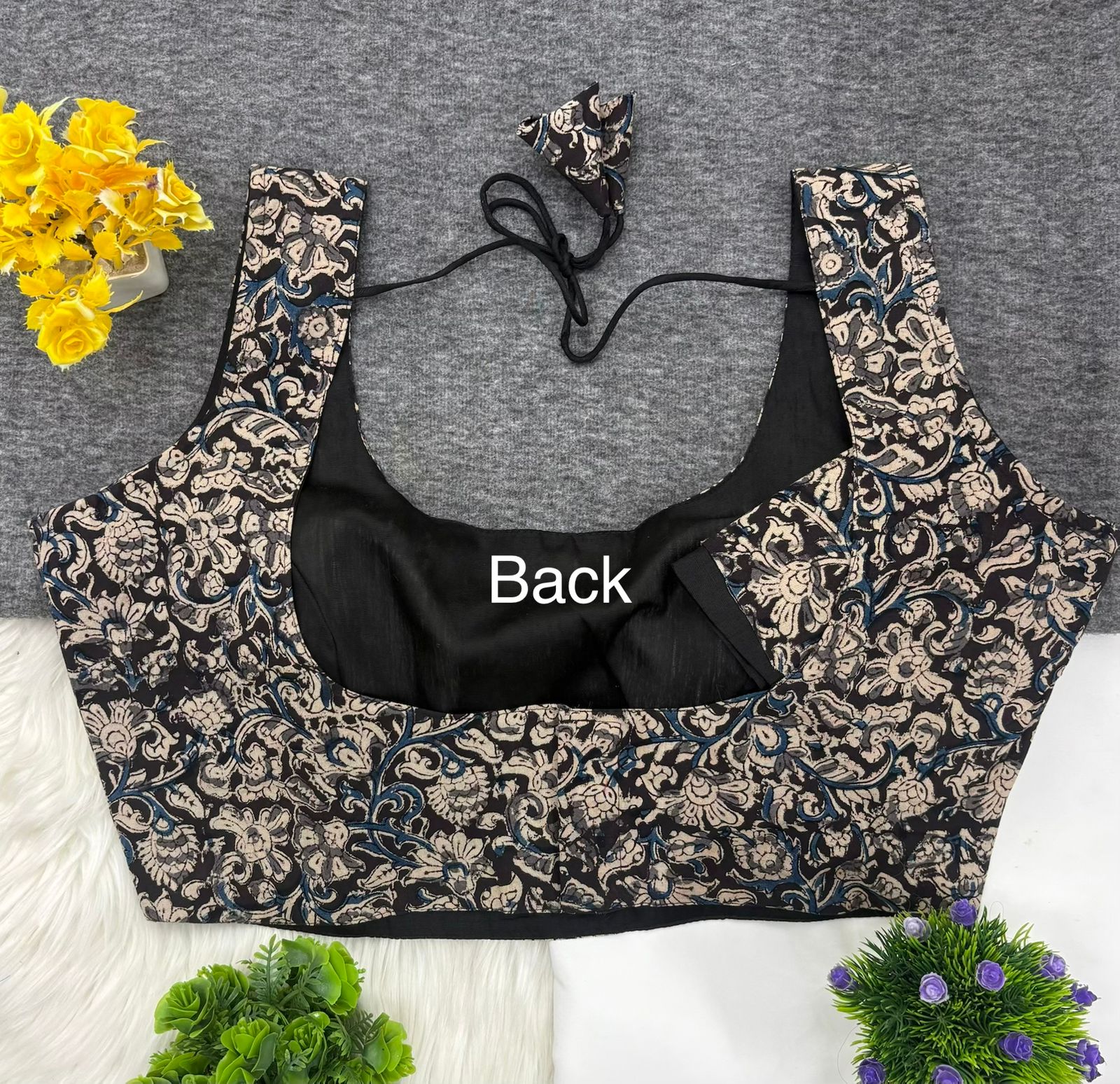
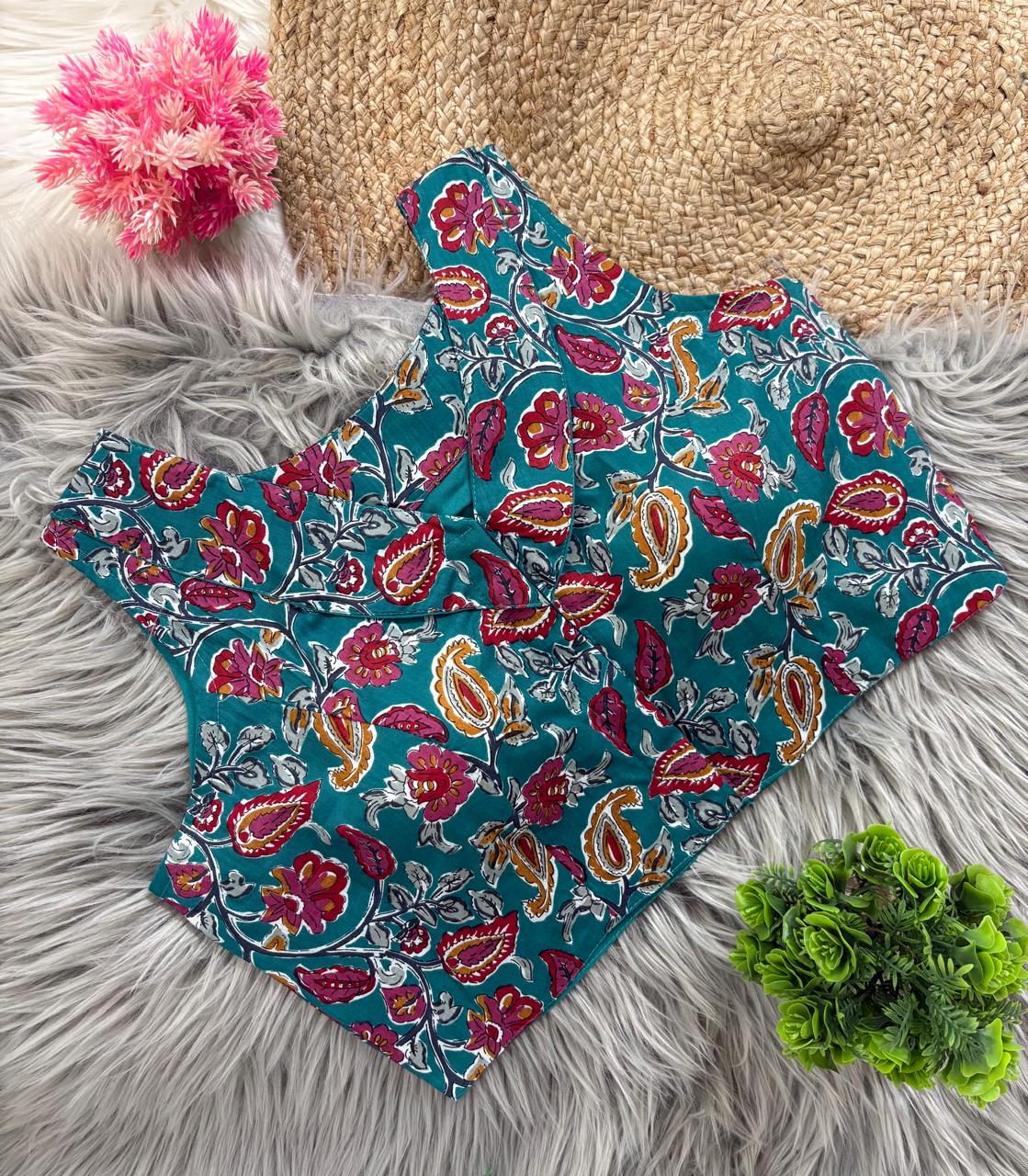
The Pure Kalamkari Cotton Padded Blouse for Women combines a printed cotton surface with structure from padding and lining. Printed fabric can hide a tiny stitch line better than plain silk, but pattern placement may make a moved seam noticeable. A tailor should preserve the continuity of Kalamkari-style motifs wherever possible.
The Kalamkari Cotton V Neck Collar Blouse for Women demonstrates another fitting consideration: a collar and V-neck establish a fixed relationship between the shoulder, neckline and bust. Taking in the side seam is usually less disruptive than changing the collar edge. Enlarging the neckline may require replacing or rebuilding the collar.
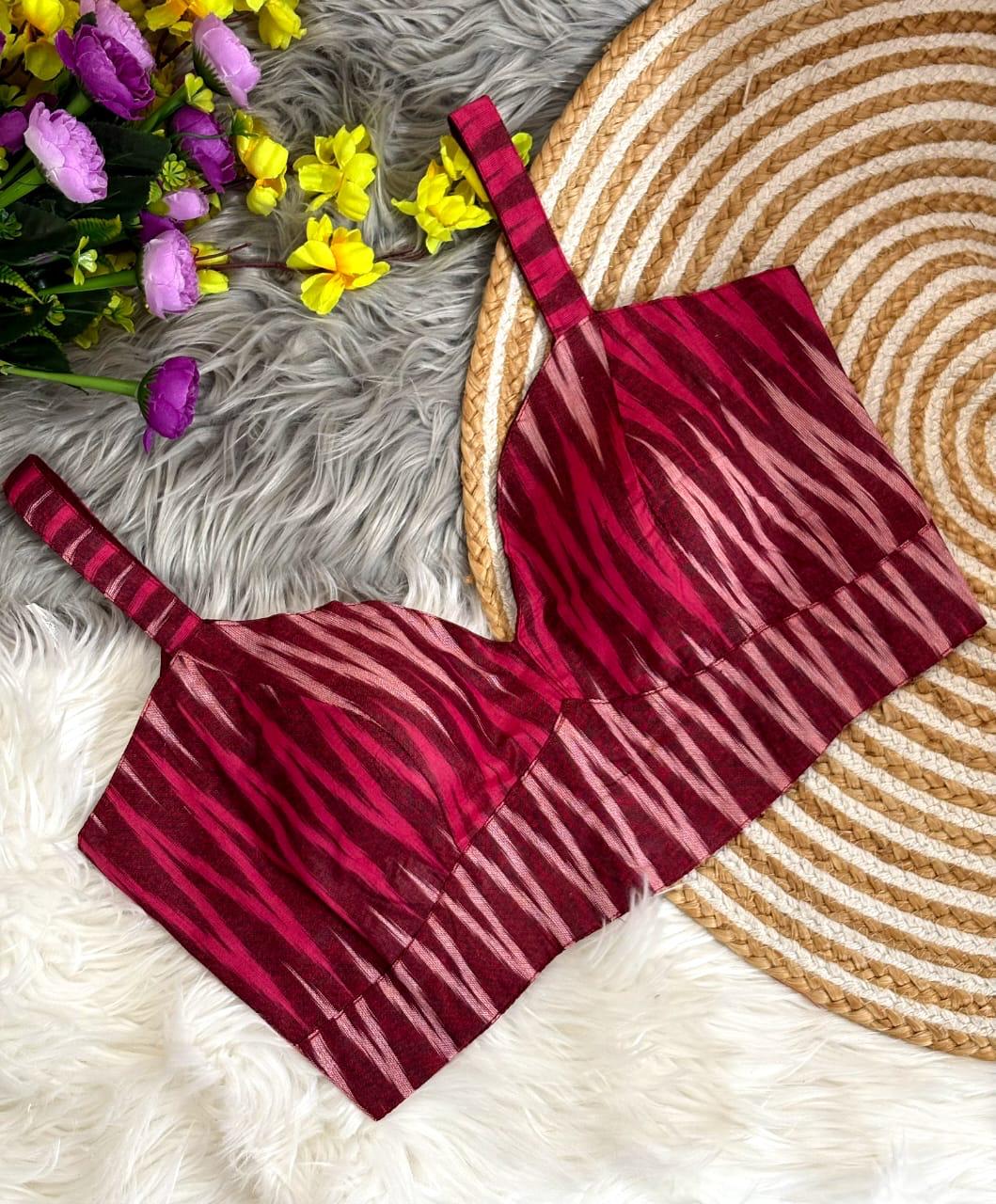
The Ikkat Cotton Padded Blouse for Women may have a geometric weave that makes seam matching important. Ikkat patterns can look misaligned when a side seam is moved, even if the measurement is corrected. Photograph the original seam placement before alteration so the tailor can reproduce the intended alignment.
How to Inspect a Blouse Before Buying It
Inspect the inside of a blouse before buying it by checking seam width, lining attachment, closure strength and the direction of the grain. These four checks reveal more about future fit than surface decoration alone.
- Turn out the side seam: Look for at least 1 inch between the stitching line and the cut edge when future size changes are a priority.
- Check the lining: Confirm that the lining has comparable allowance. A generous outer layer can't help if the lining is cut tightly.
- Examine seam finishes: Overlocked, bound or neatly folded edges are less likely to unravel during a later alteration.
- Test closures: Hooks, eyes and zippers should lie flat without pulling. A closure under strain may indicate that the blouse is already too small.
- Look for cut edges: Decorative borders, piping and embroidery should not be cut so close to the seam that opening the seam would destroy them.
- Check the grain: A twisted side seam can cause pulling even when the bust measurement seems correct.
Also inspect whether the blouse has been altered previously. Multiple needle holes, a faded crease or a pressed line may show that the garment has already been taken in. A previous alteration can leave less usable fabric than the current seam width suggests.
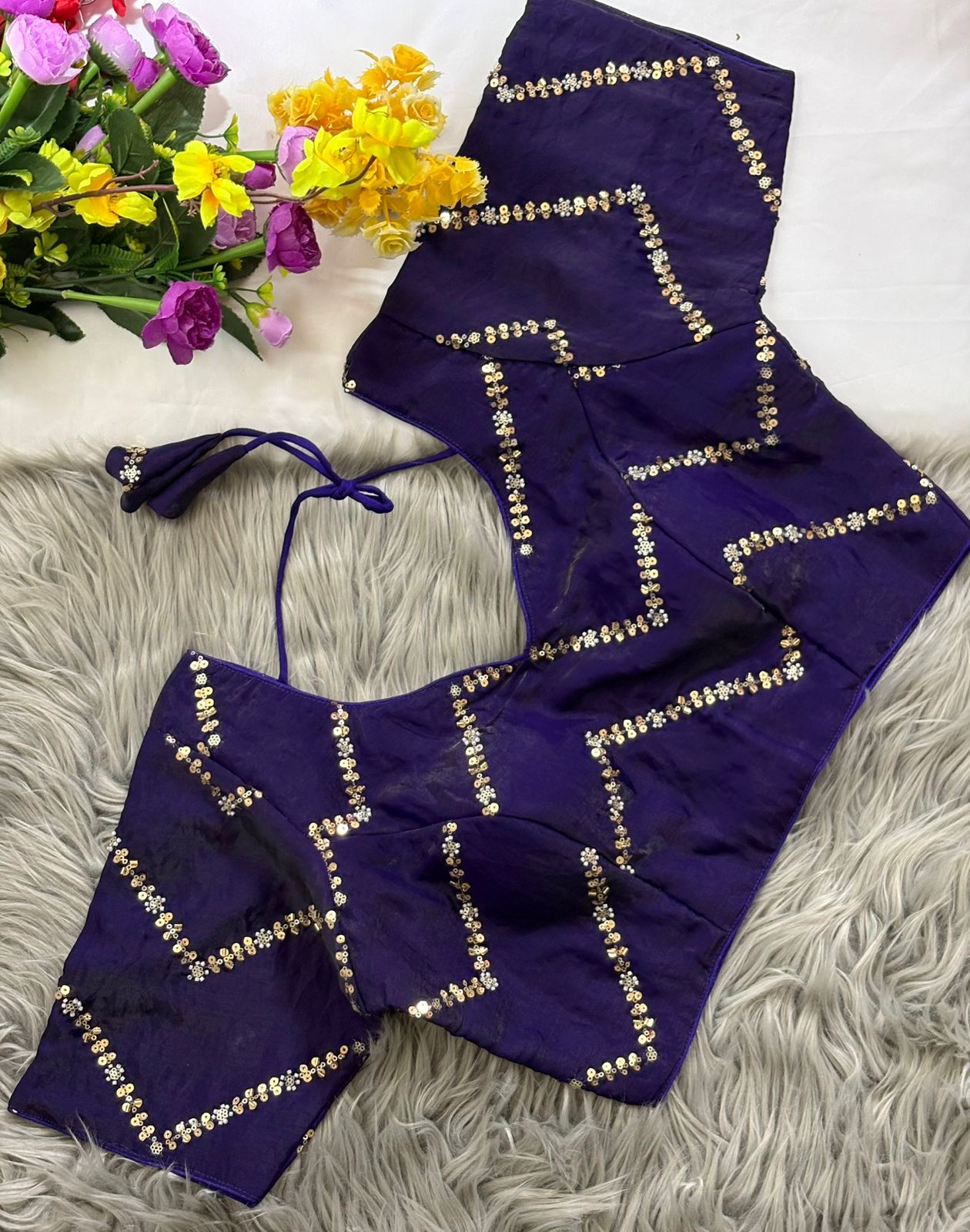
The Fendy Silk Zigzag Moti Work Readymade Blouse deserves a close look around its moti work before any tailoring begins. Beaded or decorative areas can restrict where a seam may be opened, and removing nearby stitches may loosen embellishment. A tailor should mark the alteration line from the inside and secure loose motifs before unpicking.
How to Plan Alterations for Weddings and Festivals
Plan a major blouse alteration at least 10 to 14 days before a wedding or festival, allowing time for a first fitting, correction and final pressing. Last-minute tailoring is risky when the blouse includes padding, zari, lining or hand-applied decoration.
Bring the lehenga, dupatta, intended bra and footwear to the fitting. The blouse length and waist position can look different when the lehenga is worn at the natural waist instead of below the navel. The dupatta drape may also determine whether a shoulder seam, sleeve cap or back closure causes discomfort.
Ask the tailor to baste the proposed change before permanent stitching. A temporary stitch lets you test sitting, lifting both arms, holding a phone and dancing for a few minutes. These movements are particularly valuable for a Haldi ceremony, sangeet or reception where the blouse must remain secure during extended wear.
Keep the original seam allowance after alteration whenever possible. Do not allow a tailor to trim away extra fabric immediately after achieving the current fit. Pressed and finished allowance can remain inside the blouse as insurance for a later fitting, provided the fabric isn't bulky or visible.
A blouse should not be altered solely to match a trend if the change compromises support or seam strength. A deeper neckline, narrower shoulder or tighter waist may look striking in a photograph but become uncomfortable after several hours. A durable fit should accommodate normal movement while keeping hooks, lining and decorative surfaces stable.
What to Ask Before Ordering a Readymade Blouse
Ask about the garment's finished measurements, closure type, lining, padding and alteration limitations before ordering a readymade blouse. These details help you distinguish a genuinely adjustable garment from one that only appears flexible.
- Are the bust and waist measurements taken from the garment or from the suggested body size?
- Does the size chart include the blouse length, shoulder width and armhole circumference?
- Are the side seams wide enough for a small let-out or take-in?
- Is the padding removable, stitched in or integrated with the lining?
- Can the hooks or zipper be moved if the bust needs adjustment?
- Will opening a seam disturb zari, beads, piping or a printed border?
The Classic Festive Wear Blouse for Stylish Saree Look, Banarasi Silk Golden Jari Padded Blouse for Women, Pure Kalamkari Cotton Padded Blouse for Women, Kalamkari Cotton V Neck Collar Blouse for Women, Ikkat Cotton Padded Blouse for Women and Fendy Silk Zigzag Moti Work Readymade Blouse represent different construction decisions. Comparing cotton with silk, padded with unpadded construction and plain seams with decorative work helps you choose according to future use rather than appearance alone.
A good purchase leaves room for the person you may be after the next celebration. Check the seams, lining and closure before checking only the neckline or embroidery. That small inspection can determine whether a lehenga blouse remains wearable through changing measurements, new styling preferences and many future occasions.
Common Questions About Lehenga Blouse Alterations
How much seam allowance should a lehenga blouse have for future alterations?
A fitted lehenga blouse should ideally retain about 1 to 1.5 inches of usable fabric at each side seam. The lining should have similar allowance, because a generous outer layer cannot compensate for a tightly cut lining.
Can a readymade lehenga blouse be made bigger?
A readymade lehenga blouse can be made slightly bigger when its side seams, lining and closures contain enough extra fabric. A tailor should inspect the bust padding, darts, embroidery and seam condition before promising an increase.
Which blouse fabric is easiest to alter: silk or cotton?
Stable cotton is generally easier to alter than silk because cotton is less likely to show needle marks or zari damage. Banarasi silk and embellished silk can still be adjusted, but they require slower unpicking, careful pressing and a skilled tailor.
Can a blouse be altered after padding has been added?
A padded blouse can be altered, but changes around the bust may require moving or reshaping the padding and lining. Side-seam adjustments are usually less disruptive than changing the neckline, shoulder or bust dart.
Is it better to buy a slightly loose or slightly tight blouse?
A slightly loose blouse with usable seam allowance is usually easier to tailor than a tight blouse with narrow seams. The blouse should still have correctly positioned darts, a stable neckline and a closure that does not gape.
How early should a blouse be altered before a wedding?
Schedule the first fitting 10 to 14 days before a wedding, and allow extra time for silk, zari, padding or beadwork. Bring the lehenga, bra, dupatta and footwear so the tailor can check the complete outfit rather than the blouse alone.